Category: Health

  • Aging and the Impact of Hearing Loss

    By age 75, approximately fifty percent of us will have a significant degree of correctable hearing loss. Fortunately, most hearing loss can be treated and is correctable. New technology enables us to hear and understand at or near normal levels. It is always a good idea not to procrastinate and seek professional help sooner rather than later.

    Effects of untreated hearing loss

    Hearing loss isn’t just an ear issue. Untreated hearing loss can have serious and wide-ranging consequences for both you and those around you:

    • Increased mental fatigue/stress
    • Poorer memory
    • Difficulty focusing
    • Poorer mental health
    • Social withdrawal
    • Depression

    If you or a loved one are not hearing as well as you once did, help is available. Modern technology can correct hearing loss as well as improve your hearing. Don’t let hearing loss rob you of the enjoyment of your golden years. Join the thousands of people who have overcome hearing loss and increased their quality of life by seeking professional help.

    You will be glad you did.

    ———————–

    OHANA HEARING CARE
    1296 S Beretania St #102 Honolulu, HI 96814
    808-593-2137 | www.ohanahearingcare.com


    By age 75, approximately fifty percent of us will have a significant degree of correctable hearing loss. Fortunately, most hearing loss can be treated and is correctable. New technology enables us to hear and understand at or near normal levels. It is always a good idea not to procrastinate and seek professional help sooner rather…

  • A Pain-Free New Year

    With a new year comes new goals to better ourselves. Whether you have been exercising for years or are just starting out, be especially careful to avoid injury. Loss of flexibility and of bone and muscle mass increases the risk of injury and slows down recovery.

             Consult with a professional — Do not start a program without first checking with your doctor or your physical therapist. Your PT will provide expert assessment and personalized recommendations for your health and fitness. They will ensure your workout program accommodates your physical capabilities and any pre-existing conditions you might have.

             Warm up / cool down — Cold muscles are prone to injury so add a few minutes of light exercise and stretches to improve blood flow and reduce stiffness. Slowly increasing / decreasing your heart rate also minimizes stress on your heart.

             Know your limitations — Never work out to the point of pain. Exercising through pain can actually prolong healing. Listen to your body, slow it down, or consult with a PT on how to proceed carefully and safely.

             Vary your workout — Alternating programs, such as swimming or dancing, work different muscle groups, prevent boredom, and give your body a chance to recover between sessions.

    ———————-

    MOON PHYSICAL THERAPY, LLC
    320 Ward Ave., Ste. 107, Honolulu HI 96814 95-1057 Ainamakua Dr. F-11, Mililani HI 96789
    808-597-1005 | www.moonpt.com

    With a new year comes new goals to better ourselves. Whether you have been exercising for years or are just starting out, be especially careful to avoid injury. Loss of flexibility and of bone and muscle mass increases the risk of injury and slows down recovery.

  • Understanding the Two Types of Pain

    There are two main classifications of pain: the common type that arises from damaged tissue (nociceptive pain), and the more exotic kind that comes from damage to the system that reports and interprets damage, the nervous system (neuropathic pain).

    NOCICEPTIVE PAIN

    Tissue damage caused by injury to bone, soft tissue,  or organs. This can be caused by cancer or physi-cal injury such as a cut or a broken bone. The pain may be an ache, a sharp stabbing, or a throbbing. It could come and go, or it could be constant. You may feel the pain worsen when you move or laugh. Sometimes, breathing deeply can intensify it.

    NEUROPATHIC PAIN

    Nerves function like electric cables transmitting signals to and from the brain. Nerve damage can interfere with the way those signals are transmitted, causing abnormal pain signals, such as burning, prickling, electrical shock, tingling or a stabbing sensation. Hypersensitivity to temperature or touch may also indicate nerve damage.

    Understanding the two types of pain will help you understand the solutions your physician or pain specialist suggest for easing it.

    ————————

    NOVEL MEDICAL SOLUTIONS
    support@novelmedicalsolutions.com
    808-528-1111 | www.novelmedicalsolutions.com

    There are two main classifications of pain: the common type that arises from damaged tissue, and the more exotic kind that comes from damage to the system that reports and interprets damage, the nervous system. Understanding the two types of pain will help you understand the solutions your physician or pain specialist suggest for easing…

  • Know Stroke Warnings and Call 911

    Stroke remains Hawai‘i’s third leading cause of death and a leading cause of major disability. However, 80 percent of strokes are preventable. And those that do occur, in many cases, are treatable if symptoms are quickly recognized and treatment is quickly sought.

    Hawai‘i Emergency Medical Services (EMS) data shows, however, that almost 50 percent of Hawai‘i stroke patients aren’t being delivered to hospitals by EMS ambulances. That can result in treatment delays upon hospital arrival or, in some cases, patients arriving at a hospital that is not prepared to immediately provide treatment. In addition, approximately 70 percent of Hawai‘i stroke patients arrive at a hospital at least 24 hours after first stroke symptoms, outside of the treatment times for therapies that can be used to minimize, and sometimes reverse, stroke effects.

    “Stroke patients have the best chance of recovery when 9-1-1 is called immediately,” says Kazuma Nakagawa, M.D., neurologist and American Heart Association (AHA) Hawaii Division Board member.  “For every minute of treatment delay, almost two million brain cells are permanently lost and the risk of permanent disability or death increases. Hawai‘i’s EMS paramedics are trained to diagnose the type of stroke and begin treatment en route to the hospital. They can also alert hospital stroke teams in advance so that treatment can begin immediately upon arrival. Recognizing stroke signs and taking immediate action can mean the difference between a patient walking out of a hospital or being wheeled out.”

    The AHA developed the acronym F-A-S-T to help the public recognize stroke signs and quickly call 9-1-1. “F” stands for face drooping, especially on one side. “A” stands for arm weakness or numbness. “S” stands for speech difficulty or slurring. And “T” stands for time to call 9-1-1.

    Stroke, in most cases, is preventable through simple lifestyle changes. They include controlling blood pressure, blood sugar and cholesterol levels, maintaining a healthy weight, exercising, improving diet, and not smoking. To learn more about how you can prevent your risk for stroke, go to www.StrokeAssociation.org, or call the AHA Hawaii Division office in Honolulu at the number below.

    Follow us on Facebook or Instagram or visit our website to see what’s happening locally.

    ————————-

    AMERICAN HEART ASSOCIATION HAWAII DIVISION
    677 Ala Moana Blvd, Suite 600, Honolulu HI 96813
    808-377-6630  |  www.heart.org/Hawaii
    Facebook & Instagram: HeartHawaii

    Stroke remains Hawai‘i’s third leading cause of death and a leading cause of major disability. However, 80 percent of strokes are preventable. And those that do occur, in many cases, are treatable if symptoms are quickly recognized and treatment is quickly sought. Hawai‘i EMS data shows, however, that almost 50 percent of Hawai‘i stroke patients…

  • Which Shoe is Right for You?

    Appropriate footwear is key to preventing injuries. So, knowing your foot type is crucial when choosing walking or running shoes. To find your best shoe type, stand in front of a mirror in bare feet and shift your weight, observing your inner arch.

    Flat Foot: A low or no arch, causing you to overpronate (excessive inward foot rolling). Choose a motion controlled shoe with maximum arch support and minimal cushioning.

    Neutral Arch: An even amount of contact of the outer and inner half of the foot. Look for a stability shoe, which provides minimal to moderate arch support and cushioning.

    High Arch: Only the outer edge of your foot contacts the floor. Your tendency to go into extreme supination (excessive outward rolling) makes a good cushioned shoe with soft mid-sole the best choice.


    MOON PHYSICAL THERAPY, LLC

    320 Ward Ave., Ste. 107, Honolulu
    95-1057 Ainamakua Dr. F-11, Mililani
    808-597-1005 | www.moonpt.com

    Appropriate footwear is key to preventing injuries. So, knowing your foot type is crucial when choosing walking or running shoes. To find your best shoe type, stand in front of a mirror in bare feet and shift your weight, observing your inner arch.

  • PAIN: Talk Like a Doc

    When speaking with your doctor about pain, be ready to answer a few important questions. To make the best of your visit, and have time for your own questions, note down the following:

    • Where is your pain? This is easiest to answer but don’t forget to tell your doctor if the pain moves to other areas.
    • Describe your pain. Is it sharp, dull, aching, burning, stabbing, throbbing or heaviness?
    • How long have you had the pain? Is it acute (<3 months) or chronic (>3 months)?
    • How bad is the pain? Doctors will usually ask on a scale from 0-10. This helps both quantify and track your pain over time. Do your best to judge this appropriately: 1 is a paper cut and 10 is “please shoot me now.”
    • What makes the pain better or worse? Include the time of day, sleep, activity, body position, medicines you are taking, stress or
      even meals.
    • Previous treatments? Make a list of medications with dosages and how long you used that medicine. List of therapies (physical therapy, chiropractor, steroid injections etc.) with number of visits, if they helped or not and for how long.

    TIP: Writing down at the end of each day when a pain occurred or how a therapy worked is the most accurate way to share with your doctor. Go prepared!


    NOVEL MEDICAL SOLUTIONS
    support@novelmedicalsolutions.com
    808-528-1111 | www.novelmedicalsolutions.com

    When speaking with your doctor about pain, be ready to answer a few important questions. To make the best of your visit, and have time for your own questions, note down the following…

  • The Fascial Self-care Revolution

    Fascia is the collagenous soft connective tissue that binds all of your body’s other structures. Defined as the largest organ system of the body in 2012 by the Federative Committee on Anatomic Terminology, it is now the most studied tissue in human movement science. Here is what current research is learning about this amazing tissue that, like the mesh on a garden hose, needs to withstand pressure from the inside  (by exerting pressure itself) and also stay flexible.

    The fascia:

    • holds four gallons of water in the average person
    • can exert up to 2000 pounds of tensile pressure per square inch on pain-sensitive structures — the equivalent of being 4613 feet under water
    • is the root cause of neuropathy (numbness of an unknown nature)
    • does not appear on X-rays, MRIs or CT scans. This might explain why you have numbness and tingling and the physicians don’t know why.
    • is made of collagen and water. If you do not drink at least half your bodyweight in ounces per day, your fascia may be suffering!
    • can prevent effective drainage of cellular waste products known to cause inflammation and ultimately cancer
    • can cause mechanical deformations in your bones and muscles that lead to poor mechanics resulting in musculoskeletal injuries

    Many medical conditions appear to be related to the health or otherwise of your fascia. For example, when you have tight fascia around your muscles, it applies excess tension to the structures within your muscles — arteries, veins, nerves, lymphatic vessels and things we call free nerve endings. It is this fascial tension, studies suggest, that may be the root cause of dozens and dozens of idiopathic (of unknown or uncertain cause) pathologies: vertigo, idiopathic cough, tinnitus, tennis elbow, golfers elbow, irritable bowel syndrome, frequent urination, patellofemoral tracking issues, hammer toes, peripheral neuropathy, and loss of grip strength.

    Achilles tendon rupture, plantar fasciitis, bone spur formations, trigger finger, carpal tunnel, golfer’s elbow, tennis elbow, frozen shoulder, sciatica, bulging discs, and degenerative disc disease may be the result of the fascia’s creation of mechanical deformations in your bones and muscles.

    The good news is that your fascia will respond to the stimulus you apply to it, whether you are 50 years old or 90! Fascia-based techniques for relieving pain, reducing inflammation, and regaining mobility and ease of motion have proven to be effective for many people, including seniors.


    THE FASCIANATOR

    808-227-6221   |  www.thefascianator.com

    Fascia is the collagenous soft connective tissue that binds all of your body’s other structures. Defined as the largest organ system of the body in 2012 by the Federative Committee on Anatomic Terminology, it is now the most studied tissue in human movement science. Here is what current research is learning about this amazing tissue…

  • Yoga: The ‘Ki’ to Mastership of Your Life

    Our daily lives are filled with so many distractions that it’s easy to feel scattered and stressed. When you are chronically stressed it becomes harder to function properly, increasing your stress even more and often inviting disease. To help manage their stress, many people have turned to yoga and mind-body training because its healthy effects on body and mind are now widely recognized.

    To manage your body’s energy, you have to know how to feel it. Learning how to feel and focus on your energy, known as ki, chi, qi, or prana in Asia, will enable you to clear your mind and calm your emotions. It will help you concentrate more deeply by quieting all of the thoughts in your head that distract you.

    One option for learning how to do this is the integrated mind-body training method, which combines deep stretching exercises, meditative breathing techniques, joint rotation, held postures, body tapping, vibration exercises and energy awareness training. Its objective is to help practitioners achieve their highest level of personal potential.

    They learn to use their ki for the purpose of personal self-development, and how to communicate with their bodies through energy. The body’s energy circulation is stimulated, activating its innate natural healing power. Through consistent practice, practitioners can lead themselves back to optimum health. Essentially, they regain true mastership over their bodies through the medium of energy.

    Three characteristics of mind-body training

    The mastery and use of energy: As one’s sense of energy gradually develops, formerly blocked energy channels open up, promoting circulation of energy throughout the body. Once able to control and command energy, practitioners experience natural healing in their bodies while gaining control of emotions and habits.

    Enhancing the body-brain connection:
    The brain is not simply an organ but is the center of the whole human body and its energy system. Through programs like Body & Brain, practitioners can learn to utilize their brain fully toward the creation of a better life for themselves and those around them.

    Self-managed, holistic health care: By learning techniques for improving emotional patterns, physical condition, quality of social interaction, communication skills, and correcting unhealthy habits, practitioners can become masters of their own lives.

    If you want to live a better life and gain flexibility and balance of body and mind, you should look into the various programs and benefits of yoga, especially mind-body training. It is easy and simple enough for anyone to learn — male or female, young or old — yet can be enjoyed by even the most advanced practitioner.


    BODY & BRAIN

    401 Kamakee St. #317, Honolulu |  808-596-9642
    99-080 Kauhale St. #C21, Aiea  |  808-486-9642
    3569 Harding Ave. #B, Kaimuki  |  808-738-5522
    2851 E Manoa Rd Ste 1-207, Manoa  |  808-691-9642
    www.bodynbrain.com

    Our daily lives are filled with so many distractions that it’s easy to feel scattered and stressed. When you are chronically stressed it becomes harder to function properly, increasing your stress even more and often inviting disease. To help manage their stress, many people have turned to yoga and mind-body training because its healthy effects…

  • Healthy Aging and Hearing Loss

    As we age, our hearing often loses its edge. Clinical research suggests that hearing loss can have a negative effect on some key measures of healthy aging as cognitive, physical and social functioning decline. A study by the National Institute on Aging indicates that people with untreated hearing loss are significantly more at risk of developing Alzheimer’s and dementia.

    Hearing loss gradually sneaks up on us. Over time, we adjust and adapt, but even a mild hearing loss can be a source of misunderstanding and failed communication, leading to stress, fatigue and self-imposed isolation.

    Modern hearing devices are virtually invisible, comfortable and easy to use. As a result, those with hearing loss are no longer prevented from enjoying the activities that make life more enjoyable, like dining out with friends at their favorite restaurant or being present with family.

    The first step in correcting a hearing problem is to have the amount and type of loss measured by a hearing specialist.

    A professionally fitted hearing aid may be the key to enjoying a better tomorrow!


    OHANA HEARING CARE
    1296 S Beretania St., #102, Honolulu HI 96814
    808-593-2137 | www.ohanahearingcare.com

    As we age, our hearing often loses its edge. Clinical research suggests that hearing loss can have a negative effect on some key measures of healthy aging as cognitive, physical and social functioning decline. A study by the National Institute on Aging indicates that people with untreated hearing loss are significantly more at risk of…

  • Improve Your Health with Tai Chi

    Tai Chi, often referred to as “moving meditation,” is an ancient Chinese practice characterized by slow, flowing, low-impact movements and deep breathing. It offers wonderful benefits for any age group and is an incredibly effective and helpful practice for older adults. Potential benefits include:

    • improved balance and fall prevention
    • relief for arthritis symptoms
    • improved blood pressure and circulation
    • increased relaxation and stress relief

    Tai Chi also taps into the principle of Mindfulness — being able to calmly focus on a single idea, movement, thought, or problem.

    The Tai Chi for Health program at the Nā Kūpuna Makamae Senior Center in Honolulu, taught by certified instructor Randal Lau, provides a safe exercise designed specifically to meet the challenges of aging. It is open to all fitness levels and abilities, and is a great way to relax, enjoy yourself and improve your health and overall well-being! The class runs Tue. 10–11am and Fri. 11am–12pm.

    Weekly kūpuna activities at the Senior Center in the historic pumping station on Ala Moana Blvd. include: Gentle Yoga & Sound Bath, Hula, Qi Gong, Hawaiian Language, Lauhala Weaving, Pua Culture/Lei-Making Class, Hanafuda, Tech Savvy Seniors, Kūpuna Podcasting, and a monthly Farmers Market.


    NĀ KŪPUNA MAKAMAE SENIOR CENTER
    A Project of Pacific Gateway Center
    653 Ala Moana Blvd., Honolulu HI 96813
    808-774-7047 | M-F 9am-5pm
    www.NaKupunaMakamae.org

    Tai Chi, often referred to as “moving meditation,” is an ancient Chinese practice characterized by slow, flowing, low-impact movements and deep breathing. It offers wonderful benefits for any age group and is an incredibly effective and helpful practice for older adults.

  • SQUAT – The One Exercise You Should Learn

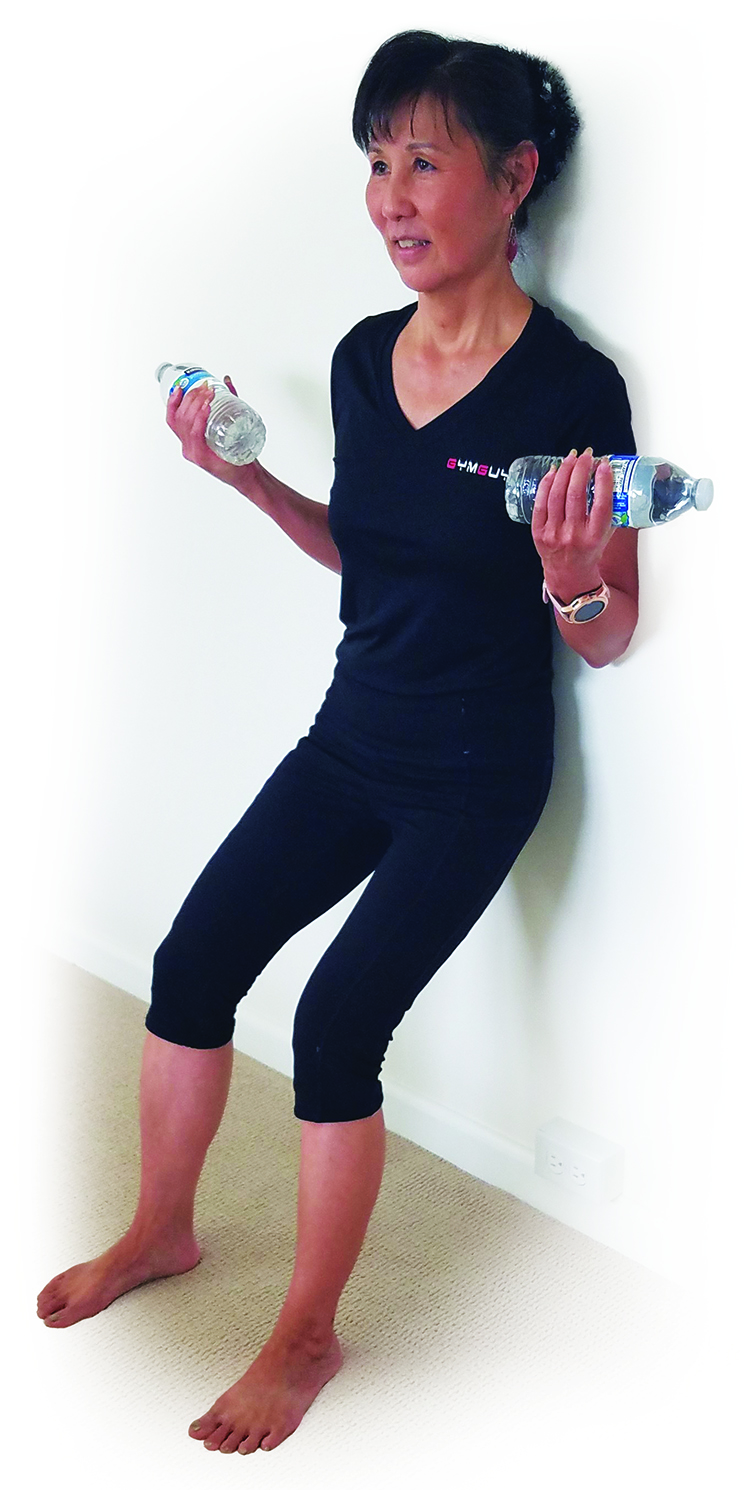
    Just think of the tasks you do every day that should involve a squat: getting on/off a chair or toilet or picking up something from the floor.

    A “modified squat” is one of the most beneficial exercises to learn. It strengthens the lower body and core and reduces the strain on the knees when done right.

    Unfortunately, most people never learn the PROPER way to squat (a squat is NOT the same as a knee bend). To start:

    • POSITION feet hip distance apart, toes ideally pointing forward
    • SET yourself by pressing the big toe into the ground, push your knees slightly out and keep the knees in line with the ankles and the toes — try to maintain the normal curves in your neck and back and keep your shoulders in line with your hips
    • BEGIN with a “hip hinge” or bow (DO NOT start with your knees) — PUSH your butt back as if sitting on a chair — KEEP your weight and pressure on the big toes and heels
    • KNEES STAY BEHIND THE TOES squatting down —
      On the way UP, squeeze in your stomach and butt muscles and drive through the heels as you stand

    Do 10–12 squats, 3–5 times a day, and soon you’ll be feeling stronger and more steady on your feet.


    GYMGUYZ Urban Honolulu
    808-638-2525 | www.gymguyz.com

    A “modified squat” is one of the most beneficial exercises to learn. It strengthens the lower body and core and reduces the strain on the knees when done right. Unfortunately, most people never learn the PROPER way to squat.

  • Rehab for Breast Cancer Recovery

    October is National Physical Therapy Month and National Breast Cancer Awareness Month. Physical therapy may not be the first healthcare field that comes to mind when someone is undergoing cancer treatment, but physical therapists can play an integral role in promoting a speedy recovery and in assisting a return to previous levels of activity following surgery and radiation/chemotherapy treatments.

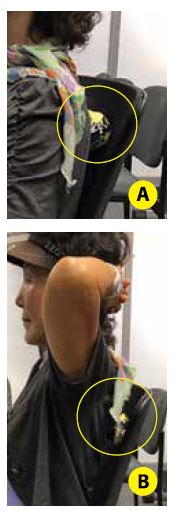
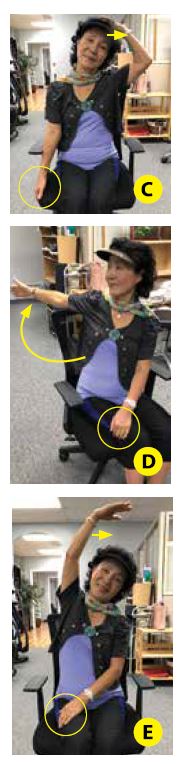
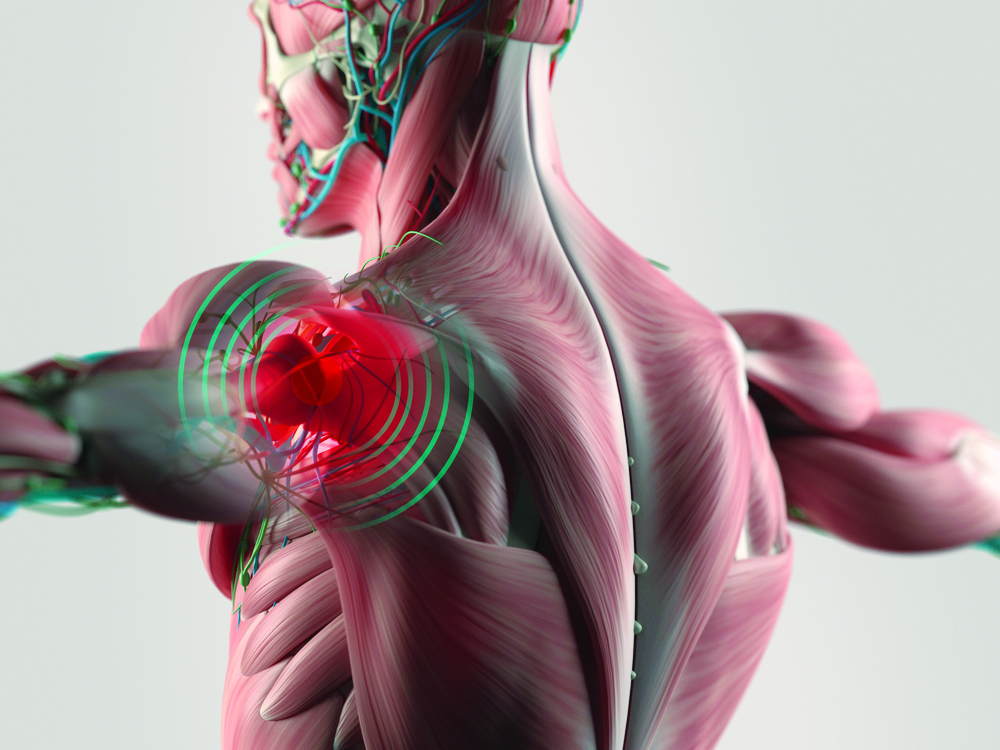
    Overhead reaching and elevating the arms forward, back and sideways are often affected as one recovers from lymph node resection, chest wall radiation, or breast reconstruction. Early intervention with manual therapy, such as scar tissue and trigger point release, passive range of motion, and joint mobilization help to reduce pain and tightness, and can improve upper extremity mobility and function. Desensitization techniques, such as vibration or rubbing with a textured cloth can help to treat nerve hypersensitivity. Physical therapy can address additional side effects, such as fatigue, bone and joint pain, osteoporosis, headaches and weakness. Along with building strength and increasing endurance with an individualized program prescribed by a physical therapist, socialization and the release of endorphins that occur with exercise can also help to improve the psychological aspect associated with the diagnosis of cancer.

    It’s never too late to begin rehab services for cancer recovery. If you have difficulty performing daily tasks, seek out a physical therapist to help restore healthy movement, comfort and function.


    MOON PHYSICAL THERAPY, LLC
    320 Ward Ave., Ste. 107, Honolulu HI 96814
    95-1057 Ainamakua Dr. F-11, Mililani HI 96789
    808-597-1005 | www.moonpt.com

    October is National Physical Therapy Month and National Breast Cancer Awareness Month. Physical therapy may not be the first healthcare field that comes to mind when someone is undergoing cancer treatment, but physical therapists can play an integral role in promoting a speedy recovery and in assisting a return to previous levels of activity following…