Category: Health

  • Local Foods for a Healthy Smile

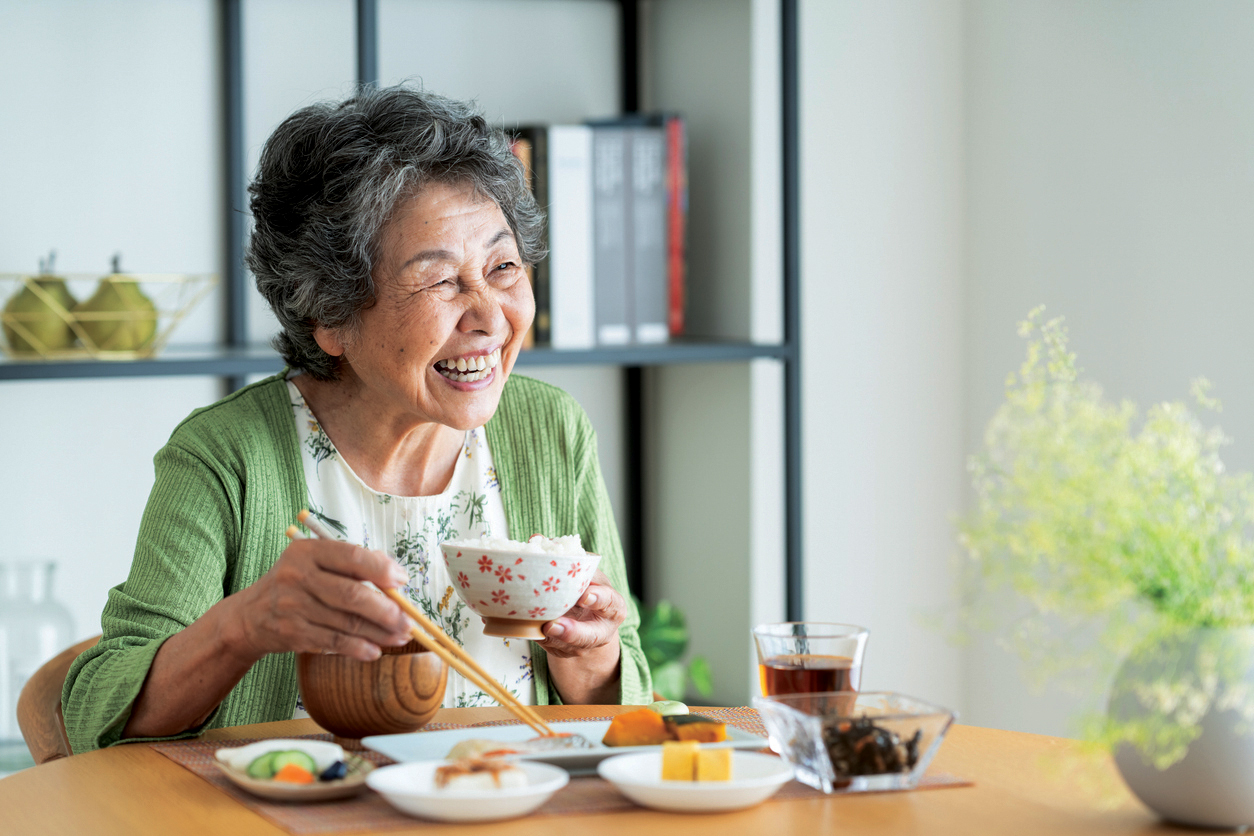
    Did you know the food on your plate can strengthen your smile? Hawaii’s vibrant food culture offers delicious ways to support your oral health.

    Limu and seaweed varieties like miyeok (wakame) and gim (dried seaweed) are rich in calcium and magnesium, helping maintain strong teeth while reducing inflammation. Fresh ahi and salmon in your poke bowl provide omega-3s that may help to fight gum disease. And don’t forget our beloved Okinawan sweet potato, which is packed with vitamins A and C for healthy gums. The probiotics in kimchi may also support a healthy mouth by reducing harmful bacteria. Tofu provides calcium for enamel strength, while leafy kkaennip (perilla leaves) promote gum health. Even the garlic and ginger in your cooking act as natural antibacterials. Local oxtail soup and sagol-gukmul (Korean bone broth) are warm, comforting options rich in collagen and minerals that support gum tissue.

    While nutritious foods are a delicious and enjoyable approach to oral health, it’s most important to maintain a strong oral hygiene routine that includes daily brushing, flossing, and regular dental visits. These simple habits protect your smile for years to come. Eat well, smile often, and take care of your oral health!


    HAWAII DENTAL SERVICE
    Kahala Howser Pimentel, Wellness and Events Manager
    808-529-9391
    Kahala.Pimentel@HawaiiDentalService.com
    HawaiiDentalService.com

    Did you know the food on your plate can strengthen your smile? Hawaii’s vibrant food culture offers delicious ways to support your oral health. Limu and seaweed varieties like miyeok (wakame) and gim (dried seaweed) are rich in calcium and magnesium, helping maintain strong teeth while reducing inflammation. Fresh ahi and salmon in your poke…

  • Diabetes 101

    Over 38 million Americans are living with diabetes. It continues to be one of the fastest growing chronic conditions in the world. One in three Americans aged 65 and older is living with diabetes (16.5 million seniors). Risk factors include age, a family history of diabetes, not getting enough physical activity and being overweight/obese. Diabetes is also more common in certain ethnic groups.

    The American Diabetes Association® (ADA) recommends that adults aged 35 and older get screened regularly, regardless of risk factors.

    Diabetes is a complex problem that causes blood glucose (blood sugar) levels to rise higher than normal.

    The three most common types of diabetes:

    TYPE 1 DIABETES: In this type of diabetes, the immune system mistakenly destroys the beta cells in the pancreas that make insulin. When enough beta cells are gone, the pancreas stops making insulin or makes so little you need to take insulin to live. Along with insulin, a healthy diet and physical activity are part of managing Type 1 diabetes. Type 1 diabetes develops most often in young people but can appear in adults.

    TYPE 2 DIABETES is the most common type. It develops when the body does not use the insulin it makes well or does not make enough insulin. Managing type 2 diabetes includes a healthy eating plan, physical activity, and medication.

    GESTATIONAL DIABETES (GDM) develops during pregnancy. After giving birth, blood glucose levels may return to normal. If they do not, the individual is considered to have Type 2 diabetes. Even if blood glucose levels return to normal, having had GDM increases the risk of developing Type 2 diabetes later in life.

    Prediabetes is diagnosed when blood glucose levels are higher than normal but are not high enough to be determined to be diabetes. Treatment includes lifestyle changes, which may prevent or delay Type 2 diabetes.

    A crucial part of ADA’s work is spreading awareness . Early detection and treatment can significantly reduce the risk of developing complications.

    Symptoms of diabetes can include:

    Feeling very thirsty

    Feeling very hungry (even though you’re eating)

    Frequent urination

    Blurred vision

    Extreme fatigue

    Cuts or bruises that heal slowly

    Weight loss even though you’re eating more (Type 1)

    Tingling, pain, or numbness in hands or feet (Type 2)

    Be aware that the symptoms of Type 2 diabetes may be so mild that they may not be noticed.

    In addition to recognizing symptoms, it’s also important to know your risk of developing Type 2 diabetes. The ADA offers a free, 60-second Type 2 Diabetes Risk Test at diabetes.org/RiskTest. Those found to be at high risk should contact their doctor. The ADA also provides a list of National Diabetes Prevention Programs to learn about preventing or delaying Type 2 diabetes.

    It takes all of us to end diabetes and support our loved ones who are impacted. Bringing the community together to raise awareness, connect people affected by diabetes, and support research, education and prevention efforts. This spring, the ADA will host its walkathon-style fundraiser event:

    Step Out® Walk: Hawaii, Saturday, March 21
    Kapi‘olani Regional Park, 3840 Paki Ave., Honolulu

    The walk is free to attend. All are encouraged to register at diabetes.org/StepOutHawaii.


    AMERICAN DIABETES ASSOCIATION –HAWAII CHAPTER (nonprofit)
    1670 Makaloa St., Unit 235, Honolulu, HI 96814
    808-201-1304 | SYamada@diabetes.org
    diabetes.org/local/hawaii

    Over 38 million Americans are living with diabetes. It continues to be one of the fastest growing chronic conditions in the world. One in three Americans aged 65 and older is living with diabetes (16.5 million seniors). Risk factors include age, a family history of diabetes, not getting enough physical activity and being overweight/obese. Diabetes…

  • Geriatric Care: Dementia Screening Tests

    Dementia screening is a key component of comprehensive geriatric care, allowing clinicians to identify early cognitive changes that may affect a patient’s safety, independence and quality of life. Memory concerns are evaluated within the context of overall health, functional ability and environmental factors.

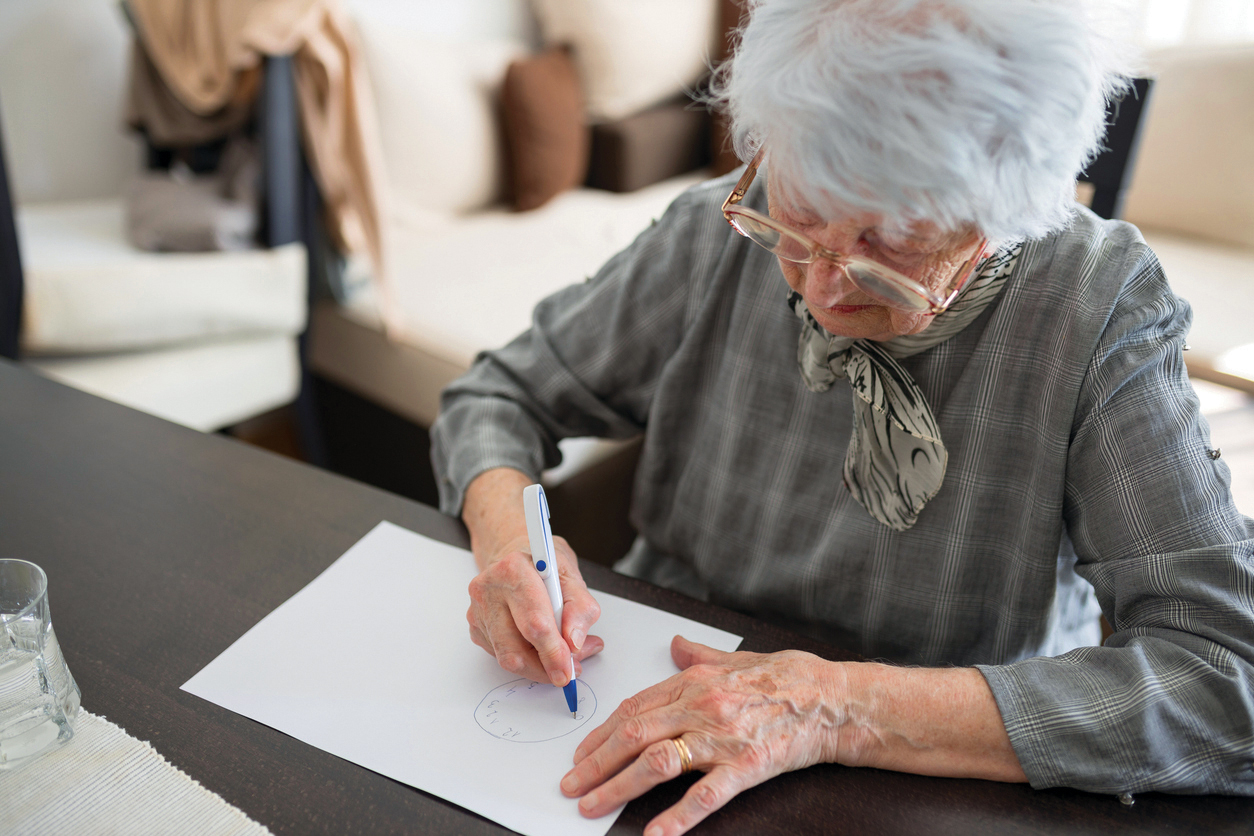
    Effective dementia screening begins with assessing memory, mood and decision-making capacity. For example, the Clock Drawing Test helps detect early cognitive impairment. Depression and anxiety can mimic or worsen cognitive symptoms, so testing for them is important, too.

    The Katz Index and Lawton–Brody Scale measure how well an individual manages personal care and complex tasks. Mobility evaluations, including the Timed Up and Go test, identify gait issues that often accompany cognitive decline.

    High-quality screening also considers nutrition, sensory changes and living environment. Medication burden (taking multiple medications) can also significantly affect cognition.

    Dementia screening is most effective when it is patient-centered, incorporates caregiver input and uses validated tools. When performed regularly, it supports early diagnosis, timely treatment and improved long-term outcomes for seniors.


    CARE PLUS by OHANA PACIFIC MEDICAL LLC
    1150 S. King St. #1007, Honolulu, HI 96814
    808-930-9858 | info@micareplus.org
    micareplus.org

    Dementia screening is a key component of comprehensive geriatric care, allowing clinicians to identify early cognitive changes that may affect a patient’s safety, independence and quality of life. Memory concerns are evaluated within the context of overall health, functional ability and environmental factors. Effective dementia screening begins with assessing memory, mood and decision-making capacity. For…

  • Ask the Doctor: Caring for Your Kidneys

    In this ongoing column, Kaiser Permanente
    doctors answer commonly asked questions.

    Your kidneys are small but mighty organs that keep your body in balance. They filter waste and toxins, regulate your blood pressure, and help maintain healthy bones and blood. When your kidneys are working well, you hardly notice them. But when they’re under strain, it can affect your entire body, often without warning.

    In Hawai‘i, we see the US’ highest rates of kidney disease due to two significant kidney risk factors: diabetes and high blood pressure, which are more common here, particularly among Native Hawaiians and Pacific Islanders.

    The connection between these conditions and kidney health is strong. When blood sugar or blood pressure stays high over time, it can injure the small blood vessels in the kidneys that act as filters. This damage builds up slowly and most people won’t feel symptoms until the kidneys are already working much harder than they should. But the good news is that kidney disease doesn’t happen overnight—and there’s a lot you and your care team can do to prevent or slow it down.

    When should someone get their kidneys checked, and what kind of tests are involved?

    If you have diabetes, high blood pressure, heart disease or a family history of kidney problems, get your kidneys checked at least once a year. Even if you feel healthy, these tests are the only way to know how your kidneys are doing.

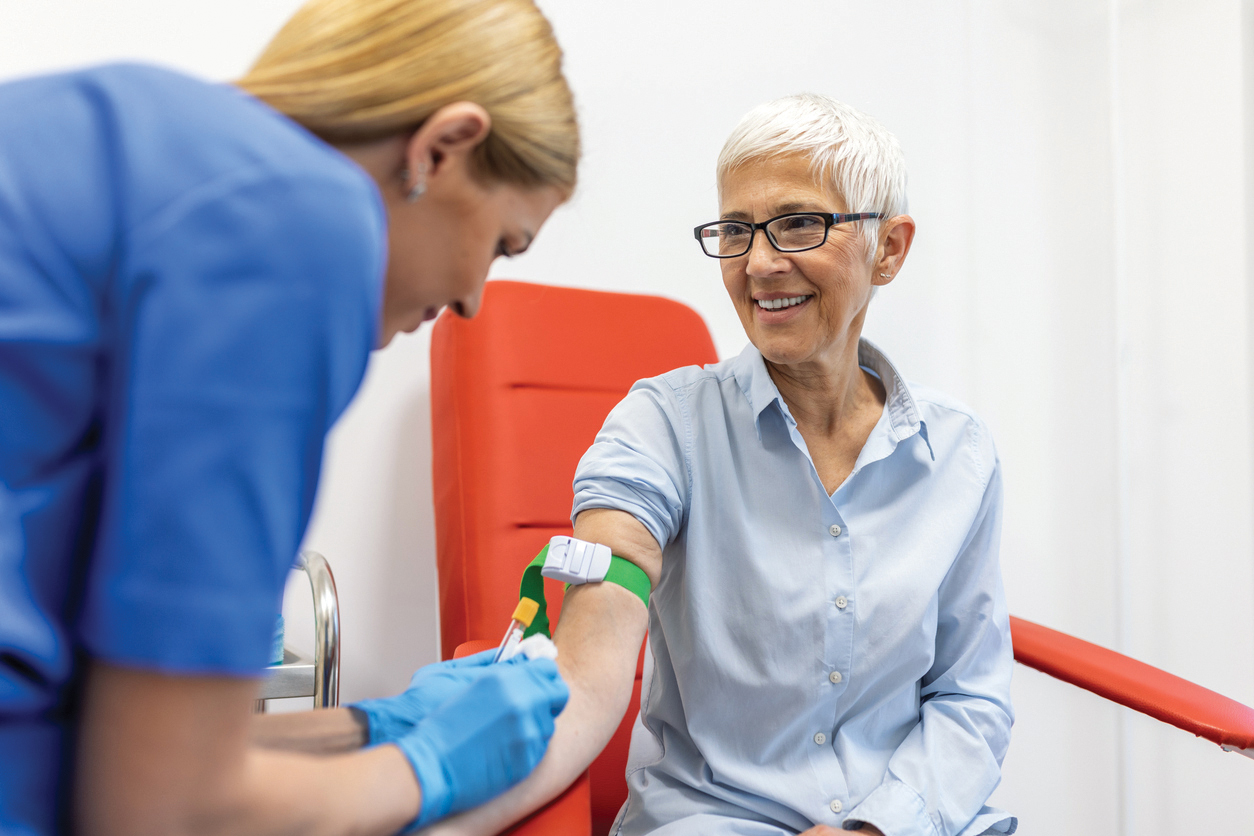
    Tests are quick and straightforward. A blood test checks how well your kidneys filter waste— what we call your “estimated glomerular filtration rate” or “eGFR.” A urine test looks for protein, which can be an early sign of damage. At Kaiser Permanente, we usually do both during your routine visits for diabetes or blood pressure care. These results help your doctor see trends over time and act early if something changes.

    Regular labs can catch kidney issues long before symptoms appear—making all the difference.

    If someone develops kidney disease, what are the treatment options before dialysis?

    If you’re told you have kidney disease, take heart—most people don’t need dialysis and many live long, full lives by following a tailored care plan.

    The first goal is to treat what’s causing the problem. Managing blood pressure and blood sugar is key. Your doctor may adjust your medications or add new ones that protect your kidneys. ACE inhibitors, ARBs or SGLT2 inhibitors are medications that can protect your kidneys and help them last longer.

    Lifestyle is a huge factor. Eating less salt, staying hydrated, being active and avoiding extended use of over-the-counter pain relievers such as ibuprofen or naproxen can prevent further injury. Our care teams (doctors, dietitians and pharmacists) work closely together to help patients make small, sustainable changes that add up over time.

    Kidney disease may be common here, but it doesn’t have to be inevitable with early testing, good control of blood pressure and blood sugar, and regular checkins with your care team.

    Good kidney health is about partnership. When you and your care team work together, small changes can make a lifetime of difference.


    DR. THOMAS CHEN serves as Chief of Nephrology and Medical Director of Pharmaceutical Services at Kaiser Permanente Hawai‘i. Board-certified in nephrology and internal medicine, he earned his medical degree from Wake Forest University School of Medicine and completed his residency and fellowship training at Temple University Hospital in Philadelphia. Dr. Chen is passionate about prevention, patient education and collaborative care—helping patients with kidney disease live healthier, fuller lives through early detection and coordinated treatment.

    Kaiser Permanente will cover bladder control issues in the next issue. If you have a medical question for the doctor, email: cynthia@generations808.com.

    In this ongoing column, Kaiser Permanentedoctors answer commonly asked questions. Your kidneys are small but mighty organs that keep your body in balance. They filter waste and toxins, regulate your blood pressure, and help maintain healthy bones and blood. When your kidneys are working well, you hardly notice them. But when they’re under strain, it…

  • Ask the Doctor: Physical Activity

    When a new year rolls around, it always feels like a fresh start. So it’s the perfect opportunity to turn that positive energy into simple, healthy habits that keep you strong, steady and feeling good.

    What are the best exercises for strength without overdoing it?

    When we talk about “strength,” we mean staying strong and steady for everyday life—from getting up from a chair to playing with the grandkids. The best exercises are functional movements that help you stay strong and help ensure your independence.

    The good news? You don’t need a gym or fancy equipment. Try simple moves such as chair squats, wall push-ups or standing leg lifts. Resistance bands work your muscles without putting pressure on your joints.

    Living in Hawai‘i, there are plenty of fun ways to stay active. Dance hula to keep your core strong and your posture proud. Go for a walk at the beach or around the park with friends. Join a tai chi class or try water aerobics at your local pool.

    Aim for two days a week of light strength training—using small weights (2 lbs. or less), resistance bands or wall push-ups—and mix in walking, jogging or swimming for heart health. Move a little every day and you’ll soon feel stronger and more balanced. Even a five-minute walk before or after meals makes a difference.

    How do I know if I’m pushing too hard — or not enough?

    Finding your balance with exercise is like paddling a canoe: Find your rhythm. Don’t sprint the whole way. The easiest way to check your effort is the talk test. If you can talk story with a friend while you’re walking, but can’t quite sing along with the radio, you’re in the sweet spot. If you’re gasping and can’t talk, it’s time to ease up. Pay attention to what your body’s telling you.

    Feeling lightheaded, dizzy or having chest pain are red flags to stop and rest—or check in with your doctor. Even soreness that lasts for more than a couple of days is your body’s way of asking for a break. Take a day of rest and come back the next day when you’re feeling better. If you’re sore, try ice, topical creams or patches first—or acetaminophen. Check with your doctor before taking other types of pain relievers.

    Think of exercise as a friendly conversation with your body. The goal is to find that steady rhythm.

    The Bottom Line

    New year health goals don’t mean reinventing your life—it’s about finding small, joyful ways to move more. Everyday activities can give you a solid workout. Sweeping the lānai and even cooking a big family meal keep your body moving. Go as slowly as you need to prevent falls and don’t lift objects heavier than you can handle.

    Get your family and friends involved and it becomes an even healthier way to connect with others. When you share these moments with the people you love, you’re not only keeping your body active, you’re also strengthening those meaningful connections for the new year and all the years to come.


    DR. SERENA LO, a Honolulu native, combines her love of science and helping others through medicine. She earned her medical degree from the University of Hawai‘i, John A. Burns School of Medicine and completed her residency in internal medicine at Virginia Mason Medical Center in Seattle. Board certified in geriatric and internal medicine, Dr. Lo values teamwork and compassionate care—and enjoys mentoring students interested in becoming physicians. Kaiser Permanente will cover kidney health/diabetes in the next issue. If you have a medical question for the doctor, email: cynthia@generations808.com.

    In this ongoing column, Kaiser Permanente doctors will answer commonly asked questions. When a new year rolls around, it always feels like a fresh start. So it’s the perfect opportunity to turn that positive energy into simple, healthy habits that keep you strong, steady and feeling good. What are the best exercises for strength without…

  • Maintain Balance in the New Year

    As we welcome a new year, it’s the perfect time to focus on balance, building strength, stability and confidence through movement. For seniors, fitness isn’t just about exercise, it’s about maintaining independence, living fully and preventing falls. Nearly every senior worries about falling, and for good reason. Falls are a leading cause of injury, so maintaining good balance is important for older adults.

    Test Your Balance

    A quick self-test can highlight where you stand: Try balancing on one leg for 10 seconds. If it feels difficult, it may be time to add balance training into your routine. Simple activities, such as marching in place with knees lifted high, performing gentle step taps to the side (shift your weight onto one leg and tap the floor lightly with the other before returning it next to your planted foot) or standing on one leg while brushing your teeth can improve coordination, posture and core strength over time.

    Build Up Your Strength

    Brisk walking is great for the heart, but equally important is strength training to build muscle tone and bone density. Chair squats are a great practical exercise that strengthen the legs, hips and core while improving everyday functions like getting out of bed or on and off the toilet.

    The Fear Factor

    Fear of falling itself is a risk factor, often leading seniors to shorten their stride or avoid activities altogether. Over time, this restrictive behavior reduces both mobility and confidence. Instead of holding back, it’s important to keep challenging yourself safely with balance and strength activities designed to make you feel grounded and secure.

    Consistency is Key

    Consistency matters more than intensity. By weaving these exercises into daily routines, seniors can stay active, confident and independent in the year ahead.


    GYMGUYZ Urban Honolulu
    Home Personal Training & Mobile Fitness
    808-638-2525
    gymguyzurbanhonolulu@gymguyz.com
    gymguyz.com

    As we welcome a new year, it’s the perfect time to focus on balance, building strength, stability and confidence through movement. For seniors, fitness isn’t just about exercise, it’s about maintaining independence, living fully and preventing falls. Nearly every senior worries about falling, and for good reason. Falls are a leading cause of injury, so…

  • Guard Your Vision Against Glaucoma

    Our eyesight is one of the most important ways we experience life, yet it’s easy to take it for granted. From noticing subtle changes in the sky over Mauna Kea to reading the expressions of your mo‘opuna, vision keeps us connected to the people and places we love. January is Glaucoma Awareness Month, serving as a reminder to protect this vital sense.

    According to information from Hawai‘i Pacific Health (HPH), glaucoma is a group of eye diseases that gradually damage the optic nerve, affecting the pathway that carries visual information from the eyes to the brain. Glaucoma often develops silently. While elevated eye pressure is a common factor, glaucoma can occur even when pressure is within normal ranges. Left untreated, it slowly diminishes vision, often beginning with peripheral sight—the aspect of vision that helps us move safely through our surroundings. Glaucoma can cause vision loss long before any symptoms appear, making routine exams crucial for early detection.

    An estimated 2% of adults over 40 in Hawai‘i have glaucoma and the risk grows with age, HPH says. Kūpuna with diabetes, high blood pressure or a family history of the disease should remain especially vigilant by scheduling regular eye exams.

    Open-angle glaucoma, the most common form, develops gradually and often shows no early warning signs. Peripheral vision may begin to fade before more noticeable changes occur. Many patients are unaware of glaucoma until measurable vision loss has already taken place, underscoring the importance of consistent screening.

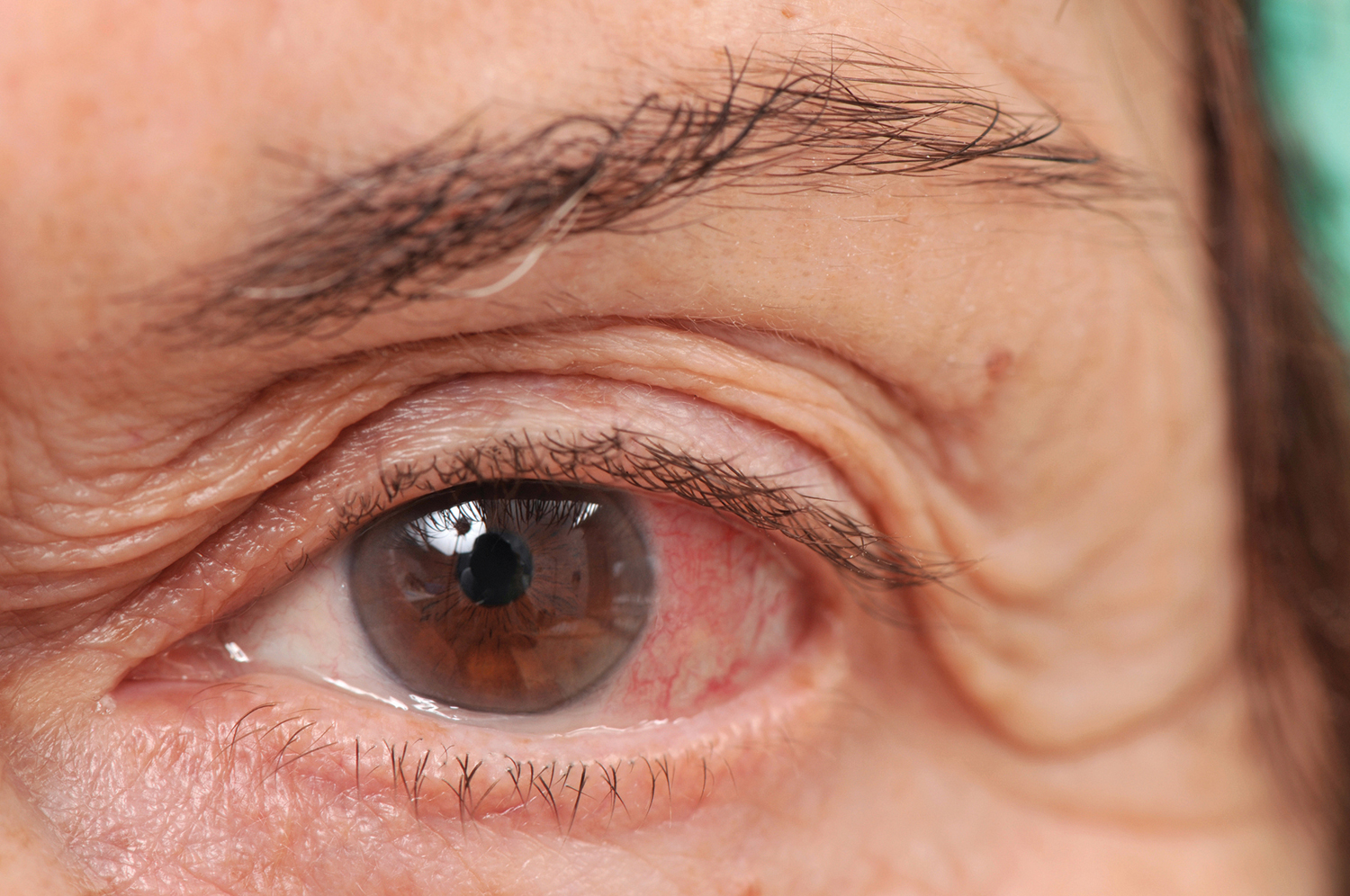
    Some forms, such as acute angle-closure glaucoma, can appear suddenly, HPH says. Eye pressure rises quickly and immediate medical attention is critical. Symptoms may include severe eye pain, redness or irritation, blurred vision or halos around lights and headaches or nausea. Angle-closure glaucoma is considered a medical emergency, as rapid pressure increases can damage the optic nerve within hours.

    Local clinics advise that preventing glaucoma begins with regular, comprehensive eye exams. During these visits, doctors measure intraocular pressure, examine the optic nerve and test peripheral vision to detect early signs before significant vision loss occurs.

    Adults over 60 are generally advised to schedule exams every one to two years, with more frequent visits for those at higher risk.

    While there is no cure for glaucoma, early detection and proper treatment can slow or even stop its progression. Options may include prescription eye drops to lower eye pressure, laser procedures to improve fluid drainage or surgery for advanced cases. Maintaining overall health also supports eye health—managing chronic conditions like diabetes and high blood pressure, staying active and avoiding smoking all contribute to preserving vision and independence.


    Our eyesight is one of the most important ways we experience life, yet it’s easy to take it for granted. From noticing subtle changes in the sky over Mauna Kea to reading the expressions of your mo‘opuna, vision keeps us connected to the people and places we love. January is Glaucoma Awareness Month, serving as…

  • Start the New Year With a Smile

    The beginning of a new year is a great time to focus on your health. What better place to start than your smile? Many people don’t realize how closely oral health is connected to overall well-being, especially as we get older. Gum inflammation has been linked to serious conditions such as heart disease, diabetes and even Alzheimer’s.

    Oral health can also affect how we feel about ourselves. Many kūpuna report smiling less with their teeth because of dental issues, which can lead to lower self-esteem and even social withdrawal. The good news is that it’s never too late to start taking small steps that can make a big difference.

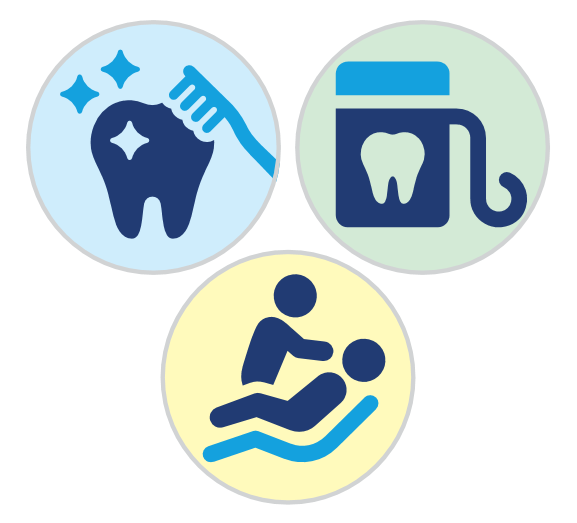
    Brushing your teeth twice a day for two minutes and flossing once daily helps prevent gum disease. Regular dental checkups, ideally twice a year, allow problems to be caught and mitigated early. This proactive approach prevents issues from escalating into major crises.

    Eating a healthy, low-sugar diet also supports strong teeth. If brushing isn’t possible, rinse with water after meals to help prevent cavities. And don’t forget to share a list of your medications with your dentist, since some may affect your oral health.

    Support your smile and overall health!


    HAWAII DENTAL SERVICE
    Dr. Vinh Tran, DDS, Dental Director
    808-529-9213
    vinh.tran@hawaiidentalservice.com
    HawaiiDentalService.com

    The beginning of a new year is a great time to focus on your health. What better place to start than your smile? Many people don’t realize how closely oral health is connected to overall well-being, especially as we get older. Gum inflammation has been linked to serious conditions such as heart disease, diabetes and…

  • Meeting a Growing Need: Palliative Care

    As Hawai‘i’s population ages rapidly, the need for compassionate, coordinated care for kūpuna living with serious illness is growing. Palliative care offers a vital solution providing relief from symptoms, emotional support and guidance for individuals and families navigating complex health challenges.

    Unlike hospice care, which is reserved for end of-life support, palliative care can begin at diagnosis and continue alongside curative treatment. Its goal is to improve comfort, reduce stress and help patients maintain independence and dignity throughout their care journey.

    Palliative care is delivered by a multidisciplinary team—nurses, nurse practitioners, social workers and care specialists—who address physical, emotional, spiritual and cultural needs.

    It empowers patients to make informed decisions and focus on what matters most: spending time with loved ones and preserving the traditions that give life meaning.

    With kūpuna expected to make up a quarter of Hawai‘i’s population by 2035, early access to palliative care is becoming essential. Palliative care enhances quality of life, supports caregivers and reduces unnecessary hospital visits. Families are encouraged to learn about palliative care options early, as more seniors choose to age in place.


    NAVIAN HAWAIʻI
    Jody Shiroma, Chief Growth Officer
    808-302-4144 | jshiroma@navianhawaii.org
    NavianHawaii.org

    As Hawai‘i’s population ages rapidly, the need for compassionate, coordinated care for kūpuna living with serious illness is growing. Palliative care offers a vital solution providing relief from symptoms, emotional support and guidance for individuals and families navigating complex health challenges. Unlike hospice care, which is reserved for end of-life support, palliative care can begin…

  • What is Your Gut Trying to Tell You?

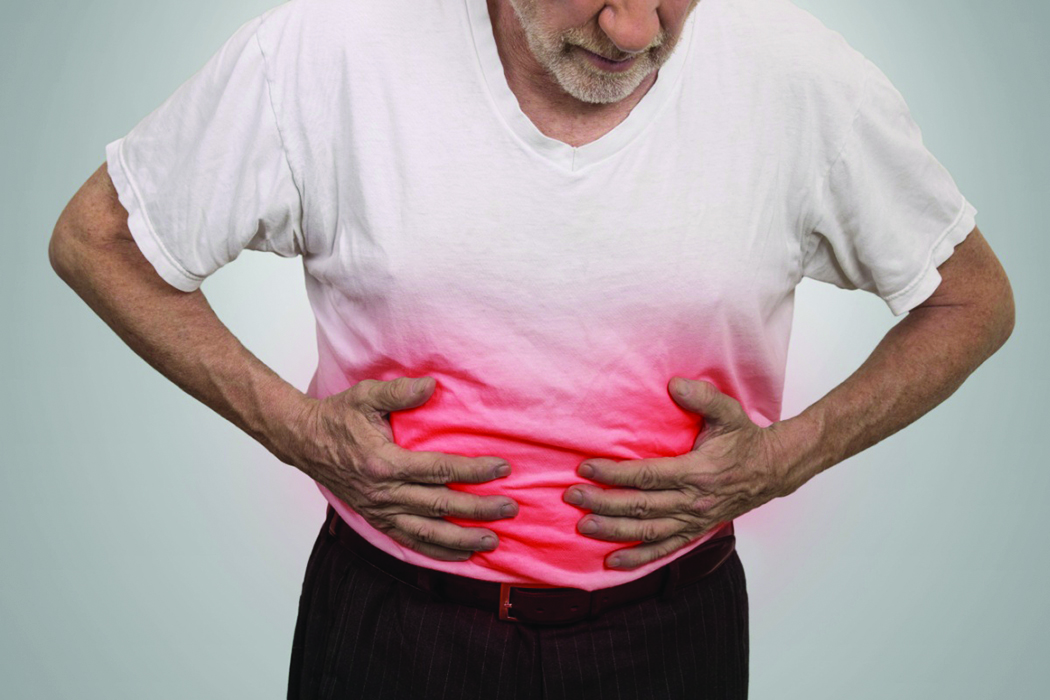
    Your gut is often the first to signal when something’s not quite right. While occasional bloating or indigestion may be harmless, certain symptoms should never be ignored. Gastroenterologists flag warning signs that call for further evaluation:

    • Unintentional weight loss
    • Loss of appetite
    • Changes in bowel movements—narrower, more or less frequent, a different color or consistency
    • Blood in the stool—whether bright red, maroon, or black and tarry
    • Chronic or recurrent abdominal pain, especially if it disrupts sleep
    • Low blood counts (measured by your healthcare provider) fatigue or unexplained weakness

    These red flags help your doctor determine when urgent testing is needed, because these symptoms may be early indicators of serious conditions like colorectal cancer, inflammatory bowel disease or malabsorption disorders. And be aware that risk increases with age—especially after 50—or with a family history of GI cancers. But early detection saves lives. So if you have questions about your gut health, start by talking with your primary care provider, who may refer you to a specialist in gastroenterology. Trust your gut. Take action when it speaks.


    KUAKINI HEALTH SYSTEM
    347 N. Kuakini St., Honolulu, HI 96817
    kuakini.org

    Your gut is often the first to signal when something’s not quite right. While occasional bloating or indigestion may be harmless, certain symptoms should never be ignored. Gastroenterologists flag warning signs that call for further evaluation: These red flags help your doctor determine when urgent testing is needed, because these symptoms may be early indicators…

  • 10 Early Signs of Dementia

    Everybody forgets something now and then. As the brain ages, it’s normal to occasionally blank on a name, make a mistake with numbers or misplace your keys or phone. But with typical aging, we can usually recall it later and retrace our steps.

    However, dementia presents differently and it affects more than just memory. These brain changes cause ongoing problems with everyday tasks and represent a noticeable shift from how someone normally functions. It’s important to know the difference between normal lapses and more serious signs that could indicate dementia. Why pay attention to these early signs in yourself or those you love? Because when you know sooner, you can live better.

    By talking to your healthcare provider early, you can learn whether memory changes are due to dementia or another treatable condition. An early diagnosis makes all the difference. While there is no cure for dementia, finding out sooner gives you access to FDA-approved treatments and lifestyle strategies that can slow mental decline and improve quality of life.

    WARNING SIGNS TO WATCH FOR

    Here are 10 early signs that you or someone you love may be experiencing dementia:

    Memory loss that disrupts daily life. This includes asking the same questions repeatedly and depending on memory aids or family members for things previously handled independently.
    Challenges in planning or solving problems. This may involve trouble developing and following a plan or working with numbers.
    Difficulty completing familiar tasks. Examples include trouble driving to familiar locations or remembering the rules of favorite games.
    Confusion with time or place. This includes losing track of dates, seasons or forgetting where they are or how they got there.
    Difficulty with visual perception and spatial relationships. Beyond cataract-related vision changes, this may involve problems with balance, reading, judging distance and determining color and contrast.
    New problems with speaking or writing. Examples include trouble following conversations, stopping or getting lost mid-conversation, or repeating oneself. There may also be difficulty remembering words or using wrong words.
    Misplacing things and being unable to retrace steps. While normal occasionally, it’s concerning if this happens frequently and they can’t retrace their steps.
    Poor judgment and decision-making. This may involve increased poor judgment with money or personal grooming.
    Withdrawal from work or social activities. As they notice thinking changes or difficulty holding a conversation, they may withdraw from work, hobbies and socializing.
    Changes in mood and personality. Becoming confused, depressed, fearful or anxious, or getting easily upset in situations out of their comfort zone are other early warning signs.

    If you notice some of these signs in yourself or a loved one, don’t wait. Schedule an appointment with a healthcare provider for a proper evaluation. Take steps today to protect your brain health. Know sooner and live better.


    HAWAI‘I DEMENTIA INITIATIVE
    Executive Office on Aging, Hawai‘i State Dept. of Health
    250 South Hotel St., Ste. 406, Honolulu, HI 96813-2831
    DOH.Dementia@doh.hawaii.gov | hawaiidementia.org
    For local resources: 808-643-ADRC (808-643-2372)
    Alzheimer’s Association 24/7 Helpline: 1-800-272-3900

    Everybody forgets something now and then. As the brain ages, it’s normal to occasionally blank on a name, make a mistake with numbers or misplace your keys or phone. But with typical aging, we can usually recall it later and retrace our steps. However, dementia presents differently and it affects more than just memory. These…

  • Kūpuna: Don’t Let Cavities Go Untreated!

    It’s easy to think that cavities are something only kids need to worry about. But the truth is, kūpuna can still get cavities, even if they’ve had healthy teeth their whole lives. In fact, aging can bring new dental challenges that make cavities more likely, such as dry mouth from medications or gum recession.

    If left untreated, cavities can lead to pain, infections, difficulty eating and even tooth loss. These issues can affect overall health, nutrition and daily comfort. Oral health is closely tied to overall well-being, especially in our later years.

    The good news? Cavities are preventable with a few simple daily habits. Brush twice a day with fluoride toothpaste to remove plaque. Floss once a day to clean between the teeth where a brush can’t reach. And don’t forget to see your dentist regularly! Routine check-ups can help catch small problems before they become big ones.

    Taking care of your smile is an important part of staying healthy and living well. No matter your age, it’s never too late to give your teeth the care they deserve.


    HAWAII DENTAL SERVICE
    Kahala Howser Pimentel, Wellness & Events Manager
    808-529-9391
    Kahala.Pimentel@HawaiiDentalService.com
    HawaiiDentalService.com

    It’s easy to think that cavities are something only kids need to worry about. But the truth is, kūpuna can still get cavities, even if they’ve had healthy teeth their whole lives. In fact, aging can bring new dental challenges that make cavities more likely, such as dry mouth from medications or gum recession. If…