Category: Giving Care

  • Create a Safe Home Care Environment

    When planning for the in-home care of  their kupuna, family caregivers may have difficulty looking at the home environment and adapting it to provide proper care. For example, a room layout that worked well when the loved one was mobile may not be ideal when circumstances change and bed-bound care is required. Back injuries, sprains and  preventable falls can have significant consequences that can adversely affect quality-of-life. Here are some tips to ensure the care environment is safe:

    ■ Choose the right location in the home to provide care. A carpeted bedroom with space limitations will make transfers to and from bed harder if medical equipment with wheels needs to be used. Consider an alternate room with hard flooring surfaces (wood or tile).

    ■ Consider bed options. Options include a normal bed and a range of hospital beds. A hospital bed offers distinct advantages for care for bedbound individuals. Height adjustments will make transfers in and out of bed easier. The head and foot of the bed can be raised with the press of a button for comfort and to assist in repositioning. (Tip: Hospital beds come in both full electric and semi-electric styles. Unless variable height adjustment is not a main requirement, a full electric bed is strongly recommended.)

    ■ Consider bed location. Locate the bed so that there is good access from all sides when bedbound care is required. Often, larger furniture such as beds are placed alongside walls. However, this makes changing linens and providing care more challenging because of the restricted access. Headboards that are flush against a wall will make it hard for bedbound family members to be moved up in bed and increase the chances of caregivers developing back issues. (Tip: A folded top sheet placed underneath the individual can then be used as a “draw sheet” to reposition them by pulling on the sheet.)

    ■ Install grab bars. Install grab bars in bathrooms and other places where a secure handhold is required. Suction-style grab-bars should be avoided due to the risk of the handle detaching from the surface without warning. If bars are installed onto a tile surface, make sure there is a supporting stud behind the wall to secure the bar. Do not attach the bar just to the tiles themselves.

    ■ Assess bathroom accessibility. Is there enough {Play} space in the bathroom to safely assist with toileting and bathing? If not, a commode and/or bed baths should be considered.

    ■ Organize care supplies. A cluttered environment makes providing care harder and more time consuming. By storing all care supplies in such a way that they are easy to reach when needed will also allow for better inventory monitoring.

    ■ Post clear instructions and to-do lists. When different family members rotate to provide care for an individual, a whiteboard and erasable markers placed on the wall will allow family caregivers to make notes on the daily routine, medication and other important reminders.

    By taking into consideration the above points, families can create a care environment for loved ones that optimizes their quality of living and minimizes their risk of injury. Sometimes the changes required will seem strange at first (moving a family member’s bed to another room, for example), but the advantages this yields from a care perspective will quickly become apparent and the care of your loved one will become easier for all.


    ATTENTION PLUS CARE HOME HEALTHCARE
    Accredited by The Joint Commission
    1580 Makaloa St., Ste. 1060, Honolulu, HI 96814
    808-739-2811 | www.attentionplus.com
    AGING IN HAWAII EDUCATIONAL OUTREACH PROGRAM
    by Attention Plus Care — a program providing resources for seniors and their families, covering different aging topics each month. For class information and upcoming topics, call 808-440-9356.

    When planning for the in-home care of  their kupuna, family caregivers may have difficulty looking at the home environment and adapting it to provide proper care. For example, a room layout that worked well when the loved one was mobile may not be ideal when circumstances change and bed-bound care is required. Back injuries, sprains…

  • Common Misconceptions About Hospice

    Despite hospice care’s increasing popularity, there are still widely held misconceptions regarding end-of-life care. This article by members of the Society of Certified Senior Advisors (www.csa.us) seeks to dispel many myths about hospice care and to present accurate information on this growing segment of our healthcare system. By doing so, it is hoped that hospice benefits will be accessed more widely.

    MYTH: Hospice care is appropriate only in the last few days of the life of a terminally ill.

    A common misconception is that hospice care is a comfort measure only in the last few days of life of a terminally ill patient. The hospice benefit is actually for patients who have a terminal illness with a life expectancy of six months or less. Hospice care helps people with life-limiting illnesses to live their final months in comfort and with dignity. Two physicians — the attending physician and the hospice physician — must certify the primary terminal illness, as well as agree that  following the natural course of the illness, the patient’s life expectancy is six months or less. Patients are eligible for hospice care after this physician certification. If at this time, a person is not yet ready to proceed with hospice care, a hospice referral can be placed at a later time. Given that no one can accurately predict the time of death for a terminally ill patient, the hospice benefit allows patients to remain in the program as long as they continue to meet the criteria.

    When deciding on whether or not to proceed with hospice care, it is important for the patient and family to have a conversation with their medical team regarding goals of their care. Also, patients and families need to know what medical care is available to them, as well as the risks and benefits associated with that care. For example, if there is a curative treatment option the patient is interested in trying, then the goal of care would not be in line with the hospice/palliative care approach. Discussion related to goals of care can assist patients and their families in naming what is important to them, both medically and in relation to their quality of life at that time.

    MYTH: Mostly cancer patients go into hospice.

    The Centers for Medicare and Medicaid Services has reported relatively fewer cancer patients and relatively more non-cancer patients as a percentage of total hospice patients. In 2006, non-Alzheimer’s dementia became the most common diagnosis among Medicare hospice patients. Alzheimer’s disease accounts for 70 percent of dementia cases. Over half of all those who live past 85 develop some form of dementia. Over five million Americans are currently living with Alzheimer’s disease, and by 2050, that number will rise to 13.5 million. At the final phase of the dementia patient’s life, hospice care provides timely and compassionate support for the patient and family.

    MYTH: Hospice care shortens lifespan.

    How could we experience dying — our own and that of our loved ones — with less anxiety and and with greater openness, and peace of mind? Research suggests that hospice holds a key. There is evidence that care aimed at comfort and quality of life actually extends life rather than shortens it, and enables a more comfortable death, as well.

    MYTH: Having early family conversations about end-of-life care is “giving up” on living.

    Often, patients and families feel like they are giving up when deciding to enroll into hospice care. It’s true that the highest percentage of hospice patients, 27.9 percent, are on hospice care for only seven days or less. But hospice admission  criteria reveal that the benefit is intended to provide care for much longer than a few days — up to six months. Patients and family members indicate that they would like to receive information about hospice care soon after the terminal diagnosis. Learning about the hospice philosophy and the services provided can be beneficial for patients and families while they decide how to proceed with their medical care after a terminal diagnosis. With an early hospice consultation, along with early discussion on end-of-life care, families can take advantage of benefits of hospice care more fully, enjoying a much better quality of time together during the patient’s remaining time.

    MYTH: Pain medication will make patients overly sedated and addicted to opioids.

    Up to 80 percent of people will experience some sort of pain during the dying process. But patients seem apprehensive about pain management and medication use at the end of life.

    Patients and their families often fear addiction and side effects such as over-sedation. However, if a patient is in severe pain, opioid-based pain medications are the gold standard treatment.

    Opioids relieve both pain and shortness of breath. The morphine dose can be slowly increased for comfort, and often, patients are able to self-administer the drug in amounts that fit their individual pain or breathing needs.

    Patients and their families may also delay the use of opioids out of fear that use of pain medication indicates that death is imminent. This is not true. Opioids can be increased, as tolerated, to manage pain. Dose adjustment, and appropriate monitoring and management of adverse reactions continue for all patients who use any sort of opioid in order to ensure patient safety.

    MYTH: Hospice must provide the patient food and fluids until the moment of death.

    At the end of life, hunger tends to be absent. When people can no longer eat or drink independently, body systems are shutting down; they have become unable to use the calories in food. Family understandably may be concerned that if the  patient is not being fed, he or she is being starved to death. But when people become too weak to swallow, they will cough or choke on what they try to eat or drink. This can lead to fluids and food entering the lungs, and possible infection. Providing food and fluids at this point usually requires a feeding tube placed surgically through a hole in the abdomen to the stomach. So it is critical for patients to appoint a healthcare decision-maker and discuss their preferences regarding artificial nutrition and hydration.

    MYTH: Hospice care is an expensive burden.

    Misunderstood aspects of hospice care include payment and the services covered under the hospice care benefit.

    Medicare is the primary source of payment for the hospice benefit. If a patient is on a Medicare Advantage plan, it reverts to original Medicare for payment of hospice care. In order to utilize payment by Medicare for the hospice benefit, patients must be eligible for Medicare Part A, choose a Medicare-certified hospice agency, and have a terminal illness with a life expectancy of six months or less as certified by two physicians. The Medicare benefit then covers hospice services at a 100 percent per diem rate. Hospice can take place in a private home, nursing home, assisted living or residential hospice home. Medicare is not the only payment source for the hospice benefit. Many private insurance companies cover it, as well.

    Important Conversations

    As a patient approaches death, treatments intended to cure a disease may no longer serve his or her goals or best interest. The decision to stop, withhold or forgo curative treatments to focus on comfort measures and quality of life is difficult for all involved. So it is vital to have detailed conversations with your healthcare decision-maker before these choices become imminent.

    The hospice benefit allows patients to die peacefully, but more importantly, to live their life according to their own goals. Education and discussions among family members can provide clarity regarding end-of-life and hospice care, preparing loved ones to make informed decisions.

    Will your loved ones know what you value at the end of your life? Talk to them today.


    This edited article is shared courtesy of the
    SOCIETY OF CERTIFIED SENIOR ADVISORS®
    800-653-1785 | Society@csa.us
    www.csa.us

    Despite hospice care’s increasing popularity, there are still widely held misconceptions regarding end-of-life care. This article by members of the Society of Certified Senior Advisors (www.csa.us) seeks to dispel many myths about hospice care and to present accurate information on this growing segment of our healthcare system. By doing so, it is hoped that hospice…

  • Dementia: Environment Makes a Difference

    For someone with dementia, both too much and too little sensory stimulation may lead to agitated behaviors. To keep your loved one at a regulated state of sensory stimulation, it is important to consider what is providing sensory stimulation in each space.

    To create a comforting space, try to provide natural light during the day to help regulate the circadian rhythm of your loved one. As it gets closer to bedtime, lights should be dimmed to enable easier sleep. Pleasant scents from aromatics or  essential oils can be useful to keeping your loved one calm; however, make sure th {Play}e scent isn’t overpowering, which can be irritating. Noise levels that are too loud or too quiet may cause anxiety. Ensure that all sounds are at a comfortable level and aren’t in competition. Even the purr of an air conditioner can seem deafening to someone with dementia.

    Helpful sensory stimulation could include colors, smells and textures that will allow your loved one to explore and relax in their environment.


    MANOA COTTAGE KAIMUKI
    748 Olokele Ave., Honolulu, HI 96816
    808-426-7850 | info@manoacottage.com
    www.manoacottage.com

    For someone with dementia, both too much and too little sensory stimulation may lead to agitated behaviors. To keep your loved one at a regulated state of sensory stimulation, it is important to consider what is providing sensory stimulation in each space.

  • Should Dad Stop Driving?

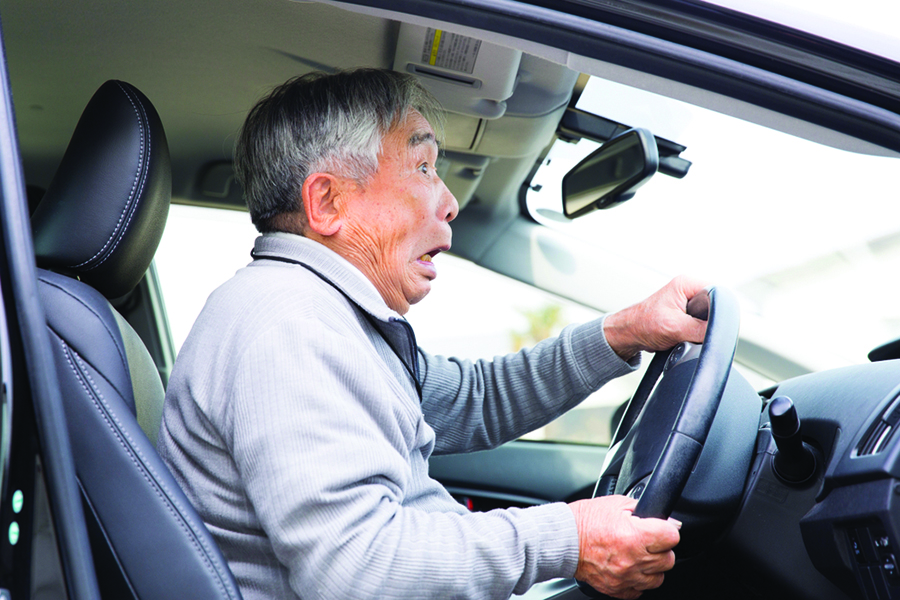
    Photo of senior driver having issuesDad should stop driving! His sight is not good and reflexes are slow.”

    Although there are many seniors still on the road, some may have lost critical cognitive and physical functions. These limitations may result in dangerous, life-threatening situations.

    A formal driving assessment or refresher course may help mitigate problems. Resources include:

    • KJ & Beatrice Luke Specialty Clinic at Nuuanu Drivers Program, Honolulu, 808-566-3862, driversprogram@rehabhospital.org
    • AARP Safe Driving Program www.AARPdriversafety.org customerservice@aarpdriversafety.org
    • AAA Driver 65 Plus: Self Rating Tool www.aaa.com/safety/senior-driver-safetymobility
    • Drive Safely Online Course www.idrivesafely.com/insurancediscount/mature/hawaii

    See below or search online for additional mature driver safety programs in Hawai‘i.

    Many insurance companies also offer courses, online classes, tips and even discounts for seniors who pass an approved course.


    THE CAREGIVER FOUNDATION (501(c) 3 nonprofit)
    926 3rd St., Pearl City, HI 96782
    808-625-3782 | gary@thecaregiverfoundation.org
    www.thecaregiverfoundation.org
    https://thecaregiverfoundation.org/learn-more-old/seniorsafety/
    how-to-discuss-senior-driving-with-a-loved-one
    https://www.nia.nih.gov/health/older-drivers#give-up
    https://www.nhtsa.gov/road-safety/older-drivers

    Although there are many seniors still on the road, some may have lost critical cognitive and physical functions. These limitations may result in dangerous, life-threatening situations. A formal driving assessment or refresher course may help mitigate problems.

  • Caregiver Education in a Changing World

    Providing care for an aging loved one can be challenging, especially if he or she has Alzheimer’s disease or another form of dementia. These challenges have been exacerbated by the ongoing pandemic.

    Hawai‘i has an estimated 29,000 citizens suffering from Alzheimer’s. By 2035, that number could rise to 35,000.

    Care for those suffering with dementia is generally provided by family members. Many family caregivers begin this journey with no experience or training, so they can be understandably overwhelmed  by their new responsibilities. Having no experience causes stress, uncertainty, fear, frustration and a myriad of other emotions.

    One of the most effective ways to help ensure the highest quality of care for those with dementia is through caregiver education. Learning practical caregiving approaches and using local caregiving resources are important strategies.

    Caregivers can be more successful if they know there is help in the community to assist them in their endeavors and when they are armed with the resources they need in order to provide safe, effective care for their loved ones.

    In addition, caregiver education leads to improved health outcomes, not only for the kūpuna, but also for the caregivers.


    HALE HAU‘OLI HAWAII (501(c) 3 nonprofit)
    98-1247 Kaahumanu St., Ste. 207, Aiea, HI 96701
    808-292-4665 | Kwyatt01@aol.com
    www.halehauolihawaii.org

    Providing care for an aging loved one can be challenging, especially if he or she has Alzheimer’s disease or another form of dementia. These challenges have been exacerbated by the ongoing pandemic. Hawai‘i has an estimated 29,000 citizens suffering from Alzheimer’s. By 2035, that number could rise to 35,000.

  • Avoid Kūpuna Caring for Kūpuna

    There is nothing more frightening than the image of a 93-year-old helping a 96-year-old step into the shower or stumble down a stairway. While this scenario is becoming more common in Hawai‘i, the reality is this generation wants to take care of themselves.

    Our loved ones’ important expectations include privacy, dignity, independence and more. These are the folks who have always made it through tough times. Allowing others, even family, to help them may cause anxiety and hurt feelings.

    Situations are bound to come up — a fall, a missed medication, lack of nutrition or a fender bender — and help will be required. These can be considered opportunities that finally allow the decision to be made to get help.

    But therein lies the dilemma… allowing the decision. Families need to recognize timing and know when to say a change is needed.

    Sometimes professional medical advice can be invaluable. Most families feel a great sense of relief knowing there are others involved in managing a crisis. This does not mean the crisis will end, but it does give families access to another resource they did not have before.

    A home health agency can offer families a way to start a discussion about care for their loved one. There are many options in the community; in-home help is a good place to start.

    Here are some things to remember when the times comes to start looking for care:

    • A little goes a long way. Think about starting in-home care one day a week. This beginning point will provide a smoother, more gradual  transition, so there is less chance that your loved one will feel overwhelmed.
    • Establish a relationship with the home health agency. Remember, you are working with people who know what you are dealing with. They have heard it all. Don’t be afraid to tell them the whole story.
    • Clarify expectations on scheduling, caregiver turnover, training and orienting to daily care.
    • Understand what you are getting. If your loved one needs advanced medical care and has multiple chronic conditions, you may want to involve a home health agency rather than a home care company. That way, there will be a medical professional such as a nurse involved with the care plan. Caregivers from home care companies are limited as to what tasks they can perform in the home.

    If families can coordinate, communicate and have patience with the home health agency, they will have access to a healthcare professional who can be objective and encourage changes in frequency of care as the needs of the loved one decrease or increase.

    Building trust beforehand will make this transition easier. Start the conversation and do some research before the kupuna in your life ends up caring for another kupuna in their life.


    ATTENTION PLUS CARE HOME HEALTHCARE
    Accredited by The Joint Commission
    1580 Makaloa St., Ste. 1060, Honolulu, HI 96814
    808-739-2811 | www.attentionplus.com
    AGING IN HAWAII EDUCATIONAL OUTREACH PROGRAM
    by Attention Plus Care — a program providing resources for seniors and their families, covering different aging topics each month. For class information and upcoming topics, call 808-440-9356.

    There is nothing more frightening than the image of a 93-year-old helping a 96-year-old step into the shower or stumble down a stairway. While this scenario is becoming more common in Hawai‘i, the reality is this generation wants to take care of themselves.

  • Caregivers Can Help Seniors Downsize

    Portrait of Young caregiver in uniform hugging smiling elderly man or patient in wheelchair during a home visit and spending time together. Love, Family or Assistant or elderly caregiver conceptWhen the time comes for Mom and Dad to move or downsize for safety reasons, they may find it difficult to decide what to do with what they consider to be their precious heirlooms. Designating items to friends, family or charities in a will or trust will ensure their destination, while passing on these items before the inevitable occurs can give both the giver and the receiver tangible pleasure in the here and now. Whether it is decided to gift now or designate items to friends, family or  charities later, the task can be a daunting one. Where to begin?

    But the first steps to giving the control of what happens to these items can be facilitated by someone close to the loved one, like a son or a daughter who is also a caregiver. That is where their role as caregiver can expand in order to help parents decide what they want to do with their prized possessions (or clutter). The intimate relationship and conversations between a caregiving relative and a loved one can help retrieve memories that can help determine what may be most valued by who.

    A caregiver can also invite family members to talk to Mom and Dad about items they would love to have someday. These conversations can move the senior to a comfortable mindset for getting rid of years of both trash and treasures, helping to spark the process of downsizing and decluttering.


    SENIOR MOVE MANAGERS/DE-CLUTTER HAWAII
    808-779-6224 | info@smmhawaii.com
    www.smmhawaii.com

    When the time comes for Mom and Dad to move or downsize for safety reasons, they may find it difficult to decide what to do with what they consider to be their precious heirlooms. Designating items to friends, family or charities in a will or trust will ensure their destination, while passing on these items…

  • Should I Become a Full-Time Caregiver?

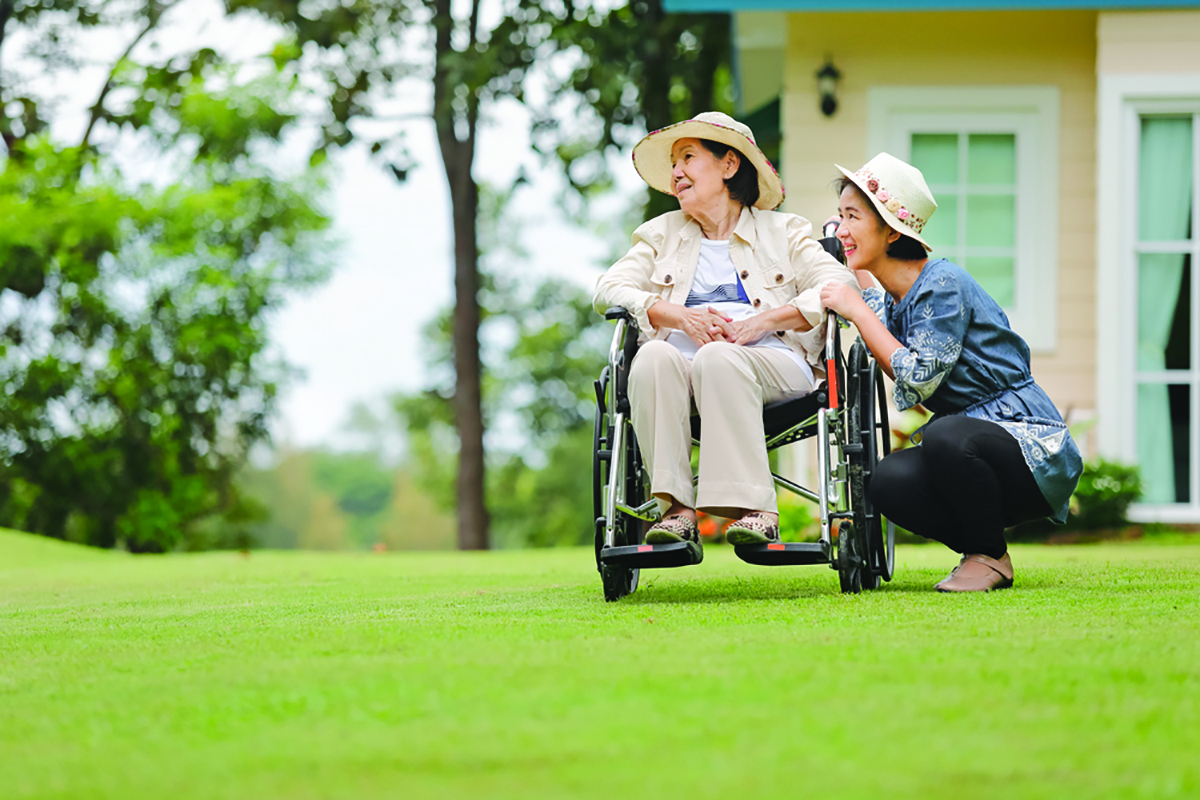
    photo of elderly woman relaxing on wheelchair in backyard with daughterEvery year, an increasing number of seniors are needing 24/7 care, whether it is due to a fall, heart condition or old age. Some have prepared for this, determining in advance who will be their power of attorney and who will care for them at home. Others may have already decided to go to a care home or nursing home when they can no longer care for themselves.

    Often, seniors automatically think that their son or daughter will take care of them when they are old. Some children do want to become caregiver’s  for their parents. Adult children may feel the need to give back to their parents as repayment for a good upbringing. And there is also that group who knows for certain that they’d rather hire a professional to care for their loved one.

    The idea of becoming a caregiver can be daunting. Consider answering these questions before going all in on caregiving.

    Do I have the necessary skills?

    Remember, at this stage in life your loved one may need help with tasks such as toileting,  showering, dressing, feeding, transferring and medication management. Using the right techniques ensures the comfort and safety of both the loved one and the caregiver.

    Will this hurt me financially?

    Caregivers may be required to stay home fulltime, sacrifice their careers and receive little to no income every month.

    Where do I go from here?

    After weighing out the pros and cons of caregiving, research what long-term care options are  available in the community. There are residential care homes, assisted living communities, nursing homes and private duty home care companies whose staff is trained to care for seniors. Find out what options are affordable for your kupuna. If the final decision entails you staying home and caring for your parent or parents, get as much caregiver training as you can. People can have the best intentions when it comes to caregiving, but it is always best to prepare yourself.


    CAREGIVER’S HEART HAWAII
    91-1121 Keaunui Dr., Ste. 108, PMB 193, Ewa Beach
    808-425-5101 | kuunani@caregivershearthawaii.com
    www.caregivershearthawaii.com

    Every year, an increasing number of seniors are needing 24/7 care, whether it is due to a fall, heart condition or old age. Some have prepared for this, determining in advance who will be their power of attorney and who will care for them at home. Others may have already decided to go to a…

  • Senior Well-Being Amidst the Pandemic

    Our kūpuna need our attention now more than ever. The  pandemic hinders not only casual gatherings but also activities that contribute to the happiness of our elderly. This is especially hard for them, since they eagerly look forward to family time, when they get to truly enjoy our undivided attention and company.

    Physical Distancing Not Isolation

    Dr. Alicia Arbaje, an associate professor of Medicine at the Johns Hopkins University School of Medicine, says physical distancing should not be confused with social isolation. More than a year of social distancing could easily be misconstrued as a no-contact situation. Visits with our elderly, especially those in facilities, may have been affected because of this, but there are several ways to make them feel loved and cherished. Innovations such as video calling and virtual conferences are great, temporary alternatives to visitations. Families can set up video calls through their parents’ caregivers or facility management. Or we can teach our elderly to use gadgets for video  conferencing. For example, I taught my 85-year-old grandfather to use Skype!

    We should not forget, however, that being with them in person, face to face, is very important to their overall well-being.


    MALAMA NUI HOME CARE LLC
    500 Ala Moana Blvd., Bldg. 7, Honolulu, HI 96813
    808-439-4058 | malamanuillc@gmail.com
    www.malamanui.com

    Our kūpuna need our attention now more than ever. The pandemic hinders not only casual gatherings but also activities that contribute to the happiness of our elderly. This is especially hard for them, since they eagerly look forward to family time, when they get to truly enjoy our undivided attention and company.

  • Senior Retirement Community Living

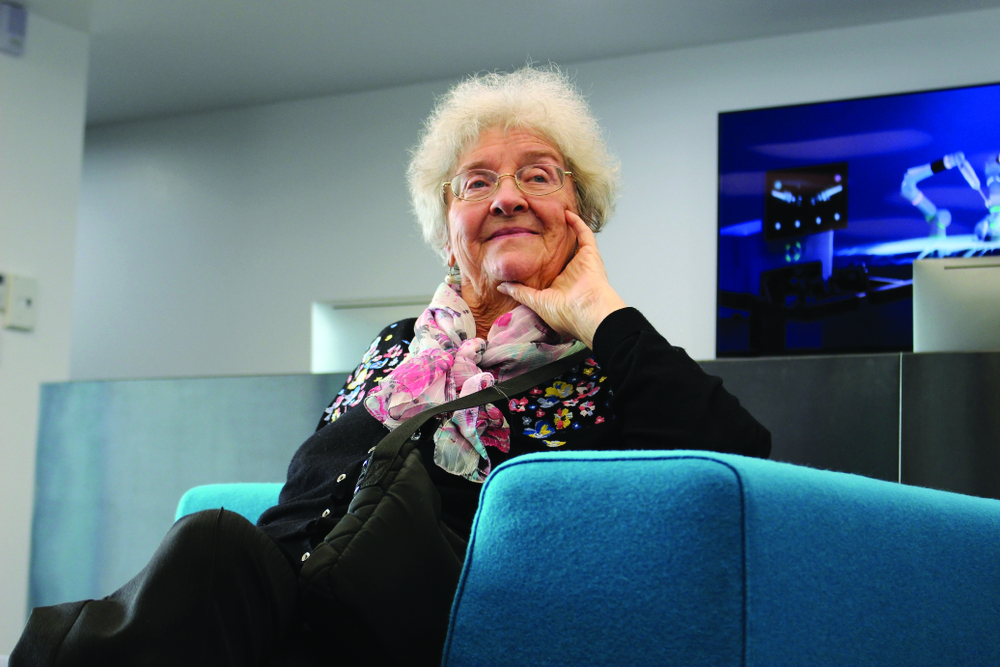
    photo of senior womanTake inventory of your situation before you begin looking into senior retirement communities. You can start by determining your timeline and reviewing the information in this article. You will then be ready to call the senior community sales department and ask the right questions.

    Below is a list of some of the services and amenities offered at senior living communities. Some are included in the standard monthly rent or fee and others incur an additional cost. Decide which are necessities and which are “nice to have.”

    ❏ cable TV, movies, documentaries, sports
    ❏ wi-fi & computer room
    ❏ bus service to drug stores, medical offices or shopping malls
    ❏ hair & nail salon
    ❏ physician available for on-site appointments
    ❏ meals & guest meals
    ❏ room service
    ❏ walking path
    ❏ exercise equipment & classes
    ❏ heated swimming pool &/or spa
    ❏ social activities
    ❏ art & music classes
    ❏ contemporary library
    ❏ utilities
    ❏ housekeeping
    ❏ parking
    ❏ laundry rooms

    Will you need additional services, for example, assisted living services, for an additional cost?
    These assisted living services could include:

    ❏ assistance to in-house meals and activities
    ❏ shower/bathing assistance
    ❏ assurance checks
    ❏ medication management
    ❏ personal laundry services

    Ask the sales department:

    ❏ Do you sign a contract?
    ❏ Is it a month-to-month agreement with no long-term lease?

    Familiarize yourself with apartment layouts, sizes and availability.

    ❏ Do the apartments have lanai?
    ❏ Are the apartments furnished or unfurnished?
    ❏ What is the view from the apartment?
    ❏ Where is the community located?
    ❏ Is there a waitlist?

    Once you have narrowed down your search, call for a tour. Have your calendar available and know when you would be available.

    Many seniors have been waiting for a reduction of the pandemic numbers before making a move. The vacant apartment inventory is limited as more seniors are arranging for tours and confirming move in dates. Begin your search today.


    GOOD SAMARITAN
    POHAI NANI RETIREMENT COMMUNITY
    45-090 Namoku St., Kaneohe, HI 96744
    808-236-7806 | nhendric@good-sam.com
    www.good-sam.com/locations/pohai-nani

    Take inventory of your situation before you begin looking into senior retirement communities. You can start by determining your timeline and reviewing the information in this article. You will then be ready to call the senior community sales department and ask the right questions.

  • Art Therapy Facilitates Meaningful Expression

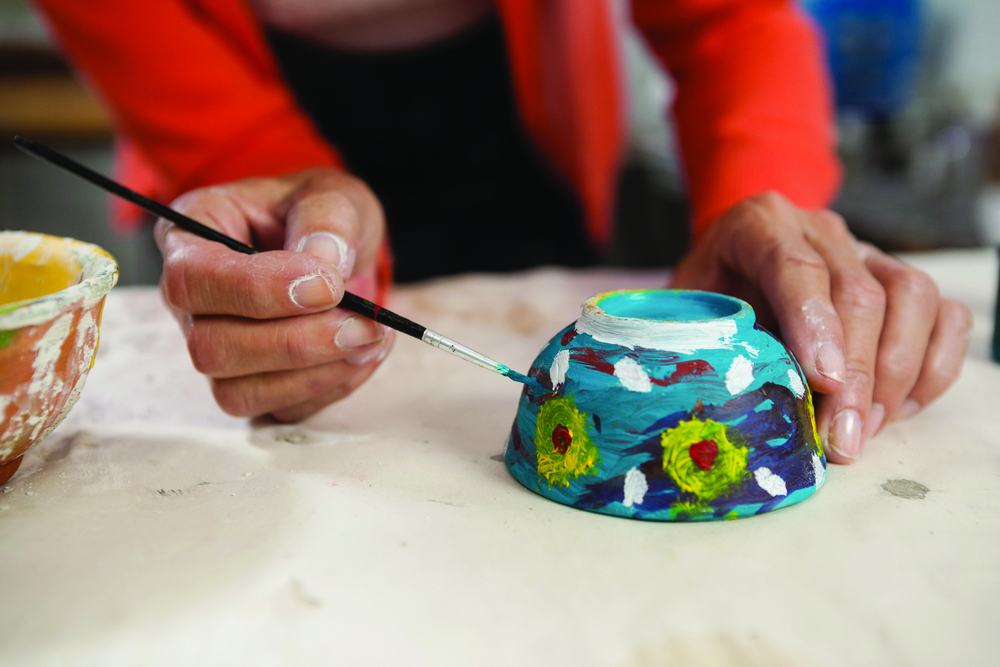
    photo of woman painting a bowl she just madeMany experts believe that art therapy can help individuals with dementia express themselves — beyond words and language. “In nurturing, calm, supportive settings, they sometimes have  moments of clarity and express things that shock us all,” says Ruth Drew, director of family and information services for the Alzheimer’s Association.

    Creating art engages a part of the brain that is different from language. Creativity can actually emerge even after the effects of dementia have progressed. “We think that in patients with language loss, the visual side of their brain stops being inhibited by the verbal side and that allows their visual creativity to be released,” says Dr. Bruce Miller of the Memory and Aging Center at UCSF.

    Project tips from The Alzheimer’s Association:

    • Keep the project on an adult level. Avoid anything that might be demeaning or seem childlike.
    • Build conversation. Discuss what the person is creating or reminiscing about.
    • Help the person begin the activity. If painting, you may need to start the brush movement.
    • Use safe materials, tools and substances.
    • Relax and enjoy the process. The artist doesn’t have to finish the project in one sitting.


    THE PLAZA ASSISTED LIVING
    6 Locations on Oahu: Punchbowl, Mililani, Moanalua,
    Pearl City, Waikiki, Kaneohe
    808-900-8544 | PlazaAssistedLiving.com

    Many experts believe that art therapy can help individuals with dementia express themselves — beyond words and language. “In nurturing, calm, supportive settings, they sometimes have moments of clarity and express things that shock us all,” says Ruth Drew, director of family and information services for the Alzheimer’s Association.

  • When Mom Falls, What Happens Next?

    The unexpected can occur at any time, no matter how prepared we think we are. A crisis will bring families together in an instant. If you are distanced from the area, there are ways to manage the situation. Working as ‘ohana with strong communication will help coordinate what is needed.

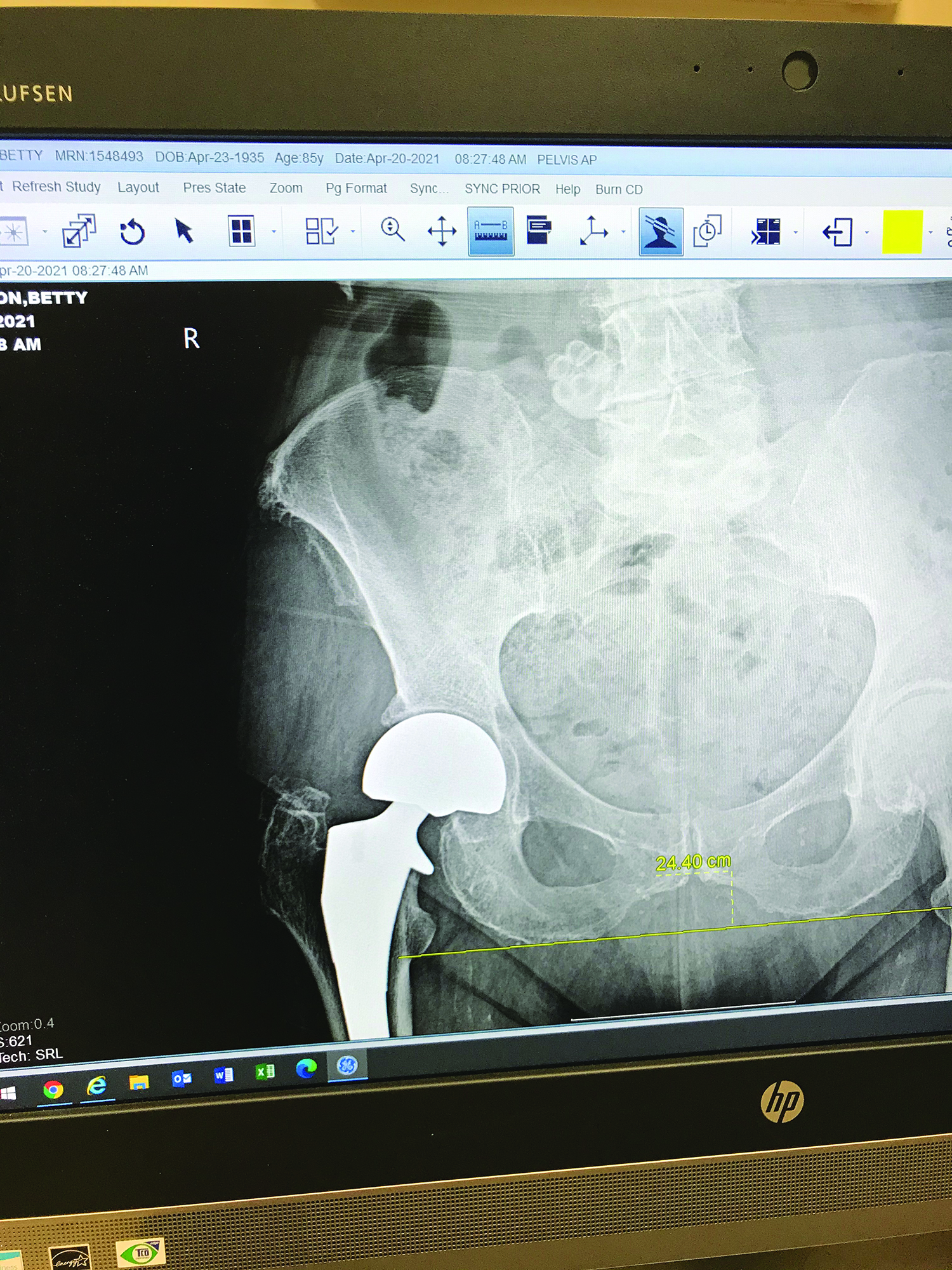
    Recently, I experienced a crisis when my mother fell and broke the head of her femur — otherwise known as a hip fracture. This is a common occurrence in our elderly, mostly in women. I got the call from 5,000 miles away. “Mom is having surgery on her hip tomorrow.” Emotions welled up in my chest, fears in my head and so many questions arose. How did this happen? What was she doing? Did she hit her head? Is she in pain? Is someone with her? Can I call her? Can she talk?

    Relieved by the sound of her voice, I found she was coherent but loopy from the pain medication. Fortunately, she had a friend with her who had called 911 when found on the floor of her bedroom. As it turns out rubber slippers and carpet create chaos. In a moment, she was down on her side and could not get up. She was able to drag herself to the phone and call my sister, who lives 1,000 miles away. As a family, we spread the word to her children and grandchildren. Group texts went on for a week or two after that, as she made her way through surgery, into a hospital room and magically was able to stand on her new hip the very next day!

    The hospital stay controlled her pain, monitored her incision, and physical therapy got her up and moving.

    I called her daily and gave reports to the ‘ohana regarding what might happen next. After five days, she was moved to a rehabilitation facility, where she was given intensive therapy three times a day. I am convinced this is what enabled her to recover with confidence.

    Meanwhile, the family planned a collective schedule for the next 30 days. My mother lives alone where she had been independent and providing for herself for years. She did all her own shopping, cooking, cleaning, yard work and home maintenance, and played golf four days a week. At 86 years old, she did not show any fragility. This was the first time she needed help.

    My niece took the first shift by flying in and getting her home. Afterward, I flew in and spent a week taking her to follow-up appointments and driving her around. My daughter came next and at the end of her trip, it had been 25 days.

    We did it by working together. Even though we all lived in different states, with our own lives, cooperation among family members, and sharing our time and our resources worked very well as we rallied for this crisis.

    If not for our family’s flexibility and ability to work toward a common goal, home healthcare would also have been a viable option. We may need to call upon those services the next time.

    I am happy to report that Mom has recovered and is independent once again. She has even made her way back to the golf course!


    ATTENTION PLUS CARE HOME HEALTHCARE
    Accredited by The Joint Commission
    1580 Makaloa St., Ste. 1060, Honolulu, HI 96814
    808-739-2811 | www.attentionplus.com
    AGING IN HAWAII EDUCATIONAL OUTREACH PROGRAM
    by Attention Plus Care — a program providing resources for seniors and their families, covering different aging topics each month. For class information and upcoming topics, call 808-440-9356.

    The unexpected can occur at any time, no matter how prepared we think we are. A crisis will bring families together in an instant. If you are distanced from the area, there are ways to manage the situation. Working as ‘ohana with strong communication will help coordinate what is needed. Recently, I experienced a crisis…