Category: Giving Care

  • Don’t Let Falls Trip Us Up

    Falls become more common and more serious as we age. The good news is that there are steps you can take to help prevent them. First, identify the health factors that can increase your risk for falling: poor eyesight, reduced reaction time, reduced muscle strength and medications that affect alertness, blood pressure or balance. Whenever you feel unsteady, use a cane or walker and promptly replace worn rubber tips. Be careful around pets and don’t leave clothes or newspapers on the floor to trip you up.

    BATHROOM SAFETY CHECKLIST:

    • Grab bars for toilet, bathtub or shower
    • Slip-resistant rug next to the bathtub or shower
    • Mounted or suction liquid soap dispenser on the bathtub/shower wall
    • Nonskid strips on the bathtub/shower floor n Sturdy plastic shower chair
    • Raised toilet seat and toilet armrests to maintain balance getting up and down
    • An extra-long sink mirror, for use when sitting

    BEDROOM SAFETY CHECKLIST:

    • All clutter cleared away from all pathways
    • Lamp, flashlight and telephone are within easy reach of the bed
    • Night-light pathways — bedroom to bathroom
    • Raised mattress to ease getting in and out of bed

    Visit www.tinyurl.com/ReduceFalling for a copy of this Home Fall Preventions Checklist.


    INTERIM HEALTHCARE HONOLULU 1833 Kalakua Ave. #107, Honolulu, HI 96815
    808-951-0949, Santiago Rivera, C.O.O. www.interimhealthcare.com/honolulu

    Falls become more common and more serious as we age. The good news is that there are steps you can take to help prevent them. First, identify the health factors that can increase your risk for falling: poor eyesight, reduced reaction time, reduced muscle strength and medications that affect alertness, blood pressure or balance. Whenever…

  • Not Just Clowning Around

    Have you heard that laughter is the best medicine? Well, it’s no joke. Our bodies love laughter!

    When we laugh out loud we create a positive energy that makes us feel less grumpy, happier and more content with our life.

    As we age, we are often faced with many challenges surrounding family, finances, and our health — just to name a few.

    When we laugh for at least ten minutes a day it provides numerous health benefits.

    • Laughter improves our oxygen intake, in turn helping keep organs and tissues healthy and strengthens the immune system.
    • Laughter causes a release of endorphins, characterized as “feel good chemicals.” These endorphins help us to relax and reduce stress levels.
    • After a good laugh, the heart rate slows and our blood pressure drops naturally, leaving the body in a restful state.
    • Laughter is great exercise for face muscles.
    • Laughter lifts spirits and creates a greater sense of well-being.
    • Laughter can reduce arthritic pain.

    So for health’s sake watch funny TV shows and movies, think of funny stories or jokes and share them with others. Smile often and try to find humor in all situations, even the tough ones.

    As Bill Cosby once said, “If you can find humor in anything, you can survive it!”


    HiHomeCare, 745 Fort Street, Honolulu, HI 96813
    808-356-HELP (4357) | info@hihealthcarehawaii.com
    hihealthcarehawaii.com

    Have you heard that laughter is the best medicine? Well, it’s no joke. Our bodies love laughter! When we laugh out loud we create a positive energy that makes us feel less grumpy, happier and more content with our life. As we age, we are often faced with many challenges surrounding family, finances, and our…

  • Shopping for Home Care

    Remember when you first helped your parents with the holiday decorations? Bringing those boxes of tangled light sets and frosted ornaments down from the attic, you knew something exciting was happening. Those scenes were a preview of family traditions that would be passed on to the generations.
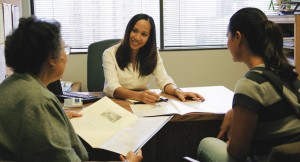
    Shopping for Home CareToday, as Hawai‘i’s aging population grows, many of us carry on these traditions and are the privileged caregivers for our parents.

    Holiday festivities can be challenging, as many need to work and balance family life at the same time, in addition to their caregiver roles.

    “When the decision is finally made to get help, we often see families in a panic, overwhelmed and confused about home care providers,” said Janet Grace, sales and marketing director at Attention Plus Care.

    Exercising due diligence, vetting home care agencies and understanding what resources are available can keep these challenges to a minimum, and improve the quality of life for families. Knowing how to discern what matters in home care agencies can also go a long way toward an effective decision-making process.

    “Asking the right questions when shopping for a service provider is paramount to giving your parents high-quality and safer care,” said Cindy Baker, RN at Attention Plus Care. “When the roles are reversed and the adult children of seniors are tasked to find care, we encourage those involved to ask questions. It’s a good sign.”

    Don’t let first meetings, minimal fees and quick promises of services mislead you. Real life doesn’t operate that way. In a July 13, 2012, study published in the Journal of the American Geriatrics Society, researchers posed as consumers seeking a caregiver for an older adult relative. Surveyed were 180 agencies around the country regarding hiring methods, from screening measures, training and skill competencies assessments to supervision, with the following results:

    • Only 55 percent of agencies did a federal background check
    • Only one-third of agencies said they did drug testing
    • One-third test for caregiver skill competency
    • Supervision ranged from one to weekly, which included home visits, phone calls and caregiver office visits

    Based on just a few results, consumers looking for a home care agency are taking a risk as to whether they will get a trained professional who provides quality care or one with little to no experience and training.

    Taking the proper steps will help keep your holiday traditions memorable and keep the spirit of giving special. No matter what the newness of the season brings, loving our kupuna is the greatest gift of all.

    For more information and details on home care and free community workshops on Aging in Hawai‘i hosted by Attention Plus Care, call 808-440-9372.

    FOUR KEY QUESTIONS TO ASK ARE:

    1. How long has the provider served as a home healthcare agency in Hawai‘i?
    2. Is the provider currently accredited by The Joint Commission? Is there a history of maintaining accreditation?
    3. Is the agency audited by the state Department of Health for proper bonding and insurance requirements under state law?
    4. Are caregivers regularly supervised, monitored to a home healthcare standard audited by a state or federal agency?

    ATTENTION PLUS CARE Accredited by The Joint Commission
    1580 Makaloa St., Ste. #1060, Honolulu, HI 96814
    808-739-2811 | www.attentionplus.com

    Remember when you first helped your parents with the holiday decorations? Bringing those boxes of tangled light sets and frosted ornaments down from the attic, you knew something exciting was happening. Those scenes were a preview of family traditions that would be passed on to the generations. Today, as Hawai‘i’s aging population grows, many of…

  • Senior Fall Prevention Awareness

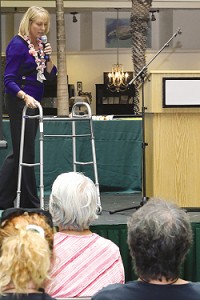
    Senior Fall Prevention AwarenessThe number of falls among Hawai‘i’s kupuna is growing at an alarming rate, and impacting families and health care organizations. Annually in Hawai‘i, an average of 86 seniors die, 1,912 are hospitalized and 8,010 are treated in emergency rooms as a result of falls. Among adults 65 and older, these falls are not only common, but related death rates have risen sharply over the past decade. Further studies show seniors 75 and older who fall are four or five times more likely to be admitted to long-term care facilities for a year or longer.

    Recent reports show Hawai‘i’s seniors are visiting hospital emergency rooms on a rate of every hour, 24 hours a day, seven days a week. This impact on our hospitals and physicians has resulted in close to $102 million in charges.

    “The good news is many falls and fall-related injuries are preventable, with current knowledge and collaborative community outreach programs,” explained Gina Beckford, RN, and client service supervisor at Attention Plus Care.

    Towards this end, fall prevention has become a larger area of focus and major priority for healthcare providers, seniors and payer sources alike. By promoting the safety and welfare of our seniors, the largest aging population in the country can be made aware of the facts, and of implementing interventions to prevent fall related injuries that can limit independence and mobility. To help raise awareness and address these issues, participating agencies are working with the state Department of Health to help advise seniors, family members and caregivers to know and incorporate the following steps, which are considered to be the four pillars of fall prevention:

    • Medication Management: Medications are the most complex of risk factors in senior falls. Have your doctor review your medications yearly.
    • Vision Checks: Annual vision checks are vital as people with vision impairments are more than twice as likely to fall than those without visual impairments.
    • Home Modifications: Keeping your home safe with proper lighting and removing fall hazards greatly reduces fall risks within the home.
    • Physical Activity: In older adults, exercising regularly increases balance, endurance and strength.

    Additionally, a Statewide Task Force on Falls Prevention, the Hawai‘i State Fall Prevention Consortium will be hosting the 4th Biennial Fall Prevention Conference on Oct. 16, 2015, at the Hawai‘i Convention Center. The theme for the conference is “Promising Practices in Fall Prevention and Beyond.” The event will bring together over 300 healthcare professionals raising awareness on falls prevention in older adults.

    “As a task force member and corporate sponsor, I highly recommend professional and community members to attend this event,” said Beckford. With everyone’s support and active participation, we can help our seniors to avoid falls and ensure a safer and higher quality of life!

    For more information and details on fall prevention and free community workshops on Aging in Hawai‘i hosted by Attention Plus Care, please call: 808-440-9372.


    Attention Plus Care, Accredited by the Joint Commission
    1580 Makaloa St., Ste. #1060, Honolulu, HI 96814
    808-739-2811 | www.attentionplus.com
    The number of falls among Hawai‘i’s kupuna is growing at an alarming rate, and impacting families and health care organizations. Annually in Hawai‘i, an average of 86 seniors die, 1,912 are hospitalized and 8,010 are treated in emergency rooms as a result of falls. Among adults 65 and older, these falls are not only common,…

  • Embracing Retirement Communities

    Hundreds of families, including my own, go through the aging process. Historically, and particularly in Hawai‘i, our cultures require us to take care of our kupuna in our homes. However, in current times, adult children have very busy lives working full-time and raising children and grandchildren.

    Today, an increasing number of families are turning to retirement communities for their aging loved ones. Retirement communities are no longer drab and dreary places with sad faces and worn wheelchairs. Residents experience vibrant and beautiful living spaces that promote wellness, recreation, socialization and health for older adults who all grew up in the same era. This means that residents share the same interests and find comfort in the same likes and dislikes.

    When family members visit their loved ones, they may find them exercising in the pool, arranging tropical floral bouquets, laughing with friends over coffee or volunteering in the community thrift store. The best part, however, is knowing that mom or dad have physical and emotional support, activities to look forward to, will never go hungry, and most importantly, are safe.

    Hawai‘i’s cultures are finally accepting and embracing the option of retirement communities. As I work with my clients, I am finding that our kupuna are independently choosing this lifestyle. They will tell me, “I don’t want to burden my children.” Parents cherish their independence and don’t want to burden their children; children want to do what’s best for their parents.


    Pohai Nani
    45-090 Namoku St., Kane‘ohe, HI 96744
    808-236-7807 | gishol@good-sam.com

    Hundreds of families, including my own, go through the aging process. Historically, and particularly in Hawai‘i, our cultures require us to take care of our kupuna in our homes. However, in current times, adult children have very busy lives working full-time and raising children and grandchildren. Today, an increasing number of families are turning to…

  • There’s Gold in Dem Der Walls

    Have you ever noticed a big gold seal on your hospital’s walls? It’s hard to miss. The emblem — The Joint Commission Gold Seal of Approval — stands out as a commitment to deliver safe, high-quality patient care under the most rigorous standards of performance. The Joint Commission is the largest and oldest standard-setting and accrediting body in health care, accrediting more than 20,500 organizations worldwide, including hospitals and home health care agencies. “People want to know The Joint Commission awards accreditation to home health care agencies, holding to the same processes as hospitals. But there’s more to it,” says Honolulu physician Dr. Stephen Lin, M.D.

    “Through The Joint Commission accreditation process, health experts look for an organization to deliver continuous improvement on patient safety, high-quality care, treatment and services. There are literally thousands of ways to say you did these things, but you need to prove it. The process can be stressful and you need to always be prepared to showcase your procedures and outcomes,” says Lin.

    It’s good news when a provider is awarded The Joint Commission Gold Seal of Approval. The distinction means that the organization submitted to the accreditation process and meets nationally recognized standards of excellence. Achieving the gold standard strengthens community confidence in the quality and safety of health care, holds caregivers participating within those systems accountable and shows that the provider is willing to deliver care at a higher standard. For our Kupuna, that’s worth its weight in gold.


    Attention Plus Care
    1580 Makaloa St., Ste. #1060, Honolulu, HI 96814
    808-739-2811 | www.attentionplus.com

    Have you ever noticed a big gold seal on your hospital’s walls? It’s hard to miss. The emblem — The Joint Commission Gold Seal of Approval — stands out as a commitment to deliver safe, high-quality patient care under the most rigorous standards of performance. The Joint Commission is the largest and oldest standard-setting and…

  • 5 Tips for Senior Sun Safety

    Summer and family fun is right around the corner! More sunshine not only makes the great outdoors more inviting, but increased UV rays and heat also create a few risks.

    Seniors don’t “feel the heat” the way younger people do and might not be aware of the risks of high temperatures. Physiologically, as we age, our bodies lose some natural ability to regulate temperature, making seniors more susceptible to sunburn, eye damage, dehydration, heat exhaustion and more. With some precautionary steps and healthy personal care, everyone can enjoy the summer sun.

    Five ways to play it safe in the sun:

    • Apply sunscreen early and often throughout the day. Try to apply sunscreen an hour before you head outside. The higher the SPF, the more protection there is. Reapply every two hours.
    • Drink plenty of water. Six to eight glasses per day is recommended; more if you’re engaging in physical activity or it’s particularly hot.
    • Stay indoors between 10 am and 2 pm, when the sun is most intense. When outdoors, look for shade, especially during the hottest hours.
    • Some medications cause increased sensitivity to the sun. Ask your doctor if you have any concerns about your medication side effects.
    • Wear the right clothing and eye protection. Lightweight, breathable fabrics are best. Wear wrap-around sunglasses that protect eyes from both UVA and UVB radiation.


    HiHomeCare, 745 Fort Street, Suite 116, Honolulu
    808-356-HELP | info@hihealthcarehawaii.com
    hihealthcarehawaii.com

    Summer and family fun is right around the corner! More sunshine not only makes the great outdoors more inviting, but increased UV rays and heat also create a few risks. Seniors don’t “feel the heat” the way younger people do and might not be aware of the risks of high temperatures. Physiologically, as we age,…

  • Where Do Caregivers Find Help?

    You know mom’s getting worse and you’re overwhelmed, with no time to even look for help. Don’t wait until you are running on empty and need help immediately to understand your choices, prioritize needs and know exactly how to select a qualified home health care provider.

    There are experienced home health agencies licensed in Hawai‘i and accredited by The Joint Commission, the nation’s oldest and largest accrediting body in health care. A licensed and accredited agency meets state and national standards to provide safe and effective care of the highest quality and value. Ask if your current or potential home care company is licensed.

    Many families are surprised to learn about the significant differences between “home care,” and “home health care” agencies in Hawai‘i. Cynthia Baker, BSN, RN, recently explained in a workshop for seniors and caregivers, “Home health agencies that provide direct or indirect skilled nursing and therapeutic services are held to a higher standard and must be licensed and regulated in the State of Hawai‘i. By contrast, home care agencies are not licensed in the state. Both provide important, but very different services.”

    There are many educational seminars being offered these days. As more seniors choose to age in place and be cared for at home, there is greater need for good information on managing the symptoms they may have from chronic disease to natural aging. “Kupuna love being educated, as it helps empower them and their quality of life,” said Baker.


    Attention Plus Care, Accredited by The Joint Commission
    1580 Makaloa St., Ste. 1060, Honolulu, HI 96814
    808-739-2811 | www.attentionplus.com

    You know mom’s getting worse and you’re overwhelmed, with no time to even look for help. Don’t wait until you are running on empty and need help immediately to understand your choices, prioritize needs and know exactly how to select a qualified home health care provider. There are experienced home health agencies licensed in Hawai‘i…

  • Are You Prepared?

    The American Red Cross, featured in this issue of Generations Magazine, is a historic organization that has served our country for more than 134 years. Not only does Red Cross provide assistance during crises, but it also educates the public on disaster preparedness. The question is: are you, as an older individual or as a caregiver to an elderly relative, prepared for an extended emergency?

    If you share your home with an elderly family member, disaster preparedness is paramount. Here are six ways you can prepare your home and your family for emergencies:

    • Take a moment to look up your local shelter: where it is located, what services does it provide.
    • Are home emergency kit batteries sufficient for a disaster? If electricity is critical to the care of your elderly family member, be prepared to transport your loved one to an acute care facility.
    • Put together a “To-Go Bag” with basic care items for your family member. Include extra clothing, diapers, baby wipes, water and medications.
    • Ensure your family member’s medication will last several days. Have at least one refill available.
    • Keep medications in a small cooler filled with reusable ice packs.
    • Plan ahead for civil emergencies, because your home services may be temporarily unavailable.

    Natural disasters and other emergencies are incredibly stressful; add caregiving and meeting the medical needs of loved ones on top, and you can be overwhelmed. But if you are prepared for crisis, you can keep your family protected! Aloha.


    HiHomeCare, 745 Fort Street, Honolulu, HI 96813
    808-356-HELP (4357) | info@hihealthcarehawaii.com
    hihealthcarehawaii.com

    The American Red Cross, featured in this issue of Generations Magazine, is a historic organization that has served our country for more than 134 years. Not only does Red Cross provide assistance during crises, but it also educates the public on disaster preparedness. The question is: are you, as an older individual or as a…

  • “I Want to Die Comfortably – at Home”

    Generations Magazine - “I Want to Die Comfortably - at Home” - Image 01National surveys say 80 percent of people want to “die in the comfort of their home,” but in Hawai‘i, only 22 percent of families use hospice services. Hawaii also ranks high (number 2 in the U.S.) in emergency room deaths. Are we getting what we want?
    Dr. Angelo Volandes from Harvard Medical School recently spoke to health care professionals in Hawai‘i about ways to find out what terminal patients really want. “We don’t live in a patient-centered health care system,” says Volandes.“ As patients, we need to take control and become the center of our care team’s attention.”

    Under-utilization of hospice services is a national problem, but worse in Hawai‘i. According to a 2007 study of over four thousand terminal patients, those on hospice lived longer than patients in hospitals who opted for complex procedures to “fight for longer life.”* Obviously, being kept alive in an intensive care unit is not the same as recovering enough to go home — but by the time families figure out their loved one is not coming home, it’s too late. For ten years Dr. Volandes taught doctors how to find out their patients’ end-of-life intentions. Now he is helping educate families to start the conversation early, and to tell their doctors — if they want to die comfortably at home.

    Dr. Volandes’ new book, “The Conversation,” tracks seven patients at the end of life. He says that if patients knew that surgical procedures and resuscitation at end of life often do little good, they might turn them down. Such procedures may even increase their loved one’s pain and decrease the comfort of their last days.

    HMSA (Hawai‘i Medical Service Association), Dr. Volandes, and Dr. Rae Seitz from John A. Burns Medical School collaborated to make a series of videos on advanced care planning. Videos are available to Hawai‘i hospitals and health care providers in all local languages so they can open the “Conversation” about end of life care and clearly plan for the patient’s true wishes and intentions.

    Dr. Volandes urges elders to take the first step — have a conversation with your loved ones — to be sure everyone in the family knows what you want. If you want to die in familiar surroundings at home, pick the person who will honor your wishes when you are no longer able to make your own decisions. For further information contact your health care provider. “The Conversation” is available in bookstores and on Amazon.com.


    Theconversationbook.org
    * Journal of Pain and Symptom Management
    Vol. 33 No. 3 March 2007, pp.238-245

    National surveys say 80 percent of people want to “die in the comfort of their home,” but in Hawai‘i, only 22 percent of families use hospice services. Hawaii also ranks high (number 2 in the U.S.) in emergency room deaths. Are we getting what we want? Dr. Angelo Volandes from Harvard Medical School recently spoke…

  • What Level of Care and Where?

    Cara had to face it — after 7 years, she couldn’t care for Dad at home any more. He needed 24/7 supervision and care and she was worn out. After calls to five facility managers, and getting no answers she collapsed in tears. Cora needed help right now…

    Cara’s story replays every day. Caregivers get beyond the limit of their own strength without even realizing it. Their loved one may not qualify for skilled nursing, but is already well beyond the care limit of assisted living.

    Some seniors are much happier in a small care facility that can provide increased care options when needed.
    Some seniors are much happier in a small care facility that can provide increased care options when needed.

    Hawai‘i has two more levels of care between Assisted and Skilled nursing: Adult Residential Care Homes (ARCH) which offers 24/7 supervision for safety and care for clients under the direction of a facility RN. An additional level of care is provided by Intermediate Care Facilities (ICF), with 24/7 care below the level of skilled nursing, but each client’s care is managed by an independent RN case manager, required by Hawaii State Department of Health. Case managers may cost an extra $500–$800 per month. Long-term care costs top out at skilled nursing facilities (SNF), which cost about $10,000/month in Hawai‘i.

    Some large care facilities offer independent living and all levels of care in different branches of their complex. A change in a person’s care level would mean moving to another section of the property, away from familiar clients, personnel and surroundings. Clients who choose smaller, friendly care homes without options for increased care services may have to move to a different facility when they require more care. When looking for placement in a small care home, one should try to find one that is licensed to provide intermediate care and has an Expanded Care License for skilled nursing care. Avoid the hassle and distress of moving when the inevitable happens.

    Most of all, be looking ahead, and don’t put off transition to a care facility until you are too exhausted to make a good decision. Your loved one and you will be much better off.

    _________________________________

    Kina ‘Ole Estates: Enriched. Dependable. Senior Living
    45-225 William Henry Road, Kaneohe
    808-233-4455 | bslaven@kina-ole.com
    www.kinaolehomes.com

    Cara had to face it — after 7 years, she couldn’t care for Dad at home any more. He needed 24/7 supervision and care and she was worn out. After calls to five facility managers, and getting no answers she collapsed in tears. Cora needed help right now… Cara’s story replays every day. Caregivers get…

  • The Winter Medication Blues

    Do you have so many medications that you feel you can’t manage them all? We call this “the medication blues.” Keeping your prescriptions straight, organizing pills or disposing of unused meds, can be truly overwhelming.

    The first step to cure the medication blues is to keep your medications organized. If you have several medications, you or a family member can type out each medication name, why you take it, and the dosage (how much and how often you take it). This list will allow you to clearly see all your medications in one place. Next, buy a pillbox at your local pharmacy. Pick a pillbox that will accommodate the amount of medications and how many times a day you need to take each. Fill your pillbox each week using your medication list as a guide.

    If a medication changes or is discontinued, properly dispose of it. There are several ways to dispose of old medications. The simplest way is to call your pharmacy to find out if it has a medication return or “take-back” program. Not all pharmacies have this program, but many do. If you can’t find a return program, follow this plan:

    Do not throw bottles of pills in the trash or flush them down the toilet. Instead, it is recommended that you strip the prescription label off the bottle, add some liquid to the bottle to dissolve the pills, reapply the lid, tape the lid with duct tape and throw the taped bottle in the trash.

    With these simple actions, you can get your medications organized, ensure you get the treatment you need and soon make the medication blues a thing of the past.


    HiHomeCare, 745 Fort Street, Honolulu, HI
    808-356-HELP (4357) | info@hihealthcarehawaii.com
    hihealthcarehawaii.com

    Do you have so many medications that you feel you can’t manage them all? We call this “the medication blues.” Keeping your prescriptions straight, organizing pills or disposing of unused meds, can be truly overwhelming. The first step to cure the medication blues is to keep your medications organized. If you have several medications, you…