Category: Giving Care

  • A Legacy of Caring for Aging Parents

    img_3271
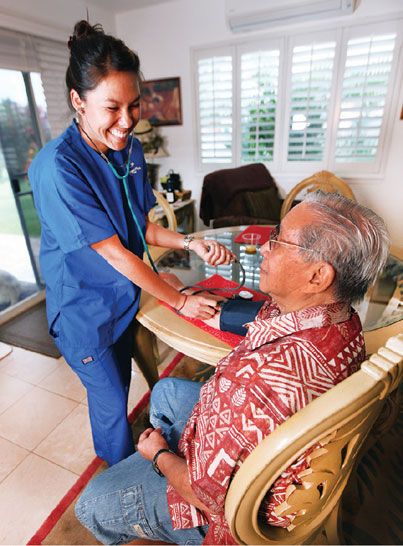
    A trusting relationship between consultant and family is key to determining the proper care that is necessary and fulfilling.

    According to a state Department of Health report, 82 percent of adults have at least one chronic disease and over half (53 percent) have two or more chronic diseases.

    “We find that like the foundation of a family, experienced home healthcare agencies form a structure that is effective, efficient, and responsive to the needs and values of seniors and their families,” said Marissa Ramos, RN.

    “Even though studies show Hawai‘i seniors live longer, they are still more likely to have one or more chronic conditions, such as cognitive impairment or heart disease,” said Marissa. “With chronic conditions come a greater likelihood of pain, loss of function and increased dependence. Skilled, licensed providers can help by carrying out physician’s orders, making assessments, assisting with managing pain and educating and training families.”

    Home healthcare agencies are uniquely equipped to help seniors and their families manage a wide range of care. Experienced providers can assess needs that are less complex, yet very important to the ongoing safety and quality of life of a senior family member.

    As seniors continue to age, more direct personal care may be needed. Home health aids and nurse supervisors are trained to provide both basic and more advanced levels of care.

    “When consulting with adult children and their parents, it’s important to understand the fine details of our senior’s life and history,” said Janet Grace, a home healthcare sales and marketing director. “This brings a special level of trust to the discussion and allows for a more comprehensive clinical plan of care to be developed, making an uncertain and difficult task better to accomplish.”

    “Every day, I have the privilege of hearing the amazing stories of our clients lives, the work they’ve done, the sacrifices they made and important lessons passed down through generations,” said Janet. “Because of these experiences, I’m deeply touched by how committed adult children are to making these same sacrifices for their parents by ensuring that safe and reliable home care is easy to access. This helps to preserve and perpetuate the legacies passed down from one generation to another.”

    Caring for parents or loved ones may appear to be a relationship where one person gives and the other receives. However, research shows that the relationship actually goes both ways. Adult children caregivers experience tremendous moments of comfort, appreciation and great satisfaction.

    Teaching our keiki to respect and love their kūpuna and informing them about their rich history and heritage will continue a family’s legacy of immense joy and reward far into the future.


    ATTENTION PLUS CARE
    Accredited by The Joint Commission
    1580 Makaloa St., Ste. 1060, Honolulu HI 96814
    808-739-2811 | www.attentionplus.com
    AGING IN HAWAII EDUCATIONAL OUTREACH PROGRAM:
    a monthly program to provide resources for seniors and
    their families, instructed by a registered nurse, who covers
    a different aging topic each month.
    For class information on fall prevention and upcoming
    topics, call 808-440-9356.

    According to a state Department of Health report, 82 percent of adults have at least one chronic disease and over half (53 percent) have two or more chronic diseases. “We find that like the foundation of a family, experienced home healthcare agencies form a structure that is effective, efficient, and responsive to the needs and…

  • Serving Senior Veterans

    OctNov2016 - servingsrveterans_image1
    Mr. Hiram Hagiwara, 2015 442nd RCT, 100th Battalion recipient of the French Medal of Honor. His caregiver, Sebastian Adam, said, “It was a privilege to spend time with and care for such a stellar man — not only a client, but a cherished friend. He is missed.”


    The Department of Veterans Affairs (VA) offers a wide variety of programs and services for the nation’s 23 million veterans. Today close to 121,007 veterans live in Hawai‘i. Of these, 50,139 (41.4 percent) served during WWII, Korea and Vietnam, according to the “National Center for Veterans Analysis and Statistics” (Community Survey) 2014 report. Every year on Veterans Day, Nov. 11, we pay tribute and salute these extraordinary men and woman who made the highest sacrifice by risking their lives for us.

    As this amazing generation of seniors ages, it is our turn to thank them. If we hold our country’s veterans in such high esteem, it’s important to care for them with the utmost dignity and respect. “It’s overwhelming when meeting with these incredible heroes — their service of valor and bravery is unrivaled,” said Janet Grace, sales and marketing director at Attention Plus Care. “Being in their homes, hearing remarkable stories of blood and battle, and seeing the incredible contributions they’ve made out of their love for this country is truly mindboggling.

    “I’m always on the edge of my seat in awe,” said Janet. “As a proud Navy veteran myself, the privilege to meet and discuss home care options with these precious seniors is so rewarding.”

    There is an understood responsibility and collaborative effort from various healthcare providers to ensure that our treasured veterans, and their families have access to the highest quality of patient safety and care available.

    “The amount and type of care are different for each person, and it is important to know that home health agencies providing direct or indirect skilled nursing and therapeutic services are held to a higher standard, and must be licensed and regulated by the State of Hawai‘i,” said Ivani Phillips, RN and client service supervisor at Attention Plus Care. “A registered nurse can oversee and manage a veteran’s care plan, work with their healthcare provider, understand their diagnosis, help manage chronic conditions such as Alzheimer’s disease and assess strategies to minimize risks as patients perform daily activities. Many combat heroes need assistance with tasks like ambulation when using a walker. Post physical trauma and injuries from service days may dictate a higher level of skilled care to manage colostomy, Hoyer lift and catheter care.”

    In Hawai‘i, only home care companies licensed by the state Department of Health may provide VA care services. A licensed care company is a valuable resource for homebound veterans. Mahalo to all of Hawai‘i’s veterans — we salute you!


    ATTENTION PLUS CARE Accredited by The Joint Commission
    1580 Makaloa St., Ste. 1060, Honolulu HI 96814
    
808-739-2811  |  www.attentionplus.com

    Available monthly:
    Aging in Hawaii Educational Outreach Program
by Attention Plus Care — A program to provide resources for seniors and their families, instructed by a registered nurse, who covers a different aging topic each month.
    For more information on upcoming topics, contact us at 808-440-9356.

    Serving Senior Veterans by Eileen Phillips, RN, Attention Plus Care from the Oct-Nov 2016 issue of Generations Magazine, Hawai‘i’s Resource for Life

  • Senior Travel Assistance

    Generations Magazine - August-September 2016 - Senior-Travel-Assistance_image1Recently, a longtime client of mine was looking more energetic and less arthritic than usual. I asked him what’s new and got the I-know-something grin. After checking his nasal cannula and portable oxygen concentrator, I smiled; his doctor had already given me the scoop on his Las Vegas plans. That was the reason why I was there to help him. He laughed, saying Vegas is his therapy.

    As is often the case, seniors with special needs can benefit from travel assistance. Some need a little help, such as assistance with supplemental oxygen or mobility equipment. For others, it may be more involved, such as finding services for kidney dialysis, labs, or getting an MRI and other imaging done while traveling.

    “Seniors want to stay active and travel longer,” said Client Service Supervisor Kari Wheeling, RN, at Attention Plus Care. More have chronic disease now and should see their doctors about risks and plans for safe travel.

    The U.S. Travel Association recently held a campaign called “Travel Effect” to educate people on the positive impact traveling has on lives. “We encourage seniors to travel when they can, as there are many physical, cognitive and social benefits documented on travel,” added Wheeling. While travel may have its risks, most seniors can take precautions against health emergencies while out and about.

    Consult Your Doctor

    Seniors should consult their doctors before traveling. Getting advice regarding their conditions for safe travel within or outside of the country, and taking the proper steps before, during and after a trip, can help seniors stay active and healthy.

    Bring Your Medication

    Seniors on medication should bring enough for their entire trip and keep it safe. If they are traveling out of the country, their medications may be unavailable or not equivalent to what was prescribed. Seniors should also have all of their doctor’s contact information and a prescription copy.

    Get Medication Certifications

    Seniors using medications that are controlled substances should get a certification from their doctor before traveling. Find out before traveling if your medications are legal where you’re visiting. Your medications should be current, labeled and match your certifications.

    Carry a Medical Alert

    Seniors with medical problems or allergies should consider a medical alert bracelet or medical alert card, which will identify their particular condition. A medical alert can be a lifesaving reference for emergency responders.

    Seniors needing travel assistance should call their airlines about special services for travelers. When buying your ticket, voice your special needs at least 48 hours in advance and get information about accommodations for your travel. Dr. Paul Nussbaum, a professor of neurological surgery at the University of Pittsburgh, said, “Travel is good medicine and promotes brain health and resilience across the life span.”

    For our seniors, traveling to the “Ninth Island” is just what the doctor ordered.


    Attention Plus Care Accredited by The Joint Commission
    1580 Makaloa St., Ste. 1060, Honolulu HI 96814
    808-739-2811  |  www.attentionplus.com

    Available monthly:
    Aging in Hawaii Educational Outreach Program
by Attention Plus Care — a program to provide resources for seniors and their families, instructed by a registered nurse, who covers a different aging topic each month. For more information on Travel Assistance and free community workshops on Aging in Hawai‘i hosted by Attention Plus Care, call 808-440-9356.

    Senior Travel Assistance by Eileen Phillips, RN, Attention Plus Care from the August-September 2016 issue of Generations Magazine, Hawai‘i’s Resource for Life

  • Animal Assisted Therapy

    Generations Magazine - Animal Assisted Therapy_image1
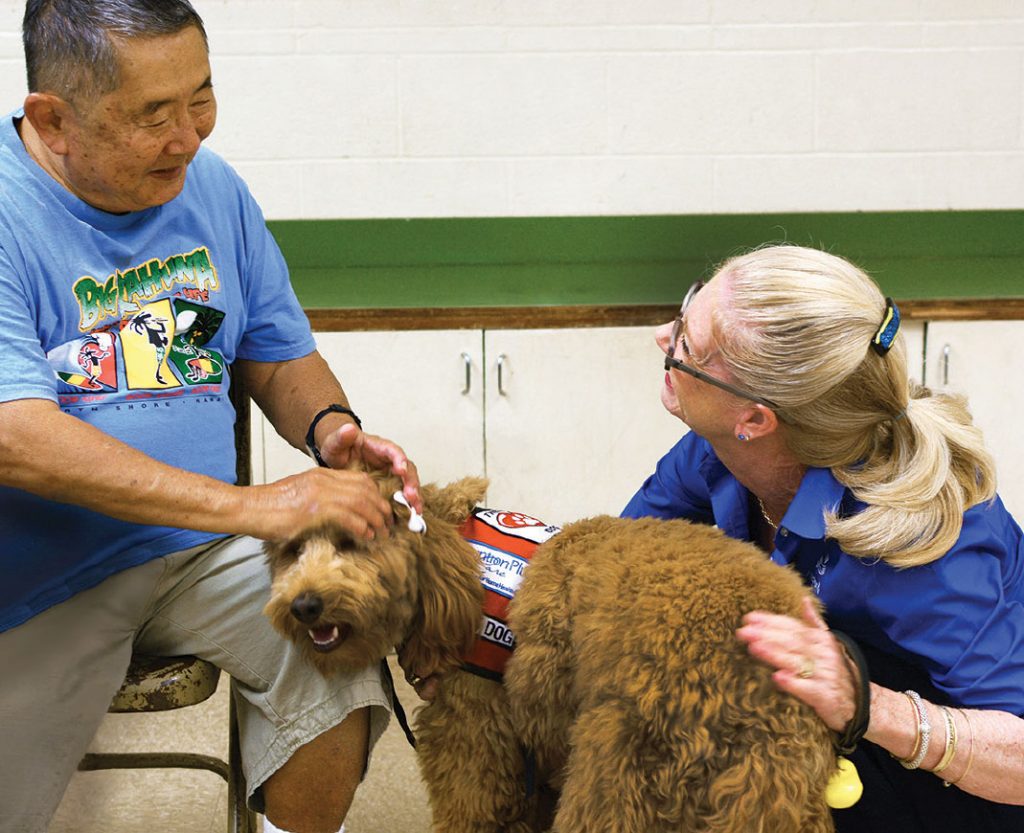
    One of our most beloved caregivers sports a fur coat to work each day.


    Her coat is stylish and doesn’t affect her walking on all fours. In fact, she couldn’t be happier visiting her patients in the hospital or their homes. And like most professionals, she delights when rewarded with a scratch behind her ears. Well, as you might have guessed, she is a therapy dog; her name is Ruby.

    Ruby, a highly trained labradoodle, is recognized by the American Kennel Club (AKC) as a certified therapy dog. She volunteers most of her time visiting children and adults in the hospital or their homes.

    “Ruby truly enjoys being with her clients,” said her handler, Carol Samples, RN and CEO of Attention Plus Care. “She can connect and help people in a way where other treatments cannot.

    Ruby is the product of her breed and the special training she has received. Her talent for boosting morale can be life-changing for some clients.

    Pet therapy, also called animal-assisted therapy (AAT), has been observed as having a positive effect on seniors. A one-year study of approximately 1,300 adults aged 65 or older (published in the Journal of the American Geriatrics Society) found that companion animals had a positive effect on their activities of daily living (ADLs). Older adults without pets experienced a decline in ADLs compared to similar groups with pets, the study revealed.

    A study in the Journal of Gerontology also found that a therapy dog had a positive effect on residents at long-term care facilities. Residents engaged with a therapy dog experienced less loneliness after the end of the six-week study. The study also found that one 30-minute session a week with a therapy dog significantly reduced participant loneliness.

    “We notice a decrease in blood pressures and increase in smiles when Ruby visits our medically fragile patients,” said Samples. “The effects are profound and bring a sense of joy to those who can’t have a pet in their life.”

    AAT for seniors has also been shown to help Sundowner’s Syndrome, evening periods of agitation and confusion in those with Alzheimer’s disease and dementia. Touching and being touched by a therapy dog provides tactile and cognitive stimulation for patients and improves their sense of well-being.

    Dr. Michael McCulloch, a Portland psychiatrist, studies why pets are therapeutic. His research reveals that the therapeutic effect is linked to one basic human need.

    “Touch is one of our primary needs when we’re born and one of our last needs to go.”

    — Dr. McCulloch

    Ruby just thinks it’s good, furry fun.


    ATTENTION PLUS CARE Accredited by The Joint Commission
    1580 Makaloa St., Ste. #1060, Honolulu, HI 96814
808-739-2811  |  www.attentionplus.com
    Available monthly:
    Aging in Hawaii Educational Outreach Program
by Attention Plus Care – a program to provide resources for seniors and their families, instructed by a registered nurse, who covers a different aging topic each month.
    For more information on Animal Assisted Therapy and 
free community workshops on Aging in Hawai‘i hosted by Attention Plus Care, call 808-440-9372.

    Animal Assisted Therapy by Eileen Phillips, RN, Attention Plus Care from the June-May 2016 issue of Generations Magazine, Hawai‘i’s Resource for Life

  • Prepare to Care for a Loved One

    Do you use your lunch hour or leave work early to run errands for your parents? Spend more time tending to mom’s prescriptions than your own?

    As our parents age, it’s more a matter of when, not if, they will need our help. In a recent AARP survey of Hawai‘i registered voters age 45 or older, more than one in five residents said they are currently providing care for a loved one. Four in 10 residents believe it’s likely they will do so in the future.

    As Hawai‘i ages, we know that many families don’t have a plan in place to support their parents when the time comes. That’s a problem because one day you may get a call that mom or dad has slipped in the shower and has been admitted to the hospital. At that point, emotions take over. By taking some immediate steps today you can be better prepared for the future:

    Start the Conversation

    Many people wait until a crisis occurs before they ask their parents about their preferences, wishes for health care or the details of their finances. If you wait until a fall, accident or serious diagnosis, big decisions may be driven by inaccurate assumptions of what your parents want.

    Form your Team

    No one should approach the emotions and responsibilities of caregiving alone. While other family members are likely sources of support, don’t overlook friends, colleagues, clubs and faith-based organizations as resources too.

    Make a Plan

    Putting together a caregiving plan now will help you respond more quickly and effectively. It can also provide peace of mind. A plan helps everyone get on the same page and focus on what’s best for your parents.

    Find Caregiving Resources

    Look around your community for resources to help with medical needs, counseling, legal support, adult and senior services, caregiving support groups, in-home care services, veterans’ benefits, and health insurance information on Medicare, Medicaid and long-term care insurance.

    It’s also important to be an advocate for yourself and the person you care for. At the Hawai‘i state legislature this year, AARP Hawaii is part of a coalition of advocates working on a measure that will allow patients to designate a family caregiver when a loved one is admitted to the hospital. The proposed CARE Act would require hospitals to give all inpatients the opportunity to have the designated caregiver instructed, before discharge, in the tasks needed to keep them safe when they go home. The bill is meant to help caregivers with training and education on medical and nursing tasks at home, and prevent costly unscheduled hospital or doctor visits.


    AARP CAREGIVING RESOURCE CENTER
    1-877-333-5885  |  www.aarp.org/caregiving

    Do you use your lunch hour or leave work early to run errands for your parents? Spend more time tending to mom’s prescriptions than your own? As our parents age, it’s more a matter of when, not if, they will need our help. In a recent AARP survey of Hawai‘i registered voters age 45 or…

  • I Never Knew That About Hospice

    Kokua Mau is Hawai‘i’s resource for accurate information on hospice and palliative care services. Visit them online. Then call your health insurance company or local hospice to have all your questions answered. What people say about hospice is sometimes inaccurate:

    I don’t need Hospice. Mom’s not in a coma yet.

    Hospice care starts when your doctor says your loved one will probably not survive more than six months. Support from Hospice nurses, doctors, social workers, chaplains and aides can begin at any level of care. There is no need to wait.

    Dad doesn’t want to go to Hospice. He wants to die at home.

    Hospice does some work in facilities, but the Hospice team supports most patients and caregivers at home, in the comfort of familiar surroundings.

    We want to keep the home caregiver we have.

    Hospice joins the care team already in place, providing another level of support for the family and the patient. Hospice is dedicated to making patients comfortable.

    If Dad lives longer than six months, Hospice will kick me out.

    Not so. As long as a doctor recertifies that your loved one has a six-month or less prognosis, hospice service continues. If your loved one gets better, Hospice comes back whenever he/she is eligible again. You don’t “use up” Hospice.


    KOKUA MAU
    P.O. Box 62155, Honolulu, HI 96839

    808-585-9977  |  Info@kokuamau.org  |  www.kokuamau.org

    Kokua Mau is Hawai‘i’s resource for accurate information on hospice and palliative care services. Visit them online. Then call your health insurance company or local hospice to have all your questions answered. What people say about hospice is sometimes inaccurate: I don’t need Hospice. Mom’s not in a coma yet. Hospice care starts when your…

  • Four Myths About Home Care

    Generations Magazine - April-May 2016 - Four Myths About Home Care - image 01Giving your kūpuna the opportunity to age at home is wonderful, but at some point, you will need to ask for help. Don’t let these four myths about home care hold you back.
    Home care starts at four hours per day. Home care services generally offer flexible care plans to meet your needs — even if you’re looking for just a few hours of respite every week. If and when required, you may increase your caregiver’s hours.

    Home care is inferior to institutionalized care. Aging in place or in a care home is a personal choice, but home care offers high quality, one-on-one care in a familiar place. Reputable providers ensure that their caregivers are fully screened, highly qualified, and have all necessary licenses and certifications, including CPR and First Aid.

    Home care is for very ill seniors. Home care services can benefit anyone recovering from an illness or in need of extra help, including persons with disabilities and frail seniors. It can also provide family caregivers a break. Home care services can range from wound care and supervising medication intake to household chores and companionship.

    I have no say about which caregiver I get. Ensuring that you are comfortable with your caregiver is very important. A good home care company will carefully match you with a compatible caregiver to fit your needs. Be sure they conduct a free, in-home consultation and assessment.


    ALTRES Medical
    967 Kapiolani Blvd., Honolulu, HI 96814
    Kristina Wong, Care Manager

    
808-591-4930  |  altresmedical.com

    Giving your kūpuna the opportunity to age at home is wonderful, but at some point, you will need to ask for help. Don’t let these four myths about home care hold you back. Home care starts at four hours per day. Home care services generally offer flexible care plans to meet your needs — even if you’re…

  • Transitions in Aging

    Generations Magazine - April-May 2016 - Transitions In Aging - image 01Family members see taking care of elderly parents as both an honor and an obligation. It’s a never-ending journey, looking back in awe of the amazing lives our mothers and fathers lived. More so, reflecting on the legacies they have blazed through the ages. As the large Baby Boomer generation ages, more people than ever will find themselves caring for aging parents or family members. Here in Hawai‘i, there is great respect and admiration for our kūpuna.
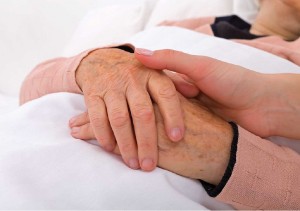
    The truth is, there are differences in generations. There always have been, and probably always will be. “When learning about the extraordinary lives our seniors have led, you realize how amazing they are,” said Janet Grace, sales and marketing director at Attention Plus Care.

    Despite your loved ones’ strong level of independence, there are still challenges of growing older. Medical conditions are more likely to develop that make it more difficult for persons to care for themselves. It’s important to know when to step in and speak with your parents about the problems you’re observing. “Having lived with my 86-year-old Auntie who worked until her late 70s, drove well into her 80s, and spent countless days with her friends at the Mōili‘ili Senior Center, I was overwhelmed when she had her first fall,” said Grace.

    Even when relationships are strong between adult children and their parents, the situation is very delicate. Getting an accurate assessment of a parent’s ability to remain safely independent at home is critical. It identifies risks and options to reduce them. Caring for an aging family member is multidimensional. Each illness or disease associated with aging has different mental and physical symptoms. The severity of symptoms is often gauged by the loved ones ability to perform everyday tasks. Activities of daily living (ADL’s) are basic self-care tasks, such as eating, dressing and bathing. Instrumental activities of daily living (IADL’s) are the most complex tasks of living, such as preparing meals, managing finances and taking medications.

    It’s important to understand that home care is no longer just about talking to loved ones, giving baths and taking blood pressure. “Experienced aging and skilled home health providers know that home care is a key step toward achieving optimal health outcomes for many of our clients,” explains Cindy Baker, BSN, RN at Attention Plus Care. Studies have shown that home care interventions can improve quality of care and reduce hospitalizations due to chronic conditions or adverse events. We find that gaps occur when clients move from a hospital to home without proper information and or preparation. Good information and resources lead to fewer patient incidents and safety issues in the home setting.

    “It has a lot to do with family members understanding how to handle these transitions,” added Baker. There are many resources, classes and supportive programs that provide valuable assistance for family caregivers and allow seniors access to higher and safer levels of quality care.


    ATTENTION PLUS CARE Accredited by The Joint Commission
    1580 Makaloa St., Ste. #1060, Honolulu, HI 96814

    808-739-2811  |  www.attentionplus.com

    Available monthly:
    Aging in Hawaii Educational Outreach Program
 by Attention Plus Care
    A program to provide resources for seniors and their families, instructed by a registered nurse, who covers a different aging topic each month.

    For class information on Parkinson’s disease and upcoming topics, contact 808-440-9372.

    Family members see taking care of elderly parents as both an honor and an obligation. It’s a never-ending journey, looking back in awe of the amazing lives our mothers and fathers lived. More so, reflecting on the legacies they have blazed through the ages. As the large Baby Boomer generation ages, more people than ever…

  • The Good Daughter

    Generations Magazine - April-May 2016 - The Good Daughter - image 01Arlene’s mother’s last breath was soft and peaceful. Arlene welled up and sobbed — not entirely from sadness, but also from release. She had done all she could do. She had honored mom’s wishes and here they were, alone at Arlene’s home on O‘ahu; Mom’s pain and frustration were over.

    Arlene texted her family. They were all here last week, so there wasn’t much to say. The last family gathering was part of mom’s plan for peace and no regrets. Everyone said what they needed to say. Now the nurse from Islands Hospice was gently preparing mom for transport to the mortuary. It was surreal, but Arlene was at peace too.

    Over twenty years ago, Janet had instructed her children in her belief that people do not have to suffer at the end of their lives. Every couple of years she would bring up the conversation. Arlene could hear her now, “We don’t let our pets suffer at the end of their lives; I want you to show me that same compassion. Help me die with dignity, in my own bed.” Janet told her daughter that her greatest fear was the burden of being dependent on others for her personal care. As Arlene got older she understood that if her mom got sick and could not get better, she would choose when to die, and Arlene would help her pass peacefully.

    Janet was living a full life as professional educator, living independently and serving on her church board when the stroke came. Suddenly, she was paraplegic, incontinent, aphasic and very dependent. She tried rehabilitation, but after three months, all she recovered was control of her facial muscles. She still could not say what she was thinking, but with great difficulty, she spelled out a message to Arlene, by feebly pointing to one letter at a time. Janet had the financial means to pay for her continued care, but she was done suffering and being completely dependent.

    Arlene would never have been able to guess her mother’s wishes. But Janet had trained her for this moment. Without breaking any laws, Janet would purposely refuse nourishment, and Arlene would not intervene, but honor her decision and keep her comfortable at home. Years ago, the whole family agreed to Janet’s “compassionate choice,” if she became bedridden and dependent.

    After Janet was transported to Arlene’s home, the family came together for their farewells. It was a peaceful time and with its own joys. When Janet indicated that she was done “entertaining,” the family left. Her focus turned to passing. Our bodies can live for months without food, but only a few days without liquids. Paralyzed parts of Janet’s body were in pain, and hospice treated the pain to keep her comfortable. In a few days, Janet was done being “conscious” and gave in to sleep. Her resolve never waivered. Arlene was able to be a good daughter and support her mother’s plan: to die peacefully at home, with dignity.

    Arlene’s mother’s last breath was soft and peaceful. Arlene welled up and sobbed — not entirely from sadness, but also from release. She had done all she could do. She had honored mom’s wishes and here they were, alone at Arlene’s home on O‘ahu; Mom’s pain and frustration were over. Arlene texted her family. They were all here…

  • Consider Memory Care Options

    Generations Magazine - April-May 2016 - Consider Memory Care Options - image 01Independence is a matter of choice and circumstances. And as we age, we naturally become more dependent on others. Living “independently” may mean that you own a home with a yard or a condo, you rent an apartment, or you rent a room in a senior living community. Most people who live a long life can expect to move from one level of independent living to another as yard work, driving and housekeeping become impossible tasks. The newest senior living communities now offer several options in one living complex: independent living, assisted living, short-term respite care for rehabilitation, a memory care neighborhood, and skilled nursing facility. This broad array of services allows clients to easily transition to a higher level of assistance and care within their new home.

    Many seniors worry about how they might be cared for if they lose their memory or develop dementia. Memory care prescribes a specialized program of personal care and services designed for individuals with Alzheimer’s disease or other forms of dementia. Some individuals with memory loss continue to live at home with their families, under the care of their family doctor and supported by adult day care for socialization. Other individuals with dementia live in memory care communities staffed with aides who are uniquely qualified to provide comfort, safety and support for residents, and to provide opportunity for social interaction.

    Memory care “neighborhoods” designed for dementia and other memory impairments, blend a home-like environment with holistic-centered programs and services under the supervision of highly-trained compassionate care managers. A team of professional care specialists deliver an individualized care program for each resident, based on confidential assessments or his/her cognitive abilities. Regularly scheduled follow up assessments and ongoing monitoring ensure that each resident is properly treated and supported through every stage of his/her disease.

    It’s inevitable that aging seniors will need care and assistance at some time. Instead of worrying about it, educate yourself on all the options and plan ahead.


    KALĀKAUA GARDENS — 
A Senior Assisted Living Community
    1723 Kalakaua Ave. Honolulu HI 96826
    808-518-2273  |  www.kalakauagardens.com

    Independence is a matter of choice and circumstances. And as we age, we naturally become more dependent on others. Living “independently” may mean that you own a home with a yard or a condo, you rent an apartment, or you rent a room in a senior living community. Most people who live a long life…

  • Faithful Companions

    Generations Magazine -Faithful Companions  - Image 01Pets are great at any age. Do you remember your first pet and learning how to care for Spot or Fluffy? It doesn’t take much time and effort to keep a mature pet. The love, attention and companionship they give seems so much more than the protection, food and exercise we offer.

    The Humane Society has a special program called Senior to Senior, where persons over 60 may adopt any dog or cat over 6 years of age — free of charge. Many seniors prefer smaller dogs that are older, have more settled personalities and are already housebroken and trained. Retirement gives us more time for a pet and a deeper need for companionship. If you want a little encouragement to get out for your daily exercise, a pet has a special way of getting you to your feet!

    The Hawaiian Humane Society is an education and advocacy organization that shelters, protects, rescues, reunites and rehomes animals. It is O‘ahu’s only open-admission shelter that welcomes all animals. Established in 1883, this nonprofit organization is not a chapter of any group because there is no national humane society. The humane societies on neighbor islands: Hawaii Island Humane Society, Maui Humane Society, Kauai Humane Society and West Hawaii Humane Society are separate entities. Gifts made directly to these independent organizations help local animals.

    Christina Kam, Communications and Events Manager at The Hawaiian Humane Society says that seniors make excellent volunteers because many are retired and have time to devote to helping animals. They show up on schedule to walk dogs in the morning and help clean the cat house. They even do community presentations on behalf of the Hawaiian Humane Society. “Seniors may also become foster families and care for the animals in the comfort of their own homes,” says Kam. “Please ask your readers to contact us and learn more about volunteer opportunities.”

    Generations Magazine -Faithful Companions  - Image 02Need more encouragement? Just look at this cute dog who was up for adoption in January. We missed the chance to give him a home then — but the pet of your dreams may be waiting for you right now at your local Humane Society.


    HAWAIIAN HUMANE SOCIETY 2700 Waialae Ave., Honolulu HI 96826
    808-356-2200 | www.hawaiihumane.org

    Pets are great at any age. Do you remember your first pet and learning how to care for Spot or Fluffy? It doesn’t take much time and effort to keep a mature pet. The love, attention and companionship they give seems so much more than the protection, food and exercise we offer. The Humane Society…

  • Alzheimer’s Disease Awareness

    The toll on families and individuals caring for someone with Alzheimer’s disease can be life-changing. We often hear from family caregivers about the impact Alzheimer’s disease has on their lives and their need for support.

    More than five million people in the United States are living with Alzheimer’s disease. By 2025, it is estimated that there will be 35,000 patients in Hawai‘i older than 65 with Alzheimer’s and other related diseases (ADRD). With our rapidly aging senior population, more information and awareness about this chronic illness will be needed.

    “Increasing public awareness of Alzheimer’s disease is an important goal of care providers,” said Wesley Chang, chief administrative officer of Attention Plus Care. “Fear and stigma associated with Alzheimer’s disease can prevent individuals from seeking help. Information and education can change that and make a positive difference.”

    “By efficiently mobilizing clinical resources, family members can better assist those living with chronic diseases like Alzheimer’s to achieve and maintain a level of independence and quality of life,” Cynthia Baker, BSN, RN, recently explained in a workshop for seniors and caregivers. “Licensed home health agencies can provide skilled nursing and therapeutic services, helping ku¯puna to remain at home safely and avoid preventable hospitalizations.”

    With ongoing collaboration, experience in teaching and care coordination, home health providers are valuable team members in the care of ADRD, and especially helpful with transitions between care settings.

    “The Alzheimer’s Association Aloha Chapter exists to eliminate Alzheimer’s disease through the advancement of research, to provide and enhance care and support for all affected and to reduce the risk of dementia through the promotion of brain health,” said Pamela Ah-Nee, program specialist at the Alzheimer’s Association Aloha Chapter. “We are grateful to partner with care providers who provide safe and reliable care for our loved ones living with dementia-related illness.”

    To improve the management of ADRD, Hawai‘i care providers partner with support groups such as the Alzheimer’s Association Aloha Chapter. Together they work to conduct education and public awareness campaigns to focus on early and accurate diagnosis, risk factors, warning signs, brain health, difficult behaviors and the importance of advance care planning and caregiver coping strategies.

    “Age is a risk factor for Alzheimer’s disease, so the earlier we start understanding the illness, the better,” added Chang.


    ATTENTION PLUS CARE Accredited by The Joint Commission 1580 Makaloa St., Ste. #1060, Honolulu, HI 96814 808-739-2811 | www.attentionplus.com

    Available monthly:

    AGING IN HAWAII EDUCATIONAL OUTREACH PROGRAM by Attention Plus Care – a program to provide resources for seniors and their families, instructed by a registered nurse, who covers a different aging topic each month.

    For class information on Alzheimer’s disease and upcoming topics, contact 808-440-9372.

    The toll on families and individuals caring for someone with Alzheimer’s disease can be life-changing. We often hear from family caregivers about the impact Alzheimer’s disease has on their lives and their need for support. More than five million people in the United States are living with Alzheimer’s disease. By 2025, it is estimated that…