Category: Giving Care

  • Repetitive Questioning in Alzheimer’s

    In home care, a question I often get is how to care for someone with Alzheimer’s who asks the same questions over and over again. To better understand and manage what’s going on, it helps to first know a bit on Alzheimer’s disease and dementia.
    Alzheimer’s is a type of dementia that affects memory, thinking, and behavior. It’s a progressive disease, where brain cells deteriorate and eventually a person can’t make sense of the world. When short term memory is affected, it can lead to repetitive behaviors, like stating or asking about the same things over and over. In essence, your loved one can’t recall having already asked a question because of their memory loss. A person with Alzheimer’s may be unsure of what’s around them, where they are, the passage of time, or recognizing anyone. All together it’s very unsettling, and a source of discomfort for them. Understanding how they feel, or describing their own feelings and needs, can also be lost in a person with Alzheimer’s disease.

    Affected by these conditions, your loved one isn’t trying to be annoying, or repeating questions because they need information. They’re really asking questions because of feeling lost, stressed and anxious, and need reassurance. As a caregiver, answering these questions can be difficult, and wear out your ability to care for a loved one. To help, caregivers should be prepared with some basic knowledge and awareness on how to respond:
    Keep it simple. Use short and simple responses. Reassure with a calm voice and gentle touch. Avoid complex explanations with multiple ideas when asked a question.
    Physical. See if there is discomfort, pain, or something physical at the root of the cause. For example, infections or side effects from medications can also cause changes in behavior and awareness in older adults.

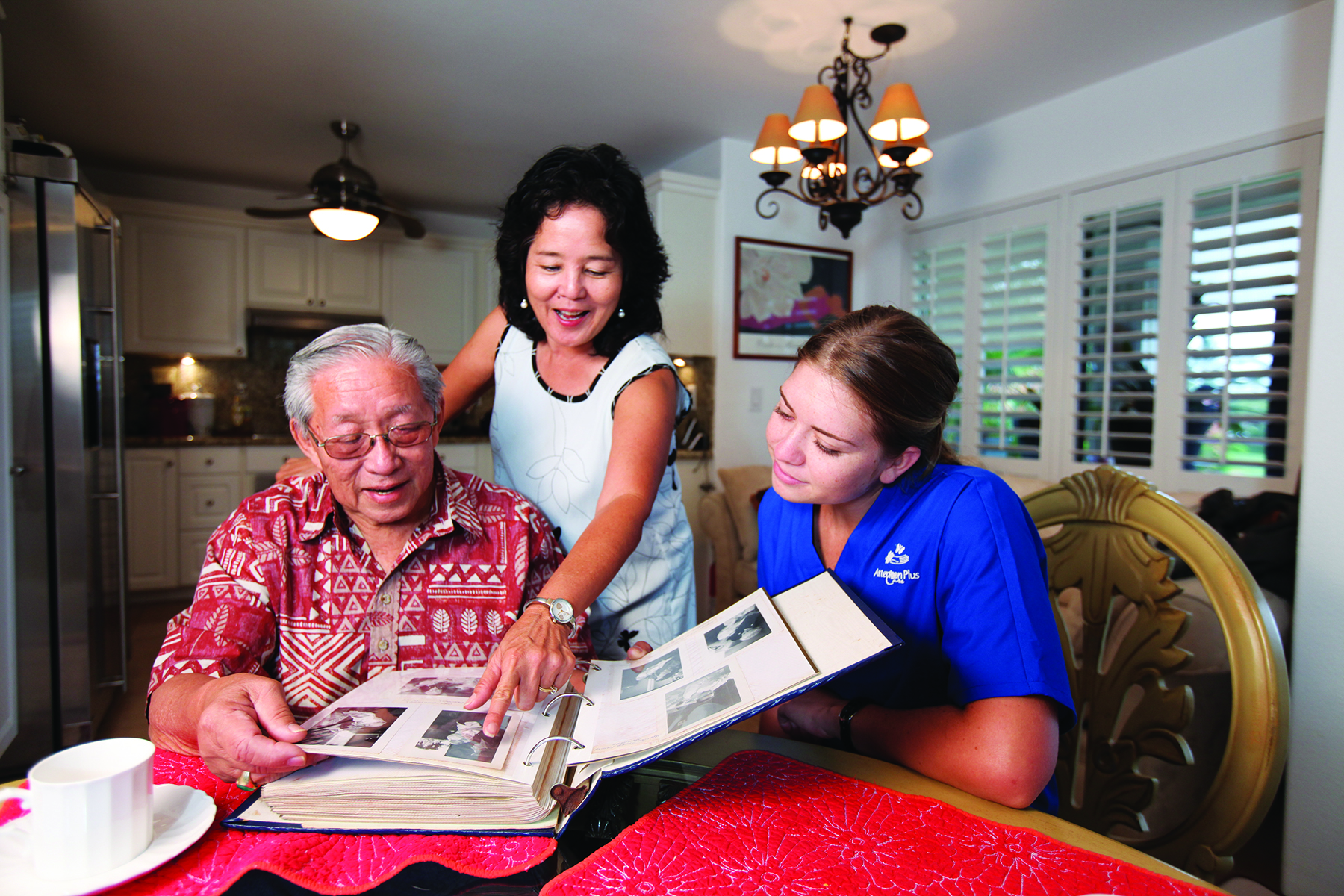
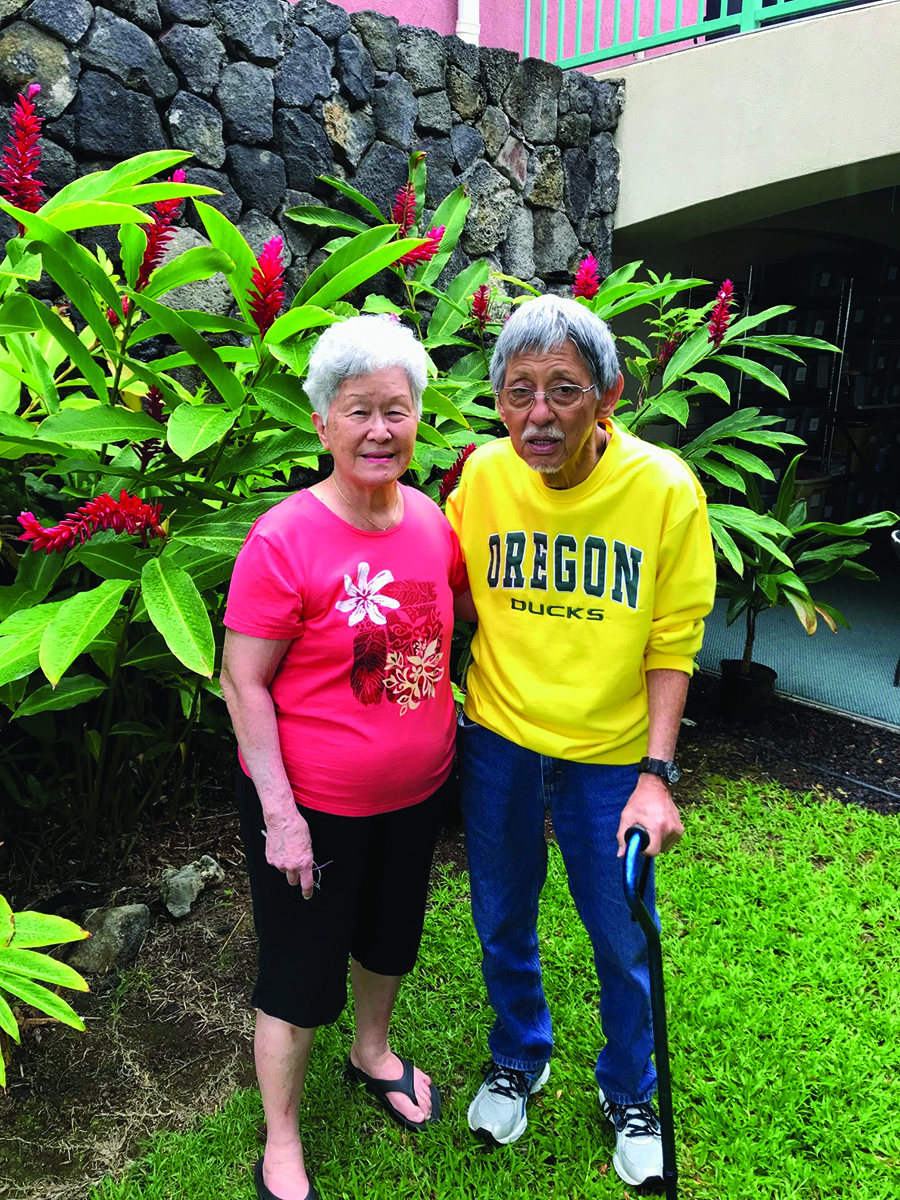
    Realize it’s feelings. Know what triggers unpleasant feelings. For example, a lost sense of time can bring on anxious feelings. Try safe, repetitive, and soothing activities like sorting or folding familiar items, or dusting and wiping to keep hands and minds calmly occupied. Walks, listening to music, and looking at familiar photos or books can be pleasant diversions.

    Change the subject. Sometimes changing the subject can shift one’s attention enough to have a calming effect. Asking a simple question can also shift a person’s focus in the same way.

    Abilities. Check if you’re asking your loved one to do more than they’re able to. Accept your loved one as they are in the moment, and that they are doing the best they can.

    Above all, take a deep breath, give your loved one a reassuring hug, and try to see behind the behavior and words repeated. It’s also vital to keep up your own health, and have a support system including the local Alzheimer’s Association chapter, family, friends, and faith groups. Addressing repetitive questioning in Alzheimer’s and dementia can be a trying experience. But with knowledge and awareness, these moments shared with your loved one can be the most precious of gifts.


    ATTENTION PLUS CARE HOME HEALTH CARE
    Accredited by The Joint Commission
    1580 Makaloa St., Ste. #1060, Honolulu HI 96814
    808-739-2811 | www.attentionplus.com
    AGING IN HAWAII EDUCATIONAL OUTREACH PROGRAM by Attention Plus Care — a program providing resources for seniors and their families, covering different aging topics each month. For class information and upcoming topics, call 808-440-9356.

    In home care, a question I often get is how to care for someone with Alzheimer’s who asks the same questions over and over again. To better understand and manage what’s going on, it helps to first know a bit on Alzheimer’s disease and dementia.

  • Respiratory Care: Breathing Exercises

    In the last issue we discussed how people diagnosed with chronic respiratory failure and chronic obstructive pulmonary disease (COPD) are at higher risk for infection. This issue, we focus on ways to ease their breathing problems.

    Struggling to breathe forces the body to start using neck, stomach, back and chest muscles. They hurt as badly as after a fully body workout!

    Two exercises on the American Lung Association’s website help strengthen lungs:

    Pursed Lip Breathing

    This exercise reduces the number of breaths you take and keeps your airways open longer. More air is able to flow in and out of your lungs, so you can be more physically active. To practice it, simply breathe in through your nose and breathe out at least twice as long through your mouth, with pursed lips.1

    Belly Breathing, aka Diaphragmic Breathing

    As with pursed lip breathing, start by breathing in through your nose. Pay attention to how your belly fills up with air. You can put your hands lightly on your stomach, or place a tissue box on it, so you can be aware of your belly rising and falling. Breathe out through your mouth at least two to three times as long as your inhale. Be sure to relax your neck and shoulders as you retrain your diaphragm to take on the work of helping to fill and empty your lungs.1  


    CARE CENTER OF HONOLULU
    1900 Bachelot Street, Honolulu HI 96817

    808-531-5302  |  www.ccoh.us

    1
    American Lung Association Breathing Exercises:
    www.bit.ly/ALA_BreathingExercises

    In the last issue we discussed how people diagnosed with chronic respiratory failure and chronic obstructive pulmonary disease (COPD) are at higher risk for infection. This issue, we focus on ways to ease their breathing problems.

  • Family Caregivers’ R & R

    It’s a mistake for family caregivers to forget about their own well-being while caring for their loved ones. Many feel guilty for taking time off for a spa day or a staycation. I encourage them to accept it’s perfectly OK to get away and return reinvigorated and refreshed.

    I also endorse going on escapades, like Neighbor Island trips or to faraway places, via tour groups, private treks or whatever suits your preferences.

    One of the biggest regrets Baby Boomers have is an unfulfilled bucket list because they had other obligations. Maybe it’s time to ask for support from family members to care for loved ones while you fulfill some of those dreams.

    The key to a fun getaway is planning. For more than a decade, my husband and I have regularly crisscrossed the world with six couples we have known for over 50 years. The friend who plans out and leads our five-star dream itineraries researches ideas on the internet and in YouTube videos, and he negotiates with local vendors, hoteliers and tour guides to keep costs down.

    Make your motto: Live and die without regrets — and take time off, before it’s too late.

    World Class Vineyards in Bourgogne, France.  Kneeling: Annette Pang and Kathleen Ching, Middle: Ronald & Penny Mau, Russell Ching, Wendell Pang, Steve & Tina Chung, Cynthia & Guy Seu, Back: Loretta & Tyler Yajima
    World Class Vineyards in Bourgogne, France.  Kneeling: Annette Pang and Kathleen Ching, Middle: Ronald & Penny Mau, Russell Ching, Wendell Pang, Steve & Tina Chung, Cynthia & Guy Seu, Back: Loretta & Tyler Yajima

    BABY BOOMER TRAVEL TIPS
    www.annettepang.com

    It’s a mistake for family caregivers to forget about their own well-being while caring for their loved ones. Many feel guilty for taking time off for a spa day or a staycation. I encourage them to accept it’s perfectly OK to get away and return reinvigorated and refreshed.

  • Is Assisted Living a Negative?

    Despite the great advancements in retirement community resident care in recent years — some through government involvement, but most through business owners seeking to create a better quality of life for seniors — one of the challenges faced when discussing senior living options is the negative stigma that immediately comes to mind about “assisted living.”

    This stigma is primarily due to confusion about the different senior care options available. Many people think that seniors will lose their independence in an assisted living environment or not receive adequate care.

    Pat and Rodney photo
    Pat and Rodney

    Mike Wong experienced this personally last year when his father, Rodney, faced medical issues requiring placement in a skilled nursing facility, where 24-hour nursing care would be available. Mike faced a dilemma, as the primary caregiver for both Rodney and his wife, Pat, was Rodney. Should his father be placed in a skilled nursing facility or could his parents move together to an assisted living community that also offered 24-hour care?

    Mike explains, “It was important to all of us that my parents’ lifestyles would not be negatively impacted. The decision was challenging, and we had difficult conversations as a family as we negotiated our transition. Both are now happy and have found their groove in the community. I am overjoyed that my parents are happy. I see them thriving!”


    REGENCY HUALALAI
    A Regency Pacific Retirement Community

    75-181 Hualalai Road, Kailua-Kona HI 96740
    808-329-7878  |  www.regency-pacific.com

    Despite the great advancements in retirement community resident care in recent years — some through government involvement, but most through business owners seeking to create a better quality of life for seniors — one of the challenges faced when discussing senior living options is the negative stigma that immediately comes to mind about “assisted living.”

  • Seniors and Technology

    Technology is ever-advancing these days with information on new devices everywhere. For early adopters this is seen as helpful and even normal. However, for some seniors, adapting to new devices can be challenging due to physical limitations. Vision loss is one of the more common problems experienced, as is Age Related Macular Degeneration (AMD) that typically affects older adults.

    Millions of Americans every year are affected by AMD, which destroys central vision leaving only the peripheral vision. Those affected may be unable to see the faces of their family members, drive a car, or read a newspaper. Using a mobile device can have the same results. Nearly 1 in every 3 adults over the age of 75 is currently affected with AMD. According to Dr. Chris Knobbe, clinical associate professor emeritus at the University of Texas Southwestern Medical Center, “AMD is an epidemic — world-wide. Globally, 1 in every 11 persons over the age of 50 has some degree of AMD.”

    The good news is technology is improving for those with vision loss like AMD. Currently there are many tools which can help individuals to read their devices, from simple magnifiers and brighter reading lights, to more sophisticated screen readers and applications. The accommodation of selecting larger fonts and web page sizes has also been available across media to make information more legible. These visual aids have helped those with vision impairments to maximize their usable vision and make better use of devices and technology. The use of voice command devices has also become more mainstream and should be considered for those with vision impairments. Amazon has ECHO, a home voice command device, Samsung has a smart TV which listens to voice commands, and Sony has their smart watch with voice commands.

    Bridging these gaps between seniors and technology can also be a challenge for caregivers sometimes, given the limitations that vision loss can have on using devices. But once these hurdles are cleared, research shows that adults older than 65 using smartphones or other electronic devices are more likely to become daily internet users. While some seniors may be reluctant to adopt technology due to their limitations, caregivers can help by doing a few simple things:

    • Avoid complex devices with distracting features.
    • Use technology that accommodates physical limitations.
    • Choose devices relevant to user needs and values.
    • Encourage technology that is socially rewarding.
    • Be their technical support.

    Once on the internet, seniors using devices with social media apps, such as Facebook, Instagram, and Twitter, are more in touch and engaged with others. Forrester Research also showed in their report, “Digital Seniors”, that 60 percent of all U.S. seniors (those 65 and older) are online and, of those, roughly half are also using Facebook. “Many people have the misunderstanding that seniors are averse to technology. I don’t find that true at all,” said registered nurse, Kari Wheeling. “It’s the simpler things like Arthur-itis, or forgetting their glasses on their head, that gets in the way.”


    ATTENTION PLUS CARE HOME HEALTH CARE
    Accredited by The Joint Commission

    1580 Makaloa St., Ste. #1060, Honolulu HI 96814
    808-739-2811 | www.attentionplus.com

    AGING IN HAWAII EDUCATIONAL OUTREACH PROGRAM by Attention Plus Care — a program providing resources for seniors and their families, covering different aging topics each month. For class information and upcoming topics, call 808-440-9356.

    Technology is ever-advancing these days with information on new devices everywhere. For early adopters this is seen as helpful and even normal. However, for some seniors, adapting to new devices can be challenging due to physical limitations. Vision loss is one of the more common problems experienced, as is Age Related Macular Degeneration (AMD) that…

  • GrandGrace: Multigenerational Support

    Providing seniors care for their body, mind and spirit is critically important. Simply spending time with seniors can improve their emotional well-being and outlook. Palolo Chinese Home, in partnership with Common Grace, a nonprofit organization, recently launched a new program called GrandGrace to address these needs of residents and senior day care participants.

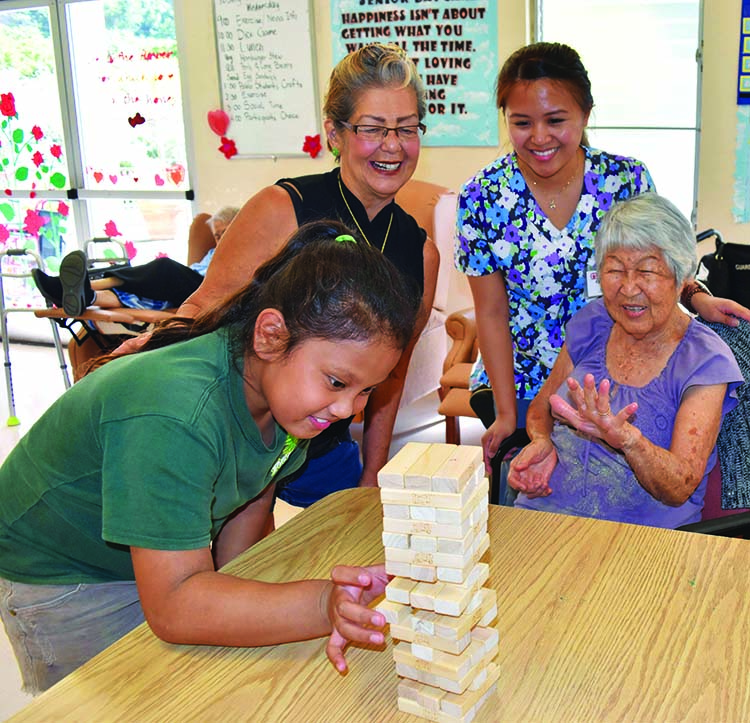
    In the GrandGrace program, keiki share their skills with seniors.
    In the GrandGrace program, keiki share their skills with seniors.

    The multi generational program gives adult or teen mentors and their child mentees opportunities to participate in fun activities with Palolo Chinese Home’s seniors for a time of mutual companionship and support. It’s a win-win situation. Seniors, who may sometimes feel lonely or forgotten, welcome the gift of time with those with youthful energy, and the youth and adult GrandGrace volunteers are enriched by the experience.

    Over the past 15 years, Common Grace has paired more than 2,000 mentors with children from over 60 churches and schools.

    For more information about the GrandGrace program or to sign up for Common Grace mentorship, call 808-783-1097 or email commongraceofhawaii@gmail.com. Support by generation.


    PALOLO CHINESE HOME
    2458 10th Avenue, Honolulu HI 96816
    808-737-2555 | www.palolohome.org

    Providing seniors care for their body, mind and spirit is critically important. Simply spending time with seniors can improve their emotional well-being and outlook. Palolo Chinese Home, in partnership with Common Grace, a nonprofit organization, recently launched a new program called GrandGrace to address these needs of residents and senior day care participants. The multi…

  • Respiratory Care: A Specialty Service

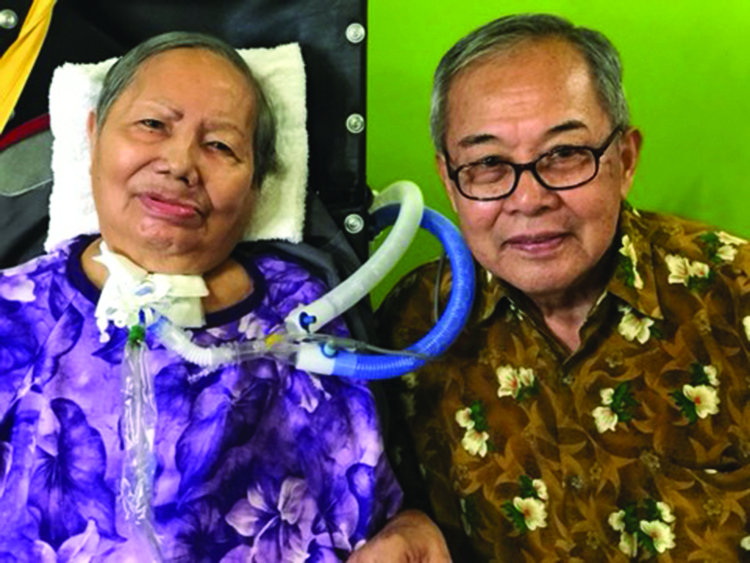
    Being unable to breathe on our own is very scary. Spinal cord injuries, pneumonia, stroke, injury to the chest, muscular dystrophy and chronic obstructive pulmonary disease (COPD) can all bring on respiratory failure. Spinal cord injuries often happen when we least expect it — a surfing accident, a fall or a car accident — and may require you to be on a ventilator to breathe.

    Photo courtesy of Care Center of Honolulu
    Photo courtesy of Care Center of Honolulu

    Persons diagnosed with chronic respiratory failure are at a higher risk for infection, and most patients require frequent tracheal suctioning, around-the-clock monitoring and are ventilator-dependent. When a loved one suffers from these complexities, it can be very heartbreaking and stressful, but knowing that a specialized team is providing the care needed for the best chance of recovery can ease that stress.

    Skilled Nursing Facilities are medically licensed 24-hr care communities that can provide this specialty care. It’s important to learn about care options, so do your homework by inquiring with the right questions:

    • Do they have state-of-the-art equipment?
    • How long have they been providing respiratory care to ventilator-dependent individuals?
    • Can they provide frequent tracheal suctioning and round-the-clock monitoring?
    • Do they staff enough respiratory therapists and have a respiratory therapist director?
    • Do they have a pulmonologist on board?


    CARE CENTER OF HONOLULU
    1900 Bachelot Street, Honolulu HI 96817
    808-531-5302 | www.ccoh.us

    Being unable to breathe on our own is very scary. Spinal cord injuries, pneumonia, stroke, injury to the chest, muscular dystrophy and chronic obstructive pulmonary disease (COPD) can all bring on respiratory failure. Spinal cord injuries often happen when we least expect it — a surfing accident, a fall or a car accident — and may require you to…

  • My Memory Box

    Memory boxes can help seniors, especially those with Alzheimer’s or with dementia, recall events and people from the past. The contents represent a life they once knew and now have difficulty remembering or have forgotten entirely. Memory boxes help stimulate their memory and link loved ones and moments of their lives to their identity.

    How to create a memory box

    Find a shoe box, bin, plastic container or anything with a lid. It should be something that is easy to access and can fit and store items of reasonable shapes and sizes. Have fun decorating the memory box with your loved one!

    Keep in mind…

    Focus on items that are positive memories. They should also be easy for them to handle —
    avoid heavy or sharp objects.

    Choosing items to go into their box

    Choose items that:

    • are personal (postcards, letters, trinkets, pictures, etc.),
    • reflect their interests, or
    • have meaning to your loved one in any way.

    It might take time for them to recognize or understand these items, so you may want to label each one to help jog their memory. Making memory boxes can be a fun way to spend some time together with your loved one. They can also be made during anyone’s lifetime.


    KINOLAU HOME MALAMA, LLC
    15-1735 19th St., Kea‘au, HI 96749
    808-982-5415 | Facebook: Kinolau Home Malama, LLC

    Memory boxes can help seniors, especially those with Alzheimer’s or with dementia, recall events and people from the past. The contents represent a life they once knew and now have difficulty remembering or have forgotten entirely. Memory boxes help stimulate their memory and link loved ones and moments of their lives to their identity. How…

  • Essential Support for Family Caregivers

    Every morning, 85-year-old Thomas puts on his aloha shirt and heads to “work” at an adult day care center located near downtown Honolulu. Going there gives him a sense of purpose to get up every morning. His family needs to remind him each day where he is going since he has dementia, but once he is at the center, he is actively engaged in physical exercise, recreational activities and socializing with his friends.

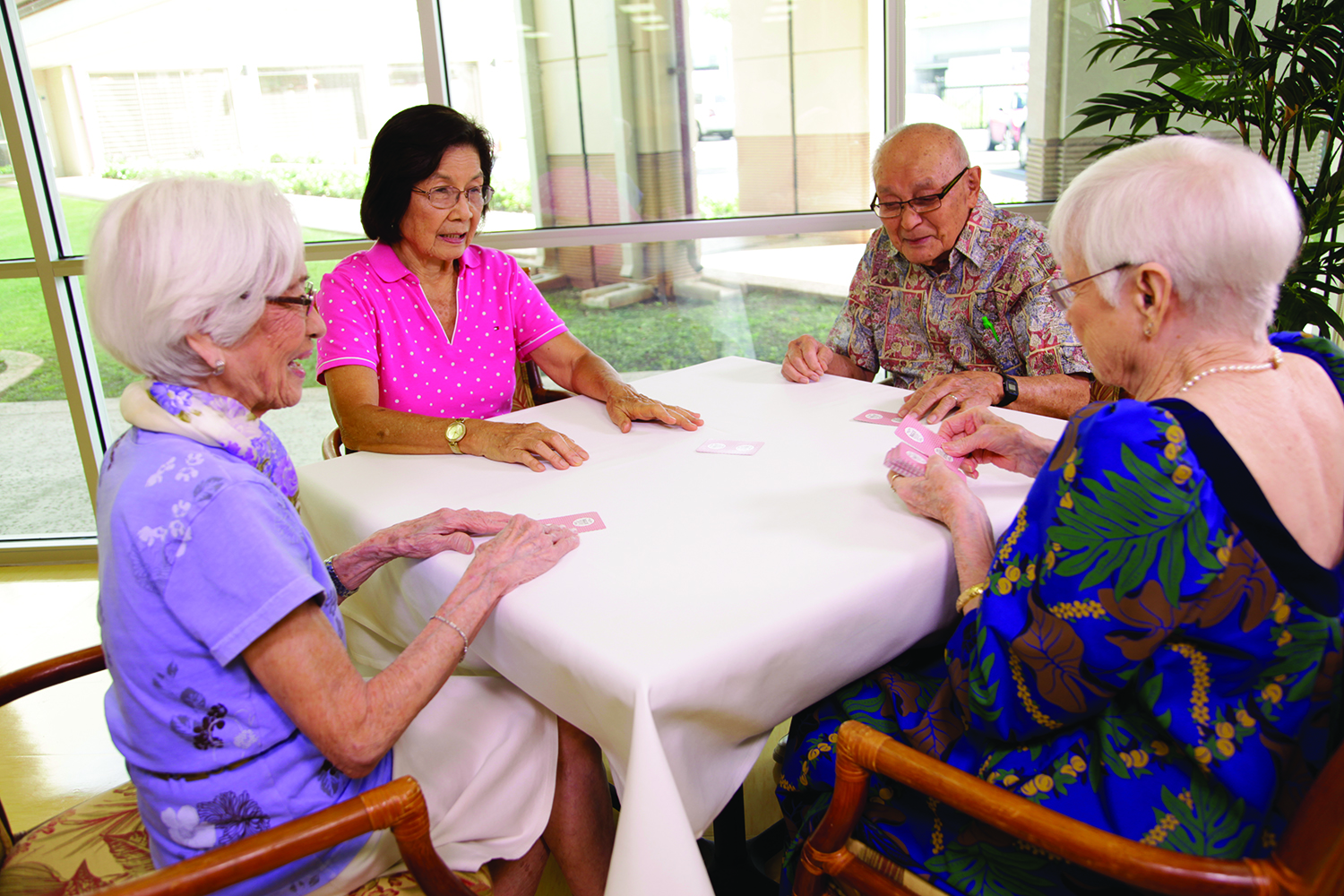
    Activities promote socialization and cognitive stimulation.  Photo courtesy Kāhala Nui
    Activities promote socialization and cognitive stimulation. Photo courtesy Kāhala Nui

    More importantly, Thomas’s daily routine gives his wife the several hours of respite that she needs from taking care of him, which is a 24/7 responsibility. It also provides his children peace of mind that dad is safe and happy so that they can continue to work and not worry about their mother burning out from the stress of caregiving. Thomas’s older brother recently joined the center, so now they get to see each other more often and both families feel reassured that the two siblings are in good hands.

    Attending an adult day care center has been a welcome solutio

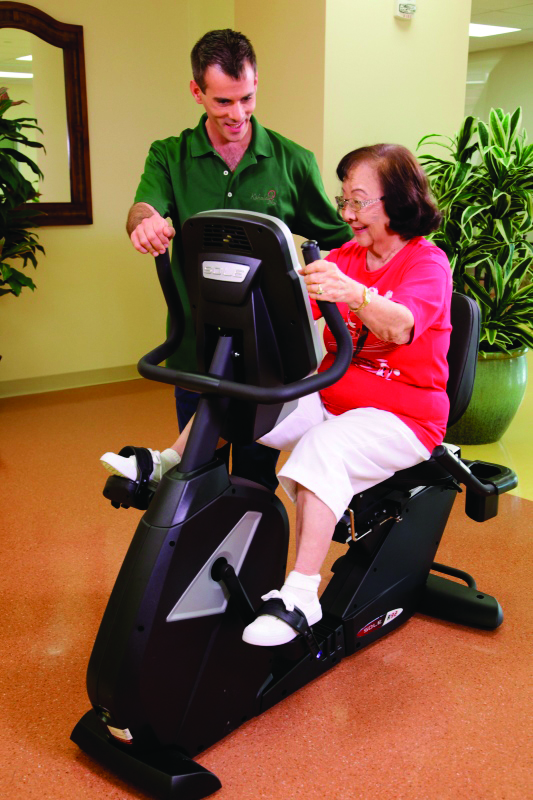
    Photo courtesy Kāhala Nui
    Photo courtesy Kāhala Nui

    n for Thomas and his family. Adult day care centers are licensed by the State Department of Health, and typically open from Mondays to Fridays (some open on weekends) with convenient hours to accommodate the working caregivers. They offer a full day of exercise, recreational activities, arts and crafts, music and socialization. At least one meal and snacks are provided, and center participants are carefully supervised by trained staff. Day care centers’ fees range from $60 to $100/day for a full 8 to 10 hours, making it one of the most cost-effective types of care.

    Attendees like Thomas enjoy day care, where they can mingle with their peers, exercise and participate in the variety of activities such as Xbox games, ping pong and karaoke singing. The center that Thomas attends provides a continental breakfast and hot lunch served on china, with tablecloths and linen napkins. The center’s director believes food tastes better and people enjoy each other’s company as they savor their coffee and dessert when they are served in this restaurant-style manner


    For more info about adult day care centers in your area, go to www.HawaiiADRC.org or call 643-2372, a statewide toll-free number.

    LIVE WELL AT IWILEI BY KĀHALA NUI
    888 Iwilei Road #105, Honolulu HI 96817
    808.218.7777 | www.livewellhi.org

    Live Well at Iwilei is operated by Kāhala Nui and is one of the awarded adult day care contractors for the new State Kupuna Caregiver Assistance Program providing up to $70/day for respite services to help working caregivers.

    Every morning, 85-year-old Thomas puts on his aloha shirt and heads to “work” at an adult day care center located near downtown Honolulu. Going there gives him a sense of purpose to get up every morning. His family needs to remind him each day where he is going since he has dementia, but once he…

  • Self-Care Tips for Caregivers on GTV

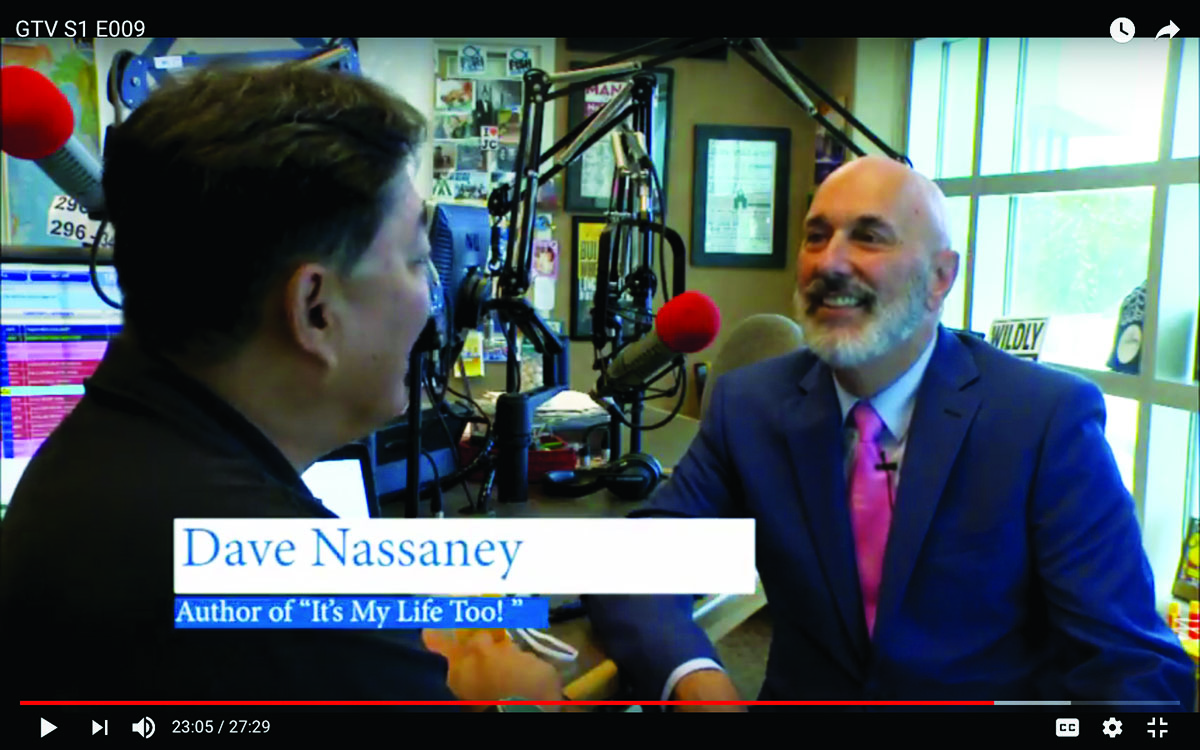
    Earlier this year, Generations Magazine publisher Percy Ihara interviewed a national speaker on caregiving, Dave Nassaney, for the Generations Radio Show. This is an edited transcript of the short Generations TV interview Percy did after the radio show aired.

    GTV: Can you briefly tell your story?

    DN: For the last 21 years, I’ve been a caregiver to my beautiful wife Charlene. She suffered a massive stroke that left her severely speech impaired and paralyzed on the right side. Now I travel all across the country sharing my message: How to prevent your loved one’s illness and disease from actually killing you.

    GTV: What are the three biggest mistakes that caregivers make?

    DN: The first biggest mistake that caregivers make is they don’t know how to put their needs first. The airlines tell us in the event of an emergency, to put your oxygen mask on first before you help your loved ones with their mask. What an amazing metaphor for all of life — take care of you first. Not out of selfishness, but out of survival.

    The second biggest mistake that caregivers make is that they don’t know how to ask for help. Call your brother, call your sister, call your wife’s ex-husband, call anybody. Just get over that silly notion that caregivers have to do it all themselves or they’re going to be a failure as a caregiver.

    The third biggest mistake is allowing undeserved guilt to affect your decision-making process. It’s kind of like being handcuffed to your loved one and feeling like you’re a prisoner. That kind of attitude, that kind of guilt, will kill you.

    GTV: So, what’s a caregiver to do?

    DN: CARE, right? Communicate with your friends. Don’t isolate yourself. Caregivers need to have a life outside of caregiving. Ask for help. Be specific. And when help is offered, don’t turn it down. Rest. Caregivers need eight hours of rest every single night. Eat healthy, nutritious foods. Don’t eat junk food. Junk food’s got chemicals and sugar and processed ingredients that’ll kill you.

    I like to say there’s three kinds of people in the world. There’s caregivers, those who are going to become caregivers, those who are going to need a caregiver. There’s no escaping it. Caregiving is going to touch you at one point or another. Now’s the time to learn how to be a caregiver — not after tragedy strikes and your loved one becomes disabled.


    For more information on Dave Nassaney, go to www.CaregiversCaregiver.com.

    Click here to watch the entire interview and episode featuring Dave Nassaney online

    Earlier this year, Generations Magazine publisher Percy Ihara interviewed a national speaker on caregiving, Dave Nassaney, for the Generations Radio Show. This is an edited transcript of the short Generations TV interview Percy did after the radio show aired. GTV: Can you briefly tell your story? DN: For the last 21 years, I’ve been a…

  • Aging and Muscle Loss

    Throughout our youth, most of us will experience muscle growth up until the age of 30. Thereafter, we begin to lose some muscle mass, strength and performance. This steady decline is called sarcopenia and is the “use it or lose” part of the natural aging process. It often goes unnoticed in our earlier years, as we have more muscle than needed to perform everyday tasks like standing or getting out of bed.

    Sarcopenia affects physically inactive adults more, and after age 30 individuals may lose somewhere of 3 to 5 percent of muscle mass or more with each passing decade. This decline in muscle mass and strength accelerates after the age of 60. While age-related sarcopenia occurs more in physically inactive adults, physically active adults may also experience it, which suggests there are multiple causes for sarcopenia.

    Having low muscle mass can also be a strong predictor of frailty, disability and injuries related to mobility problems. A report from the American Society for Bone and Mineral Research found that individuals with sarcopenia had more than twice the risk of incurring bone fractures and disability from a fall. Because of these risks, it is vital to maintain the muscles we have and be as active as we can. “It takes work, dedication, and a plan, but it is never too late to rebuild muscle and maintain it. Older adults can increase muscle mass lost as a consequence of aging,” says Dr. Thomas Storer, Director of the Laboratory of Exercise Physiology and Physical Function at Harvard-affiliated Brigham and Women’s Hospital.

    So, what can we do to protect ourselves from sarcopenia? Older adults and caregivers can be encouraged to know muscle and strength building can be done the same way 70-year-old Arnold Schwarzenegger does it: through exercise and nutrition. The Centers for Disease Control and Prevention (CDC) recommend older adults participate in muscle-strengthening activities a minimum of three days a week. Strength training may involve using weights, resistance bands or exercise machines. Studies have also shown that individuals who started earlier and had exercise habits in their middle age had a lower occurrence of muscle loss later in life.

    Older adults who are physically inactive also tend to have inadequate nutritional intake, eat smaller meals and feel less thirsty, all of which can contribute to sarcopenia. Good nutrition and eating healthy sources of protein, including fish, nuts and lentils, combined with regular strength or resistance training, have shown to be more effective in managing sarcopenia. Studies have also shown that combining muscle-strengthening exercises with improved protein nutrition positively affects sarcopenia more than diet modification or exercise alone.

    So, start early, and ask your health professional about sarcopenia, nutrition, exercise and treatments specific to your needs. Everyone should be proactive and learn more about exercise and the right nutrition to manage sarcopenia. It sounds simple and it is: activity and nutrition go a long way to maintaining our muscles and strength. Getting older is just a number. It’s what we DO that matters.


    ATTENTION PLUS CARE HOME HEALTH CARE
    Accredited by The Joint Commission
    1580 Makaloa St., Ste. #1060, Honolulu, HI 96814
    808-739-2811 | www.attentionplus.com

    AGING IN HAWAII EDUCATIONAL OUTREACH PROGRAM by Attention Plus Care — a program providing resources for seniors and their families, covering different aging topics each month. For class information and upcoming topics, call 808-440-9356.
    Throughout our youth, most of us will experience muscle growth up until the age of 30. Thereafter, we begin to lose some muscle mass, strength and performance. This steady decline is called sarcopenia and is the “use it or lose” part of the natural aging process. It often goes unnoticed in our earlier years, as…

  • Caregiving Overseas

    Many family caregivers come home to Hawai‘i to assist aging parents. But how about caregiving overseas? When my mother died, Dad was 93 years old and was already slipping into dementia. His younger brother (in his late 80s), had retired to Luzon, Philippines, with his wife and insisted on providing care for his older brother, who had done so much for him and his family. He converted a part of his home to accommodate Dad and a live-in caregiver.

    Dad’s retirement income was enough to pay for his 24-hour care there. Luckily, the US dollar’s value made it possible to get the quality… and personal care needed. Plus, his health was good and he didn’t need heavy medical attention — whew!

    I had hoped Dad was good with this plan, but the reality of logistics took my brother and me by surprise. To make this move there was plenty to consider, like dual Philippine citizenship in case he needed to utilize the country’s social services and an international bank that offered online banking. My wife and her family there played a critical role lining up qualified caregivers fluent in Ilocano and English — communication was top on our list.

    We spent a couple of weeks in Luzon interviewing well-qualified candidates and hired the finalists for one full shift to be sure they were both compatible with and acceptable to Dad. We wanted a focused companion, who would take initiatives and look for changes in health and behavior as Dad’s condition progressed, but foremost one who cared. Uncle was our ears and eyes.

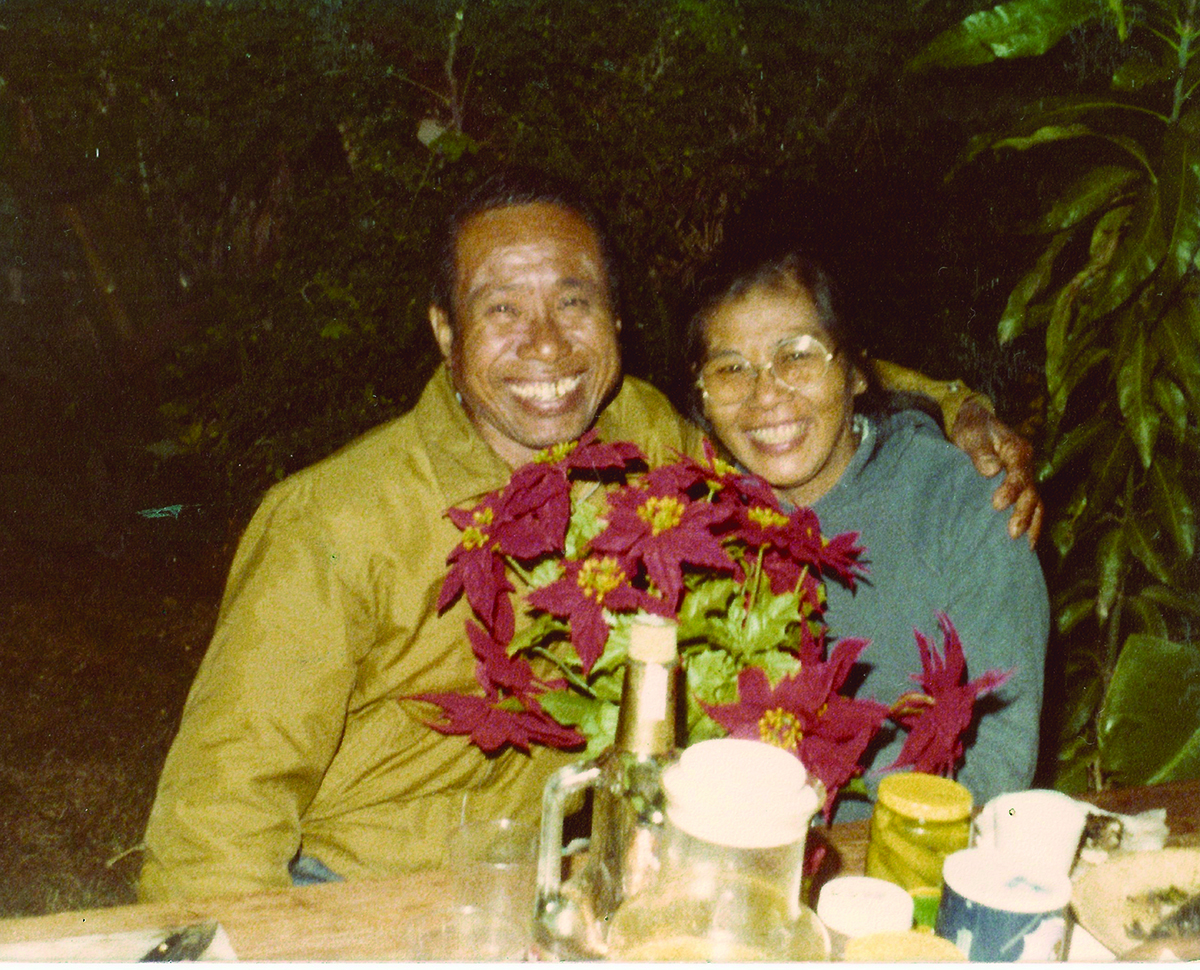
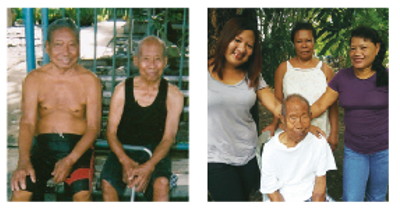
    Left: Mom and Dad in their earlier years just having fun. Center: Uncle Pilo is all smiles with his only living brother. Right: Dad and his caregivers. Jonalyn, left, was his primary caregiver and Sonya and Liza were her support help.
    Left: Mom and Dad in their earlier years just having fun. Right: Dad and his caregivers. Jonalyn, left, was his primary caregiver and Sonya and Liza were her support help.

    At times, I felt guilty skirting the experience of truly caring for my father personally. Unlike some of my friends who had given up their personal lives to do just that. The 12-hour Manila flight and six-hour bus ride to La Union province every six months was our only contact with Dad, who was too hard of hearing to converse by phone. I wondered if it was the right thing, taking him so far away. I promised to bury him next to Mom. Though the process of bringing his remains home was complicated, I did it. Uncle got to honor his older brother and in turn he relieved us from some of the financial burden required to set up the same personal care here in the States.

    All I can say is every family is unique. Caregiving from far away is a logistical maze with very careful planning… and soul searching, even when you have dedicated professionals that your loved one trusts, and a supportive family overseeing the care. Dad was happy and was cared for with love — that’s what mattered most.  (Publisher’s advice: Do your research. Speak with legal, financial and health professionals experienced in overseas care.)

    Many family caregivers come home to Hawai‘i to assist aging parents. But how about caregiving overseas? When my mother died, Dad was 93 and slipping into dementia. His younger brother had retired to the Philippines, with his wife and insisted on providing care for his older brother, who had done so much for his family.