Category: Cover Story

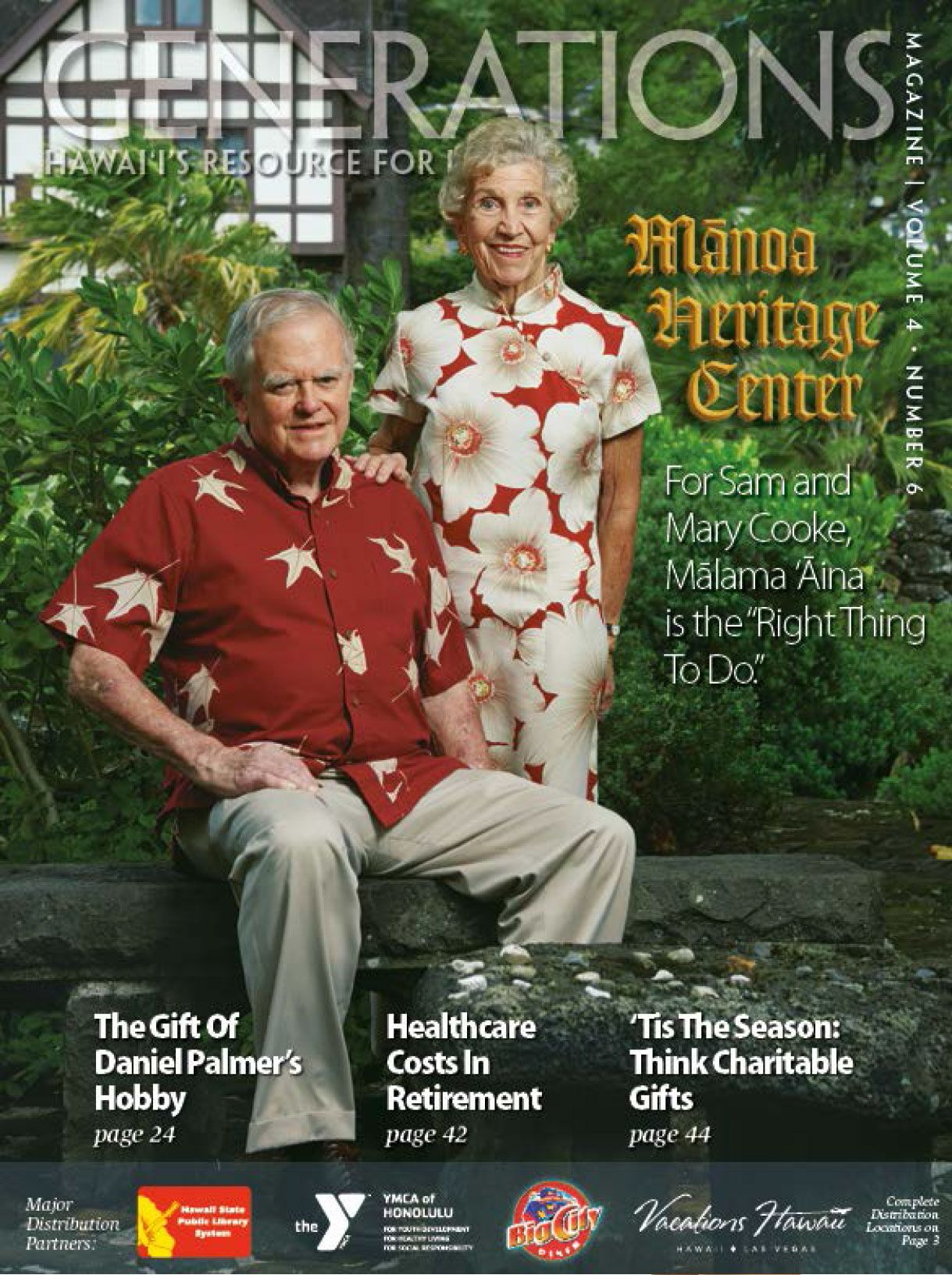
  • Manoa Heritage Center: For Sam and Mary Cooke, Malama ‘Aina is the “Right Thing To Do.”

    Manoa Heritage Center: For Sam and Mary Cooke, Malama ‘Aina is the “Right Thing To Do.”


    Generations Magazine - Manoa Heritage Center For Sam and Mary Cooke, Malama ‘Aina is the “Right Thing To Do.”- Image 01
    “ I can only say that we restored this place out of our love for the Hawaiian culture.” –Mary Cooke
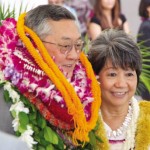
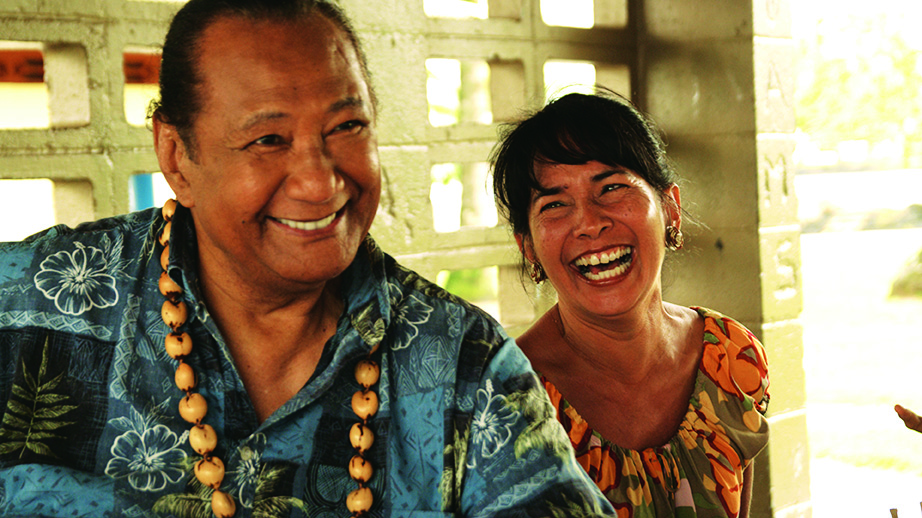
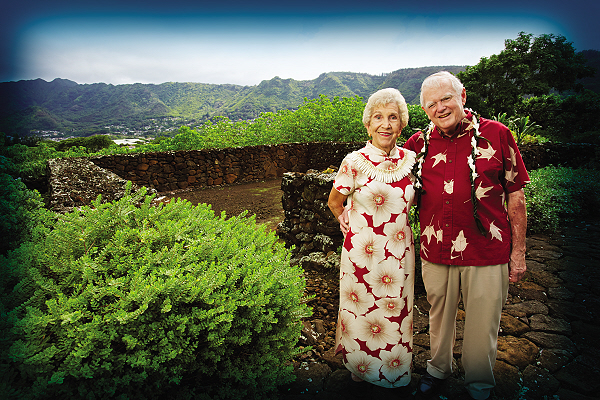
    Sam and Mary Cooke stand at the entrance of Kuka‘o‘o heiau. And just above, in the background ridge, is the silhouette of Kauhi, the sleeping giant.

    Manoa Heritage Center in Manoa Valley is a non-profit organization founded by Sam and Mary Cooke to preserve and share with our community an ancient Hawaiian worshipping site that is located on their property. We were invited to visit the center and meet these gracious people who have devoted much of their lives to preserving a Hawaiian historical landmark.

    The Hawaiian Dictionary defines heiau as “pre-Christian place of worship, shrine.” Nothing spooky about it — Hawaiian families had personal shrines, and high chiefs built communal shrines to meet guests, say farewell to the departed, heal disputes and observe special monthly and seasonal rites connected to farming and fishing. All life was connected to sky, land and sea. Of fourteen heiau in the Ahupua‘a of Waikiki, only one agricultural temple remains intact — Kuka‘o‘o Heiau in Manoa Valley.

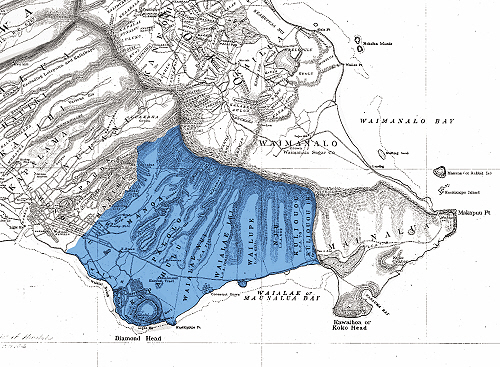
    The Ahupua‘a of Waikiki is a triangular land division that starts at the Ko‘olau Mountain Range and extends to the sea. Its boundaries embrace Makiki, Manoa and Palolo Valleys and the fishing grounds beyond Waikiki beach. This land sustained ancient O‘ahu kings and chiefs of the past.

    We drove a short distance up Manoa Road from Punahou School, to Manoa Heritage Center (MHC) to visit Kuka‘o‘o Heiau and meet MHC founders, Sam and Mary Cooke. They are the third generation of Cookes to steward this site, and are busy raising funds to construct a modest new Visitor Education Center. The center will allow for a wider variety of educational activities, meeting rooms, and more visitor amenities for students and the community.

    A Place-Based Learning Journey in Manoa

    Connecting story to place is what teachers call “place-based education.” It turns a visit to MHC into not only a historical, cultural experience, but also a spiritual encounter with the skies, winds, rains and landmarks of Manoa Valley.
    Generations Magazine - Manoa Heritage Center For Sam and Mary Cooke, Malama ‘Aina is the “Right Thing To Do.”- Image 02Manoa Heritage Center sits on the western slopes of Manoa where the old ali‘i resided. We looked out across the eastern half of the valley, where taro farmers once maintained an expanse of taro patches. We located legendary landmarks, such as Kauhi the sleeping giant (shown on the opening spread) and watched dazzling Manoa rainbows dance on the famous Tuahine mist.

    MHC Education Director Margo Vitarelli guided us through the gardens and explained how Hawaiians ingeniously used the endemic, indigenous and Polynesian canoe plants growing all around us. Some, like the endangered Monroidendron tree from Kaua‘i, are rare species not often seen on the island of O‘ahu. Other native varieties are elegantly landscaped in large beds to reveal their beautiful textures and foliage colors: ‘akia, shrubs with bright orange berries and tough, gray-green round leaves stacked like pennies; rubbery, light green naupaka hedges; and proud koki‘o ke‘oke‘o bushes covered with fragrant white hibiscus. These plants and many others were used to catch fish and make rope, tools and weapons and compound medicines — to sustain life in the ahupua‘a. “Learning plants by their use is meaningful to kids,” said Vitarelli.

    The Only Intact Heiau in Waikiki Ahupua‘a

    Margo explained that the Hawaiian name, Kuka‘o‘o, actually means “standing digging stick” or “god of the digging stick.” The ‘o‘o is an indispensible digging and planting tool still used by farmers today. Archaeologists estimate that Kuka‘o‘o is 800 years old, based on carbon dating and oral history. It is interpreted as a mapele agricultural temple, to celebrate and benefit growth, harvest and a harmonious life.

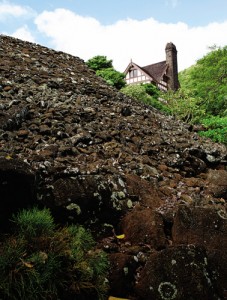
    Flanking the stone path leading to Kuka‘o‘o is a section of the dry-stack wall said to be built by the ancient people and expert stone masons — the Menehune. Walls like this once meandered across Manoa Valley. At the lower heiau path we looked up to see the neatly constructed stones sloping upward, rising over our heads about 15 feet. Different layers of masonry styles observed during restoration and legends associated with Kuka‘o‘o suggest that perhaps this ancient heiau was rebuilt several times in antiquity, most likely when power shifted from one chief to another. After walking up to the top of the site, we beheld the entrance to a beautifully restored heiau. The backdrop of the Ko‘olau Mountains and majestic aura of the huge sky was breathtaking.
    Generations Magazine - Manoa Heritage Center For Sam and Mary Cooke, Malama ‘Aina is the “Right Thing To Do.”- Image 03
    In ancient Hawai‘I the ahupua‘a of Waikiki started in the Ko‘olau Mountains and extended to Waikiki Beach.

    Caring People Doing the Right Thing

    After touring this fabulous site, we were eager to meet the people who generously opened their gardens to the community. Back at the center, Sam and Mary Cooke greeted us warmly. As we sat on the porch and enjoyed glasses of red hibiscus tea, I asked them how they came to restore Kuka‘o‘o. As a fine cooling mist blew in from the valley, Mary reminisced, “I can only say that we restored this place out of our love for the Hawaiian culture. I have always been involved in protecting heritage places.” Mary grew up on Kaua‘I with a deep reverence for Hawaiian ways and their history. Sam descends from Wilcox missionaries who serviced Waioli Mission and later built Grove Farm in Lihue. For nine years Mary served on the board of the National Trust for Historic Preservation, advocating the registry of many important Hawai‘i sites.

    Sam’s ancestors were collectors and preservationists. Sam’s great-grandmother, Anna Rice Cooke, provided land, capital and art to begin what is now known as the Honolulu Museum of Art. His great grandfather Charles Montague Cooke Sr., provided land for the University of Hawai‘i, started Bank of Hawai‘i and funded The Honolulu Aquarium. Sam’s grandfather, Dr. Charles Montague Cooke Jr., was a distinguished scientist (malacologist) at the Bishop Museum for over 40 years, and at one time bred dairy cattle at his Ka ‘Imi Dairy in Manoa Valley.

    Despite this rich legacy, Sam described his own motivation to restore Kuka‘o‘o very simply: “It was the right thing to do.” Sam grew up on Moloka‘i and O‘ahu, where accepting kuleana (responsibilities) with gratitude, and doing what’s pono (righteous) goes without saying. He admits that restoring a cultural site without public funding turned out to be a very complicated and expensive proposition. “It cost so much that we had to take it in steps. First we did archaeological studies. Then we hired an expert Hawaiian stone mason, Billy Fields, from Hawai‘i Island — he’s the best — to restore the walls of the heiau that had deteriorated over the years. Cultural expert Nathan Napoka, then with Hawaii State Department of Land and Natural Resources (DLNR) Historic Preservation Division, coordinated the process with the proper Hawaiian protocol.”

    The heiau stands directly behind Kuali‘i, the home Charles Montague “Monty” Cooke Jr., Built in 1911, on land given him by his father, Charles Montague Cooke Sr.. Sam and Mary purchased it 1970, restored it to its original English Tudor style splendor and listed it on the National Register of Historic Places. It is named after a famous O‘ahu king credited in oral history with driving the Menehune from Manoa Valley and Kuka‘o‘o. At one point, the heiau land was passed on to another Cooke relative. In 1993, when Sam and Mary heard that the heiau parcel was for sale, they intervened and bought it to save the heiau from destruction. The rest is redemption.

    “Having a restored heiau in your backyard does draw some attention,” said Sam, referring to the many historians, Hawaiians, students and visitors who came to inquire. “We saw a need to open it to the public, so we started the Manoa Heritage Center 501(c)(3) in 1996,” said Mary, who has considerable experience as a board member of National Trust for Historic Preservation, “I observed that heritage sites with no endowment do not make it, financially. So one of our goals is to raise funds for an endowment.” Donations from the public have helped MHC commission Historian and Playwright, Victoria Kneubuhl, to conduct research and create an Interpretive Plan. This comprehensive document guides MHC as it presents the history and culture of this hisoric site and Manoa Valley to students and visitor tours in an educational and entertaining way.

    Education Director, Margo Vitarelli, Pacific Island specialist, museum educator and artist coordinates center activities. She designs tours and activities for visiting schools and adults, produces a bi-annual newsletter, and conducts training classes for docent guides. Aloha McGuffie donates her expert talents in event organizing, report writing, scheduling and data collection. The Center welcomes over 2,000 visitors a year. Thanks to one thoughtful donor, MHC is able to offer a generous bus subsidy to schools that need transportation to the site. This allows all students the opportunity to visit for free.

    What Hawaiians Taught the Missionaries

    Sam’s ancestors, Amos and Juliet Montague Cooke educated the children of Hawaiian high chiefs at the Royal School. They and their children learned Hawaiian culture and values from their students. Hawai‘i became their home.

    A kahuna la‘au lapa‘au (traditional healer) called Ka‘aha‘aina Naihe from Hawai‘i Island saved the life of Amos’ grandson, Charles “Monty” Montague Cooke Jr., who was born prematurely. Ka‘aha‘aina brought her Hawaiian medicinal knowledge to Manoa. Her lasting influence in Monty’s life may have been the reason he protected and saved the heiau site.

    Manoa Heritage Center In The Future

    Generations Magazine - Manoa Heritage Center For Sam and Mary Cooke, Malama ‘Aina is the “Right Thing To Do.”- Image 04
    Adult tours led by docent guide, Karen Borg. Inset photos courtesy of the Manoa Heritage Center.

    As stewards, Sam and Mary make decisions for future generations. The “right thing to do” now is to continue preservation, expand the gardens and increase learning opportunities for youth. Architectural plans show a modest Visitor Education Center that will allow for expanded of educational activities, exhibits and basic facilities with visitor comforts in mind. Included are expanded gardens, places for hands-on cultural activities and restroom facilities. A new driveway and parking lot will include a turnaround for school buses.

    Sam and Mary are donating their home, Kuali‘i, so that it will eventually become a valued addition to MHC— open to the community, along with displays of historical Hawaiian art dating from western contact through the 20th century.

    As we said good-bye to Sam and Mary, we understood the huge amount of time, energy and resources they personally have devoted to Manoa Heritage Center. I asked Mary if the work seems burdensome. “A burden? No, we never feel that way. The challenges keep us busy and on the go — we love it.” Her smile conveyed the joy with which the Cookes carry out their kuleana. Anyone who visits Manoa Heritage Center will feel this joy. It is a truly remarkable place and treasured gift to the community.

    Sam and Mary invite you to bring your family to see Kuka‘o‘o Heiau and the native Hawaiian gardens Monday through Friday from 8:30 am to 3 pm. By advance appointment, visitors and school children may arrange intimate small-group guided tours by calling the office, 808-988-1287. Trained volunteer docent guides lead the tours. To keep this wonderful enterprise thriving, it is important that the communities not only enjoy it but also support it — so that MHC and its mission continue to inspire generations to come.

    Donations to Manoa Heritage Center may be made at www.Manoaheritagecenter.org or by contacting Manoa Heritage Center: 808-988-1287 or manoaheritagecenter@hawaiianlet.net.

    Generations Magazine - Manoa Heritage Center For Sam and Mary Cooke, Malama ‘Aina is the “Right Thing To Do.”- Image 05
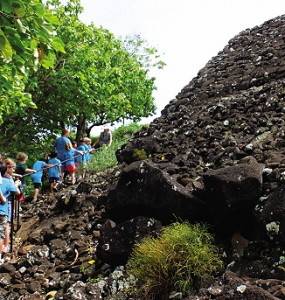
    Margo Vitarelli, Education Director, leading students to view all 4 sides of Kuka‘o‘o heiau.


      Manoa Heritage Center in Manoa Valley is a non-profit organization founded by Sam and Mary Cooke to preserve and share with our community an ancient Hawaiian worshipping site that is located on their property. We were invited to visit the center and meet these gracious people who have devoted much of their lives to…

  • Evacuation Outreach As Lava Flows Toward Pahoa Town

    Evacuation Outreach As Lava Flows Toward Pahoa Town

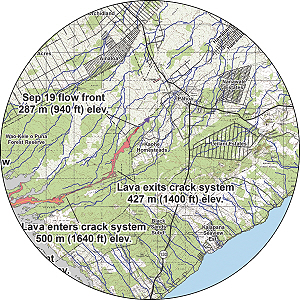
    Photo courtesy of the USGS
    Photo courtesy of the USGS

    Generations Magazine staff was invited to join a team of community volunteers on an evacuation outreach mission to Puna seniors living in the path of Kilauea’s latest lava flow. In past centuries streams of lava obliterated Puna farms and Kalapana Village, but most years, fertile soils and clear, ocean breezes make this region a nice place to farm and raise a family. Earthquakes, Hurricane Iselle and Kilauea make 2014 an unusually bad year.

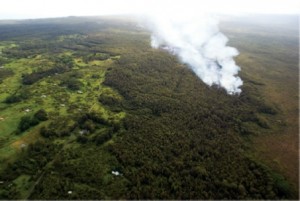
    Mauka from Pahoa Community Center, an onerous smoke plume rises from the forest — a constant reminder of encroaching hot lava. This day, the flow was predicted to reach town in two weeks.

    “This is what we do,” said Nurse Dawn, “We’ll keep checking on the elderly until they are all out of danger.”
    “This is what we do,” said Nurse Dawn, “We’ll keep checking on the elderly until they are all out of danger.”

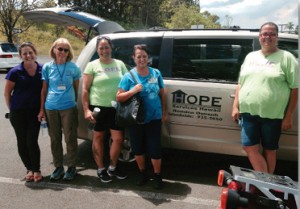
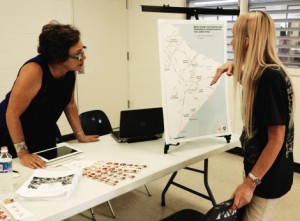
    We joined a team of five volunteers, including social services people and a registered nurse — searching Pahoa and the surrounding area for locations where seniors were known to live alone. “We need to document every senior who might be isolated and not have access to evacuation services. If they need assistance planning, moving or even finding alternative housing, we can connect them to the right agency. We want to know if they have an evacuation plan. Obviously, disabled seniors are most vulnerable,” said Lou Wanda S., who works for Hope Services Hawaii in Hilo.

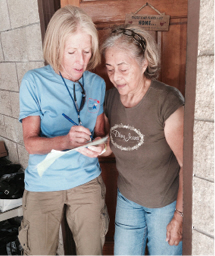
    Generations Magazine- Evacuation Outreach As Lava Flows Toward Pahoa- Image 03.The van driver used an address list generated from the Hawaii County of Aging database and charted on a map using GPS coordinates. One by one, seniors were slowly checked off. We went to single-family houses, apartment buildings, and rooms above shops. Some seniors had already moved out. Those who remained were in various stages of planning or moving. The personal canvassing process is time consuming, but seniors were welcoming, and glad that the county was checking on them.
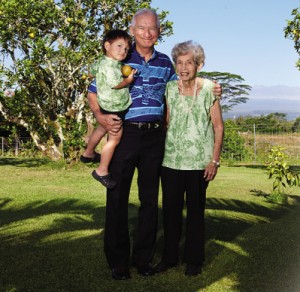
    “My mother and I already moved our valuables, says Mrs R. If the lava comes, we’ll go and leave everything else behind,” she said, as if evacuating was a routine.

    Generations Magazine- Evacuation Outreach As Lava Flows Toward Pahoa- Image 04.It’s hard for people who don’t live in Hawai‘I County to imagine taking lava flows in stride, but Pahoa ancestors always lived with Pele in their backyards. Sometimes lava stops before it reaches a house; sometimes it continues to the sea and flows for weeks or years. The flows are fickle and unpredictable, sometimes destroying an entire forest, but flowing around, sparing a single tree.
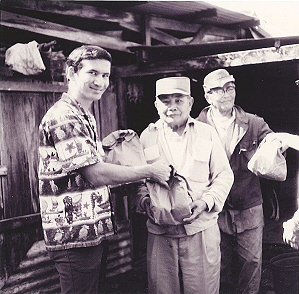
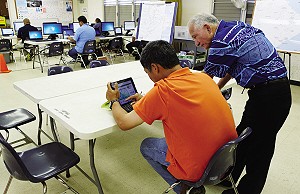
    Back at the Command Center in Pahoa Community Center, the team debriefed the day and prepared to go out the following day. They would continue until all the vulnerable are identified and evacuated. Many, many other agencies and volunteers will offer assistance to displaced seniors as they find new housing and establish new routines.

    Generations Magazine staff was invited to join a team of community volunteers on an evacuation outreach mission to Puna seniors living in the path of Kilauea’s latest lava flow. In past centuries streams of lava obliterated Puna farms and Kalapana Village, but most years, fertile soils and clear, ocean breezes make this region a nice…

  • Grassroots Wisdom: Plantation Values Inspires Alan Parker of ADRC Hawai’i

    Grassroots Wisdom: Plantation Values Inspires Alan Parker of ADRC Hawai’i

    Alan Parker with his hanai mother, Rita Branco, and grandson, Kyan Ray Keaka Parker

    HCOA has a simple process for delivering services to the elderly: when seniors voice a problem, Alan and his staff listen. That’s it. Hawai‘i Island citizens start their own grassroots initiatives and mobilize resources to solve it. “Actually, we don’t create programs,” says Parker. “Seniors and the community come up with their own ideas. My six community planners listen and support them with good business planning.” The results of this simple strategy are astounding. Statewide Caregiver Resource Centers (CRC), Community Planning Councils on Aging, Community Voices Programs and Aging and Disability Resource Centers (ADRC) all started on the Big Island.

    Generations Magazine- Grassroots Wisdom Plantation Values Inspires Alan- Image 02
    Younger Alan on his first outreach assignment in the rural plantation towns.

    Sound too easy? This humble man at the helm of HCOA practices what he calls “plantation values,” and recites lessons his own mentors taught him a generation ago: watch, listen, be quiet and work hard. Parker, highly respected by his peers and employees and adored by elderly clients, has quietly and diligently translated his parents’ values into a system that works. His staff and a large network of county social service programs are passing on this same elder wisdom to a new generation. HCOA is a living network of public and private organizations, profit and non-profit entities that respect one another’s strengths and limitations. They work together to aid and protect their elders.

    Strength In Collaboration

    Problem 1: Elderly living alone in rural areas of Puna were at high risk but Hawai‘i County first responders didn’t know how to find them.
    Problem 1: Elderly living alone in rural areas of Puna were at high risk but Hawai‘i County first responders didn’t know how to find them.

    While Hurricane Iselle winds were battering Puna, a rural district south of Hilo with a large elderly population, Hawai‘i County Mayor Billy Kenoi called a meeting of all public agencies, including Civil Defense, Office of aging, and United Way with all their agencies. Alan Parker brought his two senior planners, Shelly Ogata and Nic Los Banos.

    Command Center Between the "War Room" and the Command Center, both entities assist and monitor the crisis.
    Command Center
    Between the “War Room” and the Command Center, both entities assist and monitor the crisis.

    HCOA to the rescue — their computer database of some 3,000 seniors became a resource. IT specialist Horace Farr culled out Puna addresses of elders and synched GPS for 320 target homes. The result was a map showing where elderly and disabled residents might be trapped. Hawai‘i County Department of Parks and Recreation, along with many agencies collected emergency supplies, put them in bags and delivered them In the midst of the storm, first response teams with medical and social workers found and delivered aid, food and needed emergency information to 80 isolated seniors. It’s a perfect example of how community-based grassroots efforts work.

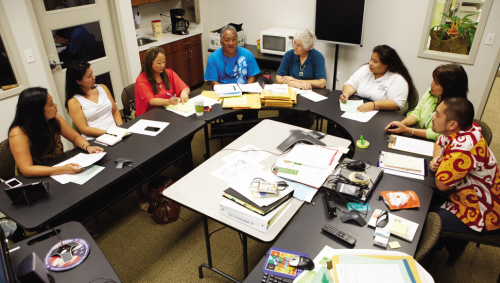
    Senior planners, Shelley Ogata (3rd from the left) and Nic Los Banos (far right) meet the team from various departments of HCOA and ADRC to gather in a specifically designed conference room nicknamed the “War Room”.
    Senior planners, Shelley Ogata (3rd from the left) and Nic Los Banos (far right) meet the team from various departments of HCOA and ADRC to gather in a specifically designed conference room nicknamed the “War Room”.
    Horace Farr, IT specialist, stands by for instructions.
    Horace Farr, IT specialist, stands by for instructions.

    What was born in a storm is now a Hawai’I Island First Response Coalition. All the agencies mobilized in Iselle formalized outreach procedures so they would be prepared to activate in future disasters. This month the teams are working again, with evacuation plans for Pahoa residents in the path of Kilauea’s latest lava flow. This is the Parker’s “grassroots wisdom” in action.

    Alan believes and teaches that Hawai‘i culture has something special, which spans the generations and allows people to work together well. He says, “I got a lot of wisdom from the Plantation Generation: hard work, reliance on family and neighbors, respect for the older generation, and making responsible decisions for future generations. The kupuna in my hanai family taught me these same values.

    “I had a wonderful family. As you know, it is a cultural practice to share your kids with other families. When I was a young teen I bought a car with no transmission — a Chevy Impala — and I had no clue how to put in a new transmission. That’s what kids do. My family didn’t have a garage. Our neighbors, The Branco family gave me their garage to work on my car for months until I got enough money and knowledge to fix my car. Can you imagine what a sacrifice they made for a neighborhood kid?

    That was 1965. After that the Brancos invited me to every family gathering, as a hanai son. Nurturing other through the family is an old Hawaiian and plantation tradition. That’s just how we work at HCOA.”

    Two of Alan’s mentors are George Yoshida, and Derek Kurisu, Hosts of KTA Superstores’ “Seniors Living in Paradise Show” on Oceanic Cable TV. George was the Director of the Elderly Activities Division of Hawai‘i Department of County Parks and Recreation who started Big Island Senior Centers. Derek is Vice President of KTA Superstores and a visionary who has partnered with George and Alan to create public resources like the hosting the TV show, soliciting donors and prizes for the annual Old Americans Luncheon, and editing the HCOA Silver Bulletin. This public/private collaboration is not a campaign promise, but a 30-year reality.

    Generations Magazine- Grassroots Wisdom Plantation Values Inspires Alan- Image 07.

    George and Derek promote the values they were all raised with — they call them “plantation values”because a lot of different people groups were forced to work together and get along in plantation camps, housing for workers on large sugar plantations. Kurisu is in demand as an inspirational speaker, promoting these values, and Yoshido creates programs and venues that build on them — he began Kupuna Hula and Senior Softball, which are now statewide and international programs.

    Parents, Virgil Ray and Tsukie Hirai-Parker
    Parents, Virgil Ray and Tsukie Hirai-Parker

    Alan Parker holds his mom’s generation in great esteem. “Mom was Japanese. Dad came from Ohio during World War II and joked that he came to fight the Japanese, but ended up being captured by one of them! The leaders of that era were strong and very wise: Mary Matayoshi at Hawai‘i Community College, American Cancer Director Lily Inouye, Patrick Pavao at Veterans Affairs, and office volunteer, Alice Ondigon. I learned so much from all of them.

    “I made some mistakes, too,” admits Parker. One time the Department of Parks and Recreation asked him to develop a plan to restore Puna parks destroyed by Kilauea in the 80s. Parker grins. “The Puna folks really hated my plan — shot it down good. Gee, you know I felt bad … but afterwards I called a meeting and asked the people to put together their own plan; I invited the ones who had complained the most. Three months later they laid out a plan they really liked and it was almost exactly what I had proposed! But you know the big difference was that it was their plan. I never forgot that grassroots is number one.”

    When Parker joined HCOA in 1974 as Director of Retired and Volunteer Senior Program (RSVP,) his boss was Gladys Bowell, a social worker from New York, who had worked with big national agencies and the National Girl Scouts. “She had impressive experience, but she didn’t come in and tell us what to do; she just fit in to the community, gained trust and listened to everybody. Then she gathered folks from every echelon of the community: unions, plantations, and heads of state agencies, housewives and the mayor, to work on aging problems. And then Gladys kept listening. When they came up with something worth doing, she helped with planning, found donors and grants to support it. That first program was Kona Homemakers Program, which is still successful 40 years later. Gladys was great at getting people to tell her what they need.”

    “I got a lot of wisdom from the Plantation Generation: hard work, reliance on family and neighbors, respect for the older generation, and making responsible decisions for future generations.” – Alan Parker

    Alan reminisced about mobilizing his first group of RSVP volunteers. “Isami Kobayashi, head of the Papaikou Senior Club, did so much for seniors. We needed RSVP volunteers like retired schoolteachers to help in the schools. His club was big — over 400 retirees — so I asked him to put the word out. He came back and said he was sorry; he wanted all his club members to volunteer, but only 150 signed up! Yikes — I had to scramble to find assignments for all 150 of them! Dorothy Kataoka and Shigeko Chang would take two busloads of volunteers up to Hilo Hospital each week. They were housewives, truck drivers, and plantation field crew, but they found ways to help: landscaping, working in the hospital laundry and in the physical care department doing needlework. It’s different now — government programs dictate what kind of volunteers they want, with this skill or that. At HCOA a desire to help is still top priority. If people want to help, we can find work for them. That’s why our RSVP program is still going strong.”

    In 1978 HCOA Director William Takaba brought formal case management and database tracking to HCOA, and it made a big difference in the effectiveness of all the programs. That year Pauline Fukunaga joined the department. Later in 2001, after a two-year assignment at the Parks Department, Alan took over as HCOA Director, and made Pauline his Lead Planner. She will retire early in December 2014.

    Seeds Of Values Take Root In The Future

    Parker is proud of his current staff and says the young people working at HCOA are remarkable. “I hear people complain about the next generation, but I don’t get it. I see young people with a lot of skills who are serious about helping our seniors. Our Hawai‘i families have passed down their plantation values to the next generation. I am passing them down to my grandchildren.”

    Early RSVP volunteer Lily Alicuban, and Derek Kurisu passed on their her community values. Liliy’s grandson Evan and Derek’s son Blake were buddies in Key Club at Waiakea High School and secured grants to install Personal Emergency Response Systems (PERS) in the homes of elderly living alone– light switches that would turn ordinary porch lights into blinking emergency lights. The emergency lights saved lives. Now Evan is Resident Physician at USC School of Medicine. Blake, a New York Marketing Manager, earned his MBA from Harvard.

    Within HCOA, Planner Nic Los Banos is an example of a new breed of county employees with business degrees, that Parker mentors. They bring to the job computer skills, and business skills like controlling and marketing, as well as financial accounting and planning.

    Hawai‘i County Office on Aging contracts with and has working relations with over 50 agencies and other partners to deliver services to a mix of aging Hawai‘i residents: active and healthy, frail and elderly, disabled and chronically ill. This broad network of services are funneled through an Aging and Disability Resource Center (ADRC) named Kahi Malama (Place of Care) located in Hilo, a one-stop shop where seniors can access all the county programs and resources for aging: caregiver support, case management, counseling, employment information, legal, nutrition, personal care, outreach, respite, transportation, volunteers, elder abuse and neglect, healthy aging, awareness and prevention.

    Generations Magazine- Grassroots Wisdom  Plantation Values Inspires Alan- Image 09.

    Alan’s small staff of five planners covers a lot of ground by coordinating with their partner organizations. In addition, a host of volunteers allow Hawai‘i County to meet its commitment to the aging through modern communications, shared resources, and a commitment to helping others. Without volunteers, the network could not meet its full mission.

    “At HCOA a desire to help is still top priority. If people want to help, we can find work for them. That’s why our RSVP program is still going strong.” – Alan Parker

    What’s in store at Hawai‘i County Office of Aging after Alan Parker closes out 40 years and retires at the end of the year?

    “I leave a clean slate for the next director,” says Parker. “2015 is the start of a new strategic planning cycle. Since the recession in 2008, federal and state funding has been reduced, and the small HCOA staff has been pulled thin by an increasing number of clients as baby boomers retire. Disaster relief adds to the workload. Nevertheless, HCOA is meeting its mission. We have a marvelous staff, and they get a lot of work done — done well. I think as the economy continues to strengthen, our budgets will get more robust.”

    Also retiring after 36 years is Lead Planner, Pauline Fukunaga. “Hawai‘i has the greatest longevity in the nation,” says Pauline. “We also have the fastest growing group of 85+ year-olds in the country. For many years HCOA exclusively served old and frail elderly residents, but now we also have a growing number of active seniors with different needs. We are listening to what they want, and our programs will have to change,” said Fukunaga.

    Parker reflected, “Pauline and I have learned that top-down, cookie cutter programs don’t work very well here; they don’t seem to last. But grassroots, community-based programs will continue to be born in Hawai’i County after we step down. My wonderful staff and the generation of workers behind them are skilled listeners, skilled business planners and committed to help Hawai‘i seniors plan and grow solutions to their problems.”

    We left the HCOA staff with a good feeling — and a new gratitude for the values that set Hawai‘i apart from all other communities: respect for elders, grassroots wisdom and aloha for all.

    Generations Magazine- Grassroots Wisdom  Plantation Values Inspires Alan- Image 10.
    Photo courtesy of County of Hawaii Mayor’s Office In 2010, Alan Parker (left) receives the Excellence in Action Award from the U.S. Administration on Aging, the Centers for Medicare and Medicaid and the Veterans Administration, presented by Audrey Suga-Nakagawa, State ADRC Coordinator and Mark Miranda, the Governor’s Liaison.
    Generations Magazine- Grassroots Wisdom  Plantation Values Inspires Alan- Image 11.

    HCOA has a simple process for delivering services to the elderly: when seniors voice a problem, Alan and his staff listen. That’s it. Hawai‘i Island citizens start their own grassroots initiatives and mobilize resources to solve it.

  • Aloha Spoken Here: Bill Boyd at the Cal

    Aloha Spoken Here: Bill Boyd at the Cal

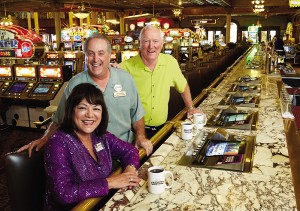
    Liz Damon, David Lebby and Riley Wallace at the Boar’s Head Bar at Main Street Station
    Liz Damon, David Lebby and Riley Wallace at the Boar’s Head Bar at Main Street Station

    In the middle of a sprawling desert town, Aloha blooms. It is spoken at the guest check-in with each new arrival, served at the café with each fragrant dish of oxtail soup, and spread through the gifted efforts of the employees.

    The evolution of Boyd Gaming Corporation’s California Hotel & Casino from a gambling spot to a second home for Hawaiians contributed greatly to the designation of Las Vegas as the 9th Island.

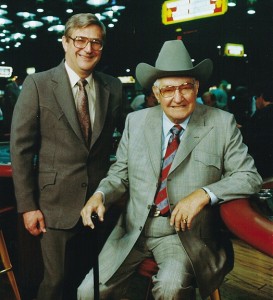
    Bill & Sam Boyd
    Bill & Sam Boyd

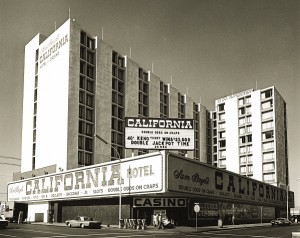
    It was a gamble when the California Hotel & Casino opened in 1975, the first large property to set up off the famed Fremont Street, but Sam Boyd was good at playing the odds in his favor.

    The Boyd family started in the gaming business in 1941, with Sam Boyd moving up from dealer to major hotel owner by 1962 when he first partnered with his son Bill for the Eldorado Casino in Henderson. A little over a decade later, father and son were determined to make their new endeavor work. They borrowed money from the bank, more than once, to realize their dream of a hotel in the booming downtown area that would eventually cater to an often underserved niche market: the Hawaiians.

    “(Dad) said, ‘You know when we lived in Hawai‘i, there was a game on every block,’” said Bill Boyd, executive chairman and co-founder of Boyd Gaming. “In other words, the Hawaiians love to play. And he said, ‘We’re going to make the Cal their home away from home.’”

    It was a heartfelt endeavor. The Boyd family sent a chef to Hawai‘i to learn to cook saimin and oxtail soup, “just the way Hawaiians like them,” Boyd said. “The chef said he also learned a new way to cook rice.”

    That attention to detail is what has kept Boyd Gaming ahead of the competition and a favorite among Hawaiians visiting and living in Las Vegas. More than half of Boyd’s downtown business at its three hotels, The California Hotel and Casino, Fremont Hotel and Casino and Main Street Station Hotel Casino and Brewery, comes from Hawaiian customers.

    “We go to the Cal, oh, I’d say every week or so to see family who come from the island to visit,” said Mano Hale, a longtime Las Vegan and Hawaiian native. “My uncle and his family have stayed there every year for the (football) game. It’s like a second home for us, with all the family coming in (from Hawai‘i) and checking in there.”

    When Jasmine Lee, a Hawaiian native and Las Vegas dental assistant, is feeling a little homesick, she goes to the Cal.

    “It’s been a tradition to go there since my family has been coming to Vegas,” for more than 15 years, she said. “Aunties like to stay at the Cal. It’s a good place for us to all get together without a lot of hassle. It’s like a little piece of Hawai‘I downtown, so we feel at home.”

    Las Vegas is home to more than 15,000 non-Hispanic Hawaiians and other Pacific Islanders according to the latest U.S. Census Bureau figures. The Hawaiian population in Las Vegas doubled from 2002 – 2012, which has helped to confirm the city’s unofficial designation as the 9th Island, although many Hawaiians refer to the Cal as the ninth island.

    Many Hawaiians moved to Las Vegas because of the lower cost of living and the tight-knit local Hawaiian community already in place.

    “We already had family here and it’s so much cheaper, from housing to hot dogs,” said James Ihorn, a waiter at a Strip restaurant and 5-year resident of Las Vegas.

    But there’s no place like home.

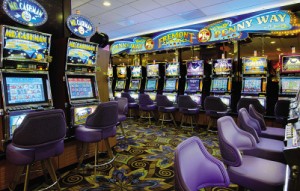
    Before in 1977
    Before in 1977

    “We go to the Cal about once a week to gamble a little, get the oxtail soup at the (Market Street) Café for my wife, and get a little aloha back into our system,” he said. “That’s one thing you can’t get in Hawai‘i, the gambling, and, come on, Hawaiians love to gamble. But you can get that at the Cal and you can also get that Hawaiian spirit. It’s all over the Cal.”

    Present in 2013
    Present in 2013

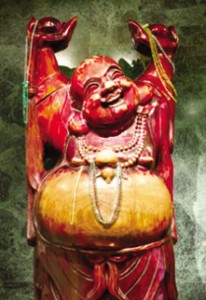
    They also make it a point to rub the belly of the giant Buddha at the valet entrance to The Cal, a symbol of luck, wealth and prosperity. The Buddha was a gift to The Cal in the ‘70s from Char Travel, one of Boyd Gaming’s loyal travel agents based in Hawai‘i.

    David always hopes for the best from the Happy Buddha.
    David always hopes for the best from the Happy Buddha.

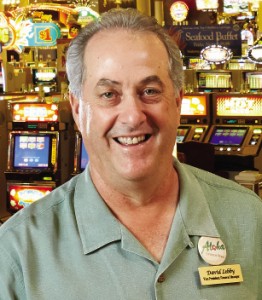
    The name of the Cal’s Buddha is Happy Buddha, meaning good luck, said David Lebby, Vice President and General Manager at California and Main Street Station Hotel, Casino & Brewery.

    “When you leave items such as money, leis, TITO tickets, it will bring you luck,” Lebby said, who has been with Boyd for 34 years, 29 of those at the Cal.

    Generations Magazine- Aloha Spoken Here- Image 06“I have to say that the customers from Hawai‘I are what makes this job so gratifying,” he said. “Over the years many of our customers have become friends and are a part of my life.”

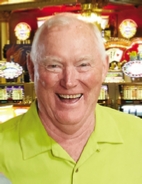
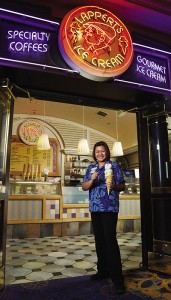
    The Aloha spirit is prevalent.

    “What’s special about our properties is we make our Hawaiian customers feel at home and it’s a place they can gather and talk story,” he said.

    To better serve their Hawaiian guests, Boyd Gaming purchased Vacations Hawai‘i, a travel agency and charter service, in 1995. The following year, they began charter flights between Honolulu and Las Vegas. They offer the Kama’aina vacation packages which include complete four and five-night stays. These packages include round-trip airfare, comfortable accommodations at the Cal, daily ground transportation and three meals. Meal selections include trips to the largest downtown buffet, California’s Paradise Buffet, or a bowl of the legendary oxtail soup at Market Street Cafe — all for an incredible value starting at $699.

    “The packages we get from Boyd are better and cheaper than it would cost to just by air tickets for my family alone,” said Manny Price, a native Hawaiian and Las Vegas car salesman. “We use them a couple times a year at least for big events.”

    Guests check in at Omni Air International’s location at Lobby 6 in the main terminal at Honolulu International Airport and in Las Vegas, check-in is at the McCarran Terminal 1.

    The packages include transportation as well as luggage pick up from the plane to the hotel as well as any medical needs, wheelchair accessibility and personal attention. Vacations Hawai‘I focuses on ease of travel for their guests, who are often returning to Las Vegas or Honolulu to visit family.

    “Hawai‘i residents have always held a special place in their hearts and Aloha for Sam Boyd,” said Johanna “Duke” Duclayan, Las Vegas Charter Manager for Vacations Hawai‘i.

    During the summer, Vacations Hawai‘i runs four charter flights per week to Las Vegas, bringing about 872 passengers to Las Vegas each week. Otherwise, they run five charter flights per week.

    Additionally Vacations Hawai‘i features 7 and 8 night packages with Hawaiian Airlines and the California Hotel. In their travel agency department, Vacations Hawai‘i can get Hawai‘i customers to Vegas on all commercial airlines and also feature great fares to other US cities, with outer island, Disney and cruise packages as well.

    “We treat each customer with and in the Aloha Spirit,” Duclayan said.

    Jimmy Kline is an alum of the University of Hawai‘i and makes sure to go down to the Cal each spring for the UH vs. UNLV annual game.

    “UH Coach Norm Chow is so accessible when he’s at the Cal,” Kline said. “I’ve gone up to him a couple of times when we were at the buffet and he was eating and we talked for a long time.”

    Book at the Fremont and seeing old friends return.
    Book at the Fremont and seeing old friends return.

    Sports are a big reason Kline makes it a point to visit the Cal during football and basketball seasons. Former University of Hawai‘i men’s basketball team coach from 1987-2007, Riley Wallace, is an executive host at the Cal.

    Periodically, Riley loves visiting the Race & Sports
    Periodically, Riley loves visiting the Race & Sports

    The customers are one reason Wallace enjoys his job. He became friends with Bill Boyd during his coaching career and it was a natural progression from friends to working for the gaming giant.

    “It’s like seeing old friends when you go to work,” said Wallace, who lives in Las Vegas with his wife Joan full time and returns to his condo in Honolulu regularly with his family. “You can talk about the present and the past with them.”

    Wallace makes a point to visit each of the three Boyd properties downtown, often running into Bill Boyd walking the casino floor as well.

    Lappert’s Ice Cream is a must after the infamous Oxtail Soup. Ono-licious both ways.
    Lappert’s Ice Cream is a must after the infamous Oxtail Soup. Ono-licious both ways.

    “Boyd wants people to know that Aloha is spoken here, and it is,” Wallace said. “Our customers know the Aloha spirit and respect it. It’s a good marriage right here between Boyd and Hawai‘i. It’s real. They want you to like the islands, and it doesn’t take you long to know why. It’s a beautiful place, and the people are, too.”

    Boyd Gaming employees are what makes the properties stand out within all that glitters for guest’s attention in Las Vegas, said Liz Damon, a slot host at the Fremont hotel and former pop singer.

    “The employees are the ones that are going to bring them back over and over,” said Damon, who has more than 20 years in the industry, 9 of those with Boyd. Finding a position that worked well with her personality and skills was a lucky break, she said, when she decided to step away from the music industry for a time. “The employees are great every day, every time, and that’s what people come back for again and again — they feel at home here. I believe the employees are the mainstay of our three downtown properties.” Much of that positive, Aloha attitude on the casino floor comes from the corporate culture, she said.

    “Mr. Boyd himself, from what I’ve known (talking to him) in the last nine years, you can tell he really cares about the employees and our guests,” Damon said.

    Generations Magazine- Aloha Spoken Here- Image 11Damon is humble, particularly since she is better known as the lead singer in the Hawai‘i-based group Liz Damon’s Orient Express, with hits that made the Billboard charts, including “1900 Yesterday,” “But For Love,” and “Me Japanese Boy.” Each weekend she gives away T-shirts, stuffed animals and other Boyd paraphernalia to winners at the Blazing 7 slot machines near the VIP booth, where she sings some of her well-known hits.
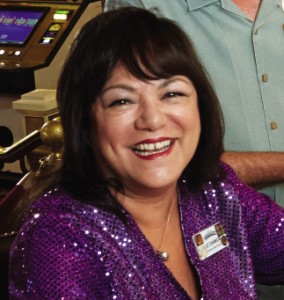

    Liz’s smile is so infectious, no one’s ever a stranger, everyone’s a friend — truly a gift of Aloha!
    Liz’s smile is so infectious, no one’s ever a stranger, everyone’s a friend — truly a gift of Aloha!

    “Being at the Fremont, one of the sweetest things is I get is folks who come in and ask for my autograph, they bring in old records and things to sign,” Damon, a Hawaiian native, said. “It’s a lot of fun. I sing during slot tournaments and people get a kick out of it.”

    When Hawaiians wonder what makes Downtown Las Vegas the 9th Island, the resounding answer is the aloha spirit found at Boyd properties like The California, Fremont and Main Street Station — so stop by, rub the Lucky Buddha’s belly, grab a bowl of oxtail soup and see what the Aloha spirit in Las Vegas is all about.

    Generations Magazine- Aloha Spoken Here- Image 13Market Street Café — Open 24 hours at the Cal, this café serves American favorites with a twist of island flavor. Specials include a legendary oxtail soup, saimin and Kahlua pig.

    Lappert’s Ice Cream — A mainstay on the main Island is a winner late night for cool treats.

    Redwood Bar & Grill – Recognized by Zagat with outstanding ratings this restaurant offers an intimate setting featuring tender steaks, succulent lobster, luscious crab legs and other delectable seafood.

    Award-winning keno at the Cal — From the friendly keno staff to the many winning tickets, The Cal is the place for keno.

    Generations Magazine- Aloha Spoken Here- Image 14Triple 7 Restaurant and Microbrewery — Chill with six varieties of hand-crafted beers, in-house seasonal specialty brews made by our own brewmaster, and an array of delicious dishes from pizza to fresh sushi to Korean tacos and beyond.

    Garden Court Buffet — Ranked in the top five Las Vegas buffets by USA Today Travel, the Garden Court Buffet is known for its delicious rotisserie chicken but wows with Southwestern, pizza, Asian-inspired and specialty stations.

    Main Street Station antiques — Behold history. This free, self-guided walking tour will take you back into time: Berlin Wall, a chandelier from Paris’s Figaro Opera House, even the bronze doors and façade of the Royal Bank of Kuwait!

    Generations Magazine- Aloha Spoken Here- Image 15Tony Roma’s — yearning for sticky ribs and other Tony Roma’s specialties? Just down the street at The Cal’s sister property, The Fremont, you can find the only Tony Roma’s in the state of Nevada!

    Paradise Buffet — Set in a tropical garden decor, the largest buffet downtown serves breakfast with a variety of specialty nights, fresh sushi made nightly and 8 stations of culinary delights.

    Second Street Grill — Recognized year after year by the Zagat survey and featuring a unique Pacific Rim influence, Second Street Grill specializes in seafood dishes, steak and poultry. Specialties include Thai Cioppino soup and Mongolian rack of lamb.

    Generations Magazine- Aloha Spoken Here- Image 16Next time you’re on at the Cal, Fremont or Main Street Station, if you don’t have a B Connected Players Card — it’s time to sign up! Not only will you receive deals tailored just for you, but you can geGenerations Magazine- Aloha Spoken Here- Image 17t discounts on dining, room and entertainment specials. Recently voted the Best Loyalty Club in Las Vegas by the LVRJ, B Connected is your pa
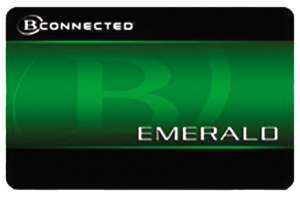
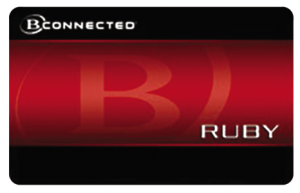
    ssport to deals at destinations in Downtown Las Vegas and beyond!

    Generations Magazine- Aloha Spoken Here- Image 18Exclusive for Generations Magazine readers — sign up for a B Connected card at the Players Club desk.
    In the middle of a sprawling desert town, Aloha blooms. It is spoken at the guest check-in with each new arrival, served at the café with each fragrant dish of oxtail soup, and spread through the gifted efforts of the employees.

  • Privileges & Duties: Retired Chief Justice Ronald Moon Calls America to the Bench

    Privileges & Duties: Retired Chief Justice Ronald Moon Calls America to the Bench

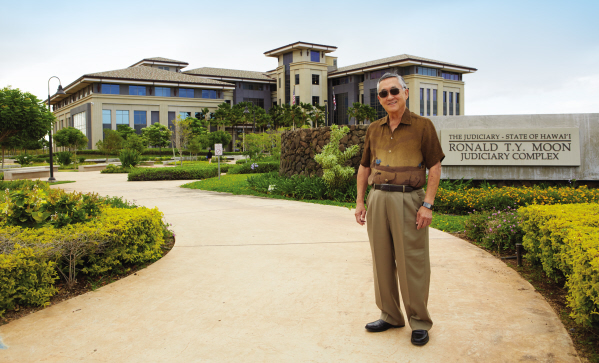
    Generations Magazine -Privileges & Duties Retired Chief Justice Ronald Moon Calls America to the Bench - Image 01
    “Public service is the rent one pays for the space he/she occupies here on Earth…”this motto is something my father used to say often, recalls Ronald T. Y. Moon, the former chief justice of the Hawai‘i State Supreme Court. “He was a living example…a very community-minded person. His actions prompted me to join the judiciary, thereby committing to public service.”

    Before retiring in 2010, Moon—an attorney for 16 years and judge for 28— put the “law of the land” to work for more than 40 years. As judge, he says he was proud to support the interests of his state and country, and witness hundreds of citizens perform their civic duty as jury members within the court system. He notes that jury duty is one of the key ways citizens can engage in civics and participate in the democracy of which we all depend on.

    As this issue of Generations coincides with the Fourth of July, we sat down with Moon and asked him to reflect on what it means to be an American — as a retired chief justice, Korean-American and private citizen.

    From the Plantation to the Judiciary

    As a third generation Korean-American, Moon doesn’t take our democracy, freedom or rights for granted.

    Moon’s grandparents on both sides came to Hawai’i in the first wave of Korean immigration, between 1903 and 1905. The family lived in Wahiawa. After leaving the plantation, Moon’s paternal grandfather opened a tailor shop in Wahiawa that served as the family business for two generations. The Moon family (parents Duke and Mary, Moon and his three younger siblings) lived above the store.

    Generations Magazine -Privileges & Duties Retired Chief Justice Ronald Moon Calls America to the Bench - Image 02
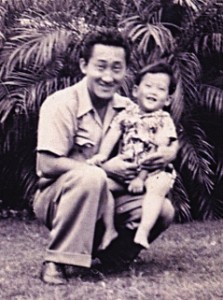
    Left: Grandfather Moon and Ronald (10 months). Below: Toddler Ronald with dad enjoying a day at the Honolulu Zoo.

    Academics were impressed upon Moon by his parents (his father wasn’t educated beyond high school due to lack of finances; his mother attended vocational business school), who believed that education was necessary if one was to be productive in life. Yet, Moon admits that he wasn’t the best student. He attended Leilehua High School and town high schools. He says that it wasn’t until he was admitted to Mid-Pacific Institute (MPI) that his parents’ advice sunk in.Generations Magazine -Privileges & Duties Retired Chief Justice Ronald Moon Calls America to the Bench - Image 03

    “The school gave me the guidance, supervision and motivation that I needed,” Moon says. “It was difficult for my teachers and counselors, specifically the Dean of Boys and my American History teacher, Lester Cingcade.” Cingcade was instrumental in seeing that Moon, “Stop being a kid and grow up!”

    At MPI in the late ‘50s, during Moon’s junior and senior years, there were “rules upon rules” for which any violation of them would result in a “charge” that would send students to the Senate Court (school’s student court). Cingcade was the advisor and honor students were the judges.

    During Moon’s first year at MPI, he was in Senate Court on nearly a weekly basis for violating rules, ranging from disrupting class and holding a girl’s hand on campus to his hair touching his ears and dust on his dorm room’s window sill, etc. Punishment included “hard labor” such as pulling weeds, collecting garbage from the cafeterias, or not being able to go home on weekends.

    “I believe that being a defendant in Senate Court convinced me that I would very much appreciate one day being on the “other side” of the courtroom,” Moon says.

    In fact, in his senior year at MPI, Moon got the opportunity to “defend” one of his good friends. Moon explains that his classmate got caught plagiarizing. Instead of writing a report on the American classic, Moby Dick, he used the comic book edition. The senior English instructor recommended to the school that he be expelled. “This meant that after four years of attending MPI and living away from home, my friend wouldn’t graduate,” Moon says. “I knew that his parents — a schoolteacher and service station owner — were not wealthy people. Private schools are so competitive and they sacrificed to pay for their son’s way through boarding school. It didn’t seem right that he’d be kicked out in our senior year.”

    With Cingcade’s voice drumming in his head “to stop being a kid and to grow up,” Moon decided to secretly visit the teacher and make a case on his friend’s behalf. As a result, Moon’s friend was allowed to stay on campus and graduate. (Later, he became a very successful businessman, and he and Moon are still very good friends to this day.)

    “That experience gave me an awareness that I enjoyed helping people,” Moon recalls.

    College Conundrum

    Generations Magazine -Privileges & Duties Retired Chief Justice Ronald Moon Calls America to the Bench - Image 04
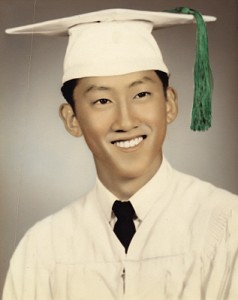
    Mid-Pacific Institute, Class of ‘58

    Although Moon started to find focus at MPI, he didn’t graduate with college ambitions. Rather, he attempted to persuade his father to allow him to take care of the family business. “My father, however, wasn’t going to have anything to do with me unless I went to college. If I was going to skip college, then he wanted me out of the house and living on my own … I was not to rely on the mom-and-pop shop. It was just that way,” Moon recalls.

    To determine Moon’s future, the family visited the well-connected and educated reverend at the Wahiawa Korean Christian Church, where they were very involved in the parish activities.

    “If you had a question, it was customary to visit the reverend for guidance,” Moon explains. “The reverend stated that I would go to Iowa, as he knew of a very good school [University of Dubuque] that has a seminary … and that I was going to be a good minister one day.”

    Moon attended the University of Dubuque and then transferred to Coe College, where he studied toward becoming a social worker.

    A older cousin, James Choi, who was studying at the University of Iowa Law School encouraged Moon to submit his application.

    “He advised me that in order to get a good job in social work, I’d probably need to earn a doctorate degree. He suggested that I try to become a lawyer … that way, as a social worker, I could understand the law and better help people,” Moon says.

    In 1965 Moon graduated from the University of Iowa Law School and obtained his doctorate of jurisprudence.

    After school, Moon returned to Honolulu. “It was the right thing to do to come home in ’65. At the time, memories of the war with Japan and the Korean War were still fresh in America’s mind. I didn’t feel very comfortable in a nearly all-White community. If you looked Asian, you reminded them of the enemy.”

    Once Moon returned to the Islands, he became law clerk to United States District Court Judge Martin Pence. He served under Pence for one year.

    In 1966, he joined the staff of the Prosecuting Attorney of Honolulu where he was deputy prosecutor. Later, Moon left public service to become a partner in the law firm of Libkuman, Ventura, Moon and Ayabe until Gov. George Ariyoshi appointed him to the Hawai’i State Judiciary as a circuit court judge.

    Then, Gov. John Waihe‘e elevated Moon to the office of Associate Justice of the Hawai’i State Supreme Court in 1990. In 1993, Moon was promoted to chief justice.

    No Injustice in Judgment

    Generations Magazine -Privileges & Duties Retired Chief Justice Ronald Moon Calls America to the Bench - Image 05
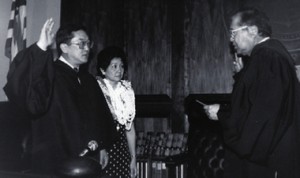
    Swearing in as Chief Justice with wife, Stella Moon, by Chief Justice Herman Lum in 2003.

    Judge Pence, from the U.S. District Court, had a great influence on the development of Moon’s judging philosophy that revolved around two key points — judicial independence and treating all who appeared before the judge with respect.

    “Pence essentially taught me judging,” Moon says. He educated Moon on how to review cases and how to remain objective despite outside pressures, such as the media, politicians, big-business, special interest groups, and even protests outside of the courthouse.

    “Pence insisted that judging always comes down to the facts of the case from evidence only admitted in court. Once determining the facts, you then apply the applicable law to those facts,” Moon says. “You don’t let the outside influence your decisions. That is what judicial independence is all about. That’s what I tried to do throughout my career.”

    Moon continues to promote judicial independence in Hawai’i, and is averse to the fact that judges in many other states are elected rather than selected under a system like Hawaii’s that utilizes citizens and lawyers in the selection process. “When judges are elected — and they need to waves signs, ask for donations, gain votes — they become politicians,” he says.

    To get votes, you have to be popular, Moon notes. “When a big issue comes up and you make a ruling … and it’s not a popular decision … You lose votes and perhaps lose your job. Judges can’t be placed in that kind of situation.”

    Moon’s second guiding principle — to treat people with respect, courtesy and civility — stems from the overarching ideologies of his father, Cingcade and Pence.

    “I told the judges who I supervised that they should not scold, admonish or belittle people, like ‘Judge Judy’ on TV,” Moon says. “They shouldn’t exhibit condescending behavior toward the people that come before them.”

    Democracy On Trial

    Generations Magazine -Privileges & Duties Retired Chief Justice Ronald Moon Calls America to the Bench - Image 06
    Induction into the Royal Order of King Kamehameha I.

    After spending four decades in the legal system, Moon has witnessed the pros and cons of the legal system. One of the greatest weaknesses, he fears, is our lack of civic knowledge. And he questions whether it poses a threat to American democracy.

    “The kind of ignorance that I’m talking about is illiteracy in civics — understanding government, its makeup and how it works … being able to name the vice president, your state’s senators or the three branches of government — executive, legislative, judiciary,” Moon explains. “Our inability to do so disappoints me a great deal.”

    Moon sites a recent study by the Center for the Study of the American Dream at Xavier University in Cincinnati, Ohio, which reveals that one-third of native-born citizens fail the civics portion of the naturalization test, in stark contrast to the 97.5 percent pass rate among immigrants applying for citizenship.

    “Some people may argue that immigrants had time to study,” Moon says, “but I contend that native-born citizens have lived here all their lives, spend 12 to 18 years in school, have access to unlimited media and resources … yet they can’t name the governor of their own state or identify the law of the land, such as The Constitution? It’s just amazing and depressing!”

    Moon explains, “It’s because of these kinds of reports year after year when I was serving in the judiciary, especially as a chief justice, that I understood clearly why nearly 25 percent of people don’t show up for jury duty in Hawai’i (and up to 75 percent in other states such as Florida), and why voting is at an all-time low. People are oblivious to their civic responsibilities.”

    Our country is like a family: Everyone has to pitch in or it doesn’t work. As citizens of the American “family,” we all have certain responsibilities, like going to school, voting, obeying the law… and jury duty.

    Any jury pool assembled to try a criminal or a civil case is supposed to be drawn from all socioeconomic classes of the general population. When a quarter or more of the people summoned don’t show up, the person who is in trial is potentially robbed of the opportunity to be fairly judged by his/her peers.

    Moon explains that he understands that jury duty is not an attractive thing to most people. In fact, he’s heard “every excuse in the book” to get out of it. Moon says, “But I always ask people who try to skip jury duty to imagine a situation where their friend, family member, spouse, or themselves is charged with a crime and a jury trial is set to determine their guilt or innocence. Wouldn’t they want a good, fair and well-balanced jury? Wouldn’t they want a peer to represent them in the jury? Would they want a reluctant jury member who doesn’t want to give service — or doesn’t believe in the jury system — sitting in judgement of them?”

    Use Your Voting Voice

    “Civic literacy is important so everyone can understand democracy and see how things are done in government,” Moon says.

    Moon points out that the first general election in 1960 after Hawai’i became a state, voter turnout was 94.6 percent. Since then, the rate has been gradually slipping. In disbelief, Moon says that in 2008, “even when we had a local boy running for president, Hawai’i was last of all the states with a 43.6 percent voting rate.”

    To vote is to respect the history that granted us that privilege. To vote is to help your state and country choose positive leaders. Whether or not your candidate wins, the point is that you used the voice and power that was given you.

    Retiring From The Bench

    After Moon’s first term as chief justice ended, he considered retiring. He knew his wife Stella would like to spend more time with him, but she also encouraged him to go for a second term — he says, “as long as I thought I’d enjoy myself.”

    Moon decided to apply, and in 2003 he was retained to serve a second term as Chief Justice of the Hawai’i State Supreme Court. He retired in September 2010 — three years shy of completing the term because under Hawai’i law all judges must retire at age 70.

    “I feel that for me, the age limit was very appropriate. I had 40-plus years in the legal field — nearly 18 of which were as chief justice — the longest serving chief justice since statehood. I was ready to go!”

    “I’m indebted to Stella, my biological and adopted children, my parents and grandparents for the tremendous support and love they’ve extended to me in my pursuit of love, peace and joy in my career throughout the years,” he says.

    Going Out On Top

    To cap his career, the West O‘ahu court complex in Kapolei was named the Ronald T. Y. Moon Judiciary Complex just days before his retirement. It currently serves as the new home of family court for the 1st Judicial Circuit.

    “I was very flattered and honored that it was named after me,” Moon says. He notes that his predecessor Chief Justice Herman Lum had the original idea 20 years earlier and spent a lot of time trying to convince the legislature to build a one-stop shop family court center.

    “When Lum retired and I took his place, the family court was still a very good concept. Luckily at the time, Kapolei was new and the ‘second city’ was looking for community foundations, such as a courthouse,” he says.

    In retirement, Moon continues his lifetime civil service by offering dispute resolutions, such as mediation and arbitration. He also aids high-risk teens in Waipahu at Kick Start Karate, founded by former Honolulu Police Chief Lee Donohue. In addition, Moon sits on several boards, including Mid-Pacific Institute, St. Louis School, Wahiawa United Church of Christ and Ohana Pacific Bank.

    “I have the opportunity to learn new things and read material that isn’t strictly law… it’s so refreshing,” Moon laughs. “Retirement, which is your last phase of life… is ultimately the best. I just love it. Maybe I should have retired earlier!”

    Whether working or retired, Moon encourages everyone to get involved in civics in whatever way best suits them. “I understand that everyone is busy trying to make a living, but we should all do what we can to get involved in the community — PTA, Lions or Rotary Club, team coach, tutoring and so forth,” Moon says. “We fulfill our civic duties by investing in our communities and country … thereby enjoying, strengthening and preserving our rights and freedoms.”

    Generations Magazine -Privileges & Duties Retired Chief Justice Ronald Moon Calls America to the Bench - Image 10Generations Magazine -Privileges & Duties Retired Chief Justice Ronald Moon Calls America to the Bench - Image 09Generations Magazine -Privileges & Duties Retired Chief Justice Ronald Moon Calls America to the Bench - Image 08Generations Magazine -Privileges & Duties Retired Chief Justice Ronald Moon Calls America to the Bench - Image 07


    It was a family affair at the Kapolei Judiciary Complex ceremony and Chief Justice Ronald Moon’s retirement celebration. From left to right: Moon’s wife Stella; mother Mary; daughter Julie and sons Scott and Ronald Jr. (not pictured); and step-daughters Jan and Jill; and step-son Herb (not pictured).

    Before retiring in 2010, Moon—an attorney for 16 years and judge for 28— put the “law of the land” to work for more than 40 years. As judge, he says he was proud to support the interests of his state and country, and witness hundreds of citizens perform their civic duty as jury members within…

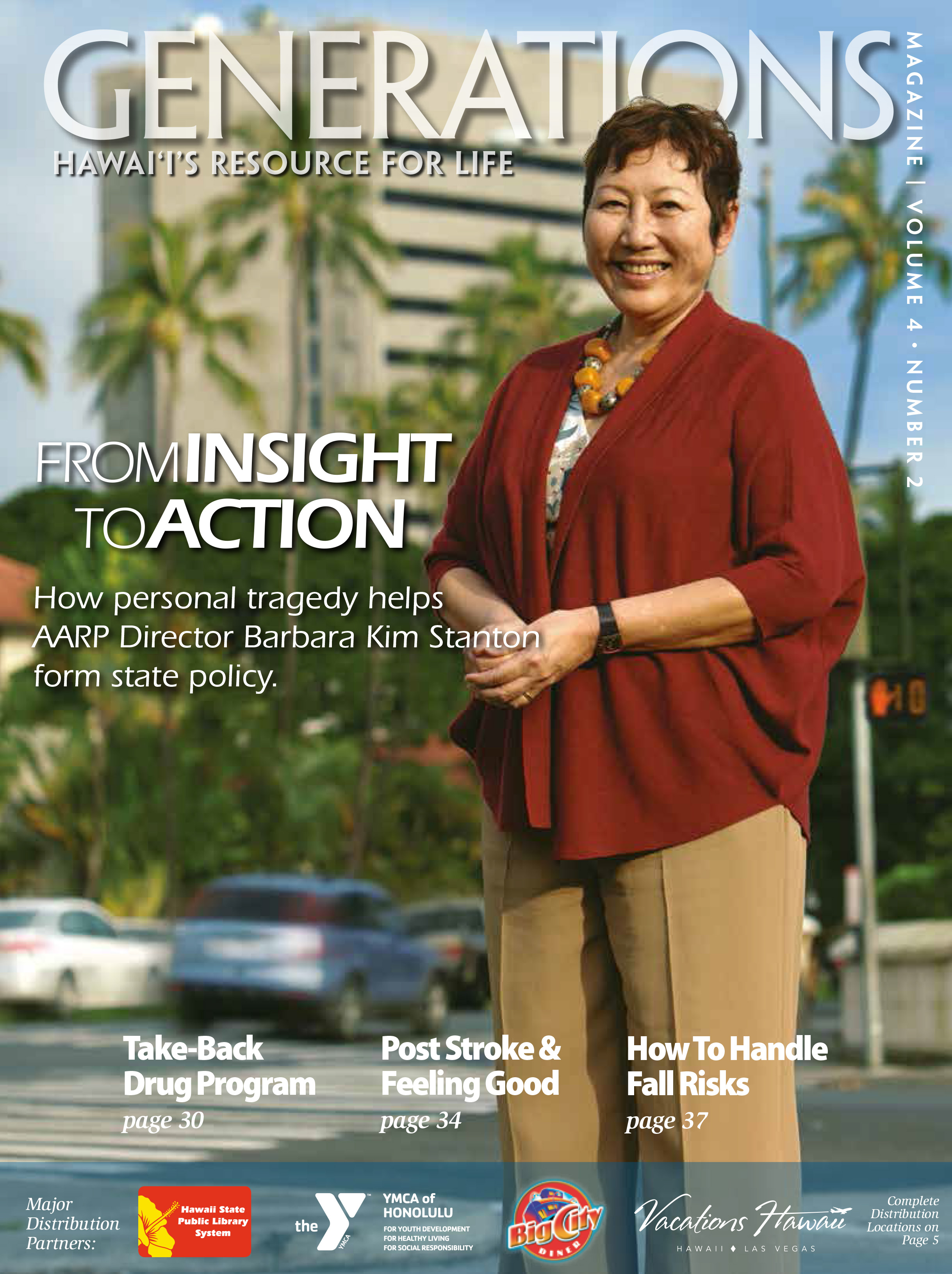
  • From Insight to Action Barbara Kim Stanton – How personal tragedy helps AARP’s director form state policy

    From Insight to Action Barbara Kim Stanton – How personal tragedy helps AARP’s director form state policy

    “We are developing more livable communities where people of all ages and physical abilities can get safely where they want to go.” — Stanton
    “We are developing more livable communities where people of all ages and physical abilities can get safely where they want to go.”
    — Stanton

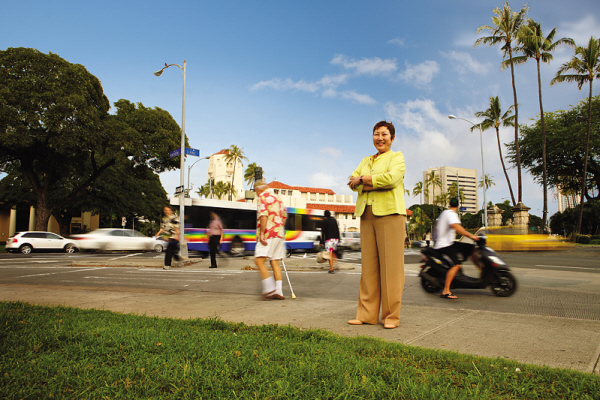
    In a split second your life can change dramatically,” says Barbara Kim Stanton, AARP Hawai‘i state director, of a lifethreatening pedestrian crash in 2003. The accident left her with multiple fractures, requiring extensive rehabilitation and a six-month recovery at home. The debilitating incident provided her with unique insight into what it must be like for seniors who have limited mobility and/or depend on home care — as she did for nearly half a year. Ultimately, the experience shaped her view of some of the significant challenges facing our aging community and continued to affect her in 2005 as she assumed leadership of AARP, the influential member organization for people 50-plus.

    In this issue, Stanton sits down to talk with Generations about the social changes seniors are facing today — from redefining retirement to the national and local movement toward creating walkable and safe age-friendly communities.

    GM: In what ways did the pedestrian crash influence your view of aging?

    BKS: The injuries I had were so severe it was like being fast-forwarded into old age. I couldn’t do anything for myself. I couldn’t dress or feed myself. I couldn’t even brush my own teeth. When something like this happens you learn very quickly what life is like for frail, elderly residents who are dependent on friends and family for their basic needs. You start looking at your surroundings and reassessing your ability to age in the home you’re in. It wasn’t long before I realized that the ‘Aiea home, which my husband and I built in 1982, was inadequate for growing old in. It’s a single-level home on a level lot with extra-wide doors that make it easy to navigate from the yard into the house. Still, many of the things I had taken for granted — door handles, window latches, access to the bathroom — took on a new significance because I didn’t have the strength to perform even simple tasks.

    Memories of this experience shaped my belief that everyone needs to plan for how to best meet their needs when they can no longer live without the help of others.

    GM: What is it like to not be able to take care of basic daily tasks — dressing, eating, personal grooming — that most of us take for granted?

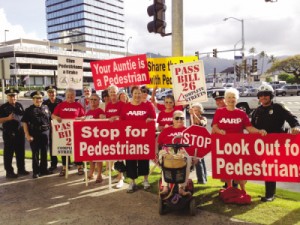
    AARP supported the Honolulu City Council’s 2012 Complete Streets ordinance, making it safer for all residents.
    AARP supported the Honolulu City Council’s 2012 Complete Streets ordinance, making it safer for all residents.

    BKS: I was discharged from the hospital after about three weeks and needed around-the-clock assistance for half a year, and several months of rehabilitation services before I was able to return to work. I needed total care. My husband helped me in the morning before he went to work. During the day, I had a physical therapist, an occupational therapist and a nurse. In the afternoon when the last medical person left, my neighbors came in. They took shifts. Fortunately, I had a network of family and friends to cook meals and help in any way they could. Even Mainland friends from college used their vacation to fly over and lend a hand. I’m indebted to a lot of people for helping me recover at home.

    Through this experience I learned how unpaid caregivers are the backbone of Hawai‘i’s longterm care system. They are the ones who make it possible for the elders they love to age at home, which is where most Hawai‘i residents say they want to be rather than an expensive care facility.

    Of course, the main difference between my situation and the seniors who I met at the rehabilitation hospital was that I eventually started to recover. I was getting better, while the frail, elderly folks I got to know said it was a “good day” if their condition stayed the same.

    GM: How important are family caregivers to helping elders with activities of daily life?

    BKS: In Hawai‘i today most of the day-to-day care for the elderly is provided by family members, often women, who juggle this responsibility with their jobs. This isn’t talked about much and is rarely viewed as a public issue. That’s beginning to change, especially as the percentage of elderly residents needing home care grows. Hawai‘I residents are beginning to realize that caregiving affects just about everyone. At some point in your life, you will either be a caregiver or you’ll need a caregiver — maybe both.

    Generations Magazine- From Insight to Action- Image 03
    Stanton’s husband and kids were a large part of her daily caregiving network.

    I’ve experienced both sides of the caregiver experience, and it’s given me valuable perspective. I, along with other family members, cared for both of my parents at their home in Honolulu. I used to stay with them while my husband watched over the kids at our place. After Mom passed, Dad moved in with us for about a year until he went into hospice. Many adult couples with children are juggling similar situations.

    AARP research indicates that there are 247,000 family caregivers in Hawai‘i throughout the year, and the value of the unpaid care they provide to loved ones is estimated at $2 billion a year. However, trends show that the number of potential caregivers (aged 45 to 64 for every person aged 80 and older in Hawai‘i) is declining rapidly. In 2010 there were about six potential caregivers available for every older person. By 2030 there will be fewer than three caregivers available. That’s a red flag. Family support is one of the keys to being able to stay in your home and community as you age.

    GM: In what ways do family caregivers contribute to keeping health care costs in check?

    BKS: The range of services family caregivers provide is very broad. Many take care of all of the basic daily needs such as personal care, bathing, dressing and cooking. Increasingly, they’re also being called on to perform medical tasks that would make a first-year nursing student tremble — such as wound care and tube feedings — often without adequate training.

    Caregivers also play a critical role as unofficial “care coordinators” when family members transition from a health facility back to the home. In that respect they’re on the front lines of keeping their loved ones out of costly institutions and preventing readmissions to the hospital. At the State Legislature this year, AARP Hawaii is supporting legislation that will help caregivers in their role as care coordinators. The CARE Act (SB2264) requires hospitals to provide caregivers with instruction on how to provide the care that’s needed when their loved ones return home.

    GM: What steps can people take to increase their chances of staying in their homes as they age?

    BKS: The most important thing family members can do is talk with each other about the kind of care they want in the future. For adult children watching their parents grow older, it’s normal to feel anxious. But “The Conversation,” as we call it, has to occur — and better sooner than later. The worst thing to do is to wait until a catastrophic health incident occurs in the family. Then you’re scrambling for answers under stress.

    We recommend that people become familiar with public and private health care services available in our communities. A good place to start is the office of aging in each of the counties. They have case workers who can sit down and discuss your family’s needs.

    Families may also qualify to receive in-home services through Kupuna Care, a state-funded program that offers a safety net for residents who don’t qualify for Medicaid and can’t afford to pay for services.

    The state also provides information about caregiving and long-term care options on its Aging and Disability Resources Center website. It’s a one-stop shop for information about what services are available and how much they cost.

    GM: Are Hawai‘i residents prepared to cope with the rising cost of long-term care?

    BKS: The cost of long-term care in Hawai‘i is among the highest in the country, and few of us are prepared. The median cost of private nursing home care in Hawai‘i is about $145,000 for just one year, and the average stay is about three years. Unless you have private long-term care insurance or make other financing arrangements, that’s an out-of-pocket expense that not many people can afford. Only about 12 percent of residents age 40 and older are covered by private long-term care insurance.

    People are generally uninformed about their options when it comes to planning and paying for care, and a tremendous amount of misinformation exists about what programs such as Medicare pay for. We surveyed our members a few years ago and found that 29 percent believe that Medicare covers the cost of long-term care. Actually, it’s Medicaid that pays for the bulk of long-term care in the U.S., but only for the very poor.

    GM: What is AARP doing to help raise awareness of the public’s need to plan for their long-term care?

    BKS: AARP helped establish the Hawai‘i Long-Term Care Commission, which studied the state’s long-term care system and recommended reforms (click to see Generations, March 2011). One of the Commission’s top proposals to the Legislature was for the state to launch an education and awareness campaign to help Hawai‘i residents understand long-term care and available options to pay for it.

    The idea is to help people live independently at home for as long as possible rather than moving to more costly nursing homes. AARP is working with legislators this session to get $500,000 appropriated for this purpose.

    Another recommendation was for the state to consider a public, long-term care insurance program for our working population. We are waiting for the results of a financial and actuarial study, due this summer. Depending on what the report finds, legislation establishing the financing program could be introduced as early as 2015.

    GM: As you look at the physical layout of our communities, do you think we’re prepared for the aging boom that’s already begun?

    BKS: Our communities have been designed with the automobile in mind, which doesn’t support the ability of older residents to age in place. When large numbers of people and cars come together in urbanized areas built primarily for automobiles, the results can be tragic. There have been unacceptably high numbers of pedestrian crashes in Honolulu over the past decade, and the threat to public safety will rise as the percentage of residents age 65 and older increases to 20 percent over the next two decades.

    AARP is working to develop more livable communities where people of all ages and physical abilities have multiple transit options to get safely where they want to go — whether driving, walking, cycling or taking public transportation. What’s really exciting is the new Age-Friendly Cities initiative just announced with the City and County of Honolulu that will transform Honolulu into a place that is livable for everyone — kupuna to keiki.
    GM: Can you share some details of the Age-Friendly Cities initiative?

    BKS: Mayor Kirk Caldwell announced his commitment to prepare Honolulu to be more age friendly and has partnered with the AARP Network of Livable Cities and the World Health Organization’s Global Network of Age-Friendly Cities and Communities. The WHO Network is part of an international effort to get cities and towns around the world prepared for rapid population aging and increased urbanization.

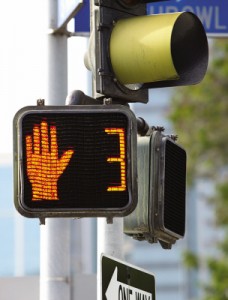
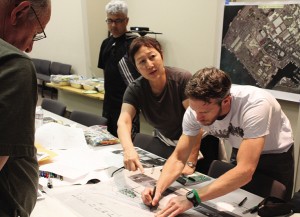
    AARP lobbied for countdown signals with adequate time to cross for the disabled and the elderly. It also joined residents in a planning session for Complete Streets in Kakaako.
    AARP lobbied for countdown signals with adequate time to cross for the disabled and the elderly. It also joined residents in a planning session for Complete Streets in Kakaako.

    Over the next five years Honolulu city officials will work with AARP and residents of all ages to improve physical and social environments on O‘ahu that will help older residents remain healthy, active and engaged. This will be a local, community-driven initiative to transform our island into a livable community that’s safe and secure, including affordable housing and adequate transportation. Once in place, these resources will enhance personal independence, allow residents to age in place and foster engagement in civic, economic and social life.

    In April a citizens advisory committee will be convened. This group is responsible for developing an action plan that will promote public safety and provide seamless access to shopping, recreational sites, housing and transportation services.

    GM: What are your members saying they want to do with their retirement years?

    BKS: The Baby Boomers are rewriting traditional definitions of what it means to retire. The first of the Boomers reached age 65 in 2011 and more of them are taking advantage of the extra longevity years their parents and grandparents didn’t have. Regardless of income and whether or not they continue working, they’re reflecting on the meaning and purpose of their lives, overcoming fears, achieving aspirations and building a greater sense of community. Boomers are creating this new life phase and rejecting the notion that their possibilities are shrinking as they get older. They’re using their years of experience not to wind down but to reach even higher.

    GM: Are you optimistic about the next 20 years as the boomers move into their 80s and beyond?

    BKS: Older adults today are living in a new age of possibilities. For those who prepare for the future, it will be good. Hawai‘i is a great community, we respect our kupuna, and our people know how to pull together. But the challenges with health care are formidable. That’s why I’m concerned about people who may not have enough resources.

    My goal with AARP is to help seniors stay connected to their communities and enhance the quality of their lives as they get older.


    About AARP Hawaii
    AARP is a membership organization for people age 50 and older, with nearly 150,000 members in Hawai‘i. We champion access to affordable, quality health care and deliver a strong message to our elected officials: No cuts to Medicare or Social Security benefits.
    We also provide the tools needed to save for retirement, and serve as a reliable information source on critical issues that help older Americans navigate the “what’s next” in their lives.
    Drive to End Hunger. Life Reimagined. Financial Freedom Campaign. Fraud Watch Network. Driver Safety.
    Tax-Aide. Life@50+ Expo. Consumer Advocacy. Volunteering.
    Toll-Free: 1-866-295-7282
    Website: www.aarp.org/hi | Facebook: /AARPHawaii | Twitter: @AARPHawaii
    Published with the assistance of Bruce Bottorff, director of communications of AARP Hawaii.

    In a split second your life can change dramatically,” says Barbara Kim Stanton, AARP Hawai‘i state director, of a lifethreatening pedestrian crash in 2003. The accident left her with multiple fractures, requiring extensive rehabilitation and a six-month recovery at home. The debilitating incident provided her with unique insight into what it must be like for…

  • Emme Tomimbang – When Caregiving Comes Full Circle

    Emme Tomimbang – When Caregiving Comes Full Circle

    A personal story by Emme Tomimbang

    Generations - 2013 Oct Nov - Emee Tomimbang - Image 01
    “While [our challenges] may be far from over, we are in total gratitude for each day … each moment.”
    November is National Caregivers Month. It is a time to acknowledge the important role that family, friends and neighbors play in caring for the ill, disabled or aged. Family caregivers provide an estimated $450 billion worth of unpaid care to loved ones annually, according to the Family Caregiver Alliance. Also, 65.7 million caregivers make up 29 percent of the U.S. adult population.

    In this issue of Generations Magazine, TV personality Emme Tomimbang shares her personal story of how learning to be the caregiver—and the patient—changed her outlook on life and family forever.


    Most of you know my work as a television news reporter, host and producer of my own show Emme’s Island Moments. In my 20 years of TV news and another 20 in independent television production, I’ve done hundreds of people profiles, lifestyle clips and health segments on AIDS, diabetes, leukemia and heart disease. But nothing could have prepared me for the life-changing role as a caregiver. This time, I was not researching, interviewing or reporting on a difficult subject for a television series—rather, I was living the drama—the life of a caregiver and, eventually, the patient.

    My husband Jim Burns, who retired as Chief Judge of the State Intermediate Court Of Appeals six years ago, and I share our story publicly because we want other couples and families who find themselves caregiving each other to know they are not alone.

    About two years ago, I started a life-altering journey in becoming a multiple caregiver for a friend, mother, husband and, yes, even a pet. My caregiving experience started with one of my best friends, Mary, who had just returned from a visit to the Philippines. The following day she suffered a stroke that placed her in intensive care at The Queen’s Medical Center. In the weeks that followed, I helped her husband and family care for her in the hospital, at rehab and later at home. Most of what I did included emotional support, weekly visits and some advocacy work helping them navigate through the confusing world of hospital, home and healthcare.

    Today, I’m happy to report that my friend walks proudly with a cane and is recovering well.

    Three months after Mary’s hospitalization, my mom, Nena, had back surgery and at the age of 85 was hospitalized at a Kaiser Permanente Medical Center. She bravely fought to live even while on a ventilator and trachea tube. She could not speak until three months later. During her hospital stay, my sisters (one of them who flew in from San Francisco almost monthly) and I took daily, six-hour hospital caregiving shifts. Our family became part of her medical team. After a seven-month hospital stay, my mom was eventually taken off all her machines and left Kaiser for an advanced nursing home.

    Caregiving: In Sickness, In Health

    Three months prior to my mother’s departure, my husband Jim was diagnosed with throat cancer stage 4. So while caregiving for my mom in the hospital, I was blindsided with my husband’s life-threatening diagnoses. We hit the ground running learning about his illness, treatments and eventual home care.

    We found out about Jim’s medical matter in October 2011 just days before our planned trip to Australia to visit relatives.

    Our internist Dr. Thomas Au suggested, “Go take that trip and enjoy yourselves. When you return, we’ll begin treatments.” It was the best advice. We had a wonderful time knowing our lives would be so different once we returned home. It made the trip bittersweet, but we took pleasure in our moments together even more so.

    Our family’s Thanksgiving dinner in 2011 was to be the last normal meal Jim would eat for months. From that point on, he was tube fed and I had to learn how to administer cans of liquid food and medication that needed to be crushed and given by syringe.

    All this was so new and strange to me, but I was determined to learn it all and do it well. And it was never easy.

    I had friends who were nurses, professional caregivers and nursing home operators—all on speed dial. It was one question after another. I’ve come to appreciate the hard work all professional caregivers and healthcare workers face day to day.

    In December, we realized we had to postpone our Christmas celebrations, and my husband and I spent New Year’s Eve watching the countdown from his hospital bed at Kuakini Medical Center.

    During Jim’s chemo and radiation treatments, he developed pneumonia and had two separate weeklong hospital stays. I ran back and forth from his hospital room at Kuakini Medical Center to the Care Center of Honolulu (formerly The Convalescent Center of Honolulu) across the street to check on my mom. It was dizzying at times to bounce between patients, but this was my mom and my husband, I needed to be there for both of them.

    My Turn

    Then, in May of 2012, I faced my own medical condition. I had just completed writing the “Hawaii 5-0 Revisited” TV special—working late nights, early mornings and in between caregiving my mother and tube feeding my husband. I had just sent my husband with a friend who drove him to a doctors’ appointment when I collapsed after toweling off from a shower. I just hit the floor. I had no idea what happened, but my 110-pound Rottweiler, Rufus, used his nose to open our sliding screen door and woke me up by licking my face. With his help I was able to get to the phone and call my husband. I miraculously remembered his cell number, dialed it and told him I needed help.

    The following moments are a blur. I remember hearing both male and female voices. The EMTs and firefighters attempted to stabilize me while trying to control a protective Rufus who didn’t want strangers in the house or near me. My husband returned home just in time to sequester Rufus in the next room, while EMT’s put me on the gurney and rushed me to Castle Medical Center.

    At Castle, my husband was told that I had suffered a ruptured brain aneurysm (a swollen blood vessel, with risk of rupture, severe hemorrhaging and sudden death) and needed to be taken to The Queen’s Medical Center’s Neuro-ICU unit. I was again rushed by ambulance, and my husband who hadn’t driven in nearly seven months was now driving himself to meet me at Queen’s.

    Suddenly, the caregiver became the patient and the patient became the caregiver. We traded roles in a matter of moments.

    I don’t remember too much of the first week of my two-week hospital stay. But when I came to, I could not believe I had “lost” an entire week. Where did the time go, what happened to me, why was I even at the hospital?

    No one would say at first. Then, slowly, I was told I had a two-and-a-half-hour procedure in which two platinum coils were placed in my brain to stop the bleeding and repair a broken aneurysm. My neurologist Dr. Sung Bae Lee told me that I “cheated death” and I was in the 25 percent of patients who survive.

    That was a lot of information to resolve and accept. I couldn’t believe it.

    Once I was conscious, the doctors then became concerned about a spike in my blood pressure, which was caused by my worry over Jim’s well being. I thought, While I’ve been hospitalized, who has been tube feeding him? Who is giving him his meds? Being a caregiver is all consuming and nearly impossible to “turn off”—even from a hospital bed.

    Fortunately, the hospital had someone clean his feeding tube when he came to visit me. And, because my niece, Juliette, was a head nurse of the ICU Unit, she quickly dispatched another nurse to check in on Jim at home.

    During this time, my mother was across the street, worried and constantly asking how Jim and I were doing. Suddenly, I had to let go of caregiving and ‘self caregive,’ heal and get my own health back on track.

    When I finally came home, I tried to resume my own duties as a caregiver. It was among the most challenging days of my life.

    Post-Op & Puppy Love

    Generations - 2013 Oct Nov - Emee Tomimbang - Image 02Taking medications for my aneurysm and post procedure made it difficult to be my husband’s caregiver. But by this time, he had become so self reliant and spent more time trying to take care of me. I finally caved in and had to let go. This is where Rufus, my Rottweiler, began to caregive both of us. Yes, our 9-year-old dog intently watched both Jim and me, making sure he knew where we were at all times. I have to admit, I’m calmer and more relaxed when Rufus is nearby. He even reminds me when its time for my daily nap. He nudges me and draws me to the bedroom and he sleeps on his blanket next to my bed.
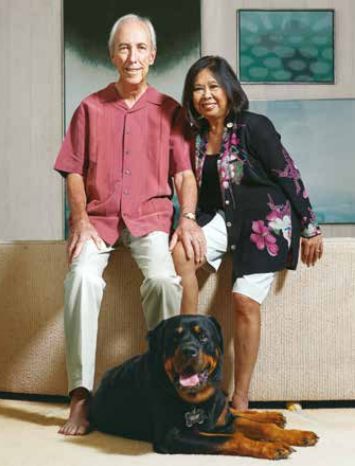
    We have friends and house help to come in, too. Our cleaning lady Bernie helps me around the house, which has been a hospital zone for the past year. Through The Queen’s Medical Center’s head and neck support group, we found our home chef Mike O’Connor. Mike is teaching me how to cook soft textured foods for Jim to swallow. Jim has lost his taste buds, so Mike teaches me how to make the food ‘look good’ enough to eat. Chef ‘O Connor helps cancer patients like Jim eat calorie- and nutritionally rich foods.

    Then, as life continued to throw curve balls …my mom, whom I started to visit again about two months into my own recovery once I received clearance to drive, quietly passed. This was a very emotional time for me and my sisters. But I was grateful for the time spent caregiving her in the hospital, watching her enjoy her final life’s moments. She was a “mom” till the end, always asking about how Jim and I were doing. When I reassured her that we were on the road to recovery, she decided it was time to leave. Life continually evolved between caregiving, life and death.

    Generations - 2013 Oct Nov - Emee Tomimbang - Image 03Shortly later, we noticed that Rufus was limping and acted less jovial than his usual self. We learned that he had aggressive arthritis and hip dysplasia—most common with large dogs. This is the dog who saved me and later became my uncertified ‘service dog.’ I was going to help him at all cost. Now it was our turn to caregive Rufus.
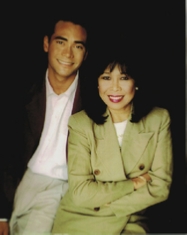
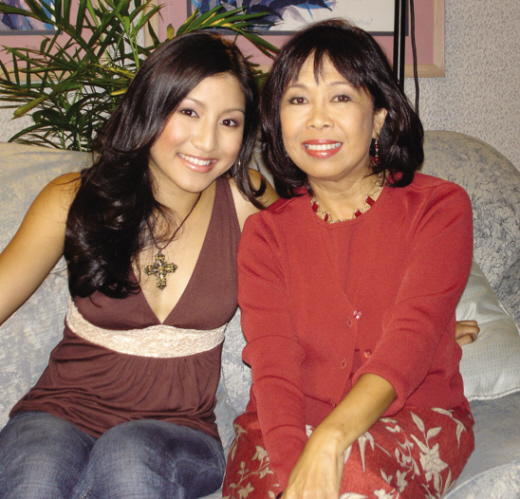
    After a pre-diagnosis from our veterinarian Dr. Allen Takayama, we were sent to the Veterinary Emergency & Referral Center of Hawaii where Dr. Doug Rohn gave Rufus an MRI to show us the advancement of his medical ailments.

    We were told about an animal acupuncturist, Dr. Wendy Asato, in Kailua. Today, Rufus is responding well to acupuncture and happily goes in once a month for his treatments.

    Giving Thanks For A Second Chance

    My husband jokes that our home is the Burns-Tomimbang-Rufus nursing home. We are all in recovery. It’s been a roller-coaster ride for nearly three years, but we’ve each managed to caregive one another and survive many of our challenges together. While our struggles may be far from over, we are in total gratitude for each day, each moment.

    We’ve come to understand that senior living not only means navigating our way through our own aging process and health issues, we also need to caregive our loved ones. It is a fact of life. Hopefully, we can all learn and teach one another how to shortcut through this part of life. We celebrate life in a whole new way with moments and milestones each day. And we can’t say thank you enough to the people who have helped us during these critical times, including our family, friends, doctors, nurses, therapists and our Times Supermarket pharmacist.

    A year to the day I collapsed at home, I found the EMTs and firefighters who responded to our 911 call and came to my home. I had the chance to thank them personally for saving my life. They, in turn, thanked me, saying they rarely hear about what happens to their cases and it makes them feel good to know that someone they helped is doing OK. Many do not survive. I’m forever grateful to them, because I did.

    Jim, me and Rufus are living the “new normal.” We will never be the same people we were before all of this. And that’s ok. It sort of feels good to be different…to see life and feel the gifts that come our way.

    We constantly remind people like us—caregivers—to look for agencies and organizations that can offer support. They are out there. And caregiving as a couple does make your love richer and offer more tenderness in your relationship. And love should thrive “in sickness and in health.”


    If you or a family member is in need of professional caregiving help, please resource this issue of Generations Magazine or visit www.Generations808.com. Additional information can be found at www.caregivers.com or search support groups by county at www.tinyurl.com/hawaiicares.

    Emme is a veteran broadcaster, with more than 35 years of experience in media. Nearly 20 yrs. Ago she launched EMME, Inc. and her TV series “Emme’s Island Moments,” where she interviewed everyone from pop idols to U.S. presidents.

    Generations - 2013 Oct Nov - Emee Tomimbang - Image 04
    Emme with Mark Dacascos, actor from Hawaii 5-0.

    Generations - 2013 Oct Nov - Emee Tomimbang - Image 05
    Emme with Jasmine Trias, American singer-entertainer placing third on Season 3 of American Idol.

    Generations - 2013 Oct Nov - Emee Tomimbang - Image 07
    Emme with Yvonne Elliman, acclaimed American musician and songwriter.

    Generations - 2013 Oct Nov - Emee Tomimbang - Image 08
    Emme with celebrity chefs: Russel Siu, Jean Marie Josselin, Alan Wong, Sommelier Chuck Furuya, and Roy Yamaguchi

    Generations - 2013 Oct Nov - Emee Tomimbang - Image 09
    Emme and Jim with President Barack Obama.

    In this issue of Generations Magazine, TV personality Emme Tomimbang shares her personal story of how learning to be the caregiver—and the patient—changed her outlook on life and family forever.

  • Al Harrington Discusses His Years … And Yours

    Al Harrington Discusses His Years … And Yours

    At 77 years young, Al Harrington has seemingly lived the life of the American Dream—entertainer, actor, healer and educator.

    Yet, after experiencing cancer and diabetes, Al was compelled to build the healing spirit in Hawai‘i. For him, that meant illustrating how new and old methods of healing can work well together. Most practitioners — whether traditional or modern — would say that health is about balance. At the Waianae Comprehensive Health Center, Al works with the staff to incorporate body, breath, spirit and nature into good health. And most recently he’s partnered with AlohaCare, using his teaching skills to educate seniors on how to get the most out of their Medicare benefits. 

    Here, we catch up with Al to learn how his diverse life experiences and successes have led him to servicing others. His story begins in American Samoa …

    01 Al Harrington and Diamond Head - Generations Magazine - August - September 2013
    Cover & Feature Story Photography is provided by AlohaCare, Inc.

    Up until the age of three, Al was raised in American Samoa by his maternal grandmother until his mother, Lela Su’a Paia, sent for him to join her in Honolulu where she was working as a nurse. Lela would eventually marry Roy Milbur Harrington, who Al says treated him like his own son; so much so, that Al eventually adopted his step father’s last name as his own.

    “I grew up in Halawa Housing,” says Al. “Life wasn’t always easy back then, but I was very fortunate. The Lord gifted me with natural academic and athletic abilities and I was able attend Punahou School on a scholarship.” Al helped his team capture the State championship, and became the first high school All-American from Hawai‘i. His athletics and scholastic talents helped him land a scholarship at Stanford University, where he graduated with a degree in history.

    After Stanford, Al got married, returned to Hawai‘i, taught history and coached at Punahou School. “Money was tight,” says Al. “My wife (at that time) and I were going to have twins and I didn’t even have enough money to pay the hospital bill where they were born!” The need for extra income became Al’s entry into the entertainment business. While teaching at Punahou, Al moonlighted as a performer at a luau in Waikiki.

    02 Al Harrington as Ben Kokua - Generations Magazine - August - September 2013
    Al Harrington as Ben Kokua from Hawaii Five-0

    During one of those performances, Hawai‘i Five-O casting director, Ted Thorpe, who worked for Leonard Freeman, creator of Hawai‘i Five-O was in the audience. That was when Al was recruited and landed the role of Detective Ben Kokua in the original Hawai‘i Five-O. Life for Al would never be the same.

    Next, Al moved on to headline the “Al Harrington Show” in Waikiki for more than 20 years. Affectionately known as “The South Pacific Man,” Al’s popularity in the ‘70’s and ‘80’s made him a household name. He, along with other entertainers such as Don Ho, Dick Jenson, Danny Kaleikini, and Moe Keale (Uncle of Brother Iz) all helped define Hawai‘i’s entertainment industry, promoting Polynesian-style song and dance to tourists from around the world.

    After the Al Harrington Show ended in 1992, Al moved to Utah and later to Los Angeles where he enjoyed a successful movie career, acting as a Native American Indian in a number of films, including a starring role in Disney’s White Fang 2.

    03 Al Harrington and Hawaii Five-0 - Generations Magazine - August - September 2013
    Al Harrington (first from the left) on the set with the
    cast of Hawai‘i Five-0.

    In 2005, Al returned to Hawai‘i where he has continued his role as educator, actor, entertainer and healer.

    GM: You’ve certainly lived a life full of adventure and unexpected turns. How is life as a senior treating you?

    AH: You know, the term ‘senior’ is really misleading and I don’t refer to myself or others in that way. People think of seniors as folks who have one foot in the grave; and that pretty soon, life as you know it is going to be “all pau.” But, nothing could be further from the truth! The whole concept of growing older is really a concept of positive growth, coming alive, coming into your own — being content with yourself. As you age you develop the wisdom, experiences and tools to help navigate through life’s ups and downs.

    GM: Most people know you as ‘Al Harrington’ the entertainer and actor, but tell me about your role as an educator.

    AH: I’ve always considered myself an educator, first and foremost. Education is really the crux of everything we do, even on the football field. I’ve had some of my most fulfilling moments in life as a teacher. When I was teaching at Punahou, I had some pretty smart kids in my class. Heck, some were probably even smarter than me! I had to figure out a way to help engage them in the learning process and to teach them the best lesson of all — never stop learning. I’ve had some wonderful teachers in my life that have taught me that life is a process and that process never ends.

    GM: How is your life as an educator helping others today?

    AH: Simplification is education. That’s what education is supposed to do. A good teacher will take a seemingly complicated topic and make it easy to understand. Many people who are approaching Medicare eligibility find it can be difficult to understand Medicare — there’s Parts A, B, C and D and many rules and regulations. Somehow, we’re supposed to know what to do and when. Just receiving that 2-inch-thick Medicare book in the mail is enough to make your head spin!

    Taking care of our health by getting regular health checkups and screenings with the right health insurance coverage in place at reasonable costs is crucial for us at this time in our life.  So, understanding Medicare benefits pays in many ways.

    04 Al Harrington and Ladies - Generations Magazine - August - September 2013

    GM: Is that why you’ve become the spokesperson for AlohaCare?

    AH: Yes! Partnering with AlohaCare has allowed me to share my message with my generation. When I was living in Los Angeles, I was diagnosed with prostate cancer. At that point, I was ready to just give up and check out of life. It was all very overwhelming. But I was blessed. I had someone in my life that helped me through the process. She met with my doctors and worked with them to figure out what kind of treatment I needed and what kind of health coverage I had. The combination of my employer coverage and Medicare made all the difference in making sure I had all the benefits I needed for a full recovery.

    The whole process of health care can get complicated and can prevent people from getting help. My message is this — don’t wait until the unthinkable happens because when it does you won’t be able to think straight! Find a reliable source like Social Security, Medicare and your current or former insurance plan to give you the facts. Then, make your decisions based on those facts.

    GM: How has partnering with AlohaCare allowed you to share your message?

    AH: I’m a regular guest on a weekly radio show that provides seniors with important information on Medicare. It’s hosted by Martha Khlopin who is a Medicare expert. AlohaCare also has a team who conducts Medicare educational workshops for employers. Medicare is an important benefit that people like me who are still working at 65 or older can learn more about. I’ve worked all my life and continue to work. Many Medicare eligible workers don’t know you can continue to receive health insurance coverage from your employer and have Medicare as well.

    Many of us are not aware that if you are age 65 or older, work for a company that has less than 20 employees, you may need to enroll in Medicare Part B or you may be subject to a penalty. You should talk to your Human Resources Benefits manager for more information. Having the right health coverage is extremely important especially if you have an unexpected health crisis.
    There are so many seniors out there who need to know this. Years ago, when I was teaching at Punahou, one of the biggest rewards was when a student would get that look on their face and say, “Oh, I get it!” I guess you could say for me, I’ve come full circle. Today, one of the biggest rewards I get is when Martha and I meet with seniors and after sharing my story and help-
    ing them to understand Medicare, they get that same look and say, “Oh, I get it!”

    GM: What other advice do you want to share with others?

    AH: Age is not indicative of energy or mental competency. Everyone should live life with a purpose. Now is the time when we can really make meaningful contributions within our community. As my friend and fellow senior Andy Rodrigues (owner of Andy’s Sandwiches and Smoothies in Manoa) says, “We can’t let our blessings ferment!” Even as we get older, we have to use our blessings to bless others. For me, that blessing is the gift of sharing vital knowledge to help our community.” As ku¯puna, it is our responsibility — our kuleana — to guide our young generation to see life is worth living and that there are many means
    of support to help guide them along the way.

    And that is what I love about working with AlohaCare. It is their all-encompassing care for keiki, the elderly and those who are struggling financially.

    Not only do they want the people of Hawai‘i to have access to good health care but they also want them to be educated about good nutrition and exercise.

    05 Al Harrington and Kids - Generations Magazine - August - September 2013

    In addition to his work with AlohaCare, Al continues to make guest appearances on Hawai‘i Five-O and is an active board member of the (SCHAA) Sovereign Councils of the Hawaiian Homelands Assembly, the Boys and Girls Club of Hawai‘i’s NFL Youth Education Town (YET) Hawai‘i in Nanakuli, and the Hawai‘i Health Foundation.

    AL HARRINGTON: Medicare In Your Working Years And Beyond

    06 Al Harrington and Lady - Generations Magazine - August - September 2013This summer Al has been on a mission to help employers understand how to talk to their employees about Medicare. As the population ages and works long past the traditional age of retirement, employers will need to address concerns and provide information about Medicare for their employees.
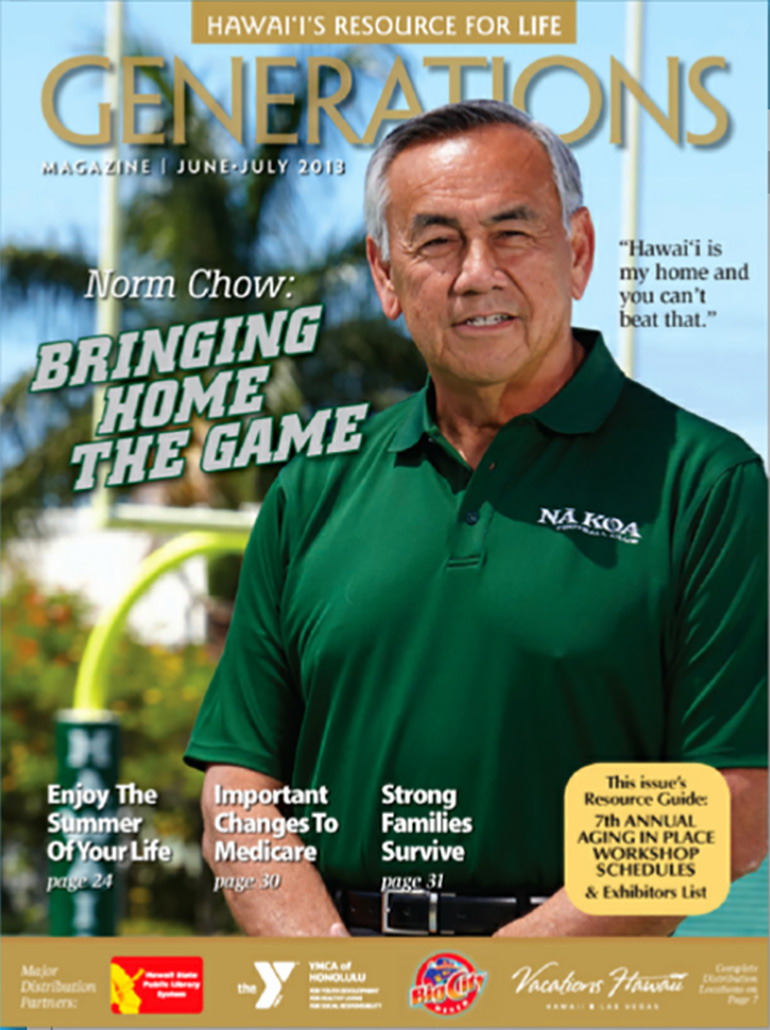
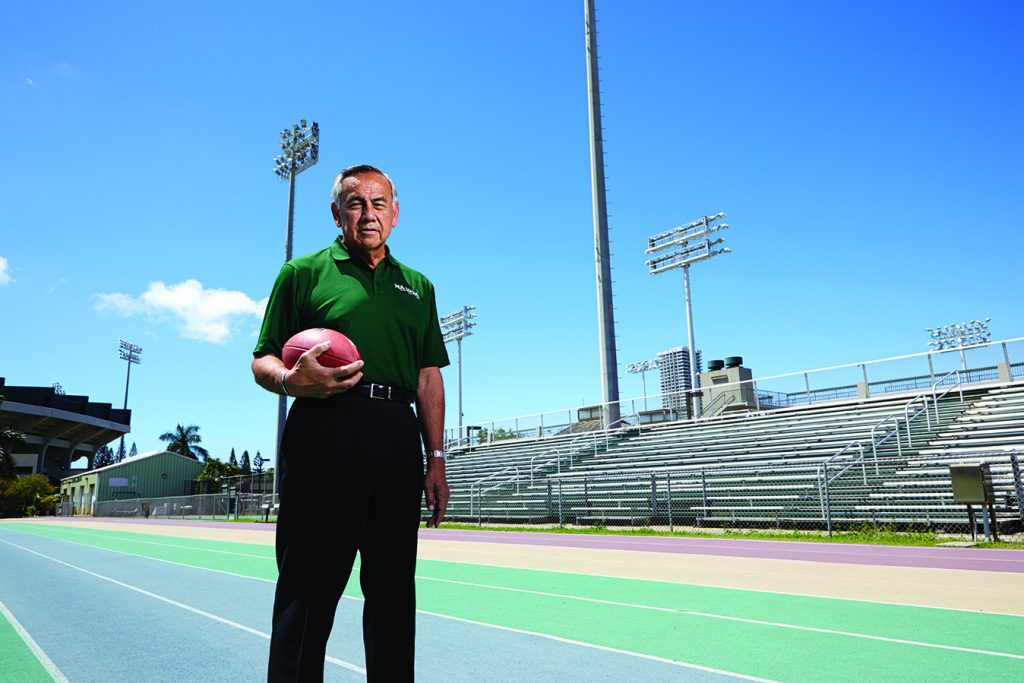
    Al works with a team from AlohaCare. The team conducts educational workshops on how Medicare coordinates with employer health coverage. Here are some of the common questions from participants:

    I just turned 65. I am still working and have health insurance coverage through my employer. Do I need to contact Medicare?

    Everyone approaching 65 or older and still working should understand how their employer’s insurance coverage works with Medicare. There are specific rules for companies that employ less than 20 employees that may require enrollment in Medicare–Part B (coverage for doctor visits, labs). So before age 65, talk to your benefits manager, Social Security and Medicare.

    What do you qualify for when you’re eligible?

    Generally, people who qualify due to age start Medicare Part A (hospital coverage) at age 65. It is premium-free for most people. But, if you are still working and are covered by an employer plan, you may be able to opt-out and delay enrollment in Part B and Part D (prescription drug coverage). Your decision will depend on how your employer health coverage works with Medicare and whether both the employer medical and prescription drug coverage is “creditable,” or as good as Medicare’s.

    How do you get a Medicare card?

    For those who have chosen to receive Social Security benefits prior to age 65, you should get a Medicare card in the mail about three months before your birthday with enrollment information.

    If you decided to delay enrollment when you turned 65, contact Social Security before you lose your existing coverage. You can also visit their website at www.ssa.gov to enroll online.

    At 77 years young, Al Harrington has seemingly lived the life of the American Dream—entertainer, actor, healer and educator. Yet, after experiencing cancer and diabetes, Al was compelled to build the healing spirit in Hawai‘i. For him, that meant illustrating how new and old methods of healing can work well together.

  • Norm Chow: Bringing Home the Game

    Norm Chow: Bringing Home the Game

    Norm Chow reflects on his first year on the field.

    Norm Chow - Generations Magazine - June - July 2013

    “I always tell the kids, We stand on the shoulders of the great men and women that have gone on before us.”

    By most reports, 62 is now the most common retirement age by far. Yet, many folks are adjusting to the poor economy and retiring later at 65 or older. Then there’s Norm Chow…

    In late 2011, at the ripe retirement age of 65, when most people would be counting down the days to senior benefits, Chow agreed to a five-year deal for his first collegiate head coaching job as the University of Hawai‘i’s 22nd head football coach.

    The Punahou School alum and Palolo Valley native succeeds Greg McMackin, who retired after four seasons as head coach of the Warriors. Chow is the first Asian-American head coach of a major college football program.

    Football Players Running - Generations Magazine - June - July 2013

    Home Game

    Starting over with a new job in a new state with a new team wasn’t perhaps the ideal scenario, but it was one for which Chow was ready.

    He was ready to return to his native state and he was prepared to support Hawai‘i’s home team. Chow admits that when UH was looking for a new head coach, he already had a job and didn’t have much interest. But after the first interview, he says he realized how important the football program is to Hawai‘i. “It’s the only game in town, only one team … and people want to rally around this program,” he says. “Everyone understands how important our football program is to Hawai‘i, and we just need unconditional support from our alumni and the community. Our kids are trying so hard and we need the support. It’s all about supporting the kids!”

    Working For A Living

    Beyond given an opportunity to coach in Hawai‘i, Chow is “staying in the game” because he enjoys “supporting the kids of the future” and his role as coach. And he’s not alone. The Sloan Center on Aging and Work, for example, cites data showing that nine of 10 older workers enjoy their jobs. And why not? Many of us— like Chow — work a lifetime to learn the skills and gain the recognition to hold our hard-earned job titles.

    Chow’s first coaching job was as the head coach at Waialua High, Oahu, from 1970 –72. He then began his 27-year stint at Brigham Young University (BYU), serving in a variety of coaching and recruiting capacities.

    Football Players Hike - Generations Magazine - June - July 2013One of the major features of head coaching in college football is the high turnover rate for jobs. College coaches routinely change jobs, rarely staying at a school for more than a decade. Yet Chow remained with BYU for nearly three decades. “I stayed at BYU because my wife Diane and I wanted to raise our children in a normal environment,” Chow explains. “Coaching doesn’t lead to a very normal lifestyle, as you know. We made a commitment that all four of our children would attend the same elementary and high schools.”
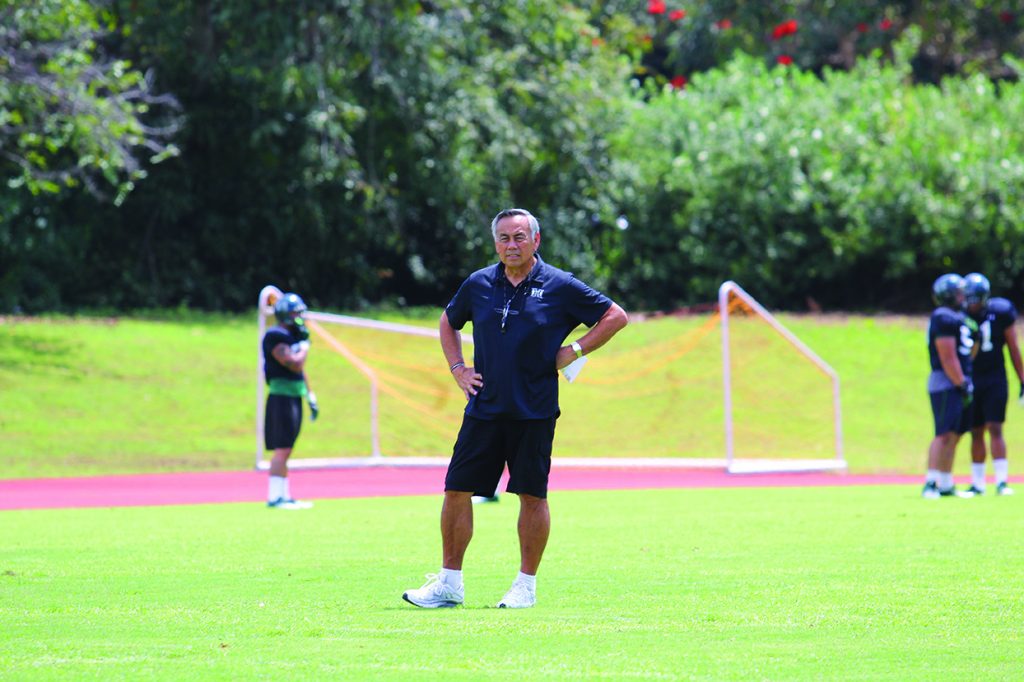
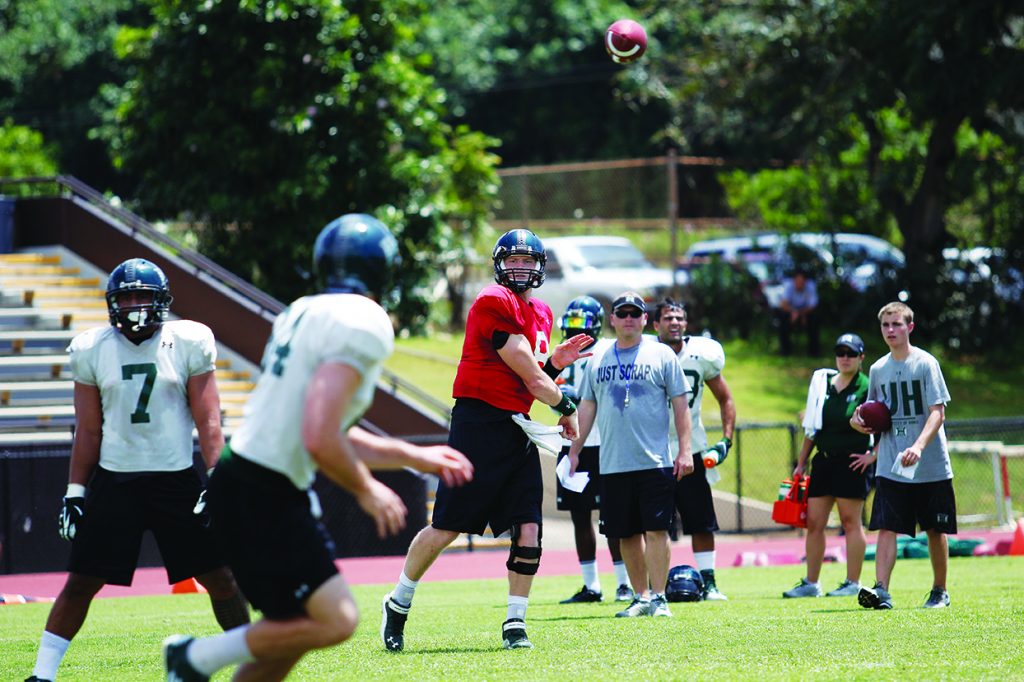
    The following 10 years his coaching experience included North Carolina State, USC, Tennessee Titans, UCLA and, finally, Utah.

    Work Hard. Play Hard.

    Norm Chow coaching football - Generations Magazine - June - July 2013
    “My father instilled the hard work ethic and [encouraged us] to make something of ourselves,”
    The national median age is 50 for college football head coaches in the National Collegiate Athletic Association (NCAA) Division I Football Bowl Subdivision (I FBS). Yet Chow says being an older coach doesn’t hold him back. Rather, by working with student athletes in a college atmosphere he “tries to stay young with the kids.” He says, “I still have the adrenaline going, the challenges to compete. I’m 67 now and still enjoy the wins and I still don’t enjoy the losses … but nothing beats a Saturday afternoon football game.”

    Considered one of the top offensive coaches in collegiate football history, Chow works hard and expects the same of his staff.

    When first hired at UH, Chow set the tone during his introductory press conference, “I’m 65 years old. I’ll out-work any of you. We will have the hardest working coaching staff around. Without question. They will not be hired, if they are not willing to go to work.”

    Many of his values, Chow says, come from his upbringing. “My father instilled the hard work ethic and [encouraged us] to make something of ourselves,” he recalls. “We got up early at 5 a.m., ate breakfast and went to school.”

    He expects commitment from his players as well. Unlike head coaches at other levels, college coaching staffs are solely responsible for the composition and development of players on the team. The ability to recruit and develop top players plays a major role in a college team’s success.

    Chow’s former players can attest to that. “[With Norm as head coach], UH will be an extremely hard-working team that’s well prepared,” says Carson Palmer, Oakland Raiders quarterback, Heisman Trophy Winner and former USC quarterback. “He will focus on winning, education and just bettering the young kids that he’s tutoring.”†

    A New Game

    After 13 years of the Run-and-Shoot Offense scheme that was installed by former Head Coach June Jones, Chow has implemented a Pro Style Offense scheme, which is more complex than typical college offenses and resembles those predominantly used at the NFL professional level.

    Another major change was a switch in conferences. The UH team was a part of the Western Athletic Conference until July 2012, when the team joined the Mountain West Conference (MWC).

    Football Players Scrimmage - Generations Magazine - June - July 2013As first-year MWC members, the team finished the season 3–9 overall, 1–7 in the MWC to finish in a tie for ninth place.
    “It was to so hard last year to see the losses in the locker room and see the hurt in our kids’ eyes. It has been hard,” Chow admits. “But we didn’t quit and fought hard last year. You know, we played a tremendously difficult schedule. We didn’t play that easy money game like most Division I schools.

    “And we will not shy away from the challenge. We need to play better, smarter football this year. We just need to use better schemes. People today are not patient, so we need to get it going.”

    Part of “getting it going” is Chow’s focus on recruiting, which includes keeping top local recruits in Hawai‘i. In this respect, Chow has had to change his recruiting pitch. For years as a Mainland coach and recruiter, he worked to convince local kids to leave Hawai‘i. Now he’s asking them to stay home and to make us proud. “I tell them, You can play good football here in Hawai‘i — just like on the Mainland. Plus, you will get a good education here at UH.”

    Trevor Mattich, former BYU offensive lineman and ESPN analyst agrees. “[At BYU] I knew then that our talent was always maximized and no matter what happened, our guys were in a position to win. Off the field though, he’s even a better fit because he’s from Honolulu and knowing the family values of the Polynesian culture is critical. He understands that.”†

    Off The Field

    But coming home after 40 years of living and working on the Mainland was hard at times. “I married a gal from the Mainland and I have been away so long, but I make the best of the situation,” Chow says, “Hawai‘i is my home and you can’t beat that.”

    Surprisingly, his wife Diane is not a football fan, and Chow notes that it’s been hard on her all these years. “When she goes to the games, she doesn’t watch the game. She just screams to cut out all the noise,” he says. “She raised our children, is a terrific gal and she deals with our crazy schedule and life.”

    When it comes to retirement, Chow says he doesn’t give it much thought. “I am sure that day will come … my concern is that my wife and I don’t have any hobbies so that will be difficult and we need to figure that out. But, I tell my wife that our next job will be counting sand pebbles.”


    The University of Hawai‘i Alumni Association (UHAA) connects alumni and friends with the university and with each other. Alumni can become an UHAA member and support the alma mater in many essential ways, including supporting UH athletics. For more information, visit uhalumni.org or the official site for UH Athletic Fundraising at www.koaanuenue.org. †Player quotes courtesy of www.hawaiiathletics.com.

    †Photos courtesy of Hawai‘i Athletics

    Cover & Feature Story Photography by Brian Suda


    There are so many ways that you can support UH students and programs.

    Ivanelle Hoe and Davis M.K. Kane - Sakamoto-Hoe Scholarship - Generations Magazine - June - July 2013
    Donor Ivanelle Hoe and Davis M.K. Kane, recipient of the Sakamoto-Hoe Scholarship

    Charitable estate and income tax planning is a powerful “give back” because this planning can provide substantial financial and tax benefits to you and your family, while supporting UH. Our team at the University of Hawai‘i Foundation is committed to helping you discover the best charitable tax strategies to achieve all of your financial, tax and charitable giving goals. The University of Hawai‘i Foundation is a nonprofit organization that raises private funds to support the University of Hawai‘i System. The mission of the University of Hawai‘i Foundation is to unite donors’ passions with the University of Hawai‘i’s aspirations by raising philanthropic support and managing private investments to benefit UH, the people of Hawai‘i and our future generations. If you would like to learn how you can support UH students, programs, research and faculty, with your estate or highly appreciated assets, please contact us in confidence at:

    University of Hawaii Foundation Logo - Generations Magazine - June - July 2013

    Office of Estate & Gift Planning
    giftplanning@uhfoundation.org
    (808) 956-8034
    www.UHFLegacyGift.org

    By most reports, 62 is now the most common retirement age by far. Yet, many folks are adjusting to the poor economy and retiring later at 65 or older. Then there’s Norm Chow…

  • Fun for Life at the Y

    Fun for Life at the Y

    Seniors-at-the-Pool-Generations-Magazine-April-May-2013
    On deck (row 1): Beatrice Kong, Eleanor Takahama, Erin Berhman (row 2): Wally Kawachi, Jan Youth In the pool (top–bottom): Ruby Hayasaka, Lilian “Lee” Deir, Bev Coito

    For generations, the Y has provided a place of wellness and community bonding for Oahu residents from across the island’s economic, social and age groups. In keeping with this tradition, the Y is now making a name for itself among local seniors. With similar activities specifically design for them, the overall experience remains, well … fun!

    As a result, more and more seniors have been joining the Y for fun, health and social activity.

    Michael Broderick Portrait - Generations Magazine - April - May 2013
    Michael Broderick, CEO of the YMCA Honolulu

    “Yes, physical fitness is a key component of the Y’s approach to providing senior services, but that’s only the beginning,” says Michael Broderick, CEO of the YMCA Honolulu. “One of the things I love about the Y is the social and emotional benefits it gives our seniors and how much it means to them to stay healthy, active and involved.”

    “When most people think of seniors and the Y, they only think of our healthy living focus,” Broderick says. “But we also have two other focus areas — youth development and social responsibility. Y seniors are able to get involved with the latter two areas because of the inter-generational makeup of Y members.

    “Think about it. How many other places can you find 4 year olds learning how to dance hula, folks in their 90s playing bingo, and every age and activity in between — all happening in the same place and at the same time? Our seniors teach our keiki so much, and our keiki bring our seniors much joy. And that exchange is really a neat thing.”

    The focus on seniors comes at an opportune time, when the number of Hawai‘i seniors is growing at an unprecedented rate. And the Y is ready! Offering an impressive breadth and depth of senior oriented programs and classes designed specifically to fit the interests, needs and unique abilities of seniors.

    Erin Berhman has been the Senior Healthy Lifestyle Director for the Y for the last eight years and part of the organization since 1995. “The underlying idea is to help our seniors build healthy bodies, minds and spirits through an array of fitness and exercise classes, as well as social activities, specialty classes and arts and crafts,” Berhman says. “And it’s not just the number of classes and events that we offer that’s important, but it’s the way in which we’ve made them more senior friendly. That includes making it easier for them to get started through one-on-one orientations and friendly and knowledgeable trainers available on our fitness and exercise machine floors to help them.”

    Staying active is not only good for the body —it’s also good for the mind and spirit. Social events, such as potlucks, bingo, bridge, flower arranging, crafts, cooking demos and even hiking, help Y seniors build friendships and ties that last a lifetime.

    “I’ve watch smaller groups within the classes form that are very tight knit and become like second families,” she says. “You can literally feel it in the air. When someone doesn’t show up, there is immediate concern among the others.”

    Carolee Hula - Generations Magazine - April - May 2013
    Volunteer Aunty Carolee and her ku¯puna volunteers can be found almost daily at the Nu’uanu Y teaching a variety of Hawaiian cultural activities!

    Berhman believes much of this camaraderie and compassion begins with the Y’s instructors and staff members.

    “Some of our instructors are among the most passionate teachers I have ever seen,” she says. “They love what they do and build a strong connection with their students.”

    The gift of the kupuna

    Carolee Nishi has been engaged and enamored with her involvement with the Y and community for 45 years. This spritely ku¯puna shares her gifts of aloha in the Hawaiian Studies program at the Nu‘uanu YMCA. Every day, participants from 3 to 85 are learning to dance hula, sing and play the ‘ukulele, as well as Hawaiian language and culture.

    Generations of girls and boys have flourished under “Aunty Carolee’s” disciplined and loving guidance. She credits the success to her ku¯puna volunteers and the children in the program.

    George Kam Boxing - Generations Magazine - April - May 2013
    Volunteer George Kam teaches speed boxing for free to any Y member who wants to learn.

    Like Nishi, George Kam has been volunteering at the Nu‘uanu Y since his retirement in 1986. An avid speed bag (boxing) fan all of his life, he now dedicates three days a week at the Y to teach a “George’s speed bag club” class.

    George has trained people of all ages —even a couple in their 80s. Teaching speed boxing is what George says keeps him young. He says it’s a blessing every day — he gets to meet new people, help people with a variety of problems — he never knows who will walk through his door.

    Having fun is ageless

    Seniors in the Swimming Pool - Generations Magazine - April - May 2013
    Zumba Aqua classes in the warm pools at the Windward, Leeward, Nu’uanu, Kaimuki¯ and Central Y’s are popular!

    Maggie Boloson is a mermaid. You can often find her in the Leeward YMCA pool swimming with other mermaids. But Maggie and her swimming buddies are not your stereotypical movie mermaids. Michael Broderick, president and CEO of YMCA of Honolulu, explains:

    “I was at the Leeward Y not long ago and a ‘seasoned’ woman came up to me, and asked who I was. After I identified myself, she gently took my arm and told me with a smile that she was a ‘mermaid’ and wanted me to meet the other mermaids. She then introduced me to three other equally charming ladies.”

    “Aunty Maggie,” as the Leeward staff affectionately calls Boloson, went on to tell Broderick that the Y has become a very important part of her life, and that she comes to the Y every day. In fact, Boloson is not only a regular swimmer at the Leeward Y pool, but also participates in a number of the Y programs designed for seniors, including Total Body Conditioning and Zumba Gold. But her real passions are the Leeward Y Group Interaction potlucks and Y Bingo days.

    “All of our branches are full of people like Maggie, whose lives are deeply integrated into the fabric of the Y,” Broderick says. “They are living proof that the Y is first and foremost about community.”

    Beatrice Kong - Generations Magazine - April - May 2013
    Beatrice Kong loves the social and health aspects of Tai Chi.

    Beatrice Kong, 82, of Alewa Heights is a retired public school teacher and administrator who attends tai chi classes at the Nu‘uanu YMCA.

    She speaks warmly about tai chi instructor Tom Amina’s passion for teaching, his endless patience, and willingness to volunteer his services not only at the Y but throughout the community.

    “Tommy’s such an outstanding instructor who brings out the best in all of us,” Kong says.

    Tommy Amina Tai Chi - Generations Magazine - April - May 2013
    Tai Chi instructor Tommy Amina says Tai Chi is beneficial for seniors of all ages and abilities!

    “I can’t tell you how much I look forward to his classes. I appreciate all that the Y has to offer.” Beatrice appreciates the relaxing and comfortable environment for meeting old friends as well as making new ones.

    She says that tai chi provides her with many health benefits, especially maintaining her flexibility and providing her with endless energy to do all the things she loves. “I live alone but I like my independence. That’s why I need to take care of my health,” Kong says. She says taking tai chi also improves her coordination, posture and balance, and eases her fear of falling — a fear shared by many seniors.

    Wally Kawachi used to harbor a different fear. Four years ago, he could barely climb a stair. After heart surgery, his doctor told him to go to a Y and get some exercise. He did, and has been religiously going five days a week to the Kaimuki¯ Y to work on the treadmill and exercise machines. Today, at 91, his kids say he walks like a young man.

    Wally-at-the-YMCA-Generations-Magazine-April-May-2013
    Wally Kawachi, 90, works out 5 days a week at the Kaimuki¯ Y. His kids say he now walks like a young man.

    Kawachi is just one of 16 active members who are part of Kaimuki¯ Y’s Over 90 Club. They’re living proof that it’s never too late to get fit. You can’t have fun if you’re not fit.

    Berhman says that maintaining an active lifestyle is important for people of all ages, but especially for seniors whose health is often susceptible to injuries and illnesses. Regular exercise can boost energy; reduce risk of heart disease, diabetes and even help manage symptoms of chronic illnesses such as Parkinson Disease, arthritis, diabetes or pain.

    According to Berhman, Zumba Gold sessions are the Y’s most popular and fastest growing classes. They are followed by tai chi and aqua classes in the Y’s heated pools — all designed with seniors in mind. For example, aqua Zumba, Pilates and tai chi are great fitness alternatives for those with fragile joints.

    The Y has also been adding classes under its Chronic Diseases Program. It includes a fitness program for seniors suffering from Parkinson’s Disease that has been offered for the past two years at the Windward Y with great success. Thanks to a $10,000 contribution from the
    National Parkinson Foundation–Hawai‘i, the program will be expanded to all eight Oahu YMCA branches as a weekly class by this summer.

    Ruby-Hayashi-Generations-Magazine-April-May-2013
    Ruby Hayasaka learned to swim at the Y at age 60 and lost 140 pounds!

    Similarly, the Y has started a GlucoFitClub™ to help fight diabetes. The program offers people with diabetes or pre-diabetes a uni-que and fun way to improve their health, track their blood sugar, lose weight and get fit.

    GlucoFitClub includes a membership, special fitness classes, one-on-one counseling with a fitness trainer, nutrition classes, a free glucometer, glucose monitoring and discounted glucose strips — all for one monthly fee.

    The program is currently offered at the Y’s Leeward, Nu‘uanu and Windward branches. Just three months old, the GlucoFitClub program has already been generating some amazing results. “We have GlucoFitClub members who have dropped their blood sugar rates by a 100 points, have lost weight and feel great—all while having fun and meeting new friends at our GlucoFitClub classes,” says Berhman.

    “While some seniors may experience health or chronic disease challenges, it doesn’t mean they can’t stay healthy and fit. With a little creativity, sensitivity and compassion, interesting and satisfying classes are offered at the Y to meet their physical, mental and social needs.”

    “There is an ever increasing need to help seniors to not only stay healthy in body, mind and spirit, but to keep them active as an integral part of our ‘ohana and community,” Broderick adds.

    “Retiring doesn’t have to mean closing up shop. Rather, it should mean an opportunity to fully enjoy life. We want to provide those with the most knowledge, expertise and experience the chance to use their skills and leadership to help others; and to contribute to society in new, exciting and meaningful ways.

    “That is my definition of retirement,” says Broderick, “and that’s what makes it fun … and truly golden.”


    Membership Classes & Activities

    Membership at the Y offers complete access to all eight YMCA workout facilities on Oahu, including their heated pools and aqua exercise classes.

    ACTIVE OLDER ADULT (AOA) FITNESS

    Specific to seniors. Classes cover balance, agility, cardio and strength training. Classes are easy on the joints and back, simple to follow and range from low to moderate levels:

    Level I & II — From a beginner chair class that utilizes various pieces of equipment to a 45-minute moderate level exercise class.

    AQUATICS H2O PROGRAMS (in the pool)

    H2O, H2O Arthritis, H2O Pilates — A variety of low-impact pool classes offer both aerobic and strength benefits utilizing aqua bells, noodles and joggers. Classes focus on stretching and core strength, while helping with weight loss, injury recovery and special conditions. (Cover-ups in pool are acceptable.)

    Aqua Zumba — Most popular low-impact & high-resistance of water exercise. And definitely fun!

    MIND, BODY & SPIRIT

    Hatha Yoga — This is a “gentle yoga” with slow transitions, with emphasis on stretching & breathing; improving posture, alignment and balance.

    Pilates — Pilates (derived from gymnastics, ballet and yoga) helps with overall strength and posture.

    Qi Gong — Qi means energy. It involves coordination of breathing patterns, postures and motions.

    Stretch and Relax — Enjoy full body stretches, breathing techniques and restorative poses that help with balance, flexibility and relaxation.

    Stretching Classes & Meditation — Transcend to a level where mind and body becomes one.

    Tai Chi — Often referred to as “Chinese Yoga” or moving meditation, Tai Chi uses movement to find your inner energy.

    Tai Chi/Arthritis, Tai Chi Yoga Flow — Designed for people with arthritis to reduce pain and improve health — a gentler form without the deep bends. Slow moving hands, stepping and body weight transfer and some balancing postures.

    SPECIALTY FORMATS

    Beginning Boxing — Learn true boxing techniques, drills and training with our professional teachers. Gloves and hand wraps are required.

    Belly Dancing, Line Dancing, Salsa  — From East to West, unleash your creative spirit! Low-impact aerobics, but with a fun twist.

    Zumba Gold — Same fun and energy of Zumba (cardio-fusion dance), with more modifications.

    SPECIAL PROGRAMS

    YMCA’s GlucoFitClub™ Diabetes Program (Nu‘uanu, Leeward and Windward only) — As a complete package to manage diabetes, the program reduces blood sugar, lowers weight/bmi, body fat and blood pressure. You’ll benefit with a Blood Sugar Tracking Glucometer, glucose test strips, nutrition, diabetes classes and counseling and specially tailored GlucoFit exercise classes.

    Parkinson Disease Fitness Classes (Windward)  — Specially designed to work on balance and fitness to minimize the effects of the disease.

    ADD TO YOUR REPERTOIRE

    Each Y branch offers special events and educational programs. Here’s a sample for this spring, April through June. Call your local Y for details.
    Life in Balance class • Lunch & Learn Series • Conquering Stress • Bingo & Snack Potluck • Potluck & Lecture • Quick Fits Fitness Assessments • Group Hike • Book of the Month Club • Fall Prevention• Hypertension Explained • Go Get Outside • Health Care Fraud Prevention • Healthy Eating Island Style • Brain Fitness


    AFFORDABLE MEMBERSHIP FOR ALL!

    Senior Rates: 

    • $47 per month first year
    • $41 per month second year

    Financial Assistance: Sliding scale rate based on income level

    Free Membership with Medicare Plan Benefits: AlohaCare, Ohana Health and UnitedHealthcare (selected plans), HMSA (SilverSneakers®), Humana (SilverSneakers®), Kaiser (Silver&Fit®). Please check with your health plan provider for details.

    For generations, the Y has provided a place of wellness and community bonding for Oahu residents from across the island’s economic, social and age groups. In keeping with this tradition, the Y is now making a name for itself among local seniors. With similar activities specifically design for them, the overall experience remains, well … fun!

  • Dr. Thomas Kane: A Lifetime Commitment to Bringing Hope and Help to People with Arthritis

    Dr. Thomas Kane: A Lifetime Commitment to Bringing Hope and Help to People with Arthritis

    Dr Thomas Kane - Generations Magazine - February - March 2013 - Image 1Dr. Thomas J. Kane, III, is the founder and chief orthopedic director of the Kane Orthopedic Institute. He has been selected as the Hawai‘i Arthritis Foundation Medical Honoree for 2013 based on his exceptional contribution to the treatment and care of people with arthritis across the state.
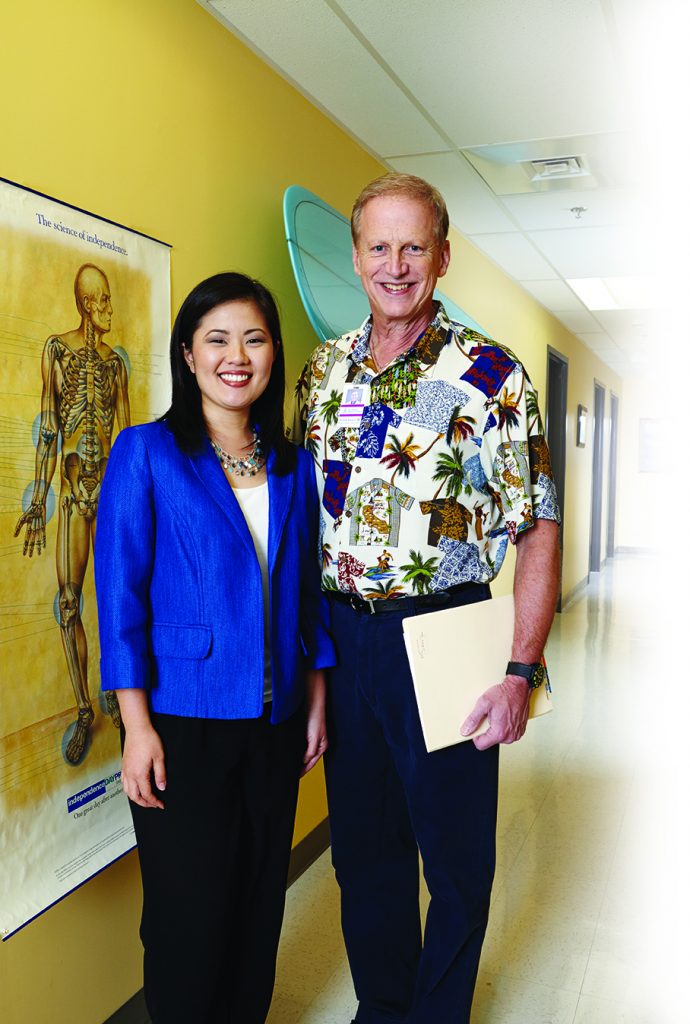
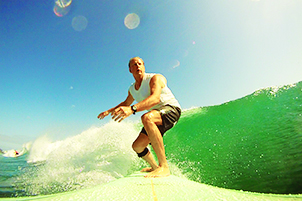
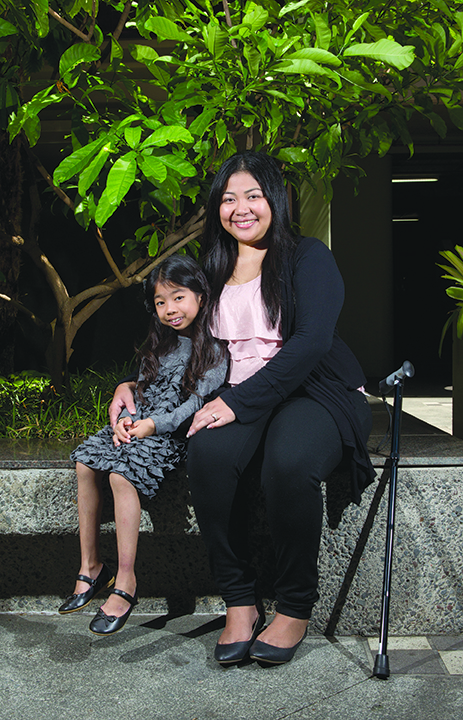
    Dr. Kane has been voted Best Doctor in Hawai‘i and the USA since 1996, has been recognized as an “Outstanding Teacher” at the University of Hawai‘i, and regularly gives back to the community through volunteer service with organizations like Shriner’s Hospital and Operation Walk, an international orthopedic group that travels to foreign countries to deliver care to those in need.

    Dr. Thomas Kane describes himself as a kid from a small town in central California who spent afternoons riding his bike around the neighborhood and playing with his dog. He comes from a close-knit family, and counts his 95-year-old mother, Kay, a self-taught book keeper who still walks to work six days a week, as the greatest influence in his life. “Mom is the picture of health. She can bend over and touch her toes, takes no medications and hates doctors — although she makes an exception for me.” He credits her with teaching him the importance of a holistic perspective on life and health, something the 61-year-old surfer has taken to heart. Dr. Kane, who is known for his bedside manner and the time he takes to talk with patients about how to live well despite ailments and injuries, really does practice what he preaches. At least three times a week, you can find him on his board out at Rockpiles, Ala Moana Bowls or Laniakea, not only getting in a valuable workout but also having fun, which he says is vital when you are looking for a way to stay active. “If it’s not fun, you’re not going to do it.” He also regularly lifts weights and does stretching exercises, eats a balanced diet that includes “a little bit of everything, but not too much of anything,” plus a multivitamin, and of course glucosamine and MSM supplements to promote joint health.

    Dr Thomas Kane - Generations Magazine - February - March 2013 - Image 2
    Dr. Thomas Kane is pictured with Jennifer Hee, Executive Director of the Arthritis Foundation, Pacific Region. Dr. Kane was selected as the Foundation’s Medical Honoree because of his exceptional track record providing education and care to people with arthritis.

    Another lesson that Kay Kane imparted to her son is the importance of discipline and hard work. Dr. Kane tells the story of how his mother enrolled him in piano lessons at the age of four, and expected him to practice every day. “She would sit there on the couch next to the piano and make sure I played for 30 minutes. She wasn’t mean about it, but I knew that I had to do it.” The practice paid off, for by the time he was 18, he had won several piano competitions and even garnered a full scholarship to the prestigious Julliard School in New York City. “I knew I had reached a fork in the road,” he said. “I could either pursue a career as a professional musician or go see what else the world had to offer.” Ultimately, he turned down the scholarship to Julliard, and enrolled in the University of Santa Clara. Halfway through college, he realized that he needed to make a switch from his humanities major to pre-med. His advisor told him that it couldn’t be done because he would never have time to complete all the prerequisite coursework to qualify for medical school. Not surprisingly, he proved his advisor wrong, graduated magna cum laude, and went on to medical school at UC Davis and residencies in general and orthopedic surgery at the University of Hawai‘i. He was also the first physician in Hawai‘i to complete a fellowship in adult hip and knee reconstruction. The work ethic taught to him as a young boy was what had kept him going. “Mom told me, ‘You have to find your passion and commit to it one hundred percent.’ I knew I wanted to be a doctor.”

    Today, Dr. Kane has been serving the people of Hawai‘i for more than 30 years, performing over 9,000 surgeries with a 98% surgical success rate. The procedures he does are aimed at both joint preservation and joint reconstruction, in keeping with his overall philosophy that “we try to help patients keep their God-given parts as long as possible.” While surgery is considered a last resort, it can offer patients a dramatic improvement in quality of life when their pain is too great and their mobility or daily functioning is at stake.

    According to Dr. Kane, there is a reason why his specialty is necessary. “The problem is that humans outlive their joints. Joints are made of cartilage, which unfortunately cannot regenerate itself and does not heal on its own if it is injured. Generally, the more you use a joint, the more it wears out, and this natural progression is compounded by diseases like arthritis.” The majority of patients who come to him are suffering from arthritis, the most common form being osteoarthritis, so much of the education that he provides to his patients is about how to prevent arthritis and keep joints healthy or how to manage symptoms in order to delay surgery as long as possible. He also refers many of his patients to the Arthritis Foundation because “they have fabulous resources for those who want to educate themselves.”

    Dr Thomas Kane - Generations Magazine - February - March 2013 - Image 3
    Whether you have arthritis or not, moving is the best form of medicine. Dr. Kane likes to stay active by surfing at least three times a week.

    Dr. Kane shares the following tips with his patients about joint health:

    • Avoid injury. The joints that you have need to last you a lifetime, so be careful when you exercise or play sports. Pay attention to signals like pain that lingers long after you are done moving and don’t overdo it!
    • Stay in motion. It is important to remain active through low-impact exercise like cycling and swimming. Dr. Kane says, “Cartilage is like a sponge. It needs elastohydrodynamic nutrition to be healthy. In other words, moving around is what brings nutrients into your joints. When people have arthritis, they often have ‘startup pain’ which makes them think that they shouldn’t get moving, but that is exactly what they need to do.”
    • Maintain a healthy weight. Weight control is important for your overall health, but especially when it comes to joint health. Dr. Kane says that every pound of weight that a patient gains puts triple that amount of stress on his or her joints.

    Dr. Kane shares that one of the most important parts of his practice is the initial consultation he has with each person who walks through his doors. This is the time when he can really sit down, talk story, and listen to his patients. His goal is to understand what their needs are but also to set people at ease, especially those who are in pain and might be starting to feel discouraged. I tell them, “The decision to have surgery is a difficult one, but do not lose hope. There are many very effective nonsurgical treatments for arthritis today, including medications and other modalities. If surgery is indicated, the options we have are highly successful. There is greater than 95% chance of restoring their quality of life, and reopening doors that they see closing.”

    It is this optimism and confidence that makes Dr. Kane one of Hawai‘i’s most beloved and effective physicians. A small-town boy who had a simple wish when he started down the path to becoming a doctor: “I wanted to help patients get better. I wanted to give people their lives back.” Thousands of seniors in Hawai‘i would agree that he has done just that.


    Tips from the Arthritis Foundation: Signs and Symptoms of Arthritis

    Did you know that 50 million people — or one in five Americans — have been diagnosed with arthritis? Arthritis affects men, women, and children of all ages, and it is the nation’s most common cause of disability.

    There are several warning signs to watch out for, if you think you have arthritis:

    • Pain in one or in many parts of your body
    • Stiffness, sometimes most pronounced in the morning or after a period of inactivity
    • Difficulty moving a joint, especially when doing normal daily tasks, such as climbing stairs or opening a jar
    • Occasional swelling and/or tenderness around a joint; the joint may also feel warm to the touch
    • Redness in the skin around a joint

    You should see your doctor if you have any of these symptoms for more than two weeks. Early diagnosis and treatment of arthritis is important because it can slow or prevent the joint damage that often occurs during the first few years of having the disease.


    Tips from the Arthritis Foundation: Manage and Prevent Arthritis

    Be physically active. Physical activity can help manage the pain and stiffness from many forms of arthritis. Exercise keeps your joints moving, keeps the muscles around your joints strong, and keeps bone and cartilage tissue strong and healthy to prevent arthritis. Whether you are starting your own routine or want to join a program, there are many options for you to choose from:

    • Low-impact exercises, such as walking, biking, swimming, or using an elliptical trainer are great ways to keep your body and your joints healthy!
    • The Arthritis Foundation Walk With Ease program is designed to help people with arthritis safely make physical activity a part of their daily life. Call 596-2900 to learn more!

    Control your weight. Weight control means staying close to your recommended weight or losing weight if you are overweight now. Did you know that weight control helps to:

    • Reduce your risk for getting arthritis in your knees, hips or back?
    • Ease pain from arthritis by reducing stress on your joints?

    Protect your joints. Whether you are working out or working in the yard or just looking for a way to be kind to your hard-working joints, it is important to minimize the trauma they experience. Use these tips to help your joints feel better or to stop joint pain before it starts:

    • Use proper methods for bending, lifting, reaching, sitting and standing.
    • Avoid activities that hurt an affected joint.
    • Avoid staying in one position for a long period of time; move or change positions often.
    • Respect pain: If you have pain that lasts for 2 hours or more after an activity or exercise, then you have done too much!

    Dr Thomas Kane - Generations Magazine - February - March 2013 - Image 4
    As arthritis advocates, Shaley and Sharon Yoshizu share their story to help people understand the impact of their debilitating disease, and that it can affect anyone at any age.

    Shaley & Sharon Yoshizu: Hoping For A Cure

    A common myth about arthritis is that it is a disease that only affects older people. In fact, two-thirds of people with arthritis are under the age of 65, and it is estimated that there are 300,000 children living in the US with a form of juvenile arthritis. Sharon and Shaley Yoshizu know first-hand about the lifelong challenges that people face when they are diagnosed with arthritis at a young age.

    Sharon, age 30, is a mom of three who was diagnosed with rheumatoid arthritis nine years ago. Her daughter Shaley, now nine years old, was diagnosed at the age of 2 with polyarticular juvenile rheumatoid arthritis. While both mother and daughter now deal with the frequent and disabling joint pain that arthritis brings, as well as all of the doctors’ appointments, injections and medications that help to keep their symptoms under control, they are tireless in their efforts to raise awareness about arthritis and share their message of hope that there will someday be a cure for this common affliction.

    The Yoshizu family, including husband and father Brad and younger sisters Sadie and Shyana, has partnered with the Hawai‘i Arthritis Foundation since 2008. Shaley served as the Youth Ambassador for the annual Arthritis Walk in 2009. Two years later, the Yoshizus represented the State of Hawai‘i at the 2011 National Arthritis Advocacy Conference in Washington, DC, and they received the Hawai‘i Arthritis Foundation Advocacy Award in 2012. In total, they have raised over $30,000 for the Arthritis Foundation to find a cure!

    If you would like to join Sharon and Shaley and the Yoshizu family in the fight against
    arthritis, consider participating in this year’s Arthritis Walk. The family- and pet-friendly event will be held on Sunday, May 5 at Kakaako Waterfront Park. Funds raised through the Arthritis Walk will support national research initiatives on the treatment and cure of arthritis, local state-wide exercise programs for people with arthritis, and education and support for people with all forms of arthritis and their families.

    Go to www.HIarthritisWalk.org or call 596-2900 to learn more.

    Dr Thomas Kane - Generations Magazine - February - March 2013 - Image 5
    Even though they deal with the constant pain of living with arthritis, the Yoshizu family works tirelessly to raise awareness and hope for a cure. The Yoshizus serve as Hawai‘i Arthritis Foundation ambassadors, and represented Hawai‘i at the 2011 National Arthritis Advocacy Conference in Washington, DC.


    Tips from the Arthritis Foundation: Types of Arthritis

    According to the Arthritis Foundation, there are more than 100 types of arthritis and related conditions. The following are three of the most common diseases that make up arthritis:

    • Osteoarthritis(OA) is the most common form of arthritis, affecting 27 million American men and women. It is a progressive degenerative joint disease, meaning that it causes cartilage and bones to break down over time. You have a higher chance of developing OA as you get older, or if you are overweight or obese or have a history of
      joint injury.
    • Rheumatoid arthritis (RA) affects about 1.5 million Americans, mostly women. It is an autoimmune disease, meaning that a person’s immune system attacks its own joint tissues, causing pain and inflammation throughout the body. Many people with RA are diagnosed when they are fairly young, between the ages of 30 and 60.
    • Juvenile arthritis (JA) is an umbrella term used to describe the many different conditions that can develop in children ages 16 and younger. JA is one of the most common childhood diseases in the United States. More children have juvenile arthritis than cystic fibrosis, muscular dystrophy, cerebral palsy and juvenile diabetes combined. The causes of JA are largely unknown, but researchers and doctors are working to understand the various forms that this disease can take.

    There are many other common diseases, such as fibromyalgia, gout, osteoporosis, and lupus, which are also considered a form of arthritis or an arthritis-related condition. To learn more about the types of arthritis mentioned above, as well as many others. To learn more about the many forms of arthritis and related conditions visit www.arthritis.org.

    Dr. Thomas J. Kane, III, is the founder and chief orthopedic director of the Kane Orthopedic Institute. He has been selected as the Hawai‘i Arthritis Foundation Medical Honoree for 2013 based on his exceptional contribution to the treatment and care of people with arthritis across the state.
  • Silver & Strong: Three Seniors, Exercising Life.

    Silver & Strong: Three Seniors, Exercising Life.

    “Our bodies —regardless of age — can be transformed.” — Diane Cadinha, Certified Personal Trainer

    COVER-Silver-Strong_image1It’s important to recognize that exercise is not merely for sculpting young bodies. It is for everyone — especially seniors, who often have the most to gain. The benefits of senior fitness range from reaching a healthy weight and fighting off disease to better bone health and maintaining an independent lifestyle.
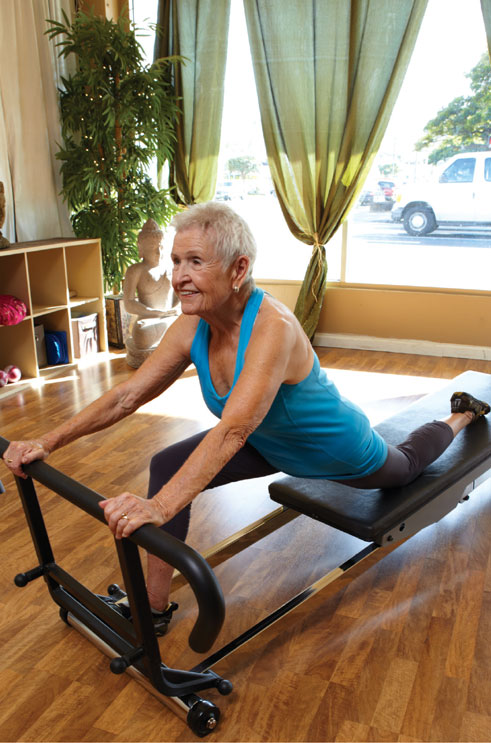
    In 1997, certified personal trainer Diane Cadinha worked with her first senior client — Joan Packer, 77. “Watching Joan transform inspired me” Diane says. “It became clear to me how much a person’s quality of life could improve with diet and exercise — regardless of age.”

    This started Diane’s passion to specialize in senior health. “Over the years I have seen how exercise, along with proper diet, slows down the aging process. The mind-body connection is big in keeping my seniors mentally sharp, strong and independent,” Diane says. “I learned working with seniors that it’s not over till it’s over.”

    Diane’s fitness training also involves eating a healthy diet. She teaches her clients the importance of eating enough fruits and vegetables —5 to 7 servings a day, with 25 to 30 grams of fiber and healthy fats. “With the right fuel in the tank you have the energy to want to workout,” Diane says.

    Fifteen years later, Joan continues to make fitness a priority. Now at 91, she inspires others to do the same. Below, we share Joan’s story, along with two other inspirational “strong and silver” seniors.

    Big Guns — Joan Packer, 91

    COVER-Silver-Strong_image2
    Joan: Hurdler Stretch. Helps relieve low back pain.

    Joan Packer lived a fairly sedentary life in Booneville, Missouri, after retiring as a schoolteacher. When her husband passed away in 1984, she decided to move where her heart always wanted her to be — Hawai‘i. So 20 years ago Joan sold two farms back home and bought a condominium in Waikiki to begin her life anew.

    Joan spent her first couple of years of retirement enjoying Hawai‘i. She noticed all the fit bodies walking and exercising at Kapiolani Park, and said to herself, I can do that. So she began a new routine of walking at the park, along with short swims in the warm Hawaiian waters.

    As a former smoker Joan realized how much better she was feeling with her new found lifestyle, but she wanted to do more to get in better shape. So she decided to seek out a personal trainer. This is when she met Diane Cadinha and started working out with her twice a week. Fifteen years later, Joan says she feels better than when she was in her 50s. 
“I don’t really like to exercise,” she admits.“But I do it for the results. It keeps my body healthy and feeling good.”

    COVER-Silver-Strong_image5One of her favorite exercises is something that she calls “rewards.” It’s a stretch she does at the end of her workout where she uses a foot strap connected to a cable to stretch her hamstrings.“It just feels so good,” she says, “and it also marks the end of the workout.”
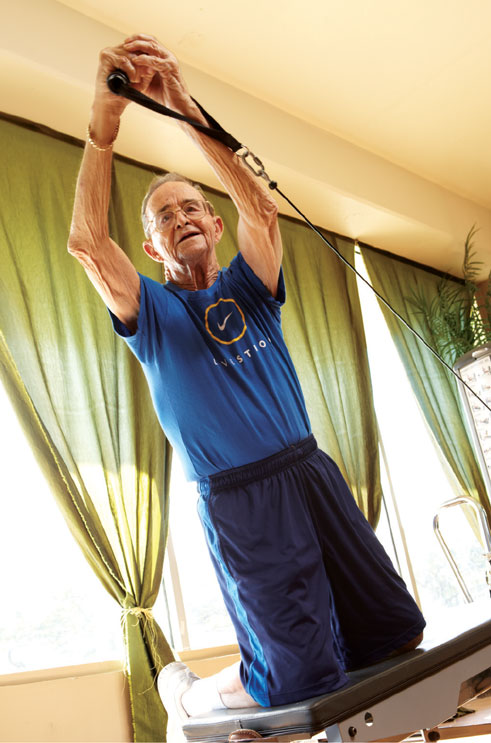
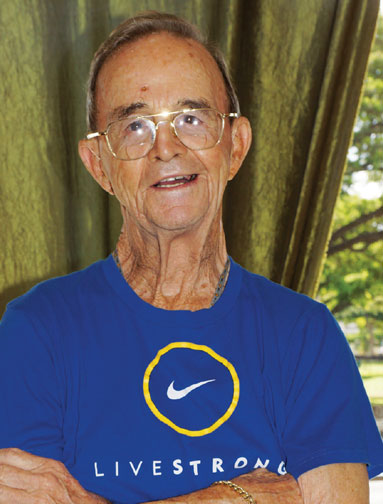
    “Tai Chi is my absolute favorite form of exercise … probably because it’s the least strenuous,” she smiles, “but I know that seniors need a mix of exercises… strength exercises for bone health, balance exercises to prevent falls and stretching to stay limber.”

    Joan says in her previous life she used to have stiffness and various aches and pains and lacked balance and flexibility. Now, at 91, she has no physical complaints and takes no medication.

    Currently, Joan walks the park just about every day, trains with Diane twice a week at her King Street studio, practices Tai Chi almost daily and swims when she can. Joan urges all retirees and seniors to keep a vigorous and healthy lifestyle by exercising every day with friends or a trainer. She does her best to avoid sitting down for more than three hours a day. She also suggests cutting out the sweets and prepared foods, and do your own cooking!

    Joan’s two children who live on the Mainland are amazed (and mostly relieved) by their former couch-potato mother. They’re happy to see her as an independent, happy senior who wants stay healthy and enjoy an active retirement.

    Well Balanced  — Victor Hawthorne, 88

    COVER-Silver-Strong_image3
    Victor: Kneeling Spinal Rotation. Great for golfers!

    Victor Hawthorne retired at age 57 as an Army Colonel and, in his own words, he was “military healthy” for years while on the job. In his retirement he enjoyed playing golf and baseball and taking international cruises. Then, around the age of 75 he started to experience aches and pains and lose his ability to play his favorite sports. He dismissed it as a part of aging. However, when his balance became an issue, too, he realized he needed to do something about it.

    Victor wanted to continue to play golf so he turned to personal trainer Diane Cadinha to keep him in top physical shape. Now 88 years young and just as active as he was in his 60s and 70s, Victor works out with Diane twice a week.

    COVER-Silver-Strong_image7“I like how Diane teaches me the importance of strength and core body training — both very important for balance,” Victor says. “The weekly workouts have improved my balance and strength. I like the way I feel, and like that I can golf again.”
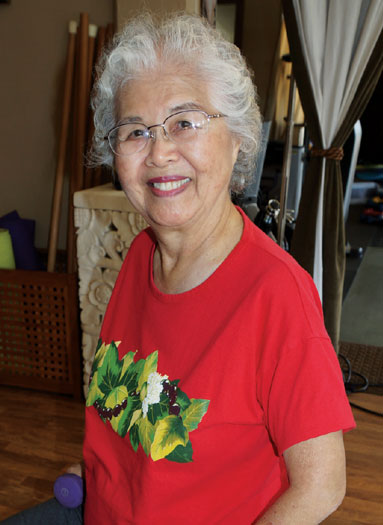
    The benefits of working out are endless for Victor who says “don’t give up!” Exercise has improved his posture, and makes him feel strong enough to travel and visit with Mainland family. He has plans to go on a six-month world cruise in early 2013 and says he’ll continue his exercises aboard the cruise ship.

    “You’re foolish to not start exercising to maintain your health,” he states energetically.“Do whatever it takes.”

    Peer Inspiration — Doris Hara, 78

    COVER-Silver-Strong_image8Doris Hara, a retired teacher was enjoying retirement and was active through her 60s. Life was good until her 70s when she began having joint problems and aches and pains. For her ailments, she was prescribed anti-inflammatory medications. She was worried that in the future she’d have to take even stronger medications as her pain worsened.
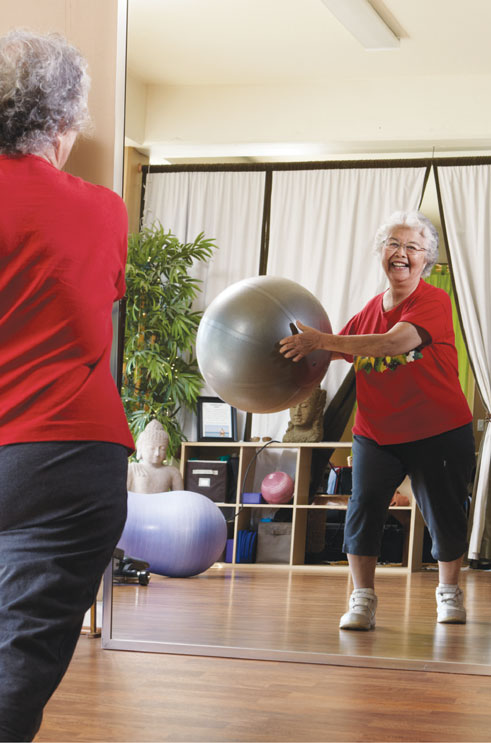
    Then in April of 2012 Doris was reading Generations Magazine and stopped on a photo of a spry Caucasian lady in exercise clothes, flexing her muscles. She was amazed to learn 
that the lady, Joan Packer, was 91 years old. Furthermore that she had started exercising when she was 77 years old! What? Doris asked herself. I’m 77! You mean it’s not too late to 
start exercising? Doris was so impressed by Joan that she contacted Diane Cadinha for help.

    Doris started exercising with Diane in May 2012, and has improved her health and function 100 percent. Previously, Doris had difficulty with everyday activities such as opening doors and jars, getting in and out of the car, and going up and down the stairs. Her biggest concern was getting up and down from the floor. She had completely lost that function.

    “When I first came to Diane, I could only last two minutes on the elliptical machine (a stationary exercise machine that simulates walking or running). Now I’m up to 30 minutes,” Doris says. “My strength and balance keep improving. The pain in my wrists and ankles are almost nonexistent. And, yes, I’ve accomplished my biggest goal of getting up and down from the floor.”

    COVER-Silver-Strong_image4
    Reverse Lunge w/ Spinal Twist. Great for balance.

    Doris says that when Diane teaches an exercise she explains its health benefits and how it will help in everyday life. “That motivated me to do some of the exercises at home on the days I don’t see her. Also, connecting the movement to the mind empowers me on a daily basis.”

    Diane also taught Doris how to incorporate more fruits and vegetables into her diet through “green smoothies. “I make them everyday,” Doris says. “I have so much more energy and peace of mind knowing I’m getting these important vitamins and minerals for my health and well being.”

    Doris recommends finding a personal trainer like Diane who specializes in senior health. It’s life changing.

    “You’re never too old to start exercising. I just turned 78! Just get started! I did!”


    Exercise is one of the best ways to extend your quality of life. It helps us to maintain our health, function and immune system. Starting in our late 30s we lose about a quarter pound of muscle each year. This causes a chain reaction in our bodies. Our metabolism slows down and we start to gain weight, which can lead to other health issues such heart disease and diabetes. And, lack of exercise can lead to osteoporosis and loss of joint function. Some feel that exercise is too vigorous for seniors. This is not true! It’s more than okay for seniors to workout. Good health is needed for everyday activities such as walking up stairs, shopping and carrying packages.

    To stay healthy and independent, four types of exercises are recommended:

    1. Strength exercises build muscles and increase metabolism. They help with weight and keep blood sugar in check.
    2. Balance exercises build leg muscles. The stability prevents falls and keeps you independent.
    3. Stretching exercises give you more flexibi-lity and agility.
    4. Endurance exercises are activities that increase your heart rate and breathing for 30 or more minutes. Start slowly. Maybe as little as 5 minutes of activity at a time. Gradually build 
up to at least 30 minutes of exercise on most or all days of the week.

    *If you are over 50 years old, obese, suffer from an illness or have been inactive, see your doctor before you start a new fitness routine

    It’s important to recognize that exercise is not merely for sculpting young bodies. It is for everyone — especially seniors, who often have the most to gain.