

Since more than 1,500 years ago, Kānaka Maoli (Native Hawaiians) have welcomed immigrants from every corner of the globe, cultivating and perpetuating a tapestry of diverse cultures. In the 10th article in this ongoing series on the many cultures that comprise Hawai‘i, we will focus on the Tahitians, their arrival to the Hawaiian islands, their traditions and celebrations such as Heiva i Hawai‘i and Tahiti Fête.
Tahitian Arrival in Hawai‘i
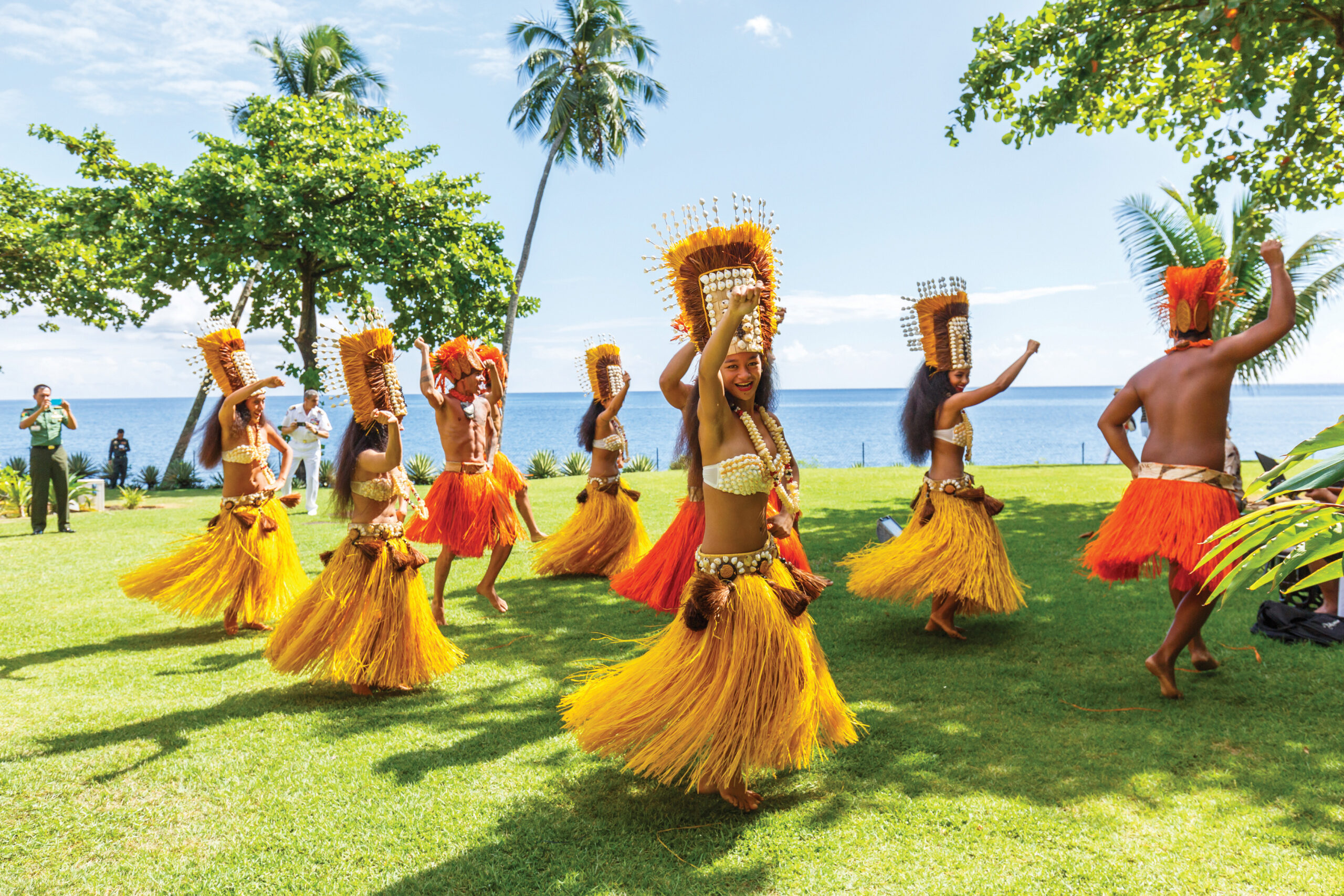
Some records state that around 500 AD, Polynesian people from Tahiti and Hiva (Marquesas Islands) sailing in double-hulled canoes navigated to and settled Hawai‘i. Several hundred years later, the second wave of Tahitian immigrants arrived in the 9th or 10th century, hailing from Kahiki (Tahiti in ‘ōlelo Hawai‘i, according to oral tradition) and worked with the Hawaiian Kingdom to form the new ali‘i class. European explorers also noted similarities in language between Hawai‘i and Tahiti, with some Tahitians even arriving to the islands aboard foreign vessels as translators and sailors. Today, people of Tahitian heritage make up about .2% of Hawai‘i’s population.
Cultures & Traditions
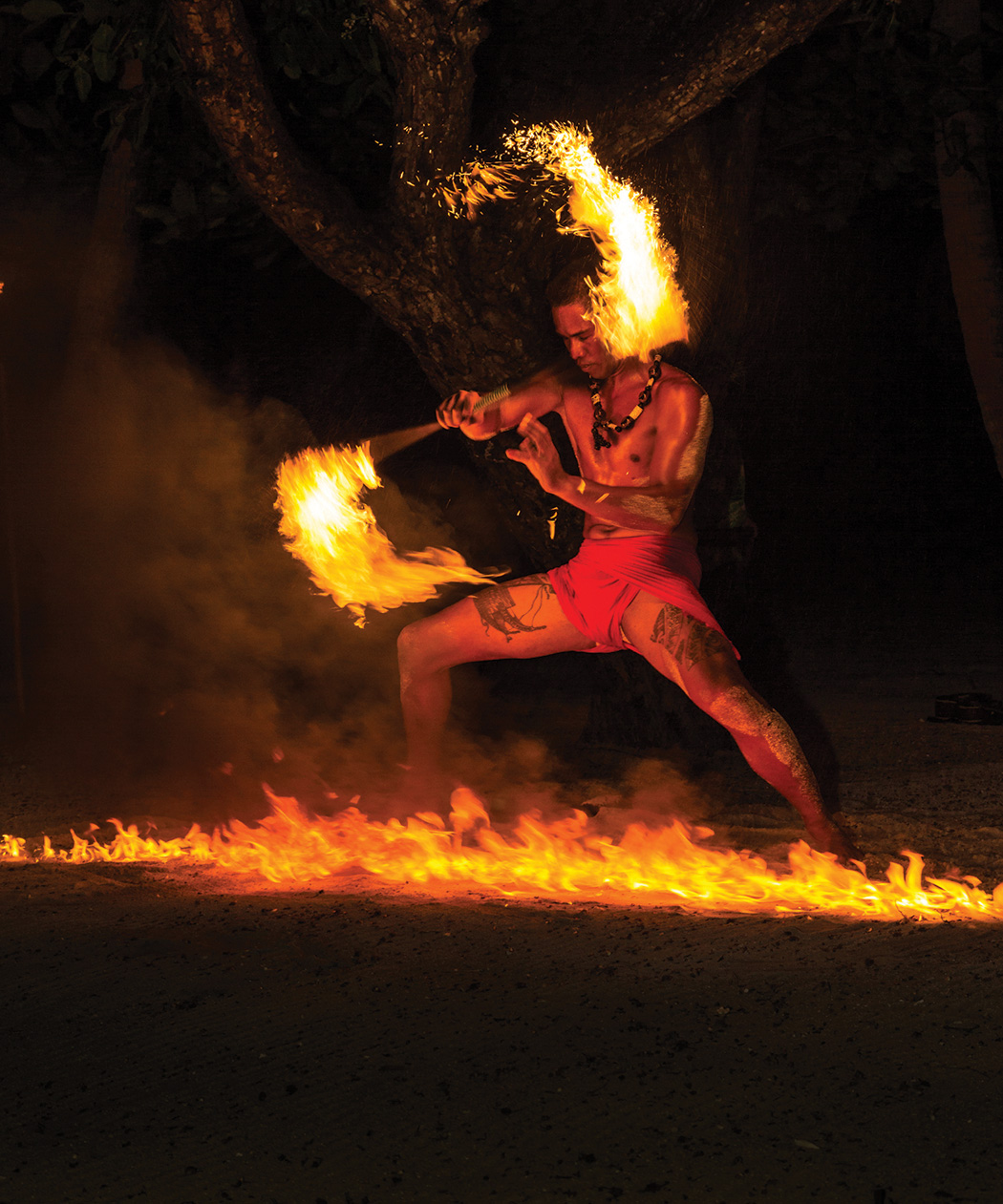
Tahitian people proudly share their heritage with the world, communicating the trust their ancestors had in future generations to carry on their oral and physical traditions. Similar to Hawai’i, Tahitian clothing was traditionally made from tapa cloth, with women wearing pareo made of the material. Today’s pareo have changed in dressing style and pattern, but the meaning and cultural pride remain. Music and dance are a foundational part of Tahitian life, characterized by tamure (a fast hip-shaking dance) as well as riveting beats on pahu (wooden drums traditionally covered with sharkskin) and toere (a long drum with a split). Tatau (tattoo) is another way for Tahitians to express cultural identity and pride.
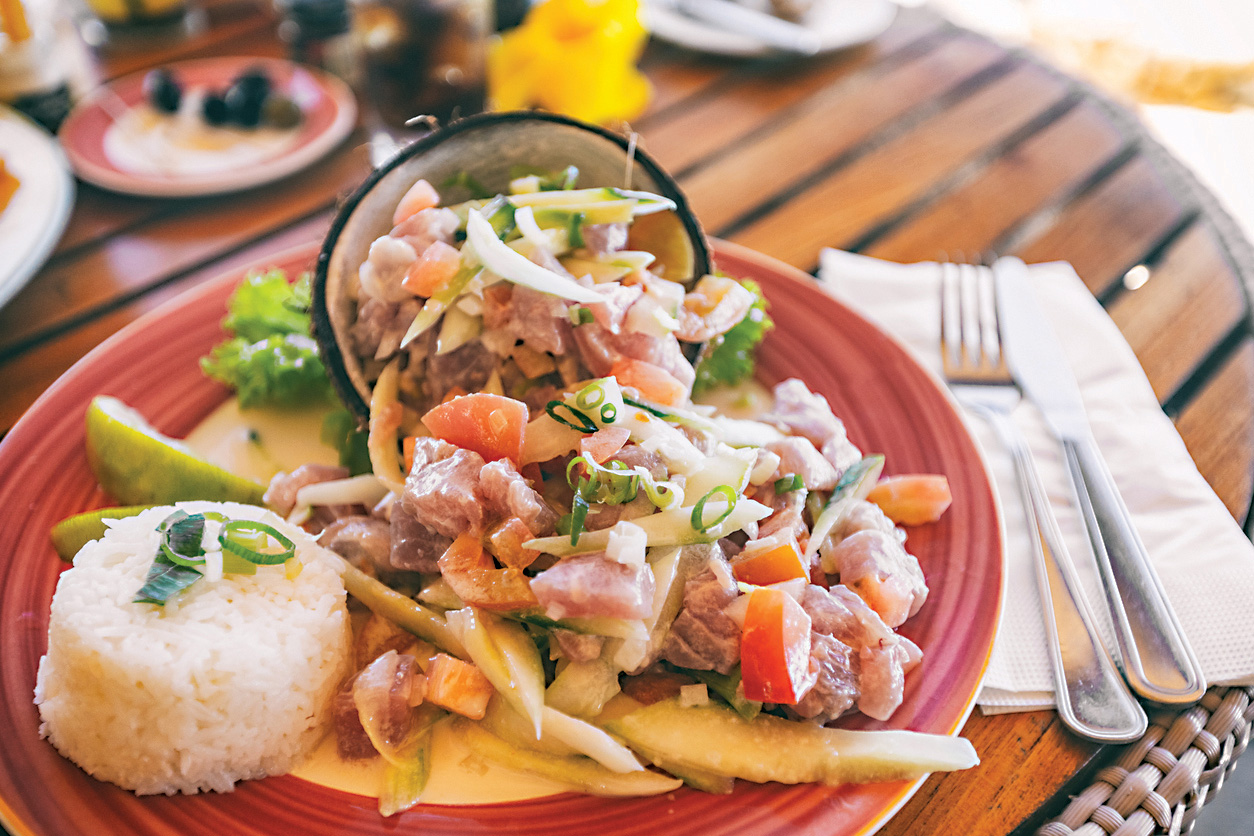
Foods such as poisson cru (raw fish marinated in lime juice, mixed with vegetables and coconut milk) and abundances of fish and vanilla emphasize Tahiti’s natural splendor.
Celebrations
Tahitian celebrations tend to focus on dance. Heiva i Hawai‘i (heivaihawaii.myshopify.com) is an annual Tahitian dance competition featuring ‘aparima (a Tahitian dance focusing on hand movements), ‘ahuroa (another dance rooted in ‘aparima) and drum dances. This year, Heiva i Hawai‘i was held in Kailua-Kona of Hawai‘i Island this past February.
This year’s Tahiti Fête Hawai‘i (tahitifete.com), regarded as the largest Tahitian dance competition in the US, will be held July 3 through 5 at the Neil S. Blaisdell Arena in Honolulu for the very first time. From August 1 to 2, Heiva i Kaua’i (heivaikauai.com) will take place at Kapa‘a State Park on Kaua‘i.
For more information, see Generations Magazine’s Facebook page (facebook.com/genmag808) and website calendar (generations808.com/calendar) for community events and opportunities.
The next article in this series will feature the influences of German culture in Hawai‘i.

Leave a Reply