
Hawai‘i has a higher percentage of its population living in condominiums than any other state. Reasons include the relative scarcity of land and the time and expense of buying and maintaining single-family homes, making condos attractive, especially for the elderly.
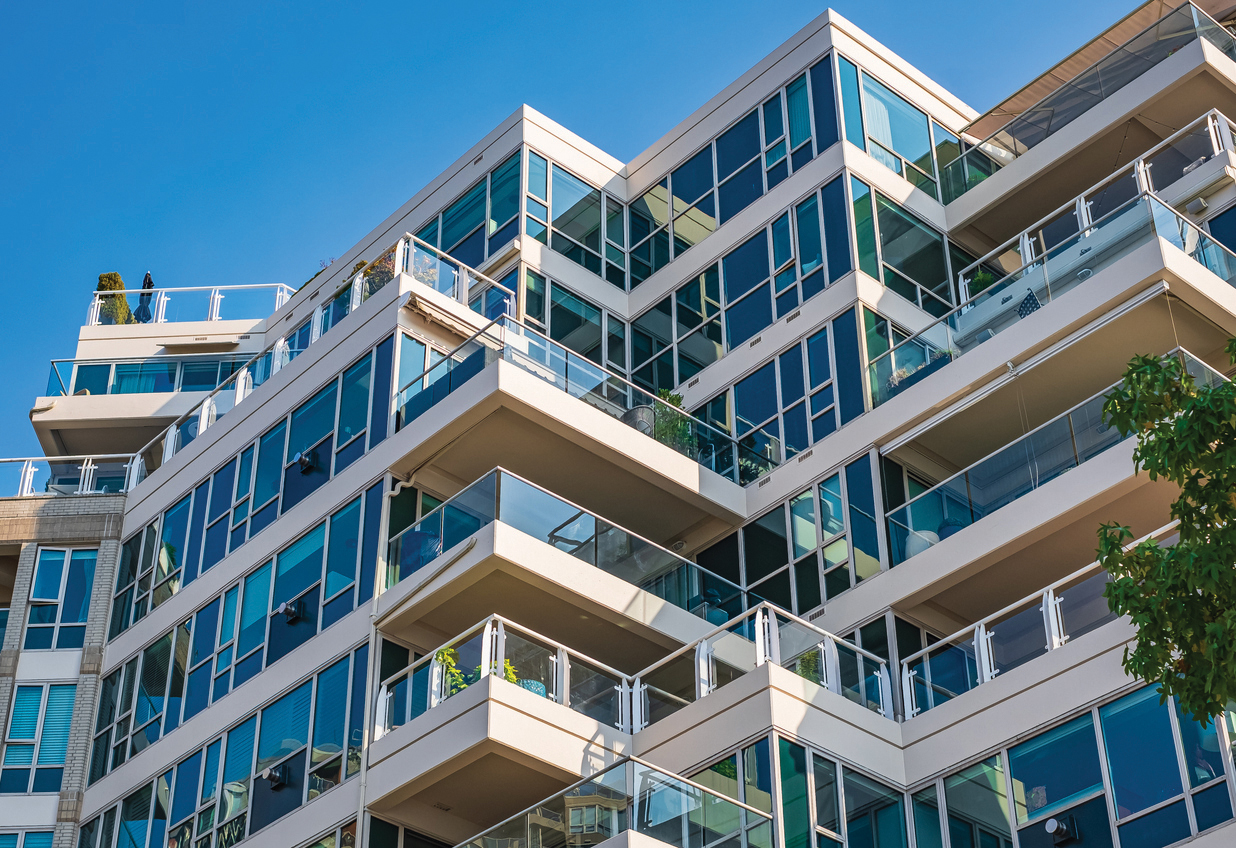
But like any investment, condos come with risks. Here are some things that people may wish to think about before buying into a condo.
Are you ready for common decision making? Obviously, it’s great to have a built-in community, not only for the fellowship that it brings, but also the shared costs. Why pay for the cost to maintain a pool by yourself when you can contribute only a small percentage of that expense and still enjoy a swim?
However, if you have only lived in a single-family home and are used to making your own decisions, keep in mind that with a condo, you are buying into (literally and figuratively) a democracy. Some condo democracies are great, but many are extremely dysfunctional. And sometimes it takes democracies a long time to recognize and correct their errors.
What do the reserves look like? Hawai‘i was the first state to require mandatory savings on the part of condominium boards so that money is set aside to maintain the building and meet future expenses. Unfortunately, while that law exists on paper, it is often not adhered to. When it is ignored, owners can be hit with large special assessments or loan payment obligations. Make sure the reserves are fully funded per the law.
The absence of maintenance fee increases is not a good thing. One board that was successfully sued bragged about how maintenance fees didn’t go up for more than 10 years. Of course, over the course of those 10 years, wages rose, insurance increased and other costs went up. This resulted in things being neglected. At one point, the condominium had more roof leaks than it had condominium units.
Newer is not always better. We have all seen the gleaming new buildings, but quite often, the shiny new towers have significant construction defects. Some of the developers, contractors, architects and engineers who build them shower
politicians with campaign contributions. These may not be disconnected phenomena. Do campaign contributors want something for the money they are shelling out, maybe in the form of laws that are designed to protect them from claims by consumer homeowners? While it’s always nice to buy into a brand-new building, prospective purchasers might want to wait a few years to see what defects are discovered by those living there.
Will the building remain accessible for your current and future needs? Especially as we age, accessibility becomes more paramount. While this is usually less of a problem in newer buildings that are supposed to be built pursuant to modern codes, that certainly is not the case for older buildings. A two- or three-story walk up might not be a problem when you’re in your 40s, but it could very well be an issue in your 70s. Additionally, the Fair Housing Act usually only requires that a building allow an accommodation, it is not usually required to pay for it. You as the unit owner can obtain reasonable accommodations, but usually you need to pay for them.
Do your research and work with local professionals to ensure a successful, informed purchase.
REVERE & ASSOCIATES, LLLC
970 North Kalaheo Ave., Ste. A301, Kailua, HI 96734
808-791-9550 | terry@revereandassociates.com
revereandassociates.com
Terry Revere is an attorney with Revere & Associates who specializes in representing Hawai‘i’s homeowners.

Leave a Reply