Tag: hospital

  • Please, Make the Time to Visit

    When my father-in-law “Gramps” had a stroke, he spent time at the hospital, rehab, and then a nursing home, before finally being able to return to his house. During those months of recovery away from home, my family made every effort to visit him daily. Between my wife, brother-in-law, mother-in-law and myself, we were pretty successful in making sure he would have the company of a loved one every day.

    We did this initially because we didn’t want Gramps to feel alone. Eventually, however, we discovered that he was getting better care and more attention from the staff because of our visits. When we walked into the facility, it would coincidentally seem to be at the exact time for the staff to check on Gramps. Once they saw one of us walking down the hall towards his room, they would leave their duty station and follow us inside, telling us all the details of his care as they fluffed his pillows and made sure he was comfortable.
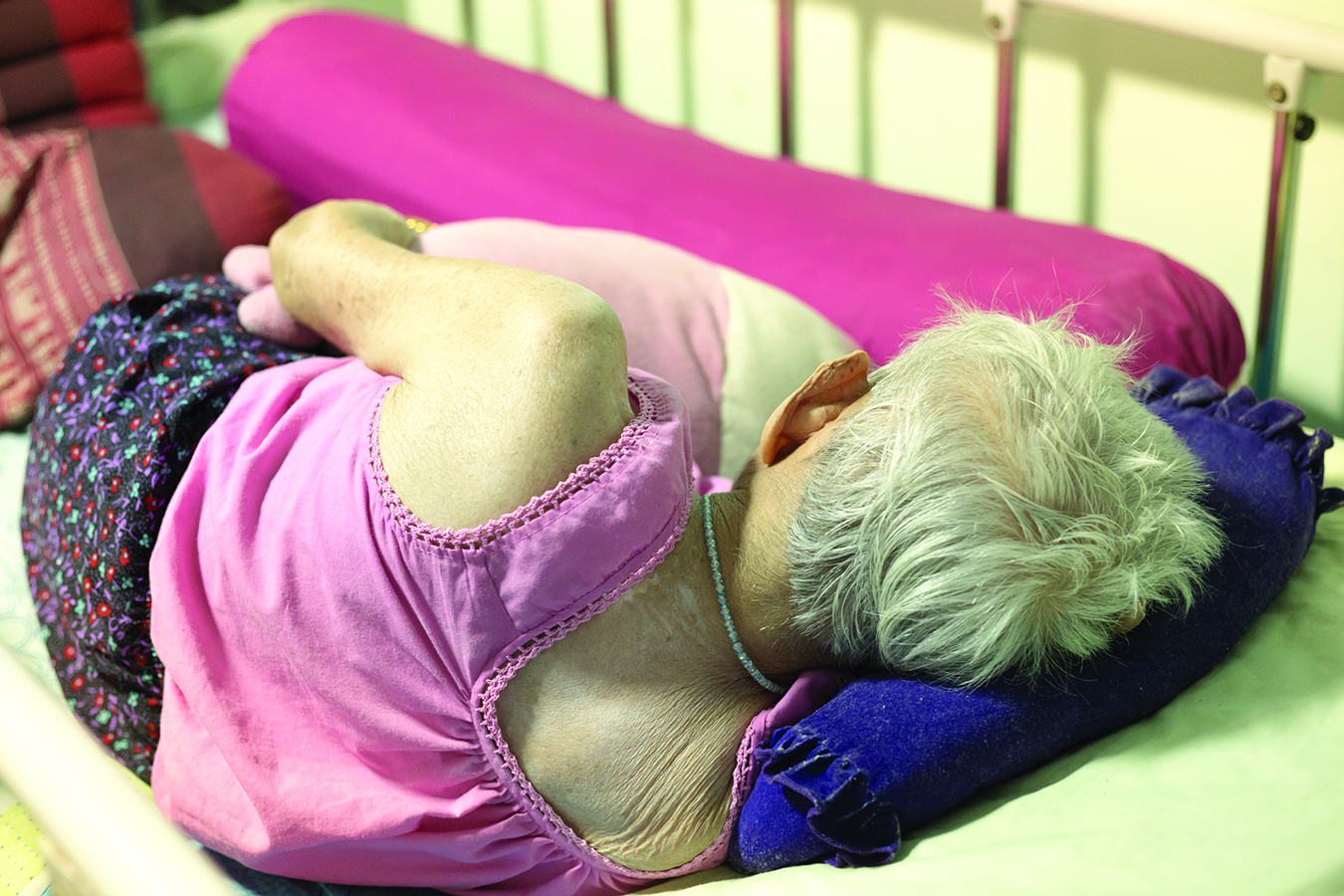
    We could not help but notice, however, that his roommate and other patients did not get the same treatment. They were either lying in bed all day in
    silence or sitting in a wheelchair parked outside in the hall watching us come and go with lonely stares.

    Over the years, I have gotten many calls from people suspecting abuse or neglect of loved ones at care facilities. During these conversations, I would always ask them when was the last time they saw their loved one before the alleged abuse. I did this to get an idea how quickly the neglect occurred or see if there were signs of abuse witnessed.

    Despite my intentions, however, the callers would get defensive, relating various reasons why they were not more attentive nor visiting that often. Their reasoning was that if the place did their job correctly, they wouldn’t have to check on things themselves and visit that often. And while this is true in theory, the reality is that there are some care facilities that are understaffed or have employees under trained and a regular visit could detect such problems if they exist.

    While I am sure that the majority of residential facilities provide quality, attentive care, more and more instances of the opposite happening are coming to my attention. Recently, the Honolulu Medical Examiner’s Office called me, concerned with the number of bodies they were receiving from such places whose cause of death could only be attributed to “extreme neglect”. Additionally, the Long-Term Care Ombudsman has some concerns about oversight and care of seniors in facilities and has invited our office to join them in examining the problem.

    In the meantime, I urge family to always make the time to visit loved ones. No amount of money spent for care is a substitute for actually being there yourself. Your visits will not only be appreciated, but also noticed.


    To report suspected elder abuse, contact the Elder Abuse Unit at 808-768-7536  |  ElderAbuse@honolulu.gov
    When my father-in-law “Gramps” had a stroke, he spent time at the hospital, rehab, and then a nursing home, before finally being able to return to his house. During those months of recovery away from home, my family made every effort to visit him daily. Between my wife, brother-in-law, mother-in-law and myself, we were pretty…

  • 100 Years on Kuakini Street

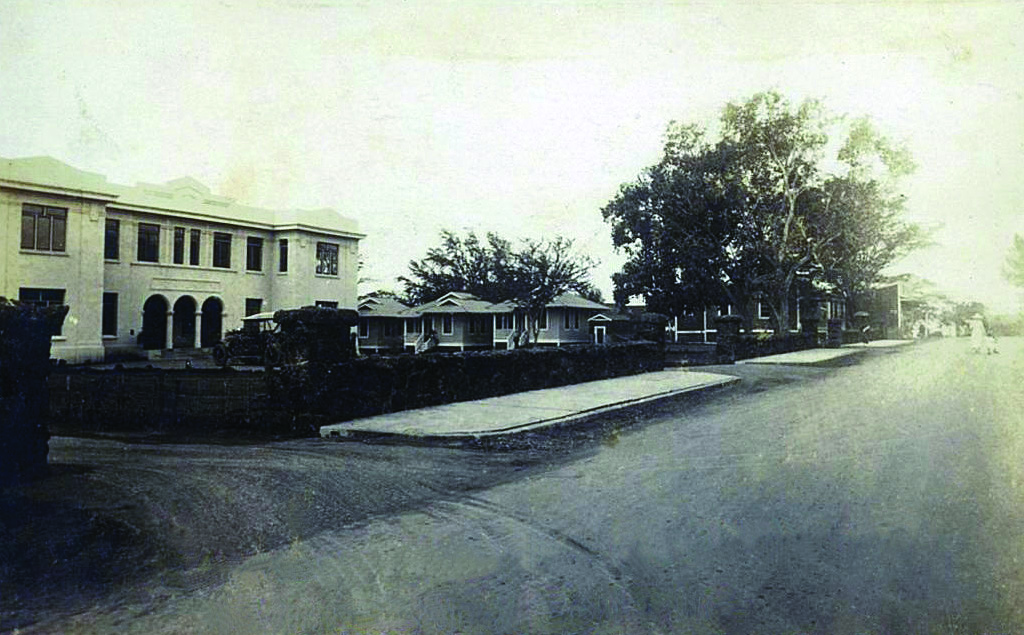
    In September 2018, Kuakini Medical Center celebrated the 100th anniversary of its move from Liliha Street to its present location on Kuakini. Established in 1900, the medical facility has seen many changes during its 118 years of existence.

    The Japanese Benevolent Society opened The Japanese Charity Hospital in Kapalama in July 1900. It was a two-story wooden building with 38 beds, where free medical care was provided to Japanese immigrant sugar workers. In 1902, the hospital moved to a larger site on Liliha Street and soon began providing care for more than just the destitute and sick.

    On September 27, 1918, the hospital moved 37 patients by car and ambulance to a 16-building campus on Kuakini Street (pictured). At that time, with 120 beds and a staff of 15 physicians, it was the second-largest hospital in Hawai‘i.

    That hospital is now known as Kuakini Medical Center — a licensed and accredited medical/surgical facility with services such as ambulatory care, emergency services, oncology and cardiovascular services, an orthopedic and spine center, sleep center, and renowned biomedical research programs.

    With a history of 118 years of caring, Kuakini is committed to maintaining the legacy of its founders by providing safe and high-quality care to the people of Hawai‘i and improving the health status of the community.


    KUAKINI HEALTH SYSTEM
    347 N. Kuakini St., Honolulu HI 96817
    808-536-2236  |  www.kuakini.org

    In September 2018, Kuakini Medical Center celebrated the 100th anniversary of its move from Liliha Street to its present location on Kuakini. Established in 1900, the medical facility has seen many changes during its 118 years of existence. The Japanese Benevolent Society opened The Japanese Charity Hospital in Kapalama in July 1900. It was a…

  • Mom Had ‘A Good Death’

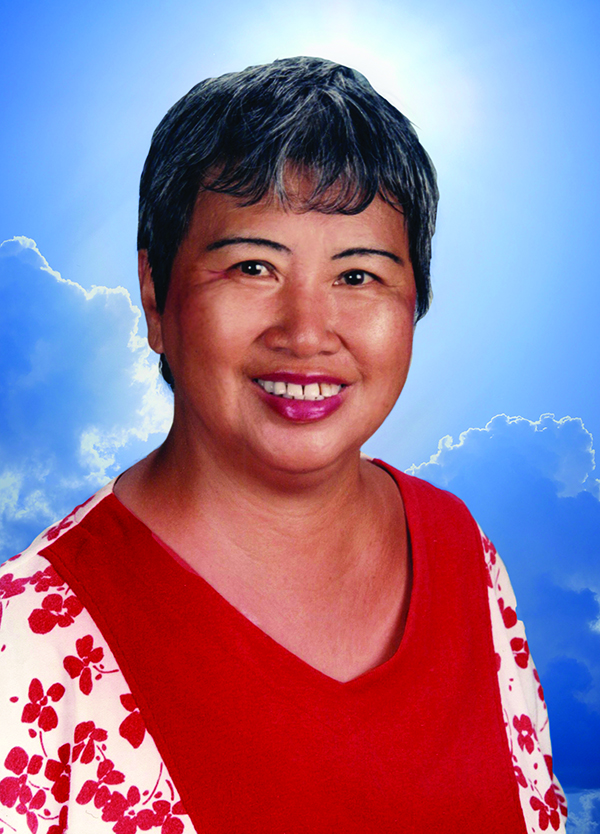
    Alice Yee, Michael Yee’s mother, passed away on July 25, surrounded by caring family members.
    Alice Yee, Michael Yee’s mother, passed away on July 25, surrounded by caring family members.

    On a Sunday morning this past July, Alice Hu Chew Yee, 81, asked her family to gather by her hospital bed, where she expressed her love to each member, listened to her favorite music played by her son and son-in-law, and helped to plan her own funeral, right down to flower arrangements.

    The next day, doctors put her on a morphine drip to eliminate any discomfort. She passed away Tuesday, July 25, at peace that her family was ready for her departure.

    It was “a good death,” says Alice’s son Michael Yee. “Mom had deep faith and embraced dying the same as living, no fear, only love. Because of this, we could embrace it together.”

    In addition to Michael, Alice left behind two sons Malcolm and Milton, daughter, Tammy, and their spouses and four grandchildren. Alice also had lived independently for decades before moving in last year with Tammy, who shared primary caregiving duties with Michael’s family. In the months leading up to her death, Alice developed fluid in her lungs and suffered complications from a weak heart.

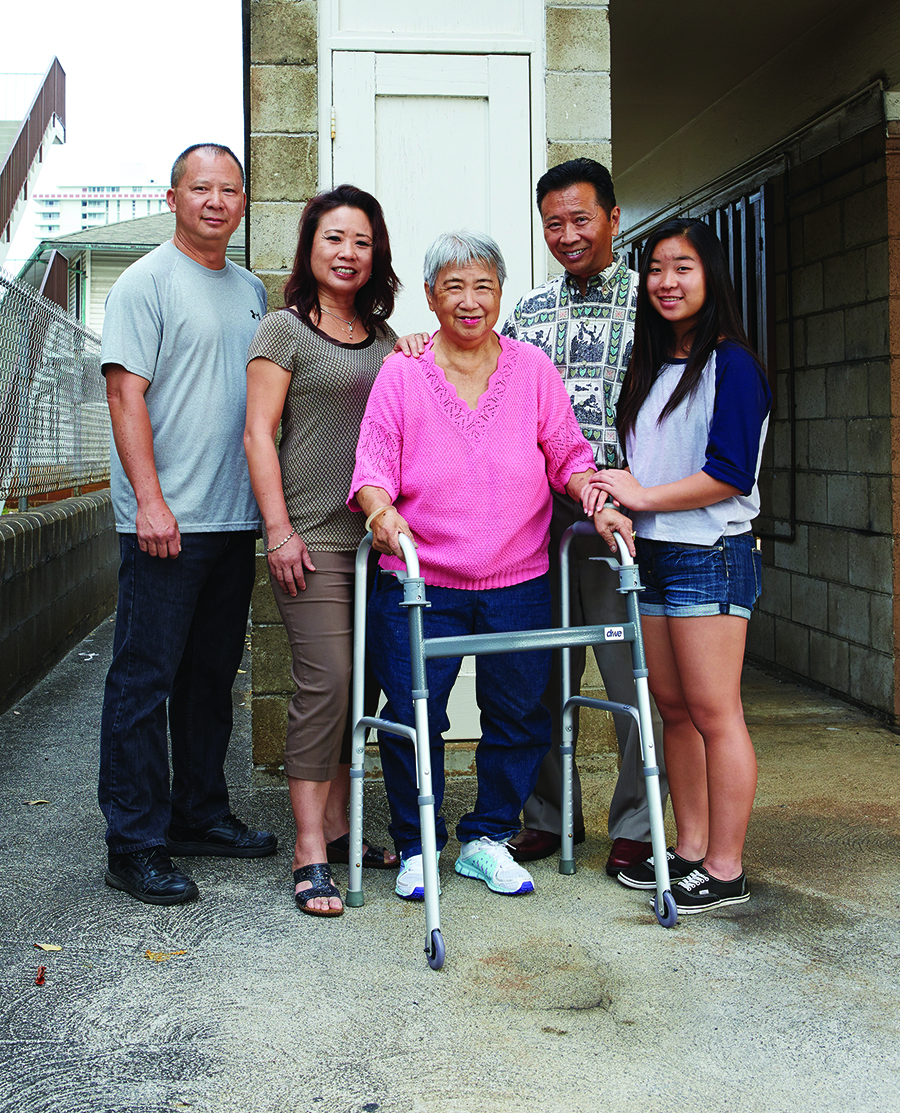
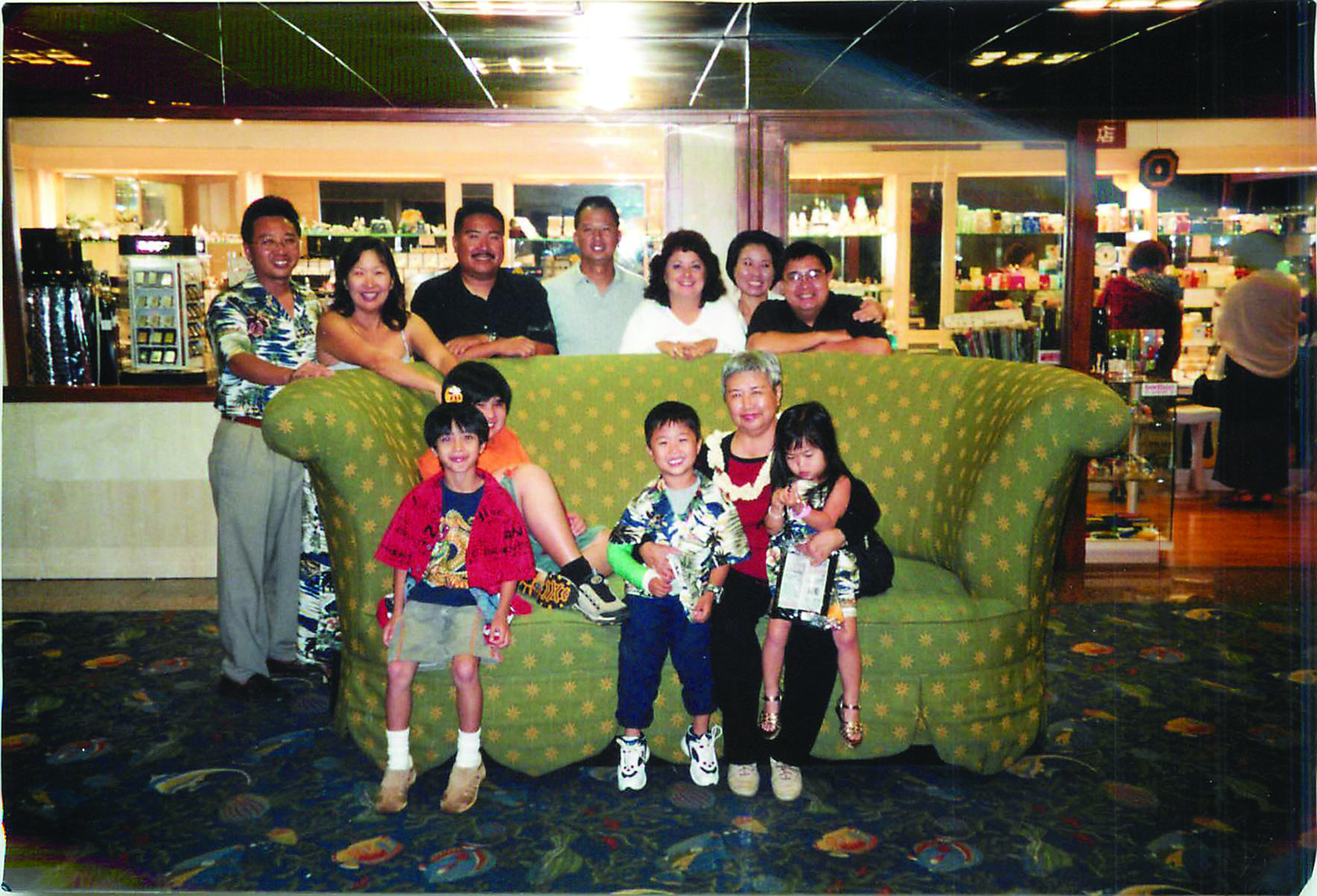
    PHOTOGRAPHS OF LORRI MISAKI’S, MICHAEL YEE’S & PAMELA AH-NEE’S FAMILIES

    Even in her final hours at the hospital, however, Alice taught valuable lessons.

    “Mom gave people something to shoot for — I know now what a good death looks and feels like,” says Michael, an Ameriprise financial advisor who specializes in retirement and end-of-life planning.

    Michael shares three lessons reinforced by his mother’s passing:

    • “Retirement isn’t just about travel and the grandkids.” There will come a time when most of us will need care by families and/or professionals.
    • Many families in Hawai‘i are not ready for health issues such as dementia or long-term care. When planning for retirement, consider long-term care planning and estate planning. Take a holistic approach.
    • Be proactive (not reactive) about retirement and end-of-life situations. Talk to family members about “not just the good times,” but the “hard times and crisis.” Put everyone on the same page.

    Generations Magazine first featured Michael Yee’s family in the June-July 2015 issue where he shared his caregiving experience. To read the original story, visit online at www.generations808.com/june-july-2015/.

    On a Sunday morning this past July, Alice Hu Chew Yee, 81, asked her family to gather by her hospital bed, where she expressed her love to each member, listened to her favorite music played by her son and son-in-law, and helped to plan her own funeral, right down to flower arrangements. The next day,…