Category: Nov – Dec 2025

  • Hope for the Future

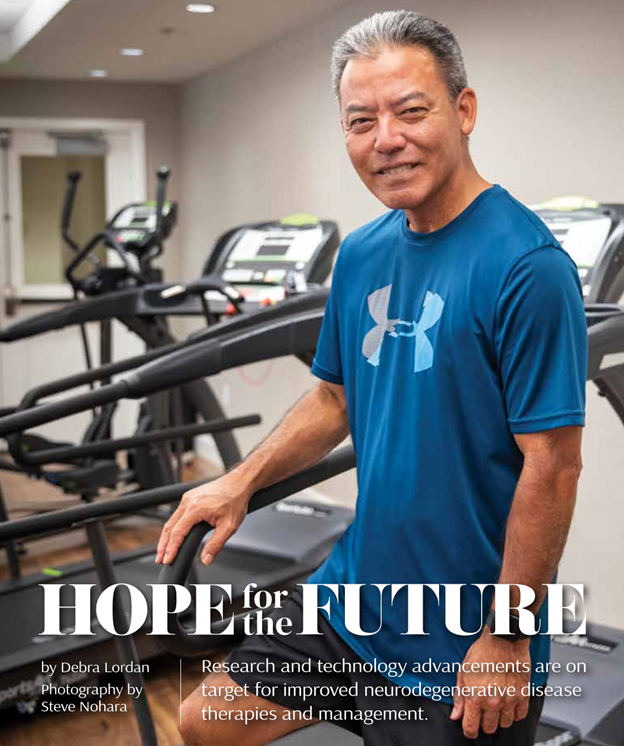
    Glen Higa of Kalihi has much in common with Michael J. Fox. Like the “Back to the Future” star, he faces his challenges with gratitude and optimism, focusing on finding meaning in the face of adversity. Like Michael, he emphasizes that challenges don’t define a person—their actions do. He believes in the power of acceptance and the importance of making the best of a difficult situation. Like Michael, he has dedicated himself to making a profound difference in the lives of those affected by a debilitating condition.

    In 1998, Michael J. Fox stunned the world by announcing he had been diagnosed with young-onset Parkinson’s disease (PD), also called early-onset Parkinson’s—a degenerative neurological condition. He was diagnosed in 1991 at age 29, but had kept it a secret for seven years.

    His memoirs chronicle his Parkinson’s journey and his advocacy work. “Lucky Man,” “Always Looking Up,” “No Time Like the Future” and “A Funny Thing Happened on the Way to the Future” describe what it’s like to be a 30-year-old who has been told he has an 80-year-old’s disease. He shares an inspiring account of his experiences and the lessons he has learned.

    Before his diagnosis, the aspiring young actor envisioned a future centered on a flourishing career and family life. PD prompted a paradigm shift, leading him to prioritize the here and now. He established the Michael J. Fox Foundation (MFF) for Parkinson’s Research in 2000, which has become the axis around which his life revolves. The foundation is the driving force and primary focus of his existence and aspirations for the future.

    Glen’s Life Transformation

    “I was diagnosed seven years ago in 2018 at the age of 48, though looking back, I had developed symptoms over five years before,” says Glen, now 55. “Six months after my diagnosis, I left my longtime career as a sales and marketing executive to focus on my health.”

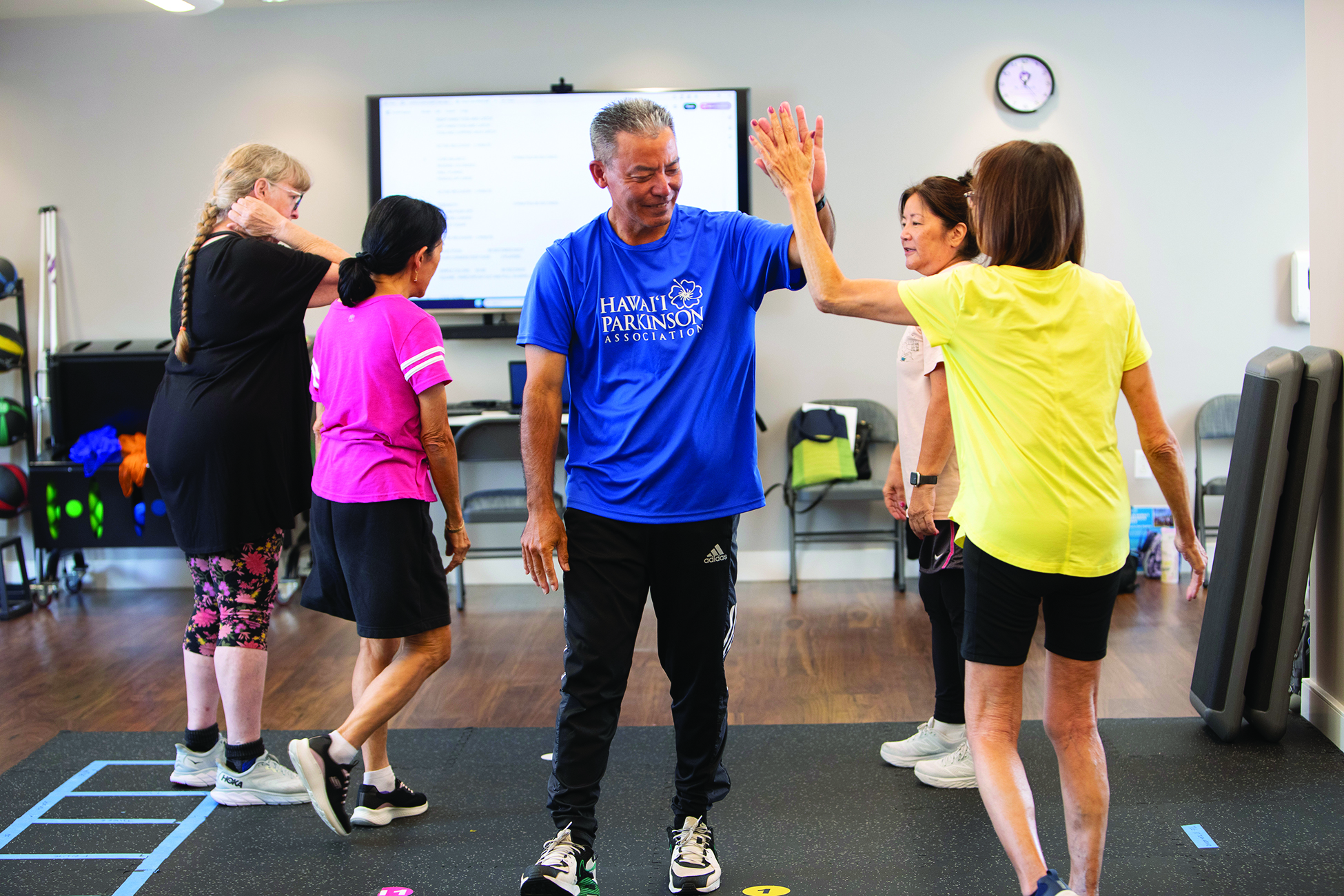
    Glen’s proactive attitude is key to successfully managing PD. “I started working with a personal trainer a year after I was diagnosed and it transformed my life,” says Glen. “I did so well with my exercise therapy that I resumed playing softball.” Since being diagnosed, he has participated in the Los Angeles Dodgers Adult Baseball Camp and continues to play competitive softball.

    Ultimately, Glen turned his own therapy into a new career by becoming a personal trainer three years after being diagnosed, working exclusively with people who have Parkinson’s.

    What is Parkinson’s Disease?

    PD is the fastest growing neurodegenerative disease in the world. Nearly 1 million people in the US and more than 6 million people worldwide are affected. PD occurs when brain cells that make dopamine, a chemical that coordinates movement, stop working or die, according to michaeljfox.org, an informational website Glen recommends highly. This “movement disorder” can cause tremor, slowness, stiffness, and walking and balance problems. Constipation, depression, memory problems and other non-movement symptoms can also surface as symptoms.

    PD is a lifelong progressive disease—symptoms slowly worsen over time. But the experience of living with PD is unique to each person. As symptoms and progression vary from person to person, neither you nor your doctor can predict which symptoms you will get, when you will get them or how severe they will be. Even though similarities are observed among individuals with PD as the disease progresses, there is no guarantee you will experience what you see in others.

    What is Early-Onset PD?

    According to Fox’s website, about 10% to 20% of people with PD experience symptoms before age 50. While treatments are the same for early-onset Parkinson’s disease (EOPD), younger people may experience the disease differently.

    People with EOPD may have a longer journey to diagnosis, sometimes seeing multiple doctors and undergoing several tests before reaching a correct conclusion. As with PD diagnosed later in life, EOPD is diagnosed based on a person’s medical history and physical examination.

    When younger people and their clinicians are not expecting PD, the diagnosis may be missed or delayed. It’s not uncommon for arm or shoulder stiffness to be attributed to arthritis or even a sports injury before PD is eventually diagnosed. Scientists are working to understand the causes of early-onset Parkinson’s.

    What is Wrong With Me?

    Glen describes his initial suspicions and symptoms that led him to seek medical intervention.

    “My girlfriend and I would walk daily around Diamond Head after work and she noticed I stopped swinging my arms and that I shuffled my feet while walking,” says Glen. “My legs started to feel heavy. Soon after, I started experiencing shoulder and neck stiffness and a tremor in my left hand. But an official diagnosis wouldn’t come until more than two years later.”

    “My first thought after the EOPD diagnosis was a sense of relief,” says Glen. “Honestly! I didn’t know what was going on in my head—if I had a stroke, tumor, aneurysm or something else!

    “I was seeing a physical therapist who told me I was showing symptoms of Parkinson’s, but I guess I didn’t take his comments seriously at first. But when my neurologist told me I could still live a good life with Parkinson’s, she eased my mind and I was ready to do what I had to do to achieve that good life.”

    “Most of my friends, family and coworkers noticed something was not right before I was diagnosed,” Glen adds. “So I told everyone about it and didn’t try to hide it from anyone. Almost everyone reacted positively and said they were ready to help when needed. Being supportive and showing empathy— but not sympathy— go a
    long way.”
    ‘You can live your best life.’

    Glen first became involved with Hawai‘i Parkinson’s Association (HPA) in 2019, serving in a marketing and administrative support role. HPA, established in 1996, is a nonprofit volunteer group comprised of people with PD, caregivers, family members, healthcare professionals, educators and leaders in the business community. HPA aims to positively impact the lives of people affected by Parkinson’s through support, programs, education and other valuable services.

    “The reason why I ran for president was to show those diagnosed with EOPD and those who are living with PD to not be afraid of the condition,” says Glen. “I wanted to spread the message that you can live your best life with PD and dispel the myths believed by people who are not familiar with Parkinson’s. It is not terminal. I also want to show everyone that people with Parkinson’s are abled and not disabled. While there is no cure and it is not a fun existence, you can still live a good life and do things that others do.”

    Glen’s focus as the current president is to continue engaging the Parkinson’s community through his position as a “local boy” with Parkinson’s and encourage others there is HOPE—Healthy Overcomes Parkinson’s Everyday.

    “As president of HPA, I focus on reducing the perceived stigma of PD,” says Glen. “While there is more awareness and people are more open about their diagnosis, there are still too many unwilling to disclose their condition out of fear, shame or guilt… Especially difficult to reach groups are those with EOPD, Asians (particularly males), Native Hawaiians, Polynesians and those who are economically disadvantaged.”

    As an EOPD patient and HPA president, Glen offers recommendations for those who are diagnosed with PD.

    “The first step is to join a support group,” he says. “We consider that the first line of defense against PD. Even if you haven’t accepted your diagnosis, support groups provide the opportunity to learn and share best practices with others who are also battling the condition. The second step is exercise—which is the only therapy scientifically proven to slow down or even delay the progression of Parkinson’s. While there are many theories on what type of exercise is best, my advice as a personal trainer is to find the exercise you enjoy most so that you will do it every day.”

    ‘Why me?’

    Who gets PD and why remains unknown, however, the risk of developing PD is higher for individuals with a family history of the disease, those exposed to certain environmental toxins and those with specific genetic mutations.

    “Unfortunately, the science has not determined yet exactly what causes Parkinson’s aside from genetics and has not developed a cure, either,” says Glen. “There isn’t any confirmed information on PD prevention. Some thought has been given to getting regular exercise and eating a well-balanced diet, especially the Mediterranean diet, which has been linked to lower rates of PD. There’s also thought about limiting exposure to environmental toxins like pesticides, herbicides and air pollution to prevent PD.”

    According to michaeljfox.org, in most cases, the cause of PD is unknown. “Better understanding of the complex genetic, environmental, aging and other factors that lead to Parkinson’s would be game-changing in our pursuit of preventive and therapeutic treatment options,” the site says.

    However, the site goes on to detail possible factors. Although for most people, the cause of PD is unknown (idiopathic), researchers believe that PD is caused by a combination of factors.

    With genetic causes at one end and environmental causes at the other, people with PD fall at many different points along the continuum, with some cases due more to genetics, while others are more influenced by environmental factors.

    “Scientists are working hard to understand the triggers and the cascade of cellular changes that lead to Parkinson’s. Knowing more about the cause could help researchers develop treatments to stop or even prevent the disease.”

    ■ Genetics: About 30% of PD risk is explained by genetics. Less than 10% of this risk has been explained by known genetic links, so more PD genes have yet to be discovered. A handful of causal PD genes have been identified in the past 10 years, where genetic mutations greatly increase risk. But not everyone who carries these mutations will get PD, so other factors must play a role.

    ■ Environment: Head injury and exposure to pesticides have also been identified as factors. Several studies have linked smoking and caffeine consumption to lower rates of PD. “While we do not recommend smoking to prevent PD, understanding these connections can help guide research into the mechanisms and treatment…,” the MFF site says.

    ■ Aging: Age is the greatest risk factor because our cells may be more susceptible to damage as they age. Researchers project the number of people with PD will double by 2040. In addition, the expression of our genes may change over time, which could set off a chain of cellular events that lead to PD.

    ■ Combination of Factors: Genetics, environment and aging interact to cause disease. Not everyone with a genetic mutation linked to PD will develop the disease. Similarly, not everyone exposed to a pesticide will be diagnosed. Research into these different triggers continues aggressively every day, including biological/cellular changes.

    Hope for the Future

    There is significant hope for the future for people with neurodegenerative conditions such as PD. Research is advancing on several fronts. And although there is no simple solution in dealing with a life-changing PD diagnosis, the good news is that most people find acceptance and quality of life after an initial adjustment period.

    “I’m more aware of the future now,” says Glen. “Previously, I lived in the moment, thinking only about the present. Now, I think about the future and how my actions now will impact my future. For instance, my personal goal is to never use a mobility device. To accomplish this, I need to consistently exercise and take care of my body and mind. I am living my best life with Parkinson’s by adhering to these simple rules: 1) Be on the right medication plan, which means being open and upfront with my neurologist. 2) You need to exercise. The best exercise is one that you enjoy and will do daily. 3) Finally, having a positive attitude is everything, but if you don’t feel good mentally and physically, it’s hard to have a positive attitude. That’s why being on the right medication plan and daily exercise is so important.”

    Glen is a certified fitness professional, working with patients with Parkinson’s as a way to help others live their best lives. He offers Make It Happen Personal Training.

    Contact Glen at
    808-348-2767, makeithappen@glenhiga.com or
    parkinsonshawaii.org/exercise-classes.

    For an in-depth guide to navigating PD and living well as the disease progresses, check out the Michael Fox Foundation’s Parkinson’s 360 toolkit at michaeljfox.org/parkinsons-360.


    COMMON SYMPTOMS OF PD

    Tremors, bradykinesia (slow movements), muscle rigidity and a history of falling or losing your balance are among the most common symptoms. According to the Michael J. Fox Foundation, PD symptoms are different for different people and are difficult for even doctors to detect. Others are obvious, even to an untrained eye.

    Motor Symptoms

    Motor or movement symptoms seen “from the outside” are used by doctors to make a diagnosis. The three “cardinal” motor symptoms are:

    1) Muscle stiffness: rigidity
    2) Bradykinesia: a decrease in spontaneous and voluntary movement, such as slower walking, less arm swinging while walking, or decreased blinking or facial expression
    3) Resting tremor: a rhythmic, involuntary shaking that occurs in a finger, hand or limb when it’s relaxed, but not during voluntary movement

    Not everyone with PD experiences all three motor symptoms, but slowness always is present. And although tremor is the most common symptom, not everyone with PD experiences tremor.

    Other Motor Symptoms

    Walking, balance and coordination problems may occur any time in the course of PD, but are more likely as the disease advances.

    Non-Motor Symptoms

    Non-movement symptoms are invisible. You can’t see them from the outside. These common symptoms can affect almost every body system, occur any time in the course of disease (even before motor symptoms or diagnosis) and differ in severity per individual. Non-movement symptoms can significantly impact quality of life:

    Autonomic dysfunction: PD can affect the automatic/involuntary functions that our bodies perform: constipation, low blood pressure, sexual problems, sweating problems and urine problems.

    Mood and cognitive changes: PD can impact how you feel and think, causing apathy, memoryor thinking (cognitive) problems, mood disturbances, and hallucinations and delusions.

    Other physical changes: PD can cause drooling, excessive daytime sleepiness or fatigue, pain, skin changes, sleep problems, smell loss, speech problems, swallowing problems, vision changes and weight changes.

    The Fox website (michaeljfox.org) recommends visiting a movement disorder specialist if you think you’re experiencing PD symptoms. Talk to your doctor, especially if what you are experiencing is interfering with activities you want or need to do.

    For example, slowness of movement might make exercise more challenging or fatigue might make your workday less productive. Keep in mind that even if you have symptoms common among people with PD, they may be brought on by a completely different condition altogether.


    HOPE THROUGH SCIENCE

    Advanced & Emerging Treatments

    There is hope for people with neurodegenerative conditions such as PD and Alzheimer’s disease (AD), the most common form of dementia. Research is advancing on several fronts:

    Deep Brain Stimulation: DBS has long been used for movement problems associated with PD. Newer advancements, such as adaptive DBS, adjust electrical pulses in real-time based on brain signals, providing personalized and potentially more effective symptom control, including non-motor symptoms like mood and sleep dysfunction.

    Stem cell therapies: Aim to repair or replace damaged brain cells in PD and AD, with therapies showing promise in clinical trials.

    Gene therapies: Reprogram cells to stay healthy and function better, with therapies like AB-1005 (for PD) focusing on stimulating growth factors to minimize dopamine loss.

    Drug repurposing: Medications for other conditions, like epilepsy and diabetes, are being investigated for potential AD and PD treatment.

    Early Detection & Diagnosis

    Biomarkers: Advancements in identifying biomarkers for both PD and AD allow for earlier and more accurate diagnoses.

    Advanced imaging: PET scans and other imaging techniques are crucial for visualizing amyloid and tau deposits in the brain, aiding in both diagnosis and treatment monitoring.

    AI predictive models: New AI models can forecast brain aging, helping to identify subtle changes indicative of early neurodegenerative disease onset years before conventional methods.

    Disease Understanding & Prevention

    Genetic factors: Research into genetic variations helps identify individuals at higher risk and explore potential prevention and treatment strategies.

    Lifestyle interventions: Studies on lifestyle factors like exercise, diet (e.g., MIND and Mediterranean diets), and management of chronic conditions reveal potential to delay or prevent symptoms.

    Improved Care & Support

    Personalized medicine: Tailoring treatments based on an individual’s genetic profile and biomarkers holds promise for improving outcomes and minimizing side effects.

    Caregiver support: Research focuses on developing strategies to support caregivers and improve the quality of life for those with dementia. While significant challenges remain, particularly in halting disease progression, these developments, ongoing research, advanced diagnostic tools and emerging treatments hold promise for better care, improved quality of life and potentially slowing the diseases’ advancement for individuals living with PD and AD.

    This information was extracted and summarized from three 2025 research articles: “This New Treatment Can Adjust to Parkinson’s Symptoms in Real Time,” “Research on Alzheimer’s Disease and Related Dementias” and “Advancements in the treatment of Alzheimer’s disease: a comprehensive review.”


    The Power is Yours
    The Hawai‘i Parkinson Association (HPA) is a nonprofit, all-volunteer group comprised of people living with Parkinson’s disease (PD), caregivers, family members, healthcare professionals, educators and leaders in the business community. You, too, can become part of the solution through your volunteerism and/or donations. Donations directly benefit those living with PD and their caregivers in our island community.

    VOLUNTEER
    Go to parkinsonshawaii.org/get-involved and fill out a form to indicate your volunteer interests.

    DONATE
    As an independent nonprofit, all funds raised in Hawai‘i stay in Hawai‘i. Donations are accepted online at parkinsonshawaii.org/donate or donate by mail. Checks are payable to Hawai’i Parkinson Association and can be mailed to the address below. Donations are fully tax-deductible. Hawai‘i Parkinson Association Resource Center 2228 Liliha St., Ste. 206 | Honolulu, HI 96817

    HPA RESOURCE CENTER
    The HPA Resource Center is available to everyone in the community looking for information about Parkinson’s disease. HPA has information on doctors, clinical trials and support groups on O‘ahu, the Big Island, Maui and Kaua‘i.

    Medical specialists: parkinsonshawaii.org/medical-specialists
    Local clinical trials: hawaiineuroscience.com, 808-261-4476
    Online and in-person seminars: Experts offer information on many different topics. If you have a topic you’d like to suggest, contact HPA.
    Peer-to-peer connect: Whether you’re newly diagnosed, have had PD for a while, or are a caregiver or family member, HPA can connect you via phone or email to one of its volunteers.
    Support groups: parkinsonshawaii.org/support-groups: Support groups are a great way to make connections with other people with PD and their caregivers/partners and share experiences on living well with Parkinson’s.
    Books, brochures & flyers are available from various PD organizations with information about symptom management, medical and complementary therapies, and adaptive equipment.
    Lending library: The center houses a growing library of books to borrow at no cost. Stop by or contact HPA for a list of available books. Reserve a book for pickup or donate a book that you’d like to share with others.
    Exercise classes: parkinsonshawaii.org/exercise-classes: Exercising is a very important part of managing PD. HPA can give you information about the people and places who can modify their classes for PD. From yoga to boxing, there is something available for you.
    Assistive technology:
    – Soderholm Mobility: soderholmmobility.com, denise@soderholmbus.com, 808-834-1417
    – Assistive Technology Resource Centers of Hawaii: atrc.org, 808 -532-7112
    – Complementary therapies: parkinsonshawaii.org/complementary-therapies


    HAWAI‘I PARKINSON ASSOCIATION (nonprofit)
    Glen M. Higa, President
    808-348-2767 | president@parkinsonshawaii.org
    Resource Center:
    808-762-0600 | info@parkinsonshawaii.org
    parkinsonshawaii.org
    The medical information contained in this article is for general information purposes only. The Michael J. Fox Foundation for Parkinson’s Research has a policy of refraining from advocating, endorsing or promoting any drug therapy, course of treatment, or specific company or institution. It is crucial that care and treatment decisions related to Parkinson’s disease and any other medical condition be made in consultation with a physician or other qualified medical professional.

    Glen Higa of Kalihi has much in common with Michael J. Fox. Like the “Back to the Future” star, he faces his challenges with gratitude and optimism, focusing on finding meaning in the face of adversity. Like Michael, he emphasizes that challenges don’t define a person—their actions do. He believes in the power of acceptance…

  • A Hui Hou

    All good things must come to an end, or so they say. This is the last article by this author that will appear in this publication. I wish the Generations team and readers all the best in every way.

    I hope that over the past 15 years, you have gleaned from this column how important it is to have a clear, comprehensive estate plan—or, as I prefer to write it, “est8plan”. There are so many things that are beyond our control, and our est8plans can help us and our loved ones when inevitable bad things, such as death and disability, happen down the line.

    Please know and live the reality that through estate planning, you can create better, if not objectively good, outcomes for yourself and your loved ones as you transition through the stages of life. Your imagination and your collaboration with competent and creative advisors will give rise to an est8plan that will help you sleep at night. You will rest easy in the knowledge that you have done everything you can to put yourself and your loved ones in the best possible position to face the future. “May the road rise to meet you” as you embark on your own estate planning adventure, and remember: an intellectual solves problems… but a genius avoids them. Your est8plan can help you and your ‘ohana avoid the problems that must be solved when people fail to plan.

    Aloha pumehana, Scott Makuakane


    EST8PLANNING COUNSEL LLLC
    Scott Makuakane, Counselor at Law
    808-587-8227 | maku@est8planning.com
    Est8planning.com

    All good things must come to an end, or so they say. This is the last article by this author that will appear in this publication. I wish the Generations team and readers all the best in every way. I hope that over the past 15 years, you have gleaned from this column how important…

  • Finding a Trustworthy Financial Advisor

    Thinking about investing? You’re not alone. According to Gallup, 85% of Americans are actively seeking financial guidance—but BBB finds that too often, people lose money to bad advice and fraudulent “investment gurus” posing as experts.

    BBB’s 2024 Scam Tracker Risk Report found that investment scams are the riskiest in North America, with the highest susceptibility rate and losses in the thousands!

    With this in mind, working with a trustworthy financial advisor isn’t just smart—it’s safer.

    According to Ramsey Solutions:

    • 44% of people with advisors have $100K-plus saved for retirement, vs. 9% of solo investors.
    • 68% of millionaires surveyed used financial advisors to build their wealth.

    Working with a trustworthy professional is a difference-maker. That’s where third-party trust indicators such as the Better Business Bureau come in. While BBB doesn’t give financial advice, it does help you find financial professionals you can trust.

    Read reviews, check complaint histories, identify accreditation, get multiple quotes and use BBB’s free Financial Wellness HQ tools: bbb.org/all/financial-wellness-hq.


    BETTER BUSINESS BUREAU GREAT WEST+PACIFIC (nonprofit)
    800-460-0910 | info@thebbb.org | thebbb.org
    Ad or company clarification: bbb.org
    Report a scam: bbb.org/scamtracker
    File a complaint: bbb.org/file-a-complaint

    Thinking about investing? You’re not alone. According to Gallup, 85% of Americans are actively seeking financial guidance—but BBB finds that too often, people lose money to bad advice and fraudulent “investment gurus” posing as experts. BBB’s 2024 Scam Tracker Risk Report found that investment scams are the riskiest in North America, with the highest susceptibility…

  • The Good & Bad News About Estate Tax

    The One Big Beautiful Bill, now a law, “permanently” increased the maximum lifetime exclusion amount that any US citizen or resident can use to shelter gifted assets or assets passing at death from the federal gift or estate tax. The new estate and gift tax exclusion beginning in 2026 is $15 million per US citizen and resident. The exclusion was originally slated to be reduced to $5 million plus inflation in 2026.

    “Permanent” is only permanent as long as the current administration is in control. However, the estate transfer tax system is a very unpopular tax. Consider three reasons why the federal estate tax exemption most likely will not be reduced:

    1) In the past 100 years, the exclusion has only increased. In the 1980’s, the estate tax was $600,000.

    2) Congress, who is in charge of increasing or decreasing the exclusion, for the most part, is made up of wealthy individuals. Would they pass a law that negatively impacts themselves?

    3) The estate transfer tax feels very distasteful to so many US citizens and residents. When Frank Luntz, a wordsmith, helped then-President Bush paint a negative perspective about the estate tax, he renamed the estate transfer tax “The Death Tax.” Immediately, US citizens and residents felt it was an unfair tax. As the saying goes, “How can we ask families to visit the taxman and the grave-digger on the same day?”


    YIM & YEMPUKU LAW FIRM
    2054 S. Beretania St., Honolulu, HI 96826
    808-524-0251 | yimandyempukulaw.com

    The One Big Beautiful Bill, now a law, “permanently” increased the maximum lifetime exclusion amount that any US citizen or resident can use to shelter gifted assets or assets passing at death from the federal gift or estate tax. The new estate and gift tax exclusion beginning in 2026 is $15 million per US citizen…

  • Managing Aging Parents’ Finances

    Making financial decisions takes time, attention and energy at any age. In the case of elderly adults, it may become increasingly difficult to manage finances, particularly if their health is declining or they’re experiencing a cognitive issue. If you’re providing support to aging parents—or plan to in the future—here are some tips on how to handle the situation and prepare for what’s to come.

    Don’t wait to start talking about money.

    It may be uncomfortable to ask your parents to discuss their finances with you, but it’s essential that you are familiar with their intentions for future care and the plans they have in place. When you broach the subject, emphasize that you are looking for only a high-level overview so that you can have more peace of mind about your parents being well cared for. This initial conversation can help set the groundwork for future discussions.

    Create a contact list.

    If your parents experience a sudden change in health that affects their ability to manage their affairs, it’s important to have a game plan. If you anticipate paying bills, making insurance claims and handling other financial tasks, ask your parents for a contact list for the professionals they work with and where their accounts are held. You may need to be an authorized user or power of attorney to be allowed access to certain accounts. Consult a lawyer to talk through what permissions may be necessary for you to step in if the need arises.

    Build a support network.

    Talk with siblings or other trusted family members about what your parent’s possible care plan could look like. While this conversation can be tough to initiate, it’s often easier to bring everyone together while your parents are still in good mental and physical health. Discuss who can realistically provide support: in what way and at what cost. Proactively deciding who can drive your parents to appointments, manage financial affairs, care for their home and handle other tasks can help avoid a strain down the road.

    Anticipate future lifestyle changes and challenges.

    Even if they aren’t yet needed, explore options and costs at various assisted living and memory care services. Check your parents’ insurance policies to see if and how services might be covered. You may want to explore whether their home or yours could be modified to provide additional space or comforts, such as wheelchair access. Knowing what choices exist and how your parents feel about each one can help you make future decisions with more confidence.

    Know your rights at work.

    The Federal Family and Medical Leave Act of 1993 (FMLA) allows covered employees up to 12 weeks of unpaid leave to provide care for a family member with a serious health condition. Consult your employer’s human resources department to learn about their policies for employees who are caring for a parent and how to initiate a claim. Many employers have access to resources and support groups to help you manage home and at work duties.

    Maintain momentum on your own financial goals.

    It’s prudent to look at your finances to see how much support you could provide your parents, if needed, without jeopardizing your retirement and future health care needs. Your financial advisor and lawyer can help you take the steps necessary to feel more confident.


    MICHAEL W. K. YEE, CFP,® CFS,® CLTC, CRPC®
    1585 Kapiolani Blvd., Ste. 1100, Honolulu, HI 96814
    808-952-1240 | michael.w.yee@ampf.com
    ameripriseadvisors.com/michael.w.yee
    Michael W. K. Yee, CFP®, CFS®, CLTC®, CRPCTM, is a Private Wealth Advisor/
    Financial Advisor with Ameriprise Financial Services, LLC in Honolulu, Hawaii.
    He specializes in fee-based financial planning and asset management strategies
    and has been in practice for 41 years.
    1U.S. Department of Labor: The Family and Medical Leave Act of 1993
    (https://www.dol.gov/agencies/whd/laws-and-regulations/laws/fmla)
    Investment products are not insured by the FDIC, NCUA or any federal agency, are
    not deposits or obligations of, or guaranteed by any financial institution, and in-
    volve investment risks including possible loss of principal and fluctuation in value.
    Ameriprise Financial, Inc. and its affiliates do not offer tax or legal advice. Consum-
    ers should consult with their tax advisor or attorney regarding their specific situation.
    Ameriprise Financial cannot guarantee future financial results.
    Securities offered by Ameriprise Financial Services, LLC. Member FINRA and SIPC.
    ©2025 Ameriprise Financial, Inc. All rights reserved.

    Making financial decisions takes time, attention and energy at any age. In the case of elderly adults, it may become increasingly difficult to manage finances, particularly if their health is declining or they’re experiencing a cognitive issue. If you’re providing support to aging parents—or plan to in the future—here are some tips on how to…

  • Helping to Protect Sea Turtles

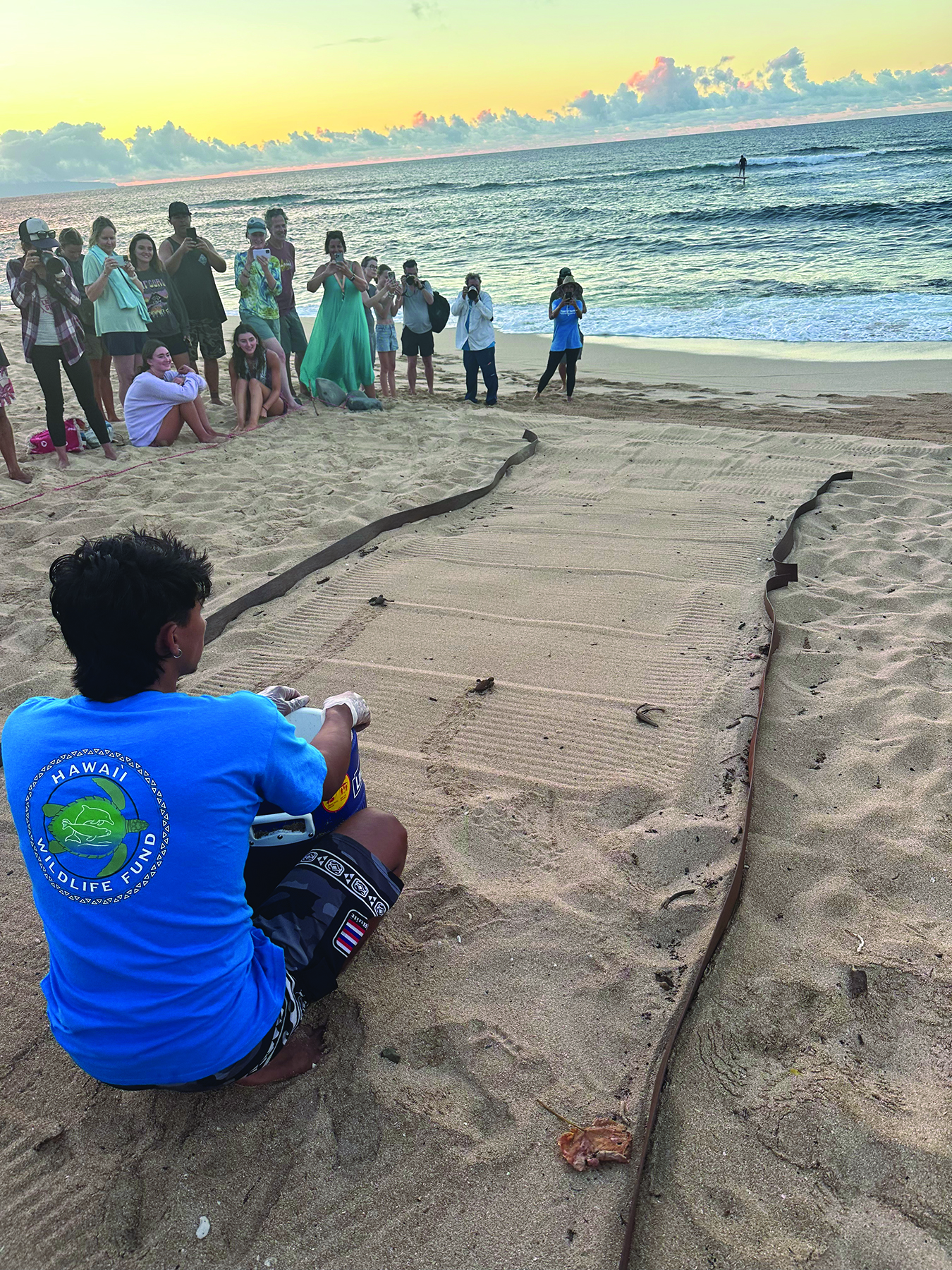
    Under the cover of a moonlit sky, a familiar hawksbill sea turtle, Orion, hauls herself up the beach with slow, powerful strokes. Now in her fifth nesting season, she begins meticulously carving into the sand, preparing a nest chamber to hold the next generation of hatchlings. One day, they too will repeat this prehistoric cycle.

    For nearly three decades, Hawai‘i Wildlife Fund (HWF) has been protecting nesting sea turtles, including the endangered hawksbill, helping to ensure the continuation of this cycle into an uncertain future. As a community-driven nonprofit organization, HWF is dedicated to the conservation of Hawai‘i’s coastal and marine species through research, education, marine debris removal and habitat restoration. On Maui, HWF leads several programs with a strong focus on safeguarding hatchlings and nesting sea turtles, including Dawn Patrol, Night Patrol and Nest Watch.

    Dawn Patrol staff and volunteers go out early looking for sea turtle tracks or an indication of a nest that has been laid. The Night Patrol looks for, guards and monitors nesting females. Nest Watch occurs day and night, watching over the nests to keep hatchlings safe from disturbance.

    However, the path to stronger sea turtle conservation on Maui has not been without its hardships. In 1993 and 1996, two hawksbill turtles searching for suitable nesting sites at Kealia Beach were tragically drawn off course by artificial lights from the nearby road. Both turtles, laden with eggs, were subsequently struck and killed by passing cars. Though heartbreaking and all too familiar, this incident marked a turning point for sea turtle conservation on Maui. In response, HWF and partnered agencies launched the Sea Turtle Recovery Project to address the many challenges sea turtles face through monitoring, researching, and the protection of nesting hawksbill and green turtles.

    Since then, with tireless support from our community, HWF has monitored 154 nests and protected 13,047 hatchlings as they made their way to the ocean. Each nesting season brings stories of resilience and survival, serving as a powerful reminder of the importance of this work. Nonetheless, every step forward is only possible through the dedication of our community. Every volunteer, from students to kūpuna, plays a vital role in our efforts. Join us in helping ensure that turtles like Orion—and even her hatchlings, who may now be finding their way back—continue to return and nest on the beaches of Maui for generations. Learn more or get involved on Maui via wildhawaii.org/get-involved/volunteer.


    HAWAI‘I WILDLIFE FUND (nonprofit)
    PO Box 790637, Paia, HI 96779
    719-332-0218 | alex@wildhawaii.org
    wildhawaii.org

    Under the cover of a moonlit sky, a familiar hawksbill sea turtle, Orion, hauls herself up the beach with slow, powerful strokes. Now in her fifth nesting season, she begins meticulously carving into the sand, preparing a nest chamber to hold the next generation of hatchlings. One day, they too will repeat this prehistoric cycle.…

  • Akamai Seniors: a Nonprofit for Seniors

    I’m honored to share the heart of Akamai Seniors, a nonprofit 501(c)(3) organization dedicated to serving Hawai‘i’s older adults. Our mission is simple: to help you find peace of mind and live healthy, productive lives, ensuring you get more out of life while spreading the aloha spirit in the communities we serve.

    We’re educators and a community outreach resource focusing on vital areas. Billions in benefits often go unclaimed because applications are complex. We step in to help. Our team provides crucial Medicare education, assisting with enrollment and ensuring you utilize the plan that best fits your needs. We also specialize in the Low-Income Subsidy (Extra Help) program. Half of all seniors qualify for this program that significantly lowers prescription drug costs and covers premiums.

    Beyond finances, we champion your overall well-being. Our Senior Wellness Program offers education on everything from fall prevention, nutrition and Alzheimer’s disease to combating social isolation. We also empower you with financial education, covering wills and trusts, Social Security and protection against scams.

    Akamai Seniors is your resource for aging and healthy living. We love our seniors and are always striving to best serve your needs. We believe every kupuna deserves to thrive!


    AKAMAI SENIORS (nonprofit)
    1311 Kapiolani Blvd., Ste. 508, Honolulu, HI 96814
    808-460-4940 | edward@akamaiseniors.org
    Akamaiseniors.org

    I’m honored to share the heart of Akamai Seniors, a nonprofit 501(c)(3) organization dedicated to serving Hawai‘i’s older adults. Our mission is simple: to help you find peace of mind and live healthy, productive lives, ensuring you get more out of life while spreading the aloha spirit in the communities we serve. We’re educators and…

  • From Keiki to Kūpuna

    Since 2019, Aloha Diaper Bank has supported Hawai‘i’s families by providing diapers and baby essentials to those in need. While our primary mission is keeping keiki healthy, we also gratefully accept donations of adult diapers, which are shared with kūpuna at our Windward Mall location and distributed to neighbor islands where the need is great.

    Kūpuna are more than recipients—they are an essential part of our organization. Many volunteer their time to wrap and inventory diapers and assist families visiting our site. Their involvement keeps them active, provides meaningful engagement, and allows them to share wisdom and experiences.

    Many kūpuna also care for their mo‘opuna (grandchildren), and we are honored to support them in that role. From keiki to kūpuna, every diaper donation impacts generations.

    We also host kūpuna-centered activities that foster connection and joy. Weekly hanafuda card games and monthly ‘ukulele classes with Joe Ahuna bring people together, encourage social interaction and celebrate lifelong learning.

    Together, we thrive when every generation is cared for with aloha.


    ALOHA DIAPER BANK (nonprofit)
    46-056 Kamehameha Hwy., Ste. 111, Kaneohe, HI 96744
    808-762-0364 | alohadiaperbank.org

    Since 2019, Aloha Diaper Bank has supported Hawai‘i’s families by providing diapers and baby essentials to those in need. While our primary mission is keeping keiki healthy, we also gratefully accept donations of adult diapers, which are shared with kūpuna at our Windward Mall location and distributed to neighbor islands where the need is great.…

  • Prepare for the Journey: As Memory Fades

    If you or a loved one has started to have memory loss, you may ask, “What will happen in the future? What can I do now to prepare?”

    SHARE may be right for you!

    Support, Health, Activities, Resources, Education (SHARE) is an evidence-based program that can help you or your loved one’s care team plan for the future by helping the team better understand the disease process, opening up communication channels, and providing resources that acknowledge individual values and preferences.

    The care team will include an individual at early stage of dementia or memory loss who is able to participate in discussion about their values, preferences and goals for the future. The other member of the care team is a care partner—often a spouse/significant other, adult child, or good friend—someone who is committed to being present with the person at an early stage as they progress on their life journey.

    A certified coach meets with the two-person care team in five sessions. The coach is a trained neutral party who will encourage communication and shares tips, skills and resources. A planning guidebook provided to the care team will serve as a tool to record plans for their future together.

    SHARE—and prepare—for the journey.


    CATHOLIC CHARITIES HAWAI‘I (nonprofit)
    1822 Keeaumoku St., Honolulu, HI 96822
    808-527-4777 | info@catholiccharitieshawaii.org
    catholiccharitieshawaii.org

    If you or a loved one has started to have memory loss, you may ask, “What will happen in the future? What can I do now to prepare?” SHARE may be right for you! Support, Health, Activities, Resources, Education (SHARE) is an evidence-based program that can help you or your loved one’s care team plan…

  • What is Your Gut Trying to Tell You?

    Your gut is often the first to signal when something’s not quite right. While occasional bloating or indigestion may be harmless, certain symptoms should never be ignored. Gastroenterologists flag warning signs that call for further evaluation:

    • Unintentional weight loss
    • Loss of appetite
    • Changes in bowel movements—narrower, more or less frequent, a different color or consistency
    • Blood in the stool—whether bright red, maroon, or black and tarry
    • Chronic or recurrent abdominal pain, especially if it disrupts sleep
    • Low blood counts (measured by your healthcare provider) fatigue or unexplained weakness

    These red flags help your doctor determine when urgent testing is needed, because these symptoms may be early indicators of serious conditions like colorectal cancer, inflammatory bowel disease or malabsorption disorders. And be aware that risk increases with age—especially after 50—or with a family history of GI cancers. But early detection saves lives. So if you have questions about your gut health, start by talking with your primary care provider, who may refer you to a specialist in gastroenterology. Trust your gut. Take action when it speaks.


    KUAKINI HEALTH SYSTEM
    347 N. Kuakini St., Honolulu, HI 96817
    kuakini.org

    Your gut is often the first to signal when something’s not quite right. While occasional bloating or indigestion may be harmless, certain symptoms should never be ignored. Gastroenterologists flag warning signs that call for further evaluation: These red flags help your doctor determine when urgent testing is needed, because these symptoms may be early indicators…

  • 10 Early Signs of Dementia

    Everybody forgets something now and then. As the brain ages, it’s normal to occasionally blank on a name, make a mistake with numbers or misplace your keys or phone. But with typical aging, we can usually recall it later and retrace our steps.

    However, dementia presents differently and it affects more than just memory. These brain changes cause ongoing problems with everyday tasks and represent a noticeable shift from how someone normally functions. It’s important to know the difference between normal lapses and more serious signs that could indicate dementia. Why pay attention to these early signs in yourself or those you love? Because when you know sooner, you can live better.

    By talking to your healthcare provider early, you can learn whether memory changes are due to dementia or another treatable condition. An early diagnosis makes all the difference. While there is no cure for dementia, finding out sooner gives you access to FDA-approved treatments and lifestyle strategies that can slow mental decline and improve quality of life.

    WARNING SIGNS TO WATCH FOR

    Here are 10 early signs that you or someone you love may be experiencing dementia:

    Memory loss that disrupts daily life. This includes asking the same questions repeatedly and depending on memory aids or family members for things previously handled independently.
    Challenges in planning or solving problems. This may involve trouble developing and following a plan or working with numbers.
    Difficulty completing familiar tasks. Examples include trouble driving to familiar locations or remembering the rules of favorite games.
    Confusion with time or place. This includes losing track of dates, seasons or forgetting where they are or how they got there.
    Difficulty with visual perception and spatial relationships. Beyond cataract-related vision changes, this may involve problems with balance, reading, judging distance and determining color and contrast.
    New problems with speaking or writing. Examples include trouble following conversations, stopping or getting lost mid-conversation, or repeating oneself. There may also be difficulty remembering words or using wrong words.
    Misplacing things and being unable to retrace steps. While normal occasionally, it’s concerning if this happens frequently and they can’t retrace their steps.
    Poor judgment and decision-making. This may involve increased poor judgment with money or personal grooming.
    Withdrawal from work or social activities. As they notice thinking changes or difficulty holding a conversation, they may withdraw from work, hobbies and socializing.
    Changes in mood and personality. Becoming confused, depressed, fearful or anxious, or getting easily upset in situations out of their comfort zone are other early warning signs.

    If you notice some of these signs in yourself or a loved one, don’t wait. Schedule an appointment with a healthcare provider for a proper evaluation. Take steps today to protect your brain health. Know sooner and live better.


    HAWAI‘I DEMENTIA INITIATIVE
    Executive Office on Aging, Hawai‘i State Dept. of Health
    250 South Hotel St., Ste. 406, Honolulu, HI 96813-2831
    DOH.Dementia@doh.hawaii.gov | hawaiidementia.org
    For local resources: 808-643-ADRC (808-643-2372)
    Alzheimer’s Association 24/7 Helpline: 1-800-272-3900

    Everybody forgets something now and then. As the brain ages, it’s normal to occasionally blank on a name, make a mistake with numbers or misplace your keys or phone. But with typical aging, we can usually recall it later and retrace our steps. However, dementia presents differently and it affects more than just memory. These…

  • Kūpuna: Don’t Let Cavities Go Untreated!

    It’s easy to think that cavities are something only kids need to worry about. But the truth is, kūpuna can still get cavities, even if they’ve had healthy teeth their whole lives. In fact, aging can bring new dental challenges that make cavities more likely, such as dry mouth from medications or gum recession.

    If left untreated, cavities can lead to pain, infections, difficulty eating and even tooth loss. These issues can affect overall health, nutrition and daily comfort. Oral health is closely tied to overall well-being, especially in our later years.

    The good news? Cavities are preventable with a few simple daily habits. Brush twice a day with fluoride toothpaste to remove plaque. Floss once a day to clean between the teeth where a brush can’t reach. And don’t forget to see your dentist regularly! Routine check-ups can help catch small problems before they become big ones.

    Taking care of your smile is an important part of staying healthy and living well. No matter your age, it’s never too late to give your teeth the care they deserve.


    HAWAII DENTAL SERVICE
    Kahala Howser Pimentel, Wellness & Events Manager
    808-529-9391
    Kahala.Pimentel@HawaiiDentalService.com
    HawaiiDentalService.com

    It’s easy to think that cavities are something only kids need to worry about. But the truth is, kūpuna can still get cavities, even if they’ve had healthy teeth their whole lives. In fact, aging can bring new dental challenges that make cavities more likely, such as dry mouth from medications or gum recession. If…