Category: Date

  • Getting Back on the Bike

    “I don’t remember how to ride a bike!” “I’m too scared to ride in Honolulu traffic!” “I don’t have a bicycle.” These are some of the reasons Hawai‘i seniors give for not riding a bike.

    The Hawaii Bicycling League (HBL) is here to help with the first two excuses. Honolulu-based HBL has recreational and educational programs for all ages. HBL’s Senior Cycling Program is back in action after a pandemic break. HBL is a great resource for seniors looking to get into biking for exercise and recreation. Activities for seniors include educational programs, fitness rides, group rides and even trike rides.

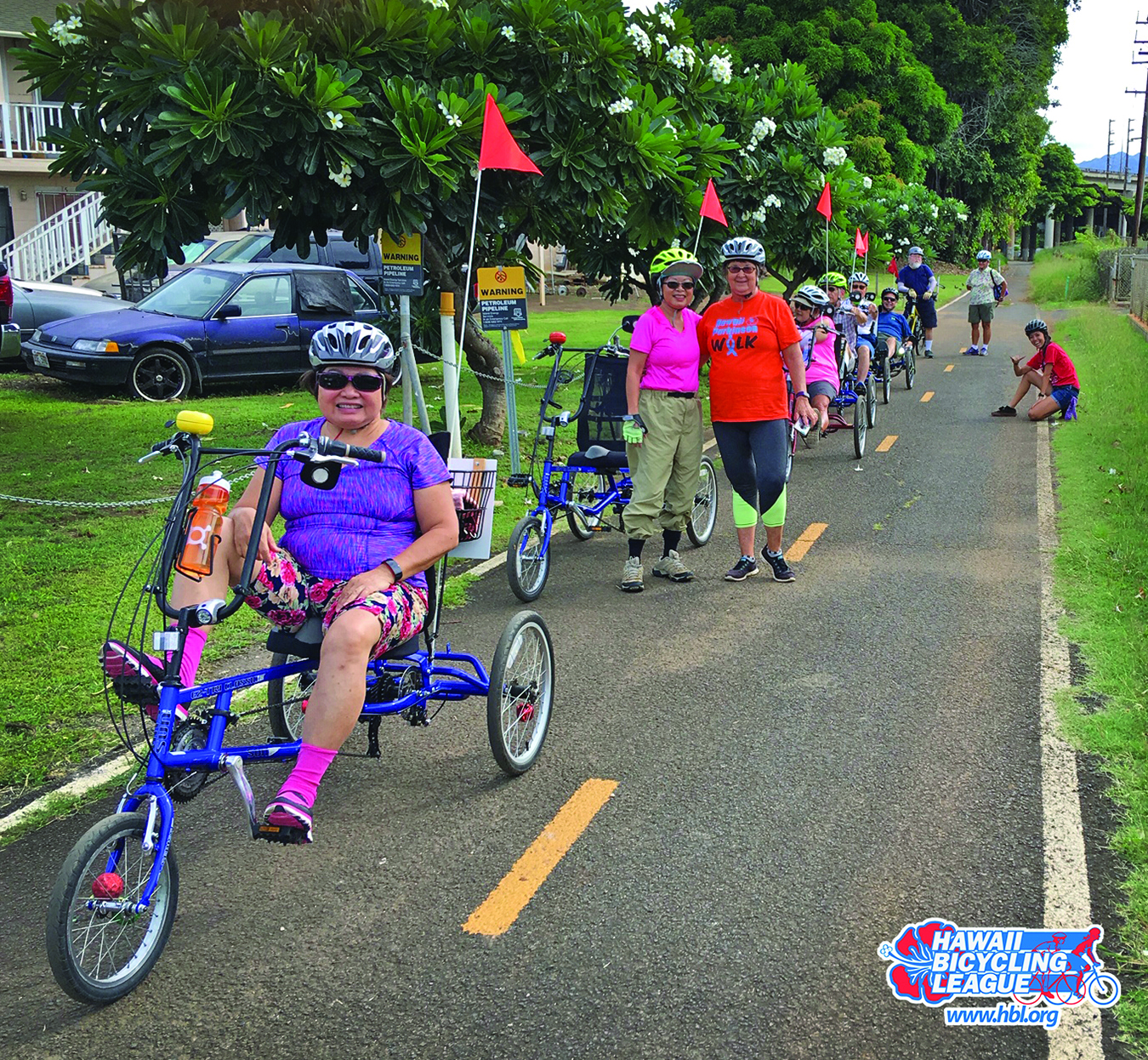
    The Hawaii Bicycling League’s Senior Cycling Program events on the Pearl Harbor Bike Path are extremely popular. PC: Roger Au
    The Hawaii Bicycling League’s Senior Cycling Program events on the Pearl Harbor Bike Path are extremely popular. PC: Roger Au

    For those who say they don’t remember how to ride, we say baloney! Scientists agree with the old expression, “just like riding a bike,” Once you learn to ride a bicycle, you never forget. According to Popular Science, cerebral coordination among several areas of the brain is so intense that the motions involved in cycling are never forgotten. It’s commonly referred to as “muscle memory.”

    For those who say they’re afraid to ride in urban traffic, HBL offers route planning, precautions and other tips for riding in Honolulu. HBL Adult Education Director Malia Harunaga says maps are available that show bike lanes and which streets are the best — and the worst — for bicyclists.

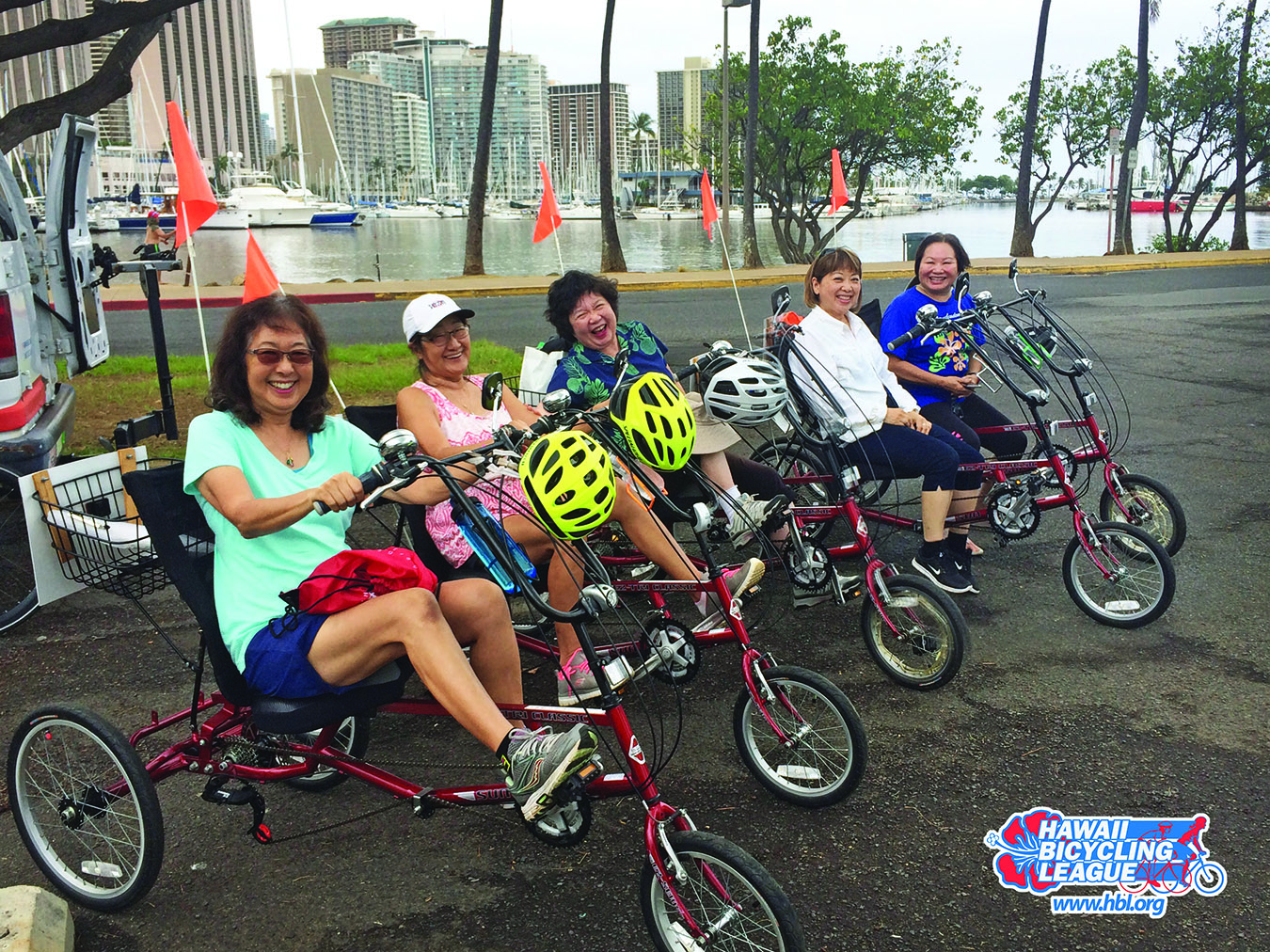
    Adult trikes make biking possible for people who don’t feel steady enough for a two-wheeler. HBL, through a grant from the City and County Honolulu, has purchased eight recumbent tricycles that are great for people with back problems or poor balance. Trike rides on the Pearl Harbor Bike Bath are scheduled throughout the year (visit www.hbl.org) and are broken down into rides of varying lengths and degrees of difficulty.

    If you don’t have a bike, O‘ahu’s Biki Bike bike-share program is a great alternative. HBL Executive Director Lori McCarney says she knows a man with Parkinson’s disease who started riding Biki Bikes. Now he says his Parkinson’s is much better and he’s able to do more things. For a Generations Magazine article about e-bikes, go to http://bit.ly/GM-E-Bikes.


    HAWAII BICYCLING LEAGUE
    O‘ahu: 808-735-5756 | www.hbl.org
    Kaua‘i: www.kauaipath.org | Maui: www.mauibike.org | Hawai‘i Island: www.pathhawaii.org

    “I don’t remember how to ride a bike!” “I’m too scared to ride in Honolulu traffic!” “I don’t have a bicycle.” These are some of the reasons Hawai‘i seniors give for not riding a bike. The Hawaii Bicycling League (HBL) is here to help with the first two excuses. Honolulu-based HBL has recreational and educational…

  • Splendors of Ikebana

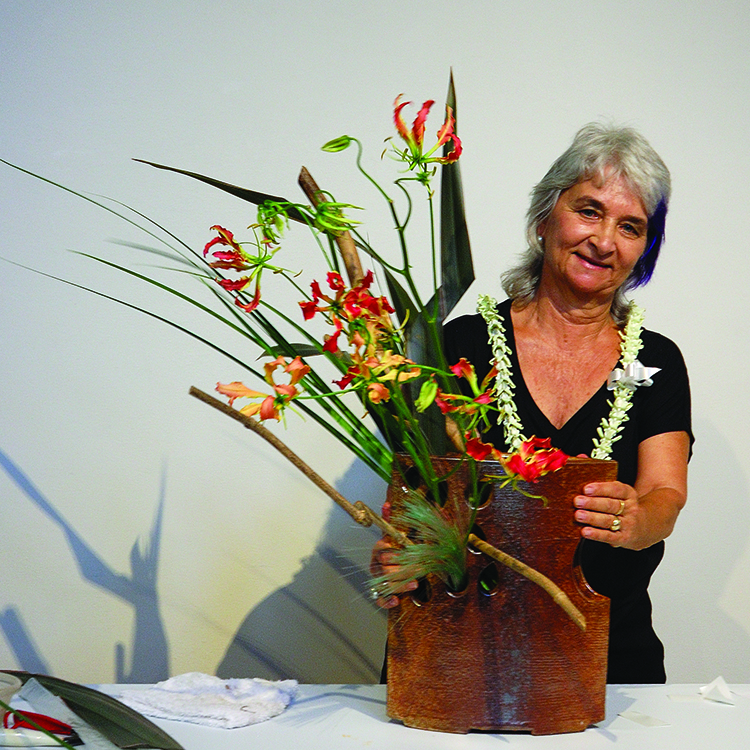
    Hanakago, woven flower baskets used for ikebana, is the theme of this year’s Splendors of Ikebana, hosted by Ikebana International Honolulu Chapter 56 on Oct. 15 and 16. This popular  event will be held at the Ala Moana Hotel Ilima Room.

    Throughout its 50-year history, Ikebana International Honolulu Chapter 56 has adhered to its motto of spreading “Friendship Through Flowers.” From its inception, Chapter 56 has shared a mutual love of ikebana, the Japanese art of flower arranging, and Japanese culture through community service, educational activities and by organizing public floral exhibits.

    This ancient art began over 600 years ago during the teaching of Buddhism. Originated by Buddhist  priests, ikebana was initially practiced and developed among the nobility and families of the shogun. With time, the art form began to spread among samurai warriors who created  arrangements prior to entering battle. Ikebana spread to people of various classes during the Edo period between 1600 and 1868.

    Aspects present in ikebana are minimalism and asymmetry. Today, ikebanists from more than 60 countries belong to Ikebana International, which  was founded in 1956 by Ellen Gordon Allen, a US general’s wife. Her desire was to unite and create worldwide friendship through flowers. Her friend, Pearl Jensen, founded Chapter 56 in 1961.

    It is unclear how hanakago came to be. Some say they were first used in tea ceremony with the prevailing aesthetic derived from chabana practice and the 14th century influence of Chinese baskets. A legend describes how a Japanese noble riding in the country stopped at a humble  farmhouse and asked for tea and a flower arrangement. The poor man took an ordinary basket, picked some wild flowers and placed it on the bare earth. It was simple, humble, yet beautiful.

    Over 30 hanakago will be on display. Stop by and enjoy this ancient art. Admission is free.


    IKEBANA INTERNATIONAL CHAPTER 56 (501(c) 3 nonprofit)
    PO Box 61306, Honolulu, HI 96839-1306
    information@ikebana-hawaii.org {Play}
    www.ikebana-hawaii.org
    www.facebook.com/ikebanainternationalhonolulu

    Hanakago, woven flower baskets used for ikebana, is the theme of this year’s Splendors of Ikebana, hosted by Ikebana International Honolulu Chapter 56 on Oct. 15 and 16. This popular  event will be held at the Ala Moana Hotel Ilima Room.

  • Wait — Don’t Die Yet! – A Practical Guide

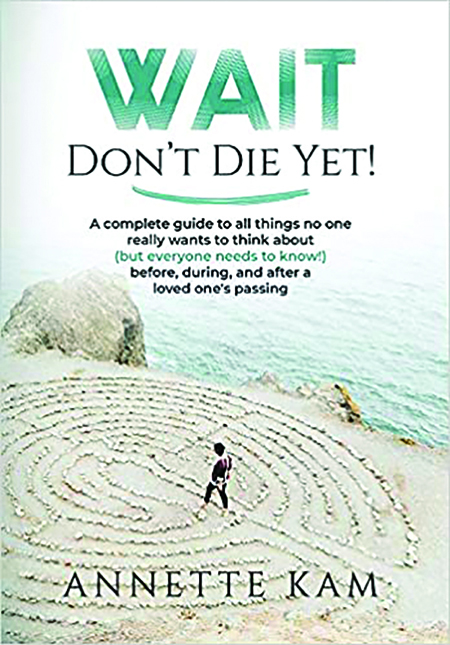
    Annette Kam’s free eBook is “a complete guide to all thing no one really wants to think about (but everyone needs to know!).” The guidebook was written last year, after the author endured a heart-wrenching ordeal.

    WAIT — Don’t Die Yet! is a step-by-step guide for adult children and spouses who are either  preparing for their own death or someone else’s. The guidebook covers the basics of getting affairs in order, while also teaching you about the mundane tasks necessary around the time of death.

    “A comprehensive tool that empowers rather than depresses you, this helpful approach allows you to deal with the practicalities of death while offering the hands-on guidance you need to make sure you have time to grieve,” says a review.

    In Part One, the three-part book reveals the author’s story as she dealt with unknowns regarding the passing of her beloved in-laws. Part Two shares lessons she learned along the way. Part Three is a comprehensive guidebook that includes not only basic requirements, but also all of the things that no one thinks about — all of the necessary tasks you need to complete before, during and after death.

    “There were over 110 things I wish I had known when I experienced it all and they are all incorporated in the guidebook,” says Annette.


    WAIT — DON’T DIE YET!
    buckwun@aol.com | www.annettekam.com

    Annette Kam’s free eBook is “a complete guide to all thing no one really wants to think about (but everyone needs to know!).” The guidebook was written last year, after the author endured a heart-wrenching ordeal. WAIT — Don’t Die Yet! is a step-by-step guide for adult children and spouses who are either  preparing for…

  • Five Proactive Conversations

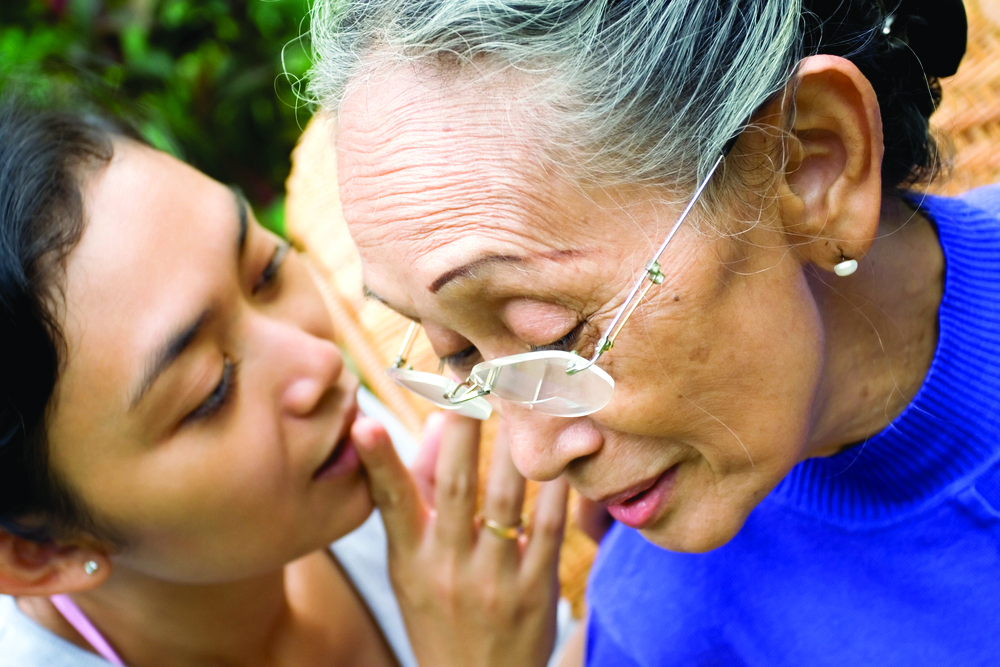
    photo of daughter whispering some serious issue to her old motherDad passed away many years ago. Mom is 79 and very active. She golfs, plays mahjong, exercises and, of course, plays with her grandkids. Although we’re grateful Mom is healthy, we’re also  concerned because she now lives all alone in the large house we grew up in.

    My siblings and I have noticed some changes in Mom. We were caught off guard during Sunday dinner, when she asked us, “Should I move? I don’t really feel safe living alone. Where would be the best place for me to live?”

    We all just looked at each other. We all agreed that Mom’s safety and needs are priority No. 1. But what was the best answer to her question?

    Here are five topics to consider when having a proactive conversation with loved ones about a potential move:

    • Physical Needs. Will my current home fit my needs for the remainder of my life? Do I have too many stairs to climb? What home renovations may be needed to accommodate all the stages of care I may require? Who is equipped and trained to help when advanced healthcare is needed? If my home isn’t the best place for me, what are my options? If it is determined that aging in place at home will not be possible, a move will be the next likely step. Senior living options include retirement communities, continuing-care retirement communities, assisted living facilities, senior co-housing communities, senior home-sharing, nursing homes or other facilities, depending on the level of care needed now or expected in the future.
    • Cognitive/Mental. Am I in an environment that will encourage my thirst for knowledge and continued growth? Will I be able to stay at home if my memory declines? Will I even be able to make my own decisions later in life? How can I plan now, in case I can’t later?
    • Emotional/Social. Will I be able to spend time with my friends and loved ones?
    • Financial. What options exist for the budget we have to work with?
    • Family Dynamics. How can I leave a legacy for my family?

    Consider your answers to these questions and then begin your research. Knowing your choices can help make the process much easier.


    THE COMPLETE SOLUTION™
    Powered by The Ihara Team of Keller Williams Honolulu RB-21303
    1347 Kapiolani Blvd., Ste. 300, Honolulu, HI 96814
    Dan Ihara (RA), CAPS, CLHMS, SRES RS-65892
    808-256-7873
    Julie Ihara (RA), SRES RS- 67440
    808-754-2225 | ihara@iharateam.com
    www.iharateamhawaii.kw.com

    Dad passed away many years ago. Mom is 79 and very active. She golfs, plays mahjong, exercises and, of course, plays with her grandkids. Although we’re grateful Mom is healthy, we’re also  concerned because she now lives all alone in the large house we grew up in.

  • Tried-and-True Coping Skills

    It is always difficult and  painful to loose a loved one, even as memories of them remain in our heart to comfort us. I’d like to share a few tried-and-true coping skills to help deal with a loss.

    It takes time, but a bereaved person will eventually process their grief, work through the sadness and adjust to a life without their loved one. It helps to allow yourself to experience the pain and other emotions and not let others tell you how you should feel. Whatever comes is where you should start…

    Patience is a virtue. Don’t suffer from stress caused by your expectations. Accept your current experience, pain and emotions without judging or being judged. Don’t compare yourself with others. We all mourn in our own way; at our own pace.

    Acknowledge your feelings — even the ones you don’t like. Cry if that’s how you feel.

    Ask others for the help you need. Get support from friends and/or professionals. Express you sadness; talk about your loss and your memories.

    Joining a bereavement group enables others to encourage, guide and comfort you. They can also offer practical advice and information, and help you feel less alone. Online groups are available.

    Try to maintain your routine and lifestyle. Avoid making life changes and major decisions. Limit stressors and maintain a sense of security.

    Give yourself a break from grief and take care of yourself. Relax through distractions — watch TV, have dinner with a friend, read a good book, enjoy your favorite music, take a hike or go to the beach. Enjoy life despite the sorrow. Eat well, exercise, sleep and nurture yourself. Get a massage to release your tension. Avoid excessive use of alcohol or other substances, which could harm your body, confuse your emotions and slow your recovery.

    Forgiveness is a blessing. Forgive yourself for all the things you wish you’d said or done differently. Forgive others, as well.

    Prepare, plan and honor. Be prepared for holidays, birthdays and anniversaries, when feelings of grief may return. Plan how you want to spend your time and with whom. Do something in honor of the memory of your loved one. Decide what traditions to keep or create new ones.

    Create. When you feel ready, do something creative. Write a letter to the person who passed and say everything you wish you could still tell them. Start keeping a journal. Make a scrapbook. Paint or draw. Plant flowers or trees. Involve yourself in a cause or
    activity that you and your loved one enjoyed doing.

    Your Generations Magazine family is always here to help our Hawai‘i ‘ohana feel supported.


    RICK TABOR
    GM Community Development Director
    808-285-5936 | Rick@Generations808.com

    It is always difficult and  painful to loose a loved one, even as memories of them remain in our heart to comfort us. I’d like to share a few tried-and-true coping skills to help deal with a loss.

  • Staying Safe When Using Social Media

    Social media is a great way for all of us to keep in touch with family and friends, and our kūpuna are no exception. The use of social media among senior citizens has been a growing trend. Almost 74 percent of all adults aged 50 and over use social media on a regular basis. They primarily use Facebook, followed by YouTube, Instagram and LinkedIn. Older Americans most often sign on to social networks on smartphones (55 percent), followed by computers (47 percent) and tablets (41 percent).

    However, social media presents some extra  risks for older people. Research has shown that seniors lose tens of billions of dollars each year due to financial scams, leaving almost a million seniors each year in financial hardship.

    They are targeted by scammers and identity thieves who know that the older generation tends to be polite and trusting, so they’re more likely to be conned by an urgent-sounding message or persuasive solicitation.

    Here are two important tips to consider in order to reduce your risk of being victimized:

    1) Who are you sharing your posts with?  Are they actual family members and friends? Remember, anyone can be impersonated online! Only accept friend requests from those you have actually met or who can be vouched for by someone you know who can verify their identity. Or you can contact them by phone to ask them if they sent you a friend request.

    Also, check your privacy settings to regulate who will be allowed to see a particular post. You may not want to share every post with all your friends and family.

    2) What are you sharing online? Is it a written post, a photo or a video? And what information is being shared? Obviously, you don’t want to post any sensitive financial information like bank account numbers, PIN numbers or passwords. Sharing home addresses and personal telephone numbers is also very risky. Also, refrain from mentioning the dates you be away on a trip. Burglars may take advantage of that information.

    Also, don’t post about recent financial gains, such as receiving a large dividend check from an investment or an annuity. The same applies for posting photos of the valuables in your home.

    There is a lot to think about to keep from being a victim when using social media. The key is not to overshare and to always consider who you are sharing that information with. This is just another occasion when too much can be bad for you.


    Contact me with questions about online security.
    Christopher Duque | aikea808@gmail.com

    Social media is a great way for all of us to keep in touch with family and friends, and our kūpuna are no exception. The use of social media among senior citizens has been a growing trend. However, social media presents some extra  risks for older people.

  • New Ways to Live & Work

    As we begin to put the harshest effects of COVID behind us, large numbers of us are developing ways to live and work that create positive outcomes from negative change.

    The emerging opportunities featured in this post are associated with fast-growing careers throughout Hawai‘i.

    The suggested options offer flexible pay for the good of community as well as benefits for your own health and wellness over your ever-longer lifetime expectancy. What do I mean by that? Well, as you know, Hawai‘i is the longest-living state in the US —  currently, our average is 82.5. And research suggests that by engaging in healthful habits, we might even add five or more years.

    Think… what could be better than health and wellness habits that improve the quality of day-today life and increase longevity? The following examples are food for thought and a call to action!

    Photo of an Asian senior woman practicing yoga at gardenYOGA. Yoga is much more than bending and stretching. It is a practice for body, mind and spirit. All ages can benefit — many an 80-year-old is actively engaging in the practice. A teaching credential is a matter of earning it. Learn more about credentialing by searching online for a school or studio near you.

    DIET AND NUTRITION. It has been a long haul for all of us who seek to overcome the effects of the COVID pandemic. Many of us are now promoting a good nutrient baseline on our road to the future. They are positively impacting food choices for themselves and their families. Have you noticed the nutritional changes in your local supermarket? Do you appreciate the connection between wellness and the foods that place a growing emphasis on eating phytonutrients? Might this be an area for you to explore both for your own physical and financial benefit as well as that of others? If so, visit www.hawaiibusiness.com/change-health-wellness-2.

    HEALTH COACHING. Search online for information on health and life coaching certification programs and services. Research and explore well-known organizations that offer coaching advice by their counselors. Call them up and ask them about the qualifications they seek.

    HEALTH & WELLNESS. Online job sites are a great source for exploring health and wellness opportunities. Startups abound. So, if you have a product or service to promote, study the winners in this emerging area. Its revenue growth over the past several years will astound you and might encourage you to start your own business or find a buyer for your unique offering.

    Ask yourself: “Am I creating the meaningful longer lifetime I deserve? Will some form of work in health and wellness help me achieve this goal?” These options can help you and help others while adding to your income and quality of life.


    NEW WORKFORCE HAWAII
    Carleen MacKay
    916-316-0143 | carleenmackayhi@gmail.com
    www.linkedin.com/in/carleenmackay

    As we begin to put the harshest effects of COVID behind us, large numbers of us are developing ways to live and work that create positive outcomes from negative change. The emerging opportunities featured in this post are associated with fast-growing careers throughout Hawai‘i.

  • Gerontological Society Virtual Conference

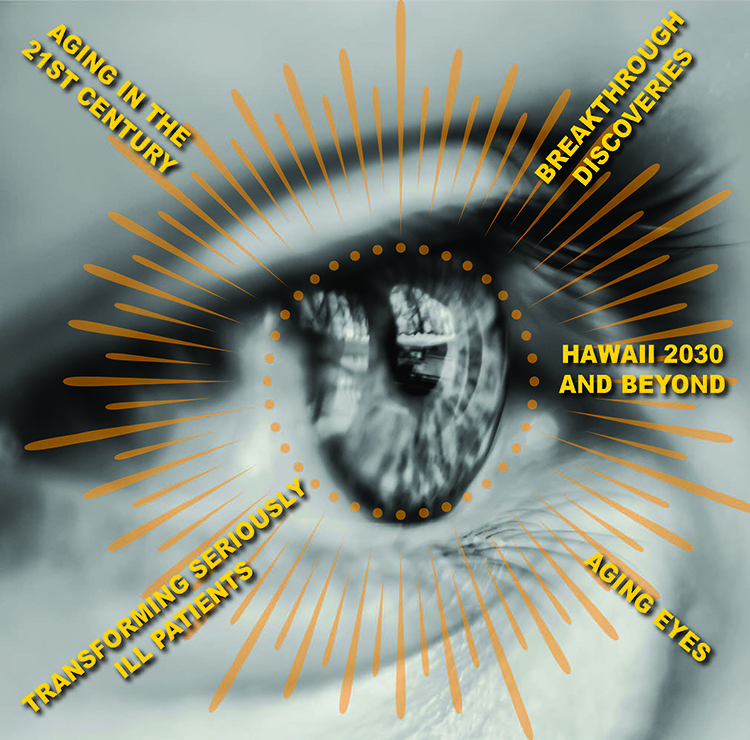
    The Hawaii Pacific Gerontological Society (HPGS) will present its biennial conference, Foresight 2021 and Beyond, on Sept. 15 and 16, 2021.

    HPGS is a nonprofit  organization created in 1979 and dedicated to improving the quality of life of Hawai‘i’s older adults. HPGS’  virtual conference is intended for elder care practitioners in the health and human service fields; business, government agencies, nonprofits and faith-based organization serving older adults; researchers, students of gerontology, advocates for seniors and seniors interested in continuing their education. A few of the 14 topics that will be featured this year include: breakthrough discoveries on aging, changes in the field of gerontology, aging in the 21st century, the promise and potential of the boomer generation, transforming care for seriously ill patients, care of aging eyes and new innovations and the economic implications of population aging.

    In addition, seven Na Lima Kokua awardees along with two recipients of the Tony Lenzer scholarship will be recognized. The registration fee is nominal. Generations Magazine readers will receive the regular rate through Aug. 31. Register at www.hpgs.org.


    HAWAII PACIFIC GERONTOLOGICAL SOCIETY
    (501(c) 3 nonprofit)
    P.O. Box 3714, Honolulu, HI 96812
    Sherry Goya, HPGS Executive Director
    808-722-8487 | sgoyallc@aol.com
    www.hpgs.org

    The Hawaii Pacific  Gerontological Society (HPGS) will present its biennial conference, Foresight 2021 and Beyond, on Sept. 15 and 16.

  • 10-Digit Dialing Starts in October

    Starting this October, you’ll have to dial “808” with all phone numbers you call in Hawai‘i. It seems easy, right? But the change could lead to complications.

    Starting Oct. 24, 2021, all calls — including those on the same island — must be dialed using 10 digits or the call will not go through.

    The Federal Communications Commission (FCC) is making the change so that emergency calls made to the National Suicide Prevention Center and the Mental Health Crisis Lifeline can be made by simply calling “988.” That particular prefix is common in Hawai‘i, therefore, if local calls do not start with “808,” the caller could get one of those crisis lines by mistake. (Any 211, 311, 411, 511, 611 or 811 services available in your community can still be reached by dialing its three-digit code.)

    Complications may arise because many automated dialing systems, burglar alarm monitors, speed dialers, mobile phone contacts, fax machines, security gates and other equipment may not currently be set up for 10-digit dialing.

    Phone numbers listed on printed materials, websites, business cards and stationery should also include “808.”

    Hawaiian Telcom urges business and residential customers to check their equipment and make changes as necessary. Visit http://bit.ly/Dial808 to get complete details and information.

    Starting this October, you’ll have to dial “808” with all phone numbers you call in Hawai‘i. It seems easy, right? But the change could lead to complications. Starting Oct. 24, 2021, all calls — including those on the same island — must be dialed using 10 digits or the call will not go through.

  • MDX Lends a Hand to OurKupuna.com

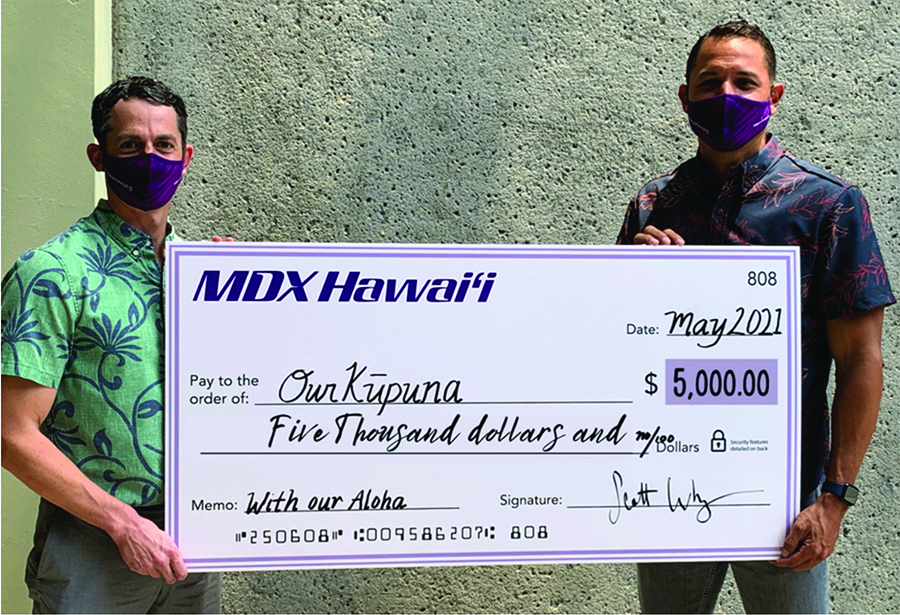
    In April, MDX Hawai‘i lent a hand to a nonprofit known for lending many hands to kūpuna in need.

    OurKupuna.com connects volunteer sponsors who are free of COVID-19 with members of the community who are in need.  Sponsors pick up and deliver groceries, medication and necessary supplies, and also run various errands.

    To date,  OurKupuna.com has helped nearly 450 individuals. The $5,000 donation from MDX Hawai‘i staff and matching funds from the company helped support 125 individuals in need.

    “The support we have received through the philanthropic efforts of MDX Hawai‘i and their employees is just heart-warming,” says Executive Director Gabe Amey. “This generous gift enables us to further our mission to provide Hawai‘i’s elders with food security and access to essentials.”

    “Supporting programs like OurKupuna.com allows MDX Hawai‘i to help kūpuna from a different perspective,” said MDX Hawai’i Market President Scott Whiting. “We’re proud to present this gift to OurKupuna.com and to be a part of this amazing effort.” Visit www.MDXHawaii.com.

    OurKupuna.com is a Hawai‘i-based nonprofit that started in March 2020 in response to the global pandemic and its impact on the state’s seniors. In the face of this adversity, the group envisioned a Hawai‘i where all kūpuna have food security and access to essentials. Through grants and donations, the organization has made great strides in…

  • Hawai‘i Honors Its Senior Volunteers

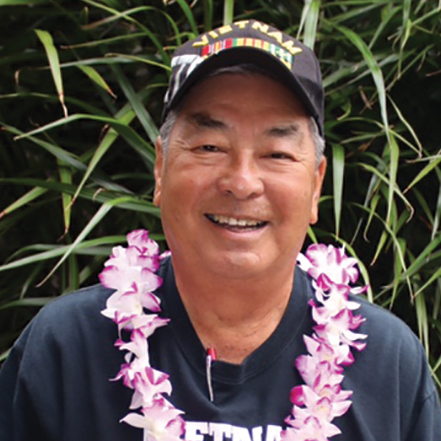
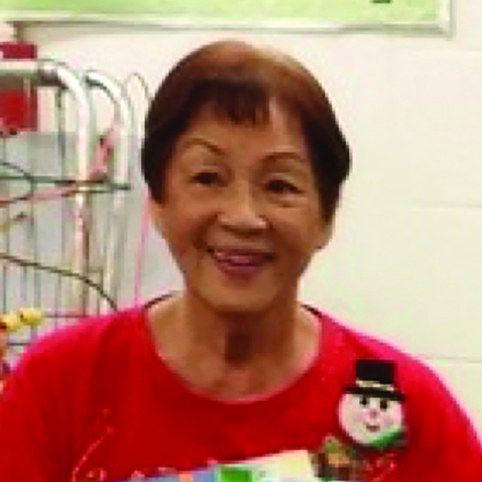
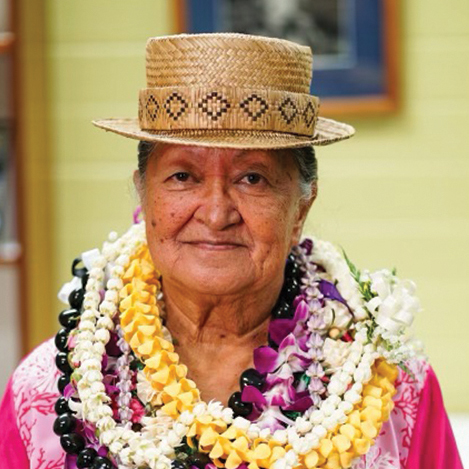
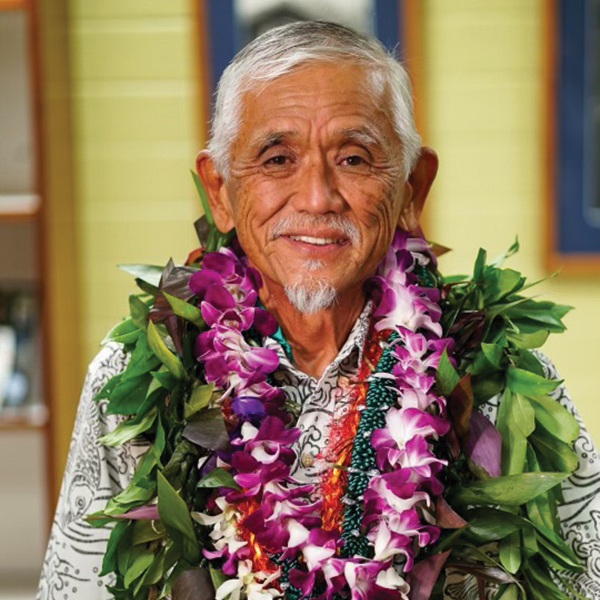
    Every May during National Older Americans Month, Hawai‘i’s four county Area Agencies on Aging recognize seniors from each county for their volunteer accomplishments. This year’s national theme was Communities of Strength. Each county received nominations from the public for Outstanding Older Americans. A man and a woman were chosen from each county.

     Rep. Gregg Takayama introduced the honorees from each county.

    Kaua‘i County:

    Dimples Kano has great passion for raising up leaders, and for helping the houseless and food insecure, as evidenced by her 50-year involvement with the Zonta Club of Kauai, 45 years with the Kauai United Way and as a lifetime member of the Kauai Salvation Army.


    Russell Maeda has served as treasurer of the Kauai Veterans Council and as chairman of the Kauai Veterans Day Parade. He has also held several positions the Kaua‘i Association of the United Church of Christ and the Lihue Christian Church.


    City & County of Honolulu:

    Rose Leong has been a volunteer with Ohana100, The Daniel Kahikina Akaka Family Foundation. She enjoys reading to the youngsters, who call her “Aunty Rose.” Retired from a career with the Hawai‘i Department of Education, she sees how reading stories makes learning fun.


    Nash Keel helps the vulnerable population and does all he can to prevent their exploitation, mistreatment and/or abuse through the Office on Aging. He volunteers with the Hawaii Long-Term Care Ombudsman Program, making weekly visits to a nearby nursing home where he serves as a resident advocate.


    Maui County:

    Mary Trotto has been an integral leader at Hale Kau Kau at St. Theresa Church for over 20 years. Every month she puts in at least 180 hours volunteering to help feed over 150 individuals per night, 365 days a year. She also helps prepare and deliver meals. She is a South Maui Volunteers member, tracking homeless issues and advising Maui County. She also helps monitor safety as a member of the Kalama Park Action Team.


    Bob Carroll was nominated for the time, talent and wisdom he has contributed to his community, Maui County and through the state. In his hometown of Hāna, he helps represent the needs of residents and preserve the town’s history. Bob has also served as a volunteer community consultant. As a person with disability, Bob advocates for others, as well. He continues to tirelessly work with Hana residents as voice of the community.


    Hawai‘i County:

    Annie Ka‘aukai has been a key volunteer at the Pāhoa Nutrition Congregate program, helping to serve meals, work in the kitchen and distribu {Play}te food. She has served as president for the past three years. She is also an RSVP volunteer, assisting with fundraising, and library and mediation work. She has logged over 4,578 hours of volunteer service, with not a sign of stopping.


    Wayne Kawachi’s superpower is the ability to see a community need and find a way to meet it. He is a founding board member and has served as president of Ka‘ū Kakou for 10 years so far. As a retired commercial fisherman, he has donated thousands of pounds of fresh fish that he caught himself to local seniors. His positive attitude and can-do spirit make him a great community leader.


    A recorded video of the ceremony can be found at http://bit.ly/OlderAmericansHawaii.

    Every May during National Older Americans Month, Hawai‘i’s four county Area Agencies on Aging recognize seniors from each county for their volunteer accomplishments. This year’s national theme was Communities of Strength. Each county received nominations from the public for Outstanding Older Americans. A man and a woman were chosen from each county.

  • Reasons, Steps, Benefits: Preparing for the Future With a Smart and Sound Estate Plan

    AN INTERVIEW WITH STEPHEN B. YIM, ATTORNEY AT LAW

    Can you tell us why you chose estate planning
    as a career?

    Facing one’s mortality is like staring into the sun — we don’t want to do either for very long. There is no cure for mortality, but we can do the next best thing by providing peace of mind in a stressful time. Estate planning provides that peace of mind to those with the foresight to create this important document. They know they can rest in peace when they die, because their loved ones are going to be provided for and their path into their future will be smoother. It’s just one less thing to worry about in this confusing  world.

    What is an estate planner’s mission?

    The mission of an estate planner is to clearly document the intentions of the creator of the plan in anticipation of a time when they can no longer speak for themselves. The primary goal is to reduce or avoid conflicts, confusion and cost.

    How is estate planning accomplished?

    I do not view estate planning as simply making a bunch of legal documents, crossing our fingers and hoping that everything works out, and then sending clients on their way. I view estate planning as process-oriented, client-centered and value-driven, as opposed to procedure-oriented, document-centered and worth-driven.

    There is great risk in not engaging in this process. Statistics reveal that about 35 percent of us ever do estate planning and 70 percent of those who do, result in plan failure. Failure means the plan did not go as intended. Of the 70 percent, 3 percent failed because of probate and paying too much tax. The inappropriate receipt of assets makes up the remaining 97 percent of failures. Examples of this type of failure would be minor beneficiaries indicated as recipients, causing court custodianship, or worse, monies ending up with an ex-spouse of a deceased child who share these minor children; spendthrift children receiving and misspending their inheritance in a matter of months; or disabled beneficiaries receiving and losing governmental benefits. Other examples of failure include beneficiaries who fought over the family home, losing their inheritance to lawyers; or beneficiaries losing their  inheritance to creditors, predators and ex-spouses.

    Can you discuss the estate planning process?

    The first step for an estate planning attorney is to find out as much as possible about the person seeking to create an estate plan. The person should complete a questionnaire and state what he or she owns, and how much the assets are worth. The  questionnaire should also include answers about family members. The questionnaire should address not just quantitative issues, but quality-of-life and relationship issues. The questions should clarify the person’s story, revealing the nuances of their lives, so the estate planning attorney can really see where they are coming from, consequently, assisting in setting up a plan that suits his or her specific needs.

    Once the plan is signed, a funding recommendation spreadsheet should be prepared, with suggested beneficiary and ownership of assets based on certain facto {Play}rs, including the person’s intentions, convenience, probate avoidance, tax minimization estate/gift, capital gains and income tax, liability protection and relationships.

    This detailed spreadsheet serves two purposes. First, it allows the estate planner to work with his or her client to properly fund the estate plan. Secondly, if the client passed away, the Trustee would have information immediately rather than spending the next couple years looking for information.

    These traditional estate planning documents are the cornerstones that capture and define one’s intentions. But these documents alone cannot relay one’s intention. There are four additional documents that can help complete the estate planning process. (1)  A Will provides a place to tell your life experiences and values — our “roots and wings.” (2) A Personal Property Memorandum provides a place where you can pass on your story, as well as the items of personal property — “our hearts are not accountants.” (3) An Advance Care Plan relays what quality of life means to you at end of your life. (4) An Operating Manual for Children provides a place for parents to express their wishes for their children. It will be used by the Trustee or Guardian.

    This cycle of estate planning concludes with a family meeting. The family is gathered together and the plan is explained, based on the person’s intentions and expectations — not just with regard to assets, but with regard to person’s end-of-life choices.

    This messy and risky conversation can prove to be very challenging, but it is well worth the effort. If you think it is difficult to relay intention while you are living, imagine how difficult it would be when you are gone.

    The cycle begins all over again with a period review. Depending on the person’s situation, they may be advised to meet once a year, every three years, every five years, or sooner, if their situation significantly changes. As accommodators of change, estate planners strive to keep their clients’ plans as current as possible.

    How do I find an estate planning attorney?

    Finding the attorney who is right for you is crucial to a successful plan. Consider the following: Referral. The best way to attain a suitable estate planning attorney is by referral — ask friends, family or co-workers about their experiences with their estate planner.

    Experience. Look for someone with at least 10 years of experience in estate planning or someone who works with an experienced estate planner. Seasoned trust-and-estate lawyers can help navigate even the most complicated situations.

    Full-Time. Work only with an attorney who practices estate planning on a full-time basis.

    Staff. Check whether or not your attorney has sufficient staff to help you when you need it.

    Successor. Establish a long-term professional relationship with your attorney. Look for an attorney who is grooming associates to take over.

    When determining a Trustee or Guardian, what should you consider?

    Whether appointing an agent under a Power of Attorney, a Guardian of children or a Trustee, consider these five questions:
    (1) Do you trust this person?
    (2) Is this person willing?
    (3) Is this person able?
    (4) Is this person available?
    (5) Is the person married to or involved with who will support this person in helping you?

    Facing one’s mortality is like staring into the sun — we don’t want to do either for very long. There is no cure for mortality, but we can do the next best thing by providing peace of mind in a stressful time. Estate planning provides that peace of mind to those with the foresight to…