Category: Date

  • Humility Meets Compassion

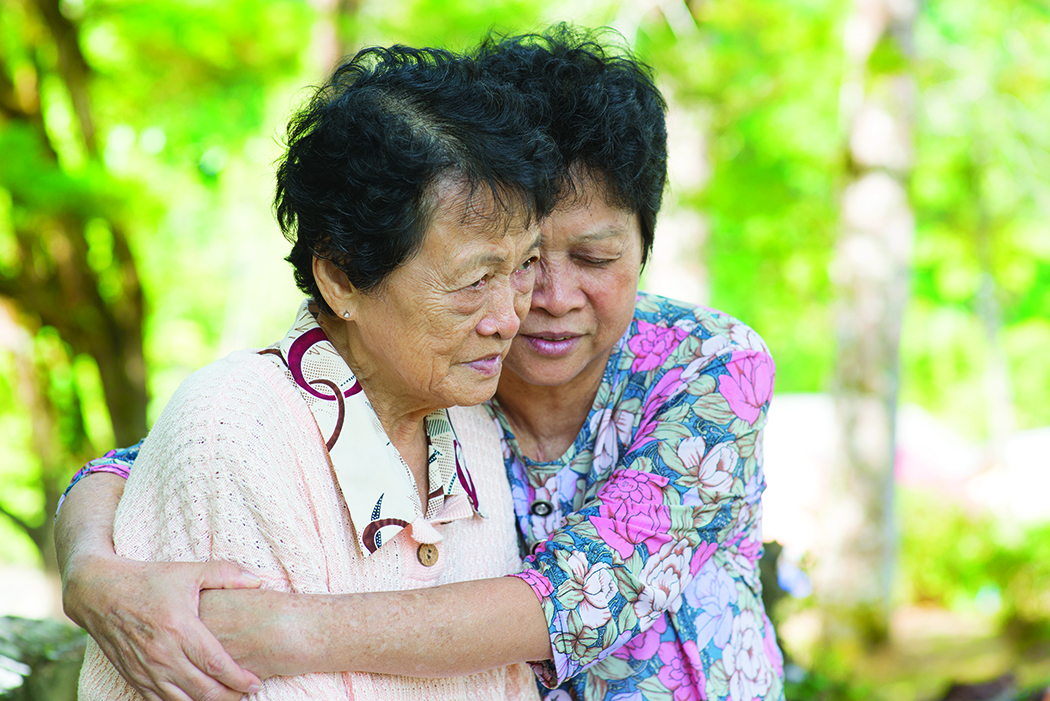
    Twenty years ago, I was hired as the assisted living director for a Jewish community, where I learned about their culture, faith and life experiences. Some of the residents I cared for were Holocaust survivors and I listened to their stories.

    One survivor, who I will call “LL,” lost his mother and sister during this horrific time in history. He showed me a photo of his mother and sister, as well as the number tattooed on his forearm that served as a constant reminder.

    Although he went on to become successful in his career, he continued to miss his family tremendously throughout his entire life.

    To this day, I cherish the story and memory of LL that has humbled me forever. I learned a lesson about empathy the day he told me his story. I’ll never forget the emotion in his eyes and I’ll never forget all the special residents of this community who touched my heart.

    LL also shared a lesson with me that I feel is much-needed now. Despite the trauma he and his family experienced, he emphasized that we are still all one — we are more alike than we are different. In each of our lives, we will experience our own journey of strength and forgiveness. And during our journey, we must remember to value the gift of life!


    ROSELANI PLACE (501(c) 3 nonprofit)
    88 South Papa Ave., Kahului, Maui, HI 96732
    808-871-7720 | Toll Free: 800-554-9853
    info@roselaniplace.com | www.roselaniplace.com

    Twenty years ago, I was hired as the assisted living director for a Jewish community, where I learned about their culture, faith and life experiences. Some of the residents I cared for were Holocaust survivors and I listened to their stories. One survivor, who I will call “LL,” lost his mother and sister during this…

  • Create a Safe Home Care Environment

    When planning for the in-home care of  their kupuna, family caregivers may have difficulty looking at the home environment and adapting it to provide proper care. For example, a room layout that worked well when the loved one was mobile may not be ideal when circumstances change and bed-bound care is required. Back injuries, sprains and  preventable falls can have significant consequences that can adversely affect quality-of-life. Here are some tips to ensure the care environment is safe:

    ■ Choose the right location in the home to provide care. A carpeted bedroom with space limitations will make transfers to and from bed harder if medical equipment with wheels needs to be used. Consider an alternate room with hard flooring surfaces (wood or tile).

    ■ Consider bed options. Options include a normal bed and a range of hospital beds. A hospital bed offers distinct advantages for care for bedbound individuals. Height adjustments will make transfers in and out of bed easier. The head and foot of the bed can be raised with the press of a button for comfort and to assist in repositioning. (Tip: Hospital beds come in both full electric and semi-electric styles. Unless variable height adjustment is not a main requirement, a full electric bed is strongly recommended.)

    ■ Consider bed location. Locate the bed so that there is good access from all sides when bedbound care is required. Often, larger furniture such as beds are placed alongside walls. However, this makes changing linens and providing care more challenging because of the restricted access. Headboards that are flush against a wall will make it hard for bedbound family members to be moved up in bed and increase the chances of caregivers developing back issues. (Tip: A folded top sheet placed underneath the individual can then be used as a “draw sheet” to reposition them by pulling on the sheet.)

    ■ Install grab bars. Install grab bars in bathrooms and other places where a secure handhold is required. Suction-style grab-bars should be avoided due to the risk of the handle detaching from the surface without warning. If bars are installed onto a tile surface, make sure there is a supporting stud behind the wall to secure the bar. Do not attach the bar just to the tiles themselves.

    ■ Assess bathroom accessibility. Is there enough {Play} space in the bathroom to safely assist with toileting and bathing? If not, a commode and/or bed baths should be considered.

    ■ Organize care supplies. A cluttered environment makes providing care harder and more time consuming. By storing all care supplies in such a way that they are easy to reach when needed will also allow for better inventory monitoring.

    ■ Post clear instructions and to-do lists. When different family members rotate to provide care for an individual, a whiteboard and erasable markers placed on the wall will allow family caregivers to make notes on the daily routine, medication and other important reminders.

    By taking into consideration the above points, families can create a care environment for loved ones that optimizes their quality of living and minimizes their risk of injury. Sometimes the changes required will seem strange at first (moving a family member’s bed to another room, for example), but the advantages this yields from a care perspective will quickly become apparent and the care of your loved one will become easier for all.


    ATTENTION PLUS CARE HOME HEALTHCARE
    Accredited by The Joint Commission
    1580 Makaloa St., Ste. 1060, Honolulu, HI 96814
    808-739-2811 | www.attentionplus.com
    AGING IN HAWAII EDUCATIONAL OUTREACH PROGRAM
    by Attention Plus Care — a program providing resources for seniors and their families, covering different aging topics each month. For class information and upcoming topics, call 808-440-9356.

    When planning for the in-home care of  their kupuna, family caregivers may have difficulty looking at the home environment and adapting it to provide proper care. For example, a room layout that worked well when the loved one was mobile may not be ideal when circumstances change and bed-bound care is required. Back injuries, sprains…

  • Common Misconceptions About Hospice

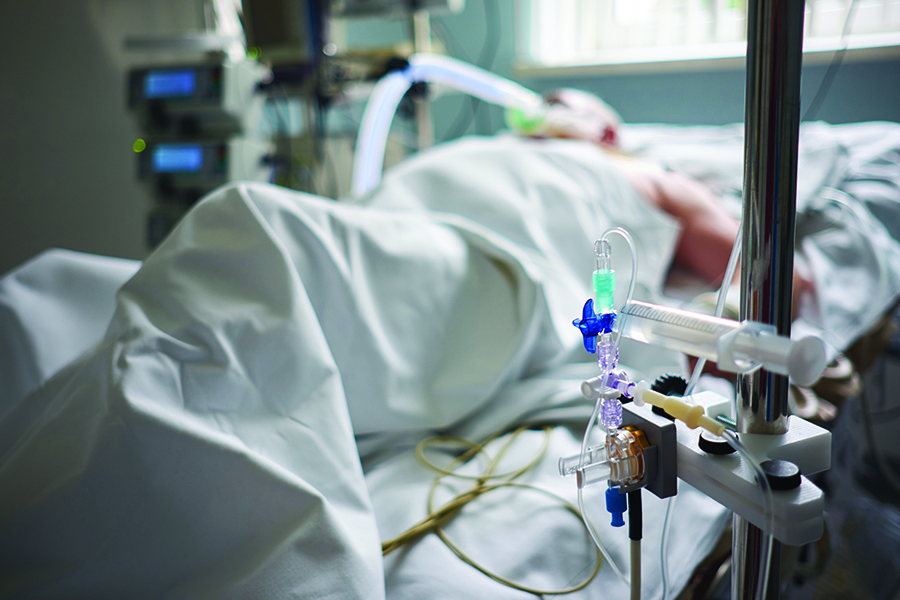
    Despite hospice care’s increasing popularity, there are still widely held misconceptions regarding end-of-life care. This article by members of the Society of Certified Senior Advisors (www.csa.us) seeks to dispel many myths about hospice care and to present accurate information on this growing segment of our healthcare system. By doing so, it is hoped that hospice benefits will be accessed more widely.

    MYTH: Hospice care is appropriate only in the last few days of the life of a terminally ill.

    A common misconception is that hospice care is a comfort measure only in the last few days of life of a terminally ill patient. The hospice benefit is actually for patients who have a terminal illness with a life expectancy of six months or less. Hospice care helps people with life-limiting illnesses to live their final months in comfort and with dignity. Two physicians — the attending physician and the hospice physician — must certify the primary terminal illness, as well as agree that  following the natural course of the illness, the patient’s life expectancy is six months or less. Patients are eligible for hospice care after this physician certification. If at this time, a person is not yet ready to proceed with hospice care, a hospice referral can be placed at a later time. Given that no one can accurately predict the time of death for a terminally ill patient, the hospice benefit allows patients to remain in the program as long as they continue to meet the criteria.

    When deciding on whether or not to proceed with hospice care, it is important for the patient and family to have a conversation with their medical team regarding goals of their care. Also, patients and families need to know what medical care is available to them, as well as the risks and benefits associated with that care. For example, if there is a curative treatment option the patient is interested in trying, then the goal of care would not be in line with the hospice/palliative care approach. Discussion related to goals of care can assist patients and their families in naming what is important to them, both medically and in relation to their quality of life at that time.
    MYTH: Mostly cancer patients go into hospice.

    The Centers for Medicare and Medicaid Services has reported relatively fewer cancer patients and relatively more non-cancer patients as a percentage of total hospice patients. In 2006, non-Alzheimer’s dementia became the most common diagnosis among Medicare hospice patients. Alzheimer’s disease accounts for 70 percent of dementia cases. Over half of all those who live past 85 develop some form of dementia. Over five million Americans are currently living with Alzheimer’s disease, and by 2050, that number will rise to 13.5 million. At the final phase of the dementia patient’s life, hospice care provides timely and compassionate support for the patient and family.

    MYTH: Hospice care shortens lifespan.

    How could we experience dying — our own and that of our loved ones — with less anxiety and and with greater openness, and peace of mind? Research suggests that hospice holds a key. There is evidence that care aimed at comfort and quality of life actually extends life rather than shortens it, and enables a more comfortable death, as well.

    MYTH: Having early family conversations about end-of-life care is “giving up” on living.

    Often, patients and families feel like they are giving up when deciding to enroll into hospice care. It’s true that the highest percentage of hospice patients, 27.9 percent, are on hospice care for only seven days or less. But hospice admission  criteria reveal that the benefit is intended to provide care for much longer than a few days — up to six months. Patients and family members indicate that they would like to receive information about hospice care soon after the terminal diagnosis. Learning about the hospice philosophy and the services provided can be beneficial for patients and families while they decide how to proceed with their medical care after a terminal diagnosis. With an early hospice consultation, along with early discussion on end-of-life care, families can take advantage of benefits of hospice care more fully, enjoying a much better quality of time together during the patient’s remaining time.

    MYTH: Pain medication will make patients overly sedated and addicted to opioids.

    Up to 80 percent of people will experience some sort of pain during the dying process. But patients seem apprehensive about pain management and medication use at the end of life.

    Patients and their families often fear addiction and side effects such as over-sedation. However, if a patient is in severe pain, opioid-based pain medications are the gold standard treatment.

    Opioids relieve both pain and shortness of breath. The morphine dose can be slowly increased for comfort, and often, patients are able to self-administer the drug in amounts that fit their individual pain or breathing needs.

    Patients and their families may also delay the use of opioids out of fear that use of pain medication indicates that death is imminent. This is not true. Opioids can be increased, as tolerated, to manage pain. Dose adjustment, and appropriate monitoring and management of adverse reactions continue for all patients who use any sort of opioid in order to ensure patient safety.

    MYTH: Hospice must provide the patient food and fluids until the moment of death.

    At the end of life, hunger tends to be absent. When people can no longer eat or drink independently, body systems are shutting down; they have become unable to use the calories in food. Family understandably may be concerned that if the  patient is not being fed, he or she is being starved to death. But when people become too weak to swallow, they will cough or choke on what they try to eat or drink. This can lead to fluids and food entering the lungs, and possible infection. Providing food and fluids at this point usually requires a feeding tube placed surgically through a hole in the abdomen to the stomach. So it is critical for patients to appoint a healthcare decision-maker and discuss their preferences regarding artificial nutrition and hydration.

    MYTH: Hospice care is an expensive burden.

    Misunderstood aspects of hospice care include payment and the services covered under the hospice care benefit.

    Medicare is the primary source of payment for the hospice benefit. If a patient is on a Medicare Advantage plan, it reverts to original Medicare for payment of hospice care. In order to utilize payment by Medicare for the hospice benefit, patients must be eligible for Medicare Part A, choose a Medicare-certified hospice agency, and have a terminal illness with a life expectancy of six months or less as certified by two physicians. The Medicare benefit then covers hospice services at a 100 percent per diem rate. Hospice can take place in a private home, nursing home, assisted living or residential hospice home. Medicare is not the only payment source for the hospice benefit. Many private insurance companies cover it, as well.

    Important Conversations

    As a patient approaches death, treatments intended to cure a disease may no longer serve his or her goals or best interest. The decision to stop, withhold or forgo curative treatments to focus on comfort measures and quality of life is difficult for all involved. So it is vital to have detailed conversations with your healthcare decision-maker before these choices become imminent.

    The hospice benefit allows patients to die peacefully, but more importantly, to live their life according to their own goals. Education and discussions among family members can provide clarity regarding end-of-life and hospice care, preparing loved ones to make informed decisions.

    Will your loved ones know what you value at the end of your life? Talk to them today.


    This edited article is shared courtesy of the
    SOCIETY OF CERTIFIED SENIOR ADVISORS®
    800-653-1785 | Society@csa.us
    www.csa.us

    Despite hospice care’s increasing popularity, there are still widely held misconceptions regarding end-of-life care. This article by members of the Society of Certified Senior Advisors (www.csa.us) seeks to dispel many myths about hospice care and to present accurate information on this growing segment of our healthcare system. By doing so, it is hoped that hospice…

  • How to Make the Most of Your Doctor Visits

    General practitioner and her aged patient talking about heart diseasesMost people visit the doctor only  a few times a year, so it’s important to get the most out of each appointment. The more information you share, the better your doctor can take care of you.

    Bring a List to Your Appointment

    Before you go to the doctor, make a list of the questions. When you’re not feeling your best, write down your symptoms. Talking with your doctor can help pinpoint and address potential issues, enabling you to get better quickly.

    Write Down the Answers

    Take notes. Doctors are accustomed to discussing complex medical topics and simplifying them for easier understanding by their patients. Don’t be shy. Ask questions for better understanding.

    Follow Through

    Keep the notes from the doctor’s visit and follow through. Write down the changes you see during treatment so your doctor can see what’s working the next time you talk.

    Your doctor’s goal is to provide you with the care you deserve at every visit. You are a key component of your wellness, so it is important that you and your doctor work as a team to achieve your optimal health.


    MDX HAWAI‘I
    A statewide network of physicians, specialists, hospitals and ancillary providers (Humana HMO, Humana PPO, and AARP/UnitedHealthcare PPO Medicare Advantage Plans).
    500 Ala Moana Blvd., Ste. 2200, Honolulu, HI 96813-4993
    808-522-7500 | www.MDXHawaii.com

    Most people visit the doctor only  a few times a year, so it’s important to get the most out of each appointment. The more information you share, the better your doctor can take care of you.

  • Model Good Oral Health Habits for Keiki

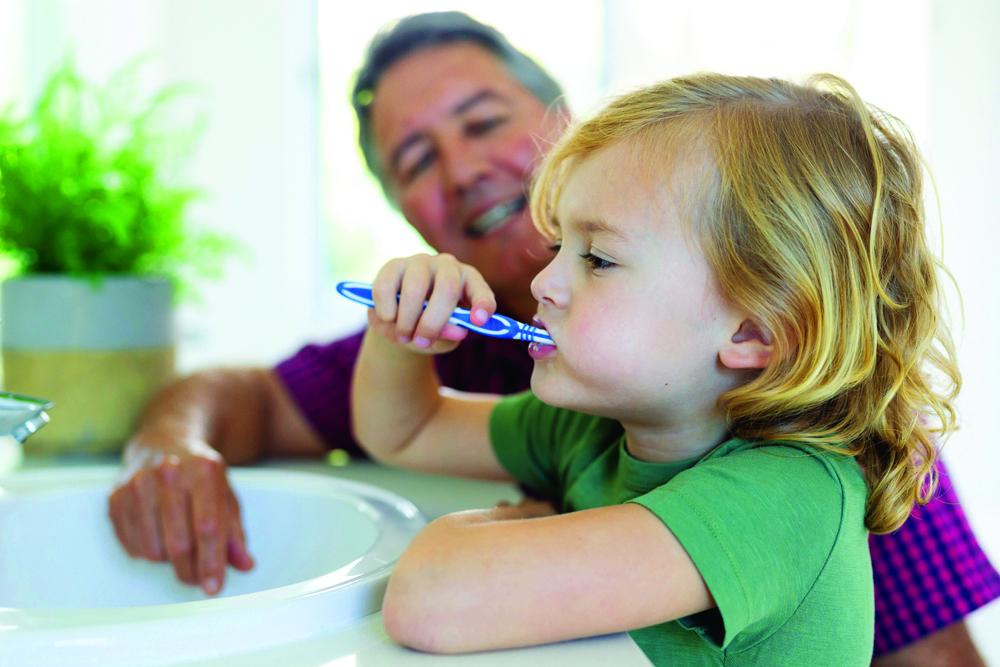
    Smiling grandfather in bathroom kneeling beside grandson brushing teeth. staying at home in isolation during quarantine lockdown.Hawai‘i’s sandwich generation is confronted with both unique challenges and great opportunities as baby boomers care for their elderly parents, while also supporting their adult children and grandchildren. Multi-generational homes are very  common in Hawai‘i.

    Interdependence can strengthen families and provide valuable intergenerational opportunities to meet each other’s needs. February, which is National Children’s Oral Health Month, is the perfect time to put this into practice.

    Hawai‘i’s children have the highest prevalence of tooth decay in the nation. Tooth decay can affect their overall health and well-being, including their ability to concentrate in school. But grandparents can help their grandchildren and great-grandchildren maintain their oral health from an early age by showing — by example — the importance of properly brushing and flossing, and visiting a dentist on a regular basis for checkups. Children need to know a visit to the dentist is not scary!

    Millennial adult children can also share their knowledge about oral healthcare with their grandparents who may have diabetes or are taking medications that may make their mouth feel dry and affect their gums.

    Visit our website for more oral health tips.


    HAWAII DENTAL SERVICE (501(c) 4 nonprofit)
    Kahala Howser, Wellness & Events Manager
    808-521-1431 | khowser@hawaiidentalservice.com
    www.HawaiiDentalService.com

    Hawai‘i’s sandwich generation is confronted with both unique challenges and great opportunities as baby boomers care for their elderly parents, while also supporting their adult children and grandchildren. Multi-generational homes are very  common in Hawai‘i.

  • Massage: Good for the Body & Soul

    A common misconception is that massage is a luxury. Massage is becoming recognized as complementary medicine, along with other modalities, such as chiropractic care and acupuncture. An increasing amount of research is being conducted that demonstrates the scientific and medical benefits of massage.

    The most common types of massage are Swedish/ relaxation massage, lymphatic massage and reflexology. Seniors can benefit from them all.

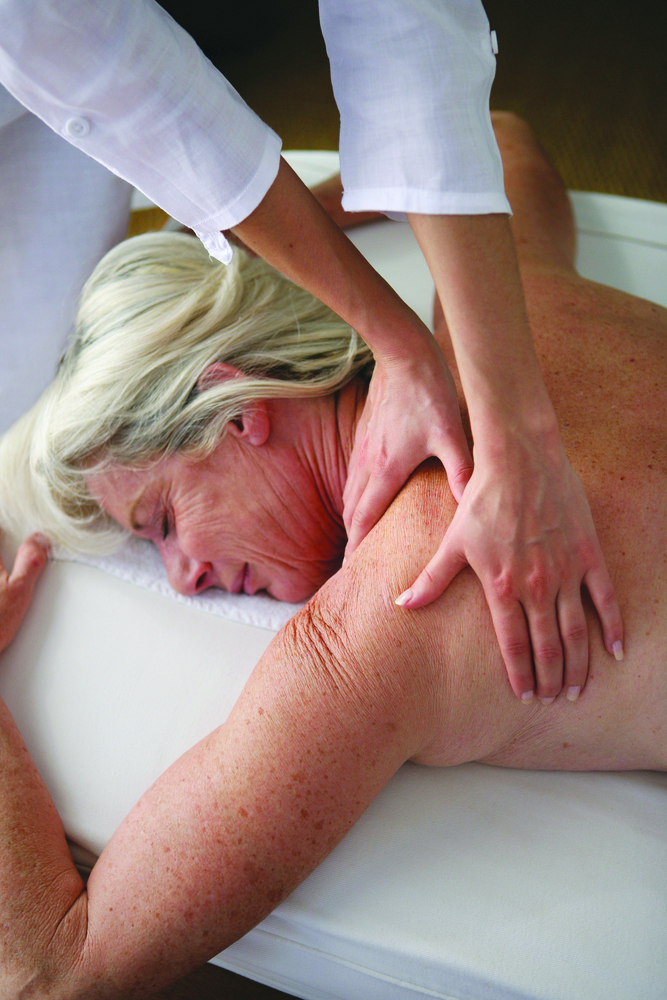
    Senior woman having a massageSWEDISH/RELAXATION MASSAGE increases circulation and eases tension. As we age, our circulation may become less efficient due to inactivity. Poor circulation may lead to muscle cramps, pain and more. Think of Swedish massage as passive exercise, where the massage therapist is doing all the work for you! Another benefit of this type of massage is that it helps seniors retain muscle tone. As we age, we naturally lose muscle mass and strength. Massage helps maintain balance, which helps decrease the risk of falling. Maintaining muscle tone also increases an overall sense of well-being and vitality.

    LYMPHATIC MASSAGE is a very gentle massage that increases lymphatic system function. Our lymphatic and circulatory systems work together to function as our immune system. The lymph system may become stagnant due to lack of physical activity. One of the most common symptoms of a poorly functioning lymphatic system is swelling, also called “edema.”  Lymphatic massage aids the lymphatic system by helping to move the fluid that causes that swelling. Lymphatic massage benefits include better circulation and reduced swelling in the legs and ankles.

    REFLEXOLOGY focuses on the the feet, hands and ears. Traditional Chinese medicine tells us there are pressure points on your feet, hands and ears that correspond to other body parts. If you look straight down at your feet, you will see a reflection of your entire body. The outside of your pinky toes correlates with your shoulders and the inside of your feet with your spine. Reflexology can be relaxing and reduce pain. Reflexology also helps reduce joint pain and stiffness, improves joint mobility and function, and last but not least, promotes relaxation.

    Taking care of a loved one or your grandchildren may take a toll on your body. Maybe you have previous injuries or various health conditions that cause aches and pains in your body and may lead to arthritis. If you don’t address these issues, they may just get worse. Invest in a body tune-up — talk to your massage therapist about the type of massage that may benefit you the most.


    REJUVENATE WITH ARLENE
    92-695 Makakilo Dr., Kapolei, HI 96707
    808-888-8169 | arlene@rejuvenatewitharlene.com

    A common misconception is that massage is a luxury. Massage is becoming recognized as complementary medicine, along with other modalities, such as chiropractic care and acupuncture. An increasing amount of research is being conducted that demonstrates the scientific and medical benefits of massage.

  • How Will I Know When It’s Time to Move?

    As we age, we’re faced with the dilemma of where and how we will live during the next phase of our lives. One of the most frequently asked questions is, “How do I know when it’s time to move?” Here are some questions that may help you to self-discover when it’s right for you:

    Too many stairs? Do you feel that the stairs have become too difficult/dangerous to navigate?
    Is your home too large? Do you need all that space now that the kids are out on their own?
    Are you living alone and concerned about security? Do you feel safe in your own home or would feel better living with others?
    Is your home/yard too much work? Have housework — and especially yardwork — become too difficult to keep up with?
    Are you too tired to cook and clean? Do you have the energy or desire?
    Would you like to make your own decisions about your next move? Or are you going to burden your loved ones with this important decision?

    If you answered “yes” to even one of these questions, it may be time to start looking at the options available to you. It’s never too early to start planning for your future.


    THE COMPLETE SOLUTION™
    Powered by The Ihara Team of Keller Williams Honolulu RB-21303
    1347 Kapiolani Blvd., Ste. 300, Honolulu, HI 96814
    Dan Ihara (RA), CAPS, CLHMS, SRES RS-65892
    808-256-7873
    Julie Ihara (RA), SRES RS- 67440
    808-754-2225 | ihara@iharateam.com
    www.iharateamhawaii.kw.com

    As we age, we’re faced with the dilemma of where and how we will live during the next phase of our lives. One of the most frequently asked questions is, “How do I know when it’s time to move?” Here are some questions that may help you to self-discover when it’s right for you…

  • New Year, New Goals for Mind & Body

    Happy New Year! The beginning of the year often means a fresh start and new goals for many aspects of our lives. Today, we’ll focus on our health and fitness, and the mind-body connection that can contribute to a healthier new you.

    Exercise is one of the best gifts we can give our bodies. It helps keep bones and muscles strong and joints flexible.  exercise reduces the risk of certain ailments, lowers the chance of falling, improves incontinence and increases energy levels.

    Remember to check with your doctor and keep  him or her informed about any changes to your movement routines, or if you’re starting a new exercise program.

    ■ Before and after exercise. Begin with deep breaths, shoulder rolls and gentle stretches. After your workout, cool down with a slower walk and more stretches. Stay hydrated; drink lots of water.
    ■ Enjoy the outdoors. Exercise can be any type of movement, such as walking or dancing the hula. Go for a swim. Work in the garden. Take the stairs instead of the elevator. Join friends for yoga or tai chi. Even if you’re vaccinated for COVID-19, practice safe social distancing in public, and wear a mask or face covering as directed.
    ■ Lifestyle coaching. A personal coach can take an active role in your health and help create a plan for reaching your goals. You can also ask friends and family to check in with you on your health goals, and send messages of encouragement to keep you motivated.
    ■ Step it up. Check out everybodywalk.org to start a walking program. Share an audiobook or podcast with your walking partner and chat about the latest story developments during rest breaks.
    ■ Emotional well-being. There are digital apps, such as myStrength (www.mystrength.com) and Calm (www.calm.com), to help your emotional well-being and resilience. MyStrength offers a personalized program that helps improve your mindfulness and change behaviors. Calm is a top app for meditation and sleep to help lower stress and reduce anxiety.
    ■ Recognize signs of depression. Know when to get help. Grief, stress, abuse, physical challenges, pain and loneliness can trigger depression. If you’re concerned about your mind and mood, talk to a behavioral health expert to help you adjust to changing life circumstances and improve your outlook.


    KAISER FOUNDATION HEALTH PLAN, INC.
    711 Kapiolani Blvd., Honolulu, HI 96813
    808-432-5915 (TTY 711) | www.kp.org
    Other healthcare links:
    www.kp.org/selfcare
    www.kp.org/seniorhealth
    This article contains health and wellness or prevention information.

    Happy New Year! The beginning of the year often means a fresh start and new goals for many aspects of our lives. Today, we’ll focus on our health and fitness, and the mind-body connection that can contribute to a healthier new you.

  • Our Spiritual Home

    photo of Rev. Christopher Bridges with parishioners Edean Iwanaga and Lorraine Yap
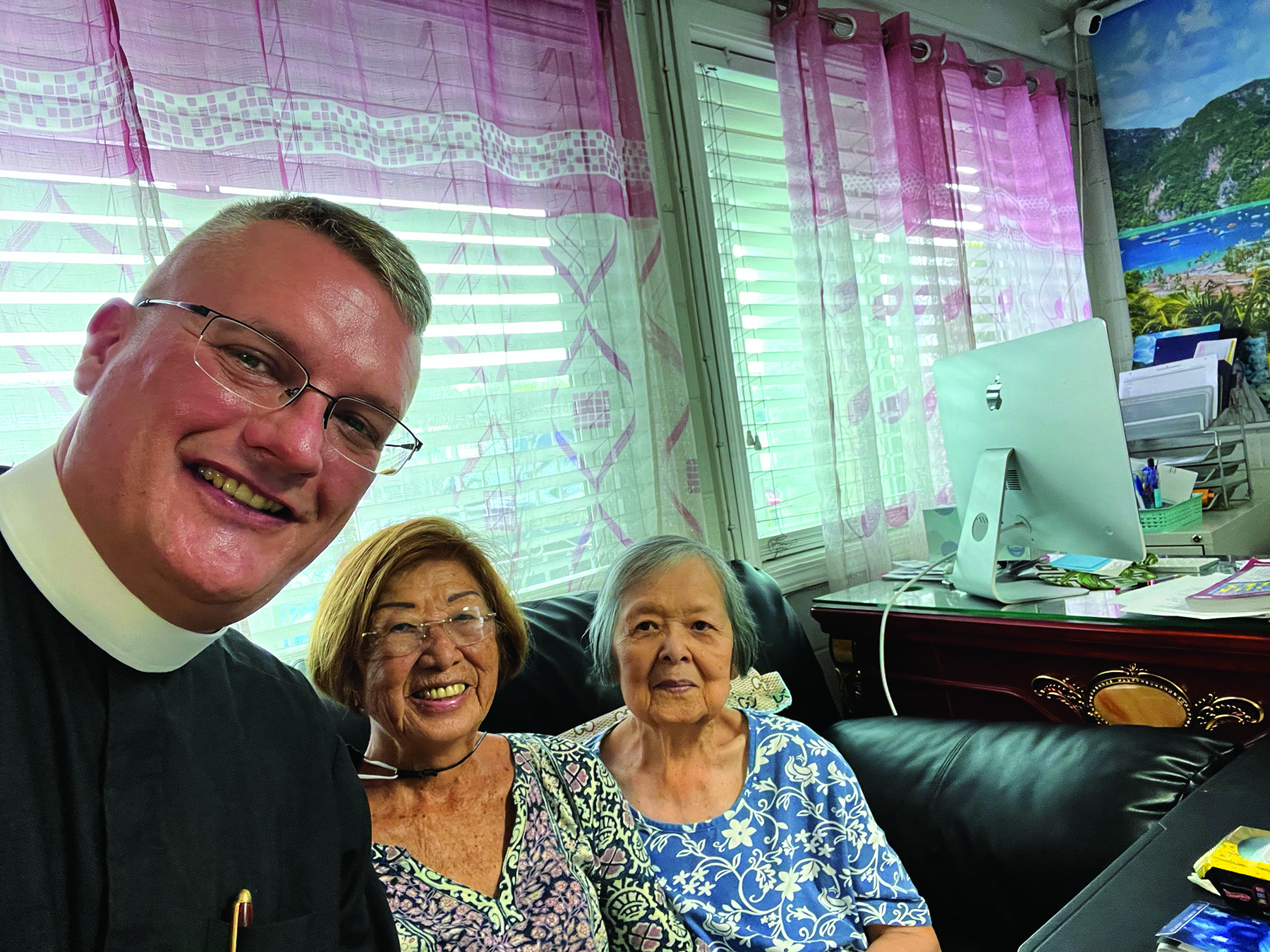
    (L–R) Rev. Christopher Bridges with parishioners Edean Iwanaga and Lorraine Yap

    During the height of the COVID-19 pandemic, members of Epiphany Episcopal Church in Kaimuki served as a testament to faith and dedication as they continued to attend services in person — when we were allowed to do so. It renewed me as a minister each and every Sunday.

    Even before the vaccine became available, some members of the congregation who were more vulnerable due to age or illness attended church — despite the risks. They simply put on their masks, safely sat six feet apart, washed their hands, then folded them to worship God together, following the guidance of the Centers for Disease Control and Prevention.

    Now that the vaccine is widely available, all the members of the church have demonstrated their love for their community by getting vaccinated,  protecting themselves while helping the islands combat the virus.

    Many studies indicate that religious practices substantially contribute to physical and mental health. All I have to do is look at my members who are in the 70-to-90-year-old age range who have been coming to church regularly. One of our members who lived to be 103 years old came to worship nearly every Sunday. Some of our elder members have attended since they were children.

    Many of those who have gone on to be with Jesus in Heaven lived full lives as elders. They knew that coming to a place of worship — going to a sacred place to worship and committing to something beyond themselves — builds a bridge into their personal lives. Worshiping God in fellowship with other members of the congregation and sharing the ups and downs of life helps give them the ability to deal with the stress in their daily lives. I have been a witness to countless stories that back up this observation.

    These grey-haired elders are an example of what St. Paul the Apostle called “mature faith — understanding the wisdom of God.” They rediscovered a secret that many have forgotten: Having faith and being a part of a sacred place of worship is important to well-being.

    “I exhort the elders among you to tend the flock of God,” St. Peter  said. So to all the elders out there, keep tending the flock at your church. The Bible says, when elders gather, God’s wisdom becomes known. So I would like more elders to gather with me at Epiphany to share that wisdom. But churches are not just a gathering place for the senior citizens. Ultimately, the connection with God is strengthened through church attendance by people of all ages.

    During the height of the COVID-19 pandemic, members of Epiphany Episcopal Church in Kaimuki served as a testament to faith and dedication as they continued to attend services in person — when we were allowed to do so. It renewed me as a minister each and every Sunday.

  • Living in Harmony With Nature

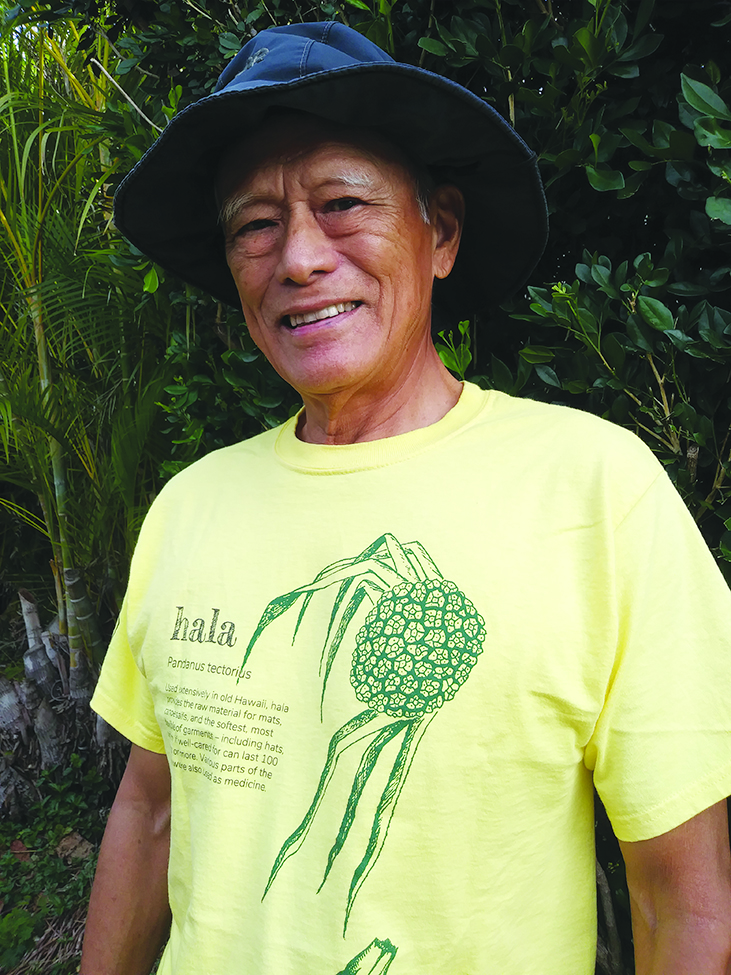
    Lot Lau is putting his lifelong love of trees to good use. At age 81, he is a member of a Citizen Forester group whose efforts are aimed at helping to save the planet — one tree at a time.

    “When I was young, I thought of trees only for climbing to get the fruit,” he recounts. “I preferred the Samoan palm variety. They bear coconuts much lower to the ground and are tall, stately, durable and strong. They sway gently in the breeze like a hula dancer. They give of themselves to benefit others.”

    The Citizen Forester (CF) program works through the Smart Trees Pacific (www.smarttreespacific.org) nonprofit, offering community members of all ages information about the benefits of trees in our urban forests. CFs learn how to identify common species and how to collect measurements and assessments for a software application that reveals the ecological services of our trees. After completing training, CF teams inventory the trees in our public parks and streets.

    There are more than 300 trained volunteers on O‘ahu and Kaua‘i. One group takes care of 74 trees along a quarter-mile stretch of a walking path at Diamond Head State Park. CFs like Lot care for the tree wells in Kaimuki.

    “As a Citizen Forester, I am able to do more to reduce my carbon footprint,” says Lot. “I’m contributing to the effort to increase the canopy of trees in Kaimuki, to help make Kaimuki look greener, feel cooler, and capture carbon and hold water. I am reinforced by the dedicated program participants who serve as my role models.”

    Lot says he has also been influenced by Lao Tzu, who wrote the main book of Taoism, the Tao Te Ching. Taoism holds that humans and animals should live in balance with the Tao — the universe. The Taoist ideal is one who changes themselves, becoming a good example to others. So changing oneself makes the world better.

    “I have also learned there are various forms of the expression ‘do unto others’,” says Lot. “I believe that there is a connectedness between all forms of life. So, it is about living in harmony with nature. Current climate change effects demonstrate how harm to one is harm to another. So at the most basic level of self-interest and survival, trees are obviously very important to us humans.”

    “But humans will never know much about our universe — that’s why religion is called a “faith.” For me, attending church reminds me how to how to treat others,” says Lot, “serving as a guide along right paths in a Christian tradition.”

    Lot has chosen his path wisely — following God, Lao Tzu and his fellow CFs. And like his Samoan coconut trees, he strives to remain durable and strong — giving of himself to benefit others — bending instead of snapping under duress.

    “But we are no longer in harmony with nature,”  says Lot. “We have forgotten our connectedness. We are way behind the curve in response to climate change that could be mitigated by more and healthier trees, so I do what I can to help.”


    Smart Trees Pacific
    smarttreespacific.org

    Lot Lau is putting his lifelong love of trees to good use. At age 81, he is a member of a Citizen Forester group whose efforts are aimed at helping to save the planet — one tree at a time. “When I was young, I thought of trees only for climbing to get the fruit,”…

  • Veterans Helping Veterans

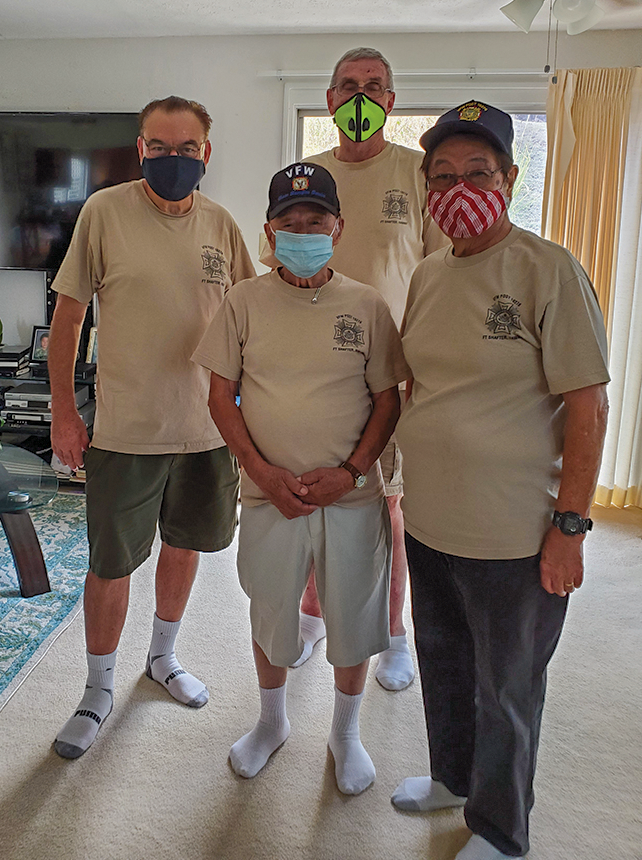
    photo of Cmdr. Mortimer, past post Cmdrs. Cal Sagara and Bob Breitscheider, and National Councilmember Stan Fernandez, all members of the Fort Shafter Post on O‘ahu.
    Jim’s bathroom work crew included (above, L–R) Cmdr. Mortimer, past post Cmdrs. Cal Sagara and Bob Breitscheider, and National Councilmember Stan Fernandez, all members of the Fort Shafter Post on O‘ahu.

    The call came in. “Help! Papa needs an ADA compliant bathroom.” According to Adele, his granddaughter, “Papa refuses to come downstairs to shower because he says he already has a blankly-blank shower upstairs.” Jim “Papa” Raynor is a 98½-year-old WWII veteran.

    Upon receipt of the call, four members of VFW Post 10276 went to the house, made a list of equipment needed, measured, went to the hardware store and were back on the job within two hours with their tools and supplies.

    Four hours later, the grab bars and the rest of the equipment were installed and their comrade took an inaugural shower to break it in.

    Joining the work crew downstairs in the kitchen, Jim thanked them for their efforts and then cussed them out for working so fast. “I wanted to spend a few more hours talking story about the old days that only veterans would understand.” So
    post Cmdr. Steve Mortimer called the post chaplain, who scheduled weekly wellness calls.


    VFW DEPARTMENT OF HAWAII
    438 Hobron Lane, Ste. 407, Honolulu, HI 96815
    808-946-7250 | adj@vfw-dept-hi.org
    www.vfw-dept-hi.org/

    The call came in. “Help! Papa needs an ADA-compliant bathroom.” According to Adele, his granddaughter, “Papa refuses to come downstairs to shower because he says he already has a blankly-blank shower upstairs.” Jim “Papa” Raynor is a 98½-year-old WWII veteran.

  • Ransomware

    Ransomware Malware Attack. Business Computer Hacked. Files EncryptedMajor corporations, government agencies, healthcare organizations, small businesses and private individuals are all being targeted by ransomware. The law enforcement and cybersecurity communities believe many of the cybercriminals behind these attacks are connected to organized crime, anti-US entities or even terrorist groups. It is an ongoing challenge to identify hackers and bring them to justice.

    Ransomware is a form of malware that encrypts the data on your computer and makes your computer inoperable until a “ransom” is paid to the hackers. Some versions of ransomware not only lock up your computer and data, but also make
    copies of data that hackers can harvest and sell.

    Payment demanded by the hackers is usually in the form of bitcoins (cryptocurrency). Some low-level hackers may even demand payment in the form of gift cards. Tracing the flow of the ransom is tedious, time-consuming and oftentimes, futile.

    A computer gets infected with ransomware mainly due to user error, by clicking on a malicious link in an email or a message while using social media. Your computer can also get contaminated by opening an “infected” attachment in your email — a document, video or sound file.

    Prevention Tips:

    ■ Be careful what you click on.
    ■ Back up your data. Backing up the entire hard drive is best. Use an external hard drive (not a USB thumb drive) that has its own power source and is connected with a USB cable.
    ■ Use a cloud service. This option may come with a fee depending on the size of the backup file.
    ■ Update your computer’s operating system and security software with the most current patches.
    ■ Install security software and make sure it is running before checking email or going online.
    ■ Be very suspicious when clicking on links when surfing the Web, those in your emails and when opening attachments. This also applies to messages from “friends” when using social media.

    What to do if your computer becomes infected.

    ■ Turn off your computer and unplug it.
    ■ Contact a computer repair service. Explain that your computer has been infected but you have a backup they can use to restore your data.
    ■ Contact law enforcement and report the incident. Whether they may be able to open an investigation and track down the hackers will depend on what information you can provide them and their available resources. (Law enforcement will not restore your data. Their job is to investigate.)

    The bottom line is the burden of keeping yourself safe is using safe computing habits and being wary of what you click on. 


    Contact me with questions about online security:
    Christopher Duque | aikea808@gmail.com

    Major corporations, government agencies, healthcare organizations, small businesses and private individuals are all being targeted by ransomware. The law enforcement and cybersecurity communities believe many of the cybercriminals behind these attacks are connected to organized crime, anti-US entities or even terrorist groups. It is an ongoing challenge to identify hackers and bring them to justice.