Category: Date

  • Pay Off Debt or Invest: A Balancing Act

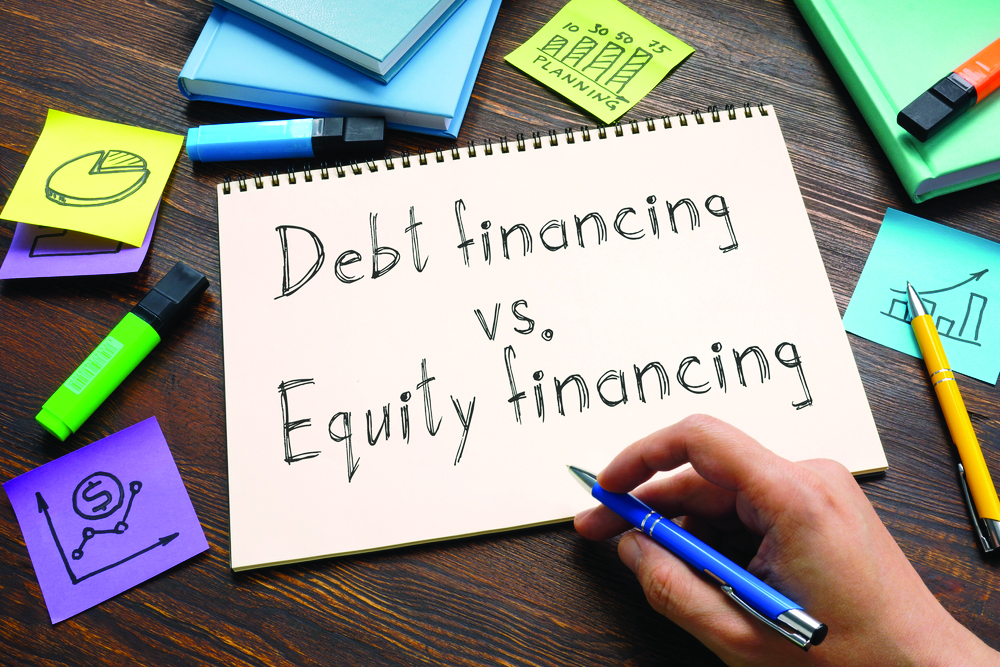
    Debt financing vs. equity financing are shown on a photo using the textIf you find yourself with extra cash — either a lump sum or excess dollars from your monthly paycheck — you may be wondering what to do with it. If you have debt — such as a mortgage or student loans — the prudent option may be to pay off your balances. Yet it might make more sense to put the money to work in the form of investments that have the potential to generate greater returns than the interest rate on your debt.

    Deciding what to do requires analysis.

    When Paying Down Debt Makes Sense

    Depending on your financial circumstances, there may be good reasons to try to get at least some debt off your books. Among the most notable:

    • You hold loans that come with high-interest rates. This is especially the case if you’ve accumulated credit card debt, where rates tend to be particularly burdensome.
    • You want to improve your credit score. Paying off debts can help boost your credit rating, which may put you in a better position to pursue auto or home loans.
    • You feel more comfortable lightening your debt load. It isn’t just a matter of dollars and cents. If the level of debt you hold makes you uneasy, it may be worth  lessening the load when you can.

    A general rule of thumb is to place a priority on paying off any debts where interest rates reach levels of 7% or greater. These costly loans can be a big drain on your resources and may exceed the returns you’d be able to achieve in a typical mix of investments.

    When Investing Makes Sense

    In some situations, it may be best to put available dollars to work in investments to help you achieve future goals. Growing wealth can help achieve a more  c comfortable future, particularly if:

    • Your current debt load is manageable, not placing an undue burden on your overall monthly cash flow situation.
    • You are coming up short of a key financial goal that’s important to you, and an infusion of extra cash could help you achieve that goal. For example, you should make a priority of adjusting your budget (and using your extra cash to help make it happen) if you have not been in a financial position to take full advantage of employer-matching contributions to your workplace retirement plan.
    • There is a shortfall in your emergency fund. You should have at least three-to-six months’ worth of income set aside in liquid savings to pay the costs of an unforeseen expense.

    Finding a Middle Ground

    Depending on the circumstances, a case can be made for a “hybrid” approach: using some of the cash to pay down debt while investing the other portion of your funds. Once again, this is a matter of choosing your priorities. You may not be able to accomplish everything you’d like, but you can determine what combination of debt repayment and investing makes the most sense for you, based on the priorities laid out above.

    Work with a trusted and experienced financial advisor to ensure any decision you make is consistent with your overall financial plan and investment strategy.


    MICHAEL W. K. YEE, CFP,® CFS,® CLTC, CRPC®
    1585 Kapiolani Blvd., Ste. 1100, Honolulu, HI 96814
    808-952-1240 | michael.w.yee@ampf.com
    ameripriseadvisors.com/michael.w.yee
    Michael W. K. Yee, CFP®, CFS®, CLTC, CRPC ®, is a Private Wealth Advisor, Certified Financial Planner ™ practitioner, with Ameriprise Financial Services, LLC in Honolulu, HI. He specializes in fee-based financial planning and asset management strategies and has been in practice for 39 years. Ameriprise Financial and its affiliates do not offer tax or legal advice. Consumers should consult with their tax advisor or attorney regarding their specific situation. Investment advisory products and services are made available through Ameriprise Financial Services, LLC, a registered investment adviser. Investment products are not insured by the FDIC, NCUA or any federal agency, are not deposits or obligations of, or guaranteed by any financial institution, and involve investment risks including possible loss of principal and fluctuation in value. Ameriprise Financial Services, LLC. Member FINRA and SIPC. ©2023 Ameriprise Financial, Inc. All rights reserved.

    If you find yourself with extra cash — either a lump sum or excess dollars from your monthly paycheck — you may be wondering what to do with it. If you have debt — such as a mortgage or student loans — the prudent option may be to pay off your balances. Yet it might…

  • Don’t Let The Clock Run Out on Part D

    It’s official: You signed up for Original Medicare Parts A and B. Your enrollment isn’t quite finished yet though — at least, it shouldn’t be. Your next step is to enroll in a prescription drug plan. This is true even if you’re not presently taking any medications. It is important that you enroll in a timely fashion to avoid lifetime late enrollment penalties. The two ways to get drug coverage are through a Medicare Advantage Plan (Part C) which usually includes a prescription drug plan (known as MA PDP); or to enroll in a stand-alone Part D plan.

    When selecting an MA PDP or Part D plan it is important to consider:

    • Are the medications you’re taking on the plan’s list of covered drugs?
    • Monthly premiums, deductibles, copayments and coinsurance.
    • Which pharmacies are in network.

    If you need help paying for your prescriptions, consider applying for Extra Help, a low-income subsidy program from the Social Security Administration. If you are not sure if you qualify, contact Hawaii SHIP to have a trained specialist compare Part D plans for you and help determine your eligibility.


    HAWAII SHIP
    Free, local, one-on-one Medicare counseling is provided by the Hawai‘i State Health Insurance Assistance Program.
    250 South Hotel St., Ste. 406, Honolulu, HI 96813
    Oahu: 808-586-7299 | Toll free: 888-875-9229
    hawaiiship.org

    It’s official: You signed up for Original Medicare Parts A and B. Your enrollment isn’t quite finished yet though — at least, it shouldn’t be. Your next step is to enroll in a prescription drug plan. This is true even if you’re not presently taking any medications. It is important that you enroll in a…

  • Ask Medicare About IRMAA

    Whether you are newly enrolled into Medicare or had coverage for awhile, you may be one of the beneficiaries subject to a higher monthly premium for Medicare Part B. Approximately 7% of all Medicare enrollees pay a higher premium. Those impacted are notified by letter.

    You may request a redetermination of your Part B premium Income-Related Monthly Adjustment Amount (IRMAA), by filing form SSA-44 (ssa.gov/forms/ssa-44.pdf). For assistance, call SSA at 1-800-772-1213, 7am–7pm, weekdays.

    Why the increase?

    Medicare Part B beneficiaries with high incomes pay an additional amount. If you are subject to the income-related adjustment, it will be calculated based on your tax return’s modified adjusted gross income two years prior to each new calendar year in which you have Part B or based on the date you enroll. The premium increase is based on income.

    Requesting Redetermination

    Complete form SSA-44 to request a redetermination based on a life-changing event, such as: work reduction or stoppage, loss of pension or income producing property, employer settlement payment, marriage, divorce/ annulment, death of spouse. By demonstrating an income decrease occurred after the initial  determination, your premium increase may be waived.


    GET2INSURANCE.COM FAMILY OFFICE
    1003 Bishop St., Ste. 2700, Honolulu, HI 96813
    800-226-3660 | martha@get2insurance.com
    Get2insurance.com

    Whether you are newly enrolled into Medicare or had coverage for awhile, you may be one of the beneficiaries subject to a higher monthly premium for Medicare Part B. Approximately 7% of all Medicare enrollees pay a higher premium. Those impacted are notified by letter.

  • Seniors Have Fun & Flourish at the YMCA

    Seniors in our communities have been severely impacted by the pandemic, often struggling with hardships, health issues and feelings of disconnection. A staggering 45% of those surveyed in Honolulu County reported distress due to loneliness, anxiety and isolation.

    Staying active physically is also important; active lifestyles help prevent common diseases like heart disease, diabetes, and Alzheimer’s. Exercise can also improve mental health, mobility, strength and balance — all essential for reducing the risk of falls.

    YMCA Senior Programs

    The YMCA prioritizes seniors’ health and well-being. Engaging activities in a safe environment help members connect with each other. Bodies are strengthened and community bonds built.

    YMCA senior memberships are available at discounted rates or free with certain Medicare plans like Kaiser or HMSA’s Silver & Fit – Kaiser or United-Healthcare’s Renew Active. Financial assistance is also available for those who need it.

    Membership benefits include unlimited access to classes such as Zumba Gold or line dancing; heated pools for water exercises; yoga; stretching; chair-based strength training and aerobics; pickleball; gardening clubs; book clubs; walking clubs and more.

    The YMCA’s state-of-the-art fitness centers are equipped with user-friendly machines while friendly staff are ready to assist if needed. Virtual programs are available, too, allowing members to tune in from home when they be unable to attend in person.

    Free Kūpuna Food and Fun for the Community

    In partnership with the City and County of Honolulu Elderly Affairs Department, the YMCA also offers free nutritious lunchtime meals, socializing, enrichment, and physical activity classes at seven YMCA locations three times a week. No YMCA membership is required, but registration is required since spots are limited.

    Work or Volunteer at the YMCA

    The YMCA is always seeking talented individuals to join their staff team or volunteer. Work with children in the YMCA’s afterschool or child watch programs, or volunteer to help with programs like Kūpuna Food and Fun.


    YMCA OF HONOLULU (501(c) 3 nonprofit)
    Metro Office: 1441 Pali Hwy., Honolulu, HI 96813
    808-531-9622 | info@YMCAhonolulu.org
    YMCAHonolulu.org
    For information on membership, working or volunteering; and for the Kūpuna Food & Fun program, please call 808-678-4296.

    Seniors in our communities have been severely impacted by the pandemic, often struggling with hardships, health issues and feelings of disconnection. A staggering 45% of those surveyed in Honolulu County reported distress due to loneliness, anxiety and isolation.

  • Insights from a Dementia Nurse

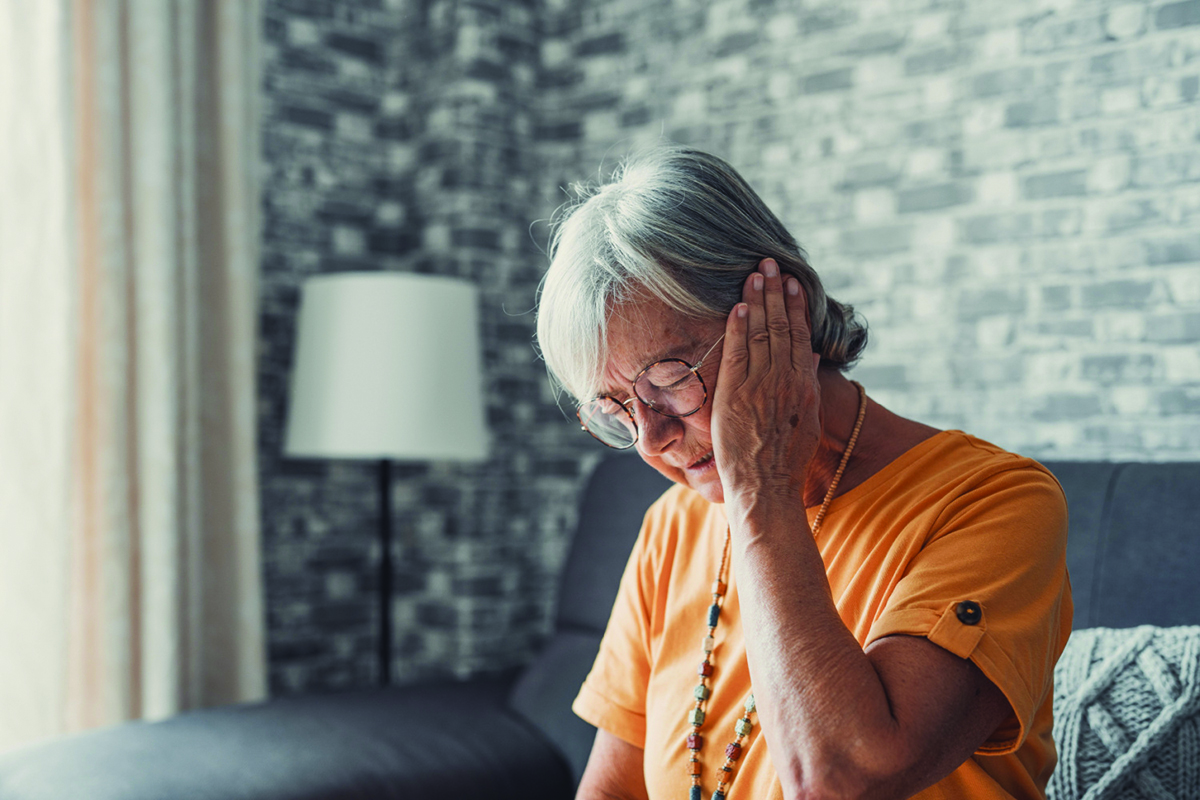
    Caring for anyone with memory loss is difficult. Patients with memory loss can be fearful. Unsure of what’s happening around them. Imagine, after all, forgetting the faces of your loved ones. Driving and suddenly realize you can’t recall your destination.

    I’ve spent seven years working as a nurse caring for patients suffering from memory loss. It isn’t easy work. It requires me to empathize with patients, to help soothe their fears when I can. Along the way, I’ve realized their caregivers also need my attention.

    Patients are not the only ones impacted when they are diagnosed with dementia. Their caregivers are affected just as much. They will be there to care for the patient when the patient forgets those closest to them — including the caregiver themselves.

    When evaluating a patient for memory loss, the patient’s primary caregiver or family will discuss their concerns with the doctor. The patient may be misplacing belongings, forgetting names, faces and locations of places they know well —like the grocery store.

    The patient also comes in for an evaluation. At times, depending on the severity of their memory loss, the patient sits in silence. Sometimes they are unsure of what is happening or why they are visiting the doctor’s office. Patients may be unable to answer the clinical questions required to assess for dementia because they simply cannot remember what was said just a few minutes ago.

    Many patients suffering from dementia are fearful. They may be fearful when they are left alone. As a nurse, the best thing I can do is remind them of where they are, what’s being done.

    Caregivers sometimes cry and become frustrated expressing their concerns. They are not physically losing their family member, but almost feel as if they are. The strain of having to care for their loved one, make sure the environment is safe for them and frequently having to remind them of reality can be exhausting.

    It is essential to educate a patient’s caregiver about how the patient feels, about how the patient is experiencing the world around them. Encouraging the caregiver to get help when they experience burnout is vital.

    This small step can ensure a better, more positive experience for both the caregiver and person experiencing memory loss. It’s a win-win situation for both.

    No one should have to deal with Alzheimer’s or dementia alone. The Alzheimer’s Association – Hawaii provides resources to support both unpaid family caregivers and professional caregivers.


    Support for Alzheimer’s disease or a related dementia:
    24/7 Helpline 800-272-3900 | 808-591-2771
    alz.org/Hawaii

    Caring for anyone with memory loss is difficult. Patients with memory loss can be fearful. Unsure of what’s happening around them. Imagine, after all, forgetting the faces of your loved ones. Driving and suddenly realize you can’t recall your destination.

  • A Care Home Can Be the Right Choice

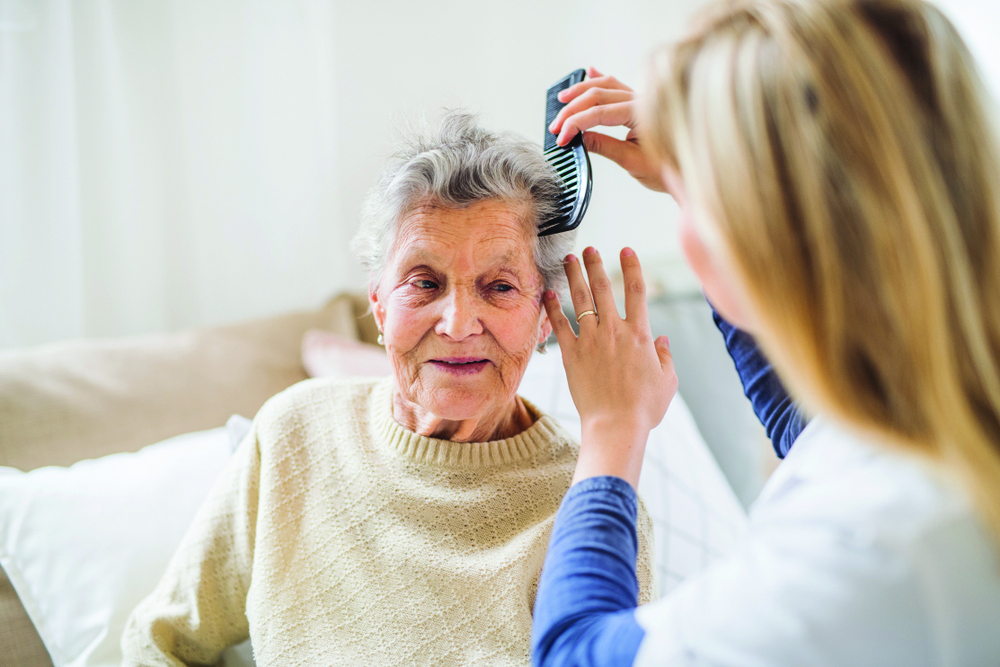
    Moving to a care home can be a life-changing decision, one that is often fraught with emotional and practical considerations. As our loved ones age, their care needs change, and it’s crucial to evaluate the key factors in making this decision.

    First, consider the individual’s physical and mental health. Do they struggle with daily tasks, such as bathing, preparing meals or getting dressed? Are you worried about falling, mobility issues or memory problems? If the answer is yes, a care home might be an appropriate option.

    Benefits of a care home include around-the-clock trained staff monitoring safety and well-being. Social interaction is also vital, as loneliness affects seniors’ health. Care homes foster community through group activities, promoting emotional and social well-being.

    Financial factors can’t be overlooked either. It’s important to weigh the costs of in-home care versus a care home and determine which option is more feasible in the long run. Care homes can often be more cost-effective, providing all-inclusive care and eliminating the need for multiple service providers.

    Lastly, it’s crucial to involve the individual in the decision-making process, ensuring their preferences and concerns are heard. Open communication can help alleviate anxiety and make the transition to a care home smoother for everyone involved.


    NURSING HOME PARTNERS
    828 Ailuna street Honolulu, HI 96821
    808-468-9112 | Info@Nursinghomepartners.com
    nursinghomepartners.com

    Moving to a care home can be a life-changing decision, one that is often fraught with emotional and practical considerations. As our loved ones age, their care needs change, and it’s crucial to evaluate the key factors in making this decision.

  • Give Yourself Credit For Caregiving

    Stayin’ Alive: the Bee Gees’ message remains important for those of us involved in caregiving. Too often we allow our own health and wellbeing to decline while we try to keep our loved ones safe and content. Here are a few easy to do things that can help keep you — the caregiver — alive… Whether you’re a brother or whether you’re a mother!

    • Smile every day. Find one thing, no matter how ordinary, to spark a grin.
    • Watch out for signs of stress and depression. You might not recognize them, so consider asking your doctor.
    • Eat better — no junk food! Ask a family member to bring a balanced meal once a week. Drink lots of water.
    • Find a way to exercise. A good walk is great. If that won’t work try a homebound exercise like “chair” Tai Chi!
    • Don’t overload daily to-do lists. Be realistic and set limits. Some things won’t get done. It’s OK. Prioritize.
    • Let others help with household chores. Accept that things might not be perfect and spotless. It really is OK.
    • Join a Caregiver Support Group. You don’t have to pretend here. You can tell it like it is.
    • Give yourself credit. The care you give makes a difference.


    THE CAREGIVER FOUNDATION (501(c) 3 nonprofit)
    926 3rd St., Pearl City, HI 96782
    808-625-3782 | info@thecaregiverfoundation.org
    thecaregiverfoundation.org

    Stayin’ Alive: the Bee Gees’ message remains important for those of us involved in caregiving. Too often we allow our own health and wellbeing to decline while we try to keep our loved ones safe and content. Here are a few easy to do things that can help keep you — the caregiver — alive……

  • Mental Health Impacts Oral Health

    The connection between oral and total body health is well-known. For example, poor oral health increases your risk for heart disease, stroke, and other serious illnesses. Likewise, your dentist can identify conditions like diabetes, oral cancer, osteoporosis, anemia, HIV, eating disorders and more during your dental visits. So, what about the relationship between oral health and mental health?

    Studies have found that people with mental disorders are less likely to practice good oral hygiene habits such as consistent, daily brushing or seeing a dentist regularly. This can lead to dental disease and other health problems. The connection between oral health and mental health is a two-way street. Here are a few ways bad dental health can exacerbate mental health problems:

    • Some dental problems affect speech, cause chronic bad breath, or encourage tooth loss, which can lead to anxiety in social settings. This can also lead to poor self-esteem and decreased desire to do enjoyable things.
    • Pain associated with certain dental diseases can negatively affect the quality of life.

    If you struggle with anxiety, depression, or other mental conditions, let your dentist know so any associated dental problems can be identified and addressed so you can live well and smile more.


    HAWAII DENTAL SERVICE (501(c) 4 nonprofit)
    Kahala Howser, Wellness & Events Manager
    808-521-1431 | khowser@hawaiidentalservice.com
    HawaiiDentalService.com

    The connection between oral and total body health is well-known. For example, poor oral health increases your risk for heart disease, stroke, and other serious illnesses. Likewise, your dentist can identify conditions like diabetes, oral cancer, osteoporosis, anemia, HIV, eating disorders and more during your dental visits. So, what about the relationship between oral health…

  • 10 Seconds to Prevent Falls

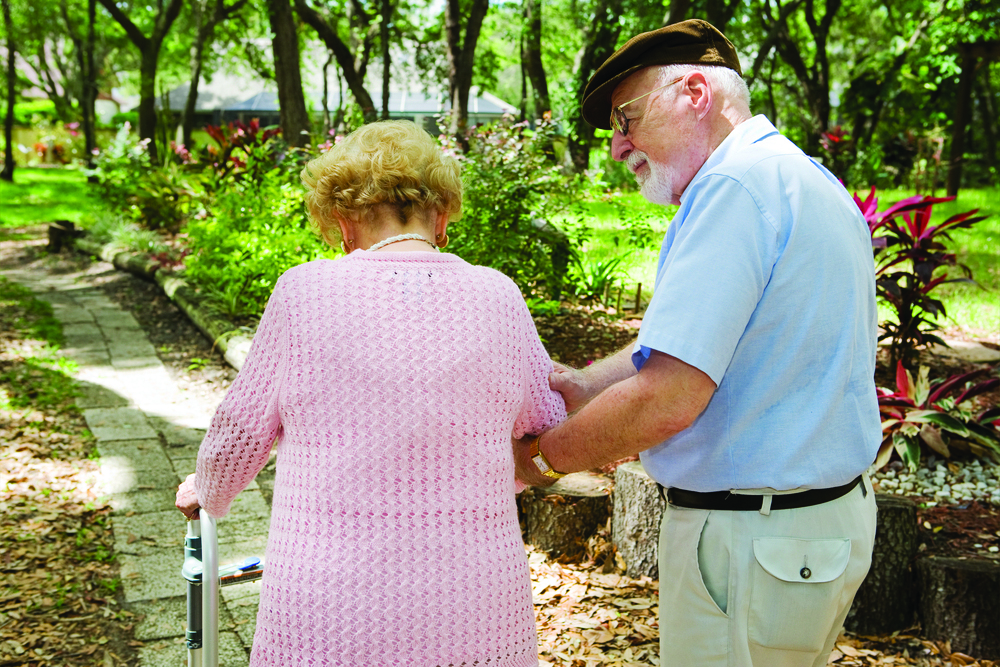
    Staying steady in your golden years may be simpler than you think. It’s not about speed or agility, but the art of balance. Just 10 seconds a day can transform your confidence in your own footing — and prevent potentially disastrous falls.

    One simple daily exercise can make the difference: standing and balancing on one foot.

    Before you begin, acknowledge your own physical abilities. This is true for anything you do. Your reflexes may not be as quick as they once were.

    Next, find a level, flat area: a built floor or ground outdoors. For safety’s sake, have a stable surface like a counter or railing next to you in case your loose your  balance. You may even use a chair. Do not use anything with wheels as they may potentially roll away.

    With or without assistance, raise one leg; take 2–3 breaths and balance for up to 10 seconds (don’t be concerned with form, nor how high you’ve raised your leg); change leg and repeat. One set is good. Or you may do it intermittently through the day. You can build on it. Practice makes permanent.

    Do not do this exercise after taking medication that could compromise your sense of balance. Carefully consider your own abilities. Be safe; be mindful; listen to your body.


    SILVER AND STRONGER COACHING PROGRAM. LLC
    4893 Kalanianaole Hwy., Honolulu, HI 96821
    808-366-8620 | silverandstronger@gmail.com
    silverandstronger.com
    YouTube: Tai Chi Fall Prevention with Clint Evans

    Staying steady in your golden years may be simpler than you think. It’s not about speed or agility, but the art of balance. Just 10 seconds a day can transform your confidence in your own footing — and prevent potentially disastrous falls.

  • Tech Update for Older Adults

    Trends in technology for older adults highlight continued adaption in a variety of services, including health care.

    Older adults are continuing to live better because of technological innovation. A recent AARP report about tech trends shows that adults over 50 have nearly as high an adoption rate for smartphones, wearables, voice assistants and smart home technologies as their younger counterparts.

    Tech Adaption Increases

    Older adults are streaming movies, video-chatting with friends and family, and buying plenty of smart devices such as tablets and home security systems. COVID-19 was the tailwind that spurred increased acceptance of technology while we couldn’t get together in person. Spending on devices such as smart TVs, smartphones and Bluetooth headsets skyrocketed as older adults changed how they consume entertainment.

    However, that’s not to say that barriers to adoption don’t exist for older adults. More than half were eager to learn more about how to use technology, and over a third said they’d use technology more often if they knew how. The three top barriers cited were cost, lack of knowledge, and concerns around privacy. The majority (83%) were not confident that what they do online remains private.

    Finally, there are still disparities relating to access. Some relate to cost, which is an issue for about a quarter of older adults. But a quarter of rural consumers cited a lack of access, including 15% who either don’t have internet access or are not sure if they do.

    What’s On the Horizon

    So, knowing that tech is increasingly prevalent in the lives of older adults, let’s look at what’s catching on. Sheri Rose, director of the Thrive Center nonprofit that provides education on tech for older adults and looks at trends, highlights five areas where home tech and delivery models are morphing.

    1. Tech to support independent living. The kitchen is changing, from induction cooktops that can’t burn a user to fridges that let users see the contents without opening the door and remind users when product is expiring. Those lacking the full pocketbook for a fancy fridge can take advantage of a voice assistant — one that can be paired with other devices to move the thermostat, see who’s at the door, or turn on the lights. Sensors can help family members living elsewhere keep tabs on a loved one by detecting motion via laser scanning or measuring changes in gait and thus the likelihood of a fall.

    2. Wearables for health data. A plethora of wearable products is available to help users monitor their own health. Of course, there are the iconic Apple Watch and Fitbit, but you can also find Wi-Fi-enabled pulse oximeters and blood pressure monitors that will reduce visits to the doctor or alert when the measurement is abnormal. “Chronic heart failure and other comorbidities can be monitored remotely and help seniors avoid exposure to the virus, keeping them safe and healthy at home,” Rose says. “Smart tablets designed for seniors have integrated data collected from wearables. While you’re playing solitaire on your tablet, you get an alert that you need to take a walk or take your heart medication.”

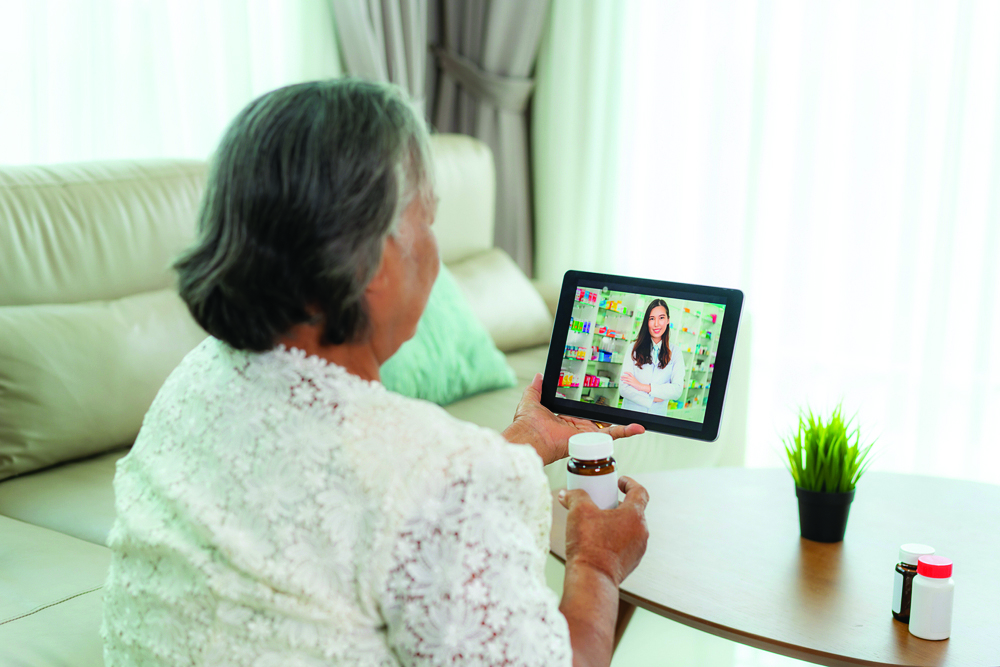
    3. Telehealth is taking off. The pandemic spurred adaption of remote health visits, made possible by secure videoconferencing platforms and improvements in camera sensitivity, making it possible for doctors to diagnose a rash or assess healing.

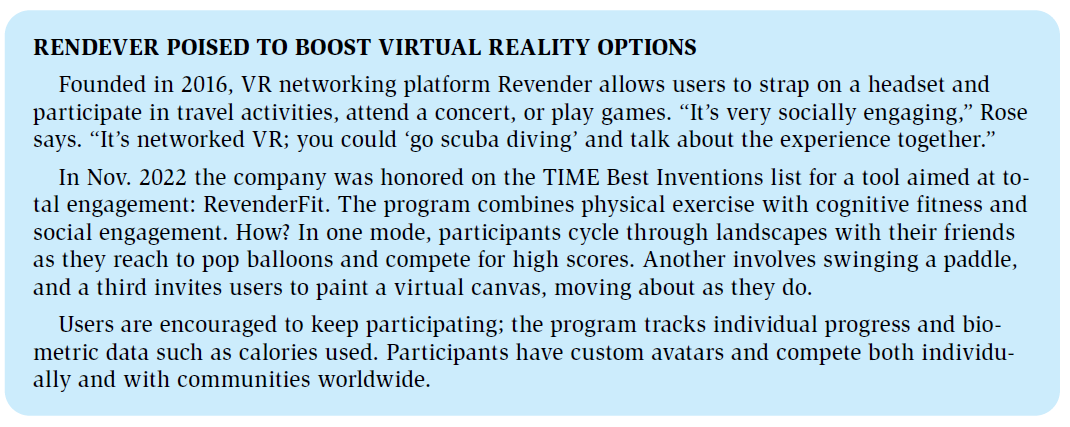
    4. Virtual reality is viable entertainment. The isolation of COVID-19 corresponded with an uptick in the use of virtual reality (VR) systems. Thrive Center seniors have been overwhelmingly positive in their assessment of the technology. “We see older adults visit Thrive and put on a VR headset, and they get so enthralled with sitting on the beach and meditating,” Rose says. “We do so much with virtual reality because we know the impact it can have on reducing pain, loneliness and stress levels.”

    5. 5G will make a difference. The fifth-generation cell service is set to boost speeds up to 100 times over current levels, and users will have to be trained in best-practice cybersecurity measures before joining up. Older adults may see the most benefit in the healthcare delivery arena. “5G is really going to boost a lot of  download and upload capacity. When deployed, I think it will make a huge difference,” Rose says.

    It’s clear that technology use is on the rise among older adults. Senior living facilities may soon be competing based on their tech offerings, as well as more traditional amenities.


    SOCIETY OF CERTIFIED SENIORADVISORS
    The SCSA educates and supports specialists in aging dedicated to improving lives of older adults.
    1-800-653-1875 | csa.us
    Sources:
    https://healthtechmagazine.net/article/2021/01/whats-next-senior-tech-5-insights-thrive-center
    https://www.rendever.com
    https://www.rendever.com/rendeverfit
    https://www.aarp.org/research/topics/technology/info-2021/2021-technology-trends-older-americans.html

    Trends in technology for older adults highlight continued adaption in a variety of services, including health care. Older adults are continuing to live better because of technological innovation. A recent AARP report about tech trends shows that adults over 50 have nearly as high an adoption rate for smartphones, wearables, voice assistants and smart home…

  • A Healthy Lifestyle Can Help with Diabetes

    Medications and insulin may be necessary to help you manage diabetes, but diet and exercise can have great impacts on your health.

    Noticeable benefits of a healthy lifestyle include improved glucose levels, blood pressure, and cholesterol; maintaining a healthy weight or weight loss; building muscle strength; improved mood and improved sleep.

    Wondering where to begin? National guidelines for healthy adults recommend at least 150 minutes of moderate-intensity physical activity each week, which can be broken down into 30-minute sessions a day for five days each week. Taking a brisk walk, doing housework, dancing, and swimming are just some of the various activities that you can do. Here are some tips that can help you get started incorporating physical activity:

    ❉ Find something you enjoy doing. This makes it fun rather than a chore.
    ❉ Start small. You are creating a lifelong habit. You can always build and add to the time and intensity of your activity.
    ❉ Set a goal. Give yourself something to strive for; hold yourself accountable and make sure these goals are specific and realistic.

    It does not have to be too difficult to manage diabetes and your health. You can start slowly and gradually build to make healthy eating and physical activity more manageable for you. Your doctor and healthcare team are always a resource for you if you have any questions or need help creating and managing your goals.

    From the American Diabetes Association’s Food Hub, enjoy this thirst-quenching beverage.
    SPARKLING STRAWBERRY MINT WATER
    Prep Time: 5 min.
    Servings: 4 glasses
    Ingredients
    1- ½ cups Sparkling water
    2 tsp. Fresh lemon juice
    4 Fresh mint leaves & sprigs
    4 Fresh strawberries with crown
    Directions
    – Puree the strawberries, mint leaves, lemon juice and ½ cup of sparkling water in a blender on low speed until smooth, at least 30 seconds.
    – Pour the puree into a serving pitcher. Very slowly, pour in the remaining sparkling water.
    – Serve chilled over ice in tall beverage glasses. Garnish each with a sprig of fresh mint.

    Nutrition Facts (total per serving) Calories: 5, Fat: 0g, Cholesterol: 0mg, Sodium: 0mg, Carbohydrate: 2g, Sugars: 1g, Protein: 0g, Potassium: 30mg

    diabetesfoodhub.org/recipes/sparkling-strawberry-mint-infused-water.html


    TIMES PHARMACY
    1620 North School St., Honolulu, HI 96817
    808-832-8265 | timespharmacyhawaii.com

    Medications and insulin may be necessary to help you manage diabetes, but diet and exercise can have great impacts on your health. Noticeable benefits of a healthy lifestyle include improved glucose levels, blood pressure, and cholesterol; maintaining a healthy weight or weight loss; building muscle strength; improved mood and improved sleep. Wondering where to begin?…