Category: Date

  • Message from the Editor – Oct / Nov 2012

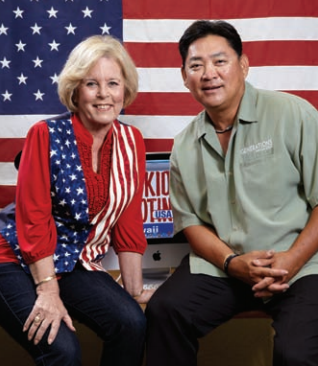
    Linda Coble and Percy Ihara - Generations Magazine - October-November 2012This fall, I hope you will exercise your right as an American to vote on November 6th. Generations Magazine has Linda Coble to thank for our flag-waving cover story, as she is one of my favorite ladies, community leaders, and I am honored to call her my friend. We’d also like to thank Principal Shannon Goo of Lincoln Elementary School for allowing us to shoot the magazine’s cover on campus, as my son Zachary and his schoolmates had a blast. If you need some inspiration to vote this year (or general voting information), turn to our cover story, Make Your Voice Count.

    With this year’s Senior Fair just finishing, it reminds me of all the great agencies and non-profit companies we have in Hawai‘i that support our ku¯ puna. My hats off to companies such as Project Dana, the Caregiver Foundation of America, Catholic Charities and government agencies like the Retired Senior Volunteer Program, Senior Companion program and Sage PLUS.

    As with the past two Senior Fair’s, Generations Magazine handed out magazines and took the opportunity to talk with our readers. We also conducted our annual reader survey. We thank all those who shared comments, as we received plenty: “Great. Very Informative — Right On — Very Educational — Great Magazine! — Bright Future — Great Advice — I love the magazines — Read them faithfully — Enjoy your magazine!!! My daughter (CPA) reads it also to share info with her clients — Very good items — Great, super, informative — Please continue this wonderful service.”

    We literally had several hundred readers complete our survey that automatically entered them for a free subscription drawing. We drew five winners to receive a year’s free subscription of Generations Magazine. The winners were Sandra Isokane of Honolulu, Connie Hovland of ‘Ewa Beach, W. Nemoto of Kailua, Carol Williams of Wai‘anae, and Florence Wong of Honolulu. Thank you to everyone for visiting our booth at the Senior Fair.

    We enter this fall season with Medicare on our minds. Take your time to get all the information you need to make an educated decision. Each year the Executive Office on Aging’s Sage PLUS program provides wonderful information and volunteers to answer all your questions (see story on page 20).

    Lastly, this is flu season so make sure you received your shots, eat healthy and exercise regularly. For a healthy, flu-fighting soup recipe, turn to page 25. For more information on flu shots, turn to page 24.

    Live Well,

    Generations - 2014-12-01 - Editors Note - Image 01
    Percy Ihara, Editor / Publisher
    808-368-6747 | Percy@Generations808.com
    This fall, I hope you will exercise your right as an American to vote on November 6th. Generations Magazine has Linda Coble to thank for our flag-waving cover story, as she is one of my favorite ladies, community leaders, and I am honored to call her my friend. We’d also like to thank Principal Shannon Goo of Lincoln…

  • Important Tips for Giving Grandparents

    If you enjoy supporting your grandchildren financially — or if this is one of your goals — you’re not alone. Eighty-four percent of seniors say that creating a financially secure life for themselves and their family is an important goal.*

    Yet, deciding how to best help your grandchildren can be a struggle, especially if you share some of the same financial concerns as your peers. For example, you may be among the 27 percent of seniors who say changes to Social Security are most likely to jeopardize your retirement plans, or the 23 percent who identify health care costs as the biggest threat.

    When evaluating how much financial support to provide, consider the following:

    • Give only what you can afford. Your financial security should be your first priority. Since there is no way to know with any certainty how long you’ll live, how the market will perform or how inflation may impact your purchasing power, make sure that you gift within your means. Doing so will help ensure your generosity today doesn’t create a financial hardship for you — or your family members — down the road.
    • Give equally. To help prevent family conflict and avoid damaging relationships, give equally to your grandchildren. If you need to give more to help one of them through a rough patch, adjust your will to even things out and clearly communicate your intentions.
    • Clarify whether you’re making a loan or giving a gift. If you’re giving a gift, familiarize yourself with federal tax rules, which are based on the calendar year. For example, in 2012 you were able to give up to $13,000 before the federal gift tax is applied. Also, be sure the recipient knows it’s a gift to alleviate any uncertainty about whether they’re required to pay you back.
      If you are loaning money, be specific about the terms and repayment. Make sure you have a written document that both parties sign and date.
    • Discuss your intentions. Only 61 percent of seniors say they regularly discuss finances with their family. If you would like to support your grandchildren and save for their college or home down payment, be sure to communicate this with their parents. This can help your adult children with their own financial planning.

    If you want to provide financial support to a family member, consider consulting a financial professional. He or she can help you evaluate your finances and goals and create a strategy. A realistic understanding of your financial picture can help you identify how much you can comfortably give, as well as the most tax-efficient and effective way to go about it.


    For info, contact Michael W. K. Yee at (808) 952-1240

    *The Money Across Generations IISM study was commissioned by Ameriprise Financial, Inc. and conducted by telephone by GfK in December 2011 among 1,006 affluent baby boomers (those with $100,000 or more in investable assets); 300 parents of baby boomers; and 300 children of baby boomers at least 18 years old. The margin of error is +/- three percentage points for the affluent boomers segment and +/- six percentage points for the parents and children of boomers segments.
    Ameriprise Financial and its representatives do not provide tax or legal advice. Consult with your tax advisor or attorney regarding specific tax issues. Brokerage, investment and financial advisory services are made available through Ameriprise Financial Services, Inc. Member FINRA and SIPC. Some products and services may not be available in all jurisdictions or to all clients. © 2012 Ameriprise Financial, Inc. All rights reserved. File # 143286

    If you enjoy supporting your grandchildren financially — or if this is one of your goals — you’re not alone. Eighty-four percent of seniors say that creating a financially secure life for themselves and their family is an important goal.* Yet, deciding how to best help your grandchildren can be a struggle, especially if you…

  • Soups Up!

    Diane’s Kale, Bean & Roasted Vegetable Soup

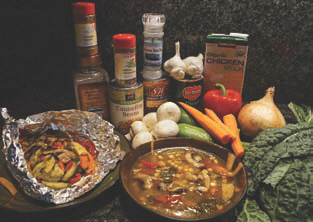
    The fall season is here. What better time to prepare for flu season than with a hearty pot of immunity boosting soup.

    Kale Bean Soup - Generations Magazine - October-November 2012In order to keep your immune system strong, you need to eat a nutrient dense diet rich in antioxidants and anti cancer phytochemicals, which only come from fruits and vegetables. This soup is packed with just that. Kale, bok choy, onions, garlic, mushrooms, zucchini, carrots, and red bell pepper are all micronutrient rich foods that protect us from disease. The beans add a good source of healthy protein and fiber that we need on a daily basis. Feel free to add any other vegetable or other types of beans you may like. It makes a good amount so you can freeze some for later. Know you’re getting everything your body needs to stay healthy and live strong.

    PART 1

    • 2– 3 green zucchini
    • 1 yellow squash
    • 1 onion
    • 6– 8 mushrooms
    • 1 red bellpepper
    • 4 carrots
    • Handful cilantro
    • 5– 6 cloves garlic
    • Olive oil
    • Italian seasoning

    Diane Cadinha holding soup - Generations Magazine - October-November 2012Slice vegetables onto a foil tent, pour 3-4 Tbsp. of olive oil over them and toss. Add cilantro, sprinkle with Italian seasoning and pressed garlic cloves. Toss again. Close tent and roast on the grill for 30 minutes. If roasting in the oven, bake at 475° until vegetables are tender.
    PART 2

    • 4 bunches bok choy
    • 3 bunches kale
    • 3 cloves garlic
    • Stir-fry with olive oil, garlic, bok choy and kale.

    PART 3

    • 3 boxes organic chicken broth
    • 2 cans white cannellini bean
    • 1 can kidney beans
    • 2 cans low sodium diced tomatoes with
    • basil & garlic
    • 2 cans summer crisp corn
    • 1 tsp cumin
    • Seasalt & pepper to taste
    • 2 Tbsp. low sodium soy sauce

    Combine all of the parts in a soup pot and simmer for 20 minutes. View the video below. Enjoy; stay healthy.


    Join Diane on Facebook at shapingup808.com, or call 808-221-3905; email shapingup@hawaii.rr.com.

    Diane’s Kale, Bean & Roasted Vegetable Soup The fall season is here. What better time to prepare for flu season than with a hearty pot of immunity boosting soup. In order to keep your immune system strong, you need to eat a nutrient dense diet rich in antioxidants and anti cancer phytochemicals, which only come…

  • Kokua Council

    Kokua Council Logo - Generations Magazine - October-November 2012The Kokua Council is one of Hawai‘i’s oldest advocacy groups. Kokua Council empowers seniors and other concerned citizens to be effective advocates in shaping the future and well-being of our community. The Council encourages those needing help in advocating for themselves.

    Kokua Council embraces diversity and extends a special invitation to any senior or intergenerational-minded person interested in advocating for these important issues in Hawai‘i. Its monthly meetings include performances by community groups, visits by political candidates and discussions on local and national issues.

    • Kokua Council Speaker - Generations Magazine - October-November 2012Annual membership is $10.
    • The public is welcome to join monthly meetings:
    • Date: The fourth Monday of each month
    • Time: 11:30 a.m. to 1 p.m.
    • Location: Miyama Main Hall, Harris United Methodist Church at Nu‘uanu Ave. and South Vineyard Blvd. There is ample parking.
    • Lunch: Optional, with a donation of $5.

    For more information, please call President of Kokua Council Larry Geller at (808) 540-1928 or visit KokuaCouncil.org.

    Kokua Council Banner - Generations Magazine - October-November 2012

    The Kokua Council is one of Hawai‘i’s oldest advocacy groups. Kokua Council empowers seniors and other concerned citizens to be effective advocates in shaping the future and well-being of our community. The Council encourages those needing help in advocating for themselves. Kokua Council embraces diversity and extends a special invitation to any senior or intergenerational-minded…

  • Understanding Medicare & Medicaid

    Navigating the health care system can be challenging, but for more than 9 million people who are eligible for both Medicare and Medicaid, it can be especially difficult.

    Medicare and Medicaid have similar names but they are very different programs. People who are eligible for both — known as dual eligible — must understand the requirements and coverage details of each program in order to access the health care services that are available to them. This is especially important for the 60 percent of dual eligibles who suffer from multiple chronic conditions, such as diabetes and heart disease. Getting the health care coverage they need to manage their conditions is critical to their well-being.

    Here are a few resources to help dual eligible beneficiaries and their caregivers learn about health care options:

    For more Medicare information, contact 1-800-MEDICARE (TTY users should call 1-877-486-2048, 24 hours a day, 7 days a week) or visit Medicare.gov

    For simple, easy-to-understand Medicare information, visit UnitedHealthcare’s site at MedicareMadeClear.com

    For more information about Hawai‘i’s Medicaid program, call 1-800-316-8005

    For free counseling and support on both Medicaid and Medicare, contact Hawai‘i’s State Health Insurance Assistance Program (SHIP) at 1-888-875-9229.

    _______________________________

    Gary Asato, UnitedHealthcare Medicare Sales Director; David Heywood, Vice President.

    UnitedHealthcare (Hawai‘i) Medicare Advantage and QUEST (Medicaid) main office: 808-536-8531

    Navigating the health care system can be challenging, but for more than 9 million people who are eligible for both Medicare and Medicaid, it can be especially difficult. Medicare and Medicaid have similar names but they are very different programs. People who are eligible for both — known as dual eligible — must understand the…

  • Asbestos – Not a Thing of the Past

    New data indicates that the asbestos exposure in Hawai‘i and the Pacific Islands could be significantly higher than previously thought. The finding is serious, as the latency (delayed time period) between exposure and asbestos-related diseases, such as mesothelioma and asbestosis, can be up to 50 years or more.

    Seniors who worked or lived near shipbuilding and repair facilities are at heightened risk. Prior to the mid-1970s, asbestos was heavily used in the maintenance and repair of ships. Pearl Harbor, Guam and the Commonwealth of the Northern Mariana Islands all had active military ports. Military and civilian workers at these sites were likely exposed to asbestos.

    Hawai‘i has a history of widespread asbestos use, from public buildings to commercial establishments. Nearly every building in the state constructed before 1980 — including schools, state buildings and military bases — was built with asbestos products. As these buildings begin to deteriorate, need repair or are destroyed, they can continue to cause asbestos exposure.

    Asbestos exposure is the cause of mesothelioma, a rare cancer caused by the inhalation asbestos fibers. Mesothelioma victims typically do not show symptoms of the disease until 10 to 40 years after the initial exposure. Most people diagnosed with mesothelioma are in their 50s, 60s or older and only start to show symptoms in the later stages of the disease. Sadly, there is no cure.

    This latency period creates information gaps regarding asbestos exposure and disease, especially in areas like the U.S. Pacific islands. The missing data is why professionals conclude that the actual prevalence of asbestos diseases is underestimated. For more information, please visit www.asbestos.com/states.

    New data indicates that the asbestos exposure in Hawai‘i and the Pacific Islands could be significantly higher than previously thought. The finding is serious, as the latency (delayed time period) between exposure and asbestos-related diseases, such as mesothelioma and asbestosis, can be up to 50 years or more. Seniors who worked or lived near shipbuilding…

  • Wire Fraud

    How money coming in is actually going out

    Western Union, Moneygram and similar businesses allow you to send money quickly. Their services are useful for transmitting funds to friends, relatives and others you know well. But scammers frequently take advantage of victims by convincing them to wire money to a stranger, often someone in a foreign country.

    The initial hook can take many forms. In every case, the scam ends the same way … you are asked to wire money; once you do, it’s gone for good.

    Consumers lose millions of dollars each year through wire fraud. Hawai‘i’s BBB receives calls often from duped residents who believed they “won a prize” or they were going to “work” as a secret shopper. Locally, we have seen consumers lose as much as $50,000, or taking a mortgage out on their house in order to claim a winning.

    The most important thing for consumers to remember is this: Never wire money to someone you haven’t known for a long time. If you have truly won a lottery (which are illegal in Hawai‘i) or a sweepstakes, you would not need to pay a penny to receive your winnings.

    Hawai‘i’s BBB warns residents to look for the following red flags:

    • You are asked to wire transfer money.
    • You are sent a check in connection with a payment request. Scammers often win their victims’ confidence by sending a fake check for more than the so-called processing fees, shipping costs or other expenses. It may be a cashier’s check, personal check or money order. They instruct the victim to cash the check at their personal bank account and send them a portion of the money back.
    • The contact indicates a confirmation code or money transfer control number (MTCN) is needed before your money can be withdrawn. Once you wire money, it can be picked up immediately.
    • A caller or e-mail appears to originate from overseas.
    • The person communicates via TTY service. TTY is used by the hearing impaired. Cons prefer the service because it disguises thick accents and makes calls untraceable.

    If you are a victim of fraud, report it to the police and FBI. If you have any questions about someone who wants you to wire or tranfer money, contact Hawai‘i’s BBB for information.


    Complaints or Questions, contact BBB:

    808-536-6956 (O‘ahu)
    877-222-6551(Neighbor Islands)
    www.bbb.org/file-a-complaint/

    How money coming in is actually going out Western Union, Moneygram and similar businesses allow you to send money quickly. Their services are useful for transmitting funds to friends, relatives and others you know well. But scammers frequently take advantage of victims by convincing them to wire money to a stranger, often someone in a…

  • I Never Want to Grow Up

    Disney fun at Hi’olani Care Center

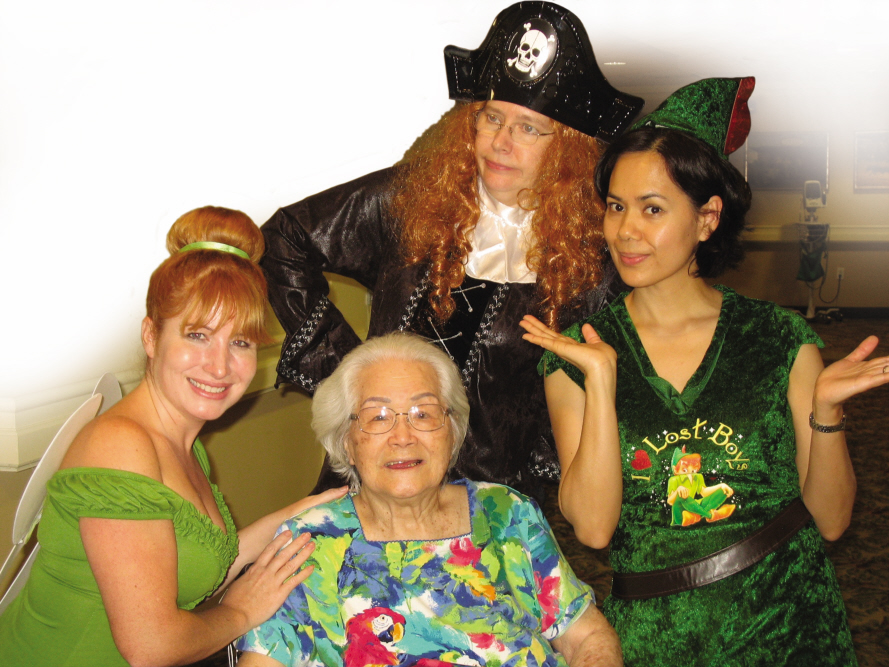
    For the assisted living residents at Kahala Nui’s Hi‘olani Care Center, there is always fun to be had. Thanks to the creative staff, the center always has new, engaging activities and themes for its annual weeklong “theme week.” This year’s theme, the “wonderful world of Disney,” featured a Disney Princess dating game, Peter Pan Pizza Party and Mad Hatter Tea Party – complete with costumes and dé cor. Residents also created heir own Mickey or Minnie ears and used their culinary skills in Minnie’s kitchen to create cake pops. And of course, what’s a Disney week without movies? Each evening the center featured a different Disney movie from the original 1929 Steamboat Willie to Pirates of the Caribbean and everything in between.

    Kahala Nui - Generations Magazine - October-November 2012Kahala Nui is a vibrant retirement community where residents enjoy the security of “Life Care,” a holistic approach to senior living that integrates a wellness-centered lifestyle with the peace of mind of onsite continuum of care choices at Hi‘olani Care Center. Kahala Nui’s Life Care plan offers a lifestyle and health care program designed to enhance and promote mental, physical and spiritual wellness throughout life. Hi‘olani Care Center at Kahala Nui offers assisted living, nursing care and memory support options for residents. Through activities such as the annual themed week, residents are given the opportunity to enjoy an active and vital lifestyle.
    Disney fun at Hi’olani Care Center For the assisted living residents at Kahala Nui’s Hi‘olani Care Center, there is always fun to be had. Thanks to the creative staff, the center always has new, engaging activities and themes for its annual weeklong “theme week.” This year’s theme, the “wonderful world of Disney,” featured a Disney…

  • The Wisdom Tooth

    QUESTION:

    My dentist says I have “root caries.” What are they, what causes it, and what can be done to treat it?

    ANSWER:

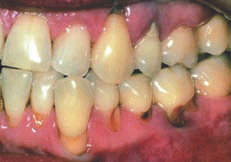
    Root caries, or root decay, are cavities that develop in root exposed areas. It looks like brown or black spots on the area near the gum line. Early stages of root decay may have no pain associated with it. At later stages, you may start to have cold or sweet sensitivity. According to the American Dental Association, the majority of people over age 50 have tooth root decay.

    Tooth Decay - Generations Magazine - October-November 2012Root decay can occur when the gums recede or draw away from the tooth and expose a softer root surface called cementum. The rest of the tooth surface is covered by a much harder enamel surface. The causes of gum recession include periodontal (gum) disease, stresses when teeth bite together, heredity and rough toothbrushing.


    There are various ways to address this problem, depending on its severity. Treatment may include medicated mouth rinses, placing a filling at the gum line, treatment restorative veneers, root canal therapy or gum surgery. In the worse case scenario, a patient may even lose the tooth.

    The best treatment, of course, is always prevention. Be sure to stay up-to-date with your examinations and cleanings. This way any problems can be caught early and addressed promptly.


    Wynn H. Okuda, DMD, Inc.
    808-734-1099 | www.cosmeticdentistryhawaii.com

    QUESTION: My dentist says I have “root caries.” What are they, what causes it, and what can be done to treat it? ANSWER: Root caries, or root decay, are cavities that develop in root exposed areas. It looks like brown or black spots on the area near the gum line. Early stages of root decay…

  • Don’t Fall Behind!

    It is that magical time of the year. The pumpkins are at the open markets, the air is a bit cooler and it’s time for your Medicare Check-Up. You don’t need to see your doctor for this checkup, just sit down and reflect back on the past year.

    Questions to ask yourself:

    • Have my medical needs changed?
    • Am I taking more medicine than I did in 2012?
    • Have I experienced an ambulance ride, emergency room or hospital stay?
    • Am I in the best plan for my circumstances?
    • Do I have the coverage that I need and is it affordable?
    • Is there anything new in the market?
    • Do I need to change plans?

    Open Enrollment begins October 15, 2012 and ends December 7, 2012.

    This is an opportunity to change, drop or add a plan that will begin on January 1, 2013. Plans may begin marketing their 2013 products on October 1, 2012, and at that time we will know whether or not plans will leave Hawaii or if new plans will be available.

    Some changes to expect with Medicare Part D – the drug plan, include:

    • Those who reach the coverage gap will continue to see discounts on certain drugs. While in the gap, patients will receive a 21% discount on all generics and a 52.5% discount on all brand-name drugs covered by the plan. These discounts are automatically applied at the pharmacy.
    • Starting in 2013, Part D plans are allowed to cover benzodiazepines and certain barbiturates, such as those used in the treatment of epilepsy, cancer or a chronic mental disorder. With barbiturates, plans may require “prior authorization” (meaning the plan will not provide coverage until the doctor submits a request to the plan and receives approval) to verify treatment. Previously, “benzos” and “barbs” were previously excluded drugs from Part D coverage lists.

    Enrollment changes for Medicare Health and Drug plans are as follows:

    • New special enrollment period for People in Certain Low-Performing Plans: In an effort to promote better plan quality and better choice, Medicare will be sending notices to those who are in a Part D drug plan or Medicare Advantage health plan that fail to get at least a 3-star quality rating for three straight years. The notice lets them know about a Special Enrollment Period to enroll in a 4- or 5-star plan. For more information, visit www.medicare.gov or call 1-800-633-4227 after October 15, 2012.
    • Low-Performing Plans and the Medicare Plan Finder: In order to promote high-performing plans, Medicare is disabling the online enrollment feature in the Medicare Plan Finder (MPF) tool for low-performing plans (3 or fewer stars for three consecutive years). These plans will have a low-performing icon, along with a message warning consumers of the plan’s poorly rated performance. Individuals still interested in enrolling will get another message letting them know they will need to call the plan directly to enroll.

    Now, the great news … you are not alone and we will not let you fall behind. The Sage PLUS Program/Hawaii SHIP is the Medicare Counseling Program for the State of Hawaii. Our certified volunteers can walk you through the Medicare Check-Up and assist you in understanding your options. Contact SHIP at 1-888-875-9229 (toll free). Leave your name, phone number and your zip code so that we can connect you with a certified volunteer in your area. Or, e-mail help@hawaiiship.org or visit www.hawaiiship.org.

    Sage PLUS - Generations Magazine - June-July 2013

    It is that magical time of the year. The pumpkins are at the open markets, the air is a bit cooler and it’s time for your Medicare Check-Up. You don’t need to see your doctor for this checkup, just sit down and reflect back on the past year. Questions to ask yourself: Have my medical…

  • Book Review: A Guide to Getting Affairs in Order

    How to prepare for the worst case scenario.

    A Guide to Getting Affairs in Order - Generations Magazine - October-November 2012Grief does not discriminate. No matter who you are, losing a loved one can be an overwhelming life experience. Imagine dealing with looking for important documents and organizing burial wishes while dealing with the loss. Many people don’t realize the need for getting affairs in order before they or a loved one dies. Being prepared protects families and loved ones, and alleviates stress for everyone involved.
    A few years ago, Karen O’Neil, a certified wellness counselor, flew to the Mainland to her children’s aid to help cope with the passing of their father — her ex-husband. Not only did the family grieve together, but they had to work together to get all of his affairs in order. His passing was just four weeks after the terminal diagnosis of several months, and they barely got everything tended to.

    Now as an author, publisher and speaker, Karen has developed the workbook, A Guide to Getting Affairs in Order. The workbook helps families have peace of mind by guiding them to communicate and to avoid an unfortunate situation during grievance. Her intent is to take the scary and uncomfortable out of the conversations people need to have so they may begin to understand the importance of organizing documents and letting their last wishes be known. There is some solace knowing someone is doing everything exactly as it was wanted.

    To order a copy of the workbook, visit www.gettingaffairsinorder.com or contact Karen at (808) 782-3879.

    How to prepare for the worst case scenario. Grief does not discriminate. No matter who you are, losing a loved one can be an overwhelming life experience. Imagine dealing with looking for important documents and organizing burial wishes while dealing with the loss. Many people don’t realize the need for getting affairs in order before…

  • The Flu & You

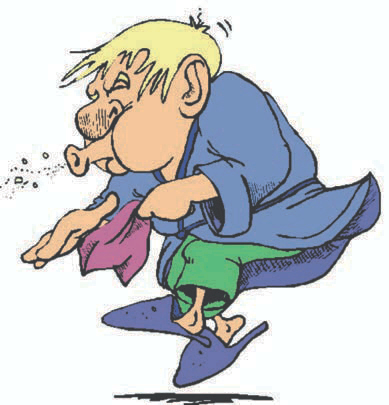
    The flu shot is a vaccine that helps to prevent the flu, an illness caused by infection with the influenza virus. Viruses are very small germs that cause illnesses. Flu is a contagious disease, with symptoms such as fever, cough, headaches, body aches, sore throat and fatigue. For older people, especially those who have chronic diseases such as diabetes or heart disease, the flu can be very serious and even life threatening.

    The influenza pandemic of 1918-1919, also known as the Spanish Flu, killed more people than World War I. During the 1918 pandemic approximately 20 percent to 40 percent of the worldwide population became ill. An estimated 50 million people died, including nearly 675,000 in the United States.

    WHO SHOULD GET THE FLU SHOT?

    • All people 50 years and older
    • Persons with diabetes or chronic problems of the lungs, heart or kidneys
    • Persons whose immune system may be weakened, such as HIV, cancer or organ transplant patients
    • Residents of nursing homes, care homes, foster homes and other chronic care facilities
    • Staff working in nursing homes, hospitals and health centers

    WHY DOES A PERSON NEED A SHOT EVERY YEAR?

    The Flu and You - Generations Magazine - October-November 2012Flu viruses change often and each year’s virus is just a little different than the year before. Since different forms of the viruses appear each winter, a new vaccine is manufactured each year according to the circulating strain that will fight the viruses most likely to occur that year. The protection received from a flu shot also lessens with time, especially in older people. This is another reason why seniors need a flu shot every year. It helps keep seniors protected from the flu and stay healthy. Flu season is usually between November and April. It takes at least two weeks for the shot to start working, so try to get the flu shot in October or early November.

    ARE THERE SIDE EFFECTS TO THE SHOT?

    The flu shot is safe and most people have no problem. Seniors cannot catch flu from the vaccine because flu shots are made with a killed virus. A person may experience soreness or redness around the site of the shot for up to a few days. A few people do have a headache or a low-grade fever for about a day after they get the shot. Because eggs are used to make the flu vaccine, people who are allergic to eggs should not receive a flu shot.


    THINGS TO REMEMBER ABOUT THE FLU

    • The flu can be dangerous for older people
    • The flu can be prevented
    • Older people need a flu shot every year
    • Medicare pays for the flu shot

    The flu shot is a vaccine that helps to prevent the flu, an illness caused by infection with the influenza virus. Viruses are very small germs that cause illnesses. Flu is a contagious disease, with symptoms such as fever, cough, headaches, body aches, sore throat and fatigue. For older people, especially those who have chronic…