Category: Nov – Dec 2022

  • Grief & Bereavement — Part III

    Facing one’s mortality is the unspoken uneasiness that rests just below the surface of the conversation with an estate planning attorney.

    Estate planning attorneys are well-versed in the law of estate planning. But as they focus heavily on probate avoidance and tax minimization, they may overlook the emotional, human side of estate planning. Therefore, the best estate planning attorneys are counselors of law with the emphasis on counselor more than law.

    While clients express their needs in avoiding probate and minimizing tax, estate planning attorneys must remember that underlying each and every client’s need is a deeper foundational need — a relational one — wanting to ensure that they do not burden their survivors with complex legal, administrative and financial matters. Clients want to make sure that whatever they own in material wealth smoothly passes onto the survivors and that the survivors can make good use of these assets to enhance their lives.

    Clients must simply remember that after they pass, life doesn’t stop for their loved ones. So by leaving affairs in order — including financial, legal and tax issues — undue stress will be eliminated for your loved ones, who can then focus on your life, memory and legacy as they grieve.


    STEPHEN B. YIM, ATTORNEY AT LAW
    2054 S. Beretania St., Honolulu, HI 96826
    808-524-0251 | stephenyimestateplanning.com

    Facing one’s mortality is the unspoken uneasiness that rests just below the surface of the conversation with an estate planning attorney. Estate planning attorneys are well-versed in the law of estate planning. But as they focus heavily on probate avoidance and tax minimization, they may overlook the emotional, human side of estate planning. Therefore, the…

  • Wise Charitable Giving

    Charities depend on gifts from people like us to do their good works. That’s why they are not shy about asking us for money. Here are some ideas about maximizing your charitable gifts.

     Do your homework. The good works that charities do often overlap, and some charities operate more efficiently than others. Websites like charitynavigator.org and charitywatch.org can help you rate and compare established charities to find out how much of your gift will go to actual charitable work versus the charity’s  administrative and fundraising overhead. Of course, it costs money to run a charity, and it also costs money to raise money. However, if these expenses exceed
    25 percent of a charity’s revenue, you should consider alternatives.

     Don’t sell an appreciated asset to make a cash gift. If you own Apple stock that you bought for $10 per share, don’t sell it now at $175 per share to raise the cash to make a charitable gift. You will get an income tax deduction for your gift, but you will also be liable for capital gains tax on the difference between the $175 sale price of the stock and the $10 that you spent to buy it. You will have less after-tax cash to give the charity, and your deduction will be limited to the amount of your cash gift Instead, give the stock to the charity. This way, you will make a bigger gift and get a bigger deduction.Your deduction will be the full fair market value of the gifted stock. {Play}

     Consider making gifts from your retirement plans. If you give retirement plan assets to your loved ones after you die, they will have to pay income tax on those gifts. So name charities as beneficiaries of your retirement plans and give your non-taxable assets to individuals. If you have reached the age when you must take required minimum distributions (RMDs) from your retirement plan, you can direct up to $100,000 of your annual RMD to go to charity. You will not get a deduction, but you will not have to pay income tax on the gifted portion of your RMD. This works out better for you than a deduction.


    SCOTT MAKUAKANE, Counselor at Law
    Focusing exclusively on estate planning and trust law.
    est8planning.com
    808-587-8227 | maku@est8planning.com

    Charities depend on gifts from people like us to do their good works. That’s why they are not shy about asking us for money. Here are some ideas about maximizing your charitable gifts.

  • ‘Spoil’ Your Grandchildren Wisely

    Many grandparents spend money on their grandkids, whether by chipping in on big expenses like tuition bills and travel expenses, or covering smaller costs like meals and holiday gifts. The inclination to be generous is understandable and many seniors say it brings them joy to support (or even occasionally spoil) their grandchildren. But lavishing them with gifts shouldn’t come at the expense of your or grandparents own financial security. If you’re seeking to find the balance between supporting your grandchildren and ensuring your own finances stay in healthy shape, here are four tips to keep it all in check:

    1. Know what you can afford. No matter how much you enjoy splurging on your grandkids, your financial security should remain your first priority. There are many unknowns in retirement, including your longevity, the fluctuation of markets and the impact of inflation on purchasing power (a factor that’s particularly pronounced at the moment, with inflation rates at a 40-year high). Spend and gift within your means to maintain your own financial health in the future.

    2. Determine if you’re giving or loaning. If you’re giving a gift, understand current federal tax rules, which are based on the calendar year. In 2022, you can give up to $16,000 to each family member before the federal gift tax is applied. If you are married, both you and your spouse may gift $16,000 (for a total of $32,000). And make certain the recipient knows it’s a gift for their own tax purposes, and so there is no uncertainty about whether or not they need to pay you back. If you are loaning money to a grandchild, be very specific about the terms and repayment, and consider having a written document that both parties sign and date. This can help safeguard your financial situation and ensure both of you are on the same page — now and in the future.

    3. Talk about it. Many people tend to shy away from discussions about money and finances with their family. If you would like to help support your grandchildren or save for their future goals like college or a down payment on a home, be sure to communicate this with their parents. This can help your adult children do a better job with their own financial planning. For example, if the parents of your grandchild know how much you are expecting to contribute to their child’s education, they may be able to decrease the amount allocated to a 529 Plan and invest more toward other goals, such as their own retirement.

    4. Establish boundaries. Even if you want to help your grandchildren financially, depending on their situation, it may not be appropriate to do so, or to repeatedly provide support. Everyone appreciates help, but if your grandchild needs to learn financial independence, there can be value in letting them live within their own means. Keep in mind the smart — and sometimes tough — financial lessons you learned as you made your own way as a young adult, and the pride that came with successfully overcoming challenges.

    If you want to provide financial support to a family member, but haven’t incorporated it into your overall financial plan, consider consulting a financial professional. He or she can help you evaluate your financial needs and goals and create a strategy. A clear and realistic understanding of your own financial picture can help you identify how much you can comfortably give and stay on track with your own goals.


    MICHAEL W. K. YEE, CFP,® CFS,® CLTC, CRPC®
    1585 Kapiolani Blvd., Ste. 1100, Honolulu, HI 96814
    808-952-1240 | michael.w.yee@ampf.com
    ameripriseadvisors.com/michael.w.yee

    Michael W. K. Yee, CFP®, CFS®, CLTC, CRPC®, is a Private Wealth Advisor, Certified Financial Planner ™ practitioner with Ameriprise Financial Services, LLC, in Honolulu. He specializes in fee-based financial planning and asset management strategies and has been in practice for 38 years.

    Many grandparents spend money on their grandkids, whether by chipping in on big expenses like tuition bills and travel expenses, or covering smaller costs like meals and holiday gifts. The inclination to be generous is understandable and many seniors say it brings them joy to support (or even occasionally spoil) their grandchildren. But lavishing them…

  • Medicare Enrollment: Stop, Look & Listen

    It’s Medicare Annual Enrollment time again! So are you looking at a ton of information and videos online, and reviewing stacks of sales materials from insurance companies? Too much information can cause more questions than answers and more confusion than common sense.

    Medicare was offered in 1966 to provide security and peace of mind, not to cause you to lose your mind, patience or money. Making a hasty decision because you are overwhelmed or confused by all of the Medicare information floating around can lead to problems.

    So instead, stop, look and listen to what your current Medicare plan is saying. If it is reasonably successful or effective, there is no need to change or replace it. Just stick with the plan!

    But if you decide to make a change to your existing Medicare Advantage plan, prescription drug plan or Original Medicare Part A and Part B, you can do so from Oct. 15 to Dec. 7.

    The peace of mind that comes with understanding is priceless. So for more information, call Social Security at 1-800-772-1213 or visit ssa.gov. Check with Medicare at 1-800-633-4227 or medicare.gov to learn about Medicare premiums, late enrollment penalties and Medicare insurance options available in your county.


    GET2INSURANCE.COM FAMILY OFFICE
    1003 Bishop St., Ste. 2700, Honolulu, HI 96813
    800-226-3660 | martha@get2insurance.com
    Get2insurance.com

    It’s Medicare Annual Enrollment time again! So are you looking at a ton of information and videos online, and reviewing stacks of sales materials from insurance companies? Too much information can cause more questions than answers and more confusion than common sense.

  • Senior Resources During the Holidays

    A close-up of a senior woman sitting at home at Christmas time.The holiday season is a joyful time to spend with loved ones. However, it can be challenging or seniors who are alone or on limited income. Getting to the market or medical appointments is difficult when you have few transportation options. For those on a limited income, it may involve making a tough choice — using their funds to buy food or pay monthly bills.

    Loneliness, social isolation, limited transportation and lack of adequate financial resources are often realities of life, not just during the holiday season, but also on a daily basis.

    We can help. Catholic Charities Hawaii (CCH) offers Phone-A-Friend, a program that matches volunteer callers with isolated seniors via scheduled phone calls. CCH’s Transportation Services helps seniors access health, nutrition and social services. CCH’s Benefits Enrollment Center (BEC) assists Medicare beneficiaries struggling financially to maximize their public and private benefits for their basic needs. Benefits may include the Supplemental Nutrition Program (SNAP) to help get food on the table, Medicare subsidies or Medicaid to help with medical care, Low Income Energy Assistance Program (LIHEAP) to help cover utility expenses, and more.


    CATHOLIC CHARITIES HAWAI‘I (501(c) 3 nonprofit)
    1822 Keeaumoku St., Honolulu, HI 96822
    808-527-4777
    peter.reyes@catholiccharitieshawaii.org
    CatholicCharitiesHawaii.org

    The Benefits Enrollment Center program of Catholic Charities Hawai‘i is made possible through grants from the National Council on Aging (NCOA) and the Walmart Foundation. Medicare recipients can contact the Benefit Enrollment Center at 808-527-4777 to learn more.

    The holiday season is a joyful time to spend with loved ones. However, it can be challenging or seniors who are alone or on limited income. Getting to the market or medical appointments is difficult when you have few transportation options. For those on a limited income, it may involve making a tough choice —…

  • Medicare: New Regulations Start This Fall

    Medicare and Medicaid agents are scheduled to begin recording calls and providing a new disclaimer at the beginning of phone calls this fall during the Medicare Annual Enrollment Period. These changes directly result from new compliance rules from the Centers for Medicare & Medicaid Services (CMS).

    Agents will be required to record calls with customers who want to discuss Medicare Advantage and/or Part D prescription drug plans. Recordings are retained for a  minimum of 10 years. Agents must also recite a new, required disclaimer within the first 60 seconds of a call.

    “We do not offer every plan available in your area. Any information we provide is limited to those plans we do offer in your area. Please contact Medicare.gov or 1-800-MEDICARE to get information on all of your options.”

    These new regulations were implemented to help protect you, the Medicare beneficiary. Please ask the licensed agent you work with if they comply with these new rules and if the recordings are stored on a HIPAA-compliant system to ensure security of your Personal Health Information (PHI). This will help provide you peace of mind by ensuring that your information is protected.


    COPELAND INSURANCE GROUP
    1360 S. Beretania St., Ste. 209, Honolulu, HI 96814
    808-591-4877 | Fax: 808-589-2399
    margaret@copelandgroupusa.com
    copelandgroupusa.com

    Medicare and Medicaid agents are scheduled to begin recording calls and providing a new disclaimer at the beginning of phone calls this fall during the Medicare Annual Enrollment Period. These changes directly result from new compliance rules from the Centers for Medicare & Medicaid Services (CMS).

  • Beware of Holiday Charity Scams

    If you are considering a donation to a charity during this season of giving, Senior Medicare Patrol (SMP) Hawaii warns you to be wary. Charities use the phone, face-to-face contact, email and the internet — and so do scammers. The Federal Trade Commission, an SMP partner, offers these tips to keep you safe from scammers:

    • Ask for the charity’s exact name, address and phone number.

    • Research the organization online — especially with the word “complaint(s)” or “scam.”

    • Call the charity to confirm that it has people soliciting donations.

    • Ask if the caller is a paid fundraiser. If so, ask the name of the charity they represent and the percentage of donations that go to the charity.

    • Keep a record of donations.

    • Never send cash. Pay by check made payable to the charity or by credit card.

    • Never wire money to someone claiming to be a charity. Scammers often request donations to be wired because wiring money is like sending cash: once you send it, you can’t get it back.

    • Never give your credit or check card number, bank account number or any personal information until you’ve thoroughly researched the charity.

    • For more information, visit ftc.gov. To learn more about Medicare fraud and scams, visit SMP online.

    Fifty-four SMPs in the nation empower and assist beneficiaries, families and caregivers to prevent, detect and report healthcare fraud, errors and abuse through counseling, outreach and education. Contact SMP Hawaii for free presentations, counseling and how to protect yourself against scammers. This volunteer-based program depends on caring, qualified and professional volunteers to help kūpuna against falling victim to Medicare fraudsters and more. Join our team and make an immediate and lasting difference in our community!


    SENIOR MEDICARE PATROL (SMP) HAWAII
    Department of Health — Executive Office on Aging
    250 S. Hotel St., Ste. 406, Honolulu, HI 96813
    808-586-7281 | Toll Free: 1-800-296-9422
    info@smphawaii.org | smphawaii.org

    This project was supported in part by grant number 90MPPG0053 from the US Administration for Community Living (ACL), Department of Health and Human Services, Washington, DC, 20201. Grantees undertaking projects under government sponsorship are encouraged to express freely their findings and conclusions. Points of view or opinions do not, therefore, necessarily represent official ACL policy. The Hawai‘i Department of Health – Executive Office on Aging has administered SMP Hawaii since 1997.

    If you are considering a donation to a charity during this season of giving, Senior Medicare Patrol (SMP) Hawaii warns you to be wary. Charities use the phone, face-to-face contact, email and the internet — and so do scammers. The Federal Trade Commission, an SMP partner, offers these tips to keep you safe from scammers.

  • Emotional Wellness During the Holidays

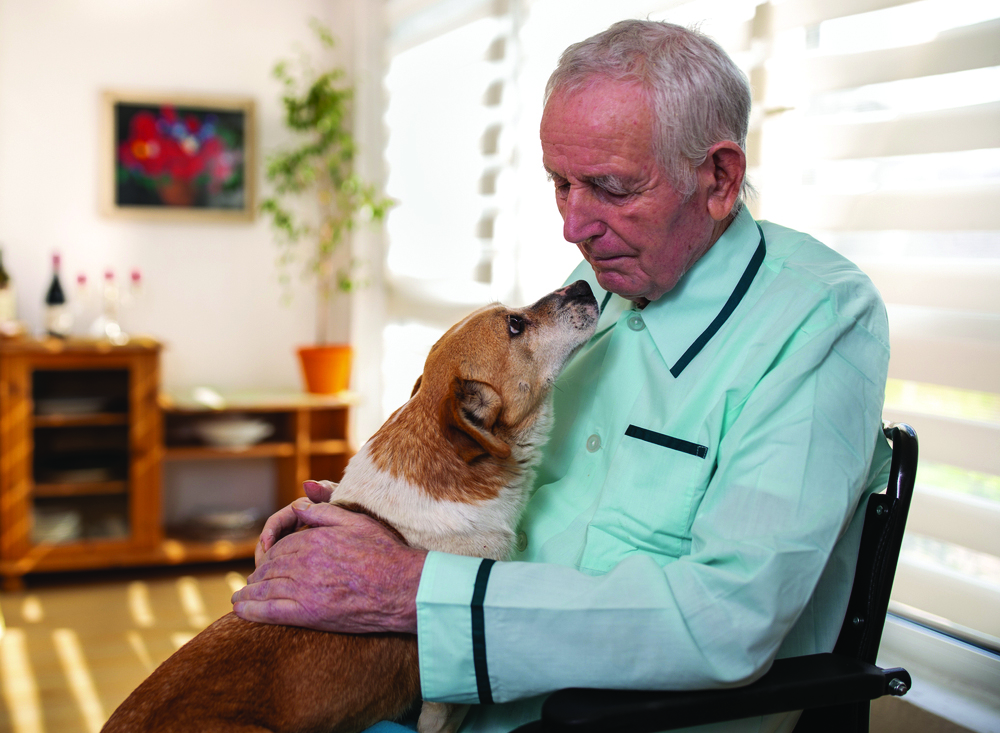
    Senior man with his dog sitting in chair beside window and sharing loveWith the holiday season upon us, it’s important to look after one’s mental health and emotional well-being. While the season typically includes family and social gatherings, holidays can also be stressful, and trigger feelings of grief, loneliness and depression. Consider some of these steps to help support  your emotional health and find joy during the holidays and beyond.

    ✦ Breath & Health: The way you breathe can affect your mind and body. Full, deep breathing is a good way to reduce tension. In the Hawaiian culture, the breath is an important part of physical and spiritual health. Be aware of your breathing. Practice daily deep breathing exercises.

    ✦ Nutrition & Exercise: Key to your overall wellness and coping with stress is a well-balanced diet, plenty of water and regular exercise. Stay hydrated by drinking six to eight 8-ounce glasses of water daily. Steer clear of heavily processed foods that are high in sugar or saturated fat. Check with your doctor and keep him or her informed about any changes to your diet and movement routines, or if you’re thinking about starting a new exercise program.

    ✦ Alcohol Intake: Even small amounts of alcohol, such as one drink, can make depression worse and disrupt your sleep and mood.

    ✦ Depression: Grief, stress, physical challenges and changing life circumstances can trigger depressive symptoms, and other emotional health problems. Know when to get help. If you’re concerned about your mind and mood, talk to a personal physician or behavioral health expert.

    ✦ Self-Care Apps: Digital apps can help your emotional well-being and resilience. The myStrength app offers a personalized program that teaches mindfulness and other helpful behaviors. Calm is an app designed to help lower stress, reduce anxiety and improve sleep by using guided meditation. Learn more at kp.org/selfcare.

    ✦ Getting Help: Mental healthcare is not one-size-fits-all. Treatment differs for everyone — from the type of provider you see and how often you see them to the length of time it takes for treatments to be most effective. If you don’t know where to start, discuss options and next steps with your doctor. If you believe you’re having a mental health or medical emergency, call 911 or go to the nearest hospital.


    KAISER FOUNDATION HEALTH PLAN, INC.
    711 Kapiolani Blvd., Honolulu, HI 96813
    808-432-5915 (TTY 711) | kp.org
    More resources & tools:
    kp.org/mentalhealth
    kp.org/seniorhealth This article contains health and wellness or prevention information.

    With the holiday season upon us, it’s important to look after one’s mental health and emotional well-being. While the season typically includes family and social gatherings, holidays can also be stressful, and trigger feelings of grief, loneliness and depression. Consider some of these steps to help support  your emotional health and find joy during the…

  • What is Telemedicine?

    Telemedicine facilitates medical professionals in providing medical care to patients outside of the traditional office setting by using modern technology.

    “Telemedicine” and “telehealth” are often used interchangeably. However, telehealth specifically describes the electronic and communications technologies being used to provide services remotely. Telemedicine can be viewed as the professional medical consultations you may receive remotely or outside of the clinical office.

    One of the main benefits telemedicine can provide to kūpuna is increased access to care. For many kūpuna, it can be difficult to get to the doctor’s office due to lack of transportation, physical impairments and lack of caregiver assistance. Telemedicine enables patients to stay at home and to see their physician remotely using telecommunication devices.

    However, not all kūpuna have the knowledge, technological skills or equipment to use telecommunication technologies.

    Solutions include getting help from family and friends who are more savvy. They’re already adept at using devices like a cellphone, and can easily help a senior. And your family member or friend can be right there to help assist if it is difficult for the senior to see or hear their doctor.


    OHANA PACIFIC MEDICAL LLC
    428 Kawaihae St., #148, Honolulu, HI 96825
    808-930-9858 | opm@ohanapacific.org
    ohanapacificmedical.org

    Telemedicine facilitates medical professionals in providing medical care to patients outside of the traditional office setting by using modern technology. “Telemedicine” and “telehealth” are often used interchangeably. However, telehealth specifically describes the electronic and communications technologies being used to provide services remotely. Telemedicine can be viewed as the professional medical consultations you may receive remotely…

  • Make Naughty Sweets Nicer for Teeth

    In Hawai‘i, everyone loves to spoil their loved ones with sweet treats during the holidays. It’s okay to indulge in a treat or two, but don’t forget the toll it takes on your teeth and gums. Here are some oral health tips when eating common holiday sweets:

    ❉ Arare (mochi crunch), candy canes and other hard candy: You’re putting your teeth at risk for decay when you let snacks dissolve in your mouth. And crunching on them could crack your teeth. Swap out hard candies for dark chocolate instead, which has less sugar and dissolves quickly.

    ❉ Pies, cakes and cookies: You’ve probably been waiting all year for that pumpkin crunch cake or custard pie, but moderation is key when it comes to these baked goods. Also, save yourself the toothache and scrape off the icing or sweet toppings before you eat them.

    ❉ Hot chocolate, eggnog or hot apple cider: These classic holiday drinks are full of sugar. Try your best to eliminate extra additions like marshmallows, alcohol or extra syrup that may harm your teeth or dry out your mouth.

    ❉ Mochi, caramels and other sticky sweets: Sticky sweets stay on your teeth longer, and their sugar and acids can break down enamel throughout the day. Brushing and flossing every time after eating them will save you an extra trip to the dentist.

    Go ahead and enjoy some sweet holiday decadence, but be sure to balance that out with crunchy fruits and veggies (carrots are a particularly great choice) and whole grains. Dentists also recommended drinking water immediately after eating to help wash sugars and acids from teeth.

    Be sure to discuss any changes in diet as well as other medical conditions with your physician and dentist. For healthier teeth, gums and total body health, a solid routine of brushing twice a day, flossing daily and seeing your dentist twice a year will ultimately help you live well and smile more at every age.


    HAWAII DENTAL SERVICE (501(c) 4 nonprofit)
    Kahala Howser, Wellness & Events Manager
    808-521-1431 | khowser@hawaiidentalservice.com
    HawaiiDentalService.com

    In Hawai‘i, everyone loves to spoil their loved ones with sweet treats during the holidays. It’s okay to indulge in a treat or two, but don’t forget the toll it takes on your teeth and gums. Here are some oral health tips when eating common holiday sweets.

  • Why Coffee Is a Health Food for Older Adults

    Coffee cup and beans on a white background.

    Quit feeling guilty over your morning cup(s) of joe. Research shows that coffee can help prevent dementia, improve cardiovascular health and increase lifespan.

    Coffee can help seniors maintain a healthy lifestyle. That is the conclusion of a plethora of studies on the steamy liquid that is synonymous with waking up for many Americans over 60. In fact, the morning brew has been shown to reduce a number of health issues. The main active ingredient in coffee, caffeine, is an antioxidant. Antioxidants help block damage related to aging:

    • Coffee can keep cells more elastic, reducing the hardening of arteries that takes place over time that weakens the cardiovascular system.
    • The risk of stroke is reduced by up to 22 percent. Even one cup of coffee per week was found beneficial to reduce stroke and improve heart health.
    • Caffeine may prevent or delay age-related cognitive impairment, including dementia. One study that tracked people from middle age to the 70s found a reduced lifetime risk of dementia.
    • Drinking caffeinated coffee cuts the risk of mouth and throat cancer in half and reduces the risk of many other types of cancer, as well as Type 2 diabetes.
    • The mood boost associated with coffee can increase motivation and alertness, in turn lowering the risk of mental health issues like depression.
    • People who drink coffee on a regular basis have an overall lower risk of death than those who do not.

    How Much is Too Much?

    Most studies have centered on consumption in the range of three to five 8-ounce cups, or up to 400 milligrams of caffeine. This amount reduces the risk of suicide for both men and women by 50 percent, and the overall risk of early death by 15 percent (this latter statistic holds true even for decaf drinkers).

    The Healthiest Way to Brew

    The method used to make the brew can have a big impact on LDL cholesterol, which can damage the arteries and triglycerides levels. Filtered coffee, which passes through a paper filter prior to consumption, filters out potentially dangerous oily chemicals called diterpenes. Seniors who use a French press instead of filters are at risk of raising their cholesterol and triglyceride levels. It may not be enough to affect their health, but if either of those values is high for you, consider switching to filtered coffee.

    You may be relieved to know that, with warm weather approaching, iced coffee lovers can safely turn to cold brew. This holds true for both caffeinated and decaffeinated brews. Cold brew coffee is made by steeping the grounds in cold water for a period of hours, after which the coffee is strained through a paper filter.

    Downside of Coffee

    Michael Pollan, the author of “This Is Your Mind on Plants,” has called caffeine “the enemy of good sleep.” He relates how, after weaning himself from coffee, he “was sleeping like a teenager again.” Caffeine has other undesirable side effects for some people:

    • Diarrhea and gastrointestinal issues due to high acid content.
    • Rapid heart rate.
    • Dehydration, possibly putting stress on the kidneys.
    • Elevated blood pressure, which is a temporary condition.

    When in doubt, ask your doctor if you should switch to decaffeinated coffee and if there are any other side effects you should be aware of. Seniors with migraines, insomnia, urinary incontinence, muscle tremors, stomach problems, or anxiety are more likely to have trouble with caffeine. Drug interactions are most likely to occur with ephedrine, echinacea and theophylline.

    When attempting to reduce the caffeine content of their coffee, many older adults reach for a lighter roast. Wrong! “The darker you roast the beans, the more caffeine burns away,” explains Mike Balderrama, regional educator for Counter Culture Coffee.

    Another caveat: Be aware of what you are stirring into your coffee. For all the benefits of the brew itself, many people negate them by adding cream, sugar, or processed alternatives that add calories and fat.

    Coffee can be a key component in the healthy lifestyle of older adults. Enjoy it in moderation, knowing you are reducing your chances of getting cancer, dementia and a host of other diseases. Coffee can augment healthy food choices and daily activity to help you live your best life.


    SCSA (Society of Certified SeniorAdvisors)
    The SCSA educates and supports specialists in aging dedicated to improving lives of older adults.
    1-800-653-1875 |csa.us

    Quit feeling guilty over your morning cup(s) of joe. Research shows that coffee can help prevent dementia, improve cardiovascular health and increase lifespan. Coffee can help seniors maintain a healthy lifestyle. That is the conclusion of a plethora of studies on the steamy liquid that is synonymous with waking up for many Americans over 60.

  • The Best Type of In-Home Care for You

    It is important that seniors and their families understand their choices when it comes to in-home care, so they can decide what will best fit their needs.

    For some folks, traditional time-based in-home care services are the best option, while others will find task-based in-home assistance to be less intrusive, more affordable and an effective way to continue to live well at home independently.

    Responses to the following questions can help determine the type of care that best suits the needs of a senior and their family.

    • How independent is the senior? Do they need constant supervision or do they have signs of dementia?
    • Has the senior recently been discharged from the hospital or does he or she need temporary help with the activities of daily living?
    • What other assistance is available? Are there family members and friends who are also able to provide support?
    • What are their objectives and health goals?
    • What is their budget for in-home care?

    Task-Based Assistance

    This type of assistance works best for seniors who are independent, but would like help with:

    • General housekeeping and laundry
    • Meal preparation
    • Medication reminders
    • Exercise and range of motion routines
    • Transportation to doctor appointments or errands
    • Bathing or toileting assistance
    • Other personal care assistance

    Time-Based Services

    This type of care is based on services provided for seniors who want to stay at home but need longer visits or more direct, hands-on care to assist with activities of daily living.

    Task- & Time-Based Services

    Healthcare services that offer a full range of care services can design a care plan that suits a senior’s individual needs by offering both time-based and task-based care.

    A combination of time- and task-based services can also be tailored for a senior who has a unique combination of care needs.


    VIVIA by Ho‘okele Home Care
    820 Mililani St., Ste. 711, Honolulu, HI 96813
    O‘ahu: 808-784-3049 | Maui: 808-784-3094
    info@viviacares.com | www.viviacares.com

    It is important that seniors and their families understand their choices when it comes to in-home care, so they can decide what will best fit their needs. For some folks, traditional time-based in-home care services are the best option, while others will find task-based in-home assistance to be less intrusive, more affordable and an effective…