
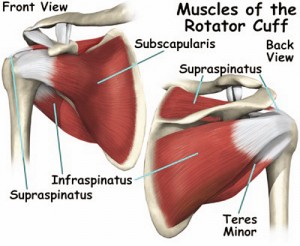
 We have all heard the term “rotator cuff.” What is a rotator cuff? A group of four muscles: supraspinatus, infraspinatus, subscapularis and teres minor that connects the shoulder blade (scapula) to the arm bone (humerus).
The rotator cuff tendons are key to a healthy functioning shoulder. They are subject to wear and tear or degeneration, as we use our arms. Occasionally, the muscles or tendons of the rotator cuff become irritated or damaged because of injury or overuse.
What are the risk factors?
- Over the age 40
- Impingement syndrome
- Poor posture
- Muscle/joint tightness
- Repetitive overhead motions
What are the symptoms?
- Shoulder pain
- Upper arm pain
- Pain/weakness lifting the arm
- Pain/weakness reaching
- Pain lying on the shoulder
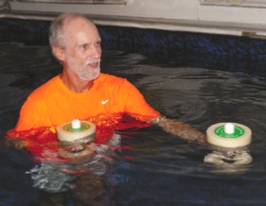
Performing rotator cuff exercises in warm water can help to strengthen the muscles and make it less painful during rehabilitation.
The Journal of Orthopedic and Sports Physical Therapy published a study that compared the effects of land and water exercises on the rotator cuff. It was found that the water’s buoyancy minimizes the amount of stress on the shoulder and the resistance created by the water actually improved the effectiveness of the exercises. The study concluded, aquatic therapy allows for earlier rehabilitation after surgery or injury without compromising the patient’s safety.
So when traditional therapy is too painful to endure, aquatic therapy can offer an early start to rehabilitating the rotator cuff and allow for a speedy recovery.
Moon Physical Therapy, LLC
320 Ward Avenue, Suite 107, Honolulu, HI 96814
Aquatic Therapy, Land-based Therapy and
Cardiopulmonary Rehab Programs
808-597-1005 | www.moonpt.com
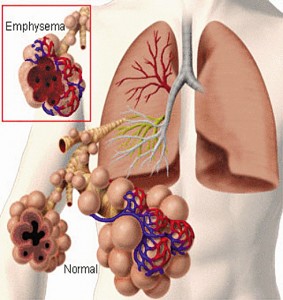 Emphysema is a lung disease that makes it hard to breathe. Emphysema, along with chronic bronchitis are referred to as Chronic Obstructive Lung Disease (COPD). COPD is the fourth leading cause of death in the United States. Smoking is the leading cause of emphysema.
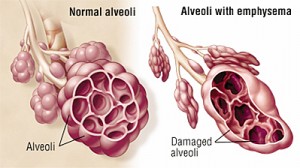 Rarely, emphysema is caused by an inherited deficiency of a protein that protects the elastic structures in the lungs called alpha-1-antitrypsin deficiency emphysema.
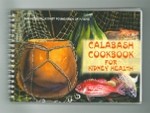 The National Kidney Foundation of Hawaii has prepared a cookbook of kidney-healthy recipes available to the public. Go to
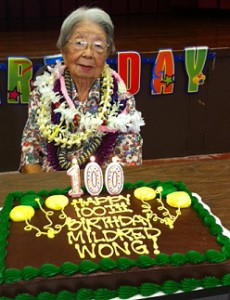 Mildred, born and raised in Kaneohe, must have seen a lot. She witnessed the world and the evolution of governments, like the Statehood of the Hawaiian Islands. Watched technology progress in leaps and bounds: AM/FM, watching black & white TV, then color. Computers were only used in large companies. Now every person owns one, small and large. The thought of organic food probably wasn’t the same as it does today. To Mildred, it was her own backyard garden. You may still see her pulling weeds in her yard at home.