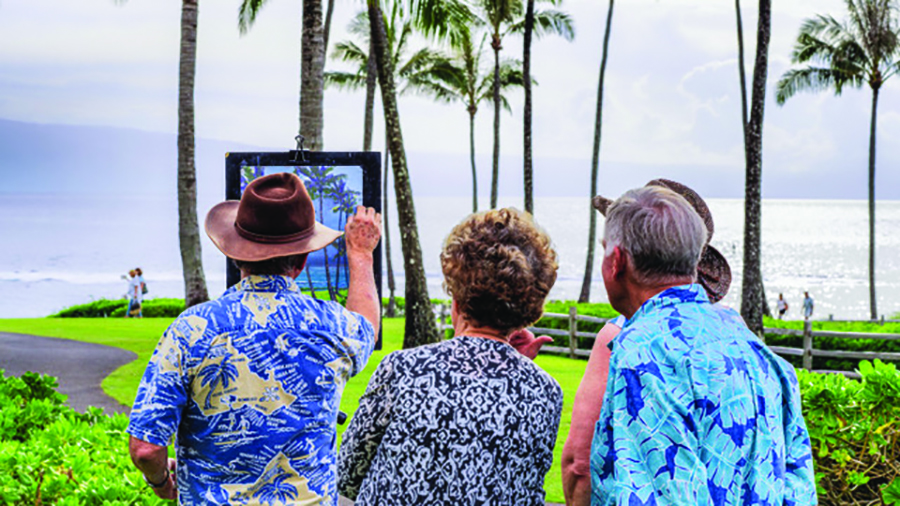
My current goal is to help Maui Arts League build a Visual Fine Arts Museum on West Maui — for our children, residents and visitors. My husband and I have always valued art and were inspired by collecting fine art. I believe art makes people happy. What could be better than surrounding yourself with family, good friends, delicious healthy food and beautiful art?
Working for my community keeps my mind active, takes me all over the island, and leaves little time to become a couch potato! I think this approach to life makes me look younger than I am. I may feel like a centenarian some days (backaches or joint stress), but at 73, I ordinarily wake up fresh and eager to accomplish something of value.
If you want to keep enthusiastic about life, feeling vibrant, looking young and fit — just volunteer. My parents passed on to me their dedication to volunteerism and I am thankful for their wise insight and guidance on how to get the most out of life.
I worked long hours during my career at IBM. In retirement, I still liked setting goals and keeping busy, so I donated my time and skills to art organizations first in Austin, Texas, and later on Maui when we relocated here. I work just as much volunteering as I did at IBM, but now my imaginary ‘paycheck’ is much bigger!
You can give back to the community by donating time to your favorite nonprofit organization as a docent, a greeter, office helper or event staff. Pick groups that fit your passion: literary groups (especially children’s organizations like Book Trust), health groups (cancer, hospice, hospitals, care homes), or arts groups (Maui Arts & Cultural Center, Honolulu Museum of Art, Maui Academy of Performing Arts, Maui Arts League).
My retirement goals focus on community work because I don’t have children. If your focus is on family, keeping busy and setting goals works well too! If you’d like to chat about growing old and art, send me an email. If you live on Maui, a cup of coffee may be in the cards.
My current goal is to help Maui Arts League build a Visual Fine Arts Museum on West Maui — for our children, residents and visitors. My husband and I have always valued art and were inspired by collecting fine art. I believe art makes people happy. What could be better than surrounding yourself with family,…
The biggest surprise about retirement is that I am busier now than when I had a regular job. My to-do list seems to get longer every day, even though I know I am continually completing tasks. Keeping busy with meaningful work is good advice to anyone contemplating retirement.
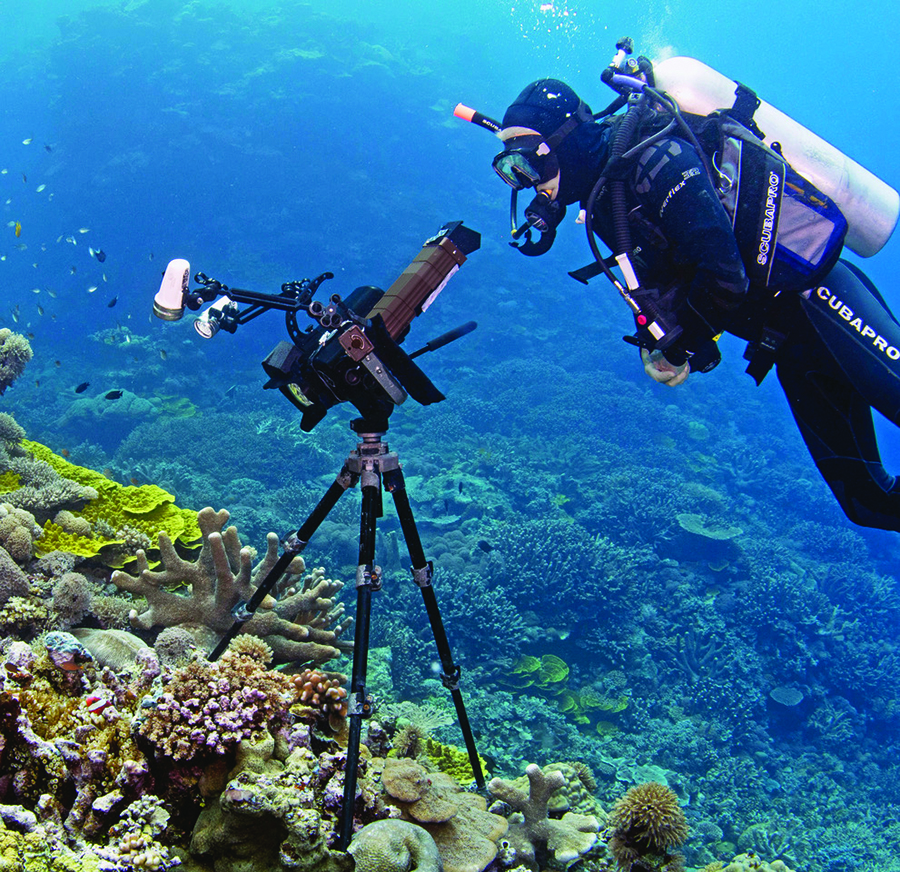
During my professional career, I earned a Ph.D. in ichthyology (the study of fishes) and was employed at the Waikiki Aquarium for 27 years, and then at the Georgia Aquarium for another nine years before retiring in 2011. One fact about biologists is that we continue doing the same kind of work in retirement as we did in our careers, except there is no longer a pay-check. Biologists never really lose what Rachel Carson called a “sense of wonder” when it comes to nature. My wife, Marj, and I find that sense of wonder underwater. I have been scuba diving for 52 years, and I suspect I will continue doing so until I can no longer strap on a scuba tank.
Photo by Marj Awai
I don’t spend much time in regular volunteer service, but I have found other ways to give back to others. I am often asked to create video programs for friends or colleagues, which is a challenge because of the time this takes, but it is also rewarding to share what we see underwater because we know most people will never have this opportunity. I have a YouTube channel under my name where I post most of my videos. One of the most viewed underwater videos is this one filmed in the coral reefs around the Solomon Islands: https://youtu.be/JIzUKyc36Q4
As a former aquarium director, I am often asked to testify at the Legislature on behalf of friends or colleagues on issues for which I have the expertise or have a passionate interest. Anyone involved in preparing testimony and sitting for endless hours waiting to testify will know how time-consuming this can be, and sometimes it can be endlessly frustrating too.
The more mundane activities that keep me busy include all the usual tasks such as yard work (which I do enjoy!), keeping up on household repairs, exercise (daily walks and bicycling), writing magazine articles, and some scientific papers too. I have also found that my 70-year-old brain can no longer remember what I had for breakfast, let alone what I did a week ago. So I created an e-diary on my computer where I keep track of our daily activities and add a “picture of the day.” I have also found that tracking expenses is essential to understanding where all the money goes. At the end of every day, I pull all the receipts from my pocket and enter them on an Excel spreadsheet. With luck and continued tracking, our retirement funds will last well into our 90s.
Never a dull moment with so much to do!
The biggest surprise about retirement is that I am busier now than when I had a regular job. My to-do list seems to get longer every day, even though I know I am continually completing tasks. Keeping busy with meaningful work is good advice to anyone contemplating retirement.
They are the “Jugglers” of multiple opportunities who know a diversified work portfolio increases the probability of realizing financial and personal success, improves their sense of control and boosts feelings of security.
What you need to know about portfolio work.
Smart portfolio (multiple) ways of working are usually balanced between high risk and reasonable certainty as well as between long- and short-term growth. Many people compare it to investing time and money in the stock market for both short- and long-term financial returns.
Others think of portfolio work as simultaneously diversifying their work between multiple interests and different markets. In this way, it creates a balance of income, interests, time and energy.
Earning, learning and doing good.
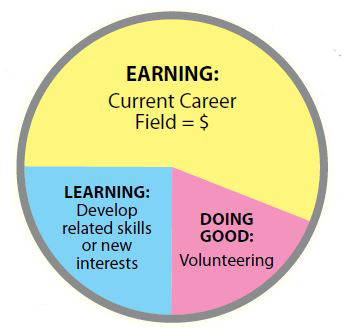
In the following example, the first investment is doing project work in your established career field. This offers some income some of the time. Consider this aspect of your portfolio as work for current income.
A second investment is the continued (formal) development of related skills or new interests to meet the demands of emerging market-driven trends. This aspect of a portfolio is working for learning and future financial return.
A third investment is volunteering, which can be thought of as work done for personal satisfactionor for the benefit of others.
A balanced diversified portfolio, with the relative amounts of time dedicated to earning, learning and doing good, is illustrated below.
With the passage of time, the balance is likely to shift as different market-place needs, life goals and interests change.
Advantages of managing a career portfolio
You will…
Appreciate the opportunity to gain multiple income sources.
Expand your ability to shift emphasis as the marketplace continues to change.
Deepen your reputation as an expert.
Balance your energy between the various components of your portfolio.
Have some fun; give back to your community; gain more work/life balance.
Find new directions while doing meaningful work in your community.
Portfolio workers are the “Jugglers” of multiple opportunities who know a diversified work portfolio increases the probability of realizing financial and personal success, improves their sense of control and boosts feelings of security.
Ageism is discrimination and negative stereotyping on the basis of a person’s age. It permeates the media and everyday conversations to such an extent and in such subtle ways that people may accept negative stereotypes of older adults (“forgetful,” “grouchy,” “less competent”) as truth, unconscious of their bias. While not denying very real difficulties that may arise, later adulthood is a life stage that involves both opportunities and challenges, as do all stages of life.
Language matters. The way we speak about or frame aging reflects and reinforces ageist attitudes.
While trying to convey the significance of current demographic changes, it is easy to slip into an alarmist mode. The media and even scholars often characterize population aging as a natural disaster, a “silver tsunami,” threatening to overwhelm society. Re-framing the discussion of changing demographics in a more positive way avoids an ageist mindset: “As Americans live longer and healthier lives…”
Older adults are marginalized as outsiders, when referred to as “them” not “us.”
The medicalization of life experiences once regarded as non-pathological (e.g., childbirth, sadness, menopause) extends to the experience of aging, as well. Viewing the process of aging in a medical frame implies the older adult needs “care.” Old age may be labelled either a “problem” to be “fixed” or a fatalistic condition for which “nothing can be done.”
In an attempt to counter ageist ways of speaking, the FrameWorks Institute developed the following evidence-based recommendations:
Redefine aging to include its positive aspects. Prevailing negative assumptions about “getting old” lead to fatalistic attitudes.
Avoid language like “senior citizens,” “aging dependents,” “the elderly.”
A call for justice beats a plea for sympathy. Ac-knowledge that a just society strives to treat everyone as equal participants.
Acknowledge that social contexts and social policies shape the experience of old age, that health and financial security are not totally dependent on an individual’s planning and good decisions.
A new metaphor can shift perceptions of aging. Compare the process of aging to “building momentum,” the potential force of built-up experience and insight, and view older adults as sources of resources to be tapped.
Remember, ageism is discrimination against your future self.
———-
CENTER ON AGING — University of Hawai‘i at Mānoa
2430 Campus Road, Gartley Hall, 201B, Honolulu HI 96822 808-956-6124 | map3@hawaii.edu
Ageism is discrimination and negative stereotyping on the basis of a person’s age. It permeates the media and everyday conversations to such an extent and in such subtle ways that people may accept negative stereotypes of older adults (“forgetful,” “grouchy,” “less competent”) as truth, unconscious of their bias.
March is National Kidney Month! In celebration, the National Kidney Foundation of Hawai‘i will be hosting its 4th Annual Walk on the Wild Side event on Saturday, March 23, 2019 from 11am to 4pm at Fort Street Mall and Chinatown.
Bring your friends and family down for a day of live entertainment, arts and crafts, delicious food, dragon dancing, Taiko drumming, keiki activities, fashion shows by Miss Hawai‘i contestants, educational health information, vision screenings, educational information, and much more. 23, 2019 from 11 am– 4 pm at Fort St. Mall & Chinatown.
Saturday, March 23, 2019 11am-4pm Fort St. Mall & Chinatown
Our Historical Mystery Walk is a leisurely walk around the Downtown and Chinatown areas of the event. On the day of the event, walkers will receive a scavenger map which will lead them on a self-guided tour to find the area’s hidden historical gems in addition to learning more about the rich culture that surrounds us. We encourage participants of all ages to join us in this exciting adventure!
The Historical Mystery Walk is a proud project of Historic Hawai‘i Foundation, Honolulu Exposed, and the National Kidney Foundation of Hawai‘i.
In addition to all of those amazing activities, we will also be offering our largest complimentary kidney screening of the year. Did you know that over 198,000 people in Hawai‘i are living with kidney disease? Over 4,400 people are on dialysis and more than 300 people are waiting for transplants at this very moment. Hawai‘i is also 30 percent higher than the national average for kidney disease risk and kidney failure.
The National Kidney Foundation, a major voluntary nonprofit health organization, is dedicated to prevention of kidney and urinary tract diseases, improving the health and well-being of individuals and families affected by kidney disease and increasing the availability of all organs for transplantation.
March is National Kidney Month! In celebration, the National Kidney Foundation of Hawai‘i will be hosting its 4th Annual Walk on the Wild Side event on Saturday, March 23, 2019 from 11am to 4pm at Fort Street Mall and Chinatown.
In January 1, 2019, Hawai‘i became just the seventh state in the US to permit medical aid in dying. The Our Care, Our Choice (OCOCA) law allows terminally ill adult patients with capacity to make medical decisions to be prescribed an aid-in-dying medication if all the requirements are met.
Patients who qualify must have received a terminal diagnosis of six months or less; request the OCOCA prescription directly; and be 18 years of age or older, mentally capable of making the decision, and able speak for themselves. The patient must also be physically and mentally able to take the drug themselves.
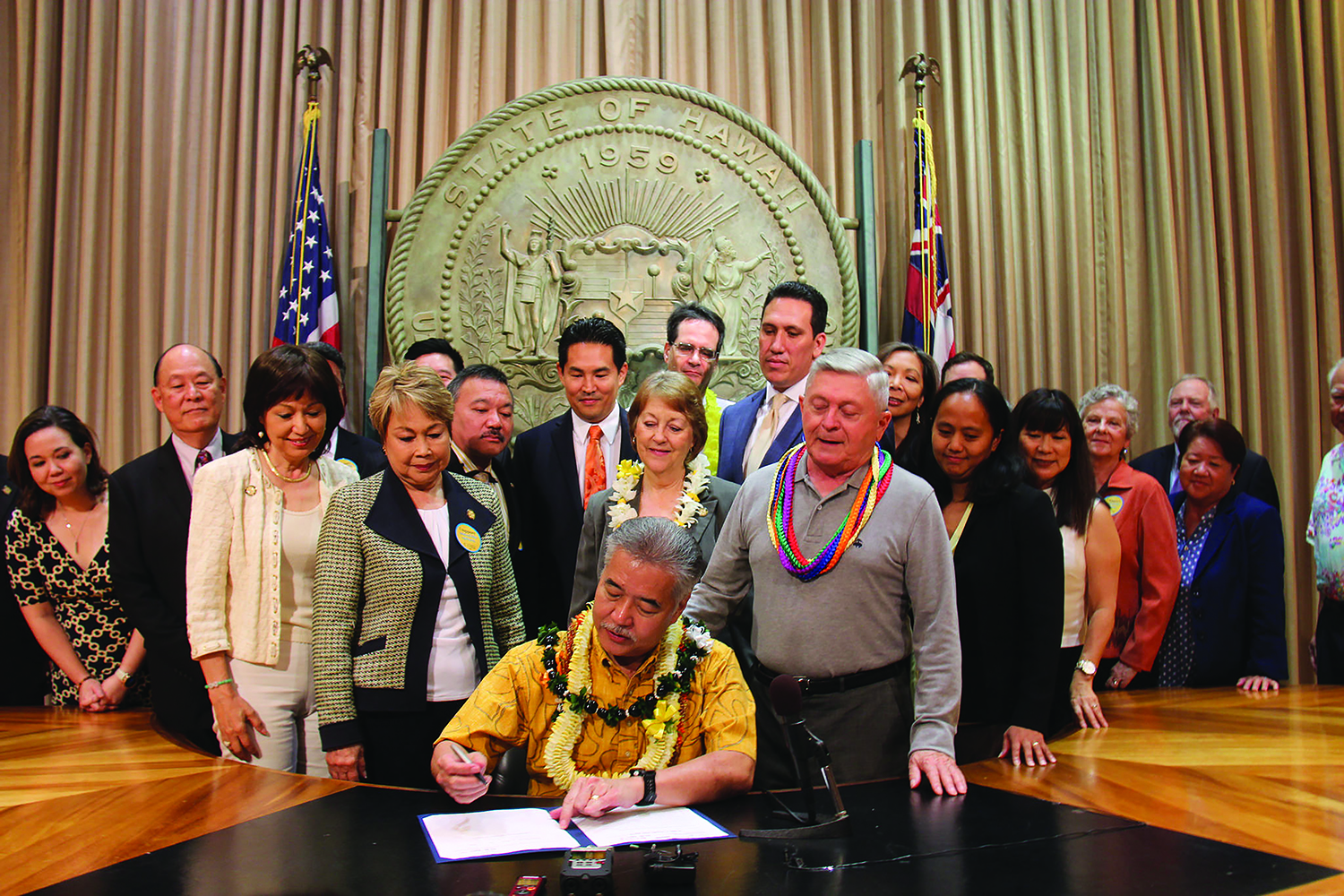
Gov. David Ige signs the Act into law at a ceremony with supporters.
Hawai‘i’s version of the law also requires patients and their physicians to go through numerous steps before an OCOCA prescription can be written. Physicians are required to talk with patients who request the prescription about alternatives or additional treatment opportunities, such as hospice care, pain management and palliative care.
Executive Director for Kōkua Mau, Jeannette Koijane, says, “Like the Hawaii Department of Health, we recommend that anyone who has a diagnosis of six months or less to live enroll in hospice and work with the trained hospice team that will address physical, emotional and spiritual suffering.” Kōkua Mau is a network of organizations and individuals that work to improve care especially for those with serious illness and at the end of life.
Under Hawai‘i law, patients cannot be denied health insurance, life insurance, or annuities because they are participating in OCOCA. Taking the drug will not be viewed as suicide, assisted suicide, homicide, mercy killing, or other criminal conduct under the law. Insurance plans are not required to cover the OCOCA prescription. Contact your health plan for details. Medicare will not cover the drugs.
Patients who go through the steps to obtain the OCOCA prescription can ultimately decide not to take the drug. Koijane adds, “We encourage people to talk with their doctor about the law as it is a personal matter between a doctor and patient.”
In January 1, 2019, Hawai‘i became just the seventh state in the US to permit medical aid in dying. The Our Care, Our Choice (OCOCA) law allows terminally ill adult patients with capacity to make medical decisions to be prescribed an aid-in-dying medication if all the requirements are met.
The annual Senior Classic Games is sponsored by Generations Magazine.
The motto of the City and County of Honolulu, Department of Parks and Recreation is “We Add Quality to Life” and the public programs it provides, along with the events it hosts and participates in, are a reflection of that aim. Concerts, fairs, cultural exhibitions and the longest-running non-competitive hula event in the state are all on the agenda for the coming year.
As well as the many opportunities it makes available for individual exercise — swimming, gym workouts, walking at a beach or park — the department schedules exercise classes for kūpuna.
Senior Golf Program
March 8, Friday; Ewa Villages Golf Course
May 10, Friday; West Loch Golf Course
July 12, Friday; Ala Wai Golf Course
March 8, Friday; Ewa Villages Golf Course
May 10, Friday; West Loch Golf Course
July 12, Friday; Ala Wai Golf Course
Call for details & time: 808-768-3030 Senior Classic Games
March 21, Thursday, 8 am – 12 pm Halawa District Park
Senior Fun Walk
April 5, Friday, Check-in 8:30 am; 9 am start Patsy T. Mink Central Oahu Regional Park
92nd Annual Lei Day Celebration
May 1, Wednesday, 9 am – 5:30 pm Kapi‘olani Park
Nā Hula Festival
August 4, Sunday, 9 am – 2 pm Kapi‘olani Park Bandstand
Talk Story Festival
October 11, Friday, 5:30 pm – 8:30 pm Mission Memorial Auditorium
45th Annual Mayor’s Craft & Country Fair
November 23, Saturday, 9 am – 1 pm Neal Blaisdell Exhibition Hall
The motto of the City and County of Honolulu, Department of Parks and Recreation is “We Add Quality to Life” and the public programs it provides, along with the events it hosts and participates in, are a reflection of that aim. Concerts, fairs, cultural exhibitions and the longest-running non-competitive hula event in the state are…
January of 2018, I made a lifestyle change: I went vegan. In March, I added fish to my diet, so I am now pescatarian. I don’t eat meat, chicken, dairy, eggs and cheese. It’s been over a year now and I lost a few pounds. I’m still feeling great and I am also exercising.
Seniors not only have to exercise and stay physically and mentally fit; they also need to make their money last longer. Social Security, regular investments (stocks, mutual funds) and retirement plans (401k, IRA) now have to account for an extended life span. We don’t want to spend our golden years in poverty and ill health.
In the past, retirement money didn’t have to last very long. In 1965, men had a life expectancy of 68 years and women lived an average of 71 years. Men lived only three years past retirement age and women lived six years in retirement. Now that people are leading healthier lifestyles and taking advantage of advancements in science and medicine, retirees are living well into their 90s. Our money has to last for 20 to 30 years after we stop working.
This month I made 70. Very fortunate my father is still alive; he’s 94 years old. My mother passed away two years ago at age 92. I have three children, nine grandchildren and twelve greats. I would like to spend many more years with them.
Am I ready? Are you ready?
Edward Motosue, his son Travis, and their team have provided the senior community with financial guidance and insurance expertise for 10 years.
Seniors not only have to exercise and stay physically and mentally fit; they also need to make their money last longer. Social Security, regular investments (stocks, mutual funds) and retirement plans (401k, IRA) now have to account for an extended life span.
Since 2017, licensed Hawai‘i cannabis growers have been formulating and dispensing medical products to qualified state-registered patients. A majority of their clients who are benefiting from cannabis treatments are seniors.
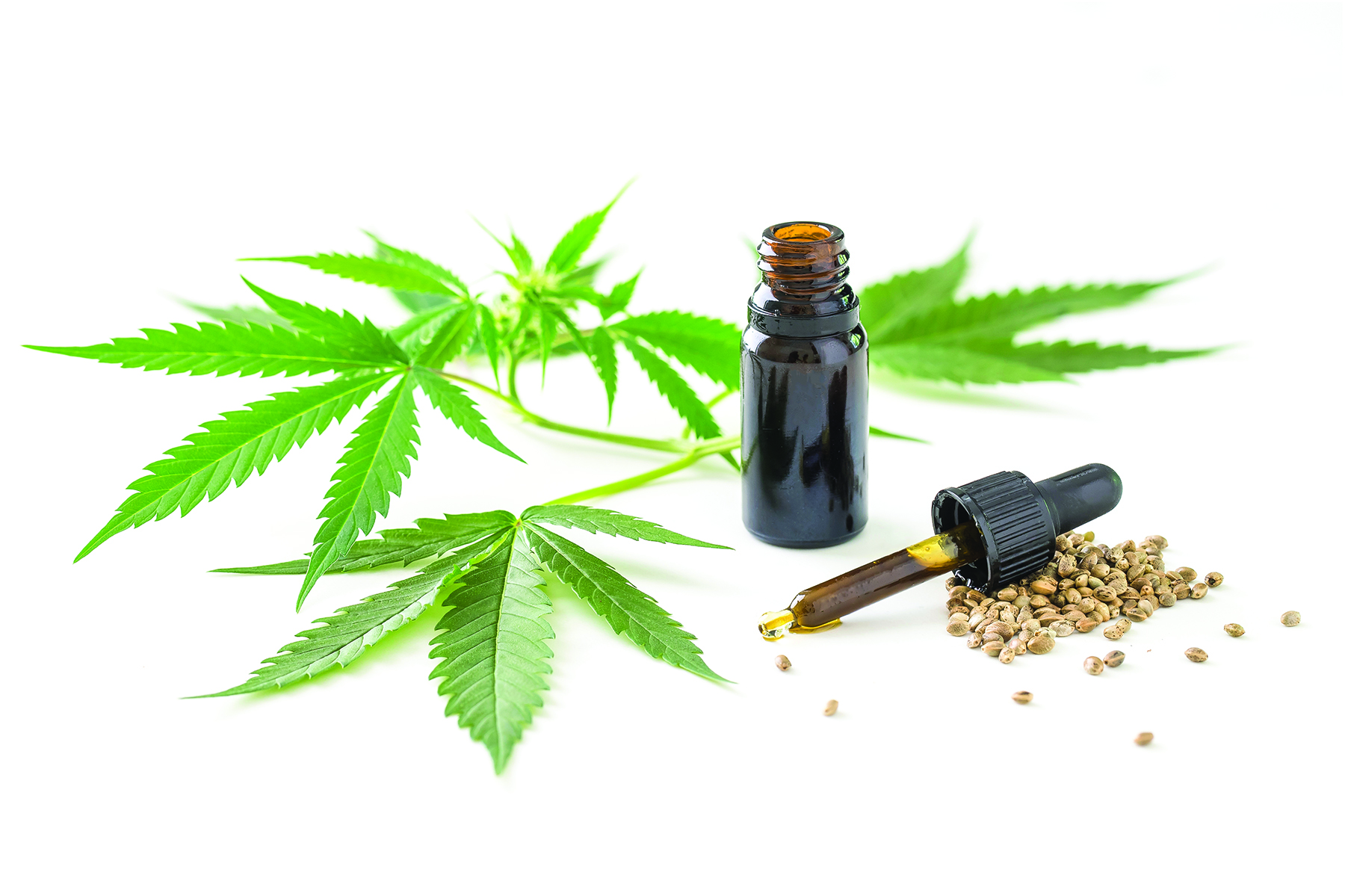
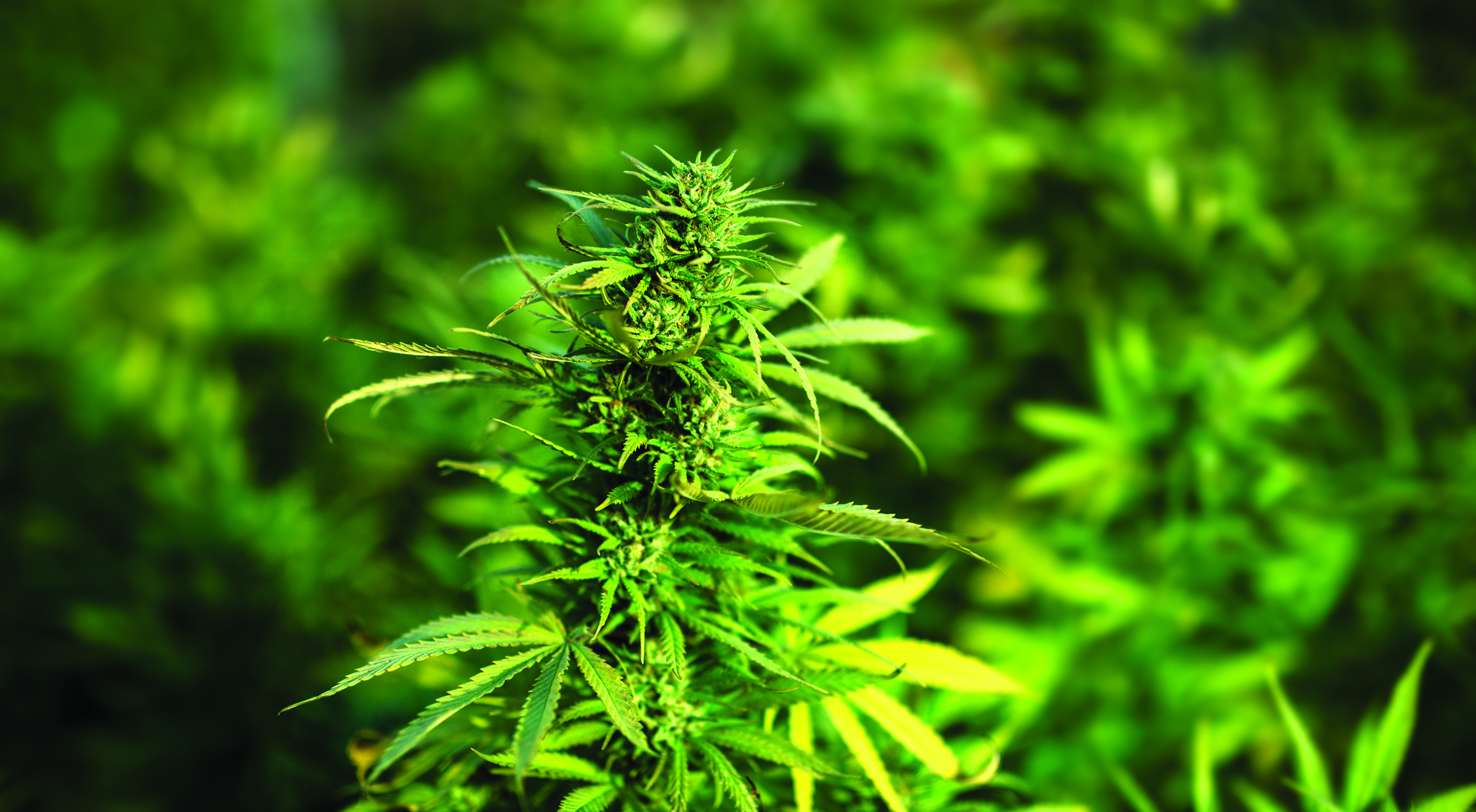
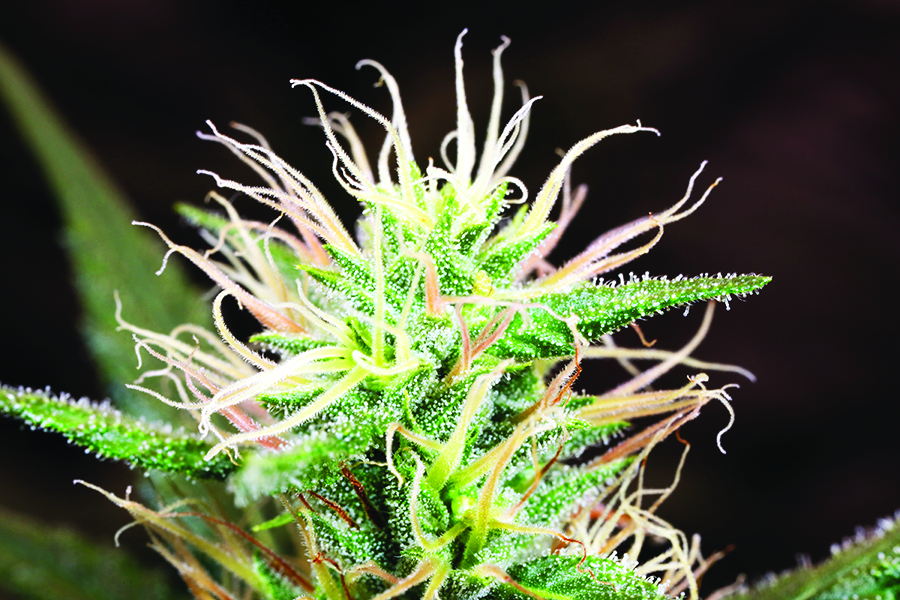
Different strains of the plants grown for use as medical cannabis are used for particular health outcomes. Above: two strains of flower buds; cannabis seeds used in extracts.
Maui Grown Therapies dispensary in Kahului has been open over a year. Leading their Science & Medical Advisory Board is Dr. Andrew Weil, director of the University of Arizona Center for Integrated Medicine, an advocate for alternative medicine and an early pioneer in the research of medical cannabis. Joining the other five physician advisors are Greg Yim, MD, a pediatric neurologist with Hawaii Pacific Health in Honolulu, and Gregory Park, MD, a specialist in internal medicine and medical oncology in private practice on Maui.
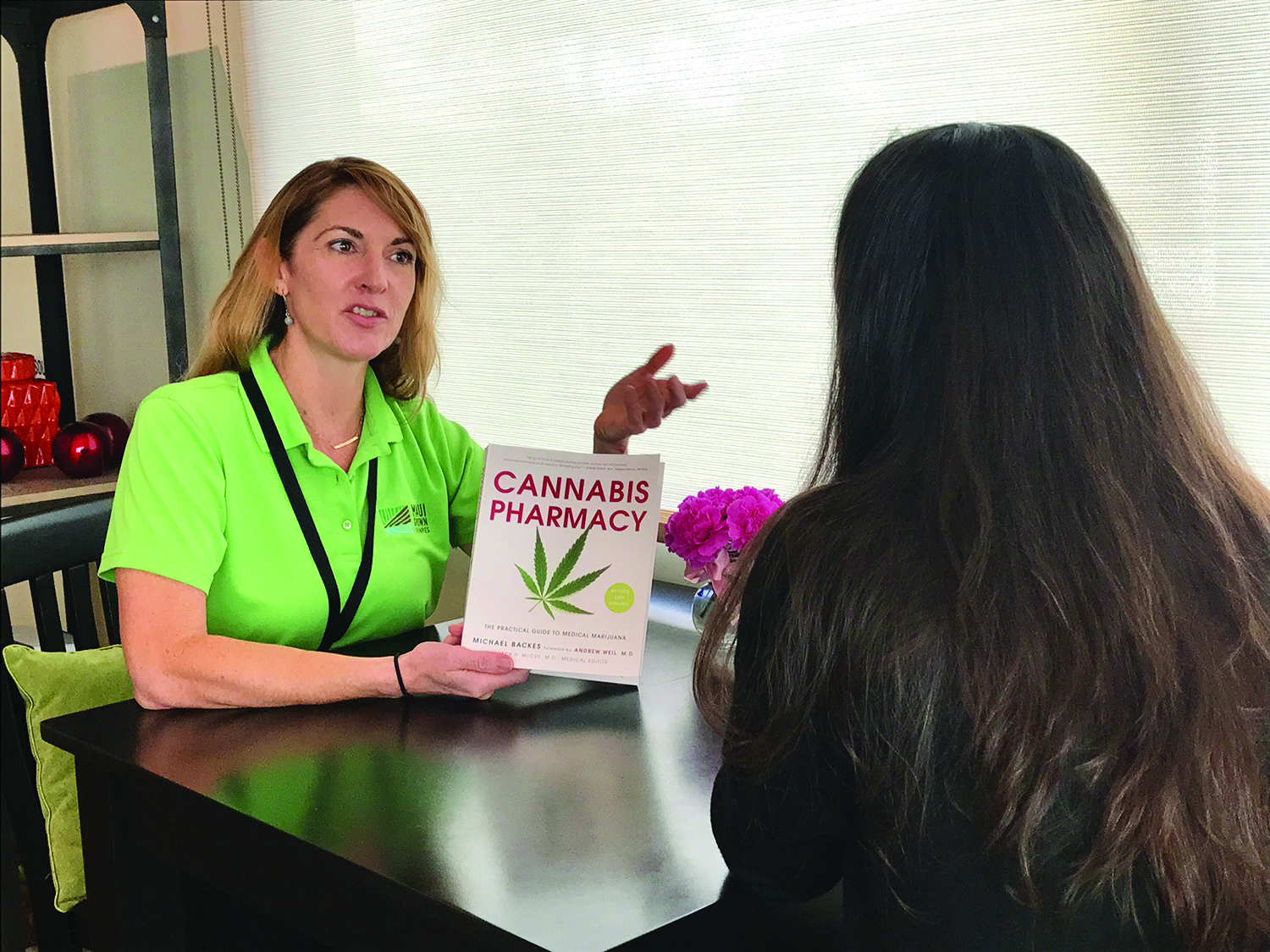
“Dispensary” sounds like a military tent where a supply officer hands out pills too big to swallow and nasty-tasting tonics. Maui Grown Therapies’ waiting area is as comfortable and welcoming as any teaching hospital or fancy clinic on the mainland, just smaller. Pleasant patient education specialists greet clients, listening carefully to their needs, and teaching them about professionally packaged botanical therapeutics formulated from cannabis grown at the Maui Grown Therapies production center upcountry.
Whatever visions I retained from KITV 4 news reports on cannabis shops in Colorado with young people lined up waiting to buy weed were shattered in a moment. An interview with Teri Freitas Gorman, Director of Community Relations and Patient Affairs for Maui Grown Therapies convinced me that I was behind the times. Teri and I have worked together on community projects for many years; her recent work with medical cannabis is good news for seniors. Medical Cannabis companies across our state are producing and selling a well-researched, state-regulated healing resource for persons with cancer, rheumatoid arthritis and ALS — hopeful options for those suffering with debilitating pain, wasting and nausea. In this article, we will explore the most up-to-date facts about modern medical cannabis products, specifically formulated to relieve symptoms associated with chronic maladies we encounter with aging.
What is medical cannabis?
Cannabis is the botanical name of a genus of plant grown for 5,000 years in Asia, India, the Middle East, Africa, Europe and South America. Flowers and leaves were used to make tinctures and poultices or smoked like tobacco, and it was prized for its relaxing and mildly intoxicating effects. Cannabis found its way to mainland America in the 1920s. In the 1930s, Harry Anslinger, Commissioner of the Federal Bureau of Narcotics and newspaper publisher William Randolph Hearst Sr. began a campaign to outlaw cannabis that ultimately led to the Marijuana Tax Act of 1937. The cannabis of the time was much lower in tetrahydrocannabinol (THC) than modern cultivars, and many people continued to grow and smoke it “underground” for relaxation and a mild “high” that seemed to stimulate the senses.
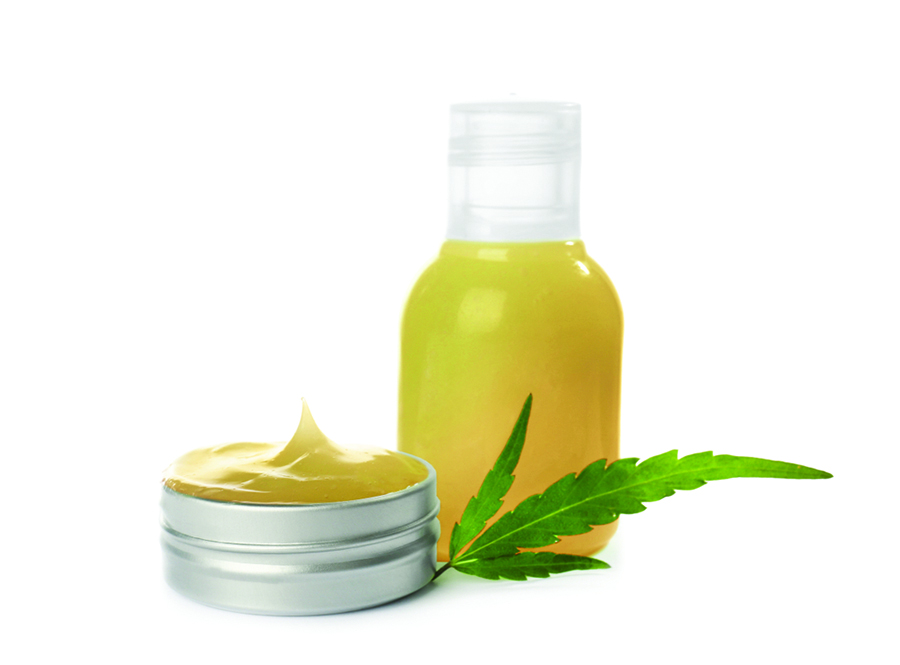
Lotion
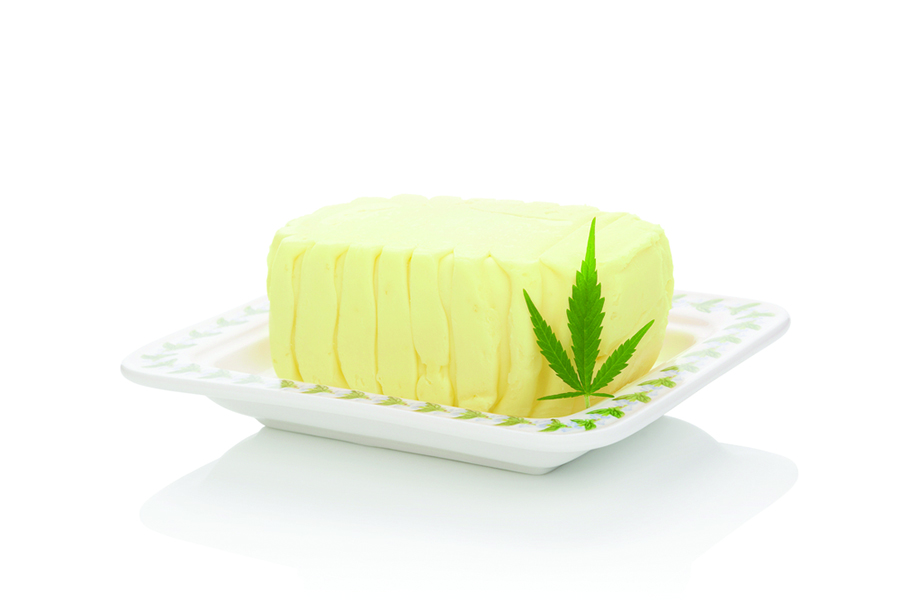
Butter
Chocolates and baked goods
In the 1950s and ’60s, veterans and hippies began growing illegal cannabis in Hawai‘i. Cannabis was added to the list of Schedule 1 Controlled Substances in President Nixon’s Comprehensive Drug Abuse and Control Act of 1970. Also included was hemp, a form of cannabis that does not have intoxicating effects but is a source of strong fibers used to make rope, fabric, paper, industrial products and building materials.
Over the past 80 years, illegally grown cannabis has been selectively cultivated for its ability to induce a euphoric mental state (and in a few individuals, anxiety and paranoia).
THC (Tetrahydrocannabinol)
Dr. Andrew Weil, researchers at NIH and Dr. Raphael Maechoulam in Jerusalem began isolating the molecular components of Cannabis and designing scientific experiments to reveal how these botanicals work on the human nervous system. Research has grown worldwide. The cannabis plant produces more than 100 different complex molecules called cannabinoids. Tetrahydrocannabinol is the best known because of its euphoric effects.
Cannabis cannabinoids are very similar in structure to naturally occurring human “endocannabinoids” like the neurotransmitters anandamide and 2-AG. These are just two of many lipids present in our nervous system that normally interact with receptors in our bodies that modulate signals associated with eating, sleeping and pain response. THC docking on receptors may prevent natural endocannabinoids from approaching the receptors and thereby interfere with pain, nausea or impulse signals to the brain.
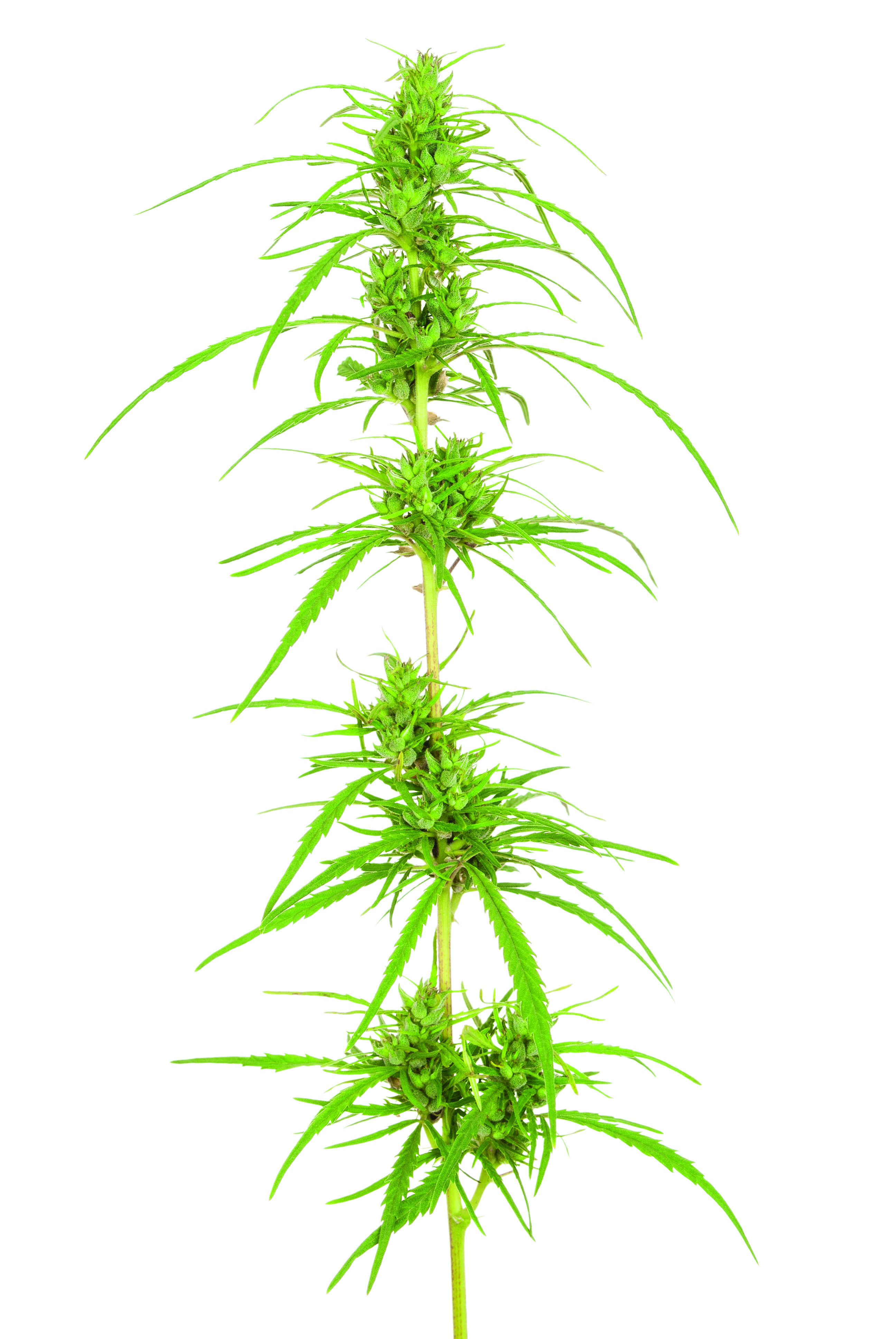
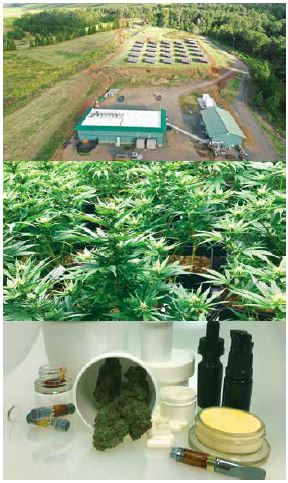
Different strains of the plants grown for use as medical cannabis are used for particular health outcomes. Above: two strains of flower buds; cannabis seeds used in extracts.
CBD (Cannabidiol)
Another significant component of cannabis is Cannabidiol (CBD), which is not psychoactive like THC, and is a powerful anti-anxiety and anti-inflammatory agent that causes general relaxation of the body. Its mechanism of action is not yet fully understood, but researchers identified a separate receptor, mainly on immune system cells, but also in selected cells of the central nervous system, to which CBD attaches. They theorize that CBD modulates a protective effect on the nervous tissue, as well as an analgesic effect.
Patients with chronic pain understand the “echo” of repeated pain impulses which make it impossible to relax. Induced relaxation reduces the intensity of chronic pain. Medical cannabis dispensaries have formulated products that are CBD-rich, or have equivalent amounts of THC and CBD, and CBD-dominant preparations that are nearly entirely CBD with no intoxicating effects it all. Cannabis products offer relaxation, better sleep and pain reduction for those struggling with chronic pain.
Because cannabidiol-based products do not produce intoxicating effects, creams and oils containing CBD may be available over the counter at health food and vitamin stores or online. It’s important to know these products may not be regulated or tested for purity or for CBD content. Hemp, the source for over-the-counter CBD oils, is known as a powerful bio-remediator because the plant draws up heavy metals and toxins from soil. It’s great for environmental cleanup, but untested plant products pose a possible health risk to consumers.
Even though some hemp-derived CBD extracts are produced in the United States, most are still imported from overseas and consumers should be wary about the origin, purity, and content of over-the-counter CBD products. All Hawaii-licensed dispensaries grow their cannabis and manufacture cannabis products under strict guidelines and are required to pass some of the nation’s most stringent lab tests before any product may be dispensed.
Terpenes
Other aromatic hydrocarbons found in cannabis are called terpenes, which account for the scents of various cultivars of the plant. The effects on inflammation, mood, alertness and relaxation by essential plant oils containing terpenes are well documented. The presence of terpenes in cannabis formulations and how they interact with THC and CBD is under investigation.
By regulation, each dispensary must produce its own products through a vertical system that starts with farming and results in uniquely formulated products.
How many dispensaries are licensed in Hawai‘i?
Although medical cannabis has been legal in Hawai‘i since 2000, Hawaii Statutes protecting patients and a licensing system that regulates cannabis farming and therapeutic manufacturing was not in place until 2015. Of eight approved licensees, six have opened dispensaries and sell their own products: three on O‘ahu, two on Maui and one on Kaua‘i. The two licensees on the Big Island will open dispensaries in early 2019. Licensees may only dispense products manufactured from cannabis they grow themselves, so therapeutic products vary from one dispensary to another. Finding the product that works best is a trial-and-error journey for each patient. Because Federal Law prohibits transporting cannabis through federally controlled waters or airspace, cannabis products may not be carried legally interisland or to-and-from the mainland.
What kinds of products are sold in dispensaries?
First off, medical insurance does not cover the cost of medical cannabis therapies, which fall into the same category as “over-the-counter” medications. Dispensaries provide traditional dry plant buds for inhalation through smoking or vaporization, and a variety of preparations for non-smokers. Cannabis concentrates, resins and distillates may also be inhaled. Serums, lotions and creams may be rubbed into the skin for localized pain relief. Cannabis tinctures, capsules or lozenges may be ingested. Hawai‘i’s DOH is currently considering approving edible cannabis products for medical use.
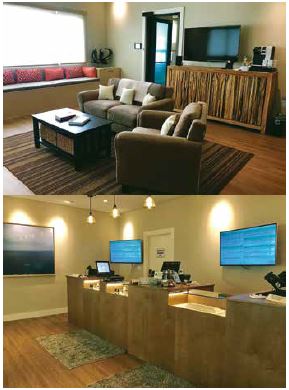
Top: A dispensary waiting room. Above: A dispensary showroom. Styling is unique to each dispensary, and very welcoming. But entry to areas where products are displayed is restricted to patients with Hawaii 329 cards.
I think most patients are surprised at the wide array of cannabis medications available. While your doctor may register you as a qualified patient, he or she may not recommend the exact product for your condition. That selection is up to you. Most dispensaries provide educational support to help patients to make an informed choice. Educational staff are trained to answer questions, explain the product properties, how the products perform with other clients and how to determine (titrate) your correct dosing. Because everyone is different and various ratios of THC to CBD offer distinct therapeutic effects, it may take a little trial and error to select a formulation that is optimal for your treatment needs.
As Teri at Maui Grown Therapies explained, “Our patient education specialists spend a lot of time learning about the client’s needs. Our knowledge and detailed feedback from patients allow us to suggest products and a dosing with a high probability of success. Our practice to ‘Start low and go slow,’ allows patients to find their optimal dose. We also track our patients’ progress to ensure they are getting meaningful relief.
“Another important point is that an effective treatment plan will continue to work safely for a very long time. As a plant medicine, cannabis is unlike some pharmaceutical drugs that can require larger doses over time and risking overdose,” she said. “More importantly, there is no recorded instance of anyone dying from a fatal dose of cannabis. Dr. Weil says that cannabis is a striking example of a safe and effective botanical remedy that is underutilized and still misunderstood by many conventional practitioners.”
Two MD views on medical cannabis
A Psychiatrist’s Point of View
Thomas L Cook, M.D., is a board-certified psychiatrist. His Mending Minds Clinic in Honolulu treats Post Traumatic Syndrome Disorder (PTSD) patients, many of whom are combat veterans.
“I believe that medical cannabis is the most neglected first-line therapeutic agent in medicine today,” says Dr. Cook. “I certify patients with qualifying conditions so they can apply for Hawaii 329 Cards. I also prescribe the type and concentration of cannabis to treat their symptoms, and I follow their progress.”
“Many combat veterans have been treated with stimulants like Adderall®, which can make PTSD worse. They are jumpy and hypervigilant all the time. Medical cannabis calms much more effectively than antidepressant pharmaceuticals, with very few side effects. It seems to ‘re-program’ the amygdala, a part of the brain that triggers the fight-or-flee response. “Releasing patients from the passive, hypnotic state of PTSD involves psychotherapy and healing techniques like somatic experiencing.
“PTSD patients also suffer sleep deprivation. On cannabis, they experience restorative sleep like they had as a child. Relief from these debilitating symptoms allows combat veterans to engage in therapeutic integrative strategies where they can master peacetime activities like sports, volunteer work and leadership on the job. “Cannabis has many other applications in medicine — it’s a profound antioxidant, it stimulates stem cells and lowers blood pressure. It’s very good for inflammatory disorders like Crone’s disease, rheumatoid arthritis, lupus and multiple sclerosis.
“To be clear, “says Dr. Cook, “Cannabis does not cure depression, but it can quell some symptoms that prevent patients from healing. I treat patients with depression at Alleviant Health Center. Classical depression can take a long time to heal. Along with psychotherapy, I offer patients quick-acting Ketamine infusion treatments so they can avoid emergency room crises and psychiatric hospitalizations on their journey to wellness.”
Products with a low, legal level (below .3%) of THC are sold over the counter, but only dispensaries can sell those with a higher level of THC. Edible medical cannabis products may soon be approved by the Department of Health.
An Oncologist’s Point of View
Oncologist Dr. Gregory Park of Wailuku has been treating cancer patients for many years and serves as a director for Maui Grown Therapies.
“Cancer patients’ acceptance and willingness to try medical cannabis is striking. My patients are looking for anything that can make their journey more comfortable. When they realize cannabis comes in creams, tinctures, capsules and oils that they can rub in or take by mouth — they want to try it.
“Most important to my patients is that cannabis therapies can relieve nausea and pain without altering their mental state. If they know they’re not going to get ‘high,’ they are open to cannabis.
“I find that informed seniors are pretty matter-of- fact. They read a lot and once they make up their minds, they cut right to the chase. One patient came in and said, ‘Well, I need my card. I tried it from my friend.’ That was it. After she was registered, she was just as definitive about her good results on cannabis; with a big smile she just said, ‘It works!’
“In Hawai‘i, it seems that physicians working in large medical groups have more skepticism about medical cannabis than those in private practice. Acceptance is highest among doctors who treat chronic pain, because cannabis is a good alternative pain treatment that is not physically addictive. Some opioid-dependent patients can reduce the amount of opioids or even discontinue them altogether when they find a cannabis regimen that manages their pain.”
Who qualifies to register as a patient?
Persons qualified to purchase medical cannabis in Hawai‘i are regulated by the Hawaii Statutes Act 329. No client may enter a dispensary showroom without a “329 Card” issued by the Hawaii State Department of Health (DOH). Patients with any one or more “qualifying” disorders or symptoms may be certified by a physician or Advanced Practice Registered Nurse (APRN) with whom they have a bona fide (good faith) patient-doctor relationship. This means that a licensed medical professional must examine you to certify that you have a qualifying disorder or symptom as defined on www.bit.ly/DOH329Qualify. Then you may file an online application with DOH requesting your 329 card. The application costs $38.50 and an extra $3.50 handling fee, payable when you apply online. If you seek online entry assistance at a clinic, the fee may be $10 – $15 higher. If you are approved, the DOH will send you a “329” patient ID card that allows you to legally buy medical cannabis products in any licensed dispensary in the state. This month’s Resource Guide (p. 36) lists dispensaries and intake clinics in Hawai‘i.
Further in this article, we have detailed all the steps interested seniors must take to complete online registration with the DOH.
Experiences of real clients
Susan Ramos, Maui, Age 60
Susan suffers constant back pain from severe degenerative disc disease, arthritis, bone spurs, five herniated discs and scoliosis. Eventually she will have corrective surgery, but until then, her job in the hospitality industry requires her to stand and sit most of the day. Six months ago, her son, who treats his chronic back pain with products from Maui Grown Therapies suggested that Susan might get some relief from medical cannabis.
“My son gave me hope,” says Susan. “I knew how much he suffered after falling off a truck, years back. The idea that something could even take the edge off my pain was almost too good to be true.”
Susan knew nothing about medical cannabis or the dispensary — she feared that if someone saw her there, they might think that she’s a drug addict. Nothing could be further from reality.
“My son was so good. He took me inside and held my hand. The waiting room was a surprise — like walking into a spa! The people in the attractive waiting room were just like me, in their 60s or older. I expected to see young people with dreadlocks and tie-dye shirts.
“The educational specialist was so kind and knowledgeable, but it was like she was talking in French because there were so many options and information. My doctor never gave me a prescription, so I had to decide what product to buy. I told her that my back pain keeps me awake all night, but I cannot be too relaxed or fuzzy when I’m on the job. I ended up with two products: five drops of CBD and THC oil under the tongue at night before I go to bed, and THC oil to rub on my back during the day. They worked, and I began sleeping at night. During the day, the oil gives me relief from the constant pain.”
Susan says relieving her pain is a huge benefit. Cannabis fits well with her lifestyle and exercise/treatment plan, which includes Pilates, water aerobics and regular chiropractic adjustments. She says the best outcome is being able to work while she is awaiting surgery.
Susan Liliha Warner, O‘ahu, Age 75
Susan is a client of Aloha Green Apothecary on King Street in Honolulu. She was a special education teacher on the mainland and returned to Wai‘anae when she retired. Here, Susan volunteered a patient advocate and as an elementary school aid, writing curriculum for special education students. She has smoked her whole life and has chronic obstructive pulmonary disease (COPD). Bone spurs on her spine cause her to experience severe chronic pain.
“I was reading about medical cannabis and the new dispensaries on O‘ahu. I know that THC can give temporary relief from asthma, so I wanted to get some THC, but a diagnosis of COPD did not qualify me to buy THC in Hawai‘i.
“I don’t like the term ‘debilitating’ but my awful, chronic back pain is a qualifying symptom that would get me a 329 card. I was taking six ibuprofen tablets every morning for my back pain, and my Kaiser doctor was worried about the effect ibuprofen was having on my kidneys. I asked him to register me for medical cannabis, but he said no. Apparently Kaiser has federal contracts, so they will not have anything to do with cannabis until it is federally approved and legal. I eventually found a nurse practitioner in Ewa licensed to examine my medical records and certify me as a qualified patient who can benefit from cannabis.
“I like the floating feeling of THC, so that is what I bought on my first visit to the dispensary.
They had a cartridge that I could put right in my vaporizer to inhale it. It opened my airways and felt great.
Dispensary items come in various forms: smokable flower buds and resin concentrates, or concentrated oral tinctures. Inquire about various options at your dispensary.
“Then they put me on to CBD oil for the pain in my back. I was amazed at the powerful, warm relaxation that went through my whole body. More amazing is that rubbing on CBD, which I call ‘oiling my joints,’ allowed me to get off ibuprofen! I admit that I had to take a few after I tiled my kitchen floor, but on regular days, CBD takes away all the pain.” The medical cannabis clinic and the dispensary Susan uses “both keep track of me and how I am doing, which gives me added comfort.”
“When I was relying on ibuprofen, I had to wait until it was time for the next dose, no matter how much pain I had. People with chronic pain know how long it takes to get pain back under control once the meds stop working. Well, those days are over for me. Because there are no adverse side effects to CBD oil, I can reapply it whenever I get that first twinge, and never have to wait for the next dose.” Susan would recommend learning more about medical cannabis treatment options to anyone in constant pain.
Getting your own 329 card
To become eligible to purchase medical cannabis you must first and foremost talk to your primary care physician, who knows your medical history. You must make an appointment and have a face-to-face meeting with a physician or APRN nurse who can certify that you have a qualifying condition that can benefit from medical cannabis. If your doctor does not certify patients, you can make an appointment to see a doctor or APRN who does. They will review your medical records and examine you to determine if you have a qualifying condition. Once certified, you may apply online for registration. If they don’t offer that service themselves, doctors refer their patients to an intake clinic that helps qualified patients and their caregivers file their online applications for DOH 329 cards.
A qualified patient who needs assistance may even designate one caregiver to accompany them to the dispensary or to purchase cannabis products for them.
On O’ahu, Aloha Green Apothecary provides regular free public “Cannabis 101”, educational program workshops at local Hawaii Public Libraries. To find a program near you, visit www.agapoth.eventbrite.com.
And Maui Grown Therapies presents a monthly cannabis education series called “Lunch & Learn” at UH Maui College, featuring Michael Backes, researcher and author of the book, Cannabis Pharmacy. Andrew Weil and Backes will also be featured in a free Medical Cannabis Symposium at the Maui Arts & Cultural Center on Thursday, April 18. For details see www.mauigrown.com
Medical cannabis legal considerations
Hawaii Statutes on cannabis are designed to protect and regulate both the patients and the dispensaries.
4 ounces of cannabis or the equivalent may be purchased in any 15 day period (8 oz/month).
Patients must follow Hawai‘i’s smoke–free law. Qualified patients must consume medical cannabis within a private residence, out of public view.
Driving under the influence of cannabis carries the same penalty as a DUI for alcohol. Never drive while medicated with cannabis.
Using cannabis is prohibited in a moving vehicle, at work, in school, at public parks and beaches, in recreation centers and other places open to the public.(If you have a valid 329 card, you may have up to 4 oz. of cannabis in your possession at any time.)
Interisland or overseas transport of cannabis is prohibited by Federal law.
Registered patients or their caregivers may grow an “adequate” supply of medical cannabis; not to exceed ten plants at one grow site location identified on their 329 card. Growing locations are allowed at the patient’s or a caregiver’s residence. Alternatively, cannabis may be grown on one site owned by a patient or by the caregiver. Federal lands, military bases and national Parks prohibit the consumption or cultivation of cannabis under federal laws that carry steep fines.
In early 2019, out-of-state patients may apply for a 329-V(visitor) card from the DOH provided they have a valid certification to use medical cannabis for a Hawai‘i qualifying condition in their home state. Visitor cards are valid for 60 days and may be renewed once per year.
Teri Gorman suggests visiting the Hawaii State DOH Medical Cannabis Program’s website at www.health.hawaii.gov/medicalcannabis/ to learn about program regulations and legal protections provided to Hawaii’s registered patients.
Drug interactions with cannabis
Very little research has been done on how cannabinoids may react with prescription drugs; its status as a Schedule 1 drug has prevented researchers, even at NIH, from pursuing studies. However, physicians have observed that patients who use cannabis report very few drug interactions and most are insignificant.
Still, medical cannabis has the potential, like other plant botanicals, to interact with some prescription medications or lessen their effectiveness.
Therefore, it is important for seniors to disclose all medications they are taking (including supplements, over-the-counter products and cannabis) to their healthcare providers and to their pharmacists.
A March 8, 2018 article in “US News and World Report” by staff writer Michael O. Schroeder says that, in particular, the effects of medications that relax or sedate the body and lower blood pressure may be enhanced by administration of CBD.
He also points out that the intoxicating effects of THC and alcohol can be psychologically addictive for some people. Lowering blood pressure too much and any medications that cause dizziness may lead to accidents and falls, important health concerns for independent seniors. To protect yourself from falling, make sure your healthcare provider knows everything you are taking.
Live well
We thank all the medical professionals and seniors who participated in this issue’s resource article on medical cannabis. There will be much more research and information available to Hawai‘i seniors in coming years. You may learn more at public educational events sponsored by your local dispensaries and intake clinics on your island. Medical cannabis is one option for seniors aging in place and living well in Hawai‘i. See our Resource Guide for contact and reach information.
Since 2017, licensed Hawai‘i cannabis growers have been formulating and dispensing medical products to qualified state-registered patients. A majority of their clients who are benefiting from cannabis treatments are seniors. Maui Grown Therapies dispensary in Kahului has been open over a year. Leading their Science & Medical Advisory Board is Dr. Andrew Weil, director of…

 Working for my community keeps my mind active, takes me all over the island, and leaves little time to become a couch potato! I think this approach to life makes me look younger than I am. I may feel like a centenarian some days (backaches or joint stress), but at 73, I ordinarily wake up fresh and eager to accomplish something of value.
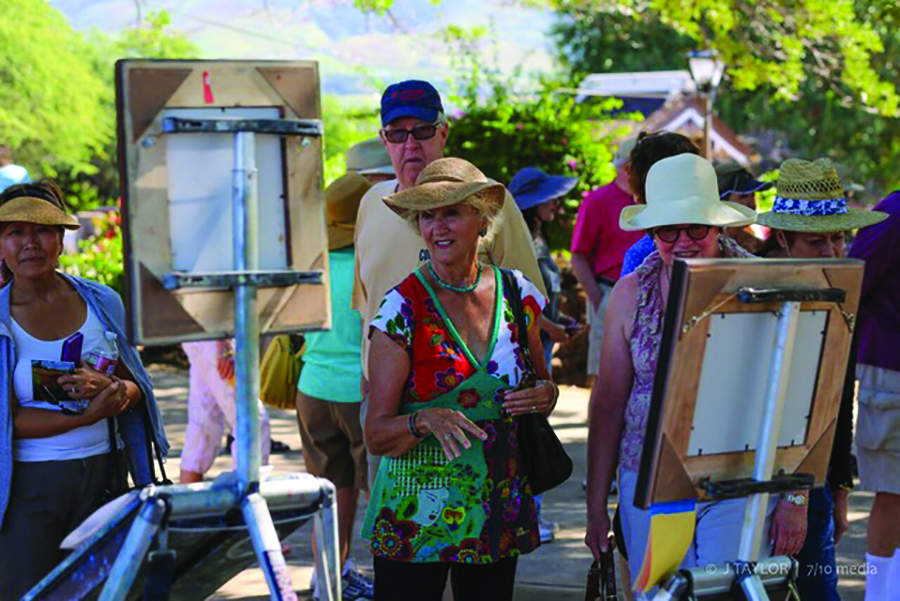 If you want to keep enthusiastic about life, feeling vibrant, looking young and fit — just volunteer. My parents passed on to me their dedication to volunteerism and I am thankful for their wise insight and guidance on how to get the most out of life.
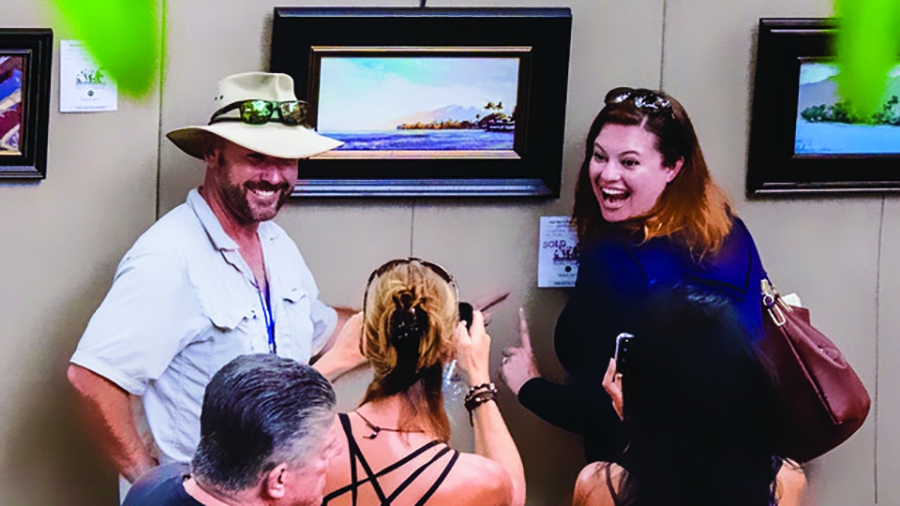 I worked long hours during my career at IBM. In retirement, I still liked setting goals and keeping busy, so I donated my time and skills to art organizations first in Austin, Texas, and later on Maui when we relocated here. I work just as much volunteering as I did at IBM, but now my imaginary ‘paycheck’ is much bigger!
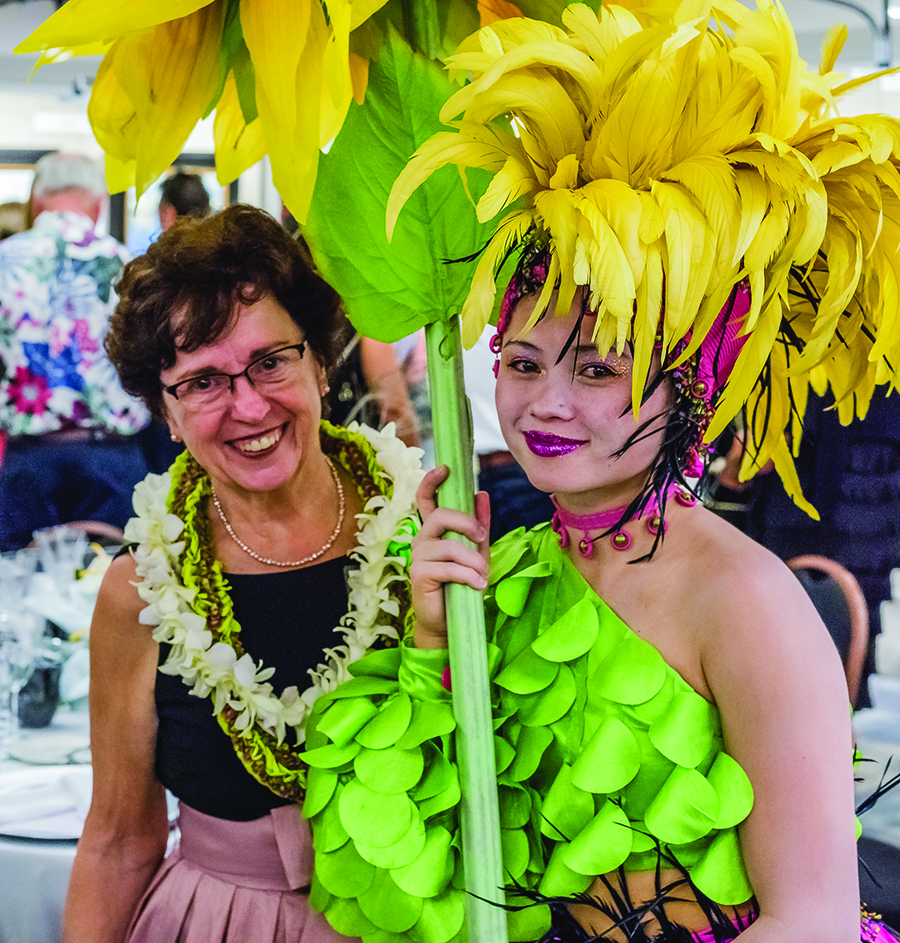 You can give back to the community by donating time to your favorite nonprofit organization as a docent, a greeter, office helper or event staff. Pick groups that fit your passion: literary groups (especially children’s organizations like Book Trust), health groups (cancer, hospice, hospitals, care homes), or arts groups (Maui Arts & Cultural Center, Honolulu Museum of Art, Maui Academy of Performing Arts, Maui Arts League).