Category: December – January 2015

  • Recognizing Warning Signs Of Abuse

    Recently, I appeared on the Generations Radio Show (Saturdays from 5 to 6 pm on AM 690) aired November 22 and can be heard at www.Generations808.com) with Lt. John McCarthy of the Financial Crimes Unit of the Honolulu Police Department. With 39 years of police department experience, he is nationally recognized as an expert in financial crimes and elder abuse.

    On the show, we discussed how scams go undetected because people don’t recognize the warning signs of trouble and abuse. Listed here are danger signals, that if seen, should prompt further investigation.

    Isolating the victim: Abusers don’t want the victim to have a support system and will either try to physically remove the person from loved ones (like a caregiver not letting family members visit the elder) or deceive the victim into thinking that a concerned person is really trying to harm them (like one sibling telling the parent that the other sibling is interfering because he wants everything himself).

    Secrecy: A lot of scams involve instructing the victim not to reveal that the transaction/event is occurring. For example, a letter indicating that a senior has won the lottery will instruct the “winner” not to tell anyone of the prize because “there are a lot of scams going on right now.”

    Urgency: People who are rushed or under pressure make poor decisions. Scammers will make an offer, like “I’m in the neighborhood today with some extra building materials — I can do some repairs really cheap if you hire me right now.”

    Emergency/tragedy: Emotional decisions are not the best ones and scammers want you to make choices when you are not thinking rationally. The “Distressed Relative Scam” (or “Grandma Scam”), when you get a frantic call in the middle of the night relating that a loved-one is in dire straits and only money can solve the problem, is a good example of this technique.

    Green Dot/money pack cards: A Green Dot/Moneypac card is a gift card you purchase and place money into at the cash register. It is a common way criminals transfer money from their victims into accounts around the world. ANY transaction in which money is to be paid using a Green Dot card should be suspect, for instance, the IRS calling and demanding payment for delinquent taxes with a Green Dot card.

    Loneliness: Companionship (or the hope thereof) in exchange for money is never a good idea. Whether it is “your soulmate” you found on an online dating site asking for a loan or a caregiver accepting generous gifts to stay longer, taking advantage of an elder’s loneliness is abuse. 

    Too good to be true: Offers, promises, business deals and investments that sound too good to be true are just that and are merely bait to lure victims into making poor decisions.

    If you suspect elder abuse, first call 911 and then report it to the authorities listed below.


    To report suspected elder abuse, call police, 911, and/or:
    Elder Abuse Unit: 808-768-7536
    Adult Protective Services: 808-832-5115
    ElderAbuse@honolulu.gov
    www.ElderJusticeHonolulu.com
    Recently, I appeared on the Generations Radio Show (Saturdays from 5 to 6 pm on AM 690) aired November 22 and can be heard at www.Generations808.com) with Lt. John McCarthy of the Financial Crimes Unit of the Honolulu Police Department. With 39 years of police department experience, he is nationally recognized as an expert in…

  • Creative Giving And Tax Planning

    The holidays remind us of two things: gift giving and year-end tax planning. A charitable gift can help you support your favorite cause, benefit your family and reduce your taxes. In addition to cash gifts, consider these other two charitable gift strategies:

    Appreciated Asset Gifts

    Gifts of appreciated assets such as securities or real estate can help your favorite charity, may not affect your cash flow and can provide the following tax benefits:

    • A charitable deduction against income taxes
    • Bypass of capital gains taxes
    • Avoidance of the tax on net investment income

    Charitable Life Income Plans

    If you have low-yielding assets and desire higher income, a charitable life income gift may be worth exploring. In exchange for your gift of cash or appreciated securities, you may reap multiple benefits:

    • Receive a lifetime income
    • Generate current income tax deduction
    • Bypass of capital gains on appreciated assets
    • Make it part of your legacy, a future gift upon your passing

    Many charities have gift offices that can help you plan. You should also consult your financial or tax advisor for information specific to your situation and federal rules that might apply.


    Please note: this information is not intended as tax, legal, or financial advice. Gift results may vary.

    National Kidney Foundation of Hawaii
    808-589-5976 | jeff@kidneyhi.org
    For Planned Giving: www.kidneyhawaii.org
    Main: www.kidneyhi.org | www.kidney.org

    The holidays remind us of two things: gift giving and year-end tax planning. A charitable gift can help you support your favorite cause, benefit your family and reduce your taxes. In addition to cash gifts, consider these other two charitable gift strategies: Appreciated Asset Gifts Gifts of appreciated assets such as securities or real estate…

  • December – January 2015

    December – January 2015

    WANT THIS ISSUE?

    Download your own personal copy of this issue in PDF format. Click the button below:

    DOWNLOAD IT NOW

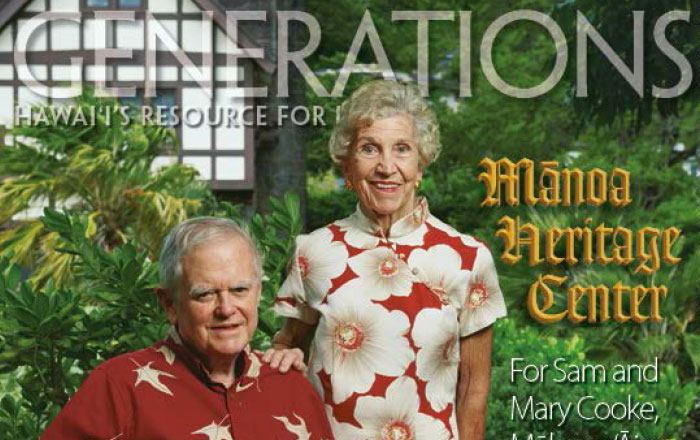
    Manoa Heritage Center with Sam and Mary Cooke

  • 5 Spice Pork Tenderloin with Baby Bok Choy

    Generations Magazine - 5 Spice Pork Tenderloin with Baby Bok Choy - Image 01This Asian-inspired dish is perfect served by itself or with fragrant, nutty brown Jasmine rice. It’s hard to believe something so satisfying could be healthy, but the lean pork tenderloin and abundance of veggies and heart healthy edamame make this dish a healthful superstar!



    Ingredients:

    • 1 lb. pork tenderloin
    • 2 Tbsp. canola or vegetable oil
    • 6 Asian shallots, sliced thin
    • 1 Tbsp. low-sodium soy sauce
    • 1 garlic clove, minced
    • 1 Tbsp. agave (substitute honey)
    • 1/2 tsp. 5 spice powder
    • 1 inch piece of fresh ginger (peeled and minced)
    • 1 cup low sodium chicken stock
    • 3-1/2 cups sliced button mushrooms
    • 1 bunch baby bok choy
    • 1 cup shelled edamame
    • salt & fresh ground black pepper to taste

    Directions:

    Heat a large skillet on medium high, brush pork with oil, season with salt and pepper and sear all sides to a golden brown. Add shallots and sauté until just soft.

    Mix together soy sauce, garlic, agave, 5 spice, and minced ginger and pour over pork, turning to coat with sauce. Add the chicken stock and bring to a boil; reduce heat, cover and simmer pork gently for 20 minutes, turning every five minutes. Remove meat and set aside. Check for doneness — cooked through with only a hint of pink in the center. Bring the liquid back to a boil and add mushrooms, baby bok choy and edamame. Simmer 3 – 4 minutes until vegetables are tender.

    Slice pork on the diagonal. Serve over a bed of the vegetables and drizzle sauce on top. Serve with healthy brown rice.

    Serves: 4 | Time: 35 minutes

    Wine pairing: Chardonnay

    _______________________________

    Chef Michi’s Cooking FRESH
    www.cookingfreshforyou.com
    808-286-6484 | cookingfreshforyou@gmail.com
    Kona Bean Cafe’ at Hilo Hattie – 700 Nimitz Hwy.
    Queens POB I – 1380 Lusitana St.
    Queens POB II – 550 S. Beretania St.
    Cooking FRESH Food Truck:
    Follow us on Twitter, michi@cookingfresh4U

    This Asian-inspired dish is perfect served by itself or with fragrant, nutty brown Jasmine rice. It’s hard to believe something so satisfying could be healthy, but the lean pork tenderloin and abundance of veggies and heart healthy edamame make this dish a healthful superstar! Ingredients: 1 lb. pork tenderloin 2 Tbsp. canola or vegetable oil…

  • Message from The Editor – December / January 2015

    Generations Magazine - Editor’s Note - Image 01
    Manoa Heritage Center red ‘Ohi‘a lehua blossoms — another gift!

    “Giving” flows through every page of this issue of Generations Magazine. We feature Sam and Mary Cooke, who preserved an ancient Hawaiian earthwork and created Manoa Heritage Center for our community. This educational site and beautiful native Hawaiian gardens are close by, but a world away from modern Honolulu — a ‘must see’ for your family.

    A companion story about retired dermatologist, Dr. Dan Palmer (click here), shows how big a simple hobby can become. His collection of Hawai‘i ferns is now the standard book botany students and conservationists use to identify ferns. He donated all his work to UH.

    Volunteers are always givers, like 83 year-old Irene Oficial, who provides transportation for other seniors through Na Hoaloha neighbor-to-neighbor services on Maui (click here). Every Caregiver provides for the needs of others. Our professional contributing authors give us the benefit of their training and expertise so we can make better decisions on Medicare, Social Security, health care, financial planning, retirement and improving our homes. Giving is the foundation of our community.

    Take a moment to recognize how much time and resources YOU give your own family, friends and community. Our Generations Team applauds you! Whatever you give — a tune to lift the spirit, a hot meal to fill an empty belly, or greeting your grandchildren home from school every day — you are an honored “giver,” and this issue is for you.

    Maintain a Normal Pace

    The holiday bustle can be very stimulating, but it disrupts the healthy routines that keep us rested and strong all year. I have to remind myself that it’s okay to say “no” to some invitations, and forego that second helping of a treat that only comes once a year. Let’s all stay healthy and make sure we get sufficient rest and quiet time. Check out two cultural traditions in Hawaii (click here) that are daytime events and don’t involve alcohol — Japanese Mochitsuki and Hawaiian Makahiki.

    The holidays are also great times to curl up with a good book. Our resource page (click here) lists all the libraries in Hawai‘i and their hours.

    May the joy of giving be yours!

    Generations Magazine - Editor’s Note - Image 02


    Every Day is New!

    Katherine Kama‘ema‘e Smith, Associate Editor

    Corrections:
    Aug./Sep. issue, “Senior Discounts” Resource Guide: Longs Drug/CVS does not offer daily senior discounts; their current CVS programs and offers are a benefit to all Hawai’i shoppers.
    Oct./Nov. issue, “When Hiring Private Caregivers…” by Kathy Newkirk Leong, RN, CEO Kahu Malama Nurses Inc. The acronym RICO stands for Regulated Industries Complaints Office in Hawai‘i. We apologize for the misquote.

    “Giving” flows through every page of this issue of Generations Magazine. We feature Sam and Mary Cooke, who preserved an ancient Hawaiian earthwork and created Manoa Heritage Center for our community. This educational site and beautiful native Hawaiian gardens are close by, but a world away from modern Honolulu — a ‘must see’ for your…

  • Common Types Of Roofing In Hawai’i

    As Hawai‘i residents prepare to upgrade their homes before the holidays, many functional and attractive roofing applications are available. The two most common types of roofing in Hawai‘i are asphalt shingles (sloped roofs) and rolled roofing (low-pitched roofs).

    Asphalt shingles last anywhere from 30 to 50 years, depending on the desired application, and provide stellar value. Various models offer algae resistance (for wet, rain-prone areas); others boast solar reflectivity (for warm, dry climates).

    Rolled roofing is flat and is applied with a torch to prevent holes and damage created by nails. Color varieties are similar to shingles. A protective coating, such as GacoRoof, will help cool the home and prolong the roof’s lifespan.

    Late summer was a relentless string of sweltering days. GacoRoof silicone roof coatings are an ideal solution to help beat the heat. Designed to seal and protect homes from leaks , they also reflect damaging UV rays that can compromise the life of a roof over time. Sometimes coatings can help homeowners avoid costly roof tear-offs. For flat and sloped roofs, elastomeric coating features exceptional adhesion, reduces ponding and helps retain the reflective white finish — all while lowering a home’s temperature by 10 degrees.

    These GacoRoof coatings also offer longer warranties than conventional finishes, including a 50-year limited material warranty. GacoRoof coatings adhere to a multitude of roof types and are suitable atop various substrates in both dry and wet climates.


    Murakami Roofing, LLC
    45-558 C-18 Kamehameha Hwy., Kaneohe 96744
    808-348-8270 | murakamiroofing@gmail.com
    www.murakamiroofing.com

    As Hawai‘i residents prepare to upgrade their homes before the holidays, many functional and attractive roofing applications are available. The two most common types of roofing in Hawai‘i are asphalt shingles (sloped roofs) and rolled roofing (low-pitched roofs). Asphalt shingles last anywhere from 30 to 50 years, depending on the desired application, and provide stellar…

  • After The Pause

    I like to call our meeting room where we meet to discuss estate planning “the pause room.” When we enter and close the door, and leave outside all the busy-ness in our lives — we put only the matters relating to estate planning on the table. We pause for about an hour, and concentrate solely on one very important matter.

    When we come out and re-enter the busy-ness of life, it’s easy to forget what we just discussed in “the pause room.” After completing the estate plan, your attorney might provide a letter suggesting that certain assets be directed to, or placed into trust. This is called “funding” the trust — it is just as important as creating the trust in the first place, and making sure that the right beneficiary receives the right asset. Funding is either by beneficiary change or by change of title. Assets that usually require change by beneficiary include: life insurance, retirement accounts and annuities.

    The assets that commonly require changes to title include: real estate and brokerage accounts.

    Each asset is a little different, and while the instructions from your attorney might be clear, we often put them aside or plain forget to do the funding because there are so many other things pulling and tugging for our attention.

    This is why it is essential for the attorney, financial advisor and the client to work together “after the pause” to ensure that each asset is properly directed to, or placed into trust, and that written confirmation is received from the financial company or other institution ensuring that the change was properly made.


    Stephen B. Yim, Attorney at Law
    2054 S. Beretania St., Honolulu
    808-524-0251 | stephenyimestateplanning.com

    I like to call our meeting room where we meet to discuss estate planning “the pause room.” When we enter and close the door, and leave outside all the busy-ness in our lives — we put only the matters relating to estate planning on the table. We pause for about an hour, and concentrate solely…

  • KHON2 & Moon Physical Therapy Presents

    Generations Magazine - KHON2 & Moon Physical Therapy Presents - Image 01They taught us, cared for us, sacrificed and continued to share so much with us throughout our lives. As a way to say thank you to all our Kupuna who have given of themselves so freely over the years, KHON2 and Moon Physical Therapy have partnered to bring you “Celebrating Our Kupuna.” It’s our way to honor and share their wonderful story with the whole community.
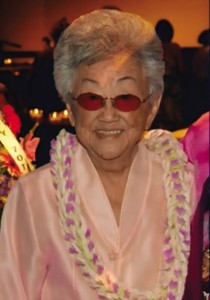
    Generations Magazine - KHON2 & Moon Physical Therapy Presents - Image 02The program is open to all who have celebrated their 80th birthday, and above. If you’d like to honor your Kupuna, all you need to do is send a photo, and their information to kupuna@khon2.com. If chosen, your Kupuna will be featured on Wake Up 2day, weekday mornings.

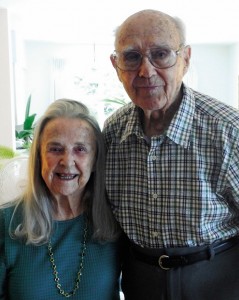
    We are all fortunate to have had their influence in our lives. By living well, and making good choices, they have come this far and can continue to be an important part of our lives. We strive to follow in their footsteps, to teach those who come after us, care for them, and to be a guiding light. That, above all else, is how we can truly celebrate our Kupuna.


    Generations Magazine - KHON2 & Moon Physical Therapy Presents - Image 03

    They taught us, cared for us, sacrificed and continued to share so much with us throughout our lives. As a way to say thank you to all our Kupuna who have given of themselves so freely over the years, KHON2 and Moon Physical Therapy have partnered to bring you “Celebrating Our Kupuna.” It’s our way…

  • ‘Tis The Season: Think Charitable Giving

    The giving season is upon us as 2014 comes to a close. Charitable donations are an important way of giving back to our community. If you are eager to give back or help out, just how do you decide how much to give and through whom? For those wishing to exercise wise stewardship, these issues are significant.

    An increasingly popular metric is “effectiveness,” or the ability of a charity to make a difference. To some, this is a technical question and involves hard data, number-crunching and nonbiased analysis. Resolving the technical questions is an easier matter in the digital age. For example, you can log on to www.charitynavigator.org, among other websites, to research how “effective” your gift to a certain charity will be.

    Beyond the charity’s ability to make a difference, you may want to know how much of your gift will be used for administration and marketing expenses, as opposed to actually feeding the hungry or buying medicines for a remote clinic. Many potential donors balk at giving to charities that spend more than ten percent of donations on things that do not directly benefit clients.

    Measuring how a charity makes a difference is also a question of how you define “making a difference.” How do you determine the values most important to you and how do you prioritize among them? Do you give locally or give to the neediest? Many veterans of charitable giving spread out their gifts among a few charities that carry out good works both at home and abroad.

    Another thing to consider with your charitable giving is providing for your own financial security while you provide for others. Your legal, accounting and financial advisors can help you with such gifting vehicles as charitable remainder trusts (CRTs), which enable you to avoid capital gains taxes, charitable gift annuities, which, like CRTs, provide you with an income stream and a current income tax deduction and in-kind gifts. In-kind gifts could be things like low-basis corporate stock or real estate which, if you sold, would result in capital gains tax liability. If you give the stock or real estate directly to your favorite charity, you will get a deduction for the full value of your gift, without incurring a capital gain.

    Be sure to get current income tax deductions for your year-end gifts; write and deliver or mail your checks, or complete your credit card transactions, by December 31. If you are making in-kind gifts, deliver them and obtain receipts dated no later than December 31.

    Time is ticking for those year-end gifts. It is time to nail down your priorities and preferences, obtain appropriate advice and make some important decisions. Enjoy a giving holiday season.


    Scott Makuakane, Counselor at Law
    Focusing exclusively on estate planning and trust law.
    Watch Scott’s TV show, Malama Kupuna
    Sundays at 8:30 p.m. on KWHE, Oceanic channel 11
    www.est8planning.com
    O‘ahu: 808-587-8227 | maku@est8planning.com

    The giving season is upon us as 2014 comes to a close. Charitable donations are an important way of giving back to our community. If you are eager to give back or help out, just how do you decide how much to give and through whom? For those wishing to exercise wise stewardship, these issues…

  • 65 And Still On The Job

    What do Al Harrington, Tom Moffat and Melveen Leed have in common? All are over 65 and still actively working.

    Al Harrington, entertainer, healer and educator, says he qualifies for employer health coverage through the Screen Actors Guild. In a recent community PSA, Al encourages people to be proactive and visit their doctor for preventive care and regular health screenings. A cancer survivor, Al credits regular visits to the doctor (many available to Medicare beneficiaries at no cost) and practicing a healthy life style, for maintaining optimal health to keep up with the demand for his performances. He also says he inherited “good genes”. Al’s Mom is 100 years old, and lives in Honolulu.

    Tom Moffat continues to bring first class productions to Hawaii that entertain all ages. He can still attract the music legends I grew up with from the sixties, and score with my children with the more current music legends of today. How does he do it? He will never grow old.

    Melveen Leed is an internationally acclaimed, award winning entertainer who still has the pipes to sing beautifully. Leed is a crowd pleaser and favorite in Hawaii and throughout the world. She can sing your favorite Hawaiian tunes and then belt out Jazz tunes. I caught up with her at a fundraiser for the Boys & Girls Club, and was part of the crowd that erupted in a standing ovation.

    If you are still working beyond 65 and wonder how Medicare plans work, or if you plan to retire this year, ask your employer to contact a Medicare specialist who can conduct a Medicare pre-retiree workshop. Sessions held over a lunch period can provide sufficient information to avoid challenges later. Medicare-eligible employees usually postpone enrolling at 65 because they are covered under the employer’s plan. Learning about Medicare enrollment is critical to avoid any gaps in coverage, possible penalties and missed Medicare deadlines, when an individual retires.

    Live Well Hawaii Medicare specialists have conducted hundreds of Medicare workshops for local companies and their staff. Here is a common question from recent workshops:

    I just turned 65 and still work; I have health insurance coverage through my Employer. Do do I need to contact Medicare?

    Working at 65 or older, you need to understand how employer’s insurance coverage works with Medicare, now, as an active employee and later, as a retiree. There are specific rules for companies employing less than 20 employees, that may require enrollment in Medicare Part B (coverage for doctor visits, labs) even if you are working. Before you retire, talk to your Human Resources benefits manager about social security and Medicare.


    LiveWell Resources Hawaii
    808-543-2073 | getmedicare@aol.com
    Making Medicare Work For You
    A radio program with Martha Khlopin
    AM690: Saturdays, 11–11:30 am
    99.5FM: Sundays,10 –10:30 am

    What do Al Harrington, Tom Moffat and Melveen Leed have in common? All are over 65 and still actively working. Al Harrington, entertainer, healer and educator, says he qualifies for employer health coverage through the Screen Actors Guild. In a recent community PSA, Al encourages people to be proactive and visit their doctor for preventive…

  • You’re The Love Of My Century

    Generations Magazine -You’re The Love Of My Century - Image 01“I always tease him that I am the oldest,” says Adele Rickstrew, wife of Vernon. “And he laughs.” They are Hawaii Kai Retirement Community’s 100 years old couple.

    She was born in Nevada on June 1913, and he in Colorado on February 1914. Both came from large families, did chores and helped with younger siblings. Recreation was dancing, ice hockey and horseback riding. “Crack shot” Vernon hunted deer and bear to feed the family.

    Adele went to business college and became a secretary. When her first employer, a car dealer, asked her to do “showroom housework.” She quit, saying, “I didn’t go to business school to do dusting.” Later, she worked for a financial firm and the federal government.

    In the depression, Vernon worked on a ranch from 7 am to 6 pm for 10 cents hourly. After work, he sold firewood he cut and bundled.

    During Vernon’s 23 years in the Army. He trained recruits in pistol use. While in India, he was hired to hunt “man-eating tigers.”

    Vernon said they stay healthy because “We eat good food, enjoy champagne and are not smokers.” She added, “We enjoy reading, television, napping and eating breakfast in our pajamas.”

    The Rickstrews are getting into the holiday spirit: he with a Santa hat and she in Christmas colors. Together they will savor holiday festivities and their longtime love.


    If you know a centenarian, send us a photo and something about him/her. We’ll help you write their story! Contact Sherry Goya:

    808-722-8487 | SGoyaLLC@aol.com

    “I always tease him that I am the oldest,” says Adele Rickstrew, wife of Vernon. “And he laughs.” They are Hawaii Kai Retirement Community’s 100 years old couple. She was born in Nevada on June 1913, and he in Colorado on February 1914. Both came from large families, did chores and helped with younger siblings.…

  • Your Spouse May Be Covered

    If your spouse does not earn income or earns less than you do, he/she (including a samesex spouse) may be entitled to Social Security spouse’s benefits, based on your record. Perhaps one spouse earned significantly more or worked longer than the other. Maybe one spouse stayed home to raise children, care for elders or manage the household, while the other worked.

    Social Security looks at these possibilities to make sure both spouses receive the maximum Social Security benefits possible, whether based on each spouse’s earnings record or the higher wage earner’s record.

    At full retirement age, your spouse can receive as much as one half of your full benefit. Early retirement benefits may be as little as a third of your full benefit amount. Note that benefits paid to your spouse do not decrease your benefit amount. If married for at least 10 years, spouse benefits may even be based on the earnings record of an ex-spouse or deceased spouse.

    With so many options, a good place to start is our benefits planner at www.socialsecurity.gov/ planners in the “Benefits As A Spouse” section. If you are ready to apply for benefits, the fastest, easiest and most convenient way is to apply online at https://www.ssa.gov/applyonline.

    Due to a Supreme Court decision, we now are able to pay benefits to some same-sex couples. We encourage people who think they may be eligible to apply now. Learn more at www.socialsecurity.gov/same-sexcouples.


    Questions, online applications, or to make an appointment to visit a Social Security office, contact:
    1-800-772-1213 (toll free) | 1-800-325-0778 (TTY)
    www.socialsecurity.gov

    Generations Magazine - Your Spouse May Be Covered  - Image 01

    If your spouse does not earn income or earns less than you do, he/she (including a samesex spouse) may be entitled to Social Security spouse’s benefits, based on your record. Perhaps one spouse earned significantly more or worked longer than the other. Maybe one spouse stayed home to raise children, care for elders or manage…