Category: December – January 2014

  • Finding Funds for Long-Term Care

    Preparing for aging and care is not easy and many do not anticipate the costs associated with long-term care. Some of us assume that relatives will be able to provide care, however this doesn’t always pan out. Those who are not prepared for long-term care costs are left wondering how they will afford their care or the care of a loved one. Whether assisted living, in-home care or a nursing home is the type of long-term care needed, the costs can be overwhelming. Nursing homes on O‘ahu can charge $6,000 to $10,000 per month. This is why it is important for families to explore all of their options.

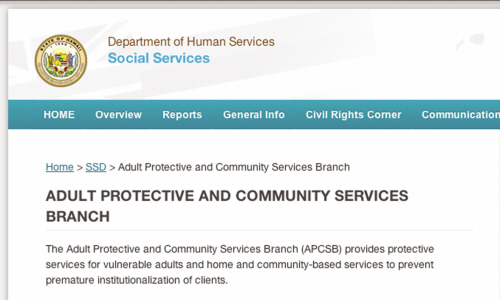
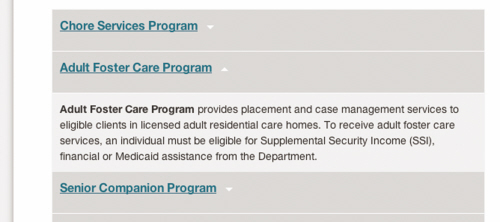
    For example, a program called the Community Care Foster Family Home Program under the State of Hawai‘i offers long-term care in licensed adult foster homes within the community. The cost for this program ranges from $3,000 to $5,500 per month. This is half the cost of a nursing home. Moreover, Medicaid covers the cost for care and services under the program for those who qualify.

    For more information, visit online at humanservices.hawaii.gov/ssd/home/adult-services, scroll down and click on the Adult Foster Care Program tab.


    Nightingale Case Management, Inc. has been a part of the CCFFH Program for over 12 years. For a free assessment and consultation, please contact: (808) 484-2205, nightingalecmi@hotmail.com, or visit www.nightingalecasemanagement.com.

    Generations Magazine - Finding Funds for Long-Term Care - Image 01

    Generations Magazine - Finding Funds for Long-Term Care - Image 02

    Preparing for aging and care is not easy and many do not anticipate the costs associated with long-term care. Some of us assume that relatives will be able to provide care, however this doesn’t always pan out. Those who are not prepared for long-term care costs are left wondering how they will afford their care…

  • Start a New Tradition with Social Security

    Generations Magazine - Start a New Tradition with Social Security - Image 01The holiday season has arrived — a time of year that is steeped in tradition. We’d like to suggest that you start a new tradition. It actually starts with breaking the old tradition of trudging to an office when you need to do business with Social Security.

    Sometimes traditions evolve. Many of the things your parents or grandparents did in a Social Security office you can now do online. For example, if you’re not yet receiving benefits, you can request your Social Security Statement or use the Retirement Estimator to get an accurate picture of what your future benefits will be. You can read or listen to our publications, find out whether you qualify for benefits — even apply for Social Security disability, retirement and spouses benefits online from the comfort of home.

    You also can go online to get a replacement Medicare card or appeal a medical decision made about your disability claim. You can do all this and more at www.socialsecurity.gov.

    Set up an online account to:

    • receive your benefit verification letter
    • review benefits
    • view earnings record
    • change your address or phone number
    • start or change your direct deposit
    • check your information

    Join the millions of people and start a new tradition: forego the holiday traffic to the office by going to www.socialsecurity.gov.


    For other information and locations near you:

    1-800-772-1213 (toll free) | 1-800-325-0778 (TTY)
    www.socialsecurity.gov

    The holiday season has arrived — a time of year that is steeped in tradition. We’d like to suggest that you start a new tradition. It actually starts with breaking the old tradition of trudging to an office when you need to do business with Social Security. Sometimes traditions evolve. Many of the things your…

  • Lotteries & Sweepstakes: You’re Not That Lucky

    Generations - 2014-12-01 - Lotteries and Sweetstakes - Image 01When Betty Lau (victim’s name changed) of Kaimuki opened her mail, she could not believe how lucky she was to find out that she won the $3-million Australian Lottery. The official looking letter explained that an unnamed company bought her a ticket as a promotional program and the enclosed Gold Credit Card from VISA contained the prize money. With the plastic card in hand, Betty felt confident this lottery was legitimate. Betty then read that the card had to be activated with a payment in order for her to gain access to the funds she had won. She was told, however, that any funds she paid would be put right back on the credit card. However, after making payment after payment, she received yet another notice that there was one more fee she had to pay in order for her to get access to the money. She had the feeling of playing a slot machine that kept showing “bar” “bar” cherry”— one more spin (or, in this case, payment) and she would win big. For the next three months, Betty sent more than $150,000 in an attempt to activate the card. It was only when she went through her entire savings account that she was forced to stop pursuing this fantasy.

    Unfortunately, the Elder Abuse Unit at the Prosecutor’s Office and the Honolulu Police Department are seeing the above scene being played out repeatedly in Hawai‘i. Letters, emails, and telephone calls are being received by seniors in increasing numbers. Each giving news that is too good to be true.

    These notices are official looking with impressive wording and says the victim must pay a small fee to receive their winnings. Some include credit cards, like in Betty’s case, while others include a real looking check. The victim is told to cash the check and send the money to another party to pay for the transaction/processing fees. The bank cashes the check without verifying it is real (because they are customer friendly after all). The victim then sends the money to the third party. When the bank discovers that the check was fake, they make the victim pay the cash back and threatens to call the police on the victim for passing a bad check.

    These scams have some things in common. Firstly, the notices state that the victim must act soon or the monies won will be put back into some sort of “general lottery fund.” Secondly, the letters advise the victims to not tell anyone they won so that they do not become victims of fraud. And finally, each of these letters ask for an advanced payment of fees in order to access the winnings.

    How can you prevent this from happening to you?

    Watch the news for information about recent scams.

    Review your bank statements for any unauthorized withdraws.

    Never rush into sending money to strangers. Talk to family, friends or financial advisors before taking action.

    Do not fill out contest entry forms. The entries are made into lists that can be bought by scam artists who can then contact you with accurate information you provided for the contest.

    And, finally, realize you are not that lucky to have won a contest you never entered.


    To Report Suspected Elder Abuse, call:
    Adult Protective Services
    808.832.5115
    ElderAbuse@honolulu.gov
    or visit www.ElderJusticeHonolulu.com.
    All reports are confidential.

    When Betty Lau (victim’s name changed) of Kaimuki opened her mail, she could not believe how lucky she was to find out that she won the $3-million Australian Lottery. The official looking letter explained that an unnamed company bought her a ticket as a promotional program and the enclosed Gold Credit Card from VISA contained…

  • Home Equity Into Retirement Income

    The long-struggling housing market is finally showing signs of recovery, giving many homeowners more equity in their properties. This is prompting more pre-retirees to consider if, and how, home equity can be turned into a source of cash to help fund their retirement.

    Home equity represents one of the biggest assets for many Americans. However, there are risks in assuming that your home’s equity will be a guaranteed source of income in retirement. For starters, home equity, like any investment, is subject to the fluctuations of the market and may have tax consequences. Also, you will always need a place to live, so you can’t assume that the full value of a home is at your disposal. Remember that the primary function of your home is to provide a roof over your head, and using equity to fund retirement requires careful planning. Here are three primary options:

    • Home Equity Lines of Credit (HELOC): A HELOCS (second mortgage) is a reasonable option for an employed individual, but it may be less practical for someone in retirement. HELOCs need to be repaid, and using the proceeds from a home equity loan to help fund retirement often means taking on interest costs in order to generate that income. It’s important to note that an individual puts a lien on their home by taking a HELOC, and risks losing it should he or she fail to repay under the terms of the loan.
    • Reverse Mortgage: A popular alternative is a reverse mortgage. This allows a homeowner to tap into the home equity while still occupying it. A reverse mortgage provides payment to homeowners for the bulk of the value of their homes via a lump sum, a line of credit or periodic payments. In essence, this is a loan to the homeowner paid back when the house is sold at some future date. However, interest accrues throughout the duration of the loan and upfront fees apply, so it can be expensive.

    A standard reverse mortgage, also called a Home Equity Conversion Mortgage, charges a 2 percent mortgage insurance premium on the full value of the home. The government now offers a lower cost “Saver” loan with a mortgage insurance premium of just 0.01 percent of the home’s value, but applying a higher interest rate. Over time, the combination of fees and interest charges can significantly deplete the value of the home’s equity.

    Reverse mortgage applicants must be at least 62 years old. The older a retiree is, the more he or she can receive from the home’s equity. Understanding the complicated terms of a reverse mortgage before signing on the dotted line is crucial.

    Selling & Downsizing: The other way to tap a home’s equity is to sell it. Many retirees are ready to “downsize” or to buy or rent a smaller residence. If the market is right, they can sell their existing home, buy a new place and have equity leftover to add to their retirement nest egg.


    Michael W. K. Yee at (808) 952-1222 ext. 1240

    Michael W K Yee, CFP®, CFS®, CRPC®, is a Financial Advisor and CERTIFIED FINANCIAL PLANNER practitioner™ with Ameriprise Financial Services, Inc. in Honolulu, HI. He specializes in fee-based financial planning and asset management strategies and has been in practice for 25 years. To contact him, michael.w.yee@ampf.com, 808.952.1222 ext 1240, 1585 Kapiolani Blvd., Suite 1100 Honolulu, Hawai‘i 96814.
    Advisor is licensed/registered to do business with U.S. residents only in the states of Honolulu, Hawai‘i.
    1 The Money Across Generations IISM study was commissioned by Ameriprise Financial, Inc. and conducted by telephone by GfK in December 2011 among 1,006 affluent baby boomers (those with $100,000 or more in investable assets); 300 parents of baby boomers; and 300 children of baby boomers at least 18 years old. The margin of error is +/- three percentage points for the affluent boomers segment and +/- six percentage points for the parents and children of boomers segments.
    2 United States Department of Labor, Wage and Hour Division, Family and Medical Leave Act http://www.dol.gov/whd/fmla/
    Ameriprise Financial and its representatives do not provide tax or legal advice. Consult with your tax advisor or attorney regarding specific tax issues.
    Brokerage, investment and financial advisory services are made available through Ameriprise Financial Services, Inc. Member FINRA and SIPC.
    ©2012 Ameriprise Financial, Inc. All rights reserved.

    The long-struggling housing market is finally showing signs of recovery, giving many homeowners more equity in their properties. This is prompting more pre-retirees to consider if, and how, home equity can be turned into a source of cash to help fund their retirement. Home equity represents one of the biggest assets for many Americans. However,…

  • Cataracts: Serious But Treatable

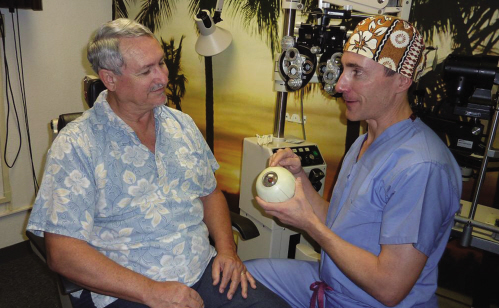
    Generations - 2014-12-01 - Cataracts - Image 01Cataracts affect more than 24 million Americans, with nearly 115,000 of them right here in Hawai‘i. A cataract is when the normally clear lens of the eye starts to become cloudy, which blocks and distorts light necessary for the retina to process images.
    The disease occurs naturally as we age, but some risk factors include exposure to ultraviolet light, diet, smoking, diabetes, use of some steroid medications and serious eye injuries. Cataracts usually worsen over time and can lead to blindness if left untreated.

    Signs of cataracts include blurred vision, sensitivity to light, fading or yellowing of colors, poor night vision, sensitivity to glare and seeing a halo around bright lights. People at risk should get regular eye exams and be aware of the symptoms, especially if you are over the age of 40.

    There are various methods available to correct cataracts, but the general procedure involves removing the clouded lens of the eye and replacing it with an artificial lens implant. Surgery is typically outpatient with very little pain or discomfort. Modern cataract surgery can often be upgraded to include vision correction to reduce dependence on glasses and contacts for those with vision impairments near, far and in between.


    Hawaiian Eye Center
    O‘ahu: 606 Kilani Ave., Wahiawa | 808-621-8448
    Big Island: 1178-A Kinoole Street, Hilo | 808-969-1419
    Toll Free 1-888-621-2020 | www.HawaiianEye.com

    Cataracts affect more than 24 million Americans, with nearly 115,000 of them right here in Hawai‘i. A cataract is when the normally clear lens of the eye starts to become cloudy, which blocks and distorts light necessary for the retina to process images. The disease occurs naturally as we age, but some risk factors include…

  • Is Physician-Assisted Suicide Legal in Hawaii?

    A large, well-funded national organization has been taking out print ads and airing TV commercials that claim that doctors in Hawai‘i are providing lethal doses of medication to individuals who desire “aid in dying.” According to the ads and commercials, this is perfectly legal because of a newly discovered loophole inHawai‘i law.

    As it turns out, however, the ads and commercials ignore what Hawai‘i’s chief law enforcement officer, attorney general David Louie, has said about this topic. In an opinion letter dated December 8, 2011, Louie addresses:

    • whether section 453-1 of the Hawai‘i Revised Statutes (the supposed newly discovered loophole) authorizes a physician to assist a terminally ill patient with dying
    • whether any criminal laws prohibit “aid in dying”

    Louie opines that the loophole being touted in favor of physician-assisted suicide simply allows doctors to prescribe unconventional “remedial agents or measures” (i.e. medication or treatment intended to make the patient better — or at least to provide pain relief and comfort), not cause the patient’s death. In the attorney general’s view, the law clearly does not allow doctors to prescribe lethal doses of medication.

    As to the second question, Louie opines that physician-assisted suicide would constitute the crime of manslaughter. However, proving that the crime had been committed would involve convincing a jury that the physician intended for the patient to commit suicide, and that the lethal medication prescribed by the physician accomplished its intended task. As we all know, proving that a crime has been committed is not necessarily an easy task. But the fact that a crime is difficult to prove does not mean that no crime was committed. Obviously, any physician who follows interpretation of Hawai‘i law urged in the current advertising blitz could be in for serious trouble.

    So don’t be fooled by the commercials and ads. Our existing hospice and palliative care (alleviating pain) physicians and services do a wonderful job of assisting the terminally ill and their families face death. There are legitimate and compassionate ways of dealing with end of life issues that do not involve suicide or raise the prospect of euthanasia.

    For more information, or if you would like a copy of the Attorney General’s opinion, email info@est8planning.com.


    Scott Makuakane, Counselor at Law
    Focusing exclusively on estate planning and trust law.
    Watch Scott’s TV show, Malama Kupuna
    Sundays at 8:30 p.m. on KWHE, Oceanic channel 11
    www.est8planning.com
    O‘ahu: 808-587-8227
    Email: maku@est8planning.com

    A large, well-funded national organization has been taking out print ads and airing TV commercials that claim that doctors in Hawai‘i are providing lethal doses of medication to individuals who desire “aid in dying.” According to the ads and commercials, this is perfectly legal because of a newly discovered loophole inHawai‘i law. As it turns…

  • All-in-One Services Help Seniors Stay Home

    It is no secret that the number of individuals over the age of 60 is increasing exponentially. Without massive changes to operations, there will be no way to effectively meet the needs of seniors in the future. This we know. What may not be so evident are the strides forward that the Hawai‘i State Executive Office on Aging and the Area Agencies on Aging (AAA) in Hawai‘i are making in “getting ahead” of the population boom.

    About 18 months ago, the Maui County Office on Aging (MCOA) implemented a new assessment protocol that each AAA in Hawai‘i will eventually use. (Kaua‘i began the use of the new tool a year ago). And let me warn you, it is a long assessment. So, why implement an assessment that could be construed as cumbersome and downright bothersome for frail seniors?

    The answer lies in what seniors and family caregivers end up receiving from the assessment. Imagine a senior who needs assistance in order to remain safely at home. Maybe the senior and family identify a few services that would allow him/her continued independence. Rather than having to call numerous agencies and participate in separate assessments, the AAA can conduct one assessment that provides a comprehensive view of how to help keep that senior at home.

    I like to think of the assessment as a traffic light. MCOA used to only determine the red and the green lights. We could easily identify when seniors were in the “red” and required immediate in-home assistance. We could also determine functions for which the senior required no assistance — the “green” areas. The new assessment process allows us now to identify the “yellow” at-risk areas as well. These are the areas that do not yet require intervention but that could eventually undermine the senior’s desire to remain independent at home.

    By identifying the at-risk areas, MCOA can assist families in taking a proactive approach. We no longer simply authorize necessary services, but we help the individual and family plan to avert the need for services in the future.

    So, yes, we spend a few hours getting to know the senior and family caregiver. But the time is well spent. We identify not only needs, but also areas of strength and potential areas of risk. Seniors receive a comprehensive support plan designed to meet current needs, improve function when possible, and prevent further decline.

    This proactive approach, combined with evidence-based health promotion activities, is critical to the future success of the aging network. We know the amount of funding we receive will not keep pace with the aging population. Therefore, we must engage in coordinated planning efforts that maximize health and independence in a preemptive manner and be able to meet the needs of at-risk seniors for years to come.


    Maui County Office On Aging
    J. Walter Cameron Center
    95 Mahalani Street, Rm. 20, Wailuku
    808-270-7774 | F: 808-270-7935
    Toll Free in Hawai‘i 808-643-2372 | www.co.maui.hi.us

    It is no secret that the number of individuals over the age of 60 is increasing exponentially. Without massive changes to operations, there will be no way to effectively meet the needs of seniors in the future. This we know. What may not be so evident are the strides forward that the Hawai‘i State Executive…

  • Preventing Falls with Aquatic Exercises

    One-third of the population over the age of 65 falls each year, and the risk increases proportionately with age. At 80 years, over half of seniors fall annually. Those who take a spill often develop a fear of falling. Fear gone unchecked may lead to limiting activities and loss of physical fitness, increasing risk of falling.

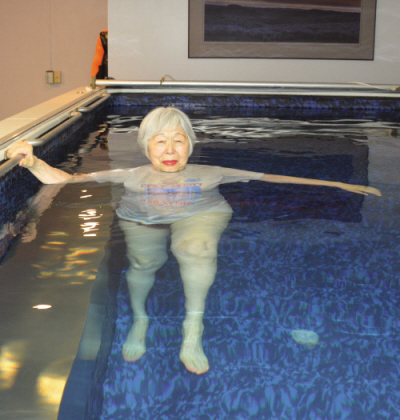
    Generations - 2014-12-01 - Prevent Falls with Aquatic Exercise - Image 01In these situations, it’s important to consider alternate interventions for the elderly — especially for those with joint pain and medical conditions that restrict land training. A recent study from University of California, San Francisco found that water exercises were more effective in improving balance than land exercises.


    The buoyancy of the water helps patients stay upright and reduces their fear of falling. The water’s resistance allows patients more time to detect and correct postural errors that may lead to a fall. With aquatherapy, there is less chance for injury, and patients are able to push the limits with their balance, allowing for quicker carry over to functional, land-based activities.

    The Endless Pool’s adjustable current offers a unique environment to challenge patients with speed, resistance and water depth, allowing them to advance to higher levels of stability and strength. Seniors are taught center of gravity control, postural strategies, gait exercises, strength, endurance and flexibility training.

    Aquatherapy, with the Endless Pool, offers many benefits and should be seen as the modality of the future for fall prevention for the elderly.


    Moon Physical Therapy, LLC
    320 Ward Avenue, Suite 107; Honolulu, HI 96814
    808-597-1005 | www.moonpt.com

    One-third of the population over the age of 65 falls each year, and the risk increases proportionately with age. At 80 years, over half of seniors fall annually. Those who take a spill often develop a fear of falling. Fear gone unchecked may lead to limiting activities and loss of physical fitness, increasing risk of…

  • Are You ‘Good to Go?’

    We all know death is a natural part of life and something we will all experience. But have you thought about how you want to be treated during your final days? How you would like to die?

    Though it’s not an easy topic, and most of us avoid thinking about it, consider giving your death some thought this holiday season. What better way to start the New Year than with a resolution to complete your advance healthcare directive and talk to your family about what you want at the end of life?

    In fact, there is a growing movement in Hawai‘I and the nation toward considering how we want to die and sharing those wishes with doctors, caregivers and loved ones. Increasingly, people feel everyone deserves to make their own personal decisions for dying with comfort, dignity and control.

    Compassion & Choices Hawai‘i is part of this movement. They help people receive state-of-the-art care and the full range of options at the end of life, including disease-specific treatment, palliative care, hospice, avoidance of unwanted medical treatment and access to aid in dying, which is the option to advance the time of death if suffering becomes unbearable.

    How do you get the conversation started?

    After many attempts to engage family members, one Compassion & Choices client set her holiday table with advance directive forms at every place setting and announced, “Nobody gets dinner until these are filled out.” Now that’s some tough turkey!

    And while the paperwork is important, the essential thing is to get the conversation going. Try starting with, “If one of us ever had to make decisions about your treatment because you couldn’t, it would be much easier if we knew what you really want.” Then ask the following:

    • Would you want life support if you have a terminal illness? What if you’re in a permanent coma? What if you have a chronic illness such as Alzheimer’s disease?
    • Do you always want to know the truth about your condition? About treatment options and their odds of success? And what does “success” mean to you and quality of life?
    • What will be important to you when you are dying? No pain? Hold on as long as possible? Family members present? What are your priorities?
    • Would you want to be in a nursing home if your condition warranted?

    Compassion & Choices has a free Good-to-Go Toolkit to guide your conversation and document the results at www.CompassionAndChoices.org/advance-directive.

    Compassion & Choices’ End-of-Life Consultation is a free service. Professional consultants listen to each unique situation and provide information, emotional support and patient advocacy as people navigate complex choices about terminal illness or the dying process.

    For more information, free consultation, access to the Good-to-Go Toolkit and much more, call 1-800-247-7421 or visit www.CompassionAndChoices.org/hawaii.

    We all know death is a natural part of life and something we will all experience. But have you thought about how you want to be treated during your final days? How you would like to die? Though it’s not an easy topic, and most of us avoid thinking about it, consider giving your death…

  • 8 Things on My Medicare To-Do List

    Planning ahead for 2014, made me stop and ponder for a moment … what are the things that are really important to me? First thing that came to my mind was my family. Second was the health of my family and myself. This article is dedicated to Medicare recipients and their caregivers so that we can all have a healthy and happy New Year. Here are 8 easy things that can help you navigate the healthcare maze.

    1] Make an appointment for your Annual Wellness Visit. This is a Medicare benefit that provides you and your physician an opportunity to sit down and develop or update a personalized prevention plan to protect you against disease and disability, based on your health and risk factors. This is not an annual physical exam.

    2] Follow that prevention plan!

    3] Sit down with your loved ones and discuss your end-of-life wishes and complete an advanced health care directive form. Your medical team and family will use this document if you are ever unable to make your wishes known. Forms are available online at www.kokuamau.org and www.hawaiiship.org, or by calling the Sage PLUS Program at 1-888-875-9229.

    The advanced health care directive can be as detailed as you like. Be sure to discuss it with your family and give a copy to your physician. If you currently have an advanced healthcare directive, take a moment and make sure it is still in line with your wishes.

    4] Do you have a POLST (Physicians Orders for Life Sustaining Treatment) document on file? Printed on bright pink paper, and signed by both a doctor and patient, POLST helps give seriously ill patients more control over their end-of-life care. For more information, pick up the upcoming Feb/March issue of Generations Magazine.

    5] Medicare provides most preventive benefits with no co-pay. Take advantage of them to keep you on track toward good health.

    6] Do you have family members that help you with your health insurance? Health and drug plans offer a “authorized representative” form that enables that person to obtain information about your health coverage and billing on your behalf.

    7] VOLUNTEER! Volunteering is a great way to meet new people, help your community and keep you active. The Hawaii SHIP has several different volunteer opportunities.

    8] Do you belong to a community group that would like an educational Medicare presentation? Call or email Hawaii SHIP to request a speaker.

    The Hawaii SHIP (State Health Insurance Assistance Program) is a volunteer-based Medicare counseling program that is available statewide through a grant from the Centers for Medicare & Medicaid Services. For assistance, volunteer information or to request a Medicare speaker, contact us 1-888-875-9229 or help@hawaiiship.org.

    Generations Magazine - 8 Things on My Medicare To-Do List - Image 01

    Planning ahead for 2014, made me stop and ponder for a moment … what are the things that are really important to me? First thing that came to my mind was my family. Second was the health of my family and myself. This article is dedicated to Medicare recipients and their caregivers so that we…

  • Healthy Food Tips for Your Kidney

    Generations - 2014-12-01 - Healthy Food Tips for Kidneys - Image 01Are you aware of the caution about drinking cola drinks? According to a 2007 study, “carbonated beverage consumption has been linked with diabetes, hypertension and kidney stones, all risk factors for chronic kidney disease (CKD). Cola beverages, in particular, contain phosphoric acid and have been associated with urinary changes that promote kidney stones.”(1) Drinking two or more colas per day was associated with increased risk of CKD.
    Researchers are also learning that the issue may be more pervasive than carbonated beverages. The National Kidney Foundation recently reported that people who “consume a diet that is high in phosphorus could be doing damage to their heart, with or without pre-existing kidney disease.” The foundation reports that some studies link high amounts of phosphorus from food with increased phosphorus in the body, ultimately leading to cardiovascular disease(2) and kidney problems.(3)

    Phosphorus is a mineral that is found in the body and aids in making strong bones, among other things. However, if too much phosphorus is consumed damage can result. The most common form of phosphorus in foods is an additive called “phosphate,” which can even be found in so-called “all natural” or “organic” foods and beverages.

    It has been estimated that the average American adult needs only 700mg of phosphorus per day but is consuming at least twice this amount.(4) Phosphate can be found in some prepared boxed and frozen foods, many sliced breads, cereals, meats, dairy products and flavored drinks, among other items. Moreover, this form of phosphorus is nearly 100 percent absorbed by the body, unlike plant-based phosphorus like whole grains, dried beans, nuts and seeds, of which only 30 to 50 percent is absorbed.

    People can control the amount of phosphorus they consume by reading food labels. Keep an eye out for the letters “PHOS” as part of an added ingredient when shopping for foods and beverages. The National Kidney Foundation recommends that people eat fresh, unprocessed foods. Also consider enjoying water with a twist of lemon rather than that cola or other carbonated drinks.


    National Kidney Foundation of Hawai‘i
    808-589-5976 | jeff@kidneyhi.org
    www.kidneyhi.org | www.kidney.org

    1 Epidemiology. 2007 July; 18(4): 501–506.doi: 10.1097/EDE.0b013e3180646338
    2 AKA Framingham Offspring Study
    3 http://www.kidney.org/news/monthly/phosphorus.cfm?homestatic=PhosphorusInfographic?homeslider=Phosphorus
    4 Food and Nutrition Board, Institute

    Generations - 2014-12-01 - Healthy Food Tips for Kidneys - Image 02

    Are you aware of the caution about drinking cola drinks? According to a 2007 study, “carbonated beverage consumption has been linked with diabetes, hypertension and kidney stones, all risk factors for chronic kidney disease (CKD). Cola beverages, in particular, contain phosphoric acid and have been associated with urinary changes that promote kidney stones.”(1) Drinking two…

  • Legal: Siblingship

    siblingship [sib-ling-ship]
    noun (November 9, 2013):
    1. The state of being related or interrelated
    2. A state of affairs existing between one of two or more individuals having one common parent.

    You will not find this word in the dictionary — it is a new word as of November 9, 2013. It describes the unique, textured, dynamic relationship existing between siblings. Think about the uniqueness of this relationship. Siblings begin their relationship at a very young age. My twins, for example, literally started their lives together. And, if they are fortunate, they will experience their lives to old age together. They experience joys and setbacks together, laugh and cry together, and fight together. And through the fighting, they can learn conflict resolution together. No other relationship is quite like a “siblingship.” Parents are there at the beginning, but all too often they leave too early. Spouse’s join us in our adult lives. Friends often come and go.

    When parents die, siblings are called home to “divide up the pie.” And what I experience all too often with the families that I work with, is that the siblings fight over the same things that they fought over when they were kids — property and fairness. However, the parents are no longer there to referee and help divide up the pie fairly.

    The estate planning process, if done properly, can do much to minimize the risk of fighting when parents die. However, many plans do not speak clearly enough in this respect. Leaving a family home or a heirloom “equally to the children” does not go far enough to help avoid the family fight. To leave it up to grieving adult children to decide what is “equal” when it comes their inheritance, puts too much pressure on their relationship.

    If the parents and the estate planning attorney do not spend enough time minimizing the risk of fighting between the siblings, we risk fracturing, or worse destroying this unique, wonderful relationship — the siblingship.

    The estate plan ultimately is supposed to mirror and reflect our lives, and the relationships we built. If your plan does not mirror and reflect your most important values, or does not speak clearly enough to ensure that it helps to preserve the relationships between your children — their siblingship — I encourage you to review your plan with your estate planning attorney.


    Stephen B. Yim, Attorney at Law
    2054 S. Beretania St., Hon.
    (808) 524-0251
    stephenyimestateplanning.com

    siblingship [sib-ling-ship] noun (November 9, 2013): 1. The state of being related or interrelated 2. A state of affairs existing between one of two or more individuals having one common parent. You will not find this word in the dictionary — it is a new word as of November 9, 2013. It describes the unique,…