Category: December – January 2012

  • The Blessings of Having a Church Family!

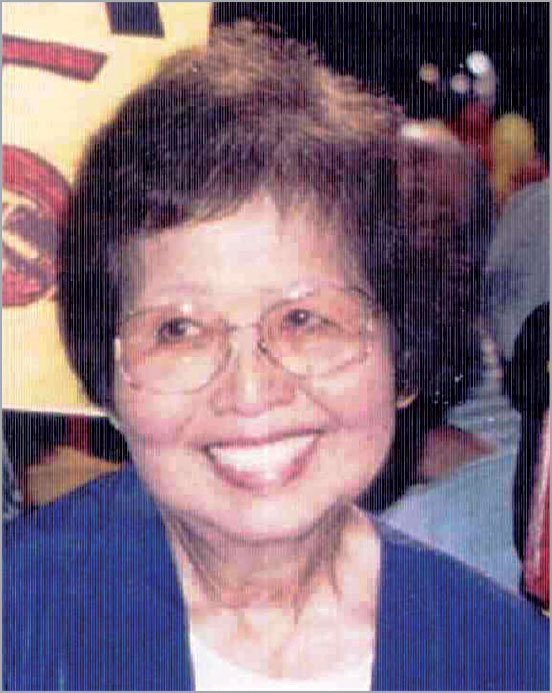
    LIVING-LIFE-Blessings-Church-Family_image1My mother Sue (Sumiko) Higa died in July of 2010. She was 84 years old and for nearly half of her life she suffered with rheumatoid arthritis. Mom came to live with us in our Ma¯noa home for the last two years of her life.

    What was Mom’s greatest joy during the latter years of her life? It was going to church on Sunday. After her bath on Saturday afternoon my wife Judy would fix Mom’s hair up really pretty, and pick out a “nice outfit” for her to wear to church.

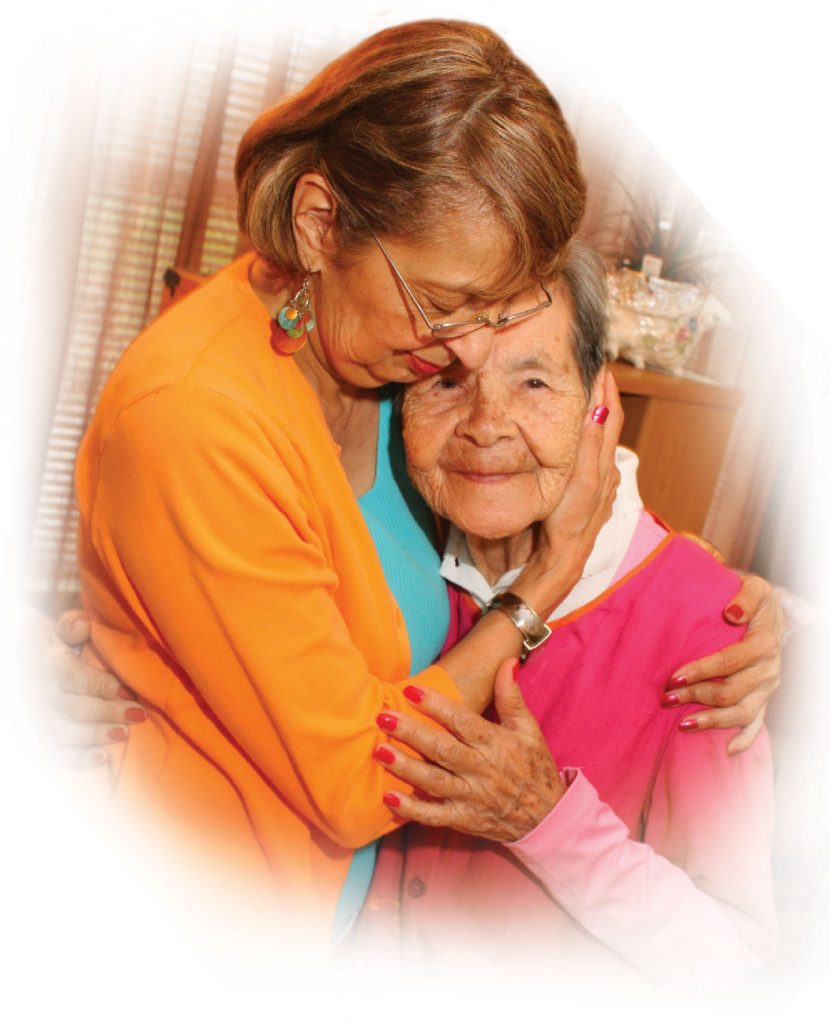
    On Sunday mornings, Mom would get up very early and Judy would dress her in her “nice outfit.” Then, at 7 a.m., I’d help her get into our car. Once she was seated in the car, I would pull down the car visor’s mirror above her so she could take one last glimpse at how she looked. I’d tell her that she looked real good! Once we arrived at church I would help my mother into her wheelchair and move her to her favorite spot at the back of the church. There she would chat with her friends and many would come to greet her and hug her. Mom was always smiling on Sundays.

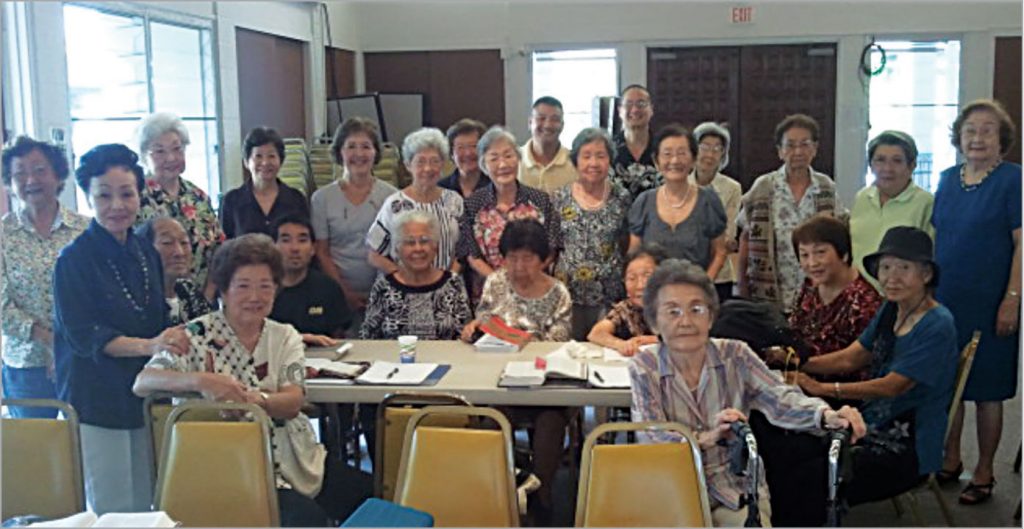
    After the worship celebration Mom would be wheeled to the social hall to gather with her 30 or so friends for the Senior’s Class. There she “talked story” and had a grand time with all of her friends. Mom would always come home with gifts of cookies and candies from her friends. Sunday mornings were the highlight of my mother’s week.

    LIVING-LIFE-Blessings-Church-Family_image2What are the blessings of having a church family?

    • Friends and family may be distant but you can see your friends at church every week.
    • If you’re fortunate like my mother, you’ll come home with all kinds of gifts.
    • A good church family will provide support and prayers for you.
    • If you fall asleep during the Pastor’s sermon no one will judge you. But they may wake you if you start snoring.
    • It’s a lot better than watching TV or Korean soap operas all the time.
    • You will be encouraged and inspired by the spiritual lessons that you will learn.
    • You’ll have a Christmas party to go to (if you attend our church)! Make Sunday mornings a delightful time of your week. Find a good church and be blessed by having a church family.

    Blessings!,
    Pastor Russell Higa

    My mother Sue (Sumiko) Higa died in July of 2010. She was 84 years old and for nearly half of her life she suffered with rheumatoid arthritis. Mom came to live with us in our Ma¯noa home for the last two years of her life. What was Mom’s greatest joy during the latter years of…

  • Stay Uplifted Amid Economic Downturns

    Investors are being forced to cope with what many perceive as unprecedented circumstances in the economic and political environment. At the same time that the U.S. economic recovery appears to be slowing, Standard & Poor downgrades the U.S. credit rating on debt issued by the U.S. Treasury. Confidence that government policymakers can do anything significant to help improve the environment is low.

    These and other concerns are contributing to a sense of unease for many investors. How should these major shifts in global politics and financing affect your personal portfolio strategy?

    Here are three realities to give you an appropriate perspective on the challenges that lie ahead:

    1] The downgrade may be justified, but might have been premature.

    Standard & Poor’s shifted the nation’s credit rating from AAA to AA+. Part of their rationale appeared to center around concerns that a dysfunctional political environment will prevent budget issues from being resolved in an effective manner. However, history is filled with examples of how American politicians have forged deals to resolve crises. It may not be fair to discount the potential that policymakers will come to agreement not just on budget issues, but other legislation designed to give the economy a boost.

    2] Good news is often hidden.

    In periods like these when troubling news leads the headlines, investors are often surprised when markets perform well. This is due to the fact that some market observers are looking beyond the headlines to see other trends that are favorable. The same is true in today’s environment. Corporate profits remain strong and companies in the U.S. and elsewhere generally have solid balance sheets. Emerging markets are growing robustly and will likely help spur ongoing economic activity in other parts of the world, including the U.S. prices for gasoline have moderated in recent weeks, boosting consumer purchasing power. Even in difficult times, seeds of future prosperity are planted.

    3] Stocks may offer more attractive value than bonds.

    Many individuals have been pulling money out of the stock market and investing in bonds (or bond funds). Yet with interest rates on U.S. Treasury securities near their historic lows there appears to be an limited upside. Worse yet, bonds paying extremely low interest rates can be risky for investors. If interest rates begin to rise, bondholders could be in for a negative surprise. That’s because bond prices decline when interest rates rise. Stock values, meanwhile, remain well below the peak they reached in the fall of 2007 before the dramatic, 50 percent downturn occurred. At that time, the S&P 500 Index topped out at 1,565. Today the S&P 500 is 20 percent to 25 percent below that all-time peak. This indicates that upside potential remains over the long run, though the market will likely continue to suffer through ups and downs along the way.

    Investors are being forced to cope with what many perceive as unprecedented circumstances in the economic and political environment. At the same time that the U.S. economic recovery appears to be slowing, Standard & Poor downgrades the U.S. credit rating on debt issued by the U.S. Treasury. Confidence that government policymakers can do anything significant…

  • What’s Special in 2012 with Medicare

    The holidays quickly came and went, along with December 7th, which is the end of Medicare’s annual enrollment period. Some folks missed their opportunity to add, change or drop their Medicare plan, and they want to know if they have any options now that the annual enrollment period is over.

    There are several opportunities to change at this date and we are going to explain each one.

    Annual Disenrollment Period:

    Each year from January 1st – February 14th is the annual dis-enrollment period. During this time if you are in a Medicare Advantage Plan (AlohaCare, HMSA, Humana, Kaiser Permanent, Ohana Health Plan and UnitedHealthcare), you have a one-time opportunity to change back to Original/Traditional Medicare (only) and enroll in a Medicare Part D plan if your Medicare Advantage plan included drug coverage. You cannot use this opportunity to add or drop prescription drug coverage. If you decide to use this option, please check with your health care providers (favorite physician, therapists) and make sure that they will accept Original/Traditional Medicare and continue to see you as a patient.

    New Five-Star Special Enrollment Period:

    This is a new benefit in 2012. Medicare has been collecting data on the Medicare Health and Drug Plans and has rated them on a five “star” scale, based on standard performance measures. Five Star being excellent performance and one star being poor performance. Some of the measures include: member satisfaction, managing chronic conditions, staying healthy, customer service and pharmacy benefits. Medicare gets some of this data from the “member satisfaction” surveys that you sometimes receive from your health plan after a visit to the doctor. Also, if you’ve called 1-800-Medicare and registered a “concern or complaint,” they take those calls very seriously.

    Not every state and county has access to a five-star plan. In 2012 there are approximately nine health plans in the nation that are “5 stars.” Hawai‘i, be proud, we have one of them. Hopefully in 2013 all of our health and drug plans will be rated with 5 stars.

    This special enrollment period is available December 8, 2011– 2012. It is a one-time opportunity to change to a 5 star plan, if it is available in your area. You can do this at anytime beginning December 8, 2011. This special enrollment period again is not an opportunity to add or drop health and drug coverage.

    Other Special Enrollment Periods:

    If you receive “Extra Help” (also known as low-income subsidy), you have a continuous special enrollment period throughout the year.

    Working Individuals. If you didn’t sign up for Medicare Part A and/or Part B when you were first eligible for Medicare (at 65 years of age) and you were covered under an employer group health plan based on current employment (either you or your spouse or family member if you are disabled) and that coverage ends, you have an 8-month window to enroll in Medicare Part B and 63 days to enroll in drug coverage. If you miss either of those windows then you have to wait until the general or annual enrollment periods. COBRA benefits (federal law which allows you to purchase your employer health coverage) is not considered “creditable coverage” for Medicare Part B and you may not be eligible for a special enrollment period and may have to pay higher premiums when you do enroll.

    If you would like to know more about special enrollment periods, you can view the Medicare & You handbook (paper form or on-line). For more information about enrolling in Medicare Part B, please visit www.socialsecurity.gov. And for information about Medicare and the health plans available in Hawai‘i, please call Sage PLUS Program, also known as the Hawai‘i SHIP (State Health Insurance Assistance Program). This program is a federal grant from Medicare to assist you in understanding the benefits of the Medicare Program.


    The holidays quickly came and went, along with December 7th, which is the end of Medicare’s annual enrollment period. Some folks missed their opportunity to add, change or drop their Medicare plan, and they want to know if they have any options now that the annual enrollment period is over. There are several opportunities to…

  • Time to Scoot!

    Time to Scoot 1 - Generations Magazine - December - January 2012Thanks in part to convincing commercials on TV, many people are sold on the benefits of scooters and powerchairs before they even enter a showroom.

    The problem is that they don’t know much about the products themselves or what’s involved in getting a power mobility device covered by insurance companies.

    Before you get revved up to go, here’s a list of questions to answer yourself before you shop:

    1. What is your height and weight? Your height and weight will determine which models will work best for you.

    2. Are you going to ride the scooter only indoors, strictly outdoors, or a combination of both? What activities do you like to do on a daily basis? If you are just going to use it indoors you can get a smaller unit with smaller batteries. If you plan on going out with it for the day it would require more battery power.

    3. Are you going to use the device every day? How much time will you be on the vehicle?

    4. Are you going to transport the scooter or powerchair with a vehicle or take TheBus or HandiVan?

    __ Will you use it in a place of employment?
    __ Will you vacation with it?
    __ How will you transport it? 
Time to Scoot 2 - Generations Magazine - December - January 2012
    __ Do you have a lift or ramp for their vehicle?

    5. Are you going to pay for the mobility device yourself or try to get it covered by insurance? If opting for insurance, bring in your photo ID, and all copies of insurance cards on your initial visit to a showroom.

    Dauterman Healthcare & Mobility has many scooter and powerchair models on display for you to try. For more information, call 591-8860 or visit www.dautermanmedical.com.


    Thanks in part to convincing commercials on TV, many people are sold on the benefits of scooters and powerchairs before they even enter a showroom. The problem is that they don’t know much about the products themselves or what’s involved in getting a power mobility device covered by insurance companies. Before you get revved up…

  • Charity Scams Target Seniors Heavily During the Holiday’s

    Donating money to charity is one of the most selfless things a person can do. Unfortunately, criminals can easily prey on these selfless acts, using a person’s desire to help the less fortunate for their own 
personal gain.

    Seniors should be especially mindful of fraud schemes during the holidays. The FBI notes that seniors are most likely to have a nest egg and an exceptional credit rating, making them very attractive to criminals.

    If you plan to donate money this holiday season, the Better Business Bureau (BBB) offers the following advice:

    Be cautious when giving online. Be cautious about online giving, especially in response to spam messages and emails that claim to link to a relief organization.

    When in doubt, check it out. When an unfamiliar organization asks you for a donation, don’t give without gathering details about the charity, the nature of its programs and its use of funds.

    Check out a charity’s claims. Despite what an organization claims, charities have fundraising and administrative costs. Even a credit card donation will involve, at a minimum, a processing fee. If a charity claims that 100 percent of collected funds will be assisting, check it out.

    Think before you give. If you are solicited at home or on the street, take a minute or two to “think.” Ask for the charity’s name and address, and get full identification from the solicitor and review it carefully. Ask to see written information on the charity’s programs and finances.

    Giving later might be better. Never feel pressured to give on the spot. Legitimate charities will welcome your money tomorrow. If the solicitor pressures you with intimidation or harassing phone calls, don’t hesitate to file a complaint with BBB.

    Watch out for cases of mistaken identity. With hundreds of registered charities in Hawai‘i alone, it’s not surprising that some charity names sound alike. Be careful that the one soliciting you is the one you have in mind.

    Watch out for charity fraud. Legitimate charities do not demand donations. They willingly provide written information about their programs, finances or how donations are used; and they never insist you provide your credit card number, bank account number or any other personal information.

    Donating money to charity is one of the most selfless things a person can do. Unfortunately, criminals can easily prey on these selfless acts, using a person’s desire to help the less fortunate for their own 
personal gain. Seniors should be especially mindful of fraud schemes during the holidays. The FBI notes that seniors are…

  • Governor Abercrombie: a New Day for Hawai‘i’s Seniors

    Governor Abercrombie: a New Day for Hawai‘i’s Seniors

    “We need to face our challenges together, and build a Hawai‘i for all ages.”
    COVER-Governor-Abercrombie_image1

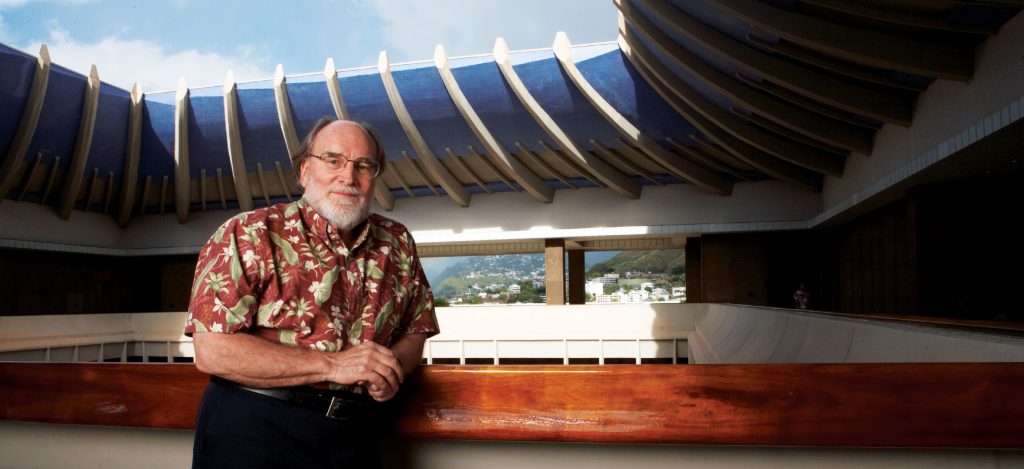
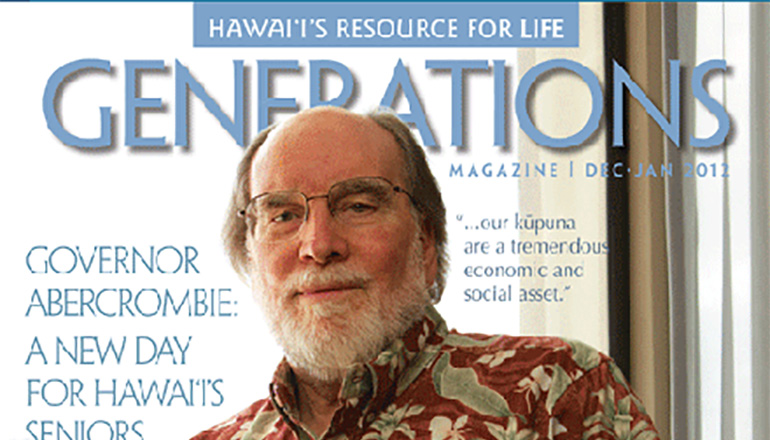
    As Neil Abercrombie marched into the governorship of Hawai‘i, he carried with him a manifesto — A New Day In Hawai‘i. One of the plan’s key points was to enhance the quality of life for older adults — even to ambitiously turn age into an asset.

    Now that it’s been just about 365 “new” days (or one year), since Abercrombie assumed office, Generations Magazine sat down with the governor to see whether, indeed, a new day is dawning for seniors in Hawai‘i.

    GM: What is the fire in your belly that motivates you to want to help seniors and make it a significant part of your administration’s goals?

    NA: I grew up during the Depression in Buffalo, New York, a city with many ethnic and religious divides. I often got into fights to defend me and others for having the “wrong” background. It was also during a time when women faced open discrimination. I witnessed the injustice of working women, such as my mother Vera, who received lower pay and benefits simply because of their gender. Through this and other childhood incidents, my mother taught me the importance of fairness, equality and of standing up for what was right. I was taught that big kids shouldn’t pick on little ones, I believed it and believe it now.

    When I was first elected to public office, my mother reminded me of how she was treated unfairly and to always fight for those who can’t fight for themselves. In these times, the most vulnerable are often our seniors.

    Prior to the 2010 elections, I knew we were facing the most trying time in the history of the State of Hawai‘i. I felt the responsible thing to do was to utilize my relationships in Congress and the White House and my decades of legislative experience to address important social issues, such as aging, in these difficult times as Governor.

    GM: Set the stage for us …what is the status of our retirees and elders in Hawai‘i?

    NA: First off, I want to say nearly ninety-five percent of people over 60 are active, engaged and want to contribute. In that way, our ku¯puna are a tremendous economic and social asset. However, we often view aging through a deficit or sick-care lens. My administration is changing that viewpoint. We’re partnering with senior advocacy groups to redefine social attitudes about aging.

    For example, this year our Executive Office on Aging joined the United States Administration on Aging in proclaiming the month of May as “Older Americans Month” in Hawai‘i. The recognition celebrates the role older Americans play in steering the course of our history and recognizes them for their valuable insights and wisdom. We honored seniors by showcasing them as “treasured resources,” united by historical experiences and strengthened by diversity.

    We understand that older Americans are now living healthier, longer and richer lives. We look forward to the many accomplishments they will offer our local communities in the future.

    GM: Besides creating awareness, what are you doing to help seniors stay integrated into the whole of society?

    NA: Seniors who want to work or volunteer, should be able to. It is part of government’s job to make sure that they have a chance to do so. It’s part of our plan to create a “silver wave” of opportunities for active older adults. Through incentives and partnerships we are encouraging non-profits and businesses to create flexible paid and volunteer opportunities for seniors. We also recognize model employers who bring in retirees to serve as mentors and trainers.

    Senior Corps is one great example of the“silver wave” at work. The program taps the skills, talents and experience of individuals age 55 and better to meet a wide range of community needs through three programs: RSVP, Foster Grandparents and Senior Companions.

    RSVP connects volunteers with service opportunities in their communities that match their skills and availability. Volunteers conduct safety patrols for local police departments, participate in environmental projects, provide intensive educational services to children and adults and respond to natural disasters, among other activities. Foster Grandparents serve one-on-one as tutors and mentors to young people with special needs. Senior Companions help homebound seniors and other adults maintain independence in their own homes. I encourage seniors to inquire about these volunteer opportunities at the Hawai‘i Aging and Disability Resource Center (643-2372). For an update on the RSVP Program, click here.

    Also, Kapi‘olani Community College’s Kūpuna Education Center offers assistance in comprehensive life planning and upgrading skills, including lifelong and/or intergenerational learning opportunities for older adults.

    GM: For seniors who are less active, or need more assistance, how is your administration helping?

    NA: One of the most important public challenges of our time is to ensure that our rapidly aging population of retirees and elders can live productive and dignified lives.

    Currently, the state helps the most frail and vulnerable older adults through Medicaid’s QUEST Expanded Access Program (QExA). The program covers health services for nearly 39,000 Hawai‘i resident who are aged, blind and disabled (ABD). However, Hawai‘i’s Medicaid plans are plagued with rising health care costs and a growing senior population. Medicaid is on a path to exceed our ability to pay and is at risk of failing those who need it the most.

    In view of that, I will continue to lobby the federal government for federal matching provisions to support the Medicaid program. My administration is also planning to attack the skyrocketing costs of health care statewide, including a greater focus on prevention, quality and on programs that demonstrate their cost savings.

    The silver lining in all of this is that states all across the country are encountering similar fiscal challenges, and the Obama Administration and Congress are aware of this and looking for ways to help. With my strong ties to the White House and to Congress, I am working to move Hawai‘i to the front of the line for these opportunities.

    GM: Will existing services for seniors, especially through Ku¯puna Care funding, be increased to support the growing number of seniors?

    NA: For seniors who are not eligible for Medicaid, our administration will continue to provide Kūpuna Care, which is a publicly-funded service that provides services such as meals, bathing, companion and assisted transportation to people needing help with daily living.

    More importantly, however, is that state and county governments are currently transforming our service delivery system. We want families to have better access to and assistance with navigating our long-term supports and services.

    For example, through the Aging and Disability Resource Centers in each county, we will provide information and referrals in a very person-centered manner. We hope to empower families and caregivers to make informed decisions about their options. The goal is to streamline access to the public and privately funded services and support, such as counseling, case management and programs such as the before mentioned Ku¯puna Care and QUEST Expanded Access.

    GM: As you know, many adult children take care on their aging parents. Although most wouldn’t have it any other way, caring for our elderly parents and grandparents can be difficult. How does the state support those who embrace it as their duty?

    NA: I understand how difficult caregiving can be. My mother-in-law was incapacitated for almost seven years. I saw every variety of care facility and workforce caliber. Only the professional dedication of health care personnel enabled my wife and me to get through the ordeal with her.

    Despite government’s best efforts over the years to provide all of our kūpuna care, our efforts are falling way short of the mark. Too many older adults and their families are without the support and resources they need, forcing them to turn to more expensive and less desirable living situations. For seniors who are alone and impoverished, the situation is even worse.

    Out of this crisis, we have found opportunities. Hawai‘i is a very adaptable and resourceful place. As such, Hawai‘i is the nation’s leader in intergenerational households. Grandparents are routinely involved in raising grandchildren. And adult children oftentimes care for their aging parents. These family caregivers are the backbone of our system of support and services for older adults. They care for our kūpuna in a way the government can’t — emotionally and fiscally.

    Family caregivers allow people to grow older in their own homes and communities, without requiring a huge and expensive new government program. In fact, the estimated economic value that family caregivers provide is about $2 billion, which is more than government can afford to spend on care and why it’s so important to help family caregivers in areas such as respite, care coordination, and education and training.

    GM: Do you have a ‘A New Day In Hawai‘i’ legacy that you would like to leave behind?

    NA: For the senior and aging component of A New Day In Hawai‘i, I hope to develop a Hawai‘i Center of Excellence on Aging. This is something that can continue to grow in years to come after I leave office.

    I’d like to see our university system, community colleges, the private business sector and non-profits come together to obtain funding for major research and cutting-edge projects around the subject of aging. We already have outstanding experts and programs at Kapi‘olani Community College, the University of Hawai‘i at Mānoa and community-based programs throughout the Islands. These can be coordinated to develop training programs, career paths in gerontology, and new advancements that can benefit people in Hawai‘i and can be exported around the world, particularly in China, Japan and Korea, which are rapidly aging. There is no reason why Hawai‘i cannot be a world leader in this field.
    COVER-Governor-Abercrombie_image2GM: This was just year one of your governorship … you have three more years to see your plan come to fruition. Do you have a parting message for our readers?

    NA: Well, last but not least, I do believe government has a responsibility to build a streamlined system of supports and services for families. I note, however, that the care of Hawai‘i’s kūpuna is a shared responsibility. No one entity can do this alone. From philanthropic organizations to the for-profit sector, from government to non-profits, from individuals and families to clubs and associations, we all have resources — monetary, in-kind, volunteer, ideas, time — to contribute to care for our kūpuna and to create the society that we want to live in.

    We need to face our challenges together, and build a Hawai‘i for all ages.

    Every place on Earth, whether it be a large metropolitan city in Asia or an isolated Island community like Hawai‘i, has a culture that was created over time by the inhabitants of that place. That’s why all of us who live in these Islands must never forget that we owe much to the generations who came before and to the older people in our community. They helped to educate us, form our ideas about brotherhood and establish the spirit of Aloha that pervades our home. I extend to all of our seniors my most heartfelt appreciation for their past contributions and wish them all the very best.

    GM: What do you have planned for retirement once your term is over?

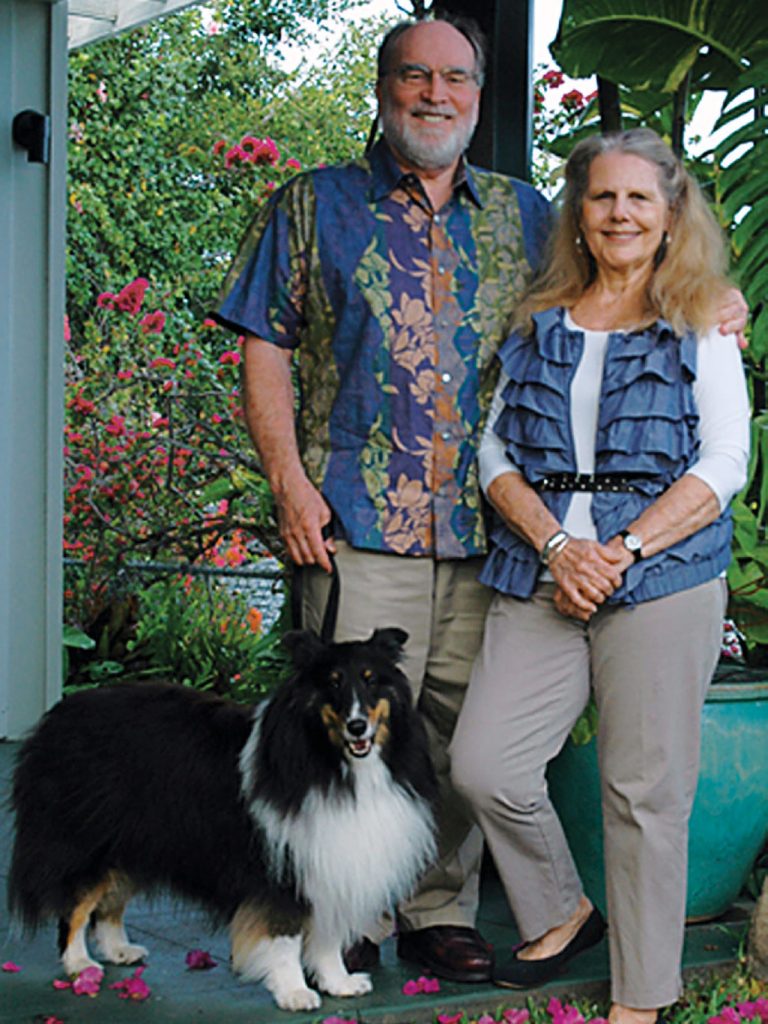
    NA: I’ll help wherever and whenever I can, but I’m not looking for any other job. This run for Governor was the culmination of a lifetime of public service. This is the last public office I will hold. In retirement I plan to walk my dog Kanoa every day, read and spend more time with my wife, Dr. Nancie Caraway.

     

    “We need to face our challenges together, and build a Hawai‘i for all ages.” As Neil Abercrombie marched into the governorship of Hawai‘i, he carried with him a manifesto — A New Day In Hawai‘i. One of the plan’s key points was to enhance the quality of life for older adults — even to ambitiously turn age into an…

  • Elderhood Project

    My mother just completed her annual visit here to the Islands. She doesn’t stay at our house … she likes her own space. I won’t tell you how old she is. That would just be plain rude. But she is in good health and going strong. She finally got a cell phone (thanks to my sister). That gives me a great deal of comfort.

    While mother was visiting, I tried to call her house phone a number of times. No answer. When I called the cell phone, she answered right away. And, other times when I left a message on her voicemail, she’d call back within minutes after she heard the message alert. Mother doesn’t have a computer. She doesn’t understand why anyone would sit all day in front of a keyboard. So the cell phone is the closest thing to modern technology she owns. But, as I said, it’s a comfort to me knowing that she can call my sister or me when she needs to.

    Boomers like me are in a rather unusual situation. Happily, many of us still have parents who are part of our lives. We also have grown children we are still concerned about. Due to this common situation, Boomers are also called the “Sandwich Generation.” Frankly, I can’t think of a better title. A sandwich is a good thing. It provides comfort, it can be shared with others and there’s an endless variety.

    I’m going to call my mother now. If she thought of me as a sandwich it would probably be “Ham on Wry.” Get it? Ham on … oh, well …

    My mother just completed her annual visit here to the Islands. She doesn’t stay at our house … she likes her own space. I won’t tell you how old she is. That would just be plain rude. But she is in good health and going strong. She finally got a cell phone (thanks to my…

  • 80 Years of Valuable Service

    The Hawai‘i Library for the Blind and Physically Handicapped (LBPH) is part of the Hawai‘i State Public Library System (HSPLS) and the Library of Congress, National Library Service for the Blind and Physically Handicapped (NLS).

    In 1931, the Trustees of the Library of Hawai‘i made a request through Gov. Judd to have the Library for the Blind and Physically Handicapped serve as a depository of Braille books produced under the national program. This was made possible by the signing of the Pratt-Smoot Act by President Herbert Hoover on March 3, 1931. In July 1931, Hawai‘i became one of the original 19 libraries established.

    LBPH provides free services to eligible residents in the State of Hawai‘i and U.S. territories and possessions in the Pacific area. Patrons must be unable to read or use regular print materials due to a visual or physical disability. Certification by a competent authority is required. Books, magazines and special equipment are made available for borrowing.

    LBPH provides books and magazines in audio, Braille and large type formats, as well as trans-cribing and radio reading services.

    The audio book program has seen many changes over the years, from long playing records to cassette tapes to digital technology. Patrons, both adults and children, have been able to enjoy their favorite books and magazines.

    Now, registered patrons can also borrow Digital Talking Book Machines and Digital Books. The smaller lightweight machine has improved digital sound quality and a rechargeable battery.

    Technology has also made it easier for patrons to enjoy the thousands of books available through NLS. Registered patrons can now download books through BARD (Braille and Audio Reading Download). Contact LBPH for more information.

    Large type books are also available to those who have a HSPLS library card. You can apply for a library card at LBPH or any public library.

    The Transcribing Services Section at LBPH produces materials not already available into accessible formats.

    The Radio Reading Service Hawai‘i program allows patrons on Oahu and Maui to listen to selected articles from the Honolulu Star-Advertiser, articles from local publications like Midweek, Longs ads, food ads from the local grocery stores and other programs of interest to our local com-munity. The library can provide patrons with a special radio receiver to enjoy the broadcast over a sub-channel of KHPR, Hawai‘i Public Radio.


    For more information and/or application form, contact the Hawai‘i Library for the Blind and Physically Handicapped:

    • Phone: 808-733-8444
 / Toll-free: 1-800-559-4096 (Neighbor Islands only)
    • Email: olbcirc@librarieshawaii.org
    • Library Hours: 
Mon., Wed., Thurs., Fri.: 8:30 a.m.– 4:30 p.m.
Tues.: 10 a.m.– 6 p.m.
    • Address: 
402 Kapahulu Ave., Honolulu, HI 96815

    The Hawai‘i Library for the Blind and Physically Handicapped (LBPH) is part of the Hawai‘i State Public Library System (HSPLS) and the Library of Congress, National Library Service for the Blind and Physically Handicapped (NLS). In 1931, the Trustees of the Library of Hawai‘i made a request through Gov. Judd to have the Library for…

  • Care in the Air

    PROGRAMS-SERVICES-Care-in-the-Air_image2Hawai‘i Life Flight is an air ambulance provider serving the Hawaiian Islands, transporting patients from pediatrics to geriatrics. It’s scope of care ranges from cardiac and trauma to neurological and burn patients.
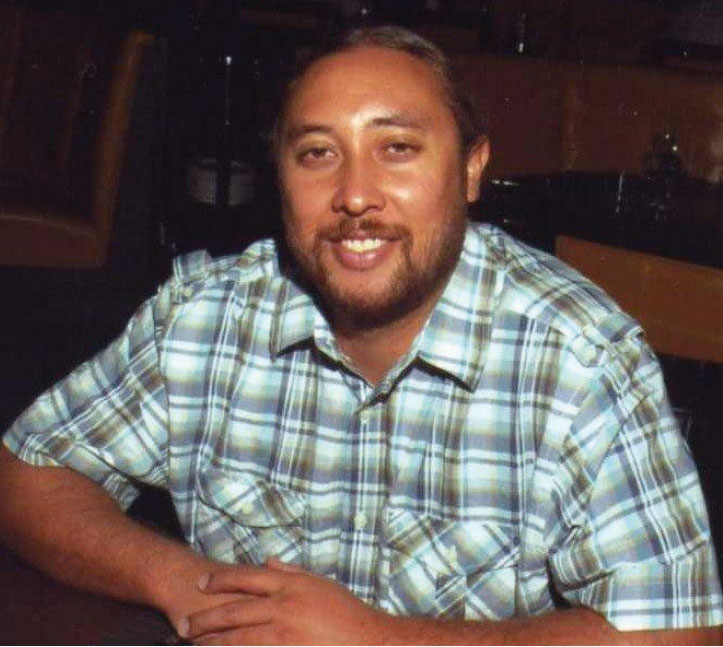
    This emergency air medical transportation is especially important for Neighbor Island residents who don’t live near major medical centers, Kawika Villa says. “If you or a family member suffer an accident or serious medical problem and needed to be transferred to a medical facility on another island,” he says, “Hawai‘i Life Flight will transport you in a modern, medically equipped and professionally staffed aircraft.”

    The Crew

    The Hawai‘i Life Flight medical crew members average 10 years of critical care or emergency medicine experience. The flight nurses and paramedics use the latest technology and advanced education to transport patients who may require advanced procedures and monitoring.

    New Name, Goals & Service

    Hawai‘i Life Flight might be the new name in Hawai‘i’s air ambulance industry, but the company has actually been serving the state since 1979. Owner Joseph Hunt purchased Hawai‘i Air Ambulance in 2006 to improve the quality of air ambulance services in the Islands. The company changed its name in 2010, and is now known as Hawai‘i Life Flight. Hunt vowed to make vast improvements to increase the safety, reliability and responsiveness of the company to give the people of Hawai‘i an air medical 
transportation company worthy of their trust and support.

    PROGRAMS-SERVICES-Care-in-the-Air_image1In 2006, Hunt got to work right away hiring an entirely new management team. He replaced the older Cessna fleet with newer, faster aircraft, opting for Raytheon King Air C90B models. More than $2 million of custom reconfiguration work was done to prepare the fleet for the demands of Hawai‘i’s medical community. The company also raised the bar when selecting pilots, aircraft maintenance and medical personnel to above current FAA and industry standards. In addition, new positions were created to monitor and ensure quality management and safety, compliance, efficient communications and risk assessment.
    Hawai‘i Life Flight’s vision was to decrease the wait times and ensure safe, efficient and reliable response. Hawai‘i Life Flight has opened six bases throughout the state at Li¯hu‘e, Kahului, Honolulu, Kamuela, Hilo and Kona. Each of these bases has a flight crew response time of approximately 20 minutes or less to the patient’s bedside or base airport. Crews actually live in the communities they serve and participate at various community events.

    Membership Program

    Hawai‘i Life Flight also has a membership program that makes out-of-pocket expenses affordable to patients. Most major insurance carriers are accepted. Hawai‘i Life Flight membership program waives the member’s insurance deductible and co-payment when Hawai‘i Life Flight provides emergency air medical transportation between the Hawaiian Islands.

    Membership prices start at just $49 per year for seniors, ages 55 and up. Family plans are also available, and cover the applicant, spouse and dependents to age 18 or 23 if full time students.


    For more information, contact Kawika Villa at 808-833-2270, kvilla@hawaiilifeflight.com or visit www.hawaiilifeflight.com.

    Hawai‘i Life Flight is an air ambulance provider serving the Hawaiian Islands, transporting patients from pediatrics to geriatrics. It’s scope of care ranges from cardiac and trauma to neurological and burn patients. This emergency air medical transportation is especially important for Neighbor Island residents who don’t live near major medical centers, Kawika Villa says. “If…

  • RSVP Goes to the City

    The Retired and Senior Volunteer Program Changes Lives

    PROGRAMS-SERVICES-RSVP-Goes-to-the-City_image1The Retired Senior Volunteer Program (RSVP) has a new family. We are now under the Information and Assistance (I&A) Section of the Elderly Affairs Division (EAD), Department of Community Services (DCS). We also proudly welcome and congratulate Ashley Muraoka as the newly hired director for this great new program. We previously knew her as the coordinator for the Medicare for Participants and Providers Act.
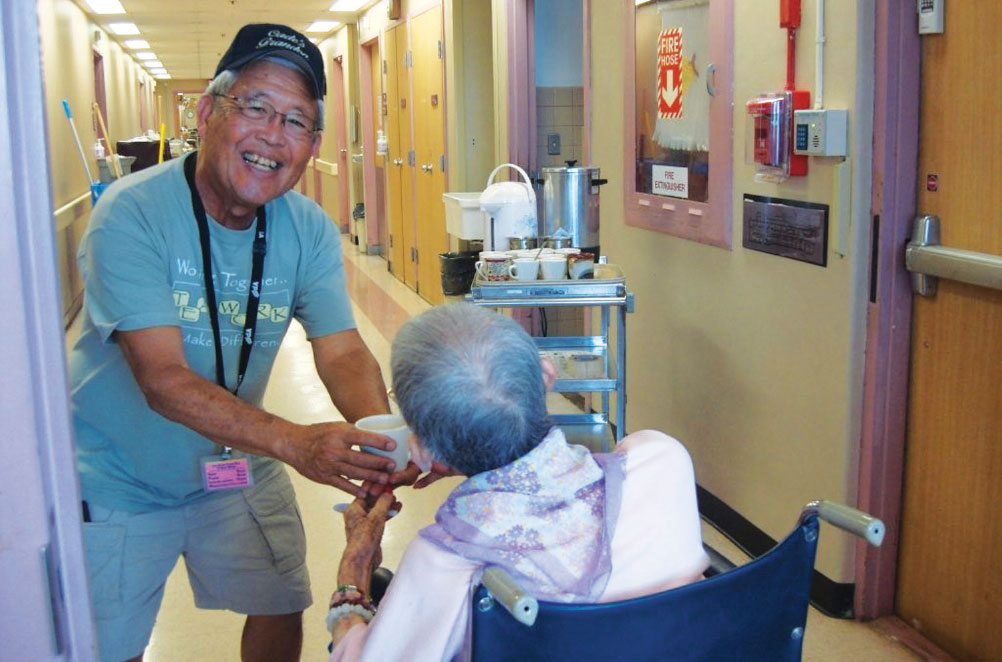
    With the support of the Elderly Affairs Division and under Muraoka’s direction, RSVP will focus on enhancing the lives of older adults. RSVP recruits and matches adults, age 55 and better, with community volunteer opportunities that capitalize on their wisdom, skills and experience. There are more than 450 active volunteers on O‘ahu serving in more than 50 non-profit organizations and public agencies. In 2010, they contributed more than 85,000 hours of service to the community, which amounts to $1.5 million in service. These volunteers vary greatly in age, background, status, ability, interests, ethnicity, and professional and educational level.

    RSVP is currently recruiting volunteers to help meet the most critical needs in our communities. With Hawai‘i having one of the fastest growing elder populations in the nation, we have many seniors who need help and many seniors who can help. RSVP keeps seniors healthy in their own homes with services, such as telephone reassurance, grocery shopping, light housekeeping, meal preparations, respite, transportation, health promotion, and information and assistance outreach. RSVP hopes to make a huge impact in increasing the health, well-being and quality of life of O‘ahu’s seniors.

    PROGRAMS-SERVICES-RSVP-Goes-to-the-City_image2RSVP is also in the process of creating a Senior University. At the university, volunteers will be able to conduct a class or take a class. This will give our volunteers the opportunity to share their knowledge, skills and talents with all generations. We will capture historical and institutional knowledge to enhance our community planning, growth and services.
    The ultimate goal of RSVP is to build capacity in communities across O‘ahu.

    Elite Membership Eligibility:

    • You must be 55 years or better
    • Interested in learning new skills
    • Eager to make a difference in a person’s life

    For information, call 768-7700 or 643-2732.

    The Retired and Senior Volunteer Program Changes Lives The Retired Senior Volunteer Program (RSVP) has a new family. We are now under the Information and Assistance (I&A) Section of the Elderly Affairs Division (EAD), Department of Community Services (DCS). We also proudly welcome and congratulate Ashley Muraoka as the newly hired director for this great…

  • Action Line Serves & Recruits Seniors

    PROGRAMS-SERVICES-Action-Line_image1
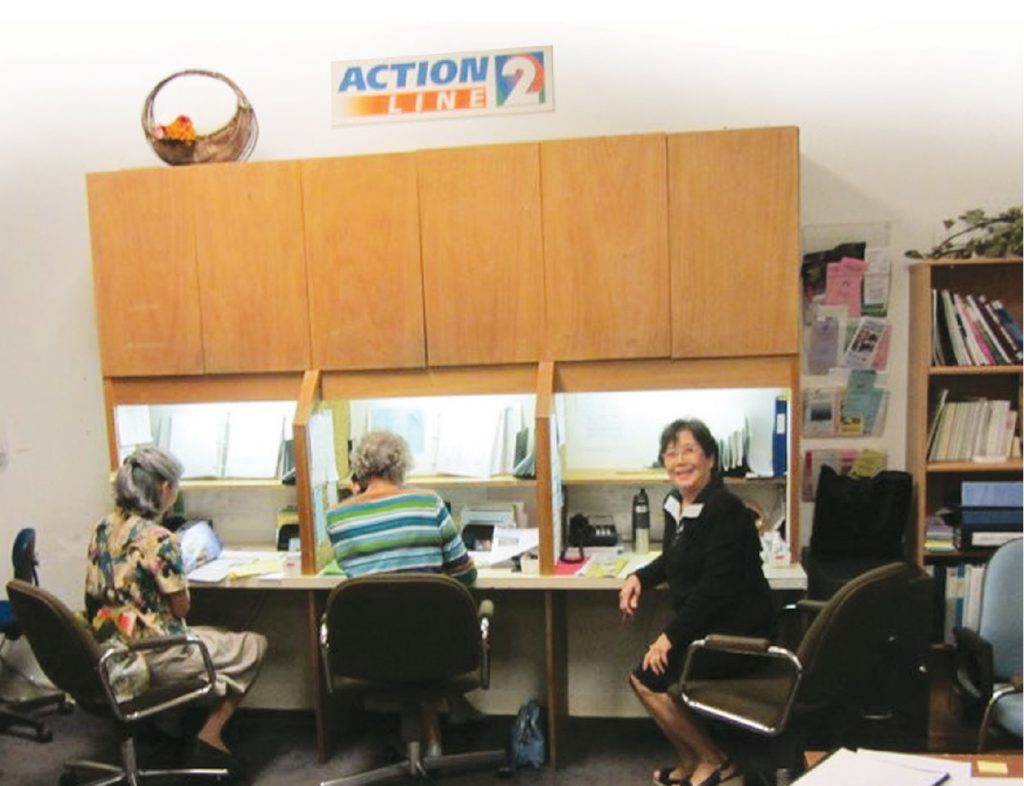
    Volunteers at work (L–R): Anni Suzuki, Jeanne McNeil, and Melba Kop

    2012 marks the 25th year of KHON2’s Action Line program. Over the years, the program has fielded thousands of calls, and we all owe many thanks to this valuable community service.

    Action Line is a consumer referral service that assists people in solving a wide variety of problems they have encountered with businesses, service providers and government agencies. It also uses KHON’s resources to inform the community-at-large of relevant consumer issues.

    Staffing is entirely by a dedicated team of volunteers. Volunteers are predominately seniors with a wide diversity of backgrounds and life experiences. Volunteers typically work one day a week from 9 a.m. to 1:30 p.m.

    What they don’t do - they don’t intervene directly on the behalf of consumers. They also do not handle anonymous or third-party complaints.

    How to contact Action Line: Phone lines (591-0222) are open weekdays between 11 a.m. and 1 p.m. Alternatively, consumers can email actionline@khon2.com.

    The Action Line Web site tab is located at KHON2.com, which provides consumers with links that can be used to investigate businesses, file complaints and to gather information on a wide range of topics. Consumer Alerts and links to recent news stories can also be found on the site.

    During 2011, Action Line received two huge awards – the Better Business Bureau’s Ka Mea o Kako‘o Award and the Hawai‘i State Bar Association’s Young Lawyers’ Division Liberty Bell Award.

    Volunteer Solicitation: Action Line is always looking for new phone and office volunteers. Training is provided. For more information, please visit the Action Line tab at KHON2.com or email at Actionline@khon2.com.

    2012 marks the 25th year of KHON2’s Action Line program. Over the years, the program has fielded thousands of calls, and we all owe many thanks to this valuable community service. Action Line is a consumer referral service that assists people in solving a wide variety of problems they have encountered with businesses, service providers…

  • December – January 2012

    December – January 2012

    WANT THIS ISSUE?

    Download your own personal copy of this issue in PDF format. Click the button below:

    DOWNLOAD IT NOW

    Governor Abercrombie: A New Day For Hawai`i’s Seniors