Category: December – January 2012

  • Tax Planning & Preparation

    Our tax system for the most part remains firmly based upon the calendar year. At year-end, it’s time to take a snapshot of your income, deductions and credits. Based on that data, your tax liability for the year can be computed. If year-end strategies are implemented before your tax liability is “set in stone” it can make a significant difference in what you owe for the tax year. Tax planning for year-end 2011 should use traditional year-end strategies as well as those that react to situations unique to this year.

    Income/Deduction Shifting

    The traditional year-end strategy of income shifting applies to 2011, but with an extra twist. Under traditional strategy, you time your income and deductions so that your taxable income is about even for 2011 and 2012 so your tax bracket does not spike in either year. If you anticipate a higher tax bracket for 2012, you may want to accelerate income into 2011 and defer deductions into 2012. If you anticipate a leaner 2012, income might be delayed through deferred compensation arrangements, postponing year-end bonuses, maximizing deductible retirement contributions and delaying year-end billings.

    The twist for year-end 2011 is the uncertain future for the tax rates after 2012. Many political observers forecast that higher-income taxpayers will be asked to pay more, either through higher tax rates or more limited deductions. That may suggest a strategy in which income is not defer-red but is recognized now at lower tax rates still available in 2011 and 2012.

    Roth Conversions

    If you converted an Individual Retirement Account (IRA) to a Roth IRA in 2010, you were given an option - recognize all income in 2010 or defer that income, half into 2011 and half into 2012. If you elected to defer that income into 2011 and 2012, do not forget to figure that income into your year-end planning.

    Life Changes

    Marriage, divorce, the birth of a child, death, a change in job or loss of a job, and retirement are just some of the life events that trigger a special urgency for year-end tax planning. After December 31, 2011, it will be too late to alter most of your bottom-line tax liability for 2011.

    Tax Extenders

    A number of tax extenders are scheduled to expire after December 31, 2011. They include:

    • the state and local sales tax deduction
    • the higher education tuition
    • the teacher’s classroom expense deduction

    Seniors age 70 ½ and older should also consider making a charitable contribution directly from their IRAs up to $100,000 and paying no tax on the distribution. This tax break, especially advantageous to those who do not itemize deductions, is scheduled to end for distributions made in tax years beginning after December 31, 2011.


    For more information, call Tamilyn Masuda at 847-4422 or visit www.masudacpa.com.

    Our tax system for the most part remains firmly based upon the calendar year. At year-end, it’s time to take a snapshot of your income, deductions and credits. Based on that data, your tax liability for the year can be computed. If year-end strategies are implemented before your tax liability is “set in stone” it…

  • When Good Drugs Go Bad

    HEALTH-Good-Drugs-Bad_image1Help your drugs help you! Your medications only work as well as they are handled.
    Where do you keep your medicines? Are they in different places — some in the medicine cabinet, some in the kitchen, and some in your car, purse or elsewhere? It’s important to keep track of your drugs so you know where they are when you need them.

    Pharmacists encourage all of us to clean out our medicine cabinets once a year. Unused or expired drugs, over-the-counter medicines, vitamins and herbals can lose their strength and may be harmful to your health.

    Five Safe Storage Tips:

    • Store containers in a cool, dry place. Your drugs may lose their potency before the expiration date if they are exposed to oxygen, heat, light or humidity. Don’t leave the cotton plug in the bottle. The cotton draws moisture into the container. Many people store their drugs in the bathroom. This is actually one of the worst places to keep medicine. Bathroom cabinets tend to be warm and humid.
    • Take inventory of all your medicines. Make sure that you’re familiar with the drugs and what they do. Talk to your pharmacist if you have any questions about your drugs.
    • Make sure that all drugs are clearly labeled and in their original containers, away from other substances that might be mistaken for them.
    • Keep drugs out of the reach of children. Keep them secure from teens, reducing the risk of misuse.
    • Throw away any drugs you no longer need. Do not share drugs with others.

    Why Throw Drugs Away?

    Part of taking drugs safely means not using them after their expiration date. Don’t take any chances with a medicine that no longer works the way it’s supposed to.

    • Throw away any drug you have not used in the past 12 months.
    • Throw away drugs no longer in their original container or that can no longer be identified.
    • Throw away medicines that have changed color, odor or taste, regardless of the expiration date. Throw away capsules or tablets that stick together, are harder or softer than normal, or are cracked 
or chipped.
    • Check the expiration date for eye drops and eardrops, too. They may no longer be effective and, worse, could be a breeding ground for bacteria or fungus.

    How Do I Throw Drugs Away?

    When drugs are thrown away incorrectly, they can harm the environment, pets and/or children. Don’t flush old drugs down the toilet or pour them down a sink or drain.

    Follow these easy steps before disposing drugs in the trash:

    • Pour the drug into a sealable plastic bag. If the drug is a solid (pill, liquid capsule, etc.), add water to dissolve it.
    • Add kitty litter, sawdust, coffee grounds (or any material that mixes with the drug and make it less appealing for pets and children to eat) to the plastic bag.
    • Seal the plastic bag and put it in the regular trash.
    • Remove and destroy all identifying personal information (prescription label) from all containers.

    If you find a drug and you don’t remember what it is, or you have other drug-related questions, contact the Poison Center at 1-800-222-1222 (24-hours, toll-free, statewide).

    Help your drugs help you! Your medications only work as well as they are handled. Where do you keep your medicines? Are they in different places — some in the medicine cabinet, some in the kitchen, and some in your car, purse or elsewhere? It’s important to keep track of your drugs so you know where they…
  • Your Mind & Body Diabetes: Are You Too Sweet?

    Diabetes is a chronic disease characterized by high levels of blood sugar. According to the Centers for Disease Control and Prevention, 25.8 million children and adults in the United States, or 8.3% of the population, have diabetes. Of this number, 7 million are undiagnosed. Among seniors, 10.9 million, or 26.9% of all persons over the age of 65, have diabetes. It affects both men and women alike.

    TYPES OF DIABETES

    Type 1 diabetes can occur at any age, but it is most often diagnosed in children, teens or young adults. This disease results from the body’s failure to produce insulin (a hormone that regulates carbohydrate and fat metabolism in the body) and requires the person to inject insulin. The exact cause is unknown.

    Type 2 diabetes makes up majority of the diabetes cases. It occurs in adulthood, but teens are now being diagnosed with it because of high obesity rates. It results from insulin resistance, a condition in which the body’s cells fail to use insulin properly.

    COMMON SYMPTOMS OF DIABETES:

    • Frequent urination
    • Sudden weight loss
    • Unusual thirst
    • Increased hunger
    • Blurred vision
    • Wounds that are difficult to heal
    • Frequent infections
    • Tingling or numbness of hands and feet

    How is diabetes diagnosed?

    Blood testing of fasting blood glucose, oral glucose tolerance test or Hemoglobin A1 test is use to diagnose diabetes. A fasting blood glucose of 126 or higher is indicative of diabetes.

    Are lifestyle modifications effective?

    Lifestyle modifications, such as a healthy diet and exercise regimen, can be a very effective way to keep diabetes in control. Multiple small changes can lead to improvements in diabetes control, including a decreased need for medication.

    Generations Magazine - Your Mind & Body Diabetes: Are You Too Sweet? - Image 01
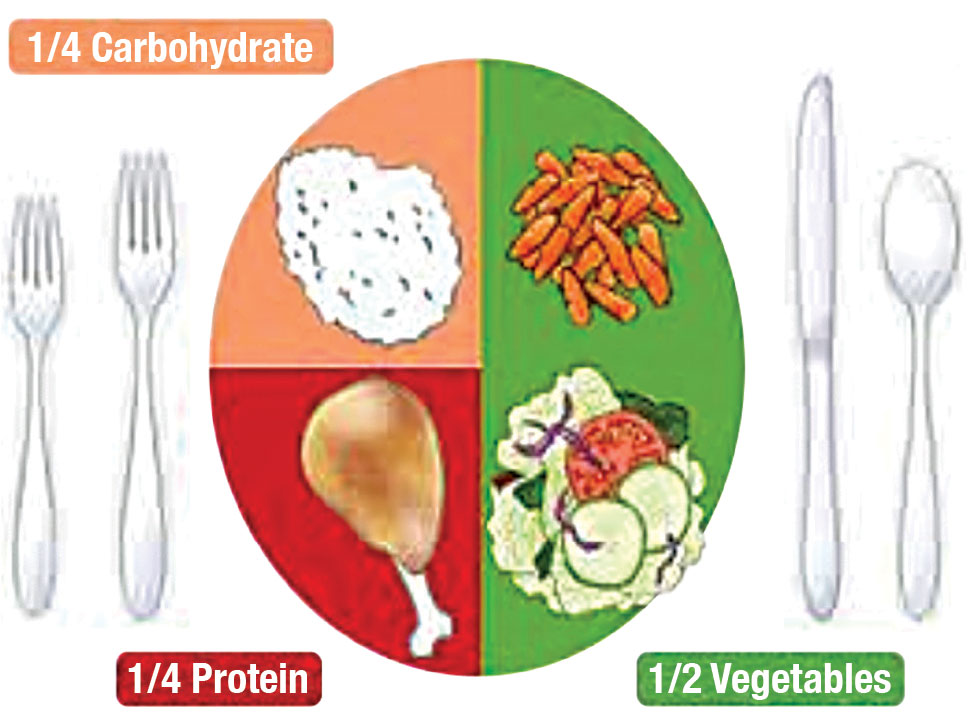
    The food wheel for diabetes information

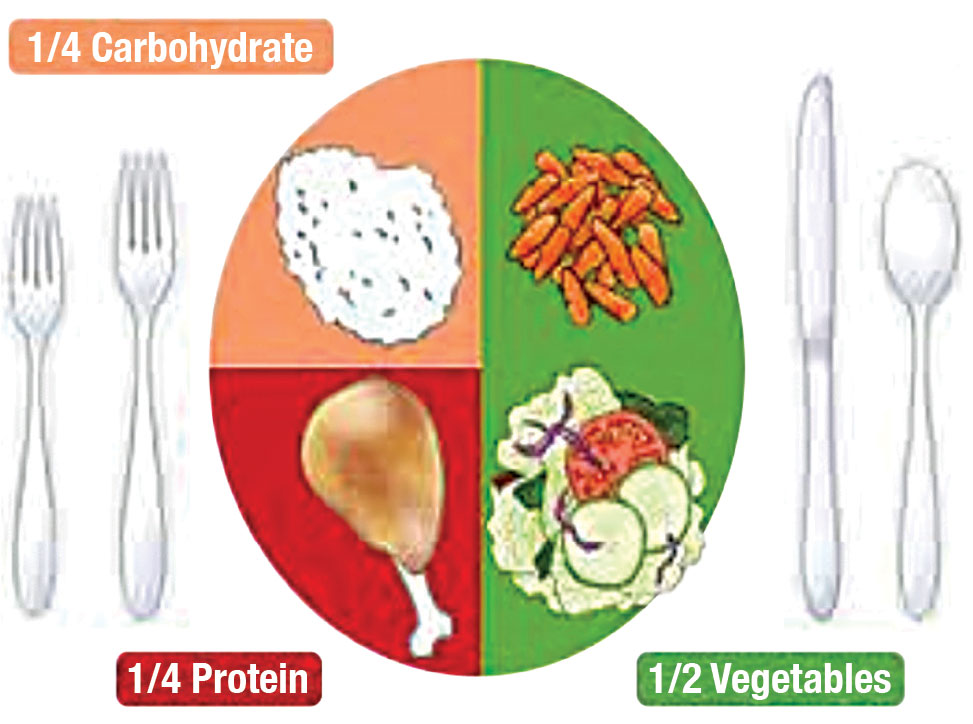
    The Plate Method encourages persons to eat their meals filling ½ their plate with fruits and vegetables, ¼ carbohydrates (starch) and ¼ lean protein.

    What are the complications of diabetes?

    Long-term complications include heart disease, stroke, kidney disease, neuropathy, eye diseases and peripheral vascular disease. These complications can seriously affect the quality of life of persons with diabetes.

    How can a person prevent complications from diabetes?

    Improved blood sugar control can slow the progression of long-term complications. Good control of blood pressure and cholesterol is needed. Any medications the physician prescribes to control these conditions need to be taken consistently. Take an aspirin once a day. Seek out dental care at the first sign of infection or other dental issues. Brush and floss daily. Check feet regularly and wear good footwear. Yearly eye exam to check vision is recommended. Reduce stress as much as possible. Quitting smoking is the best decision a person can make to improve their health.

    Diabetes is a chronic disease characterized by high levels of blood sugar. According to the Centers for Disease Control and Prevention, 25.8 million children and adults in the United States, or 8.3% of the population, have diabetes. Of this number, 7 million are undiagnosed. Among seniors, 10.9 million, or 26.9% of all persons over the…

  • Your Mind & Body: Diabetes

    Diabetes is a chronic disease characterized by high levels of blood sugar. According to the Centers for Disease Control and Prevention, 25.8 million children and adults in the United States, or 8.3% of the population, have diabetes. Of this number, 7 million are undiagnosed. Among seniors, 10.9 million, or 26.9% of all persons over the age of 65, have diabetes. It affects both men and women alike.

    TYPES OF DIABETES

    Type 1 diabetes can occur at any age, but it is most often diagnosed in children, teens or young adults. This disease results from the body’s failure to produce insulin (a hormone that regulates carbohydrate and fat metabolism in the body) and requires the person to inject insulin. The exact cause is unknown.

    Type 2 diabetes makes up majority of the diabetes cases. It occurs in adulthood, but teens are now being diagnosed with it because of high obesity rates. It results from insulin resistance, a condition in which the body’s cells fail to use insulin properly.

    COMMON SYMPTOMS OF DIABETES:

    Frequent urination
    Sudden weight loss
    Unusual thirst
    Increased hunger
    Blurred vision
    Wounds that are difficult to heal
    Frequent infections
    Tingling or numbness of hands and feet

    HOW IS DIABETES DIAGNOSED?

    Blood testing of fasting blood glucose, oral glucose tolerance test or Hemoglobin A1 test is use to diagnose diabetes. A fasting blood glucose of 126 or higher is indicative of diabetes.

    ARE LIFESTYLE MODIFICATIONS EFFECTIVE?HEALTH-Diabetes_image1

    Lifestyle modifications, such as a healthy diet and exercise regimen, can be a very effective way to keep diabetes in control. Multiple small changes can lead to improvements in diabetes control, 
including a decreased need for medication.

    The Plate Method encourages persons to eat their meals filling ½ their plate with fruits and vegetables, ¼ carbohydrates (starch) and ¼ lean protein.

    WHAT ARE THE COMPLICATIONS OF DIABETES?

    Long-term complications include heart disease, stroke, kidney disease, neuropathy, eye diseases and peripheral vascular disease. These complications can seriously affect the quality of life of persons with diabetes.

    HOW CAN A PERSON PREVENT COMPLICATIONS FROM DIABETES?

    Improved blood sugar control can slow the progression of long-term complications. Good control of blood pressure and cholesterol is needed. Any medications the physician prescribes to control these conditions need to be taken consistently. Take an aspirin once a day. Seek out dental care at the first sign of infection or other dental issues. Brush and floss daily. Check feet regularly and wear good footwear. Yearly eye exam to check vision is recommended. Reduce stress as much as possible. Quitting smoking is the best decision a person can make to improve their health.

    Diabetes: Are You Too Sweet? by Dr. Ritabelle Fernandes, MD from the December-January 2012 issue of Generations Magazine, Hawai‘i’s Resource for Life

  • It’s a Good Move

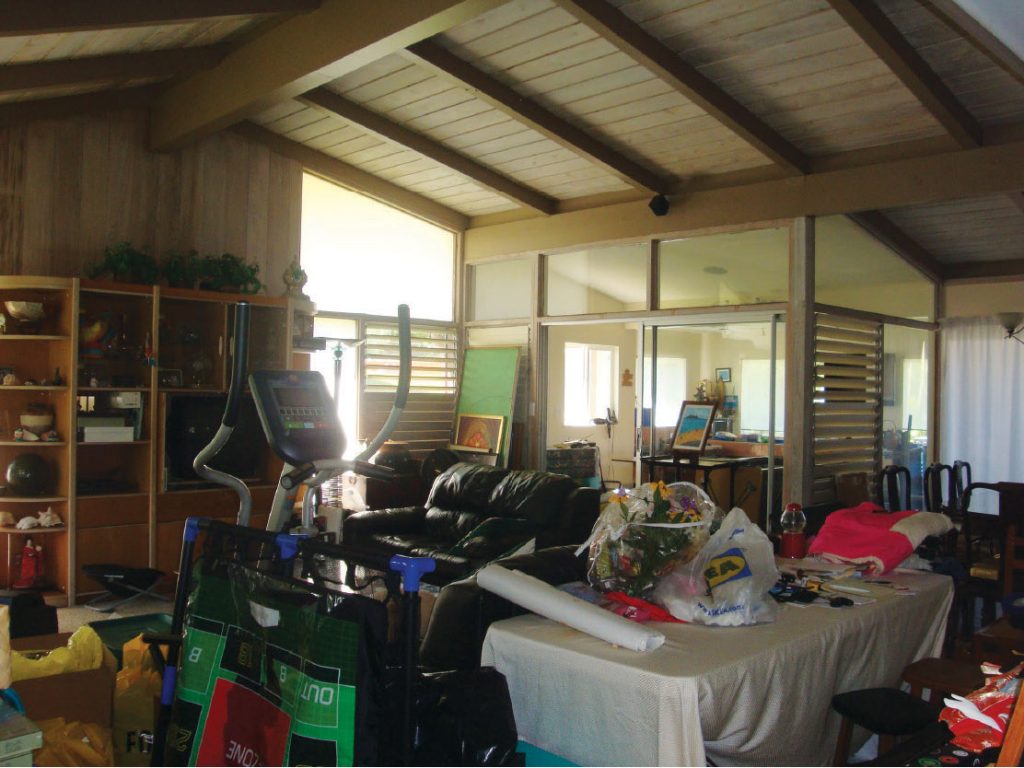
    As Baby Boomers begin to retire, many are choosing to downsize to a simpler life. After their children leave the nest, many seek a more comfortable living environment as they enter senior-hood. Some opt to spend their retirement years living in a smaller home, retirement community, or with their adult children. This transition is often overwhelming and very stressful. With years of memories and accumulated “stuff” in their home, people simply don’t know where to begin. The good news is that there is help available.

    From decluttering . . .

    PROGRAMS-SERVICES-Good-Move_image2
    The before picture before decluttering by Senior Move Managers

    Senior Move Managers LLC, also dba Declutter Hawai‘i, was formed by Dan and Julie Ihara in October 2010. After years of servicing senior clients in their real estate business, they have created efficient, friendly tools that help seniors downsize their personal belongings. They’ve learned ways that help people de-clutter their homes and make decisions about their belongings. In January of 2011, they joined the National Association of Senior Move Managers (NASMM) as the first and only Senior Move Management firm in Hawai‘i. Dan’s niece, Cynthia Goya Arnold, is the Vice President of Operations and manages the day-to-day services for their clients. Since the inception, Senior Move Managers has helped dozens of clients move into retirement communities, condos, as well as helped clear out family estates.

    “We’ve seen it all - from the vacant “hoarder home” to the everyday senior who has lived in the same home for 80 years. No job is too big or too small for us,” Dan says.

    Senior Move Managers can also help with downsizing and de-cluttering homes to make them safer and more functional for those choosing to age in place. “Regardless of age, most people can use some help with de-cluttering,” Julie says. “We do everything possible to minimize stress for our clients.”

    . . . to creating a fresh, new look again.

    PROGRAMS-SERVICES-Good-Move_image1
    The after picture of decluttering by Senior Move Managers

    Senior Move Managers is bonded, insured and nationally certified with the NASMM. As such, the company provides a free consultation to determine its clients’ goals, and offers a “plan of attack” and a schedule to meet those goals. Each client receives customized services based on their situation. Other services include creating floor plans, coordinating vendors and setting up new homes.

    “Our clients tell us that they enjoy the peace of mind knowing that we’re here to help with every aspect of their move,” Dan says. “We started this business to help families through an often challenging phase of life. As a local, family-owned and -operated business, we treat our clients like family.”

    For more information, call Cynthia Arnold at 221-8345 or Dan Ihara at 256-7873, or visit their website at www.smmhawaii.com.

    As Baby Boomers begin to retire, many are choosing to downsize to a simpler life. After their children leave the nest, many seek a more comfortable living environment as they enter senior-hood. Some opt to spend their retirement years living in a smaller home, retirement community, or with their adult children. This transition is often…

  • Safe Harbor Home Care, Inc.

    Are you a caregiver to your mom, dad or others in your family? Have you ever thought about seeking assistance but felt guilty about accepting outside help? You may feel like you’re giving up on your elders, but, in fact, receiving help can actually make you a better caregiver.

    PROGRAMS-SERVICES-Safe-Harbor-Home-Care_image1
    Chris and Evelyn enjoy the care at their own home.

    Taking care of your elders means giving them the best care possible—whether the attention comes from you or from others. During the early years, your own loving hands and caring heart may be sufficient, but things could become more difficult as your elders need more assistance. Eventually your full time care giving can lead to burnout and poor health.

    Safe Harbor Home Care, Inc. can be your partner in managing care giving for your family. Its team is lead by Ester Ramos, a registered nurse with 40 years of experience. She owned and managed a 23-bed care home for 13 years. Prior to that, she owned and managed a Medicare/Medicaid-certified home health agency in California for 10 years. In addition, she also managed a hospice agency for 3 years. Ester’s nursing and management background experience is invaluable in the homecare business.

    Ester has surrounded herself with equally competent professionals to train, educate and supervise nurse’s aides. The trained staff shares the core belief that each client and their family situation is unique and must be respected and nurtured. With cultural awareness and sensitivity Safe Harbor establishes mutual trust and a therapeutic relationship.

    Safe Harbor Home Care, Inc. 808-638-3638, www.safeharborhomecare.com.

    Are you a caregiver to your mom, dad or others in your family? Have you ever thought about seeking assistance but felt guilty about accepting outside help? You may feel like you’re giving up on your elders, but, in fact, receiving help can actually make you a better caregiver. Taking care of your elders means…

  • Respite & Reprieve

    PROGRAMS-SERVICES-Respite-Reprieve_image1Finding just the right place to provide care and attention for older adult family members can be challenging for caregivers who work full time during the day. It’s a serious dilemma: physically, the older adults may be fine, but may have dementia or be experiencing memory loss, and therefore cannot be safely left at home alone during the day.
    The Franciscan Adult Day Center in Manoa, a program of St. Francis Healthcare System, provides caregivers peace of mind, knowing their family is in good hands while they’re at work.

    Family caregivers must be available 24/7 and that can cause a drain on physical, emotional or spiritual health. To prevent caregiver burnout, the center also welcomes participants so that caregivers can enjoy some respite. A welcome break or being able to take care of other responsibilities during the day can make a world of difference for caregivers.

    I know what it’s like to care for a family member. For years, I was the sole caregiver for my husband, who had Alzheimer’s. I can relate to both the caregivers as well as the participants in our program, formally known as the Sister Maureen Intergenerational Learning Environment (SMILE).

    Whether it’s taking the time to understand the challenges and needs of the caregivers or spending time listening to the concerns of the participants, it’s a privilege to give my undivided attention to each of them. I have a great team of aides who help with a range of activities for the participants throughout the day. Whether it’s serving nourishing meals, leading an exercise group or planning a recreational activity, we’re always doing something to keep our participants active and engaged, while maintaining a structured environment. Studies show—and our experience confirms—that older adults need social interaction to prevent loneliness or depression. The quality of life can be maximized through activities, socialization and professional supervision.

    We also take occasional field trips and invite guest speakers to the Franciscan Adult Day Center. Intergenerational learning is one of the unique features of our program as students from nearby schools come to share in activities that benefit everyone.

    It’s amazing to see how much both the students and program participants enjoy themselves. We plan to replicate this model of intergenerational caring at the St. Francis Intergenerational Center in ‘Ewa, a new center that will combine adult day care and pre-school all in one convenient location to serve those in the burgeoning West O‘ahu region. Construction will begin next year on a parcel across from Franciscan Vista ‘Ewa, the St. Francis Healthcare System’s fully-occupied affordable senior independent living center.

    For more information and/or for a tour of Franciscan Adult Day Center, call 988-5678 or visit www.franciscanadultday.com.

    Finding just the right place to provide care and attention for older adult family members can be challenging for caregivers who work full time during the day. It’s a serious dilemma: physically, the older adults may be fine, but may have dementia or be experiencing memory loss, and therefore cannot be safely left at home…

  • Autumn Lessons for Retirement

    In autumn, animals know winter is coming and take the steps to prepare. Bears grow thicker fur and settle in for peaceful hibernation. Squirrels collect and store acorns and other nuts. Birds, favoring warmer weather, migrate south for the winter.

    When it comes to preparing for retirement, we can learn from the animals—making sure the transition into the later years of our lives is as smooth and comfortable as possible. The best place to start is a visit to www.socialsecurity.gov.

    You can get an instant, personalized estimate of your future Social Security benefits at www.socialsecurity.gov/estimator.

    To prepare for a comfortable retirement, you should start saving as early as possible. Social Security is the foundation for a secure retirement, but was never meant to be the sole-source of income for retirees. In addition to Social Security, you also will need savings, investments, pensions or retirement accounts to make sure you have enough money to live comfortably when you retire. Learn about retirement planning and how to save at www.socialsecurity.gov/retire2/other2.htm. But wait, there’s more.

    If you decide you’re going to be a “snowbird” when retirement comes, and go to warmer climates during winter weather, make sure that your Social Security payment goes with you. The best way to do that is to use direct deposit. You never have to worry about your monthly payment — it will show up in your bank account whether you’re in the Dakotas or the Florida Keys. Learn all about electronic payments at www.socialsecurity.gov/deposit.

    Whether you’re in the spring, summer, or entering the autumn of your life, the best time to start preparing for retirement is always the present. Even the animals know they can’t wait until the last minute to prepare for a comfortable winter. Take a lesson from our furry and feathered friends and prepare for your own comfortable, and cozy, retirement.


    In autumn, animals know winter is coming and take the steps to prepare. Bears grow thicker fur and settle in for peaceful hibernation. Squirrels collect and store acorns and other nuts. Birds, favoring warmer weather, migrate south for the winter. When it comes to preparing for retirement, we can learn from the animals—making sure the…

  • New and Powerful Estate Planning Tool: the Hawai‘i Asset Protection Trust (APT)

    Two years ago, Hawai‘i joined Delaware, Nevada and 11 other states in validating self-settled spendthrift trusts. What this means is that you can now create a trust for yourself that will protect your assets from your own creditors. This is a huge departure from prior law, which expressly prohibited such trusts. For convenience, we will call them APTs, which stands for Asset Protection Trusts.

    Not only do APTs provide asset protection, they can also be made to last forever, or at least until all of the assets are used up. Hawai‘i law has long recognized something called the rule against perpetuities, which essentially says that a private trust (that is, any trust other than a charitable trust) can last for about 100 years, and then the trust must terminate, and the assets must be distributed. This is a throwback to the law of England (where most American law comes from) and a time when the king did not want land being tied up in trusts because it impaired his ability to tax it. Now that our government has developed a solution to this problem, Hawai‘i has joined the ranks of states that allow the creation of so-called Dynasty Trusts.

    Hawai‘i’s first attempt at allowing APTs, which was back in 2010, was doomed to failure. For one thing, the law imposed a 1% tax on all assets transferred to APTs. The law also limited the kinds of assets that could be put into APTs, and it allowed a trustmaker (someone creating an APT) to place assets comprising no more than 25% of his or her net worth into an APT. Since the laws of other states did not include these restrictions, there was very little incentive for someone to create a Hawai‘i APT.

    In 2011, our Legislature removed the restrictions on APTs, so that a person can place any kind of property into his or her APT, and there is no 1% tax imposed on each asset transferred into the trust. The new law became effective on July 1, 2011, and Hawai‘i APTs are now viable tools in many people’s estate plans.

    A Hawai‘i APTs is not for everybody. You should only create one if you understand what it is and how it works, and before you do anything else, you should seek the assistance of competent legal counsel and other advisors who can help you evaluate whether this is a workable strategy for you.

    The new Hawai‘i law says that you cannot be the trustee of your own APT, but you can pick any Hawai‘i resident or Hawai‘i financial institution as your trustee. The trustee can have the discretion to make distributions to you or for your benefit, but you cannot have the unfettered right to demand whatever you want whenever you want it. You can also retain the right to give the trustee investment advice, and you can also have the right to veto distributions from the trust.

    Perhaps the most important thing to understand about Hawai‘i APTs is that they do not shelter assets from claims of existing creditors. In other words, you cannot incur a debt (for example, by way of a car accident or a bad business deal) and then create a Hawai‘i APT to shield you from liability on that debt. On the other hand, the ideal time to create a Hawai‘i APT is before you start a new business or launch a practice in a field such as medicine, law, or architecture, where legal claims against you are an ongoing risk.

    For more information about Scott Makuakane and his law firm, Est8Planning Counsel, LLLC, visit www.est8planning.com. Or tune into his weekly TV talk show, Est8Planning Essentials on KWHE (Oceanic channel 11) at 8:30 a.m. on Sunday evenings.


    Two years ago, Hawai‘i joined Delaware, Nevada and 11 other states in validating self-settled spendthrift trusts. What this means is that you can now create a trust for yourself that will protect your assets from your own creditors. This is a huge departure from prior law, which expressly prohibited such trusts. For convenience, we will…

  • Diabetes: Are You Too Sweet?

    Diabetes is a chronic disease characterized by high levels of blood sugar. According to the Centers for Disease Control and Prevention, 25.8 million children and adults in the United States, or 8.3% of the population, have diabetes. Of this number, 7 million are undiagnosed. Among seniors, 10.9 million, or 26.9% of all persons over the age of 65, have diabetes. It affects both men and women alike.

    Types of Diabetes

    Type 1 diabetes can occur at any age, but it is most often diagnosed in children, teens or young adults. This disease results from the body’s failure to produce insulin (a hormone that regulates carbohydrate and fat metabolism in the body) and requires the person to inject insulin. The exact cause is unknown.

    Type 2 diabetes makes up majority of the diabetes cases. It occurs in adulthood, but teens are now being diagnosed with it because of high obesity rates. It results from insulin resistance, a condition in which the body’s cells fail to use insulin properly.

    Common symptoms of diabetes:

    • Frequent urination
    • Sudden weight loss
    • Unusual thirst
    • Increased hunger
    • Blurred vision
    • Wounds that are difficult to heal
    • Frequent infections
    • Tingling or numbness of hands and feet

    How is diabetes diagnosed?

    Blood testing of fasting blood glucose, oral glucose tolerance test or Hemoglobin A1 test is use to diagnose diabetes. A fasting blood glucose of 126 or higher is indicative of diabetes.

    Are lifestyle modifications effective?

    HEALTH-Diabetes_image1
    The Plate Method

    Lifestyle modifications, such as a healthy diet and exercise regimen, can be a very effective way to keep diabetes in control. Multiple small changes can lead to improvements in diabetes control, 
including a decreased need for medication.

    The Plate Method encourages persons to eat their meals filling ½ their plate with fruits and vegetables, ¼ carbohydrates (starch) and ¼ lean protein.

    What are the complications of diabetes?

    Long-term complications include heart disease, stroke, kidney disease, neuropathy, eye diseases and peripheral vascular disease. These complications can seriously affect the quality of life of persons with diabetes.

    How can a person prevent complications from diabetes?

    Improved blood sugar control can slow the progression of long-term complications. Good control of blood pressure and cholesterol is needed. Any medications the physician prescribes to control these conditions need to be taken consistently. Take an aspirin once a day. Seek out dental care at the first sign of infection or other dental issues. Brush and floss daily. Check feet regularly and wear good footwear. Yearly eye exam to check vision is recommended. Reduce stress as much as possible. Quitting smoking is the best decision a person can make to improve their health.

    Diabetes is a chronic disease characterized by high levels of blood sugar. According to the Centers for Disease Control and Prevention, 25.8 million children and adults in the United States, or 8.3% of the population, have diabetes. Of this number, 7 million are undiagnosed. Among seniors, 10.9 million, or 26.9% of all persons over the…

  • Message from the Editor

    As we enter 2012 with optimistic minds, trust in our neighbors and plans to spend more time with our family and friends, Generations Magazine will be here to bring you more resources for life.

    We promise to provide you with more resources that maybe you never heard of, never thought about and possibly may need, right now. We will be here to support you and your family, and we will work to partner with more agencies and companies to meet these goals.

    We would like to thank Gov. Neil Abercrombie for allowing us into his world of political life and being so open with us. I truly believe he has a special place in his heart for the seniors of Hawai‘i and understands that our ku¯puna will always be an important foundation for our community.

    In 2012, please visit our revamped and more user-friendly Web site, www.Generations808.com. On our homepage you can find all of our past issues and check out our calendar of Island events that pertain to aging. You will also want to click on our resource tab where you can view and print out all of our resource guides and view, or listen to, our resource library of topics. Many thanks to our Webmaster, Peterson Rosario. Oh, by the way, if you don’t have a computer, go to any state library and you can use one for free.

    Congratulations to our 2011 Senior Fair survey winner Sharon Saito, who works for the State Library for the Blind and Physically Handicapped. She won our Vacations Hawai‘i Las Vegas vacation package for two. She excitedly let us know that she took her sister for a vacation during Thanksgiving. See photo below.

    Lastly, in our upcoming February/March issue look for our reader survey. Give us your feedback and send the survey back to us for a chance to win a 5-night Las Vegas Vacation Package. My sincerest thanks to all of you for your support of our mature community!

    Live Well in 2012!
    Percy Ihara, Editor/Publisher

    Message from the Editor by Percy Ihara, Editor / Publisher from the December-January 2012 issue of Generations Magazine, Hawai‘i’s Resource for Life

  • Uplifting Choices

    For many people end-of-year tax planning is a regular part of their lives. Given the com-plications that our tax system can engender, it is no wonder that taxes often impact personal goals and desires, especially during the holiday season when families are focused on relationships and gift giving.

    However, it is possible to use tax-favored strategies to make your holiday charitable giving go further. For example, if you are over age 70½, the federal government permits you to rollover up to $100,000 from your IRA to charity without increasing your taxable income or paying any additional tax. These tax-free rollover gifts could be $1,000, $10,000 or any amount up to $100,000 this year. The gift satisfies your required minimum distribution (RMD) for this year without adding any taxable income to your bottom line, and since most IRAs are funded with pretax dollars, such gifts are a smart way to give to charity.

    IRA Rollover: Simple, Easy Gift

    Consider this example. Grace was a registered nurse and a frequent charity volunteer. During her working years, Grace’s IRA had grown substantially. Since Grace’s income meets her needs, she decided to make a gift of $2,000 from her IRA. Grace called her custodian and requested a transfer of $2,000. It was easy for Grace to make her charitable gift and she liked the fact that she could help without increasing her taxes.

    Major IRA Gift: Smart Giving

    Perhaps you are considering your tax planning goals and would like to make a major gift to charity. Like many individuals, your IRA may be the largest asset in your estate. Your CPA may be looking for ways to save taxes. By making an IRA charitable rollover gift of up to $100,000, you can reach your goal of helping charity in a significant way and reducing taxable income by using an asset that may otherwise be taxed at high ordinary tax rates.

    Future IRA Gift Options: Helping Your Family and a Charity You Support

    While you have the opportunity to give through your IRA now, there are other options available for making future gifts from your individual retirement account to charity:

    Bequest of IRA: One option is to designate a charity as the beneficiary of your IRA. This permits you to continue to take withdrawals from your IRA during life and then leave the remaining value of your IRA to support a worthy program that is important to you.

    Testamentary IRA Gift Annuity: Another option is to make a future gift of your IRA to charity while providing life income to your heirs. Your family will receive fixed payments based on your age at rates that can be as high as 9.5%.

    Testamentary IRA Unitrust: An IRA could also be transferred to a special “Give It Twice” trust that usually provides income to children for a period of up to 20 years. After that time, the trust may pass to charity, creating a wonderful way for you to make a charitable gift.

    This holiday season if you would like to discuss charitable giving options available to you, please contact Jeffrey Sisemoore, JD, Director of Planned Giving and Major Gifts at the National Kidney Foundation of Hawai‘i at 589-5976 or visit www.kidneyhi.org.

    For many people end-of-year tax planning is a regular part of their lives. Given the com-plications that our tax system can engender, it is no wonder that taxes often impact personal goals and desires, especially during the holiday season when families are focused on relationships and gift giving. However, it is possible to use tax-favored…