Take inventory of your situation before you begin looking into senior retirement communities. You can start by determining your timeline and reviewing the information in this article. You will then be ready to call the senior community sales department and ask the right questions.
Below is a list of some of the services and amenities offered at senior living communities. Some are included in the standard monthly rent or fee and others incur an additional cost. Decide which are necessities and which are “nice to have.”
❏ cable TV, movies, documentaries, sports
❏ wi-fi & computer room
❏ bus service to drug stores, medical offices or shopping malls
❏ hair & nail salon
❏ physician available for on-site appointments
❏ meals & guest meals
❏ room service
❏ walking path
❏ exercise equipment & classes
❏ heated swimming pool &/or spa
❏ social activities
❏ art & music classes
❏ contemporary library
❏ utilities
❏ housekeeping
❏ parking
❏ laundry rooms
Will you need additional services, for example, assisted living services, for an additional cost?
These assisted living services could include:
❏ assistance to in-house meals and activities
❏ shower/bathing assistance
❏ assurance checks
❏ medication management
❏ personal laundry services
Ask the sales department:
❏ Do you sign a contract?
❏ Is it a month-to-month agreement with no long-term lease?
Familiarize yourself with apartment layouts, sizes and availability.
❏ Do the apartments have lanai?
❏ Are the apartments furnished or unfurnished?
❏ What is the view from the apartment?
❏ Where is the community located?
❏ Is there a waitlist?
Once you have narrowed down your search, call for a tour. Have your calendar available and know when you would be available.
Many seniors have been waiting for a reduction of the pandemic numbers before making a move. The vacant apartment inventory is limited as more seniors are arranging for tours and confirming move in dates. Begin your search today.
Take inventory of your situation before you begin looking into senior retirement communities. You can start by determining your timeline and reviewing the information in this article. You will then be ready to call the senior community sales department and ask the right questions.
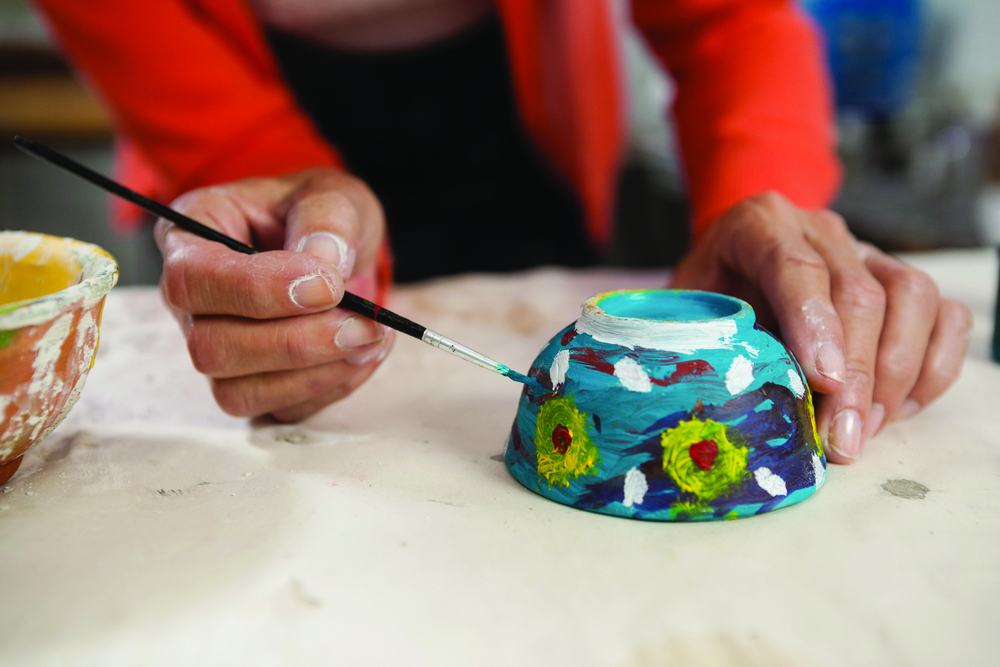
Many experts believe that art therapy can help individuals with dementia express themselves — beyond words and language. “In nurturing, calm, supportive settings, they sometimes have moments of clarity and express things that shock us all,” says Ruth Drew, director of family and information services for the Alzheimer’s Association.
Creating art engages a part of the brain that is different from language. Creativity can actually emerge even after the effects of dementia have progressed. “We think that in patients with language loss, the visual side of their brain stops being inhibited by the verbal side and that allows their visual creativity to be released,” says Dr. Bruce Miller of the Memory and Aging Center at UCSF.
Project tips from The Alzheimer’s Association:
• Keep the project on an adult level. Avoid anything that might be demeaning or seem childlike.
• Build conversation. Discuss what the person is creating or reminiscing about.
• Help the person begin the activity. If painting, you may need to start the brush movement.
• Use safe materials, tools and substances.
• Relax and enjoy the process. The artist doesn’t have to finish the project in one sitting.
THE PLAZA ASSISTED LIVING
6 Locations on Oahu: Punchbowl, Mililani, Moanalua,
Pearl City, Waikiki, Kaneohe 808-900-8544 | PlazaAssistedLiving.com
Many experts believe that art therapy can help individuals with dementia express themselves — beyond words and language. “In nurturing, calm, supportive settings, they sometimes have moments of clarity and express things that shock us all,” says Ruth Drew, director of family and information services for the Alzheimer’s Association.
The unexpected can occur at any time, no matter how prepared we think we are. A crisis will bring families together in an instant. If you are distanced from the area, there are ways to manage the situation. Working as ‘ohana with strong communication will help coordinate what is needed.
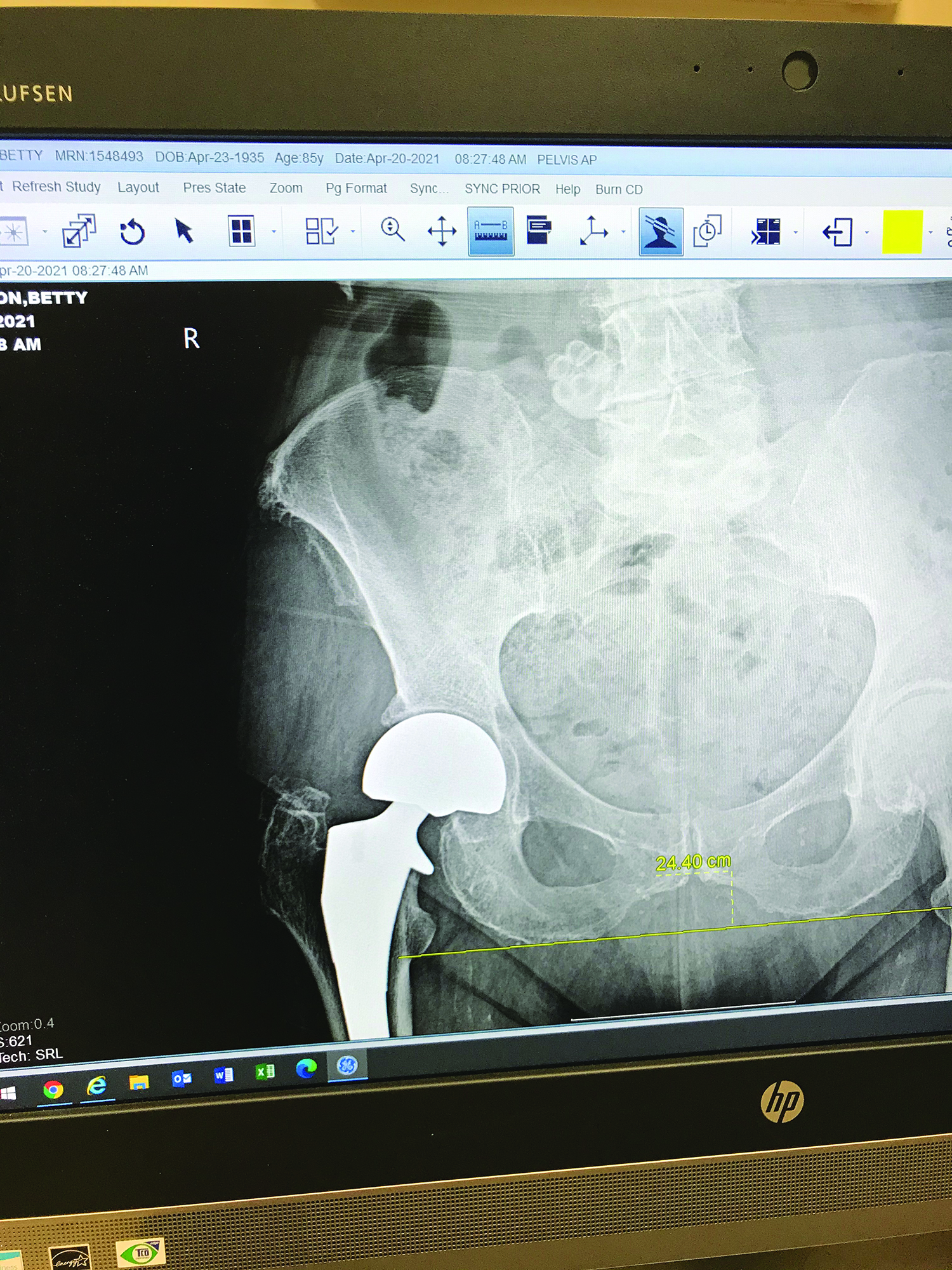
Recently, I experienced a crisis when my mother fell and broke the head of her femur — otherwise known as a hip fracture. This is a common occurrence in our elderly, mostly in women. I got the call from 5,000 miles away. “Mom is having surgery on her hip tomorrow.” Emotions welled up in my chest, fears in my head and so many questions arose. How did this happen? What was she doing? Did she hit her head? Is she in pain? Is someone with her? Can I call her? Can she talk?
Relieved by the sound of her voice, I found she was coherent but loopy from the pain medication. Fortunately, she had a friend with her who had called 911 when found on the floor of her bedroom. As it turns out rubber slippers and carpet create chaos. In a moment, she was down on her side and could not get up. She was able to drag herself to the phone and call my sister, who lives 1,000 miles away. As a family, we spread the word to her children and grandchildren. Group texts went on for a week or two after that, as she made her way through surgery, into a hospital room and magically was able to stand on her new hip the very next day!
The hospital stay controlled her pain, monitored her incision, and physical therapy got her up and moving.
I called her daily and gave reports to the ‘ohana regarding what might happen next. After five days, she was moved to a rehabilitation facility, where she was given intensive therapy three times a day. I am convinced this is what enabled her to recover with confidence.
Meanwhile, the family planned a collective schedule for the next 30 days. My mother lives alone where she had been independent and providing for herself for years. She did all her own shopping, cooking, cleaning, yard work and home maintenance, and played golf four days a week. At 86 years old, she did not show any fragility. This was the first time she needed help.
My niece took the first shift by flying in and getting her home. Afterward, I flew in and spent a week taking her to follow-up appointments and driving her around. My daughter came next and at the end of her trip, it had been 25 days.
We did it by working together. Even though we all lived in different states, with our own lives, cooperation among family members, and sharing our time and our resources worked very well as we rallied for this crisis.
If not for our family’s flexibility and ability to work toward a common goal, home healthcare would also have been a viable option. We may need to call upon those services the next time.
I am happy to report that Mom has recovered and is independent once again. She has even made her way back to the golf course!
ATTENTION PLUS CARE HOME HEALTHCARE
Accredited by The Joint Commission
1580 Makaloa St., Ste. 1060, Honolulu, HI 96814 808-739-2811 | www.attentionplus.com
AGING IN HAWAII EDUCATIONAL OUTREACH PROGRAM
by Attention Plus Care — a program providing resources for seniors and their families, covering different aging topics each month. For class information and upcoming topics, call 808-440-9356.
The unexpected can occur at any time, no matter how prepared we think we are. A crisis will bring families together in an instant. If you are distanced from the area, there are ways to manage the situation. Working as ‘ohana with strong communication will help coordinate what is needed. Recently, I experienced a crisis…
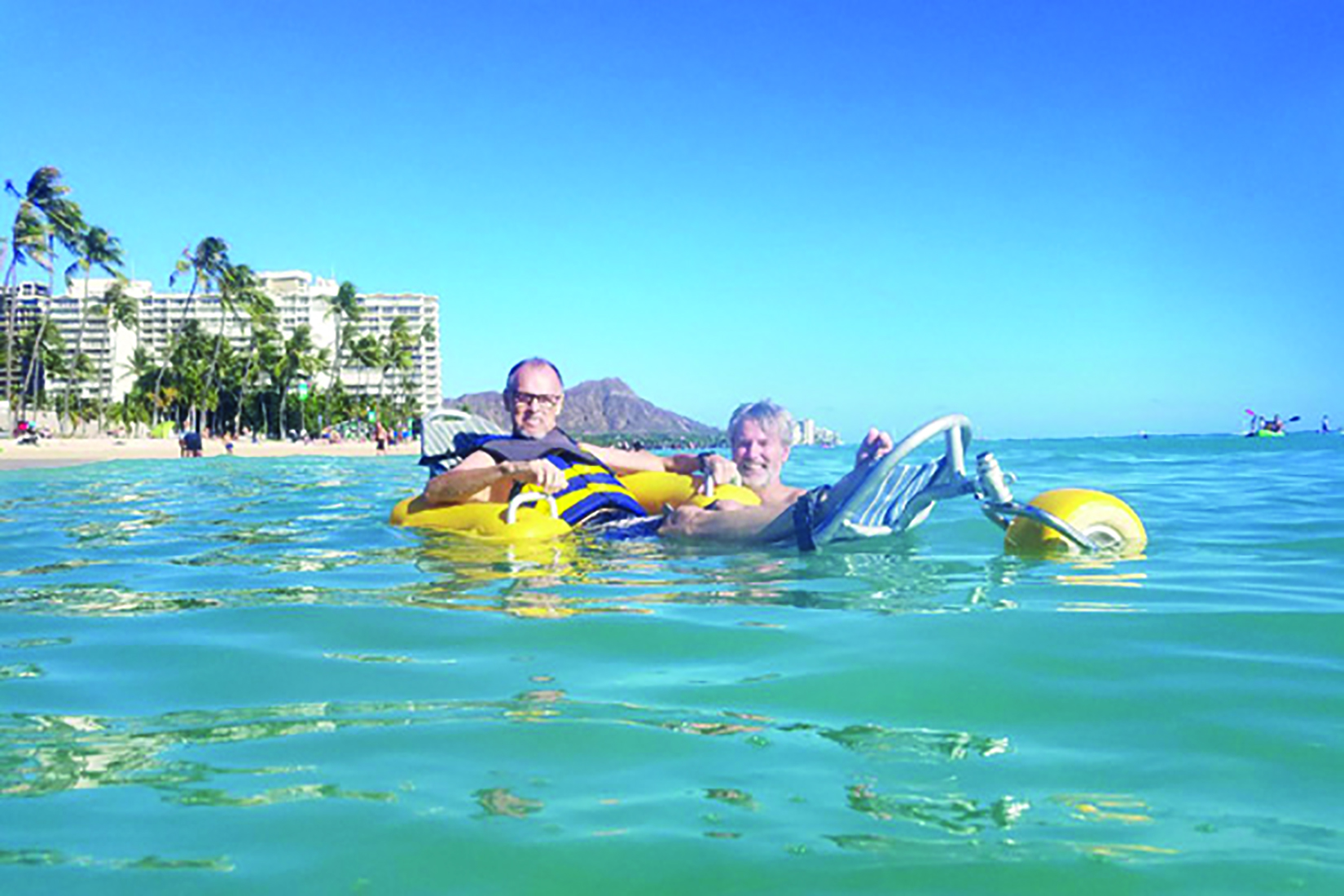
“You have 10 days to live,” the doctor told John. What do you do with only 10 days? John picked up his phone and called his little brother, Stan. His kidneys were failing. The next morning Stan was on a plane to Hawai‘i to be with his brother. Back in their younger days, John and Stan would spend time at the beach. Stan thought it would be wonderful to relive those brotherly memories. Navian Hawaii helped to make this possible.
Navian Hawaii’s comprehensive, interdisciplinary program of care is designed to provide patient-centered care for every life journey, offering relief from suffering, support for the entire family, and hope, compassion and love.
Navian focuses on patients’ and their families’ physical, psychosocial, emotional and spiritual well-being. United as Navian Hawaii, we are on a journey to improve the lives of Hawai‘i’s people, to celebrate every one of life’s moments and to navigate always in the direction of hope.
Originally founded as Hospice Hawaii in 1979, Navian has built a strong reputation for providing quality hospice care on O‘ahu, Molokai and Lāna‘i. In 2019, Navian expanded its services to include Integrated Care.
With this expanded model of care came the new name. “Navian,” formed from the words “navigator” and “guardian,” is a modern take on the critical roles each staff member performs. As navigators, the Navian ‘ohana provides clarity and guidance through times of uncertainty. As guardians, they provide care for people and protect their wishes.
John was provided with a special chair to keep him comfortable during outings. It was a perfect day as Stan eased John into Waikiki’s inviting waters. John felt the warm sunshine on his face, he felt the cool ocean water caress his skin and he also felt something he hadn’t felt in a while — hope — hope that his last days didn’t have to be filled with pain, but could be infused with love and wonderful memories. John surpassed his initial diagnosis and lived three additional months.
Navian continues to bring hope, reduce fear and impact lives as a trusted, local nonprofit organization, fulfilling needs in Hawai‘i by providing education, cultivating acceptance, and guiding patients and families through their journey.
Hospice Means Hope
Hospice is really about hope. Navian’s caregivers are dedicated to helping patients and their families face this transition without fear, but with hope and unconditional love.
The care Navian provides allows individuals to remain at home or in their chosen setting and to live life to the fullest with their loved ones. Navian cares for the whole family by providing relief from physical, emotional and mental suffering.
Many patients who go through our hospice care program continue to live very productive and rewarding lives — without pain and anxiety.
Many people think that hospice is only for cancer patients or the elderly, but more than half of our hospice patients are diagnosed with conditions such as heart failure, dementia or chronic lung disease. Navian also has the state’s first pediatric hospice care program that offers comprehensive care for children and their families.
Bob was diagnosed with prostate cancer and stage three kidney disease. It was difficult news for a farmer who was used to working the land and nurturing the trees. A dedicated team from Hospice Hawaii ensured that Bob was comfortable.
Navian Hawaii’s Hospice Care program provides support to enhance comfort and promote the quality of life for individuals with life-limiting conditions. Typically, hospice services are available to patients who have six months or less to live, should the disease run its course. A patient can self-refer or be referred by a physician, family member or other loved one at any time.
Hospice care is fully covered by most health insurance programs, including Medicare, Medicaid and most private insurance providers. No one who is medically eligible will be turned away if they are unable to pay for the services.
Integrated Care Offers Specialized Support
People living with serious illness who aren’t ready for hospice care, but require support services to improve their quality of life can receive Integrated Care, which provides specialized medical and emotional support for patients living with serious, but treatable illness.
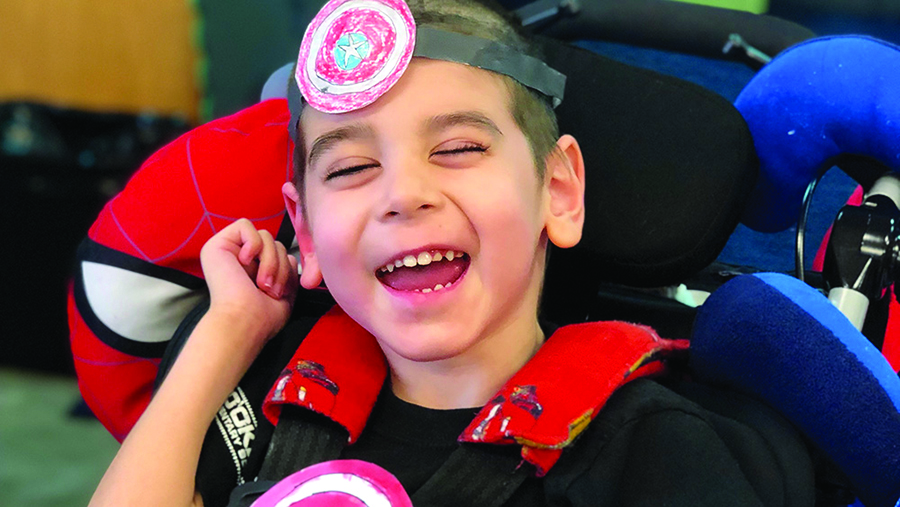
Meet Aaron. “He’s such a goofball,” says Tamra, when asked to describe her 5-yearold son. He has metachromatic leukodystrophy, a rare disease that attacks the nervous system. Through Navian Hawaii’s Little Things, Big Differences program, Aaron was provided assistance and care to help him breathe easier.
Seriously ill patients who live alone, and have limited resources and caregiver support may find it difficult to navigate the healthcare system. The Integrated Care program alleviates those challenges and helps end the vicious cycle of unmet care needs that often leads to hospitalization.
Anyone can refer a patient to Integrated Care and there are no time limitations on this service. Care settings may include a patient’s home, skilled nursing facility or residential care home.
How to Get Involved
• Make a Donation:Contributions directly help patients and their families. Navian raises funds throughout the year to ensure that eligible patients are never turned away.
• Volunteer:There are no words that can express the impact a regular volunteer can have on the well-being of a terminally-ill patient. New volunteers are accepted on an ongoing basis. Navian strives to align volunteers with their interests. There is a role for everyone.
• Attend Navian’s Community Connect Educational Series:This monthly series of one-hour webinars connects caregivers with community partners and resources.
• Join an Adult Grief Support Group:Navian offers ongoing support groups to help those who have lost a loved one move through the healing process. Virtual group sessions are held monthly.
• Participate in one of Navian’s Annual Events:Each year, Navian hosts A Night To Remember memorial service and a gala.
If you or a loved one are in need of hospice care or Integrated Care, contact Navian using the information below.
Navian Hawaii’s comprehensive, interdisciplinary program of care is designed to provide patient-centered care for every life journey, offering relief from suffering, support for the entire family, and hope, compassion and love.
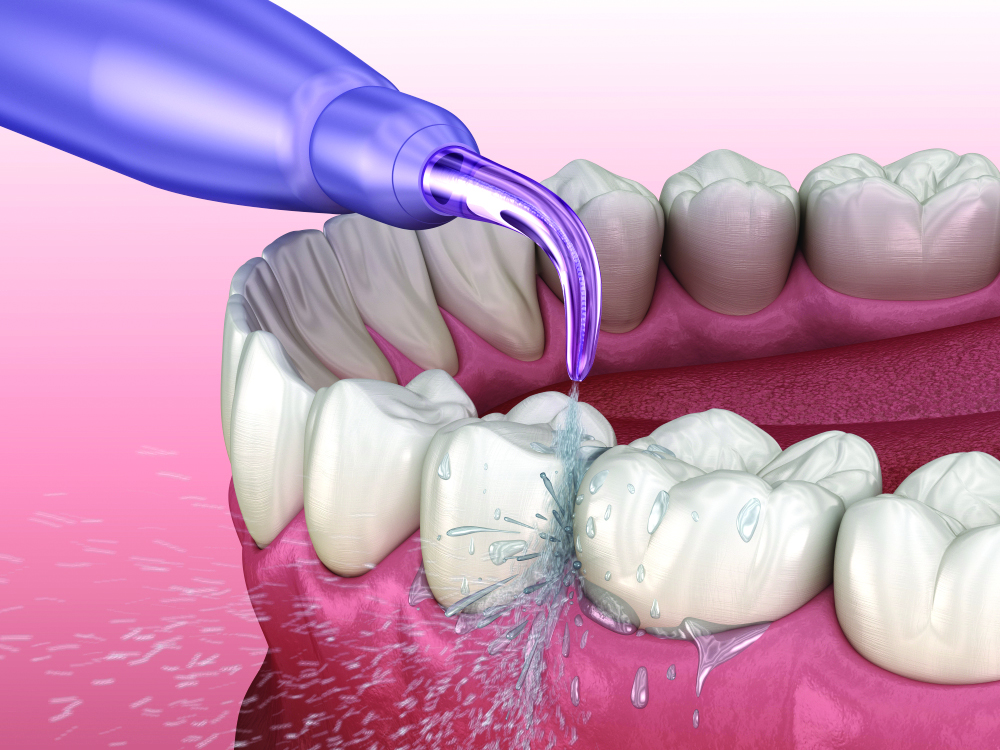
Arthritis can be a painful condition that comes with aging. Those who have rheumatoid arthritis may have an even harder time staying on top of their oral hygiene routine due to inflammation in the joints and knuckles. Simple movements such as holding a toothbrush and floss may make it difficult to clean teeth and gums in various areas of the mouth. Here are a few tips on brushing and flossing with arthritis:
Try using an electric toothbrush. Most have a larger handle that is easier to grip than traditional toothbrushes. Electric toothbrushes also minimize the movements you need to make since the spinning brush does most of the work.
Have a seat while brushing your teeth and rest your elbow on the counter or a table for support. Flossing can present difficulties for those with joint pain or dexterity issues. A handheld flosser, such as the small, disposable interdental flossers or water flossers, can help clean those hard-to -reach areas.
Lastly, talk to your dentist about options that will best suit your needs. See a dentist regularly, brush twice a day and floss daily to help you live well and smile more!
Arthritis can be a painful condition that comes with aging. Those who have rheumatoid arthritis may have an even harder time staying on top of their oral hygiene routine due to inflammation in the joints and knuckles. Simple movements such as holding a toothbrush and floss may make it difficult to clean teeth and gums…
Do you often experience pain, numbness or tingling in your feet? Have you noticed that your balance has been affected over the past few years? Are you diabetic or prediabetic? You may be experiencing peripheral neuropathy.
What is peripheral neuropathy?
Peripheral neuropathy (PN) is caused by nerve damage to the peripheral or small nerves of the body, usually in the hands and feet. This damage is commonly caused by poor blood flow, which causes the nerves to degenerate due to a lack of nutrient rich blood flow. PN is progressive in nature.
There are many types of PN, but the most common are diabetic, chemotherapy induced and idiopathic (meaning, there is no known cause). Diabetic peripheral neuropathy (DPN) is the most common type, and it is estimated that 60 to 70 percent of people who have been diagnosed with diabetes will go on to develop DPN.
How does peripheral neuropathy affect balance?
The most common symptoms of peripheral neuropathy are pain, numbness, tingling and burning in the hands and/or feet, and balance issues. Patients may have difficulty differentiating between hot and cold, and feel like they are wearing socks or gloves when they are not.
Balance issues are often overlooked and are potentially the most debilitating symptom of PN. A study of the risk factors of falls in elderly patients with PN published in the Journal of Gerontology found that PN was significantly associated with falls. The reason for the high risk of falls is because of the loss of sensation and positional sense caused by damage to the nerves responsible for the sensations of touch, vibration and balance.
Acupuncture is an effective treatment for peripheral neuropathy.
Acupuncture has been proven to be an effective treatment method for pain, numbness and balance issues associated with PN. The goal of acupuncture treatment for PN is to increase blood flow to damaged nerves, stimulate nerve regeneration and decrease pain. Patients often find acupuncture effective after commonly prescribed medications such as gabapentin, Lyrica and Cymbalta have failed to help their PN pain.
To find out if acupuncture can help treat your PN, contact a licensed acupuncturist who can determine the best treatment strategy for you.
Do you often experience pain, numbness or tingling in your feet? Have you noticed that your balance has been affected over the past few years? Are you diabetic or prediabetic? You may be experiencing peripheral neuropathy.
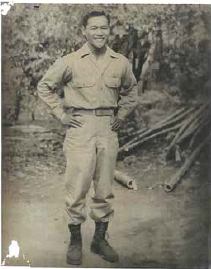
Filipino veterans such as the late Domingo Los Banos worked hard to educate the community about their role in WWII.
On July 26, 1941, President Franklin Roosevelt called upon all organized military forces of the Philippines into the service under the US Army Forces in the Far East. When Pearl Harbor and Manila were attacked on Dec. 7, 1941, these soldiers were brought into direct combat as the US officially entered World War II. During the Japanese invasion of the Philippines, US and Filipino soldiers fought together in many battles across the Philippine islands, including the battles in Bataan, Corrigedor, Luzon and Leyte.
BATAAN DEATH MARCH
The Japanese army had carefully orchestrated a unified military attack to conquer the Pacific and to defeat the US. The attack of the Philippines began 10 hours after Pearl Harbor. In a mere month, the Japanese captured the capital of Manila. The combined military forces held strong for three months on Bataan and the island of Corregidor, even with no naval and air support. But ultimately, the ravages of disease and starvation led to Gen. Edward King Jr. surrendering his 76,000 troops in Bataan.
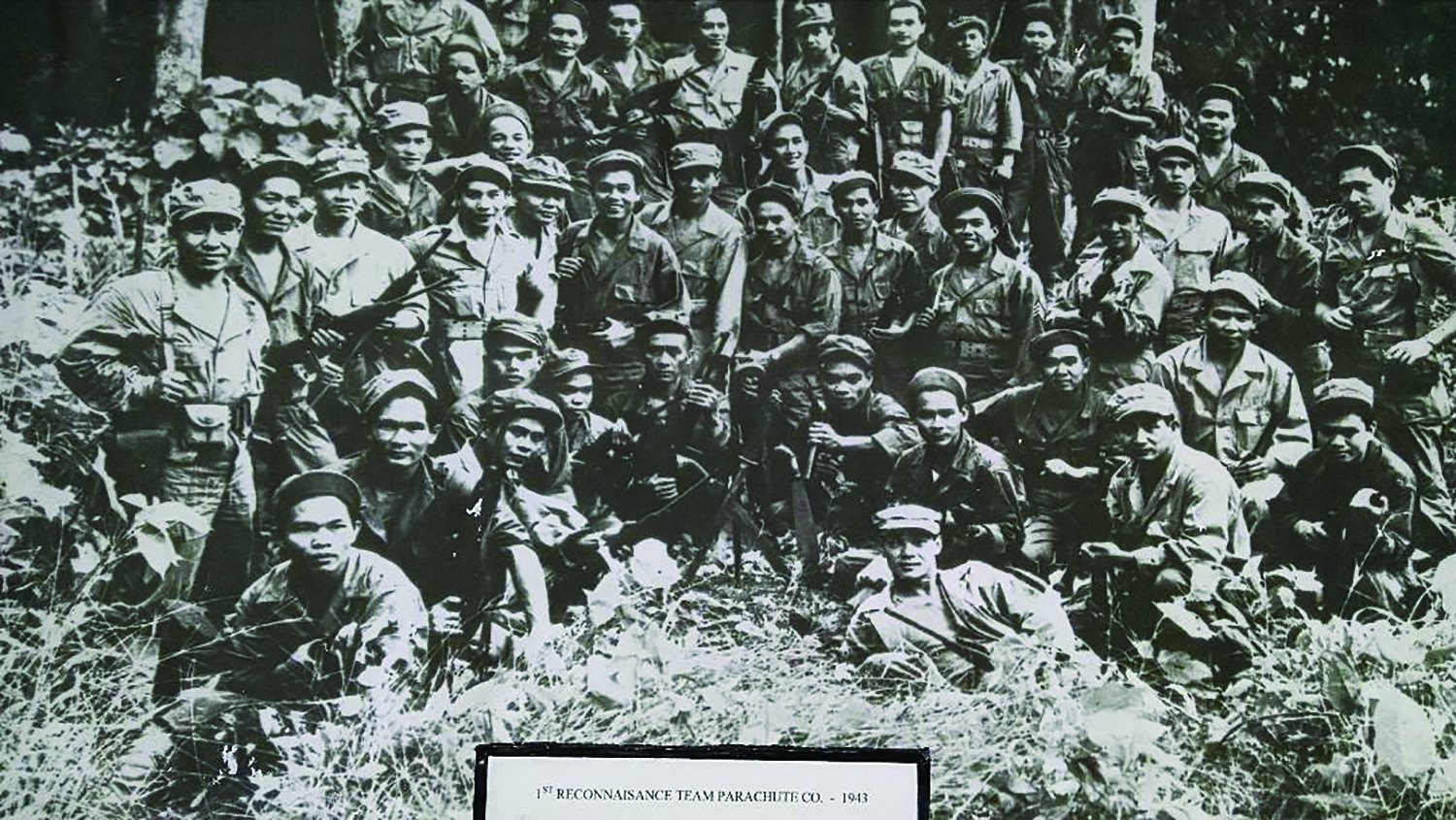
First Reconnaissance Team Parachute Company 1943.
During the Battle of Corregidor, the Japanese army forced Filipino and American prisoners of war to march 65 miles from the Bataan Peninsula to San Fernando — the brutal Bataan Death March. between 60,000 and 80,000 Filipinos and Americans marched through the jungles to confinement camps throughout the Philippines. They were deprived of food, water and medical attention — many were killed on the spot if they stopped to rest. During the march, approximately 1,000 Americans and 9,000 Filipinos died. The death march was formally designated by a military tribunal as a war crime.
Philippine soldiers of the 14th Engineers, Philippine Scouts, United States Army Forces Far East (USAFFE), prepare a railroad bridge for destruction.
JUSTICE DELAYED IS JUSTICE DENIED
President Franklin Roosevelt had promised the Filipino veterans GI benefits and the right to become US citizens to entice them to join the war. During WWII, millions of men and women of all races, from over 60 countries, served under the US flag. Despite the Japanese occupation, the Filipinos organized guerrillas in resistance and vowed to fight against the Japanese. By the end of that war, more than 260,000 individuals fought in the resistance movement. The bravery, heroism and dedication of the Filipino veterans played an integral part of leading Allied powers to victory.
However, the US consciously broke its promise to the Filipino soldiers. After the war, President Harry Truman signed laws that stripped away many promises of benefits and citizenship for Filipino veterans. The GI benefits and US citizenship promised them were denied by the Rescission Act of 1946. It stated that the service of Filipinos “shall not be deemed to be or to have been service in the military or national forces of the US or any component thereof or any law of the US conferring rights, privileges or benefits.”
Filipino veterans and their allies, including the Filipino Veterans Recognition and Education Project (FilVetREP), a nonpartisan, nonprofit, community-based, volunteer national initiative, had petitioned Congress to restore the promised benefits countless times over the years. Sen. Daniel Inouye from Hawai‘i submitted a Filipino Veteran’s Benefits bill every year for 18 years, but each year, Congress voted to deny those promised benefits.
FILIPINO VETERANS FINALLY RECOGNIZED
But the veterans never gave up. In 1990, Congress awarded citizenship to thousands of Filipino veterans and extended VA benefits to them. In 2009, Sen. Inouye’s bill finally passed, providing a one-time, lump sum payment to Filipino veterans. Sadly, these veterans were in their 80s or 90s by then or had passed on. Over 90 percent of the Filipino WWII veterans got nothing.
Seventy-five years after the US entered the war, Filipino veterans were nationally recognized and awarded the Congressional Gold Medal.
REPEALING THE RESCISSION ACT
Despite the long-delayed recognition of the contributions of Filipino veterans, the Rescission Act of 1946 has never been repealed.
As the FilVetREP organization (www.filvetrep.org) has stated, “It is time to repeal the Rescission Act… and correct a historic mistake upon thousands of Filipino WWII soldiers who gave their lives and limbs in a winning war in the Philippines over a brutal enemy; to restore upon them the honor, respect, and dignity they earned in war. They deserved nothing less.”
THE MISSION CONTINUES
MoveMeHawai‘i, a community education effort by the nonprofit Beta Beta Gamma Foundation, is planning an in-depth panel discussion providing more insights into this history. For dates and details about its community education plans, visit MoveMeHawaii.org. For more information about the Beta Beta Gamma Foundation, visit betabetagammafoundation.org.
On July 26, 1941, President Franklin Roosevelt called upon all organized military forces of the Philippines into the service under the US Army Forces in the Far East. When Pearl Harbor and Manila were attacked on Dec. 7, 1941, these soldiers were brought into direct combat as the US officially entered World War II. During…
“I don’t remember how to ride a bike!” “I’m too scared to ride in Honolulu traffic!” “I don’t have a bicycle.” These are some of the reasons Hawai‘i seniors give for not riding a bike.
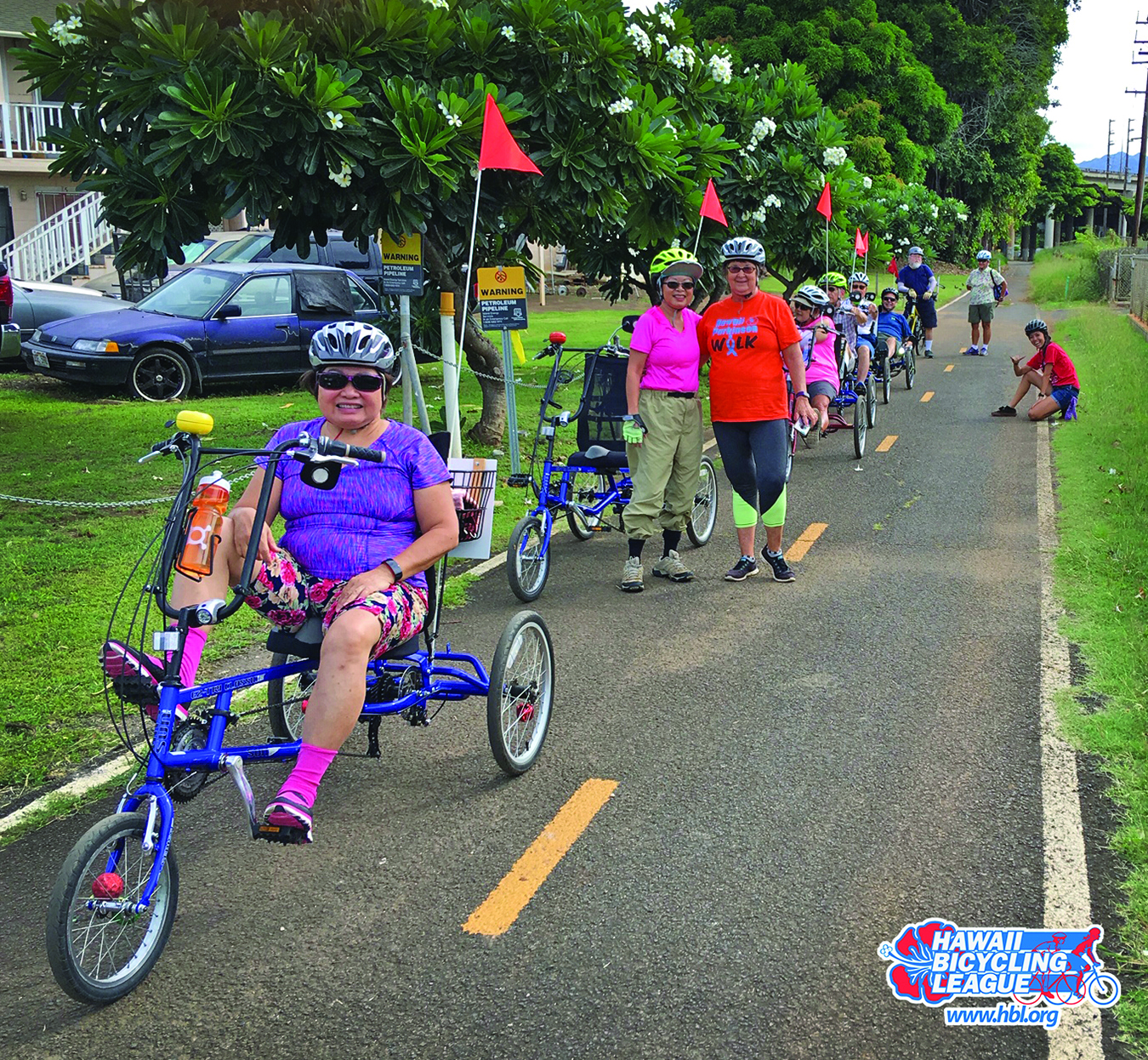
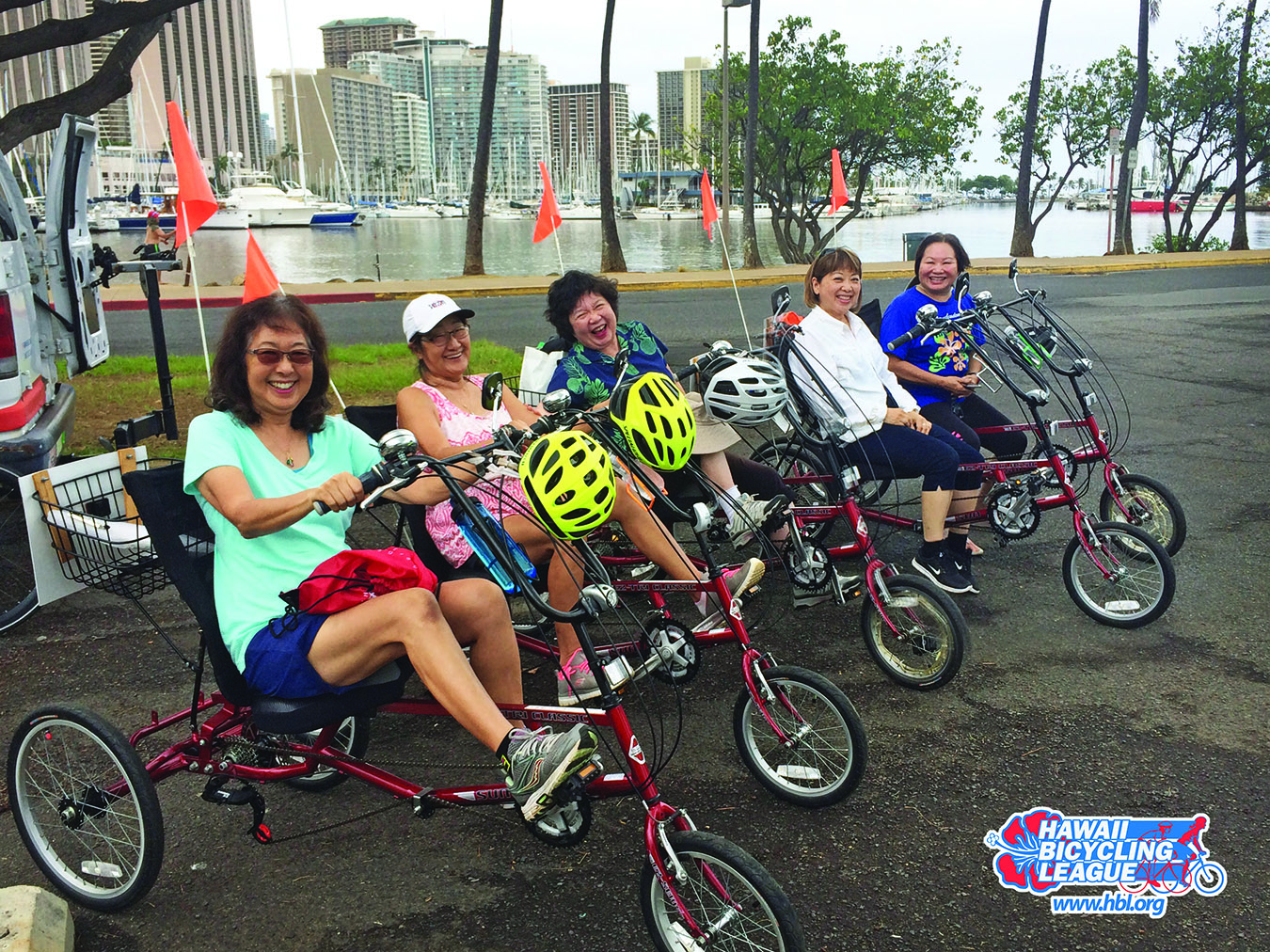
The Hawaii Bicycling League (HBL) is here to help with the first two excuses. Honolulu-based HBL has recreational and educational programs for all ages. HBL’s Senior Cycling Program is back in action after a pandemic break. HBL is a great resource for seniors looking to get into biking for exercise and recreation. Activities for seniors include educational programs, fitness rides, group rides and even trike rides.
The Hawaii Bicycling League’s Senior Cycling Program events on the Pearl Harbor Bike Path are extremely popular. PC: Roger Au
For those who say they don’t remember how to ride, we say baloney! Scientists agree with the old expression, “just like riding a bike,” Once you learn to ride a bicycle, you never forget. According to Popular Science, cerebral coordination among several areas of the brain is so intense that the motions involved in cycling are never forgotten. It’s commonly referred to as “muscle memory.”
For those who say they’re afraid to ride in urban traffic, HBL offers route planning, precautions and other tips for riding in Honolulu. HBL Adult Education Director Malia Harunaga says maps are available that show bike lanes and which streets are the best — and the worst — for bicyclists.
Adult trikes make biking possible for people who don’t feel steady enough for a two-wheeler. HBL, through a grant from the City and County Honolulu, has purchased eight recumbent tricycles that are great for people with back problems or poor balance. Trike rides on the Pearl Harbor Bike Bath are scheduled throughout the year (visit www.hbl.org) and are broken down into rides of varying lengths and degrees of difficulty.
If you don’t have a bike, O‘ahu’s Biki Bike bike-share program is a great alternative. HBL Executive Director Lori McCarney says she knows a man with Parkinson’s disease who started riding Biki Bikes. Now he says his Parkinson’s is much better and he’s able to do more things. For a Generations Magazine article about e-bikes, go to http://bit.ly/GM-E-Bikes.
“I don’t remember how to ride a bike!” “I’m too scared to ride in Honolulu traffic!” “I don’t have a bicycle.” These are some of the reasons Hawai‘i seniors give for not riding a bike. The Hawaii Bicycling League (HBL) is here to help with the first two excuses. Honolulu-based HBL has recreational and educational…
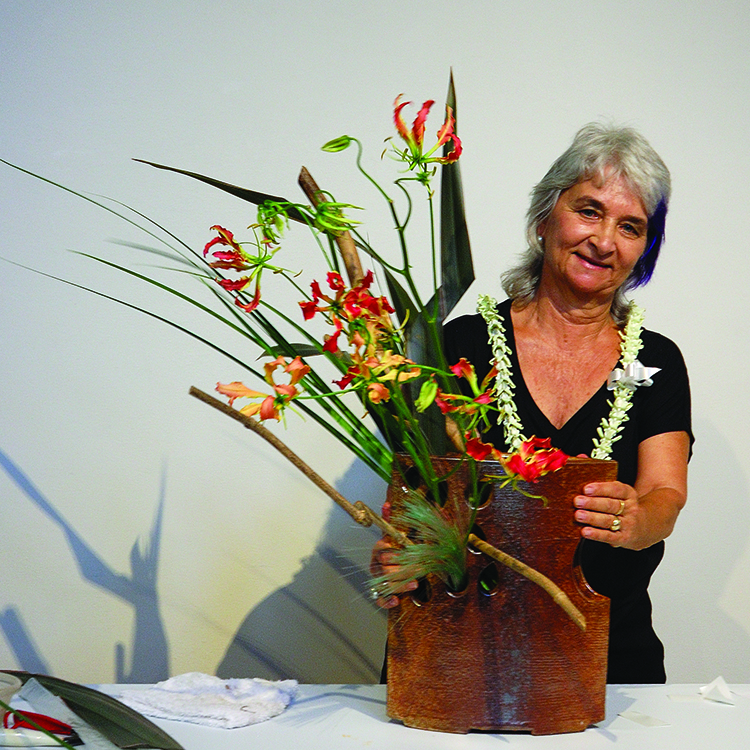
Hanakago, woven flower baskets used for ikebana, is the theme of this year’s Splendors of Ikebana, hosted by Ikebana International Honolulu Chapter 56 on Oct. 15 and 16. This popular event will be held at the Ala Moana Hotel Ilima Room.
Throughout its 50-year history, Ikebana International Honolulu Chapter 56 has adhered to its motto of spreading “Friendship Through Flowers.” From its inception, Chapter 56 has shared a mutual love of ikebana, the Japanese art of flower arranging, and Japanese culture through community service, educational activities and by organizing public floral exhibits.
This ancient art began over 600 years ago during the teaching of Buddhism. Originated by Buddhist priests, ikebana was initially practiced and developed among the nobility and families of the shogun. With time, the art form began to spread among samurai warriors who created arrangements prior to entering battle. Ikebana spread to people of various classes during the Edo period between 1600 and 1868.
Aspects present in ikebana are minimalism and asymmetry. Today, ikebanists from more than 60 countries belong to Ikebana International, which was founded in 1956 by Ellen Gordon Allen, a US general’s wife. Her desire was to unite and create worldwide friendship through flowers. Her friend, Pearl Jensen, founded Chapter 56 in 1961.
It is unclear how hanakago came to be. Some say they were first used in tea ceremony with the prevailing aesthetic derived from chabana practice and the 14th century influence of Chinese baskets. A legend describes how a Japanese noble riding in the country stopped at a humble farmhouse and asked for tea and a flower arrangement. The poor man took an ordinary basket, picked some wild flowers and placed it on the bare earth. It was simple, humble, yet beautiful.
Over 30 hanakago will be on display. Stop by and enjoy this ancient art. Admission is free.
Hanakago, woven flower baskets used for ikebana, is the theme of this year’s Splendors of Ikebana, hosted by Ikebana International Honolulu Chapter 56 on Oct. 15 and 16. This popular event will be held at the Ala Moana Hotel Ilima Room.
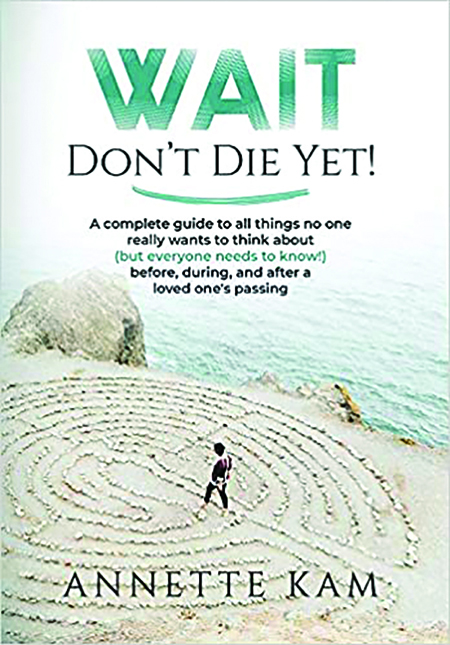
Annette Kam’s free eBook is “a complete guide to all thing no one really wants to think about (but everyone needs to know!).” The guidebook was written last year, after the author endured a heart-wrenching ordeal.
WAIT — Don’t Die Yet! is a step-by-step guide for adult children and spouses who are either preparing for their own death or someone else’s. The guidebook covers the basics of getting affairs in order, while also teaching you about the mundane tasks necessary around the time of death.
“A comprehensive tool that empowers rather than depresses you, this helpful approach allows you to deal with the practicalities of death while offering the hands-on guidance you need to make sure you have time to grieve,” says a review.
In Part One, the three-part book reveals the author’s story as she dealt with unknowns regarding the passing of her beloved in-laws. Part Two shares lessons she learned along the way. Part Three is a comprehensive guidebook that includes not only basic requirements, but also all of the things that no one thinks about — all of the necessary tasks you need to complete before, during and after death.
“There were over 110 things I wish I had known when I experienced it all and they are all incorporated in the guidebook,” says Annette.
Annette Kam’s free eBook is “a complete guide to all thing no one really wants to think about (but everyone needs to know!).” The guidebook was written last year, after the author endured a heart-wrenching ordeal. WAIT — Don’t Die Yet! is a step-by-step guide for adult children and spouses who are either preparing for…
Dad passed away many years ago. Mom is 79 and very active. She golfs, plays mahjong, exercises and, of course, plays with her grandkids. Although we’re grateful Mom is healthy, we’re also concerned because she now lives all alone in the large house we grew up in.
My siblings and I have noticed some changes in Mom. We were caught off guard during Sunday dinner, when she asked us, “Should I move? I don’t really feel safe living alone. Where would be the best place for me to live?”
We all just looked at each other. We all agreed that Mom’s safety and needs are priority No. 1. But what was the best answer to her question?
Here are five topics to consider when having a proactive conversation with loved ones about a potential move:
Physical Needs. Will my current home fit my needs for the remainder of my life? Do I have too many stairs to climb? What home renovations may be needed to accommodate all the stages of care I may require? Who is equipped and trained to help when advanced healthcare is needed? If my home isn’t the best place for me, what are my options? If it is determined that aging in place at home will not be possible, a move will be the next likely step. Senior living options include retirement communities, continuing-care retirement communities, assisted living facilities, senior co-housing communities, senior home-sharing, nursing homes or other facilities, depending on the level of care needed now or expected in the future.
Cognitive/Mental. Am I in an environment that will encourage my thirst for knowledge and continued growth? Will I be able to stay at home if my memory declines? Will I even be able to make my own decisions later in life? How can I plan now, in case I can’t later?
Emotional/Social.Will I be able to spend time with my friends and loved ones?
Financial. What options exist for the budget we have to work with?
Family Dynamics. How can I leave a legacy for my family?
Consider your answers to these questions and then begin your research. Knowing your choices can help make the process much easier.
THE COMPLETE SOLUTION™
Powered by The Ihara Team of Keller Williams Honolulu RB-21303
1347 Kapiolani Blvd., Ste. 300, Honolulu, HI 96814
Dan Ihara (RA), CAPS, CLHMS, SRES RS-65892 808-256-7873
Julie Ihara (RA), SRES RS- 67440 808-754-2225 | ihara@iharateam.com www.iharateamhawaii.kw.com
Dad passed away many years ago. Mom is 79 and very active. She golfs, plays mahjong, exercises and, of course, plays with her grandkids. Although we’re grateful Mom is healthy, we’re also concerned because she now lives all alone in the large house we grew up in.
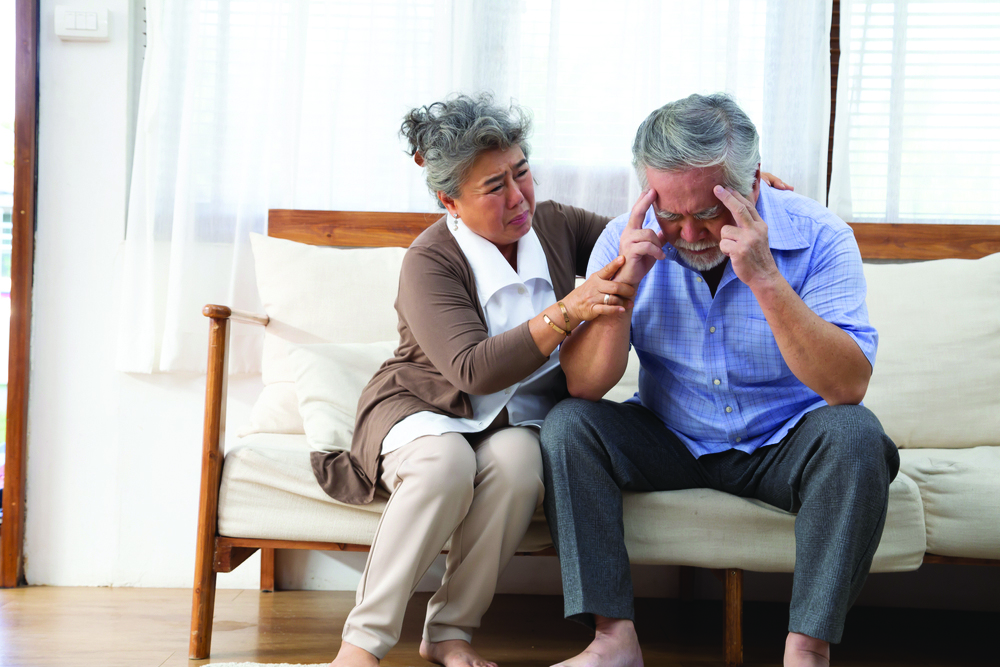
It is always difficult and painful to loose a loved one, even as memories of them remain in our heart to comfort us. I’d like to share a few tried-and-true coping skills to help deal with a loss.
It takes time, but a bereaved person will eventually process their grief, work through the sadness and adjust to a life without their loved one. It helps to allow yourself to experience the pain and other emotions and not let others tell you how you should feel. Whatever comes is where you should start…
■ Patience is a virtue. Don’t suffer from stress caused by your expectations. Accept your current experience, pain and emotions without judging or being judged. Don’t compare yourself with others. We all mourn in our own way; at our own pace.
■ Acknowledge your feelings— even the ones you don’t like. Cry if that’s how you feel.
■ Ask others for the help you need.Get support from friends and/or professionals. Express you sadness; talk about your loss and your memories.
Joining a bereavement group enables others to encourage, guide and comfort you. They can also offer practical advice and information, and help you feel less alone. Online groups are available.
■ Try to maintain your routine and lifestyle.Avoid making life changes and major decisions. Limit stressors and maintain a sense of security.
■ Give yourself a break from grief and take care of yourself.Relax through distractions — watch TV, have dinner with a friend, read a good book, enjoy your favorite music, take a hike or go to the beach. Enjoy life despite the sorrow. Eat well, exercise, sleep and nurture yourself. Get a massage to release your tension. Avoid excessive use of alcohol or other substances, which could harm your body, confuse your emotions and slow your recovery.
■ Forgiveness is a blessing. Forgive yourself for all the things you wish you’d said or done differently. Forgive others, as well.
■ Prepare, plan and honor.Be prepared for holidays, birthdays and anniversaries, when feelings of grief may return. Plan how you want to spend your time and with whom. Do something in honor of the memory of your loved one. Decide what traditions to keep or create new ones.
■ Create.When you feel ready, do something creative. Write a letter to the person who passed and say everything you wish you could still tell them. Start keeping a journal. Make a scrapbook. Paint or draw. Plant flowers or trees. Involve yourself in a cause or
activity that you and your loved one enjoyed doing.
Your Generations Magazine family is always here to help our Hawai‘i ‘ohana feel supported.
It is always difficult and painful to loose a loved one, even as memories of them remain in our heart to comfort us. I’d like to share a few tried-and-true coping skills to help deal with a loss.

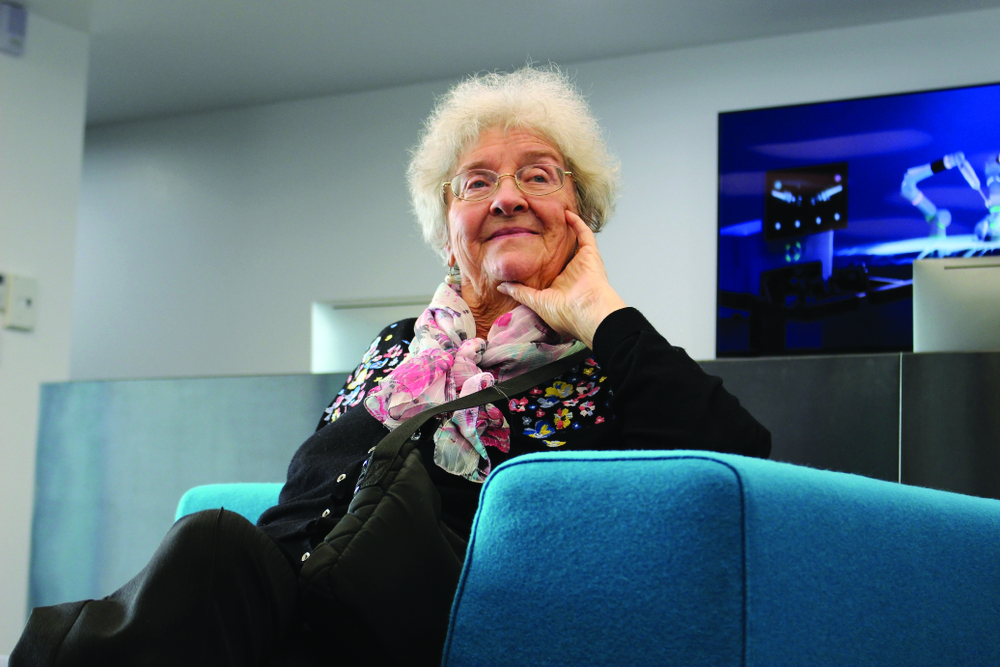 Take inventory of your situation before you begin looking into senior retirement communities. You can start by determining your timeline and reviewing the information in this article. You will then be ready to call the senior community sales department and ask the right questions.