Category: April – May 2020

  • A Treasure Trove of Island History

    The Hawai‘i State Archives is a little-known, virtually untapped (by most of us) compilation of Hawai‘i’s history.

    It’s mission is to ensure open government by preserving and making accessible the historic records of state government and to partner with state agencies to manage their records. The division is organized into two branches — the Historical Records Branch, which is accessible to the public, and the Records Management Branch, which does not offer services directly to the public.

    The Historical Records Branch preserves and provides public access to the state’s government archives and special collections through the Hawai‘i State Archives. These government records date from the monarchy to the current legislative session, and include photographs, maps, artifacts, 19th century newspapers, rare books, and library collections specializing in Hawaiian history, culture
    and Pacific voyages, and private collections.
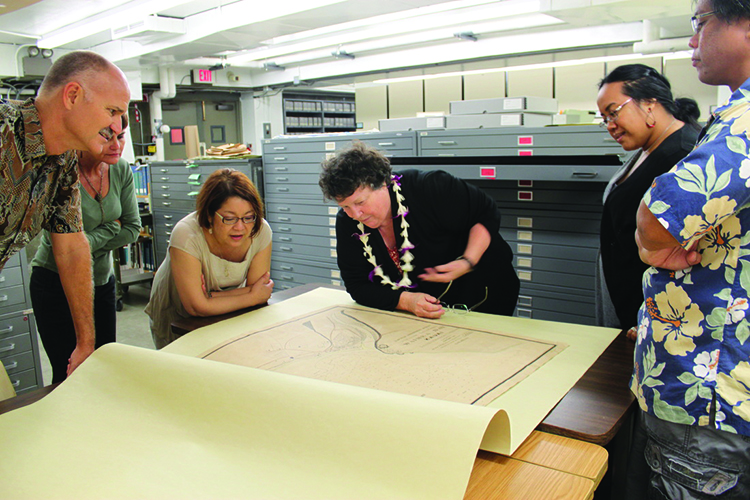
    The archives opened to the public in 1906. As caretakers of irreplaceable historical treasures, the Hawai‘i State Archives has the responsibility of ensuring the materials are available for research, study and viewing by the public. Therefore new security measures are being implemented:

    • Upon entering, all visitors will check in using
    the Patron Registration system.
    • All visitors will check in with the security guard
    and surrender a current government-issued photo
    ID (i.e. driver’s license, state ID, passport, etc.) in
    exchange for a research badge.
    • All bags, purses, folders and containers must be
    stored in your free locker.
    • Loose papers entering the research room will be
    stapled by the guard (or leave them in a locker).
    • Only bound materials (notebooks, books, papers
    bound in binders) are allowed, which will be inspected
    before entry and again as you exit.
    • No food or drinks are allowed.

    Summary of rules and procedures can be found on the archive website, ags.hawaii.gov/archives: search for “Public Use of Archives.”


    HAWAI‘I STATE ARCHIVES
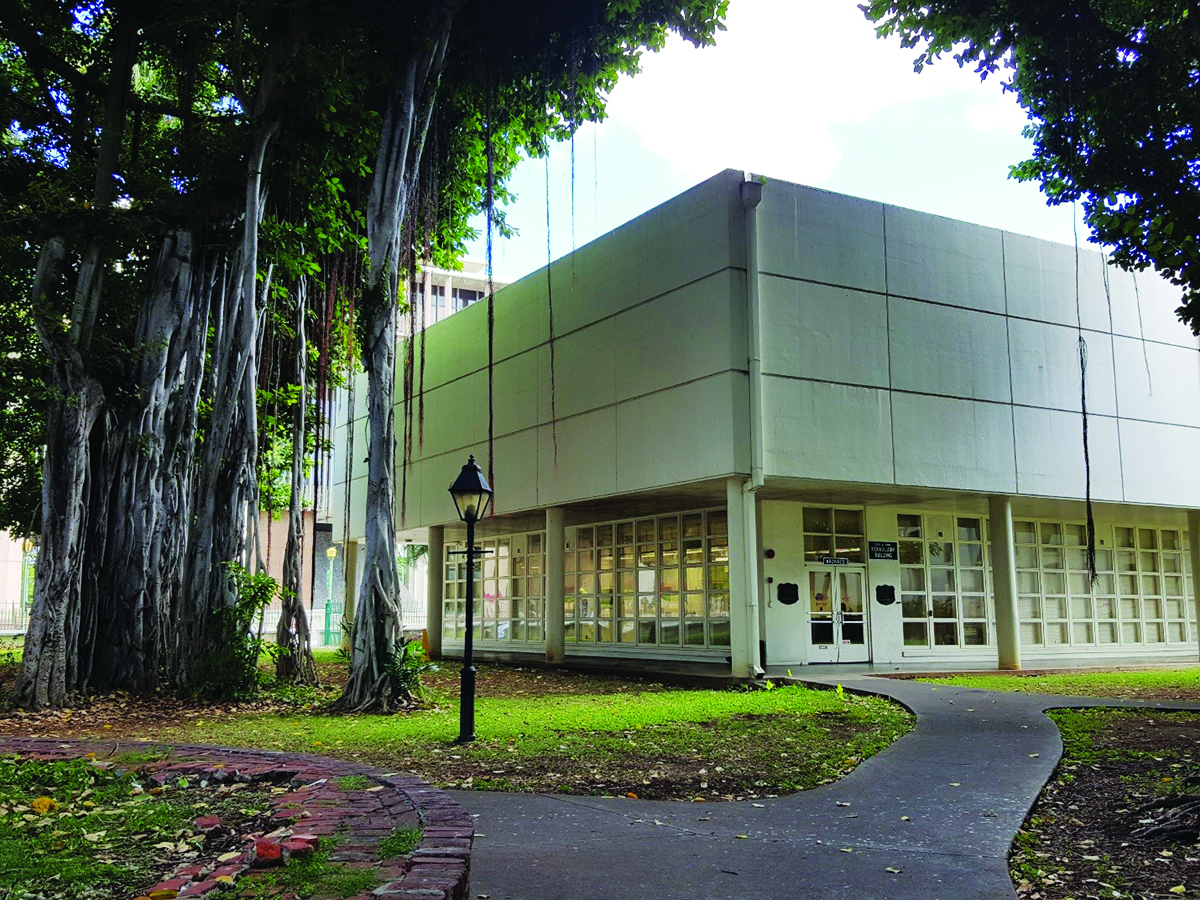
    Kekāuluohi Building, ‘Iolani Palace Grounds
    364 S. King St., Honolulu, HI 96813
    808-586-0329 | archives@hawaii.gov
    ags.hawaii.gov/archives
    Business Hours: Mon–Fri 9 am to 4 pm; Closed Sat, Sun, state holidays
    The Hawai‘i State Archives is a little-known, virtually untapped (by most of us) compilation of Hawai‘i’s history. It’s mission is to ensure open government by preserving and making accessible the historic records of state government and to partner with state agencies to manage their records. The division is organized into two branches — the Historical…

  • The Kula Shims: Contributions That Last

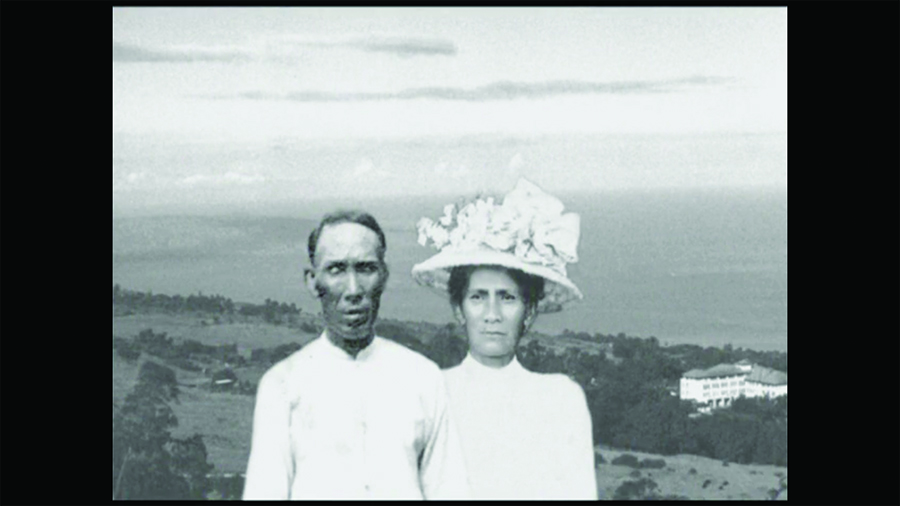
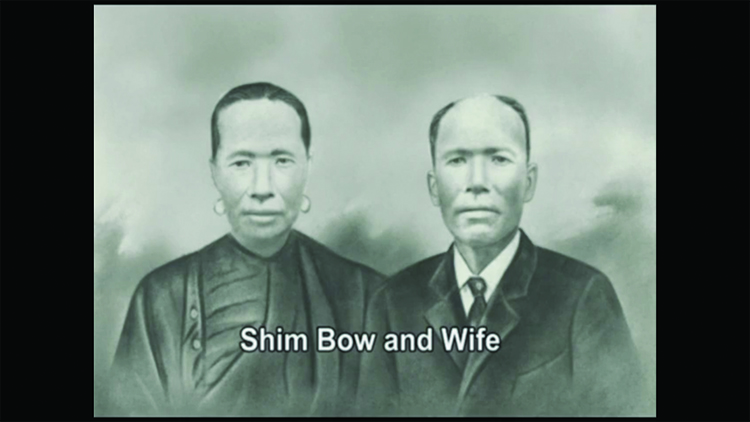
    The Shim family documents their genealogy to Emperor Hwang Ti, China’s first emperor, who began building the Great Wall. In the 1860s, Shims from Kwangtung Province across the China Sea from Hong Kong took advantage of agricultural and business opportunities in Kula, and worked hard to improve life in Upcountry Maui.

    Goong Goong (grandfather) Shim Bow was a herbalist healer. He died at age 58, but Popo (grandmother) worked her farm, still carrying avocados uphill when she was in her 80s. She lived to 104, had excellent hearing and vision, no diseases and very little white in her hair.

    Our uncle, Shim Mook, was a prominent business man who supervised the building of the Kula pipeline in 1905. His mule teams pulled loads of pipes as far as the mules could go; then Chinese workers carried them the rest of the way. A Chinese teacher was needed in Kula, so he wrote to China and they sent Rev. Shim Yin Chin. It took remarkable dedication and courage to leave his family and come to Hawai‘i, but he was ordained here, and in 1907, opened the doors of St. John’s Episcopal Church.

    Rev. Shim successfully lobbied to amend the Homestead Act in 1911 to keep Chinese farmers from losing their land. The Legislature agreed: “Chinese who had been long resident in the district, and whose children, seventeen or eighteen years of age who had been born here, would be granted leases on the premises which they had occupied and improved.”

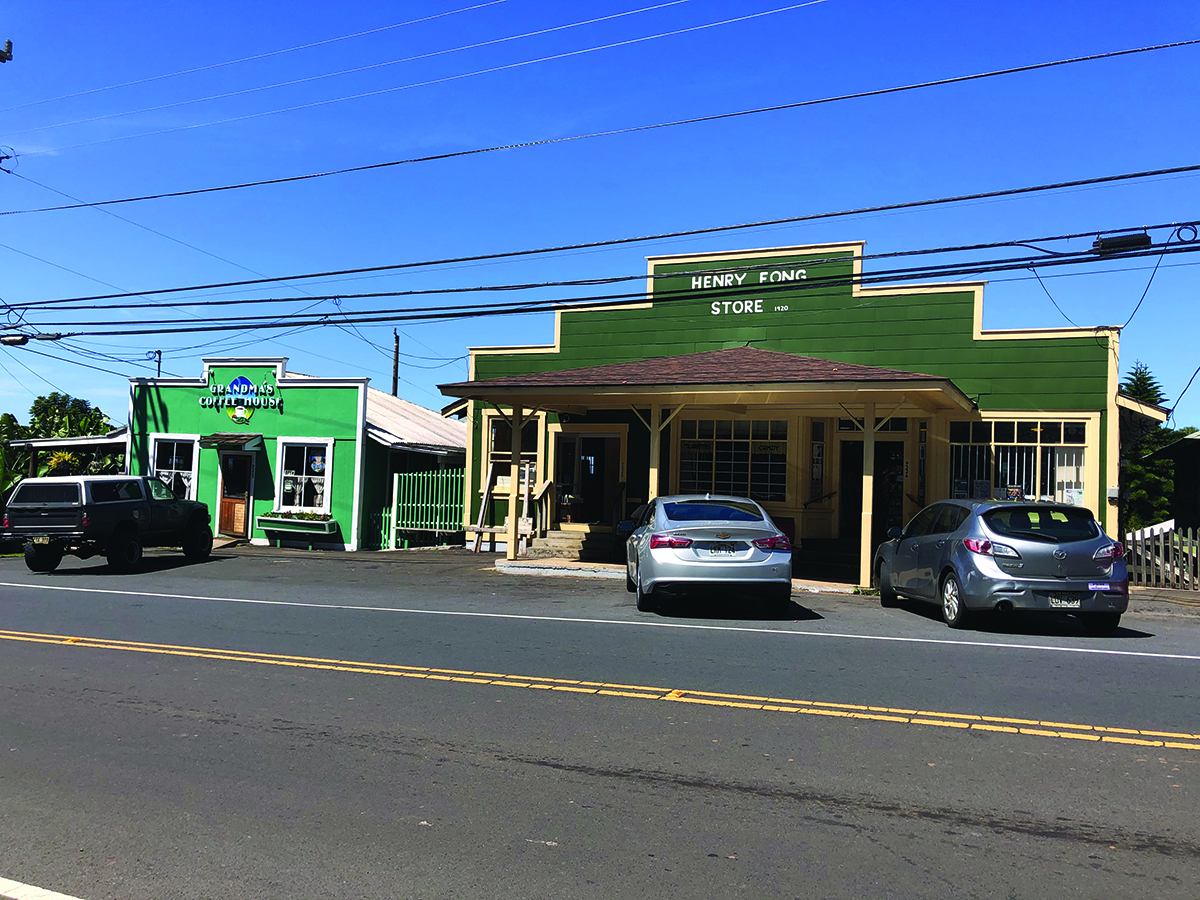
    Grandma’s Coffee House and Henry Fong Store.
    Grandma’s Coffee House and Henry Fong Store.

    Shim Mook’s grandson, Herbert, was a farmer, rancher, conservationist and founder of the first Upcountry farmers’ market. His brother, Richard Shim, is called “The Mayor of Kēōkea,” a place once known as “China Town.” He loves to share the history of Kēōkea Sun Yat-sen Park and the Kwock Hing Society hall with family and visitors.

    Next door to Fong Store in Kēōkea is Grandma’s Coffee House. That building was Shim’s Restaurant, opened by Shim Bow’s son, Harold, and his wife, Hannah, during WWII. They kept the military men well fed!

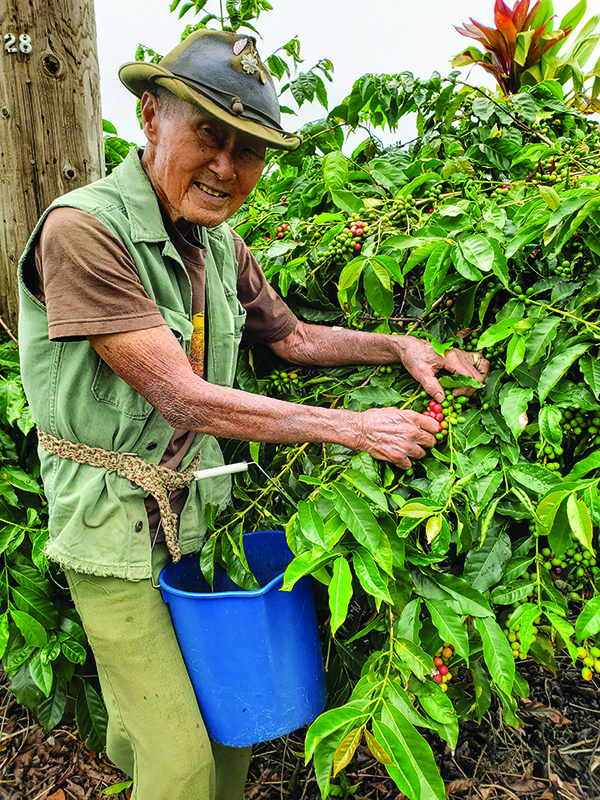
    Casey Shim picking coffee on his farm.
    Casey Shim picking coffee on his farm.

    At 89, nephew Casey Shim works the rich soil of his Kula farm, called “Utopia.” His one-man coffee and botanical farm wins many accolades from connoisseurs across the country. Casey attributes his green thumb to his ancestors. He says, “Being among plants is very relaxing and healing. If you’re around nature a lot, you won’t ever need a psychiatrist.” Even at his advanced age, harvesting 3,700 pounds of coffee beans each year by himself is something he enjoys!

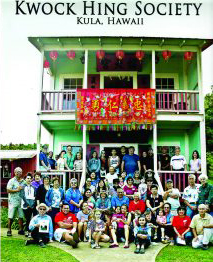
    Shim generations gather at the Kwock Hing Society.
    Shim generations gather at the Kwock Hing Society.

    Many Shims were founding members of the Kwock Hing Society, erected in 1907 as a place where Chinese families could get information from China. (Dr. Sun Yat-sen came here to plan his overthrow of the Manchu Dynasty.) Today, our family still gathers at Kwock Hing to socialize and share our Chinese cultural events, traditions and rituals. On April 22, we will celebrate Ching Ming
    grave-cleaning day with prayers and a community banquet.


    Bibliography: Talk-story sessions with Harold Shim, Herbert Shim, Richard Shim, Casey Shim; St. John’s Church Archive, Kwock Hing Society Archive.

    The Shim family documents their genealogy to Emperor Hwang Ti, China’s first emperor, who began building the Great Wall. In the 1860s, Shims from Kwangtung Province across the China Sea from Hong Kong took advantage of agricultural and business opportunities in Kula, and worked hard to improve life in Upcountry Maui.

  • A Sweet Trip Down Memory Lane

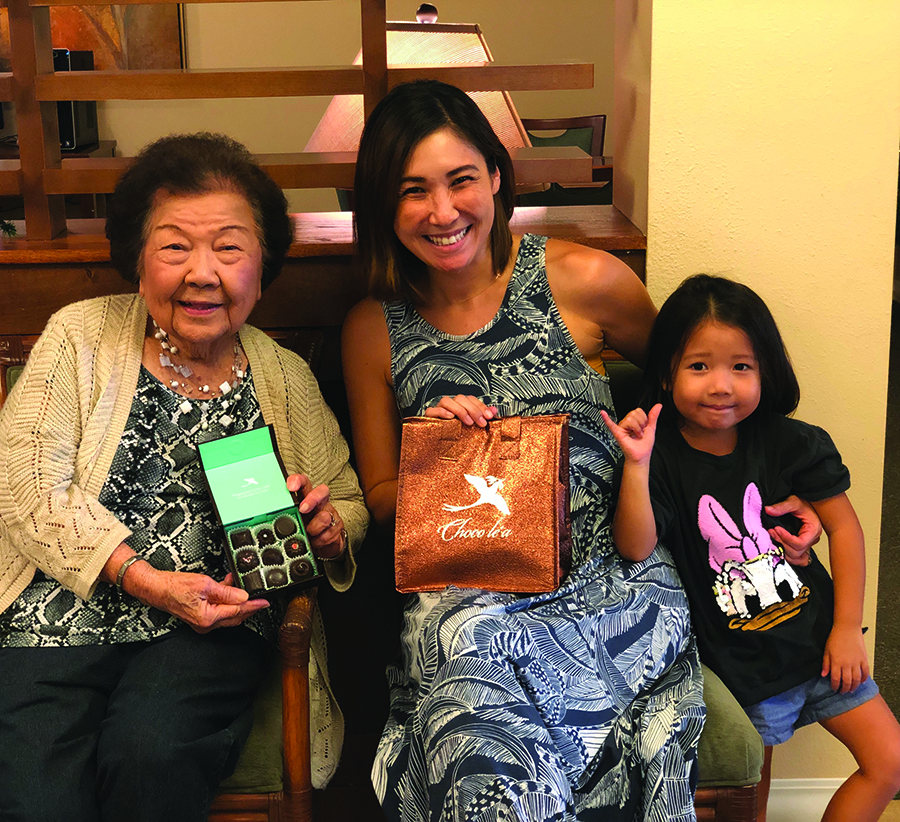
    Jane Hiranaga volunteers as a greeter for her senior community at The Plaza Assisted Living at Waikīkī. She also organizes group outings to Mānoa Valley to visit her granddaughter, Erin Uehara, a specialty chocolatier and owner of the Choco Le‘a chocolate shop.

    “Who doesn’t love chocolate?” says Erin. “Seniors especially love our shop because it is like the candy stores of long ago. Tutus tell me the chocolate aroma and display cases evoke the nostalgia of going to their favorite candy store when they were keiki.”

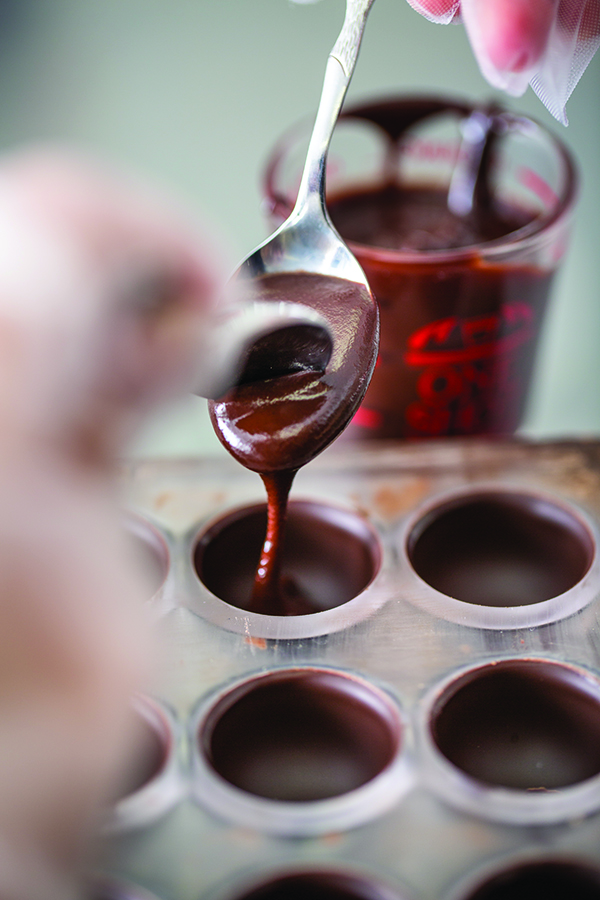
    The shop sources its chocolate locally and from Europe, making the ganache and fondant centers from exclusively local ingredients. Creamy caramels, butterscotch and crunchy nut clusters are customer favorites, but Erin raises the bar with her own local-flair creations, like creamy, chocolate truffles that surprise the palate with bits of tangy, tropical fruit jelly, or smooth kaki mochi. The truffles are a kūpuna favorite. For Chinese New Year, she makes gau truffles to bring good luck and satisfy the local custom and taste buds.

    The benefits of consuming chocolate go beyond flavor — the sweet treat actually contains a molecule that is the same natural substance the body produces when falling in love! Made from the seed of the cocoa tree, it is one of the best sources of antioxidants on the planet. And dark chocolate has added health benefits as well, including reducing the risk of heart disease and lowering blood pressure. Research also shows that dark chocolate may also improve the function of your brain! So Jane’s sweet outings offer seniors a happy and healthy trip down memory lane. Maybe that’s why they are always packed!


    CHOCO LE‘A
    2909 Lowrey Ave., Honolulu, HI 96822
    808-371-2234 | yourchocolatefamily@chocolea.com
    www.chocolea.com

    Jane Hiranaga volunteers as a greeter for her senior community at The Plaza Assisted Living at Waikīkī. She also organizes group outings to Mānoa Valley to visit her granddaughter, Erin Uehara, a specialty chocolatier and owner of the Choco Le‘a chocolate shop. “Who doesn’t love chocolate?” says Erin.

  • Keeping Siblings Civil During Stressful Times

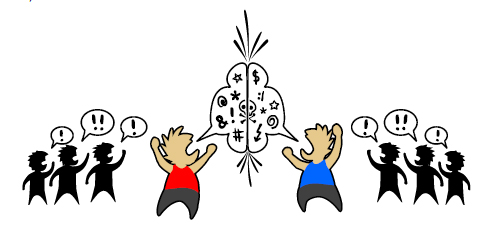
    Even the most solid sibling dynamic can erupt into arguments when it comes to the health and welfare of beloved parents who are beginning to show signs of frailty.

    You: “Hey. Mom and Dad fell twice; why don’t we hire a helper each day?”

    Your sister: “Nah, they’re OK — you’re hyper.”

    Your brother: “The doctor says they are fine. So what — you’re our expert now?”

    You: “DAD WAS ON THE FLOOR FOR AN HOUR!

    Mom couldn’t find her cell phone to call us! Me hyper? If something BAD happens, it’s your fault!”

    Siblings duking it out without parental input can result in complete caregiving failure. On the other hand, wise families collaborate without meltdowns or muzzling each other.

    Three Smart ABC Steps to Building a Family Dream Team

    1. ATTITUDE. Switch negative thoughts into positive language and behaviors.

    Tip: Perceptive families tactfully welcome and value new ideas. They are patient and kind regarding each other’s opinions and suggestions.

    2. BRAINSTORMING. Tough topics require discussion: financing caregiving, selling vs. renting the family home, dividing assets, sharing caregiving responsibilities. Savvy families form judgment-free zones where everyone is protected from criticism when they voice their suggestions. They must also be understanding when their ideas are not accepted by all.

    Tip: Circulate a “WHAT IF?” list to gather ideas and suggestions from everyone in order to give all time to think about them in depth rather than responding quickly with an emotional outburst.

    3. COMMAND CENTRAL. Akamai families prepare ahead by finding out their parents’ wishes instead of guessing in order to carry out their desires. They prepare for financial outcomes, and have easy access to advanced directives and wills. Clarity saves time and money.

    Tip: Gather documents in a binder to serve as a treasure trove of parents’ wishes and resources that everyone can refer to. This paves a smooth road ahead by avoiding unwanted potholes and excess stress at an already stressful time.


    ANNETTE PANG
    Family Caregiver Coach and Life Transition Advisor
    808-372-3478 | ap@annettepang.com
    Annette Pang offers workshops, online training and one-to-one private life coaching. She has owned two adult residential care homes since 2000. She adores her four siblings and her husband’s four siblings—all smart and kind.

    Even the most solid sibling dynamic can erupt into arguments when it comes to the health and welfare of beloved parents who are beginning to show signs of frailty.

  • Dentists Are Busy People

    Many patients wish they could enjoy their dentist’s company beyond a quick, customary greeting before their ability to speak is interrupted by the whirr of the drill.

    Like everyone else, dentists have families, hobbies, enjoy their favorite beverage, have bills to pay and look forward to having fun. And just like everyone else, “busy” is a dentist’s life.

    Public education on dental care keeps dentists hopping, too. Commercials for electric toothbrushes, new toothpastes and improved water flossers (by the way, all of these products are great!) focus people on their smiles. The public is also aware of the new advances in dentistry. Dental-related companies advertise ways to straighten teeth, whiten teeth and freshen breath. Dentists must keep up with technology, convenience and new techniques to do the best job possible.

    No wonder dentists are so busy — but with worthwhile results! In a recent national survey, Hawai‘i ranked fifth for oral health. That’s pretty good considering all the sweets we consume and given how much we love crack seed!

    The next time you go to your dentist, you’ll understand why he/she is so engaged and focused.

    I would like to know my patients better, too. But if there is no time for conversation, just know I appreciate how you are taking preventive care of your teeth. Your healthy smile says it all!


    DR. PAUL K. TANAKA, DDS
    4747 Kilauea Ave., Ste. 113, Honolulu, HI 96816
    808-737-6229 | office@paultanakadds.com
    www.paultanakadds.com

    Many patients wish they could enjoy their dentist’s company beyond a quick, customary greeting before their ability to speak is interrupted by the whirr of the drill. Like everyone else, dentists have families, hobbies, enjoy their favorite beverage, have bills to pay and look forward to having fun. And just like everyone else, “busy” is…

  • Alzheimer’s Research: The Science of Hope

    The vision of the Alzheimer’s Association is a world without Alzheimer’s and all other dementia. To realize this vision, we fund research to better diagnose, treat and ultimately cure the disease. In fact, we are the world’s largest nonprofit funder of dementia research.

    A few highlights of our progress:

    Diagnosing the Disease: Biomarkers

    A biomarker is a measurable indicator of the severity or presence of a disease state. As blood pressure is an indicator for cardiovascular disease, or hemoglobin A1C for diabetes, promising research is being done to identify biomarkers for Alzheimer’s disease. There are now ways to measure the presence of amyloid plaque or tau tangles, which are hallmarks of the disease, through imaging, blood tests, saliva, spinal fluid tests and retina screenings. We are optimistic that early diagnosis years before symptoms occur will be possible in the near future.

    Early diagnosis will enable early intervention and preclinical research opportunities to understand changes in the brain and body which lead to mild cognitive impairment and dementia.

    A Healthy Heart = A Healthy Head: Lifestyle

    The brain utilizes about 20 percent of the blood pumped by the heart, so what is good for your heart is good for your head. When people have cardiovascular disease or diabetes, blood vessels don’t work very well. Studies have shown that as many as 80 percent of individuals with Alzheimer’s also have cardiovascular disease.

    The Alzheimer’s Association has championed and funded efforts to understand the role lifestyle plays in keeping our brain (and heart) healthy. Through our U.S. Study to Protect Brain Health Through Lifestyle Intervention to Reduce Risk (U.S. POINTER), we evaluate whether lifestyle interventions (diet, physical activity, mind/ brain stimulation, etc.) that target risk factors for dementia protect cognition in older adults who are at increased risk. U.S. POINTER is the first such study to be conducted in a large group in the country.

    Medications

    Pharmacological therapy has a role to play in treatment and potentially, in prevention. As biomarkers become available, therapeutics and other interventions can be introduced earlier, years before symptoms of dementia develop. The science is working. It isn’t a matter of whether we will find a cure for Alzheimer’s disease and other dementia, but when.


    ALZHEIMER’S ASSOCIATION
    1130 N. Nimitz Highway, Ste. A-265, Honolulu, HI 96817
    808-591-2771 | www.alz.org

    The vision of the Alzheimer’s Association is a world without Alzheimer’s and all other dementia. To realize this vision, we fund research to better diagnose, treat and ultimately cure the disease. In fact, we are the world’s largest nonprofit funder of dementia research. A few highlights of our progress…

  • The Price of Pessimism

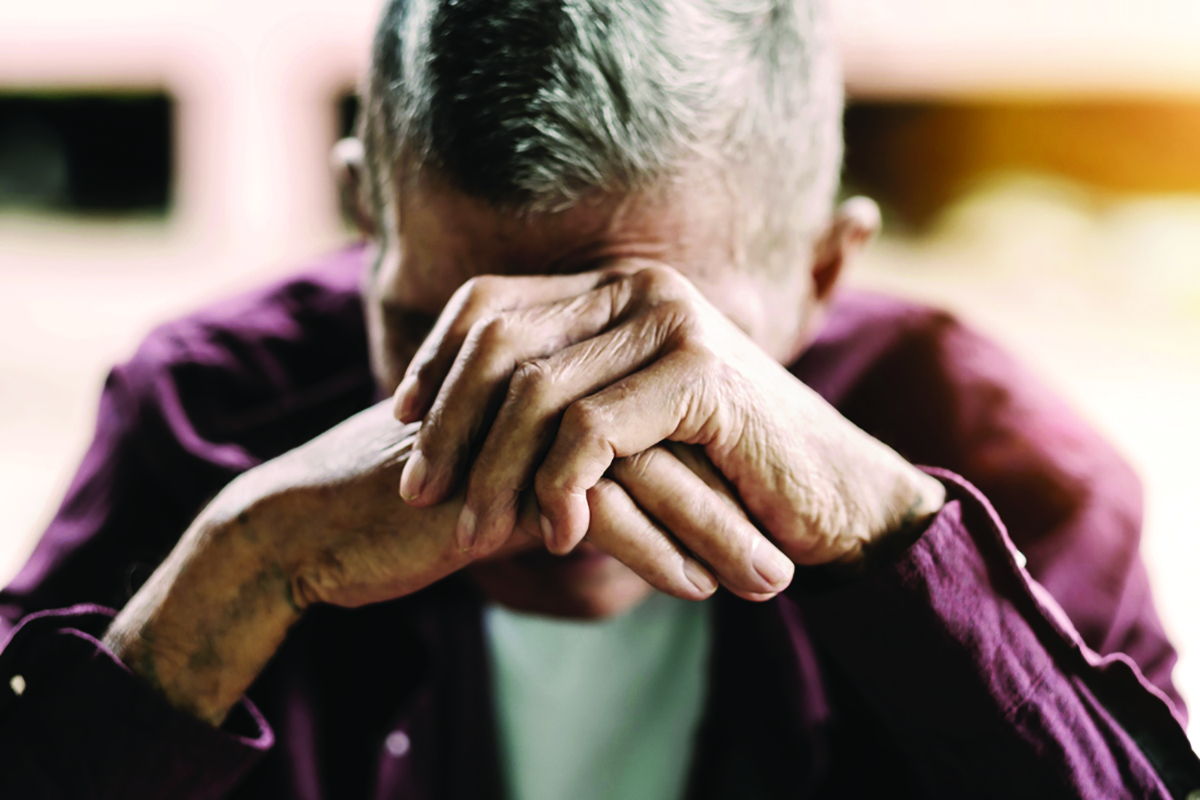
    Negative thoughts are like parasites silently eating away your health. Can we overcome this harmful habit and beat the odds? I say, “Yes! Definitely!”

    Our state of mind affects our health, so when you think like a pessimist, always expecting the worst, your fight-or-flight response is often stuck on standby. To illustrate, think of worrisome thoughts as revving your car. It’s useful before a race to test the engine, but if you keep gunning it all the time, you will burn out the motor.

    Pessimists tend to have higher blood pressure and triglyceride levels than optimists, according to University of Pittsburgh research. Studies also reveal that a dour outlook can affect your organs, but optimism can boost your health. Jeffrey Huffman, MD, director of cardiac psychiatry at Massachusetts General Hospital in Boston, concludes, “Happy and hopeful people are more likely to exercise, eat healthy and, of course, stop smoking.” In other words, happiness empowers us to take charge of our health.

    Other studies prove that staying positive can tighten the faucet on cortisol, a stress hormone linked to hardening of the arteries. And IL6,
    an inflammatory cytokine, is linked to multiple sclerosis and heart disease. So, looking on the sunny side pays big dividends.

    When you reflect on the past, focus on your accomplishments. Savor the present; expect three good things to happen today. When you count your blessings, there may be even more than three! Start today — your health is your wealth.

    Our state of mind affects our health, so when you think like a pessimist, always expecting the worst, your fight-or-flight response is often stuck on standby. To illustrate, think of worrisome thoughts as revving your car. It’s useful before a race to test the engine, but if you keep gunning it all the time, you…

  • Are You Chasing After the Wind?

    I have seen all the things that are done under the sun; all of them are meaningless, a chasing after the wind.”

    Wow, sounds pretty negative doesn’t it. Yet, many men and women who have lived long enough to reach that mythical status known as “the golden years” find out exactly what King Solomon meant in the above quote. All those years of striving to accumulate wealth, land and power now might seem a bit wasted. Regrets like “Why didn’t I go to more of my daughter’s soccer games?” or “Why didn’t I spend more time with my family?” rise up and begin to haunt us. Many of us wish we knew then what we know now.

    Is it too late to do anything? Is there a way to wind back the clock? If you have been trying to reach back and correct past mistakes but keep ending up failing, consider what C.S. Lewis once said: “You can’t go back and change the beginning, but you can start where you are and change the ending.”

    Lewis makes sense to me, as one who has walked “the pathway of regrets” and ended up even more depressed.

    So what can you do right now — starting today — to begin this turnaround?

    Well, taking a page from my own life journey, meeting one’s spiritual needs first makes the most sense. Once you are back on solid ground spiritually, all the other parts of life begin to stop shaking. For me, making peace with a God who really loves me and is able to do amazing things gave me hope to move forward rather than dwell in the unchangeable past.

    Stop chasing after the wind. Decide exactly what you regret and begin adjusting for what’s ahead. What can I do now? What has to wait? Be proactive and don’t wait for life to just happen.

    Another important step toward finding fulfillment in your golden years is to stop being a loner. We need contact with other people. A church is a great place to begin. Try several churches before settling on one. Try praying before you visit each church. You may be amazed at what happens.

    Finally, please don’t continue chasing after the wind, even if you think you have no other choice or not enough time to change course.

    The great UCLA basketball coach John Wooden once said, “There is only one kind of life that truly wins and that is the one that places faith in the hands of the Savior. Until that is done, we are on an aimless course that runs in circles and goes nowhere.” It’s what I call, chasing after the wind.

    I have seen all the things that are done under the sun; all of them are meaningless, a chasing after the wind.” Wow, sounds pretty negative doesn’t it. Yet, many men and women who have lived long enough to reach that mythical status known as “the golden years” find out exactly what King Solomon meant…

  • Having a Purpose in the Community

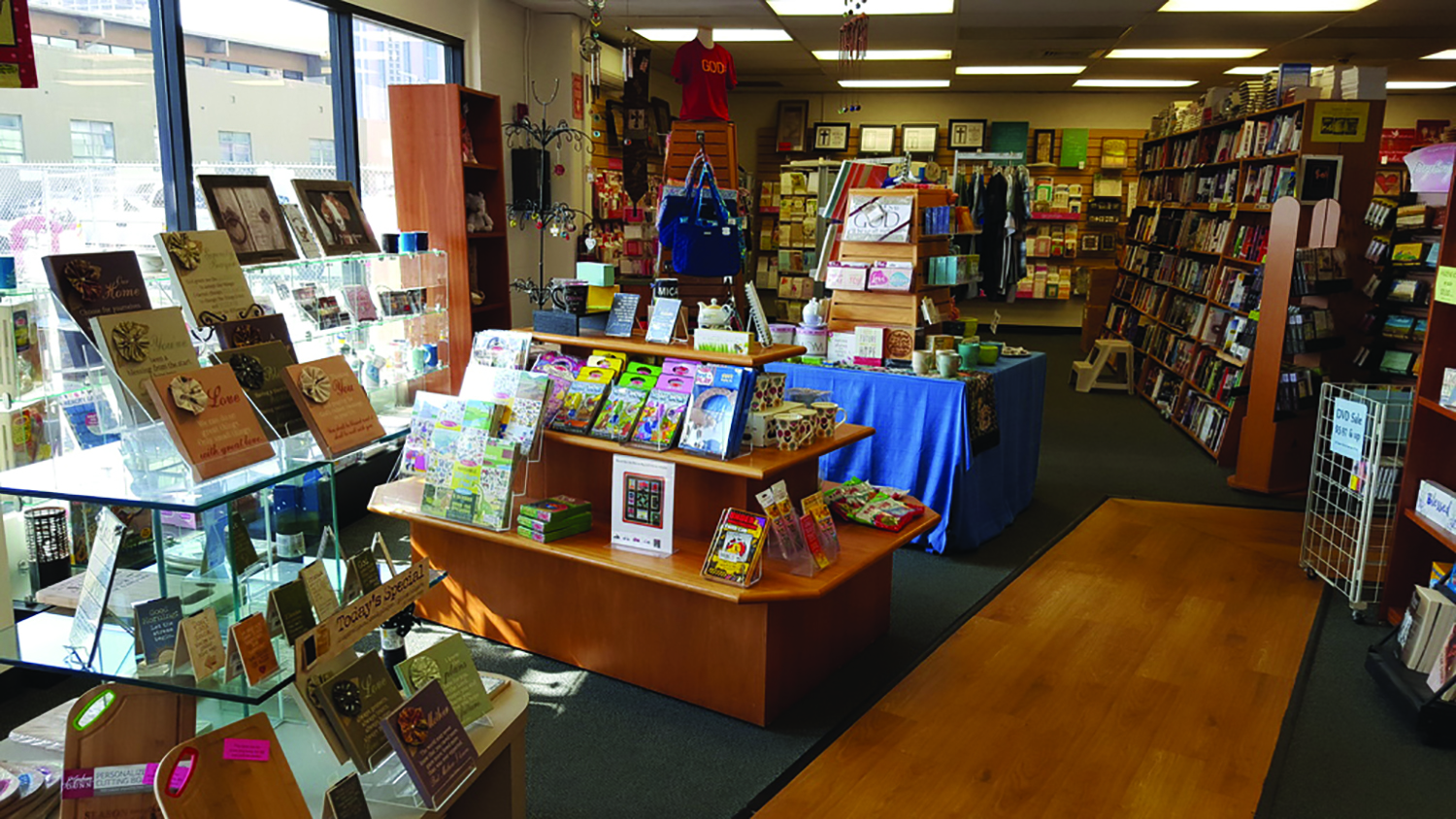
    Photo of Logos Bookstore When people hear that I manage a Christian bookstore at age 70, they think I’m crazy — or a religious fanatic. I assure you, I’m neither (but don’t ask my wife!). In light of large stores closing and the Barnes and Noble chain struggling to survive; and when Amazon has changed shoppers’ expectations, why do I think we can still run a brick-and-mortar bookstore — and a Christian one at that?

    The answer goes beyond dollars and convenience. The store began as a vision through people involved with InterVarsity Christian Fellowship (a university campus ministry). It’s about helping to create a community and a network of care for the people who come into our store. The ministry was to “be” God’s word in the marketplace as a business. The store’s name, Logos, actually means “word” in the Greek language.

    The model was to provide a full-service bookstore with an ecumenical selection of books and Bibles, from conservative to liberal. The unique approach to the bookstore was to also appeal to non-church or non-religious customers. Our merchandise, customer service and even our atmosphere were the building blocks for starting new relationships.

    Through our books and resources, we hope people will find answers regarding important topics, from “the meaning of life or faith” to more down-to-earth issues: marital problems; aging and Alzheimer’s; how to help someone going through cancer treatment; how to deal with anger, illness and death; what it means to be a Christian.

    Our mission is to help our customers grow in mind and spirit.

    Because of that purpose, I’m glad to be running this humble bookstore and serving the needs of my island community.


    LOGOS BOOKSTORE OF HAWAII, INC.
    760 Halekauwila St., Ste A, Honolulu, HI 96813-5344
    808-596-8890 | Neighbor Islands: 800-303-1533
    logos@logosbookstorehawaii.com
    www.logosbookstorehawaii.com
    Store Hours:
    Mon – Wed: 9:30 am – 6 pm
    Thurs – Sat: 9:30 am – 7 pm

    When people hear that I manage a Christian bookstore at age 70, they think I’m crazy — or a religious fanatic. I assure you, I’m neither. In light of large stores closing and the Barnes and Noble chain struggling to survive; and when Amazon has changed shoppers’ expectations, why do I think we can still…

  • Mature Workforce Predictions 2020–25

    Carleen MacKay
    Carleen MacKay

    Whether you wish to work in a full-time, part-time or in a just-in-time capacity — for a fee or for free — here are several predictions based on trends and research for you to consider when preparing to work in your 50s, 60s, 70s and beyond (yes, beyond).

    1) The contingent and remote work forces will continue to outpace other ways of working over the next five years. The U.S. contingent (as needed) workforce today is stronger than 40 percent of the overall workforce, with remote full-time or part-time workers at around 5 to 8 percent and growing faster than most can measure. One person predicts (yes, that would be me) the growth rate of remote workers will increase to 25 percent by 2025. These predictions favor mature workers who seek to continue to contribute in unique ways.

    2) The surging wave of automation will continue to affect occupations across the country. However, change that negatively affects many people also positively affects those who are ready. The question is: Are you ready? The future belongs to those who continue to learn. Hawai‘i offers  opportunities for learning from the community college level to adult learning schools, such as the Hawaii Community School for Adults in Honolulu. The school is introducing a bill that would establish a Workforce Readiness Diploma Program for all adults. Follow your legislators and you will continue to see rapid, affordable, lifelong learning opportunities.

    3) The “gray wave” is impacting the workforce. Its effect is expected to multiply — beyond imagination — over the next five years. The Bureau of Labor Statistics states that “Labor force participation is expected to increase fastest for the oldest segments of the population — most notably, people aged 65 and older.”

    4) Volunteering is a high-growth business, one in which the need for volunteers is predicted to expand exponentially through 2025. Where do studies predict that highest growth? The answer is healthcare and active involvement with our island’s youngest and oldest members.

    The future economic and societal health of Hawai‘i will be measured by how we treat our youngest and oldest members.

    If you seek a purpose-driven life and income is not your primary driver, explore the hundreds of volunteer options available throughout the
    islands. Keep in mind that longer, purposeful lifetimes are, in large part, achieved by a commitment to your own active aging goals.

    Volunteering, by the way, is work. If you stop thinking about work under the old definition of the word “job,” you will see that working for the good of others may end up being more rewarding than any career or endeavor you held during your younger years.


    NEW WORKFORCE HAWAII
    Carleen MacKay
    916-316-0143 | carleenmackayhi@gmail.com
    www.newworkforcehawaii.com
    Contact Carleen via her website and receive New Ways to Work, a free PDF book co-written with Phyllis Horner.

    Whether you wish to work in a full-time, part-time or in a just-in-time capacity — for a fee or for free — here are several predictions based on trends and research for you to consider when preparing to work in your 50s, 60s, 70s and beyond (yes, beyond).

  • Walk and Run With Us!

    The Walk and Run Club, powered by Phiten Hawaii, a health and performance product retailer, is a co-sponsor of the nonprofit Hawaii Running Project, a new, free activity for seniors and their families. Walkers and joggers are encouraged to join the healthy fun that starts every Wednesday morning at 9 am. Fun, fitness and camaraderie are open to everyone!

    Gather your friends and family and join the club in front of the ‘Ohana Hale Marketplace Phiten Hawaii store at 333 Ward Ave. (the former Sports Authority location). Groups are created based on who shows up each week. There is plenty of free parking available.

    The walk and run start with a warm-up, a led workout and healthy stretching. Wear sunscreen and sunglasses, and carry your water bottle whenever you exercise. Come prepared for windy and rainy days. After the walk and run, club members have plenty of post-exercise drink and food choices in the marketplace, which opens at 10 am. There may be discounts on shop products or drawings for door prizes. The fun starts every  Wednesday morning and is even more fun with friends!

    For additional details regarding The Walk and Run Club, call Coach Kawika at 808-462-1313 or visit the Hawaii Running Project at www.hawaiirunningproject.com.


    PHITEN HAWAII / WAVES OF ALOHA LLC
    Ohana Hale Marketplace (former Sports Authority)
    333 Ward Ave., Stall 144, Honolulu, HI 96814
    Mon-Sat: 10 am–8 pm | Sun: 10 am–5 pm
    808-888-9639 | www.PhitenHawaii.com

    The Walk and Run Club, powered by Phiten Hawaii, a health and performance product retailer, is a co-sponsor of the nonprofit Hawaii Running Project, a new, free activity for seniors and their families. Walkers and joggers are encouraged to join the healthy fun that starts every Wednesday morning at 9 am. Fun, fitness and camaraderie…

  • Survey Winner Will Celebrate in Las Vegas!

    Pearl Hakulani Robins filled out her Generations Magazine reader survey, hoping she’d win. Soon she’s headed to Las Vegas on a Vacations Hawai‘i deluxe package — no taxis, no lugging suitcases, plenty of legroom on the plane — and four nights at the newly renovated California Hotel. Congratulations Pearl!

    GM reader surveys help us make your senior magazine better. Our target has always been seniors 50 years of age and beyond. Most readers are retired and live independently. Our topics focus on how to retire happily and how to stay happy. Thanks to you, we’ve been able to focus on even more topics of interest to our readers.

    As our ability to live longer lives increases, we are more aware that its what we do with those years that matters. It’s a chance to add new life chapters in health, finances, social activities, spiritual wellness, and of course, caregiving.

    Through our surveys, we are hearing what you’re hungry for — we get it, you’re active! Well, no point in slowing down, right? We aim to be in step with you in order to keep up with you! Who’s idea was it to slow down anyway?

    For a chance to win next time, CLICK HERE and enter now! First prize is a one-year membership to Body & Brain Yoga Tai Chi on O‘ahu. The membership will be good at Kaimuki, Honolulu or Mānoa locations for a full year of exercise, meditation and classes that improve your health. Five others will win a one-year subscription to Generations Magazine.

    Pearl Hakulani Robins filled out her Generations Magazine reader survey, hoping she’d win. Soon she’s headed to Las Vegas on a Vacations Hawai‘i deluxe package — no taxis, no lugging suitcases, plenty of legroom on the plane — and four nights at the newly renovated California Hotel. Congratulations Pearl!