Category: Wisdoms

  • Preparing for Death… Now

    If nothing else, recent events have brought us face-to-face with mortality. Although none of us knows when death will overtake us or a loved one, we know that someday it is going to do exactly that. We can deny the inevitable, or we can prepare for it. By preparing for death, we can make that transition much easier on ourselves and our loved ones.

    Talk with your family members about what you want done with your body after you pass, and find out what their wishes are for theirs. Keep notes of those conversations, since “the dullest pencil is sharper than the sharpest memory.”

    If you have specific wishes about who will be in charge of your funeral arrangements and what will be done, you can put these directives into a legally enforceable document. As long as the document is notarized, your wishes are lawful and your estate can pay the bill, your instructions will be carried out. Most estate planning attorneys can advise you about preparing your written “Directions for Disposition of Remains.” Let your loved ones know about your directions and keep a copy with your estate planning documents.

    Review your estate planning documents to make sure they reflect your current wishes. Your Advance Health-Care Directive sets out who can make what kinds of medical decisions (including end-of-life decisions) for you if you cannot speak for yourself, so it is particularly valuable for your peace of mind and your family’s harmony. Having a clear line of authority and clear instructions can alleviate family stress and conflict.

    You also need to make sure that the documents that dispose of your assets are clear and state your precise wishes. If there is a conflict between your documents and the words you say to your loved ones, the documents will control what happens. So it is important for you to understand what your documents say and update them if your wishes have changed.

    Doing these things can be uncomfortable, but they can also go a long way toward giving you peace of mind and helping your loved ones move forward in harmony and with sweet memories of you and your life.


    SCOTT MAKUAKANE, Counselor at Law
    Focusing exclusively on estate planning and trust law.
    www.est8planning.com
    808-587-8227 | maku@est8planning.com

    If nothing else, recent events have brought us face-to-face with mortality. Although none of us knows when death will overtake us or a loved one, we know that someday it is going to do exactly that. We can deny the inevitable, or we can prepare for it. By preparing for death, we can make that…

  • COVID-19 and The Market

    Historic market volatility has washed over the globe in recent weeks. The spread of COVID-19 (the disease caused by coronavirus) has precipitated a record drop in the stock market and a sharp plunge in bond yields, sending the U.S. into its first bear market in over a decade. People around the world are facing a health crisis that’s driving an economic crisis, which are leading to high levels of anxiety for families and individuals regarding their well-being and financial situation. Unfortunately, it’s too soon to tell just how long this environment will last. So, what can you do to cope with market volatility in the meantime? And what can we learn from past global pandemics?

    Virus Outbreaks and Stock Market Performance

    There is no doubt that this pandemic is different and has caused a larger dislocation than past virus outbreaks. However, it’s still encouraging to note how financial markets have historically rallied following major health crises. The S&P 500® Index reveals that markets have generally delivered positive returns in the six to 12 months following the peak of a virus outbreak.

    This isn’t to say that investors should stick their heads in the sand and pretend the downturn isn’t happening — this is a very serious and difficult situation. Eventually though, markets should return to some level of normal and slowly, the economy will come back to life. Of course, the past is no guarantee of future results, but historically, even the worst markets have been temporary dips in a general march higher for stocks.

    What you can do during this time of volatility:

    Remember the power of diversification:
    Instead of selling your stocks in an attempt to cut losses, review your portfolio to see if it is properly balanced between stocks, bonds and cash that align with your goals, time horizon and ability to manage risk. While a diversified portfolio can’t guarantee profits or protect against all losses, it can greatly reduce the impact of volatility.

    Stay focused on your long-term goals:
    Remember, your investment strategy is based on your goals, not headlines. While it’s important to be aware of the news related to COVID-19, particularly from a health perspective, don’t let your emotions affect your investing. Keep your  portfolio on a steady course. Volatile periods in the market can create good opportunities to either invest more or to adjust your portfolio. Ensure that any investment decisions you make are in line with your long-term interests and financial objectives.

    Revisit your views on risk:
    A significant market downturn serves to remind you that investing involves risk. Market swings provide an opportunity to reassess your portfolio’s risk level and determine whether that amount is appropriate for your circumstances. The level of comfort (or discomfort) you feel when the market fluctuates substantially is a good way to assess whether your portfolio reflects your current risk profile.

    Meet with a financial professional:
    If you are concerned about the recent performance of the markets, contact your financial advisor. Together, you can talk about your financial goals for the future and what steps you can take next to start on the path to achieving them.


    MICHAEL W. K. YEE, CFP
    1585 Kapiolani Blvd., Ste. 1100, Honolulu, HI 96814
    808-952-1222, ext. 1240 | michael.w.yee@ampf.com
    Michael W. K. Yee, CFP®, CFS®, CLTC, CRPC ® is a Private Wealth Advisor, Certified Financial Planner ™ practitioner with Ameriprise Financial Services Inc. in Honolulu, Hawai‘i. He specializes in fee-based financial planning and asset management strategies and has been in practice for 35 years. Investment advisory products and services are made available through Ameriprise

    Financial Services Inc., a registered investment advisor.
    Ameriprise Financial Services Inc. Member FINRA and SIPC.
    © 2020 Ameriprise Financial Inc. All rights reserved.

    Historic market volatility has washed over the globe in recent weeks. The spread of COVID-19 (the disease caused by coronavirus) has precipitated a record drop in the stock market and a sharp plunge in bond yields, sending the U.S. into its first bear market in over a decade. People around the world are facing a…

  • SCAMMER Red Flags

    How do you know that you are the target of a scam? Here are some red flags that you should be aware of:

    ♦ There is an air of urgency in the message. The scammer will claim that your reply and/or transaction must happen ASAP.
    ♦ They are adamant that you must send them your banking or identity details to get payment.
    ♦ They may instruct you to only use their escrow person for payment.
    ♦ They insist you must take a check and no other payment method will work.
    ♦ They offer to let you pay in gift cards.
    ♦ They want to send you a check for more than what is owed and have you remit the excess to someone else.
    ♦ They want you to send them money to enable them to send you even more money.
    ♦ You can’t find their company name, telephone number and/or email address on the internet.
    ♦ Their message contains very poor grammar and/or misspellings.

    A very good rule of thumb is always be skeptical. Before returning calls or replying to emails, verify the telephone number, email address and/or URL to ensure they are legitimate. Go online and see if there are any complaints or reports that their telephone number has been linked to scams. Spending a few moments before responding may prevent some serious heartbreaks in the future.


    THE DEPARTMENT OF THE PROSECUTING ATTORNEY
    1060 Richards St., Honolulu, HI 96813
    808-768-7400 | Office hrs: Mon – Fri, 7:45 am – 4:30 pm
    www.honoluluprosecutor.org/contact-us/

    How do you know that you are the target of a scam? Here are some red flags that you should be aware of…

  • Timeshares: Scams or Investments?

    My wife loves free things. When we go to any expo at the Hawaii Convention Center or the Blaisdell, she’ll be the one hoarding free pens and reusable bags. So, I should not have been surprised when she stopped at a table run by a hotel chain that was offering a free dinner, six hours of validated parking in Waikīkī and a two-night stay at a hotel. According to the salesman, all we had to do was review a hotel from pictures they would show us. The whole process would take only 120 minutes (not two hours?).

    While my wife politely listened to this young man, I pulled out my smart phone and Googled the hotel chain, and its free dinner and hotel stay offer. Instantly, warning posts and You Tube videos popped up about the unscrupulous sales tactics and confusing contracts used by this company when selling timeshares. But as the salesman tried repeatedly to get my wife to sign up for this “hotel review,” he never even mentioned “timeshare” once.

    When I asked him if this presentation involved any discussions about timeshares, he paused and said he didn’t actually do the presentation himself, so he couldn’t say for sure. When I asked if after the entire two-hour presentation we will get everything he promised, he corrected me: “It takes 120 minutes” — and there may actually be fees and taxes associated with the “free gifts.”

    I walked away from the table with my wife in tow. I later showed her everything I found out about this scheme and how the fees and taxes they charge on the “free gifts” equal the full value of the items. I told her they say “120 minutes” because they don’t count the time they spend introducing themselves and bringing in other salesmen to work on you, and the time they take for breaks. (Some people claim they found themselves at the “120-minute presentation” for over six hours).

    After this experience and phone calls I received at my office, I started paying more attention to how timeshares were being advertised. In the next few  articles, I will explain exactly what a timeshare is, why there are so many commercials for them, and why there are so many companies advertising their ability to help people get out of timeshare contracts. I’ll also cover some common timeshare scams and what warning signs to look out for.

    Please remember, there really is no such thing as a free lunch (or dinner and hotel stay).


    If you suspect elder abuse, call these numbers:
    – Police: 911
    – Adult Protective Services: 808-832-5115
    – Elder Abuse Unit: 808-768-7536

    If you have questions about elder abuse, call or email:
    808-768-7536 | ElderAbuse@honolulu.gov

    My wife loves free things. When we go to any expo at the Hawaii Convention Center or the Blaisdell, she’ll be the one hoarding free pens and reusable bags. So, I should not have been surprised when she stopped at a table run by a hotel chain that was offering a free dinner, six hours…

  • Siblingship

    Siblingship is the state of being related or interrelated, or a state of affairs existing between one of two or more individuals having one common parent. The term describes the unique, dynamic relationship existing between siblings. Siblings begin their relationship at a very young age. They experience joys and setbacks together — laugh and cry together. And through fighting, they can learn conflict resolution together. No other relationship is like siblingship.

    Sibling fights arise over property, so many parents aim to divide up their property fairly, in hopes that siblings will not fight. In my experience, this is not enough to avoid arguments.

    The estate planning process, if done properly, can do much to minimize the risk of fighting when parents die. However, many plans do not speak clearly enough in this respect. Leaving a family home or a heirloom “equally to the children” does not go far enough to help avoid family squabbles. Deciding what to do with the family home during a time of grieving puts too much pressure on the sibling relationship.

    Ultimately, the estate plan should mirror and reflect our lives and relationships. If your plan does not mirror and reflect your most important values, or does not speak clearly enough to ensure the preservation of the relationships am {Play}ong your children, I encourage you to review your plan with your estate planning attorney.


    STEPHEN B. YIM, ATTORNEY AT LAW
    2054 S. Beretania St., Honolulu, HI 96826
    808-524-0251 | www.stephenyimestateplanning.com

    Siblingship is the state of being related or interrelated, or a state of affairs existing between one of two or more individuals having one common parent. The term describes the unique, dynamic relationship existing between siblings. Siblings begin their relationship at a very young age. They experience joys and setbacks together — laugh and cry…

  • Options for Paying for Long-Term Care

    In life, we always have options. And when it comes to covering the costs of long-term care, it is no different. In this article, I’ll share a few viable strategies you can use to help cover the future costs of care in our Aloha State. It is by no means all-encompassing and exhaustive, but meant to get you thinking on this critically important topic.

    As a financial advisor, I believe more and more American’s understand the need for long-term care insurance (LTCi). And the first line of defense to ensuring quality long-term care is available when you need it is having a LTCi policy. But when it comes to providing long-term care, we are facing serious hurdles and dilemmas. First is the availability of LTCi. Twenty years ago, there were over 100 carriers providing LTCi. In 2020, there are less than 10 quality LTCi carriers. The fact that big players are withdrawing from the LTCi market is opening eyes and shaking things up. At my Honolulu practice, I also routinely see the difficulty of qualifying for LTCi coverage. Carriers have really tightened eligibility standards and constricted their underwriting requirements, especially for women.

    Notwithstanding, individuals who want LTCi coverage certainly have options. And there are LTCi strategies your financial advisor can help you with, from spousal benefit sharing to eliminating “riders” such as inflation protection, which can help keep premiums within your budget. At the same time, one needs to remember the proverbial price of paradise truly is applicable to long-term care costs, as well. On the high end of the long-term (or extended-care) scale, the cost is steep. I have recently heard estimates as high as $1 million to simply enter a coveted long-term care facility on the east side of O‘ahu. Some may say that is exorbitant and overpriced, but it is reality. On the least expensive side, the lowest hourly rate for care is about $26 per hour.

    When it comes to having LTCi options, the onus and responsibility for seeking out alternatives lies squarely on you. I encourage you to take the time to choose an advisor who is adept in this specialized area of planning. An expert well-versed in LTCi can help your family in more ways than one. When I conduct educational seminars on LTCi, my professional advice to participants is to get price quotes from several insurers.


    MUTUAL OF OMAHA
    1600 Kapiolani Blvd., Ste. 1200, Honolulu, HI 96814
    808-942-8133 | garrett.wheeler@mutualofomaha.com
    www.mwheeler.incomeforlifemodel.com
    FREE LTCi Seminar Workshop
    ʻĀina Haina Public Library, 5246 Kalanianaole Highway
    April 28, Tues., 5:30 pm
    May 2, Sat., 10:30 am
    RSVP: 808-377-2456

    In life, we always have options. And when it comes to covering the costs of long-term care, it is no different. In this article, I’ll share a few viable strategies you can use to help cover the future costs of care in our Aloha State. It is by no means all-encompassing and exhaustive, but meant…

  • A Legacy of Aloha

    Estate planning is the process of protecting that which is important and then passing those important things on to our loved ones and future generations. Many concepts that are central to Hawaiian culture are particularly applicable to estate planning. Starting with the concept of ‘ohana (a very inclusive notion of family), all the way through lokahi (a sense of unity — especially appropriate at the passing of a loved one), estate planning and the culture of our islands interweave to form a rich tapestry of aloha.

    The term ha‘aha‘a describes an attitude of humility, which promotes family harmony during stressful times. Stress may arise in dealing with with illness and death, and the distribution of the assets of the deceased. Humility allows family members to form closer bonds at these times.

    Sometimes, dealing with issues surrounding the disposition of a loved one’s remains, much less the disposition of assets, requires family members to talk out differences and come to a consensus regarding what is right, or pono, as well as respect the wishes of the deceased and the living. It is common for different family members to have different views regarding the wishes of the deceased person, which may result in disagreements that can be both heated and destructive.

    However, all of the disputing parties may be right on some level. The deceased may have had many conversations with different members of the ‘ohana over the years. One family member might remember instructions given on one date that conflict with those given to another family member on another date. But a consensus may be reached if both family members can come together through the process of ho‘oponono, or making things right through talking out differences.

    Ho‘oponopono is a delicate process, and a successful conclusion may depend on the leadership of an experienced individual who can help family members clearly express their views and then validate those views so that all involved can both understand and respect the feelings and positions being communicated. Ho‘oponopono may be used while the senior family member is still alive to head off disputes and instill unity in the family.

    Mālama, or caring for and perpetuating one’s legacy, infuses and motivates Hawaiian-style estate planning. It extends from caring for family to caring for community through charitable giving. Remembering our root values helps to ensure that we are leaving a legacy of aloha.


    SCOTT MAKUAKANE, Counselor at Law
    Focusing exclusively on estate planning and trust law.
    www.est8planning.com
    808-587-8227 | maku@est8planning.com

    Estate planning is the process of protecting that which is important and then passing those important things on to our loved ones and future generations. Many concepts that are central to Hawaiian culture are particularly applicable to estate planning. Starting with the concept of ‘ohana (a very inclusive notion of family), all the way through…

  • Five Money Myths You Should Ignore

    When it comes to personal finance, what works for one person doesn’t necessarily work for another. That’s why money misconceptions can be so d dangerous. Here are four common money myths you may have heard — and perhaps even believe — that need to be put to rest once and for all.

    Myth #1: All Debt is Bad

    Reality: Few people could afford to buy a home if they didn’t have a mortgage. You might not have gone to college without taking out a student loan. Instead of avoiding all debt, make sure you have a plan to pay it off by addressing high-interest loans first.

    Myth #2: Avoid All Credit Cards

    Reality: Credit cards offer flexibility that cash and debit cards can’t. Most credit card companies offer zero liability for fraudulent transactions, while most debit cards have little protections if you find the fraud after a certain date.

    Plus, you can earn extras through your credit card rewards, such as airline miles for your retirement travel plans. Instead of nixing credit cards, plan to pay back the balance in full each month, avoiding the high interest charges.

    Myth #3: You Can Time the Market

    Reality: There are many factors that influence day-to-day stock moves — the unpredictable news cycle, the economy, business decisions, rates and regulation — just to name a few. This why timing the market is so challenging, even for professional traders. While someone might get it right once, in order to end up ahead, studies have found one would need to guess correctly more than 65 percent of the time.¹

    While only a handful of professional investors manage peak stock performance each year, the average investor’s chances are nearly microscopic. Meanwhile, you lose out on gains if your money sits on the sidelines while you seek the perfect moment to play. Stock markets are notoriously unpredictable in the short term and they should not drive investment strategy for most investors.

    Myth #4: Pay Off Your Debt Before Saving for Retirement

    Reality: If the interest on a loan is 3.5 percent, but the expected return in the market is 5 percent, then consider adding funds to your retirement account, since you’re making more than the loan costs. You could lose out on opportunities, like the benefits of compound interest, if you’re only focused on debt repayment.

    Myth #5: You Do Not Need a Financial Advisor

    Reality: Many believe that a financial advisor’s only job is to beat the market. And you’re doing just fine.

    To believe that would be to miss the main point of why it’s helpful to have a professional in your money corner. At its core, a financial advisor’s job is to keep you on track toward your financial goals. Whether it’s retirement planning, saving for college or meeting other goals, an advisor can help you determine how to approach some of life’s biggest financial decisions. With a trusted advisor, you can feel more confident regarding your financial future.


    MICHAEL W. K. YEE, CFP
    1585 Kapiolani Blvd., Ste. 1100, Honolulu, HI 96814
    808-952-1222, ext. 1240 | michael.w.yee@ampf.com
    Michael W. K. Yee, CFP®, CFS®, CLTC, CRPC ®, is a Private Wealth Advisor, Certified Financial Planner ™ practitioner with Ameriprise Financial Services Inc. in Honolulu, HI. He specializes in fee-based financial planning and asset management strategies and has been in practice for 35 years.
    Investment advisory products and services are made available through Ameriprise Financial Services, Inc., a registered investment adviser.

    ¹Morningstar Investment Workbook: “Waiting or Market Timing”

    Ameriprise Financial Services Inc. Member FINRA and SIPC.
    © 2020 Ameriprise Financial Inc. All rights reserved.

    When it comes to personal finance, what works for one person doesn’t necessarily work for another. That’s why money misconceptions can be so d dangerous. Here are four common money myths you may have heard — and perhaps even believe — that need to be put to rest once and for all…

  • Before Selling, Back Up & Purge

    {Play}Before trading in or selling your mobile devices, cellphones or tablets, be sure no sensitive data is left behind that may put you in jeopardy. Here are a few basic steps to reduce the risk of being victimized.

    ■ Perform a complete BACKUP of the device to a computer or cloud service. For Apple-based devices, use iCloud; Android-based, use Google Drive. It’s a good habit to routinely back up all devices, even if you don’t plan to sell them.
    ■ Delete ALL sensitive information.

    • Personal information (name, date of birth, Social Security number, contacts and passwords)
    • Financial information (names of banks, credit card information and account numbers)
    • All programs and apps installed
    • Internet history and searches
    • Contacts or Address book files
    • Call logs of telephone numbers
    • Text messages sent and received
    • Conversations and messages in your messaging app (i.e. Facebook Messenger)
    • Photos and videos

    ■ Restore device to FACTORY settings by selecting “Reset” in your device settings.

    You can ask your cellular phone service provider do it for you in your presence. Use this list to check that your data has been removed.

    If you plan to do it yourself, research exactly how to back up and reset your device.


    THE DEPARTMENT OF THE PROSECUTING ATTORNEY
    1060 Richards St., Honolulu, HI 96813
    808-768-7400 | Office hrs: Mon – Fri, 7:45 am – 4:30 pm
    www.honoluluprosecutor.org/contact-us/

    Before trading in or selling your mobile devices, cellphones or tablets, be sure no sensitive data is left behind that may put you in jeopardy. Here are a few basic steps to reduce the risk of being victimized.

  • Please Take Your Car Keys!

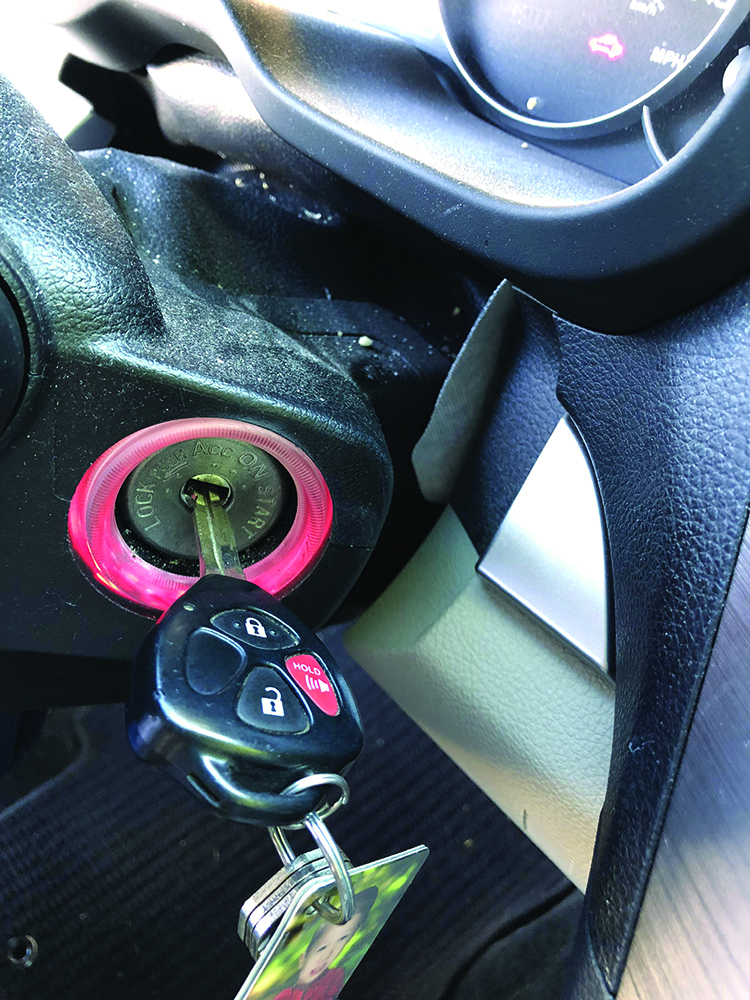
    {Play}You would not place a welcome mat outside your car for criminals or hire someone to waive around a sign by your vehicle saying “steal this,” but that is exactly what many drivers do when they leave their keys in their vehicles.

    As a prosecutor, no crime gets me more upset than one that could have been easily prevented. It seems like a common occurrence for the police to call me to tell me they arrested a car thief who stole a car with the keys left in it.

    Just last month, an elderly gentleman from Waianae had his classic car taken from his garage; in Ewa Beach, a woman had her car taken from a restaurant parking lot; in downtown Honolulu, a law partner had his $100,000 Tesla taken from a parking garage. They had all left keys in the car.

    One might think that these drivers got what they deserved and should suffer the consequences of their lapses in judgement, but the crime does not stop with the single stolen car. Over the past months, my office has seen stolen cars used in a series of purse snatchings that have resulted in injuries to elderly victims; stolen cars smashing into storefronts (like Macy’s at Ala Moana) and thefts from big box stores. These crimes most likely would not have occurred if the criminal was forced to use his or her own vehicle that could easily be traced to the owner.

    Drivers need to realize that car thieves are lazy losers for the most part. If they feel your car is too difficult to steal, they’ll just give up on your car and go home. Or they might go to another vehicle if that driver left his or her keys in the car (they are seemingly everywhere and easy to find).

    If you do have the wherewithal to remove your keys from the car while out and about, another bit of advice would be to not make your keys easily accessible in your garage or home.

    Last week, a criminal who was fleeing from the police ran into an open garage, opened the connecting door to the house, and simply reached in and grabbed the car keys. He was able to easily start the car and avoid arrest. We often see car thefts in association with home burglaries, because the keys are easy to find and make carting off stolen items from the house convenient with the victims even supplying the getaway car!

    So please take your keys and avoid unnecessary frustration and financial loss. You will also be stopping potential ripple effects, including other crimes that can be committed with your car.


    If you suspect elder abuse, call these numbers:
    – Police: 911
    – Adult Protective Services: 808-832-5115
    – Elder Abuse Unit: 808-768-7536
    If you have questions about elder abuse, call or email:
    808-768-7536 | ElderAbuse@honolulu.gov

    You would not place a welcome mat outside your car for criminals or hire someone to waive around a sign by your vehicle saying “steal this,” but that is exactly what many drivers do when they leave their keys in their vehicles. As a prosecutor, no crime gets me more upset than one that could…

  • Special Needs Planning

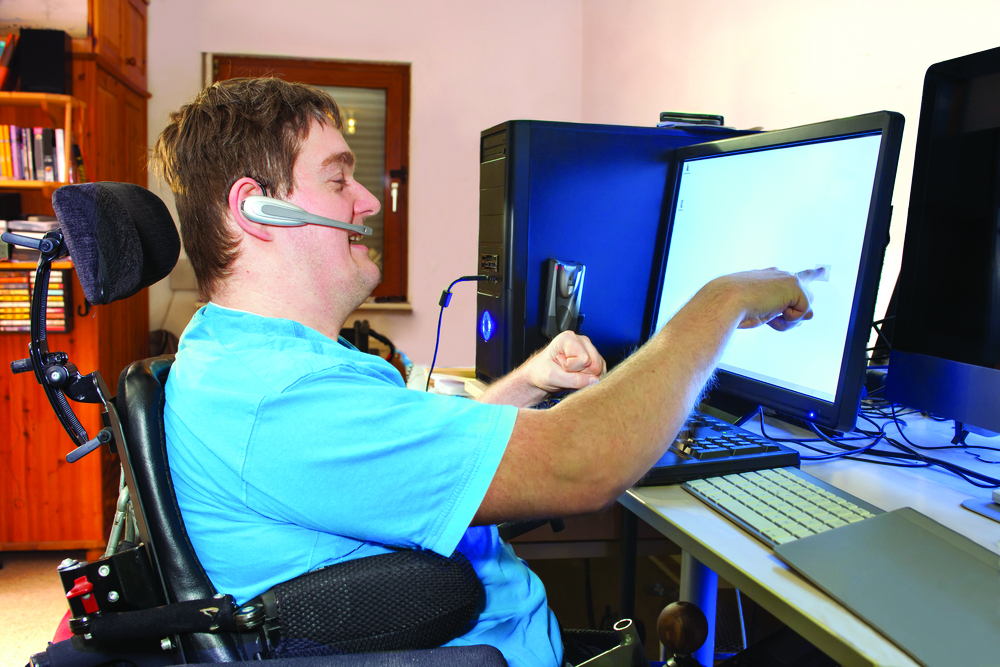
    {Play}Over 54 million adults and children in the U.S. have a disability. The concerns of parents of disabled children are the same for most any parent — ensuring that their children are safe, happy and live a meaningful life.

    Some children may be unable to earn a living. Both the federal and state governments understand this and provide benefits so that they receive food, shelter and medical care. Many of these benefits are “means tested,” meaning that the child cannot have much in terms of assets and cannot make much in terms of income. If the child inherits assets from the parents, these benefits will discontinue and the child must expend all of the inheritance before reapplying for benefits.

    To qualify, some parents think that they must disinherit their children so that they can continue to receive benefits or entrust another family member to manage money for the child. The better alternative is the Supplemental Needs Trust. Properly written and administered, this trust allows parents to leave the child their inheritance and allows the child to continue to receive benefits. The trust instructs the trustee to use assets from the trust for the child only over and above what the child receives in benefits.

    The Heartfelt Legacy Foundation will hold a Supplemental Needs Seminar featuring nationally recognized speaker Theresa Varnet, Esq. Visit the foundation’s website for more information.


    HEARTFELT LEGACY FOUNDATION (501(c) 3 nonprofit)
    Stephen B. Yim, Attorney at Law
    2054 S. Beretania St., Honolulu, HI 96826
    808-524-0251 | www.stephenyimestateplanning.com
    www.heartfeltlegacyfoundation.com

    Over 54 million adults and children in the U.S. have a disability. The concerns of parents of disabled children are the same for most any parent — ensuring that their children are safe, happy and live a meaningful life. Some children may be unable to earn a living. Both the federal and state governments understand…

  • Don’t Be ‘Buried Alive’

    {Play}Protecting personal privacy is generally a good thing, but can also have unexpected results. Consider the plight of a 90-year-old lady (“Nancy”) who was the life of her weekly exercise classes. Nancy was very well known for youthful outlook and zest for life.

    So when Nancy missed class one day, her friends tried to contact her. All they were able to learn was that she had been moved to a nursing home. No one would divulge which facility Nancy was in; her friends couldn’t visit. Nancy’s closest relative lives on the mainland, but none of Nancy’s friends knows how to contact that person. After a little detective work, one of Nancy’s closest friends (“Ms. Holmes”) discovered that a local bank was managing Nancy’s finances and that a court proceeding was pending to have a guardian appointed to look after her welfare. The attorney handling the guardianship proceeding and the bank trust officer handling Nancy’s affairs assured Ms. Holmes that Nancy is well and receiving the best of care. However, the lawyer and the trust officer both cited privacy concerns when declining to say anything further. The assurances were small comfort to Ms. Holmes, who still wonders how Nancy feels about her situation and whether she would appreciate visits from her friends.

    According to Ms. Holmes, “Nancy has several friends who want to see her, but we just keep running into roadblocks when we try to find out where she is. No one is even willing to give Nancy a message. We don’t know how she feels about all this and nobody will tell us. To us, it is as if Nancy has been buried alive!”

    Nancy’s friends have run up against federal and state laws that were intended to protect Nancy’s privacy, but which have isolated her and broken the hearts of her friends. The federal law is the Health Insurance Portability and Accountability Act (HIPAA) of 1996. Hawai‘i law provides similar protections for both medical and mental health records and information.

    Under these relevant privacy laws, Nancy could have permitted her caregivers and medical providers to talk with one or more individuals by signing a HIPAA Authorization.

    If Nancy’s story hits home, talk with your trusted advisors who can help you develop your HIPAA Authorization and avoid the feeling of being buried alive if your health falters.


    SCOTT MAKUAKANE, Counselor at Law
    Focusing exclusively on estate planning and trust law.
    www.est8planning.com
    808-587-8227 | maku@est8planning.com

    Protecting personal privacy is generally a good thing, but can also have unexpected results. Consider the plight of a 90-year-old lady (“Nancy”) who was the life of her weekly exercise classes. Nancy was very well known for youthful outlook and zest for life. So when Nancy missed class one day, her friends tried to contact…