Category: Senior News

  • How to Navigate Travel Requirements & Restrictions During the COVID-19 Pandemic

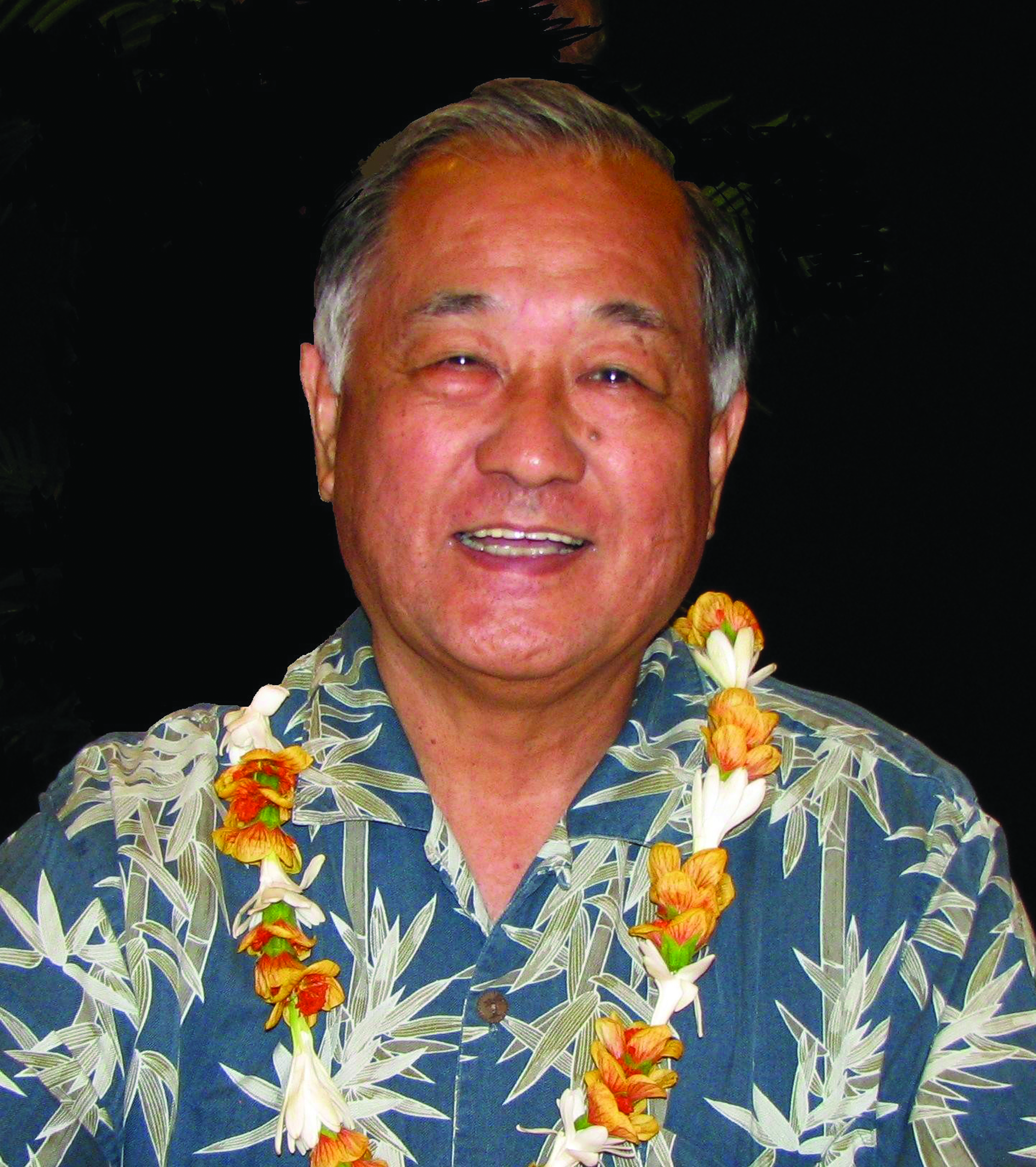
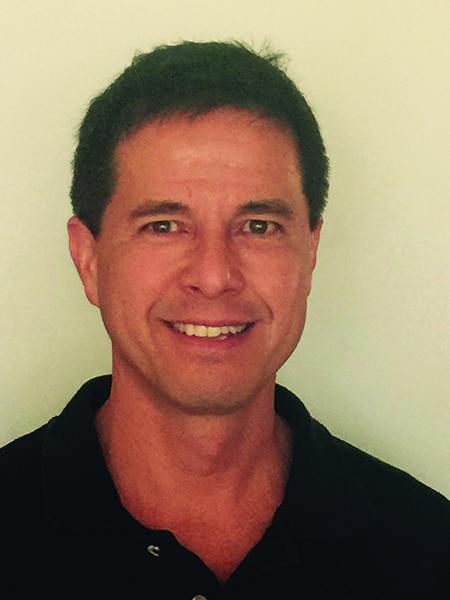
    An interview with Kevin Kaneshiro, Sales & Promotions Manager at Vacations Hawaii
    How has interisland travel changed for Hawai‘i residents during the pandemic?

    With frequent changes to travel requirements, make sure to check for updates  prior to your travel. As of April 5, 2021, Neighbor Island travelers entering O‘ahu do not need a test and no quarantine is required. If you are entering Kaua‘i or Maui counties, you can avoid a 10-day quarantine with proof of a pre-approved negative test within 72 hours of your arrival. For Maui, you will also have to  download the AlohaSafe Alert app (www.alohasafealert.org). For the Big Island, visitors can either do the 72-hour pre-test like the other islands or they can quarantine until negative test results confirmed from a post-arrival test.

    How does the proof-of-vaccination process work for interisland, mainland and international travel?

    Whether traveling interisland or out of the state, you will first need to set up your Safe Travels account at www.travel.hawaii.gov before your arrival to Hawai‘i. You will then need to get a PCR test (polymerase chain reaction) or NAAT (nucleic acid amplification test) from a State of Hawai‘i-approved testing site within 72 hours prior to your arrival. Most results take up to 48 hours, so you will want to take that into account when scheduling your test. Most COVID-19 test
    sites will direct you to the valid test dates to book when you submit your arrival date.

    Many testing locations require you to make a reservation online. Once you take your test, the company will email you a positive or negative test result in the form of a PDF. If negative, you can then upload the result to your State of Hawai‘i Safe Travels account or you can print a copy of your result to present upon arrival at your destination. I recommend both  uploading your result and printing a copy as a backup.

    At your destination, present your negative test result on your Safe Travels account and you’re done. If you don’t already have it uploaded to your account, you would then need to process your negative test result at the airport with a representative. Lastly, within 24 hours of your arrival, you will want to fill out the 24-hour health questionnaire on the Safe Travels Hawaii site. Once complete, you will receive a QR code that will save you time at the airport.

    What kinds of protections have been put in place for kūpuna visiting Las Vegas?

    On Omni Air charter flights and at all Boyd Gaming Hotels, enhanced cleaning, disinfecting and sanitization measures have been put in place. An electrostatic fogging sprayer further sanitizes the aircraft. Boarding protocols to allow for social distancing have been established. All flight attendants and passengers wear masks or face coverings during the flight. Pillows and blankets have been removed from the planes, so you may want to bring your own and/or warm outer apparel. Bottled water, canned soda, coffee or tea will be offered only with meal service. Customers are encouraged to bring their own beverages.

    At Vacations Hawai‘i hotel properties, temperature checks are being conducted upon arrival. All guests are required to wear facial coverings. Hand sanitizer is available and complimentary for all guests. Guest spaces are cleaned and disinfected multiple times daily with EPA-approved products. This includes slot machines, chairs, table games, restaurants, kitchens, restrooms, doors, handrails, counters, ATMs, kiosks and Team Member areas. The frequency of air filter replacement and HVAC system cleaning has been increased. Slots, table games, and restaurant and bar seating are configured, and limited to adhere to social distancing recommendations. Guest occupancy limits are followed in retail shops, and banquet and meeting spaces.

    Hawai‘i-bound travelers can bypass the 10-day quarantine by receiving a negative COVID test result within 72 hours of their return to Hawai‘i. Convenient COVID testing in Las Vegas provided by Worksite Labs is available at the Main Street Station for Vacations Hawaii and Hawaiian Airlines customers.

    These PCR nasal swab tests do not require assistance. All customers must be scheduled no later than 72 hours before the departure of the last leg of the journey. The price per test starts at $90.

    To qualify for a test, you must have an upcoming Hawaiian Airlines or Vacations Hawaii flight with a Hawaiian destination in the next 72 hours and proof of a ticket.

    Hours of operation are 6am to 2pm, seven days a week. An appointment is required and can be made at www.schedulecovidtesting.com.

    Walk-up testing will take place in the Main Street Station Social Club; drive-through testing will be held in the parking area immediately outside the Social Club (around the Main Street garage entrance).

    Is there any way to arrange special meals?

    Due to COVID restrictions, we cannot accommodate special meal requests at this time. Current meals consists of prepackaged items such as sandwiches, chips and candy. You may also bring your own food onboard for a long trip.

    What accommodations can be provided for someone who requires a wheelchair?

    You have the option of bringing your own wheelchair on Omni Air charter flights. There is no charge for transporting the wheelchair. Airport wheelchair service is available curbside; travelers will also receive assistance boarding the plane.

    The same service in reverse will be provided upon arrival. Should you need a lift bus to eliminate walking up the steps of the bus or an aisle chair to be transported to your seat on the airplane, let us know and it will be arranged. We can also assist you with wheelchair rental.

    What travel safety tips do you recommend for kūpuna traveling to Las Vegas?

    Do your research prior to travel as to COVID restrictions and requirements for your destination. If you don’t have a mobile phone for uploading your test result, make sure you have access to a place to print a hard copy. Most hotels will assist or will direct you to a location that can help, like an internet café, FedEx or UPS store.

    What changes do you foresee in your industry?

    A vaccination passport, which would allow vaccinated people the ability to travel and interact with others with less  restrictions, is gaining support. As more become vaccinated, I believe this could work. After you get vaccinated, keep your vaccination card handy. That card may become a requirement for some venues.
    Whether traveling interisland or out of the state, you will first need to set up your Safe Travels account at www.travel.hawaii.gov before your arrival to Hawai‘i. You will then need to get a PCR test (polymerase chain reaction) or NAAT (nucleic acid amplification test) from a State of Hawai‘i-approved testing site within 72 hours prior…

  • Hawai‘i’s COVID-19 Vaccination Information

    The Hawai‘i Department of Health (HDOH) is moving forward with its implementation of the state’s COVID-19 vaccination plan.

    Points of dispensing (PODs) are open across the state for the initial phases of the COVID-19 vaccine distribution.

    As Hawai‘i continues to receive more vaccine, dosages are being distributed to vaccination PODs throughout the islands as quickly as possible.

    Eligibility & Timeline

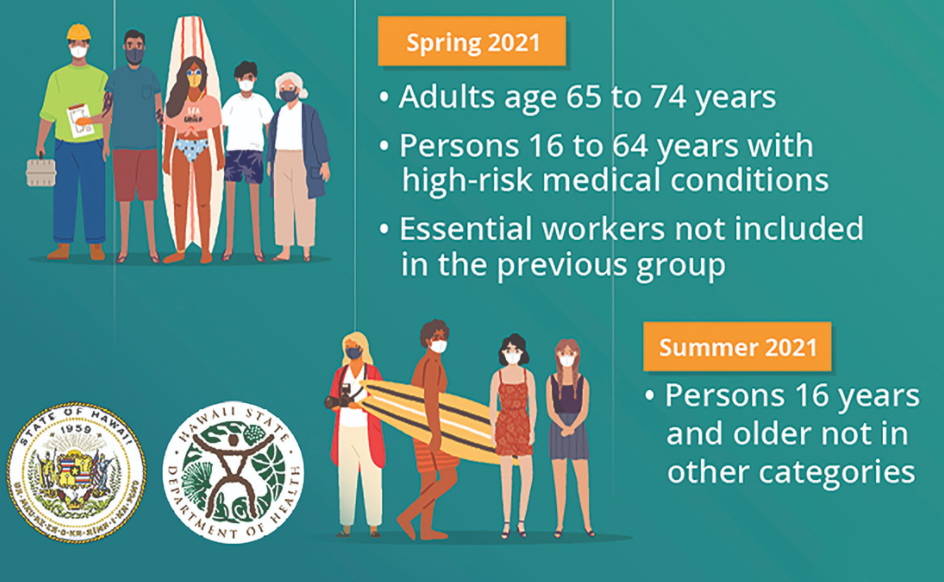
    There are two major phases in the vaccination plan. The first phase is now underway to protect the three priority groups:

    WINTER: Phase 1A includes healthcare personnel and long-term care facility residents, which is estimated to be 6 percent of Hawai‘i’s total population are eligible to register for vaccination.

    WINTER: Phase 1B initially included frontline essential workers and adults 75 and older, which is about 20 percent of Hawai‘i’s population. In early March, the DOH announced that those who are 70 or older could register for COVID-19 vaccine  appointments starting on March 8.

    SPRING: Beginning on March 15, phase 1C began, which includes adults aged 65 to 74 years, persons 16 to 64 years old with high-risk medical conditions and essential workers not included in the other categories. Phase 1C will covers 47 percent of the state’s population.

    SUMMER: Phase 2 will cover the rest of the population, which includes all persons 16 years and older who are not in the other categories.

    It is estimated that 73 percent of Hawai‘i’s population will receive the vaccination if all those in Phase 1 receive the vaccine. Phase 2 will cover the remaining 27 percent of the state’s population.

    How Will I Know When It’s My Turn?

    You may hear from your healthcare provider, your employer, announcements from state and local leaders, or the media. Subscribe to daily updates at health.hawaii.gov/updates. Review the pre-vaccination checklist and register for your vaccination at http://bit.ly/C19VaccReg.


    COVID-19 STATE OF HAWAI‘I PORTAL
    808-586-8332 | 833-711-0645
    www.hawaiicovid19.com/vaccine
    Kaua‘i County: http://bit.ly/KauaiC19VaccFacts
    O‘ahu: http://bit.ly/OahuC19VaccFacts
    Maui County: http://bit.ly/MauiC19VaccFacts
    Hawai‘i County: http://bit.ly/BigIsleC19VaccFacts
    Note that the HDOH may provide continuing updates.

    The Hawai‘i Department of Health (HDOH) is moving forward with its implementation of the state’s COVID-19 vaccination plan. Points of dispensing (PODs) are open across the state for the initial phases of the COVID-19 vaccine distribution. As Hawai‘i continues to receive more vaccine, dosages are being distributed to vaccination PODs throughout the islands as quickly…

  • Rotarians Hold First-Time Virtual RYLA Camp

    Whoever said you can’t teach an old Rotarian new tricks doesn’t know Hawai‘i Rotarians. For the first time in the 50-year history of the annual Rotary Youth Leadership Awards (RYLA) in-person camps, the Rotary Clubs of District 5000 (Hawai‘i) facilitated an all-island virtual camp with 110 participants on Feb. 26 and 27 due to the ongoing pandemic.

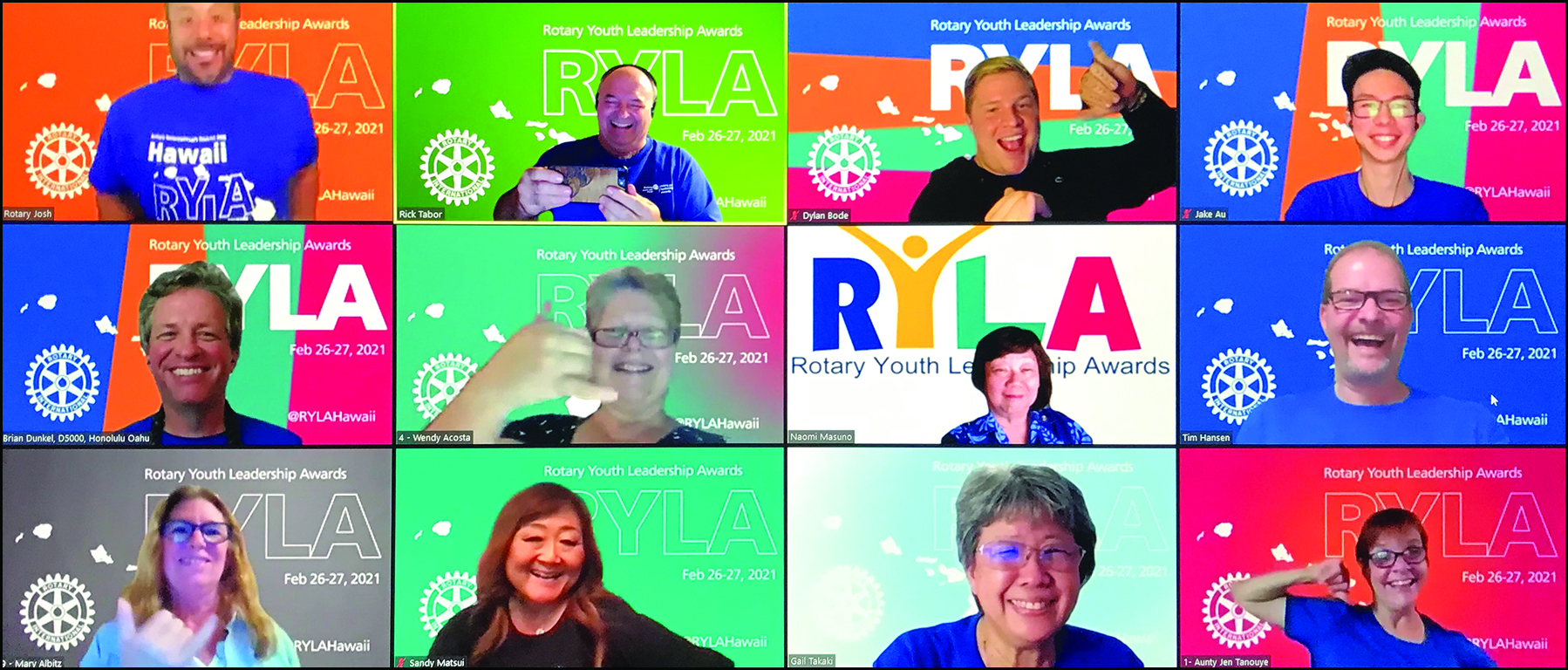
    RYLA 2021 all-island committee members included (L–R, top row) Joshua Laguna, Rick Tabor, Dylan Bode, Jakob Au, (middle row) Brian Dunkel, Wendy Acosta, Naomi Masuno, Tim Hansen, (bottom row) Mary Albitz, Sandy Matsui, Gail Takaki and Jen Tanouye.
    RYLA 2021 all-island committee members included (L–R, top row) Joshua Laguna, Rick Tabor, Dylan Bode, Jakob Au, (middle row) Brian Dunkel, Wendy Acosta, Naomi Masuno, Tim Hansen, (bottom row) Mary Albitz, Sandy Matsui, Gail Takaki and Jen Tanouye.

    RYLA is an annual leadership program officially adopted by Rotary International in 1971 and coordinated by Rotary Clubs around the globe. Today, 160 countries offer RYLA camps. Thousands of young people are sponsored by Rotary Clubs to attend events run by the clubs’ district committee.

    RYLA offers an opportunity for our next generation of leaders to define themselves while expanding their own leadership skills through  lessons based on Rotary principles such as the Four-Way Test: “Is it the truth? Is it fair to all concerned? Will it build goodwill and better friendships? Will it be beneficial to all concerned?” In addition to leadership skills, RYLA lessons help youth build character, self-confidence, personal development, self-awareness and good citizenship practices.

    Student camp participants are typically high school age. Of the 60 percent of Hawai‘i Rotarians who shared their birth years, 64 was the average age. Rotary’s mature members have much to offer students — and visa versa. The 2021 RYLA camp itself was a product of multigenerational problem solving. An all-island Rotary committee led RYLA into the virtual world, with the help of students.

    Hawai’i RYLA Committee Member Gail Takaki, a 1975 University of Hawai‘i graduate, has been part of the core RYLA team on Hawai‘i Island since 2010. She connected RYLA and Jakob Au, a software engineering student at Drexel University, who came home to Hilo for spring break in 2020 and was still there a year later. Jakob developed and ran RYLA’s virtual platform, training senior Rotarians and tech savvy RYLA students alike on Zoom and Discord platforms.
    He facilitated the event without a hitch.

    “The trick to this virtual world is to be open to our youth’s virtual-world talents,” said O‘ahu RYLA Co-chair Rick Tabor (Generations Magazine community development director).

    “The COVID-19 pandemic presented opportunities for problem solving, community collaboration, creativity and action,” says Gail. “Learning is an everyday activity.” It is essential to our ability to survive and thrive. My passion has always been helping people grow. My life work is about understanding what children or adults desire and their needs, and providing the opportunities for their experimentation and learning that is truly their own. Discovery of one’s courage and capacity to explore new ideas, people and things lead us all through challenges to valuable and personal rewards. RYLA 2021 was simply a joy to create.”

    At the conclusion of the virtual camp, graduates presented 11 powerful community projects. RYLA’s lessons in leadership became Gen Z’s declarations, announcing their arrival as they prepare to lead the world to better places. RYLA 2021 was an amazing experience for all concerned.


    ROTARY DISTRICT 5000 HAWAII (501(c) 3 nonprofit)
    Rotary D5000, P O Box 3325, Honolulu, HI 96801
    808-536-8778 | www.rotaryd5000.org
    For more information about the Feb. 11 to 13, 2022, RYLA event: https://rotaryd5000.org/sitepage/ryla

    Whoever said you can’t teach an old Rotarian new tricks doesn’t know Hawai‘i Rotarians. For the first time in the 50-year history of the annual Rotary Youth Leadership Awards (RYLA) in-person camps, the Rotary Clubs of District 5000 (Hawai‘i) facilitated an all-island virtual camp with 110 participants on Feb. 26 and 27 due to the…

  • SS Benefits Get a Bump in 2021

    It’s about time for some good news: Social Security (SS) and Supplemental Security Income (SSI) benefits for approximately 70 million Americans will increase 1.3 percent in 2021.

    The 1.3 percent cost-of-living adjustment (COLA) will pay benefits to more than 64 million SS beneficiaries in January 2021. Increased payments to more than 8 million SSI beneficiaries will begin Dec. 31, 2020. The Social Security Act ties the annual COLA to the increase in the Consumer Price Index (CPI-W).

    Other adjustments that take effect every January are based on the increase in average wages. Based on that increase, the maximum amount of earnings subject to the SS tax (taxable maximum) will increase to $142,800 from $137,700.

    SS and SSI beneficiaries are normally notified by mail starting in early December about their new benefit amount. Most people who receive SS payments will be able to view their COLA notice online through their personal my Social Security account. Create or access your my Social Security account online at www.socialsecurity.gov/myaccount.

    Information about Medicare changes for 2021 will be available at www.medicare.gov. For SS beneficiaries receiving Medicare, SS will not be able to compute their new benefit amount until after the Medicare premium amounts are announced. Final 2021 benefit amounts will be communicated to beneficiaries in December through the mailed COLA notice and my Social Security’s Message Center. For more information, visit www.socialsecurity.gov/cola.

    It’s about time for some good news: Social Security (SS) and Supplemental Security Income (SSI) benefits for approximately 70 million Americans will increase 1.3 percent in 2021.

  • Transforming At-Home Care

    The COVID-19 pandemic has forced health systems to rethink how to effectively manage preventive care and chronic diseases when regular in-person visits are challenging, and patients are  apprehensive of conducting telehealth visits. With many adults across the county delaying preventive care, and with six in 10 having at least one chronic condition (heart disease, cancer, diabetes), regular health management is a matter of life and death, with added COVID-19 risks.

    The pandemic has shown how community health centers have stepped up to transform local healthcare and are moving toward a new, blended care delivery model that includes at home self-care integrated with telehealth visits. These steps have the potential to significantly improve the way preventive care and chronic diseases are managed during and beyond this pandemic.

    The National Association of Community Health Centers developed the Leading Change: Transforming At-Home Care, a pilot project to address the problem that community health centers face in providing services for a large population of high-risk patients who are more likely to suffer from a disproportionate array of chronic conditions.

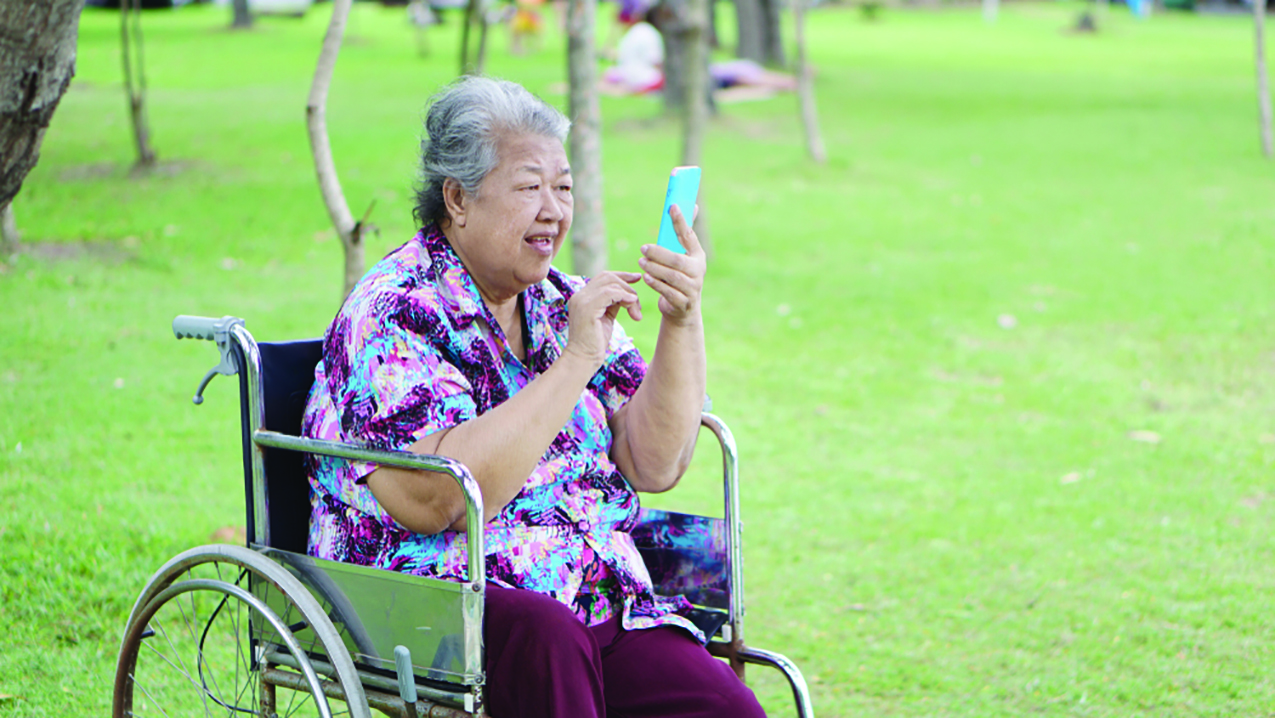
    Clinic staff conducts virtual check-in with a patient via a secure video chat platform. Ola, the clinic’s mobile van, is used to expand the clinic’s outreach and delivery of healthcare services to high-risk patients.
    Clinic staff conducts virtual check-in with a patient via a secure video chat platform. Ola, the clinic’s mobile van, is used to expand the clinic’s outreach and delivery of healthcare services to high-risk patients.

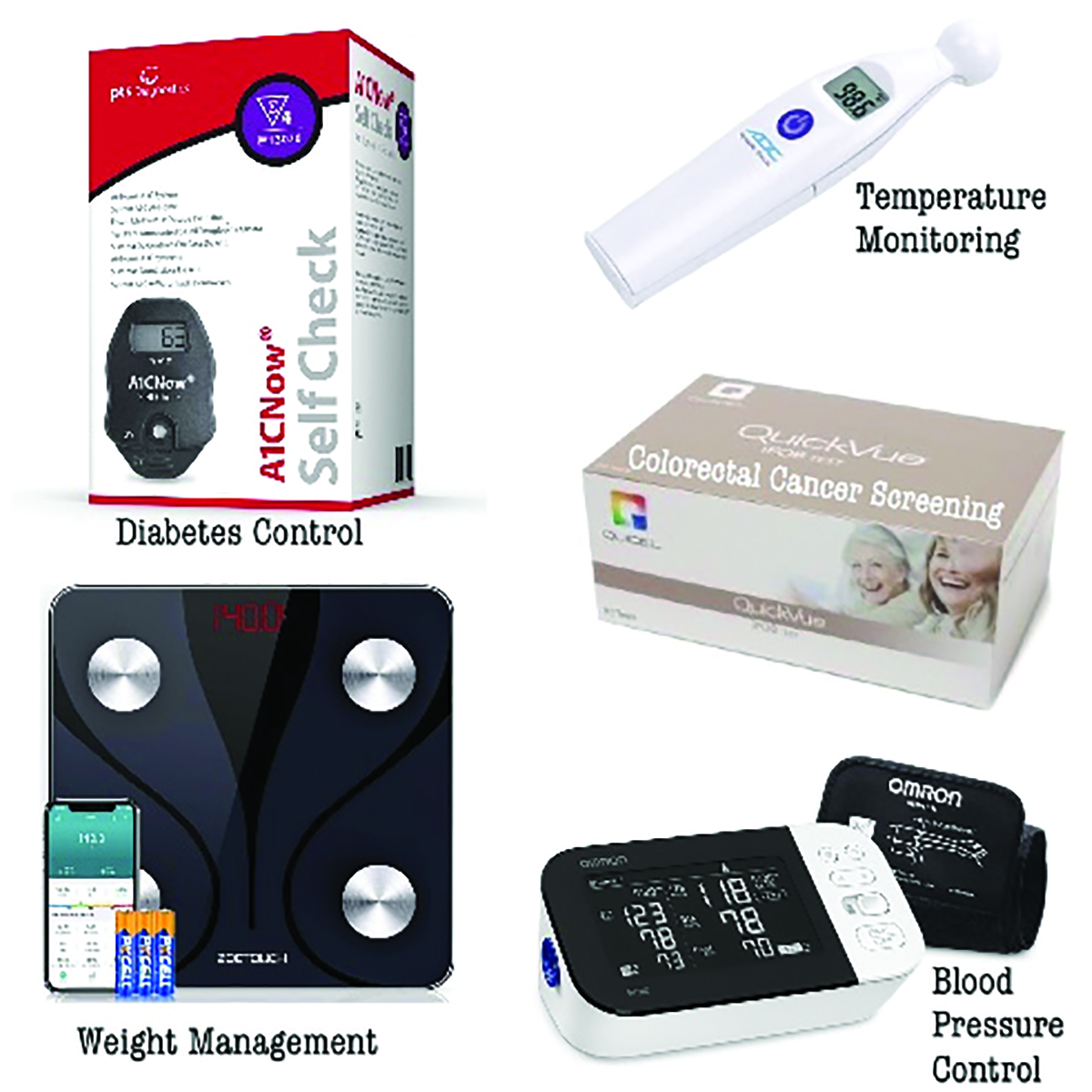
    The Wahiawā Center for Community Health (Wahiawā Health) is one of 20 health centers in 16 states around the country, and the only center in Hawai‘i, selected to participate in the cutting edge pilot project that provides high-risk patients with self-care tools and remote patient monitoring to prevent unnecessary health problems. High-risk patients are given a patient care kit that includes a home kit for colorectal cancer screening, a home A1C monitor for diabetes control, a blood pressure monitor for blood pressure control, a thermometer for temperature monitoring, and a scale for weight management. Patients also receive educational materials and in between the patients’ primary care visits, regular, virtual diabetes care, education and self-management visits from the clinic’s certified diabetes care and education specialist, and screening for social factors that affect health status by the clinic’s medical social worker.

    Wahiawā Health is a federally qualified health center serving Wahiawā, Mililani, Waialua, Schofield, Kunia and Central O‘ahu as a single point of access to comprehensive, culturally competent primary healthcare.


    WAHIAWĀ HEALTH
    302 California Ave., Ste. 106, Wahiawa, HI 96786
    808-622-1618 | wahiawahealth.org

    The COVID-19 pandemic has forced health systems to rethink how to effectively manage preventive care and chronic diseases when regular in-person visits are challenging, and patients are  apprehensive of conducting telehealth visits. With many adults across the county delaying preventive care, and with six in 10 having at least one chronic condition, regular health management…

  • Educating Students Supports Our Kūpuna

    The Hawaii Pacific Gerontological Society, organized in 1979, is a nonprofit dedicated to improving the quality of life of Hawai‘i’s kūpuna. One of the missions of HPGS is to raise funds and award scholarships to college students interested in careers involving aging and older people. The society just awarded three scholarships for the 2020 fall classes.

    One such awardee is University of Hawai‘i West O‘ahu student Dani Waring, who wrote to HPGS. “This scholarship allows me to pay for one fall course and subsequent study books so I don’t have to rely on my income, and it will help me realize my goal of being a nursing administrator.”

    The society is also excited about the next set of awardees for 2021. In this upcoming event, HPGS is doing it differently and going virtual

    The fourth annual HPGS Scholarship Fundraiser will be held virtually on Nov. 6 with Gerontologist Cullen Hayashida as the honoree. He has helped develop over 50 elder care service projects in hospital, nursing home, home care, college and community settings. Entertainer-comedian Frank Delima will serve as the emcee. All proceeds will go to the scholarship fund. Sign up, register and donate to this worthy event online.


    HAWAII PACIFIC GERONTOLOGICAL SOCIETY
    P. O. Box 3714, Honolulu, HI 96812
    www.hpgs.org | 808-722-8487 | sgoyallc@aol.com
    HPGS’s enrollment is open throughout the year for those interested in being part of an association that educates, communicates and continues to bring together its membership for the common goal of servicing Hawai‘i’s elders.

    The Hawaii Pacific Gerontological Society, organized in 1979, is a nonprofit dedicated to improving the quality of life of Hawai‘i’s kūpuna. One of the missions of HPGS is to raise funds and award scholarships to college students interested in careers involving aging and older people. The society just awarded three scholarships for the 2020 fall…

  • Help Is On The Way During COVID-19

    With the reopening of the state after shutdowns mandated by local government in recent months, kūpuna and other vulnerable people have become more fearful of venturing out into the community to shop and run errands as the coronavirus continues to spread with more people out in public. The demand for food, supplies and assistance has grown in response to unemployment. An increasing number of kūpuna say they do not have sufficient resources to feed themselves.

    Help Is On The Way

    To address these issues, Gregory R. Kim cofounded Help Is On The Way in March 2020, a nonprofit grassroots  organization that offers free pickup and delivery service on O‘ahu to help meet the needs of kūpuna who are restricted to their homes, those who are quarantined and individuals with medical conditions in the midst of the COVID-19 pandemic.

    Services are Simple to Use

    Pickup and delivery items include groceries and household goods, prepared and frozen meals, farmers’ market produce, toiletries, prescriptions, appliances and other deliverables. Typically, Help Is On The Way clients order and pay for groceries, and volunteers pick them up and deliver them. (Volunteers do not shop or handle money.) The organization also guides clients to other agencies and resources that might assist them.

    The organization has also stepped up to help with Hawai‘i’s food security needs with its own food drives in partnership with Central Union Church that collect nonperishable food and toiletries. Angel Food Network volunteer drivers across O‘ahu have a ready supply of bags of food for quick delivery upon request to kūpuna and others.

    How to arrange a pickup and delivery

    STEP 1: Place an order by calling a store, pay, get a confirmation number.
    STEP 2: Contact Help Is On The Way to request delivery of your order. (Delivery may take one to two days.)
    STEP 3: Volunteers will deliver your items to your location.

    Help Is On The Way is a member of the Kupuna Food Security Coalition managed by the City and County of Honolulu, Elder Care Division; and the Aloha United Way 211 network. Contact Help Is On The Way for a delivery, to make a donation or to sign up as a volunteer, through the information provided below.


    HELP IS ON THE WAY
    1926 Kakela Drive, Honolulu, HI 96822
    406-426-1013 | hihelpisontheway@gmail.com
    www.hihelpisontheway.org
    Help Is On The Way also connects those who cannot afford food with programs and organizations that can help.

    With the reopening of the state after shutdowns mandated by local government in recent months, kūpuna and other vulnerable people have become more fearful of venturing out into the community to shop and run errands as the coronavirus continues to spread with more people out in public. The demand for food, supplies and assistance has…

  • Survey Says: Seniors Arenʻt Ready to Age

    An AARP survey of Hawai‘i residents age 50 years old and over shows a gap between the importance they place on health and financial security and their confidence in meeting those needs. More than 9 out of 10 older residents in Hawai‘i say staying healthy, mentally sharp and having adequate health insurance coverage are extremely or very important to them. Yet only 3 out of 10 say they have everything they need relative to these concerns.

    “It’s not surprising that almost every Hawai‘i resident age 50-plus says staying healthy and spending time with loved ones is important,” says AARP Hawai‘i State Director Barbara Kim Stanton. “But it is alarming that most of us don’t think we have what we need to meet those goals. We all have a role to play in bridging that gap.”

    Key findings from the survey, which also examined issues like aging at home, financial security and state budget concerns, include:

    • 96 percent say staying healthy is important, but only 31 percent of these residents think they have what they need to do so.
    • 87 percent say that spending time with family and friends is important, but only 35 percent think they have what they need to stay connected to their loved ones.
    • 83 percent say that protecting themselves against fraud is important, but only 19 percent think they have what they need to stay safe as consumers.

    The survey is the latest in AARP’s ongoing efforts to match the changing needs of its members and all older residents with resources that help them manage new opportunities and challenges. AARP offers a variety of easy-to-use online tools and information to help you and your family with your own unique needs. For example:

    Strengthen your financial security and protect yourself against fraud Find out if your plans are still on track to retire when and how you want: www.aarp.org/retirementcalculator.

    Stay healthier Get the facts on the prevention screenings and vaccinations you may need: www.aarp.org/healthscreenings.


    To see the complete survey, Voices of 50+ Hawai‘i: Dreams and Challenges, go to http://aarp.us/gWe2Mw. Residents age 50+ represent roughly 35 percent of the state’s population. There are nearly 150,000 AARP members in Hawai‘i.

    An AARP survey of Hawai‘i residents age 50 years old and over shows a gap between the importance they place on health and financial security and their confidence in meeting those needs. More than 9 out of 10 older residents in Hawai‘i say staying healthy, mentally sharp and having adequate health insurance coverage are extremely…

  • Nā Tūtū – Grandparents Raising Grandchildren

    For generations grandparents in Hawai‘i have helped raise their grandchildren while the parents worked the farms or harvested the crops. While things changed in modern Hawai‘i, the tradition continued as busy parents headed off to work, grandparents often took the grandchildren to school or after school activities. And, by the late ’90s, many grandparents found themselves caring for their grandchildren on a full time, 24/7 basis. Yet, a myriad of Hawai‘i laws prevented them from fully caring for their grandkids. For example, grandparents couldn’t enroll the children in school or take them to the doctor. What happened to ‘‘ohana” and “hānai”? These cultural traditions of family caring for other family members, especially the keiki, were no longer recognized in our very own Hawai‘i.

    In response, the Windward O‘ahu Family and Community Education Council (WOFCE) appointed a small, yet passionate, committee called Nā Tūtū. Its mission is to seek necessary legislation, which will allow grandparents and care-givers over the age of 18, to provide a safe, loving and secure home for the children in their care.

    At the time Nā Tūtū was established, if parents were unavailable, the child was deemed a ward of the state and farmed out to a foster home. In order for grandparents, or other relatives, to be caretakers they had to be legal guardians.

    Nā Tūtū set out to change the laws. It researched other states’ “consent” laws, some of which allowed grandparents to enroll their grandchildren in school and allowed medical services for the minors, and selected the legislation that it felt best suited Hawai‘i.

    On Na¯ Tu¯tu¯’s behalf, the Human Resources Committee Chairs of both the Senate and House introduced education and medical consent laws into the legislature. To raise awareness, Nā Tūtū
    made Tūtū/Keiki dolls and distributed them to all legislators; gathered more than 1,000 signatures throughout the state; followed by support letters, and after three years of testifying before  committees of both Houses. The legislation for Consent for Education became law in 2003, followed by the Consent for Medical Services in 2005. By law, every school in the state must have the Consent for Education affidavit form available to all grandparents or relatives who are the primary caregivers of a minor child.

    Later, the Nā Tūtū Coalition supported legislation that required the state to place a minor child with a grandparent or relative before permanent placement in a foster home. The Coalition was also instrumental in changing the policy of public housing for senior citizens facing eviction because they had suddenly found themselves caring for grandchildren in crisis. Eviction will no longer be an intimidation.

    Nā Tūtū is comprised of grandparents, relatives, organizations and agencies concerned with issues facing the caregiving of minor children. Nā Tūtū is currently a state project of the Family and Community Education, University of Hawai‘i, Cooperative Extension Services. The Coalition is active in informing the general public of the concerns and activities for grandparents raising grandchildren.


    For more information and to get involved, call (808) 239-8908 n

    For generations grandparents in Hawai‘i have helped raise their grandchildren while the parents worked the farms or harvested the crops. While things changed in modern Hawai‘i, the tradition continued as busy parents headed off to work, grandparents often took the grandchildren to school or after school activities. And, by the late ’90s, many grandparents found…

  • Lanakila, a Place to Thrive

    Given the rapidly growing senior populace, Catholic Charities Hawai‘i remains dedicated to creating and providing services that keep seniors engaged and independent. Services include case management, transportation, chore and housekeeping, affordable housing, respite for caregivers, socialization and volunteer opportunities. In addition, the organization manages the popular Lanakila Multi-Purpose Senior Center, which offers individuals supportive services that help them maintain independence in the community.

    The Center serves as a gathering place for seniors in the Fort Shafter to Ward area, providing more than 40 monthly programs. The schedule includes exercise classes and activities, arts and crafts, singing and musical instrument instruction, as well as dance classes in hula, tap, and ethnic Japanese, Korean and Portuguese. Special workshops include tax preparation, stress management, health maintenance and defensive driving.

    Seniors also have the opportunity to participate in the Center’s many cultural clubs. For example, the Okinawa Nenchosha Club, the Center’s largest group, recently observed birthdays for more than 40 members who are 90 years or older, including two who are over 100 years young. The celebration included traditional entertainment by Toguchi-Nakasone Sensei.

    “We have seen the tremendous difference our program makes in this community,” says Diane Terada, division administrator at Catholic Charities Hawai‘i. “Not only are members living to celebrate their 90- and 100-year birthdays, they are living a very active lifestyle where they are engaged and enjoying every day, meeting new people and trying different activities. At Lanakila, we know seniors thrive in a vibrant environment and we’re looking forward to continue supporting this community.”


    For more information on Lanakila Multi-purpose Senior Center or other senior services provided by Catholic Charities Hawai‘i, please call (808) 847-1322 or visit online at www.catholiccharitieshawaii.org.

    Given the rapidly growing senior populace, Catholic Charities Hawai‘i remains dedicated to creating and providing services that keep seniors engaged and independent. Services include case management, transportation, chore and housekeeping, affordable housing, respite for caregivers, socialization and volunteer opportunities.

  • Senior Tuition

    Adult Day Care services are available at SECOH’s Founder Center in Kāhala and Central O‘ahu Community Center in Wahiawaˉ. Services are provided and supervised by highly competent and trusted staff with specific experience working with people who have Alzheimer’s, dementia, and multiple physical and cognitive disabilities. Service tuition includes activity supplies, community event admission fees, and nutritional snacks and meals.

    Serving people with disabilities since 1965, SECOH first began serving the elderly population in 1999 with the licensure of the Founder’s Center in East Honolulu to providing Adult Day Care service for people with age-related disabilities. In 2008, the agency licensed its Wahiawaˉ facility and it plans to license three more facilities in Pearl City, Waipahu and ‘Ewa Beach by 2012 to meet the ever growing service demands of O‘ahu’s aging population.

    SECOH is committed to its mission of provide people with disabilities personalized services in the spirit of enriching lives. The agency looks forward to the opportunity to serve even more of our aging population through our Adult Day Dare tuition assistance program.


    Services are available:
    Mon.– Sat. from 8a.m.–5p.m. in Kāhala
    Mon.– Fri. from 8a.m.–4p.m. in Wahiawā
    For more information about Adult Day Care services and tuition assistance, please contact Crystal at 739-2745 or ccosta@secoh.org.
    To learn more about SECOH’s history, mission, and other services, please visit www.secoh.org.

    SECOH, a private, not-for-profit provider of adult day care services, is offering tuition assistance to individuals 65 and older who are in need of but can’t afford out-of-home Adult Day Care services. The tuition assistance is made possible by a generous grant from the May Templeton Hopper Fund administered by the Hawai‘i Community Foundation.

  • Homeowners’ Real Property Tax Credit

    The annual application filing period for the Real Property Tax Credit for Homeowners to help you reduce your real property taxes is just around the corner — July 1. You may receive a tax credit if you meet the following three requirements:

     You have a home exemption on your property.
     None of the titleholders owns other property anywhere.
     The combined gross income of all titleholders does not exceed $60,000.

    The amount of the credit you will receive, if you qualify, is based on your income along with your current property tax amount.

    Those who applied for this credit last year and are receiving this credit for the 2020–21 tax year should receive an application in early July. New applicants should contact the Tax Relief Office. We will mail you an application or you can download the application from the city website (see below) beginning on July 1, 2020. Click on the “Tax Billing and Collections Forms & Information” tab to find a link to the application and information brochure.


    TAX RELIEF OFFICE
    For more information or questions, call 808-768-3205
    www.honolulupropertytax.com
    Information furnished is subject to change without notice.

    The annual application filing period for the Real Property Tax Credit for Homeowners to help you reduce your real property taxes is just around the corner — July 1.