Category: Programs & Services

  • What is The Office of The Ombudsman?

    The Ombudsman is an officer of the legislature who investigates complaints about actions of executive branch agencies of the state and county governments. Our office has the power to obtain necessary information for an investigation and to recommend corrective action if a complaint is found to be substantiated.
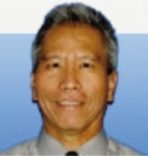
    State Ombudsman Robin Matsunaga - Generations Magazine - August - September 2012
    State Ombudsman Robin Matsunaga

    The Ombudsman serves as a neutral, independent intermediary between the citizen and the agency. We conduct our investigations in a fair and impartial manner. We do not provide legal advice, nor do we serve as legal counsel, advocate, or representative on behalf of any person or agency.

    What should you do if you have a complaint?

    In fairness to the agency involved, you should first try to resolve the complaint directly with the agency. Many times agency officials are eager to explain what they did and why they did it, or will correct the problem to your satisfaction. In many cases, you will be able to settle the problem on your own.

    Here are some good common sense steps to take in trying to resolve any “consumer” problem, whether it involves a government agency or a company in the private sector:

    Be prepared. Know what questions you are going to ask (it helps to write them down). Be sure to have any relevant information you need available before you contact the agency.

    Keep records. Take notes, ask for the names and titles of employees you speak with, and save all of your correspondence.

    If you do not want to contact the agency yourself, or if you complain to the agency and are not satisfied with its response, then feel free to contact us. We can conduct an investigation on your behalf.

    We are authorized by law to receive inquiries on a confidential basis. If we can, we will investigate your complaint without revealing your identity, although this is not always possible. If you have concerns about confidentiality, please feel free to discuss them with us.

    Most complaints can be made by telephone with no forms to fill out. Ways to contact us are either by phone, email, or mail:

    Phone: 808-587-0770, Fax: 808-587-0773, TTY: 808-587-0774
    Hawai`i: 974-4000, Maui: 984-2400, Kaua‘i: 274-3141, Moloka‘i/Lanai: 800-468-4644
    e-mail: complaints@ombudsman.hawaii.gov

    Office of the Ombudsman
    465 South King Street, 4th Flr.,
    Honolulu, HI 96813

    Open from 7:45 a.m.– 4:30 p.m. on weekdays, except for state holidays.

    The Ombudsman is an officer of the legislature who investigates complaints about actions of executive branch agencies of the state and county governments. Our office has the power to obtain necessary information for an investigation and to recommend corrective action if a complaint is found to be substantiated. The Ombudsman serves as a neutral, independent…

  • Pre-Existing Condition Insurance Plan

    In March of 2010, Congress passed and President Obama signed the Affordable Care Act — the new health insurance law. The law creates a new program — the Pre-Existing Condition Insurance Plan — to make health insurance available to you if you have been denied coverage by private insurance companies due to of a pre-existing condition.

    If you’ve been locked out of the insurance market, the Pre-Existing Condition Insurance Plan program may be able to help you through 2014. In 2014, you will have access to affordable health insurance choices through a new competitive marketplace called an Exchange and you will no longer be discriminated against based on a pre-existing condition.

    The Program:

    • Covers a broad range of health benefits, including primary and specialty care, hospital care, and prescription drugs. All covered benefits are available to you, even to treat a pre-existing condition.
    • Doesn’t charge you a higher premium just because of your medical condition.
    • Doesn’t base eligibility on income.

    ELIGIBILITY

    There are a few requirements to meet before you can enroll in the Pre-Existing Condition Insurance Plan – regardless of whether your program is run by the U.S. Department of Health and Human Services or your state. Applicants must:

    • Be a citizen or national of the United States or reside in the U.S. legally.
    • Have been without health coverage for at least the last six months. Please note that if you currently have insurance coverage that doesn’t cover your medical condition or are enrolled in a state high risk pool, you are not eligible for the Pre-
    • Existing Condition Insurance Plan.
    • Have a pre-existing condition or have been denied coverage because of your health condition.

    If the Pre-Existing Condition Insurance Plan in your state is run by the U.S. Department of Health and Human Services, you can call 1-866-717-5826 (TTY 1-866-561-1604) and ask for an application or go to www.pcip.gov and go to “apply”.

    How to Apply in Hawai‘i for the Pre-Existing Condition Insurance Plan

    To apply, you will need to provide a copy of one of the following documents, which will be used to make a decision on your application:

    • A denial letter from an insurance company licensed in your state for individual insurance coverage (not health insurance offered through a job) that is dated within the past 12 months. Or, you may provide a letter dated in the past 12 months from an insurance agent or broker licensed in your state that shows you aren’t eligible for individual insurance coverage from one or more insurance companies because of your medical condition.
    • An offer of individual insurance coverage (not health insurance offered through a job) that you did not accept from an insurance company licensed in your state that is dated within the past 12 months. This offer of coverage has a rider that says your medical condition won’t be covered if you accept the offer.
    • A letter from a doctor, physician assistant, or nurse practitioner dated within the past 12 months stating your name and current or past medical condition, disability, or illness. This letter must also include the name, license number, state of licensure, and original signature of the doctor, physician assistant, or nurse practitioner.

    For more information or the rates in Hawai‘i, please call the Hawaii State Health Insurance Assistance Program (SHIP)/ Sage PLUS Program at 586-7299 or 1-888-875-9229. We are a volunteer based Medicare counseling program for the State of Hawai‘i.

    Sage PLUS - Generations Magazine - June-July 2013

    In March of 2010, Congress passed and President Obama signed the Affordable Care Act — the new health insurance law. The law creates a new program — the Pre-Existing Condition Insurance Plan — to make health insurance available to you if you have been denied coverage by private insurance companies due to of a pre-existing condition. If you’ve been locked out…

  • Good Health and Living

    Hawaiian Seniors live long with good food, song and dance

    Ke Ola Pono No Na Kupuna Program (KOPP), meaning “good health and living for elders” is one of many projects operating within ALU LIKE Inc., a state-wide non-profit agency that helps Native Hawaiians achieve their potential for themselves, families and communities. KOPP enriches the lives of Native Hawaiian elders by preserving and restoring their health, sense of dignity and self-respect, while promoting cultural education and lifelong learning.

    Alu Like Kupuna Program - Generations Magazine - June - July 2012KOPP provides nutrition and supportive services to independent Native Hawaiians 60 years of age or older on the islands of Hawai‘i, Kaua‘i, Maui, Moloka‘i and O‘ahu.

    KOPP offers Native Hawaiian seniors with several critical services. Daily nutritious congregate meals are available at project sites, whereas home delivered meals are provided to qualified individuals who are unable to attend site activities. To ensure that seniors have access to healthy meals, the program offers limited transportation services to/from the project sites and for shopping and health-related needs during regular program hours. In addition, outreach and referral services link participants to extra services such as recreation, education, health monitoring and nutrition counseling.

    KOPP has also been very involved with the Chronic Disease Self-Management Program (CDSMP) through collaborations with the state Executive Office on Aging and the four county offices on aging. This evidence-based program, developed at Stanford University, has proven to be helpful for kupuna who are trying to manage one or more chronic condition.

    Hawaiian cultural activities are an important part of the program. Participants may say they do not want to exercise, but they have no problem performing hula or playing their ‘ukulele or guitar for up to two hours. Kupuna love to entertain at senior fairs and other community events, however, the main focus is having a good time with each other. Kupuna are welcome to participate in mele (music) activities if they are experienced, or learning it for the first time.

    Kupuna also engage in additional Hawaiian cultural activities including, ‘olelo (Hawaiian language), history, arts and crafts. Intergenerational cultural projects give ku¯puna a chance to give back to their community. Both kupuna and keiki benefit by creating a much-needed bridge between the generations and allow kupuna to return to their traditional role as cultural teachers.

    For more information, please contact the Kupuna Program. Below are meeting times for every week of the month, except where noted.

    O‘ahu: (808) 535-6700

    • Nanakuli: Mon. & Fri. 9:30 a.m.– 12:30 p.m.
    • Papakolea: Tues. 9:30 a.m.– 12:30 p.m.
    • Waimanalo: Wed. & Thur. 9:30 a.m.– 12:30 p.m.

    Hawai‘i: (808) 961-2625

    • Kona: Mon. (once a month) 10 a.m.– 12 p.m.
    • Hilo: Tue., Thur. & Fri., 9 a.m.– 1 p.m.
    • Pahoa: Wed. 9 a.m.– 1 p.m.

    Maui: (808) 242-9774

    • Paukukalo: Mon. thru Thur. 9 a.m.– 12 p.m.

    Kaua‘i: (808) 245-8545

    • Anahola: Wed. 9:30 a.m.– 1 p.m.
    • Waimea: Thur. & Fri.9:30 a.m.– 1 p.m.

    Moloka‘i: (808) 560-5393

    • Kaunakakai: Mon. & Thur. 9 a.m.– 1 p.m.
    • Ho‘olehua: Wed. 9 a.m.– 1 p.m.

    Hawaiian Seniors live long with good food, song and dance Ke Ola Pono No Na Kupuna Program (KOPP), meaning “good health and living for elders” is one of many projects operating within ALU LIKE Inc., a state-wide non-profit agency that helps Native Hawaiians achieve their potential for themselves, families and communities. KOPP enriches the lives…

  • Ready to Retire?

    Tools to help you decide when’s the right time for you

    These days, everyone is taking a new look at their finances — and no one is looking more closely than the millions of baby boomers who are nearing retirement age. While some boomers expected to retire at one of the traditional milestones, such as age 62, the current economy is forcing many of them to re-evaluate their plans. Many are wondering if they should work longer, or how their Social Security benefit — or their spouse’s benefit — would be affected if they continued working.

    To help them find answers, Social Security has published a fact sheet called When To Start Receiving Retirement Benefits.

    As most workers know, your choice of a retirement age — from 62 to 70 — can dramatically affect your monthly Social Security benefit amount.

    If you choose to start receiving benefits early, the monthly payments will be reduced based on the number of months you receive benefits before you reach your full retirement age. The rate of reduction will depend on the year you were born. The maximum reduction at age 62 will be:

    • 25 percent for people born between 1943 and 1954
    • 30 percent for people born after 1959

    If you wait until your full retirement age, your benefits will not be reduced. And if you should choose to delay retirement, your benefit will increase up to eight percent a year from your full retirement age until age 70. However, there is no additional benefit increase after you reach age 70, even if you continue to delay taking benefits.

    Social Security also has created several retirement planners to help you make an informed decision. Social Security has an online calculator that can provide immediate retirement benefit estimates to help you plan for your retirement. The online Retirement Estimator uses information from your own earnings record, and lets you create “what if” scenarios. You can, for example, change your “stop work” date or expected future earnings to create and compare different retirement options.

    To use the Retirement Estimator, visit www.socialsecurity.gov/estimator.

    Read When To Start Receiving Retirement Benefits at www.socialsecurity.gov/pubs/10147.html.

    And for general information about Social Security, visit www.socialsecurity.gov.

    Retirement decisions are unique to everyone. Make sure you are up to date with the important information you will need to make the choice that’s right for you.

    Tools to help you decide when’s the right time for you These days, everyone is taking a new look at their finances — and no one is looking more closely than the millions of baby boomers who are nearing retirement age. While some boomers expected to retire at one of the traditional milestones, such as age 62,…

  • The City’s Complete Streets

    New law paves way for safer streets for pedestrians, cyclists and the disabled

    Pedestrian and bicycle safety advocates celebrated in May as the Honolulu City Council unanimously passed an ordinance that paves the way for the development of a multi-modal mobility infrastructure, making it safer and easier for residents of all ages and physical abilities to get around.

    The passage of Bill 26 is the culmination of nearly six years of work at the state and county levels of government by advocates concerned that Honolulu’s roadways are predominantly designed for use by automobiles and provide dangerous conditions for those who don’t drive. Bill 26 requires that Honolulu’s roadways accommodate access and mobility for all users of public highways, including pedestrians, bicyclists, transit users, motorists and persons of all abilities. The new law is a significant milestone in the fight to ensure that city transportation planning and design takes into account Hawai‘i’s aging population.

    “This law is the beginning of a culture shift in Honolulu transportation planning,” said AARP Hawai‘i Director of Community Outreach Jackie Boland. “Hawai‘i has the highest fatality rate in the country among pedestrians age 60 and older, and that has to change. Our city streets belong to everyone — pedestrians, bicyclists, drivers, young and old, the able and the disabled.”

    Bill 26 sets the stage for the implementation of Complete Streets in Honolulu. It describes Complete Streets features and principles, provides for the interdepartmental coordination and transparency necessary to ensure that city streets are made more accessible for all users.

    Examples of Complete Streets features include such things as sidewalks, crosswalks, accessible curb ramps, curb extensions, raised medians, refuge islands, roundabouts or mini-circles, traffic signals and accessible pedestrian signals, shared-use paths, bicycle lanes, paved shoulders, street trees, planting strips, signs, multi-modal pavement marking and striping, street furniture, bicycle parking facilities, public transportation stops and facilities, including streetscapes, dedicated transit lanes, and transit priority signalization.

    AARP is a membership organization for people age 50 and older with nearly 150,000 members in Hawai‘i. We champion access to affordable, quality health care for all generations, provide the tools needed to save for retirement, and serve as a reliable information source on issues critical to older Americans.

    For more information, please visit www.aarp.org/hi, www.facebook.com/AARPHawaii or www.twitter.com/AARPHawaii.

    New law paves way for safer streets for pedestrians, cyclists and the disabled Pedestrian and bicycle safety advocates celebrated in May as the Honolulu City Council unanimously passed an ordinance that paves the way for the development of a multi-modal mobility infrastructure, making it safer and easier for residents of all ages and physical abilities…

  • All About Retirement

    Social Security is as American as baseball and apple pie. Not everyone likes apples or baseball games, but almost every American who reaches retirement age will receive Social Security retirement benefits. In fact, 96 percent of Americans are covered by Social Security.

    If you’re ready to retire in the near future, this article is for you. We’d like to share with you a few important items about Social Security retirement benefits and how to apply for them.

    When you work and pay Social Security taxes, you earn “credits” toward Social Security benefits. If you were born in 1929 or later, you need 40 credits (10 years of work) to qualify for retirement benefits.

    To qualify for retirement benefits, 10 years is the minimum. However, the amount of your benefit is determined by how long you work and how much you earn. Higher lifetime earnings result in higher benefits. If there were some years when you did not work or had low earnings, your benefit amount may be lower than if you had worked steadily or earned more.

    Also, your age when you retire makes a difference in your benefit amount. The full retirement age (the age at which full retirement benefits are payable) has been gradually rising from age 65 to age 67. You can retire as early as age 62, but if benefits start before you reach your full retirement age, your monthly payment is reduced. Find out what your full retirement age is by referring to the convenient chart in our publication, Retirement Benefits, at www.socialsecurity.gov/pubs/10035.html. It’s in the second section.

    Just as you can choose an early retirement and get a reduced payment, you also can choose to keep working beyond your full retirement age to take advantage of a larger payment. Your benefit will increase automatically by a certain percentage from the time you reach your full retirement age until you start receiving your benefits or until you reach age 70.

    The decision of when to retire is an individual one and depends on a number of personal factors. To help you weigh the factors, we suggest you read our online fact sheet, When To Start Receiving Retirement Benefits, available at www.socialsecurity.gov/pubs/10147.html.

    You may want to consider your options by using our Retirement Estimator to get instant, personalized estimates of future benefits. You can plug in different retirement ages and scenarios to help you make a more informed retirement decision. Try it out at www.socialsecurity.gov/estimator.

    When you decide to retire, the easiest and most convenient way to do it is right from the comfort of your home or office computer. Go to www.socialsecurity.gov where you can apply for retirement benefits in as little as 15 minutes. In most cases, there are no forms to sign or documents to send; once you submit your electronic application, that’s it!

    In addition to using our award-winning website, you can call us toll-free at 1-800-772-1213 (TTY, 1-800-325-0778) or visit the Social Security office nearest you.

    Either way you choose to apply, be sure to have your bank account information handy so we can set up your payments to be deposited directly into your account.

    To learn more, please read our publication, Retirement Benefits, at www.socialsecurity.gov/pubs/10035.html.

    Social Security is as American as baseball and apple pie. Not everyone likes apples or baseball games, but almost every American who reaches retirement age will receive Social Security retirement benefits. In fact, 96 percent of Americans are covered by Social Security. If you’re ready to retire in the near future, this article is for…

  • Hitting a Home Run with Medicare

    Seeing Coach Murakami on the cover made me think about how much Medicare and baseball have in common. Practice and being prepared for the big game is one way to hit a home run. It’s the same idea with Medicare.

    Innings (In Medicare they are called Enrollment Periods)

    Initial Enrollment Period is when you are first eligible for Medicare Part A and/or Part B either due to turning 65 years old; certain disabilities or 24 months after receiving Social Security Disability Benefits (SSDI). The seven-month initial enrollment period begins three months before your date of eligibility and three months after the month you are eligible. There could be penalties if you delay enrollment.

    General Enrollment Period is every year from January 1 – March 31. If you miss your initial enrollment period and there is a premium assigned to that benefit, you can enroll during this inning, but your coverage will not start until July 1. If you qualify and are eligible for premium free Medicare Part A, you can enroll at any time (in that benefit only).

    Special Enrollment Periods (SEP) occurs when you have qualified health coverage or special circumstances to delay enrolling in Medicare. Special circumstances could be if a person is covered by a qualified ACTIVE employer group health plan. The best time to see if you might qualify for a SEP is before you are eligible so that you aren’t assessed a penalty for not enrolling. Note: COBRA is not an “active” group health plan.

    Medicare Supplement (Medigap) Open Enrollment Period (OEP) Medigap has a 6-month period that starts the first month you are eligible AND enrolled in Medicare Part B. This is when you can take advantage of plans sold in Hawai‘i regardless of your health status. Once your Medigap OEP, begins it cannot be changed.

    Medicare Annual Enrollment Period (AEP) for Medicare Advantage Plans and Drug plans is annually from October 15 – Dececember 7. It is the opportunity to change, add or drop Medicare health and drug plans.

    Coaches of Medicare:

    Social Security Administration (SSA) “entitles” individuals for Medicare. In most cases Medicare premiums are deducted from an individual’s benefit. SSA is also in charge of qualifying individuals for help paying for Medicare’s prescription drug program. SSA also determines enrollment periods and penalties for Medicare Part B. Call your local office at 1-800-772-1213 to make an individualized appointment.

    Centers for Medicare & Medicaid Services (CMS) is the federal agency that the Medicare program. Medicare is just one program (very large) under CMS. For more CMS information, visit www.cms.gov/history.

    State Health Insurance Assistance Programs (SHIP) are a CMS grant and the goal is to provide Medicare beneficiaries with information and assistance with benefits. Hawai‘i’s SHIP is the Sage PLUS Program and we are volunteer-based and in the Executive Office on Aging.

    Other Team Members That Affect Your Medicare

    The following players may affect your Medicare coverage and who pays first.

    • Retirement medical coverage through former employment
    • Military or Veterans benefits
    • State assistance due to limited income and assets
    • Active employer group health coverage through yourself or a spouse

    Game Strategies Start studying Medicare about four months before you are eligible. Become a SHIP Volunteer and learn about Medicare, help your community and stay active. For more information about Medicare call the Hawai‘i SHIP/Sage PLUS Program at 586-7299 or e-mail help@hawaiiship.org.

    Enjoy the Seventh Inning Stretch!

    Seeing Coach Murakami on the cover made me think about how much Medicare and baseball have in common. Practice and being prepared for the big game is one way to hit a home run. It’s the same idea with Medicare. Innings (In Medicare they are called Enrollment Periods) Initial Enrollment Period is when you are…

  • Medicare: Frequently Asked Questions

    Here are some of the most common questions that we at the Sage PLUS Program (Hawai‘i SHIP) hear from individuals. If you have a general question, you can e-mail it to us at help@hawaiiship.org and we will address a couple of questions each Generations publication. For personalized help call 1-888-875-9229. AND if you really want to learn all about Medicare and also would like to help your community, become a Sage PLUS Volunteer. We have several exciting experiences waiting for you.

    TEN MOST COMMON QUESTIONS:

    Is Medicare only for people over 65 years old?

    Medicare is for mostly for individuals over 65 years of age, but also for individuals with certain disabilities or those who have received Social Security Disability Income for 25 months. In Hawai‘i we have individuals with Medicare from ages 18 to 100+ years old.

    What’s the best Medicare Health Plan in Hawai‘i?

    The best plan is the plan that your providers will work with and covers the medication that you take. Medicare Health plans are very individual and you need to make sure you do your homework before you change plans. Understanding what your plan covers and what providers work with the plan will help you make the best use of your plan.

    Does Medicare pay for long-term care?

    Medicare pays for “skilled nursing” care on a limited basis. They do not pay for custodial or intermediate care.

    What is the difference between Medicare and Medicaid?

    Medicare is our federal health insurance and is available to those 65 years and older and to individuals with certain disabilities.

    Medicaid is Hawai‘i’s medical assistance program. It is a needs based program and individual qualify depending on gross income and assets.

    What is a “Medigap” policy?

    Medigap policies are also called “Medicare supplements”. These plans pay second after Medicare, are sold by private companies and the benefits are regulated by the government, but premiums are not.

    Does Medicare pay for dental?

    Original/Traditional Medicare does not pay for dental care. Some Medicare health plans have some coverage or a dental rider(additional insurance) that can be purchased.

    Do physicians have to take Medicare patients?

    Providers do not have to take Medicare, but if they take you as a client by law they must bill Medicare. If they have “opted” out of the Medicare program, they must provide you with that information and then you will be responsible for all charges.

    Is there a penalty if I don’t take Medicare Part D-drug coverage?

    If you do not sign up when you are first eligible and you don’t have drug coverage as good as Medicare’s, then you could face a one percent penalty for each month that you don’t have coverage. But more important is that if something happens and you need that drug coverage, you may have to wait until the annual enrollment period. (October 15-December 7 of each year).

    What is Medicare Part C?

    Medicare Part C are Medicare contracted health Plans also known as Medicare Advantage plans. Private companies contract with Medicare to provide all your A & B benefits (hospital coverage, physician services, labs and X-Rays etc). Many of our Medicare Advantage plans also include drug coverage. These plans help you limit your out of pocket expenses, provide additional benefits not covered by Medicare and help with provider access.

    Here are some of the most common questions that we at the Sage PLUS Program (Hawai‘i SHIP) hear from individuals. If you have a general question, you can e-mail it to us at help@hawaiiship.org and we will address a couple of questions each Generations publication. For personalized help call 1-888-875-9229. AND if you really want…

  • Social Security: A Valentine Tip

    Valentine’s Day is upon us, making this a popular time of year for proclamations of love. Such displays of affection can be as simple and sweet as a heart with a “be mine” message, or as life altering as a vow before the altar.

    If you happen to be a newlywed who is head over heels in love, you may not be focused on things such as taxes or Social Security, but you should be. If you plan to exchange your maiden name for a married name - including hyphenated names such as Smith-Jones - be sure you let Social Security know.

    Telling us about your name change shortly after your marriage will help us keep track of your earnings and will ensure that you and your family get the Social Security retirement, disability and survivors coverage you’re entitled to. Also, if the Internal Revenue Service and Social Security records do not show the same name and Social Security number, your federal income tax refund could be delayed.

    If you choose to use your maiden name consistently throughout your working years, you do not need to contact us. However, if you decide to change your name at a later time, you should let us know so that we can update your Social Security record and send you a Social Security card with your new name.

    There’s no need to pay someone else to mail in the information for you. Changing your name with Social Security is a quick, easy and free:

    • Visit www.socialsecurity.gov/ssnumber
    • Read about the required documents
    • Click on Fill Out and Print an application (Form SS-5)
    • Or, call 1-800-772-1213 to obtain the form

    We will need the completed application along with a marriage certificate or divorce decree verifying your old and new names. If you were born outside the United States, you also need proof of your U.S. citizenship or proof that you are lawfully living in the U.S. You can bring or mail these documents to us.

    You may be focused on the one you love, and we don’t blame you. But if you like us (we hope you do), please visit our homepage (socialsecurity.gov) and click on the Facebook icon to Like us on Facebook. You can follow us on Twitter, too. We share information daily that can help you and all your Valentines.

    Happy Valentine’s Day from Social Security.

    Valentine’s Day is upon us, making this a popular time of year for proclamations of love. Such displays of affection can be as simple and sweet as a heart with a “be mine” message, or as life altering as a vow before the altar. If you happen to be a newlywed who is head over…

  • It’s a Good Move

    As Baby Boomers begin to retire, many are choosing to downsize to a simpler life. After their children leave the nest, many seek a more comfortable living environment as they enter senior-hood. Some opt to spend their retirement years living in a smaller home, retirement community, or with their adult children. This transition is often overwhelming and very stressful. With years of memories and accumulated “stuff” in their home, people simply don’t know where to begin. The good news is that there is help available.

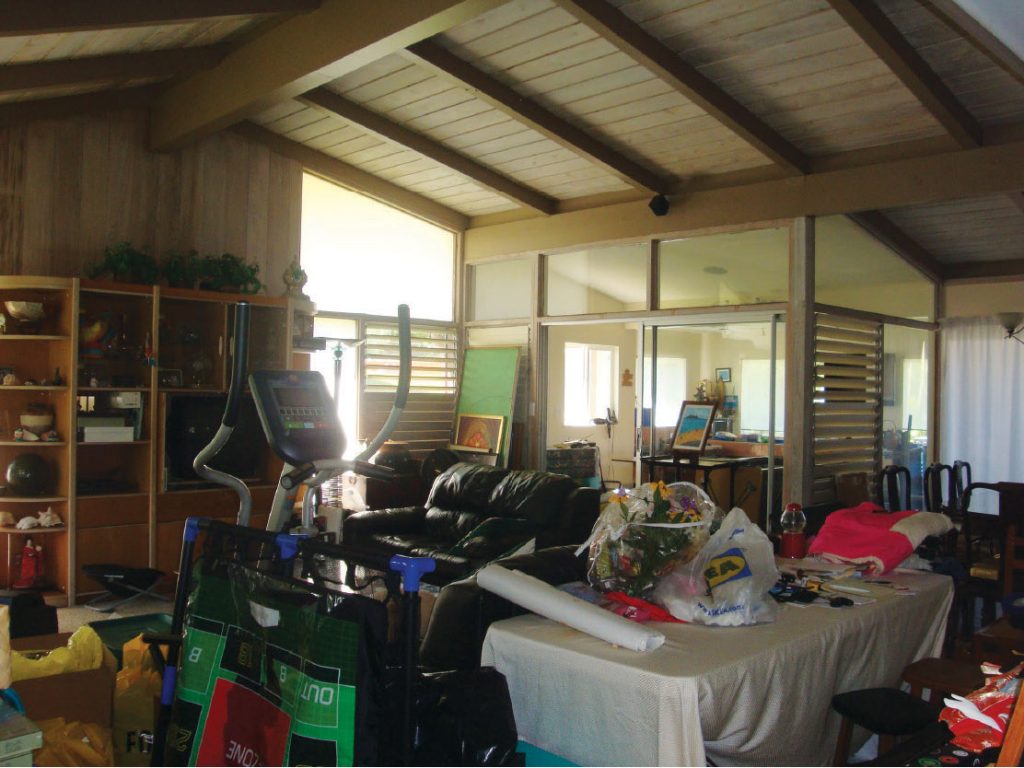
    From decluttering . . .

    PROGRAMS-SERVICES-Good-Move_image2
    The before picture before decluttering by Senior Move Managers

    Senior Move Managers LLC, also dba Declutter Hawai‘i, was formed by Dan and Julie Ihara in October 2010. After years of servicing senior clients in their real estate business, they have created efficient, friendly tools that help seniors downsize their personal belongings. They’ve learned ways that help people de-clutter their homes and make decisions about their belongings. In January of 2011, they joined the National Association of Senior Move Managers (NASMM) as the first and only Senior Move Management firm in Hawai‘i. Dan’s niece, Cynthia Goya Arnold, is the Vice President of Operations and manages the day-to-day services for their clients. Since the inception, Senior Move Managers has helped dozens of clients move into retirement communities, condos, as well as helped clear out family estates.

    “We’ve seen it all - from the vacant “hoarder home” to the everyday senior who has lived in the same home for 80 years. No job is too big or too small for us,” Dan says.

    Senior Move Managers can also help with downsizing and de-cluttering homes to make them safer and more functional for those choosing to age in place. “Regardless of age, most people can use some help with de-cluttering,” Julie says. “We do everything possible to minimize stress for our clients.”

    . . . to creating a fresh, new look again.

    PROGRAMS-SERVICES-Good-Move_image1
    The after picture of decluttering by Senior Move Managers

    Senior Move Managers is bonded, insured and nationally certified with the NASMM. As such, the company provides a free consultation to determine its clients’ goals, and offers a “plan of attack” and a schedule to meet those goals. Each client receives customized services based on their situation. Other services include creating floor plans, coordinating vendors and setting up new homes.

    “Our clients tell us that they enjoy the peace of mind knowing that we’re here to help with every aspect of their move,” Dan says. “We started this business to help families through an often challenging phase of life. As a local, family-owned and -operated business, we treat our clients like family.”

    For more information, call Cynthia Arnold at 221-8345 or Dan Ihara at 256-7873, or visit their website at www.smmhawaii.com.

    As Baby Boomers begin to retire, many are choosing to downsize to a simpler life. After their children leave the nest, many seek a more comfortable living environment as they enter senior-hood. Some opt to spend their retirement years living in a smaller home, retirement community, or with their adult children. This transition is often…

  • Safe Harbor Home Care, Inc.

    Are you a caregiver to your mom, dad or others in your family? Have you ever thought about seeking assistance but felt guilty about accepting outside help? You may feel like you’re giving up on your elders, but, in fact, receiving help can actually make you a better caregiver.

    PROGRAMS-SERVICES-Safe-Harbor-Home-Care_image1
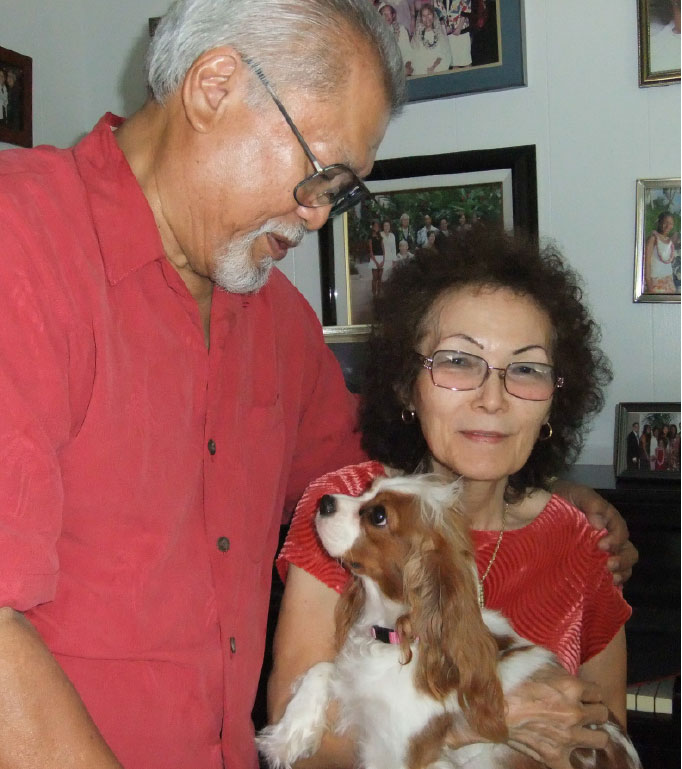
    Chris and Evelyn enjoy the care at their own home.

    Taking care of your elders means giving them the best care possible—whether the attention comes from you or from others. During the early years, your own loving hands and caring heart may be sufficient, but things could become more difficult as your elders need more assistance. Eventually your full time care giving can lead to burnout and poor health.

    Safe Harbor Home Care, Inc. can be your partner in managing care giving for your family. Its team is lead by Ester Ramos, a registered nurse with 40 years of experience. She owned and managed a 23-bed care home for 13 years. Prior to that, she owned and managed a Medicare/Medicaid-certified home health agency in California for 10 years. In addition, she also managed a hospice agency for 3 years. Ester’s nursing and management background experience is invaluable in the homecare business.

    Ester has surrounded herself with equally competent professionals to train, educate and supervise nurse’s aides. The trained staff shares the core belief that each client and their family situation is unique and must be respected and nurtured. With cultural awareness and sensitivity Safe Harbor establishes mutual trust and a therapeutic relationship.

    Safe Harbor Home Care, Inc. 808-638-3638, www.safeharborhomecare.com.

    Are you a caregiver to your mom, dad or others in your family? Have you ever thought about seeking assistance but felt guilty about accepting outside help? You may feel like you’re giving up on your elders, but, in fact, receiving help can actually make you a better caregiver. Taking care of your elders means…

  • Respite & Reprieve

    PROGRAMS-SERVICES-Respite-Reprieve_image1Finding just the right place to provide care and attention for older adult family members can be challenging for caregivers who work full time during the day. It’s a serious dilemma: physically, the older adults may be fine, but may have dementia or be experiencing memory loss, and therefore cannot be safely left at home alone during the day.

    The Franciscan Adult Day Center in Manoa, a program of St. Francis Healthcare System, provides caregivers peace of mind, knowing their family is in good hands while they’re at work.

    Family caregivers must be available 24/7 and that can cause a drain on physical, emotional or spiritual health. To prevent caregiver burnout, the center also welcomes participants so that caregivers can enjoy some respite. A welcome break or being able to take care of other responsibilities during the day can make a world of difference for caregivers.

    I know what it’s like to care for a family member. For years, I was the sole caregiver for my husband, who had Alzheimer’s. I can relate to both the caregivers as well as the participants in our program, formally known as the Sister Maureen Intergenerational Learning Environment (SMILE).

    Whether it’s taking the time to understand the challenges and needs of the caregivers or spending time listening to the concerns of the participants, it’s a privilege to give my undivided attention to each of them. I have a great team of aides who help with a range of activities for the participants throughout the day. Whether it’s serving nourishing meals, leading an exercise group or planning a recreational activity, we’re always doing something to keep our participants active and engaged, while maintaining a structured environment. Studies show—and our experience confirms—that older adults need social interaction to prevent loneliness or depression. The quality of life can be maximized through activities, socialization and professional supervision.

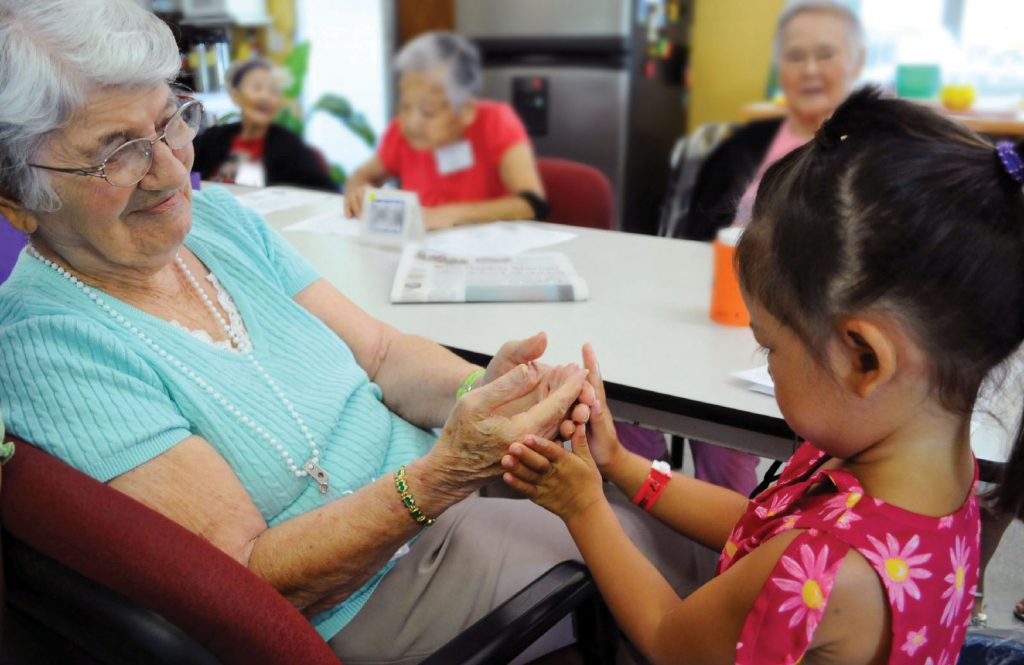
    We also take occasional field trips and invite guest speakers to the Franciscan Adult Day Center. Intergenerational learning is one of the unique features of our program as students from nearby schools come to share in activities that benefit everyone.

    It’s amazing to see how much both the students and program participants enjoy themselves. We plan to replicate this model of intergenerational caring at the St. Francis Intergenerational Center in ‘Ewa, a new center that will combine adult day care and pre-school all in one convenient location to serve those in the burgeoning West O‘ahu region. Construction will begin next year on a parcel across from Franciscan Vista ‘Ewa, the St. Francis Healthcare System’s fully-occupied affordable senior independent living center.

    For more information and/or for a tour of Franciscan Adult Day Center, call 988-5678 or visit www.franciscanadultday.com.

    Finding just the right place to provide care and attention for older adult family members can be challenging for caregivers who work full time during the day. It’s a serious dilemma: physically, the older adults may be fine, but may have dementia or be experiencing memory loss, and therefore cannot be safely left at home…