Category: Programs & Services

  • Declutter Your Home for a Move or to Age in Place Safely

    An interview with Cynthia Arnold, Vice President of Senior Move Managers/De-Clutter Hawaii

    How do decluttering and relocation services help seniors move or age in place?

    These services assist older adults and their families with the emotional and physical aspects of relocation and/or aging in place. The services are used when seniors are preparing to downsize to a smaller residence, retirement community or relative’s home.

    Decluttering services are also used for those aging in place, to help clear and/or organize their home so that it is safer to live in. In all those cases, these services help relieve stress on the senior and help with a smooth transition.

    When should decluttering begin?

    People should always be thinking about decluttering. Clutter isn’t age-related. All of us can accumulate too many possessions. However, if you start to notice that you can’t find things or you can’t get into areas in your home, then that is definitely a time to start thinking about decluttering.

    Can your services be used in preparation for downsizing for a move down the road?

    Yes. When you start thinking about a future move, whether it’s one or five years from now, now is the time to start  downsizing. The emotional aspect of getting rid of things can be difficult, so start as early as possible to help moderate the emotions of moving from your home.

    How do you help seniors and their families make decisions about their possessions?

    Making decisions on what to keep and not keep can be very emotional and difficult. Most clients want to keep everything because they love all their possessions. However, if we keep the focus on what we want in our future, like a move to
    a retirement community — our decisions can be based more on that destination instead of the stuff. We focus our clients on their happy future and their new goals.

    We stress that the value we need to hold onto is our memories and stories, and the journey we are about to embark on.

    How do you help determine what to discard?

    When working with clients, we can’t tell them what to discard. The question we always pose is “What do you want to keep?”

    What can seniors do with unwanted items?

    Unwanted items are often discarded, but www.Opala.org includes recycling guidelines and locations. There are many organizations that take used household goods, clothing and furniture.

    How do you help them determine what memorabilia to hand down through generations?

    Everyone has different memories or special feelings regarding different items, so family members are the only ones who can determine what they would want. Include immediate and extended family when you are considering gifting your items. Our general rule for family items would be to keep photos and videos. We also recommend scanning photos and digitizing videos.

    What should seniors gift to friends?

    It is nice to give a special gift to a friend, especially if you remember them saying “Wow, what a beautiful platter!” or “I love that jacket!”

    How do you help them determine what to move to the new location?

    When relocating, the first thing we like to do is create a floor plan of where you are relocating to, which will help you to see what furniture will fit versus what furniture you want to take. You can only take the furniture pieces if they will fit in your new home. After you make those decisions, decide how many books, how much clothing…

    How do you help seniors determine what to declutter for safety reasons?

    When we declutter to age in place, the first places to focus on would be walkways that are obstructed, such as hallways, stairways and high-traffic areas. We want to remove any trip hazards that we can see, like floor mats, and extension and computer cords. Ideally, there should be three feet of clear space in all walking areas.

    When is renting a storage space for extra possessions a viable solution?

    We do suggest a storage unit when clients have a hard time getting rid of things or if they are short on time. If a client needs to be moved out of a place by a specific time and the sorting process is taking much longer, then a storage unit can accommodate those items for the time being.

    Most times, if you are moving from a four- or five-bedroom home to a one-bedroom home, it will be difficult to let go… We also encourage clients to pack up their “maybe” items and put them into storage. If they don’t think about those items in three to six months, then that probably means they don’t mean much to them. This is a good way for them to have more time to process.

    What tips can you offer to motivate everyone approaching their golden years to start decluttering on a regular basis?

    We have what we call a “De-Clutter Sweep.” Take a box/bag and go into each area of your home and take things out that you quickly see you don’t want — for example, trash items. Take a trash box/bag and discard old mail, paper clippings, food wrappers, etc. You may be surprised how much trash is on the floor.

    Once you get the hang of it, you can then do this with things you don’t like; things you haven’t used in a while; things you don’t need; then, things you don’t want. If you do a declutter sweep once a week, you’ll be surprised how many things you are getting rid of. Before you know it, you’ll have several boxes/bags to get rid of. Call your favorite nonprofit to  schedule a monthly donation pickup.

    What are some of the benefits of hiring an expert rather than attempting to do it with the help of friends and family?

    When our clients moved into their homes 50-plus years ago, they were in their 30s and they called their friends with trucks to help. Moving in 2021 is very different than moving in 1971. Now that they are in their 80s, it’s not that easy to call those friends and ask them for help.

    Having a hired professional will help relieve the stress and ensure that all the details of moving are completed: packing up all the items, moving the furniture, unpacking and even getting your cable, internet and phone set up. There are so many aspects to moving now and it can be extremely stressful, so it is very helpful to hire a professional who can walk you through the entire process.

    When looking for decluttering or relocation help, are there any certifications to look for that help ensure quality service?

    To be a member of the National Association of Senior Move Managers (NASMM), you need to be reviewed based on  experience requirements, certifications and insurance coverage prior to being accepted. Read testimonies or reviews about a company, but also ask around. Many retirement communities have resources on specialists like us. Another place to call is the Elderly Affairs Division, which has many resources as well.

    What advice would you give to those approaching their golden years about the importance of decluttering and downsizing?

    Don’t wait. It is never too early to start the process of decluttering and downsizing. Educate yourself about all the retirement communities on the island. Decide which one you like the best now, that way, when the time comes and you want to move, you are ready to go to the place you like. It is also a good time to get all your affairs in order, like your wills, trusts, life insurance paperwork and such. Not only is it good to declutter for today, but to also prepare for the future.
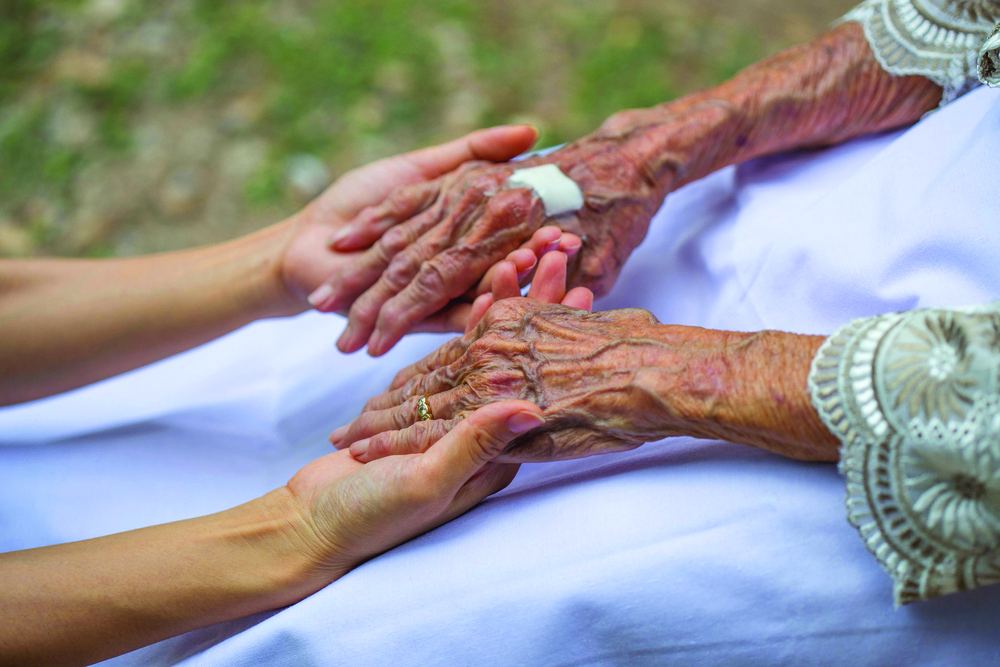

    When should decluttering begin? People should always be thinking about decluttering. Clutter isn’t age-related. All of us can accumulate too many possessions. However, if you start to notice that you can’t find things or you can’t get into areas in your home, then that is definitely a time to start thinking about decluttering.

  • The Power of Healing, Harmony & Hope

    Mental health is a serious concern in  Hawai‘i. Even before the COVID-19 pandemic, 17 percent of the state’s adult  population were struggling with some form of mental illness. Yet two out of three were receiving no treatment at all for this illness, which can contribute to chronic conditions such as cardiovascular disease, diabetes, obesity, asthma, epilepsy and cancer, along with higher risks of adverse health outcomes.

    Samaritan Counseling Center Hawaii is the culmination of a dream shared by two University of Hawai‘i at Mānoa social work students, Terry Fisher and Judy Hormell. The center  opened its doors in 1989 to provide professional and  accessible behavioral health counseling sensitive to the spiritual traditions of individuals, families and communities. Mental health services are offered to all, regardless of race, color, age, national origin, disability, religion, sex, gender identity, sexual orientation or ability to pay.

    Services include telehealth counseling, in which professional mental health counselors offer at-home confidential guidance. To receive telehealth counseling, you need a smartphone, computer or tablet with Internet access and audio-video capabilities, and a private, secure location.

    The center combines the best practices of today with an understanding of the power of sacred traditions to enhance lives. The center’s vision is for everyone in Hawai‘i to have access to quality behavioral health counseling that integrates their spirituality to enhance health and wholeness. Its professional counselors and therapists understand the close relationship between mind, body, spirit and community. The center’s counselors believe that spiritual health is a source of strength, healing and growth.

    At the Samaritan Counseling Center, your health and safety come first. At this time, mental health counseling via telehealth and video therapy are recommended. A limited number of counseling sessions are offered in-person by appointment only in Honolulu. When it is safe to do so, the center will begin cautiously reopening its six offices on O’ahu, following recommended health guidelines.

    Call the number below to decide whether telehealth is right for you. Donate to the center’s Client Assistance Fund to subsidize counseling for uninsured, underinsured, elderly and low-income clients at www.samaritancounselingcenterhawaii.org/giving.


    SAMARITAN COUNSELING CENTER HAWAII (501(c) 3 nonprofit)
    1020 South Beretania St., Honolulu, HI 96814
    808-545-2740 | info@samaritanhawaii.org
    www.samaritancounselingcenterhawaii.org

    Mental health is a serious concern in  Hawai‘i. Even before the COVID-19 pandemic, 17 percent of the state’s adult  population were struggling with some form of mental illness. Yet two out of three were receiving no treatment at all for this illness, which can contribute to chronic conditions such as cardiovascular disease, diabetes, obesity, asthma,…

  • Oh Those Medicare Commercials!

    You’ve seen hundreds of those ads on TV telling you to call a toll-free number to hear all about the new Medicare Advantage benefits. These commercials insinuate that all the extras are free and some suggest you might even be able to get money back.

    These ads are misleading, at best. The reality is that it’s nearly impossible to find one plan anywhere in America that includes all the free benefits they list. And the idea of contacting a mainland call center to speak to someone who does not specialize in Hawai‘i plans isn’t something I’d recommend.

    A better thought might be to work with an agent on-island who is a trained expert in Hawai‘i’s local plans. They can assist you to make sure you are signed up for a plan that addresses all of your medical and prescription needs, while getting you  the maximum benefits for the lowest cost. A local agent could also help to see if you qualify to be reimbursed for the monthly $148.50 Medicare Part B premium.

    Most importantly, they would be available to assist you all year — which I don’t think you can say about the telemarketers at a call center on the mainland.


    THE MEDICARE GEEK
    1221 Victoria St., #3103, Honolulu, HI 96814
    808-724-4993 | robin@themedicaregeek.com
    www.themedicaregeek.com

    You’ve seen hundreds of those ads on TV telling you to call a toll-free number to hear all about the new Medicare Advantage benefits. These commercials insinuate that all the extras are free and some suggest you might even be able to get money back. These ads are misleading, at best.

  • Dementia Patients ‘Remember Thru Music’

    The powerful documentary Alive Inside, created by Music & Memory, became a call to action for Big Island resident Jen McGeehan. Music & Memory (musicandmemory.org) is a nonprofit organization that helps individuals with a wide range of cognitive and physical conditions to engage with the world, ease pain and reclaim their humanity through the use of personalized music.

    Jen looked for a similar program in Hawai‘i and found none, so she was moved to create her own nonprofit, Remember Thru Music.

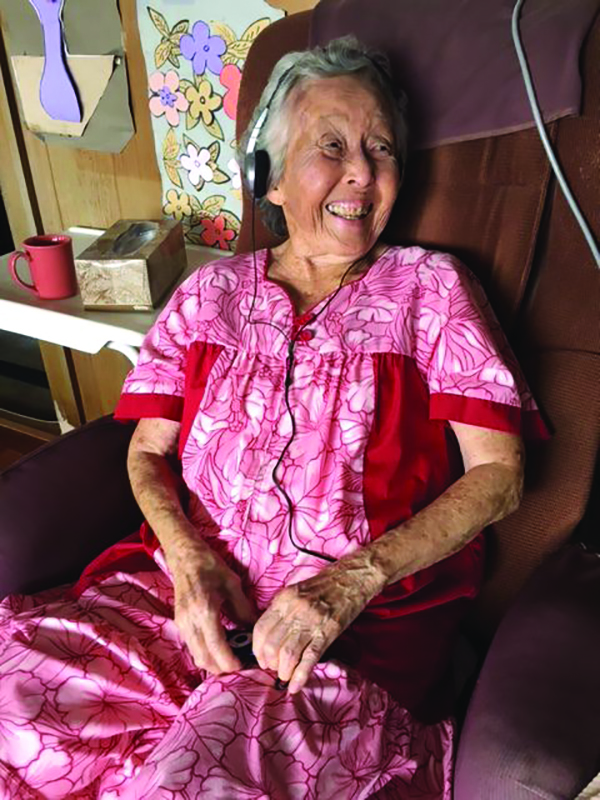
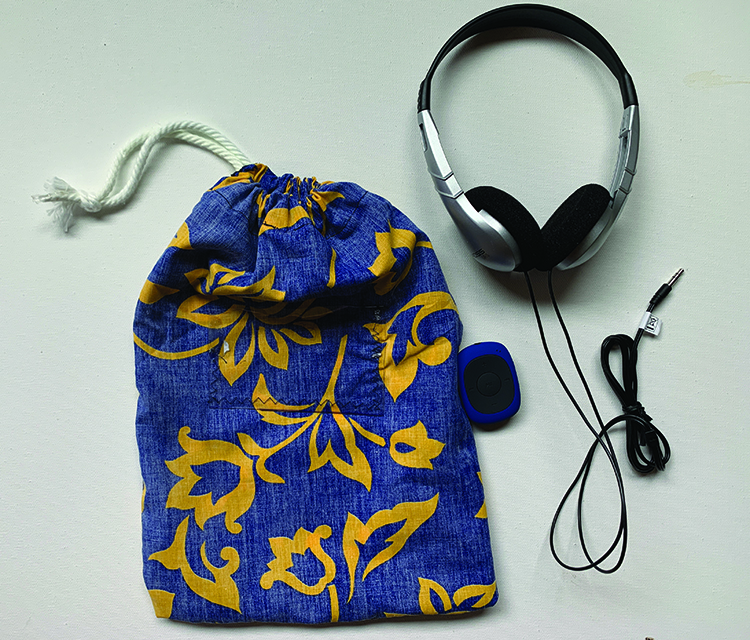
    Remember Thru Music is a community-based, no cost, public program based on the Big Island that focuses on improving the lives of individuals diagnosed with Alzheimer’s disease and other forms of dementia through personalized music. Jen and her team of volunteers provide portable MP3 music players loaded with a personalized selection of songs for eligible applicants.

    Family members and/or caregivers are asked to complete a simple music questionnaire for the recipient. What music seems to pique their interest or cause a pleasant reaction from them today? The more specific the details about the recipient you provide the better the selection of songs will be. Then, our team’s “music angel” loads personalized music onto the MP3. This specially selected music can help open doors to their fading memories when little else can. This is evident in the smiles, singing and arm-waving while listening to their own player.

    Extensive research has shown that language and visual memory pathways are damaged early on as Alzheimer’s and dementia progress. For patients who are losing contact with their environment, personalized music programs can help activate and calm the brain. Music has been shown to ease anxiety, helping recipients and their caregivers better manage times of stress.

    Music can truly become a lifeline between those people living with this debilitating disease and those caring for them. Our No. 1 goal is to get as many of these life-enriching, individually personalized MP3 music players loaded with music and into the lives of those who can benefit most. If you’re caretaking someone you believe may benefit from this program, contact the team using the information below.


    REMEMBER THRU MUSIC (501(c) 3 nonprofit)
    PO Box 519, Hawi, HI 96719
    808-747-2365 | rememberthrumusic@gmail.com
    www.rememberthrumusic.org

    The powerful documentary Alive Inside, created by Music & Memory, became a call to action for Big Island resident Jen McGeehan. Music & Memory is a nonprofit organization that helps individuals with a wide range of cognitive and physical conditions to engage with the world, ease pain and reclaim their humanity through the use of…

  • Medicare’s Other Enrollment Periods

    SHIPMates Carol and Stephen explain Medicare to fair attendees.
    SHIPMates Carol and Stephen explain Medicare to fair attendees.

    Every year, Medicare provides two enrollment periods that run from Jan. 1 through March 31. During the General Enrollment Period, individuals can apply for Medicare if they missed their Initial Enrollment Period (IEP) or don’t qualify for a Special Enrollment Period. Coverage begins July 1 of that year. If you missed your IEP when you turned 65, you may incur late enrollment penalties that will increase your premiums.

    During the second period — the Medicare Advantage Open Enrollment Period (MA OEP) — beneficiaries with Medicare Advantage plans can switch to another MA Plan or return to Original Medicare and purchase a standalone Part D prescription drug plan. Beneficiaries can only make one change during the MA OEP.

    Hawaii SHIP counselors provide information and plan comparisons, helping beneficiaries decide which coverage is right for them. The service is free, confidential and unbiased. Hawaii SHIP is a federal, volunteer-based program serving beneficiaries, their families, caregivers and soon-to-be retirees. For more information about services or volunteering, call Hawaii SHIP.


    HAWAII SHIP
    Free, local, one-on-one Medicare counseling provided by the Hawai‘i State Health Insurance Assistance Program.
    250 South Hotel St., Ste. 406, Honolulu, HI 96813
    Oahu: 808-586-7299 | Toll free: 888-875-9229
    www.hawaiiship.org

    Every year, Medicare provides two enrollment periods that run from Jan. 1 through March 31. During the General Enrollment Period, individuals can apply for Medicare if they missed their Initial Enrollment Period (IEP) or don’t qualify for a Special Enrollment Period. Coverage begins July 1 of that year. If you missed your IEP when you…

  • Help for Military and Veteran Caregivers

    John Dudoit attributes his well-being to his family’s support and the help he received from a VA psychiatrist.
    John Dudoit attributes his well-being to his family’s support and the help he received from a VA psychiatrist.

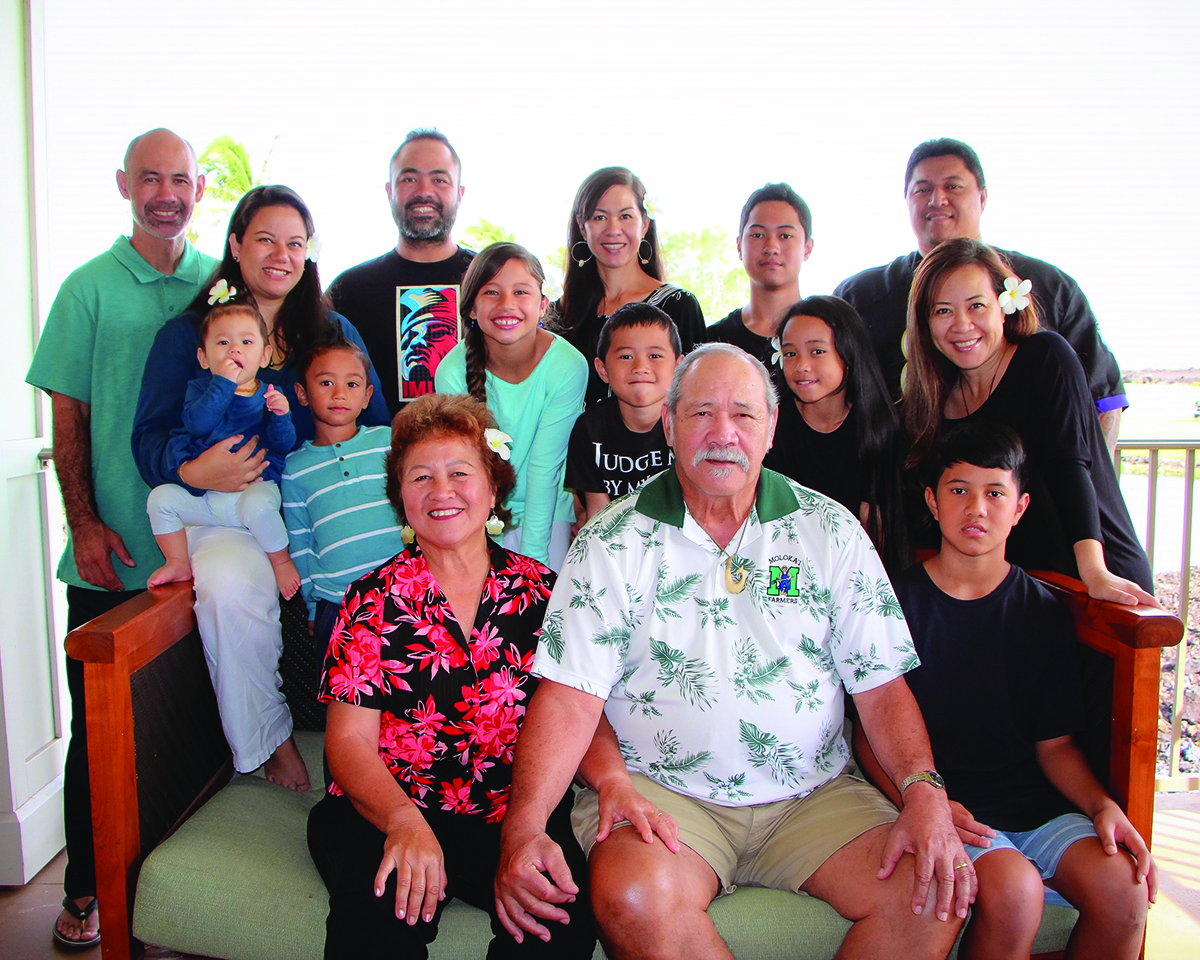
    John “Longie” Dudoit returned to Moloka‘i in 1969 after a year in the infantry in Vietnam and married his high school sweetheart.

    “But something wasn’t right,” John recalls. “In our first years of marriage, Lorna stood by me but couldn’t understand what was happening.”

    Back then, post-traumatic stress disorder (PTSD) wasn’t widely understood. It was difficult for veterans to get help. “My wife’s strength was the only thing that kept me going,” John says. “But along the way, I knew I needed help.”

    John credits Dr. Kathleen McNamara, a Veterans Administration psychiatrist, with helping him work through his PTSD. John now runs the nonprofit Molokai Veterans Caring for Veterans, helping them attain VA medical services. John says the keys are persistence and asking for help, something veterans may be reluctant to do.

    In West Hawai‘i, Lori Smith-Starnes helps Big Island veterans as an Elizabeth Dole Foundation Fellow. The foundation works to empower and support military caregivers. Lori is a military caregiver and volunteer who reaches out to veterans about the services available to them and their families. Most veterans know services are available, but may not know where to get information.

    For example, veteran and military caregivers may qualify for a stipend so they can get paid for caregiving, counseling services and respite care.

    Lori is a caregiver for her husband Dave, an Army veteran who has PTSD, severe headaches and other effects from a traumatic brain injury he suffered in Iraq. Lori is able to talk to other veterans and caregivers from her own experiences.

    She says veterans with PTSD may get frustrated and give up because of the paperwork involved with VA care. But the foundation, Wounded Warriors Project and other nonprofits can help. AARP also helps military and veteran caregivers.

    Of the 53 million caregivers in America, 5.5 million are caring for a wounded or disabled veteran. A growing number of caregivers are millennials and teenagers; one in four is a millennial.

    Young caregivers include Kamile and Kaleo Kapanui of Kaua‘i, who put college on hold to care for their grandfather, Bobby Nawai, a veteran living with dementia. The Kapanuis were profiled in the documentary Sky Blossom. “School will always be here. Grandpa won’t,” says Kamile. Filmmaker Richard Lui says the Kapanuis and young people like them are unsung heros. They are “the next Greatest Generation,” he says.

    John and Lori agree that family caregivers are key in caring for veterans.

    “I thought I had given up, too,” John says. “But family strength keeps us going.”


    Nonprofit resources for military/veteran caregivers:
    www.aarp.org/veterans
    www.Elizabethdolefoundation.org
    www.Woundedwarriorsproject.org

    John “Longie” Dudoit returned to Moloka‘i in 1969 after a year in the infantry in Vietnam and married his high school sweetheart. “But something wasn’t right,” John recalls. “In our first years of marriage, Lorna stood by me but couldn’t understand what was happening.” Back then, post-traumatic stress disorder (PTSD) wasn’t widely understood.

  • New Benefit Verification Letters

    Social Security (SS) has released a new, standardized Benefit Verification letter.

    People receiving SS or Supplemental Security Income (SSI) benefits can obtain their letter by using their personal my Social Security account. You can use the letter as proof of income for loans and housing assistance verification purposes.

    Create your personal my Social Security account to access your new Benefit Verification letter online in a safe, quick and convenient way without needing to contact us. People not receiving benefits can use their account to get proof that they do not receive benefits, or proof that benefits are pending, in the same standardized letter. Individual representative payees can also use the new my Social Security Representative Payee Portal to access the letter online for themselves or their beneficiaries.

    Access Benefit Verification letters at www.ssa.gov/myaccount. If you don’t want to use your personal my Social Security account, call SS’s 800 number to speak with a representative, use the Interactive Voice Response system or contact your local office. Find the phone number for your local office by using our Field Office Locator and looking under Social Security Office Information. The toll-free office number is your local office.


    Call SSA at 800-772-1213 (TTY 800-325-0778)
    Mon–Fri, 8:30am–3:30pm. Use the SSA Office Locator to find your local office at www.socialsecurity.gov

    Social Security (SS) has released a new, standardized Benefit Verification letter. People receiving SS or Supplemental Security Income (SSI) benefits can obtain their letter by using their personal my Social Security account. You can use the letter as proof of income for loans and housing assistance verification purposes.

  • Program Provides Free Delivery to Kūpuna

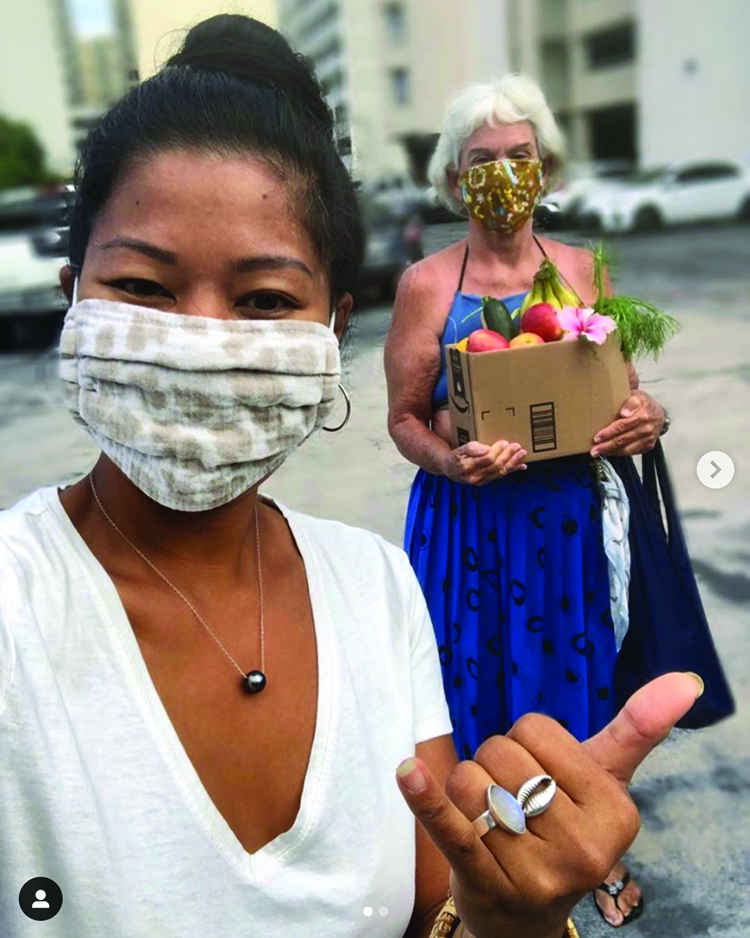
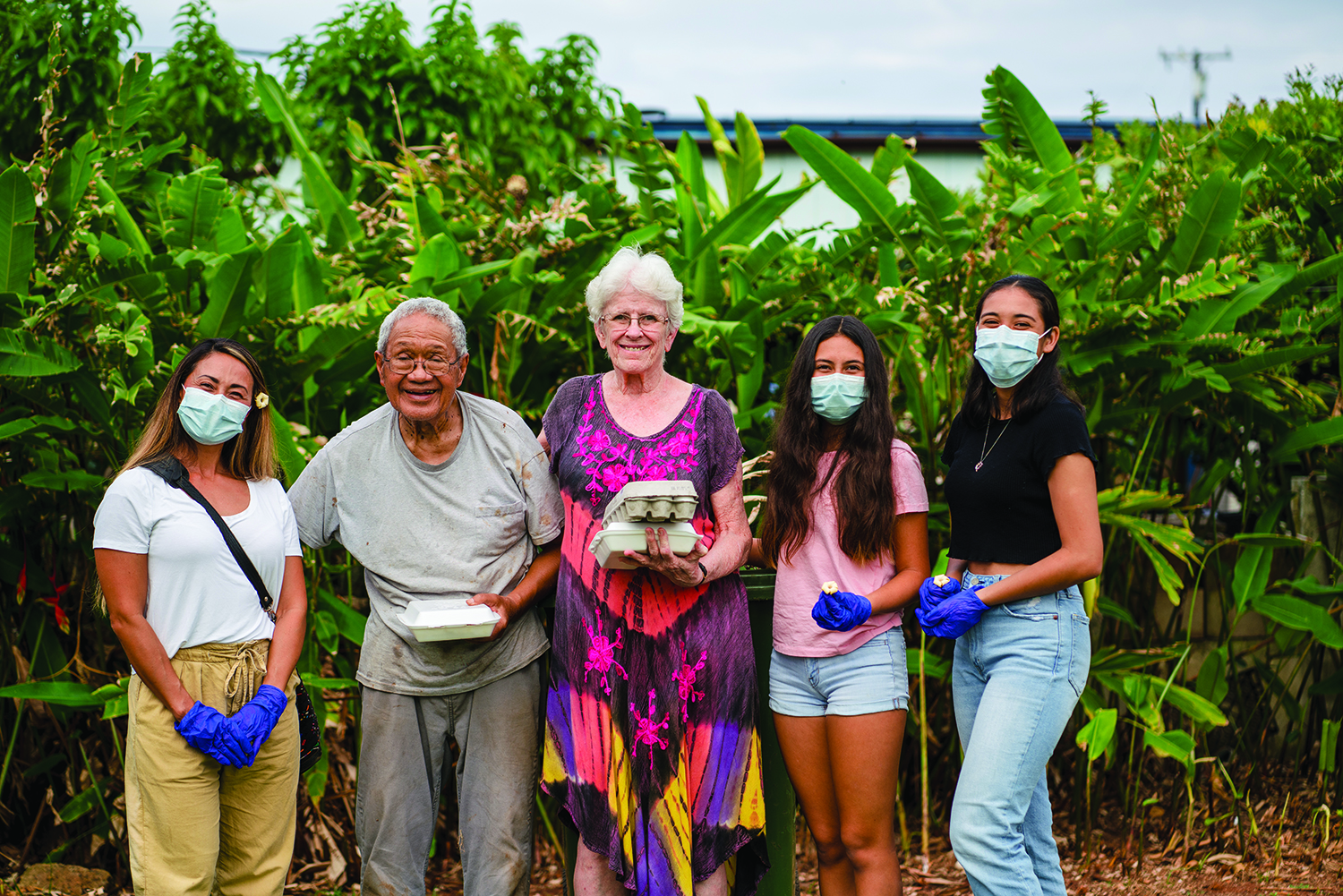
    Not all elderly in Hawai‘i have ‘ohana nearby to look out for them during the deadliest global pandemic  of the century. In response to COVID-19, Gabe Amey established Our Kūpuna in March to connect Hawai‘i’s seniors with community members who volunteer to provide free food, supply and medication pickup and deliver services on O‘ahu, Maui, Hawaii Island, Kaua‘i and Moloka‘i.

    How It Works: The sponsor checks in with the kūpuna once a week via phone and asks if they need any food, supplies or medication (no narcotics). The sponsor will then shop and deliver the items to the kūpuna The sponsor will provide a receipt to the kūpuna for the items purchased, and the kūpuna will reimburse the sponsor for the cost of the items via cash or check (no credit cards allowed).

    Screening Volunteers: The Our Kūpuna team screens volunteers to ensure they or any household member have had no COVID-19 symptoms within the last 30 days and have not traveled outside of Hawai‘i in the last 14 days. Anyone convicted of any crime will not be allowed to serve as a volunteer. Our Kūpuna also requires that applicants send a picture of their driver’s license and proof of auto insurance.

    Screening Kūpuna: Our Kūpuna calls kūpuna applicants via phone and verifies date of birth, address, essential items they typically need, any medical conditions volunteer sponsors need to be aware of, and the best time to contact them.

    Safety Procedures: Our Kūpuna takes the health of its clients and volunteer sponsors very seriously. The program strives to have little to no physical interaction between volunteer and kūpuna. Volunteers are required to follow a set of safety procedures recommended by Dr. Rupal Gohil in Kailua. If physical interaction is required, it is highly recommended that both parties maintain at least six feet of separation from each other. Safety procedures include but are not limited to: Pickup and delivery should be done solo. Sponsors are also not allowed to delegate this responsibility to another person. Volunteers must wash their hands or use alcohol-based hand sanitizer (at least 60 percent alcohol)  before and after making a delivery. Face masks and gloves (provided) are required. Volunteers will transfer items to bags and/or boxes outside of the kupuna’s door. A reimbursement plan must be arranged prior to delivery. Kūpuna should call their pharmacy to put their credit card in their system. Kūpuna must disinfect items upon receiving them.

    If you are over 65, go to www.OurKupuna.com to get connected with a sponsor who can help get these items for you.

    Volunteer as a Kūpuna Sponsor

    If you’re interested in helping in your area, visit www.ourkupuna.com/volunteer. Our Kūpuna supports our kūpuna through grants and donations. To donate: www.ourkupuna.com/donate. Donate via check: Hawaii VA Foundation, 111 Hekili Street, #102, Kailua, HI 96734.


    OUR KŪPUNA (501(c) 3 nonprofit under the Hawaii VA Foundation)
    808-400-4506 | aloha@ourkupuna.com
    www.ourkupuna.com

    Not all elderly in Hawai‘i have ‘ohana nearby to look out for them during the deadliest global pandemic  of the century. In response to COVID-19, Gabe Amey established Our Kūpuna in March to connect Hawai‘i’s seniors with community members who volunteer to provide free food, supply and medication pickup and deliver services on O‘ahu, Maui,…

  • I Ola Lāhui Helps Underserved Live & Thrive

    I Ola Lāhui (IOL) was developed over a decade ago in response to the urgent needs of Native Hawaiian and rural, underserved communities for behavioral health services. I ola lāhui means “So that the people will live and thrive.” The IOL mission is to provide culturally-minded,  evidence-based behavioral healthcare.

    The nonprofit provides effective psychology services for chronic diseases, such as diabetes, and more traditional mental health needs such as anxiety, depression and trauma.

    IOL has four branches of service

    1. Training: IOL prepares pre- and post-doctoral psychologists for future service in communities.
    2. Health Services: IOL offers behavioral health, chronic disease management, nutrition and weight management services.
    3. Research and Evaluation focuses on needs assessment, treatment effectiveness and outcome evaluation with our communities.
    4. Consulting and Advocacy: IOL seeks opportunities for partnership and collaboration that lead to policy and social change.

    IOL has built and maintained a training pipeline for psychologists to address the behavioral health shortage in rural and underserved communities in Hawai‘i. The effort has increased the number of trained psychologists working in areas such as Molokai, Hilo, Waimānalo, Leeward and North Shore districts on O‘ahu. Graduates currently serve on six islands, many in places that lacked stable behavioral health services before their arrival.

    IOL has partnered with organizations across the islands, closing the gap between the needs of communities and access to mental health services. Since IOL was founded in 2007, it has  demonstrated consistent success and growth by partnering with over 20 different community health clinics and eldercare service facilities, and by providing patient education, staff training, consultation and public outreach.

    IOL’s psychology trainees have served thousands of patients, meeting both the immediate need for services as well as the long-term need for more psychologists trained to work in rural and underserved areas.


    I OLA LĀHUI (501(c) 3 nonprofit)
    1441 Kapiolani Blvd., Ste. 1802, Honolulu, HI 96814
    Hrs: Monday to Friday, 7:30am–6pm
    808-525-6255 | info@iolalahui.org
    www.iolalahui.org

    I Ola Lāhui (IOL) was developed over a decade ago in response to the urgent needs of Native Hawaiian and rural, underserved communities for behavioral health services. I ola lāhui means “So that the people will live and thrive.” The IOL mission is to provide culturally-minded, evidence-based behavioral healthcare.

  • When Life Becomes Too Much to Handle

    COVID-19 has brought about many changes this year. These changes have affected everyone of all ages and has caused more stress than a person might normally be able to handle. Some older adults may feel extremely isolated since they cannot physically see family and friends.  Others may have lost their job or their hours were cut and the mortgage is due. Working from home may include the added pressures of home schooling grandchildren, pets running in and out, and a multitude of other issues that makes them feel as if they are losing control. Stress can have such a horrendous impact on all of us no matter what the cause or what age we are. If you or someone you know just can’t handle life anymore, the National Alliance on Mental Illness Hawaii (NAMI) asks you to consider the following when reaching out for help:

    ◆ If it’s an emergency in which you or someone you know is suicidal, immediately call the National Suicide Prevention Lifeline at 1-800-273-8255, call 911 or go to a hospital emergency room. DO NOT leave a suicidal person alone.
    ◆ If you can wait a few days, make an appointment with your primary healthcare provider or pediatrician if you think you or your loved one’s condition is mild to moderate.
    ◆ If the symptoms are more severe, make an appointment with a specialized doctor, such as a psychiatrist or therapist. You may need to contact your primary healthcare provider for a referral.
    ◆ Seek out support groups in your community and educate yourself about symptoms and diagnoses. Social support and knowledge can be valuable tools for coping. Contact NAMI Hawaii or go online for information.
    ◆ If you or your loved one is in school or college, contact the school and ask about its support services.
    ◆ Remember that you are a partner in your own or your loved one’s treatment. You can ask the healthcare provider questions and be a part of decisions about your treatment. If your family member or friend is an adult who doesn’t want treatment, it can be difficult to get them help. But you will still benefit from learning as much as you can and finding support groups for yourself. Your NAMI Hawaii and healthcare providers can advise you on how to offer encouragement and keep yourself and your loved one safe. NAMI Hawaii offers free support and educational services online.


    NAMI HAWAII (501(c) 3 nonprofit)
    5240, 770 Kapiolani Blvd. # 613, Honolulu, HI 96813
    808-591-1297 | info@namihawaii.org
    www.namihawaii.org
    NAMI Hawaii provides free support, education, information and resources for people who are struggling with or impacted by mental illness.

    Working from home may include the added pressures of home schooling grandchildren, pets running in and out, and a multitude of other issues that makes them feel as if they are losing control. Stress can have such a horrendous impact on all of us no matter what the cause or what age we are. If…

  • Ko‘olauloa Senior Mentors Needed

    Kahuku High School students deliver meals to kūpuna during the COVID-19 pandemic.
    Kahuku High School students deliver meals to kūpuna during the COVID-19 pandemic.

    To sustain a vibrant kūpuna community, younger generations must take action. Our state needs an adequately trained workforce to care for and support our older population. In response to the need to support kūpuna and family caregivers, and expand workforce opportunities for youth, an eldercare curriculum was developed and implemented at Kahuku High School’s Health Academy on O‘ahu. Eldercare lessons integrated within the larger class curriculum raise awareness about aging issues, foster empathy through immersive activities that mimic age-related conditions, and inspire students to create change through service projects and positive intergenerational experiences with kūpuna.

    Kūpuna mentors are needed in the Ko‘olauloa District to participate in intergenerational activities with high school students. If you are interested, please contact cnishita@hawaii.edu.


    KIND2KUPUNA
    Kind2Kupuna is Age-Friendly Honolulu’s umbrella initiative consisting of a Business Initiative, Youth Engagement Initiative and Dementia Friends.
    kind2kupuna@gmail.com
    www.agefriendlyhonolulu.com/kind2kupuna/

    To sustain a vibrant kūpuna community, younger generations must take action. Our state needs an adequately trained workforce to care for and support our older population. In response to the need to support kūpuna and family caregivers, and expand workforce opportunities for youth, an eldercare curriculum was developed and implemented at Kahuku High School’s Health…

  • Fresh Produce Delivery Service for Seniors

    The onset of COVID-19 in early March sparked a drastic need for meals across our islands. Seniors, in particular, continue to be the highest risk group and many are afraid to leave their homes, even for food items. Lanakila Pacific’s Meals on Wheels program was able to respond quickly due to its strong network of partnerships and community support. Since the beginning of the pandemic, Lanakila Meals on Wheels has provided more than 370,000 meals for O‘ahu seniors, including an additional 1,000 for kūpuna. The number continues to grow.

    Yet amidst feeding our kūpuna during this critical time, Lanakila Meals on Wheels strives to be innovative in its quest to not only be there for our community in times of need, but to also remain resilient by expanding its services.

    This summer, the nonprofit launched a new service that provides seniors with direct access to fresh produce from local farmers.

    Here is what you need to know:

    What is The Green Bag? The Green Bag is a monthly, paid subscription service. Each bag contains a selection of seasonal fresh fruits and vegetables, all locally sourced from farms in Hawai‘i.

    Why is Lanakila Meals on Wheels offering this service? The health and wellness of kūpuna is our priority. While we deliver healthy and nutritious complete meals, the purpose of The Green Bag is to offer our kūpuna a convenient way to add more variety to their diets and to supplement their meals. As a meal provider and a part of Hawai‘i’s food chain, we also want to support local farming and agricultural industries. Moreover, The Green Bag creates jobs for individuals with disabilities who pack the produce bags.

    Who is eligible to participate? The Green Bag program is available to the participants of Lanakila Meals on Wheels. As the program grows, it will be made available to more kūpuna.

    How much does it cost? Depending on the individual’s situation, The Green Bag may cost between $14 and $28 for four weeks. We can also help kūpuna apply for federal Supplemental Nutrition Assistance Program (SNAP) benefits that may help pay for the cost. So far, kūpuna and their caregivers value the service because it reduces the need to go to the store for fresh food.

    Are seniors able to choose the produce they receive each month? As we are only purchasing local produce, the variety will change with the seasons. Though we are unable to individually customize the assortment in each bag, feedback is welcome in order to let us know which fruits and vegetables are preferred.


    LANAKILA MEALS ON WHEELS (501(c) 3 nonprofit)
    1809 Bachelot St, Honolulu, HI 96817
    808-356-8519 | F 808-524-8657
    mow@lanakilapacific.org
    www.lanakilapacific.org

    The onset of COVID-19 in early March sparked a drastic need for meals across our islands. Seniors, in particular, continue to be the highest risk group and many are afraid to leave their homes, even for food items. Lanakila Pacific’s Meals on Wheels program was able to respond quickly due to its strong network of…