Category: Articles

  • It’s Time to Hear Life

    Hearing loss can have a huge impact on your overall health and well-being. It is just as important to take care of your hearing health as the rest of your body. Studies link untreated hearing loss to both depression and mental decline.

    How can a hearing aid help?

    A hearing aid will bring back the sounds you have been missing, putting you back into conversations and improving your  relationships. It clarifies speech by boosting the sounds you need to hear so you are able to understand more easily. Conversation will go from muffled to sounding clear. Hearing aids enhance your quality of life by reducing the stress and frustration of hearing loss so you can be the sharpest version of yourself.

    What if I have learned to live with my hearing loss?

    Hearing loss is not just about you. If you have a hearing problem, those around you will also experience problems. In addition, those who have hearing difficulties may avoid social situations that they once enjoyed because of difficulty hearing. They may feel tired or stressed from straining to hear conversation and become annoyed or frustrated with others because they just can’t understand what they are trying to communicate.

    Find out how a hearing aid may help you.

    Hearing loss can have a huge impact on your overall health and well-being. It is just as important to take care of your hearing health as the rest of your body. Studies link untreated hearing loss to both depression and mental decline.

  • Exercise: A Panacea for Heart Disease

    Exercise is the closest thing to a complete remedy — a panacea — for heart disease. The heart fuels the entire body. If the heart gets too weak, it cannot sufficiently provide nutrients to organs and the body slowly deteriorates. Unfortunately, this is quite common for people in hospice care. Thankfully, prevention is readily available.

    Note that effective exercise may be tiring and straining.* The harsh reality is that the body — especially the heart — will not get stronger if not pushed past its comfort zone. Use it or lose it is one of the most universal laws of the body. Therefore, finding at least one enjoyable aspect is key. If the pros outweigh the cons, continued performance is more likely.

    • Prevention of slowly starving the body and the variety of ailments/diseases that come with it is essential.
    • Make it enjoyable! Play with the grandkids, make it social or involve one of your passions.
    • Even the frail and elderly body is highly adaptable. It will respond to hard work and reach a point where strenuous exercise becomes the norm. It can and will become “a piece of cake” with no strain.


    PRIME PHYSICAL THERAPY
    600 Queen St., C-2, Honolulu, HI 96813
    808-286-0194 | www.primepthawaii.com
    * Please do not overdo any exercise. Exercise should be increased gradually, in moderation and not cause discomfort.

    Exercise is the closest thing to a complete remedy — a panacea — for heart disease. The heart fuels the entire body. If the heart gets too weak, it cannot sufficiently provide nutrients to organs and the body slowly deteriorates. Unfortunately, this is quite common for people in hospice care. Thankfully, prevention is readily available.

  • Going to the Dentist After COVID-19

    Hopefully, the COVID-19 virus is now under control and life is back to normal. Regardless, one of the lessons we learned through this pandemic is better personal hygiene.

    Dentists were asked to help contain the spread if the virus by limiting their care to only emergency visits. The main concern was patients spreading it to each other while in the office. Just as concerning was the direct exposure of the virus to dentists and their staff — and possible spread to their families.

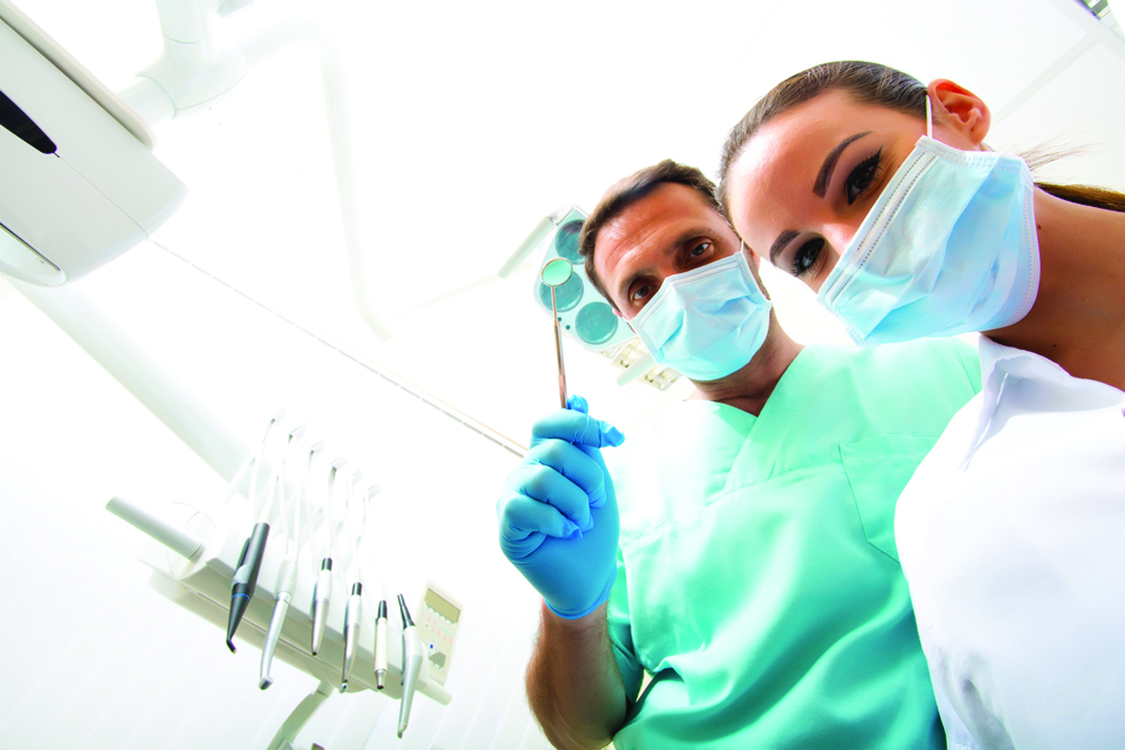
    Once this crisis is over, it should be very safe to visit your dentist again. Dental offices have high infection control standards. Many place disposable plastic barriers on dental chairs and equipment that are used during treatment and are changed between patients. Surfaces are wiped down with disinfectant solutions. Gloves are changed after each patient and masks are worn during procedures.

    Rest assured that dentists have been and will continue to ensure your safety at their offices.


    DR. PAUL K. TANAKA, DDS
    4747 Kilauea Ave., Ste. 113, Honolulu, HI 96816
    808-737-6229 | office@paultanakadds.com
    www.paultanakadds.com

    Hopefully, the COVID-19 virus is now under control and life is back to normal. Regardless, one of the lessons we learned through this pandemic is better personal hygiene. Dentists were asked to help contain the spread if the virus by limiting their care to only emergency visits. The main concern was patients spreading it to…

  • Mindfulness & Memory

    Mindfulness is something that when practiced throughout the day, can be beneficial but challenging. We often allow our minds to just wander aimlessly, which causes a disconnect.

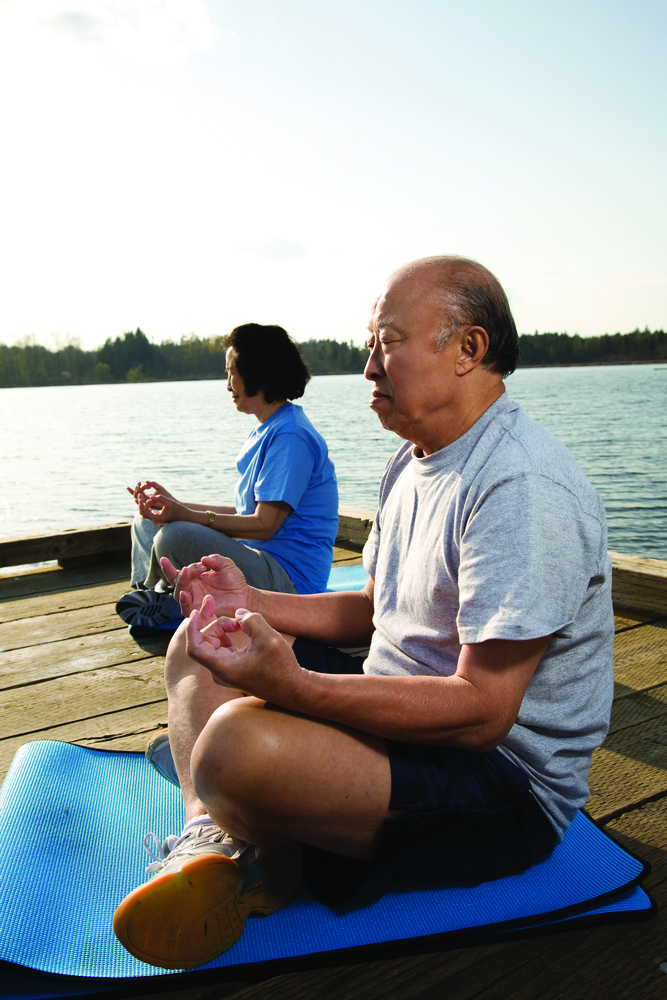
    To begin to reconnect, inform your brain of your intention. Pay attention to what you feel as you connect to your brain and talk to it as an old friend. This is a form of mindfulness meditation, since you are paying attention inwardly.

    Check throughout the day where your mind is at and what it is doing, and if possible, just focus on being in the here and now. Experience everything you are doing in the moment with your senses and your breath. Make sure your breathing is calm and steady. This awareness activates different areas of your brain, making it healthier and more flexible.

    Mindfulness has a cumulative effect. Do it regularly and often, and you’ll remember exactly why you went into that room.


    BODY & BRAIN ENERGY HEALING CENTER, MĀNOA
    2851 E Manoa Road, Ste. 1-207, Honolulu, HI 96822
    808-691-9642 | www.bnbenergyhealing.com/manoa

    If you have ever forgotten why you walked into a room or you find yourself making small mistakes, you’ve probably chalked it up to an aging brain. Age is only a minor contributor to this condition. The main factor is how you utilize your brain. Learn how to guide your brain instead of following or…

  • Working Out at Home

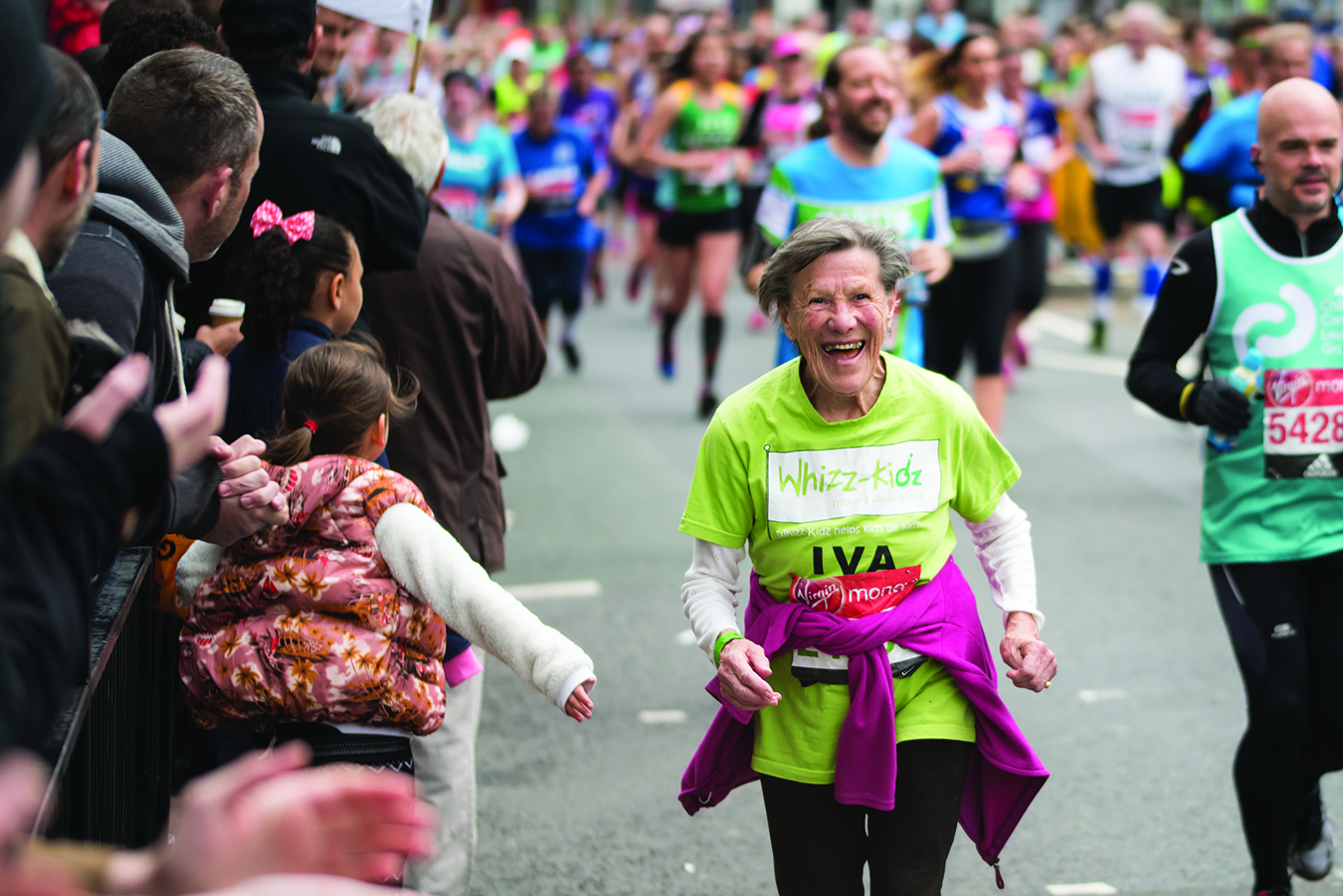
    Due to the novel coronavirus, gyms and fitness studios closed, and many classes are completely canceled or available online only. Now, it is more critical than ever to improve your fitness to fight off COVID-19, as well as the common cold and flu.

    A strong, healthy immune system is the best defense for fending off illnesses caused by viruses, bacteria and fungi.

    Walking is a great way to get moving, especially at a brisk pace. Add some resistance training and you’ll keep your body strong and fit.

    Functional fitness becomes more important as we age in order to achieve or maintain a robust quality of life.

    Functional fitness helps you feel better, makes you less prone to injury, improves balance and brain health, and builds and tone muscles.

    Improving or extending your “doability” will enable you to continue doing what you love.

    Activities such as taking care of grandchildren, traveling, gardening and socializing are all enhanced by improving your functional fitness so that your body can move freely and without pain.

    Here’s a simple plan to follow that you can do in your own home without any fancy equipment. The plan can be modified to your fitness level.

    20-Minute Workout — No Equipment

     Functional Warm-Up (5 minutes)
    Do the following moves for 30 seconds. Repeat the entire sequence three times.

    1. March in Place. Increase the height of your knee lift as you progress.
    2. Jumping Jacks. Reduce impact by keeping one foot on the ground at all times.
    3. Squat Reach. Feet hip width apart, squat down, keeping knees apart and chest up, then stand up and reach. Increase the depth of your squat and the height of your reach as you go.

     Functional Fitness Workouts (15 minutes)
    Do each of these moves for 10 repetitions. Repeat the entire sequence three times. Rest as needed.

    1. Chair Stands. Sit on a chair, then stand, using your hands if needed.
    2. Stepping Over a Dog. Lift leg high and step in all directions; forward, backward and sideways.
    3. Tandem Walking. Walk as if on a balance beam with one foot in front of the other.
    4. Bridge. Lie down with feet flat on a mat. Raise and squeeze your butt, then lower.
    5. Pushups on Your Knees. If you can’t get on the floor, use a wall or bench.

    Cool down with a 10-minute walk.


    FRAN PATOSKIE
    CPT, GFI, Certified Fascianation Method Practitioner
    808-349-5598 | franpatoskie@gmail.com

    Due to the novel coronavirus, gyms and fitness studios closed, and many classes are completely canceled or available online only. Now, it is more critical than ever to improve your fitness to fight off COVID-19, as well as the common cold and flu.

  • Share Aloha, Not Germs

    Hawaii Dental Service (HDS) is sharing oral health tips seniors can practice every day to help limit the spread of harmful viruses.

    Don’t Share Food, Drinks or Utensils

    It may seem like common sense, but sharing eating utensils, food and drinks with a friend or loved one may come with certain risks. These acts of sharing can easily transfer germs from one body to another. HDS recommends everyone has their own eating utensils, food and drinks during meals.

    Don’t Share Toothbrushes, Floss, Toothpaste

    Sharing a toothbrush, floss or toothpaste may also lead to health problems because every mouth may harbor hundreds of different bacteria and viruses that can be transferred from mouth to mouth. It also makes both users susceptible to tooth decay, gum disease and oral infections. Every person should have his or her own toothbrush,
    floss and toothpaste at home.

    Brush, Floss and Visit the Dentist!

    Brush twice a day, floss daily and visit your dentist regularly! Poor oral health directly impacts your overall health. Healthy habits help you and your loved ones combat germs so you can live well and smile more.


    HAWAII DENTAL SERVICE
    Kahala Howser, Wellness & Events Manager
    808-521-1431 | khowser@hawaiidentalservice.com
    www.HawaiiDentalService.com

    Hawaii Dental Service (HDS) is sharing oral health tips seniors can practice every day to help limit the spread of harmful viruses.

  • Telehealth Services Expand

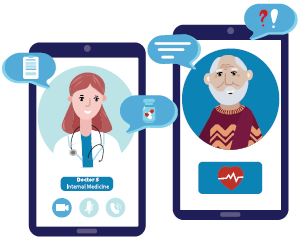
    In direct response to the COVID-19  pandemic, Medicare announced the temporary expansions of telehealth services. Even after the pandemic ends, telehealth is here to stay.

    Telehealth is the virtual visit between doctors and patients using phones and computers,  which enables medical care in the comfort of your home.

    Your physician can facilitate the following services through a telehealth appointment:

    • Routine visits for minor ailments, such as skin
    conditions and sinus infections
    • Annual checkups and other preventive care
    • Order prescription refills or testing supplies
    • Maintenance for patients with chronic conditions,
    such as diabetes
    • Reviewing test results from previous visits

    USING TELEHEALTH EFFICIENTLY

    Be prepared for your visit! Have your device, microphone and speaker set up ahead of time. Complete any online forms in advance and have any questions and information for your doctor ready to be reviewed.

    Stay connected with your doctor through the ease and convenience of telehealth visits!


    MDX HAWAI‘I
    500 Ala Moana Blvd., Ste. 2200, Honolulu, HI 96813-4993
    808-522-7500 | www.mdxhawaii.com
    Headquartered in Honolulu, MDX Hawai‘i has over 35 years of experience serving the people of Hawai‘i. Our physician network represents over 630 primary care physicians, and 2,200 specialists, hospitals and ancillary providers. MDX Hawai‘i contracts with Humana HMO, Humana PPO and AARP/UnitedHealthcare PPO Medicare Advantage Plans.

    In direct response to the COVID-19  pandemic, Medicare announced the temporary expansions of telehealth services. Even after the pandemic ends, telehealth is here to stay. Telehealth is the virtual visit between doctors and patients using phones and computers,  which enables medical care in the comfort of your home.

  • A Wake-Up Call for Your Eyes

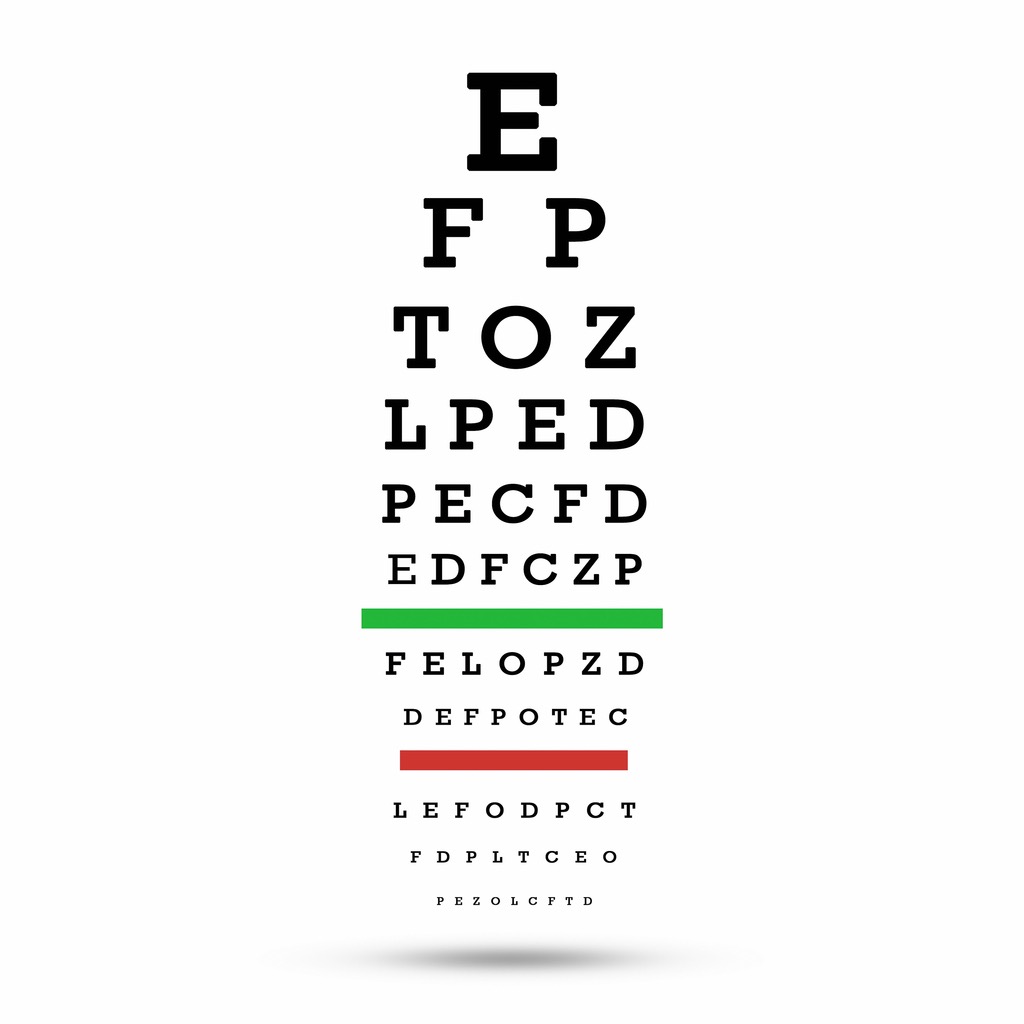
    Age-related macular degeneration (AMD) is the leading cause of vision loss, affecting more than 10 million Americans — more than cataracts and glaucoma combined. AMD is the deterioration of the macula, the small central area of the retina that controls visual acuity.

    Western medicine offers no cure for AMD. However, AcuNova, a widely used protocol in Europe, was developed by John Boel of Denmark. AcuNova is a type of acupuncture treatment that has shown remarkable results for people who have been medically diagnosed with  degenerative eye disorders. About 80 percent of patients have experienced increased brightness, better acuity and a larger visual field after just 10 treatments.

    Treatment involves placing acupuncture needles on points in or around specific joints of the hands and feet (not in the eyes). It is thought that these needles generate a frequency that affects areas of the brain responsible for vision. Blood flow is increased to both the optic nerve and the retinal structure of the eye. This aids in “waking up” dormant neuronal cells that have become “unhealthy” over a period of time.

    The average patient starts with two sessions per day for five days over a two-week period, for a total of 20 treatments. Maintenance treatments then are staggered as needed.


    NEEDLES OF HOPE
    1314 S. King St., Ste. 1050, Honolulu, HI 96814
    808-450-2527 | kathy@needlesofhope.com
    www.needlesofhope.com

    Age-related macular degeneration (AMD) is the leading cause of vision loss, affecting more than 10 million Americans — more than cataracts and glaucoma combined. AMD is the deterioration of the macula, the small central area of the retina that controls visual acuity.

  • Tighten Your ‘Internal Belt’

    Core training is one of the most popular concepts in the field of fitness and physical therapy. Core stability training is often associated with strengthening your abdominal muscles — the “abs.” The ab muscles play a very important role, but the core also includes multiple muscles in he mid-lower back, pelvic floor, hips and buttocks.

    This ring of muscles, or the “internal belt,” holds us up during the day, reducing falls, decreasing back pain and improving posture and even bladder control.

    Whether you are lifting your grandchild or playing your favorite sport, your core muscles help maintain the body in proper alignment to avoid injury.

    I often see patients who fall victim to the latest fitness trends that train the core improperly, leading to spine or leg injuries. Crunches, side-bends and rotational exercises with weights or kettle bells are not bad, but as we age, they often create more problems than benefits.

    Exercises that engage the muscles by bracing the entire trunk — as though you are wearing an
    internal belt rather than sucking the stomach in and flexing forward — are more effective for improving core stability.

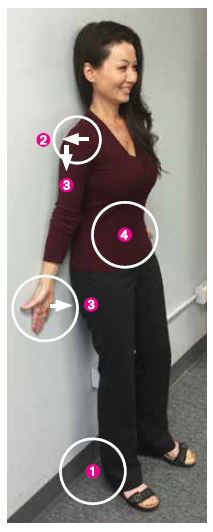
    If you have poor posture and a weak core, try this simple, effective exercise to begin developing core strength and control:

    Start by finding an open wall.

    1. Stand at the wall facing outward. Then place your heels about 6 inches away from the bottom portion of the wall. While keeping your foot planted, lean back against the wall with your back flush to the wall.
    2. Pull your shoulders and arms back so they touch the wall.
    3. Push your shoulders down with your palms facing out.
    4. Tighten your abdominals so your lower back touches the wall — as if a force is sucking your back up against it.

    Stand tall and breathe, hold for 30 seconds and then relax. Repeat 10 to 15 times.

    This simple exercise will tighten your internal belt and help you avoid injuries.


    MOON PHYSICAL THERAPY LLC
    Aquatic, Land-Based and Manual Therapy, and Cardiopulmonary Rehab Programs
    320 Ward Ave., Ste. 107, Honolulu, HI 96814
    808-597-1005 | www.moonpt.com
    Like me on Facebook: Moon Physical Therapy LLC

    Core training is one of the most popular concepts in the field of fitness and physical therapy. Core stability training is often associated with strengthening your abdominal muscles — the “abs.” The ab muscles play a very important role, but the core also includes multiple muscles in he mid-lower back, pelvic floor, hips and buttocks.…

  • Love to Spare? Become a Pet Foster Parent

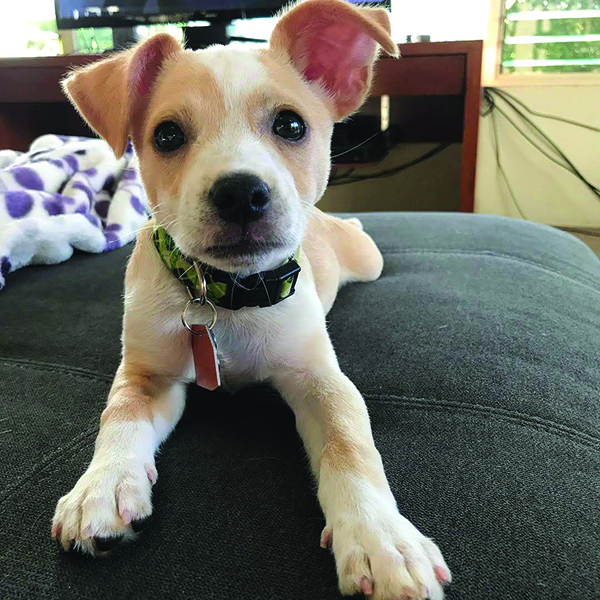
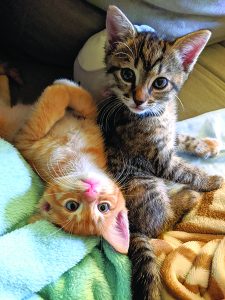
    If you have some time, energy and love to spare, the Maui Humane Society in Pu‘unēnē offers an opportunity to open your heart and home to foster one of its shelter animals.

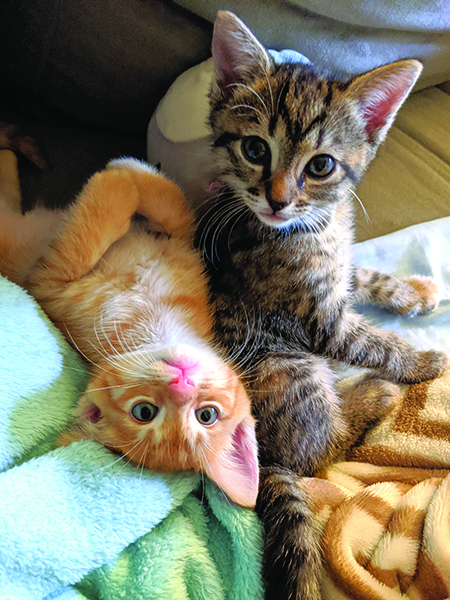
    Foster pet parents provide temporary care in their home for companion animals when the shelter is full or for those not yet ready for adoption.

    By offering a home to one of these animals in need, volunteer parents help prepare them for adoption into a permanent home, and at the same time, create valuable space in the shelter to accommodate other homeless animals.

    Dogs, cats, rabbits and guinea pigs may be selected as foster candidates. Those that qualify or the program include very young animals that are often under-socialized and too timid to thrive in   shelter. MHS also takes in ill, injured and stressed animals that need additional TLC and a quiet place to recover. Animals may need a foster home for a few days, a few weeks or a few months.

    Foster parents are responsible for feeding, cleaning, socializing and cuddling. Some animals may need bottle feeding or medications. Cats and kittens don’t require much space — a laundry room or bathroom is fine, but a cage set up in the corner of a room will work as well. For puppies, a bathroom or crate will usually suffice. It is recommended that larger dogs be kept in a crate while parents sleep or when they leave the house until their home-alone behavior can be assessed.

    MHS provides food, veterinary care and other supplies, including carriers, beds, blankets,  towels, kennels, toys, collars, leashes, bowls, food or formula, litter, medicines, as well as any other items the furry foster may require.

    The Foster Pet Program is perfect for seniors who spend a lot of time at home. It’s a joy to be a foster parent and it’s easy to sign up. The hardest part of the program may be “letting go” as your new friend moves on to a permanent home. Rest assured you have played a significant role in making that happen.

    Go to www.mauihumanesociety.org, click on the “Get Involved” tab, then “Volunteer,” then “HS Volunteer Foster Program.”

    During the COVID-19 pandemic, prospective parents should click on the “Sign up for the MHS Emergency Foster Network” tab. MHS will contact you when it needs your help.


    MAUI HUMANE SOCIETY
    Foster Pet Program (501(c) 3 nonprofit)
    1350 Mehameha Loop, Puunene, Maui, HI 96784
    808-877-3680, x221 | foster@mauihumanesociety.org
    www.mauihumanesociety.org
    Puppy photo by Maui Humane Society; Kitten photo by Kristen Deblasi

    If you have some time, energy and love to spare, the Maui Humane Society in Pu‘unēnē offers an opportunity to open your heart and home to foster one of its shelter animals. Foster pet parents provide temporary care in their home for companion animals when the shelter is full or for those not yet ready…

  • New Book Reveals Chronic Pain Solutions

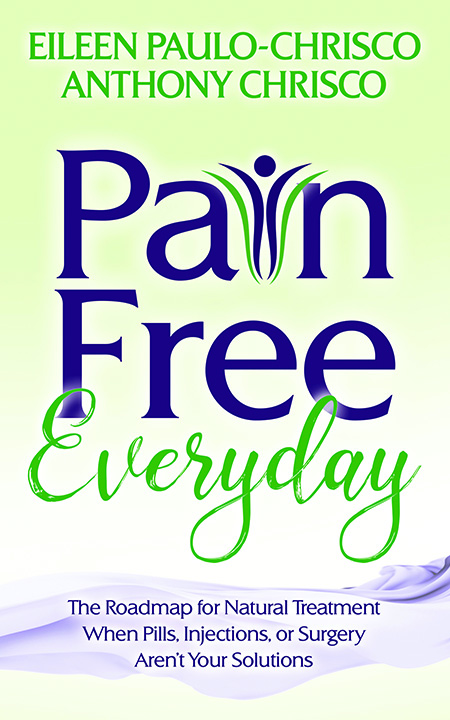
    Husband-and-wife team Anthony Chrisco and Eileen Paulo-Chrisco offer drug-free relief for chronic pain in Pain Free Everyday: The Roadmap for Natural Treatment When Pills, Injections, or Surgery Aren’t Your Solutions.

    The book explains how those suffering from stiffness and chronic pain who prefer to avoid opiates and surgical intervention can restore the body’s innate ability to heal.

    Anthony, a post-rehabilitation specialist, and Eileen, a former medical researcher and fitness professional, reveal how pain-free and drug-free living begins by reconnecting with the largest organ system of the body, the fascia.

    Fascia weaves throughout the body, binding and supporting muscles, bones and organs. Tight fascia causes excess pressure on structures within the muscles — arteries, veins, nerves, lymphatic vessels and nerve endings — causing of dozens of different idiopathic pathologies.

    The authors describe a holistic, sustainable, self-care strategy that can minimize or completely eliminate a number of ailments — from joint pain to irritable bowel syndrome.

    Pain sufferers can learn to “let go and relax” by reducing muscle adhesions (knots) and experience increased oxygenated blood flow, lymphatic drainage and cellular waste removal, and a body free from musculoskeletal imbalances.


    The book is available at www.thefascianator.com/shop-2/ and www.amazon.com.
    Or contact: 808-227-5888, thefascianator@gmail.com

    Husband-and-wife team Anthony Chrisco and Eileen Paulo-Chrisco offer drug-free relief for chronic pain in Pain Free Everyday: The Roadmap for Natural Treatment When Pills, Injections, or Surgery Aren’t Your Solutions. The book explains how those suffering from stiffness and chronic pain who prefer to avoid opiates and surgical intervention can restore the body’s innate ability…

  • Help for Seniors in Transition

    The National Association of Senior Move Managers (NASMM) recently held its annual conference for over 400 members who were there to learn, network and share ideas.

    NASMM is recognized for its innovative programs and expertise related to senior move management, transition and relocation issues affecting older adults.

    NASMM companies specialize in assisting older adults and their families with the emotional and physical aspects of relocation and/or “aging in place.”

    NASMM members are experienced professionals bound by a pledge of integrity, committed to safety and ethics, and dedicated to development.

    NASMM is comprised of a very small group of companies. Although they compete with one another, it was apparent at the conference that there is a common spirit of cooperation and “‘ohana.”

    When seniors move — for whatever reason — their lifetime of possessions and precious memories may require downsizing and selling — all done with tender, loving care and compassion.

    NASMM members aim to meet each client’s personalized needs.


    SENIOR MOVE MANAGERS/DE-CLUTTER HAWAII
    808-779-6224 | info@smmhawaii.com
    www.smmhawaii.com

    When seniors move — for whatever reason — their lifetime of possessions and precious memories may require downsizing and selling — all done with tender, loving care and compassion. NASMM members aim to meet each client’s personalized needs.