The mission of the Hawaiian Humane Society (HHS) is to promote the human-animal bond and the humane treatment of all animals. Listed below are some of the ways you can assist or benefit from the services that HHS offers.
PROGRAMS & SERVICES (See below for contact information)
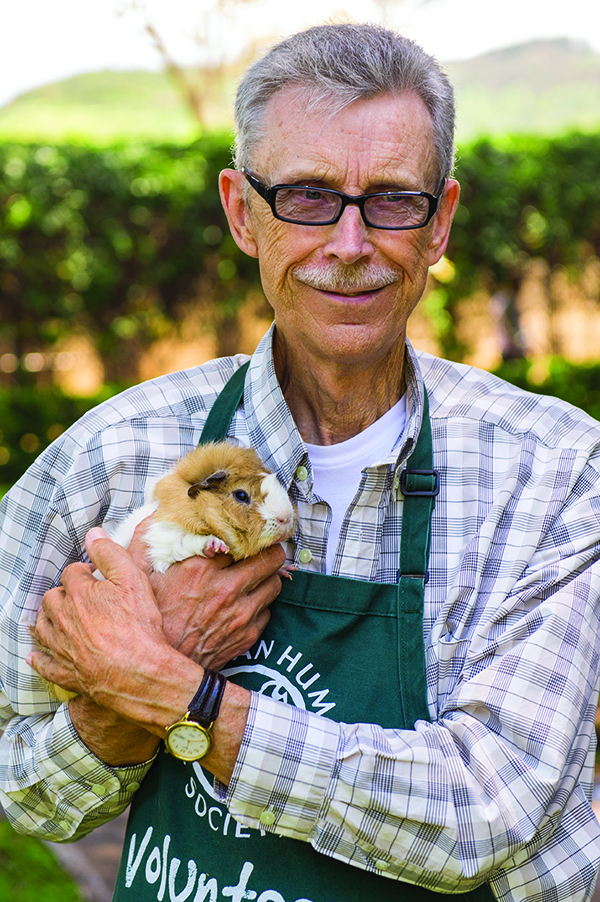
Seniors for Seniors Adoption Program: If you are 55 or older and adopt a dog or cat that is at least 6 years old, the adoption fee is waived. “Senior pets make wonderful pets,” says Jessica Tronoski, communications manager for the HHS. “They already usually know the basic commands like ‘sit and stay.’ They’re typically potty trained and have lost their kitten and puppy ways, so it’s a little bit more manageable.” All pets available for adoption receive a full medical examination and the appropriate vaccinations, de-wormer, flea and tick treatment, sterilization surgery and a microchip. The HHS also partners with many local veterinary clinics that offer your first visit free of charge.
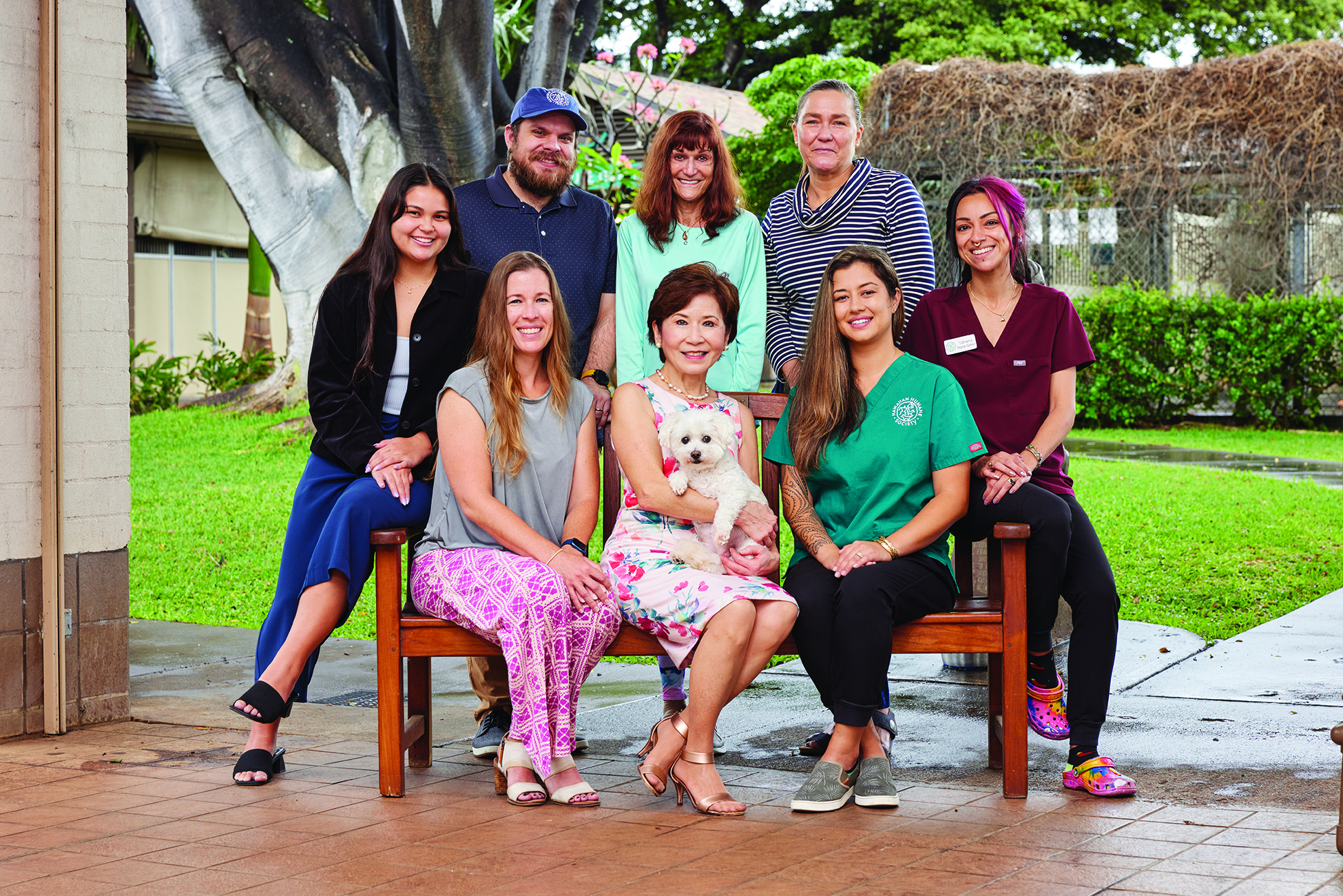
(L–R, front row) Anna Neubauer, President & CEO; Ginny Tiu, Board Member; Kailani Romero, Community Spay/Neuter Center Coordinator (back row) Anne Mukai, Education Programs Coordinator; Thomas Hanns, Communications Coordinator; Karen Scharff, Cat Enrichment Volunteer; Stephanie Kendrick, Director of Community Engagement; Tatiana Reyna-Gomez, Veterinary Services Manager
Alternatives to Pet Surrender: For those who need to downsize or move, the HHS maintains a list of pet-friendly housing available on O‘ahu. If your need is temporary, there is a similar list of pet boarding and sitting resources. The entries on both lists are voluntarily supplied by providers; the HHS does not audit the locations, but keeps the lists up to date (see “Resources” dropdown).
Volunteering: One of the volunteer activities that seniors find particularly rewarding is dog walking. “It provides companionship and enrichment to the animal and exercise for volunteers out in the fresh air,” says Jessica. There are different levels of dog walking. Another activity is enrichment, which involves playing with cats or other small animals. Doing laundry is another opportunity, but the biggest need is for Pet Food Bank volunteers. Pet Food Bank: If you’re unable to volunteer, you can donate food or money instead. The Pet Food Bank runs solely on donations and volunteer power — from the community for the community,” Jessica explains. “Any donations we receive are turned around almost within the day and given out to community members in need.” The food bank is run by the HHS’s Pet Kōkua program, which also accepts donations of collars, cat litter and reusable bags.
The mission of the Hawaiian Humane Society (HHS) is to promote the human-animal bond and the humane treatment of all animals. Listed below are some of the ways you can assist or benefit from the services that HHS offers. PROGRAMS & SERVICES (See below for contact information) Seniors for Seniors Adoption Program: If you are…
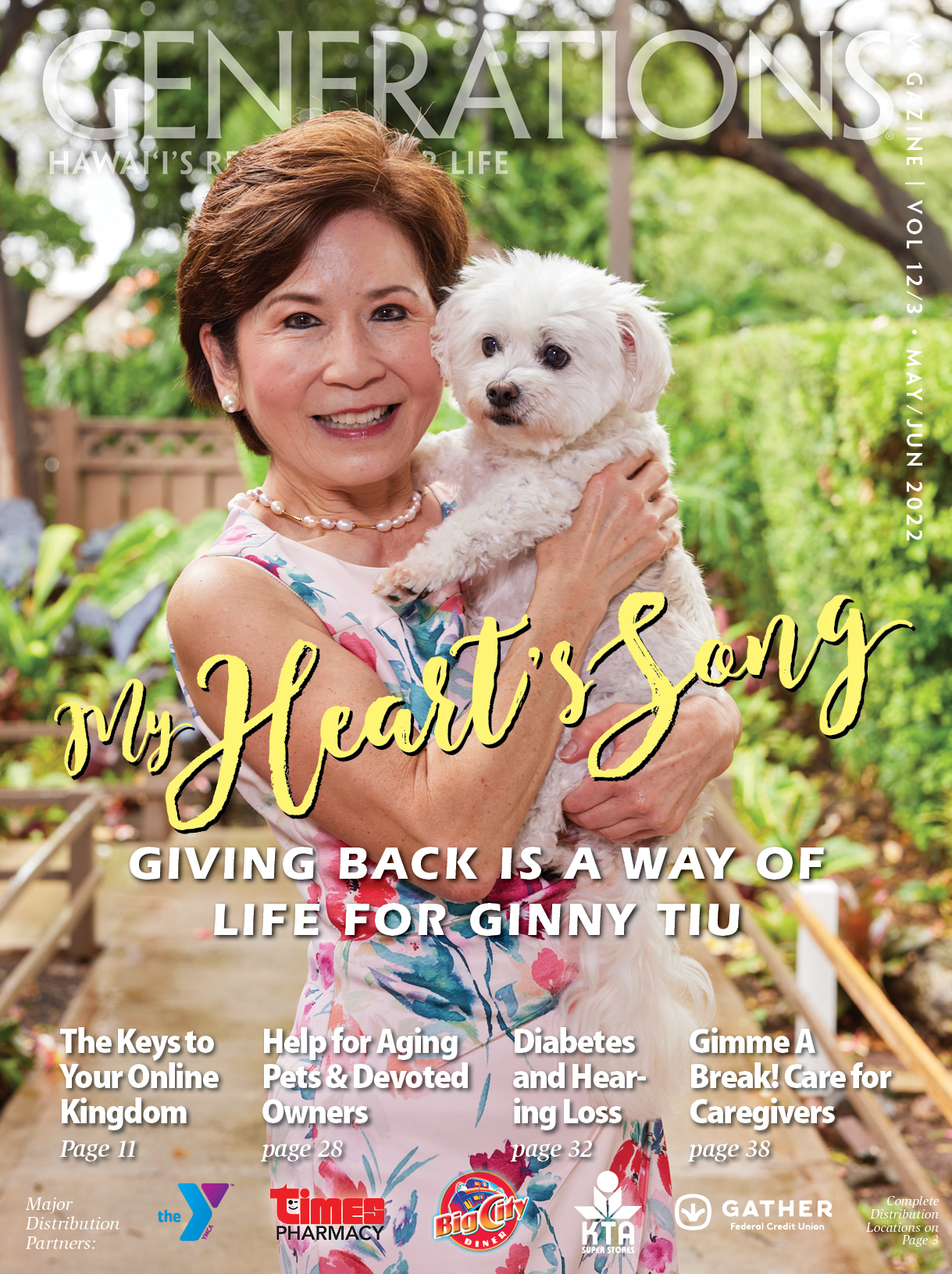
The cover of Generations Magazine for May-June, 2022 featuring Ginny Tiu. Story by Rosa Barker. Photography by Brian Suda.
The compassion at the heart of Ginny Tiu’s advocacy for those who have no voice is a great source of joy in her life. Her God-given talent as a piano prodigy at age 5 gave her the opportunity to travel the world, where she witnessed heartbreaking poverty and harsh inequities, calling her caring nature to action during a lifetime of humanitarian and animal welfare efforts.
Ginny speaks ardently about the poverty she saw during her travels, particularly in Asia. “When you’re a child of 4 or 5 years old, you just think this is the way it is,” Ginny reflects. “Some people live this way; some people live that way. But when I grew older, seeing the disparity bothered me so much.”
Along with the support she gives to Ronald Mc-Donald House and the YWCA, Ginny’s empathy is also expressed through her presence on several nonprofit boards. She presently serves on the board of the Hawai‘i Symphony Orchestra (HSO), the University of Hawai‘i Foundation (UHF) Board of Trustees and the Animal Legal Defense Fund (ALDF), a national animal advocacy and protection organization. “I believe in and am committed to the mission and work of these organizations,” says Ginny.
Striking a Chord
“I support our symphony because music has made such an impact in my own life,” says Ginny. “I know the joy it brings, and its power to bring people together, something that is so needed, especially now. We have a world-class symphony
that we should be very proud of and support.”
She is also very enthusiastic about the Hawaii Youth Symphony (HYS). “They do a fantastic job!,” she says. “I’m always so inspired when I see and hear them.” Ginny feels that music has such a positive effect on young people. “When you’re young, you’re so impressionable. You’ve got a vacuum and if you don’t fill it with positive things, it will be filled with the wrong things.”
Ginny’s commitment to the mission of the UH Foundation is based on her belief that education has a greater importance beyond what it can do for an individual. Even more importantly, she feels education gives that person the tools to help them reach their full potential so that “they can in turn contribute to society, in whatever is their passion.” Unsurprisingly, Ginny is not impressed by talent alone or by a person’s wealth. She believes those are gifts from God. “It’s what they give back that tells me about them, and either impresses or depresses me.”
In 2014, Maryknoll School recognized Ginny’s spirit of giving back with the Monsignor Charles A. Kekumano Noblesse Oblige Service Award, which recognizes those who devote their time and talent to the service of others. She was a reluctant honoree when she was first asked, feeling that she was only doing what “I can’t not do,” but agreed to accept it as a way to bring the causes she supports to the public’s attention. In 2017, Ginny was named Outstanding Philanthropist of the Year by the Association of Fundraising Professionals and the following year was a YWCA O‘ahu Leader Luncheon honoree.
But all the laurels in the world pale into insignificance when compared to the joy Ginny derives from actively pursuing her personal mission. “I have to believe in the mission — the cause — and then I’m in 110 percent. The greater good is what I’m looking for. I support and want to be an advocate for the most vulnerable — our ku¯ puna, keiki and our animals.”
A Symphony of Support for the Voiceless
Ginny also serves on the board of the Hawaiian Humane Society (HHS). Its mission is to promote the human-animal bond and the humane treatment of all animals. She feels blessed to be in a position where she can be a “voice for the voiceless,” especially animals. She lights up when she talks about them, and about the mission and work of the HHS. Her passionate advocacy on their behalf during the organization’s 2012 capital campaign to expand and improve the current Mō‘ili‘ili campus helped raise $18 million. They recently raised $7 million of their $10 million target to complete their new West O‘ahu campus.
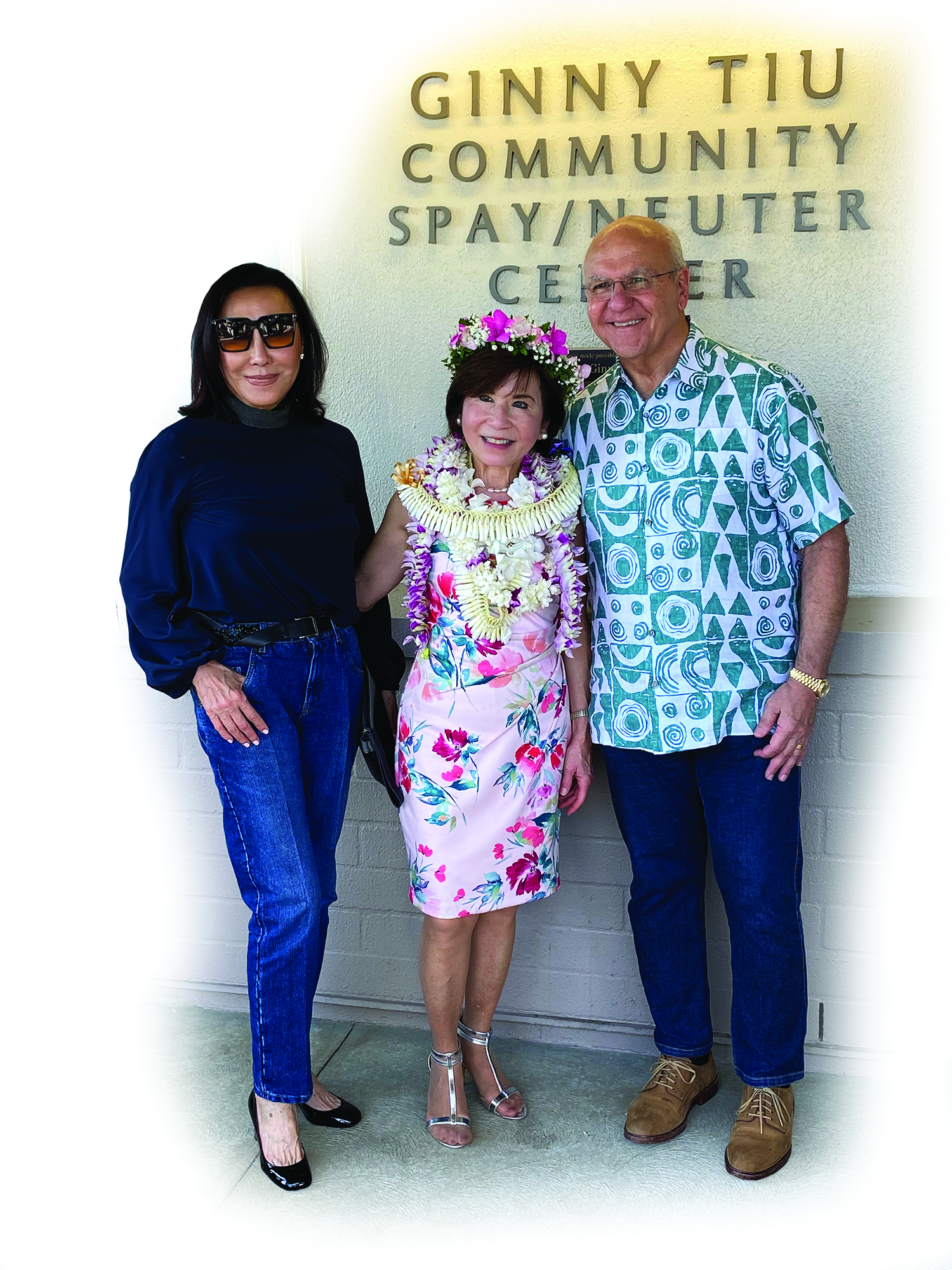
Mayor Rick Blangiardi and his wife, Karen Chang, joined Ginny for the opening of her namesake clinic.
The HHS takes in about 50 animals every day, no matter what condition they’re in. They give them the medical and behavioral care they need, before putting them up for adoption. They found homes for more than 6,000 animals last year. Ginny has twice been the organization’s board chair. She testifies before the legislature at committee hearings about animal cruelty laws, believing that all animals deserve to be treated humanely, not only pets.
“If they suffer, I suffer,” she says. “It should bother us. Mahatma Gandhi wisely said that the greatness of a nation and its moral progress can be judged by how it treats its animals. That’s why I am totally committed to doing everything I can with my time and financial resources, to be their advocate. It bothers me whenever I hear someone say, ‘It’s just an animal,’ as if they have no value. I believe that person is either ignorant, heartless, or both, and is not someone I can relate to.”
One day, when she was visiting the HHS, their rescue team brought in 184 dogs and Ginny saw with awful clarity the scope of the problem and the great need for fostering. Rescue dogs are sometimes in a traumatized state from being badly mistreated. That vulnerability makes them unsuitable for adoption straight away, so foster families — who are trained in the kind of special care that’s needed — step in to help rehabilitate them. Foster pets might also be simply underweight and in need of daily medical care, which the foster parent is also trained to give.
Having spent much of her life living in hotel rooms, Ginny felt right at home with condo living, but it came with a limit of only two small pets. So, when she saw the great need and made the commitment to caring for more than the two dogs she already had, she moved to a house with a big backyard. Ginny now has 10 rescue dogs and fosters others, especially senior dogs and those with special medical needs. She jokes that “I’m an old soul — when I was born, I was already 20 years old. Now I’ve got my dogs and I behave like a kid!” As with music, having a pet brings happiness into a person’s life. “When people are either humming a tune or hugging a pet, they’re smiling,” Ginny adds.
Community Concertmaster
Ginny was instrumental in the establishing of the Ginny Tiu Community Spay/Neuter Center at the present Mō‘ili‘ili campus. She didn’t hesitate when discussion came up about the need for a spay/neuter center to serve the community,
and she made a pledge to ensure that it would be built. She knows it is one of the most effective ways to humanely control
animal overpopulation.
Artist’s rendering of the Community Spay and Neuter Center, Admissions Area and the Education and Outreach Center at the new West O‘ahu campus.
Low-cost spay/neuter services have been offered at the Hawaiian Humane Society’s Mō‘ili‘ili campus since 2018. The facility celebrated its 10,000th surgery last year. In February this year, it was renamed the Ginny Tiu Community Spay/Neuter Center in honor of her commitment to O‘ahu’s animals in need and her many generous contributions to the organization.
The center participates in the City and County of Honolulu’s Neuter Now program, as part of its efforts to increase the availability of affordable cat and dog spay/neuter services. Pre-surgery exam, surgery anesthesia, sterilization surgery and removal of stitches (if needed) at affordable prices are provided at the center. Call 808-356-2255 or visit https://hawaiianhumane.org/spay-neuterowned-pets to make an appointment.
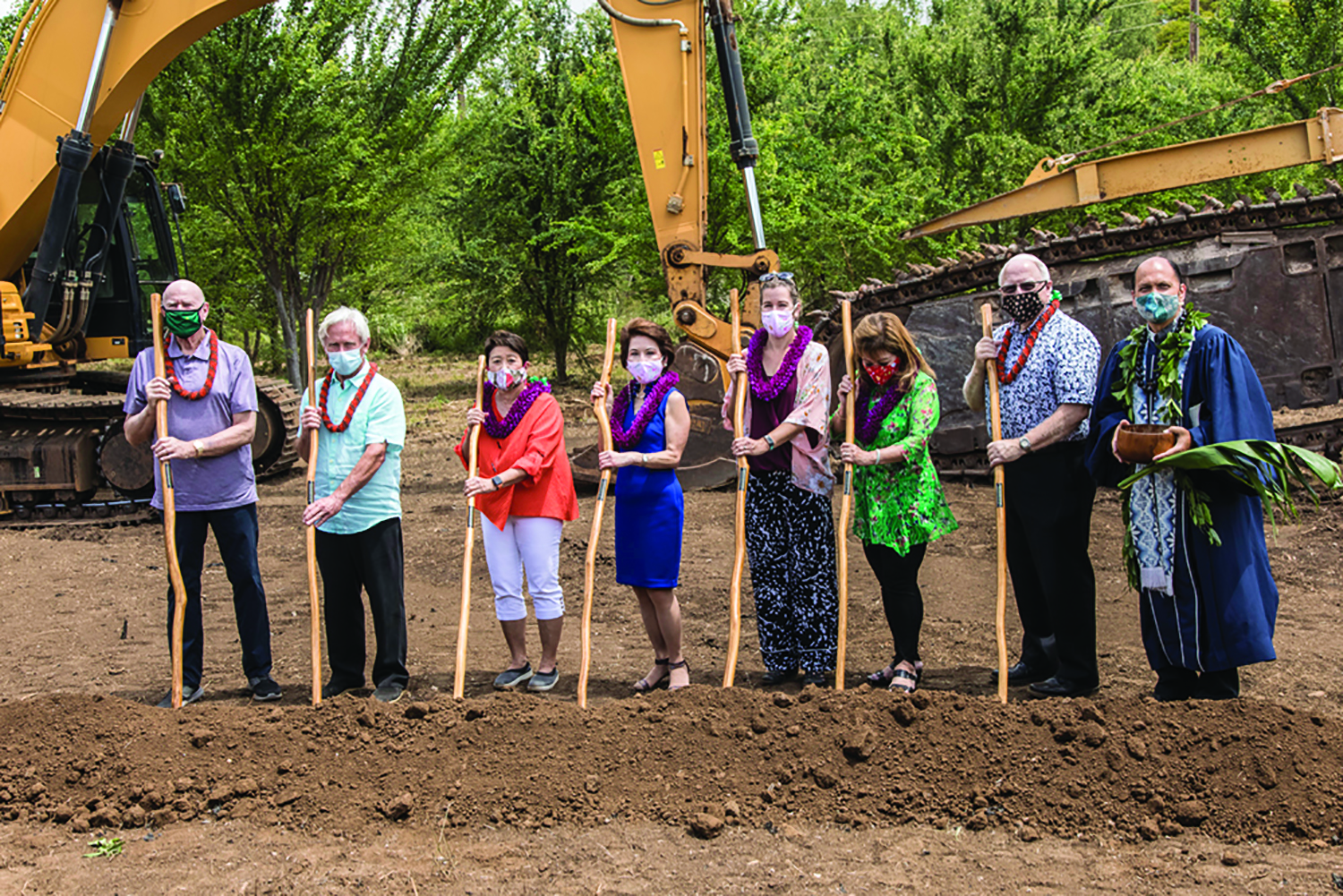
Groundbreaking and blessing ceremony of the new West O‘ahu campus on May 5, 2021.
The City and County of Honolulu also has a Feline Fix program. It waives all sterilization and microchipping fees for free-roaming cats (https://hawaiianhumane.org/free-roaming-cats). Spay/neuter procedures for free-roaming cats include anesthesia, surgery, microchip, ear notch, FVRCP vaccine and post-operative pain medication. Appointments for these services at the Spay/Neuter Center should be made through https://hawaiianhumane.org/spay-neuter-frc.
Sterilizing free-roaming cats and returning them to the colonies where they make their home is a humane and effective way to reduce this population over time. The Hawaiian Humane Society supports the use of a community-based Trap-Neuter-Return-Manage (TNRM) strategy. They provide traps for rent to transport the cats to and from the clinic. Some helpful tips on humanely deterring cats roaming your property are available at https://hawaiianhumane.org/humane-deterrents.
A New Verse
Ginny is co-chair of the Capital Campaign Committee raising funds to build a second campus for the HHS to serve the needs of West, North and Central O‘ahu. Construction on the 5-acre Old Fort Weaver Road site in Ewa began in February and is on target to open in early 2023. The property is a generous 2015 gift from D.R. Horton.
Surveys and studies conducted since 2011 have revealed that about 63 percent of residents in the area have pets and about 50 percent of the services provided at HHS’s Mo¯‘ili‘ili campus are used by residents from that area. One of the main goals of the new facility is to provide a new generation of shelter care by optimizing the HHS’s response to the needs of the animals and the people who visit them — seven days a week.
Plans include a sheltered, open-air space for adoption services, six adoption pavilions and acquaintance areas for potential adopters. A 1-acre off-leash dog park will serve the needs of the shelter pets housed at the center while waiting for adoption or to be reunited with their owners. When the park it is not being used by the center, it will be open to the public and their pets.
The main building will include an Animal Admissions Center, an Animal Fostering Office and a classroom for educational programs, orientation for volunteers, and community events that fit the HHS’s vision of “People for animals. Animals for people.” A variety of veterinary services will also be available. For more information, go to https://hawaiianhumane.org/capital-campaign.
How a Lifelong Love Song Began
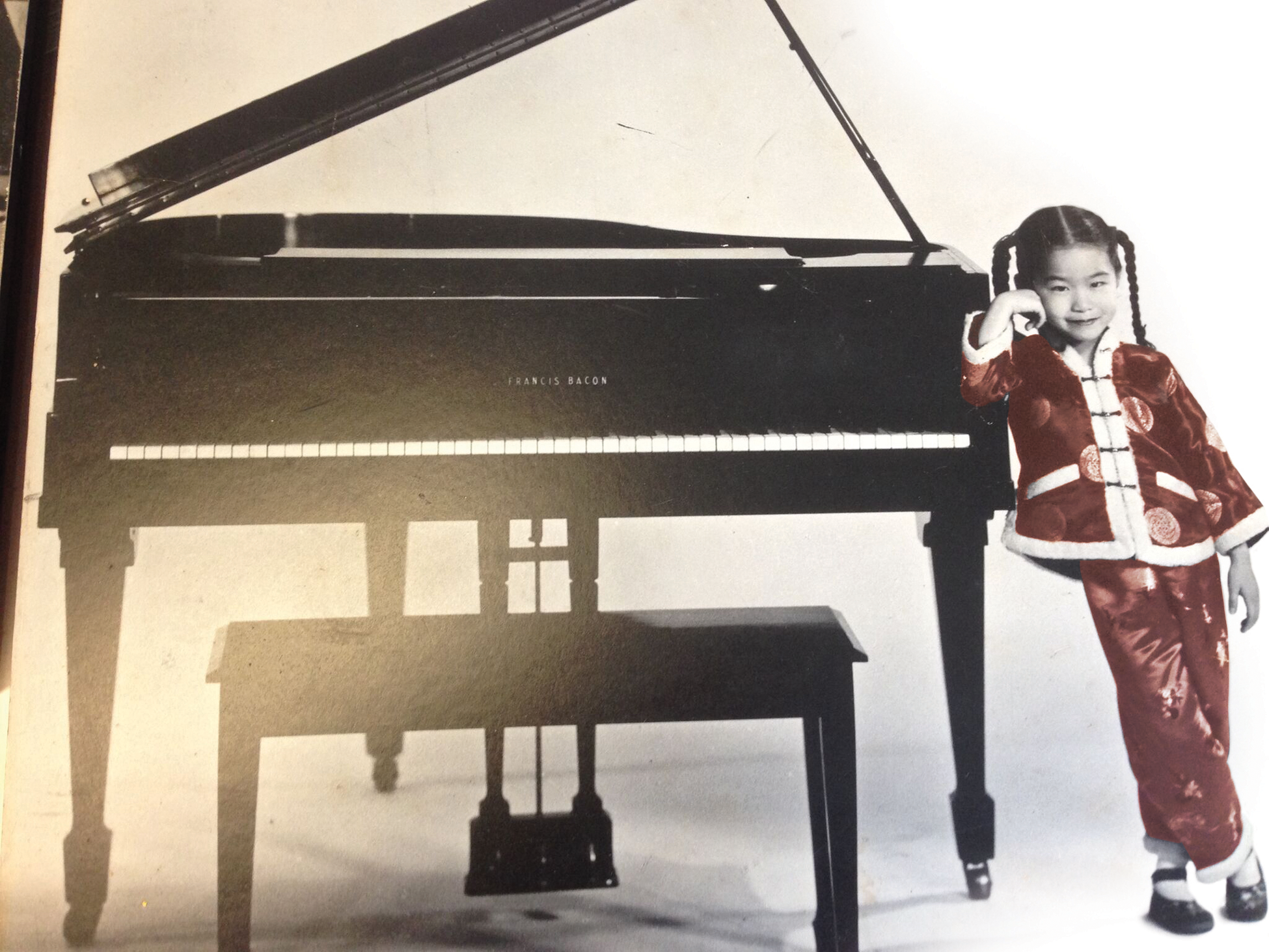
Ginny was hailed as “the Chinese Shirley Temple” and as a child prodigy pianist. By the time she was 5, she had been on Ed Sullivan, Perry Como and all the major TV shows. Ginny and her mom and dad initially came to the US so she could appear on a radio show in March, 1959. They were still in the states at Christmas. Ginny remembers her mom being miserable: “She wouldn’t let my dad play any Christmas songs and would cry because her other six children were absent. Then my dad realized we weren’t going to go home again. The following March, he asked my grandmother and my aunty to bring the other six children to this country.”
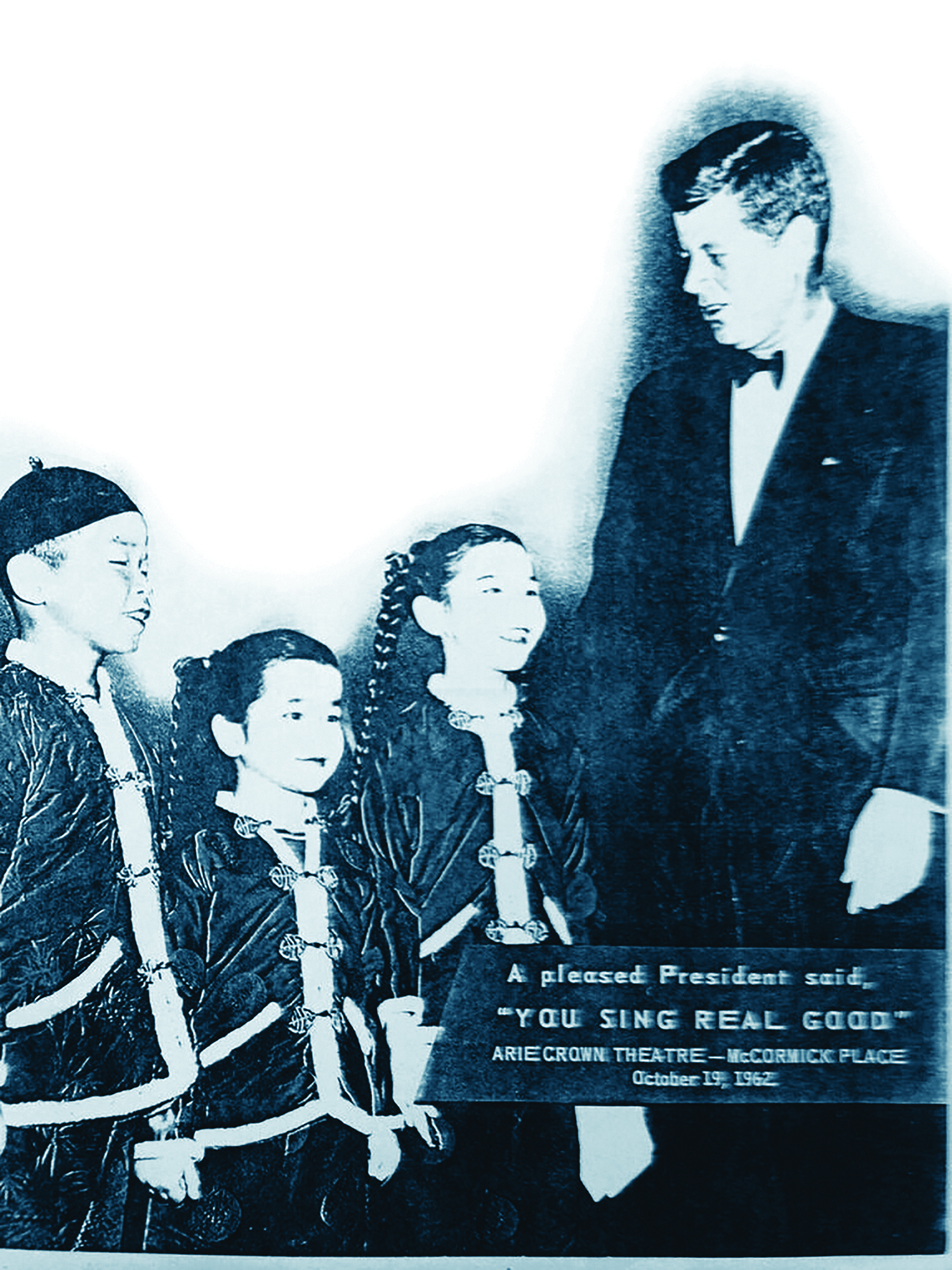
In 1962, at the age of 8, she performed for President John F. Kennedy. Ginny and her sister Vicky were seen by moviegoers everywhere in the very popular Elvis Presley movie “Girls! Girls! Girls!” Colonel Tom Parker’s invitation to perform in another movie with Elvis conflicted with Ginny’s full schedule, so her sister, Vicky, played the part of Sue-Lin in “It Happened at the World’s Fair,” another big hit.
That same year, Whitman Publishing released a Ginny Tiu paper doll book with cut-outs of her favorite costumes. There was even a 15-inch porcelain celebrity doll of Ginny in a costume she wore in “Girls! Girls! Girls!” and a 12-inch porcelain doll of her in a costume she wore when doing worldwide live performances with her two younger sisters, Vicky and Liz, and an older brother, Al. She also performed at Carnegie Hall.
“Out of eight siblings, three joined me on stage — my sisters Vicky [Cayetano], Liz [Morisada] and brother Al Tiu. We became best friends. We traveled the world together performing, with our dad, William, as the business manager and mom, Pat, taking care of all our personal needs.” Siblings who weren’t in “The Ginny Tiu Show” were cared for by Grandma and other family members.
Because her show was called “The Ginny Tiu Show,” she took it very seriously. “I was strict. At 6, 7 years old! Vicky was 5, Liz was 4 and I was telling them ‘No! There’s no time to play. We have to practice.’ I was very disciplined. They were more afraid of me than of our parents. And my parents were strict!”
“To this day, I am very close to my siblings. We do Zoom calls and text each other regularly,” Ginny says.
With commitment and tenacity belying her age, Ginny practiced piano four hours a day, even though she longed to go outside and play after the first hour.
As impressive as this is, when Ginny looks back on those early days, it isn’t the celebrity status that she speaks of most fondly. Instead, she talks about her family and how they inspired in her a lifelong commitment to compassionate causes.
Family Harmony
Ginny’s grandmother and grandfather and their young family moved from China at a time when there was much starvation and hardship there. They immigrated to the Philippines in search of a better life. Grandma Tiu, who was born in the era of bound feet and young picture brides, raised 10 children with her husband. When he died in his 50s, the youngest child was just 2 years old. She was left to raise her family alone and, although it was a daunting prospect, her quiet strength and strong faith provided a secure and loving environment that enabled all the children to be successful in their life ventures.
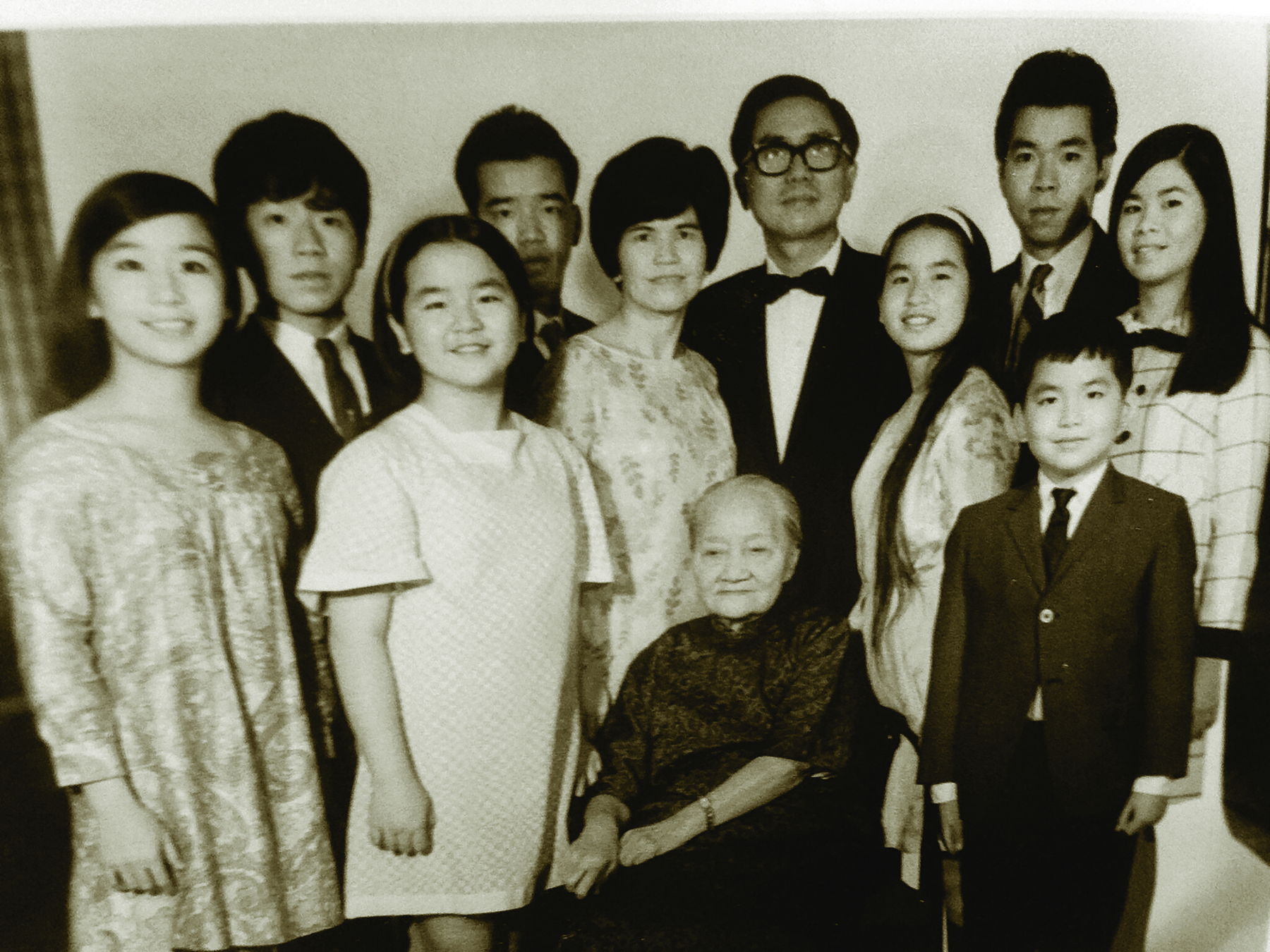
(L–R) Ginny poses with family members: Al, Liz (Morisada), Dany, Mom, Dad, Vicky (Cayetano), Joe, Ester (Schumacher) and Tony (in front of Joe). Grandma (seated) is from her paternal side. Her youngest brother, Donny, is not shown.
Grandma and Aunty Dionesia stayed with the six other children in 1959, when 5-year-old Ginny and her mom and dad came to the US. Ginny’s initial appearances on radio and television led to more offers. When Ginny’s father realized he had to bring the other children to join them, Grandma came with them, and Ginny’s family and other relatives cared for her in her old age. It is within this caring environment that Ginny developed her compassion for those who have none of the support and opportunities that a secure family life can give them.
Her large, extended family is a source of great joy for Ginny. Her father was one of 10 children, her mother one of seven and Ginny herself is the middle child in a family of nine. She jokes that it makes her a “balanced person” having four siblings on either side of her. “We are a very close family — something that I treasure and never take for granted,” Ginny says.
Ginny is especially close to her sister, Vicky Cayetano, an entrepreneur, businesswoman, and former First Lady of Hawai‘i, as the wife of former Gov. Ben Cayetano. Vicky is now a candidate for governor herself.
Ginny says that Vicky shares both her father’s business acumen and his caring heart. She started United Laundry Services 34 years ago with a staff of 25. Vicky and the team she put in place grew the company — which services the hospitality sector and all O‘ahu’s hospitals except for Tripler — to a staff of 1,200 throughout the state, pre-pandemic. They process 500,000 pieces of laundry a day, for over 100 customers. Because of the pandemic, Vicky had to lay off
about 75 percent of her staff, which was heartbreaking for someone with her compassion, Ginny says.
In February, Vicky packed up her office so that she can devote full time to her gubernatorial campaign. “She has never been one to sit on the side and complain, but is very solution-oriented. I totally support Vicky, not because she’s my sister, but because I know what she’s capable of doing. You can trust Vicky to always do the right thing, even when no one is watching. She’s so rare. Truly inspirational.”
Vicky moved to Hawai‘i in 1982 with her first husband and started a family. Ginny and her parents would visit from San Francisco, where they were living at the time and where Ginny was performing and volunteering for Meals on Wheels. A few years later, her parents moved to Hawai‘i to live and in 1987, Ginny moved here as well for a one-year engagement to perform at the newly renovated Hilton Village. She never left.
Because Vicky was busy with her business and Ginny was free in the afternoons, she would often pick up her sister’s children from school. One time, her niece’s school friend saw Ginny arrive and said, “Your mommy’s here.” “No, that’s my Aunty Mommy,” her niece, Marissa, replied. Ginny speaks with much fondness and great joy about how much the children and grandchildren of her eight siblings mean to her. They call her Aunty Boo. “The reason for that is that ‘queboo,’ in our dialect, means godmother. And I was godmother to almost all my nieces and nephews. They didn’t know how to say ‘que boo’ at two or three years old so they’d just call me ‘Boo.’ To this day. They’re 40, 50 years old and they call me ‘Aunty Boo,’ and now their children call me that as well. I love it because they say it with so much love, and they know how much I love them.”
The Tug at Her Heartstrings
When a reporter asked her what she wanted to be when she grew up, Ginny replied that she wanted to be a missionary nurse — much to the surprise of her father, who wondered where that had come from.
But he needed to look no further than himself for the answer to that question. “Dad had the mind, the heart and the commitment to help others,” Ginny says, and shares that her mother was also “very gracious and caring, someone who had a lot of empathy for others.” They brought their children up in the Christian faith and impressed upon them that whatever talent they had was a gift from God, and that it was meant to be shared with humility with anyone of any faith and station in life.
William quietly shared the resources that his talent for business management brought him. At his celebration of life service in 2005, relatives flew in from all over the world, not only to pay their respects, but to share their stories about all that he did for them and their families — things that even his wife and children were surprised to learn for the first time.
“He did things quietly; with no expectations” says Ginny. “The joy of being able to help was reward in itself.”
The Final Note
Ginny’s dad had a stroke in his late 70s. Because he felt that Ginny knew him better than anyone, he asked her to be his caregiver. Her mom and other family members were involved as well, of course, but for three years until his passing at age 82, Ginny willingly took on the role of primary caregiver.
“He was my biggest fan,” she says. “He was a strong man, a decision-maker who made things happen. And then to see him in a wheelchair, unable to do anything for himself — it broke my heart. I would wonder, ‘What must he be feeling?’ When I told him how bad I felt that there wasn’t anything I could do to change his situation, he reassured me, saying ‘I’ve never been more at peace. When I was younger, I was busy providing for our family. Now I have more time to spend with God and I have so much joy and peace, so please don’t be sad for me.’”
When he said to Ginny, “I’m sorry. I’m a burden. I don’t want to be a burden,” she had a heartfelt reply. “Dad, when you had to take care of me all those years, did you think I was a burden?” Ginny always made it clear to him, saying, “Please, Dad, it’s an honor and a privilege to be able to give back a little bit for all that you’ve given to me. I’m the person I am because of you and Mom. You not only provided for me and my siblings, more importantly, you gave me my values. That’s why now I have so much joy, because I understand the joy of giving back.” Ginny was also the primary caregiver for their mother, whom she also adores and misses every day.
A Chorus of Compassion
Despite the legacy of wonderful memories people all over the world have of Ginny Tiu, the performer, her greatest wish is “to be remembered as a champion for animals, someone who cares deeply for those who are truly vulnerable and for doing as much as I can to make things better for as many as I can. I feel strongly about the need to give back and to use what we have been blessed with to help others.”
Join the Chorus
“If we believe in the mission and work of an organization, we can’t just applaud them — we have to support them if we want them to be able to continue,” says Ginny.
The compassion at the heart of Ginny Tiu’s advocacy for those who have no voice is a great source of joy in her life. Her God-given talent as a piano prodigy at age 5 gave her the opportunity to travel the world, where she witnessed heartbreaking poverty and harsh inequities, calling her caring nature to…
Here in Hawai‘i, we’re lucky to live on beautiful islands with multigenerational families in multicultural communities. We have city life, country life, sunshine every day and some of the best food in the world. But our lifestyle, diet and even our genes can put us at risk for cancer. Yes, even here in paradise.
Cancer is a big problem. But it isn’t just one problem. It isn’t even one disease. It’s hundreds of diseases that touch millions of lives. There were an estimated 18.1 million cancer cases around the world in 2020. Of these, 9.3 million cases were in men and 8.8 million in women.
According to the American Cancer Society (ACS), one in two men and one in three women in the US will be diagnosed with cancer in their lifetime and cancer will cause the death of one in five Americans.
In Hawai‘i, it is estimated that there will be 7,730 new cases of cancer and 2,590 cancer deaths this year. Today, tomorrow and each day of the year, 20 people will be diagnosed with cancer; seven people will die from it. Sadly, these nameless, faceless statistics may hit close to home.
In this article, we’ll introduce you to people who are on a cancer journey and others who are working to help them in different ways. We’ll focus on folks here in Hawai‘i, with an emphasis on men. And we’ll highlight actions we can all take to reduce our risk for cancer and improve our lives. This article endeavors to relay accurate, helpful information with an eye toward a hopeful future. Because the future does look hopeful. At present, a lot more people are living with cancer than dying from it. There are nearly 17 million cancer survivors in the US and more than 62,000 people are living with cancer in Hawai‘i.
Over the last 30 years, cancer deaths have decreased by 29 percent due to lifesaving cancer research, increased screening, enhanced diagnostics, improved care and less tobacco use.
While cancer deaths are on the decline, cancer incidence is on the rise. As the global population grows and life expectancy increases, cancer is projected to increase to 30 million new cases worldwide in 2040. In other words, the “big problem” is projected to get even bigger.
RESEARCH IN HAWAI‘I
Looking for the cure for cancer can be like opening a box only to find another box. But researchers are thinking outside these boxes to unlock the mysteries of this enigmatic disease.
In Hawai‘i, more than 600 local families (2,266 people) are participating in the Hawai‘i Colorectal Cancer Family Registry Cohort, an international research project that’s studying the impact of genetics and lifestyle factors on the risk of colorectal cancer which is the third most frequently diagnosed cancer in the state of Hawai‘i.
People diagnosed with colorectal cancer, as well as family members who are affected and unaffected, will help doctors better predict the risk for colorectal cancers and find new ways to prevent them. The study revealed that some family members were at risk for colorectal cancer — but didn’t know it — and received additional testing paid for by the research study.
“Data from the registry identified new genetic mutations that had not been categorized as causing colon cancer,” says Dr. Loïc Le Marchand, PhD, the associate director for ethnic diversity at the University of Hawai‘i Cancer Center (UHCC). “These findings are significant and clinically relevant to the study of cancer risk — especially for different racial/ethnic groups.”
WHO IS AT RISK FOR DEVELOPING CANCER IN HAWAI‘I
What determines who will get cancer and who won’t? Are lifestyle, diet and race/ethnicity factors? To better understand the roles that lifestyle, diet and genetics play in cancer and other chronic diseases, researchers at the UH Cancer Center and the Keck School of Medicine of the University of Southern California began collecting data from 215,000 men and women aged 45 to 75 in Hawai’i and California in five racial/ethnic groups: Japanese American, Native Hawaiian, African American, Latino and white.
The Multiethnic Cohort (MEC) Study, which began in 1993, continues today with about half its participants still living. The large number of participants and long span of the research have generated an invaluable body of data from the most ethnically diverse study of its kind.
A key part of the study was the collection of blood and urine samples from 75,000 participants in the early 2000s. Investigators have used the samples to take measurements “that may be predictive of the occurrence of cancer — not only to better understand who will develop cancer, but to understand the mechanisms,” says Dr. Le Marchand, the principal investigator.
The MEC Study, funded by the National Cancer Institute (NCI), has brought $150 million to Hawai‘i through federal research funding. To date, more than 850 scientific articles have been published using its data to advance the understanding of cancer risk, reduce health disparities and discover new and more effective ways to prevent cancer among all people.
Multiethnic Cohort (MEC) Study Findings
■ Native Hawaiians and Japanese Americans are at higher risk of pancreatic cancer.
Among all ethnic/racial groups in Hawai‘i, Native Hawaiians and Japanese Americans have a higher risk of developing pancreatic cancer. Previous studies have shown that African Americans are at increased risk as well. But the MEC Study gives scientists data to evaluate risk, incidence and mortality rates compared to lifestyle, diet and genetics among additional ethnic/racial groups in Hawai‘i.
■ Native Hawaiians and Japanese Americans have a higher risk of liver fat.
Native Hawaiians and Japanese Americans are known to be at greater risk for liver fat and conditions associated with it. A new investigation found a genetic link between liver fat and a variant on chromosome six, which is found in Japanese Americans and Native Hawaiians, and legumes are high-quality foods that were assigned higher dietary data scores in the study. Red and processed meat, alcohol, refined grains, sodium and sugar-sweetened beverages (e.g., sodas) are foods that the study recommends we eat less of.
■ There are racial/ethnic differences in ovarian cancer risk.
A recent study using data from the MEC showed large differences in ovarian cancer risk between racial/ethnic groups. Compared to white women, the risk for Native Hawaiians was 36 percent higher. For Japanese Americans and Latinas, the risk was 21 percent and 26 percent lower. For African Americans, the risk was similar to that in whites.
■ Diet relates to the risk of colorectal cancer.
A high-quality diet was related to a reduction of colorectal cancer in men (from 16 percent to 31 percent) and women (from 4 percent to 18 percent). Fruits, vegetables, whole grains, nuts and lower level of body fatness in Japanese Americans than other ethnic groups. Visceral (VAT) and liver fat, adjusted for total adiposity, differs by race and is highest among Japanese Americans and lowest among African Americans. A better understanding of the causes of these risk factors may lead to new methods of prevention and treatment. And ongoing research to develop blood markers of visceral and liver fat may help to identify high risk individuals.
■ Processed and grilled meats are linked to an increase in cancer incidence.
People who consume the greatest amount of processed meats, such as hot dogs and sausages, had a 67 percent higher risk of developing cancer over those with the lowest consumption. A diet rich in pork and red meat may increase pancreatic cancer risk. One key takeaway is that a healthy diet includes a variety of foods in moderation.
■ Race/ethnicity is a risk factor for obesity-related cancers and metabolic diseases.
Body mass index (BMI) carries different risks for cancer across ethnic groups. Its effect on breast cancer risk is stronger and observed at a not in African Americans, European Americans or Latinos. Identifying genetic variants for liver fat will help in the development of new strategies for prevention and early detection of liver disease and related outcomes.
■ Additional findings:
Alcohol consumption, even in low amounts, increases breast cancer risk. Smoking also increases the risk of breast cancer. Lung cancer risk due to smoking is greater in Native Hawaiians and African Americans. Smokers with newly discovered genetic markers have a higher lung cancer risk.
Ka‘ana Like Mana‘o: KĀNE VS CANCER
Native Hawaiian men (kāne) have the highest death rate from colon cancer among all ethnic groups in Hawai‘i. Yet, 90 percent of colon cancer can be prevented by early and regular screening. Early screening can detect cancer at an earlier stage, lead to effective treatment and result in a better outcome. But low screening rates among Native Hawaiian men can place them at risk for late stage diagnoses and death.
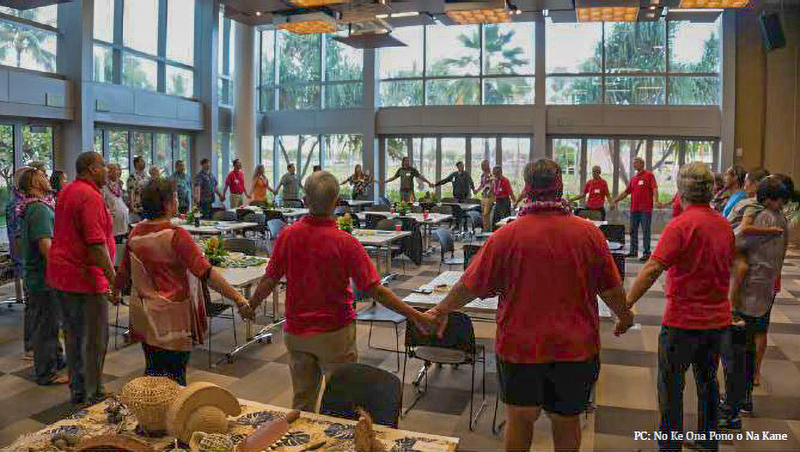
“Native Hawaiian men are not diagnosed as much with colorectal cancer. But they die more often,” says Kevin Cassel, doctor of public health and principal investigator of “No Ke Ola Pono o Nā Kāne” (for the good health of men), a research study at the UHCC.
Using culturally grounded approaches based on Native Hawaiian traditional practices of hale mua (men’s house) and community hui kūkākūkā (discussion groups), the study investigated why nearly 60 percent of Native Hawaiian men over age 50 had never been screened and 30 percent had not discussed colon health or screening with their doctors — in spite of disproportionately higher rates of cancer, diabetes, cardiovascular diseases and obesity among Native Hawaiians.
The study was designed to promote healthy behaviors among 378 kāne, with an emphasis on colon cancer prevention strategies such as the fecal immunochemical test (FIT). By the end of the study, 92 percent of the kāne had improved their knowledge about colon health, 91 percent said they liked the approach and benefited from it and 76 percent agreed to complete a FIT.
“We did find a couple of men who screened positive,” says Dr. Cassel, noting that everyone who needed care received it.
Attributing to the study’s success was the fact that only men were included in the groups, and even the community volunteers who conducted peer-led conversations were Native Hawaiian kāne. Another key that led to the success of the study and its program was bringing in cultural practitioners and kūpuna (elders) who shared knowledge about traditional practices.
Another topic the men covered in the hale mua was ‘ai pono — the traditional Hawaiian diet based on fish and root vegetables, with participants discussing the relevance of those foods today. Other conversations in the hui kūkākūkā centered around pule and the importance of prayer and maintaining spiritual health.
Each community hui kūkākūkā discussion included a physician who was present to field questions. The informal setting appealed to participants who normally only see doctors during office visits.
Nancy La Joy, executive director of the Pacific Cancer Foundation and Peter Kafka of the men’s online support group, Men’s Talk Story, recognizes alternative Hawaiian medicines such as the Noni fruit. Photo by Hideharu Yoshikawa
“Once the questions started, we’d just go wherever it went,” says Nathan Wong, MD, a study kauka (physician). Dr. Wong was one of five Native Hawaiians in the first class enrolled at the John A. Burns School of Medicine on O‘ahu. Now retired from family medicine, Dr. Wong, a member of the Native Hawaiian Community Advisory Board at the UHCC, is deeply concerned about disparities that challenge Native Hawaiian men today. “There’s something going on there,” he says. “We need to see what we could do with alleviating that significant differentiation between Native Hawaiian men and others. There’s no doubt that you have significant issues with and susceptibility to many cancers.”
Expanding on issues that affect Native Hawaiian men, Dr. Wong says, “Kāne don’t go to their doctor. Perhaps they don’t trust the physician; perhaps they’re too busy. And maybe they just don’t have enough information.”
He adds that women are more accustomed to going to the doctor for themselves and their children. So this discrepancy is more than cultural or socioeconomic; it’s also gender-based. “That’s why we focused on kāne. Only guys. That’s the whole point of the hale mua.”
Dr. Wong is proud to see the community hui kūkākūkā for kāne work as “a way of bringing them together in something that’s culturally familiar — to some extent, very much Hawaiian.” And, we got more men to do their FIT tests,” he’s proud to say. Introducing FIT to kāne through community hui kūkākūkā may improve outcomes and reduce deaths. “And to me, that’s the main thing — realizing the power of groups of kāne that can discuss health in a way that is comfortable for them.”
Kākoo: KĀNE SUPPORT SERVICES
“Men are a little bit different,” says Peter Kafka, who lives on Maui and runs support groups for men. “Our minds — our emotions — work differently.” And when it comes to taking care of their own health, he says, “You know, we treat our bodies kind of like our automobile.” While describing his 1998 Toyota truck with 200,000 miles on it, Peter explains, “We’re looking to fix things. You know, when something goes awry, we get on the internet and search.” And that’s what Peter did when he was told that he had an aggressive form of prostate cancer.
Peter’s search for information and advice from people who had walked the path before him led to a support group for cancer patients. But eight years ago, the only support groups he found on Maui were filled with women with breast cancer who talked about hairstyles and recipes, he said.
Peter’s search for a support group that he could connect with led him to the Maui-based Pacific Cancer Foundation (PCF) and a national organization called AnCan (Answer Cancer) that supported him in pioneering a movement when he began hosting an online support group for men called Men’s Talk Story. The group is still active and meets online regularly for men who are dealing with every stage of every type of cancer that want to connect and talk about their diagnosis, treatments, health insurance, relationships and more.
“We also have a group specifically for men under 60,” Peter explains. “We have an emotional support group called ‘Speaking Freely’ for just guys to talk about cancer in general and how it’s impacted their life and relationships, their work — everything. This is not just a male affliction. It strikes at the heart of a relationship. So we talk very honestly and open about things. To create a trustworthy group of guys you can connect with is really life-changing.”
And now that he’s retired as the maintenance supervisor at Haleakalā National Park, Peter has more time to talk story. “A lot of guys are uncomfortable doing Zoom meetings,” he says. “So I make myself available on the phone.” If you’d like to talk story with Peter, call 808-298-1655.
Ho‘okele: NAVIGATING A CANCER JOURNEY
What happens when your life’s journey is detoured by cancer and you come to a crossroads where you must start making choices right away? You meet new doctors. You hear about surgery, chemotherapy, radiation. You spend hours sifting through information on the internet.
For many people, navigating the healthcare system can be overwhelming. And having to make choices can be beyond overwhelming.
And while you have to take this journey, you don’t have to do it alone.
Patient navigators are health professionals who focus on providing education, guidance and assistance to help patients find their way through the healthcare system and to ensure that their healthcare needs are met. The PCF offers free patient navigation services for people on Maui, Lāna‘i and Moloka‘i.
“Everybody’s cancer journey is different,” says PCF Executive Director Nancy La Joy, who describes a patient navigator as “a lot like a social worker and a community health worker who really walks the journey with each person, one by one, hand in hand.”
Personalized care can make all the difference for a patient’s outcome.
“The patient navigator’s job is to eliminate any barriers to healthcare,” says Nancy, “Those could be educational, advocacy, understanding your diagnosis, understanding your treatment plan, understanding your medical team, and what the role is of each of the players.”
Transportation is one of the biggest barriers to healthcare, says Nancy. “A lot of times, during the course of treatment, people will get to the point where they don’t feel well enough to drive themselves. Or maybe they need to go to O‘ahu or the mainland for specialized treatment. We help with all of that — ground transportation, air transportation, and sometimes lodging.” When travel is necessary, the PCF will work with patients, insurance companies and service providers, including airlines and hotels, to find solutions.
PCF’s goal is, “to help people get through treatment without any trouble or missed appointments, missed opportunities for care — feeling better and doing better and getting on with your life,” says Nancy, noting that navigators also help people learn to live with cancer for months and years. Throughout the pandemic, the PCF has continued to provide free services through support groups, meditation classes, nutritional support, and its largest program — patient navigation.
Hale o Ka Mana‘olana: BUILDING HOPE
The American Cancer Society is built on hope. Its mission is to save lives, celebrate lives and lead the fight for a world without cancer. And one way the organization does that is by providing a free place for patients and caregivers to stay when they need to travel for cancer treatment — because often, the best hope for effective treatment is far from home.
There are more than 30 places in the US known as Hope Lodge.
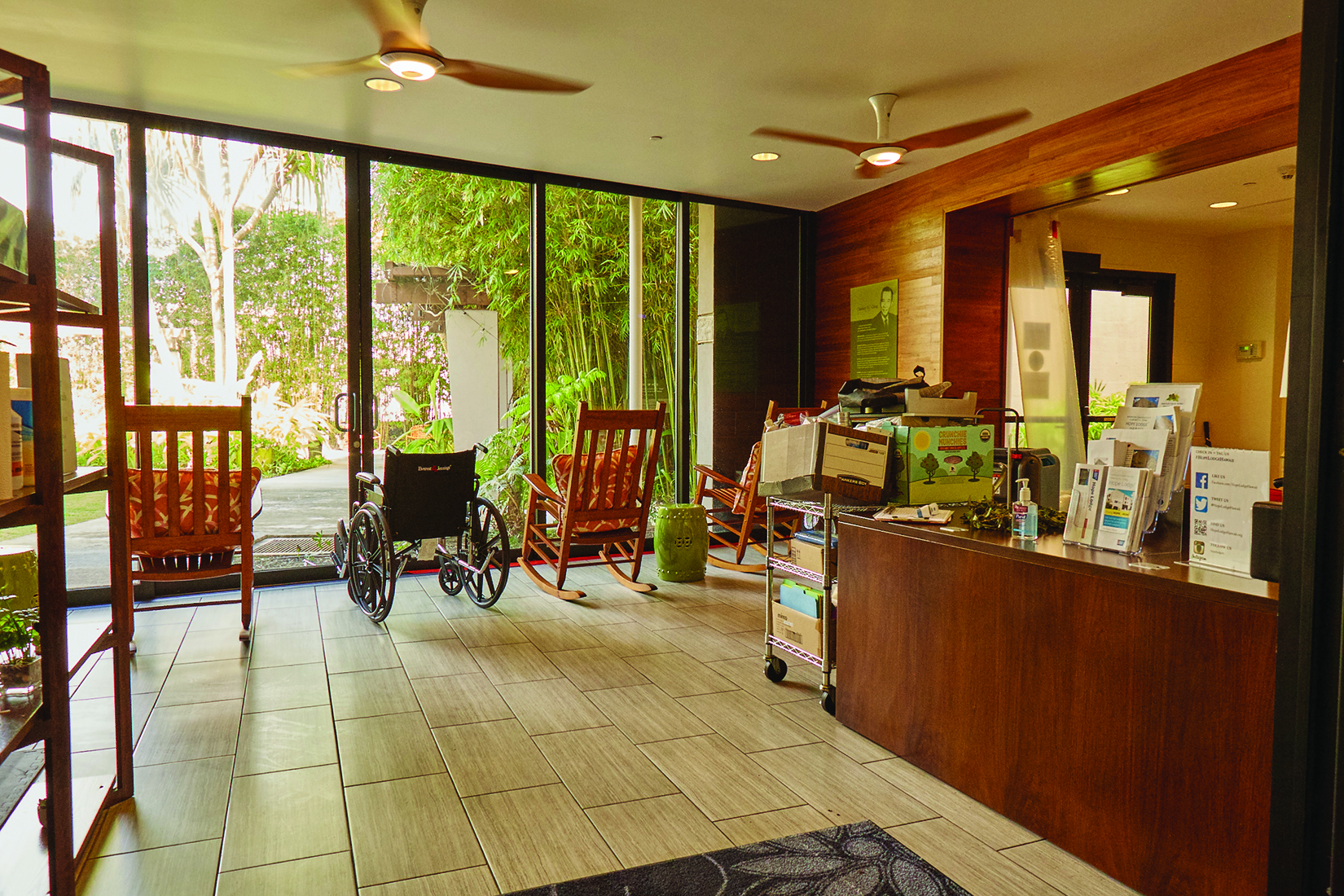
The Clarence T.C. Ching Hope Lodge Hawai‘i in Honolulu opened in 2016 as the first and only Hope Lodge in the western US.
For nearly 1,000 cancer patients and their caregivers who’ve traveled from Hawai‘i Island, Maui, Lana‘i, Moloka‘i, Kaua‘i, Guam, American Samoa, and other Pacific Islands for cancer care on O‘ahu, Hope Lodge Hawai‘i has been a safe, caring, comfortable home away from home.
An average stay at Hope Lodge Hawai‘i is 14 nights. And by offering more than 5,000 nights of accommodations each year — free-of-charge — the ACS provides an annual benefit to cancer patients in Hawai‘i and the Pacific totaling more than $1.2 million. That’s a big help and a big comfort in a place built on hope.
Nā Mea No‘ono‘o Hana: LATEST INNOVATIONS FOR LIFE
Through innovations in cancer care in Hawai‘i, doctors have access to better tools that are giving patients better outcomes.
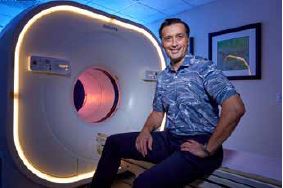
PET/CT (positron emission tomography/computed tomography) scans are key in detecting, staging and monitoring for recurrence of cancer.
Advanced medical imaging technology is now available in Hawai‘i, offering increased speed and quality for doctors, and enhanced comfort and safety for patients.
“Accurate diagnostic data can provide a roadmap for the treating physician to best assess a treatment protocol,” says Insight Imaging President Massimiliano “Max” Clini.
“Better scans lead to better data which lead to better care.”
The latest innovations in digital PET/CT scanners reduce the amount of radiation exposure to patients by up to 50 percent while reducing scan times by up to 90 percent. “Older technology would require patients to lie down on the scanner for upwards of 45 minutes,” explains Max. And that was the case just a few years ago. Today, cutting-edge diagnostic scans can be completed in less than 10 minutes.
State-of-the-art digital imaging can also benefit patient care. “The opportunity to detect smaller lesions can lead to earlier detection of cancers,” says Max, showing how innovative advancements in diagnostic tools can improve the success rate of
cancer treatments.
E Ho‘oikaika Imua: STRIVING FOR A BRIGHT FUTURE
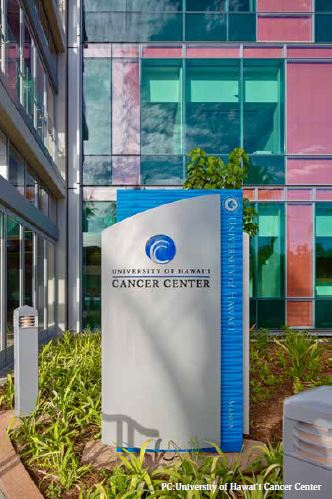
The UH Cancer Center just celebrated 50 years of progress through cancer research, education and community outreach, as well as 25 years of continuous designation by the NCI.
“This is Hawai‘i’s cancer center,” says UHCC Interim Director Joe W. Ramos, PhD. “We focus on: How can we help Hawai‘i? How do we reduce the burden of cancer here? How can we better identify their causes here and use that knowledge to prevent cancers?” And just as urgently, Dr. Ramos adds, “How can we use that knowledge to attack cancers with these new therapeutics and new diagnostics?”
“We’re trying to figure out what makes different cancers form, grow, and move and metastasize,” explains Dr. Ramos. “If you can catch the cancer early, you have more options for successful treatment and a cure — if it’s early enough. But the problem is, if you catch it later, it may have already spread to other locations. So we’re working hard to better prevent, diagnose and treat cancer.”
To address these issues,” Dr. Ramos says, “We have great faculty and staff working specifically for Hawai‘i and the USAPI.” He describes the UHCC faculty as among the top in the country. And they’re bolstered by strong partnerships with local hospitals and healthcare groups, support from the state legislature and funding through grants that acknowledge the center’s high-quality faculty and top-level ranking as a world-class research institute.
What will success look like for the UHCC in the future? It will be as diverse as the populations it serves, with cutting-edge technologies, innovative research, expanded access to clinical trials here in Hawai‘i, an Early Phase Clinical Research Center, and a high-tech Organoid Generation Facility that will help ensure that Hawai’i continues to have one of the leading cancer research institutions in the nation and the world for the next 50 years.
Filled with hope, ACS Hawai‘i Board Chair Shane Morita, MD, also sees the promise of new technologies and innovations.
“I think the future is really bright,” he says. “We’re looking at different ways of treating cancer with immunotherapy and targeted therapy. There are breakthroughs being made every day.”
As medical director for surgical oncology at The Queen’s Medical Center, Dr. Morita draws inspiration from personal experience — his father died of cancer and his mother became a caregiver. And through professional experience, he sees a
path to a cure through clinical trials.
“They pave the way to find the next standard of care — the gold standard of how we treat patients,” adds Dr. Morita. “When I was training at the National Institutes of Health, a lot of the clinical trials that I was involved in were proven to be effective and have become the standard of care.”
Komo i Ka Noi‘i: JOIN A STUDY OR CLINICAL TRIAL
Would you like to help to advance scientific knowledge and have an impact on the fight against cancer? If you participate in a research study or clinical trial at the UHCC, you might play a role in the discovery of new ways to detect, diagnose, and treat cancer and other diseases, and reduce the chance of developing them in the first place. Volunteers of all ages and ethnicities are needed, and recruitment opens up for different projects at different times. To learn more, call the UHCC at 808-586-2979.
Clinical Trials Actively Recruiting Participants
■ Cyanotoxin Trial
There’s an urgent need to investigate cyanobacteria (blue-green algae) because men and women in Hawai‘i and Guam have some of the highest rates of liver cancer in the US; Native Hawaiian men and CHamoru men have the highest risk of liver cancer. The UHCC is recruiting 400 adults — especially Native Hawaiian men — aged 40 to 70 with no prior cancer.
■ Mediterranean Diet Trial
Researchers at the UHCC are looking for 240 Asian, Native Hawaiian/Pacific Islander and white people in Hawai‘i to go on a Mediterranean diet (seafood, vegetables, fruits, whole grains, beans, nuts and olive oil) or an intermittent energy restriction diet for six months for weight loss.
■ Breast Screening Study
Women 45 to 74 who are planning to get a mammogram are invited to join a research study and help improve future breast screening. The TMIST Breast Screening Study will compare 2-D and 3-D mammography and build a tissue bank for research that can help personalize screening based on personal risk factors and genetics.
■ Caregiver Study
Eligible caregivers, family members or friends of newly-diagnosed colorectal cancer patients may be eligible to receive a tablet with educational materials. Participants may keep the tablet when the study concludes. Researchers want to learn whether providing an educational curriculum in this way can improve quality of life for patients and their caregivers.
Noho Ana Maika‘i a Hau‘oli: LIVING WELL WITH CANCER
Brad Lum says he’s glad that he learned he had Stage 4 prostate and bone cancer eight years ago. If he hadn’t been told that then, he wouldn’t be living his best life now.
“Cancer isn’t the most important thing in my life,” insists Brad. “It is there. I acknowledge it. That’s about it.”
Active and fit, Brad enjoys hiking, surfing and going to the gym. He’s becoming vegan. And he encourages people to eat foods like kalo, ‘ulu, and ‘ōlena (turmeric) that were cultivated in Hawai‘i. Brad also strives to balance Western medicine with traditional Hawaiian la‘au lapa‘au. “You can do both,” he says. “Make it balanced.”
Kumu Brad keeps his balance through chant and prayer. Around the time of his cancer diagnosis, he realized, “I started to see clearly.” And that’s when he became a Buddhist.
The kumu hula and retired teacher is also glad to be making plans for his 70th birthday. “I’m gonna have two parties,” he says. “And I’m gonna jump out of a plane.”
For all his positivity, Kumu Brad keeps it real and he keeps it balanced. “I just wanna enjoy life,” he says. “Just enjoy, period.”
Cancer is a big problem. And our lifestyle, our diet, and even our genes can put us at risk to be among the one in two men or one in three women who will be diagnosed with cancer in our lifetime.
So take actions that will reduce your risk. Go for a walk. Smell the flowers. Keep informed. Eat more vegetables. Lose weight. Use sunscreen. Stop smoking. Join a research study. Enjoy the views. Keep in touch with friends and family. Stay balanced. And just enjoy life, period.
Here in Hawai‘i, we’re lucky to live on beautiful islands with multigenerational families in multicultural communities. We have city life, country life, sunshine every day and some of the best food in the world. But our lifestyle, diet and even our genes can put us at risk for cancer. Yes, even here in paradise.
Parents often struggle with the concepts of equal, equitable, fairness and adequacy when it comes to the distribution of their assets among their children. Defining these terms will help us make the decision that most closely reflects our intention.
Adequate means the minimum amount of money needed for survival. The adequacy level has been met if our children are independent and not in need, and if we can be reasonably sure that they will not become dependent.
Equal means giving the same dollar-amount to each child. This means that we change our focus as parents from meeting the individual needs of our children to simply and equally dividing of our assets among them, without consideration of their station in life.
Equitable means having the same financial opportunity to reach a specific objective considering current personal conditions, but without regard to how those happened.
Fair means having a non-discriminatory attitude regardless of personal conditions, but with regard to how it happened. If one child chooses not to work and is still living at home, and one child works and is living independently, leaving the house to the non-working child may be equitable (each having a place to live) but not fair, and in a way, penalizes the working child.
Parents often struggle with the concepts of equal, equitable, fairness and adequacy when it comes to the distribution of their assets among their children. Defining these terms will help us make the decision that most closely reflects our intention.
Remember the classic Abbott and Costello comedy routine, “Who’s on First?” The longer they banter, the more their frustration grows due to their seeming lack of understanding of the game they are discussing — and hilarity ensues.
Similarly, the language of estate planning can give rise to problems for the uninitiated, but the problems that arise may not be funny at all. The vocabulary of estate planning is very precise and a seemingly innocuous slip of the tongue can make a world of difference.
A good example is the term “estate.” Does it mean land, as in “real estate,” or what passes by way of your will, as in “probate estate,” or does it mean what is in your revocable living trust, as in “trust estate” or does it mean what is subjected to “estate” tax after you are gone? It can mean any of those things, depending on the context.
An “estate” can be land or an interest in land. An example of an interest in land is a life estate, which gives the owner (the “life tenant” ) the right to use the land for his or her lifetime. The life estate terminates upon the life tenant’s death and the land then goes to the person who stands to inherit property (the “remainderman”).
The term “life tenant” does not refer to somebody who pays rent, as we normally think of a “tenant,” but rather somebody who can use certain property for life without having to pay rent.
Your probate estate is whatever you own at your death that will pass by way of your Last Will and Testament. It can include anything you own, such as land, bank accounts and jewelry.
If you put your land, bank accounts and jewelry into your revocable living trust, those assets become what is called your “trust estate,” and they will no longer be part of your probate estate when you die. Your trust estate bypasses probate.
But wait! “Doesn’t the estate tax hit not only a person’s probate estate, but also things that have nothing to do with the person’s probate estate — like life insurance policies, retirement accounts, jointly owned assets and trust assets?” Yes, because your estate for estate tax purposes includes just about everything you own or control at the moment of your death.
Knowing the language of estate planning can be helpful in formulating your own estate plan, as well as understanding someone else’s plan that names you as a beneficiary. Having a well-informed estate planning vocabulary takes you a long way toward knowing “who’s on first” in the complicated subject of estate planning.
Remember the classic Abbott and Costello comedy routine, “Who’s on First?” The longer they banter, the more their frustration grows due to their seeming lack of understanding of the game they are discussing — and hilarity ensues. Similarly, the language of estate planning can give rise to problems for the uninitiated, but the problems that…
Dividing tangible personal property is a task that often causes problems for a personal representative and between heirs.
A will typically directs that property with monetary value is to be sold and the proceeds deposited into the estate account.
But what happens when the property has no real value but the sentimental value is priceless?
Here are some possible solutions that may help mitigate potential problems:
♦ Plan ahead and make a list within your will that identifies the item and recipient. This is unambiguous and clearly expresses your wishes.
♦ Consider gifting items while you’re alive. The added benefit is watching the recipient enjoy your gift.
♦ Consider assigning a number to all items and draw them from a jar (if you are acting as a personal representative).
♦ Use color-coded stickers to designate what items will go to whom. The item with the appropriate sticker will go to the “owner” of that color. If an item has multiple stickers from many hopeful recipients, begin a discussion about who gets the item. The story explaining why someone is attached to a particular item may help with the grieving process. If it cannot be resolved, put all the names in a hat and conduct a random drawing.
♦ Hiring an unbiased, outside, professional third-party to help decide how to divide the property, manage communication and resolve conflicts may be a final strategy. For example, a mediator helps parties negotiate a settlement that will satisfy all the parties. (Keep in mind that a mediator does not decide a dispute.)
It is always best to plan ahead. But if that is not possible, develop a strategy for dividing items that everyone agrees on. This can be a positive experience with planning and strategy.
Dividing tangible personal property is a task that often causes problems for a personal representative and between heirs. A will typically directs that property with monetary value is to be sold and the proceeds deposited into the estate account. But what happens when the property has no real value but the sentimental value is priceless?
Like most Americans, you’ve probably spent years working to achieve the retirement of your dreams. Then there comes a point when this career milestone changes from a distant goal to an imminent reality.
You can make your first year away from work more rewarding and less stressful when you take the time to anticipate potential challenges and prepare for how you will handle this important life change.
Your state of mind
In your first weeks as a new retiree, it’s normal to feel both excitement and trepidation. You’re eager for more time to connect with friends and family, and to do the activities you love. Stepping away from your career can also reduce your stress level and free you from the burden of having competing priorities.
However, saying goodbye to your workplace, business associates, day-to-day responsibilities and regular paycheck may trigger anxiety and sadness. This is especially true for those who have really enjoyed their professional status and fulfilling career.
If your spouse or significant other is already at home, either as a homemaker or the first retiree, recognize that your new lifestyle may cause similar emotions for this person. Imagine your reaction if he or she were retiring to your “office.” The change would mean a departure from your schedule and habits, even if it does mean more time together.
For those experiencing mixed feelings, it’s helpful to acknowledge them, both to yourself and a partner or trusted friend. Remind yourself why you chose to retire and remember all that you accomplished to reach this point.
Your purpose
With your calendar clear of work obligations, it’s important to identify a few ways to fill your time. To start, keep the promises you’ve made to yourself, your spouse or others about what your retirement will include.
For example, if you’ve promised distant relatives that you’ll reconnect some time in the future, then organize a reunion.
Or set a date to fulfill your dream of visiting France’s wine country or find an instructor who can teach you to play the piano. Alternatively, you may decide to pursue an encore career, part-time job or an opportunity to open your own business.
With all your new possibilities, it’s important to avoid overcommitting yourself. Give yourself some breathing room in each day and ease into volunteer organizations or activities. Now that you have the freedom to do so, be sure that you’re choosing to spend your time in ways that are the most gratifying to you.
Your finances
Adjusting your mindset from building your nest egg to spending it can be challenging. To make your initiation to retiree life easier, create a plan for how you will pay yourself in retirement. Start by tallying your income sources before determining which ones you’ll tap into first.
Next, estimate your cash flow for year one. Planning this in advance can help ease worries and reduce your risk of overspending. As a benchmark, have enough cash to cover three years of potential unexpected expenses.
Once you’re in retirement, enjoy your newfound freedom, but make sure to monitor your cash reserves regularly to gauge your spending and make adjustments as you find necessary.
If you’re uneasy or need reassurance that your income and cash flow plans are sufficient, meet with a financial advisor. Together you can look at the impact of taxes, evaluate your portfolio diversification and prepare for the legacy you’d like to leave your community and family.
Becoming a retiree means both enjoying and enduring a lot of change. Although you can’t prepare for every challenge and opportunity you might face in your first year, planning for what you can control allows you to move into this new life stage with confidence.
Like most Americans, you’ve probably spent years working to achieve the retirement of your dreams. Then there comes a point when this career milestone changes from a distant goal to an imminent reality. You can make your first year away from work more rewarding and less stressful when you take the time to anticipate potential…
If you or someone you know is a Medicare beneficiary and is also prescribed insulin, the new Insulin Senior Savings Program is worth looking into.
This program is offered through certain Medicare Advantage Prescription Drug Plans and also through stand-alone Medicare Part D Prescription Drug Plans. It is designed to cap the price of many insulins at just $35 a month for a 30-day supply for every month of 2022.
The purpose is to encourage members to stay on their medicine all year by offering a much lower, more consistent cost. Basically, it means the price of the insulin will not be affected by the deductible stage, the initial coverage stage or the coverage gap, also known as the “donut hole.”
Medicare estimates that the Insulin Senior Savings Program will save members close to $500 a year. The surprising thing is that this benefit is an included part of quite a few Medicare Advantage Plans offered in Hawai‘i this year, even some with $0 monthly premiums.
For more information, beneficiaries should reach out to a Medicare specialist.
You may need Social Security when you least expect it and we’re here to make sure our information is always accessible to you.
Whether you’re planning for your retirement years in advance or thinking about applying today, you probably have questions.
Our Frequently Asked Questions at www.faq.ssa.gov has answers to your questions about our programs and services. We feature our most-asked questions at the top of the page to quickly help you find answers to the most common questions, such as:
• What should I do if I receive a call from someone claiming to be a Social Security employee?
• How do I change or correct my name on my Social Security number card?
• How can I get a Social Security Statement that shows a record of my earnings and an estimate of my future benefits?
• How do I apply for a new or replacement Social Security card?
You can also browse by topics, such as disability, Social Security payments, retirement and Medicare. We also have a publications library at www.ssa.gov/pubs with information on many topics. And we provide each publication in text, audio and downloadable formats.
You may need Social Security when you least expect it and we’re here to make sure our information is always accessible to you. Whether you’re planning for your retirement years in advance or thinking about applying today, you probably have questions.
Kūpuna are the most vulnerable to online scams due to social isolation during the pandemic. We must stay vigilant, as scammers use more sophisticated ways to steal your personal identity, shame you of your self-worth and steal your life’s legacy. Here are some important tips to avoid becoming a victim:
PREVENTION
• Medicare will never call you needing confirmation to pay for medical products or services. Just hang up and call SMP Hawaii.
• Scammers send urgent emails or text messages meant to make you panic: “Act now! Click here!” Stop and look at the fine print. Take time to think clearly before doing anything.
• Never click on a link in a text or email, even it’s from someone you know. Scammers can “spoof” or disguise their calls, texts or emails as being from a known and trusted source.
DETECTION
Find billing errors and abuse by diligently checking to verify your medical statements and bills:
• Keep accurate records of doctor visits, lab tests and surgical equipment, etc.
• Organize and file copies of medical bills received and payments made.
• Review your Medicare Summary Notice or Explanation of Benefits from your health plan for accuracy, and look for suspicious charges for services that you did not receive.
REPORTING
What to do if you mistakenly provided your Medicare number or other personal health information to a possible scammer, including:
• a caller offering a Medicare-approved knee brace, (genetic) testing or other service.
• at a fair booth or stand as an enticement to receive free services or a special gift.
• in response to an ad offering money and/or exclusive benefits.
Call Senior Medicare Patrol Hawaii or visit www.smphawaii.org to report the instances above or to schedule counseling, request a group presentation, or to volunteer to stay informed and safe. In June, SMP Hawaii will celebrate 25 years of helping kūpuna, their families and caregivers.
SENIOR MEDICARE PATROL (SMP) HAWAII
Department of Health — Executive Office on Aging
250 S. Hotel St., Ste. 406, Honolulu, HI 96813 808-586-7281 | Toll Free: 1-800-296-9422 info@smphawaii.org | www.smphawaii.org
This project was supported in part by grant number 90MPPG0053 from the US
Administration for Community Living (ACL), Department of Health and Human
Services, Washington, DC, 20201. Grantees undertaking projects under government
sponsorship are encouraged to express freely their findings and conclusions. Points
of view or opinions do not, therefore, necessarily represent official ACL policy.
Kūpuna are the most vulnerable to online scams due to social isolation during the pandemic. We must stay vigilant, as scammers use more sophisticated ways to steal your personal identity, shame you of your self-worth and steal your life’s legacy. Here are some important tips to avoid becoming a victim…
Meaningful, familiar and ability-matching activities for those with dementia is the goal of the Montessori method of dementia care. Long-term memories can be unlocked through engaging in familiar tasks.
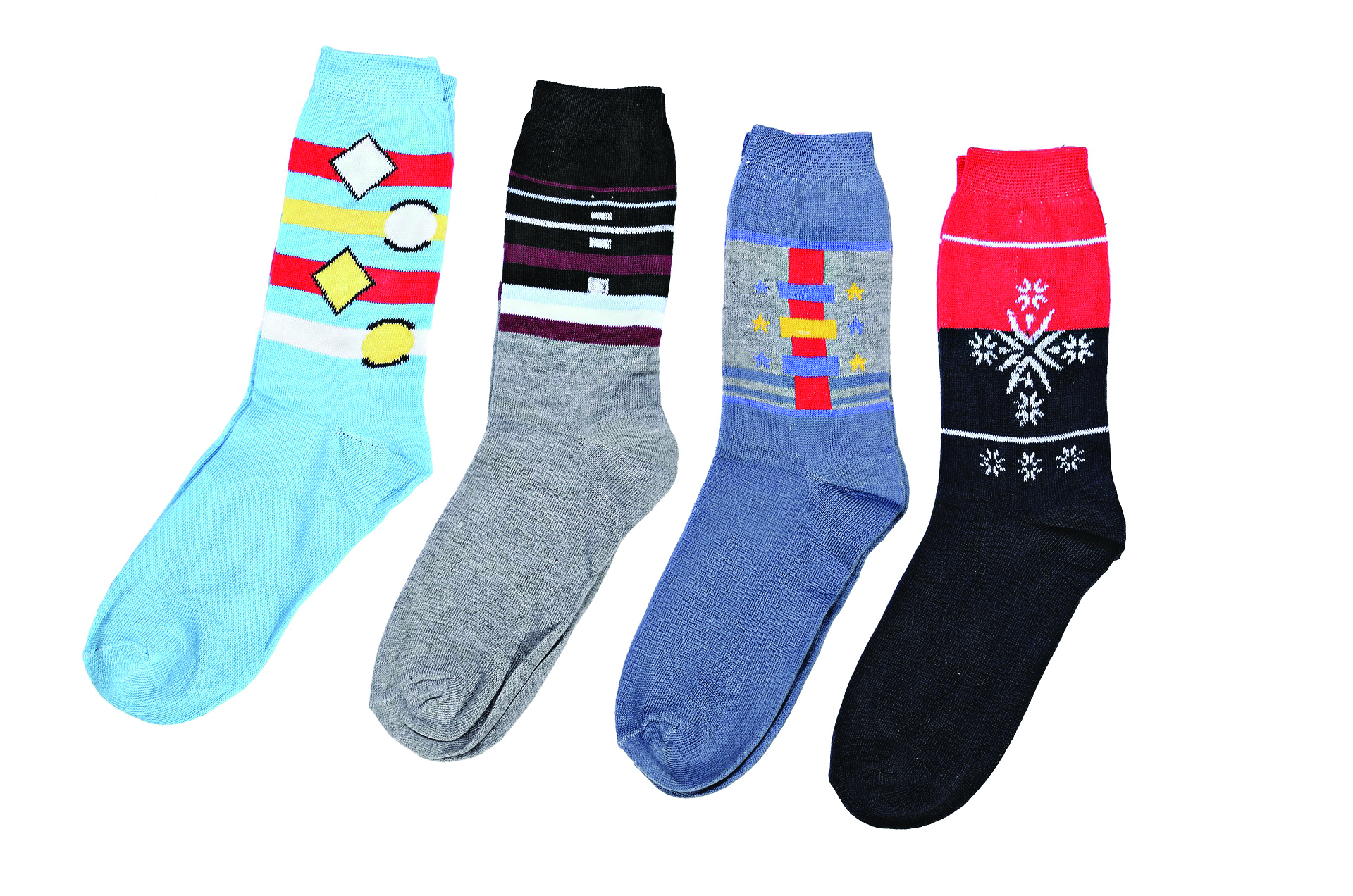
Matching up socks can engage the senses and provide a sense of accomplishment for those with dementia
Using this as a form of activity in a care setting involves providing easy tasks broken down into simple steps that can spark interest and have successful outcomes. Matching and folding a basket of brightly colored socks is a good example. Their textures and colors engage the senses, while finishing the task unassisted provides a sense of accomplishment. Memories of caring for a home and a sense of independence can resurface.
Facility design is key to the success of this method: Setting up simple activities in inviting ways draws the individual in without forcing him or her to participate can evoke feelings of empowerment. This is different than a regularly scheduled activity program as tasks are done at the individual’s leisure. Garden stations, writing cards and basic cooking projects all have the potential to unlock memories and positive emotions. This method has been shown to reduce anxiety and provide comfort to kūpuna, bringing joy and meaning to a day.
Meaningful, familiar and ability-matching activities for those with dementia is the goal of the Montessori method of dementia care. Long-term memories can be unlocked through engaging in familiar tasks.
While there have been terrible examples of guardianship abuse cases in the news, there are also thousands of individuals who are benefiting from ethical, well-disciplined guardians.
In Hawai‘i, the word “guardian” refers to guardian of the person. The word “conservator” is used when referring to the conservator of the property.
The guardian focuses on helping to make medical, educational and person-related decisions for someone who either is not able to understand or make decisions for themselves. The conservator manages income and financial considerations. Both are appointed by a court of law.
While specific training is not required in Hawai‘i, it is important to consider the character and qualifications of the guardian nominee.
View other resources of guardians and qualifications:
The Caregiver Foundation provides administrative services to guardians who are seeking to execute thei {Play}r duties properly. The executive director of The Caregiver Foundation will, in some cases, act as a court-appointed guardian.
While there have been terrible examples of guardianship abuse cases in the news, there are also thousands of individuals who are benefiting from ethical, well-disciplined guardians.


 The mission of the Hawaiian Humane Society (HHS) is to promote the human-animal bond and the humane treatment of all animals. Listed below are some of the ways you can assist or benefit from the services that HHS offers.