Category: Articles

  • Medicare: New Regulations Start This Fall

    Medicare and Medicaid agents are scheduled to begin recording calls and providing a new disclaimer at the beginning of phone calls this fall during the Medicare Annual Enrollment Period. These changes directly result from new compliance rules from the Centers for Medicare & Medicaid Services (CMS).

    Agents will be required to record calls with customers who want to discuss Medicare Advantage and/or Part D prescription drug plans. Recordings are retained for a  minimum of 10 years. Agents must also recite a new, required disclaimer within the first 60 seconds of a call.

    “We do not offer every plan available in your area. Any information we provide is limited to those plans we do offer in your area. Please contact Medicare.gov or 1-800-MEDICARE to get information on all of your options.”

    These new regulations were implemented to help protect you, the Medicare beneficiary. Please ask the licensed agent you work with if they comply with these new rules and if the recordings are stored on a HIPAA-compliant system to ensure security of your Personal Health Information (PHI). This will help provide you peace of mind by ensuring that your information is protected.


    COPELAND INSURANCE GROUP
    1360 S. Beretania St., Ste. 209, Honolulu, HI 96814
    808-591-4877 | Fax: 808-589-2399
    margaret@copelandgroupusa.com
    copelandgroupusa.com

    Medicare and Medicaid agents are scheduled to begin recording calls and providing a new disclaimer at the beginning of phone calls this fall during the Medicare Annual Enrollment Period. These changes directly result from new compliance rules from the Centers for Medicare & Medicaid Services (CMS).

  • Beware of Holiday Charity Scams

    If you are considering a donation to a charity during this season of giving, Senior Medicare Patrol (SMP) Hawaii warns you to be wary. Charities use the phone, face-to-face contact, email and the internet — and so do scammers. The Federal Trade Commission, an SMP partner, offers these tips to keep you safe from scammers:

    • Ask for the charity’s exact name, address and phone number.

    • Research the organization online — especially with the word “complaint(s)” or “scam.”

    • Call the charity to confirm that it has people soliciting donations.

    • Ask if the caller is a paid fundraiser. If so, ask the name of the charity they represent and the percentage of donations that go to the charity.

    • Keep a record of donations.

    • Never send cash. Pay by check made payable to the charity or by credit card.

    • Never wire money to someone claiming to be a charity. Scammers often request donations to be wired because wiring money is like sending cash: once you send it, you can’t get it back.

    • Never give your credit or check card number, bank account number or any personal information until you’ve thoroughly researched the charity.

    • For more information, visit ftc.gov. To learn more about Medicare fraud and scams, visit SMP online.

    Fifty-four SMPs in the nation empower and assist beneficiaries, families and caregivers to prevent, detect and report healthcare fraud, errors and abuse through counseling, outreach and education. Contact SMP Hawaii for free presentations, counseling and how to protect yourself against scammers. This volunteer-based program depends on caring, qualified and professional volunteers to help kūpuna against falling victim to Medicare fraudsters and more. Join our team and make an immediate and lasting difference in our community!


    SENIOR MEDICARE PATROL (SMP) HAWAII
    Department of Health — Executive Office on Aging
    250 S. Hotel St., Ste. 406, Honolulu, HI 96813
    808-586-7281 | Toll Free: 1-800-296-9422
    info@smphawaii.org | smphawaii.org

    This project was supported in part by grant number 90MPPG0053 from the US Administration for Community Living (ACL), Department of Health and Human Services, Washington, DC, 20201. Grantees undertaking projects under government sponsorship are encouraged to express freely their findings and conclusions. Points of view or opinions do not, therefore, necessarily represent official ACL policy. The Hawai‘i Department of Health – Executive Office on Aging has administered SMP Hawaii since 1997.

    If you are considering a donation to a charity during this season of giving, Senior Medicare Patrol (SMP) Hawaii warns you to be wary. Charities use the phone, face-to-face contact, email and the internet — and so do scammers. The Federal Trade Commission, an SMP partner, offers these tips to keep you safe from scammers.

  • Emotional Wellness During the Holidays

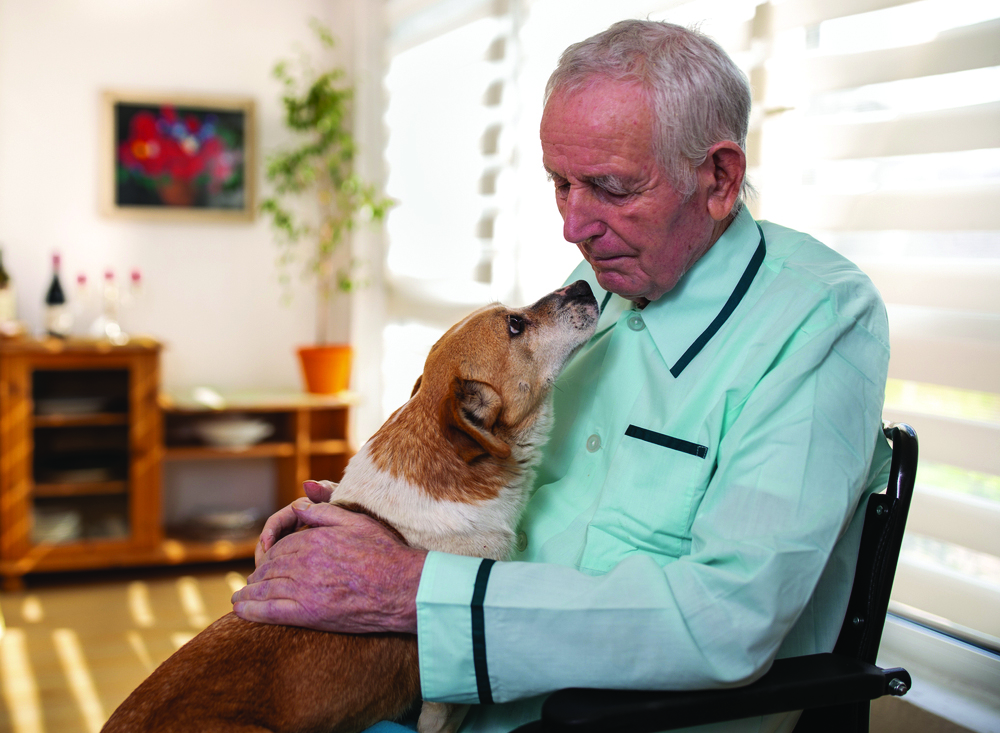
    Senior man with his dog sitting in chair beside window and sharing loveWith the holiday season upon us, it’s important to look after one’s mental health and emotional well-being. While the season typically includes family and social gatherings, holidays can also be stressful, and trigger feelings of grief, loneliness and depression. Consider some of these steps to help support  your emotional health and find joy during the holidays and beyond.

    ✦ Breath & Health: The way you breathe can affect your mind and body. Full, deep breathing is a good way to reduce tension. In the Hawaiian culture, the breath is an important part of physical and spiritual health. Be aware of your breathing. Practice daily deep breathing exercises.

    ✦ Nutrition & Exercise: Key to your overall wellness and coping with stress is a well-balanced diet, plenty of water and regular exercise. Stay hydrated by drinking six to eight 8-ounce glasses of water daily. Steer clear of heavily processed foods that are high in sugar or saturated fat. Check with your doctor and keep him or her informed about any changes to your diet and movement routines, or if you’re thinking about starting a new exercise program.

    ✦ Alcohol Intake: Even small amounts of alcohol, such as one drink, can make depression worse and disrupt your sleep and mood.

    ✦ Depression: Grief, stress, physical challenges and changing life circumstances can trigger depressive symptoms, and other emotional health problems. Know when to get help. If you’re concerned about your mind and mood, talk to a personal physician or behavioral health expert.

    ✦ Self-Care Apps: Digital apps can help your emotional well-being and resilience. The myStrength app offers a personalized program that teaches mindfulness and other helpful behaviors. Calm is an app designed to help lower stress, reduce anxiety and improve sleep by using guided meditation. Learn more at kp.org/selfcare.

    ✦ Getting Help: Mental healthcare is not one-size-fits-all. Treatment differs for everyone — from the type of provider you see and how often you see them to the length of time it takes for treatments to be most effective. If you don’t know where to start, discuss options and next steps with your doctor. If you believe you’re having a mental health or medical emergency, call 911 or go to the nearest hospital.


    KAISER FOUNDATION HEALTH PLAN, INC.
    711 Kapiolani Blvd., Honolulu, HI 96813
    808-432-5915 (TTY 711) | kp.org
    More resources & tools:
    kp.org/mentalhealth
    kp.org/seniorhealth This article contains health and wellness or prevention information.

    With the holiday season upon us, it’s important to look after one’s mental health and emotional well-being. While the season typically includes family and social gatherings, holidays can also be stressful, and trigger feelings of grief, loneliness and depression. Consider some of these steps to help support  your emotional health and find joy during the…

  • What is Telemedicine?

    Telemedicine facilitates medical professionals in providing medical care to patients outside of the traditional office setting by using modern technology.

    “Telemedicine” and “telehealth” are often used interchangeably. However, telehealth specifically describes the electronic and communications technologies being used to provide services remotely. Telemedicine can be viewed as the professional medical consultations you may receive remotely or outside of the clinical office.

    One of the main benefits telemedicine can provide to kūpuna is increased access to care. For many kūpuna, it can be difficult to get to the doctor’s office due to lack of transportation, physical impairments and lack of caregiver assistance. Telemedicine enables patients to stay at home and to see their physician remotely using telecommunication devices.

    However, not all kūpuna have the knowledge, technological skills or equipment to use telecommunication technologies.

    Solutions include getting help from family and friends who are more savvy. They’re already adept at using devices like a cellphone, and can easily help a senior. And your family member or friend can be right there to help assist if it is difficult for the senior to see or hear their doctor.


    OHANA PACIFIC MEDICAL LLC
    428 Kawaihae St., #148, Honolulu, HI 96825
    808-930-9858 | opm@ohanapacific.org
    ohanapacificmedical.org

    Telemedicine facilitates medical professionals in providing medical care to patients outside of the traditional office setting by using modern technology. “Telemedicine” and “telehealth” are often used interchangeably. However, telehealth specifically describes the electronic and communications technologies being used to provide services remotely. Telemedicine can be viewed as the professional medical consultations you may receive remotely…

  • Make Naughty Sweets Nicer for Teeth

    In Hawai‘i, everyone loves to spoil their loved ones with sweet treats during the holidays. It’s okay to indulge in a treat or two, but don’t forget the toll it takes on your teeth and gums. Here are some oral health tips when eating common holiday sweets:

    ❉ Arare (mochi crunch), candy canes and other hard candy: You’re putting your teeth at risk for decay when you let snacks dissolve in your mouth. And crunching on them could crack your teeth. Swap out hard candies for dark chocolate instead, which has less sugar and dissolves quickly.

    ❉ Pies, cakes and cookies: You’ve probably been waiting all year for that pumpkin crunch cake or custard pie, but moderation is key when it comes to these baked goods. Also, save yourself the toothache and scrape off the icing or sweet toppings before you eat them.

    ❉ Hot chocolate, eggnog or hot apple cider: These classic holiday drinks are full of sugar. Try your best to eliminate extra additions like marshmallows, alcohol or extra syrup that may harm your teeth or dry out your mouth.

    ❉ Mochi, caramels and other sticky sweets: Sticky sweets stay on your teeth longer, and their sugar and acids can break down enamel throughout the day. Brushing and flossing every time after eating them will save you an extra trip to the dentist.

    Go ahead and enjoy some sweet holiday decadence, but be sure to balance that out with crunchy fruits and veggies (carrots are a particularly great choice) and whole grains. Dentists also recommended drinking water immediately after eating to help wash sugars and acids from teeth.

    Be sure to discuss any changes in diet as well as other medical conditions with your physician and dentist. For healthier teeth, gums and total body health, a solid routine of brushing twice a day, flossing daily and seeing your dentist twice a year will ultimately help you live well and smile more at every age.


    HAWAII DENTAL SERVICE (501(c) 4 nonprofit)
    Kahala Howser, Wellness & Events Manager
    808-521-1431 | khowser@hawaiidentalservice.com
    HawaiiDentalService.com

    In Hawai‘i, everyone loves to spoil their loved ones with sweet treats during the holidays. It’s okay to indulge in a treat or two, but don’t forget the toll it takes on your teeth and gums. Here are some oral health tips when eating common holiday sweets.

  • Why Coffee Is a Health Food for Older Adults

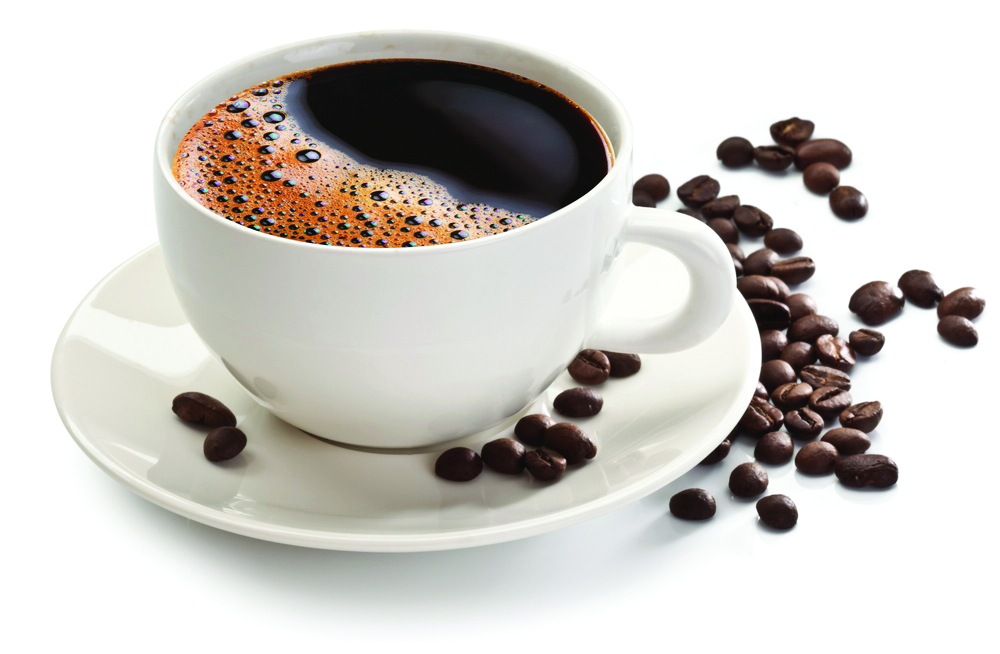
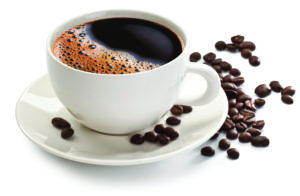
    Coffee cup and beans on a white background.

    Quit feeling guilty over your morning cup(s) of joe. Research shows that coffee can help prevent dementia, improve cardiovascular health and increase lifespan.

    Coffee can help seniors maintain a healthy lifestyle. That is the conclusion of a plethora of studies on the steamy liquid that is synonymous with waking up for many Americans over 60. In fact, the morning brew has been shown to reduce a number of health issues. The main active ingredient in coffee, caffeine, is an antioxidant. Antioxidants help block damage related to aging:

    • Coffee can keep cells more elastic, reducing the hardening of arteries that takes place over time that weakens the cardiovascular system.
    • The risk of stroke is reduced by up to 22 percent. Even one cup of coffee per week was found beneficial to reduce stroke and improve heart health.
    • Caffeine may prevent or delay age-related cognitive impairment, including dementia. One study that tracked people from middle age to the 70s found a reduced lifetime risk of dementia.
    • Drinking caffeinated coffee cuts the risk of mouth and throat cancer in half and reduces the risk of many other types of cancer, as well as Type 2 diabetes.
    • The mood boost associated with coffee can increase motivation and alertness, in turn lowering the risk of mental health issues like depression.
    • People who drink coffee on a regular basis have an overall lower risk of death than those who do not.

    How Much is Too Much?

    Most studies have centered on consumption in the range of three to five 8-ounce cups, or up to 400 milligrams of caffeine. This amount reduces the risk of suicide for both men and women by 50 percent, and the overall risk of early death by 15 percent (this latter statistic holds true even for decaf drinkers).

    The Healthiest Way to Brew

    The method used to make the brew can have a big impact on LDL cholesterol, which can damage the arteries and triglycerides levels. Filtered coffee, which passes through a paper filter prior to consumption, filters out potentially dangerous oily chemicals called diterpenes. Seniors who use a French press instead of filters are at risk of raising their cholesterol and triglyceride levels. It may not be enough to affect their health, but if either of those values is high for you, consider switching to filtered coffee.

    You may be relieved to know that, with warm weather approaching, iced coffee lovers can safely turn to cold brew. This holds true for both caffeinated and decaffeinated brews. Cold brew coffee is made by steeping the grounds in cold water for a period of hours, after which the coffee is strained through a paper filter.

    Downside of Coffee

    Michael Pollan, the author of “This Is Your Mind on Plants,” has called caffeine “the enemy of good sleep.” He relates how, after weaning himself from coffee, he “was sleeping like a teenager again.” Caffeine has other undesirable side effects for some people:

    • Diarrhea and gastrointestinal issues due to high acid content.
    • Rapid heart rate.
    • Dehydration, possibly putting stress on the kidneys.
    • Elevated blood pressure, which is a temporary condition.

    When in doubt, ask your doctor if you should switch to decaffeinated coffee and if there are any other side effects you should be aware of. Seniors with migraines, insomnia, urinary incontinence, muscle tremors, stomach problems, or anxiety are more likely to have trouble with caffeine. Drug interactions are most likely to occur with ephedrine, echinacea and theophylline.

    When attempting to reduce the caffeine content of their coffee, many older adults reach for a lighter roast. Wrong! “The darker you roast the beans, the more caffeine burns away,” explains Mike Balderrama, regional educator for Counter Culture Coffee.

    Another caveat: Be aware of what you are stirring into your coffee. For all the benefits of the brew itself, many people negate them by adding cream, sugar, or processed alternatives that add calories and fat.

    Coffee can be a key component in the healthy lifestyle of older adults. Enjoy it in moderation, knowing you are reducing your chances of getting cancer, dementia and a host of other diseases. Coffee can augment healthy food choices and daily activity to help you live your best life.


    SCSA (Society of Certified SeniorAdvisors)
    The SCSA educates and supports specialists in aging dedicated to improving lives of older adults.
    1-800-653-1875 |csa.us

    Quit feeling guilty over your morning cup(s) of joe. Research shows that coffee can help prevent dementia, improve cardiovascular health and increase lifespan. Coffee can help seniors maintain a healthy lifestyle. That is the conclusion of a plethora of studies on the steamy liquid that is synonymous with waking up for many Americans over 60.

  • The Best Type of In-Home Care for You

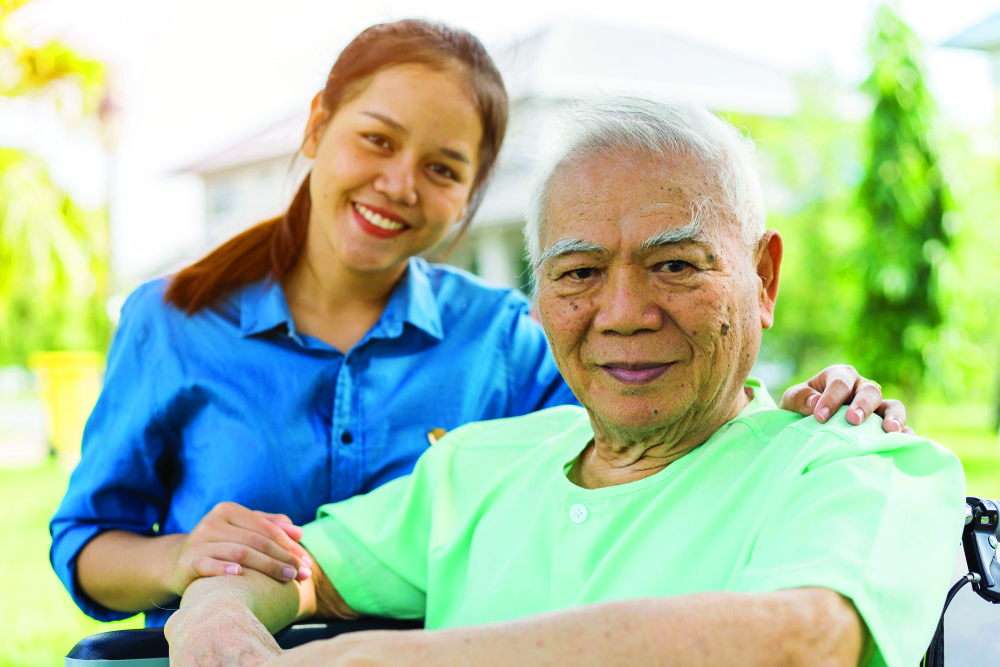
    It is important that seniors and their families understand their choices when it comes to in-home care, so they can decide what will best fit their needs.

    For some folks, traditional time-based in-home care services are the best option, while others will find task-based in-home assistance to be less intrusive, more affordable and an effective way to continue to live well at home independently.

    Responses to the following questions can help determine the type of care that best suits the needs of a senior and their family.

    • How independent is the senior? Do they need constant supervision or do they have signs of dementia?
    • Has the senior recently been discharged from the hospital or does he or she need temporary help with the activities of daily living?
    • What other assistance is available? Are there family members and friends who are also able to provide support?
    • What are their objectives and health goals?
    • What is their budget for in-home care?

    Task-Based Assistance

    This type of assistance works best for seniors who are independent, but would like help with:

    • General housekeeping and laundry
    • Meal preparation
    • Medication reminders
    • Exercise and range of motion routines
    • Transportation to doctor appointments or errands
    • Bathing or toileting assistance
    • Other personal care assistance

    Time-Based Services

    This type of care is based on services provided for seniors who want to stay at home but need longer visits or more direct, hands-on care to assist with activities of daily living.

    Task- & Time-Based Services

    Healthcare services that offer a full range of care services can design a care plan that suits a senior’s individual needs by offering both time-based and task-based care.

    A combination of time- and task-based services can also be tailored for a senior who has a unique combination of care needs.


    VIVIA by Ho‘okele Home Care
    820 Mililani St., Ste. 711, Honolulu, HI 96813
    O‘ahu: 808-784-3049 | Maui: 808-784-3094
    info@viviacares.com | www.viviacares.com

    It is important that seniors and their families understand their choices when it comes to in-home care, so they can decide what will best fit their needs. For some folks, traditional time-based in-home care services are the best option, while others will find task-based in-home assistance to be less intrusive, more affordable and an effective…

  • The Gift of Holiday Presence

    Every year at this time, The Caregiver Foundation witnesses and acknowledge the “extras” caregivers provide for individuals who would otherwise not benefit from any holiday spirit.

    Cleo, a caregiver for a 100-year-old bed-ridden client with dementia, brought in a dazzling Christmas tree. Lights danced in our client’s eyes; a smile in remembrance of holidays past softened her face.

    Myra worked with one of our traumatic brain injury clients. Festive clothing, special jewelry and even sparkly makeup helped this client feel ready for celebrating the holidays.

    Another caregiver sang carols and held a lonely hand. Although the client wasn’t able to respond, those gifts surely made a difference.

    Gift giving does not have to be expensive, tiresome or obligatory. The gift of time does not require quantity — just focused attention during the minutes shared. The gift of a smile costs nothing, but can reconnect the humanity often lost in caregiving. A shared treat, movie or outing — simple things that are sidelined by life and caregiving — are gifts to be given, received and enjoyed immediately. Whatever you chose to share with a person needing care, remember that the greatest gift you can give is your presence.


    THE CAREGIVER FOUNDATION (501(c) 3 nonprofit)
    926 3rd St., Pearl City, HI 96782
    808-625-3782 | info@thecaregiverfoundation.org
    thecaregiverfoundation.org

    Every year at this time, The Caregiver Foundation witnesses and acknowledge the “extras” caregivers provide for individuals who would otherwise not benefit from any holiday spirit. Cleo, a caregiver for a 100-year-old bed-ridden client with dementia, brought in a dazzling Christmas tree. Lights danced in our client’s eyes; a smile in remembrance of holidays past…

  • A Caregiver’s Mantra

    Many professional caregivers have deeply rooted memories that inspired them to pursue a career in a field — such as assisted living. My first experience with  dementia, caregiving and compassion involved my own grandparents, my Lolo and Lola.

    At age 11, I witnessed how lovingly my grandfather cared for and protected my grandmother, who was forgetting things. When someone made an unkind remark toward my Lola regarding her dementia, my Lolo responded very admirably. With few words, he simply excused us from the room.

    “Why are some people so mean?” I asked my Lolo. He said that when I run across people in the world who aren’t nice, I should forgive them and be nice to them anyway.

    “Be kind to unkind people. They need it the most. It’s the right thing to do.”

    Although it was a difficult concept for me to grasp at the time, today, these simple, timeless sentiments serve as my touchstone as I navigate the daily challenges of caregiving.

    Show kindness in the face of adversity. Show compassion and understanding without judgement. “It’s the right thing to do.”

    “Not throwing stones is the first step in treating others with compassion. The second step is to try to catch the stones thrown by others.”
    — Dale G. Renlund


    ROSELANI PLACE (501(c) 3 nonprofit)
    88 South Papa Ave., Kahului, Maui, HI 96732
    808-871-7720 | Toll Free: 800-554-9853
    info@roselaniplace.com | roselaniplace.com

    Many professional caregivers have deeply rooted memories that inspired them to pursue a career in a field — such as assisted living. My first experience with  dementia, caregiving and compassion involved my own grandparents, my Lolo and Lola.

  • Gardening & People With Dementia

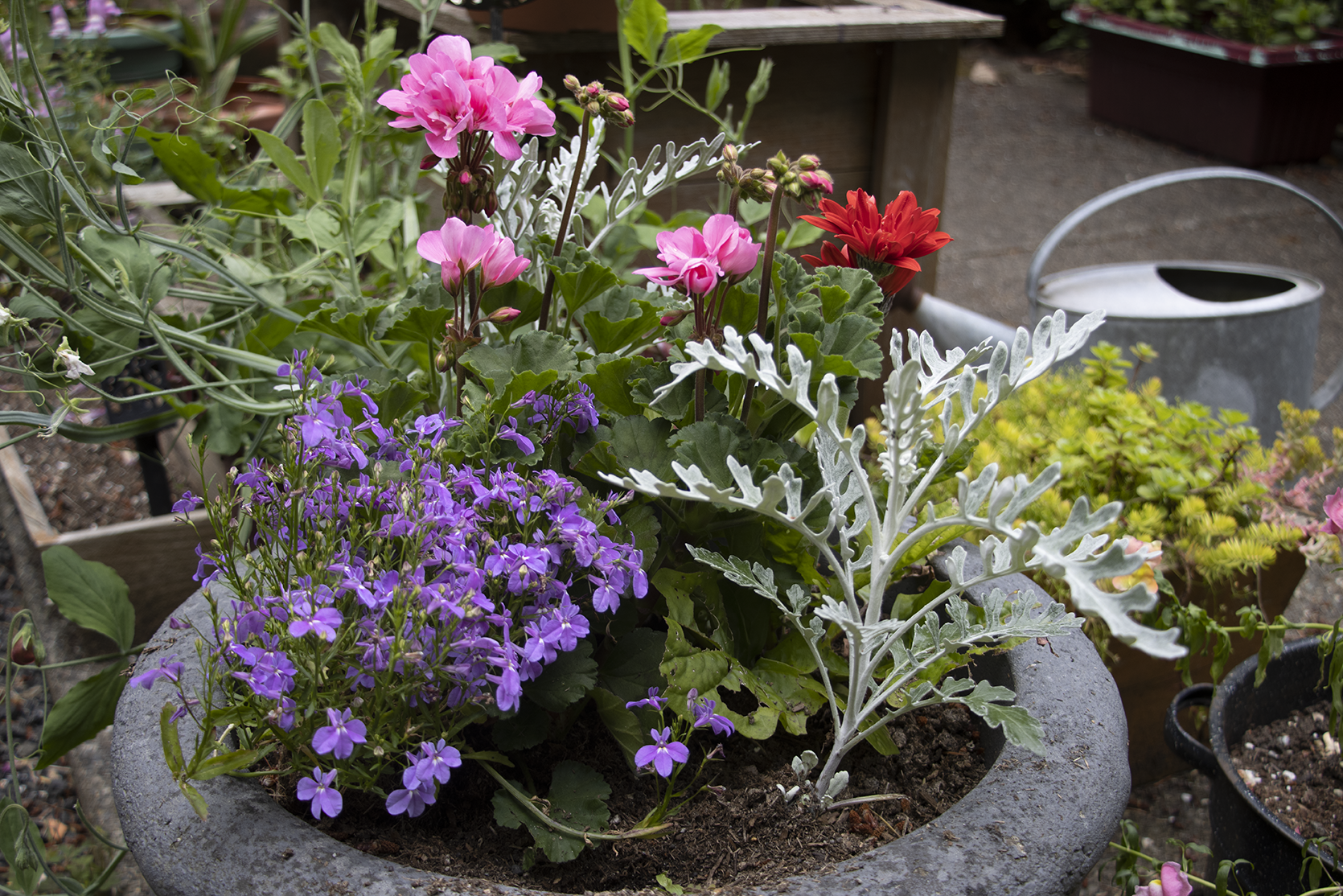
    According to a 2021 research review on the impact of gardening in dementia treatment, exposure gardening activities has shown many benefits for the dementia population. Some of these benefits include reduction in depression and aggressive behaviors, an increase in engagement, improved mood and an increased sense of purpose.

    Studies have shown that the act of being in nature reduces the levels of cortisol and saliva amylase — both biomarkers for stress in the body — further supporting gardening’s positive impact on health.

    And though it can’t cure dementia or reverse the effects of aging, gardening is an activity that provides tangible results. Plants grow and fruits can be harvested.

    Tasks can be completed, and a sense of accomplishment  often comes with time spent weeding or seeing a flower bloom. For many kūpuna it has the added benefit of bringing back memories of past gardens tended.

    Gardening activities can include simple tasks like watering and weeding to simply wandering through the pastoral setting and enjoying peaceful moments. Though more
    research needs to be done on its effect, the consensus is that the life of a kupuna can continue to blossom through gardening.


    MANOA COTTAGE KAIMUKI
    748 Olokele Ave., Honolulu, HI 96816
    808-800-4089 | info@manoacottage.com
    manoacottage.com

    According to a 2021 research review on the impact of gardening in dementia treatment, exposure gardening activities has shown many benefits for the dementia population. Some of these benefits include reduction in depression and aggressive behaviors, an increase in engagement, improved mood and an increased sense of purpose.

  • Perspectives on Aging

    The average life span has increased more in the past century than in all the years humans previously existed. As approximately 10,000 baby boomers (those born  between 1944 and 1964) are turning 65 every day, it would appear that we will have a large influx of aging people over the next couple decades who may need services appropriate for “old people.” But is 65 really old?

    There are multiple factors that determine if one is considered old. In other words, the high number of years someone has been on this Earth does not necessarily define them as being old. Twenty years ago, a 65-year-old may have looked and acted different than the 65-year-old of today. In today’s world of medical technology, health products and smarter lifestyles, it may be hard to identify and categorize our ku¯ puna. With advances in healthcare and the pursuit of healthy lifestyles, it is possible that today’s 65-year-old looks and feels younger — more like a 45-year-old.

    After gaining years of experience working and caring for the elderly, I can imagine many ways to describe what “aging” means. Aging looks different depending on your perspective.

    Here is a rather dour perspective from the population in question regarding getting older based on a study conducted by Human Development Specialist Nina Chen: “Getting older means more years to add to your life, less active, less hair, more medicine, more wrinkles, arthritis and more forgetful. When people get older, they lose their dignity and independence. Being old means not being able to do anything.”

    Positive outlooks documented in the study included: “Being old means more experiences and having privileges, for instance, senior discounts, senior centers, affordable housing for seniors and senior support groups. Getting older means getting wiser. Older people are just like a walking library. They have true stories — not fiction.”

    Individual self-worth and dignity are important factors as we age. For older individuals, this means living life to the fullest each day and doing what you want to do. Lifestyle choices and changes can enhance the way we age. Below are some changes that may improve how we age:

    • Stop smoking to allow more oxygen into your body’s cells.
    • Stop drinking alcohol to keep your tissues in a healthy state.
    • Exercise consistently to maintain mobility.
    • Eat healthy foods to give your body the fuel it needs to regenerate cells.
    • Drink more water so toxins absorbed from the environment will be flushed out.
    • Stay out of the sun to avoid skin damage.
    • Make and keep friends to stay engaged and thriving in society.
    • And keep in mind that retirement leads to less stress. The age of retirement for full Social Security benefits is now 70.

    Don’t have regrets about what you haven’t experienced. Get out there and seize the day!


    ATTENTION PLUS CARE HOME HEALTHCARE
    Accredited by The Joint Commission
    1580 Makaloa St., Ste. 1060, Honolulu HI 96814
    808-739-2811 | attentionplus.com
    AGING IN HAWAII EDUCATIONAL OUTREACH PROGRAM
    by Attention Plus Care — a program providing resources for seniors and their families, covering different aging topics each month. For class information and upcoming topics, call 808-440-9356.

    The average life span has increased more in the past century than in all the years humans previously existed. As approximately 10,000 baby boomers (those born  between 1944 and 1964) are turning 65 every day, it would appear that we will have a large influx of aging people over the next couple decades who may…

  • Laughter is the Best Medicine

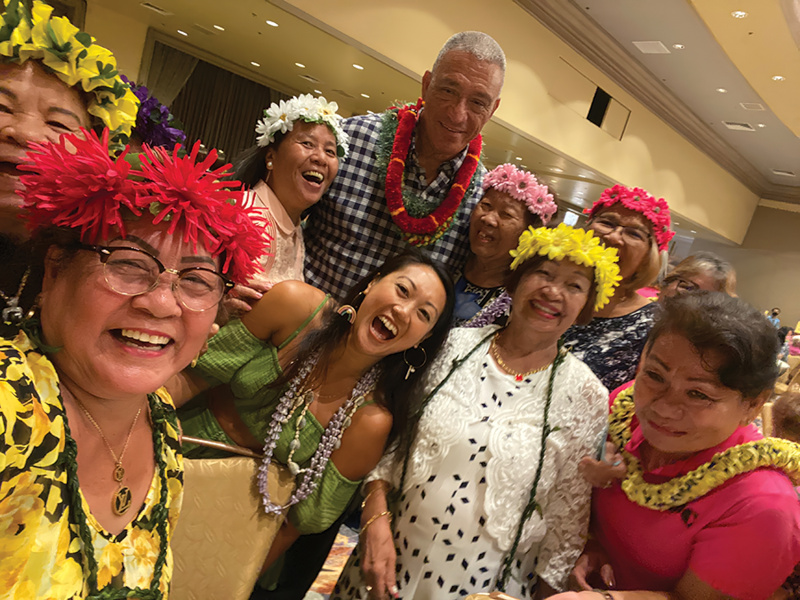
    Jenna Pascual taught Laughter Yoga to over 400 attendeesat the MEO 50th Annual Kupuna Event at the
Grand Wailea on July 30.
    Jenna Pascual taught Laughter Yoga to over 400 attendees at the MEO 50th Annual Kupuna Event at the Grand Wailea on July 30.

    Many forms of yoga have been developed over the centuries by serious practitioners who strive for the benefits of mind-body balance. Popular styles of yoga include Ashtanga, Hatha, Iyengar and many more. But if the thought of mindful meditation in a somber setting is not your cup of chai tea, there is good news for you.

    Laughter Yoga, a relatively new, alternative form of yoga that incorporates laughter with movement and breathing exercises, aims to cultivate joy, spark creativity, reduce stress and even boost your immune system, says Jenna Pascual, a Certified Laughter Yoga Leader and Life Coach on Maui. She started her Laughter Yoga career teaching at senior community centers in San Francisco before being hired to teach the technique at companies like Google, LinkedIn and Salesforce. She now offers a variety of laughter sessions on Maui and is willing to travel off-island, and host virtual sessions, as well.

    The practice designed by Dr. Madan Kataria in India in 1995 combines playful exercises and deep breathing to promote wellness, happiness and lots of laughter. Proving that laughter really is contagious, the practice has spread rapidly around the world, with about 5,000 laughter yoga clubs worldwide — roughly 200 of those in the US.

    “It’s called laughter yoga because of the deep belly, yogic breathing that takes place when we laugh,” says Jenna. “It helps people live happier, healthier lives.”

    The practice involves prolonged, voluntary laughter. This type of yoga is based on the idea that you can “trick” your body. Studies show that laughter can be faked; the human body does not recognize the difference between “real” and “simulated” laughter. Both provide similar physiological and psychological benefits.

    So laughter really is the best medicine, whether sparked by a joke or induced voluntarily using Laughter Yoga. More giggles and guffaws are just what the doctor ordered, according to the Mayo Clinic. Sustained laughter for 10 to 15 minutes a day can produce a range of health benefits. Laughter increases your heart rate and oxygen levels, which both improve the functioning of blood vessels and blood circulation. Laughing can help relieve pain, may help reduce blood pressure, and may also help protect you against a heart attack and other cardiovascular problems. Laughter can also help improve your self-esteem, lessen your stress, depression and anxiety and may make you feel happier.

    No yoga mats or poses are needed. Breathing exercises are used to prepare the lungs for laughter, followed by a series of laughter exercises that combine acting and visualization techniques. Laughter exercises are interspersed with breathing exercises. Sessions may start with gentle warmup techniques that include finger exercises
    to stimulate acupressure points, which activates organs. Ho, ho, ha, ha, ha! Warmups may also include imaginary bubble popping movement and laughter, and rollercoaster laughing.

    If those don’t break down inhibitions and make you feel good, nothing will! Go ahead! Feel better by laughing along with Jenna.

    “He who laughs, lasts!” — Mary Pettibone Poole


    JENNA PASCUAL
    Certified Laughter Yoga Leader & Life Coach
    jennapascual@gmail.com
    jennapascual.com
    instagram.com/jennapascual
    facebook.com/laughwithjenna

    Many forms of yoga have been developed over the centuries by serious practitioners who strive for the benefits of mind-body balance. Popular styles of yoga include Ashtanga, Hatha, Iyengar and many more. But if the thought of mindful meditation in a somber setting is not your cup of chai tea, there is good news for…