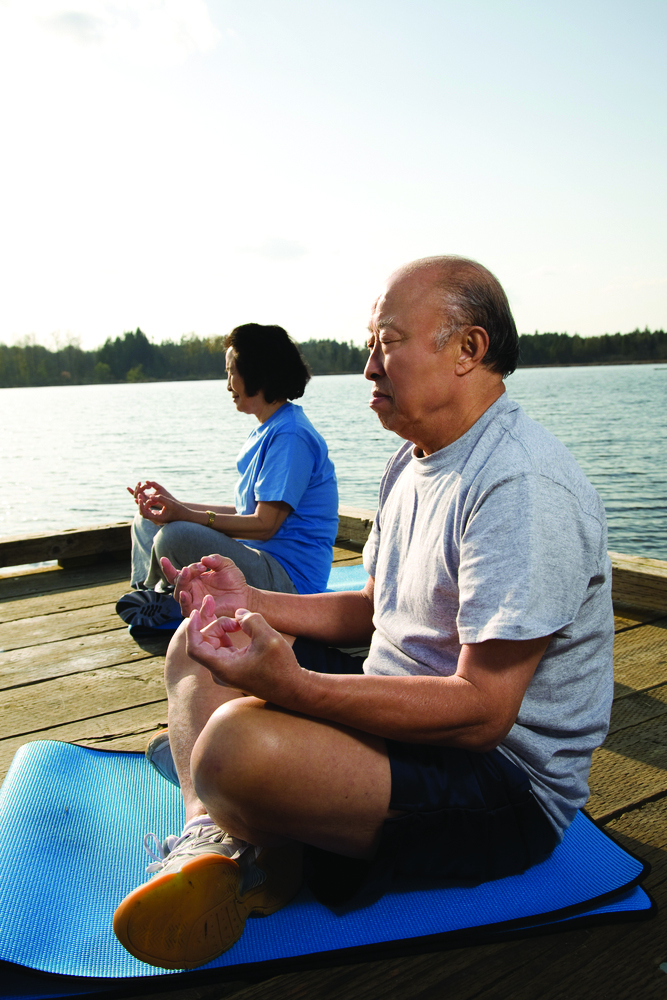
Category: Articles

  • Becoming the Reason Someone Smiles

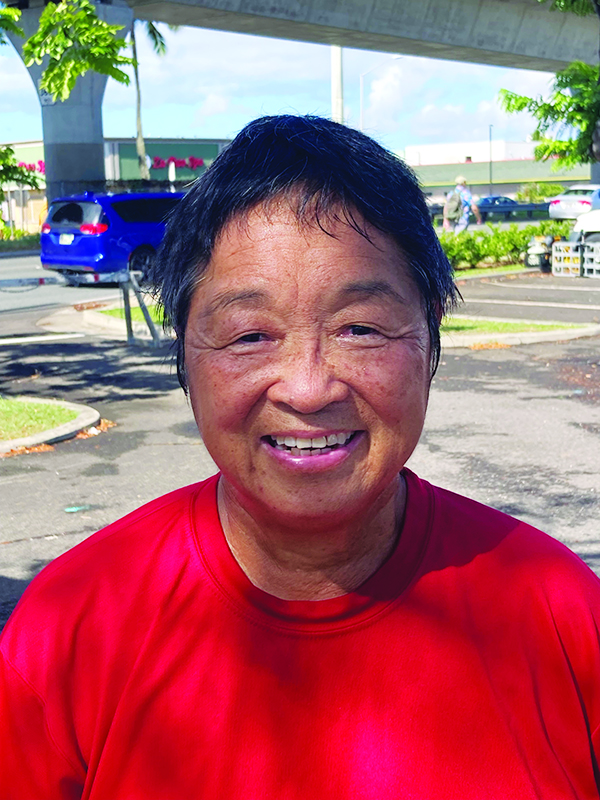
    Volunteering brings fun, joy and a sense of purpose into your life. It has certainly made my retirement more meaningful and enjoyable! The skills I learned in my working life are put to good use and are the foundation of the WIN-WIN relationships forged between me and those in need of assistance.

    In retirement, one gift we can freely give is the gift of time spent sharing our skills, talents and experiences. I volunteer for RSVP (Retired and Senior Volunteer Program) as an Americorps Senior. When I started, I didn’t even begin to imagine what benefits I would gain from this wonderful partnership.

    It is such a blessing to be part of a program that helps the community thrive in many different ways — from supporting healthy and independent living for seniors to supporting keiki in developing school readiness, and promoting literacy. Being reconnected with the community and making a difference is the perfect antidote to any feelings of isolation or lack of purpose.

    Best of all, my gift of time can change a life and be the reason someone smiles!


    ADRC HAWAI‘I
    City & County of Honolulu Elderly Affairs Division
    925 Dillingham Blvd., Ste. 200, Honolulu, HI 96817
    808-768-7700 | elderlyaffairs.com
    RSVP Program (an AmeriCorps Seniors program)
    808-768-7778 | elderlyaffairs.com/site/460/rsvp.aspx

    Volunteering brings fun, joy and a sense of purpose into your life. It has certainly made my retirement more meaningful and enjoyable! The skills I learned in my working life are put to good use and are the foundation of the WIN-WIN relationships forged between me and those in need of assistance.

  • Be Prepared and at Ease for the Holidays

    Charming sad old woman is sitting on sofaGrief is a natural response to a loss, change, transition, or death. Grief affects everyone uniquely. It could be emotionally, mentally, physically, intellectually, and/or spiritually. As the 2023 holidays approach, take time to self-care with positive activities. Examples are reading uplifting stories and poems, journaling, stretching, meditating, connecting with people, appreciating nature walks, etc. Find your source of strength and peace each day. Be prepared for the upcoming holidays.

    Daily Self–Care for December and New Year’s Day

    Breathe deeply. Be open. Believe good things will happen.
    Evoke encouraging words. Evolve as you take the first steps forward.
    Prepare for the holidays by planning what you are willing to do. Be patient with yourself.
    Preview and reflect on life’s lessons.
    Energize through exercise. Every effort counts.
    Pause. Peace comes from within.
    Attitude matters. Aspire to inspire.
    Remember to count your blessings.
    Eat nutritiously. Embrace a healthy lifestyle.
    Dedicate time to be kind to yourself daily.
    Free yourself from negative thoughts. Forgive.
    Options and opportunities are all around us.
    Random acts of kindness uplift your spirit.
    Take care and rest. Take some time off.
    Humor helps. Smile, even if you don’t want to.
    Engage in inspirational self-care activities. Embrace the ones you enjoy doing.
    Understand moments can be tough. Use the time to hold your heart.
    Promote wellness. Pamper yourself.
    Choose to be calm and courageous. Celebrate the small steps.
    Observe. Optimism opens new doors.
    Take time for yourself. Move with music.
    integrate new experiences. Invite change.
    Navigate your path. Notice nature’s beauty.
    Grieve, yet greet today with gratefulness.
    Hope for the best. Have a blessed day.
    Open your heart to new beginnings.
    Laughter is good for you. Let it go.
    Invite positive thoughts.
    Develop new traditions & rituals. Dance daily!
    Allow ALOHA in your life. Acknowledge both the pain and joy in the grief journey.
    You are important. Yes, you will be fine.
    Seek strength from within. Speak with sincere gratitude in the NEW YEAR.


    BEREAVEMENT NETWORK OF HAWAI‘I — facilitated by KOKUA MAU (501(c) 3 nonprofit)
    808-585-9977 | kokuamau.org | kokuamau.org/grief-and-bereavement
    kokuamau.org/wp-content/uploads/Bereavement-network-of-Hawaii.pdf

    Grief is a natural response to a loss, change, transition, or death. Grief affects everyone uniquely. It could be emotionally, mentally, physically, intellectually, and/or spiritually. As the 2023 holidays approach, take time to self-care with positive activities. Examples are reading uplifting stories and poems, journaling, stretching, meditating, connecting with people, appreciating nature walks, etc. Find…

  • My Reflections on Caregiving

    Aloha! When we hear the words “kūpuna care,” it can bring forth many thoughts, perhaps of taking care of a parent, grandparent, neighbor or friend. For me, “kūpuna care” has also meant a career of three decades working in senior care communities in California and Hawai‘i. As a licensed administrator, I’ve been there in the continuum of care: independent living, assisted living, memory care and skilled nursing. I strived, with other staff members, to provide the highest quality of care and services.

    Family caregiving

    Like many baby boomers, I have also been a family caregiver. From Mom to an uncle, it has been a journey of applying working knowledge of quality of care, regulations, psycho-social needs, Alzheimer’s disease and other dementia types, finding caregivers for home care and end-of-life care, and discovering the true grit of a team of first-time family caregivers.

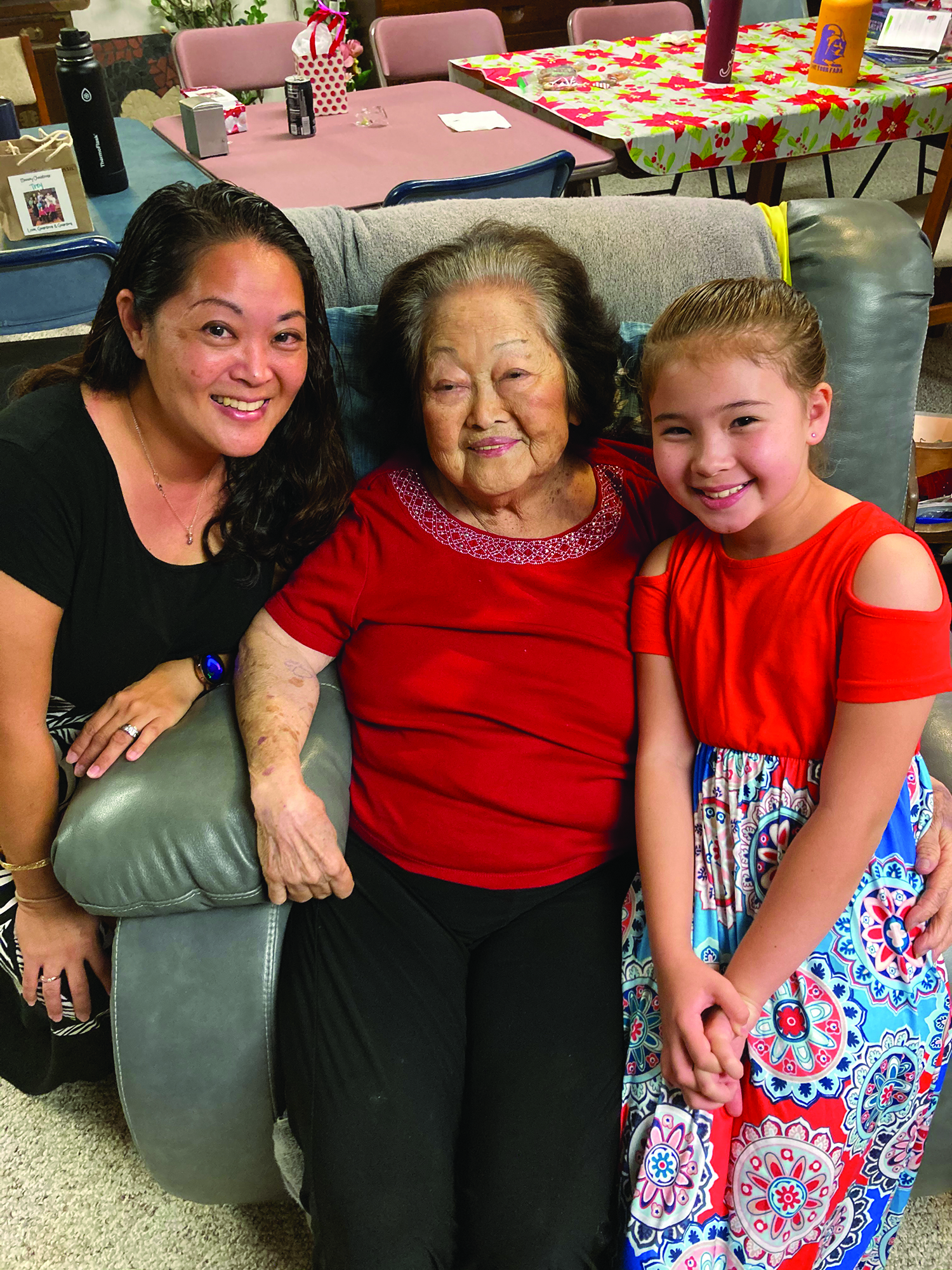
    As I age, and kūpuna in my family age, we share with each other our inter-generational experiences of growing up in Hawai‘i nei, working for a living and raising a family. And, as we retire into the sunset, we reflect on the contributions our ancestors made so we could, hopefully, have a better life.

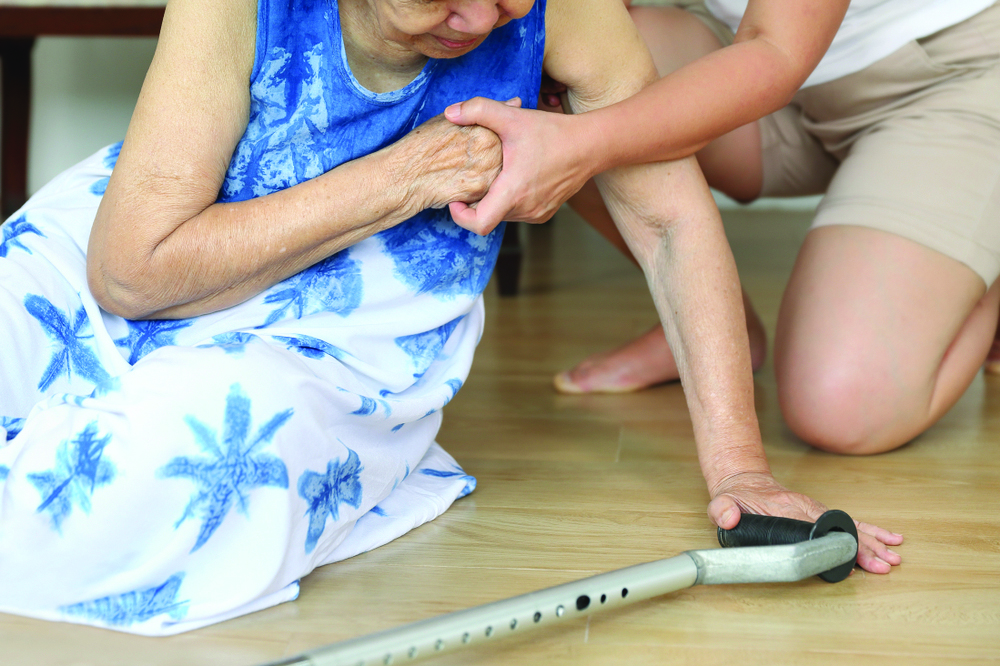
    Elderly woman falling down at home after heart attack.Showing love by being present

    In the year 1987, at the first skilled nursing facility I worked at in Sacramento, CA, I met two sisters who drove from the Bay Area to Sacramento to see their issei mother every weekend. Their mother was in advanced dementia, but just their presence showed undeniable love for their mom. I observed them talking to her with reminiscences of childhood days, raising families, work, then retirement.

    In Hawai‘i we simply “talk story.” Talking story is such a relaxing way of communicating. Talking story reflects the “hanabata days” of being a “runny-nosed” kid. Remember when…? What  neighborhood…? What high school…? You know so-and-so…? All these are ways of sharing. Even though a senior may repeat these stories, it is aloha to listen and share with them, bringing love and comfort. This is just one aspect of senior care and, for me, my most treasured memory as a caregiver of Mom and Uncle.


    Feel free to contact Calvin with questions about caregiving.
    Calvin Hara | 916-812-5524 | cmhara@comcast.net

    Aloha! When we hear the words “kūpuna care,” it can bring forth many thoughts, perhaps of taking care of a parent, grandparent, neighbor or friend. For me, “kūpuna care” has also meant a career of three decades working in senior care communities in California and Hawai‘i. As a licensed administrator, I’ve been there in the…

  • Grandma’s Butter Crunch Jello Cream Cake

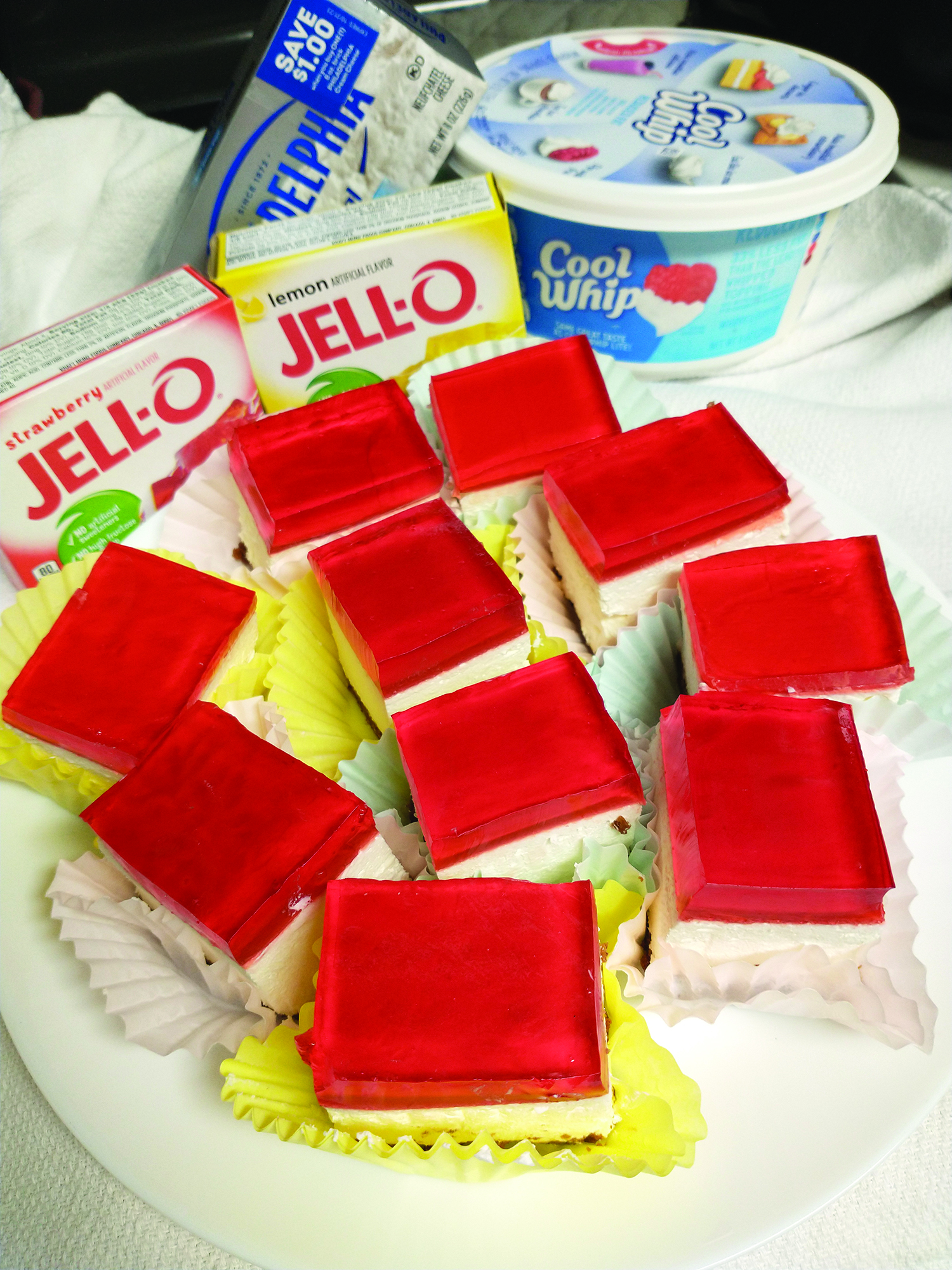
    My fondest memories of my late grandma, Shirley Ihara, are of watching her cook and bake in the kitchen. During the holidays, she would make her Butter Crunch Jello Cream Cake and it was one of my favorites. She actually taught me this recipe when I was a child, but I really didn’t make it on my own; for some reason, hers always tasted much better.

    My grandma was a great cook and baker; she has so many recipes that we all have enjoyed and loved. If you have ever come to one of my Uncle Les’s fundraisers, joined us in a family dinner or visited her at her home, she always had great food and awesome desserts to share with others.

    As she was getting older, she stopped cooking as much. In recent years, I was going through her recipes and decided to cook them for her. I cooked everything from BBQ hot dogs, lasagna, banana muffins, stew, Chicken Divan and more. She would compliment me on how good it was and I responded to her with “Well, it’s your recipe.” She would laugh and keep enjoying her meal.

    Ingredients:
    Bottom Crust: (Butter Crunch)
    1 stick oleo (margarine or butter)
    1/4 cup brown sugar
    1 cup flour
    1/2 cup chopped nuts
    Filling:
    1 3 oz box jello (lemon)
    1 cup hot water
    3/4 cup sugar
    1 8 oz Cool Whip (or 1 bottle Avoset)
    1 8 oz cream cheese
    Topping:
    1 6 oz box jello (flavor of your choice,
    strawberry is the best)
    3 cups hot water

    Directions:
    Bottom crust: Cream sugar and butter, add flour and nuts. Press and spread into 9”x13” cake pan. Cook at 375 degrees for 10 minutes

    Filling: Dissolve jello in hot water and cool. Add cream cheese mixed with the sugar. Fold in Cool Whip (or whipped Avoset). Pour into cooled crust.

    Topping: Dissolve jello in hot water. Cool and chill.

    When about set, pour on cake.

    Makes: Approx. 30 2”x2” sq. | Total time: 45 min.


    Do you have a favorite recipe and story to share? For consideration in the next issue of Generations Magazine, mail your story and recipe to Generations Food & Story, PO Box 4213, Honolulu, HI 96812, or email them to Debra@generations808.com

    My fondest memories of my late grandma, Shirley Ihara, are of watching her cook and bake in the kitchen. During the holidays, she would make her Butter Crunch Jello Cream Cake and it was one of my favorites. She actually taught me this recipe when I was a child, but I really didn’t make it…

  • Ban the Grinch This Christmas

    Holidays are for giving, but for some it’s a season of taking. Don’t let a Grinch ruin your holiday! Below are some common scams and what to look out for to avoid them.

    Online Shopping Scams

    Scammers tout incredible deals in emails, websites and social media posts. But clicking the link may take you to fake websites that take your money but don’t send you the item or what arrives is a low-quality version of what you were expecting. Even worse, a visit to a fake site could enable crooks to download malicious software or steal personal information, logins and passwords.

    TIPS:

    • If a deal seems too good to be true, it probably is.
    • If you’ve never heard of a company before, check it out.

    Drained Gift Card Scams

    Criminals can scratch off strips on the back of gift cards, get the PIN and return them to store racks. Once the card is purchased and loaded, a computer program notifies them and criminals are able to almost instantly drain the value from the cards.

    TIPS:

    • Purchase gift cards online directly from the merchant. If you do purchase gift cards at a brick-and-mortar store, inspect them for damage or tampering.
    • Keep the purchase and activation receipts. You may not have any recourse, but at least with the receipts, you have a shot.

    Package Delivery Scams

    Porch pirates steal packages from people’s front doors — they are out in force over the holiday season. Scammers will also claim to be carriers (FedEx, UPS, etc.) and send fake package notifications to steal money or personal information.

    TIPS:

    • Ask shippers if packages can he held at their location until you are notified, or have them delivered in a location that would be hard to see from the road.
    • Ignore urgent, unsolicited demands about shipments that you don’t know about. Check directly with the shipper. Don’t click on links.


    AARP HAWAI‘I (501(c) nonprofit)
    1001 Bishop St., Ste. 625, Honolulu, HI 96813
    866-295-7282 | hiaarp@aarp.org
    states.aarp.org/hawaii
    Fraud Watch Network Helpline: 877-908-3360 (Be sure to leave a message to get a call-back.)
    aarp.org/fraudwatchnetwork
    Local AARP events and webinars: aarp.org/local

    Holidays are for giving, but for some it’s a season of taking. Don’t let a Grinch ruin your holiday! Below are some common scams and what to look out for to avoid them.

  • Ask a Kupuna

    When I suggested a Q&A for Generations Magazine, I didn’t expect that so many ku¯puna would be so shy! Mahalo to everyone willing to share their answers with me and our readers. Look out for my next column of “Ask a Kupuna” in the next issue. The question will be “Do you have a favorite Valentine’s Day story to share?”

    It’s that time of year when we fondly reminisce about family gatherings and vacations, so my question for this issue was:

    “What is your favorite Christmas memory?”

    Sharon M. (68) Honolulu
    When the kids were young, we would have Christmas Eve family gathering. We would play games, eat onolicious food and Santa would visit and bring all the kids a gift. Just seeing their eyes light up with amazement when they opened their gift from Santa were happy times and special moments… Christmas spirit!!

    SC Anderson (69) Honolulu
    Over Christmas 2020, my mother visited me from Pennsylvania and we enjoyed several O‘ahu Christmas traditions: watching boat and marching band parades; partaking in a festive trolly ride; and visiting Honolulu Hale to see the decorations outside and the annual tree and wreath decorating contests inside of the building.

    Nathan Y. (76) Ewa Beach
    My special Christmas memory was when our daughter was in elementary school. We’d decorate the tree together, do lots of family photos with our dog… trying to get everyone looking at the camera simultaneously, stuff stockings with little goodies, and on Christmas morning we’d set up “Deal or No Deal” for her. She was so excited.

    Alfred K. (94) Mililani
    Christmas Markets in Germany and Austria was my favorite time. In many cities during the first week in December, there were booths for a craft fair, and seasonal food and drinks to enjoy. There were Christmas lights and decorations, with lots of fun music. There was also a Santa who climbed into buildings with gifts.


    Call Sherry Goya at 808-722-8487 or email, sgoyallc@aol.com by November 20, 2023 to answer the “Ask a Kupuna” question for Jan/Feb 2024: “Do you have a favorite Valentine’s Day story to share?” And if you have a question you’d like to suggest, feel free to do so!

    It’s that time of year when we fondly reminisce about family gatherings and vacations, so my question for this issue was: “What is your favorite Christmas memory?”

  • Finding Balance and Joy in Your Life

    Some things are universal to the human race. The night sky is one of them, for we can all look up and feel connected to the moon and stars. Perhaps we have even placed a lost loved one there in the firmament and look to them for guidance when times are tough.

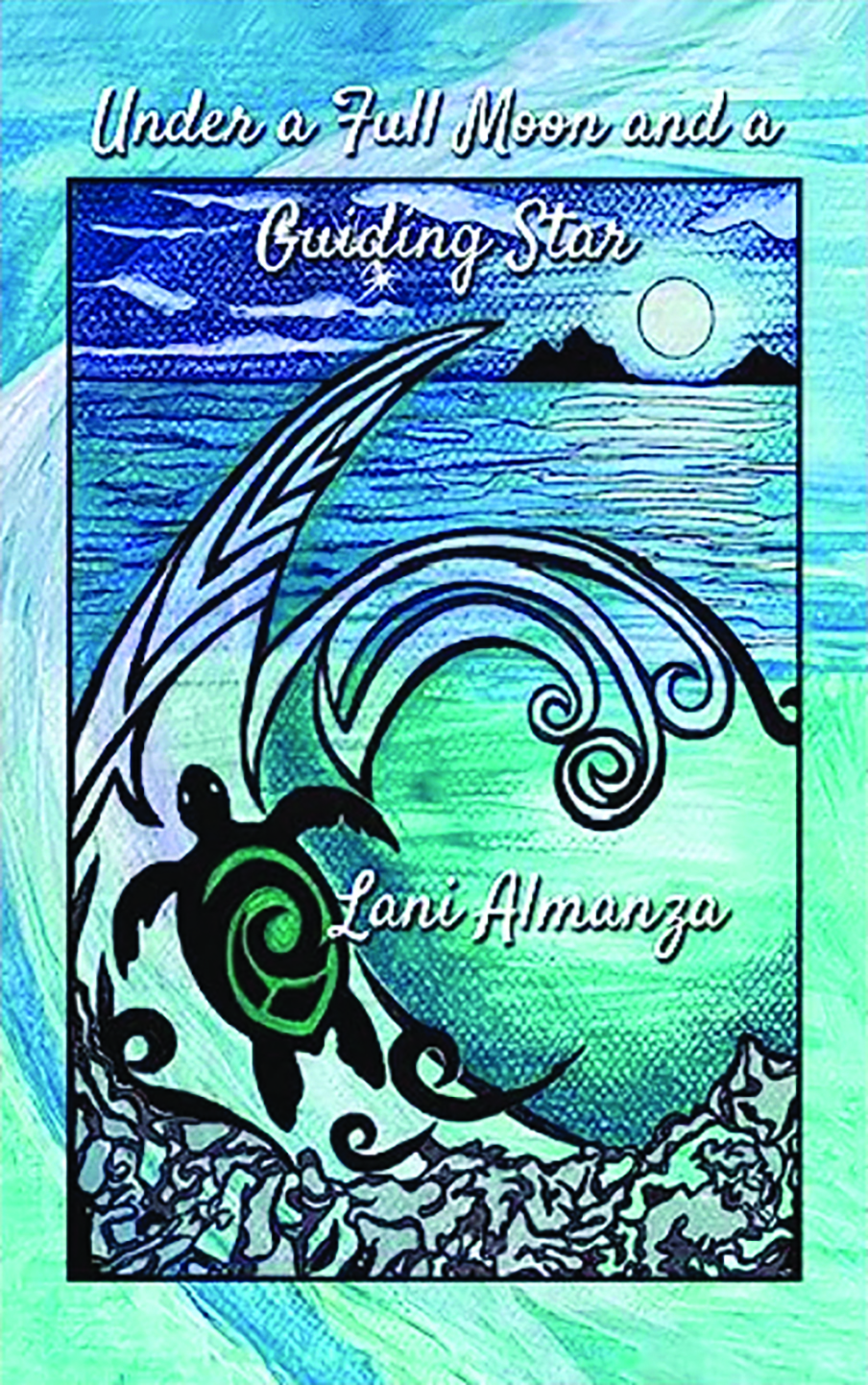
    In her recent memoir, Under a Full Moon and a Guiding Star, Lani Almanza shares the wisdoms she learned while caring for her youngest son Jacob, who passed away in 2005, from cancer, at age 22. Drawing on her experiences from childhood on, she offers us ways to navigate pain and loss, sharing personal stories, images, meditations and lessons that enable caregivers to process their journey and live an “activated life.”

    The book is divided into three parts: Doing and Being, Being and Becoming, and Alaka‘i Life Lessons. Alaka‘i is a Hawaiian word that signifies a leader or a guide and, as a verb, the act of doing that. The resources in Part III guide us towards transformative well-being so we can each live a healthier, happier life. Many can be practiced daily.

    Wherever you are on life’s journey, this 166-page gem will inspire you to find balance and joy in your life.


    UNDER A FULL MOON AND A GUIDING STAR
    by Lani Almanza, is available in hardcover, paperback and Kindle formats from Amazon.
    alakaiassociates.com/book

    Some things are universal to the human race. The night sky is one of them, for we can all look up and feel connected to the moon and stars. Perhaps we have even placed a lost loved one there in the firmament and look to them for guidance when times are tough. In her recent…

  • The Sewing Hui

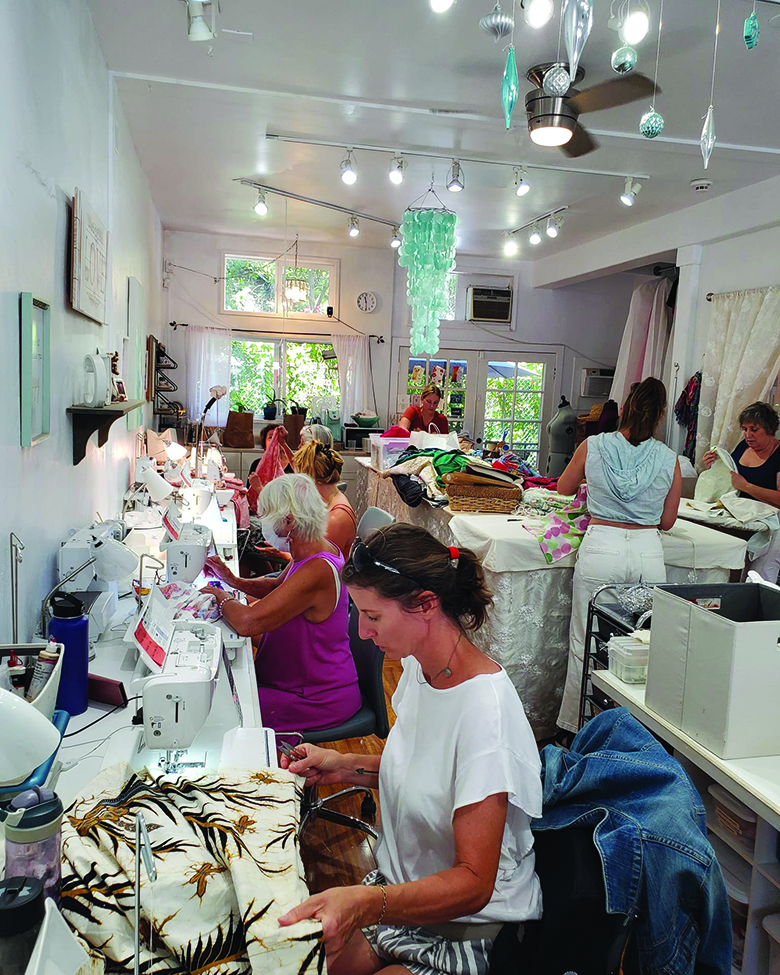
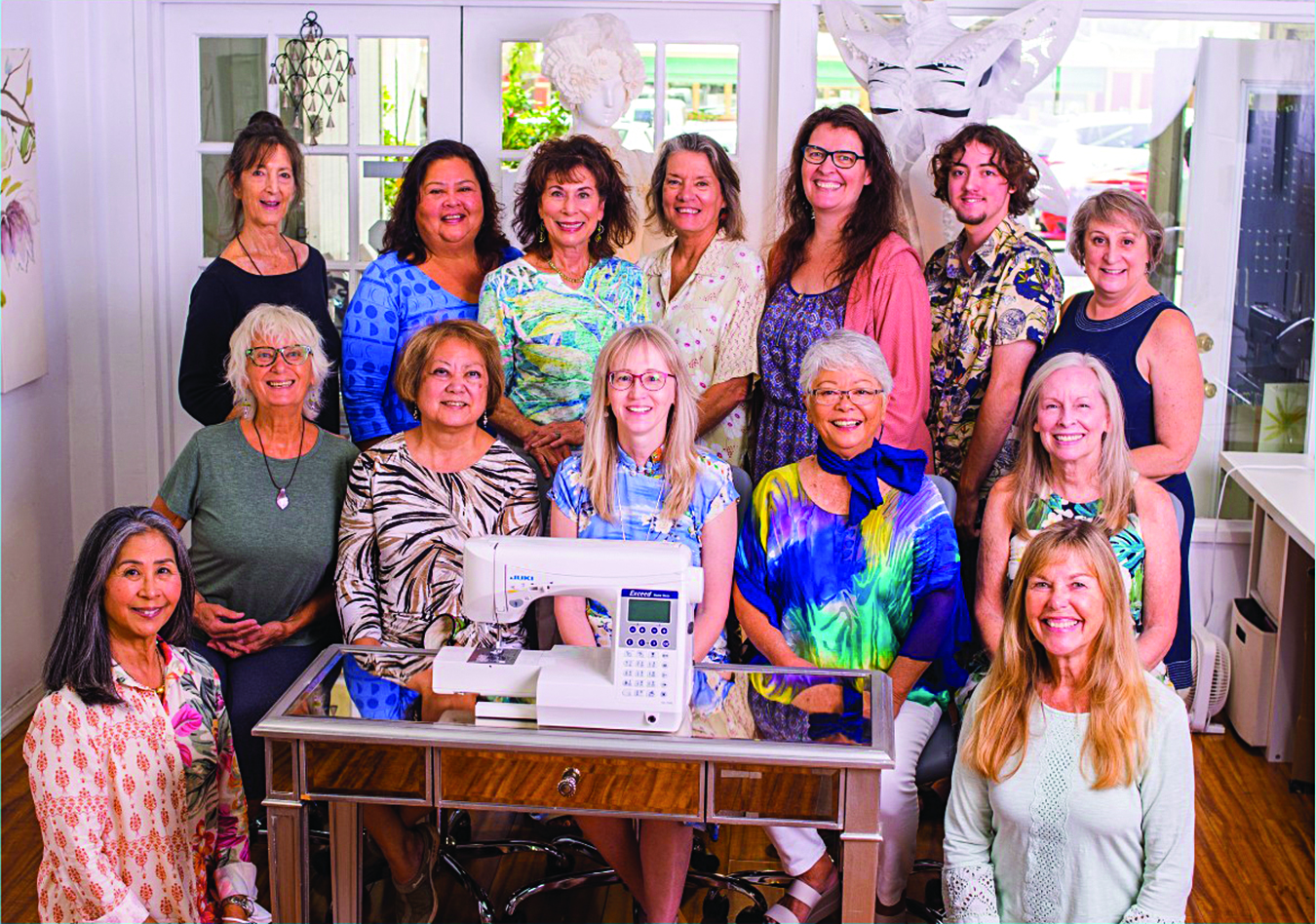
    Nestled in the quiet paniolo town of Makawao in Upcountry Maui lies a powerhouse of volunteer sewists. Jennifer Oberg, a dressmaker who specializes in custom wedding gowns, opens her studio on a weekly basis for The Sewing Hui to gather, create, and talk story. On most Thursdays, you’ll find people from Upcountry, Kihei, Kahului, Lahaina and even visitors sewing together.

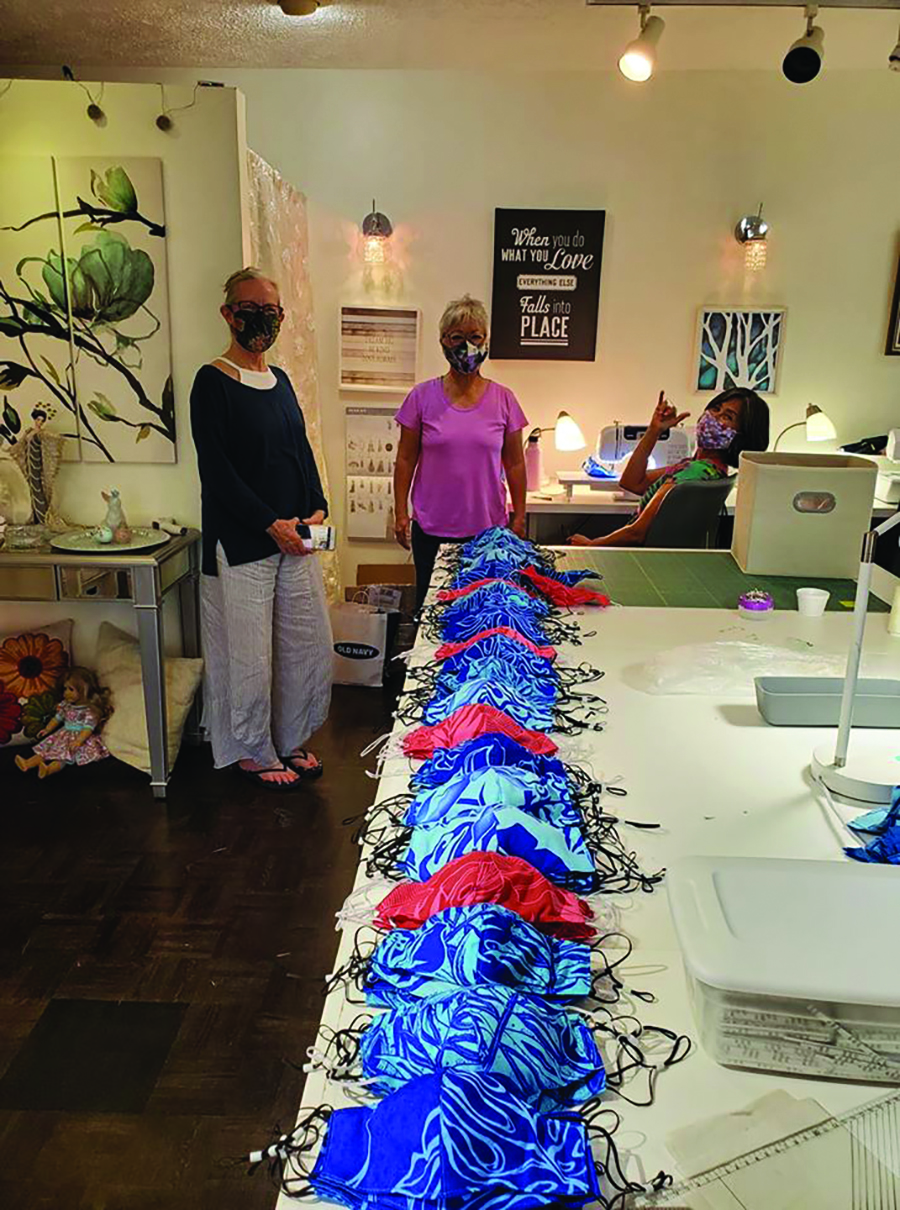
    This group came together as the Maui Face Mask Project in the spring of 2020. The project was started to address the critical shortage of N-95 face masks on Maui. 10,411 high quality filter face masks were created for Maui’s healthcare providers. Since then, the volunteers wanted to continue sewing for the community, and became The Sewing Hui in June 2020. The Sewing Hui maintained a core group of volunteers, mostly retirees. Friendships have been formed and good work has been  accomplished.

    Past initiatives include 13,000 fabric masks for organizations and community members, fleece blankets for kūpuna in long term care facilities, shorts and bags for the unsheltered, costumes for local dance schools, garments for May Day celebrations, and walker bags for kūpuna. The next big project is costume design for the December 2023 production of The Nutcracker ballet by Alexander Academy of Performing Arts on Maui.

    Current projects are helping those displaced by the recent fires. The studio is buzzing with people cutting and sewing pillowcases and walker/ wheelchair bags. We’ve put the word out to other sewing organizations around the world, and they have responded with donations and support. We appreciate all the love and concern everyone around the world has for Maui. Contact the hui for more information, to volunteer, or to make a supply or monetary donation to our cause.


    THE SEWING HUI OF MAUI
    thesewinghui@gmail.com | thesewinghui.com
    facebook.com/thesewinghui
    instagram.com/thesewinghui

    Nestled in the quiet paniolo town of Makawao in Upcountry Maui lies a powerhouse of volunteer sewists. Jennifer Oberg, a dressmaker who specializes in custom wedding gowns, opens her studio on a weekly basis for The Sewing Hui to gather, create, and talk story. On most Thursdays, you’ll find people from Upcountry, Kihei, Kahului, Lahaina…

  • Grief & Bereavement — Part VIII

    In Sherry Turkle’s book, Reclaiming Conversation: The Power of Talk In A Digital Age, she writes about the process of the virtuous circle of communication by discussing the poet, Henry David Thoreau’s moving to Waldon Pond to live more deliberately. Thoreau furnished his cabin with three chairs. One chair to represent solitude, where he could self-reflect on matters most important for him. Two chairs to engage in conversation where he could express his thoughts to another. During these  conversations, he could process information and gain new insights that better prepared him for self-reflection. All three chairs were set for a conversation with the larger community to allow for a broader awareness heading back to self-reflection. Thus, the virtuous circle that allows us to define and redefine our thoughts.

    Estate planners can provide guides for each client to sit in self-reflection and consider for themselves what is most important with respect to healthcare and quality-of-life choices, as well as how to plan their financial estate. Once the plan is established, the attorney can facilitate a family meeting where the client expresses feelings and introduces the plan to family members, who can express their thoughts. The client then can self-reflect in solitude with this additional information preparing them for a better, more meaningful family meeting. Eventually, the attorney will engage the client and family with professional advisors, including the accountant and financial advisor, so that everyone understands the client’s intentions. It is vital to include and involve the client’s trusted advisors in the conversation with family. My observation is that, while families disagree, they usually can come to mutual understanding and decision. If trusted advisors come to different conclusions without consulting with one another, clients do not know how to proceed, causing the client to doubt the entire plan. It is essential that the client’s professional trusted advisors communicate with one another and come to a settled unanimous path for the client to pursue.

    This virtuous circle of communication continues until the client can no longer communicate their intentions. By that time, the client’s family members and trusted advisors know, understand and will honor the client’s wishes. This process is not only important for the client in gaining perspective over personal choices, it is equally as important for participating family members and trusted advisors because they get to know the client on a much deeper level. By using this approach, family members and professionals will be on the same page in honoring the client’s intentions.


    STEPHEN B. YIM, ATTORNEY AT LAW
    2054 S. Beretania St., Honolulu, HI 96826
    808-524-0251 | stephenyimestateplanning.com


    In Sherry Turkle’s book, Reclaiming Conversation: The Power of Talk In A Digital Age, she writes about the process of the virtuous circle of communication by discussing the poet, Henry David Thoreau’s moving to Waldon Pond to live more deliberately. Thoreau furnished his cabin with three chairs. One chair to represent solitude, where he could…

  • Estate Planning 101

    The first step in the estate planning process is learning. What do you need to learn? I suggest this as your starting point: You need to discover how to stay in control of your stuff while you are able to be in control, as well as how to be sure that that your wishes will be carried out when incapacity or the grim reaper catch up with you. Sorry to rub it in, but at least one of those things is going to happen to you. Odds are that both of them will.

    Certainly, you have views about the kind of healthcare you want to receive throughout your lifetime, and you have views about who should enjoy your stuff when you are done with it. The only way to make effective choices about those things is to know what your choices are. Learning about your choices is a lifelong process because your choices will change as your circumstances change. Your health is going to change. Your assets are going to change. Your comfort with your list of designated  decision-makers is going to change. The laws that affect your estate plan are going to change. As those things change, you will need to stay on top of the choices you can make in order to be confident that your wishes will be followed at every phase of your life — and perhaps beyond your lifetime.

    Let’s say you are thinking about going on an adventure. Where do you want to go? How do you want to get there? Are there any better destinations you might want to consider? Is there a better means of getting you there than the one you originally chose? The only way to know the answers to these questions is to do some research, talk with people who have taken similar trips and, better yet, talk with folks who have helped lots of people take all kinds of journeys. It’s kind of like asking for directions. While I have never regretted asking for them, I have regretted waiting too long to do so. Don’t make that mistake.

    Your life is a journey. If you do not make your own choices about the path of your journey, someone else will make those choices for you, and you might not like where you end up. So, learning about estate planning is your key to ending your journey well. The sooner you learn about your estate planning options, the sooner you can implement ways to mitigate or head off problems that are headed your way, even though you don’t know exactly what they are or when they will arrive. Read what you can, talk with your trusted advisors, and put what you learn to work in building the estate plan that will take you to your chosen destination.


    SCOTT MAKUAKANE, COUNSELOR AT LAW
    Author of Est8Planning for Geniuses
    808-587-8227 | maku@est8planning.com
    est8planning.com

    The first step in the estate planning process is learning. What do you need to learn? I suggest this as your starting point: You need to discover how to stay in control of your stuff while you are able to be in control, as well as how to be sure that that your wishes will…

  • Tips for Entering Retirement Solo

    senior woman practicing yoga at gardenApproximately 23 million Americans ages 65 and older are single, divorced or widowed, according to the most recent data available from the U.S. Census Bureau (1). That means there are many people in this country who are planning their retirement on their own, without the help of a spouse or partner.

    If you are a part of this group, there are unique considerations you may need to keep in mind as you navigate your path to retirement on your own.

    Align your lifestyle with your savings: Whether it’s traveling, volunteering, visiting family, or working part-time, think about how you want to fill your days — then consider how you’ll fund your new lifestyle.
    Plan for healthcare expenses: Decide how expenses are handled, including possibly needing long-term care. Depending on your situation, insurance coverage (including Medicare, Medicaid and long-term care insurance), health savings accounts and investment savings may be part of the solution.
    Update your estate plan: Review and make any necessary adjustments to your estate plan and beneficiaries on key accounts to ensure they align with your wishes. Pick a trusted family member or friend to serve as your financial and healthcare proxy. An attorney can help you assign someone to make decisions for you in the event you can no longer act on your own.
    Consider your mortgage: Think about whether you’d like to pay it off before or during retirement. Consider your tax strategy, cash flow needs today and down the road, and whether you intend to downsize or move.
    For those who are divorced: If you were previously married, additional considerations apply as you think about your retirement plans:
    • If you receive alimony payments, be aware that the amount you receive may be modified — or even end — once your ex-spouse reaches retirement age. On the other hand, if you are the one who makes alimony payments, make sure you understand how much you’re obligated to continue paying in retirement.
    • You may also consider claiming Social Security benefits based on the earnings of your ex-spouse; as early as age 62. However, the longer you delay claiming benefits (up to your full retirement age), the larger your monthly benefit will be. Your claim has no impact on the amount of your ex-spouse’s benefits.
    For widows and widowers: The following tips can help you as you reframe your retirement years:
    • If you were not closely involved in managing household finances, enlist a trusted family member or financial professional to review your current situation. Track down passwords to all your accounts and make an updated plan to address your current needs and retirement goals.
    • If you collected an insurance settlement following the passing of your spouse, focus on investing that money effectively to help generate income during your retirement.

    You can also claim Social Security survivor benefits if you are at least age 60. How you decide to spend your retirement days is personal — so your retirement plan should be too. Turn to a tax professional and financial advisor for guidance on what steps to take next.


    MICHAEL W. K. YEE, CFP,® CFS,® CLTC, CRPC®
    1585 Kapiolani Blvd., Ste. 1100, Honolulu, HI 96814
    808-952-1240 | michael.w.yee@ampf.com
    ameripriseadvisors.com/michael.w.yee
    Michael W. K. Yee, CFP®, CFS®, CLTC, CRPC ®, is a Private Wealth Advisor, Certified Financial Planner ™ practitioner, with Ameriprise Financial Services, LLC in Honolulu, HI. He specializes in fee-based financial planning and asset management strategies and has been in practice for 39 years.

    (1) “America’s Families and Living Arrangements: 2022 – Table A1,” United States Census Bureau. Last Revised – November 21, 2022. census.gov/data/tables/2022/demo/families/cps-2022.html.

    Ameriprise Financial, Inc. and its affiliates do not offer tax or legal advice. Consumers should consult with their tax advisor or attorney regarding their specific situation. Investment products are not insured by the FDIC, NCUA or any federal agency, are not deposits or obligations of, or guaranteed by any financial institution, and involve investment risks including possible loss of principal and fluctuation in value. Investment advisory products and services are made available through Ameriprise Financial Services, LLC, a registered investment adviser. Ameriprise Financial Services, LLC. Member FINRA and SIPC. © 2023 Ameriprise Financial, Inc. All rights reserved.

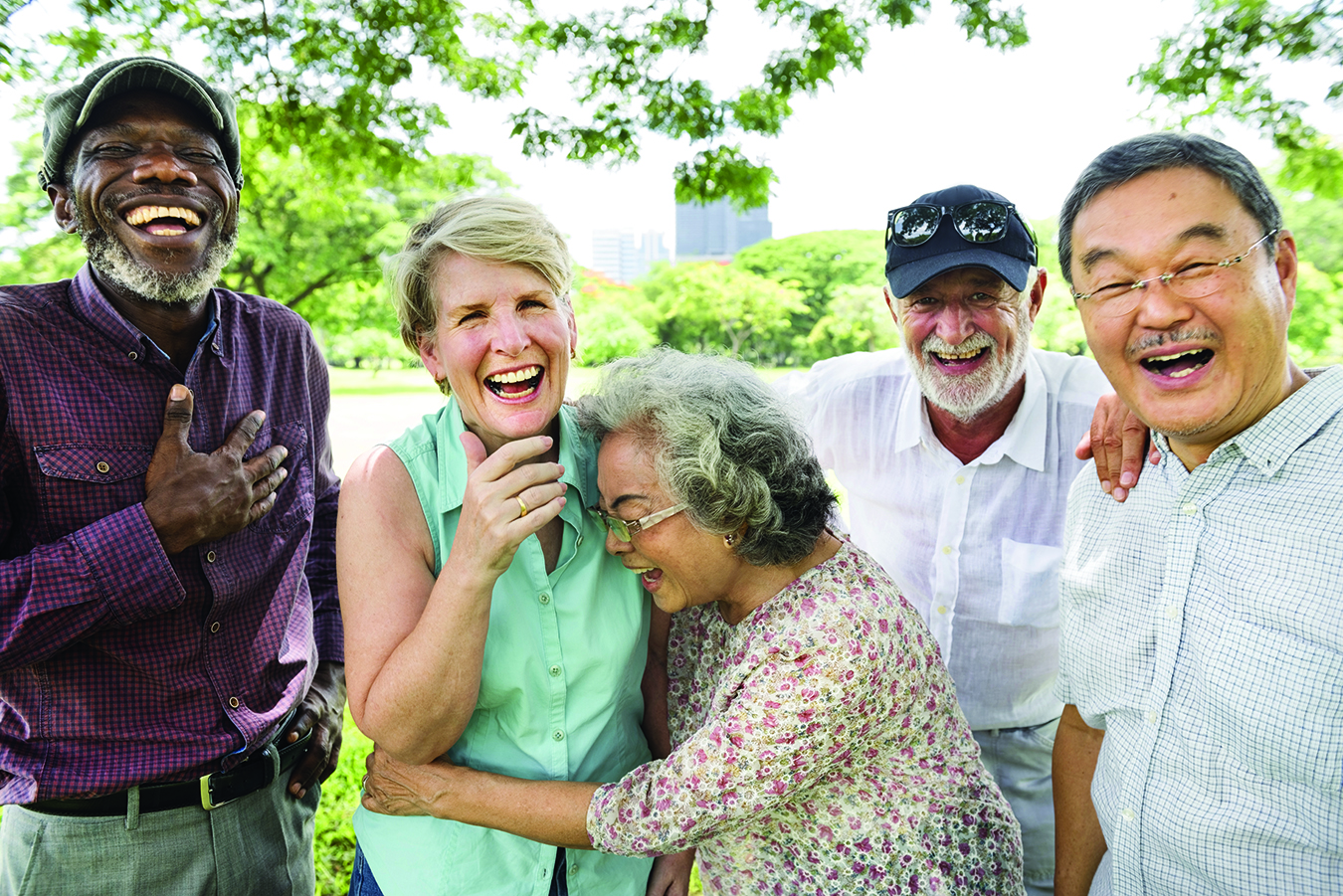
    Approximately 23 million Americans ages 65 and older are single, divorced or widowed, according to the most recent data available from the U.S. Census Bureau. That means there are many people in this country who are planning their retirement on their own, without the help of a spouse or partner.

  • Now That I Am Ready to Retire…

    Q: What is the average Social Security payment that a person receives each month?

    A: The average monthly Social Security benefit for a retired worker in 2023 is $1,827.00. The average monthly Social Security benefit for a worker with a disability in 2023 is $1,483.00. To get an estimate of your current and future benefits, create a my Social Security account at ssa.gov/myaccount.

    Q: How do I earn Social Security credits and how many do I need to qualify for benefits?

    A: We use your total yearly earnings to figure your Social Security credits. The amount needed for a credit in 2023 is $1,640. You must earn $6,560 to get the maximum four credits for the year. The amount needed to earn 1 credit usually increases each year when average wages increase.

    To qualify for Social Security benefits, you must earn a certain number of credits. The number of credits you need depends on your age when you apply and the type of benefit. No one needs more than 40 credits for any Social Security benefit. You can read more about credits in How You Earn Credits at ssa.gov/pubs/EN-05-10072.pdf.


    For questions, online applications or to make an appointment to visit a SSA office, call from 7am–5pm, Mon–Fri:
    1-800-772-1213 (toll free) | socialsecurity.gov

    To qualify for Social Security benefits, you must earn a certain number of credits. The number of credits you need depends on your age when you apply and the type of benefit. No one needs more than 40 credits for any Social Security benefit.