Category: Articles

  • Medicare Special Enrollment Period

    Here's a photo of a woman sitting at home reading some information about the Medicare Special enrollment period.A Medicare Special Enrollment Period (SEP) is the time when an eligible Medicare beneficiary may sign up for a Medicare plan under exceptional circumstances.

    It’s vital to understand eligibility for Medicare plan SEP to help avoid a late enrollment penalty.

    SEP is granted to beneficiaries who were unable to enroll in a plan during the General Enrollment Period (GEP) for valid reasons.

    It depends on the personal situation, such as moving out of your existing Medicare plan’s service area, losing employer-provided medical coverage or losing Medicaid eligibility.

    The beginning and end dates of SEP will vary from one qualifying event to the next.

    The SEP rules allow you to do one of the following:

    • Enroll in Medicare Part B any time while you or your spouse are covered by a group health plan based on current employment
    • Enroll in Medicare Part B during the 8-month period that begins the month after the employment ends or the group health plan coverage ends — whichever happens first. If you don’t enroll by the end of the 8-month period, you’ll have to wait until the next GEP, which begins Jan. 1 of the next year.


    COPELAND INSURANCE GROUP
    1360 S. Beretania St., Ste. 209, Honolulu, HI 96814
    808-591-4877 | josie@copelandgroupusa.com
    copelandgroupusa.com

    A Medicare Special Enrollment Period (SEP) is the time when an eligible Medicare beneficiary may sign up for a Medicare plan under exceptional circumstances.

  • Q&A: Retirement Benefits

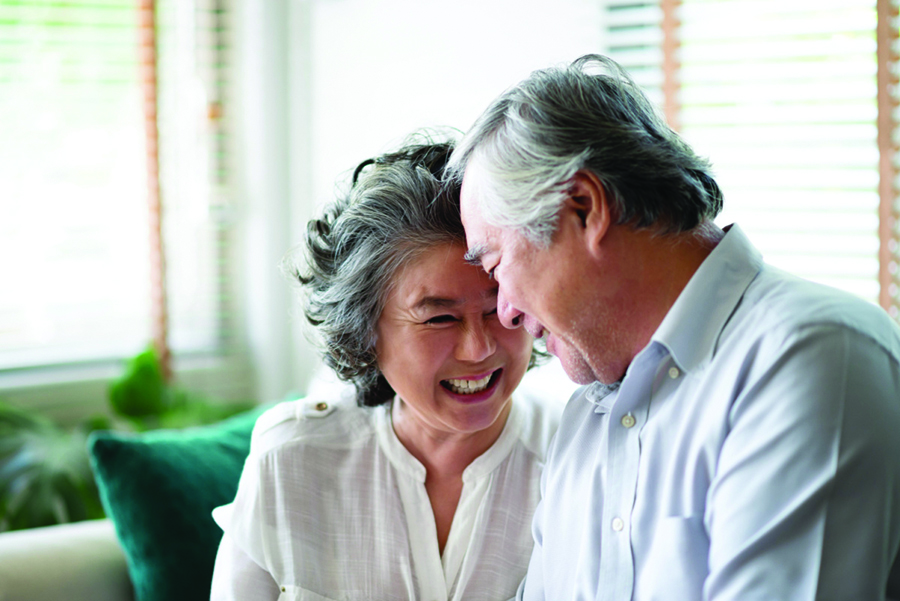
    Photo of a couple of seniors who are smiling about somethingQ: My cousin and I are both retired and get Social Security. We worked for the same employer for years, but he gets a higher Social Security benefit. Why is that?

    A: Your payments are based on your earnings over your lifetime. Unless you are both the same age, started and stopped work on the exact same dates and earned the very same amount every year of your careers, you wouldn’t get the same benefit as your cousin. Social Security benefits are based on many years of earnings — generally your highest 35 years. To learn more about Social Security retirement benefits, visit ssa.gov/benefits.

    Q: I went back to work after retiring, but now the company I work for is downsizing. I’ll be receiving unemployment benefits in a few weeks. Will this affect my retirement benefits?

    A: When it comes to retirement benefits, Social Security does not count unemployment as earnings, so your retirement benefits will not be affected. However, any income you receive from Social Security may reduce your unemployment benefits. Contact your state unemployment office for information on how your state applies the reduction to your unemployment compensation.

    Q: My neighbor said he applied for Social Security retirement benefits online. Can you really apply for retirement without traveling to an office?

    A: Yes, you can. What’s more exciting is it’s the easiest, fastest and most convenient way to apply for retirement benefits. Our secure website makes it simple, allowing you to apply for retirement benefits in as little as 15 minutes. You can get started now at ssa.gov/applyonline.

    Q: What is the earliest age I can begin receiving Social Security retirement benefits?

    A: The earliest age you can begin receiving Social Security retirement benefits is age 62. If you decide to receive benefits before your full retirement age, which for most people is age 66 or 67, you will receive a reduced benefit. Keep in mind you will not be able to receive Medicare coverage until age 65, even if you decide to retire at an earlier age.

    For more information, go to ssa.gov/retire.


    Social security logoFor questions, online applications or to make an appointment at a SSA office, call between 7am & 5pm, Mon–Fri:
    1-800-772-1213 (toll free) | socialsecurity.gov


    Q: My cousin and I are both retired and get Social Security. We worked for the same employer for years, but he gets a higher Social Security benefit. Why is that?

  • Golden Care for the Golden Years

    Here's a photo of a nurse helping a man in his home Primary care services play a pivotal role in ensuring the well-being of geriatric patients, addressing their unique healthcare needs and promoting a higher quality of life. Access to timely and comprehensive primary care is particularly crucial for this demographic.

    Geriatric patients often face multiple and complex health issues, requiring a coordinated and holistic approach to their care. Primary care providers serve as the frontline defenders, managing chronic conditions, preventive care and addressing emerging health concerns. Timely visits allow for early detection of potential problems, preventing complications and hospitalizations.

    Moreover, accessibility to primary care services is essential for geriatric patients who may have mobility challenges or difficulty accessing healthcare  facilities. Home visits, where available, represent a valuable extension of primary care, ensuring that patients who may struggle with transportation or face limitations in leaving their homes receive the attention they need.

    By emphasizing the importance of primary care for geriatric patients, we not only enhance their overall health outcomes but also contribute to a healthcare system that prioritizes prevention, continuity of care, and the dignified aging of our elderly population.


    MI-CARE PLUS
    1150 S. King St. #1007, Honolulu, HI 96813
    808-930-9858 | info@micareplus.org
    micareplus.org

    Primary care services play a pivotal role in ensuring the well-being of geriatric patients, addressing their unique healthcare needs and promoting a higher quality of life. Access to timely and comprehensive primary care is particularly crucial for this demographic.

  • Homemade Meals to Smile About

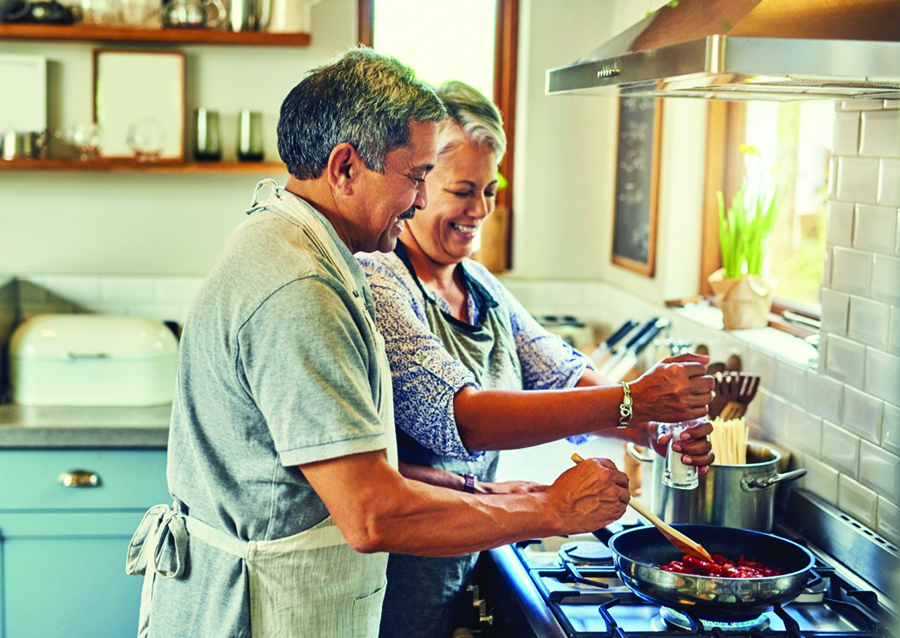
    Photo of senior couple making dinner with dental health and tooth decay in mindWhile brushing twice a day, flossing daily and seeing your dentist are essential to maintaining a healthy smile, it’s important to remember that our dietary choices also impact our teeth and gums. Nutritious, home-cooked meals have been linked to a lower risk of tooth decay and gum disease because you can better control the ingredients.

    Meals cooked at home tend to have less salt and cavity-causing sugars. Fast food and beverages  can contain high amounts of sugar, creating an environment for bacteria to grow in our mouths and produce acids that erode tooth enamel, increasing your risk for tooth decay and gum disease. Stocking your kitchen with fresh vegetables and leafy greens such as watercress and spinach (rich in calcium) can help to maintain strong teeth. They also contain folic acid, which is linked to gum health. Crunchy vegetables such as broccoli, carrots and bell peppers require more chewing, stimulating saliva production and neutralizing acids in the mouth. Sweet potatoes are a good source of vitamins A and C, which are essential to tooth enamel formation and help to prevent gingivitis from forming.

    Maintaining a healthy diet of fruits and vegetables is crucial to good oral and overall health, helping you to live well and smile more.


    HAWAII DENTAL SERVICE (Nonprofit)
    Kahala Howser, Wellness & Events Manager
    khowser@hawaiidentalservice.com
    HawaiiDentalService.com

    While brushing twice a day, flossing daily and seeing your dentist are essential to maintaining a healthy smile, it’s important to remember that our dietary choices also impact our teeth and gums. Nutritious, home-cooked meals have been linked to a lower risk of tooth decay and gum disease because you can better control the ingredients.

  • The Power of Music in Memory Care

    Programming for the residents of a memory care facility can be challenging. Everyone is at a different place health-wise. Many activities are not appropriate for everyone. Even one-on-one activities can be challenging with this population.

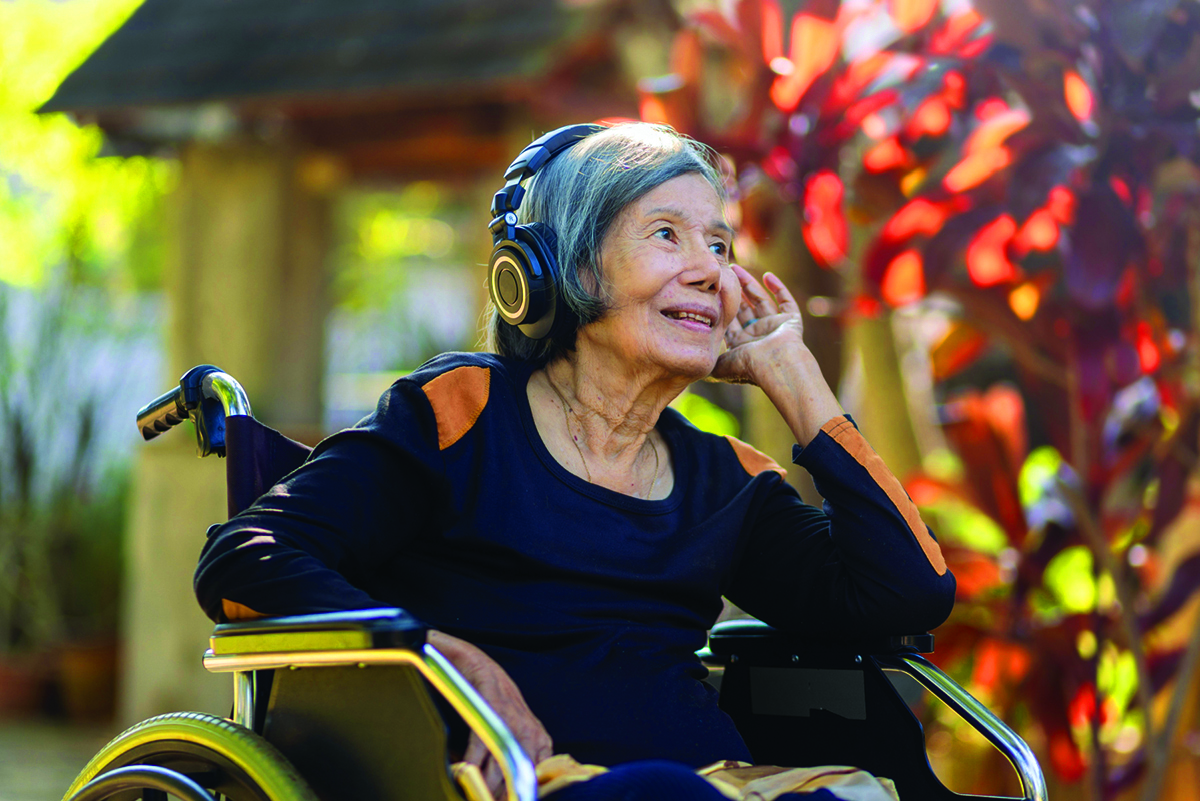
    I have found great success using programs that involve music. Activities including sing-alongs, musical performances, drum circles, playing instruments and listening to music have provided many positives for residents — and not just because these activities are fun and bring people together. Many studies point to the benefits music offers, including a reduction in agitated behaviors, a decrease in anxiety and depression, an improvement in language skills, and opportunities to trigger positive memories and the emotions tied to them.

    Singing also provides aerobic exercise for residents who can no longer exercise traditionally. Singing releases endorphins (a feel-good hormone) and oxytocin (a stress-relieving hormone). Many benefits continue weeks after the session, demonstrating the possibility of long-term effects.

    You don’t need to be a therapist to use music therapeutically with your loved ones. Sing a song together. Listen to a favorite tune. Play relaxing background music during times of rest. Use music every day and enjoy its results!


    MANOA COTTAGE KAIMUKI
    748 Olokele Ave., Honolulu, HI 96816
    808-800-4089 | info@manoacottage.com
    manoacottage.com

    Programming for the residents of a memory care facility can be challenging. Everyone is at a different place health-wise. Many activities are not appropriate for everyone. Even one-on-one activities can be challenging with this population.

  • The Gift of Whole-Body Donation

    Whole-body donation is a no-cost process and a profound act of generosity that allows individuals to contribute to the advancement of medical education, research and the improvement of healthcare practices. By donating your body to science, you make an enduring impact on the lives of future generations, enabling medical professionals to deepen their understanding of human anatomy, develop innovative medical procedures, and enhance the quality of patient care.

    Medical students, anatomists, surgeons and other healthcare professionals rely on donated bodies to study human anatomy in detail, providing a hands-on learning experience that textbooks alone cannot match. They gain a comprehensive understanding of anatomical structures, variations and disease processes, enabling them to develop more effective treatment strategies. In addition, researchers can study donated bodies to investigate the causes and progression of diseases, develop new medical technologies, and test novel treatment methods.

    Respect for the wishes of donors is of utmost importance. It is crucial that individuals who choose to donate to science understand the process involved, including the potential uses of their donation and the expected timeline for its utilization. Donor organizations uphold strict ethical guidelines, ensuring the utmost respect, dignity and reverence for donors’ contributions.

    The Donation Process

    Individuals must express their intention to donate and complete the necessary paperwork, including consent forms and medical history documentation. This paperwork can be completed during the life of the individual or following their death by the next of kin or agent. Upon passing, the body is transported to a storage facility. After the body has been utilized for educational or research purposes, it is cremated, and the remains are returned to the family or interred respectfully within 3 to 12 months.

    Whole-body donation serves as a gift to society, advancing medical education and promoting scientific progress. Donations embody the essence of altruism and leaves a lasting legacy, bridging the gap between medical knowledge and compassionate patient care. As we appreciate the selflessness of those who make this choice, we recognize the immeasurable impact they have on the future of healthcare and our collective well-being.


    KE OLA ‘UHANE
    P.O. Box 2831, Honolulu, HI 96803
    808-391-6041 | keolauhane@aeternitas.com
    844-330-7040 (24 hours/day)
    keolauhane.org

    Whole-body donation is a no-cost process and a profound act of generosity that allows individuals to contribute to the advancement of medical education, research and the improvement of healthcare practices.

  • Time for Spring Cleaning?

    The season of spring is often associated with a strong desire to do a deep, thorough cleaning of your home. It’s a global phenomenon practiced in big cities, rural communities and remote villages. Social scientists who have studied the annual ritual believe there are health benefits to decluttering, organizing and cleaning up your home. It seems people who adopt the annual habit experience more energy, a sense of accomplishment, contentment and sleep better.

    Why not extend this positive habit to organizing your health insurance paperwork? But where should you begin? Well, if you see your desk piled up with unopened mail, health cards, medical bills and health plan sale flyers, that’s a great place to start.

    First, sort through the clutter by separating insurance health cards, bills, letters and sales brochures. Look for any official government notices from Social Security or Medicare. Toward the end of each year, both agencies usually send notifications about increases in retirement benefits or changes to Medicare Part B premiums. If a letter looks suspicious or you are unsure about what to keep or what to throw away, call Medicare at 1-800-633-4227. Medicare takes calls 24/7, year-round, except for certain holidays.

    Next, discard old bills, and expired health cards and statements. It is very important to keep track of your current health cards and plan benefit documents. Contact your health plan provider to replace any lost or missing health, drug, dental and/or vision insurance cards. In an emergency, it is critical to have access to the information to avoid delays in care and uncovered claims.

    Lastly, take a moment to pay any outstanding healthcare bills and file them in your secured computer storage or other filing system.

    But if you have already selected a health plan for the year, there is no reason to hold on to sales solicitations. You will get a whole new bundle of sales material in the upcoming fall open enrollment season, so toss out the old as plans may change benefits and costs each year. It’s very easy to accumulate piles of mail during insurance year-end open enrollment periods. But rather than keeping unimportant, irrelevant documents, just shred and toss them (check with Medicare first if you need to).

    Finally, the key takeaway is you are likely to feel more secure, happy and have a sense of accomplishment if you do a little tidying up of your insurance paperwork. Once you are done, you just might enjoy the same benefits as those who practice the ritual of spring cleaning.


    GET2INSURANCE.COM FAMILY OFFICE
    1003 Bishop St., Ste. 2700, Honolulu, HI 96813
    800-226-3660 | martha@get2insurance.com
    Get2insurance.com

    The season of spring is often associated with a strong desire to do a deep, thorough cleaning of your home. It’s a global phenomenon practiced in big cities, rural communities and remote villages. Social scientists who have studied the annual ritual believe there are health benefits to decluttering, organizing and cleaning up your home. It…

  • Shrimp, Cucumber & Avocado Salad

    A salad made with shrimp, cucumber and avocado is perfect for family gatherings because it’s delicious, hearty and makes even the pickiest of eaters smile. The types of foods we eat directly affect our teeth, so that’s why it’s best to always have a bowl of fresh vegetables on the table. The vegetables in this recipe have many health benefits, including crunchy cucumbers, which will help clean the surfaces of your teeth as you chew. Did you know cilantro has deodorizing properties that may help freshen your breath? Also, don’t forget the health benefits of making your own sugar-free salad dressing for fewer cavity-causing calories. I hope readers enjoy making this healthy, low-carb, high-fiber dish that will help them live well and smile more!

    Ingredients:
    1/2 lb. cooked, peeled shrimp (can be grilled, boiled or sauteed)
    3–4 cucumber, Japanese or Persian preferred
    2 avocados
    2 tomatoes
    1/2 red onion (and/or bell peppers)
    1 fresh lime, juiced
    3–4 cilantro, chopped
    1/4 cup olive oil
    1/4 cup sushi vinegar
    lettuce (Mānoa or butter)
    salt & pepper to taste

    Directions:
    1. Cube the avocados and sprinkle them with a bit of the lime juice. Set aside in large bowl.
    2. Cut the cucumber, tomato and onion into bite-sized pieces. Add to the cubed avocado.
    3. Add grilled, boiled or sauteed shrimp to the bowl of veggies. Cut them in half if preferred.
    4. Add chopped cilantro to taste.
    5. For the dressing, mix the olive oil, sushi vinegar and lime juice in a small bowl. Blend well. Add salt and pepper to taste.
    6. Pour desired amount over veggie and shrimp mix. Toss lightly.
    7. Serve the veggie-shrimp mixture over a bed of lettuce. Serves 2–4.


    Do you have a favorite recipe and story to share? For consideration in the next issue, include a photo and mail them to Generations Recipe, PO Box 4213, Honolulu, HI 96812, or email them to Cynthia@generations808.com.

    A salad made with shrimp, cucumber and avocado is perfect for family gatherings because it’s delicious, hearty and makes even the pickiest of eaters smile.

  • Before Purchasing a Subscription Service…

    Senior couple, bills and reading documents in home for budget, planning financial assets and investment. Face of man, woman and thinking of paperwork, taxes or retirement savings for insurance policyThere are a few things you need to know before purchasing a subscription service. Tips to ensure you’re making a wise investment:

    1. Do your research. Before signing up, research the company by checking their social media accounts, consumer reviews and business ratings on BBB.org. Look for complaints or scams.
    2. Investigate free trials. Find out how long the trial period lasts, read the terms of the agreement, and learn how and when to cancel.
    3. Understand auto-renewals. Companies must send you a renewal notice ahead of time, and you should always check your bank and credit card statements to ensure the cost is what you expect.
    4. Know how to stop a subscription. There are three ways to stop automatic payments from your bank account: contact the company to revoke payment authorization, contact your bank or credit union, or give your bank a stop payment order.
    5. Cancel unwanted subscriptions. By canceling early, you’ll avoid paying for an extra subscription term.
    6. Watch out for scams. Scammers may offer you free trials or deals hoping you’ll sign up with your credit card number. But if it seems too good to be true, it probably is.


    There are a few things you need to know before purchasing a subscription service. Tips to ensure you’re making a wise investment:

  • Grieving the Loss of a Pet

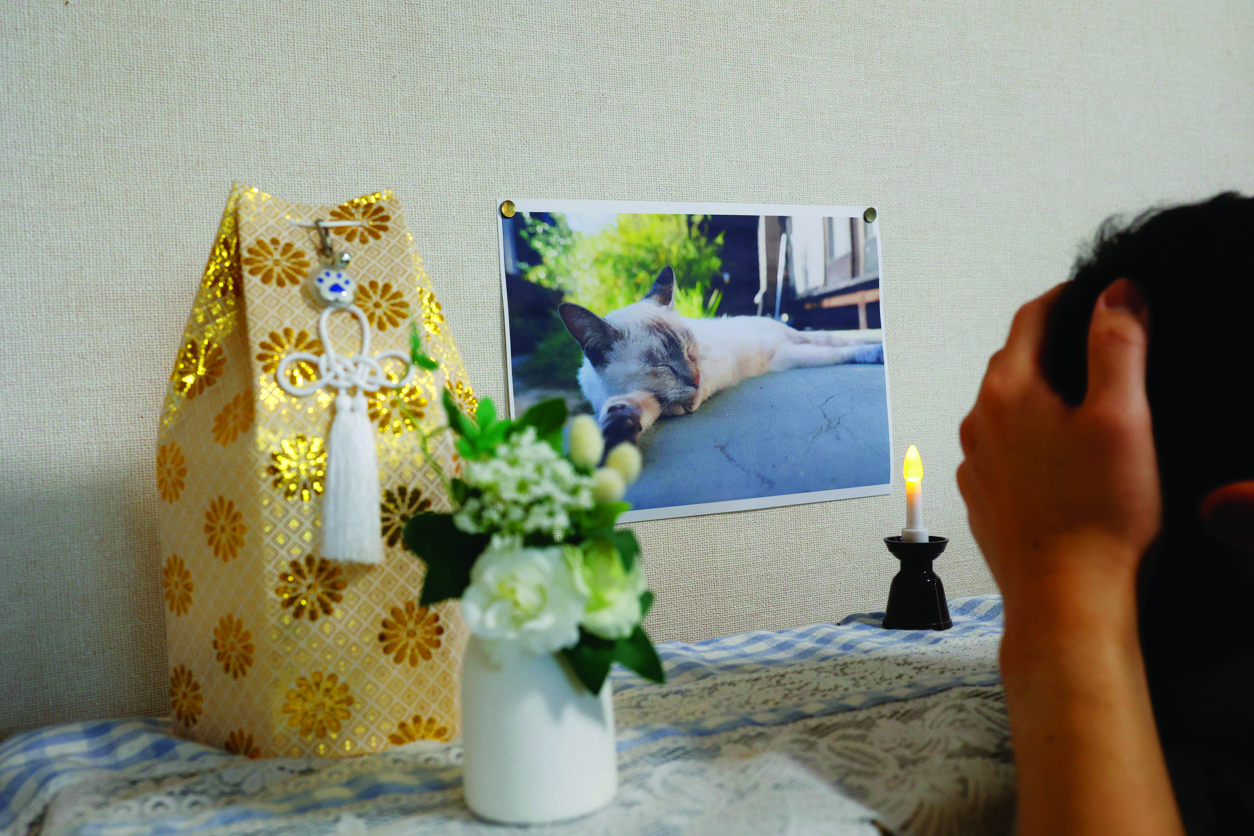
    Remains and photographs of a deceased domestic cat. Grief of losing a pet.If you had a beloved pet as a child, you may have been overwhelmed with feelings of sadness and grief after he or she passed away. For many of us, this was our first experience with death. And as we age, we will most likely experience additional losses of our furry friends. Each and every time is sad and difficult.

    Our pets bring us joy and laughter. They bring out the best in us, encouraging our playful side. They love us unconditionally and do not judge us or criticize what we say or do. They are always happy to see us and they are present in a way that most people are not. They love our affection and reciprocate in kind with purring sounds or wagging tails. We can be uninhibited around them and tell them our most private thoughts. Like our human children, they depend on us and fill our homes with an abundance of love.

    So, when our pet dies, a relationship that once brought us pure love and joy now causes us great sorrow. A precious part of us is now gone.

    The decision to prevent your pet from experiencing the pain of dying through euthanasia, giving them instead a gentle, peaceful goodbye, sometimes comes with feelings of guilt, adding to our misery. Did I wait long enough? Did I wait too long with too much suffering? Did I make this difficult decision for my pet or for myself?

    It is common that we don’t talk about losing our pet. We may think others won’t understand our deep sorrow and grief, so we don’t share. We may think it is socially unacceptable to grieve an animal so deeply. A name for this is “disenfranchised grief.” It is like other losses we don’t share with others — for example, the loss of an unborn child, a job or a divorce. So, we suffer privately — in silence.

    The loss of your pet is undeniably painful and the grief you feel is valid and unique to your own experience and your special relationship. But it is helpful to talk with others who understand and can help you along your journey as you grieve, while allowing you space for your sadness. It is healthy and normal to honor your relationship with your pet by expressing that special love — even through your tears.


    BEREAVEMENT NETWORK OF HAWAI‘I
    Facilitated by KOKUA MAU (Nonprofit)
    808-585-9977 | kokuamau.org
    kokuamau.org/grief-and-bereavement
    Learn more about grief and the healing process: Help For The Bereaved — The Healing Journey (https://kokuamau.org/wp-content/uploads/CtrOnAging-Booklet-5-REV_6-30-11.pdf).
    PET BEREAVEMENT RESOURCES:
    – Hawaiian Humane Society
    hawaiianhumane.org/pet-loss-support-group
    – Arms of Aloha
    armsofaloha.com/grief-support
    – Why everyone Should Talk About Pet Death, E.B. Bartels
    ted.com/talks/e_b_bartels_why_everyone_should_talk_about_pet_death
    – Pet Loss Grief Explained by Sarah Hoggan
    youtube.com/watch?v=TkJGhQANjZo
    – The Association for Pet Loss and Bereavement
    aplb.org

    If you had a beloved pet as a child, you may have been overwhelmed with feelings of sadness and grief after he or she passed away. For many of us, this was our first experience with death. And as we age, we will most likely experience additional losses of our furry friends. Each and every…

  • It’s Time to Have Some FUN!

    Think about it… you worked many, many years, sacrificing your desire to do something different; something creative; something for yourself. Now you are retired and it is go time! It’s time to do something fun! What could be more enjoyable than going back to school to express your creativity through art?

    Classes for individuals age 55-plus are being held at the Honolulu Museum of Art (HoMA) at 1111 Victoria St. for just a couple hours a week. HoMA’s website says, “Art for Life classes are designed to unleash your creativity and self-expression and offer opportunities for new connections.”

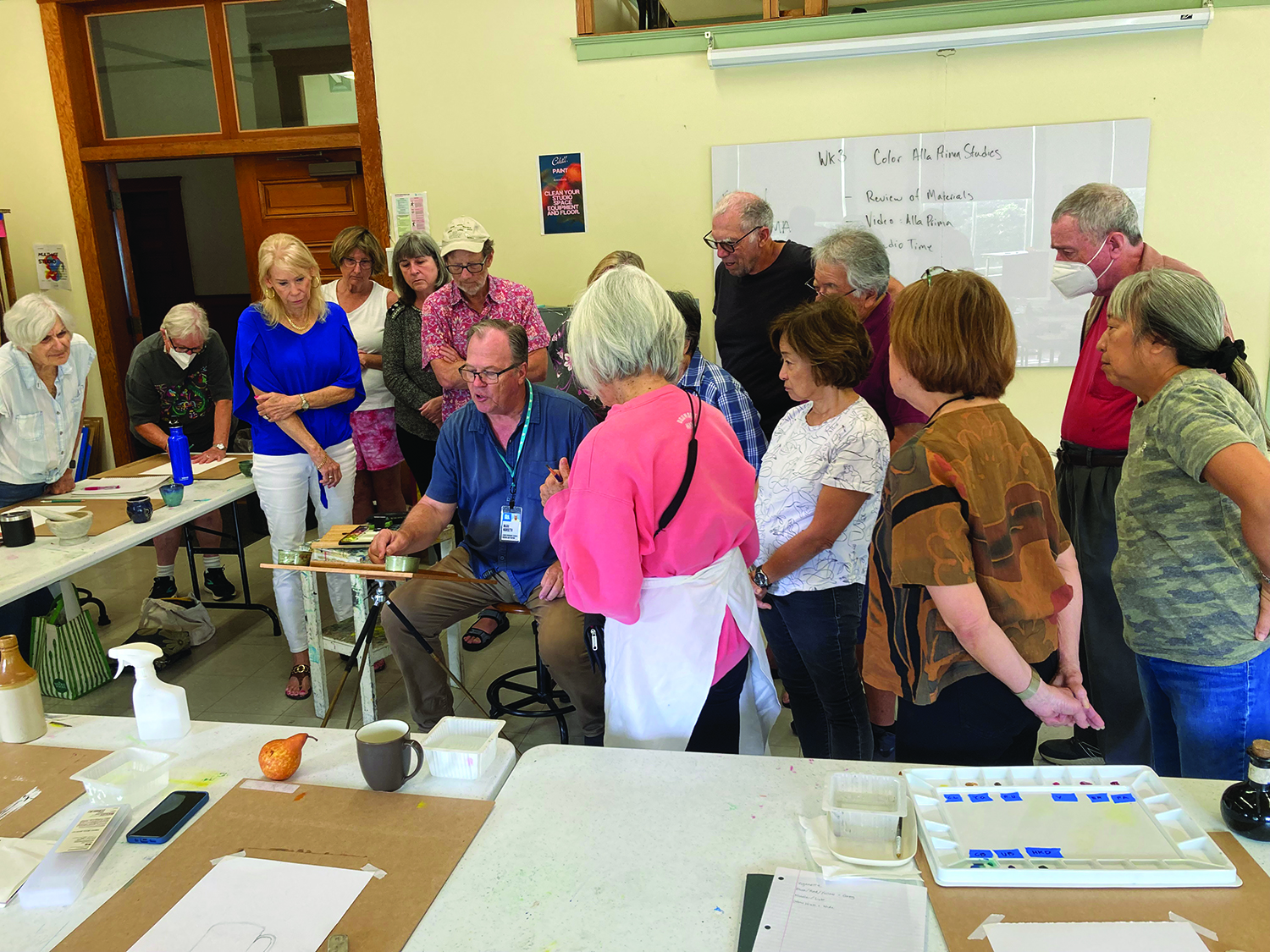
    I had the great pleasure of sitting in on the Art of Life: Watercolor class for beginners, observing the gathering of eager, energetic and talented students. I was very impressed as I walked around the room and saw pencil drawings of objects that students brought from home.

    Everyone seemed to enjoy immersing themselves in the creative process. And the instructor, Mark Norseth, made it all very fun and interactive.

    Other classes that HoMA has available for seniors in Art for Life:
    • Mixed Media and Collage (all levels)
    • Ceramic Handbuilding (all levels)
    • Shibori Creations (all levels)

    Don’t they sound inviting?

    Spring 2024 registration is open and will close at the beginning of April, so sign up soon! The eight-week classes start on April 19. Tuition includes free parking and museum admission.

    View a complete list of class offerings at honolulumuseum.org/art-for-life.

    Prospective students can register online or in person at the art school front desk between 9am and 6pm, Thursday through Saturday (see below).


    HONOLULU MUSEUM OF ART SCHOOL
    1111 Victoria St., Honolulu, HI 96814
    808-532-8741 | artschool@honolulumuseum.org
    honolulumuseum.org/adult-classes

    Think about it… you worked many, many years, sacrificing your desire to do something different; something creative; something for yourself. Now you are retired and it is go time! It’s time to do something fun! What could be more enjoyable than going back to school to express your creativity through art?

  • Playing Music for Fun & Friendship

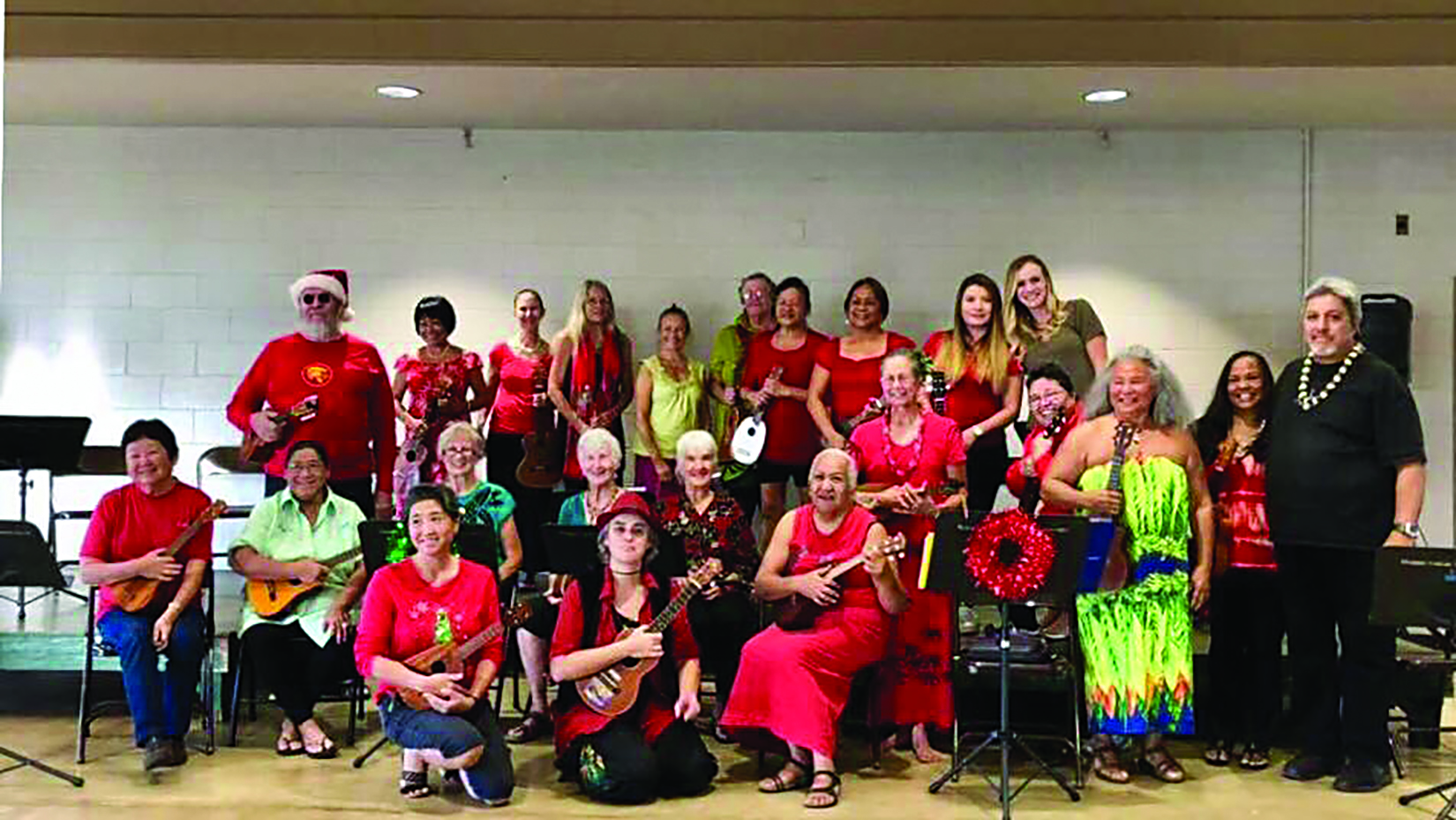
    2017 Maui County ‘ukulele classChristmas recital.
    2017 Maui County ‘ukulele class Christmas recital.

    Back in 2017, just after retiring to Moloka‘i, I stumbled upon a group of kūpuna having a lot of fun. Seated around tables at the Coffees of Hawaii plantation store, they were playing ‘ukulele and singing, much to the delight of onlookers. One gentleman in the audience on a group outing from the local retirement home leapt up and picked a partner before dancing to the tune.

    So, when the Maui County Department of Parks & Recreation began offering free ‘ukulele classes for kūpuna, I signed up. It was one of the best things I ever did! Although the county classes shut down at the beginning of the COVID lockdowns, our kumu, Kaleo Bishaw, continues to this day to offer lessons to various groups of kūpuna — big and small — across the island. Our most recent recital at Christmastime featured around 60 players, including some of his keiki students.

    These days, I’m in the advanced class at the Mālama Molokai Wellness Center. It’s a small space and a small class, which is something my fellow student, Annette English, really appreciates. “It’s good for learning new techniques and I like the challenge,” she says. Learning how lyrics and music fit together has given her the confidence to begin putting the poetry one of her girls writes to music. In class, we learn to tune our ears and wean ourselves off playing from song sheets so we can play any number we hear and like — maybe even join in an informal jam session, known in Hawai‘i as a kanikapila.

    2024 Friendsfrom Kanikapila Group Therapy jammin’
at home. (Courtesy Paula Scott)
    2024 Friends from Kanikapila Group Therapy jammin’ at home. (Courtesy Paula Scott)

    The Kanikapila Group Therapy players, who nowadays meet at the Kualapu‘u Recreation Center, are continuing those sessions I first saw back in 2017. Everyone is invited, even if they don’t play ‘ukulele. Beginners are welcome: “We bomb together, and we play well together. No judgment!” says Paula Scott. They play from song sheets provided by the group leader, but maintain the spirit of kanikapila, which is simply to have fun in enjoyable company.

    Research has shown that learning an instrument after the age of 60 has many benefits. Improved information retention is one Paula has noticed; for others, it might be manual dexterity. Playing ‘ukulele isn’t physically demanding and may even reduce stress and blood pressure. For everyone, making friends and socializing are proven to benefit emotional health and wellbeing.

    ‘Ukulele are easy to transport, easy to learn and they’re affordable. Plus, you’ll be participating in one of the aspects of Hawai‘i that makes living here special . Music brings us all together. So, what are you waiting for! County parks and recreation departments on all islands offer kūpuna ‘ukulele classes. They’re also usually offered at senior centers. Don’t miss out on the fun that performing with others can bring!


    Molokai Kanikapila Group Therapy:
    facebook.com/groups/1243839076541930
    Ukulele Underground’s play-along videos:
    youtube.com/@ukuleleunderground
    Ukulele Underground’s play-along for “Aloha ‘Oe:”
    youtube.com/watch?v=ONFMei_PpNQ

    Back in 2017, just after retiring to Moloka‘i, I stumbled upon a group of kūpuna having a lot of fun. Seated around tables at the Coffees of Hawaii plantation store, they were playing ‘ukulele and singing, much to the delight of onlookers. One gentleman in the audience on a group outing from the local retirement…