Category: Articles

  • Shrimp, Cucumber & Avocado Salad

    A salad made with shrimp, cucumber and avocado is perfect for family gatherings because it’s delicious, hearty and makes even the pickiest of eaters smile. The types of foods we eat directly affect our teeth, so that’s why it’s best to always have a bowl of fresh vegetables on the table. The vegetables in this recipe have many health benefits, including crunchy cucumbers, which will help clean the surfaces of your teeth as you chew. Did you know cilantro has deodorizing properties that may help freshen your breath? Also, don’t forget the health benefits of making your own sugar-free salad dressing for fewer cavity-causing calories. I hope readers enjoy making this healthy, low-carb, high-fiber dish that will help them live well and smile more!

    Ingredients:
    1/2 lb. cooked, peeled shrimp (can be grilled, boiled or sauteed)
    3–4 cucumber, Japanese or Persian preferred
    2 avocados
    2 tomatoes
    1/2 red onion (and/or bell peppers)
    1 fresh lime, juiced
    3–4 cilantro, chopped
    1/4 cup olive oil
    1/4 cup sushi vinegar
    lettuce (Mānoa or butter)
    salt & pepper to taste

    Directions:
    1. Cube the avocados and sprinkle them with a bit of the lime juice. Set aside in large bowl.
    2. Cut the cucumber, tomato and onion into bite-sized pieces. Add to the cubed avocado.
    3. Add grilled, boiled or sauteed shrimp to the bowl of veggies. Cut them in half if preferred.
    4. Add chopped cilantro to taste.
    5. For the dressing, mix the olive oil, sushi vinegar and lime juice in a small bowl. Blend well. Add salt and pepper to taste.
    6. Pour desired amount over veggie and shrimp mix. Toss lightly.
    7. Serve the veggie-shrimp mixture over a bed of lettuce. Serves 2–4.


    Do you have a favorite recipe and story to share? For consideration in the next issue, include a photo and mail them to Generations Recipe, PO Box 4213, Honolulu, HI 96812, or email them to Cynthia@generations808.com.

    A salad made with shrimp, cucumber and avocado is perfect for family gatherings because it’s delicious, hearty and makes even the pickiest of eaters smile.

  • Before Purchasing a Subscription Service…

    Senior couple, bills and reading documents in home for budget, planning financial assets and investment. Face of man, woman and thinking of paperwork, taxes or retirement savings for insurance policyThere are a few things you need to know before purchasing a subscription service. Tips to ensure you’re making a wise investment:

    1. Do your research. Before signing up, research the company by checking their social media accounts, consumer reviews and business ratings on BBB.org. Look for complaints or scams.
    2. Investigate free trials. Find out how long the trial period lasts, read the terms of the agreement, and learn how and when to cancel.
    3. Understand auto-renewals. Companies must send you a renewal notice ahead of time, and you should always check your bank and credit card statements to ensure the cost is what you expect.
    4. Know how to stop a subscription. There are three ways to stop automatic payments from your bank account: contact the company to revoke payment authorization, contact your bank or credit union, or give your bank a stop payment order.
    5. Cancel unwanted subscriptions. By canceling early, you’ll avoid paying for an extra subscription term.
    6. Watch out for scams. Scammers may offer you free trials or deals hoping you’ll sign up with your credit card number. But if it seems too good to be true, it probably is.


    There are a few things you need to know before purchasing a subscription service. Tips to ensure you’re making a wise investment:

  • Grieving the Loss of a Pet

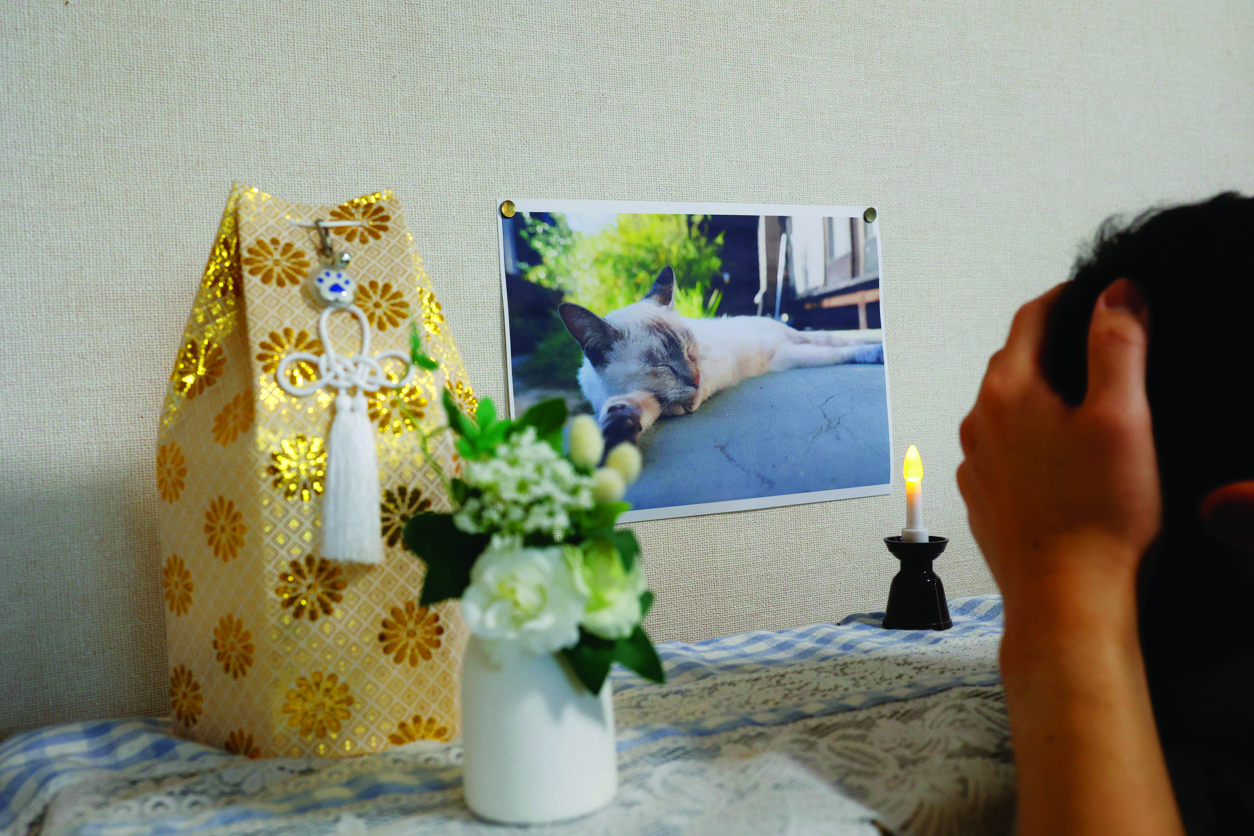
    Remains and photographs of a deceased domestic cat. Grief of losing a pet.If you had a beloved pet as a child, you may have been overwhelmed with feelings of sadness and grief after he or she passed away. For many of us, this was our first experience with death. And as we age, we will most likely experience additional losses of our furry friends. Each and every time is sad and difficult.

    Our pets bring us joy and laughter. They bring out the best in us, encouraging our playful side. They love us unconditionally and do not judge us or criticize what we say or do. They are always happy to see us and they are present in a way that most people are not. They love our affection and reciprocate in kind with purring sounds or wagging tails. We can be uninhibited around them and tell them our most private thoughts. Like our human children, they depend on us and fill our homes with an abundance of love.

    So, when our pet dies, a relationship that once brought us pure love and joy now causes us great sorrow. A precious part of us is now gone.

    The decision to prevent your pet from experiencing the pain of dying through euthanasia, giving them instead a gentle, peaceful goodbye, sometimes comes with feelings of guilt, adding to our misery. Did I wait long enough? Did I wait too long with too much suffering? Did I make this difficult decision for my pet or for myself?

    It is common that we don’t talk about losing our pet. We may think others won’t understand our deep sorrow and grief, so we don’t share. We may think it is socially unacceptable to grieve an animal so deeply. A name for this is “disenfranchised grief.” It is like other losses we don’t share with others — for example, the loss of an unborn child, a job or a divorce. So, we suffer privately — in silence.

    The loss of your pet is undeniably painful and the grief you feel is valid and unique to your own experience and your special relationship. But it is helpful to talk with others who understand and can help you along your journey as you grieve, while allowing you space for your sadness. It is healthy and normal to honor your relationship with your pet by expressing that special love — even through your tears.


    BEREAVEMENT NETWORK OF HAWAI‘I
    Facilitated by KOKUA MAU (Nonprofit)
    808-585-9977 | kokuamau.org
    kokuamau.org/grief-and-bereavement
    Learn more about grief and the healing process: Help For The Bereaved — The Healing Journey (https://kokuamau.org/wp-content/uploads/CtrOnAging-Booklet-5-REV_6-30-11.pdf).
    PET BEREAVEMENT RESOURCES:
    – Hawaiian Humane Society
    hawaiianhumane.org/pet-loss-support-group
    – Arms of Aloha
    armsofaloha.com/grief-support
    – Why everyone Should Talk About Pet Death, E.B. Bartels
    ted.com/talks/e_b_bartels_why_everyone_should_talk_about_pet_death
    – Pet Loss Grief Explained by Sarah Hoggan
    youtube.com/watch?v=TkJGhQANjZo
    – The Association for Pet Loss and Bereavement
    aplb.org

    If you had a beloved pet as a child, you may have been overwhelmed with feelings of sadness and grief after he or she passed away. For many of us, this was our first experience with death. And as we age, we will most likely experience additional losses of our furry friends. Each and every…

  • It’s Time to Have Some FUN!

    Think about it… you worked many, many years, sacrificing your desire to do something different; something creative; something for yourself. Now you are retired and it is go time! It’s time to do something fun! What could be more enjoyable than going back to school to express your creativity through art?

    Classes for individuals age 55-plus are being held at the Honolulu Museum of Art (HoMA) at 1111 Victoria St. for just a couple hours a week. HoMA’s website says, “Art for Life classes are designed to unleash your creativity and self-expression and offer opportunities for new connections.”

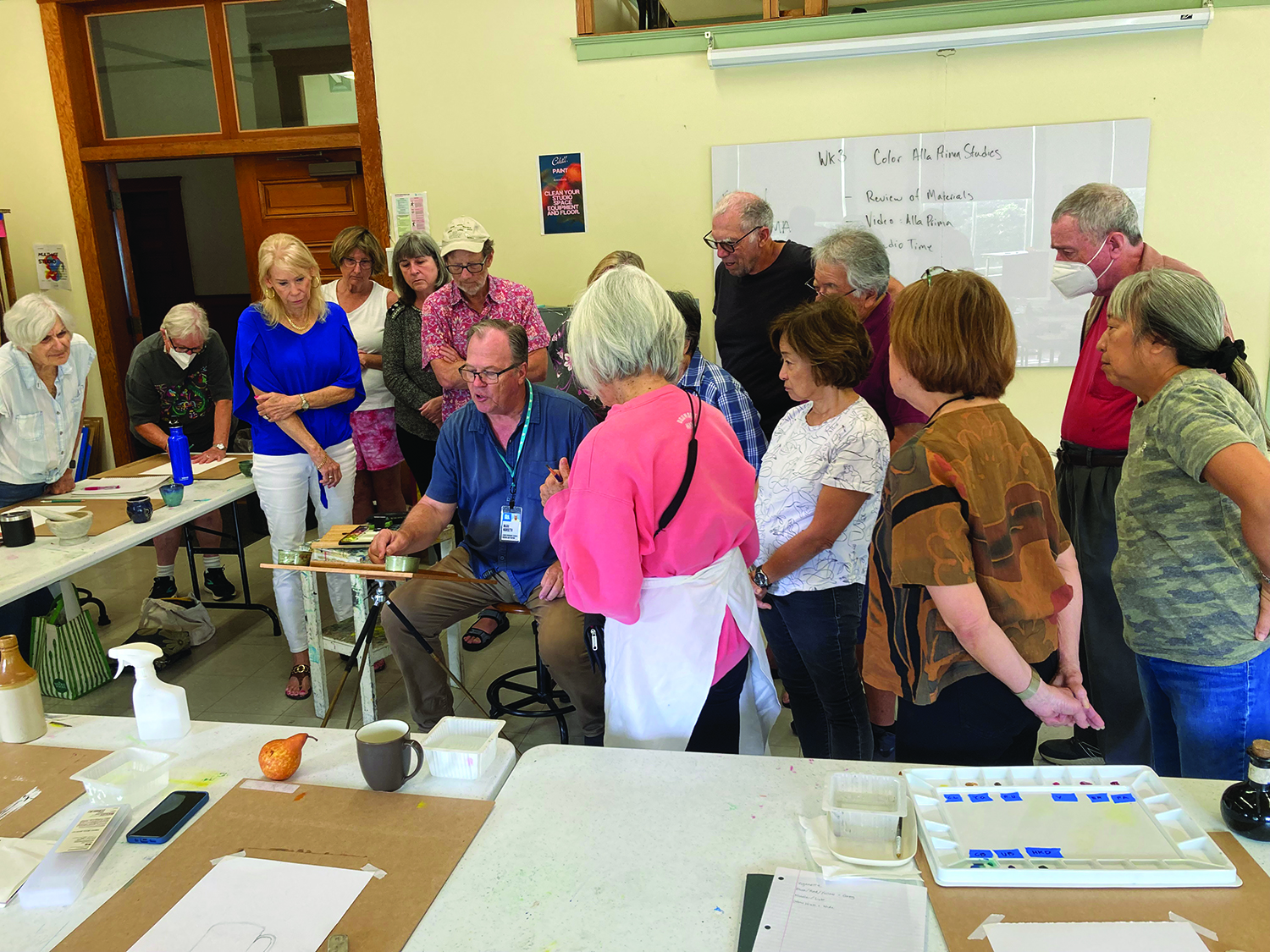
    I had the great pleasure of sitting in on the Art of Life: Watercolor class for beginners, observing the gathering of eager, energetic and talented students. I was very impressed as I walked around the room and saw pencil drawings of objects that students brought from home.

    Everyone seemed to enjoy immersing themselves in the creative process. And the instructor, Mark Norseth, made it all very fun and interactive.

    Other classes that HoMA has available for seniors in Art for Life:
    • Mixed Media and Collage (all levels)
    • Ceramic Handbuilding (all levels)
    • Shibori Creations (all levels)

    Don’t they sound inviting?

    Spring 2024 registration is open and will close at the beginning of April, so sign up soon! The eight-week classes start on April 19. Tuition includes free parking and museum admission.

    View a complete list of class offerings at honolulumuseum.org/art-for-life.

    Prospective students can register online or in person at the art school front desk between 9am and 6pm, Thursday through Saturday (see below).


    HONOLULU MUSEUM OF ART SCHOOL
    1111 Victoria St., Honolulu, HI 96814
    808-532-8741 | artschool@honolulumuseum.org
    honolulumuseum.org/adult-classes

    Think about it… you worked many, many years, sacrificing your desire to do something different; something creative; something for yourself. Now you are retired and it is go time! It’s time to do something fun! What could be more enjoyable than going back to school to express your creativity through art?

  • Playing Music for Fun & Friendship

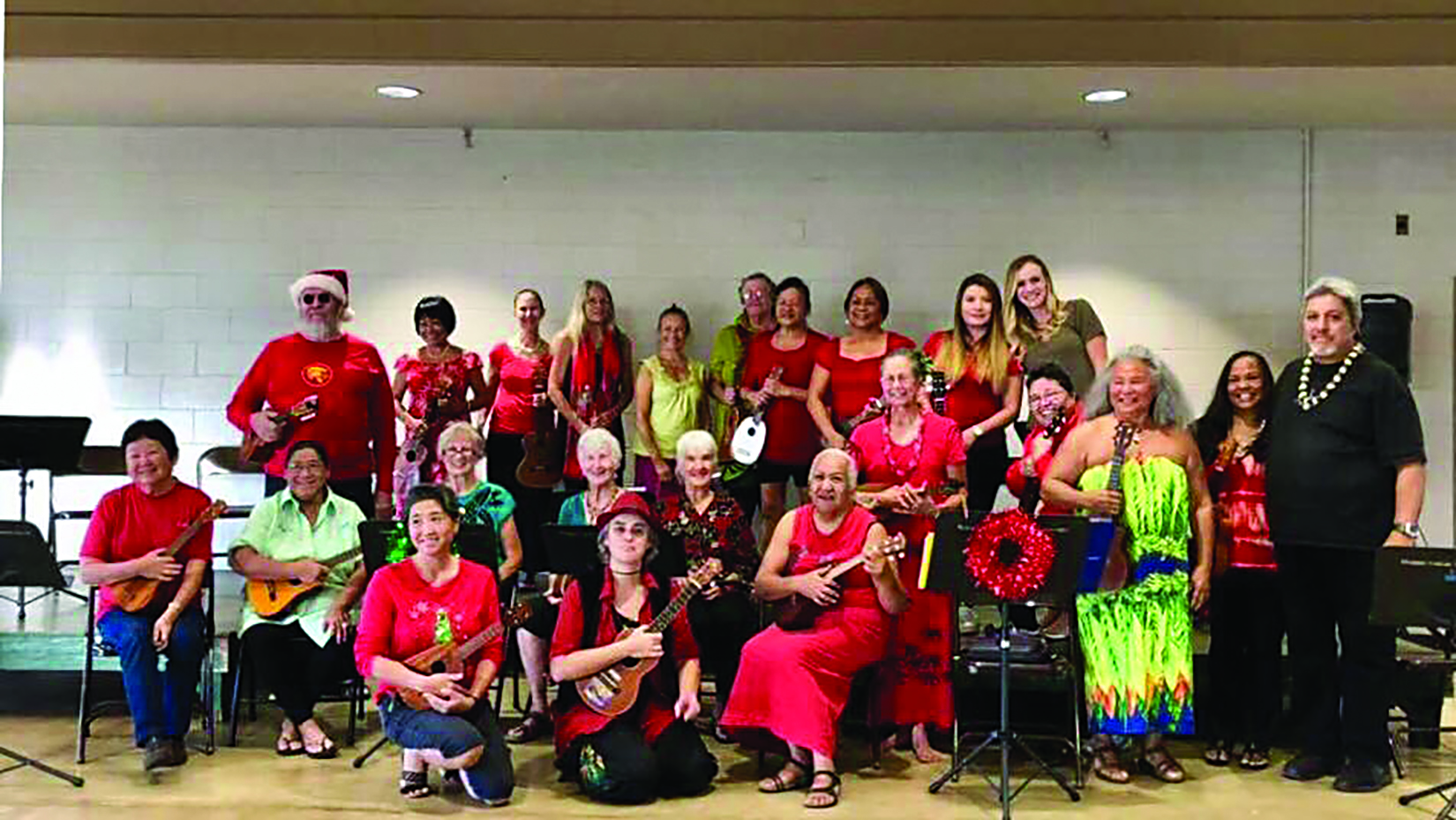
    2017 Maui County ‘ukulele classChristmas recital.
    2017 Maui County ‘ukulele class Christmas recital.

    Back in 2017, just after retiring to Moloka‘i, I stumbled upon a group of kūpuna having a lot of fun. Seated around tables at the Coffees of Hawaii plantation store, they were playing ‘ukulele and singing, much to the delight of onlookers. One gentleman in the audience on a group outing from the local retirement home leapt up and picked a partner before dancing to the tune.

    So, when the Maui County Department of Parks & Recreation began offering free ‘ukulele classes for kūpuna, I signed up. It was one of the best things I ever did! Although the county classes shut down at the beginning of the COVID lockdowns, our kumu, Kaleo Bishaw, continues to this day to offer lessons to various groups of kūpuna — big and small — across the island. Our most recent recital at Christmastime featured around 60 players, including some of his keiki students.

    These days, I’m in the advanced class at the Mālama Molokai Wellness Center. It’s a small space and a small class, which is something my fellow student, Annette English, really appreciates. “It’s good for learning new techniques and I like the challenge,” she says. Learning how lyrics and music fit together has given her the confidence to begin putting the poetry one of her girls writes to music. In class, we learn to tune our ears and wean ourselves off playing from song sheets so we can play any number we hear and like — maybe even join in an informal jam session, known in Hawai‘i as a kanikapila.

    2024 Friendsfrom Kanikapila Group Therapy jammin’
at home. (Courtesy Paula Scott)
    2024 Friends from Kanikapila Group Therapy jammin’ at home. (Courtesy Paula Scott)

    The Kanikapila Group Therapy players, who nowadays meet at the Kualapu‘u Recreation Center, are continuing those sessions I first saw back in 2017. Everyone is invited, even if they don’t play ‘ukulele. Beginners are welcome: “We bomb together, and we play well together. No judgment!” says Paula Scott. They play from song sheets provided by the group leader, but maintain the spirit of kanikapila, which is simply to have fun in enjoyable company.

    Research has shown that learning an instrument after the age of 60 has many benefits. Improved information retention is one Paula has noticed; for others, it might be manual dexterity. Playing ‘ukulele isn’t physically demanding and may even reduce stress and blood pressure. For everyone, making friends and socializing are proven to benefit emotional health and wellbeing.

    ‘Ukulele are easy to transport, easy to learn and they’re affordable. Plus, you’ll be participating in one of the aspects of Hawai‘i that makes living here special . Music brings us all together. So, what are you waiting for! County parks and recreation departments on all islands offer kūpuna ‘ukulele classes. They’re also usually offered at senior centers. Don’t miss out on the fun that performing with others can bring!


    Molokai Kanikapila Group Therapy:
    facebook.com/groups/1243839076541930
    Ukulele Underground’s play-along videos:
    youtube.com/@ukuleleunderground
    Ukulele Underground’s play-along for “Aloha ‘Oe:”
    youtube.com/watch?v=ONFMei_PpNQ

    Back in 2017, just after retiring to Moloka‘i, I stumbled upon a group of kūpuna having a lot of fun. Seated around tables at the Coffees of Hawaii plantation store, they were playing ‘ukulele and singing, much to the delight of onlookers. One gentleman in the audience on a group outing from the local retirement…

  • Maui County’s Hub of Senior Activity

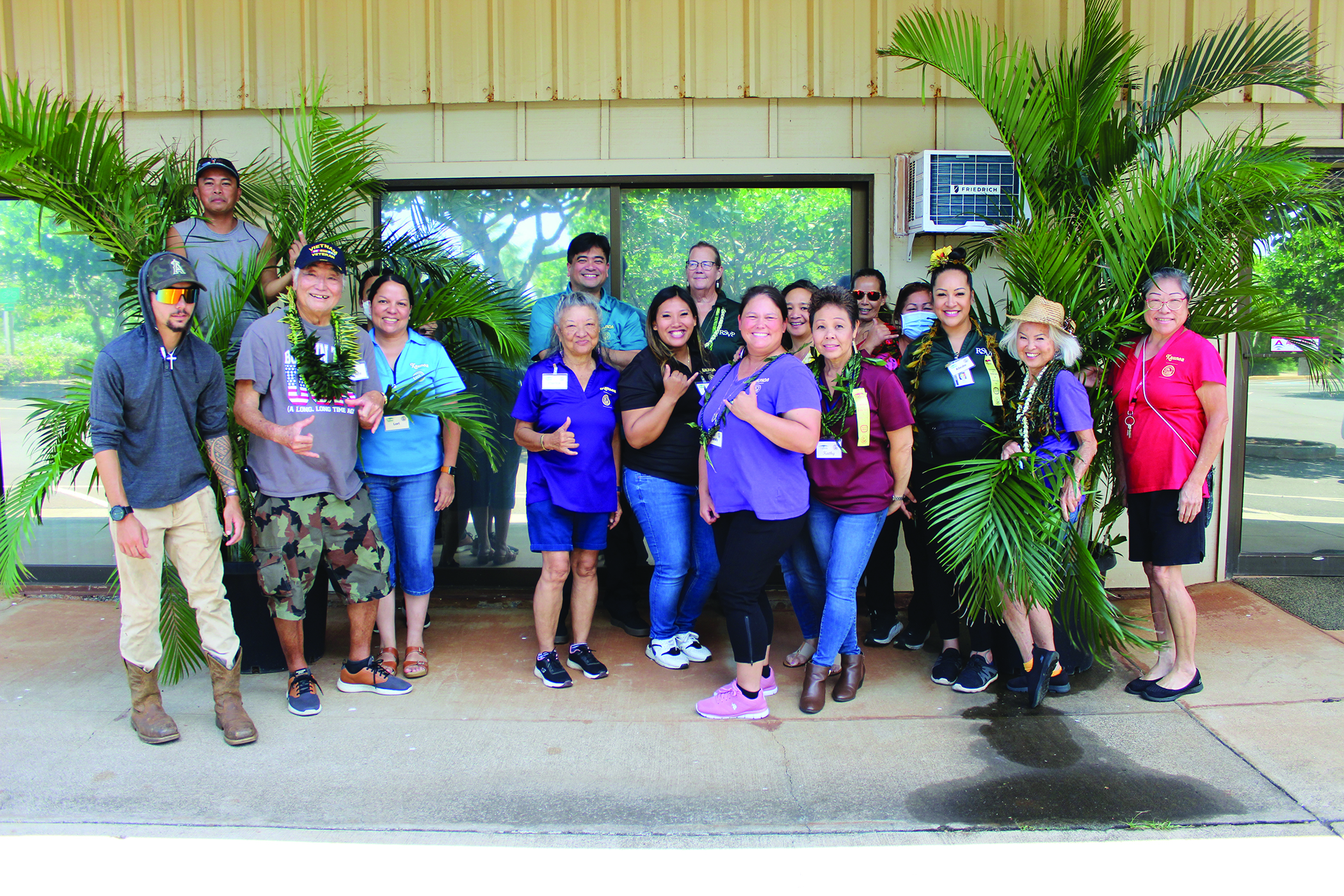
    A division of the County of Maui’s Department of Housing and Human Concerns, Kaunoa Senior Services provides a wide range of exciting and exceptional services, activities and programs in Maui County for a new generation of seniors with changing and diverse needs and interests.

    Kaunoa Senior Services provides a wide spectrum of programs and services for both independent, active seniors and the frail, homebound seniors of Maui County to enable and support them to remain in their homes as they age and experience their retirement years as their best years.

    Of the many services and organizations in Maui County, Kaunoa Senior Center in Pa‘ia serves as a central hub of activity for senior programs and activities. The center provides opportunities for seniors to learn and grow through five ongoing, countywide programs:

    • Leisure/Wellness Program
    • Retired & Senior Volunteer Program (RSVP)
    • Congregate Nutrition Program
    • Assisted Transportation Program
    • Meals on Wheels Program

    All five of Kaunoa’s programs are available on Lāna‘i and Molokai, as well as Maui.

    Leisure/Wellness Program

    This program offers classes and activities for everyone age 55 and better to learn new ideas, and master new skills that promote lifelong learning, healthy aging, whole-person wellness and personal growth. Many classes are available online and in-person.

    Kaunoa’s bimonthly newsletter includes class schedules and describes a varied selection of arts and crafts, cultural, exercise and wellness, performing arts, and other interesting classes and seminars.

    The newsletter is available via email or postal mail at mauicounty.gov/thebestyears or by calling 808-270-7308, opt. 3.

    Retired & Senior Volunteer Program

    The RSVP program provides opportunities that allow the community to continue to benefit from the retired senior volunteer’s expertise and services while offering
    avenues for individuals 55 and better to remain active in community life. RSVP strives to seek out volunteer opportunities at registered, nonprofit agencies and organizations based on volunteers’ personal interests and skills. RSVP is partially federally funded through AmeriCorps Seniors.

    A monthly newsletter with current and trending volunteer opportunities is offered to registered volunteers via email at KaunoaRSVP@mauicounty.gov or by calling 808-270-7986.

    Congregate Nutrition Program

    This dining program offers a nutritionally balanced meal in an atmosphere that encourages rewarding experiences and socialization for seniors ages 60 and up, and offers a variety of arts, crafts, health, wellness, exercise and nutrition education segments. Meal centers are located throughout Maui County, and are known as places where seniors can gather for “more than just a meal.”

    For a complete list of dining centers and more information, call 808-270-7306.

    Assisted Transportation Program

    This program provides one-on-one escorted transportation services for frail seniors who are age 60 and better with physical and/or mental limitations in order for them to be able to access essential daily living activities, such as medical appointments and other types of health-related visits, shopping for necessities, adult day care, adult day health, social services agencies, banking, etc. This allows frail elderly people to maintain their independent living capacity.

    For more information on qualifying criteria and service areas, call 808-270-7310.

    Meals on Wheels Program

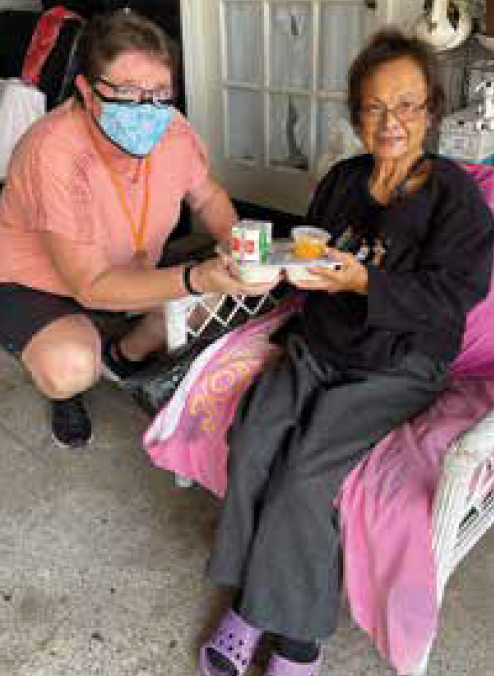
    Meals on Wheels delivers hot, nutritious, ready-to-eat midday meals to seniors who are age 60 and better, homebound and unable to manage their own meal preparation, helping them to continue living independently in their own homes. An important aspect of Meals on Wheels is the face-to-face safety check. These safety checks help put the family’s minds at ease.

    For more information on qualifying criteria and service areas, call 808-270-7321.


    KAUNOA SENIOR SERVICES
    A division of the County of Maui’s Department of Housing and Human Concerns
    KAUNOA SENIOR CENTER
    401 Alakapa Place, Paia, HI 96779
    808-270-7308, opt. 3
    Molokai Senior Services: 808-553-5402
    Lanai Senior C A enter: 808-565-6282


    A division of the County of Maui’s Department of Housing and Human Concerns, Kaunoa Senior Services provides a wide range of exciting and exceptional services, activities and programs in Maui County for a new generation of seniors with changing and diverse needs and interests.

  • Let the Games Begin!

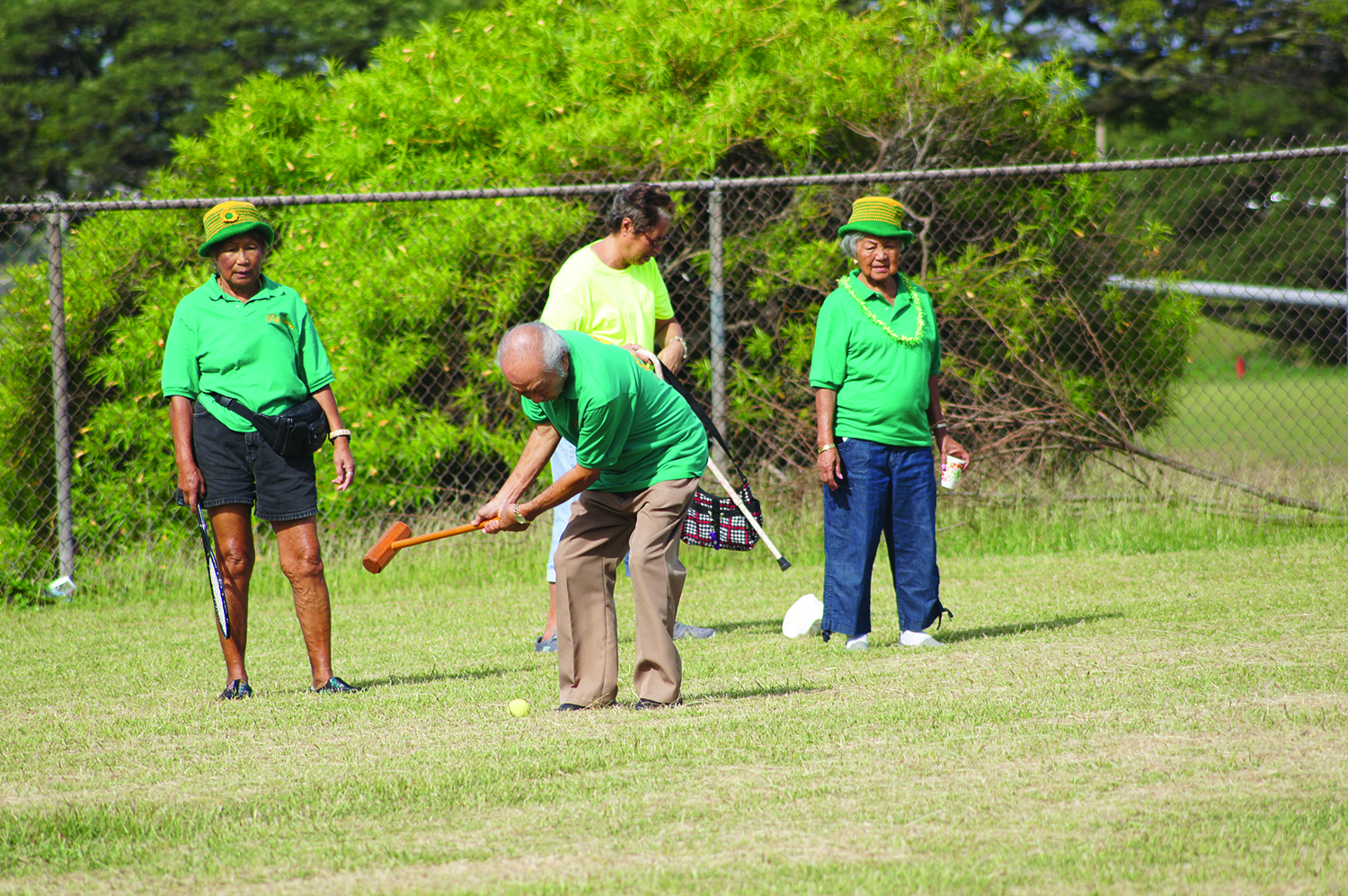
    Competition at the annual Senior Classic Games is pretty brisk between the 32 O‘ahu senior clubs that participate.
    Competition at the annual Senior Classic Games is pretty brisk between the 32 O‘ahu senior clubs that participate.

    Since the creation of the Senior Classic Games in 1980 by Herbert Yasuhara, the City and County of Honolulu Department of Parks and Recreation (DPR) senior clubs have held games in March at the Halawa District Park. The clubs practiced to compete in peg ball, lawn pin ball, nine gates and tunnel vision games. They have two age divisions: 69 and under, and the Masters Division, which is 70 and over. The Masters Division team entries, with approximately 200 to 275 participants, have doubled in the past few years. In addition to exercise, this event enables island-wide social interaction among seniors.

    In 2012, Generations Magazine became a major sponsor of the event by purchasing medals for the winners. The competition is pretty brisk between the 32 senior clubs that come from all parts of O‘ahu. The winners really love getting their medals in front of the whole crowd of participants.

    To join a senior club, individuals age 55-plus can go down to their local Honolulu City and County District Park or community park and inquire with the director.


    CITY & COUNTY OF HONOLULU, DEPT. OF PARKS & REC.
    1000 Ulu‘ōhi‘a St., Ste. 309, Kapolei, HI 96707
    808-768-3030 | ssantiago@honolulu.gov
    honolulu.gov/parks/program/senior-citizen-program

    Since the creation of the Senior Classic Games in 1980 by Herbert Yasuhara, the City and County of Honolulu Department of Parks and Recreation (DPR) senior clubs have held games in March at the Halawa District Park.

  • Savings Accounts for the Grandchildren

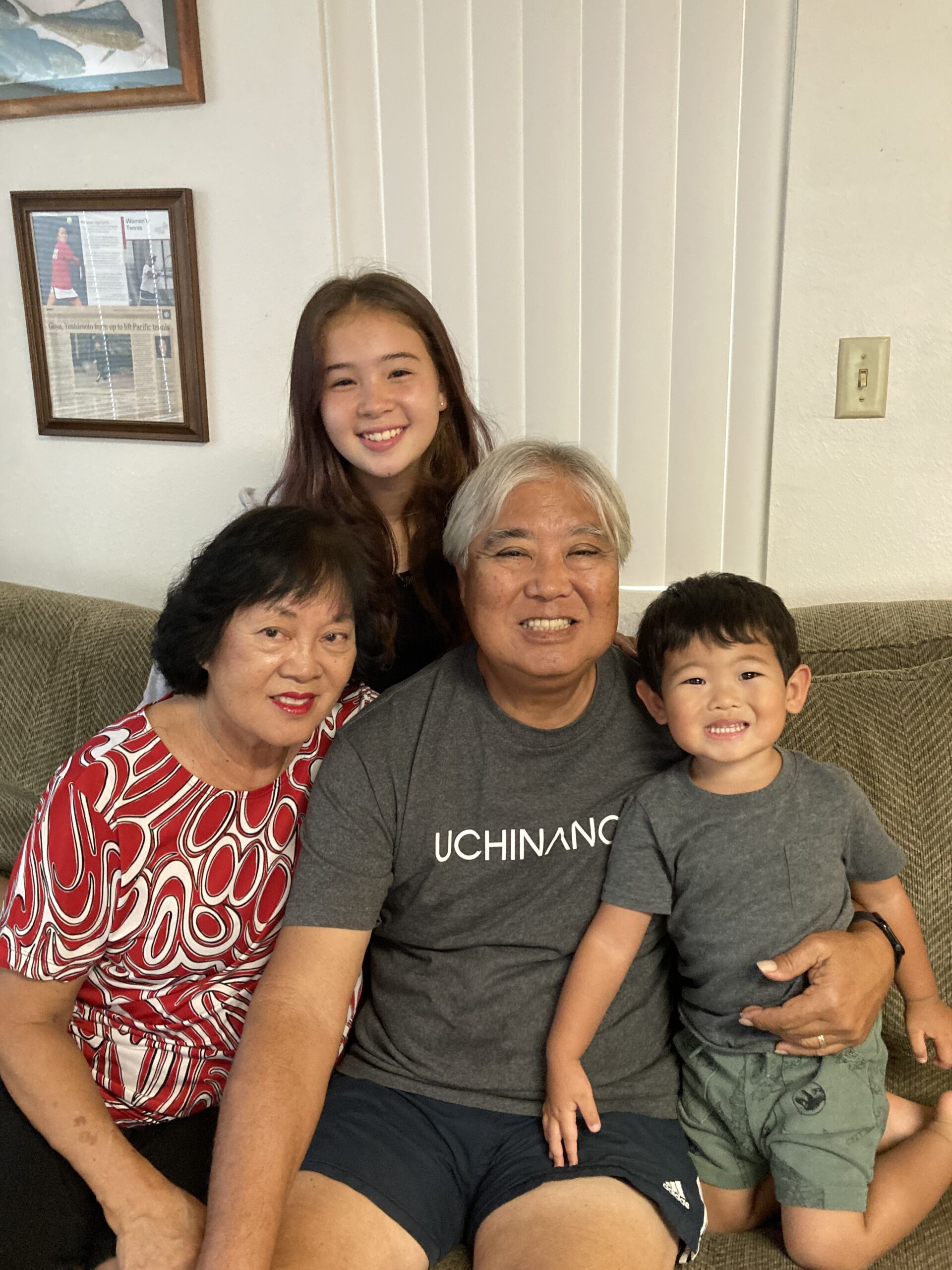
    Sherry & Cliff with grandchildren Alexis (12) and Tanner (3)
    Sherry & Cliff with grandchildren Alexis (12) and Tanner (3)

    I’m not a financial planner, banker or even good with my own finances, but I know that this simple gesture for our grandchildren will be our legacy. Like many Generations readers, I am a tutu and so fortunate to have a beautiful granddaughter and handsome grandson. I can remember each time that our two daughters announced their pregnancies to my husband Cliff and me. We were so happy that our first grandchild was to be a girl in 2011 and we were excited to be told that we would have a grandson in 2021.

    The first thing that I did after being told I was going to be a tutu was to go down to my bank to open a savings account and automatically have $100 deposited for our granddaughter. Our grandson’s savings account was also opened right after Cliff was gifted a baby teether on Father’s Day.

    It’s not a lot of money to leave for them, but since we’re not “real gamblers,” we know they will get 100% of our monies with a small amount of interest.

    Opening a savings account is something that I could never have done when I was younger. Who had money to put aside in a savings account when you have a mortgage and three children in private school? Not Cliff and me, for sure; however, in his retirement years (I’m not retiring soon), we have made it a point to put money aside for our grandchildren.


    If you have a story you’d like to share or know of someone celebrating their centenarian year, contact Sherry Goya at 808-722-8487 or email sgoyallc@aol.com.

    I’m not a financial planner, banker or even good with my own finances, but I know that this simple gesture for our grandchildren will be our legacy.

  • From the Airwaves to Living Aloha

    I’m a long way from Kansas! Wichita is where I started, but my journey has taken me across the US — from the balmy west coast of South Florida to the crisp mountains of Colorado and the high desert of Santa Fe.

    It was the allure of Hawai‘i, however, that brought me to the islands in 1990.

    I’ve been a radio broadcaster all my life — mostly in programming, but also as an announcer. Although I’m out of day-to-day operations, I still  wear the hat of traffic reporter for multiple Honolulu radio stations.

    You can hear me during the morning rush or the afternoon gridlock. I follow the ebb and flow of O‘ahu’s pesky traffic every weekday.

    In addition to radio, I am also the founder and chief bottle-washer at Linkscreen, a website design company specializing in websites for small organizations and nonprofits.

    One of my premier clients is Generations Magazine, which keeps me hopping with its large and robust website (generations808.com).

    My hobby of photography is intertwined with my website work, taking photos for clients of their businesses and products. I even fly drones to get aerial shots when needed.

    For exercise, I bike, like I have done in most of the places I have lived. As the years have slipped by, I have graduated from a regular road bike to an electric bicycle. No more huffing and puffing on those Kaimuki hills!

    Biking is a great way to avoid those traffic jams that I report every day.

    I’m a long way from Kansas! Wichita is where I started, but my journey has taken me across the US — from the balmy west coast of South Florida to the crisp mountains of Colorado and the high desert of Santa Fe.

  • Exploring Different Variations

    While the basic premise of crash gambling remains consistent across platforms, there are various variations and features that distinguish one site from another. From different multiplier algorithms to unique bonus systems, exploring these variations can help players find the platform that best suits their preferences and play style.

    Developing Winning Strategies

    Success in crash gambling requires more than just luck; it demands strategic thinking and risk management skills. We delve into various strategies employed by experienced players, including conservative approaches aimed at minimizing losses and aggressive tactics designed to maximize profits. Understanding these strategies can significantly improve one’s chances of success in the game.

    Risk Management Techniques

    Central to any successful gambling strategy is effective risk management. In crash gambling, where the potential for both significant wins and losses is high, mastering risk management techniques is crucial. From setting strict loss limits to employing disciplined betting strategies, we explore how players can mitigate risk and maintain control over their finances.

    Analyzing Market Trends

    Like any other form of gambling, crash gambling is influenced by market trends and player behavior. By staying informed about market dynamics, including player sentiment, betting patterns, and platform performance, players can gain valuable insights that inform their decision-making process and enhance their overall experience.

    Leveraging Technology

    In today’s digital age, technology plays a significant role in shaping the landscape of online gambling. We examine how advancements in technology, such as blockchain integration and AI-powered algorithms, are revolutionizing the way crash gambling platforms operate. Understanding these technological developments can give players a competitive edge in the game.

    Navigating Regulatory Challenges

    As the popularity of crash gambling continues to grow, so too does the scrutiny from regulators and lawmakers. We discuss the evolving regulatory landscape surrounding online gambling, including licensing requirements, consumer protection measures, and efforts to combat problem gambling. Staying informed about regulatory changes is essential for both players and operators alike.

    Embracing Responsible Gaming Practices

    Amidst the excitement of crash gambling, it’s crucial to prioritize responsible gaming practices. We provide tips and guidelines for maintaining a healthy balance between entertainment and responsible gambling, including setting realistic goals, taking breaks, and seeking support if needed. By promoting responsible gaming, we can ensure that the thrill of gambling remains enjoyable and sustainable for all players.

    Building a Community

    Beyond the thrill of chasing multipliers and cashing out at the perfect moment, crash gambling offers an opportunity to connect with like-minded individuals. We explore the importance of community building within the crash gambling ecosystem, including forums, social media groups, and live chat features on gaming platforms. Building a supportive community can enhance the overall gaming experience and foster meaningful connections among players.

    Conclusion

    Crash gambling continues to captivate players with its blend of excitement, strategy, and unpredictability. By understanding the game’s fundamentals, developing effective strategies, and embracing responsible gaming practices, players can maximize their enjoyment and potential for success. Whether you’re a seasoned gambler or a newcomer exploring the world of online betting, crash gambling offers an exhilarating journey filled with thrills and opportunities.

    While the basic premise of crash gambling remains consistent across platforms, there are various variations and features that distinguish one site from another. From different multiplier algorithms to unique bonus systems, exploring these variations can help players find the platform that best suits their preferences and play style. Developing Winning Strategies Success in crash gambling…

  • Esther Chan: Cybercrime Fighter

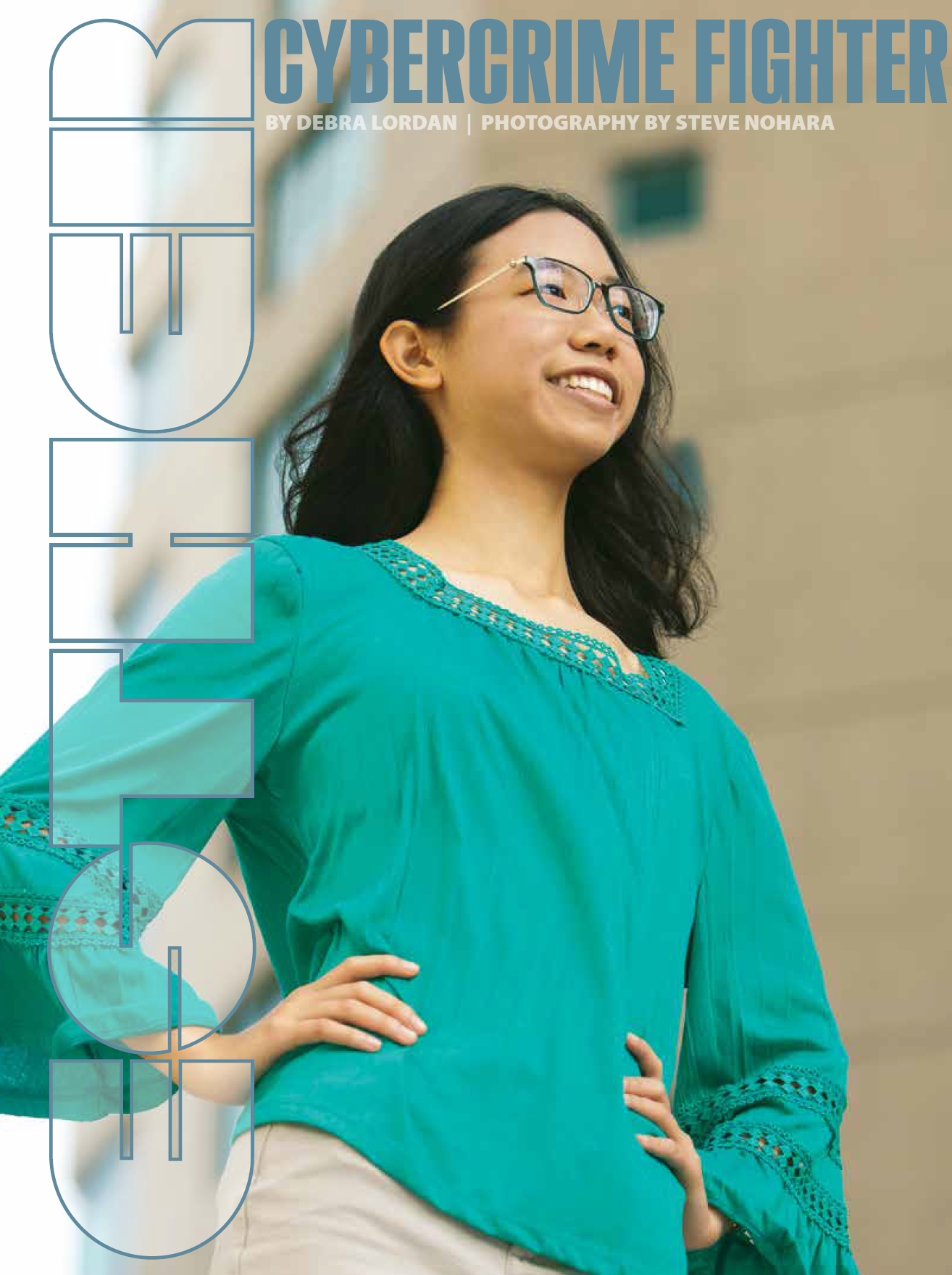
    Esther Chan: Cybercrime Fighter

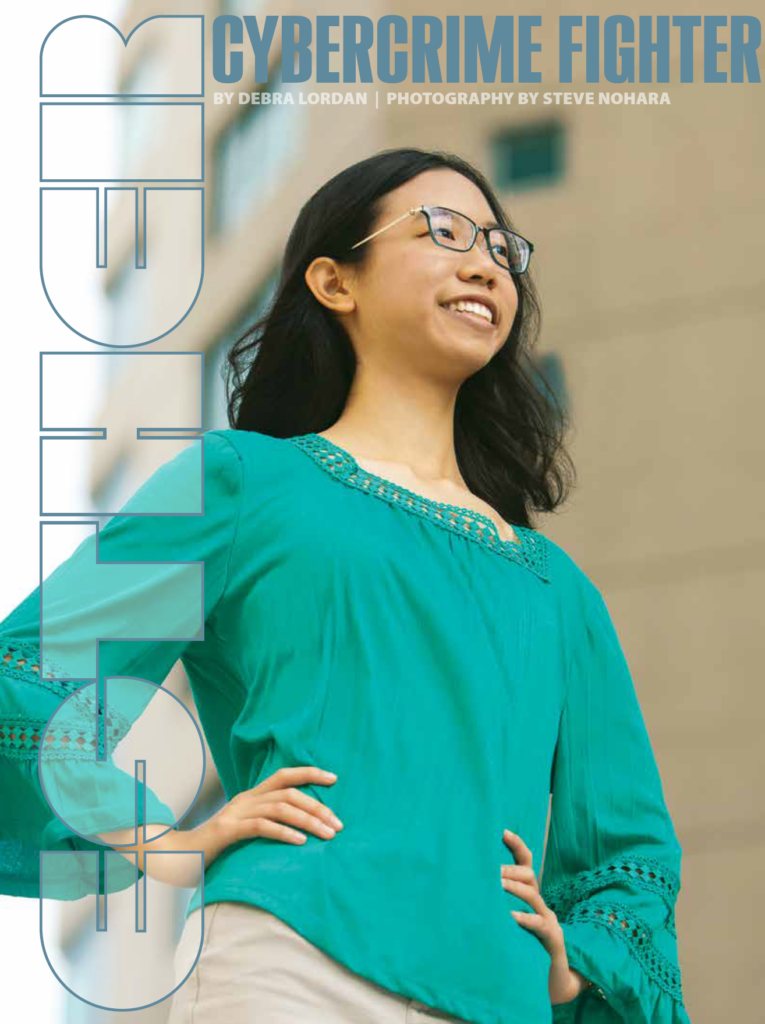
    She may not wear a mask or a cape, but in the eyes of Hawai‘i’s kūpuna, Esther Chan is their very own superhero as she continues her battle against online crime in cyberspace — one workshop at a time — wielding only her mighty curriculum and stalwart spirit.

    If criminals stole money from your dear grandmother using online trickery and treachery, what would you do about it? When she was a Punahou High School sophomore, Esther took matters into her own hands to protect her grandmother and other unsuspecting elders like her from cyber scams. For Esther, the call to action was not a question of “should I do it” but “how can I do it.”

    And so her crusade against cybercrime began.

    “In 2021 during the pandemic, my grandma received a pop-up on her computer screen,” recalls Esther. A pop-up is a window that suddenly appears on a website screen or browser that contains advertisements or other information that the user likely did not request. The pop-up asked her to call a phone number. Unsuspecting, she thought is was just a harmless antivirus helpline, so she made the call.

    “She was on the phone with them for quite a while, and ended up giving them her bank account numbers and other personal information,” says Esther. “Unfortunately, it was not a legitimate pop-up and they went into her bank account and withdrew money.” After she realized it was a scam, Esther’s father was able to help her grandmother change all of her passwords to mitigate further damage.

    “A few hundred dollars was lost, but luckily, nothing super terrible happened,” says Esther. “But it really affected us. It was really scary to have that happen and to realize that similar things are happening to many people across the nation and globally. That realization was really shocking to me.”

    With our increased dependence on technology comes an increased risk of cybersecurity attacks. This year, $8 trillion is predicted to be lost to cybercrime. According to Forbes, global cybercrime costs are estimated to increase to $10.5 trillion annually by 2025. It is also reported that 95% of cybersecurity breaches are a result of human error, which highlights the importance of cybersecurity education in minimizing successful cyberattacks. According to a recent cybercrime report, victims of elder fraud reported losses totaling almost $1.7 billion in 2021, up 74% from 2020. These statistics highlight the need for widespread cybersecurity education for seniors.

    “Eight trillion is a massive number!” says Esther. “I don’t think people realize how big of an issue these cyberattacks are. That’s really what inspired me to start this whole organization because I saw how easy it was for these scammers to get onto devices and use a tactic called ‘social engineering’ to get people to fall for their scams. I really wanted to be able to help kūpuna, in particular, be able to defend themselves against these sorts of cyberattacks.”

    Seniors have become targets for many cybercriminals who utilize trust as their scamming mechanism. Studies have shown that our willingness to trust other human beings increases as we age.
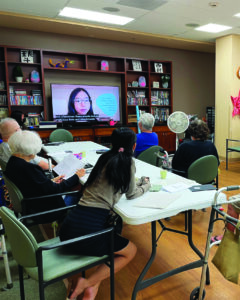
    “In general, kūpuna are more vulnerable because they are more trusting,” says Esther. “They may also be less familiar with technology or less aware of cybercrime and may not have anyone to teach them about it.”

    Another part of the problem is that scammers are highly adaptable and quite sophisticated in mimicking legitimate communications from tech support staff, government agencies, potential romantic partners and even relatives. Seniors with healthy financial savings, good credit scores and a trusting nature are attractive and often lucrative targets for scammers, bringing elders to the frontline of these cyber assaults.

    “I believe that helping kūpuna to defend themselves against cybercrime should be a priority in this increasingly digital age and that they deserve more than the dull and obscure cybersecurity curricula that currently exist,” says Esther. “That’s really what inspired me to start the Cyber Safe Seniors organization, seeing the effects of cyberattacks on kūpuna like my own grandmother. What we try to do at Cyber Safe Seniors (gocybersafe.org) is equip kūpuna with the knowledge, tools and resources they need to defend themselves against these attacks.”

    VARIATIONS ON SCAMS ARE ENDLESS

    The best way to avoid losing money or confidential information to a scammer is by learning to recognize the different types of fraud. Below are a few of the most common scams, however, there are variations of each. Scam artists are devious and will change their tactics in order to steal from you. (Visit gocybersafe.org/resources on Esther’s website).

    • IMPERSONATION SCAMS happen when one person pretends to be another — a government official, a caregiver or even a grandchild — and tricks you into giving them what they want.
    • ONLINE DATING FRAUD accounted for $304 million lost in 2020 alone. Half of these scams reportedly started through social media.
    • UNEXPECTED MONEY SCAMMERS know that most of us would love to receive a large sum of money at the drop of a hat — that’s why these scams are often effective in getting your money.
    • LOTTERY SCAMS are one of the most common ways of extracting money from seniors. If you receive a phone call, letter, pop-up message or email saying you’ve won money or an expensive item, be wary. Too good to be true?
    • FAKE CHARITY SCHEMES occur most often around the time of a disaster.
    • FAKE PRODUCT SCAMS try to convince you that your life will be better with a certain product or service. You then pay for the product or service, but you never receive it.
    • DEBT RELIEF SCAMS try make you believe that your debt can be reduced. Scammers will often charge a large upfront fee to help you lower your debt-repayment responsibility, only to disappear after you’ve sent them the money.
    • TECH SUPPORT SCAMS often send a pop-up on your computer saying you have a virus or other issue. They will include a phone number for you to call and pressure you into sending them money to fix the fake problem.

    That is what happened to Esther’s 85-year-old grandmother, Sophia, when Esther was 16. Concerned about protecting her grandmother and others from the dangers of cybercrime, Esther proceeded to create a curriculum comprised of a series of video lessons to educate kūpuna on how to shield themselves from online scams.
    CYBERSAFETY 101 IS BORN

    “The attack was definitely one of the components that spurred me on to create the CyberSafety 101 curriculum,” says Esther.

    At about the same time her grandmother became a victim of cybercrime, Esther discovered a class through Girl Scouts called “CompuGirls Hawaii” that focused on educating high school girls in STEM, cybersecurity, scams and information technology (IT). Prior to attending the program in 2021, she hadn’t realized how serious of an issue cyberattacks were.

    In addition to the attack on her grandmother and the CompuGirls Hawaii course, the chance to pursue a Girl Scout Gold Award project further inspired Esther to equip kūpuna with the knowledge and resources they need to stay safe from cybercrime. “This was a great opportunity to work on something I was really passionate about,” she says. So she started creating scripts and producing video lessons for her Girl Scouts project, Cyber Safe Seniors, beginning with a free, self-paced course called “CyberSafety 101.”

    The project drew her to the first-ever Prudential Emerging Visionaries. The national recognition program awards young people for their innovative solutions to financial and societal challenges in their communities. An Emerging Visionary is a changemaker — a young person with a bold vision for impact and a project to make it happen.

    She applied to the program and was one of 25 recipients nationwide to receive a $5,000 award. She was also invited to attend a three-day summit at Prudential headquarters in New Jersey, where she met with other youth changemakers for networking sessions and workshops.

    “It was really great to meet all the amazing changemakers,” says Esther. “What really made an impact on me personally was that I was able to see what everyone else was doing. All of my peers at the summit were very incredible. They all created their own organizations related to finance and various other social structures. Being able to observe that and be a part of it had a great impact on my project. It was super inspiring. I took a lot of lessons I had learned at the summit back home.”

    The young changemakers received coaching sessions with a Prudential representative. She was able to work with Colleen Grimsley, director of New Business Case Management at The Prudential Insurance Company of America. “She gave me some great advice for the project.

    ”WHAT IS CYBER SAFE SENIORS?

    Cyber Safe Seniors, which hosts the CyberSafety 101 curriculum, is an organization and a website (gocybersafe.org) with a mission to keep seniors cyber safe by providing them with access to effective, high-quality cybersecurity education that is as engaging as it is informative.

    “This course is the culmination of work by so many people — so many hands,” she says. “I am really grateful to Jodi Ito, who is the chief information security officer of the University of Hawai‘i System, for helping me to verify the accuracy of the information I was giving.”

    Dr. Dorothy Hirata, the instructional design manager with the University of Hawai‘i System’s Online Innovation Center, was especially helpful with the second iteration of her course.

    “I started in 2021 with an idea of a curriculum,” she says. “I empathized with the kūpuna and tried to figure out what their needs were through research and talking with Jodi about needs — and, of course, my grandmother.”

    From there, she worked quite hard on the curriculum. She completed hundreds of hours of research, wrote scripts from scratch, filmed and edited video footage, added activities and compiled all the information for the course.
    BETA TESTING

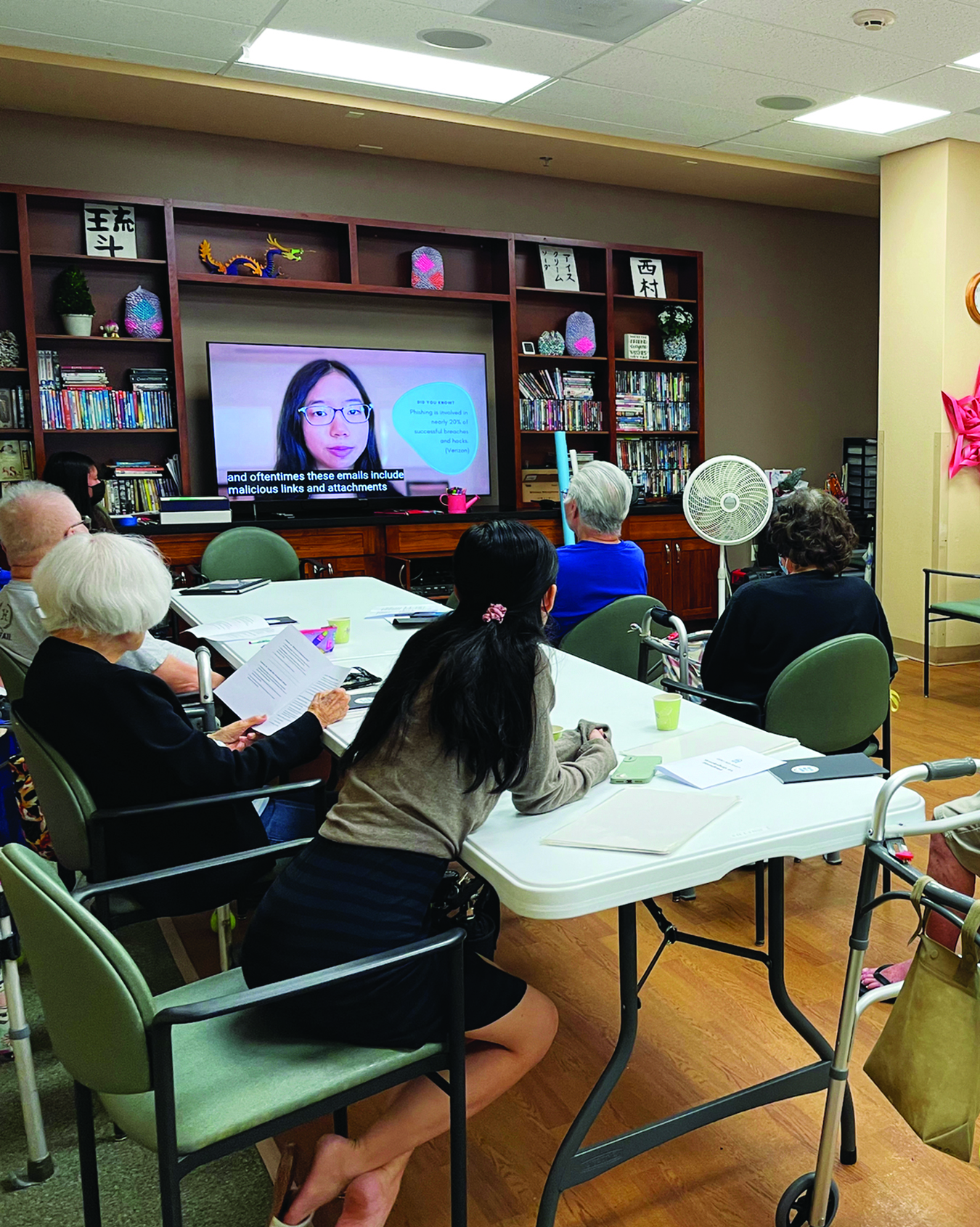
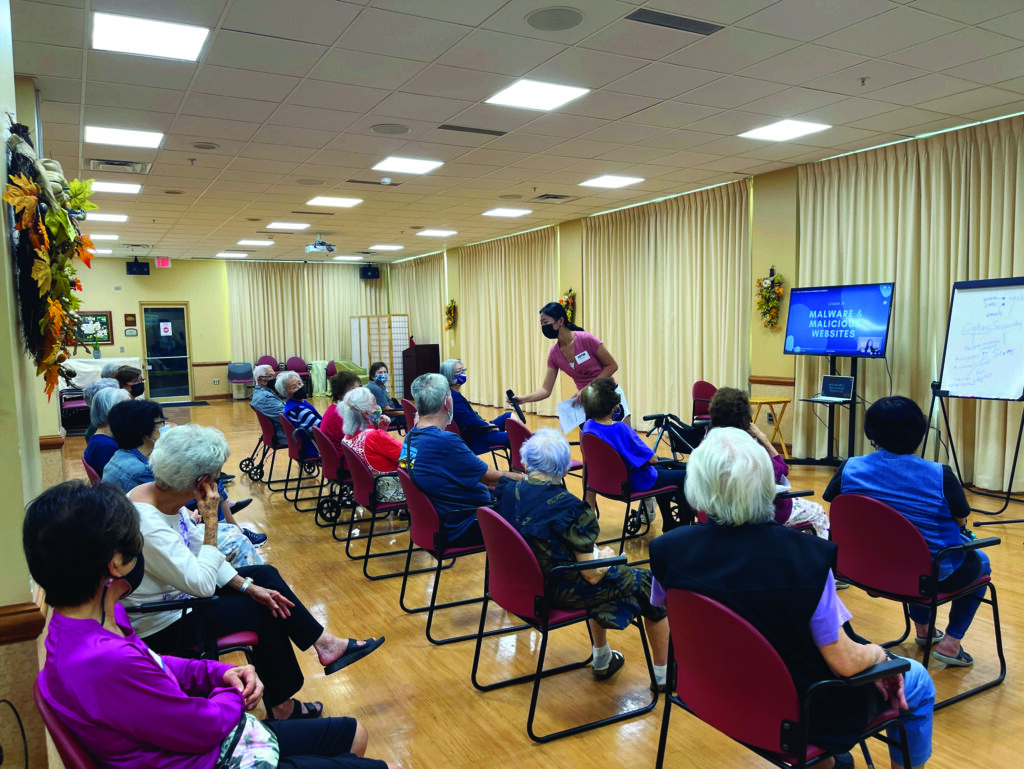
    To test and assess the new curriculum and figure out what was working well and what could be improved, she took the program to One Kalakaua Senior Living and The Plaza at Waikiki, another living community. Out of respect for the visitor restrictions that were instituted during the COVID-19 pandemic, these workshops were hosted using the pre-recorded videos that Esther had created. In return for completing a questionnaire about the curriculum, the residents were entered into a gift card drawing.

    “It was well-accepted, and then Esther spent a lot of time improving the program so that it would benefit more seniors,” says One Kalakaua resident Sophia, Esther’s grandmother. “She revised and improved her videos by increasing the sound and adding subtitles to benefit those who are hard of hearing. She also improved her presentation, assembling a team of schoolmates so that they could be more efficient and thorough. When she was invited back a second time, she brought her team along to teach the new and improved course.” For example, team members supplied one-on-one, in-person phone support to show residents how to block spam calls and to answer other questions pertinent to each of the many types of mobile phones now available.

    The second presentation after the fine-tuning based on feedback was even more popular, Sophia said. “More residents attended than show up to our most popular exercise classes. They all ended up loving it and learning a lot. Everybody was very happy. It was very successful.”

    “Their feedback was very valuable and I am very grateful,” says Esther.

    During the pandemic, she also presented her program at other senior homes in Honolulu, and later, AARP Hawaii accepted her project.

    “We also got some feedback from members of AARP Hawaii which was quite helpful,” says Esther. “I took all that feedback and implemented it into the second iteration of the curriculum. For instance, I learned that participants found the practical tips helpful. I took all that feedback and incorporated it into the second iteration — the one I worked with Dorothy on — the one that is being used now. Again, we tested and optimized the second version.”

    THE CYBERSAFETY 101 COURSE

    CyberSafety 101 (gocybersafe.org/the-course) is free, convenient and easy to use. The curriculum is self-paced and you can return to the course whenever you need a refresher. It covers cybersecurity basics, from phishing, to malware, to digital footprints and more.

    “This course was created because we believe that everyone — regardless of economic status — deserves access to quality cybersecurity education,” Esther says on her website.

    The first thing you do is enroll for the class through a series of fill-in boxes and answer a short questionnaire that assesses your level of cybersecurity knowledge. You are then sent an email that lets you enter the virtual classroom. The videos used to relay the lessons are colorful and clear. The sound is crisp and the information presented by a smiling and articulate Esther is well-paced and easily understood. The information and insights you will receive, along with the amount of money you may save by avoiding an expensive scam, are well worth the short time you will invest in the training — it only takes about an hour.

    CYBER-SAFETY 101 EXPANDS

    To spread word of her program, Esther contacted media outlets, such as the Honolulu Star-Advertiser.

    She also connected directly to senior centers through email and through personal connections. Esther has since shared the project with the Lanakila Multi-Purpose Senior Center and aims to partner with more organizations and care homes to continue to spread awareness.

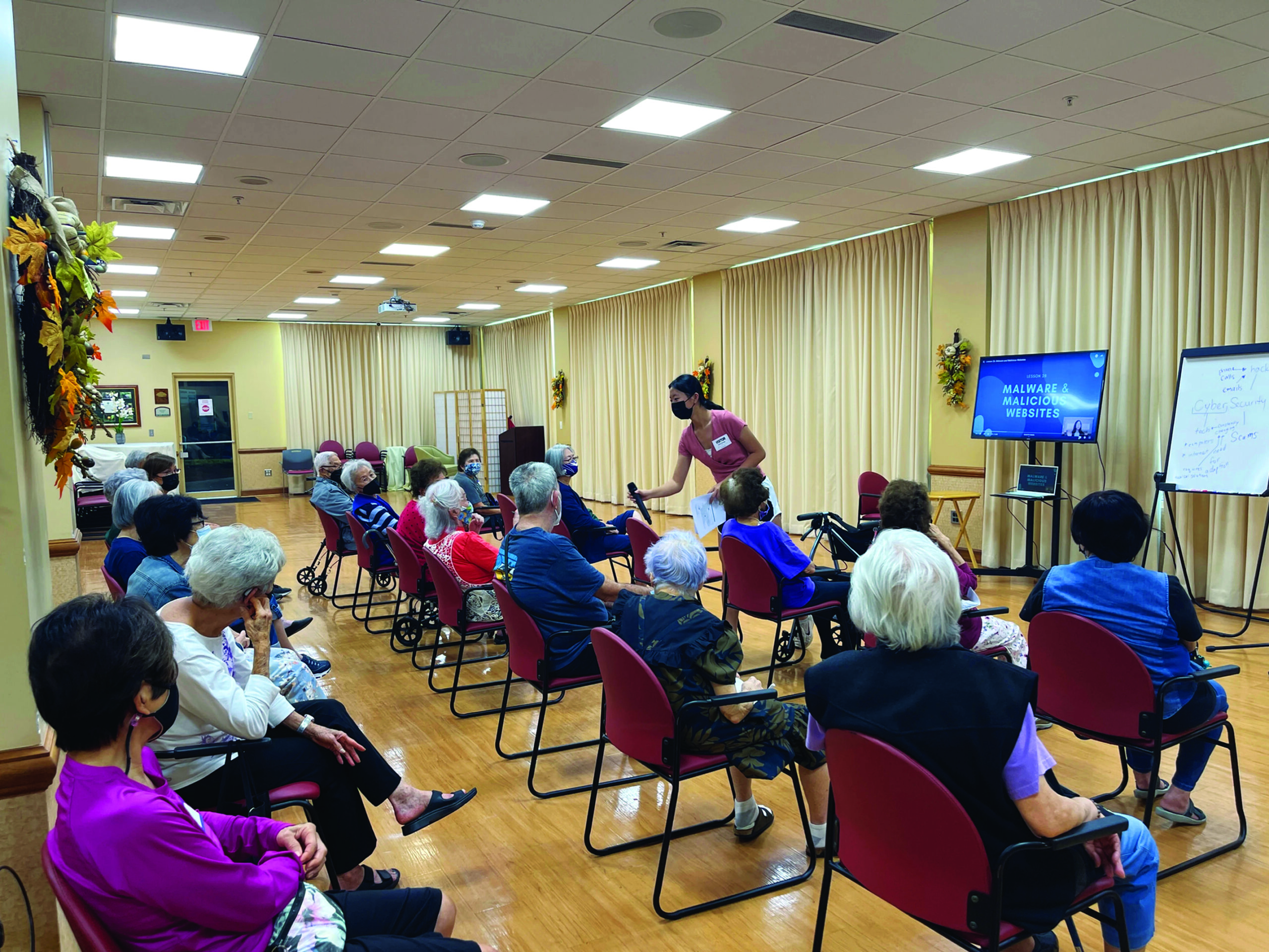
    Recently, in addition to her online program, Esther has been offering workshops for kūpuna based on her online curriculum, reaching out to care homes directly and coordinating from there.

    “We pride ourselves in working with kūpuna side-by-side during workshops and are currently designing a training program to empower others across the nation to do so as well,” says Esther.

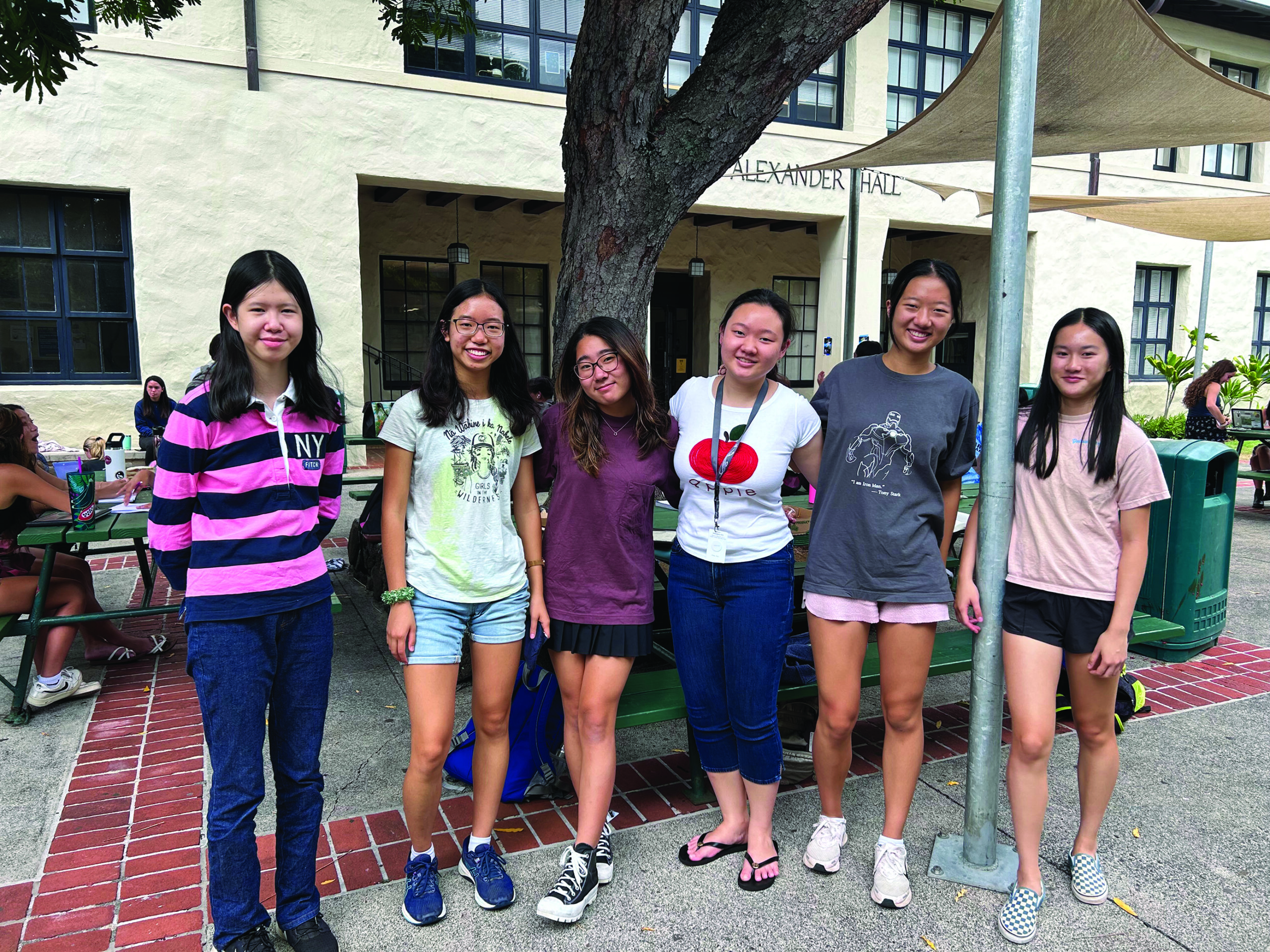
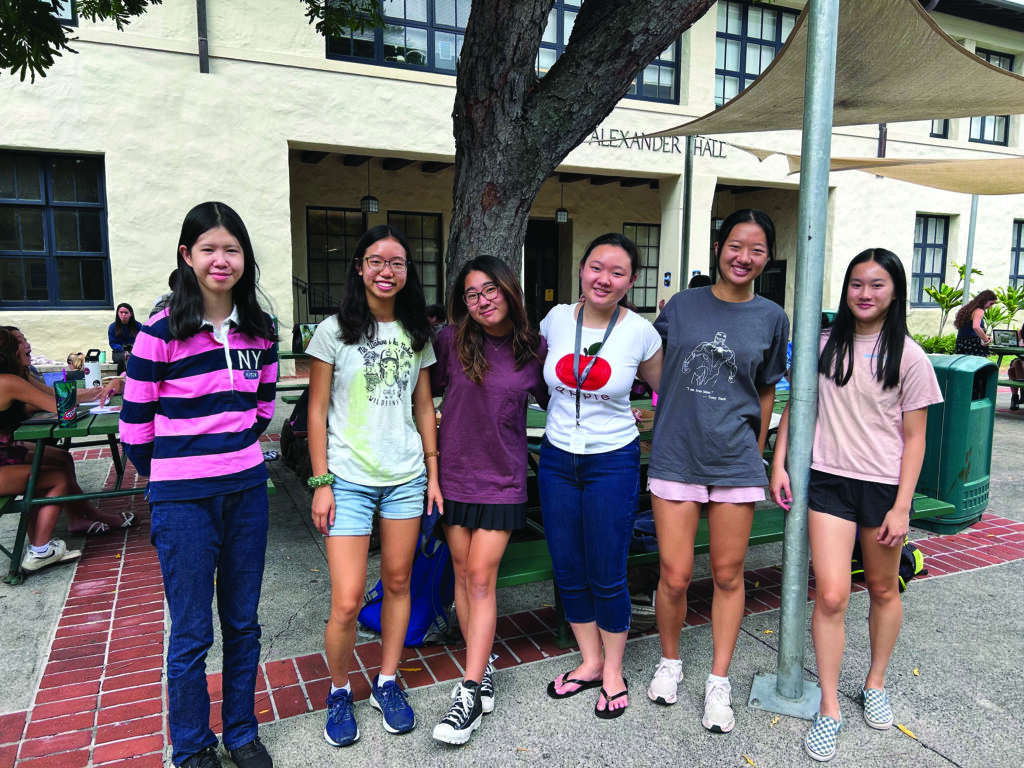
    She has not been doing it alone, but with the help of her “wonderful board members” who have been working with her for the past year or so. They help organize the workshops and sometimes lead them. “They are all such incredible young women,” she says of her eight peers. “It is definitely a group effort.”

    Her handpicked eight-member board have commonalities in addition to being interested in STEM, information technology and cybersecurity. They all have a special place in their heart for their elders. “I think each of them has their own motivation for getting involved with Cyber Safe Seniors (CSS), but in general, they all want to help them,” says Esther.

    EVOLVING LEADERSHIP

    Through CSS, Esther’s enthusiasm and good will spread to her peers. One of her eight CSS volunteer directors, Irene Zhong, met Esther about three years ago in an accelerated summer chemistry honors course. Irene was impressed by Esther’s curiosity. “I listened to Esther ask our teacher questions after the entire class had left, and I was baffled by their breadth and depth. She inspired me to dig deeper in my own learning and to be unafraid to ask questions.”

    She got involved with CSS shortly thereafter. “I wanted to join the board of directors because I live with my grandparents who use technology prolifically,” says Irene. “They are immigrants from China and can’t speak English, so it was even more important for me to work with cyber safety because their risk for attack is higher.”

    “Esther is the epitome of a great leader,” says Irene. “She has a great capacity for empathy not only for the elders but for her board members, as well. I appreciate that she does not hover over her board members, but instead gives us autonomy to be creative and make original contributions. For example, Esther gave me full reign to design Cyber Safe Senior’s volunteer shirt.”

    “Esther’s greatest traits are her timeliness and work ethic,” says Irene. “She has never been late to an event and never missed a deadline. She also curated, created, and revised the entire Cyber Safe Seniors curriculum on her own, which is a great feat considering the amount of work that goes into script writing, graphic design, recording and editing.”

    Her involvement with CSS has deepened her passion for service work, says Irene. “I feel a greater connection to the community and kūpuna, and through Esther, have connected with many of my peers — most of whom I would not have been friends with without Esther’s organization,” says Irene. “CSS has also given me experience with leadership and oversight. I am now more confident in organizing and managing volunteers, and coordinating with different branches of the organization.”

    “Before I leave for college, my goal is to create a community of cyber safe volunteers who are passionate about this work,” says Irene.

    ESTHER’S TIME TO SHINE

    Esther’s experiences with CSS helped her to overcome her innate shyness, learn how to take risks and reach outside of her comfort zone to become one of Hawai‘i’s unsung heroes. Along the way, she has garnered much recognition and many accolades.

    Of course, Esther earned her coveted Girl Scouts USA Gold Award Scholarship and was featured on the national GSUSA website. After she received the Prudential award in 2022, Esther was recognized by the Hawai‘i State Legislature during Hawai‘i Education Week. She is a Coca-Cola Scholarship Semifinalist, National Merit Semi-Finalist, and was one of four Carson Scholars nationwide who received the Michael Hollins Foundation Award for exceptional humanitarianism. She also received the Violet Richardson Soroptimist Award, George HW Bush Point of Light Award, a Punahou Distinction in Student Entrepreneurship and the President’s Gold Volunteer Service Award in recognition of 129 hours of service to the nation. Inscribed at the bottom of the award: “The country is counting on you.”

    METAMORPHOSIS

    “The whole project was a risk for me,” says Esther. “I learned so much about sticking with it and putting up with challenges and working through them.”

    “I’ve always been a driven person and I am passionate about a lot of things,” says Esther. “I feel that this organization really stemmed from that. I didn’t lay out a plan to do this; it developed organically out of a passion for helping others, especially seniors. From there it just blossomed.”

    “This project has definitely contributed to my personal growth — more than anything else I have done. It has been an incredible experience and I have learned countless lessons. Cyber Safe Seniors has been very meaningful to me, and I feel that I have poured out my heart into this organization in a lot of ways. I have been blessed to have been able to gain so much from it in terms of skills I’ve learned and relationships I’ve built. It’s been incredible.”

    “Two years ago, I would not have envisioned myself where I am today in terms of this organization. I am incredibly grateful for everyone who was there to support me — God, my parents and my mentors and peers at Prudential. In terms of the organizational aspect of the project, my mom has been a really great role model for me because she is very driven and likes to take initiative. She leads a prayer group and is on the board of our church. She is really involved, so I drew a lot from her example.”

    THE CRUSADE AGAINST CYBERCRIME

    Given that Esther launched her career path at 16, where does she plan to go from here? “In terms of where this program is going to go next, I think the plan right now is to pass the program on to younger students and get them to become leaders and head this project throughout the state.” Esther will continue to support the Hawai‘i branch of the organization from afar and perhaps start a new chapter of Cyber Safe Seniors wherever she attends college.

    “It would be really cool if I could start another branch where I go to college and continue to expand it. I’m not sure what the future holds but I am excited for where this can go seeing how it has blossomed so far. I think it has a lot of potential to expand statewide, nationally and even internationally.”

    To that end, Esther and her team have developed a self-contained teaching package that can be easily distributed to care homes anywhere. The single package includes the curriculum, notes on how to run the workshop and frequently asked questions.

    “The main thing I’ve learned from this project is how to be a good leader. I am not a perfect leader, but this project has taught me that being a leader is really about empowering other people to be able to create their own vision for a project and take their own initiative. It is about empowering others to become leaders themselves. Before this, I never really thought of myself as a leader, but through CSS, I have really been able to grow into that role and I’ve been able to learn much more about what being a leader actually entails.”

    “I love helping others and aspire to become a good role model for future generations — someone who brings peace and hope to this chaotic world and whose character inspires others,” says Esther.

    A DIFFERENT KIND OF TEENAGER

    “The family’s way of life is totally different and she is a different kind of teenager,” says Sophia. Esther is intelligent, curious and hardworking. She’s an explorer and an achiever who always does her best. Anything that is difficult, she will try it out. She was taught to do her best to excel in whatever studies or activities she is participating in. “I‘m really proud of her.”

    “I am very thankful that God protected me and that He can change something so bad — the scam — into a very good thing — something that benefits me, my friends here and so many seniors in Hawai‘i and in other states,” says Sophia. “It is all because of the way Esther was brought up by very good, God-centered parents, my son Stephen, a cardiologist at Kaiser Permanente, and my daughter-in-law Monica, who is also a detail-oriented achiever.”

    Both parents are Harvard graduates. It follows that education along with healthy eating and exercise are important in their family dynamic.

    Esther and her two younger brothers were raised to not follow popular culture — they do not spend time on social media, and don’t have a TV in their home —“but to follow the Lord’s command to honor God, be kind and compassionate to others,” says Sophia.

    When she was a freshman, she started holding a food drive every year in their apartment building. “Nobody asked her to do that,” says Sophia.

    Esther is not really interested in things like fashion and trends, the lifeblood of many her age. “We encourage every member of every generation of our family to fly high,” says Sophia. Instead, Esther is very busy adhering to the unwritten family motto: “You do not complain. You overcome.”

    Many forces of good fuel Esther’s superpowers — her humble nature, maturity, discipline, innate compassion and kindness, and her family legacy of fortitude, faith and respect for education. The self-sacrificing Punahou senior manifested her super-abilities by rising to the call in times of trauma and need.

    Her disguise — her secret identity — is transparent now. No longer the shy, introverted teenager she once was, she has grown wings and metamorphosed into an intrepid force that any CEO would envy, as her talents and abilities have been recognized by all who meet her as significantly beyond those of “normal” people.

    The world needs more superheroes like Esther and her team to help combat cybercrime — mask and cape not required.

    The best way to contact Esther Chan is via email at: emailcybersafe@gmail.com.



    She may not wear a mask or a cape, but in the eyes of Hawai‘i’s kūpuna, Esther Chan is their very own superhero as she continues her battle against online crime in cyberspace — one workshop at a time — wielding only her mighty curriculum and stalwart spirit. If criminals stole money from your dear…

  • Dealing With Details While Grieving

    With death comes grief, the natural emotional response to losing someone meaningful. With death comes a myriad of complexities that grievers face that can significantly interfere with the natural progression of grief and adaptation to a new life without the significant other person. These complexities, which we call “estate administration,” include:

    1) making funeral and memorial service arrangements
    2) inventorying the decedent’s assets and debts, and paying all last expenses and taxes
    3) locating the decedent’s estate plan and following through on the decedent’s wishes regarding the disposition of assets

    Estate Administration While Grieving

    Estate administration happens during the grieving period when grief can be most pronounced, and the grievers must continue with their own lives. Grievers not only grieve on an individual level, but must collaborate and cooperate with other grievers during this estate administration. Conflict can easily arise due to differences of opinion among the grievers as to how to arrange the decedent’s affairs, and past relational wounds and differences tend to surface.

    If the decedent’s family’s history in terms of conflict-resolution was one of collaboration, listening and fairness in coming to an agreement while preserving relationships, and when a decedent establishes an estate plan that clearly communicates intentions and instructions, the stress and anxiety that often accompany grief will be greatly minimized. Properly preparing one’s estate plan in this manner allows the survivors to experience the natural grieving process with reduced stress, guilt and conflict.

    Hard feelings among survivors can result simply from the way each person processes grief. In G. Scott Budge’s article “Grief and Estate Settlement,” he introduces two main types of grieving styles — instrumental and intuitive. As more task-oriented, the instrumental griever will want to work on the estate administration paperwork and get things completed.

    Hard-pressed to take action, the intuitive griever may not want to take any action, and instead spend time emotionally contemplating and feeling the loss of a loved one. The risk is that one may perceive the instrumental griever as cold-hearted and the intuitive griever as lazy. So for the benefit of all, prepare an estate plan that minimizes the potential for conflict.


    STEPHEN B. YIM, ATTORNEY AT LAW
    2054 S. Beretania St., Honolulu, HI 96826
    808-524-0251 | stephenyimestateplanning.com

    With death comes grief, the natural emotional response to losing someone meaningful. With death comes a myriad of complexities that grievers face that can significantly interfere with the natural progression of grief and adaptation to a new life without the significant other person. These complexities, which we call “estate administration,” include: 1) making funeral and…