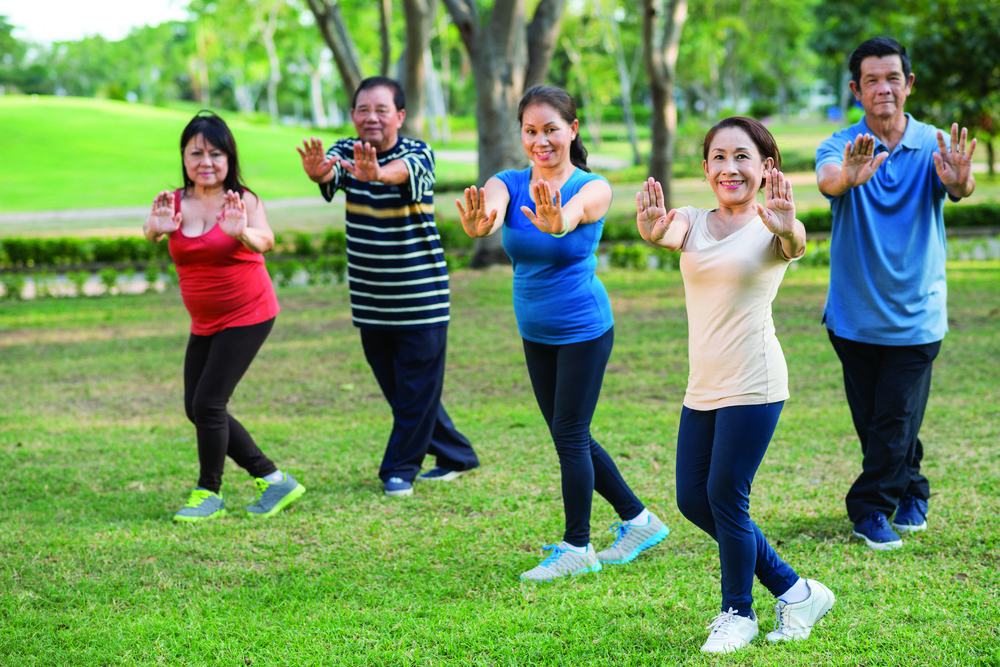
Retirement communities are a lot like cruise ships. There’s a lot of excitement and options to choose from, including delicious cuisine, opportunities to relax, read and watch movies. There’s also time to talk story with neighbors and participate in activities such as hula and art classes, tai chi, water aerobics and more.
You’ve worked hard all your life. Now it’s your time to be pampered and not worry about cooking, cleaning, yard and house work, grocery shopping or finding parking at the doctor’s office. Don’t let life pass you by. Don’t wait until you can’t enjoy the fun and excitement that retirement living can offer. At a retirement community, you will never even have to worry about what you’re going to do on any given day!
Aging is a natural process that no one wants to face alone. Many seniors battle silent depression, a lack of healthy meals and rapid decline of health. Start your search now for a retirement community that will support your needs. Don’t wait too long and end up saying “I should of but I didn’t!”
Many retirement communities have a full continuum of care options that allow residents to stay within one campus as they age. And as a resident in a retirement community, you become part of the ‘ohana. Explore your options now and see how your quality of life can be enhanced by living in a retirement community.
Retirement communities are a lot like cruise ships. There’s a lot of excitement and options to choose from, including delicious cuisine, opportunities to relax, read and watch movies. There’s also time to talk story with neighbors and participate in activities such as hula and art classes, tai chi, water aerobics and more. You’ve worked hard…
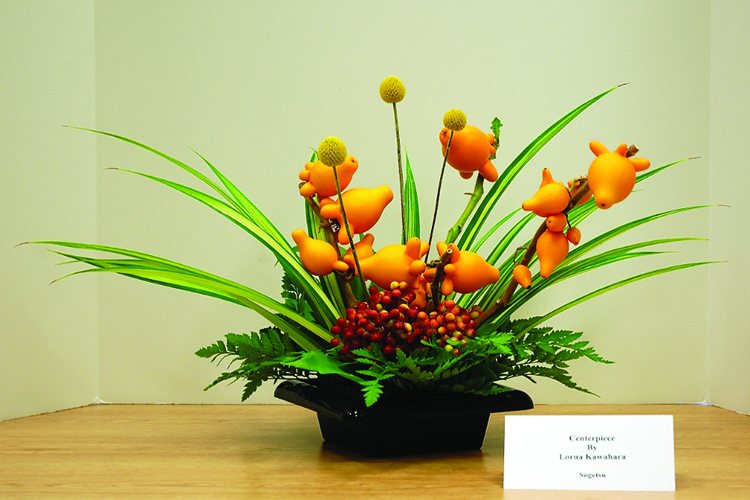
Ikebana, the Japanese art of flower arranging, is also known as kadō — the way of the flowers. Based on an ancient Buddhist ritual of using flowers to honor the spirits of the dead, kadō is one of the three Japanese arts of refinement.
More than 600 years later, this ancient art form is celebrated by more than 8,500 people in more than 60 countries through Ikebana International. Started in 1956 by Ellen Gordon Allen, a U.S. general’s wife who was stationed in Japan, this international organization was founded to unite people and create a worldwide “Friendship of Flowers.”
Make & Take
Hawai‘i’s chapter began in 1961, when a friend of Ellen’s, Pearl Jensen, met local arrangers from Enshu, Ikenobo, Koryu, Ohara and Sogetsu schools while attending an exhibit at the Shirokiya Department Store. Since then, the Honolulu Chapter, known as Hawai‘i’s Ikebana International Honolulu Chapter 56, has been promoting cultural understanding and appreciation of this craft through exhibitions, demonstrations, workshops and community service projects.
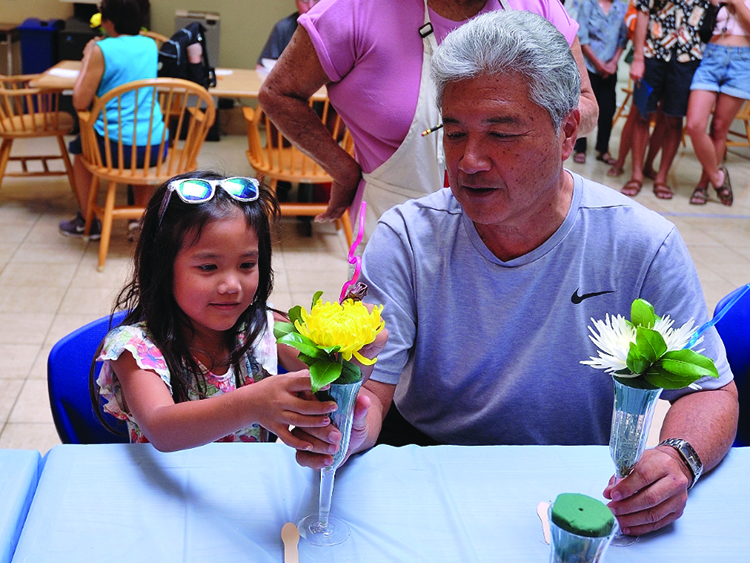
The biggest exhibit is the Splendors of Ikebana held every summer in Honolulu. This year’s event brought thousands of people to the Hawai‘i State Library, with some even trying their hand at ikebana in the make-and-take workshop. While the elegant and restrained creations may seem simple, they are anything but. This delicate art form can take decades to master.
Look for other ikebana workshops and classes throughout the year at the Mo‘ili‘ili Community Center, the University of Hawai‘i at Mānoa, Honolulu Museum of Art, Honolulu Hale, and various other schools and nonprofits.
Ikebana, the Japanese art of flower arranging, is also known as kadō — the way of the flowers. Based on an ancient Buddhist ritual of using flowers to honor the spirits of the dead, kadō is one of the three Japanese arts of refinement.
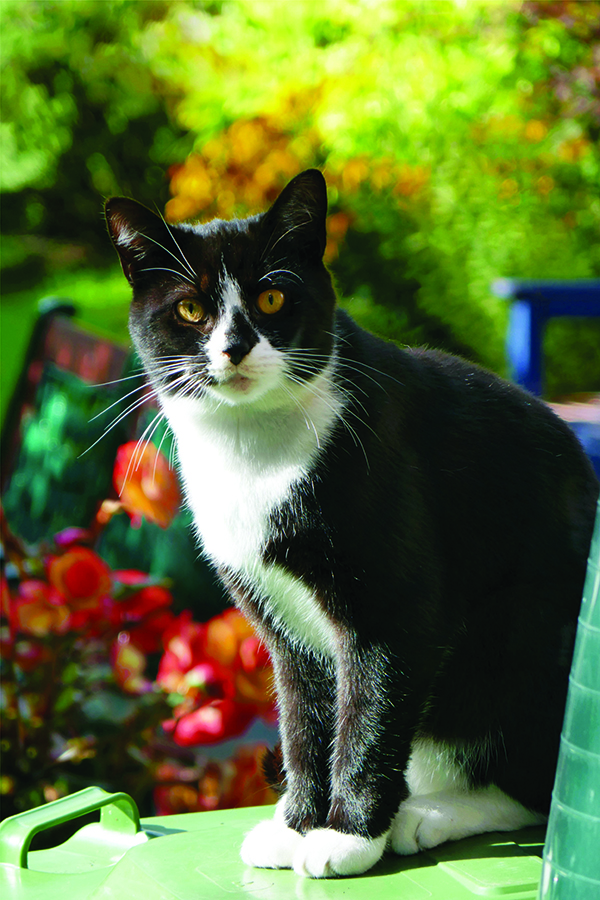
It’s always comforting to have a best friend to share in the journey of life every step of the way. For seniors, while the idea of caring for a furry friend can seem overwhelming, the benefits are highly rewarding; pets can provide a whole new experience of joy and purpose. Here are just five of the many benefits you can look forward to with a pet in your life:
❶ Companionship
Navigating new adventures in senior life can feel lonely. What better solution than to have the unconditional love from a pet to support you through it! You may even prefer the company of your pet over people!
❷ Routine
Caring for a pet can give new meaning to the same old routine. Caring for a pet requires responsibility that benefits you by creating and maintaining a solid routine. Never fear, Fido won’t let you forget breakfast, lunch or dinner (and a few fun snacks in between). What better way to organize and find purpose in each day than by spending time with your pet?
❸ Exercise
Just like humans, all pets need exercise to stay healthy and happy. Caring for a pet can provide great motivation to get up and move around, whether taking your pet for a stroll or simply walking around your house with them. The more active time you can spend with your pet, the better you will both feel.
❹ Socialization
Just like humans, pets need pet friends, too. Spending time with your pet, whether going for a walk around your neighborhood or even shopping for groceries, will give you both the chance to meet others and strike up fun interactions. You can even find local opportunities to go on group walks with your pets, giving you and your pal the chance to make more friends and enjoy all of life’s precious moments.
❺ Stress, Worry and Pain Reliever
When the stresses of everyday life reach an overwhelming level, having a pet you love can make all the difference. Scientific studies have shown that caring for a pet can lower one’s blood pressure, reduce stress and tension, and even help to alleviate chronic pain.
As seniors navigate new changes in their lives, deciding to bring a pet companion along for the journey can bring many benefits and happiness.
Not ready to commit to a pet, but want to try it out? Think about foster parenting.
The Hawaiian Humane Society’s Foster Care program is always looking for good foster parents to temporarily shelter animals in need. Go to www.hawaiianhumane.org/fostercare to find out more about the program.
It’s always comforting to have a best friend to share in the journey of life every step of the way. For seniors, while the idea of caring for a furry friend can seem overwhelming, the benefits are highly rewarding; pets can provide a whole new experience of joy and purpose.
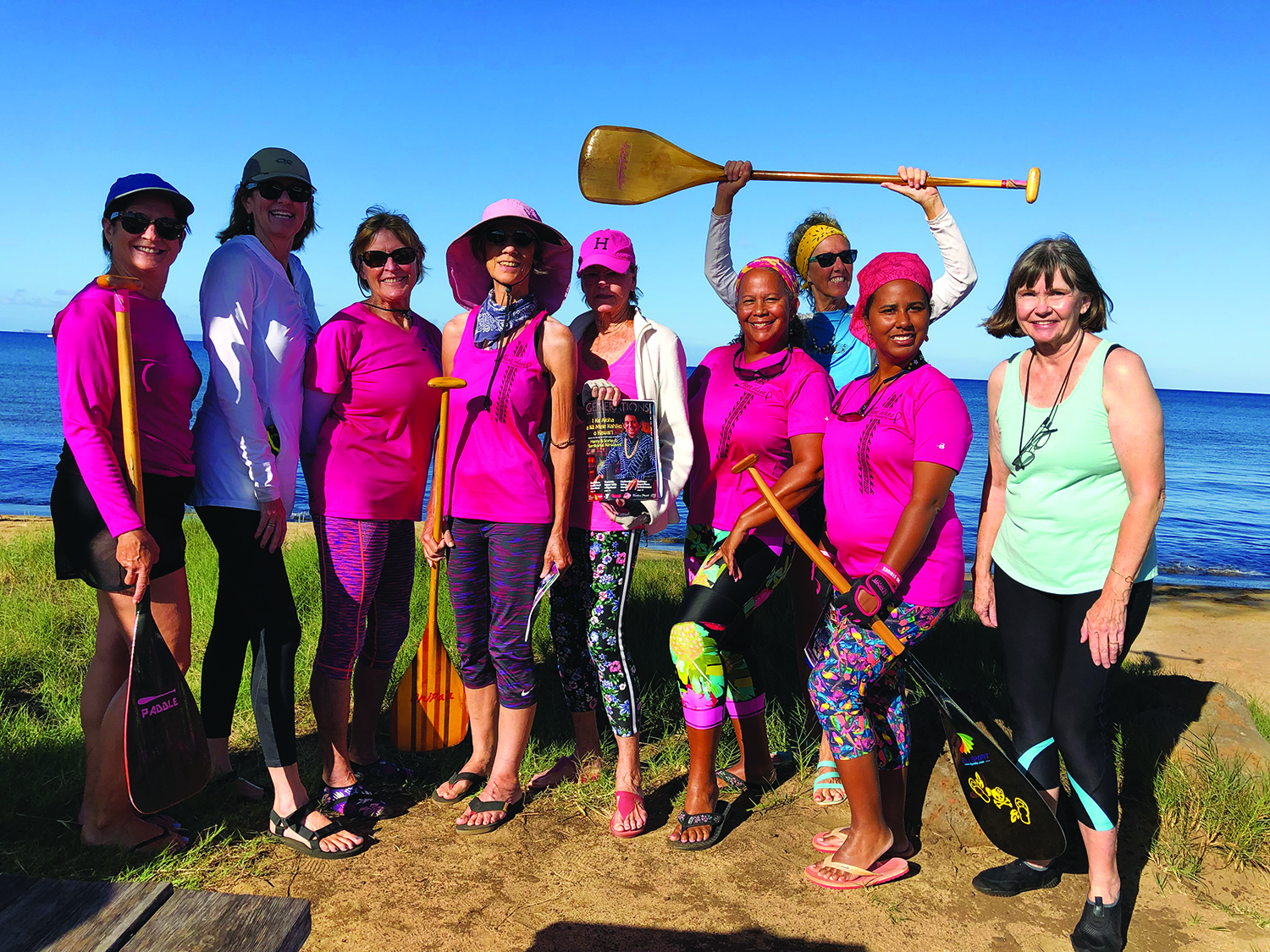
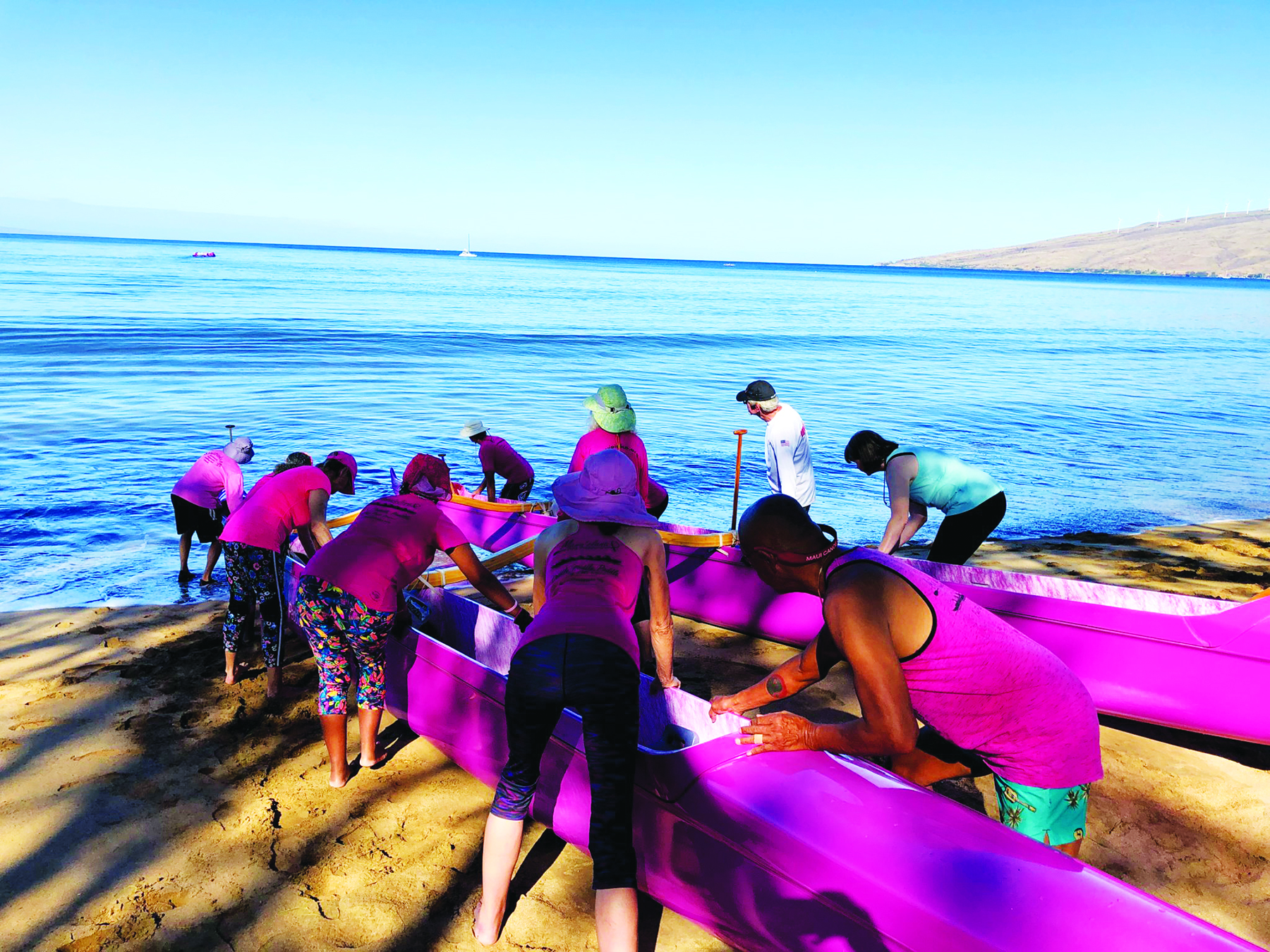
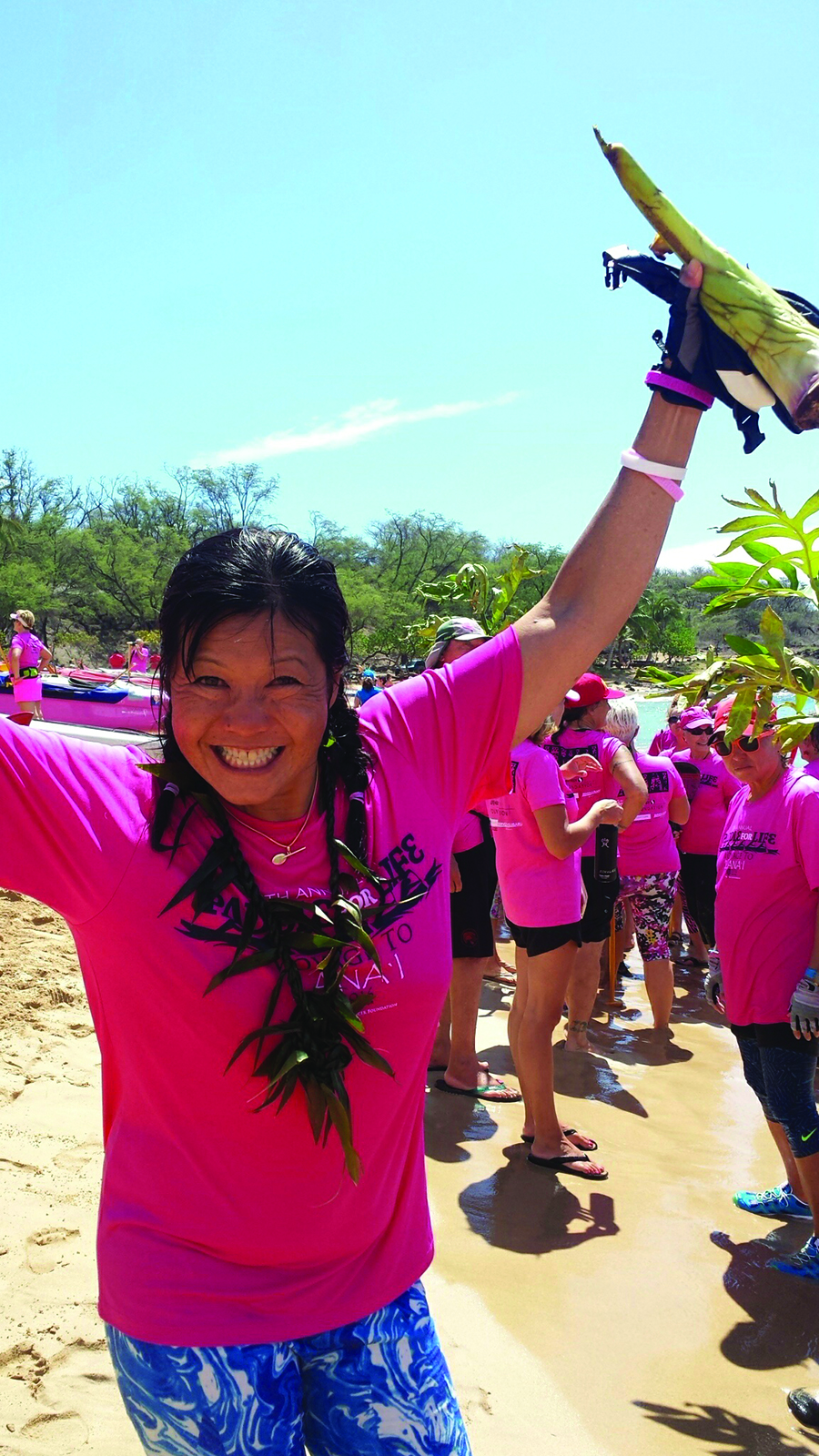
Hope and togetherness for persons affected by cancer is Mana‘olana Pink Paddlers’ (MPP) specialty. Tuesday and Thursday mornings, cancer patients, survivors and supporters pull together, paddling their pink double-hull canoes across the ocean off Kīhei on Maui. Oct. 12 and 13 will be their 10th voyage and overnight on Lāna‘i with The Pacific Cancer Foundation’s Paddle for Life — not a race, but a fun outing (www.paddleforlifemaui.org).
“Mākaukau!” (Ready!) “Imua!” (Forward!) When all 12 paddlers are in sync, the canoe flies. In the last seat, the steersman selects the course; the first seat sets the pace. We paddle with her. After 15 strokes, seat three shouts “Hut!” (Prepare
to paddle on the other side!) and “Hoe!” (Switch!). This works both sides of the body.
This is the first exercise that I tried since my hysterectomy. Mary Dungans, president of MPP, invited me to experience what the nonprofit does for cancer patients and survivors — Wow! — training, an ocean paddle, then a healthy snack and talk story. Half the paddlers are cancer supporters like Mary. Since retiring in 2012, she devotes her skills to MPP.
Says Mary, “We all love life. Alone, we feel weak, but in our big, stable double-hull canoes, 12 easily bear the load. Kīhei morning seas are calm so we can take off safely most days. Paddling is a fun, physical activity that builds both strength and hope. Cancer isolates, but paddling connects.”
She’s right. The peace and freedom of the open ocean heal the spirit. MPP gets you there with aloha and ruthless encouragement — like pink gold. Drive on down to Sugar Beach in Kīhei any Tuesday or Thursday at 7:30 am. Look for the pink paddle. The Mana‘olana Pink Paddlers’ fleet of bright pink double-hulls take off from the north end of the beach and everyone is welcome.
To the Pink Paddlers, life is about moving forward and staying grounded. So, as they say in the canoe, “Imua!”
Enthusiasm and camaraderie! Love these Pink Paddlers who taught me how to paddle and opened up my world. We cut across a flat Ma‘alaea Harbor to see the wreckage of a WWII Hellcat fighter plane. Wow!
Hope and togetherness for persons affected by cancer is Mana‘olana Pink Paddlers’ specialty. On Tuesday and Thursday mornings, cancer patients, survivors and supporters pull together, paddling their pink double-hull canoes across the ocean off Kīhei on Maui. Oct. 12 and 13 will be their 10th voyage and overnight on Lāna‘i with The Pacific Cancer Foundation’s…
Tammy Osurman of West Maui has competed in 10 Nā Wāhine o Ke Kai canoe races — a grueling 42-mile paddle across the treacherous Kaiwi Channel from Moloka‘i to Waikīkī. This “Paddle Bunny” is in the canoe three days a week with the North Shore Renegades. Tammy has paddled in all 10 of the Pacific Cancer Foundation’s Paddle for Life: Voyage to Lāna‘i Events.
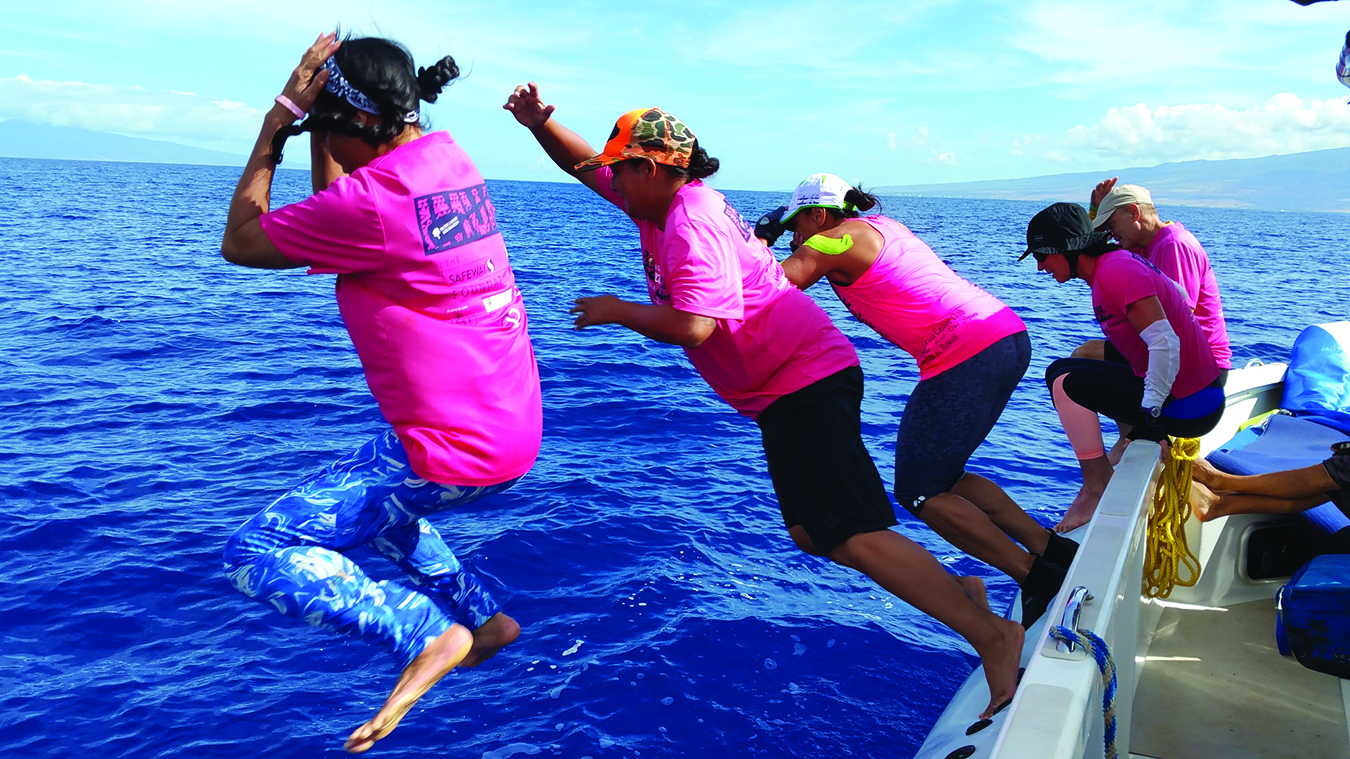
In 2009, Tammy wanted to support Mana‘olana Pink Paddlers when they needed an experienced paddler to help train them for the 68-mile paddle around Lāna‘i. Voyaging canoes rotate three crews — 30 minutes on, 60 minutes off. During a change, a fresh crew from an escort boat is dropped in front of the canoe; in unison, the paddlers jump out on the right and the fresh crew climbs into their seats. Could the Pink Paddlers manage these maneuvers?
“Operations, radiation and chemotherapy treatments weaken body and soul,” says Tammy. “Two Mana‘olana ladies had just completed therapy but were determined to go. But when you cannot lift your arm above your shoulder, how are you going to climb into a canoe or save yourself in a capsize? We needed to encourage them beyond their fears so they could succeed. When they hesitated at their first deep water change, I jumped into the ocean and told them I would catch them. When they could not get up in the canoe, I hung on the side and let them use my body as a step. Chemotherapy is harder than getting in a canoe! They paddled 48 miles on the first day (farther than my longest race) and became my heroes.
“Two months later, I was diagnosed with breast cancer and Pink Paddlers became my supporters. I knew they survived; I knew if they could paddle, so could I!
“The doctor on the voyage told me to wait until I knew what type of cancer I had before researching and telling my family and friends. Every tumor has specific treatment options and outcomes. That was good advice.
“My friends took me on a zip line; my primal screams released anger and pain, and I found the strength to navigate my treatments. PT and Monday night survivor talk-story sessions at PCF prepared me to paddle and race again.
“In 2013, more cancer appeared — more operations, more therapy. I survived again! I cannot make a fist, but I can still paddle! This year, I plan to race 26 miles in the Pailolo Challenge.”
Tammy has advice for us: “Follow your passions; don’t let cancer rob your joy. Take on challenges and be bold! Cry or scream as loud as you can if you want to — it’ll clear your head!”
Tammy, standing center, celebrating on a ride with the Renegades of Maui.
Tammy Osurman of West Maui has competed in 10 Nā Wāhine o Ke Kai canoe races — a grueling 42-mile paddle across the treacherous Kaiwi Channel from Moloka‘i to Waikīkī. This “Paddle Bunny” is in the canoe three days a week with the North Shore Renegades. Tammy has paddled in all 10 of the Pacific…
You see the term “active aging” quite frequently, but what does it mean? Active aging is a term describing people and populations who live life as fully as possible. Particularly, they live within the seven dimensions of wellness — emotional, vocational, physical, spiritual, intellectual, social and environmental. These dimensions of wellness overlap. Active aging encourages everyone in a community to engage in active living, regardless of their age, health or socioeconomic status. The concept of active aging can be summed up in the phrase “staying engaged in life”— essentially, tapping into our human potential throughout our lifespan. Wellness is the foundation of active aging. It involves shifting the mindset that aging involves managing disease to one of disease prevention and proactive strategies.
Wellness becomes a valuable framework to serve the needs of a person engaged in life and provides rich environments for living. You’ll find many active aging programs in Hawai‘i. Activities such as tai chi are a good example of overlapping wellness dimensions, including physical, social, spiritual and intellectual aspects. A ‘ukulele class is another good example. Seek out activities that keep you engaged and to continue living your rich, full life!
You see the term “active aging” quite frequently, but what does it mean? Active aging is a term describing people and populations who live life as fully as possible. Particularly, they live within the seven dimensions of wellness — emotional, vocational, physical, spiritual, intellectual, social and environmental.
Like cilantro, beets are one of those foods that spark strong feelings. Whether you think they taste like dirt or you love their earthy sweetness, most people know that beets are healthy — and now there is science to back that up.
Recent studies show beets are high in nitric oxide, which helps to naturally dilate our blood vessels, increasing blood flow and circulation. Other things high in nitric oxides are dark, leafy greens, garlic and walnuts. Nitric oxide isn’t the only benefit of beets, the brightly colored bulbs are also high in antioxidants, potassium, fiber and vitamin C.
Beets come in a delightful variety of colors (red, white and yellow) and are remarkably versatile. Not only can they be eaten raw, juiced, pickled or roasted, they are also an excellent addition in sandwiches, salads, pasta, hummus — and even as a secret sweet ingredient in vegan cupcakes!
The possibilities are endless! Here’s an easy and delicious recipe to try at home:
GINGER BALSAMIC BEETS
Ingredients:
6–8 small/medium whole beets
1 tsp. olive or coconut oil
1–2 Tbsp. grated ginger
2 Tbsp balsamic vinegar
(to taste) salt/pepper
Directions:
Preheat oven to 400 degrees. Scrub each beet and wrap them in foil or parchment paper. There’s no need to peel them.
Roast for about 30 to 45 minutes, depending on how big they are. The beets are done when a knife goes through them easily.
When they have cooled down, push down on the foil or parchment paper and the skin will come right off. It will stain your skin and your clothes, so be careful.
Heat oil over medium-low temperature. Add ginger and cook one or two minutes. Keep the heat low so it doesn’t burn. Add the beets and cook two or three minutes. Add balsamic vinegar and cook another minute or so until it turns into a light glaze. Salt and pepper to taste — and enjoy!
Three varieties of beetsBeet HummusJuiced beets
Like cilantro, beets are one of those foods that spark strong feelings. Whether you think they taste like dirt or you love their earthy sweetness, most people know that beets are healthy — and now there is science to back that up.
When a dear friend got dizzy and fell, she agreed to go to the ER. We tried to help her, but we couldn’t find her insurance card, primary doctor’s name or her spare house keys.
If something happens and you are in need of help, will your family and friends be fumbling at a time when every minute counts?
Do they know where you keep your keys, computer passwords, bank account numbers, meds, medical directives, will and estate plan?
It is critical for baby boomers to gather their documents into one file and let trusted family and friends know the location of this important information. Caregivers can be more effective when they know what you want and have the power to carry out your wishes.
Too many times, I have witnessed frustration, sadness, loneliness and depression when clueless but well-intentioned families misinterpret their loved ones’ wishes and needs because they were not made clear in advance.
Ensure they know your plans by organizing your important documents and let someone know about them for the benefit of all concerned.
LIVING AND CARING MĀNOA
Adult Residential Care Homes (ARCH) since 2001
Call for a complimentary tour:
Todd Pang, Sr. VP | 808-779-8871
If something happens and you are in need of help, will your family and friends be fumbling at a time when every minute counts? Do they know where you keep your keys, computer passwords, bank account numbers, meds, medical directives, will and estate plan?
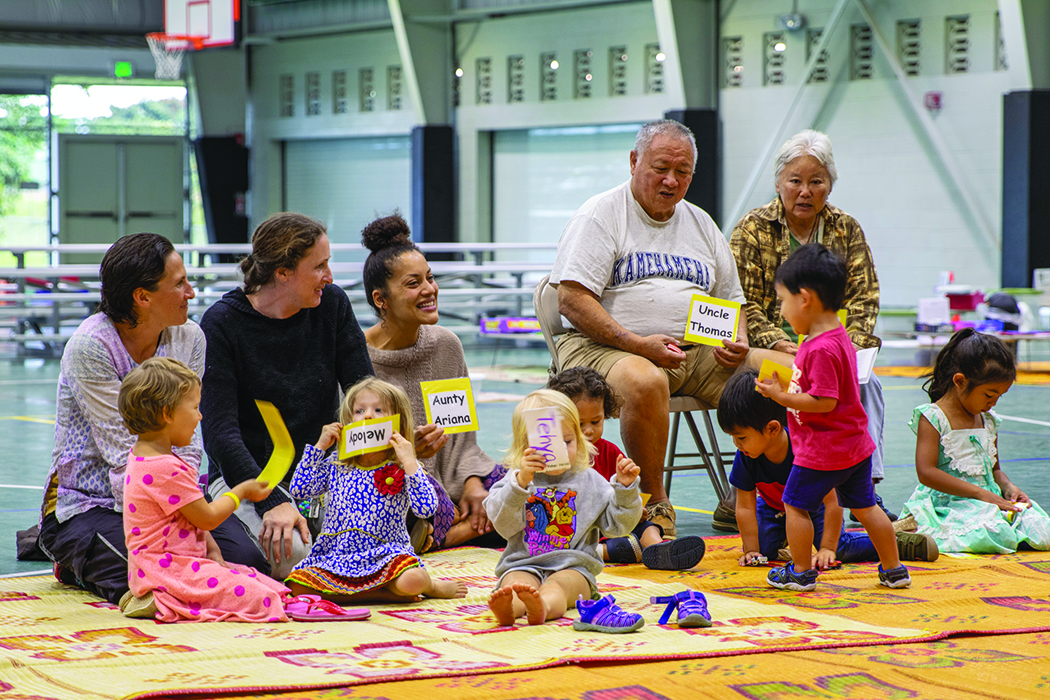
When someone says the word “preschool,” you might think of drop-off centers, where dozens of children are offloaded to bustling classrooms with strictly scheduled snack times, naps and play. Such an image couldn’t be farther from reality with Partners in Development Foundation’s Tūtū and Me Traveling Preschool.
Since 2002, the Tūtū and Me Traveling Preschool program has helped families across the Hawaiian Islands prepare their keiki for school success. It’s a program for children up to 5 years old, and requires parents and caregivers to attend with their keiki. Tūtū and Me equips caregivers with knowledge and resources, and provides opportunities to actively participate in a multi-generational set of activities with their keiki.
“The Tūtū and Me Traveling Preschool was created specifically to meet the early education needs of Hawaiian extended and multi-generational families,” says Jan E. Hanohano Dill, the president and founder of Partners in Development Foundation (PIDF). He illustrates how in families such as these, the kūpuna, or elders, are usually tasked with the care of younger children.
This presence and influence of elders on young children is vitally important, but often, kūpuna may not be prepared to fulfill the needs of young keiki. Through its two-generational approach, Tūtū and Me imparts the skill sets necessary to guide early childhood development. Each Tūtū learns techniques that help develop their grandchild’s cognitive, motor and executive skills.
“I’m grateful for Tūtū and Me because it’s a good curriculum,” says Yvonne Martinez, a Tūtū at the Pāhoa site in East Hawai‘i Island. “It’s a balance of art and science, we celebrate birthdays and they have a lot of singing, and it teaches the children to all get along together. It’s good diversity. It’s an extraordinarily wonderful program.”
Over the years, Tūtū and Me has worked with thousands of families, equipping kūpuna to be a child’s first and best teacher. This model has also been applied at over 100 YMCAs on the mainland and even overseas in the East African country of Tanzania, serving as the basis for the First Teacher Group initiative of global development organization Project Concern International (PCI).
Jessica Samura and her ‘ohana were part of Tūtū and Me for the last four years. She says that the traveling preschool program has helped both her kids with their confidence, social skills and preschool skills. Jessica also describes the opportunities she had to meet with other parents and grandparents as highlights of the program. She says the adults are able to discuss, share with and advise one another on early childhood parenting life.
When someone says the word “preschool,” you might think of drop-off centers, where dozens of children are offloaded to bustling classrooms with strictly scheduled snack times, naps and play. Such an image couldn’t be farther from reality with Partners in Development Foundation’s Tūtū and Me Traveling Preschool.
We grew up valuing the wisdom of our elders — skills or ideals that “uncle” or “tutu” taught us, like sticking together, working smart and showing respect for our family and neighbors.
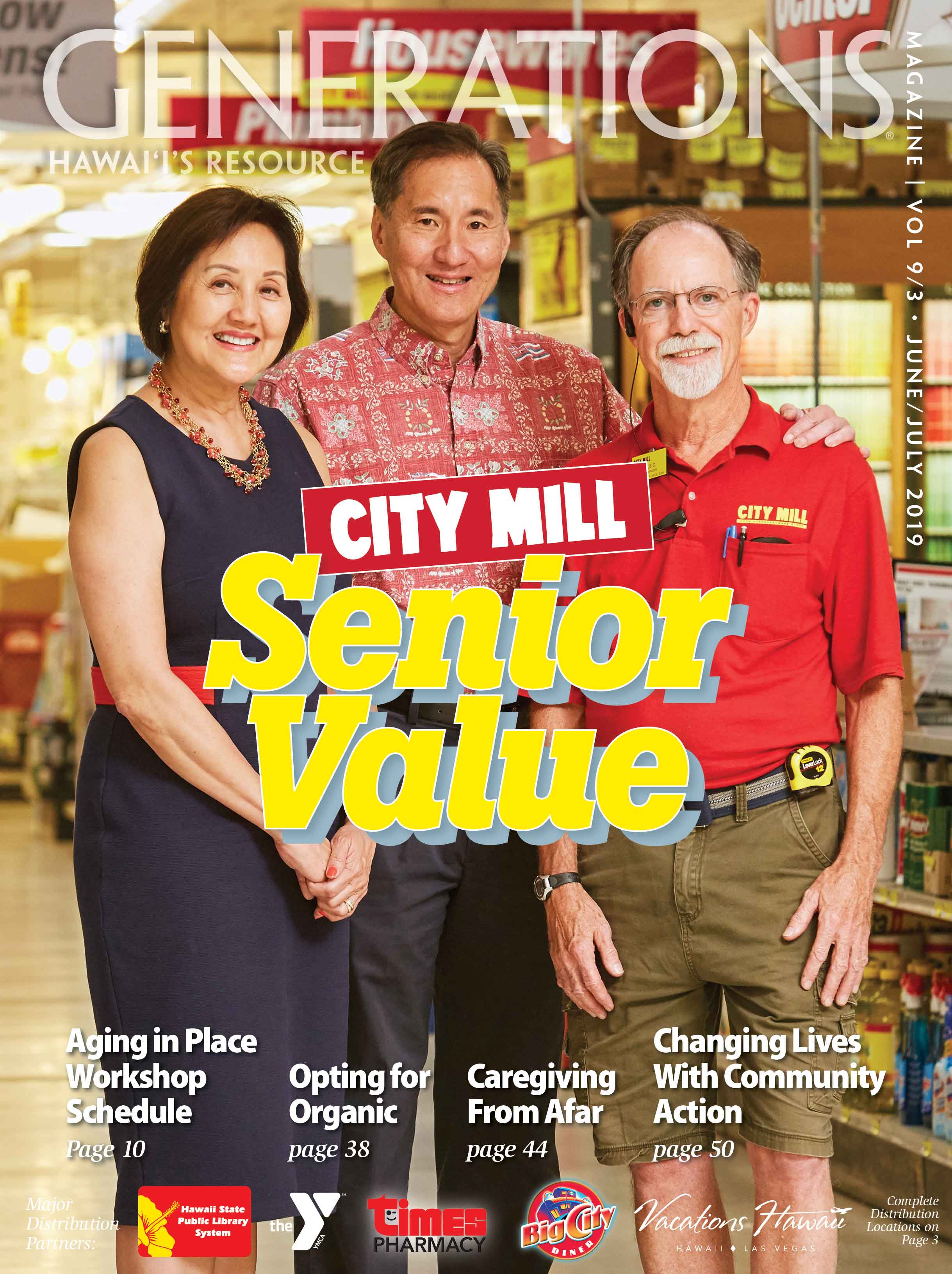
In July, City Mill Ltd. will celebrate 120 years of business in Honolulu. Their success is grounded in four generations of family wisdom. Our grandparents and parents loved shopping there, and today, we receive that same kindly respect and assistance every time we visit the store.
Vice President Carol Ai May and President Steven Ai are the third generation of their family running City Mill. This brother and sister are also part of a group of family caregivers who assist their mother and stepmother, now in their nineties. Their family culture of helping others began in the 1890s.
“Our father, David C. Ai, took over City Mill from his father, Chung Kun Ai, in 1961,” says Steven. “C.K. Ai was mentored in business by James I. Dowsett at the end of the 19th century, and became a respected businessman and leader of the Chinese community in the Territory of Hawai‘i. His ‘mill’ was once the biggest rice mill in the islands, hence ‘City Mill.’ The other side of his business was importing lumber from the Northwest. In the 1950s, many single-wall wood homes were built with our lumber, and we still try to sell hardware and fixtures for maintaining these homes. Later, Dad moved from commercial lumber into retail hardware.”
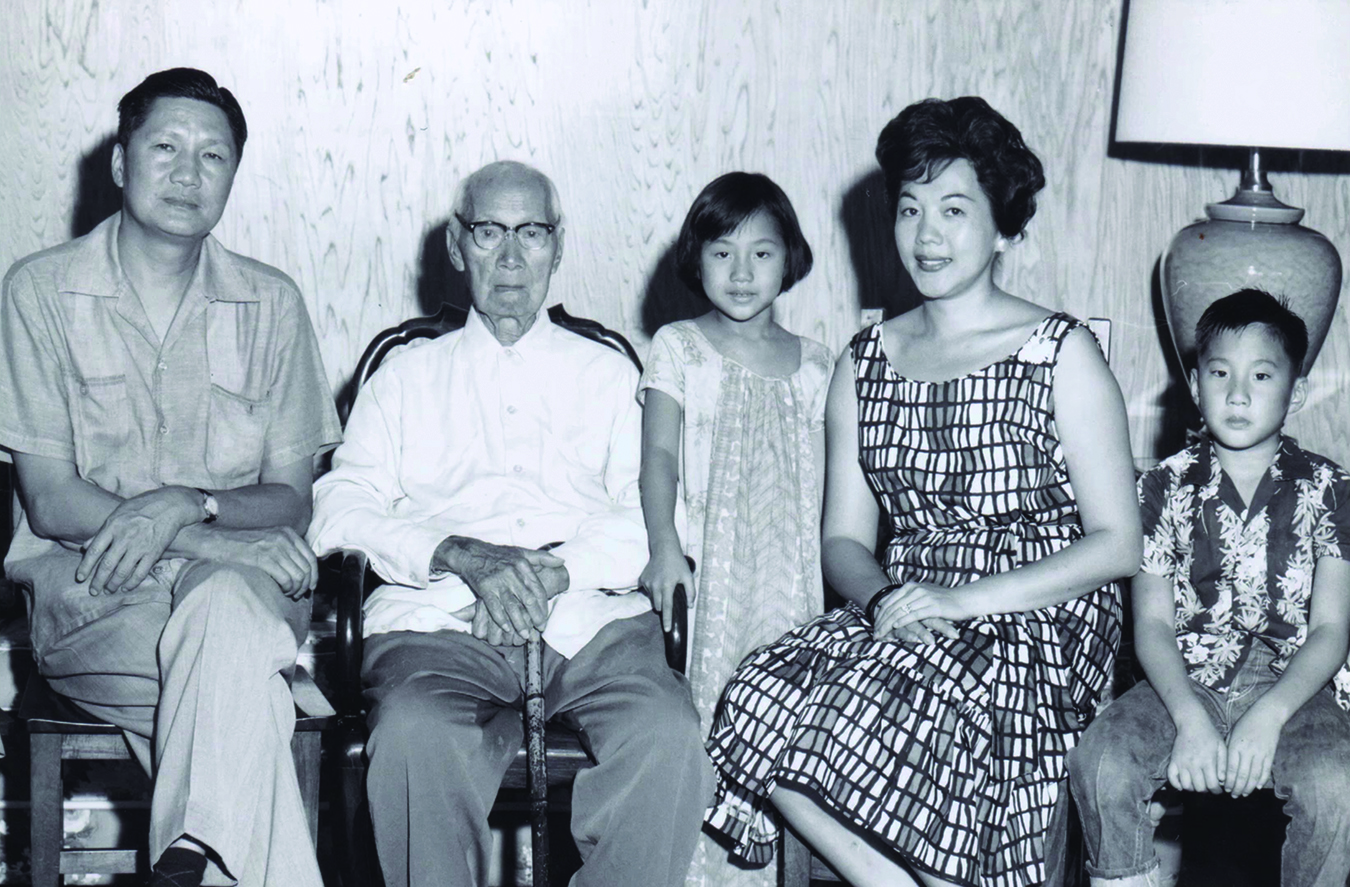
Three generations of City Mill Ltd.: When Steven and Carol were children, their grandfather, C.K. Ai, lived in their home. Following the wisdom of elders, helping the community and respecting others became a family and business culture to be celebrated. (L–R) David Ai, C.K Ai, Carol Ai, Lani Ai and Steven Ai.
City Mill Company Culture Values Community
Carol explains how their compassionate way of working with the O‘ahu community developed.
“We were in elementary school when Gung Gung (grandfather) passed away, but our grandparents lived in our home and we watched our parents care for them,” Carol says. “Our dad is gone now, too, but he passed down Gung Gung’s wise teaching: ‘When you drink water, remember the source.’ It means that everything we have is due to the community support of our business, so be humble and honor those who helped make you successful along the way. This adage is still our family and company value. We donate to community charities and treat our employees like family; when disasters strike and power goes down, we stay open so people can get the supplies they need to protect their homes.”
“Respect and compassion for others is the heart of our City Mill customer service,” says Carol. “Up until 1998, we used to hire people with plumbing, electrical or carpentry background. But now we hire people with good attitudes who like helping others. We figured that we can train associates about our products, but attitude and empathy come from within. We are looking for people who can help others and manage with compassion.”
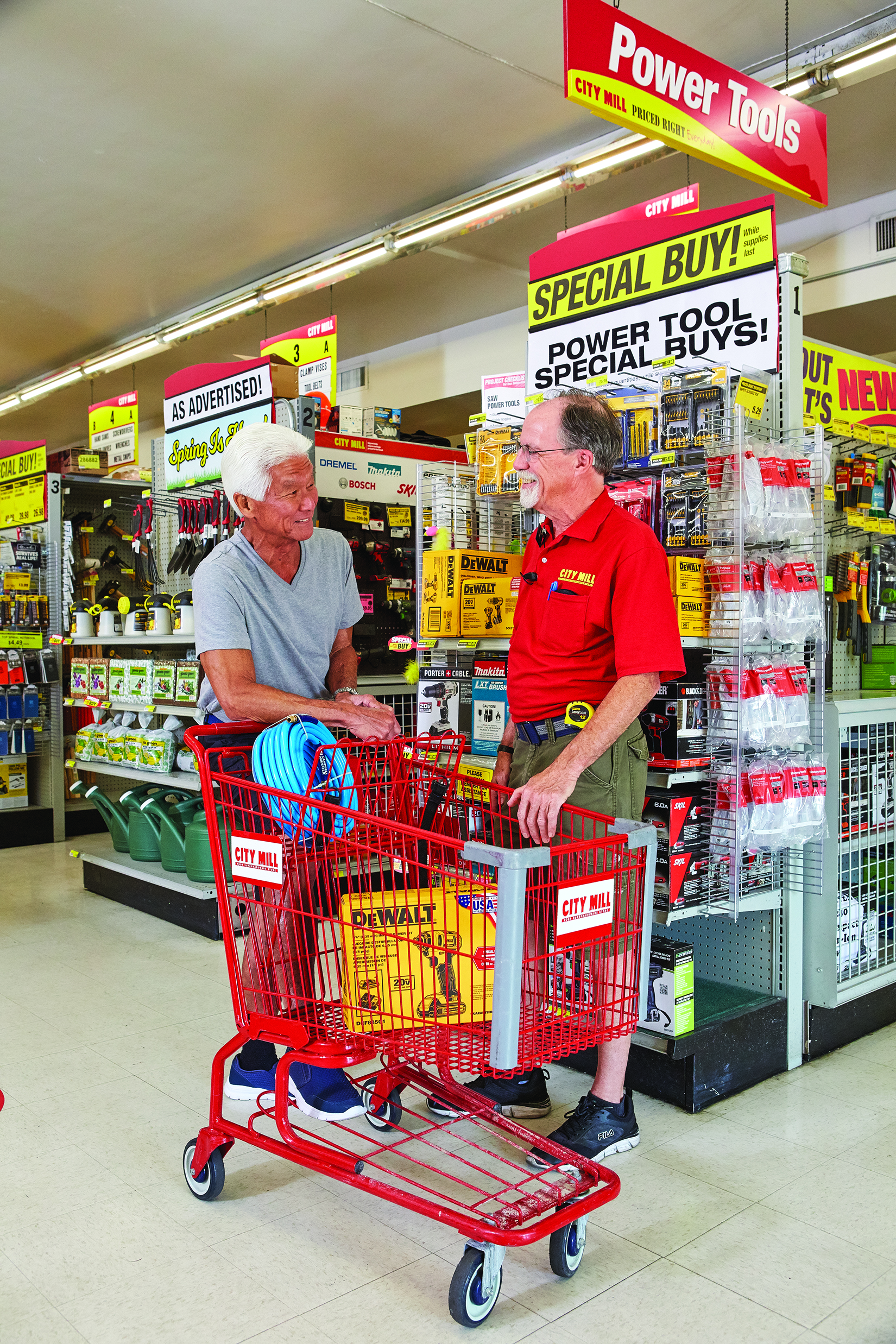
Client Earl Omoto and Christopher Griffin talk shop.
Seniors Make Great Employees
Almost 300 employees are the face of City Mill to its many thousands of customers. The Ai family demonstrates how they value seniors by providing excellent customer service, but they also place a high value on senior employees.
“Seniors make great employees because they are helpful and knowledgeable,” says Carol. “We observe that they are less likely to regard their job as a steppingstone and they eagerly bond with the ‘team’ at any one of City Mill’s six stores.”
Ruby Cooper, Inventory Control Supervisor, Age 70
Ruby applied at the Mililani store 19 years ago, when she was 51 years old. Her husband was career military and they saw a lot of the world, but when they settled in Honolulu, Ruby was looking for a career where she could interact with people.
“I’m not good with names, but I know all our repeat customers’ faces,” says Ruby. “What our company does best is making eye contact and acknowledging the presence of every customer, every day. That’s our expertise. All who come in the door get the same help, young or old. Hey, people know what they want. All we have to do is listen and get them what they need. It’s a big store, but our garden guys are happy to escort a customer all the way to electrical — with a smile.”
Ruby oversees receiving, stocking and taking inventory of all the items in the Mililani store. She is a certified forklift operator and gets to work at 5 a.m., to manage inventory. When the doors open, she becomes a floor manager, handling customers calls and backing up the cashiers. Ruby says her job keeps both her mind and body active, and customers never guess that she is 70 years old. On Ruby’s bucket list is a little more traveling, walking the beach with her Cavalier Spaniel and spending more time with her family.
Ruby Cooper loves the work she does and the people around her, from workmates to her senior patrons.
“At my age, I have to accept that I can’t load a 94-pound bag of cement anymore,” says Carol. “So I say to seniors — realize your limitations, be smart and find new ways to work around activities that have become risky. Don’t stop doing what makes you happy — just do it differently. I love my job, so I plan to work here as long as I can contribute to the team — that’s a great comfort.”
Steven Ai says senior employees like Ruby add value to City Mill because they stick around and get very good at their jobs. They are eager to fit in and make friends with the other employees. In time, they develop good working relationships with customers. City Mill’s oldest employees are in their 80s, and common reasons seniors leave are: 1) they have to give up their driver’s license; or 2) their family wants them to stay home.
Christopher Griffin, Sales Associate, Age 67
Christopher Griffin is a human resources manager from Massachusetts. When he retired and moved to Hawai‘i, he opted for a more physically active job. He says his sales associate job is like a daily yoga class or a workout at the gym because the large City Mill floor plan requires him to cover a lot of ground.
“My job is healthy in so many ways,” says Christopher. “When I shopped at City Mill, I was so impressed. As a human resources guy, I knew this was a great company by the generous way the employees treated me and each other. The hiring process required me to interview with a whole panel of employees. What a novel idea — workers instinctively know who is going to fit in and work hard. I am so grateful that they picked me.”
Here’s what the employees saw in Griffin: he is politely upbeat and engaging. He calls himself a “MacGyver” because he likes to help people find solutions for their maintenance and home improvement problems. And that’s what clients want.
“Everybody who comes in here is looking for answers,” says Christopher. “Even when we don’t share the same native tongue, we can find the perfect material, hardware or fitting they need.
“There’s a lot of camaraderie among the employees, too — most have worked here many years, and when I started, they taught me about all these products,” says Christopher, “The more I learned, the better I could help customers. City Mill’s commitment to the O‘ahu community means our team is helping folks all over this island. I am so grateful for the team I work with: Donna, Tina, Irene, Ricky, Devon, Russell … I could name them all!
From Shirtsleeves to Shirtsleeves in Three Generations”
David Ai was the second generation. He encouraged Steven and Carol to pursue their passions and provided them with excellent educations. Both have business experiences outside City Mill. Steven studied business, and then worked in financial accounting and management consulting. After Carol earned her degree at Tufts University, she worked in commercial bank marketing and advertising before starting a juice company. Later, they became the third generation of City Mill.
Carol says, “My dad warned us about the old adage, ‘Shirtsleeves to shirtsleeves in three generations.’ It refers to the typical life cycle of a family-owned business: the first two generations grow the company and it fails in the third generation. Steven and I were determined not to fail, but when mainland big box home stores came to Hawai‘i in the ’90s, we faced a considerable challenge. Lowe’s and Home Depot moved in and built their stores near ours, but folks still come to us for personalized service; we see a strong future.”
Carol raised her two sons with this challenge: “If you decide that you want to work at City Mill, you must first earn bachelor degrees and MBAs, work outside the company for five or more years and get promoted along the way.” Both sons met this high standard and now one is working at City Mill. Before joining the team, he earned his MBA, did retail consulting, was a financial planner at Nike and Gap Inc., and then started two of his own businesses.
“As the fourth generation, my son brings technology, supply chain and digital/social media knowledge — current ways of doing business,” says Carol. “We don’t have to teach him our City Mill company culture because he grew up with it. He designed an online store so our customers can shop at home and pick up their orders in the store. Everything we do continues to focus on the very best service we can deliver to our customers.”
Helping Seniors Add Value to Their Lives
Behind every City Mill customer is a home or office repair, or a maintenance or improvement project. Seniors are replacing old stuff, downsizing, renovating or simplifying their active lifestyles. They are continually adding value to their homes, retirement businesses or pastimes. City Mill provides them materials and personalized, helpful tips.
Earl Omoto, 72
Earl Omoto, Commercial Diver & Homeowner, Age 72
Many City Mill senior customers are entrepreneurs. Earl Omoto is a semi-retired commercial diver who specializes in installing and repairing moorings — some up to 3,000 pounds. He also owns a rental property, which he recently renovated himself. His project included “snow coating” the shingle roof, replacing the flooring, retiling and re plumbing bathrooms, interior and exterior painting, and building custom counters and tables.
“I always shop City Mill first for supplies,” says Earl. “I like to be treated like a customer, not a browser. They have enough staff so you never have to hunt for a salesperson. The guys in red shirts know where everything is! I always compliment the team because I want them to keep doing exactly what they are doing.”
“Another thing I like is that nobody is ‘king’ at City Mill,” says Earl. “All the sales people work together — if one can’t help, he calls the next one to get you what you want. Wendell in plumbing, Gary and John in lumber, Glenn and Ron — are plenty helpful with a smile. When I needed help on my remodel, they gave me good suggestions.”
Earl’s rental house is all ready to go. He says he took his time and did a good job. He considers himself lucky because he has no health challenges, and to stay that way, he works out at the gym three or four days a week. He also likes to play his guitar. On his bucket list is a second trip to Hong Kong and Macau for sightseeing, shopping and fun.
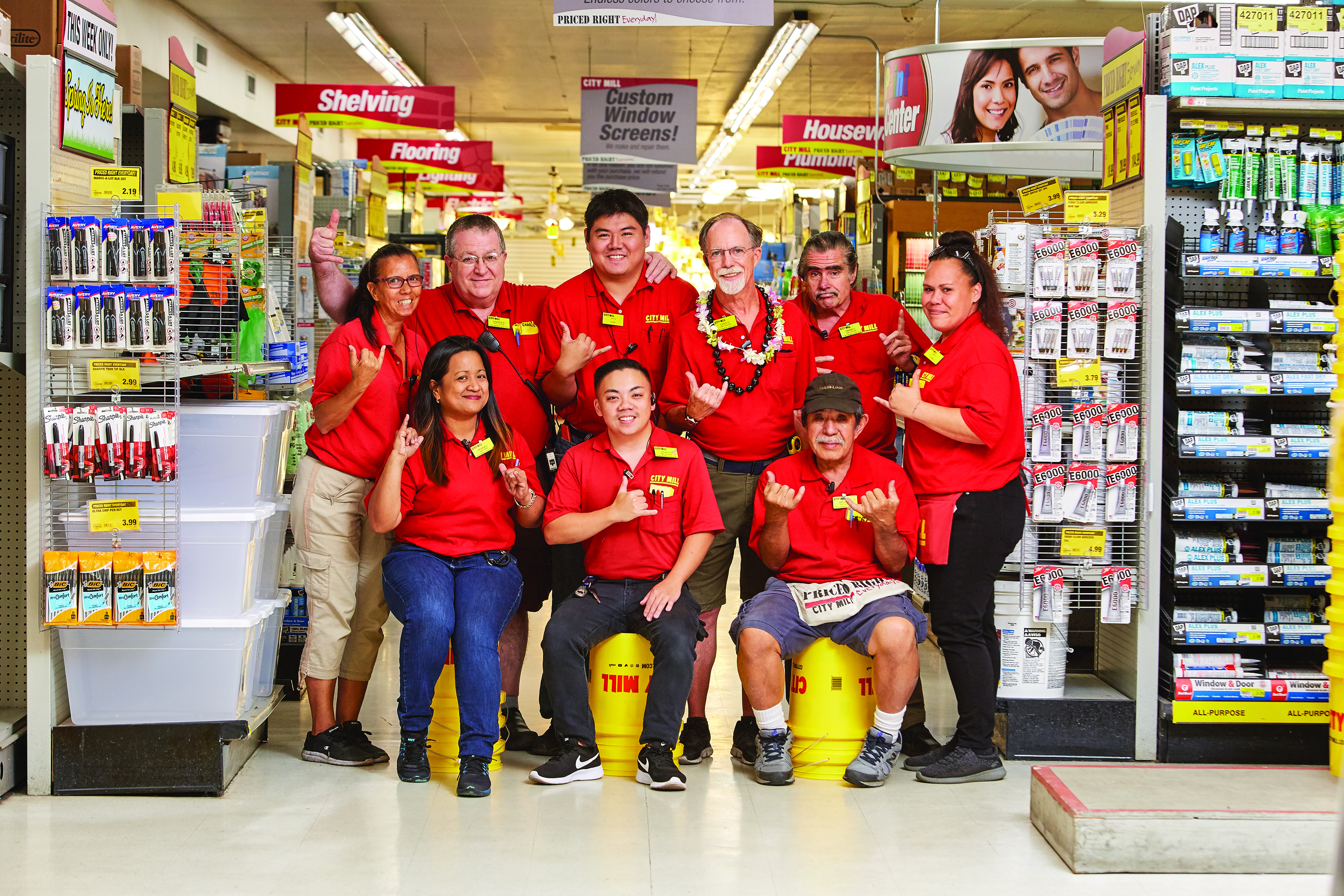
The City Mill Team gave Christopher a warm send-off the day of our photoshoot. He will be caring for a family member on the mainland for a while. His City Mill family understands the importance of helping seniors and honoring family. (L–R, top) Desiree, Charles, Cody, Chris, Dennis, Tanya, (bottom) Donna, Brian and Melvin.
Owen Oda, Handyman & Small Renovations, Age 65
“I go to City Mill a lot because it’s a store that makes sense,” says Owen. “They sell hardware in bins that are clearly labeled with a picture and specs for each bolt, nut, screw or washer. It’s easy to find what you need and you can buy the exact number you want. I appreciate efficiency.
“For my small jobs, I need pieces of plywood and two by fours cut to exact lengths and dimensions. City Mill employees in the lumber dept will do the precise cuts for me — no waiting around. They can cut jalousie glass to size and thread pipes — and it’s not expensive. Best of all, their employees know what they’re doing, and they are eager to help.”
A handyman for 15 years, Owen says he may be just a little weaker than in his youth, but he stays very healthy by drinking lots of water every day. His bucket list includes seeing his kids settled and then helping with the grandchildren.
“Another thing; when I walk into the store, they always ask me if I need a wagon and if I will need help getting items off the upper shelves,” says Owen. “That’s a good service for seniors like me, but I watch them do the same thing for every customer! Do you know that all the cashiers know me by name? There are very few stores like City Mill — it’s a good place.”
Seniors Value Kindness
Seniors respond positively to authentic respect and kind concern. We repay kindly businesses with loyalty and referrals. We remember the days when most companies focused on serving the customer — when personal attention and pampering was not restricted to high-end boutiques or hotel spas. Every shopkeeper appreciated our purchases; we were served with respect at the feed store, bakery, barber shop and corner seed shop.
Hoo-ray for City Mill! The Ai family business model values people, including seniors. Their genius is not only preserving a deeply held family ideal, but also practicing it in their lumber and hardware business, and teaching generations of employees and customers to value each other and to respect the sources of their success.
In July, the City Mill team will celebrate 120 years of business — helping generations of Honolulu builders and homeowners find the right materials for their projects. When you next visit City Mill, congratulate the salespersons, cashiers and managers. Let them know how much you appreciate the way they value seniors. The message on the backs of their red T-shirts sounds like an ad, but it’s the wisdom of the Ai family business: “What are you working on? I can help.”
CITY MILL COMPANY LTD.
660 N. Nimitz Highway, Honolulu HI 96817 808-533-3811 | www.citymill.com Check online for details of their other locations: Ewa Beach, Hawaii Kai, Kaimuki, Kaneohe and Mililani.
In July, City Mill Ltd. will celebrate 120 years of business in Honolulu. Their success is grounded in four generations of family wisdom. Our grandparents and parents loved shopping there, and today, we receive that same kindly respect and assistance every time we visit the store. Vice President Carol Ai May and President Steven Ai…
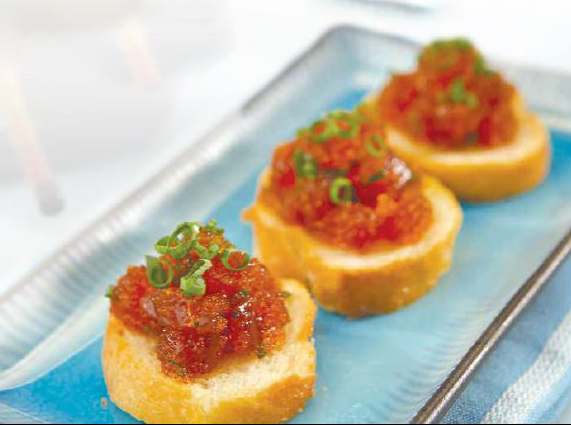
This is a great appetizer because of its big, two-level crunch — first, the happy pop of the tobikko and then the satisfying crunch of the crostini. It’s perfect for afternoon gatherings with a favorite white wine or beer.
INGREDIENTS
‘Ahi spread
2 lbs. ‘ahi, ¼-inch or less, diced
1/2 cup tobikko fish eggs
1/2 cup green onion, thinly sliced
2 Tbsp. sesame oil
1 Tbsp. light soy sauce
1/4 tsp. wasabi paste or wasabi oil
1/2 tsp. kosher salt, fresh ground Black pepper, to taste
Crostini
1 baguette, sliced into rounds 1/4” thick Extra-virgin olive oil Garlic salt
DIRECTIONS (Serves 10):
In a bowl, combine all of the ‘ahi spread ingredients and keep well chilled until ready to serve. To make the crostini (you can also purchase prepared crostini), brush each slice of bread with a little olive oil and bake at 400ºF for 10 minutes or until crispy. Remove from the oven and sprinkle with garlic salt or an herbed salt blend. Top each crostini with a rounded teaspoon of the ‘ahi spread and serve. Total time: 30 minutes
CHEF MICHI’S COOKING FRESH | cookingfreshforyou@gmail.com
Queens POB III – 550 S. Beretania St. | Honolulu Community College – 874 Dillingham Blvd. Cooking FRESH Food Truck: Corner of Pahoakalani & Cartwright
This is a great appetizer because of its big, two-level crunch — first, the happy pop of the tobikko and then the satisfying crunch of the crostini. It’s perfect for afternoon gatherings with a favorite white wine or beer.
A lot of people, especially those new to the islands, say Hawai‘i doesn’t have seasons, but longtime locals know that’s not true — we have whale season, hurricane season and the most important, mango season!
Friday, June 21, 2019 – 4:30pm – 9pm Saturday, June 22, 2019 – 10am – 9pm FRANK F. FASI CIVIC GROUNDS – 550 S. King Street, Honolulu
Whether you prefer to eat your mango in bread, jam or just off the tree, come celebrate Hawai‘i’s favorite fruit at Mango Jam Honolulu. It’s a free annual event for the whole family with live entertainment, food and craft booths, cultural activities, a beer garden and a farmers market.
Located in the backyard of Honolulu Hale, Mango Jam Honolulu features some of the best Mango offerings on O‘ahu. Park for free at the Frank F. Fasi Municipal Parking Lot or across the street at the new Joint Management Traffic Center.
With an all-day musical lineup, catch Iron Mango, 10 Feet, Kapena and more on the Mango Stage. Browse Mango Row for the latest designs and crafts from Hawai‘i creatives. Pick up a snack or cocktail at the Mango Lounge and Cafe, or grab some local goodies from the Mango Market.
Saturday kicks off with a recipe contest to find the best “Sweet Mango Delight” and “Savory Mango Masterpiece.” Then, who will be crowned master of the mango? Taste along as chefs from two popular local restaurants — Vino and Sansei — battle it out during the BBQ Cook-off.
With free cultural activities for the whole family, you can practice pounding poi with a papa and pohaku at a ku‘i ‘ai class, get hands-on with lomilomi massage and lā‘au lapa‘au, or show off your skills at the Makahiki games.
So don’t miss the sweetest celebration of the summer! Check www.mangojamhonolulu.com for more details and a full lineup of the annual two-day event.
A lot of people, especially those new to the islands, say Hawai‘i doesn’t have seasons, but longtime locals know that’s not true — we have whale season, hurricane season and the most important, mango season! Whether you prefer to eat your mango in bread, jam or just off the tree, come celebrate Hawai‘i’s favorite fruit…

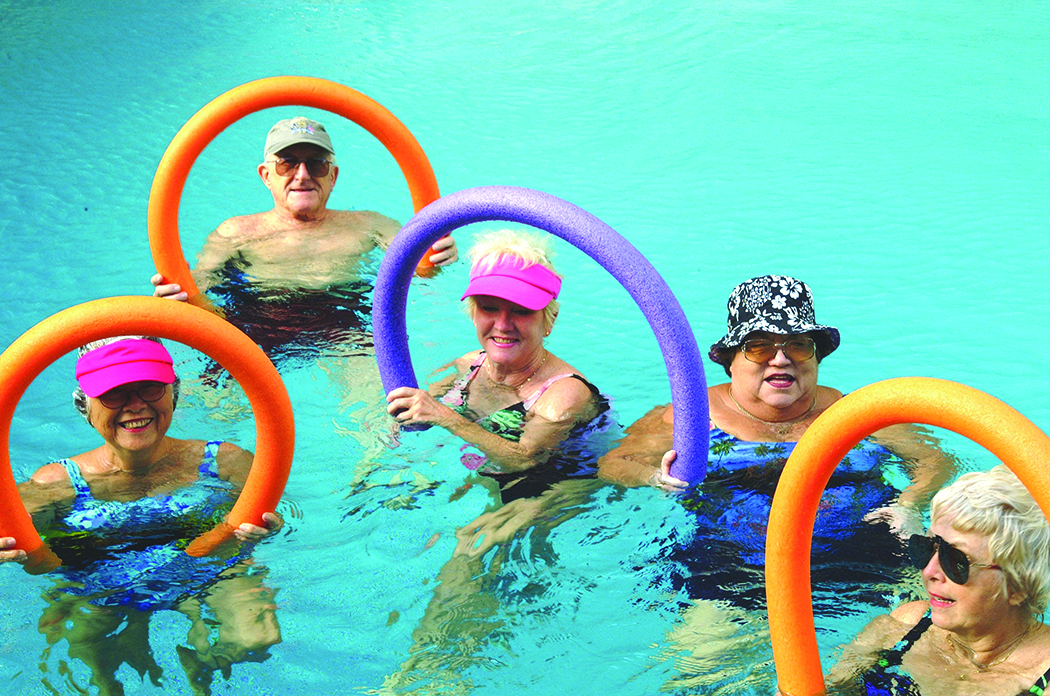 Retirement communities are a lot like cruise ships. There’s a lot of excitement and options to choose from, including delicious cuisine, opportunities to relax, read and watch movies. There’s also time to talk story with neighbors and participate in activities such as hula and art classes, tai chi, water aerobics and more.