Category: Health

  • Blending the East And West for Optimal Health

    Eastern medicine, or sometimes called Traditional Chinese Medicine, is an ancient system of medicine that has been in existence for more than 3,000 years. Its primary philosophy is to keep the body, mind, spirit and emotions in balance and in sync with our environment. Eastern medicine takes a deep understanding of the laws and patterns of nature and applies them to the human body. The core of Eastern Medicine is Qi, or “vital energy,” and can be thought of as another word for “function,” for example Lung qi is the lungs’ function of gas exchange.

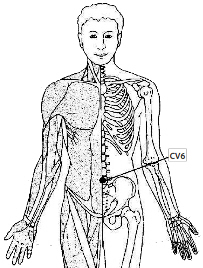
    It is believed that there are channels of Qi energy that run throughout the body called Meridians. If an area on one or more of these Meridians becomes stuck then disease or pain may result and an imbalance will occur. Once the energy is freed, disease or pain may decrease or cease to exist altogether. A practitioner of Eastern Medicine may use acupuncture, herbs, massage, diet, and/or exercise to balance the body and allow Qi to flow freely.

    One of the main differences with Western medicine is that it focuses on a specific disease or symptom. In Eastern Medicine, the physical body and emotional well-being are both examined for an individual “constitutional” diagnosis. For example, two people can both be diagnosed with depression, but treated completely different based on their own unique “constitution.”

    In the West, when something happens we ask, “What can we do about it?” In the East, when something happens they ask, “What caused it?” Eastern Medicine looks for the underlying causes of imbalances and patterns of disharmony within the body and views each patient individually.

    Because of these differences, Eastern and Western medicine should be seen as complementary as opposed to alternatives to each other. Both have their advantage and drawbacks, which is why when utilized together, we can gain optimal results. Research has shown that Eastern medicine can effectively complement Western medicine when the two systems are used for acute, chronic or life-threatening disease. In China, a combination of Eastern and Western medicine has been shown to be more effective in treat certain cancers than Western medicine alone.

    Many major hospitals across the United States now offer Eastern treatments such as acupuncture. Rehabilitation Hospital of the Pacific here in Honolulu is an excellent example where acupuncture is offered along with physical, occupation and speech therapy to help patients recover 
from orthopedic surgeries, stroke, trauma and other injuries.

    As we transition through to the golden years, we are naturally more susceptible to an increasing number of chronic illnesses and prevention becomes critical to maintaining our most optimal levels of well-being.


    Eastern medicine, or sometimes called Traditional Chinese Medicine, is an ancient system of medicine that has been in existence for more than 3,000 years. Its primary philosophy is to keep the body, mind, spirit and emotions in balance and in sync with our environment. Eastern medicine takes a deep understanding of the laws and patterns…

  • Know the 10 Warning Signs

    Some change in memory is normal as we grow older, but the symptoms of Alzheimer’s disease are more than simple lapses in memory. People with Alzheimer’s have difficulties communicating, learning, thinking, and reasoning—problems severe enough to impact on an individual’s work, social activities and family life.

    This list can help you recognize the warning signs of Alzheimer’s:

    1. Memory changes that disrupt daily life:

    One of the most common signs of Alzheimer’s is memory loss, especially forgetting recently learned information. Others include forgetting dates or events; asking for the same information over and over; relying on memory aides or family members for things they used to handle on their own.

    2. Challenges in planning or solving problems:

    A person may find it hard to develop and follow a plan or work with numbers. They may have trouble following a familiar recipe, keeping track of monthly bills, concentrating or take much longer to do things.

    3. Difficulty completing familiar tasks at home, at work or at leisure:

    A person may find it hard to complete daily tasks, such as driving to a familiar location, managing a budget or remembering the rules of a favorite game.

    4. Confusion with time or place:

    A person can lose track of dates, seasons and the passage of time. They may have trouble understanding something if it is not happening immediately. Sometimes they may forget where they are or how they got there.

    5. Trouble understanding visual images and spatial relationships:

    For some people, having vision problems is a sign of Alzheimer’s. They may have difficulty reading, judging distance and determining color or contrast. In terms of perception, they may pass a mirror and think someone else is in the room. They may not realize they are the person in the mirror.

    6. New problems with words in speaking or writing:

    A person may have trouble following or joining a conversation. They may stop in the middle of a conversation and have no idea how to continue or they may repeat themselves. They may struggle with vocabulary, have problems finding the right word or call things by the wrong name (e.g., calling a “watch” a “hand-clock”).

    7. Misplacing things and losing the ability to retrace steps:

    A person may put things in unusual places. They may lose things and be unable to go back over their steps to find them again. Sometimes, they may accuse others of stealing.

    8. Decreased or poor judgment:

    A person may experience changes in judgment or decision-making. For example, they may use poor judgment when dealing with money, giving large amounts to telemarketers. They may pay less attention to grooming or keeping themselves clean.

    9. Withdrawal from work or social activities:

    A person may start to remove themselves from hobbies, social activities, work projects or sports. They may have trouble keeping up with a favorite sports team or remembering how to complete a favorite hobby.

    10. Changes in mood and personality:

    The mood and personalities of people with Alzheimer’s can change. They can become confused, suspicious, depressed, fearful or anxious. They may be easily upset at home, at work, with friends or in places where they are out of their comfort zone.

    If you recognize any warning signs in yourself or a loved one, the Alzheimer’s Association recommends consulting a physician. Early diagnosis is an important step in getting treatment, care and support services. To contact the Alzheimer’s Association, call (800) 272-3900 or visit www.alz.org/hawaii.


    Some change in memory is normal as we grow older, but the symptoms of Alzheimer’s disease are more than simple lapses in memory. People with Alzheimer’s have difficulties communicating, learning, thinking, and reasoning—problems severe enough to impact on an individual’s work, social activities and family life. This list can help you recognize the warning signs of…

  • Can You Hold It?

    What is urinary incontinence?

    Urinary incontinence is loss of bladder control that is often seen in the elderly. It affects more than 25 million Americans. Urinary incontinence is not a part of the normal aging process. This can be a very embarrassing problem for seniors often leading to social isolation. The good news 
is that it can be treated. Please talk with your physician today.

    What are the causes of urinary incontinence?

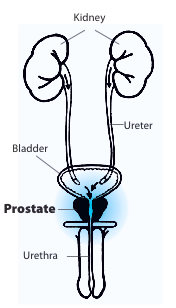
    It can be caused by many different medical problems such as urinary tract infections, diabetes, enlarged prostate gland, weakened pelvic muscles after childbirth and certain medications. Neurological disorders such as dementia, Parkinson’s disease, multiple sclerosis and stroke may cause urinary incontinence, too.

    What are the different types of urinary incontinence?

    1. Stress incontinence usually occurs when the pelvic muscles are weakened, for example by childbirth or surgery. It is common in women, causing urine to leak when a person coughs or laughs.
    2. Urge incontinence occurs when the need to urinate comes on very suddenly. It is most common in elderly and may be a sign of overactive bladder.
    3. Overflow incontinence is the uncontrollable leakage of small amounts of urine caused by an overfilled bladder. It is common in men and can be caused by something blocking the urinary flow such as an enlarged prostate gland.
    4. Functional incontinence occurs in persons who have normal urine control but trouble getting to the toilet in time. This may be seen in persons with severe arthritis or dementia.
    5. Mixed incontinence is a combination of the one or more types listed above.

    How can urinary incontinence be treated?

    Treatment depends of the type and cause of urinary incontinence. Kegel exercises, bladder training, medications and/or surgery are some 
of the options.

    What are Kegel exercises?

    Kegel exercises, named after Dr Arnold Kegel, consist of contracting and relaxing the pelvic muscles. These exercises strengthen the muscles that control the bladder and are useful to women experiencing stress incontinence. To locate the right muscles, try stopping the urine flow without using the stomach, leg or buttock muscles. When you are able to slow or stop the stream of urine then you have located the right muscles. Hold the squeeze for 10 seconds and relax for 10 seconds. Perform 10 repetitions, three times a day. Results are usually seen in 3 to 6 months. The advantage of Kegel exercises are that they can be performed anywhere and anytime.

    What is timed voiding and bladder training?

    Seniors with urge incontinence can learn to lengthen the time between urges to go to the bathroom. It is advised to complete a bladder record/chart of the times a person urinates and the times of accidental leakage. It is important to observe patterns and then empty the bladder before an accident would likely occur. A person starts by urinating at set intervals such as every 1 to 2 hours, whether they feel the need to go or not. Seniors can retrain their bladder by gradually increasing the time between bathroom visits.

    What medications are available for urinary incontinence?

    Men with prostate enlargement can benefit from prescription medications to shrink the prostate and improve the flow of urine. Overactive bladder is often due to bladder muscle contractions that are too frequent and uncontrollable. There are several medications to treat overactive bladder. These medications block specific receptors in the bladder, which help the muscles of the bladder to relax.

    When is surgery recommended?

    Surgery is reserved if other treatments haven’t worked or if the incontinence is severe. It is helpful in stress incontinence in women and in overflow incontinence in men due to an enlarged prostate.


    What is urinary incontinence? Urinary incontinence is loss of bladder control that is often seen in the elderly. It affects more than 25 million Americans. Urinary incontinence is not a part of the normal aging process. This can be a very embarrassing problem for seniors often leading to social isolation. The good news 
is that…

  • Cataract Surgery – A Clear Choice

    Cataract is the leading cause of blindness worldwide. Fortunately, in the United States, vision loss from cataract is almost always reversible. That’s good news for more than 20 million Americans with cataracts.

    Cataract is a gradual opacification of the crystalline lens of the eye. As the lens becomes cloudy, vision is blurred. Early symptoms from cataract include difficulty driving, glare, poor night vision, difficulty reading or doing craft work, and overall reduced vision. Cataracts are common in people over the age of 60 as a normal part of the aging process. They also occur in younger people and can be caused by trauma, disease, or long term exposure to ultra violet light from the sun.

    When lifestyle is impaired by the blurred vision of a cataract, a short, painless surgical procedure is used to remove the cloudy lens and replace it with a clear lens implant. This procedure is performed well over a million times a year in the United States, and nearly 10,000 times a year in Hawaii. Over 90% of patients, nationwide, end up with excellent vision following cataract surgery.

    Technology has continued to improve what can be done at the time of surgery. New surgical techniques and new lens technology allow eye surgeons to offer many patients vision correction at the time of surgery. This is ideal for those who wish to reduce dependence on eyeglasses, restoring youthful vision following surgery.

    Advice from an expert: If you experience cloudiness or loss of vision, consult with an eye specialist. For many people, a painless cataract surgery not only improves vision, but improves quality of life and provides many years of excellent vision.


    Christopher Tortora, M.D. is a board-certified ophthalmologist at the Hawaiian Eye Center and host of “The Hawaiian Eye Show,” a weekly informational radio program about healthy vision. He and his colleagues at Hawaiian Eye Center are committed to educating the public about the importance of preventative eye care. Hawaiian Eye Center has been serving Hawaii for 36 years with locations in Hilo and Wahiawa. To learn more about a variety of eye health issues, please contact Hawaiian Eye Center at SEE-2020 (733-2020) or visit the website, http://HawaiianEye.com where “life has never looked better.” Located at 606 Kilani Avenue, Wahiawa, HI 96786.

    Cataract is the leading cause of blindness worldwide. Fortunately, in the United States, vision loss from cataract is almost always reversible. That’s good news for more than 20 million Americans with cataracts. Cataract is a gradual opacification of the crystalline lens of the eye. As the lens becomes cloudy, vision is blurred. Early symptoms from…