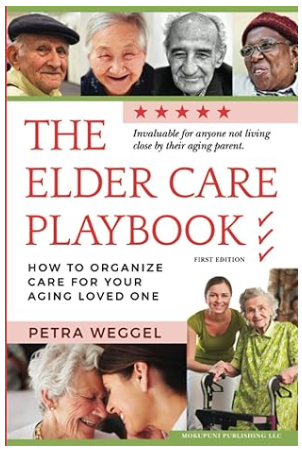
Maui resident Petra Weggel learned about caregiving the way most people do… the hard way, through the trial and error of first-hand experience.
“It is incredibly stressful to witness the decline of an aging loved one while at the same time thinking about your own mounting responsibilities,” Petra said in the introduction of The Elder Care Playbook. “You probably have your own job, a family or significant other, and bills that are piling up. To deal with all of that while also knowing your parent’s affairs are a mess can leave you feeling lost and hopeless. If you’re like I was, you won’t even know where to begin…” In her effort to help others deal with the challenges of caregiving — and especially for those who cannot become a full-time caregiver for their loved one due to distance or other factors — Petra wrote a well-organized, thorough guide, complete with checklists.
“It’s for everyone like me in the Sandwich Generation who can’t bring a parent home to live with them but still wants to ensure they’ll be cared for.” You don’t have to be physically present to do your part, she says. Petra suggests you contribute to the welfare of an aging loved one like she did, by becoming a care organizer, while still working and attending to your life.
Through personal anecdotes, Petra shares many aspects of organizing care, why you must put your own well-being first, along with coping methods to deal with frustration, guilt and helplessness.
“It is much easier to care for an aging loved one when you’re prepared,” says Petra. “However, you will always need to expect the unexpected.” She wants you to think of this book as not only a tool for planning, but also, your inspirational support manual. She shares how you really can find time for yourself, avoid burnout and help the person you care about at the same time.
Petra discloses that the book is not a comprehensive text on the subject of senior care or caregiving, but she has broken the caregiving process into digestible, understandable chunks. Where you begin ultimately depends on your own circumstances, your loved one’s health issues, your relationship to each other and your own particular family situation.
The book is all about helping you adopt a positive mindset so you can spend each day in a way that feels meaningful instead of overwhelming, as Petra says, in order to “make every day a good day.” Disclaimer: This book is not intended to offer legal, financial or healthcare advice.
Maui resident Petra Weggel learned about caregiving the way most people do… the hard way, through the trial and error of first-hand experience. “It is incredibly stressful to witness the decline of an aging loved one while at the same time thinking about your own mounting responsibilities,” Petra said in the introduction of The Elder…
Gen Xers are going to repeat what we Baby Boomers have been living through — caring for our parents and children while managing everything else. We can help our Gen Xer children by organizing our affairs and vowing to be practical.
Overcoming practical issues is not as difficult as managing the emotional dynamics of caregiving. Here are some suggestions from a Baby Boomer to a Generation Xer:
Listen: Listening and creating moments of shared communication can change your caregiving world. If cognitive issues make that difficult, listen for what can be shared — even for the 50th time. Soon enough, there will only be silence.
Set limits for yourself: You will face conflicting emotions. You must work to keep life in balance. Everything will not be what you wanted or expected. Your parents’ finances, personal strength and healthcare needs may make aging at home impossible for them. Be open to the alternatives available without guilt.
Accept imperfection: Accept what help is available and offered — even if it is not perfect or what you expected. Caregiving does not mean you provide all the care. It means you ensure that care is provided.
Remember, the moment in front of you is all you have. Be patient and do the best you can.
Gen Xers are going to repeat what we Baby Boomers have been living through — caring for our parents and children while managing everything else. We can help our Gen Xer children by organizing our affairs and vowing to be practical. Overcoming practical issues is not as difficult as managing the emotional dynamics of caregiving.…
In this new era for Alzheimer’s disease and related dementias, we have hope. This hope is fueled by scientific evidence that is stronger than ever and a collective movement that is driving positive change. In this new era, we can reduce risk for developing dementia and offer disease modifying treatments that can slow decline.
Nearly half of dementia cases could be reduced or delayed by addressing modifiable lifestyle risk factors (2024 Lancet Commission). These risk factors include things like managing heart health, protecting your brain, exercising regularly, eating a heart healthy diet, getting restorative sleep and staying social. It is never too early or too late to boost brain health.
We have disease modifying treatments available for people with early-stage Alzheimer’s disease This is not a cure, but an opportunity to slow the progression of the disease so that patients have more good days to make cherished memories with loved ones. Of course, these treatments come with side effects, they are expensive and they’re not for everyone. But now, we have options.
With these new developments on a global scale reaching our shores, we are building momentum in the islands to ensure that it benefits all of us. Now more than ever, our resolve is strong as we journey forward in this new era of hope. Visit alzhopehawaii.org.
In this new era for Alzheimer’s disease and related dementias, we have hope. This hope is fueled by scientific evidence that is stronger than ever and a collective movement that is driving positive change. In this new era, we can reduce risk for developing dementia and offer disease modifying treatments that can slow decline. Nearly…
When facing a loved one’s serious illness, family members rarely know how to reduce his or her suffering or where to turn. Ask your doctor about available options.
Palliative care is specialized medical care for people with a serious illness. Care is focused on providing relief of symptoms and stress, helping to improve the patient and family’s quality of life. A team of doctors, nurses and specialists provide care by working together with a patient’s other doctors for an extra layer of support. Care is not based on the patient’s prognosis and it can be provided alongside curative treatment.
Hospice is another special kind of care helping those with a prognosis of six months or less to live. The hospice interdisciplinary team strives to relieve pain and suffering and prepare the patient and his or her family for the end of life. Hospice focuses on quality of life — caring, not curing. Care can be provided wherever the patient resides — usually in the patient’s home.
When facing a loved one’s serious illness, family members rarely know how to reduce his or her suffering or where to turn. Ask your doctor about available options. Palliative care is specialized medical care for people with a serious illness. Care is focused on providing relief of symptoms and stress, helping to improve the patient…
Case managers help clients navigate the social service system. Community case managers help clients with housing, benefits and other resources. Private case managers work with clients in a variety of settings, including healthcare and mental health care.
■ Community case managers work for healthcare institutions and insurance companies. They manage large patient loads and support patient care transitions to the appropriate level. They are accessible to the consumer. They aim to keep the patient out of the hospital setting and safely cared for in a minimally restricted environment that supports optimum health. A case manager follows high-risk populations and identifies problems early to keep the patient in optimum health.
■ Private case managers are hired privately and often partner with local hospitals, clinics, home health and hospice agencies. They have close relationships with these providers as they ensure that all partners are aligned with the client’s plan of care, enhancing their quality of life.
By hiring a private case manager, patients can benefit from dedicated support, ultimately leading to improved health outcomes and a higher quality of life. Investing in a private case manager can significantly enhance a patient’s healthcare experience. Private case managers focus on personalized care and deliver tailored health plans that cater to the patient’s unique needs. Their increased availability means patients can expect prompt responses to concerns and frequent communication, fostering a supportive environment for the patient’s health journey.
Moreover, they excel in coordinating with various healthcare professionals, ensuring seamless communication and alignment throughout treatment. As a dedicated advocate, a private case manager empowers a patient to navigate the complexities of the healthcare system, confidently prioritizing his or her needs and preferences.
By monitoring a patient’s health closely, they identify potential issues early, helping to prevent costly hospitalizations and maintaining optimal well-being. Their holistic approach addresses medical needs and the social and emotional factors that influence a patient’s overall health.
A private case manager provides continuity of care, ensuring consistent oversight, especially for chronic conditions. Their flexible scheduling and personalized services help enhance a patient’s overall quality of life.
ALOHA COMPLEX CARE LLC 808-269-5463 | alohacomplexcare@outlook.com alohacomplexcare.com Aloha Complex Care LLC is a case-management and care company, networking island-wide, servicing all levels and stages of care, from the initial stages and on through hospice and bereavement.
Case managers help clients navigate the social service system. Community case managers help clients with housing, benefits and other resources. Private case managers work with clients in a variety of settings, including healthcare and mental health care. ■ Community case managers work for healthcare institutions and insurance companies. They manage large patient loads and support…
Caring for a family member is a deeply rewarding experience, but it can also bring challenges that may feel overwhelming. Even the most devoted caregivers might reach a point where seeking professional guidance is necessary to ensure their loved one receives the best care possible.
The first sign of caregiver burnout is physical or emotional exhaustion. If caregiving is starting to take a toll on your own health, it’s crucial to recognize that your own well-being is just as important. Another indicator is when the needs of your loved one surpass your ability to manage them safely, such as with advanced medical conditions, frequent falls or increasing confusion.
Additionally, if caregiving starts to impact your ability to balance other responsibilities — work, family or personal time — it might be time to explore outside help. Professional caregivers and experienced nurse advisors can provide expertise in managing complex medical conditions and ensure that your loved one receives the appropriate level of care, while giving you peace of mind.
Remember, asking for help is not a sign of failure, but a step toward ensuring the best care for your loved one. Knowing when to seek professional advice can make a significant difference in both your life and theirs.
Caring for a family member is a deeply rewarding experience, but it can also bring challenges that may feel overwhelming. Even the most devoted caregivers might reach a point where seeking professional guidance is necessary to ensure their loved one receives the best care possible. The first sign of caregiver burnout is physical or emotional…
Case management plays a critical role by providing comprehensive support and assistance to caregivers and care recipients alike.
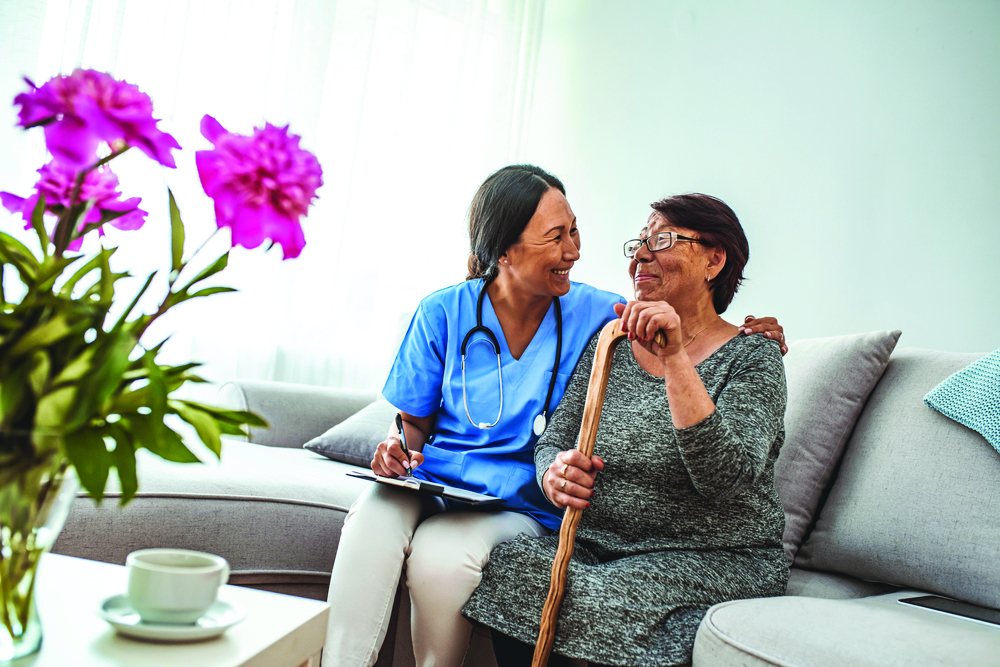
Case management in caregiving involves coordinating services and resources to meet care recipients’ unique needs. It encompasses the assessment, planning, implementation, coordination, and monitoring of options and services to meet their health and human service needs. From organizing medical appointments, managing medications or ensuring the overall well-being of the recipient, case management aims to streamline the process and alleviate the burden on caregivers.
One of the key aspects of case management in caregiving is providing personalized support tailored to the individual’s specific needs. This involves assessments to identify the care recipient’s physical, emotional and social needs, as well as evaluating the caregiver’s capabilities and challenges. By gaining a comprehensive understanding of the care dynamic, case managers can develop appropriate, personalized care plans.
Case managers also play a vital role in connecting caregivers and care recipients with relevant support services and resources. This may include assistance with accessing home care services, coordinating with healthcare providers, or providing information on financial and legal support options. By serving as a central point of contact and information, case managers can help caregivers navigate the complex network of resources, ultimately enhancing quality of care.
Case management also involves ongoing monitoring and reassessment of the care recipient’s needs and the caregiver’s well-being. This proactive approach allows case managers to identify potential challenges or changes in the care dynamic and make necessary adjustments to the care plan for appropriate and effective support.
For caregivers, access to professional case management services can offer invaluable support and relief, allowing them to focus on providing quality care without feeling overwhelmed or isolated. Through regular communication and collaboration, case managers can provide emotional support, guidance and advocacy to empower caregivers in their role.
Case management serves as a vital tool in promoting a positive caregiving experience for all parties involved. By addressing their unique needs and facilitating access to essential services and resources, case managers can enhance the well-being of both the caregiver and care recipient.
ALOHA COMPLEX CARE LLC 808-269-5463 | alohacomplexcare@outlook.com alohacomplexcare.com Aloha Complex Care LLC is a case-management and care company, networking island wide, servicing all levels and stages of care, from the initial stages and on through hospice and bereavement.
Case management plays a critical role by providing comprehensive support and assistance to caregivers and care recipients alike. Case management in caregiving involves coordinating services and resources to meet care recipients’ unique needs. It encompasses the assessment, planning, implementation, coordination, and monitoring of options and services to meet their health and human service needs. From…
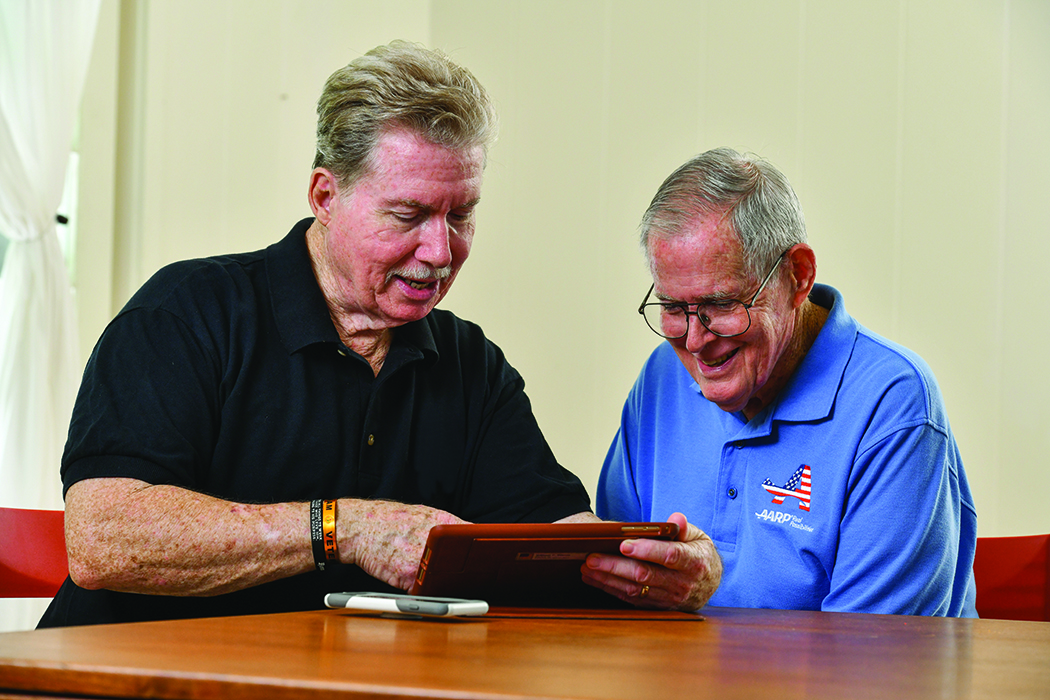
Help is available for veterans who have served our country and who now need assistance with caregiving — either as a caregiver or someone who needs care.
However, many veterans are not aware of the services available to them, a new AARP survey of veterans 45 and older reveals.
About half of those surveyed said they currently provide care for an adult loved one, relative or friend, or have done so in the past. But 60% did not know that the US Department of Veterans Affairs (VA) offers grants for home modification. The survey also found that nearly half (46%) need bathroom modifications in order to age in place themselves or to provide care for a loved one in their home.
That’s why AARP has two guides available for veterans and caregivers of veterans:
A new Veterans Home Modification Benefits Guide helps veterans navigate the VA’s $150 million program to help buy, build or modify a home to support long-term needs. Grants can help eligible veterans with up to $117,000 to pay for renovations, such as adding grab bars in bathrooms, installing ramps or widening doorways.
The AARP Military Caregiving Guide provides basic tips to help families through the caregiving journey and has tips and details of other VA caregiving programs.
Tips for military caregivers:
Talk about the medical and emotional needs of wounded warriors and caregivers of veterans.
Create a support system of family, friends and colleagues. You can’t be a caregiver by yourself.
Create a plan that enables you to respond to specific needs as they arise.
Seek professional support for information and resources from those with experience with military or veteran caregivers.
Care for yourself so you can sustain your energy and maintain your own health.
AARP HAWAI‘I (nonprofit) 1001 Bishop St., #625, Honolulu, HI 96813 808-545-6000 | hiaarp@aarp.org | aarp.org/hi AARP is a non-partisan organization dedicated to empowering Americans 50 and older to choose how they live as they age.
Help is available for veterans who have served our country and who now need assistance with caregiving — either as a caregiver or someone who needs care. However, many veterans are not aware of the services available to them, a new AARP survey of veterans 45 and older reveals. About half of those surveyed said…
With pleasant weather and sunshine nearly every day of the year, paradise offers a safe and pristine backdrop for our golden years. But seniors who want to maintain their independence may desire or even require another layer of security.
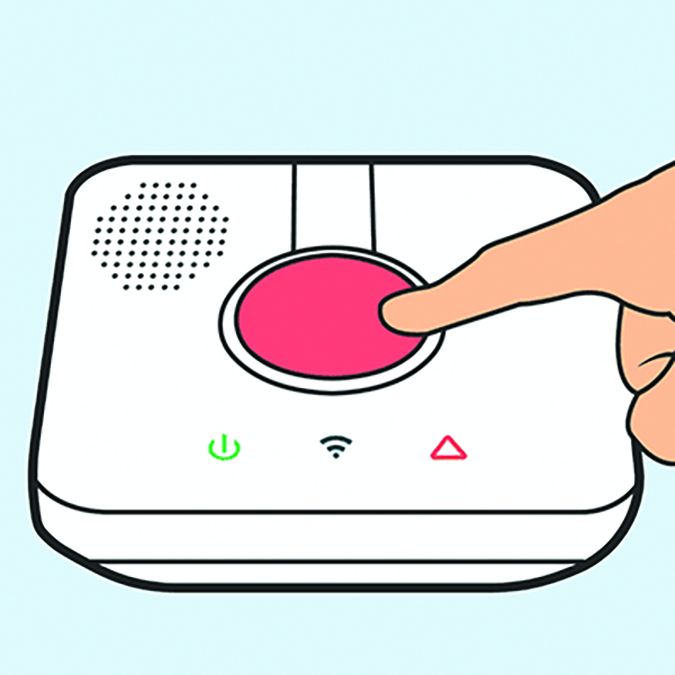
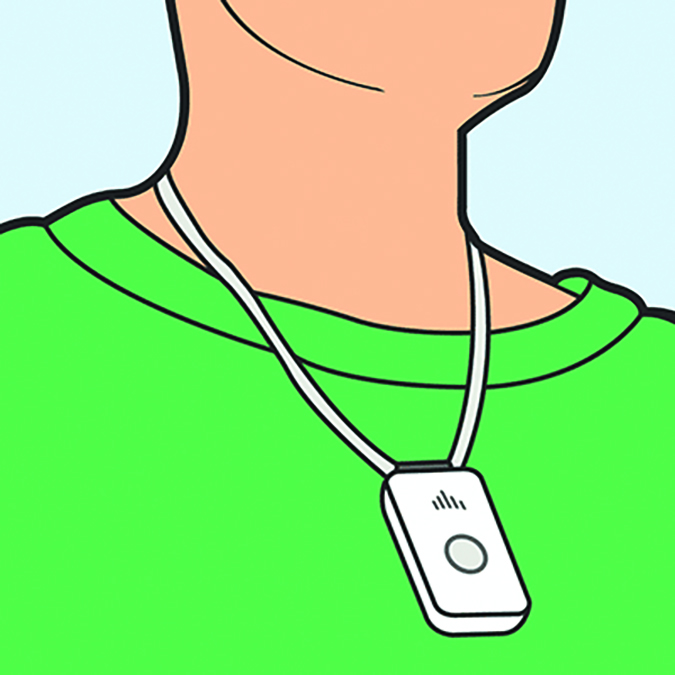
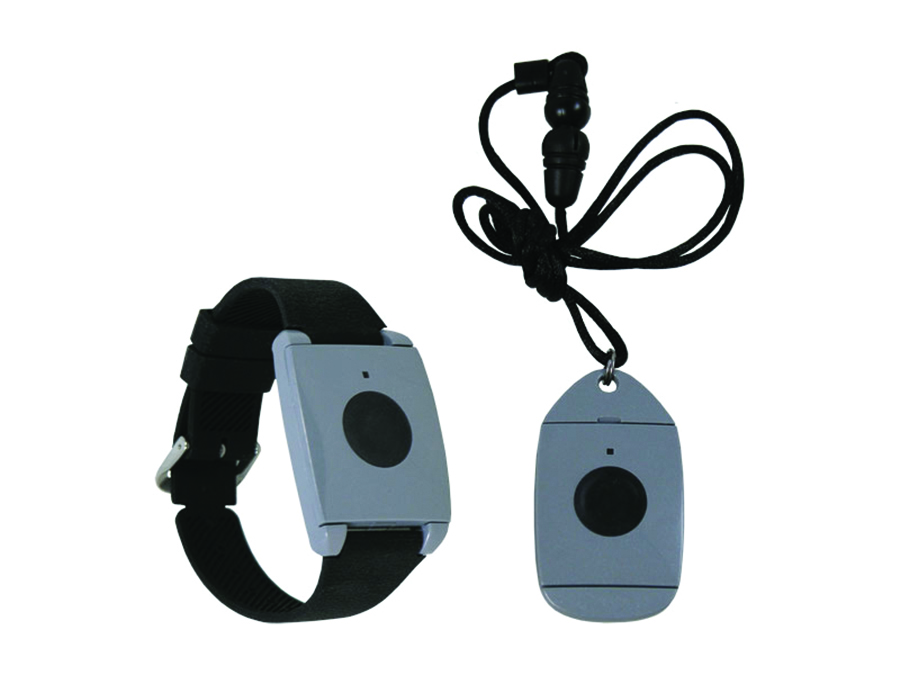
Medical alert devices and services systems designed to connect people in need with emergency help are particularly useful for seniors or individuals living alone who may be at risk of falling or experiencing a medical emergency. Typically, a medical alert system consists of a wearable button and a base station. Pressing the button triggers a call to a monitoring center, where a trained professional can assess the situation and send help if needed. Some systems also include features like fall detection and medication reminders.
Finding the Right Fit
Personal Emergency Response Systems (PERS) come in two main types: traditional and mobile.
Traditional PERS devices are connected to a landline through a base unit and include a wearable pendant. If the user pushes the button on the pendant, even if they are far from the base unit, help will be called. A traditional PERS is ideal for homebound users.
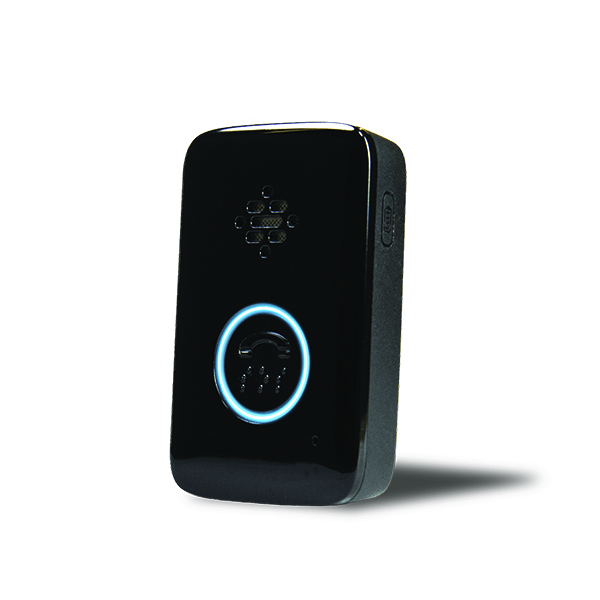
Mobile PERS device works like a cell phone, so it can be worn and be effective anywhere within cell service range. A mobile PERS device allows users to talk directly to an operator through the device itself. A mobile PERS is better for those who are active outside the home.
So to find the right fit, consider your needs. Do you need fall detection or mobile coverage? Research companies to look at features available, pricing and customer reviews. Also, consider availability. Confirm the coverage in your area. Most major providers cover all of Hawai‘i.
What’s Available?
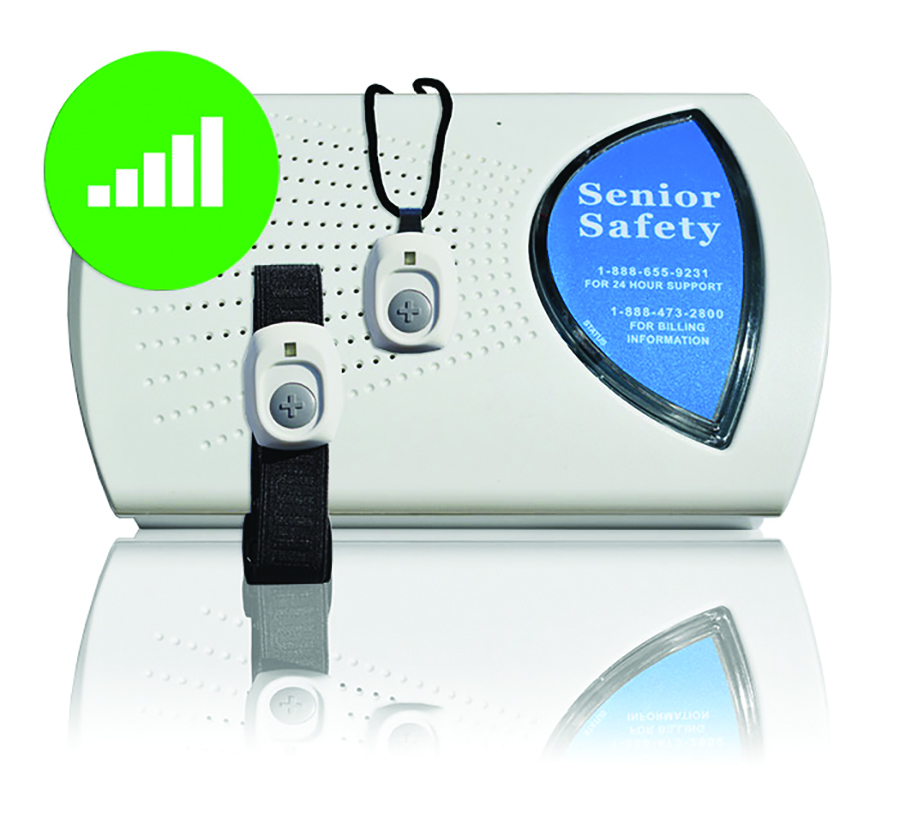
■ SENIOR SAFETY MEDICAL ALERT SYSTEMS has been providing senior medical alert systems for 25 years. They offer 24/7 monitoring with quick response times. Their team of EMD-certified operators provides multiple layers of monitoring to give seniors peace of mind.
Home Alert System: Options include systems that operate with or without a landline. The medical alert system that operates with a landline has a range of up to 1,000 feet inside and outside your house. The system can work with your existing landline phone service and has special features like “Family Check-In” to help keep you connected with loved ones.
For those without a landline, they offer a medical alert system that operates on 4G LTE technology that plugs into a standard electrical outlet for a quick and simple setup. Prices can range from $19 to 29 per month and are also available with automatic fall detection for an added $10 per month.
Mobile Medical Alerts Systems: These wearable options, available as buttons or smartwatches, provide protection wherever you go. The smartwatch includes added features — a heart rate monitor, step counter and even the weather report. It’s also available with automatic fall detection for added security. Both operate on 4G LTE technology and do not require Wi-Fi. Prices range from $30 to 34 per month or a one-time payment ranging from $75 to $100 per device. Both are available with automatic fall detection for an added $10 per month.
A call to the company revealed that purchasing and setup are simple, even without internet access. Choose a device, share credit card information and the device is mailed. Staff will walk you through the setup process over the phone.
■ HAWAII MEDICAL ALERT AND MEDICAL ALARM BY PRIME is a service available to residents across the state. While some companies charge extra for shipping to Hawai‘i and may have higher service fees, Prime offers free 2- to 3-day priority shipping and a free lockbox with your purchase. Their medical alert bracelets and necklaces provide peace of mind to seniors, including those with a fear falling.
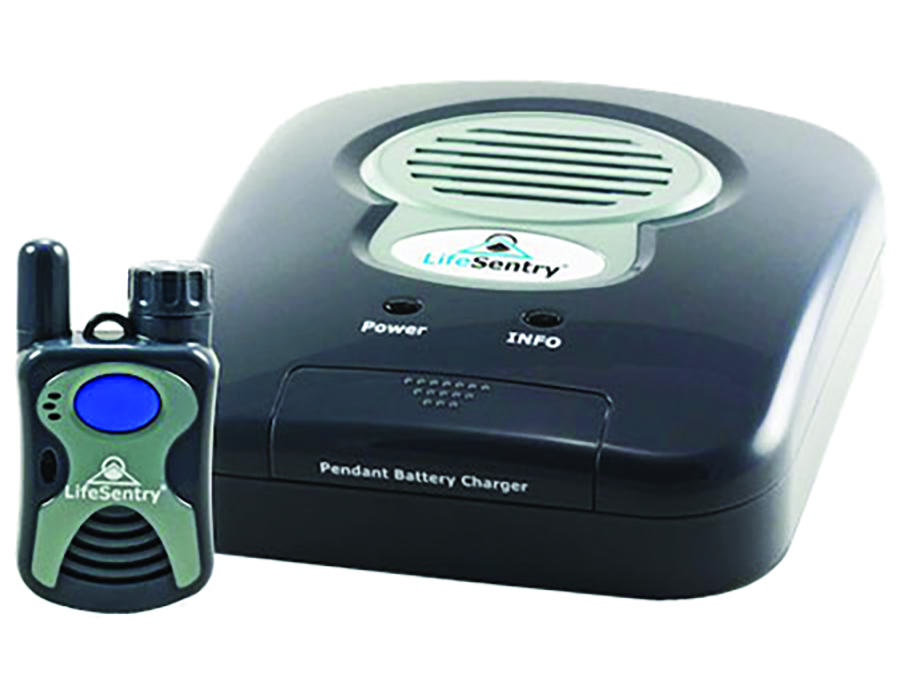
Home Medical Alert Devices: Both Linear PERS-2400 and LogicMark Life Sentry are medical alert systems designed to provide security and independence for seniors at home. They require minimal maintenance with batteries that last 3 to 5 years, have a wide range of movement within the house without signal limitations, and have 24/7 emergency monitoring with customizable contact and response protocols. However, they differ in communication and pendant functionality. While Linear PERS-2400 relies on a base unit connected to a landline for communication and comes with a waterproof pendant that can be worn during showers, LogicMark Life Sentry allows two-way voice communication directly through the pendant itself, eliminating the need for a landline and offering more flexibility within the home. The pendant also has a built-in speaker, enabling direct conversation with emergency personnel. Prices can range from $15 to 30 per month with no additional fees or obligations.
Fall Detection Systems: Both NextAlert II and Climax Medical Series are medical alert systems with fall detection and offer 24/7 emergency monitoring by certified EMTs, allowing users to customize their response protocols. However, NextAlert II is a cellular system that uses GPS to allow emergency dispatch without communication, whereas Climax Medical Series can be connected through a landline or cellular connection and does not have GPS. Prices can range from $30 to 40 per month with no additional fees or obligations.
A phone call to Prime Medical Alert was also answered by a affable staff person. This company skips the credit card information and instead, will send you a bill or accept a checking account transfer. They will also walk you through setup over the phone, step by step.
Both companies mailed descriptive, detailed brochures within the week.
With Hawai‘i’s rapidly growing senior citizen population, medical alert devices and services can provide peace of mind for both residents and their loved ones.
With pleasant weather and sunshine nearly every day of the year, paradise offers a safe and pristine backdrop for our golden years. But seniors who want to maintain their independence may desire or even require another layer of security.
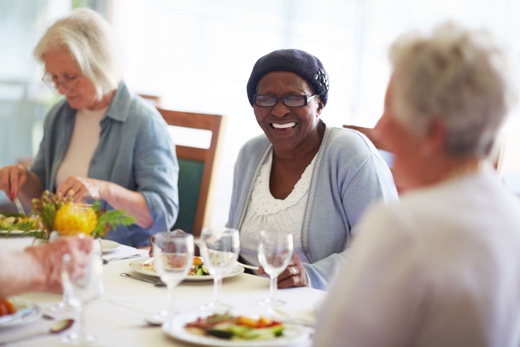
Seniors may feel hesitant about making the move to a senior living community and believe the transition will come with a decrease in independence and quality of life.
But that couldn’t be further from the truth.
Senior living communities help older adults lead healthier, happier lives thanks to quality care and services.
If you are considering a move to senior living, here are some things to consider.
• Does the environment feel welcoming? • What are the apartment and community amenities? • Are there common areas where you can connect with fellow residents? • Will there be help with housekeeping and maintenance? • Are there meal options? • Is transportation offered? • Are there recreational, spiritual and entertainment options available?
Senior living communities should be a place of kindness, openness, empowerment, love and respect. Staff members should be available to provide support when needed. There should also be emotional, social and spiritual wellness opportunities.
Choose a senior living community that fits your wants and needs and allows you more time to focus on the things you desire.
GOOD SAMARITAN SOCIETY—POHAI NANI
45-090 Namoku St., Kaneohe, HI 96744
808-247-6211 | good-sam.com
Seniors may feel hesitant about making the move to a senior living community and believe the transition will come with a decrease in independence and quality of life. But that couldn’t be further from the truth.
Programming for the residents of a memory care facility can be challenging. Everyone is at a different place health-wise. Many activities are not appropriate for everyone. Even one-on-one activities can be challenging with this population.
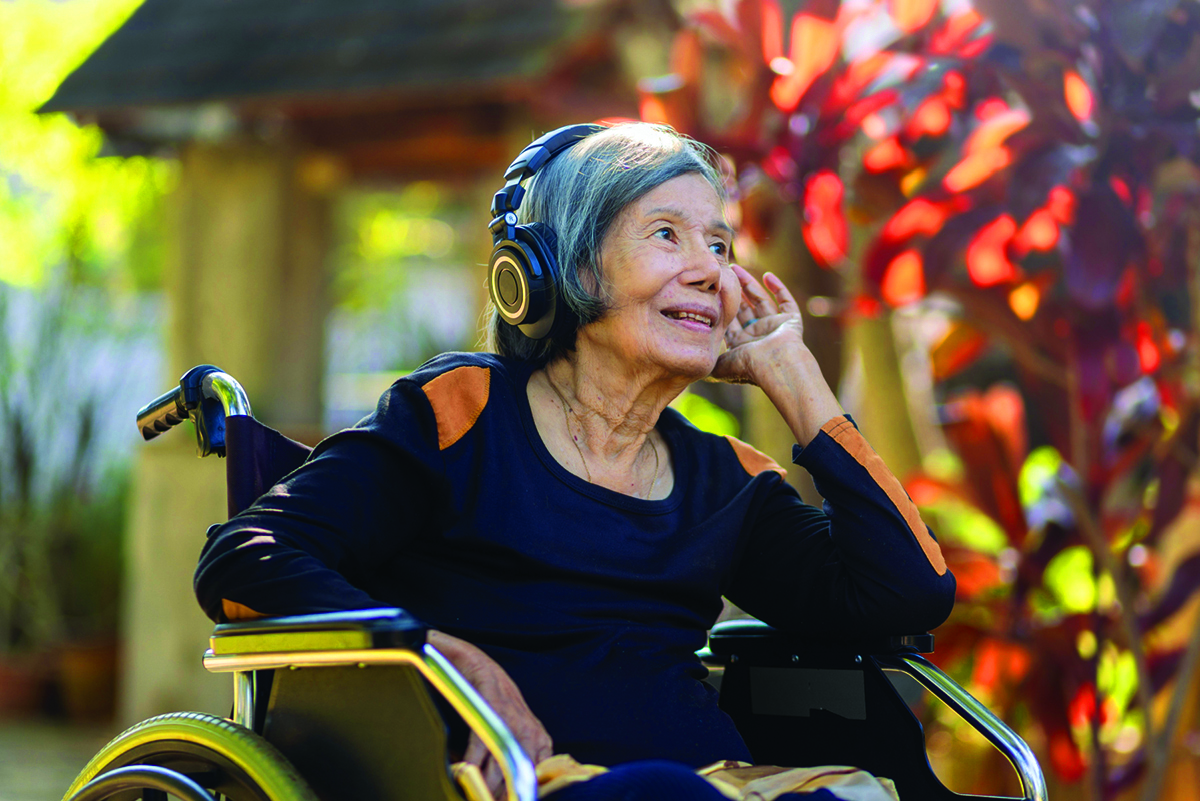
I have found great success using programs that involve music. Activities including sing-alongs, musical performances, drum circles, playing instruments and listening to music have provided many positives for residents — and not just because these activities are fun and bring people together. Many studies point to the benefits music offers, including a reduction in agitated behaviors, a decrease in anxiety and depression, an improvement in language skills, and opportunities to trigger positive memories and the emotions tied to them.
Singing also provides aerobic exercise for residents who can no longer exercise traditionally. Singing releases endorphins (a feel-good hormone) and oxytocin (a stress-relieving hormone). Many benefits continue weeks after the session, demonstrating the possibility of long-term effects.
You don’t need to be a therapist to use music therapeutically with your loved ones. Sing a song together. Listen to a favorite tune. Play relaxing background music during times of rest. Use music every day and enjoy its results!
Programming for the residents of a memory care facility can be challenging. Everyone is at a different place health-wise. Many activities are not appropriate for everyone. Even one-on-one activities can be challenging with this population.
Ensuring our elderly loved ones’ well-being during their transition into care homes is crucial. This emotional and often stressful journey demands a meticulous approach to prevent transfer trauma, which can result from frequent relocations and adjustments to new environments and care teams. Utilizing a seasoned nurse consultant, particularly one knowledgeable in disease processes, becomes vital.
An experienced nurse consultant doesn’t just facilitate a smooth transition, but also anticipates potential future challenges, thereby mitigating the risk of subsequent transfers. Their profound understanding of disease trajectories enables them to foresee possible complications, ensuring that the chosen care home is equipped to manage the evolving needs of the senior individual. This foresight is crucial in stabilizing the emotional and physical health of the elderly, providing them with a consistent and familiar environment that is pivotal for their well-being.
A registered nurse and certified senior advisor also bridges the gap between medical jargon and practical understanding, ensuring families make informed decisions. The role of an experienced nurse consultant secures a health-optimized future for our seniors, minimizing disruptions and maximizing quality of life.
NURSING HOME PARTNERS
828 Ailuna St., Honolulu, HI 96821 808-468-9112 | Info@Nursinghomepartners.com
Nursinghomepartners.com
Ensuring our elderly loved ones’ well-being during their transition into care homes is crucial. This emotional and often stressful journey demands a meticulous approach to prevent transfer trauma, which can result from frequent relocations and adjustments to new environments and care teams. Utilizing a seasoned nurse consultant, particularly one knowledgeable in disease processes, becomes vital.…