I have spent a decade conducting educational workshops and meeting with individuals transitioning to Medicare or already there. I encourage everyone to explore resources at www.socialsecurity.gov and www.medicare.gov to become knowledgeable before services are needed. I also stress the importance of keeping Medicare cards, medication lists, the names of your physicians and any ongoing health conditions on hand. Designating a family member or trusted friend with the information is essential.
Rosa Elliot celebrating her 91st birthday
Recently, I dealt with my mother’s sudden and unexpected illness. When she was rushed to the hospital by ambulance, she was not in good shape; she would not have been able to provide insurance cards or any information. I was not far behind and was able to provide the triage nurse with current insurance cards, a list of her medications, when they were last taken and the name of her primary care physician. Within a few hours, a hospitalist told me
my mom had only four minutes to four hours to live. The physician started a course of antibiotics and fluids and everyone prayed. The intervention changed the course of her condition.
Within 48 hours, my mom was breathing on her own. I then completely devoted myself to the restoration of my mother’s health. I work side by side daily with therapists, social workers and physicians to assist with her care. I am grateful the Medicare program exists and for the opportunity to see how well it works in an emergency situation.
MEDICARE MOMENT WITH MARTHA
A radio program with Martha Khlopin
KHNR-690AM: Sundays 9:30am–10am 808-230-3379 | getmartha@aol.com
I have spent a decade conducting educational workshops and meeting with individuals transitioning to Medicare or already there. I encourage everyone to explore resources at www.socialsecurity.gov and www.medicare.gov to become knowledgeable before services are needed. I also stress the importance of keeping Medicare cards, medication lists, the names of your physicians and any ongoing health…
At some point in our lives, most of us will be given the opportunity to care for someone with cancer. Even though our experience with cancer may be limited, we may have learned enough to ask initial questions of the patient after the diagnosis is made, such as:
What kind of cancer and where is it?
What stage is it?
Do you need surgery?
Do you need chemotherapy or radiation?
How will this affect your future plans?
What kind of support groups are available in the community for this kind of cancer?
Answers to these questions may not be available until more information is obtained from a specialist. Referrals to “other doctors” are usually the first step. Specialists could be surgeons, oncologists or treatment physicians focused on the type of cancer. Being an advocate and researching the disease, treatments, causes, support groups and physician can help answer these questions, but this takes time and can be challenging for the family. Resources are available online and there are always friends who have “been through this before.” Sometimes, the patient and family are in such a state of emotional anxiety they don’t know what to do next. That’s when reaching out to another person during this time may help the family cope with this responsibility. Someone who is detached from the shock of the diagnosis can often offer support and bring some serenity to the situation. This could be a family member or friend, or if you are fortunate, someone who is in the medical field. The main message here is to not go through the process on your own but to ask for assistance. An advocate or advocates can help by doing the following:
◆ Know the family history and information about the patient’s background health. This way, the patient will not have to try to remember all of the questions the doctor will ask her/him at the appointment.
◆ Understand what the patient’s objectives are. Life goals and dreams for the future are important for the doctor to consider. Patients may have a hard time explaining these things on their own.
◆ Take notes and organize the information in a folder so the details can be accessed afterward by the patient and family. This may include information about the chemotherapy names, side effects and time frames. Developing a “partnership” attitude allows physicians and patients to work alongside each other to choose the best course of treatment. As an advocate, you can focus on what is being discussed, ask questions on behalf of the patient and allow all involved to have a clear understanding of the plan. Discussions should consider the risks and benefits of all options. There will be critical decisions that need to be made quickly.
The most important part of helping someone through cancer is to be there, hold their hand and give support, no matter the outcome.
ATTENTION PLUS CARE HOME HEALTHCARE
Accredited by The Joint Commission
1580 Makaloa St., Ste. 1060, Honolulu HI 96814 808-739-2811 | www.attentionplus.com AGING IN HAWAII EDUCATIONAL OUTREACH PROGRAM by Attention Plus Care — a program providing resources for seniors and their families, covering different aging topics each month. For class information and upcoming topics, call 808-440-9356.
At some point in our lives, most of us will be given the opportunity to care for someone with cancer. Even though our experience with cancer may be limited, we may have learned enough to ask initial questions of the patient after the diagnosis is made.
GEMS® is a staging system for dementia. Teepa Snow, OTR and founder of the Positive Approach to Care® philosophy, recreated the Allen Cognitive system of staging dementia with a positive twist. We can now view our Person Living With Dementia (PLWD) as one of Teepa’s GEMS® rather than on a scale of 1 to 7 or on a scale of mild cognitive impairment to profoundly demented.
Here are six stages of GEMS® that emphasize the abilities that are retained.
SAPPHIRE: NORMAL AGING
At this point in life, we are noticeably slower and may be forgetful — but this change is relatively normal. If you think about the sapphire gem, it is true blue in color and this is us on a good day. We have no dementia, our brains are flexible and we are able to see different points of views.
DIAMOND: RIGID & CUTTING
Early stage dementia is difficult to detect. You may notice some challenges with short-term memory but the PLWD is able to cover their mistakes. Diamonds are one of the most expensive gems and in this stage, the PLWD is focused on finances. Formed under pressure, this gem is rigid, cutting and sharp. They may have difficulty with change in their daily routines, often using their words to cut you.
EMERALD: ON THE GO
In a stoplight sequence, green means go and that is exactly what the Emerald stage is about. The PLWD is traveling in time and place. They may revert back to their younger years and think that they have to go home and cook dinner for the family at 3pm as they always did when they were a housewife in their 30s. A true Emerald is flawed but they don’t think anything is wrong with them. Another challenge is word-finding and using vague language. The PLWD wants to communicate but has trouble verbalizing their thoughts and comprehending your speech.
AMBER: CAUTION, SLOW DOWN
An amber is formed from tree sap. As the sap fossilizes over time, an amber is created. It has tinges of yellow, brown and orange. Similar to the amber gem, the PLWD is caught in a moment of time. In this stage, the PLWD is focused on sensations and what is happening right now in front of them. They have limited safety awareness but high levels of curiosity.
RUBY: STOP!
Following the stoplight sequence, red means stop. Fine motor movements of the mouth, eyes, fingers and feet are stopping. However, gross motor movements are preserved. Although skill is lost as fine motor diminishes, strength stays and they’re able to copy your big motions and gestures. Fine motor movements of the eyes presents trouble, with depth perception creating a higher risk for falls. At this stage, a Ruby has very limited peripheral vision — almost equivalent to having monocular vision. With fine motor in the mouth, a Ruby may mumble words but retains automatic social chit chat, rhythm and music.
PEARL: TRAPPED IN A SHELL
What does the outside of an oyster shell look like? It’s rough, different shades of gray, calcified and ultimately, not pleasant to look at. How does this relate to the last stage of dementia? Well, a person in the latest stage of dementia has similar attributes. At this stage, a person may be bed-bound, contractures have set in, eyes are mostly closed, words are unintelligible and personal care is increasingly difficult to provide. In other words, the outside shell of this person isn’t a great sight to see. However, with our positive approach to care methods, we are able to give this Pearl the right care and the right setting so their pearl inside can shine.
GEMS® is a staging system for dementia. Teepa Snow, OTR and founder of the Positive Approach to Care® philosophy, recreated the Allen Cognitive system of staging dementia with a positive twist. We can now view our Person Living With Dementia as one of Teepa’s GEMS® rather than on a scale of 1 to 7 or…
After gaining years of experience working and caring for the elderly, I can imagine many ways to describe what “aging” means. There are multiple factors that determine if one is considered old. In other words, a high number of years someone has been on this Earth does not define them as being old. In today’s world of medical technology, health products and smarter lifestyles, it may be hard to identify our kūpuna.
Is 65 really old? Is it still considered senior?
As approximately 10,000 baby boomers (those born between 1944 and 1964) are turning 65 every day, we will experience an increased influx of aging people over the next couple of decades. However, considering the way our seniors are aging, it may be more of a staggered increase rather than all at once.
Twenty years ago, a 65-year-old may have looked and acted differently than the 65-year-old of today. With advances in healthcare and the pursuit of healthy lifestyles, is it possible that today’s 65-year-old looks and feels younger … maybe more like a 45-year-old?
Here are some interesting perspectives from the population in question regarding getting older based on a study that was done by Human Development Specialist Nina Chen: “Getting older means more years to add to your life, less activity, less hair, more medicine, more wrinkles, arthritis and more forgetful. When people get older, they lose their dignity and independence. Being old means not being able to do anything.”
Positive outlooks documented were: “Being old means more experiences and having privileges, for instance, senior discounts, senior centers, affordable housing for seniors and senior support groups. Getting older means getting wiser. Older people are just like a walking library. They have true stories — not fiction.”
Lifestyle choices and changes can alter the way we age in general. Below are some changes that may improve how we age:
Stop smoking to allow more oxygen into your cells
Stop drinking alcohol to keep your tissues healthy
Exercise consistently to maintain mobility
Eat healthy foodsto give your body the fuel it needs to regenerate cells
Drink more waterso toxins absorbed from the environment will be flushed out \
Stay out of the sun to avoid skin damage Retirement leads to less stress; The age of retirement for full benefits is now 70.
Make and keep friends to stay engaged and thriving in society
Aging looks different depending on your perspective. Although the average lifespan continues to lengthen, it has increased more in the past century than in all of humanity’s existence combined.
Individual self-worth and dignity are important factors as we age. For older individuals, this means living life to the fullest each day and doing what you want to do. Don’t regret what you haven’t experienced. Get out there and seize the day — “Carpe Diem!”
ATTENTION PLUS CARE HOME HEALTHCARE
Accredited by The Joint Commission
1580 Makaloa St., Ste. 1060, Honolulu HI 96814 808-739-2811 | www.attentionplus.com AGING IN HAWAII EDUCATIONAL OUTREACH PROGRAM by Attention Plus Care — a program providing resources for seniors and their families, covering different aging topics each month. For class information and upcoming topics, call 808-440-9356.
After gaining years of experience working and caring for the elderly, I can imagine many ways to describe what “aging” means. There are multiple factors that determine if one is considered old. In other words, a high number of years someone has been on this Earth does not define them as being old. In today’s…
As parents age, many adult children step into the role of caregiver. However, for those who live far from their parents, caregiving presents different challenges. Planning, communication and a team approach can significantly improve the process.
♦ Don’t Wait for a Crisis
Taking care of someone else is always easier if you plan ahead and address concerns as soon as possible. If you wait for a crisis — a fall, serious illness or disease diagnosis — scrambling to make arrangements can be more chaotic, emotionally overwhelming and often limits available options. Preparation is the key. Familiarity with your parent’s healthcare team, community and financial resources, and your parent’s choices can make caregiving more manageable and less stressful. Even if you have family and friends at home, working as a team with a plan based on your parent’s preferences will help.
♦ Define and Discuss Your Concerns and Theirs
The Queen’s Medical Center’s Community and Post-Acute Care Services Director Hermina Taylor, MSN, FNP-BC, APRN-RX, and licensed social worker for the Queen’s Clinically Integrated Physician Network Jamie Fukui-Chiang have worked with elderly patients for a combined total of more than 50 years. They say the first step is to define your concerns.
For example, are your parents doing fine now, but you want to get a plan in place. Or, are you already worried your mom is isolated and not eating? Are you concerned your dad might fall from mounting clutter in the home? Or, is one of your parents a caregiver for the other and getting burnt out? These and other issues are common challenges as people age and each concern can lead to different types of help.
Next would be to talk with your parents about your concerns and ask about their concerns. You may be worried about the growing clutter in their home and potential fall risks. However, your mom might be much more concerned about your dad’s growing confusion. Although it may be uncomfortable and/or they may resist, Fukui-Chiang says, “It matters what they see because that’s what they’ll work on.”
♦ Know Their Wishes
For current concerns and long-term or end-of-life issues, you need to know your parents’ wishes and their realistic options. Parents may not want to have these discussions for fear of being a burden, but Taylor suggests you let them know. “This will relieve my burden, so please share with me. I don’t want to have to make those decisions for you. I need to know what you want.”
Lori Protzman, RN, coordinator for the Queen’s Advance Care Planning Clinic, meets with adults and families to discuss healthcare planning, quality-of-life values and choices, and related documentation to ensure wishes are followed.
If, for example, you think there’s a fall risk, is your parent willing to have a free fall assessment done or wear a medical alert button? Or, if confusion or memory is an issue, are they willing to let you talk with their doctor? If they want to live independently no matter what, are there financial resources available for professional caregivers in the home? And, who do they want to give signing authority to if they can no longer sign for themselves?
The only way to know what they want is to talk with them. Dr. John Houk, a primary care physician for 38 years, says, “You can make them safe in a care home, but they may be miserable. You always want to balance keeping them safe with ensuring the quality of life they value.”
Houk discourages families from using random online resources and says a case manager can be helpful, especially in complex or complicated situations. A case manager can see what is happening in the home, such as safety or nutrition issues. Your parent’s physician may be able to identify helpful resources for you or there are reliable city, state, and national resource information online (see “Resources” below).
♦ Discuss and Document End-of-Life Wishes
End-of-life care discussions can be emotional and uncomfortable, but they are crucial for easing decision making when that time comes. Experts suggest all adults have some type of advance care planning written out, but especially after age 60.
Without knowing what your parent would want, that decision will likely be on you and having to guess can be excruciating. What would your parents want if they could no longer feed themselves or breathe on their own? You can discuss this with them and their physician, attend a presentation by a group like Kōkua Mau or meet with a program like the Queen’s Advance Care Planning Clinic. These experts can help families understand their options, make informed decisions, and discuss issues like financial resources and roles family members will take.
♦ Work as a Team
If you have a family working together, assign one person to be the physician contact. If you have siblings or other trusted relatives and friends, each person can take a certain role. Fukui-Chiang had clients with a daughter living abroad and a son on the mainland. They each took certain roles and responsibilities and had regular phone and email communication with the care team. Houk knows a family that divided tasks by shopping, organizing pills, managing finances and home repairs. The key is to find the way it can work for your family and the resources available.
Although the medical team may not be able to share information without permission, you can still tell them your concerns. Call or send a note if you are worried about certain issues. The healthcare team can provide an objective view of the issues and better identify priorities if they have all the information.
Caregivers should also understand the new trend toward team-based healthcare for many physician offices. Taylor explains, “Care is getting so complex. Navigating the system is more complex. We need multiple disciplines working collectively to provide a comprehensive plan of care. Patients and caregivers are part of the team.” So, rather than talking to the physician directly, you may talk to the medical assistant. Instead of seeing the physician for each visit, you might see the nurse practitioner. The team, including a possible care manager, works under the guidance of the primary care physician. The structure is proving more effective for providing high-quality care.
♦ Make Check-Ins Count
To ensure they’re doing OK, ask more direct questions that require detailed answers. Fukui-Chiang says to ask, “What did you eat for dinner last night?” instead of “Did you eat?” Rather than “Did you take your meds?” ask “When did you refill your meds?” Ask “Do you have money to pay your bills?” instead of “Did you pay your bills?” Houk recommends making sure parents have adequate nutrition, regular exercise and socialization.
Experts say the most important thing you can do is to be an educated caregiver.
Taylor explains, “Every person and situation is unique and there’s no one right way to do things. Know your resources.” information.
As parents age, many adult children step into the role of caregiver. However, for those who live far from their parents, caregiving presents different challenges. Planning, communication and a team approach can significantly improve the process.
As our parents or loved one get older, they may need help or supervision during the day while caregivers are at work, school or other activities. Sending seniors for care during the day may be a difficult decision due to the cost and concern that they may not have “fun” or may be neglected.
A senior day care center is an ideal solution because it helps keep seniors healthy to live at home for as long as possible. Participants feel welcomed by senior day care staff, who provide individualized care. Each participant engages in enjoyable but therapeutic activities to foster greater functional independence.
Games and other activities such as tai chi, field trips, crafts and entertainment sharpen their minds. Exercise keeps them flexible and strong to prevent falls. Participants find they have a better appetite, especially if they are enjoying good food in the company of new friends. These activities can also help slow the progress of Alzheimer’s and other related dementias and may result in better sleep.
Family caregivers also sleep better. They have peace of mind, are less stressed, and have more time for respite or other responsibilities, knowing their parents or loved one are in good hands.
As our parents or loved one get older, they may need help or supervision during the day while caregivers are at work, school or other activities. Sending seniors for care during the day may be a difficult decision due to the cost and concern that they may not have “fun” or may be neglected.
Because of the often debilitating nature of heart disease or stroke, the effects of those diseases often impact not just the patient, but family members who are placed in the role as caregivers.
In addition to their new family role and the hours required to perform support functions, costs of caregiving can also mount. In an analysis released in 2018, the American Heart Association (AHA) projected that the cost of informal caregiving for Americans with heart disease and stroke will more than double from $61 billion in 2015 to $128 billion by 2035. The AHA defines informal caregiving as the home care provided by family members or friends for loved ones with no compensation.
The vital role of informal caregivers
“Informal caregivers are indispensable assets to our health care system and often play a significant role in the recovery and well-being of heart disease and stroke survivors,” said American Heart Association CEO Nancy Brown. “By 2035, the number of Americans living with heart disease and stroke will rise to 131.2 million — 45 percent of the total U.S. population. Understanding the escalating burden this will place on the family members and friends who care for these individuals is essential if we are to address this looming crisis.”
The lead author of a research study published by the AHA, Sandra Dunbar, RN, PhD, FAHA, of Emory University School of Nursing, concurs: “The dramatic rise in the prevalence of cardiovascular disease in the next two decades will place an intense strain on caregivers, putting their own health at risk from the ongoing distress, physical demands and costs. Our nation will ultimately bear the financial impact of this situation, especially as the caregiver pool shrinks.”
Where to find support and guidance
To address demands on caregivers, the AHA offers tips to family members that can help to ease or handle the burden. Its web page helps caregivers and patients connect through support groups and offers tips and resources to caregivers to help them take care of themselves as well as their loved one.
The resources include guidance on how to stay healthy and active yourself, healthy eating recipes and tips, ideas on how to effectively communicate with your family member, and how to deal with the emotional upheaval that can come with being thrust into a caregiver role.
The site also offers Answers by Heart, a series of downloadable patient information sheets presented in a Q&A format that’s brief, easy to follow and easy to read. They also provide room for you to write down questions to ask your doctor. Whether you or a loved one just had an acute event or procedure, have been diagnosed with cardiovascular disease or have had an event before or are at high risk for cardiovascular disease, the sheets will help you start to reduce your risk.
The main thing is to remember you’re not alone. Others have been down this same path — and many are willing to share their experience and insights with you.
Because of the often debilitating nature of heart disease or stroke, the effects of those diseases often impact not just the patient, but family members who are placed in the role as caregivers.
Do you know a Person Living With Dementia (PLWD) who repeatedly asks the same question? Does your loved one obsess about leaving the house so that they can go home? Maybe you know of a grandmother who blames everyone in sight for stealing her items. Challenging behaviors are common among PLWD and care partners are burning out trying to address these problems.
In professional care settings where activities are offered, employees are trained to combat these “annoying” behaviors using a technique called redirection. Redirection is the art of directing a PLWD’s attention away from a frustrating situation and into a meaningful activity. It takes a lot of detective work to understand the PLWDs history, preferences, dislikes and triggers. The more you know, the more you’re able to help.
The first rule to redirection is to become a listener. Avoid arguing at all costs! Instead of reorienting the person to what is logically happening, go along with their story and enter their reality. This concept of going with the flow with outrageous stories will be difficult at first. The idea behind losing your sanity and throwing logic out the window will enable you to help your PLWD feel comforted and you will be seen as trustworthy. You will be surprised at the smallest details that surface after the 15th time the same story has been told. Look at this as conducting research on the individual. By listening to their story, you are helping them feel like they have a teammate and you learn where they are in their mind. This is key detective work so that you can meet them where they are rather than trying to bring them into your reality.
What to say to redirect. You’ll want to reflect everything the PLWD says and follow their physical actions. Literally repeat what the person has said and match their facial expressions, hand gestures, posture and tone of voice. This shows the PLWD that you understand their current emotion. For example, if your PLWD is upset and says “I want to go home!” you would mimic their gestures and repeat “You want to go home!” In the next few sentences you’ll try to change the subject by saying something like “You want to go home! Tell me about your home, where is it?” This will start a conversation and you’ll soon be able to redirect them by changing the subject completely.
How do you know what to redirect someone’s attention to? Think about what your person likes, what brings them joy and how can we provide that right now? Maybe your PLWD loves chocolate. Sweet treats like chocolate, ice cream and cookies are easy snacks that could be kept around the house. Fishing, crocheting, gardening and building activities could be modified to provide enjoyment. Coloring a picture of a fish, reading a crochet book, watering the garden and children’s tool sets are viable options as your PLWD goes through the various stages.
Tapping into your PLWD’s history and preferences is key! Remember to keep things simple and be creative. Sometimes laughing at your own silliness can diffuse the anxiety. Giving care for someone with dementia is a series of trials and errors; don’t get down on yourself when something doesn’t work!
PAC Hui Hawaii is a caregiver training organization utilizing the Positive Approach™ to Care philosophy developed by Teepa Snow. To know more of the organization and current workshops and events, please visit us online.
Do you know a Person Living With Dementia (PLWD) who repeatedly asks the same question? Does your loved one obsess about leaving the house so that they can go home? Maybe you know of a grandmother who blames everyone in sight for stealing her items. Challenging behaviors are common among PLWD and care partners are…
How do family members prepare for the day their senior needs more help? The kind of help that requires loved ones to re-prioritize their lives. If only there were a date set aside for this change in everybody’s life. Planning on change at this level has never been easy because a plan may not be in place. A sudden fall, or illness could change everything and it could happen at any time.
Our seniors can have active lives up until the day they don’t. Family members may have to change directions, suddenly. This may involve taking time off work and moving other commitments to the back burner. There are some signs that show us our senior may be needing a bit more help. Here are a few to look out for:
• AGE — The older your senior is, the closer they will be to needing help, especially if they are slowing down physically.
• MEMORY — Forgetfulness could be a sign of illness affecting the brain or other systems, but it generates worry for family members who leave their senior alone for long periods of time.
• DRIVING — If your senior is not driving anymore, because it is not “safe” due to visual problems, mobility issues, or cognitive concerns, this may be a sign that other tasks may not be as easy for them as well.
• WEIGHT LOSS OR DEHYDRATION — These are real concerns that indicate they are not eating or drinking enough. Frequent urinary tract infections may indicate not enough fluid intake or poor personal hygiene in the bathroom.
• UNPAID BILLS/UNOPENED MAIL — Seniors like to have control over their finances until there comes a day when they stop opening their mail. This is a clue they are either forgetting or it’s not a priority for them anymore.
• FREQUENT PHONE CALLS AT WORK — If family members are receiving frequent calls during the day from their senior, it may mean things are about to change. This can indicate loneliness, forgetting that they just called, or anxiety about something they cannot control.
• FALLS — This could be the “last straw,” especially if there is an injury. Family members may have to find outside help, to monitor their senior for safe mobility while they are away at work.
Just like planning ahead for disasters, planning for the day your senior needs help should be a priority. Life can be busy and noticing some of the scenarios listed above should be on your radar. Of course, your senior will deny they need help, and may say something like, “I don’t want you to worry about me, I can take care of myself.” If you feel that twinge in your gut telling you that what you are seeing is not consistent with what they are saying, don’t ignore it! Now may be the time to move into a different role for your senior, or ask for help.
ATTENTION PLUS CARE HOME HEALTHCARE
Accredited by The Joint Commission
1580 Makaloa St., Ste. 1060, Honolulu HI 96814 808-739-2811 | www.attentionplus.com
AGING IN HAWAII EDUCATIONAL OUTREACH PROGRAM
by Attention Plus Care — a program providing resources for seniors and their families, covering different aging topics each month. For class information and upcoming topics, call 808-440-9356.
How do family members prepare for the day their senior needs more help? The kind of help that requires loved ones to re-prioritize their lives. If only there were a date set aside for this change in everybody’s life. Planning on change at this level has never been easy because a plan may not be…
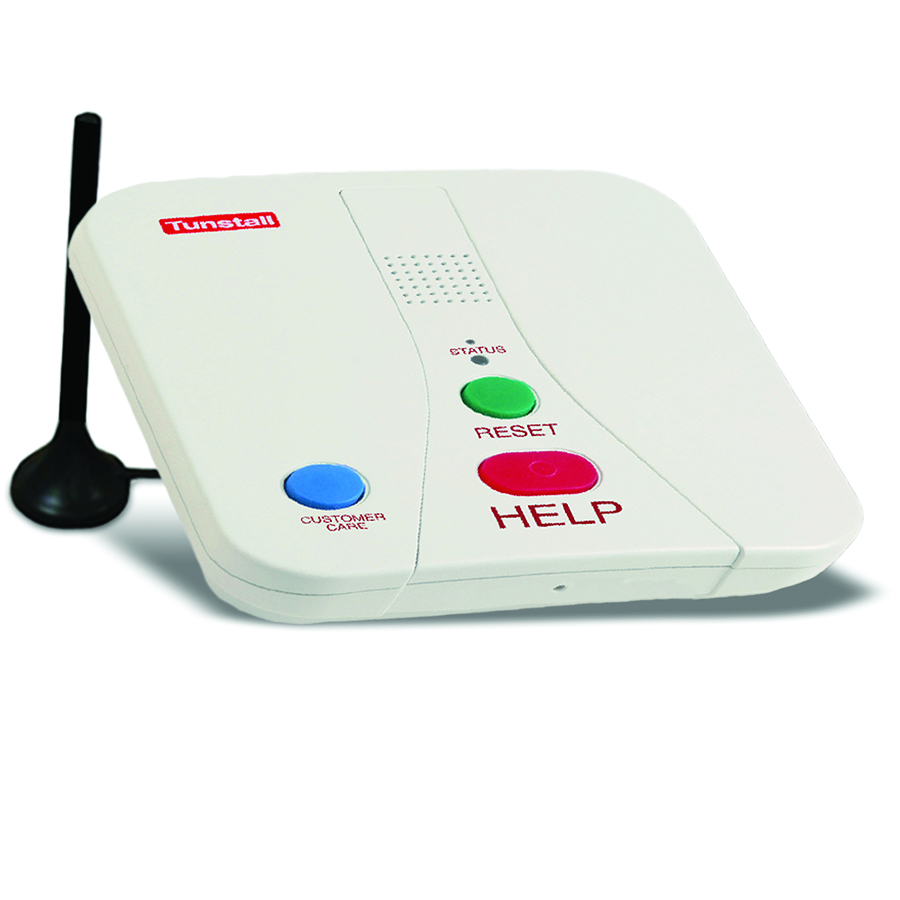
Every 13 seconds, an older adult is seen in an emergency department for a fall-related injury. Lower-body weakness, difficulties with walking and balance, and vision problems can make a person more likely to fall. Other causes include home hazards and clutter.
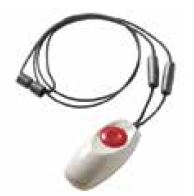
Having a medical alert system can reduce a person’s risk of not being able to receive timely treatment, by obtaining immediate medical assistance in the event of a fall or emergency. Another benefit is that they can also enable kūpuna and anyone with long-term healthcare needs to live independently in their home and community for as long as possible. Not to mention giving peace of mind to other family members!
What to look for in a medical alert system
A comprehensive range of sensors that monitor home environments unobtrusively for high-risk events, out-of-pattern activities and emergencies.
Connection to trained professional operators, available 24/7/365 via in-home or mobile tech-nology devices, to help people during emergencies and crisis situations.
A trusted company that partners with healthcare institutions and government agencies to identify and assist those in need of services.
Every 13 seconds, an older adult is seen in an emergency department for a fall-related injury. Lower-body weakness, difficulties with walking and balance, and vision problems can make a person more likely to fall. Other causes include home hazards and clutter. Having a medical alert system can reduce a person’s risk of not being able…
One of the challenges for caregivers of those with Alzheimer’s and other forms of dementia is finding ways to engage their loved one or patient in tasks that strengthen the ability to recall who people are and what their relationship with them is.
Dr. Warren Wong
Dr. Warren Wong, a local geriatrician with decades of experience working with such patients, took on that challenge and has developed a free iPad app to fill that need: MemorC.
How does MemorC work?
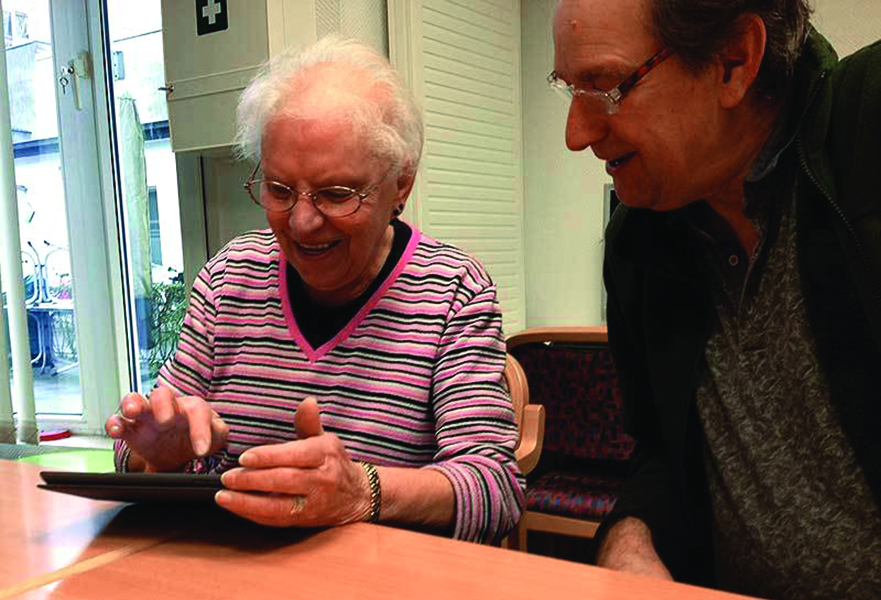
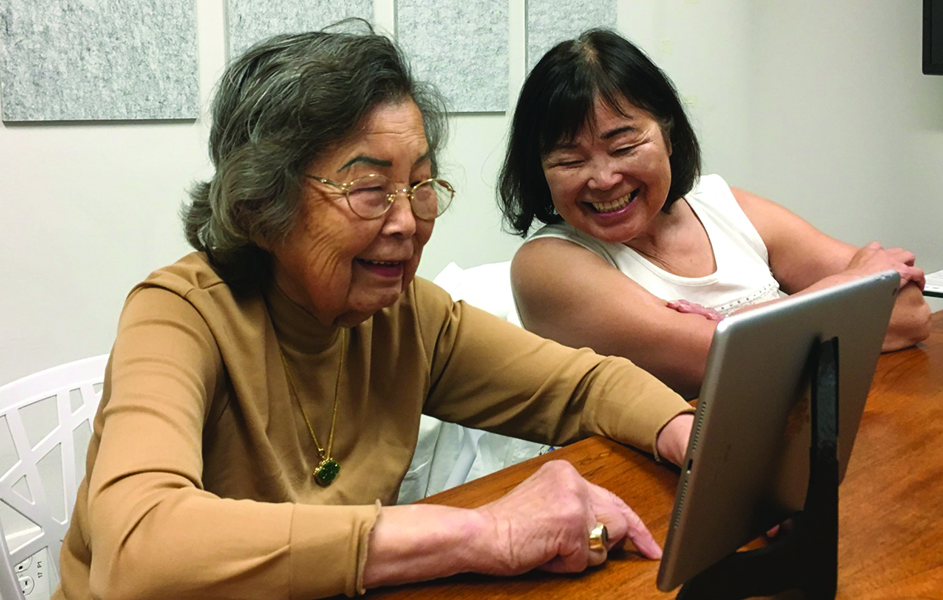
A family member, friend or caregiver downloads the app. This person is called the “administrator.” The administrator uses the app to provide some basic information and a photo of the person with memory problems. The administrator also provides some information and photos of loved ones.
The person with memory problems then plays with the app, picking out pictures of loved ones from an assortment of photos of people. They are also asked to name them and identify how they are related. Another part of the app, Suzanne Chat, asks them some questions which can be answered with any response, creating a conversation. The purpose of Suzanne Chat is to engage the user, asking ques-tions and reinforcing identity and emotions.
Android and iPhone apps are still in the future, but if you have an iPad and an Apple account, you can search for MemorC in the Apple Store or download it directly from the webpage below, where you can also learn more (using any computer) about its purpose and how it works.
One of the challenges for caregivers of those with Alzheimer’s and other forms of dementia is finding ways to engage their loved one or patient in tasks that strengthen the ability to recall who people are and what their relationship with them is. Dr. Warren Wong, a local geriatrician with decades of experience working with…
The only state veterans home in Hawai‘i, Yukio Okutsu State Veterans Home, celebrated its 10th anniversary of serving veterans from across our nation in 2018.
From celebrating our seniors’ accomplishments to bringing the community to our residents, we know the importance of ‘ohana. We hold several events throughout the year to help bring the community together, including our popular car shows, farmers markets and bake sales, as well as activities for holidays throughout the year.
Located in Hilo, Yukio Okutsu serves all veterans, regardless of the location of your service or if your unit was not in Hawai‘i. We have a passion to serve our veterans to the best of our abilities every single day, and our comprehensive senior care services include 24-hour skilled nursing, adult day health care, a pharmacy, rehabilitation therapy, hospice services and more.
L-R: Franklin Baptiste, Buddy Kamehaiku, Iwao Nagata, Masao Kuniyoshi
The only state veterans home in Hawai‘i, Yukio Okutsu State Veterans Home, celebrated its 10th anniversary of serving veterans from across our nation in 2018. From celebrating our seniors’ accomplishments to bringing the community to our residents, we know the importance of ‘ohana.