Category: Editorial

  • Aloha & Mahalo

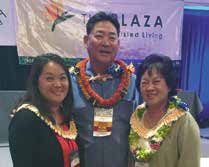
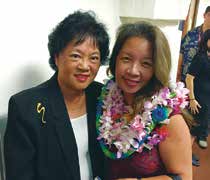
    Those who know retired Sen. Susie Chun Oakland are well aware of her passion for Hawai‘i’s ku¯ puna. As an original co-founder of the Ku¯ puna Caucus in early 2016, she served as lead facilitator of caucus meetings held at the State Capitol on the first Friday of every month. Participants in the caucus include legislators, and groups and individuals who are concerned about protecting Hawai‘i’s ku¯ puna.

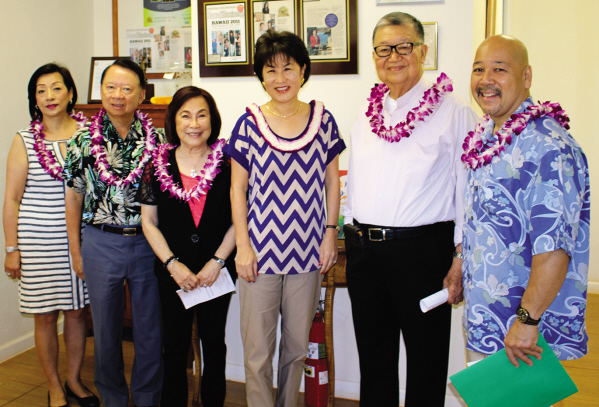
    Susie was honored after the Jan. 6 Ku¯ puna Caucus meeting. The room was packed with many well-wishers from government agencies and nonprofits, as well as individuals who appreciate her many years of service.

    “She has always been and will always be remembered for her compassion and commitment to those that she gets engaged with,” said Gov. Ige, as he presented her with a commendation.

    img-18In Susie’s 22 years chairing the House or Senate Human Services Committee, she accomplished much—acquiring funding for the Ku¯ puna Care Program, the Aging & Disability Resource Center, senior centers and higher care payments for adult residential care homes; establishing the Joint Legislative Committee on Aging in Place that conducted needs assessments for family caregivers and the Long-Term Care Commission that identified long-term care policy goals and needed reforms; and protecting seniors through the adult protective services law, increasing penalties for financial abuse, requiring reports by financial institutions and requiring criminal background checks for services provided to vulnerable seniors.


    img-19

    Those who know retired Sen. Susie Chun Oakland are well aware of her passion for Hawai‘i’s ku¯ puna. As an original co-founder of the Ku¯ puna Caucus in early 2016, she served as lead facilitator of caucus meetings held at the State Capitol on the first Friday of every month. Participants in the caucus include…

  • Yay for Online Religion!

    Sometimes as people age, their routines limit their physical ability to attend worship services. This is a significant transition in life for those who have formed their religious practice and social connections at a particular place. The look and sound of one’s house of worship, and the rituals and people encountered in that spiritual setting shape an individual in deep and healing ways.

    As caregivers, or as we contemplate our own limitations, we may have to admit that it is time to forego regular attendance at worship services. Acoustics can play havoc with hearing aids. Walkways and stairs can be difficult to maneuver with a walker or with diminished eyesight. Real life sometimes encumbers us with incontinence, or the need to wait until medication “kicks in.”

    Here are some tips regarding how to keep your spiritual life perking if you can no longer get to your house of worship.

    First, don’t just disappear!

    Talk to your spiritual leader or a staff member and let them know about your situation. Perhaps there are ways the church or temple will be able to assist. Some offer transportation, others might arrange a way to share the weekly message or bulletin through visits, or through the mail or email.

    online-religionCreate a small space in your home for an altar or worship center. Include symbols from your tradition. Add a piece of wisdom to ponder and perhaps a flameless candle. If you have visitors, ask them to bring you a little something from nature.

    You might not think of worship on the internet, but it’s there and going strong! You can find everything from images for meditation, live-stream worship services and sacred texts.

    If you don’t feel confident that you can find what you need online, make a date with a friend or family member and ask them to help you set up an easy way for you to navigate to favorite spots.


    WINDWARD UNITED CHURCH OF CHRIST
    38 Kaneohe Bay Drive, Kailua HI 96734
    Rev. Jayne Ryan Kuroiwa
    808-254-3802 | windwardpastor@hawaii.rr.com
    www.windwarducc.org

    Sometimes as people age, their routines limit their physical ability to attend worship services. This is a significant transition in life for those who have formed their religious practice and social connections at a particular place. The look and sound of one’s house of worship, and the rituals and people encountered in that spiritual setting…

  • Long-Term Care: Where is it Heading?

    The future of long-term care in Hawai‘i has long been the focus of my attention. The problems facing us and suggested reforms were carefully assessed by the Hawai‘i Long-Term Care Commission five years ago.

    The 2012 “Long-Term Care Reform in Hawai‘i” report gives a good overview of what we all face:

    “The long-term care system in Hawai‘i is broken. Long-term care is expensive and beyond the financial reach of most people. Medicare and private health insurance do not cover long-term care, and few people have private long-term care insurance. As a result, if they need extensive long-term care, they must pay out of pocket…
    “Most importantly, the aging of the population guarantees that there will be a much greater need for long-term care in the future than there is now. Between 2007 and 2030, the population aged 85 and older, which has the greatest need for longterm care, will increase by almost two-thirds. There is no way to provide services for this population without additional sources.”

    — sourced from the “Long-Term Care Reform in Hawaii,” Report of the Hawaii Long-Term Care Commission, Final Report, Jan. 18, 2012.

    This month, we bring together Barbara Kim Stanton from AARP, Terri Byers from the Executive Office of Aging for Hawai‘i and myself to discuss the enormous issues facing our elders.

    First, what are the most pressing issues facing our senior community today?

    Stanton: Hawai‘i’s biggest challenges are the unmet needs in healthcare and financial security for our rapidly growing ku¯ puna population. Soon, one out of every four Hawai‘i residents will be over age 60.

    People overwhelmingly tell us that they want to live independently in their own home or in the setting of their choice for as long as possible. But without an adequate caregiver support system, accessible, affordable and quality healthcare, and the means to pay for necessities while on a fixed income, it is difficult for ku¯ puna to enjoy the retirement they aspire to and deserve.

    We must also protect and strengthen Medicare and Social Security and ensure that the parts of the Affordable Care Act that help those aged 50 and older are preserved.

    Byers: Perhaps No. 1 is demographics — the fact that we are living longer. Aging adults face financial insecurity — housing, healthcare and prescription drugs, social security, employment — loneliness and loss of independence.

    • In advanced age, financial resources may run out if income is inadequate.
    • Health deteriorates as we age, which raises costs and leads to loss of independence.

    Many of our ku¯ puna live below the poverty line. We know that poverty does not affect senior men and women equally. Women are more likely than men to face poverty as they age. Women may have worked at lower-earning jobs. They may have been absent from the labor market due to childbirth and caregiving, or had jobs that were less likely to have employer-sponsored retirement plans. Couple the lower level of retirement savings and benefits with the fact that women outlive men by five to 10 years. Divorced, widowed and never-married women are especially at risk for poverty. We see particularly high poverty rates in people of color, those in rural areas, as well as lesbian, gay, bisexual and transgender older adults.

    There’s another hidden cost to long-term care as working adults who provide intensive caregiving are forced to retire early, work part-time or quit their job to become a caregiver.

    In the big picture, a very pressing issue is our Inadequate supply of clinicians and paraprofessionals who are trained to meet the demands of the aging baby boomer population.

    Ihara: As publisher of Generations Magazine, I am in the community every day and have access to a lot of information. I speak to seniors daily and they tell me the most pressing issues are the demands of caregiving. Families today are quietly taking care of their loved ones from three to four hours, up to 12 to 18 hours a day and still working full time jobs. So it’s the baby boomers who are providing most long-term care and most of them are mature women caring for their parents or spouse. This critical caregiving may continue for several years or more and all families have to plan for the financial and logistical pressures of caregiving. Rosalind Carter is quoted as saying, “There are only four kinds of people in the world — those who have been caregivers, those who are caregivers, those who will be caregivers and those who will need caregivers.”

    “ … without an adequate caregiver support system, it is difficult for kuˉ puna to enjoy the retirement they aspire to and deserve.”
    — Barbara Stanton, AARP

    What caregiver resources are available out there now for families?

    Stanton: In Hawai‘i, each county has an Aging and Disability Resource Center (ADRC). There is one toll-free number to get in contact with your county office. It’s 643-ADRC (2372). AARP also offers educational articles and information to help caregivers at www.aarp.org.

    If someone you care for is hospitalized, a new law that AARP Hawaii helped get passed — Hawaii’s CARE Act — requires hospitals to give caregivers instructions on how to take care of the patient when he or she is discharged. When a patient is admitted, he or she can designate a family caregiver, who must be notified before they are discharged or transferred to another facility.

    Byers: Family caregivers are the core of our longterm care system. November was National Family Caregivers Month and this year’s theme was especially poignant: “Take Care to Give Care.” The golden rule of taking care of others is to take care of yourself first. Family caregivers must be encouraged and supported to ensure they are taking care of themselves, physically, emotionally and spiritually. ADRC provides help for caregivers.

    Options for caregivers can range from informal supports to formal public and private services and supports. In Hawai‘i, family and close friends provide the majority of long-term care. Many people receive care at home from a combination of family, friends, volunteers and paid caregivers. However, some family caregivers may become excessively stretched to the point of burnout or may not have the necessary nursing skills required to care for a family member. When they are unable to provide care, you can count on local community- based programs through your local ADRC, which can assist families by helping them look at various options based on their needs.

    Ihara: ADRC helps families navigate the many caregiving options available; however, a new caregiver may not know what resources they will need or when to ask agencies for help. My first suggestion is to attend caregiver support meetings offered by the Alzheimer’s Association (www. alz.org), The Caregiver Foundation of America (www.thecaregiverfoundation.org). I also recommend The Senior Handbook available at America Savings Bank and ADRC (www.ADRC.org). Our magazine has many caregiving articles and resources listed in each printed issue and past issues at our website, www.Generations808.com.

    What can families do today to assist their parents as they age?

    Stanton: Families need to talk and plan before there is a health crisis. Don’t wait until a fall, accident or bad news from a doctor. Other family members need to know about a loved one’s values and preferences, finances and wishes for care. Putting together a family caregiving plan early can avoid fights and guessing what a loved one wants.

    For tips on how to start a conversation and a checklist for your caregiving plan check out the AARP “Prepare to Care” planning guide aarp.org.

    Byers: Another strategy is to encourage active and healthy aging, which can improve the physical and mental health of older adults, improve quality of life and maximize independence. Some of the most important behaviors to encourage are: physical activity, a healthy diet, proper hydration, chronic disease self-management and cessation of tobacco/substance abuse.

    “ Family caregivers must be encouraged and supported to ensure they are taking care of themselves, physically, emotionally and spiritually.”
    — Terri Byers, Executive Office on Aging

    Ihara: My best advice to anyone taking care of a loved now is to seek out services immediately. The unfortunate truth is that most chronic health issues progress and get worse. Whether it’s Alzheimer’s disease, a stroke, arthritis or cancer, the family needs to get together with their loved one and plan for long-term care, aging in place, financial burdens and end-of-life options. Planning avoids surprises and problems later on.

    How much does a long-term care facility cost?

    Stanton: The high cost of long-term care is out of reach for the vast majority of Hawai‘i residents. The median annual care-cost in a nursing home in 2016 was $141,310 for a private room and $129,575 in a semi-private room. Who can afford this?

    Further, Medicare does not cover the cost of long-term care beyond 100 days and Medicaid‘s low income eligibility is not easy to qualify for.

    What can people do to personally to prepare for long-term care?

    Byers: My husband and I anticipated being caregivers for my parents so our family home was built to be completely ADA compliant, with widened doorways, safety features and easy-to-operate faucets, door handles, etc. We also purchased long-term care insurance to offset the cost of daily care. If people think they may need a long-term care policy, they should not wait too long to buy one. Premiums and qualifications are steeper the older you get. In Hawai‘i, only 12 percent of our population has long-term care insurance.

    How big of a problem is long-term care really going to be?

    Ihara: As publisher and editor of Generations, I have access to a wealth of information. I am always researching aging issues and looking down the road. For many years, I have mentioned my discovery over 10 years ago that the affects of long-term care in Hawai‘i and the mainland will grow to a national crisis. Financing care and the impact of caregiving on families will be one of the major problems we will face in this century. We all know someone taking care of a loved one right now. That person may be us. Tomorrow, we may be the person requiring care and losing our independence. Everyone must personally own this issue and plan ahead for long-term care. Do not expect our government to provide care because as we see now, there are limits to what government can provide today.

    The future is often what we make it. Knowing that problems may come up in the future is not a reason to worry, but a motivation to take action. Making a plan with our families and our loved ones is the first step. Later, when illness or frailty catch up with our loved one or us, we will be comforted by knowing what comes next, who to call on and how to proceed. In this case, living well means preparing for the future so we can Live Healthy, Live Life and Live Well!



    no-imageBARBARA KIM STANTON, AARP Hawaii State Director, overseeing the operations of this advocacy organization for the elderly that has over 150,000 members in Hawai’i. Her experience in executive and fiscal management, government and community relations, and strategic planning and community building — especially in diverse populations — include recovery and reopening of the island of Kaua’i after Hurricane Iniki, a revitalization of Waiki¯ki¯, and development of the Hawai’i Convention Center. She has served Hawai’i and City governments in many cabinet-level positions.

    no-imageTERRI BYERS, Director of the Executive Office on Aging (EOA) for the State of Hawai’i was vice president of the Healthcare Association of Hawai’i, a nonprofit organization representing Hawaii’s healthcare providers including acute care hospitals, long term care facilities, and home care agencies and hospices. and previously served in various capacities in the State Department of Health, State Department of Health including the Maternal and Child Health Branch, Office of Health Care Assurance, Office of Rural Health, and Planning Office. She was caregiver for her late mom.

    The future of long-term care in Hawai‘i has long been the focus of my attention. The problems facing us and suggested reforms were carefully assessed by the Hawai‘i Long-Term Care Commission five years ago. The 2012 “Long-Term Care Reform in Hawai‘i” report gives a good overview of what we all face: “The long-term care system…

  • A Triple Force for Hawai‘i’s Seniors

    a-triple-force-for-hawaiis-seniors-1
    Cynthia, Percy and Sherry

    There are many organizations that serve Hawai‘i’s seniors and their families, but maybe none like the Hawaii Pacific Gerontological Society (HPGS). This nonprofit organization was founded in 1979 to improve the quality of life of Hawai‘i’s older adults by promoting the understanding of the aging process, supportive services, and legislation that helps people age with dignity and grace. Its goal is to enhance the general well-being of older individuals by fostering public understanding and continuing education in the field of gerontology.

    HPGS also brings together people concerned and interested in the challenges, issues and problems of older adults as realized in a changing society. The organization advocates on behalf of older people, while stimulating interest in gerontological research and services, thereby encouraging professional preparation for gerontological research and services.

    All that said, HPGS held an excellent conference in September for its members and those in the gerontological field. The biennial conference included speakers from Hawai‘i, the mainland and Japan, who discussed diverse topics — from improving the well-being of individuals to promoting private-public partnerships.

    Please join us at www.hpgs.org.


    Stories for and about seniors, events and other topics are always worth sharing, including 100th birthday announcements. Contact Sherry at:
    808-722-8487 | SGoyaLLC@aol.com

    There are many organizations that serve Hawai‘i’s seniors and their families, but maybe none like the Hawaii Pacific Gerontological Society (HPGS). This nonprofit organization was founded in 1979 to improve the quality of life of Hawai‘i’s older adults by promoting the understanding of the aging process, supportive services, and legislation that helps people age with…

  • Sharing Values

    sharingvalues1
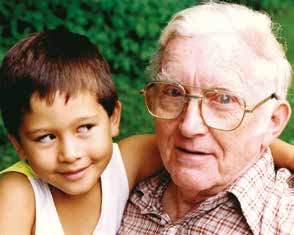
    Rev. Jayne Ryan Kuroiwa’s son, Jesse Kuroiwa, and her father, Jack Ryan, know that children love good stories. Put your tales of family tradition and faith in easy-to-understand language to bring them alive. Photo: Cheryl Ryan.

    The lyrics of the Crosby, Stills and Nash song Teach Your Children advise parents and children to share their differing dreams and forgive one another because we are unable to grasp what the other goes through. Each verse ends, “just look at them and sigh and know they love you.”

    Those who study religion in America have coined the term “The Nones” for the rising percentage of younger adults, who, when surveyed about their religious preference, marked the box labelled “None.”

    They don’t identify with the Christian or Buddhist, Native Spirituality or Jewish choices of their heritage. They simply check “None.”

    That’s not a surprise, is it? Many communities of faith are increasingly looking like gathering places for faithful, grey-haired elders. And so we sigh when we traditional people of faith look to the future viability of our houses of worship.

    Sometimes the chasm between generations looks too broad to cross, especially in this new millennium, where technology and shifting social norms exacerbate our differences. But we can all do more than just sigh about the youngsters in our families and our communities.

    It’s up to you to share your values and spiritual practices with younger generations. Speak up about your ethical choices, the beliefs you hold dear and the meaning behind the practices of your faith.

    Think of this not as a way to “push” your opinions on others, but as a way of sharing your personal life story.

    Trust that your children and grandchildren want to know what experiences shaped you and how you make sense of this life.

    Invite them to join you. They might not want to attend a formal worship service, but you might just make a simple suggestion. “A group from my temple is preparing food for the homeless. Would you like to go with me and see what that’s like?” “I pray before meals. Will you sit quietly while I offer thanks for our food?”

    The invitation and a brief sentence or two about how the practice deepens your faith will help them see the full dimensions of your life.

    Sometimes children or grandchildren have no religious experience until they attend a wedding or funeral. If that’s the case in your family, tip them off about what to expect. What rituals might be hard for them to understand? Give them some insider information.

    “This is how we cross ourselves. This is why. I’ll show you how and when to do it.” “Each family will have a chance to come forward and offer prayers and incense. This is why we do it.”

    Children love good stories, so share the tales of your traditions. Put them in easy-to-understand language and bring alive the heroes of your faith.

    Best of all, listen to children as they tell you about their lives. Connecting with their struggles and choices will open the door for you to share any wisdom you have gained.

    Let your faith journey shore up theirs with words of hope and perseverance… “and know they love you.”


    WINDWARD UNITED CHURCH OF CHRIST
    38 Kaneohe Bay Drive, Kailua HI 96734

    Rev. Jayne Ryan Kuroiwa
    808-254-3802 | windwardpastor@hawaii.rr.com
    www.windwarducc.org

    The lyrics of the Crosby, Stills and Nash song Teach Your Children advise parents and children to share their differing dreams and forgive one another because we are unable to grasp what the other goes through. Each verse ends, “just look at them and sigh and know they love you.” Those who study religion in…

  • Memories Still Flow

    Generations Magazine - MemoriesStillFlow_image1
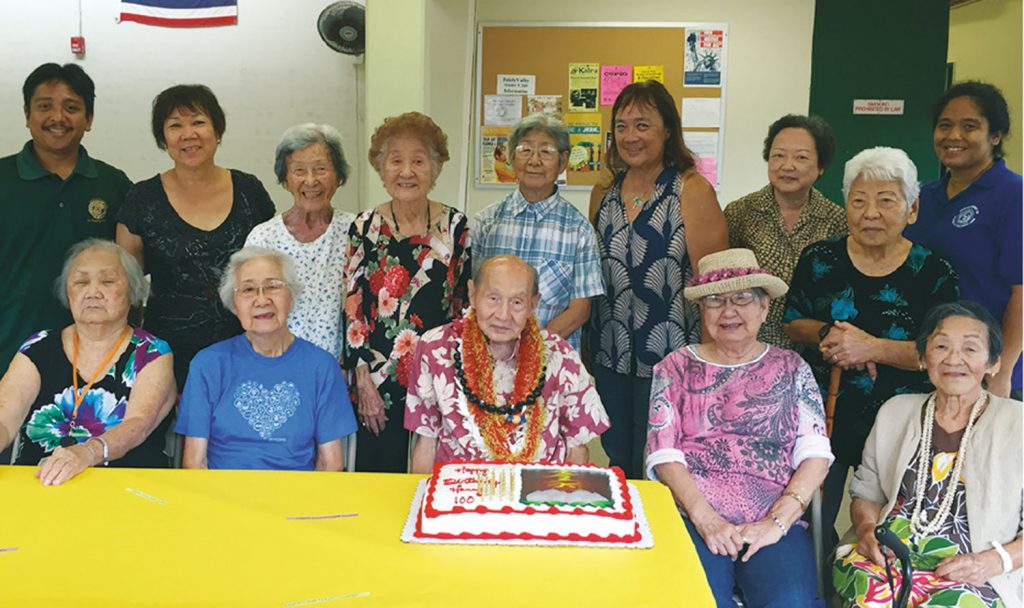
    Harry Hoo celebrates at the Pālolo Senior Club.


    Harry Hoo (he says, pronounced “who”) has a very strong lineage of family members living long and healthy lives. His mother passed away at 98, but his brother still lives in Hong Kong at 101. In celebration of Harry’s 100th birthday, the Pa¯lolo Senior Club had a party at its Tuesday meeting, with Chinese food and birthday cake, courtesy of his family.

    Harry tells me that his grandparents came to Hawai‘i to work on the plantations. His father was born in Hawai‘i, but went to China to find a wife and start a family. Harry was born March 6, 1916, and after high school, he came to Hawai‘i and attended night school. Although he doesn’t remember when he started his many jobs, Harry told me he worked for the Army. After that, he joined the Navy at Pearl Harbor. Because he had a driver’s license, he was able to work in transportation department. After he married and had two children, he worked other jobs and retired in 1981 as a parking supervisor at The Queen’s Medical Center.

    As Harry tells me about his two children and two grandchildren, his memory astounds me. He remembers where they graduated from college, all the positions they have held and what they are doing today. He is very proud of his family and also appreciates the care he receives from his son-in-law.

    Memories Still Flow by Sherry Goya from the June-May 2016 issue of Generations Magazine, Hawai‘i’s Resource for Life

  • Aging With Grace

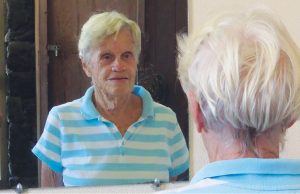
    Generations Magazine - AgingWithGrace_image1Sometimes when I glance at myself in the mirror, I can’t believe my eyes. Is that really me? I’ve just made 60 and it shows, but the mental picture I have of myself remains decades younger. One of the challenges of aging, it seems, is to let go of our vanity, which can be surprised by thinning hair or a slower gait. In a culture 
obsessed with youth, we are no longer young.
    Making peace with our physical appearance and declining abilities is all part of aging with grace. With that journey of acceptance comes a compensating opportunity — with age, we focus less on outward appearances and tend more to who we are on the inside.

    Those of us who are privileged to live a mature life know that there is a time to stop trying to turn heads or to climb to the top. We know life is more about how well we know ourselves than it is about how many people know us. This is a spiritual turning. Life moves us to consider the meaning of our mortality.

    How will you seek spiritual maturity — to know serenity, to express gratitude, to laugh, to notice beauty and mercy, to insist on justice, to persist, to lay the past to rest, to find forgiveness? I hope I’m writing those into my spiritual autobiography. What about you?

    The church where I am pastor, Windward United Church of Christ in Kailua, has started 
Aging with Grace, a new program initiative. It offers comfortable entry points for seniors and their families who want to learn about community aging resources or participate in leisure activities and volunteer groups. Aging with Grace programs explore the spiritual terrain of aging, asking questions and celebrating the challenges and blessings that face nā kūpuna.

    We lift up a simple prayer for spiritual maturity: “Teach us to number our days, that we may gain a heart of wisdom” (Psalm 90:12).

    I am going to print that out and place it on my mirror at home. I long to see the reflection of this wise woman’s heart.


    WINDWARD UNITED CHURCH OF CHRIST38 Kaneohe Bay Drive, Kailua, HI 96734
    Rev. Jayne Ryan Kuroiwa  |  808-254-3802  |  windwardpastor@hawaii.rr.com  |  www.windwarducc.org

    Aging With Grace by Rev. Jayne Ryan Kuroiwa from the June-May 2016 issue of Generations Magazine, Hawai‘i’s Resource for Life

  • The Honor Was Mine

    Generations Magazine - The Honor Was Mine - Image 01
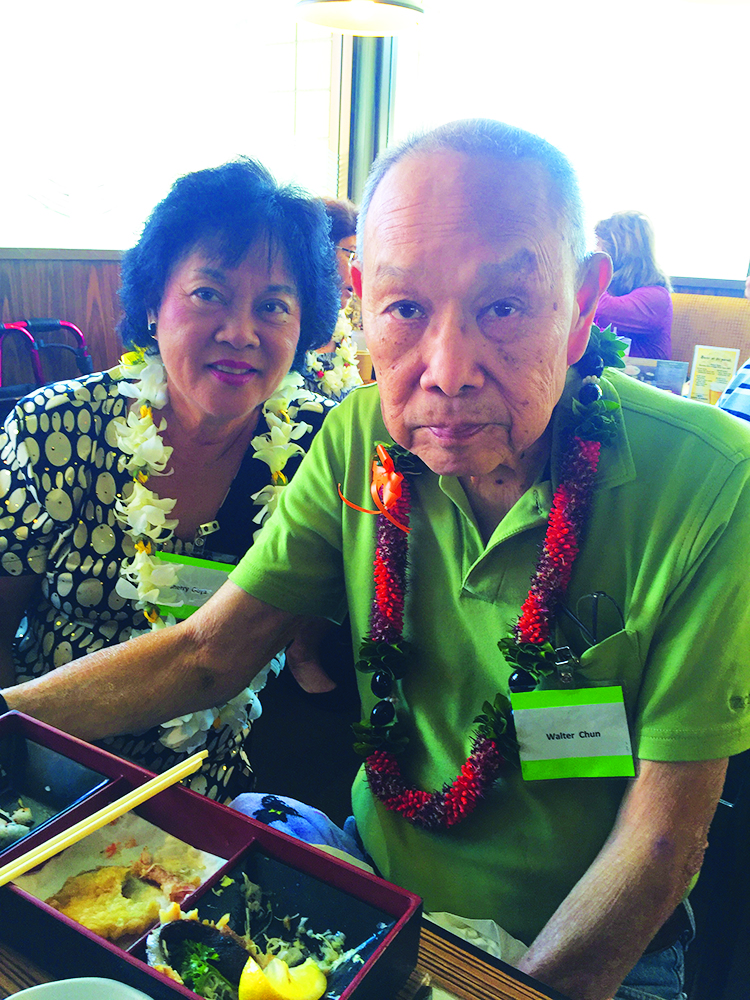
    Walter Chun with Sherry at the Emeritus Senior Club annual luncheon

    When I was invited to the Emeritus Senior Club’s Annual Luncheon in January as their special guest, I was the one who was honored to be there. How great is it to have a senior club that supports Emeritus College at the Honolulu Community College (HCC) where senior students are learning new skills.

    Generations Magazine® featured the college in the August/September 2015 issue because of HCC’s unique program that specializes in computer workshops for senior citizens. It offers many non credit courses to help seniors entering the technological era.

    Those who sat at my table for lunch said they have taken beginner, intermediate and advanced classes on various subjects like virus protection, browser security, producing video presentations and booking online travel reservations. Sitting next to me at lunch was Walter Chun, the founder of the Emeritus Senior Club (previously Senior Net). He turns 90 years old this month and has been living at Pohai Nani in Kaneohe for over a year.

    Walter retired as an administrator at the Honolulu Community College and volunteered as an instructor for many years. If you are 55 or older, whether retired or not, the Emeritus College offers discounts on workshops and an Open Computer Lab every Friday, where you can practice class assignments.

    Call 808-845-9296, check out their website at www.pcatt.org/emeritus or email honcet@hawaii.edu, for more information.


    Stories for and about seniors and their caregivers are always worth sharing, like a 100 birthday announcement. send them to me, Sherry Goya, with a photo. 808-722-8487 | SGoyaLLC@aol.com

    When I was invited to the Emeritus Senior Club’s Annual Luncheon in January as their special guest, I was the one who was honored to be there. How great is it to have a senior club that supports Emeritus College at the Honolulu Community College (HCC) where senior students are learning new skills. Generations Magazine® featured…

  • Our Contributors

    Generations Magazine calls upon Hawai‘i’s experts — from financial and legal advisors to
    health care professionals and noted chefs — to produce informative and meaningful resources
    for our local seniors and their families. We are grateful for their contributions.

    Generations Magazine -Our Contributors - Image 01MIGUEL GONZALEZ, President, Catalyst Factor Agency Public Relations, is a former newspaper
    reporter with the Los Angeles Times and Agence France-Presse (AFP) news agency
    in Paris. He is the founder of Catalyst Public Relations with offices in Los Angeles and
    Honolulu. Gonzalez also teaches Public Relations seminars designed to make PR services
    more available to small-business owners. He and his wife, Melanie, are the proud parents
    of Sebastien Omri, age 2.
    Generations Magazine -Our Contributors - Image 06SANTIAGO RIVERA, Chief Operating Officer, Interim Healthcare Honolulu, is an innovative
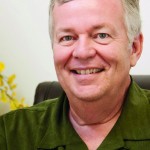
    senior executive with over 20 years of international experience in healthcare
    administration. His expertise supports the company’s continued growth and community
    commitment in O‘ahu. His goal is to grow Interim Healthcare Honolulu to meet the needs
    of a growing senior population while maintaining solid support for the highest quality in
    home care services and social integration.
    Generations Magazine -Our Contributors - Image 03JEFFREY SISEMOORE, JD is Director of Planned Giving and Major Gifts for the National
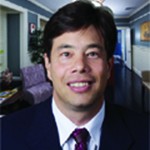
    Kidney Foundation of Hawai‘i (NKFH). Jeff brings a legal and financial background to
    NKFH and is devoted to helping people who wish to support the mission of NKFH by showing
    them how their charitable desires can be achieved while benefiting themselves and their
    families. Jeff is available for consultation at 589-5976. Register for a free eNewsletter and
    check out the wealth of information at www.kidneyhawaii.org.
    Generations Magazine -Our Contributors - Image 04STEPHEN B. YIM, JD, LLM is a sole practitioner tax attorney specializing in elder law and
    the areas of estate planning, and supplemental needs planning for families who have children
    with disabilities, charitable tax planning, estate and gift tax planning, estate administration,
    trusts and wills. He currently teaches M.B.A.and MAcc students at University of
    Hawaii and Hawaii Pacific University, and many public workshops, including Generations
    Magazine Aging in Place Workshop.
    Generations Magazine -Our Contributors - Image 05ALAN MATSUSHIMA, Enagic ™ Ionized Water Consultant, developed a keen interest in
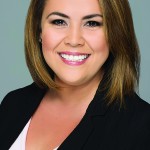
    naturopathic health began 40 years ago, as a food and beverage director and restaurant
    owner. In his second career as a mortgage broker, Realtor and insurance agent, Alan
    raised his family, helped his community and traveled the world. Today, in eight countries,
    he pursues his life theme: “Help as many people as you can,” educating and advocating
    for the health benefits of ionized water.
    Generations Magazine -Our Contributors - Image 02MAILE KAWAMURA, Executive Director of the Arthritis Foundation Hawai‘i, is responsible
    for planning, implementing, managing and evaluating of all events and programs of the
    organization. She brings together corporate partners, medical and community leaders and
    community volunteers to raise funds and awareness for the 120 different forms of arthritis
    and related diseases that affect over 236,000 individuals in Hawai‘i


    And a continuing mahalo to our ever-present contributing partners (in alphabetical order):
    PAMELA CUNNINGHAM | MARTHA KHLOPIN | SCOTT MAKUAKANE | JULIE MOON |
    ANNETTE PANG | EILEEN PHILLIPS | TERRY SHINTANI | JEFFREY SISEMORE | SCOTT SPALLINA |
    JANE YAMAMOTO-BURIGSAY | MICHAEL W. YEE | STEPHEN YIM

    Generations Magazine calls upon Hawai‘i’s experts — from financial and legal advisors to health care professionals and noted chefs — to produce informative and meaningful resources for our local seniors and their families. We are grateful for their contributions. MIGUEL GONZALEZ, President, Catalyst Factor Agency Public Relations, is a former newspaper reporter with the Los…

  • Message From The Editor

    Alzheimer’s disease and related dementias that affect us in our later years can be especially troubling. I believe we fear that dementia will squash our independence and make it impossible to multitask — an activity based heavily on recent memory.

    Maybe we fear that the future will not have a role for “elders.” In past generations, most elders lived with their children, and seniors could gracefully “slow down,” taking on smaller roles in managing the household. Expectations were reasonable. Elders were respected for their long-term memory and the wisdom it brings to current challenges.

    Despite our fears, dementia has the potential to touch every family and you may already be a patient or a care partner. We all need to know the latest information and what to plan for as we get older. As my tu¯ tu¯ says, “It is what it is.” We are fortunate to have three dedicated experts take the time to share their knowledge with us so we can put our fears aside and help our families, friends, neighbors and yes — ourselves — look at this disorder headon. Alzheimer’s has a face, and it is ours.

    Generations Magazine - February-March 2016 - Editors Note - image 01
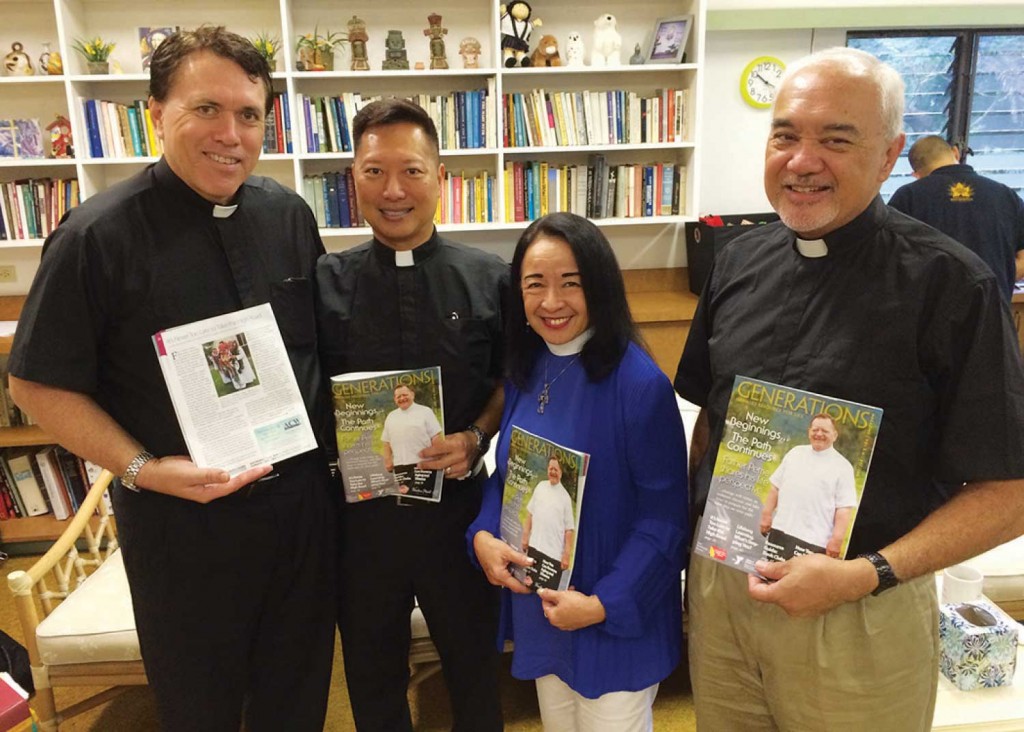
    Deacons Paul Lucas, Malcolm Keleawe, Mahi Beimes and John Tomoso of the Episcopal Diocese of Hawai‘i love Generations Magazine!

    Our December/January issue, with Father Bill Petri’s story and a tour of Kalaupapa had great reader reviews. We love to hear from you, so please post your comments at www.generations808.com, or email us a picture, like the new Episcopal Deacons did. News: America’s Health Rankings® Annual Report found that Hawai‘i ranks No.1 among all states in overall health. Our strengths are a low prevalence of obesity and very few preventable hospitalizations. We need to do better job immunizing our youth for tetanus, diphtheria and Whooping Cough (Tdap vaccine) and we have to clean up our act and reduce the incidence of Salmonella food poisoning. A third area of improvement is to reduce excessive consumption of alcohol.

    It’s very clear that health and wellness is something achieved by increasing awareness and activating the entire community to adopt healthy attitudes and habits. Generations Magazine is pleased to be a positive resource for living in Hawai‘i.


    Generations Magazine - Editors Note - Katherine Portrait

    Every Day is Brand New!
    Katherine Kama‘ema‘e Smith, Associate Editor

    Alzheimer’s disease and related dementias that affect us in our later years can be especially troubling. I believe we fear that dementia will squash our independence and make it impossible to multitask — an activity based heavily on recent memory. Maybe we fear that the future will not have a role for “elders.” In past…

  • Went Holoholo Around Town

    Two great events drew crowds to downtown Honolulu and Percy and I were happy we were able to get in on the fun.

    Generations Magazine -Went Holoholo Around Town - Image 01
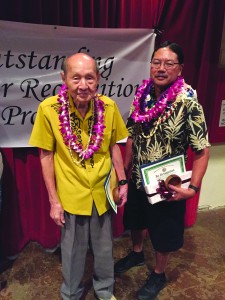
    Harry Ho, 99, of Pa¯lolo Seniors and Wendell Ogitani, 64, of Pearl City Seniors.

    Dec. 4th, the Department of Parks and Recreation’s annual “Outstanding Senior Recognition
    Program” is an event that Generations Magazine loves to attend. That’s where the outstanding seniors from their various programs throughout O‘ahu are introduced, as well as the District Council Executive Board. Everyone in attendance has a conscious appreciation of what the City & County, Department of Parks and Recreation senior program does for them. GM also receives recognition for their support of O‘ahu’s seniors.

    The City facilities are not just a place to meet on a regular basis, but they offer educational, entertaining and energizing programs, as well as excursions around the island. Many groups have weekly meetings with guest speakers and a board of directors. Their meetings bring the community together, provide a sense of belonging, and create opportunities to continue an active lifestyle.

    Generations Magazine -Went Holoholo Around Town - Image 03
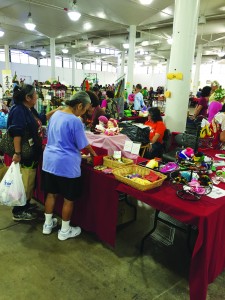
    Crafts and goodies abound at the county fair.

    Annual Mayor’s Craft and Country Fair

    2015 was the 41st year of the “Mayor’s Craft and Country Fair”. This annual event provides an opportunity for the Department of Parks and Recreation’s senior citizens clubs and partnering agencies to sell their handmade one-of-a-kind craft items, jams, jellies, cookies and pickled vegetables. The seniors are very talented, and the variety of creations was perfect for gift giving. Even Generations Magazine staff couldn’t resist buying beautiful yarn lei and pottery to give their partners at future events.

    Generations Magazine -Went Holoholo Around Town - Image 02
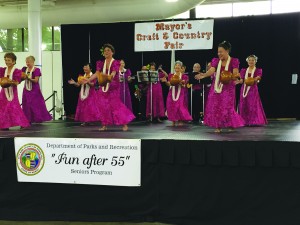
    Dancers from the Na¯ Ku¯puna o Ko‘olau

    Profits made from the handicrafts help to support the participating clubs with functions throughout the year. The fair also featured information from vendors of various senior services, entertainment, demonstrations, a cooking contest, as well as a health and fitness expo.

    For information regarding clubs and recreation activities for adults over 55 years old, please call the Makua Ali‘i Center at 808-973-7258.


    Stories for and about seniors and their caregivers are always worth sharing, like a 100 birthday announcement, send it to me, Sherry Goya, with a photo. 808-722-8487 | SGoyaLLC@aol.com

    Two great events drew crowds to downtown Honolulu and Percy and I were happy we were able to get in on the fun. Dec. 4th, the Department of Parks and Recreation’s annual “Outstanding Senior Recognition Program” is an event that Generations Magazine loves to attend. That’s where the outstanding seniors from their various programs throughout…

  • Where Aloha Begins

    Senior health and wellness fairs are held on all islands to promote education, entertainment, food and fun. It was my honor to be a VIP at the Helemano Plantation’s Moon Festival Country Fair in Wahiawa on Sept. 17. I met the founder, president and CEO, Susanna Cheung, learned about her background, and felt her passion to assist the community with a wellness center which sits on part of their 50-acre property.

    Where Aloha Begins
    Christina Chen, Dr. Ming Chen, Susanna F. Cheung, First Lady Dawn Amano-Ige, Ho-Ming Cheung and Councilman Ernie Martin.

    Hawai‘i’s First Lady Dawn Amano-Ige and Honolulu City Council chairman Ernie Martin talked about being impressed with the Susanna’s facilities, programs, staff, and volunteers. There was a variety of entertainment, with a private tour and special oxtail soup lunch in the well-known Country Inn Restaurant, plus the best pineapple pie I ever tasted.

    The Ho-Ming and Susanna Cheung Foundation were the event sponsors. I know it was their generosity that paid for the bento lunch and transportation for the Koolau Seniors to attend (I’m a little partial to them because I’m from Kaneohe), along with senior groups from Pearl City, Waipahu, and other areas of O‘ahu. All attendees enjoyed their day of celebration with Helemano Plantation.

    To learn more about Helemano Plantation’s senior educational classes and facilities, visit them at 64-1488 Kamehameha Hwy (next to Dole Plantation) or call 808-622-3929.


    Stories for and about seniors and their caregivers are always worth sharing, like a 100 birthday announcement, call Sherry at 808-722-8487.

    Senior health and wellness fairs are held on all islands to promote education, entertainment, food and fun. It was my honor to be a VIP at the Helemano Plantation’s Moon Festival Country Fair in Wahiawa on Sept. 17. I met the founder, president and CEO, Susanna Cheung, learned about her background, and felt her passion…