Family is a very important source of virtues and values. Our ancestors collected generational wisdom from their ancestors — surviving and thriving through famines, wars, migrations, dynasties and empires. Closely knit families can be a source of nurturing, support and protection for their members; family and cultural traditions support us through important life passages, and provide the framework for how we respond to challenges and opportunities.
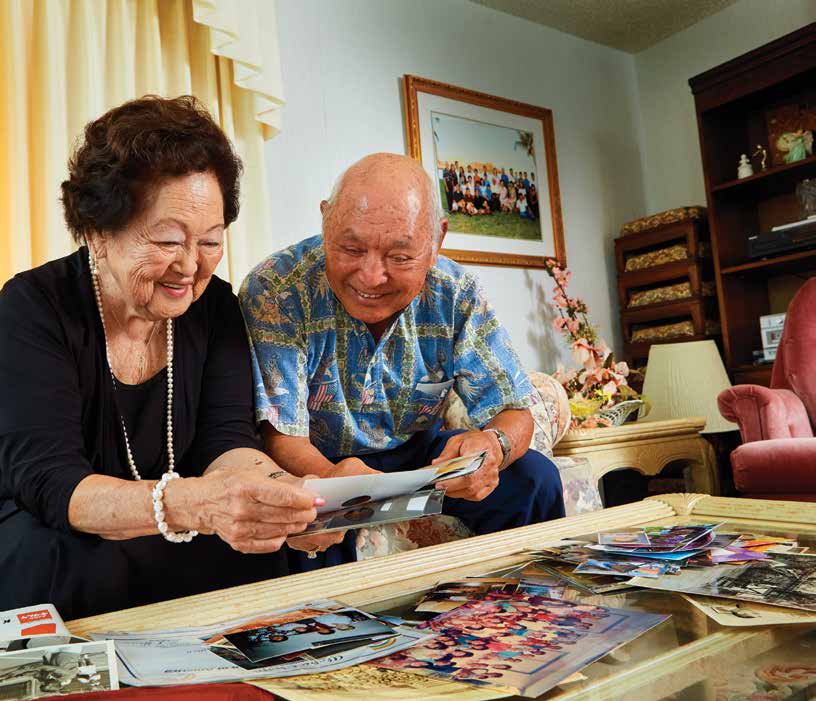
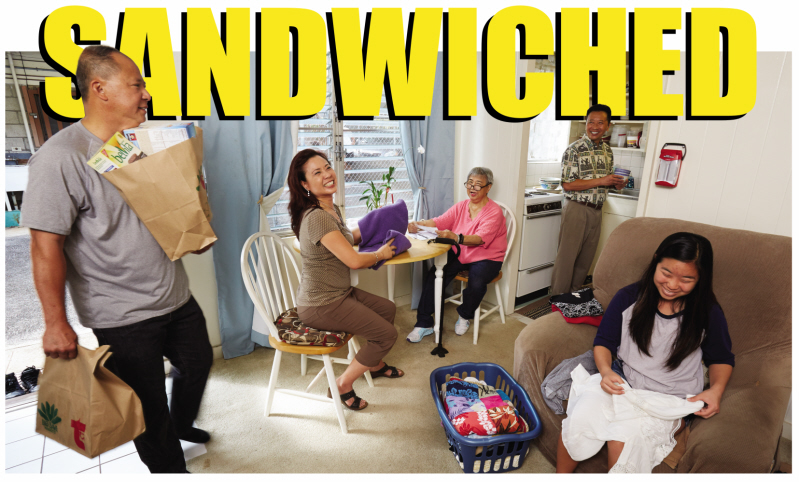
Like many Hawai‘i residents, husband and wife Les and Shirley Ihara of Kāne‘ohe came from Japanese immigrant families. Their families were able to manage through the Great Depression and provide them an education. After World War II, they began their own family, and Les’ Army career took them all over the United States and abroad. Now in their late 80s, they find themselves the patriarch and matriarch of a four-generation clan that practices togetherness. There are lessons for all of us in the Iharas’ simple recipe for a happy life: be patient, be tolerant, do what brings happiness and have fun wherever you are.
They graciously agreed to share their stories, and the values they learned from their parents that they felt were important to pass on. There are some lessons here for all of us.
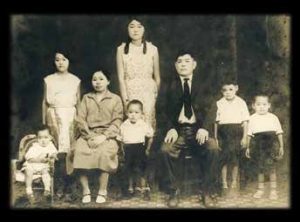
The Roots of Family Culture
Shirley Sonoda was born in Kahului, Maui, the youngest of six children. She grew up in an Hawaiian Commercial & Sugar Company (HC&S) plantation home in McGerrow Camp, Pu‘unēnē. Hard work was honorable and led families to success. Shirley’s father worked in husbandry at Waihe‘e,Pu‘unēnē and Haleakala Dairies, taking care of birthing cows and calves. Her mom worked in the dairy’s plant, washing the pint-sized glass milk bottles that were used at the time. Shirley describes a “wonderful,” childhood in an agricultural community surrounded by fresh fruits and vegetables and lots to do. “As the youngest, I was spoiled,” she said.
Family Support and Encouragement
Shirley favors her pretty mother. Shirley giggles. “My name is really Mitsue, but one day a lady said, ‘that child looks just like Shirley Temple,’ and from then on, I was always called Shirley. My oldest sister, Hilda, doted on me, and my brother, Kiyoshi, who was one up from me, was my protector and best friend,” said Shirley. She had a lot of boyfriends, but was encouraged to focus on her studies and go to college. During the summers before her junior and senior years at Baldwin High School, Shirley worked on the line at the Maui Pineapple Company cannery in Kahului.
Shirley’s parents both came from Kumamoto on the island of Kyushu in the southern part of Japan. Her father immigrated to Maui first. Wars with China were very hard on the Japanese people and Shirley’s maternal grandparents wanted her mom to have a better life, so they allowed her to become a “picture bride.”
Les is also Nisei (a first-generation American of Japanese descent) and ninth of 11 children. “I had a lot of attention and supervision from the older siblings, but we were all very supportive of one another,” said Les. “I think it is important to allow the kids to pursue what they really want to do and give them the encouragement they need.”
“I wanted the kids to be scouts like me, but they much preferred sports and didn’t continue in scouting,” said Les. “So, I supported them in sports and they all became good athletes — and our grandchildren are, too. Percy was bigger than the other boys and excelled in baseball. My daughter, Sherry, and her daughters, Cynthia and Cathlene, coach tennis for St Andrew’s Priory and Sacred Hearts Academy. All our kids are good swimmers and the grandchildren are into many different team sports. In Japanese, we encourage one another with this expression: gaman. It means to stick with it or hang in there. So I tell our grandchildren to pick what feels comfortable for you — what you like to do — and then do your best to stick with it.”
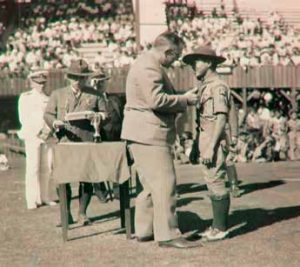
Family History of Enterprise
About 10 years ago, Les discovered some interesting background about his father’s family. In 1898, his father and paternal uncle came to Hilo from Yamaguchi-ken on the main island of Honshu. His dad came to build railroad bridges and tunnels for the cane trains between Hilo and Honoka‘a. His uncle was a labor negotiator, procuring contracted workers from Japan. The brothers’ last name was Tomishima.
It was the turn of the century and the end of the first Sino-Japanese War when China signed the treaty of Simonoseki, and ceded both Taiwan and Penghu to Japan. In the occupation, Japan sent educators to teach the Japanese language and culture to the people on these islands. On Jan. 1, 1900, the Taiwanese resistance killed eight Japanese educators; one of whom was the only son of the Ihara family. “Without an heir, the family decided to adopt my father,” said Les.
Les’ maternal grandmother was a merchant who came to Hawai‘i in the 1930s and ran the Shigeta Store in Hilo, which later became the Ihara Store. This general merchandise store was famous for penny “ice cakes,” a type of Popsicle. Strawberry was the most popular flavor, but Les loved the azuki bean ice cake. When Les got his driver’s license at age 15, he became the store’s delivery person, hauling groceries and charcoal to customers’ homes. Right across the store on Kīlauea Avenue was the Hilo Hongwanji Mission.
Formative Training
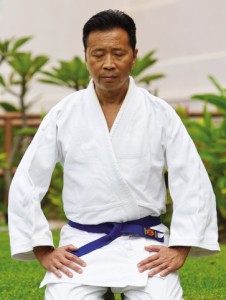
“Church and language school at the hongwanji were very important to my parents and to me,” said Les. “I learned Japanese language, martial arts and discipline. I also became very interested in scouting and achieved Eagle Scout before my last year of high school.” Les even considered a career in scouting administration, but social workers were in demand after the end of WWII, so he studied psychology and social work at University of Hawai‘i at Mānoa. “Scouts’ honor and honesty have always ruled my life and I tried to pass on these virtues,” he said.
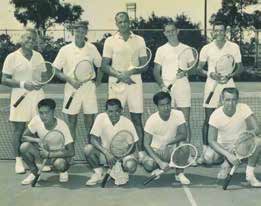 Les also loved tennis. “In high school, I would collect stray tennis balls from around the court and when I found old racquets in the rubbish bins, I would repair them — that’s how I started playing tennis.” He taught himself by reading tennis books and putting conceptual techniques into practice. Discipline learned at Hongwanji paid off and Les won the Hawai‘i Island championship in 1945.
Later, he would join the All Army Tennis Team in the ’60s and win the Armed Forces Senior Singles and Doubles Championship in 1980, in addition to numerous others trophies. He still plays three days a week and says tennis keeps him healthy, mentally and physically. He aims to play as long as he can.
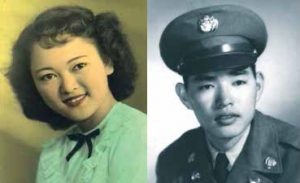
Respect for Education
All Japanese-Americans share a deep respect for education. The Issei (Japanese immigrants) assimilated American culture but insisted that their children attend both public school and also Japanese school. Les and Shirley were also encouraged by their families to pursue higher degrees — older siblings paid tuition for the younger ones. They sent their boys to Mid-Pacific Institute for high school and paid college tuition for all six kids. This high value placed on education has been extended to the grandchildren, too. The tradition created four independent business owners, one professional educator and one state Senator.
Love and Marriage
At the same time Les was at UH, Shirley was attending business college in Honolulu and living in a beach hut where the Hilton Hawaiian Village now stands. She was studying hard, babysitting part-time at Queen’s Surf Hotel and doing bookkeeping for the Niumalu Hotel Restaurant. Handsome Les Ihara happened to be bussing tables at Niumalu and fell for beautiful, upbeat Shirley.
“She agreed to go to a dance with me — that was great,” reminisced Les. “Shirley is all the things I am not. She is outgoing, thrifty and laughs a lot. I am very appreciative and still love to be around her. My goal is to spoil her and make her happy.”
They could hardly wait to be married, but Les’ family would not allow it until he graduated and had a job. He received his degree on June 14, 1950, and landed a job in Hilo as a social worker a few months later. On Shirley’s birthday, they were married in the Niumalu Hotel garden on the afternoon of Sept. 4, 1950. That night, Les and Shirley flew to Hilo and the next day, Les began his first job.
The Korean War started a week after Les graduated from college. Les got a few months deferment, but in early 1951, he was drafted and took basic training at Schofield Barracks on O‘ahu and later at Fort Ord, California. After basic training, he had a choice to finish advanced basic training and go to Korea as an infantryman, or to enroll in Officer Candidate School (OCS). Of course, he chose OCS at Fort Bliss in El Paso, Texas. Shirley, who was carrying their first child, stayed with her oldest sister on O‘ahu and joined him later.
Be Patient; Be Tolerant
Les was commissioned a second lieutenant in May 1952 and was assigned to Camp Roberts near San Miguel, California, where an all-Caucasian National Guard outfit from Alabama was in active duty training for the Korean War. He was the only non-white officer in the entire battalion but he said he didn’t feel any discrimination. In late 1953, the Army was ordered to integrate. Les was then a platoon leader and when black soldiers joined the unit, he experienced, firsthand, the effects of discrimination. At that time, soldiers carried half a field tent in their backpacks. At night, two men piched their tents together. “I could not believe that all those guys were trying to bed down
 in half-tents. I ordered them to put the tents together, but the order was never carried out and I knew my superiors would never back me up.” Nevertheless, Les stood by his values of tolerance and kindness. “One time in college, a gang of tough guys sucker punched me. I got away, ran to the Coke machine and broke an empty bottle to make a weapon to defend myself. They decided not to beat me up, and I will never forget that feeling of being outnumbered. I teach my kids to be tolerant and kind to everyone.”
Look at Change as Adventure
Career Army families get bounced around among duty assignments. The term “Army brat” comes from Army children who were traumatized by moving around from place to place. Psychologists found that the parents’ attitude about change determined if the children were hurt by the moves or grew up well-adjusted. This is where Shirley’s “Pollyanna” view of life, seeing the good in people, places and events, was a distinct advantage. Instead of saying, “Oh no!— not another move,” Shirley would respond, “Korea? Great! I want to see the world!” Her children learned to love adventure and look for fun in new undertakings.
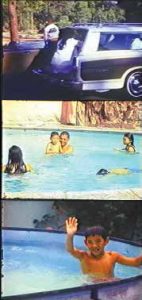
In following years, the growing Ihara family moved wherever the Army needed Les: Hawai‘i, Germany, Kansas, Virginia, California and Korea. Shirley recalled, “I was one of the wives who moved and followed my husband to most of his duty stations. The only place I did not go was Vietnam. For me, it was exciting to see new places and meet new people. When the kids were small, it was no problem moving them from one school to another. Every new place was an adventure. In Germany, Percy was born and he stayed with a nanny while we took the older children on trips to the Benelux countries and Switzerland. Sometimes we would leave all the children at home and get away for a weekend by ourselves. It was a great life.”
Percy recalls long cross-country trips to Virginia in the family’s Country Squire Station Wagon. The children passed the long hours playing cards — Paiute (Hawaiian Knock Poker) was a favorite. “After my dad clocked 500 miles, we began looking for a motel with vacancies, a pool and a kitchenette. After checking out a few, we would all vote on where to stay. In those days, if a motel had a color TV, it might win our vote.” Family democracy is a way of teaching children the power of the vote, how to debate your point of view, and how to accept the group’s authority, if you don’t win. This is a powerful form of mutual support.
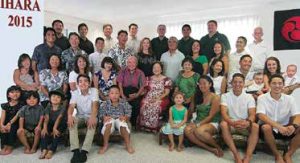
Shirley’s zest for life resonates in younger generations of Iharas. They all love to travel. Annual family vacations bring 30 to 40 members of the Ihara clan together, and Les and Shirley pay for everything. “We would not be able to afford the vacations for our family if they didn’t take us to Canada, Washington and almost every Hawaiian Island over the past 20 years,” said oldest daughter Sherry. This love for the unknown and ability to find fun in new situations plays out in many ways. One is managing risk and return, the hallmark of entrepreneurs. Converting adversity into blessing has become an Ihara family “trait.”
Social Responsibility
Being the spouse of a commissioned officer living on an Army base challenged Shirley with new family and social responsibilities. She learned to be an extraordinary hostess. On the spur of the moment, she needed to be prepared to graciously accompany Les to formal functions at the officers’ club. She said with a smile that a nice set of pearls “will turn any dress into proper dinner attire — I learned that from other Army wives.” She also fondly remembers a major’s wife who taught her to play bridge. “That was nearly 60 years ago. She invited me to join other ladies for lunch and bridge.” She added, “They said I was a fun person and I certainly enjoyed the game. Les and I still play once a week.”
Helping one another translates to community, too. Before Les retired as a colonel, he helped a lot of younger soldiers learn the ropes of military command. Shirley volunteered extensively with the American Red Cross. These expressions of altruism were not lost on their children — they and their families are civil servants, volunteers, educators and community business people. All Ihara family members devote themselves to community service by volunteering for nonprofits, churches and community athletics. Now their grandchildren volunteer, too.
Enjoy Life With Your Family — Stay Connected
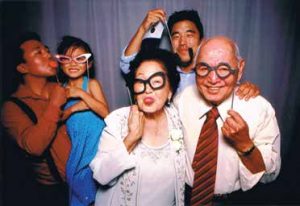
Shirley is definitely fun to be around. “Les has learned to be a good laugher,” she said. “It is so easy to become grumpy; it’s very important to laugh every single day and enjoy life.”
I think the Iharas mastered something that some families might take for granted. It is mutual respect and support. Family members stay connected even though they are busy, because you can’t really be supportive if you don’t know what challenges your family is facing. Once a month, Shirley and Les and all the four generations get together for a meal. There’s opportunity for real connection when they go on an extended vacation together.
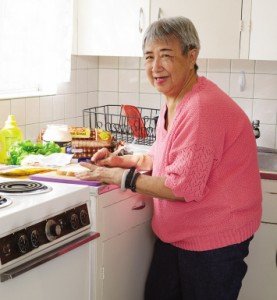
Les and Shirley have a life of their own, too — Las Vegas every other month and a cruise once a year. Shirley is thankful that she could focus on her family because she never had to take a job. She also quips that she is not ready to “retire” from her family responsibilities: cooking fabulous meals and keeping track of all 14 grandchildren.
In the close and supportive Ihara family, these are the values that Shirley and Les learned from their parents and grandparents: be honest, work hard, go after what you want and stick with it. They maintain family togetherness by committing themselves to enjoying life by keeping a tolerant and upbeat attitude, by supporting other family members in what they want to do and by spending time helping others in their community.
In November, Les and Shirley were doting on a new Ihara great-grandchild in Washington State. Their six children are passing down Ihara family traditions to 14 grandchildren and a fourth generation of nine great-grandchildren. These are wonderful lessons for all families, and to Les and Shirley we say, “Thank you.” To us they say, “Gaman!”
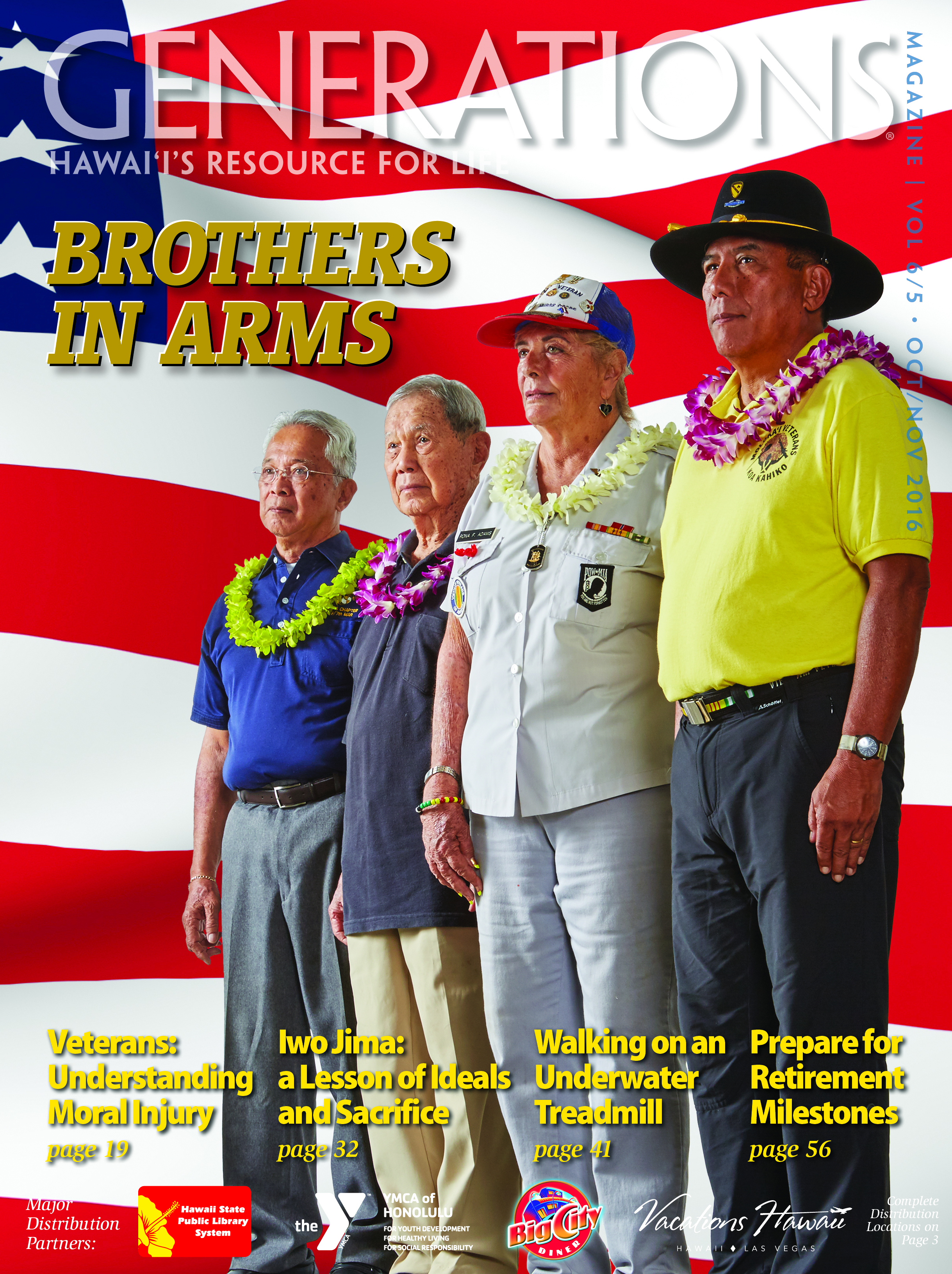
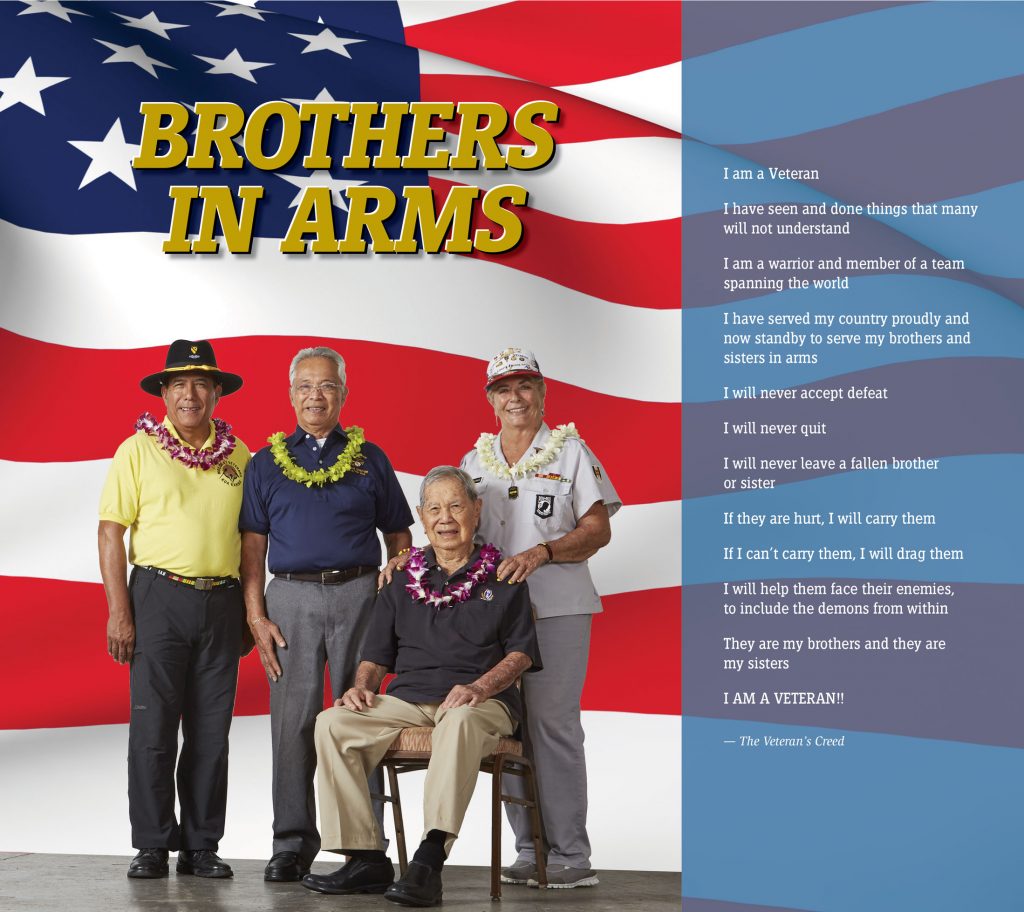
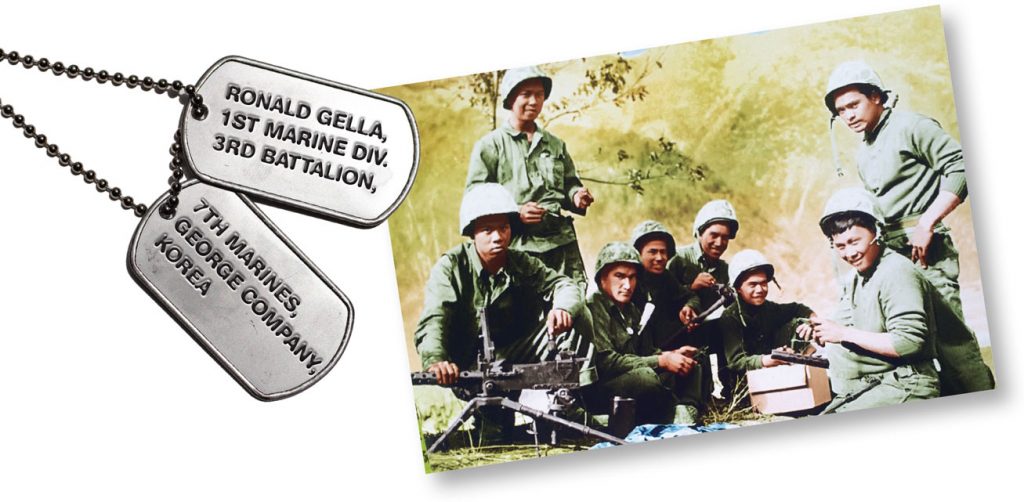
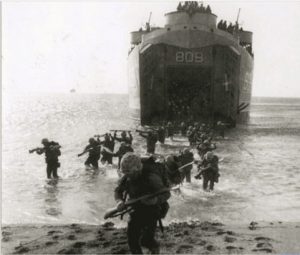 The Chinese Communist Forces (CCF) had issued an ultimatum to United Nations Supreme Cmdr. Douglas MacArthur that any movement north of the 38th parallel would be met with force. He did not take the threat seriously and on Sept. 15, 1950, the 1st Division Marines were part of a surprise amphibious landing of U.N. forces at the western port of Incheon, just 25 miles west of Seoul. Gen. MacArthur planned the invasion because U.N. allied troops were locked in by communist forces in the eastern Pusan Perimeter. A ruse made the communists believe an attack would come 105 miles south at Kunsan, so only a few enemy units showed up to defend the muddy flats of Incheon. U.N. forces immediately crossed the 38th parallel and headed north to take back the western half of Korea from the communists. Gella’s company landed last, on Sept. 16, and began a bloody fight inland to take Seoul. Gen. Edward Almond declared the city liberated on Sept. 25.
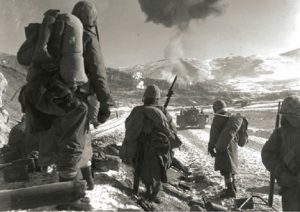 Like many combat veterans, Ron does not talk about the details of his combat service. “I prefer to keep it to myself,” he said. “It ended up all right; for that I am grateful.”
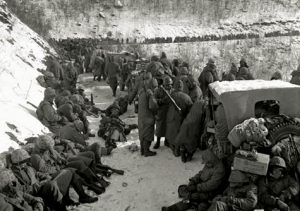 Ron and the other surviving Marines were ordered to withdraw back down the narrow trail to Hungnam. Besides their disadvantaged position in the tight valley, Marines struggled in clothing and gear that was not sufficient for 30-degree-below-zero temperatures. Casualties were so great that there was no room in hospital tents; blood plasma froze and medications in syringes had to be warmed in the medic’s mouth in order to stay liquid. Many soldiers suffered severe frostbite injuries. At one point on the trail, U.S. Army Engineers built a temporary bridge between two peaks, and after the entire force crossed, blew it up — a bold move that provided a jump on the pursuing CCF. Under the most adverse weather conditions, U.S. fliers helped by suppying some air cover.
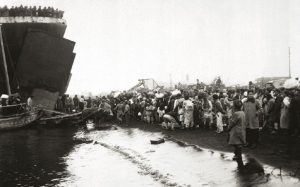 Click by click, the battered U.S. troops pulled together every ounce of reserve and miraculously fought their way back to Hungnam harbor. They sustained more casualties than any other Marine battle but Iwo Jima, and transported out all their dead and wounded with them.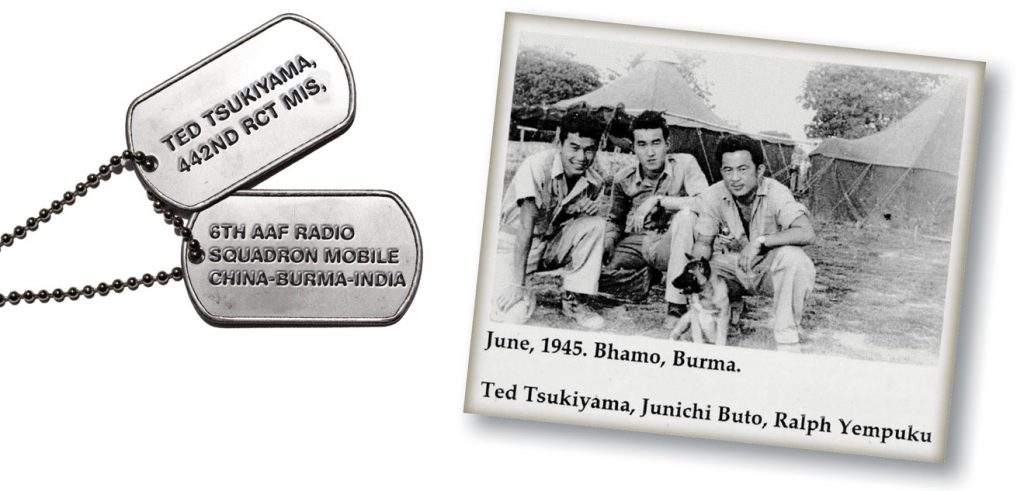
 Not all of the 14,000 Nisei of the 100th Infantry Battalion and 442nd Regimental Combat Team (RCT) served in Italy and France during WWII. Over 6,000 were in Military Intelligence Service in many theaters.
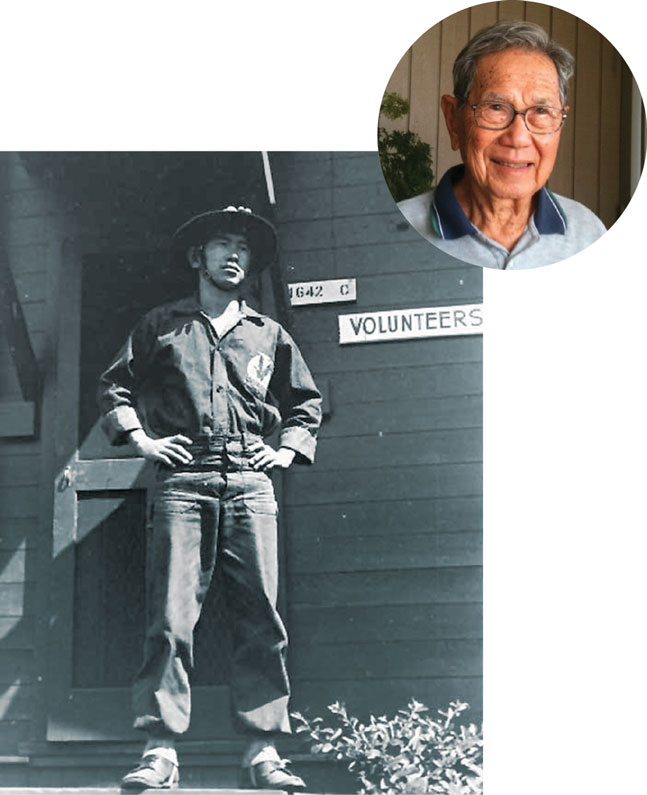 In 1942, Japanese-American ROTC students at University of Hawai‘i boldly declared their loyalty to the “Stars and Stripes” and petitioned UH to form the Varsity Victory Volunteers (VVV). Once assembled, this labor battalion assisted the 34th Army Engineers to construct military installations and fences. They also installed barbed wire defenses and worked in quarries.
 The first MISLS was at the Presidio, but in 1941, anti-Japanese sentiment was so rife
in California that the War Department moved the school to Fort Snelling, near St. Paul and Minneapolis, Minnesota, where the students would be safer. From 1942 to 1945, over 6,000 students — mostly Nisei — trained as translators, interpreters and code crackers to assist allied troops in the Pacific theater. “I spoke Japanese but had to learn heigo military language for my job, intercepting and translating into English all the Japanese Air Force pilots’ radio communications in the China-Burma-India air space.”
The first MISLS was at the Presidio, but in 1941, anti-Japanese sentiment was so rife
in California that the War Department moved the school to Fort Snelling, near St. Paul and Minneapolis, Minnesota, where the students would be safer. From 1942 to 1945, over 6,000 students — mostly Nisei — trained as translators, interpreters and code crackers to assist allied troops in the Pacific theater. “I spoke Japanese but had to learn heigo military language for my job, intercepting and translating into English all the Japanese Air Force pilots’ radio communications in the China-Burma-India air space.”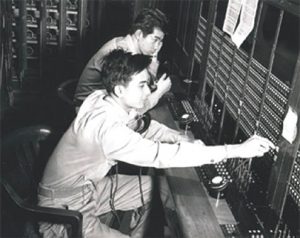 Force Radio Squadron Mobile Unit in the China-Burma-India Theater,” said Ted. “We were a ‘Special Interception Unit,’ supporting the 10th Air Force and the British forces who were taking back Burma [now Myanmar]. We were eavesdroppers. The Japanese occupied nearly all of Southeast Asia and there was a lot of chatter on the airwaves. They had no idea we were listening. My job was to transcribe, translate and report all communications, and report them to U.S. Intelligence HQ. We had 150 Nisei from the 442nd intercepting, translating, interrogating prisoners and even broadcasting messages into enemy territories. We had to be careful not to be mistaken for the enemy; buddying up with a haole soldier was a wise move.”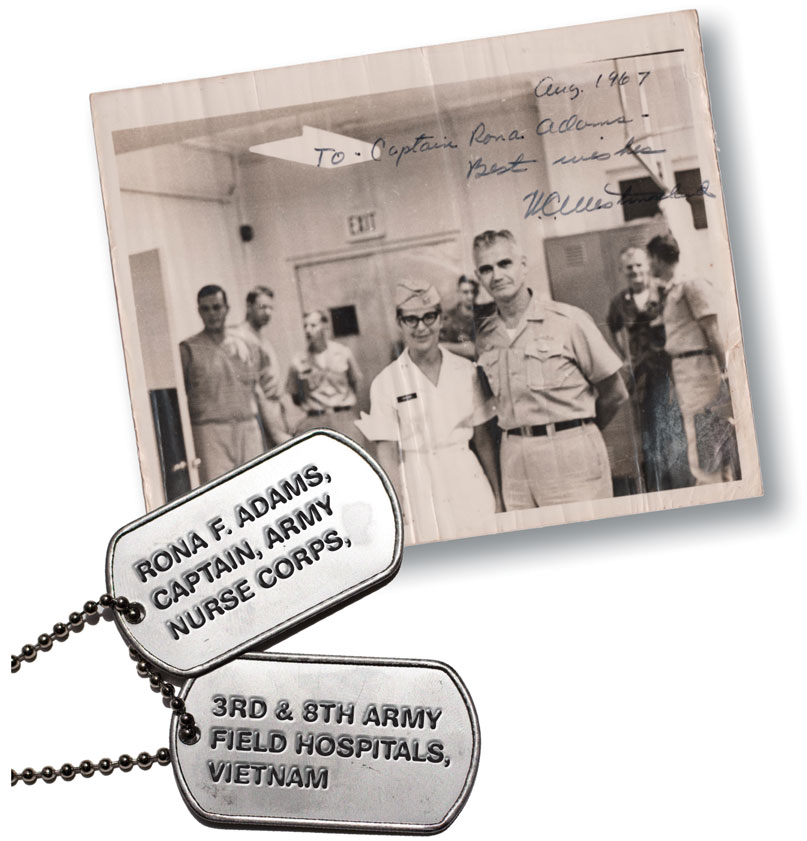
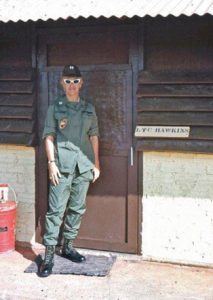 At Saigon’s airport, I sat on my footlocker and waited. An older Navy officer came by, looked at my nametag and asked, “Is anyone coming to pick you up, Capt. Adams?” “I don’t think so, sir,” I replied. “Do you know where you are headed?”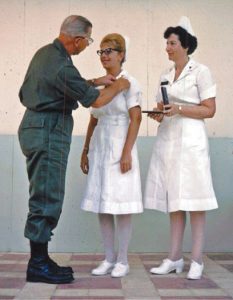
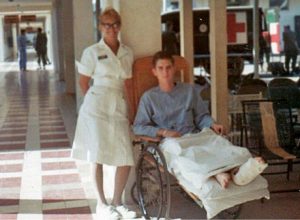 Our hospital was right in the city of Saigon. Military Police were our first line of defense, and fortunately, we never came under attack. During the Tet Offensive, we had 200 casualties arrive in the first 10 to 12 hours. I was the head nurse of the emergency room, and I don’t know how we got through it.
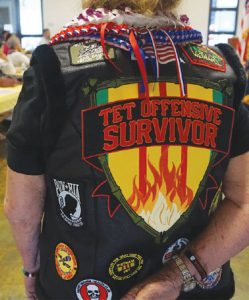 I left the Army after two tours and returned home, but nobody asked me about my war experience. Posttraumatic stress disorder (PTSD) was not even a recognized diagnosis then. Even if it was, doctors or nurses with a mental disorder could never find work. I didn’t know any other veterans, so I never talked about Vietnam.
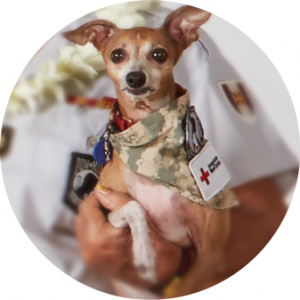 I belong to Jewish War Veterans out of respect for my father, the Veterans of Foreign Wars, and I am also the president of O‘ahu Chapter 858 of the Vietnam Veterans of America (VVA), the only chapter in Hawai‘i.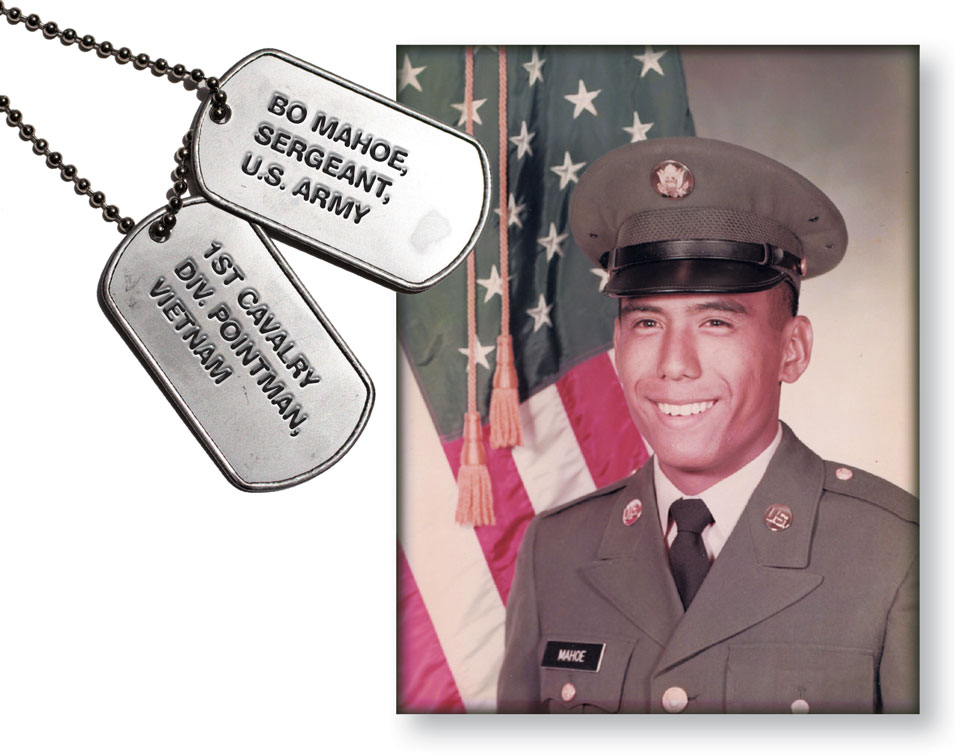
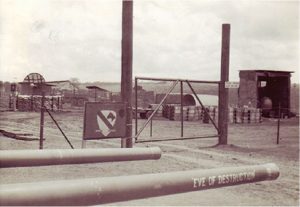 “Our training in California was almost six months long; we landed in Vietnam Feb. 1,” said Bo. “For us island soldiers, it was pretty cold.” In Vietnam, Bo and his brothers in arms faced a war very different war from WWII. The former French-Indonesian Republic of Vietnam had been fighting against the Viet Cong communists in the north for two decades. Civilians in North and South Vietnam survived by complying with both sides, creating a complicated web of stealth, intrigue and deception that often seemed impenetrable. Taking ground was a measure of victory in previous wars, but not in Vietnam. Sometimes the troops wondered why they fought for ground only to give it up the next day.
 “Growing up in the diversity of Hawai‘i made adjusting to the military much easier to handle,” said Bo. “The Vietnam jungle, although more humid than home, offered the same terrain, vegetation and a familiar botanical garden most island kids grew up in. We were the only ones who recognized the edible plants.”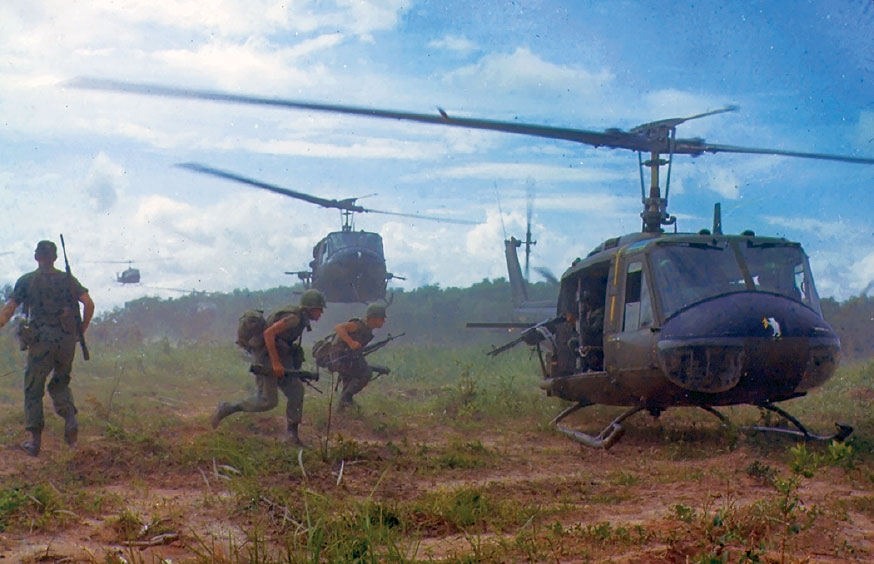


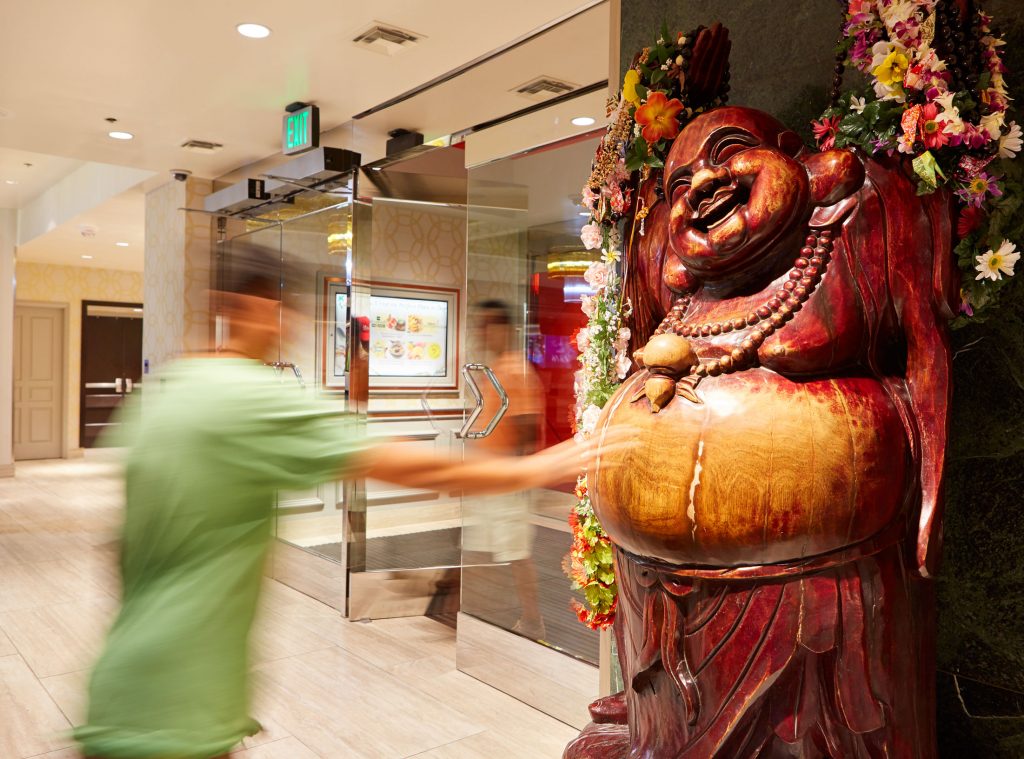
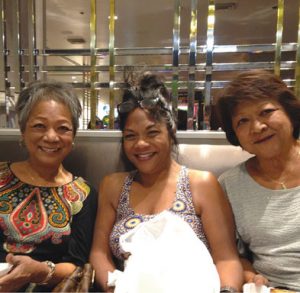 Glory Connolley, Sanya Fujiwara and Lorraine Teixeira were sitting in the lobby, waiting to go back home to O‘ahu. That’s a curious thing about this place. Folks are smiling
on their way in and on their way out. They were having a wonderful time and loved the clean, bright new décor.
Glory Connolley, Sanya Fujiwara and Lorraine Teixeira were sitting in the lobby, waiting to go back home to O‘ahu. That’s a curious thing about this place. Folks are smiling
on their way in and on their way out. They were having a wonderful time and loved the clean, bright new décor.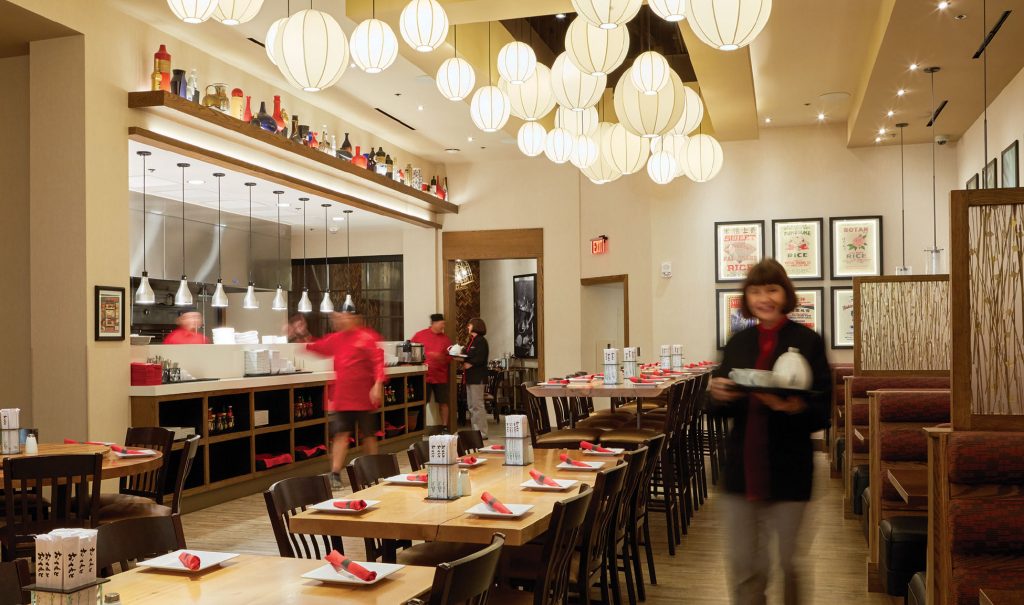
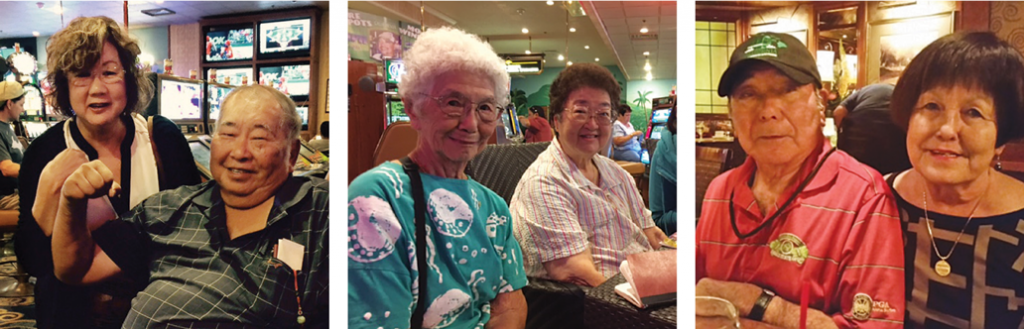

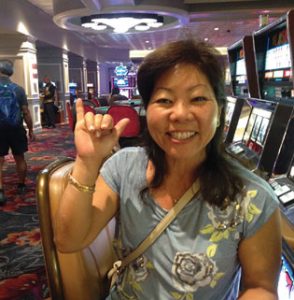 Lisa from Honolulu gives The Cal a thumbs up. “We love the new look! It’s clean and fresh — a very comfortable vibe. Food and staff are just awesome and make your stay heavenly.”

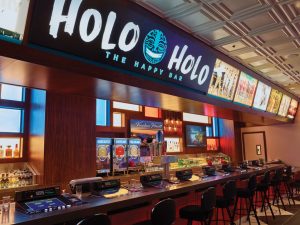 West Tower hotel rooms and Aloha hospitality suites will be refurbished later this fall, 2016 — in the same quiet way, without disturbing the stay, play and dining of The Cal’s honored guests.
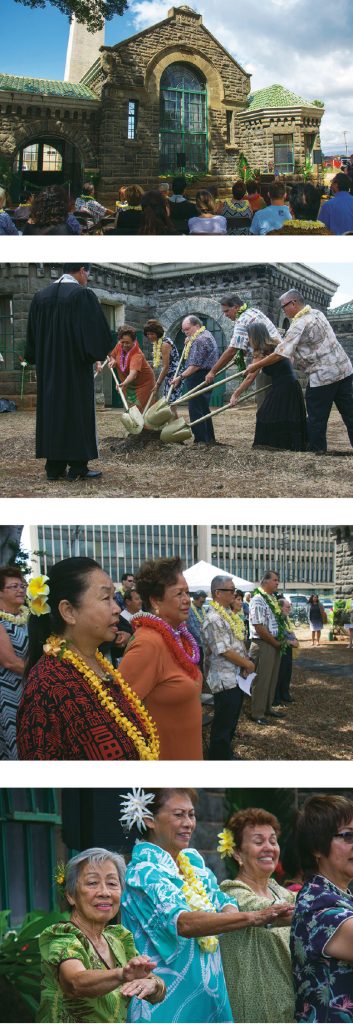

 We Play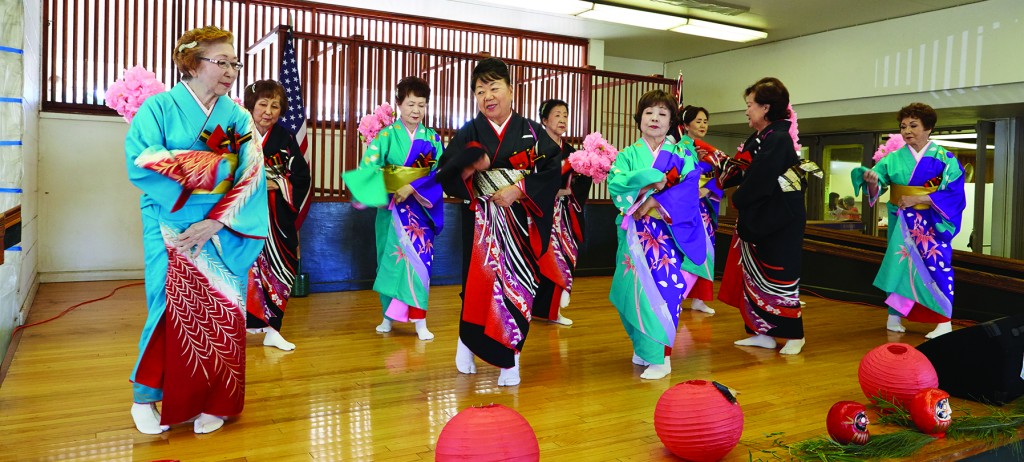
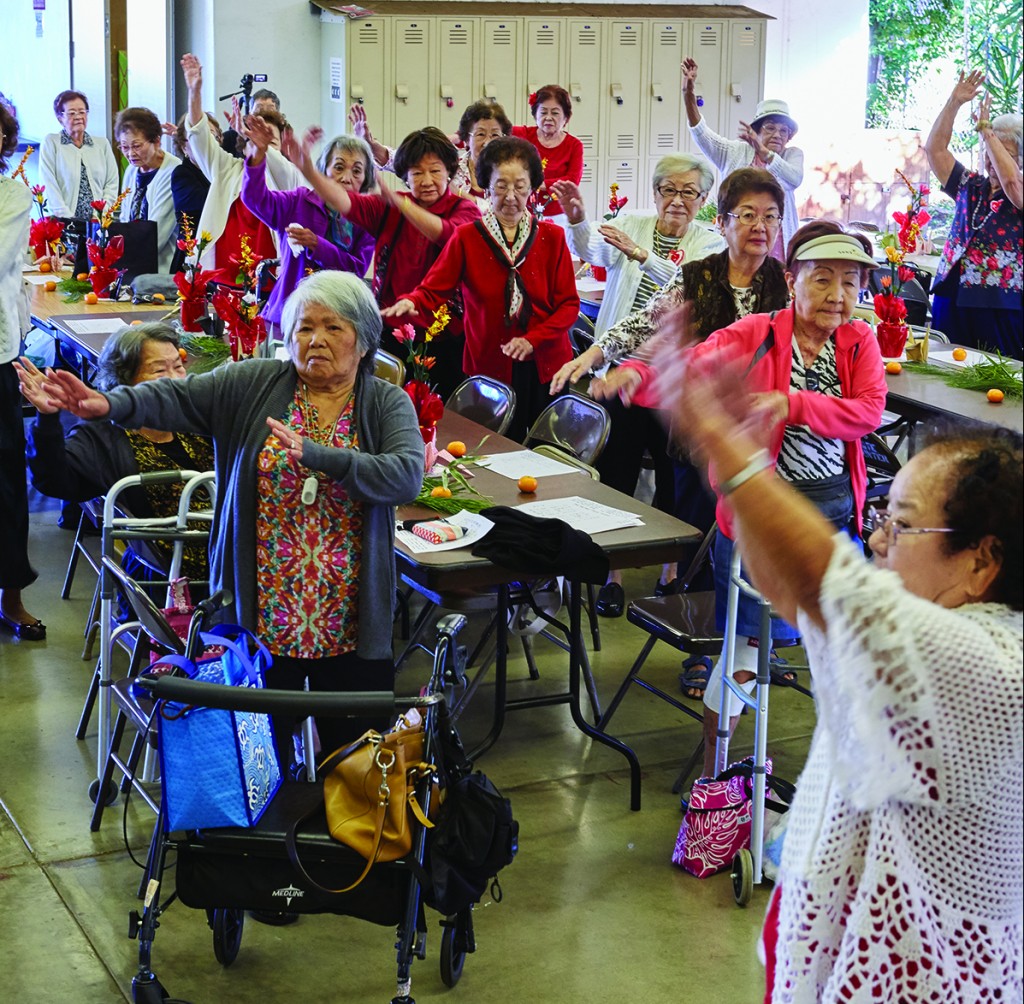
 We Learn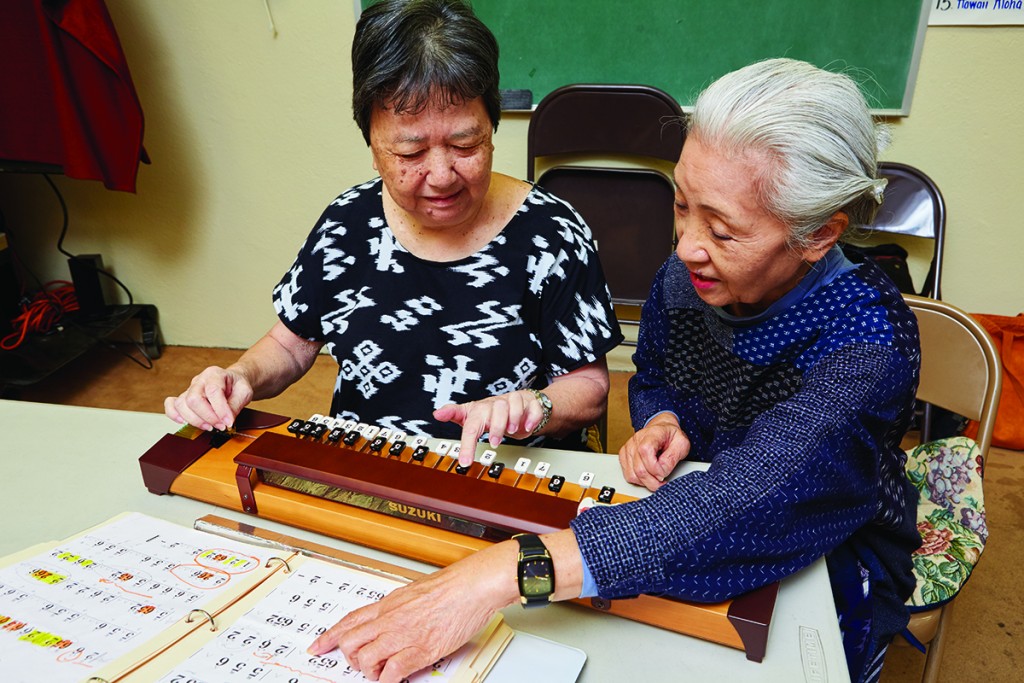
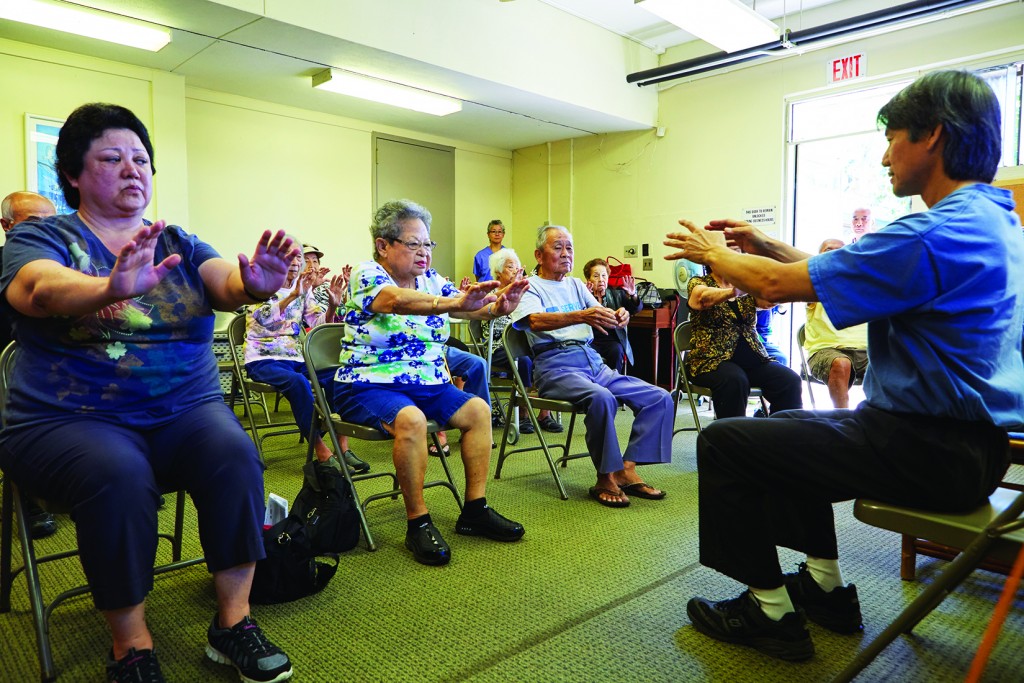
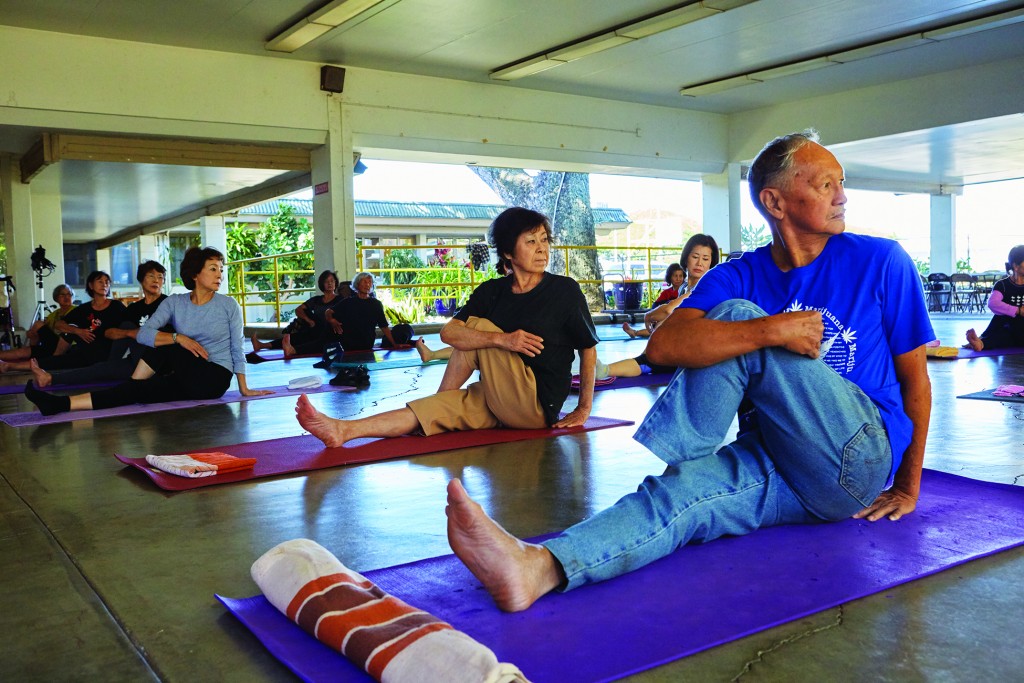
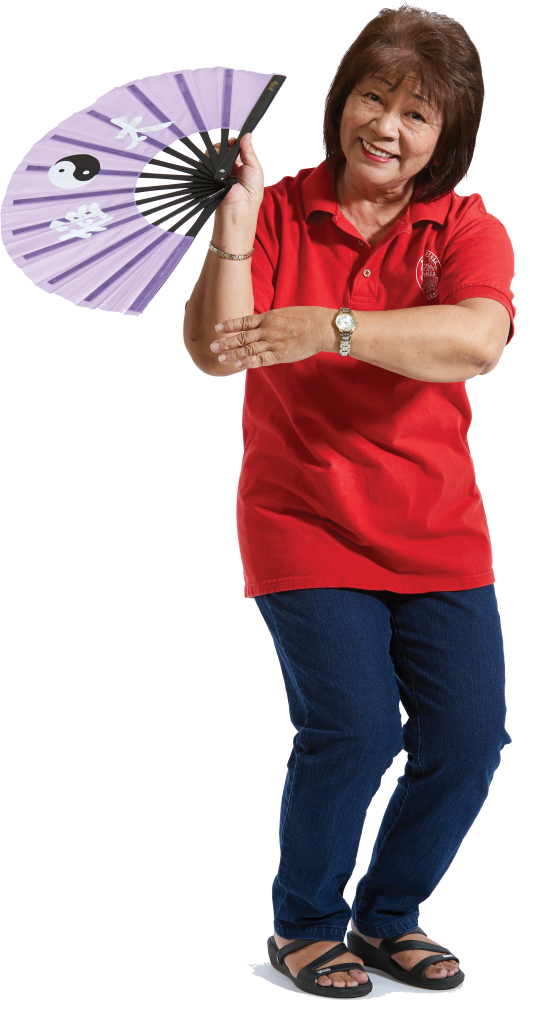 We Serve

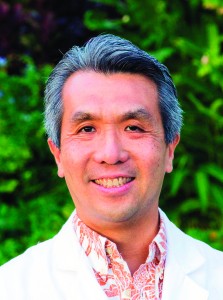
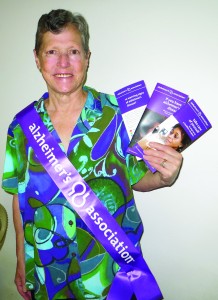
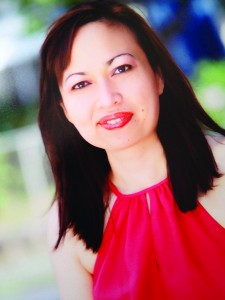


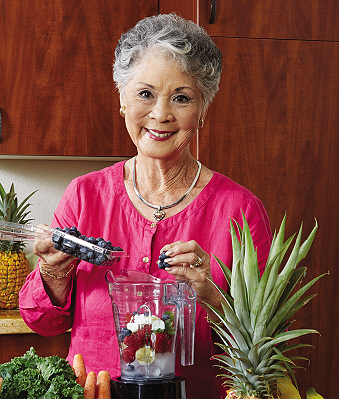
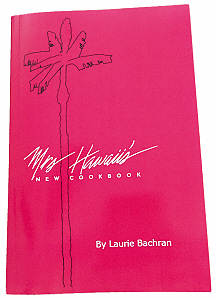 Now in her eighties, in addition to appearances as Ms. Original Medicare 2015, Laurie continues to work as a beauty consultant for Better Health Unlimited and as a member of the Xyngular Corporation. Elite American Health trade association recently recognized her dedication, leadership and achievements in nutritional counseling. Laurie educates individuals interested in learning habits that produce healthy lifestyles and enhanced quality of life. In addition, she is a highly sought after public speaker and author of two cookbooks: Mrs. Hawai‘i’s Cookbook and Mrs. Hawai‘i’s New Cookbook. She also holds a master’s degree in theology, and volunteers at River of Life shelter. She used to teach Bible studies throughout the islands and served as a co-pastor for New Hope Christian Fellowship. She believes a joyful spirit and spiritual strength are the keys to a rich, satisfying life.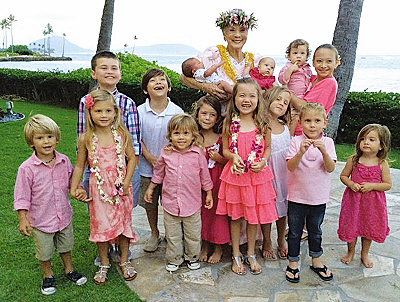
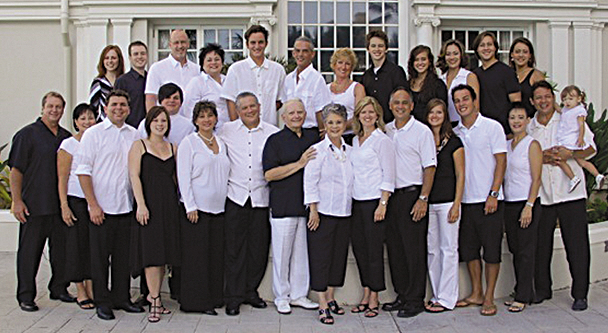
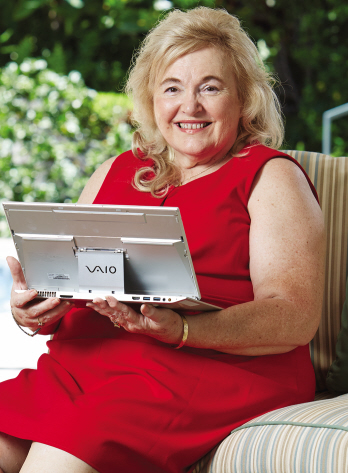 Fay Rawles Schoch was crowned Ms. Medicare Advantage™ 2015, representing those beneficiaries who choose to get their Medicare coverage from a private insurance company. These plans are known as Medicare Advantage plans under the category of Medicare Part C programs. A government publication, Medicare & You 2015, lists AlohaCare, Kaiser, HMSA, Humana, Ohana Health Plan and UnitedHealth as health organizations that offer Medicare Advantage plans to Hawai‘i Medicare beneficiaries.
 At the young age of 25, Fay became the parent of three toddlers under the age of five. As a new wife and stepmom, Fay discovered the work of German psychologist Alfred W. Adler. It resonated with her as the perfect prescription for managing her instant family. Fay began absorbing Adler’s work and applying his concepts at home. She credits her ability to smile through tough times and challenges of rearing a family to her Adlerian training. It teaches that we cannot control events, but we can control how we respond to them. Adlerian theory of parenting takes a holistic approach to mutual respect and accepting responsibility for behaviors . Counselors teach, guide and encourage children with the ultimate goal to promote each individual’s sense of belonging, and to increase their social interests and societal contributions. Adlerian techniques focus on all family members valuing each other, staying connected and participating in “family meetings,” where everyone is encouraged to share their concerns, successes and challenges.
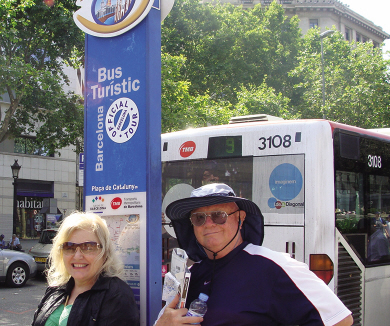 Each sibling accepted and doted over their little sister; they remained close even as college and relationships drew them away from home. Fay’s youngest became a great athlete, comfortable playing soccer and football. With her parent’s support, she successfully petitioned to compete on a Pop Warner football team. After graduating from Punahou School, she received a congressional appointment to attend the United States Merchant Marine Academy in New York, served on the high seas for six years and is now a Coast Guard reservist, USCG Third Assistant Engineer. Fay’s daughter also earned her masters degree at the Massachusetts Institute of Technology. She is currently an executive with Intel Corporation and lives in Silicon Valley with her husband and two children. As she raises her own toddlers, She uses Adlerian parenting concepts and frequently consults with mom for new tips.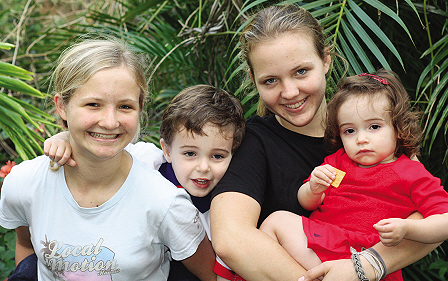
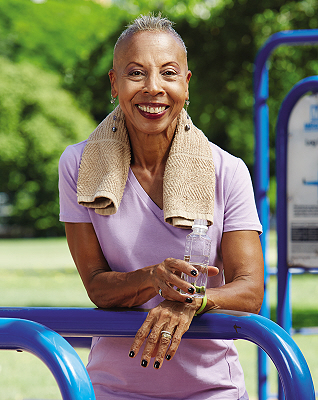 Terri Rainey represents our Ms. Medicare/Medicaid Dual Eligible pageant title. Medicare beneficiaries who qualify for both federally administered Medicare and full Medicaid benefits from their State health program are known as “duals.” If a Medicare beneficiary is dual eligible, they can join a Medicare Special Needs Plan or SNP. Health plans that offer Medicare SNP’s, provide a valuable service for duals by coordinating benefits between the Federal Medicare program and State Medicaid plan to ensure the beneficiary has a seamless experience accessing benefits from both programs.
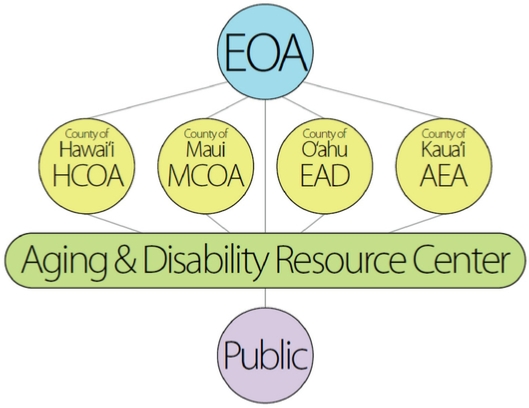
 Kupuna Care (KC) program provides funds to “… help frail and vulnerable older persons lead independent, meaningful and dignified lives in their own homes and communities.” Services for Seniors and the Hawai‘i County Office of Aging (HCOA) has increased the number of seniors receiving Kupuna Care funding in Hawai‘i County by creating a unique case management and transition approach, that doubles the impact of the state’s fiscal investment while ensuring seniors are safe, happy and living in their homes with their families for as long as they choose.
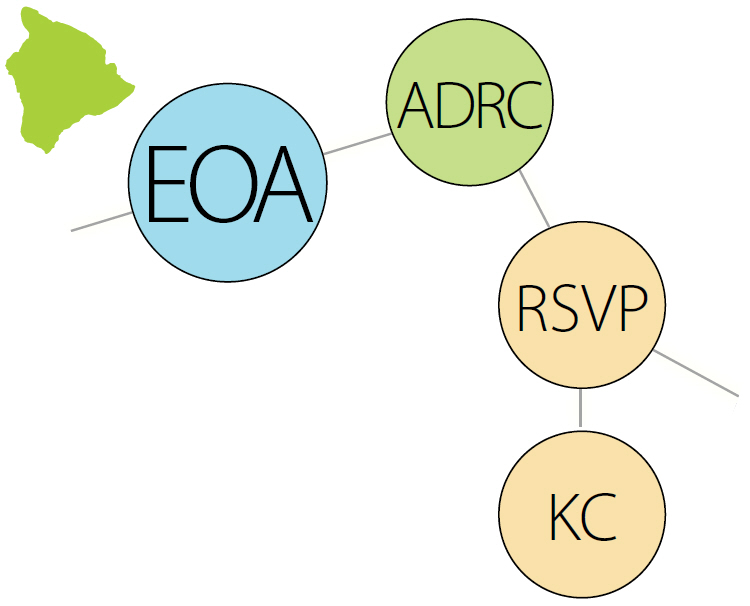 After a Kupuna Care consumer receives three to six months of case management and wrap services, Services for Seniors staff works diligently to replace formal services with community and volunteer supports. These supports are provided by caregivers in the family, friends, faith-based members and/or community volunteers willing to be a part of the consumer’s caregiving team. Transition to informal supports reduces the use of Kupuna Care funds, which then enables other eligible seniors to participate in the program. This system also reduces the number of consumers on a wait list, allowing Services for Seniors to help a larger number deserving elders age in place with dignity.
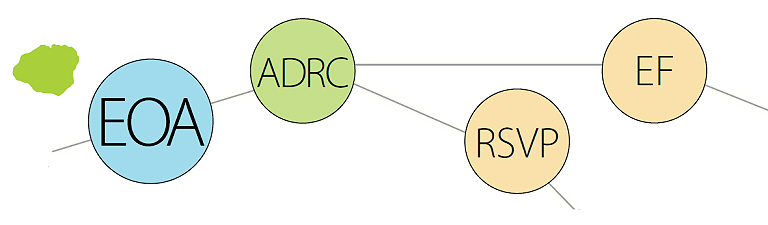
 Maui County Office on Aging (MCOA) is an office filled with activity. Since implementing standardized tools and procedures of the Aging and Disability Resource Center (ADRC), new referrals to MCOA have increased as much as 400 percent a month. While the numbers of seniors and individuals with disabilities requesting assistance has increased, the available funding to serve the seniors of Maui, Moloka‘i, and Lana‘i has remained mostly static. Therefore, MCOA finds it necessary to look for opportunities to creatively solve the issue of how to meet the increasing need without the luxury of an increase in funding.
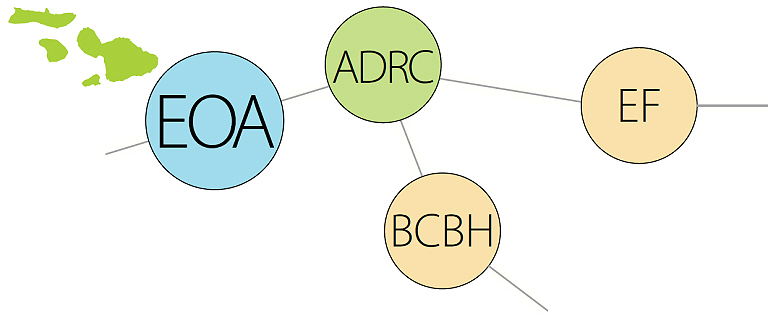 A major way that MCOA is working to find solutions is to greatly increase emphasis on helping seniors, family caregivers and individuals with disabilities improve their overall health. Two “evidence-based” (proven to create expected outcomes) healthy-aging programs now available on Maui are Better Choices, Better Health (BCBH) and Enhance®Fitness (EF).
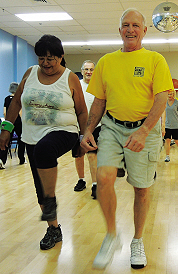
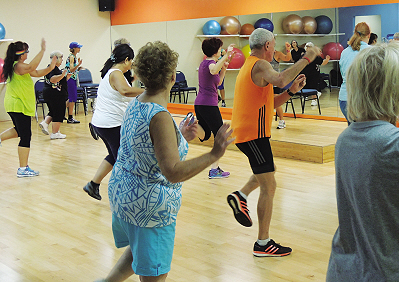 Enhance®Fitness instructors are specially trained. Individual participant progress is followed with fitness checks at enrollment and every four months thereafter. Exercises are safe and may be modified according to participant ability. The class also affords social interaction and reinforcement among persons who have a common desire to get healthier. Enhance®Fitness classes are a great way to get stronger, have more energy and maintain independence.
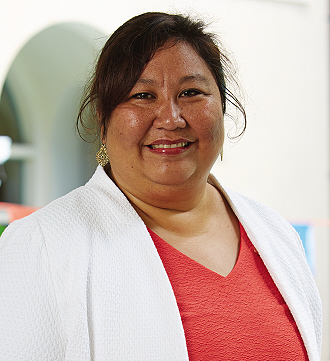 For O‘ahu elders over 60 and people with disabilities of any age, obtaining information and referral assistance starts with the Elderly Affairs Division, ADRC “one-stop” Senior Helpline: 808-768-7700. Trained community service aids assess needs and refer callers to service providers in Honolulu County, and conduct assessments for frail elders 60 and older who may qualify for publicly funded services. For example, a homebound elder in need of meals would be assessed and connected to local agencies that provide meal service.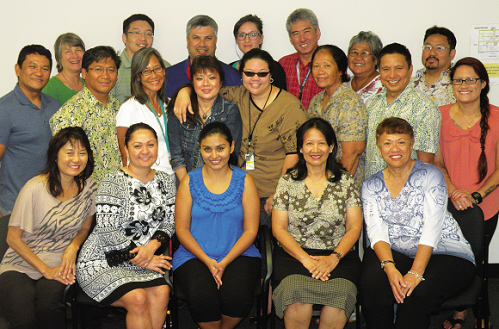
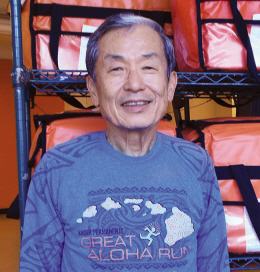 O‘ahu’s Retired and Senior Volunteer Program (RSVP) is the volunteer end of help and assistance. RSVP engages people age 55 and over in a diverse range of volunteer activities offered by more than 25 “volunteer stations” (nonprofit or government agencies who deliver services to the elderly, as well as providing other community needs). Project Director Lenny Fabro heads this very successful island-wide program.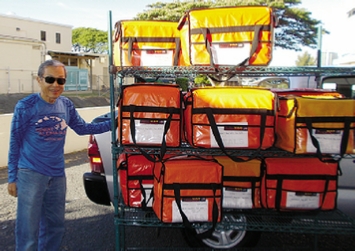
 Some of the volunteer stations now available are: Hawai’i Literacy, The Next Step Shelter, Office for Social Ministry, Blood Bank of Hawai‘i, Lanakila Meals on Wheels, State Executive Office on Aging, HCAP Head Start and several elementary schools providing tutoring and mentoring. One important volunteer opportunity is with the EAD. Volunteers assist with important independent living services, such as transportation, companionship and telephone reassurance, to homebound elders. Another station that assists with independent living services is the Waikiki Friendly Neighbors program.
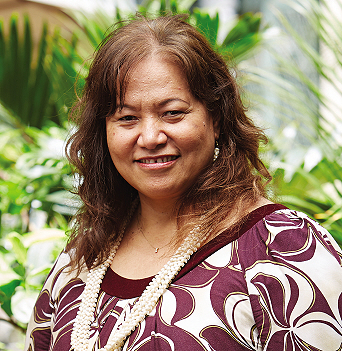 Elders on Kaua‘i are just a phone call away from our Agency on Elderly Affairs. Our receptionist will answer requests for information, and process requests for assistance by taking the caller’s name and address and making an appointment for visit and needs assessment from a Community Service Assistant. Our goal is to be sure elders know what federal, state, county and community services are available to them, and to refer them to agencies and care providers who can deliver those services. Funding is limited and helping those who live alone is top priority.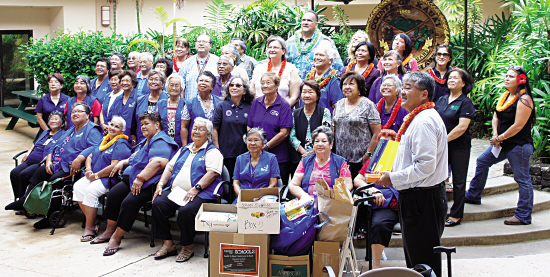
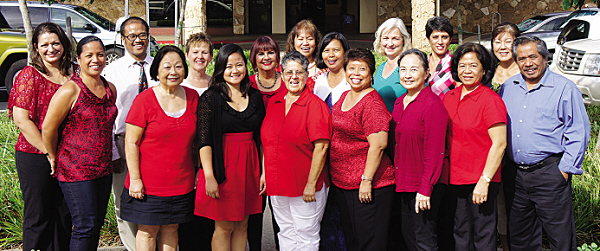
 That goes for caregivers, too. Plan ahead for the time when your loved one will need more help than you can give. Find out what services are available to you now and in the future. Don’t wait until you are exhausted and stressed out before you call for assistance with your loved one. We have information about daycare for elders and respite services for worn out caregivers that can help them manage better and maintain their own mental and physical health. Call us — we can help.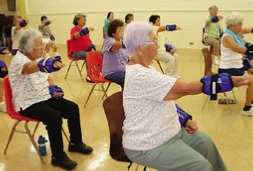


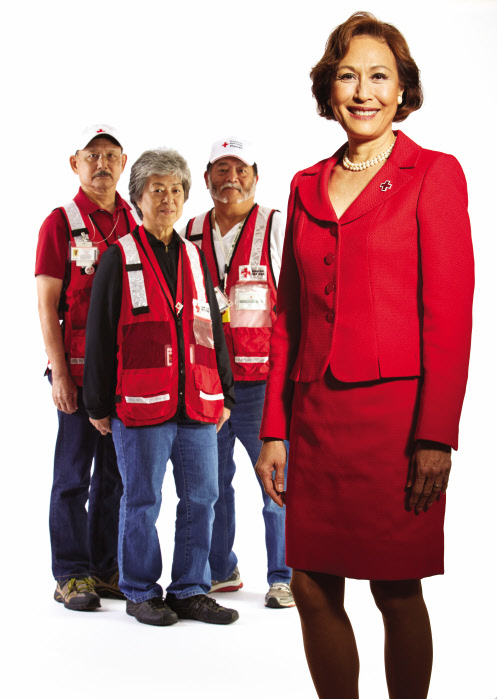
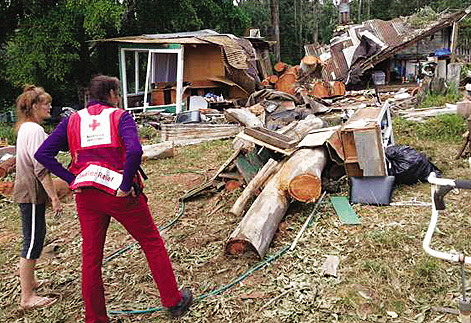
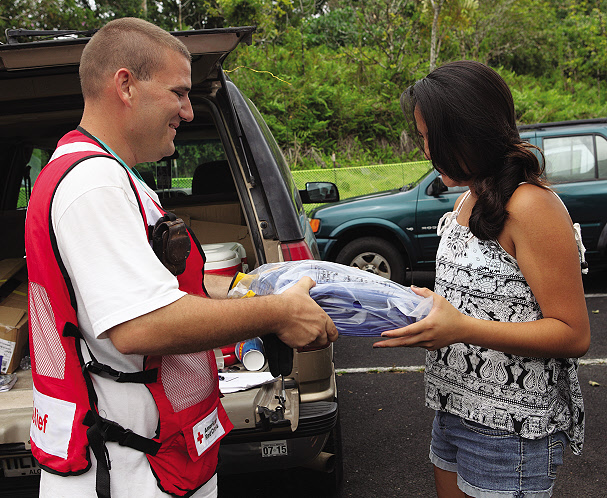
 At the same time that police and fire first responders are called to the scene of a disaster, Red Cross disaster relief volunteers are deployed to assess damage, counsel victims, administer immediate aid and start planning longer-term assistance. Volunteers on Red Cross Disaster Action Teams are on duty 24/7 and average one response every four days. This is humanitarianism at its best: orderly aid, comfort and logistics delivered to disaster victims, behind the scenes. Volunteers are ordinary citizens, just like you and me —with a will to help and skills learned at Red Cross. Most people have no idea how many services Hawaii Red Cross provides to our communities. Veterans and families of active military know Red Cross volunteers who aid service members at Tripler, Schofield, Pearl Harbor and Kaneohe. Some deployed soldiers have even had the Red Cross track them down in the field to deliver news of a family emergency at home — or arrange to get them home for a funeral. Lifeguards and moms may not know about how Red Cross helps our military personnel, but they do know about Red Cross swim instruction classes and certification programs. Business owners send their employees to Red Cross first aid and CPR training. Puna residents affected by Hurricane Iselle received aid. Recently, Red Cross volunteers had a shelter on standby for residents needing to evacuate their homes due to the threat of the Puna lava flow. In fact, at every flash flood, tsunami, earthquake, or house fire across our state, Red Cross volunteers are providing disaster relief to people in need. Every day, they are prepared to scale up and to deliver the amount and kind of aid required — exactly when it is needed. Volunteers from Hawai‘i deploy to other states — Hurricane Sandy in New Jersey, Hurricane Katrina in New Orleans . It’s how they train for large disasters at home. When Hawai‘i gets hit, American Red Cross volunteers from the mainland will deploy here to help us.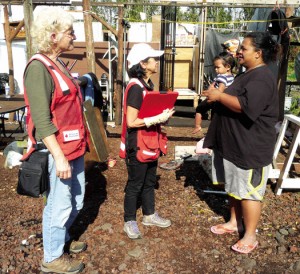
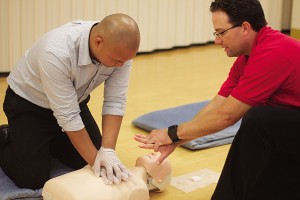 When Coralie talks about her volunteers, she smiles. She shares their unique motivation and understands how volunteers “designate themselves to the job,” as she says. People who call to inquire or walk in to sign up at Red Cross really want to help people. They are responding to their altruistic feelings, and Coralie says her job is to find them the right job for their skills or to teach them new skills so they can effectively provide humanitarian aid. Some will become case workers. Others will become instructors who teach the public to save themselves in future disasters. We decided to let Coralie tell you first hand what Red Cross does, and to take a look at the many volunteer training opportunities at Red Cross.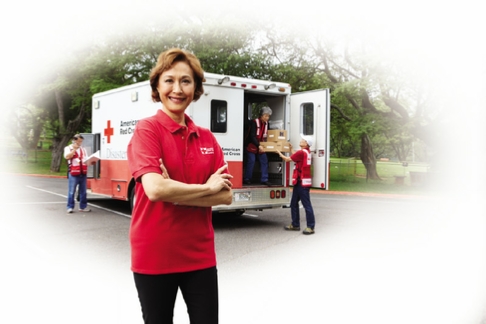
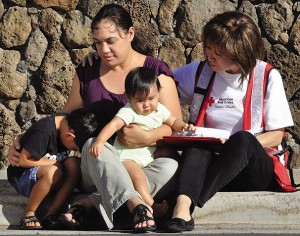 GM: What is involved in managing a disaster shelter?
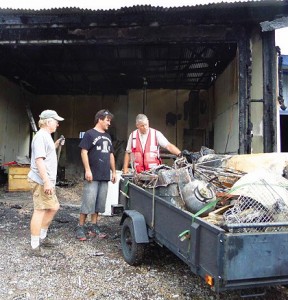 GM: You said “home fires.” How do you aid victims of a home fire?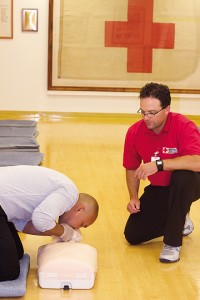
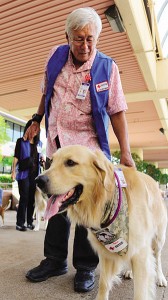
 Do you have what it takes? This interview gave us a very different view of the American Red Cross in Hawai‘i. The message is pretty clear: we need to prepare for disasters. When trouble hits, trained volunteers have to swing into action to help the victims. If this story speaks to you — you may have the heart of a Red Cross volunteer. Or maybe now you understand the benefits of investing in the future of Red Cross. When we help Red Cross Hawaii meet their mission, we help ourselves and our families.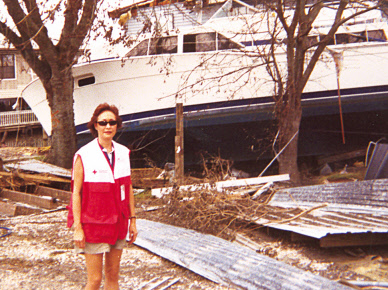
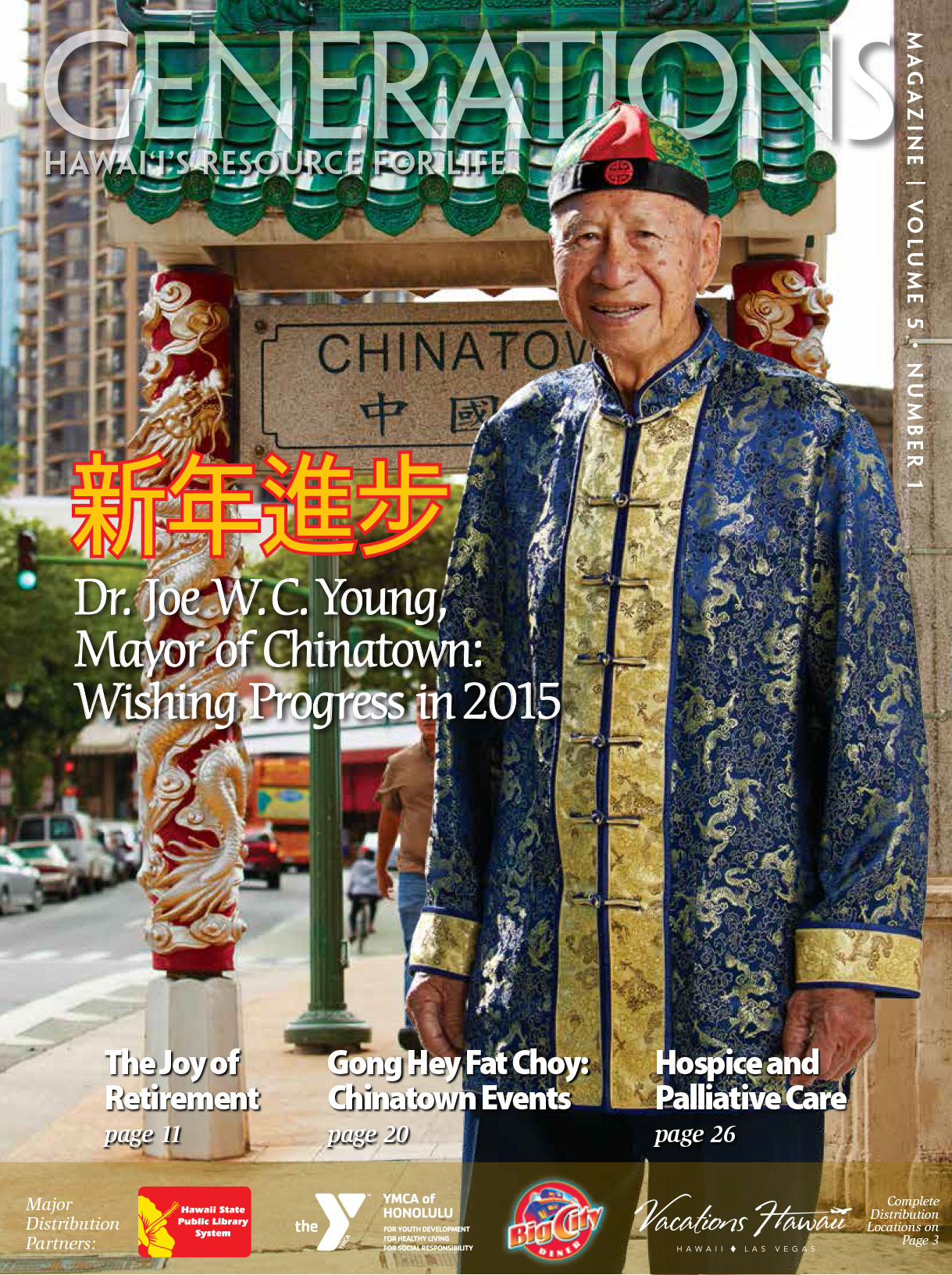

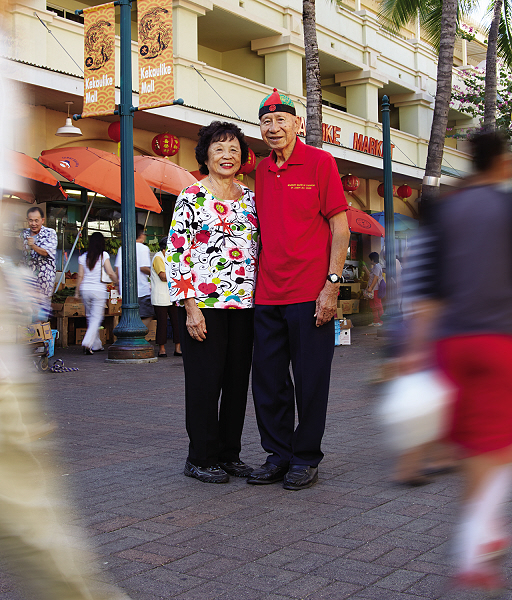

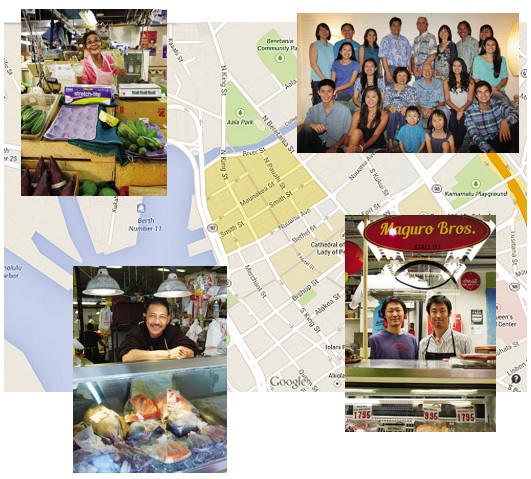
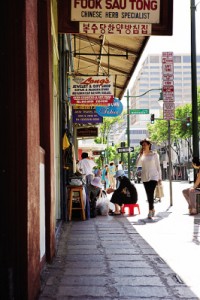
 As a part of Honolulu’s downtown economy, Chinatown has overcome many challenges. Chinatown’s Mayor is a liaison to City and County programs and services. We were humbled to spend time with him and learn about his early life, his road to a successful career, his vision for Chinatown’s future and his 26 years of service to the Chinatown community.
 in Zhongshan city of Guandong Province ( 廣東 省中山市 ), China, where Sun Yat-sen was born. Joe’s father sustained his family by farming mullet in Kuapa fishpond at Hawai’i Kai. To prosper, he learned fluent Hawaiian. “My father told me that to be successful, I must learn to communicate —so that’s what I did, ”aid Dr. Joe. It paid off for both father and son.
 Language has shaped Honolulu’s Chinese community for almost two centuries. Dr. Joe explained that Chinese has thousands of “dialects.” Chinese written characters are universal, but the words associated with them are unique to each community. In English, “accents” don’t interfere with understanding, but Chinese dialects differ so much that people from one village cannot understand their neighbors across the river or over the mountain. It’s not surprising that people of one dialect stick together, and that China’s government teaches Mandarin dialect to all school children to unite their country.
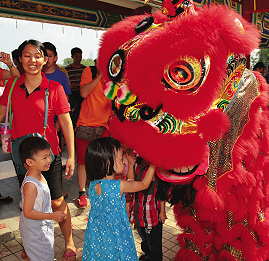 As far back as 1810, a few Chinese came to Hawai‘i from Zhongshan (near Hong Kong and Macao). Later, in the 1850s large numbers of Cantonese immigrated to work the sugar plantations. People from the See-Yup district ended up in San Francisco and New York, where their own dialects became established. Today, Chinese from Vietnam, Laos and Cambodia speak their own dialects, and socialize in their own clubs in Chinatown. In addition to these language groups, 100 societies also form around interests like commerce, lion dancing, exercise and religion. Building a lar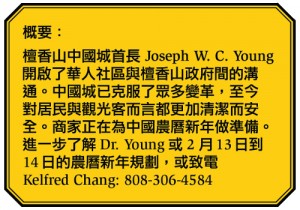
 .
. 
 sweet rice balls stuffed with sweet bean, meat or lotus paste and deep-fried. Everyone makes their own versions. My family loves Nien Gao
  , rice pudding with a red Chinese date on the top, and Pak Tong Koh
  , candied fruit and vegetables. On New Year’s Day, my wife serves Jai
  , savory vegetables and rice — called
 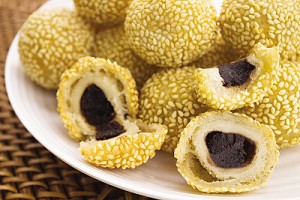 ‘monk food;’ children serve their parents tea, and parents give their children red paper envelopes, called Licee
  with money inside. Kids love New Years.
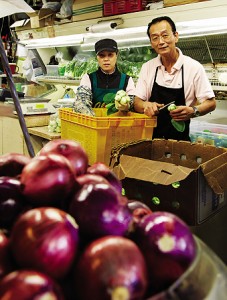 JY: Yes. You can find delicacies like Peking duck,pastries, sweets, flowers, fresh seafood, plenty bananas, and citrus fruits like tangerines. Food shopping is a social event. If you live in Chinatown or nearby, you see the same faces every day, and hear good conversation too. We buy a little at a time and enjoy the walking and talking. Most of the fresh produce is from local farms. My family farmed fish in Kuapa Pond and sold to shops up here
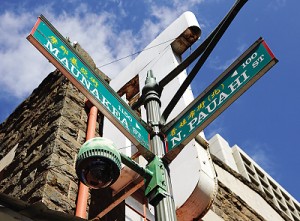 Honolulu City and County Planning and Permitting Commission, Honolulu Fire Department Commission, Vision Team Project, Chinatown, Mayor’s Downtown/Chinatown Task Force, Chinatown Cleanup Effort, Sound Translation in Chinese, Committee member for design of Chinatown Gates, Street Signage Project, Smith and Nu‘uanu Street Sidewalk Vision Team Project, Palolo Chinese Home, Heritage Capital Fund Drive, Sun Ming Ting Village Elementary School Building Project, Chinatown Pedestrian Safety Project, Chung Shan Language School.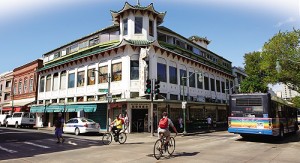
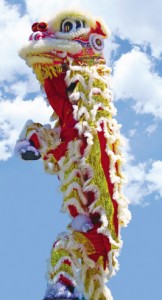
 ! Welcome the New Year! Come and celebrate with us!