Category: Column

  • Choosing the Road Less Traveled

    “Two roads diverged in a wood and I — I took the one less traveled by, and that has made all the difference.” — Robert Frost
    “Two roads diverged in a wood and I — I took the one less traveled by, and that has made all the difference.” — Robert Frost

    Maybe you’ve never thought of your life in those terms. But everyone, whether they are aware of it or not, has selected a particular pathway in life. The most popular road seems to be aligned with what the world tells us we need — a nice home, a fancy car, a good job, exciting sports events, live entertainment and travel to exotic places. We are told, at least subliminally, that focusing on and fulfilling our needs and wants will lead to a successful, happy life.

    However, where does this road actually lead? {Play}

    It may be beneficial to observe what has happened to others on this self-centered road. Stories abound of people who thought they had it made in life but ended up lost either due to their own mistakes or someone else’s.

    Are we carefully assessing where we are headed or do we think there is plenty of time to make adjustments along the way? Before you know it, you may find yourself way past any side streets that could have taken you down another road — the one less traveled.

    Earlier this year, the world began to find itself held hostage by the coronavirus. It hijacked our pursuit of a nice home, fancy car, entertainment, travel opportunities and any kind of job.

    What is left? Thank God we have our families,friends and many folks coming to the aid of others. It is amazing what this world crisis has shown us through the goodness of people helping people. Maybe this road less traveled is the one more of us should embark upon. And we may have missed this unexpected detour if not for a world crisis that eliminated our distractions.

    Have you heard this before? “We live by sight, not by faith.” If it sounds familiar, it may be because many of us live our lives this way. Living by sight, after all, is how the world expects us to live. That’s why there’s so much “stuff” out there
    being advertised as the way to find happiness and fulfillment — and we oblige by over-consuming.

    The only problem with this is real life does not support this. We see famous people who have attained more stuff than they will ever need with lives that do not have happy endings.

    “We live by sight, not by faith” is incorrect.

    The Bible says, “We walk by faith, not by sight,” not the other way around. The “walk” here is a metaphorical reference to the way a person conducts his or her life.

    A fulfilling and meaningful life in which transitory material possessions are not the goal is the road less traveled. We must choose this road and decide to not build our lives around things that have no eternal significance.

    It requires faith to live this way because we cannot see, hear or touch anything spiritual.

    If we base our lives on giving to those in need rather than following the popular “material world” philosophy of our day, maybe we’ll be able to look back years from now and see that there were some positive moral changes made as a result of this worldwide pandemic.

    I hope so.

    Maybe you’ve never thought of your life in those terms. But everyone, whether they are aware of it or not, has selected a particular pathway in life. The most popular road seems to be aligned with what the world tells us we need — a nice home, a fancy car, a good job, exciting sports…

  • Online Resources for Coping With COVID

    When under stay-at-home orders, online resources enable participation in the outside world. Visit the UH Center on Aging Facebook page for a continually updated list.

    JOINING A ZOOM CALL FOR THE FIRST TIME
    See and converse with relatives and friends online. Enjoy virtual happy hours, book discussion groups, music jam sessions, virtual retreats and online meetings. www.youtube.com/watch?v=hI32Xk2Va7M

    #CARENOTCOVID
    Send messages of support to nursing home and assisted living residents.
    www.carenotcovid.com

    AARP COMMUNITY CONNECTIONS: NEIGHBORS HELPING NEIGHBORS
    Organize informal volunteer groups to assist neighbors with simple tasks — getting groceries, walking pets. Especially relevant for condo residents looking for ways to help older neighbors.
    www.aarpcommunityconnections.org

    ONLINE VOLUNTEER OPPORTUNITIES: CITIZEN SCIENCE
    Join a scientific research project. SciStarter trains and links nonscientists to research projects that need their help. The site lists over 3,000 global citizen science projects.
    www.scistarter.org

    FREE COURSES
    Learn a new language with Duolingo.
    www.duolingo.com
    Online classes are available on a variety of topics.
    www.coursera.org

    GUIDED MEDITATION
    Mindful offers popular, guided meditations.
    www.mindful.org/mindfuls-top-10-guided-meditations-of-2018


    CENTER ON AGING — University of Hawai‘i at Mānoa
    2430 Campus Road, Gartley Hall, 201B, Honolulu, 96822
    808-956-6124 | map3@hawaii.edu
    www.hawaii.edu/aging

    When under stay-at-home orders, online resources enable participation in the outside world. Visit the UH Center on Aging Facebook page for a continually updated list.

  • Lifework Planning Amid COVID-19

    Even in this time of uncertainty during the COVID-19 pandemic, two simple rules dominate the future of your life’s work and options that are available today:

    1) Full-time, regular 8 to 5 jobs are off the radar as the singular source for employment. Sometimes we will work for others this way, but who needs long commutes if they can be easily avoided?

    2) Even in the presence of the COVID-19 pandemic, it is likely that we will live longer than any previous generation. Do you wonder how you will handle your financial, mental, emotional and physical health? This is the time to consider multiple strategies.

    Before you navigate a future that is totally unlike anything we have experienced in the past, consider these options:

    Invest in your physical, mental and emotional health. A long walk on the beach, yoga, swimming and other activities help ensure balance, good quality of life and longevity. To avoid isolation and loneliness, reach out to others using social media and the latest technologies.

    Limit the intake of news that is likely to cause you stress. Instead, spend 10 or 15 minutes a day discovering what you want to pursue in the future. For example, if you are interested in accounting and finance, search the internet for changes in this field. You’ll be amazed at how a daily peek will open your mind to new possibilities and expand your horizons.

    Imagine. For today, envision some of the new ways to work from home and around the world:

    Adjuncts and Subject Matter Experts: People who teach, coach, support and use their qualified experience to fill in or augment specific needs as required.
    Barterers: People who trade goods or services for gainful exchange.
    Crowdsourcing and Shared Sourcing: People who provide services by soliciting multiple contributions
    • Freelancers: Free agents, temps, piece workers and project workers are the fastest growing segment of the workforce, according to government statistics.
    • Full-Time, Remote Workers: People who are members of the regular, full-time workforce, complete with benefits, but work from home.
    Global Pros: People who work from here to there and everywhere.
    Interim Professionals: People engaged contractually during critical stages of business lifecycles, such as during start-up, rapid expansion, turnaround or other transition.
    Network Marketers: Today’s digital answer to yesterday’s in-store retail sales and more!
    Portfolio Jugglers: Multitaskers who apply their talent in several areas to develop and ensure a balanced flow of income from multiple sources.
    Small Business Buccaneers: Those who seize new opportunities in the existing for-profit or not-for-profit marketplaces.


    NEW WORKFORCE HAWAII
    Carleen MacKay
    916-316-0143 | carleenmackayhi@gmail.com
    www.newworkforcehawaii.com
    Contact Carleen via her website and receive New Ways to Work, a free PDF book co-written with Phyllis Horner.

    Even in this time of uncertainty during the COVID-19 pandemic, two simple rules dominate the future of your life’s work and options that are available today: 1) Full-time, regular 8 to 5 jobs are off the radar as the singular source for employment. Sometimes we will work for others this way, but who needs long…

  • Dentists Are Busy People

    Many patients wish they could enjoy their dentist’s company beyond a quick, customary greeting before their ability to speak is interrupted by the whirr of the drill.

    Like everyone else, dentists have families, hobbies, enjoy their favorite beverage, have bills to pay and look forward to having fun. And just like everyone else, “busy” is a dentist’s life.

    Public education on dental care keeps dentists hopping, too. Commercials for electric toothbrushes, new toothpastes and improved water flossers (by the way, all of these products are great!) focus people on their smiles. The public is also aware of the new advances in dentistry. Dental-related companies advertise ways to straighten teeth, whiten teeth and freshen breath. Dentists must keep up with technology, convenience and new techniques to do the best job possible.

    No wonder dentists are so busy — but with worthwhile results! In a recent national survey, Hawai‘i ranked fifth for oral health. That’s pretty good considering all the sweets we consume and given how much we love crack seed!

    The next time you go to your dentist, you’ll understand why he/she is so engaged and focused.

    I would like to know my patients better, too. But if there is no time for conversation, just know I appreciate how you are taking preventive care of your teeth. Your healthy smile says it all!


    DR. PAUL K. TANAKA, DDS
    4747 Kilauea Ave., Ste. 113, Honolulu, HI 96816
    808-737-6229 | office@paultanakadds.com
    www.paultanakadds.com

    Many patients wish they could enjoy their dentist’s company beyond a quick, customary greeting before their ability to speak is interrupted by the whirr of the drill. Like everyone else, dentists have families, hobbies, enjoy their favorite beverage, have bills to pay and look forward to having fun. And just like everyone else, “busy” is…

  • Alzheimer’s Research: The Science of Hope

    The vision of the Alzheimer’s Association is a world without Alzheimer’s and all other dementia. To realize this vision, we fund research to better diagnose, treat and ultimately cure the disease. In fact, we are the world’s largest nonprofit funder of dementia research.

    A few highlights of our progress:

    Diagnosing the Disease: Biomarkers

    A biomarker is a measurable indicator of the severity or presence of a disease state. As blood pressure is an indicator for cardiovascular disease, or hemoglobin A1C for diabetes, promising research is being done to identify biomarkers for Alzheimer’s disease. There are now ways to measure the presence of amyloid plaque or tau tangles, which are hallmarks of the disease, through imaging, blood tests, saliva, spinal fluid tests and retina screenings. We are optimistic that early diagnosis years before symptoms occur will be possible in the near future.

    Early diagnosis will enable early intervention and preclinical research opportunities to understand changes in the brain and body which lead to mild cognitive impairment and dementia.

    A Healthy Heart = A Healthy Head: Lifestyle

    The brain utilizes about 20 percent of the blood pumped by the heart, so what is good for your heart is good for your head. When people have cardiovascular disease or diabetes, blood vessels don’t work very well. Studies have shown that as many as 80 percent of individuals with Alzheimer’s also have cardiovascular disease.

    The Alzheimer’s Association has championed and funded efforts to understand the role lifestyle plays in keeping our brain (and heart) healthy. Through our U.S. Study to Protect Brain Health Through Lifestyle Intervention to Reduce Risk (U.S. POINTER), we evaluate whether lifestyle interventions (diet, physical activity, mind/ brain stimulation, etc.) that target risk factors for dementia protect cognition in older adults who are at increased risk. U.S. POINTER is the first such study to be conducted in a large group in the country.

    Medications

    Pharmacological therapy has a role to play in treatment and potentially, in prevention. As biomarkers become available, therapeutics and other interventions can be introduced earlier, years before symptoms of dementia develop. The science is working. It isn’t a matter of whether we will find a cure for Alzheimer’s disease and other dementia, but when.


    ALZHEIMER’S ASSOCIATION
    1130 N. Nimitz Highway, Ste. A-265, Honolulu, HI 96817
    808-591-2771 | www.alz.org

    The vision of the Alzheimer’s Association is a world without Alzheimer’s and all other dementia. To realize this vision, we fund research to better diagnose, treat and ultimately cure the disease. In fact, we are the world’s largest nonprofit funder of dementia research. A few highlights of our progress…

  • The Price of Pessimism

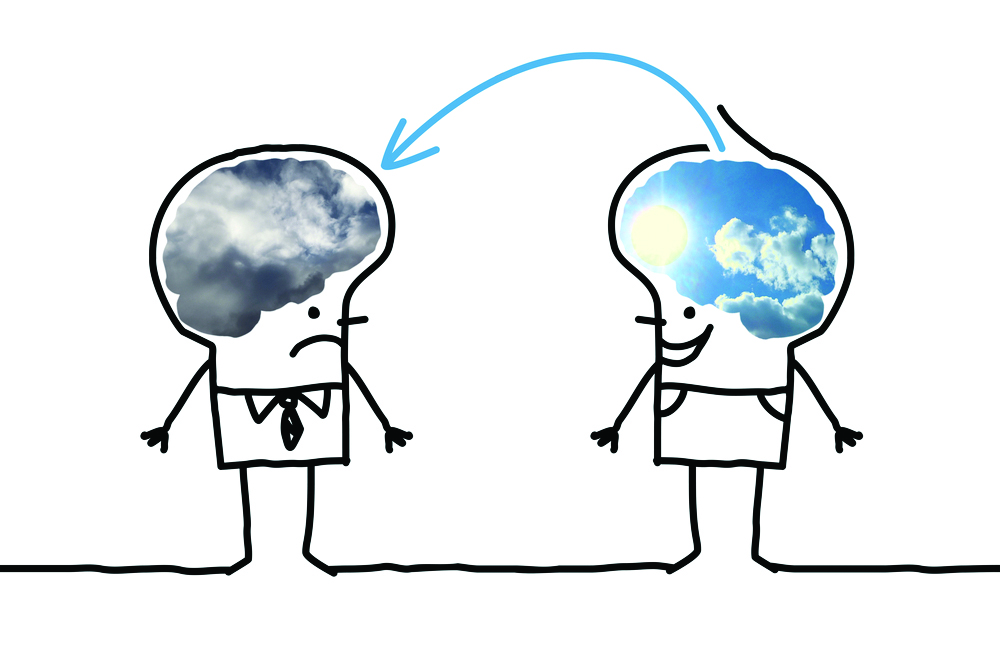
    Negative thoughts are like parasites silently eating away your health. Can we overcome this harmful habit and beat the odds? I say, “Yes! Definitely!”

    Our state of mind affects our health, so when you think like a pessimist, always expecting the worst, your fight-or-flight response is often stuck on standby. To illustrate, think of worrisome thoughts as revving your car. It’s useful before a race to test the engine, but if you keep gunning it all the time, you will burn out the motor.

    Pessimists tend to have higher blood pressure and triglyceride levels than optimists, according to University of Pittsburgh research. Studies also reveal that a dour outlook can affect your organs, but optimism can boost your health. Jeffrey Huffman, MD, director of cardiac psychiatry at Massachusetts General Hospital in Boston, concludes, “Happy and hopeful people are more likely to exercise, eat healthy and, of course, stop smoking.” In other words, happiness empowers us to take charge of our health.

    Other studies prove that staying positive can tighten the faucet on cortisol, a stress hormone linked to hardening of the arteries. And IL6,
    an inflammatory cytokine, is linked to multiple sclerosis and heart disease. So, looking on the sunny side pays big dividends.

    When you reflect on the past, focus on your accomplishments. Savor the present; expect three good things to happen today. When you count your blessings, there may be even more than three! Start today — your health is your wealth.

    Our state of mind affects our health, so when you think like a pessimist, always expecting the worst, your fight-or-flight response is often stuck on standby. To illustrate, think of worrisome thoughts as revving your car. It’s useful before a race to test the engine, but if you keep gunning it all the time, you…

  • Are You Chasing After the Wind?

    I have seen all the things that are done under the sun; all of them are meaningless, a chasing after the wind.”

    Wow, sounds pretty negative doesn’t it. Yet, many men and women who have lived long enough to reach that mythical status known as “the golden years” find out exactly what King Solomon meant in the above quote. All those years of striving to accumulate wealth, land and power now might seem a bit wasted. Regrets like “Why didn’t I go to more of my daughter’s soccer games?” or “Why didn’t I spend more time with my family?” rise up and begin to haunt us. Many of us wish we knew then what we know now.

    Is it too late to do anything? Is there a way to wind back the clock? If you have been trying to reach back and correct past mistakes but keep ending up failing, consider what C.S. Lewis once said: “You can’t go back and change the beginning, but you can start where you are and change the ending.”

    Lewis makes sense to me, as one who has walked “the pathway of regrets” and ended up even more depressed.

    So what can you do right now — starting today — to begin this turnaround?

    Well, taking a page from my own life journey, meeting one’s spiritual needs first makes the most sense. Once you are back on solid ground spiritually, all the other parts of life begin to stop shaking. For me, making peace with a God who really loves me and is able to do amazing things gave me hope to move forward rather than dwell in the unchangeable past.

    Stop chasing after the wind. Decide exactly what you regret and begin adjusting for what’s ahead. What can I do now? What has to wait? Be proactive and don’t wait for life to just happen.

    Another important step toward finding fulfillment in your golden years is to stop being a loner. We need contact with other people. A church is a great place to begin. Try several churches before settling on one. Try praying before you visit each church. You may be amazed at what happens.

    Finally, please don’t continue chasing after the wind, even if you think you have no other choice or not enough time to change course.

    The great UCLA basketball coach John Wooden once said, “There is only one kind of life that truly wins and that is the one that places faith in the hands of the Savior. Until that is done, we are on an aimless course that runs in circles and goes nowhere.” It’s what I call, chasing after the wind.

    I have seen all the things that are done under the sun; all of them are meaningless, a chasing after the wind.” Wow, sounds pretty negative doesn’t it. Yet, many men and women who have lived long enough to reach that mythical status known as “the golden years” find out exactly what King Solomon meant…

  • Having a Purpose in the Community

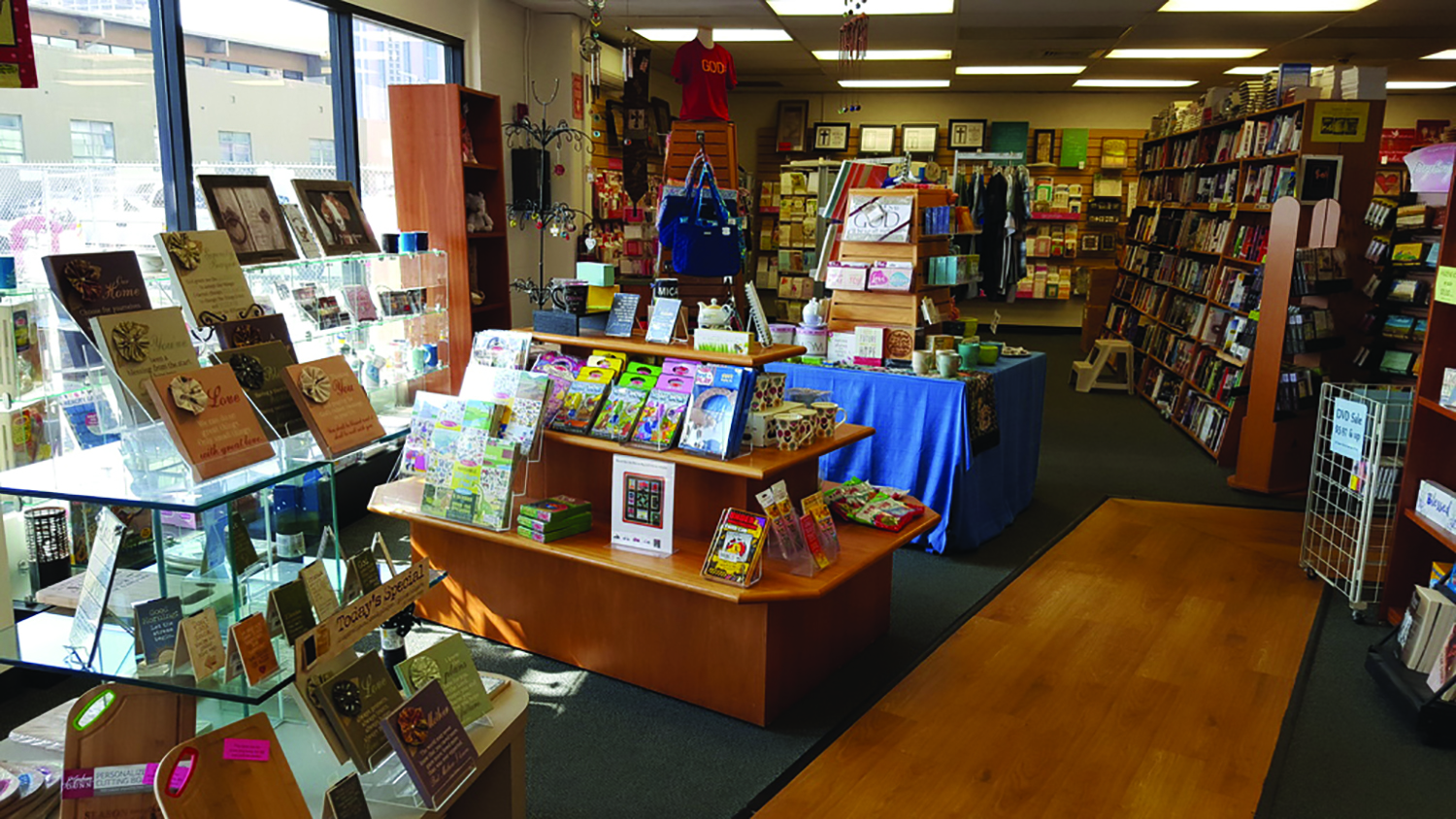
    Photo of Logos Bookstore When people hear that I manage a Christian bookstore at age 70, they think I’m crazy — or a religious fanatic. I assure you, I’m neither (but don’t ask my wife!). In light of large stores closing and the Barnes and Noble chain struggling to survive; and when Amazon has changed shoppers’ expectations, why do I think we can still run a brick-and-mortar bookstore — and a Christian one at that?

    The answer goes beyond dollars and convenience. The store began as a vision through people involved with InterVarsity Christian Fellowship (a university campus ministry). It’s about helping to create a community and a network of care for the people who come into our store. The ministry was to “be” God’s word in the marketplace as a business. The store’s name, Logos, actually means “word” in the Greek language.

    The model was to provide a full-service bookstore with an ecumenical selection of books and Bibles, from conservative to liberal. The unique approach to the bookstore was to also appeal to non-church or non-religious customers. Our merchandise, customer service and even our atmosphere were the building blocks for starting new relationships.

    Through our books and resources, we hope people will find answers regarding important topics, from “the meaning of life or faith” to more down-to-earth issues: marital problems; aging and Alzheimer’s; how to help someone going through cancer treatment; how to deal with anger, illness and death; what it means to be a Christian.

    Our mission is to help our customers grow in mind and spirit.

    Because of that purpose, I’m glad to be running this humble bookstore and serving the needs of my island community.


    LOGOS BOOKSTORE OF HAWAII, INC.
    760 Halekauwila St., Ste A, Honolulu, HI 96813-5344
    808-596-8890 | Neighbor Islands: 800-303-1533
    logos@logosbookstorehawaii.com
    www.logosbookstorehawaii.com
    Store Hours:
    Mon – Wed: 9:30 am – 6 pm
    Thurs – Sat: 9:30 am – 7 pm

    When people hear that I manage a Christian bookstore at age 70, they think I’m crazy — or a religious fanatic. I assure you, I’m neither. In light of large stores closing and the Barnes and Noble chain struggling to survive; and when Amazon has changed shoppers’ expectations, why do I think we can still…

  • Mature Workforce Predictions 2020–25

    Carleen MacKay
    Carleen MacKay

    Whether you wish to work in a full-time, part-time or in a just-in-time capacity — for a fee or for free — here are several predictions based on trends and research for you to consider when preparing to work in your 50s, 60s, 70s and beyond (yes, beyond).

    1) The contingent and remote work forces will continue to outpace other ways of working over the next five years. The U.S. contingent (as needed) workforce today is stronger than 40 percent of the overall workforce, with remote full-time or part-time workers at around 5 to 8 percent and growing faster than most can measure. One person predicts (yes, that would be me) the growth rate of remote workers will increase to 25 percent by 2025. These predictions favor mature workers who seek to continue to contribute in unique ways.

    2) The surging wave of automation will continue to affect occupations across the country. However, change that negatively affects many people also positively affects those who are ready. The question is: Are you ready? The future belongs to those who continue to learn. Hawai‘i offers  opportunities for learning from the community college level to adult learning schools, such as the Hawaii Community School for Adults in Honolulu. The school is introducing a bill that would establish a Workforce Readiness Diploma Program for all adults. Follow your legislators and you will continue to see rapid, affordable, lifelong learning opportunities.

    3) The “gray wave” is impacting the workforce. Its effect is expected to multiply — beyond imagination — over the next five years. The Bureau of Labor Statistics states that “Labor force participation is expected to increase fastest for the oldest segments of the population — most notably, people aged 65 and older.”

    4) Volunteering is a high-growth business, one in which the need for volunteers is predicted to expand exponentially through 2025. Where do studies predict that highest growth? The answer is healthcare and active involvement with our island’s youngest and oldest members.

    The future economic and societal health of Hawai‘i will be measured by how we treat our youngest and oldest members.

    If you seek a purpose-driven life and income is not your primary driver, explore the hundreds of volunteer options available throughout the
    islands. Keep in mind that longer, purposeful lifetimes are, in large part, achieved by a commitment to your own active aging goals.

    Volunteering, by the way, is work. If you stop thinking about work under the old definition of the word “job,” you will see that working for the good of others may end up being more rewarding than any career or endeavor you held during your younger years.


    NEW WORKFORCE HAWAII
    Carleen MacKay
    916-316-0143 | carleenmackayhi@gmail.com
    www.newworkforcehawaii.com
    Contact Carleen via her website and receive New Ways to Work, a free PDF book co-written with Phyllis Horner.

    Whether you wish to work in a full-time, part-time or in a just-in-time capacity — for a fee or for free — here are several predictions based on trends and research for you to consider when preparing to work in your 50s, 60s, 70s and beyond (yes, beyond).

  • How to Join the Flexible Workforce

    I have often written to you about imagining your future — daring to dream and following your own internal journey as you think about the many opportunities for work in the year ahead.

    FIRST THINGS FIRST — YOU! Your first step in exploring your future is to take an internal journey in order to make a decision to work for pay, for fun or for the good of others. Part-time and other ways of working flexibly are bountiful. Many offer unique advantages to mature workers over that old classic — the 9-to-5 job.

    Think of this new time, with its many new ways to work, as the time that change and innovation are opening financial and social opportunities for those of us who need or wish to continue working over our much longer lifetimes. Think you’re alone in this new quest? Think again, as older workers form more than 30 percent of the flexible workforce; the number is growing daily.

    Where do you find flexible work in Hawai‘i?

    • Google “temporary staffing agencies in Hawai‘i.”
    • Or, search for opportunities my way and Google product or service areas that interest you. I am a writer and find many options by Googling “opportunities for writers and editors in Hawai‘i and beyond.”
    • Join LinkedIn. For example, through my 1,100 people connections on LinkedIn, I have been able to link with people who are working remotely — here, there and everywhere. For me, the most appealing way to work is remotely from my lānai in Hawaii Kai.

    Of course, you need to have relevant market skills in order to secure new opportunities of interest to you, as well as to clients and customers.

    Adding basic skills to your experience is the easiest way to prepare. How easy is it? Well, I learned many necessary technical user skills from my 16-year-old granddaughter! In exchange, I helped her to develop the confidence and skills to drive a car!

    Unfortunately, unrealistic fears block many mature workers from new learning experiences. Here are two sources that have helped me overcome the reluctance to reinvent myself. AARP and OSHER (www.osher.socialsciences.hawaii.edu/) offer ideas, connections and referrals to suitable skill building programs throughout Hawai‘i. Step up. Find renewed purpose through some form of work. You’ll be glad you did!


    NEW WORKFORCE HAWAII
    Carleen MacKay
    916-316-0143 | carleenmackayhi@gmail.com
    www.newworkforcehawaii.com

    Contact Carleen via her website and receive New Ways to Work, a free PDF book co-written with Phyllis Horner.

    our first step in exploring your future is to take an internal journey in order to make a decision to work for pay, for fun or for the good of others. Part-time and other ways of working flexibly are bountiful. Many offer unique advantages to mature workers over that old classic — the 9-to-5 job.

  • Aging in Hawai‘i – The Wise-Soul Perspective of a Baby Boomer Turning 62

    An interview: author Michael W. K. Yee, Financial Advisor and Ameriprise Certified Financial Planner

    by Generations Magazine Staff

    Are Hawai‘i seniors living well and thriving?

    Hawai‘i is the best place to retire and thrive. The climate and culture of ‘ohana is second to none for living a good life with family and friends. Also on the plus side, seniors get to enjoy more quality of life here. It’s no surprise Hawai‘i has the highest longevity in the country.

    That said, in 36 years of financial advising, I have learned not to predict longevity for anyone. Longevity statistics are just average ages. Some people still die before they get old. Instead, I tell my clients, “I have no idea how and when a person is going to die. What I do know is that not many people die quickly; whether life is long or short, we will likely experience long-term care.

    So should we still wish for a long life?

    I used to say, “I hope you live a good life.” I define “good” as living a full life that quickly ends in a painless death. Sadly for many, this scenario is not the case. Advances in medicine and technology that extend quality of life are good, but when they increase what I call the “slow go,” (the time of disability and diminished capacity to enjoy life), it may not be so good. Extending slow go with long-term care can become a lengthy “no go” (living in complete dependency on caregivers). Preventing the “let go” (the end of life) may not be the kind of longevity we wished for.

    Dementia care is long-term care, too.

    Yes, social security states that seven in 10 persons will experience long-term care. The average time they spend in “slow go” through “no go” is three years. Half of Hawai‘i seniors over 85 experience some form of dementia. The average length of care for dementia is 10 years. Caregiving is not free. There is always a huge price — physical, emotional, relational and financial. We have to focus not only on the person receiving care, but also on the caregiver. Some families break apart when caregiving — others come together. If family members cannot be caregivers, they have to pay professional services. That can cost lots of money.

    In 2019, a private room in a Hawai‘i nursing home cost an average of $160,418 per year (Genworth study). Few of us have so much money that we can write a check of any size without dipping into savings or our retirement account. It’s easy to see why many families facing enormous costs of long-term care feel depressed and hopeless.

    What planning options do seniors have?

    Many seniors are proactive about improving their health and quality of life. That’s the first thing to take care of. Others are planning their dying experience with their doctors. But between living and dying is a guessing game. The good news is that I see many seniors taking a proactive approach to improve their financial readiness for whatever comes. They have an idea what they would like, so they discuss their wishes with their family and heirs. The conversation generates many financial questions for me — legal questions for their attorney. They want to maintain their independence and they see planning ahead as a way to do that. Into the bargain, they can enjoy a better retirement experience and better quality of life later on if they face sickness, decline and dying.

    Describe the kind of seniors who take the proactive approach to life?

    There are no accidents. I see that people who are proactive and intentional are more successful at living a life of choice rather than one of chance. People who plan look ahead to the future. Seniors come in different sizes and shapes financially, as well as family-wise. The right thing to do for one is different for another, but in general, people who succeed are comfortable with setting goals. They like to focus on the prize — and use it to measure their progress. To succeed, they must have both a good plan and good execution. Their plan must be holistic and comprehensive in that it includes every aspect of their lives. It must address retirement, long-term care, death and legacy.

    Another aspect of successful seniors is that they appreciate teamwork. They realize they aren’t going to be good at everything so they pick a dream team of their favorite health, financial and legal professionals to work together for their benefit . They want all their experts on the same page — not working independently. These kind of seniors wants to get their big decisions right. Lastly, these people communicate well and share their plan with their families.

    Boomers your age are seniors now. What kind of care can they expect in the future?

    Experts call baby boomers “the sandwich generation.” They experienced their parents facing the benefits and hardships of retirement and long-term care. Many helped care for grandparents and parents at the same time they were educating their kids. I don’t know all things, but I do observe that more boomers — especially women — own long-term care insurance based on their personal experience with caregiving.

    I am optimistic; boomers don’t see caring for a parent as just hardship or burden. Many view caregiving as lesson and a gift. I believe our world view is the sum of past learning and experiences. This is the essence of Hawaiian ho‘oponopono — keeping things righteous. Past knowledge and wisdom descends from our ancestors and parents; from us, it flows forward to coming generations. Our parents brought us into this life with love, so the greatest gift we can give them is to walk them home with love. Yes, I have faith in the boomers and their kids. And faith is not blind; it comes from an abundance of undeniable evidence.

    An interview with author Michael W. K. Yee, Financial Advisor and Ameriprise Certified Financial Planner

  • Enrich Retirement With Passion, Exploration

    I am a retired preschool teacher from Bemidji, Minnesota, and I live in Kā‘anapali, Maui, all winter. I am an active volunteer in both communities and my huge appetite for travel has taken me to many of the world’s countries. My method of solo travel affords me opportunities to explore each destination and its culture at my leisure. Often that means viewing and appreciating its art. Exposure to unique and diverse art forms has developed my love of art in all its various forms.

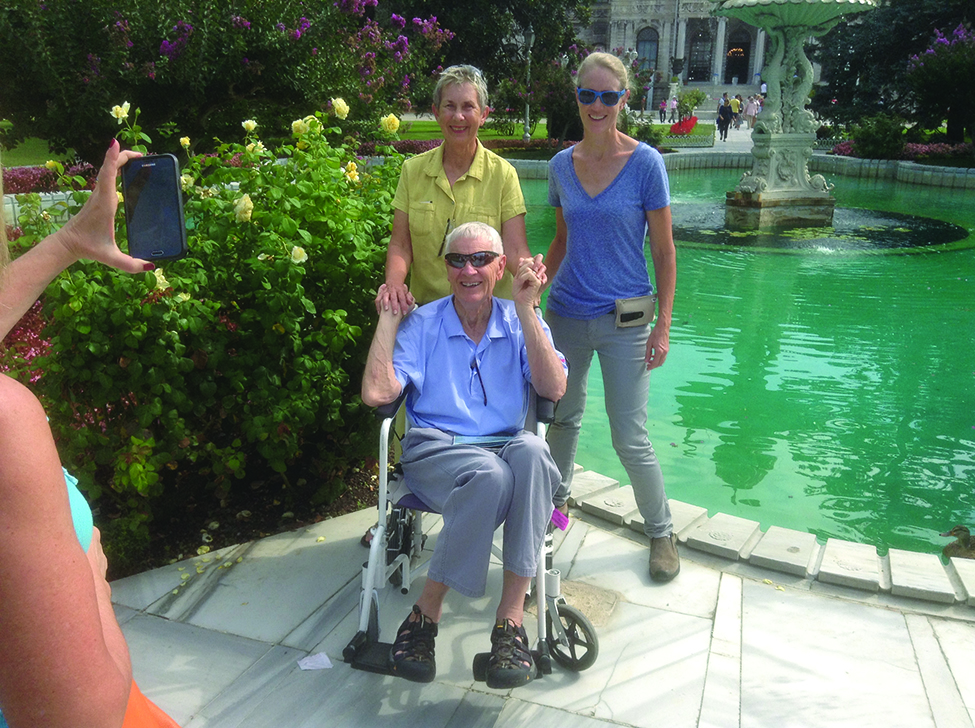
    When my husband was alive, we traveled all over the world. I would have to think of the few countries that we have not visited. Lee was a college professor with a passion for new places and a wonderful sense of humor. After a health problem robbed his ability to walk and talk, we figured out how to keep seeing the world. My daughter, Leeann, was able to share those adventures with us.

    For most of his life, Lee was a cross-trained athlete and served on the Olympic committee. Before the Bejing Olympics, we spent six fabulous weeks exploring China.

    Transitioning to solo travel was not as hard as I thought, because Lee and I were so good at planning itineraries and being flexible on the road.

    I share a passion for seeing the world. If you do too, I recommend travel as a rewarding pastime. I have found that people are much friendlier in real life than they are in the news, books or the movies.

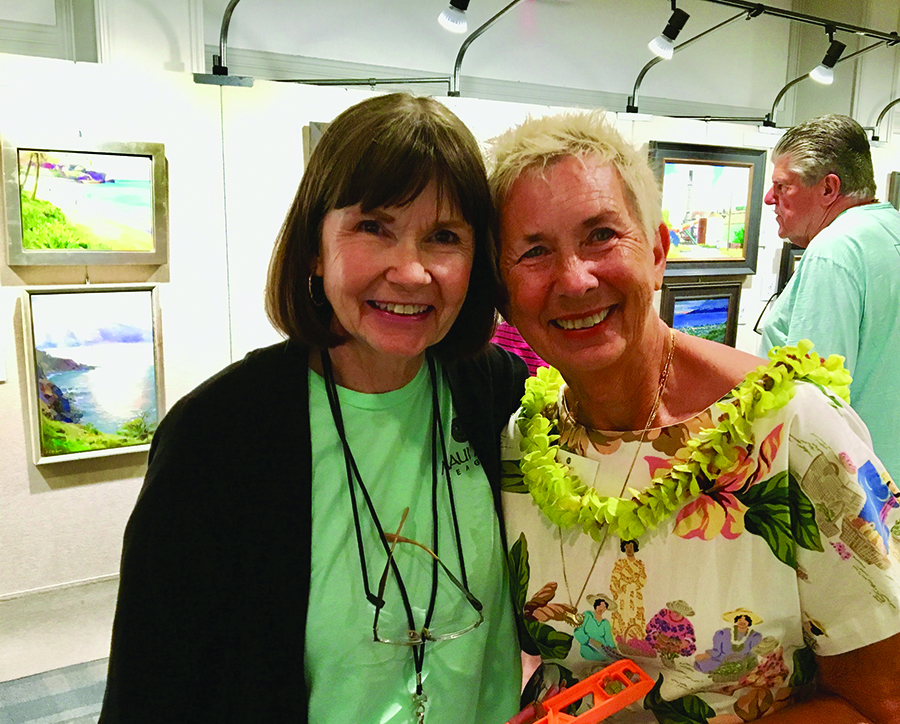
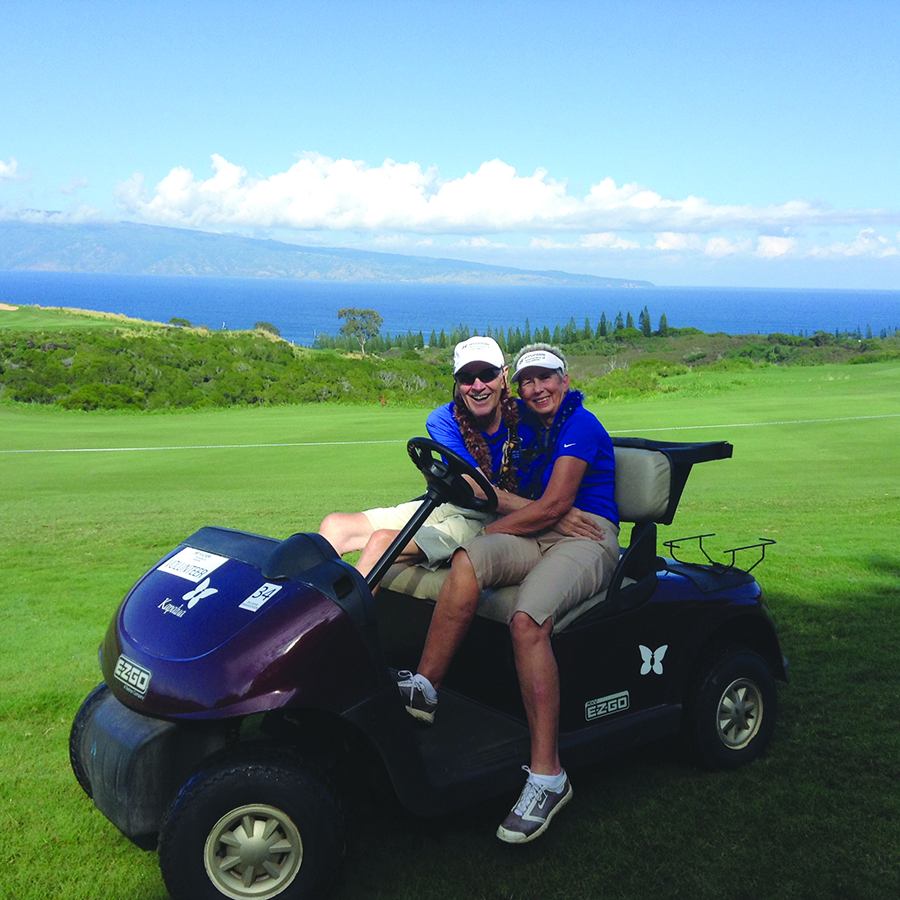
    Every February, I stay home on Maui to assist with the Maui Plein Air Painting Invitational event. This unique event is a tremendous asset to our community by bringing world-class artists here. Our local residents and seasonal guests get a front row seat to watch them paint the beauty of Maui. I live to watch the artists select a subject, set up the easel, create the painting, and frame and hang the finished product. At the art shows I get to greet all the families, visitors and collectors. It’s such a joy to do.

    There is also a free art lecture one evening by a famous art museum curator about “famous art fakes” and a full day of outdoor painting for Maui school children. For all of us who love art and enjoy watching the creative process, being a volunteer is big fun. Feb. 16 through 24, you can find me watching plein air artists on West Maui — and greeting visitors. Here or abroad, art and culture enriches my life.

    I am a retired preschool teacher from Bemidji, Minnesota, and I live in Kā‘anapali, Maui, all winter. I am an active volunteer in both communities and my huge appetite for travel has taken me to many of the world’s countries. My method of solo travel affords me opportunities to explore each destination and its culture…