
In Hawai‘i, caring for our kūpuna is often an ‘ohana responsibility. We know their stories, habits, humor and, yes, sometimes their stubborn ways. We know who likes to talk story and who would rather sit quietly and listen. After years — or a lifetime — of knowing someone, we know exactly who they are. And that knowledge can be more important than we realize.
Although we continue to grow and change throughout life, research shows that our basic personality tends to become quite stable in adulthood. A large 2022 review published in the American Psychological Association’s Psychological Bulletin examined 189 long-term studies involving more than 178,000 people and found substantial stability in adult personality traits. So when someone you have known for years suddenly seems like a different person, it is worth paying attention.
Maybe your easy going uncle suddenly becomes angry over little things. A normally social aunty stops wanting visitors. Mom becomes unusually suspicious or fearful. Dad begins saying or doing things completely out of character. Our first reaction might be, “Well, they’re getting old.” But don’t be too quick to accept that explanation.
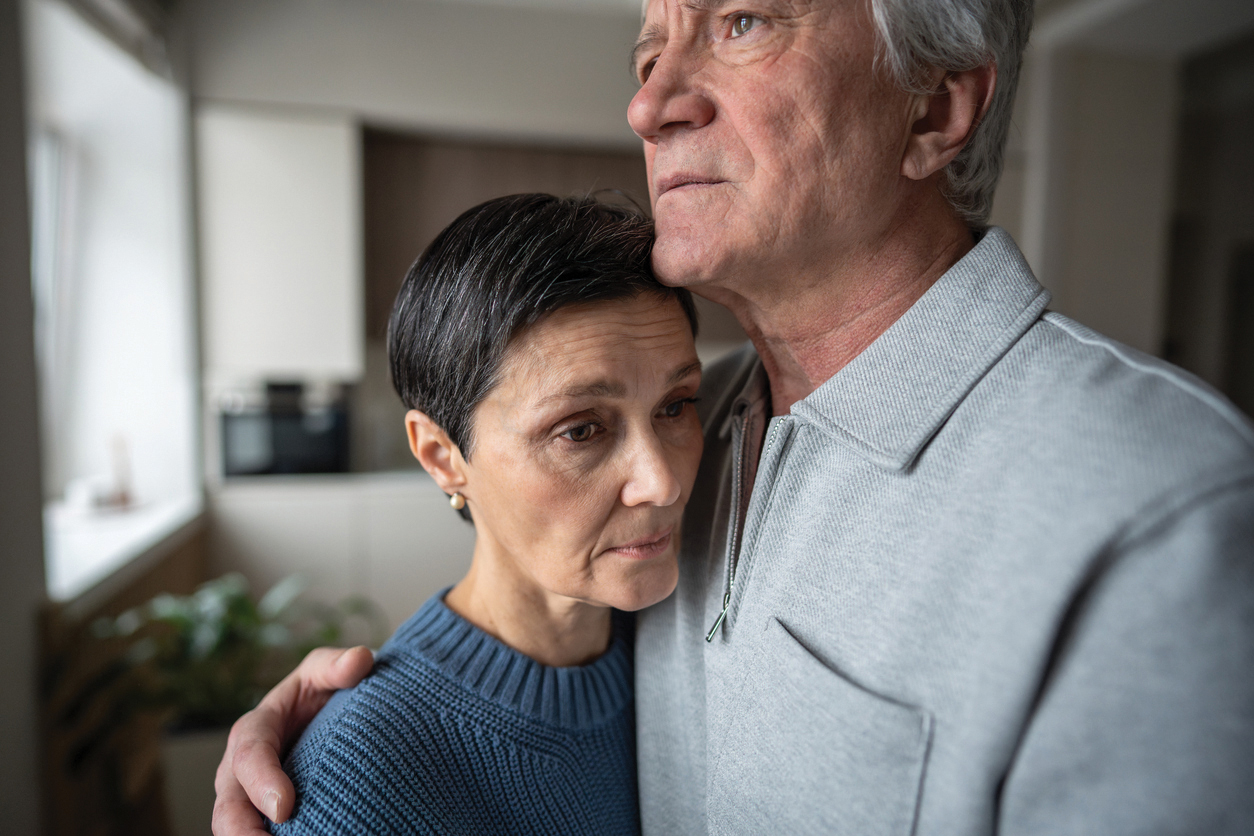
A noticeable change in personality or behavior can sometimes signal a health problem. Medication changes, infection, dehydration, pain, poor sleep, depression, cognitive changes and other medical conditions can affect how a person behaves. Some causes may be temporary or treatable.
The National Institute on Aging advises that sudden or rapidly changing behavior — especially following an infection or medication change — should be brought to a doctor’s attention. It also encourages caregivers to keep track of changes because those observations can help healthcare providers recognize patterns and possible causes.
You don’t need to figure out what is wrong. That’s the job of the healthcare provider. Your job is to notice, remember and speak up. And this is where ‘ohana and caregivers have a special strength. A doctor may know medicine, but you know your kupuna. You may have 30, 40 or 60 years of history with that person. Don’t underestimate the importance of what you know.
When you have a concern, be specific. Instead of saying, “Mom isn’t herself,” explain what has changed and when you first noticed it. Mention recent illnesses, falls or medication changes. Write things down before an appointment so you don’t forget. Most importantly, don’t be afraid to respectfully advocate. If something truly isn’t right, keep asking questions.
Mālama isn’t only cooking a meal, providing transportation or helping with medications. Sometimes caring for our kūpuna means being their eyes, ears and voice when they need us most.
You know them. Trust what you know. Sometimes the most important information we can give a doctor is simply “This isn’t like them.”

Leave a Reply