

An Alaska cruise can be one of the most memorable trips of your life. The breathtaking scenery, fresh mountain air and cooler temperatures often make travelers feel comfortable and refreshed. However, one health concern that many passengers overlook is dehydration.
Because Alaska is cooler than tropical destinations, many people simply do not feel thirsty. As a result, they may drink far less water than their bodies need. Unfortunately, dehydration can develop gradually and become serious before you realize it.
My wife, Darlee, and I learned this lesson firsthand. On the final day of our Alaska cruise, Darlee became ill with vomiting and diarrhea. She was unable to eat breakfast, lunch or dinner, and more importantly, was unable to keep fluids down. Our flight home was delayed for four hours, requiring us to remain at the airport much longer than expected. During that time, it became increasingly difficult for Darlee to replace the fluids she had lost.
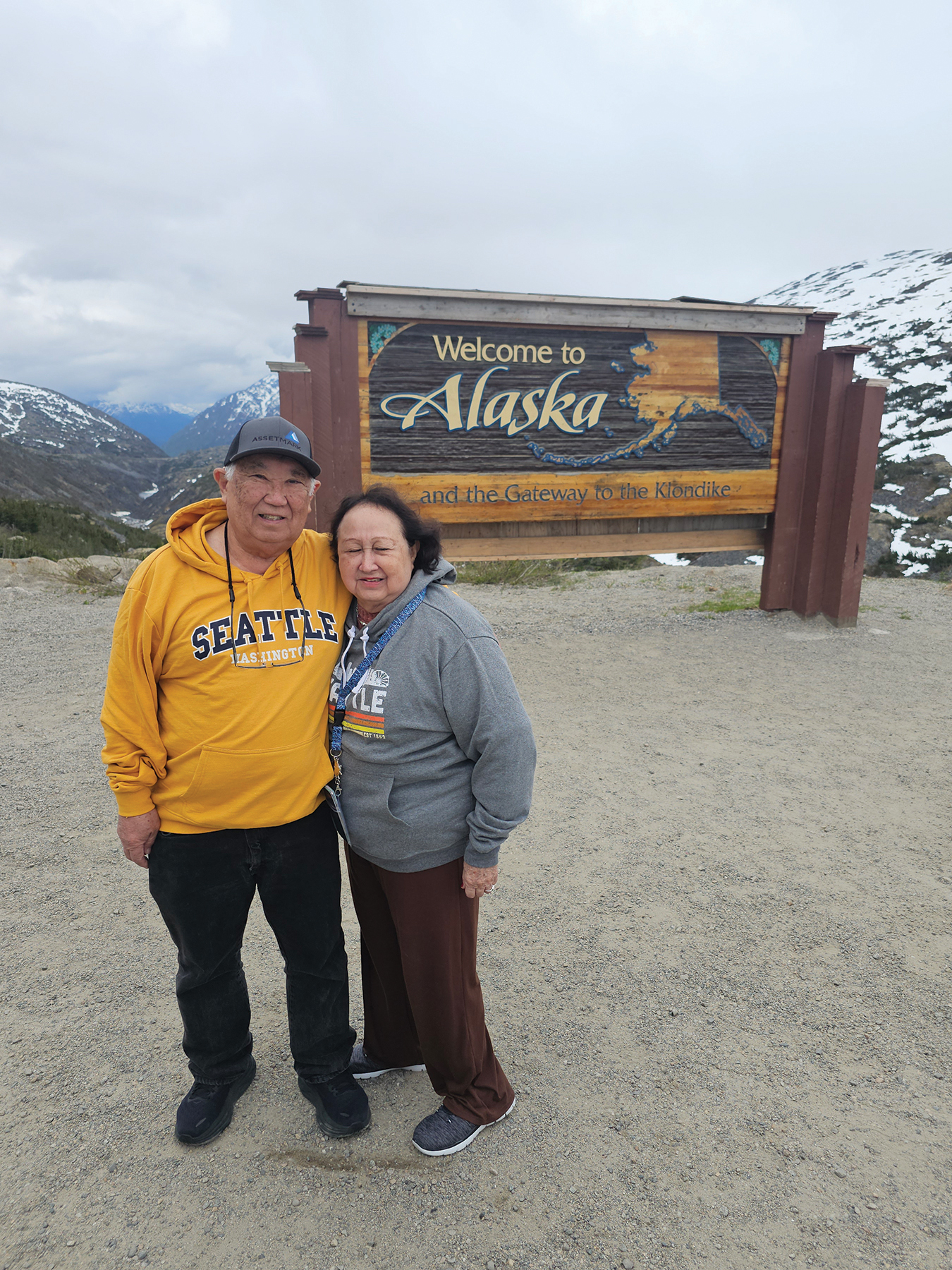
While we were at the airport, Darlee became so weak and dehydrated that we called emergency medical technicians. She was transported by ambulance to the emergency room, where she remained hospitalized for four days and required three bags of intravenous fluids. Multiple blood tests, EKGs and MRI studies revealed no underlying medical problems. The physicians concluded that severe dehydration had placed significant stress on both her kidneys and her heart.
As we age, our bodies naturally contain less water and our sense of thirst becomes less reliable. Older adults can become dehydrated much more quickly than younger individuals. When vomiting or diarrhea occurs, life-threatening risks increase dramatically.
During your Alaska cruise, make a conscious effort to drink water throughout the day, even when you do not feel thirsty. Carry a refillable water bottle, limit excessive alcohol consumption and increase your fluid intake if you become ill. Staying hydrated is a simple step that can help ensure your Alaska adventure remains enjoyable, safe and memorable.
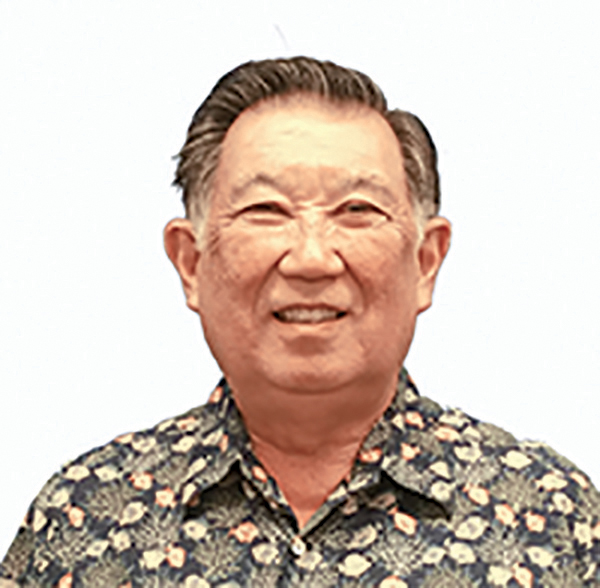
EDWARD MOTOSUE is a 1967 graduate of ‘Iolani High School. In 1971, he earned a bachelor’s degree in biology from the University of Hawai‘i. In 1978, he earned a master’s degree from Pepperdine University. He is the Vice President of Financial Benefits Insurance, Inc. (FBI). Ed’s mission is to help educate our kūpuna. Our kūpuna deserve to live healthier productive lives and find peace of mind.
If you have a story to share, email the editor: debra@generations808.com.

Leave a Reply