

Many people believe family history begins with old photographs, genealogy charts or lists of names and dates.
While those things are important, I teach kūpuna that family history truly begins with something much simpler: your own story — preserving family history through personal memory.
If we fail to tell our personal stories, the links between generations slowly disappear. Grandchildren may know where they came from, but they may never know who their ancestors truly were — their struggles, traditions or dreams.
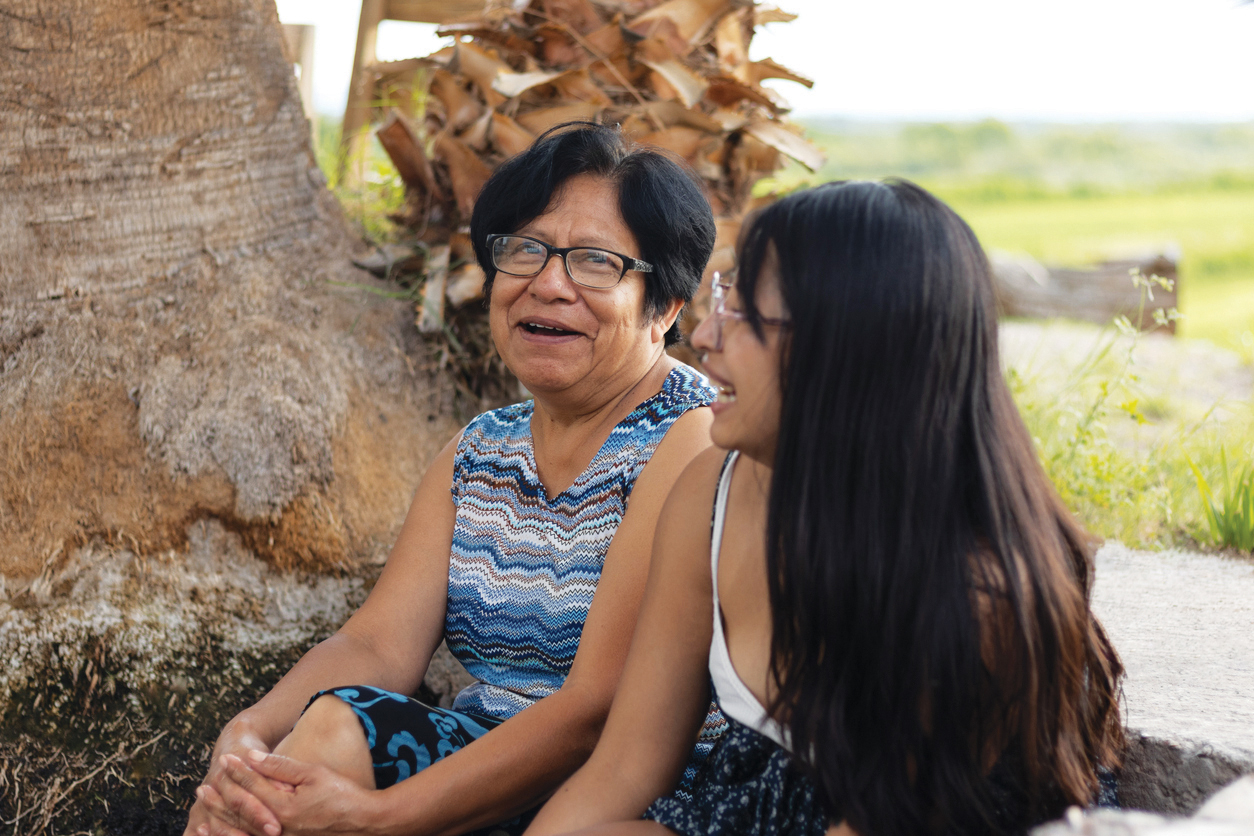
I often compare family history to making a lei. Each memory is like a flower added one piece at a time. Alone, each memory may seem small, but together they create something beautiful and lasting. When stories are left untold, empty spaces are left behind for future generations.
One of the most important lessons I share is that you do not need to be a professional writer. A simple notebook, loose paper or recorded conversation can become a treasured family history.
Start with small moments: What was your childhood home like? What foods remind you of family gatherings? Who taught you important lessons? What traditions made your family unique?
Often, as kūpuna begin talking about their lives, forgotten memories naturally return. I have seen this many times while helping elders write their personal histories. One memory unlocks another, almost like opening old drawers and rediscovering treasures tucked away for years.
I also encourage families to talk story about loved ones who have passed on. Celebrating a heavenly birthday or remembering someone on an anniversary — whether it marks a loss, a milestone or a past relationship — can gently reopen important connections.
Memories are closely tied to our senses. Talking about favorite meals, familiar music or what an old neighborhood looked like can help awaken details long forgotten.
Sometimes one of the best ways to help memories return is to revisit meaningful places. Taking a senior family member on a drive through an old neighborhood, stopping at a former school, church or family home can spark stories that have been resting quietly for years.
Today there are wonderful tools available to help preserve memories. Websites such as FamilySearch (familysearch.org/en/united-states) offer free ways to record stories, upload photographs and preserve audio memories for future generations. This can be especially helpful for kūpuna who find writing difficult but enjoy speaking about their memories and life experiences.
But technology is only a tool. The real gift is the willingness to share.
The important thing is not to wait for the perfect time or perfect words. Simply begin.
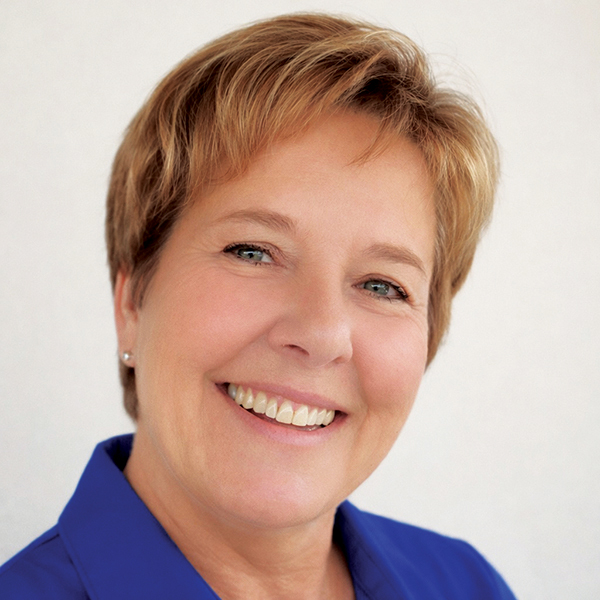
Vicki Boswell is the Founder and President of Hōkūlani Children’s Theatre of Moloka‘i and a dedicated advocate for life skill development among kūpuna. Drawing from her lifelong experience with hearing loss, she teaches practical, multisensory communication strategies that strengthen connection and reduce isolation. Vicki holds a BA in educational psychology and an MSW with a child and family emphasis. She loves working with children and kūpuna, helping them build confidence, express themselves and stay meaningfully connected within their communities. If you have a story to share, email the editor: debra@generations808.com.
Leave a Reply