

Breakthroughs in early detection, treatments and lifestyle research are changing how we understand and address Alzheimer’s disease, offering new opportunities.
One of the most promising advances is the development of blood tests that can detect Alzheimer’s disease earlier and more easily than ever before. These new blood tests can identify proteins linked to the disease such as amyloid and tau, potentially allowing doctors to detect the disease much earlier in primary care settings, not only in specialty clinics.
Early detection is critical because new treatments are most effective when the disease is identified in its earliest stages.
Therapies designed to target the underlying biology of Alzheimer’s have also come into play. These treatments work by removing or reducing the buildup of amyloid in the brain, one of the hallmarks of the disease.
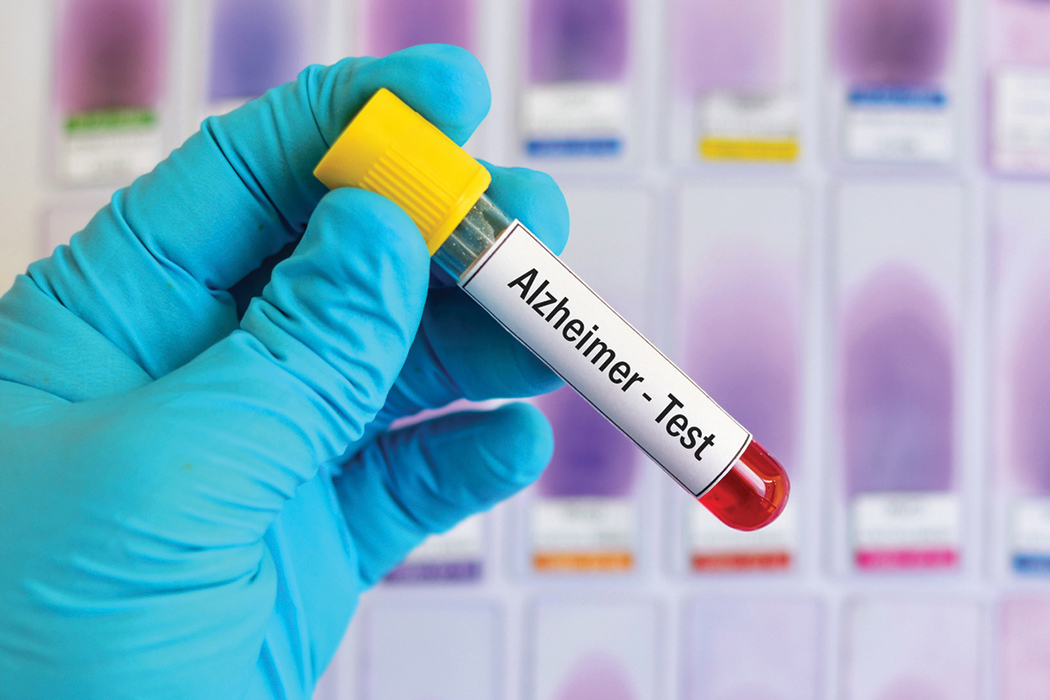
While these therapies are not cures, studies show they can slow disease progression by roughly 30% in some patients, marking the first time treatments have been able to meaningfully change the course of Alzheimer’s.
At the same time, research is demonstrating that prevention and brain health may be more within our control than we first believed. A study led by the Alzheimer’s Association is the largest clinical trial in the US examining how lifestyle changes influence brain health. It found that a comprehensive program combining physical exercise, improved nutrition, cognitive stimulation/brain exercises, social engagement and management of cardiovascular health improved thinking and memory in older adults at risk for cognitive decline. Participants who followed a more structured lifestyle program experienced even greater benefits.
For communities in Hawai‘i, these advances are particularly important. Our state faces a rapidly aging population and increasing rates of Alzheimer’s and dementia. Efforts such as the HANAI Memory Network bill aim to strengthen coordination among healthcare providers, caregivers and community organizations to ensure people living with or who have concerns with memory loss can access early diagnosis, care and support.
Hawai‘i is also poised to contribute to the future of Alzheimer’s research. The University of Hawai‘i’s John A. Burns School of Medicine continues to expand opportunities for students. We hope the association’s UH dementia research bill will accelerate funding capacity through the federal government to enable access to clinical studies/trials, allowing local residents to participate in trials that help advance new diagnostics, treatments and prevention strategies.
Together, these advances in science and care signal a shift from simply reacting to Alzheimer’s disease to detecting it earlier, slowing its progression and potentially preventing it altogether.
The takeaways from this: This is our “mammogram moment” for Alzheimer’s. Just as early screening transformed outcomes for breast cancer, new diagnostic tools like blood tests could make early detection for Alzheimer’s and other forms of dementia the standard of care.
If you have concerns for yourself or a loved one, speak to your doctor or call the Alzheimer’s Association 24/7 Helpline at 800-272-3900.
ALZHEIMER’S ASSOCIATION (nonprofit)
677 Ala Moana Blvd, Ste 301, Honolulu, HI 96813
808-591-2771 | alohainfo@alz.org | alz.org/hawaii

Leave a Reply