

In this ongoing column, Kaiser Permanente doctors answer commonly asked questions.
As someone who deals with bladder issues all the time, I want to start with one important thing, right away: bladder control problems are nothing to be embarrassed about. Many folks in Hawai‘i experience changes in bladder control as they get older, yet too many delay getting care because they feel uncomfortable bringing it up or assume it’s just something they must accept.
If bladder leakage is bothering you in any way, that’s reason enough to talk to your doctor — especially if it’s happening regularly, waking you up at night, causing sudden urges you can’t control or making you avoid activities you enjoy.
Seek care if you have pain, burning, blood in your urine or a sudden change in symptoms — all signal issues that need prompt attention.
Many of these issues can be handled by your primary care provider, but sometimes they’ll need to refer you to a specialist like me. These conversations are routine for all of us and you’re never the only patient asking.
Can I prevent issues with bladder control?
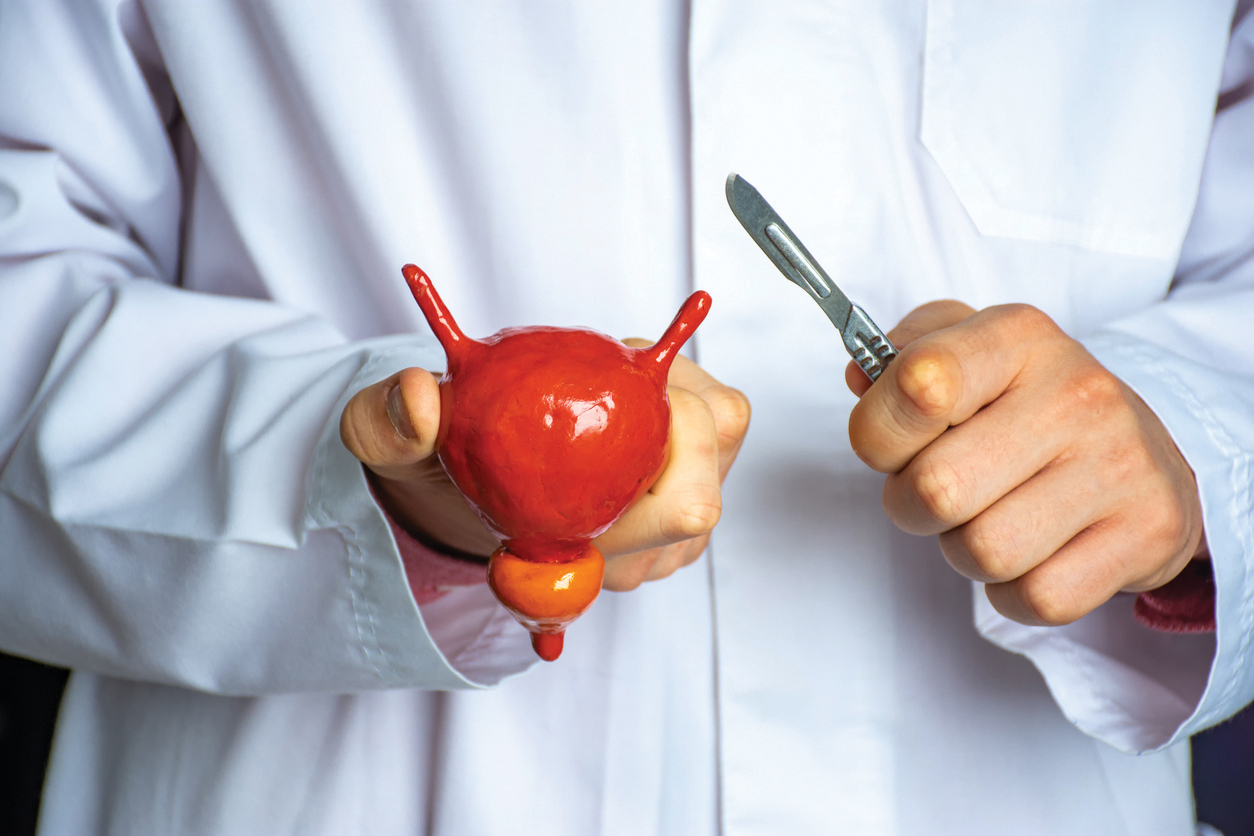
Not every bladder problem can be prevented, but many issues can be improved with a few changes. Gentle pelvic floor exercises, staying physically active and not waiting too long to use the bathroom can make a difference. Constipation is another common factor, as it can put extra pressure on the bladder. It’s also important to review your medications with your doctor once a year, as some prescriptions, over-the-counter medications and supplements can worsen bladder symptoms.
One myth I hear often is that drinking less water will improve things. Especially in Hawai‘i’s warm climate, that idea can backfire. When you’re dehydrated, urine becomes more concentrated and can irritate the bladder. What helps is steady, balanced hydration throughout the day rather than cutting fluids altogether.
Do coffee, tea or local foods make bladder problems worse?
For some people, certain foods and drinks can irritate the bladder — but this varies from person to person.
Caffeine, including coffee and iced tea, is a common trigger for bladder urgency. Citrus fruits and juices, spicy foods and acidic dishes (adobo, kimchi and tomato-based dishes such as spaghetti and stew) may also affect some people. That doesn’t mean you need to give up the foods you like. The key is paying attention. If you notice symptoms tend to appear after you consume certain foods or drinks, small adjustments might help. Try switching to half-caf or decaf, choosing milder seasonings or enjoying smaller portions.
Enjoying local food with loved ones is an integral part of living in Hawai‘i. But moderation and awareness often go a long way.
A final word
Bladder control problems are not something you must deal with alone. If symptoms are affecting your comfort, sleep or confidence, talk to your doctor. Together we can find ways to support your health and quality of life.
DR. MICHELLE C. LEACH is a urologist at Kaiser Permanente Moanalua Medical
Center. She earned her medical degree from Thomas Jefferson University in Philadelphia and completed a general surgery internship and urology residency at the University of California, San Diego, where she served as chief resident. Dr. Leach is passionate about improving quality of life through minimally invasive and innovative urologic care, helping patients restore health, comfort and confidence.
Kaiser Permanente will cover heart health in the next issue. If you have a medical question for the doctor, email: cynthia@generations808.com.

Leave a Reply