Tag: women

  • Maui Pink Paddlers Give Us Hope

    Hope and togetherness for persons affected by cancer is Mana‘olana Pink Paddlers’ (MPP) specialty. Tuesday and Thursday mornings, cancer patients, survivors and supporters pull together, paddling their pink double-hull canoes across the ocean off Kīhei on Maui. Oct. 12 and 13 will be their 10th voyage and overnight on Lāna‘i with The Pacific Cancer Foundation’s Paddle for Life — not a race, but a fun outing (www.paddleforlifemaui.org).

    “Mākaukau!” (Ready!) “Imua!” (Forward!) When all 12 paddlers are in sync, the canoe flies. In the last seat, the steersman selects the course; the first seat sets the pace. We paddle with her. After 15 strokes, seat three shouts “Hut!” (Prepare
    to paddle on the other side!) and “Hoe!” (Switch!). This works both sides of the body.

    This is the first exercise that I tried since my hysterectomy. Mary Dungans, president of MPP, invited me to experience what the nonprofit does for cancer patients and survivors — Wow! — training, an ocean paddle, then a healthy snack and talk story. Half the paddlers are cancer supporters like Mary. Since retiring in 2012, she devotes her skills to MPP.

    Says Mary, “We all love life. Alone, we feel weak, but in our big, stable double-hull canoes, 12 easily bear the load. Kīhei morning seas are calm so we can take off safely most days. Paddling is a fun, physical activity that builds both strength and hope. Cancer isolates, but paddling connects.”

    She’s right. The peace and freedom of the open ocean heal the spirit. MPP gets you there with aloha and ruthless encouragement — like pink gold. Drive on down to Sugar Beach in Kīhei any Tuesday or Thursday at 7:30 am. Look for the pink paddle. The Mana‘olana Pink Paddlers’ fleet of bright pink double-hulls take off from the north end of the beach and everyone is welcome.

    To the Pink Paddlers, life is about moving forward and staying grounded. So, as they say in the canoe, “Imua!”
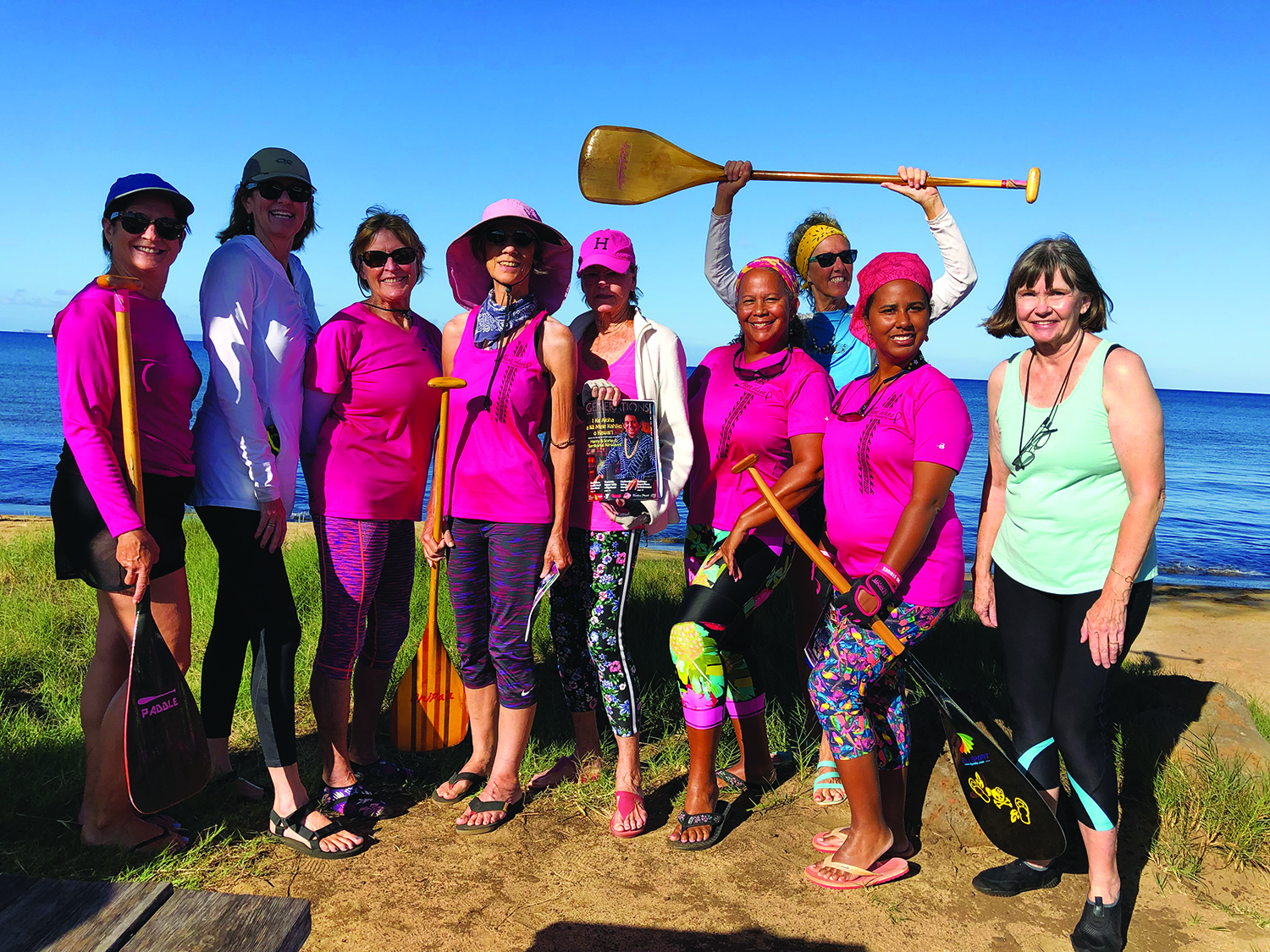
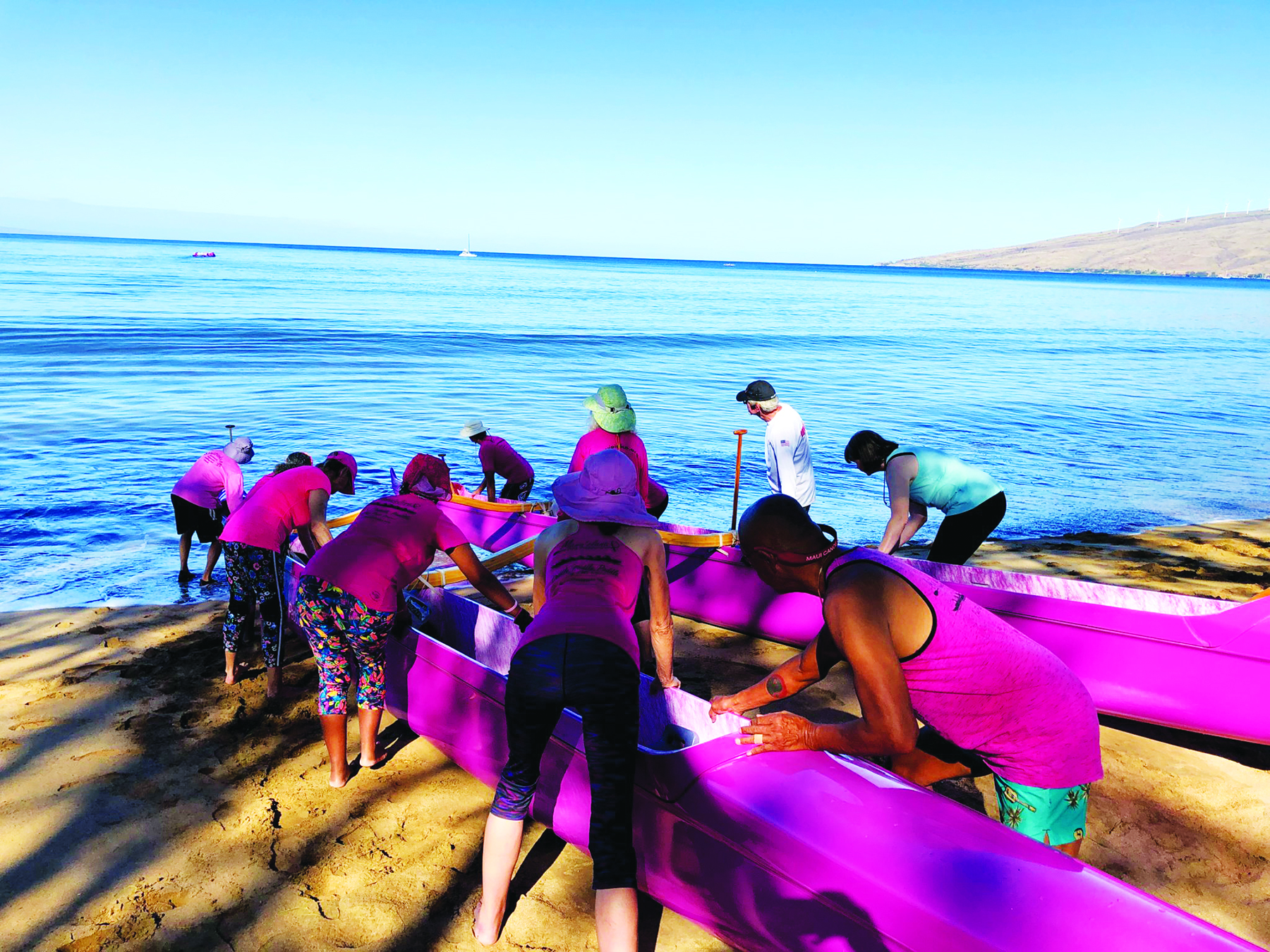
    Enthusiasm and camaraderie! Love these Pink Paddlers who taught me how to paddle and opened up my world. We cut across a flat Ma‘alaea Harbor to see the wreckage of a WWII Hellcat fighter plane. Wow!


    MANA‘OLANA PINK PADDLERS
    Info@manaopinkpaddlersmaui.org
    www.mauipinks.org | www.manaolanapinkpaddlersmaui.org
    Facebook: Manaolana Maui and Maui Pink Paddlers
    To sign up for the Lāna‘i Paddle for Life voyage with MPP or to engage MPP to schedule an Ashes to Sea ceremony, you may get the details online.

    Hope and togetherness for persons affected by cancer is Mana‘olana Pink Paddlers’ specialty. On Tuesday and Thursday mornings, cancer patients, survivors and supporters pull together, paddling their pink double-hull canoes across the ocean off Kīhei on Maui. Oct. 12 and 13 will be their 10th voyage and overnight on Lāna‘i with The Pacific Cancer Foundation’s…

  • Women on the WWII Home Front in Hawai‘i

    The measures that came into effect in wartime Hawai‘i were described by one man who helped create them, Maj. Gen. Thomas H. Green, as “a new experiment in government — a joint operation of the military, civilian business and the general public.”

    Bella Fernandez. Photo courtesy UH Archives
    Bella Fernandez. Photo courtesy UH Archives

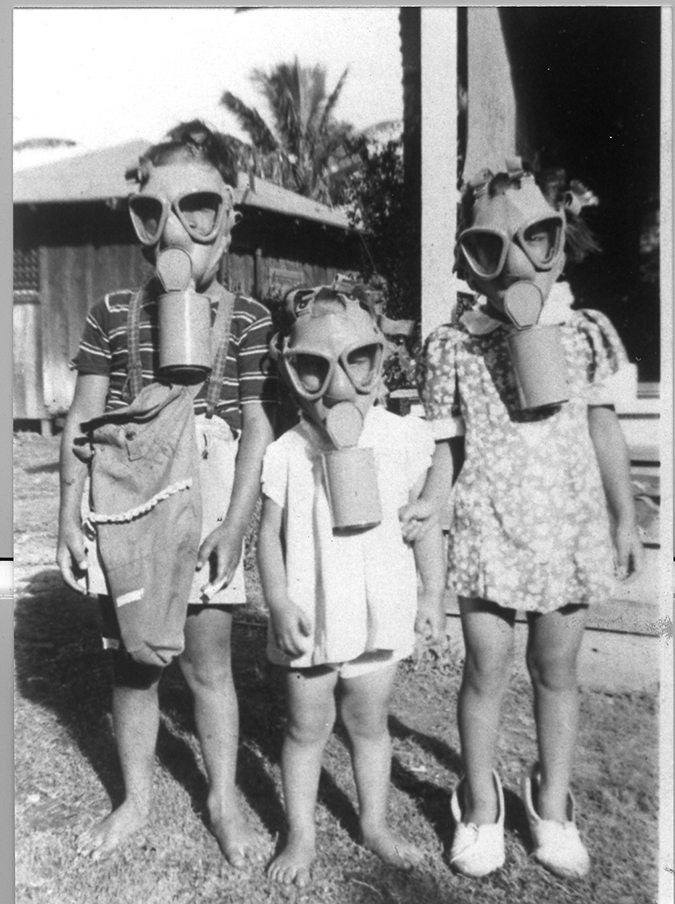
    A great number of the general public were, of course, women and they played many roles on the home front. Bella Fernandez is noted as a “rated woman boat builder at the Pearl Harbor Navy Yard” on the back of a U.S. Navy photograph in the University of Hawai‘i Archives. Others did piecework at home for the armed services, some creating the camouflage netting that was put over the helmets U.S. soldiers wore, as Rosaline Ventura did. Her oral history in the UH Center for Oral History’s project “An Era of Change” also tells of day-to-day life under martial law for this mother of three young children — including toting a heavy gas mask with her wherever she went and making sure the keiki had theirs.

    Many women already worked in professions that could immediately make a useful contribution to the war effort. In the immediate aftermath of the bombing, all schools were closed for a time, but teachers were reassigned to assist in registering the entire population for ID cards. For public health reasons, everyone had to be immunized against typhoid, and nurses played their part in getting that done. Office workers formed a Women’s Volunteer Army Corps, many of its members working long hours in the offices of military staff.

    Children in gas masks. Photo courtesy of the Japanese Cultural Center of Hawai‘i
    Children in gas masks. Photo courtesy of the Japanese Cultural Center of Hawai‘i

    “Society women,” whose household and family obligations were taken care of by paid staff, volunteered for a myriad of roles. The Red Cross Motor Corps, composed of a group of about 38 women, operated a 24-hour ambulance service as part of Civil Defense. Others volunteered their time on the many committees that gave support to agencies created to deal with specific wartime needs, including the Evacuee Assignment Office.

    In total, 13,000 women and children were evacuated to the mainland, most of them dependents of military personnel. Hawai‘i’s Military Governor, Lt. Gen. Delos C. Emmons, resisted any mass evacuation of civilians of Japanese ancestry believing it would be illegal and would adversely affect the war effort. The military did, however, force many families from their homes and land. In her oral history, Ruth Yamaguchi tells how their home at Pu‘uloa was commandeered to house soldiers. Her father found work at Pearl Harbor and she herself left school before graduation to work at the Hawaiian Army Exchange.


    Find out more:
    • Hawai‘i Goes to War, by DeSoto Brown
    Has many photographs and is in your public library.
    Hawaii War Records Depository Photos (UH Archives)
    “An Era of Change: Oral Histories of Civilians in World War II in Hawaii”
    Japanese Cultural Center of Hawai’i 
    Martial Law in Hawaii, by Maj. Gen. Thomas H. Green USA (Ret.)

    The measures that came into effect in wartime Hawai‘i were described by one man who helped create them, Maj. Gen. Thomas H. Green, as “a new experiment in government — a joint operation of the military, civilian business and the general public.” A great number of the general public were, of course, women and they played many…

  • The Search Is On for the 2018 Lei Queen!

    Do you know any kūpuna women who are skilled in hula and lei-making, love the Hawaiian culture and live the spirit of aloha? If so, encourage them to apply for 2018 Lei Queen.

    The City’s Department of Parks and Recreation, which organizes the program, selects court members from different age groups to celebrate phases of life.

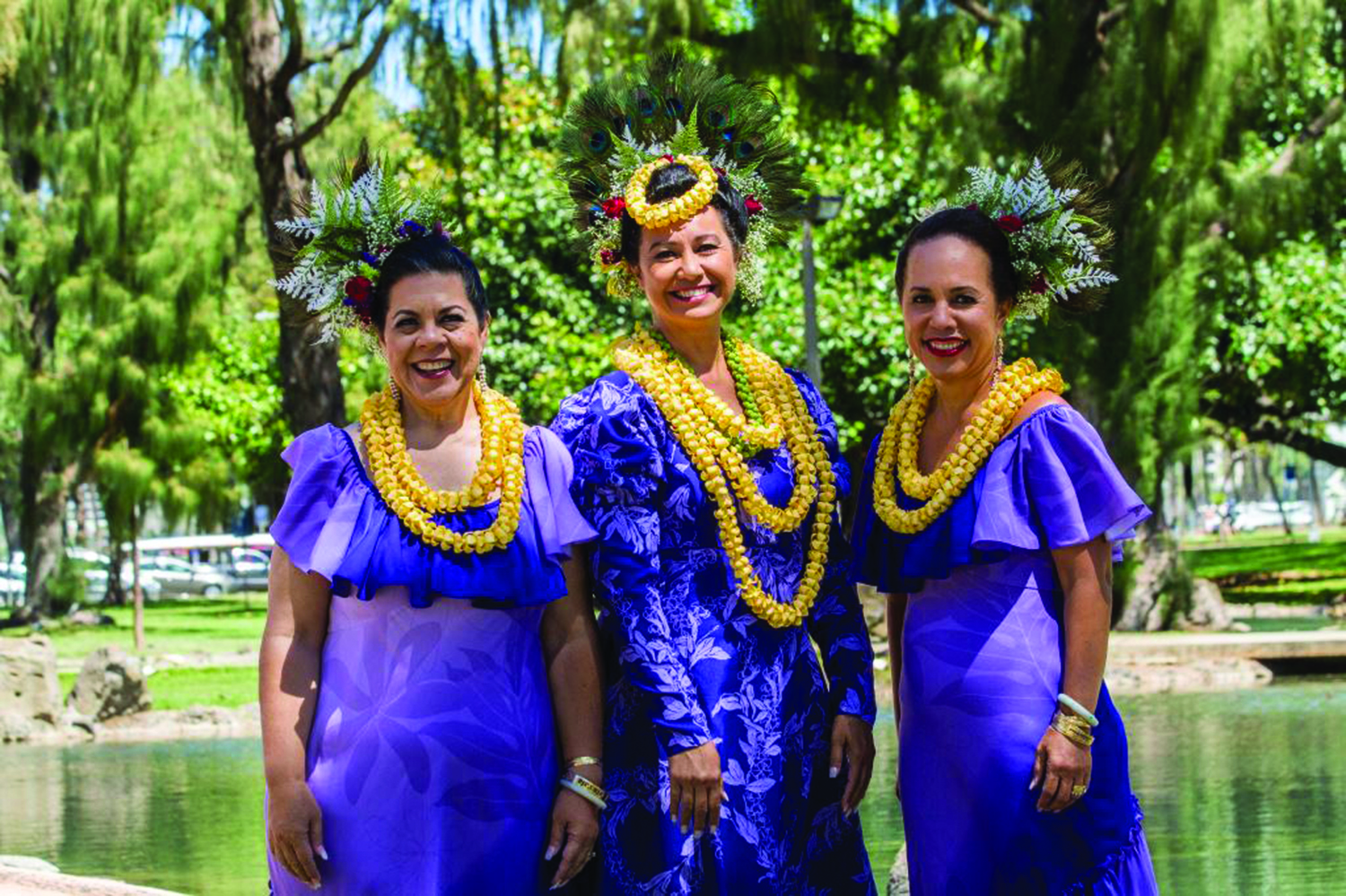
    The 2018 court will feature Nā Kūpuna (the Elders) and reflect the theme, “Alohi Kea — the brilliant white lei, the platinum of kūpuna.”

    There is no age limit, but applicants must be at least 61 years young by Saturday, March 3, 2018.

    The 2017 Lei Queen and Court (from left): First Princess Pauline Leinā‘ala Robello, Queen Perle Puamōhala Kaholokula and Princess Ada Kalikokalehua Cooke. Photo by Dave Miyamoto
    The 2017 Lei Queen and Court (from left): First Princess Pauline Leinā‘ala Robello, Queen Perle Puamōhala Kaholokula and Princess Ada Kalikokalehua Cooke. Photo by Dave Miyamoto

    2018 LEI QUEEN

    Application deadline:
    Friday, Jan. 5, 2018

    Court selection event:
    Saturday, March 3, 2018; McCoy Pavilion, Ala Moana Regional Park; free event

    91st Annual Lei Day
    Celebration:
    Tuesday, May 1,
    Kapi‘olani Park

    Contact:
    Call 808-768-3041 or visit www.honoluluparks.com

    Do you know any kūpuna women who are skilled in hula and lei-making, love the Hawaiian culture and live the spirit of aloha? If so, encourage them to apply for 2018 Lei Queen. The City’s Department of Parks and Recreation, which organizes the program, selects court members from different age groups to celebrate phases of…