

Tag: oral health

  • Nursing Homes Should Prioritize Oral Health

    Poor oral health can affect overall physical health at any age. Without treatment, poor oral health can lead to pain, infection, malnutrition and even serious illnesses. Therefore, it’s important to incorporate good oral health habits into all stages of life. So if you’re weighing options for a long-term care facility for yourself or a loved one, ask them how oral health practices are incorporated into their care program.

    More long-term care homes have expanded their nurse training to incorporate dental care. For example, the HDS Foundation created the Kupuna Smiles — Oral Health Training Program for nurses and other professionals who provide healthcare for seniors. Through this program, dental hygienists have conducted hands-on training for more  than 80 registered nurses, certified nurse assistants and the managerial nursing staff of The Clarence TC Ching Villas at St. Francis in Liliha. Hygienists instructed each staff member on how to properly brush and floss patients’ teeth and care for dentures, reach difficult spots in the mouth, work carefully around mouth sores and identify signs of decay.

    Long-term care facilities should prioritize oral health, especially if patients are unable to brush and floss on their own. The formula for good oral health is to brush, floss and see a dentist so you can live well and smile more!


    HAWAII DENTAL SERVICE (501(c) 4 nonprofit)
    Kahala Howser, Wellness & Events Manager
    808-521-1431 | khowser@hawaiidentalservice.com
    www.HawaiiDentalService.com
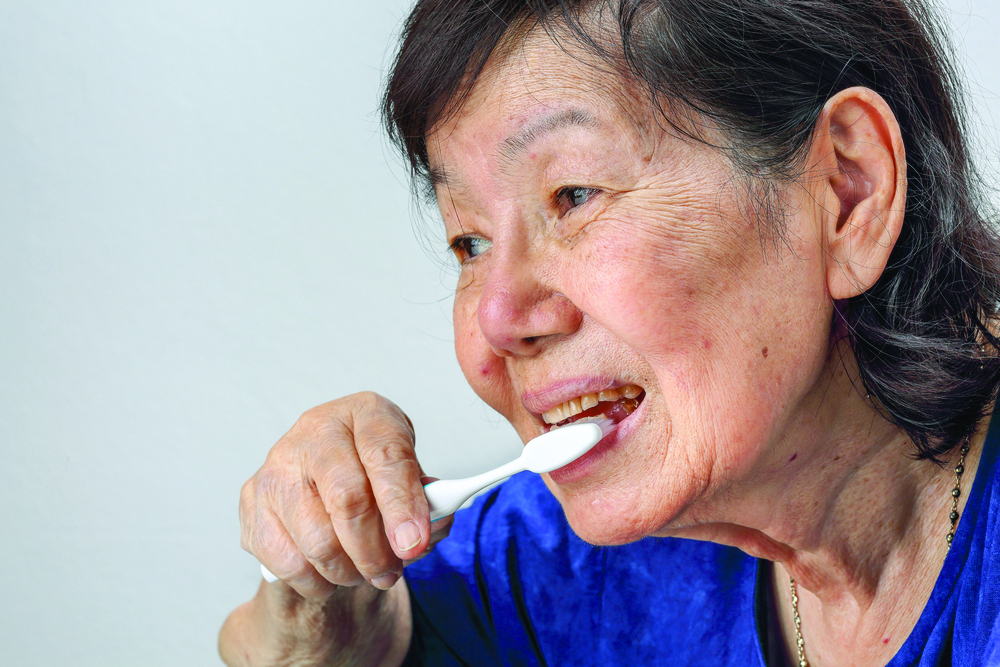
    Poor oral health can affect overall physical health at any age. Without treatment, poor oral health can lead to pain, infection, malnutrition and even serious illnesses. Therefore, it’s important to incorporate good oral health habits into all stages of life.

  • Caregivers’ Tips for a Healthy Smile

    Most caregivers know good oral health is important at every age and is a clear indication of their patient’s overall health.
    Some things caregivers should look for are signs of change in the patient’s mouth. Has there been recent tooth loss, discoloration or dryness? Often, seniors may experience those conditions, which affects how they digest their food or indicates other health problems. It’s important to monitor even small changes or signs of discomfort while eating or drinking.
    Caregivers can maintain good oral health for their patients by brushing their teeth twice a day for two minutes and flossing daily. Use special oral health tools to properly brush and floss. Rinse dentures after every meal and brush them with a denture cleaner. Don’t forget to take the dentures out before bedtime and store them in water.

    Nutrition plays a large role in maintaining good oral health at any age; it’s best to limit sugary foods and drinks. Drinking lots of water keeps the teeth and body healthy. Also, don’t forget that seniors still need to see the dentist twice a year for exams and cleanings, even if they have dentures.

    Lastly, I want to say thank you to all caregivers for caring for our kūpuna. You are appreciated and valued. We hope these tips help your patient or loved one live well and smile more.


    HAWAII DENTAL SERVICE
    Kahala Howser, Wellness & Events Manager
    808-521-1431 | khowser@hawaiidentalservice.com
    www.HawaiiDentalService.com
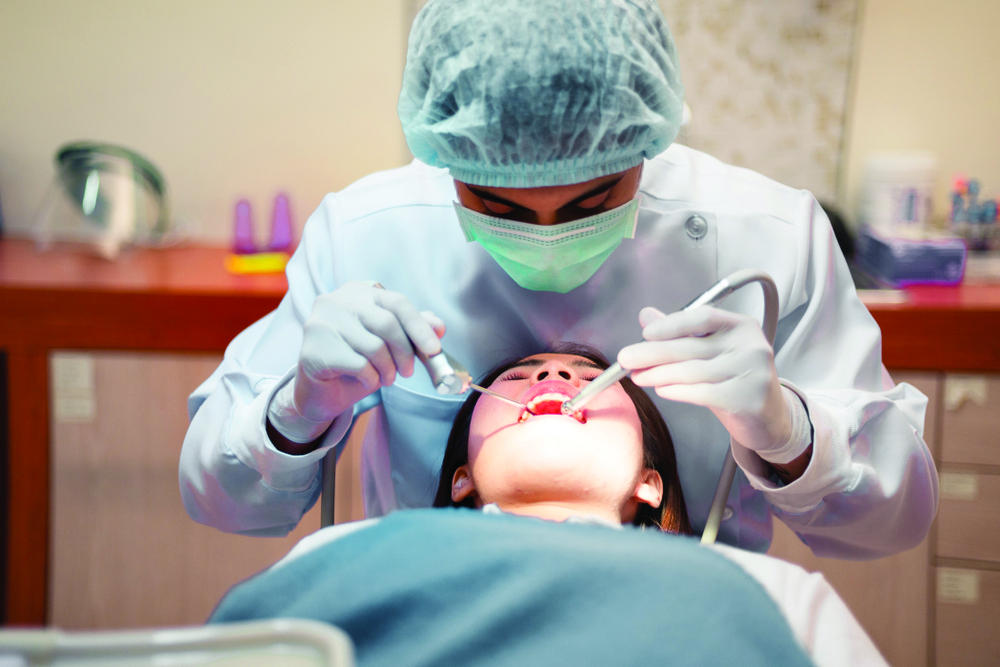
    Most caregivers know good oral health is important at every age and is a clear indication of their patient’s overall health. Some things caregivers should look for are signs of change in the patient’s mouth. Has there been recent tooth loss, discoloration or dryness? Often, seniors may experience those conditions, which affects how they digest…

  • Dentists Are Busy People

    Many patients wish they could enjoy their dentist’s company beyond a quick, customary greeting before their ability to speak is interrupted by the whirr of the drill.

    Like everyone else, dentists have families, hobbies, enjoy their favorite beverage, have bills to pay and look forward to having fun. And just like everyone else, “busy” is a dentist’s life.

    Public education on dental care keeps dentists hopping, too. Commercials for electric toothbrushes, new toothpastes and improved water flossers (by the way, all of these products are great!) focus people on their smiles. The public is also aware of the new advances in dentistry. Dental-related companies advertise ways to straighten teeth, whiten teeth and freshen breath. Dentists must keep up with technology, convenience and new techniques to do the best job possible.

    No wonder dentists are so busy — but with worthwhile results! In a recent national survey, Hawai‘i ranked fifth for oral health. That’s pretty good considering all the sweets we consume and given how much we love crack seed!

    The next time you go to your dentist, you’ll understand why he/she is so engaged and focused.

    I would like to know my patients better, too. But if there is no time for conversation, just know I appreciate how you are taking preventive care of your teeth. Your healthy smile says it all!


    DR. PAUL K. TANAKA, DDS
    4747 Kilauea Ave., Ste. 113, Honolulu, HI 96816
    808-737-6229 | office@paultanakadds.com
    www.paultanakadds.com

    Many patients wish they could enjoy their dentist’s company beyond a quick, customary greeting before their ability to speak is interrupted by the whirr of the drill. Like everyone else, dentists have families, hobbies, enjoy their favorite beverage, have bills to pay and look forward to having fun. And just like everyone else, “busy” is…

  • Smile Through Retirement

    Portrait of Asian Senior Couple laughing at the park. Happy Elderly with positive feeling at outdoor. Retirement.

    {Play}A healthy smile should last well into your retirement years. Many believe it’s natural for teeth to deteriorate as they age, but it’s possible to maintain healthy teeth and gums for life. Consider these tips to keep your smile healthy:

    Protect Your Smile: Protect your smile (and body) from infectious diseases and ailments by brushing twice a day, flossing daily and visiting your dentist regularly. A simple dental visit can identify signs of any systemic diseases or future oral health issues that may arise in your retirement years. Find a dental plan that fits within your budget and includes preventive care to ensure your exams and cleanings are covered.

    Keep Your Dentist Informed: Inform your dentist about medications you are taking and conditions you are experiencing. In some cases, certain medical conditions can impact your oral health. Your dentist can detect signs of infection and increase the frequency of cleanings throughout the year.

    Maintain Healthy Habits: Good nutrition has a direct impact on oral health. Maintain a balanced diet full of fibrous vegetables, lean protein and fruit. Limit the intake of sugary foods and drinks.

    Good oral health habits and visits to the dentist ensure a sparkling smile, and better overall health and quality of life. Live well, smile more.


    HAWAII DENTAL SERVICE
    Kahala Howser, Wellness & Events Manager
    808-521-1431 | khowser@hawaiidentalservice.com
    www.HawaiiDentalService.com

    A healthy smile should last well into your retirement years. Many believe it’s natural for teeth to deteriorate as they age, but it’s possible to maintain healthy teeth and gums for life. Consider these tips to keep your smile healthy…