Tag: covid-19

  • Our Spiritual Home

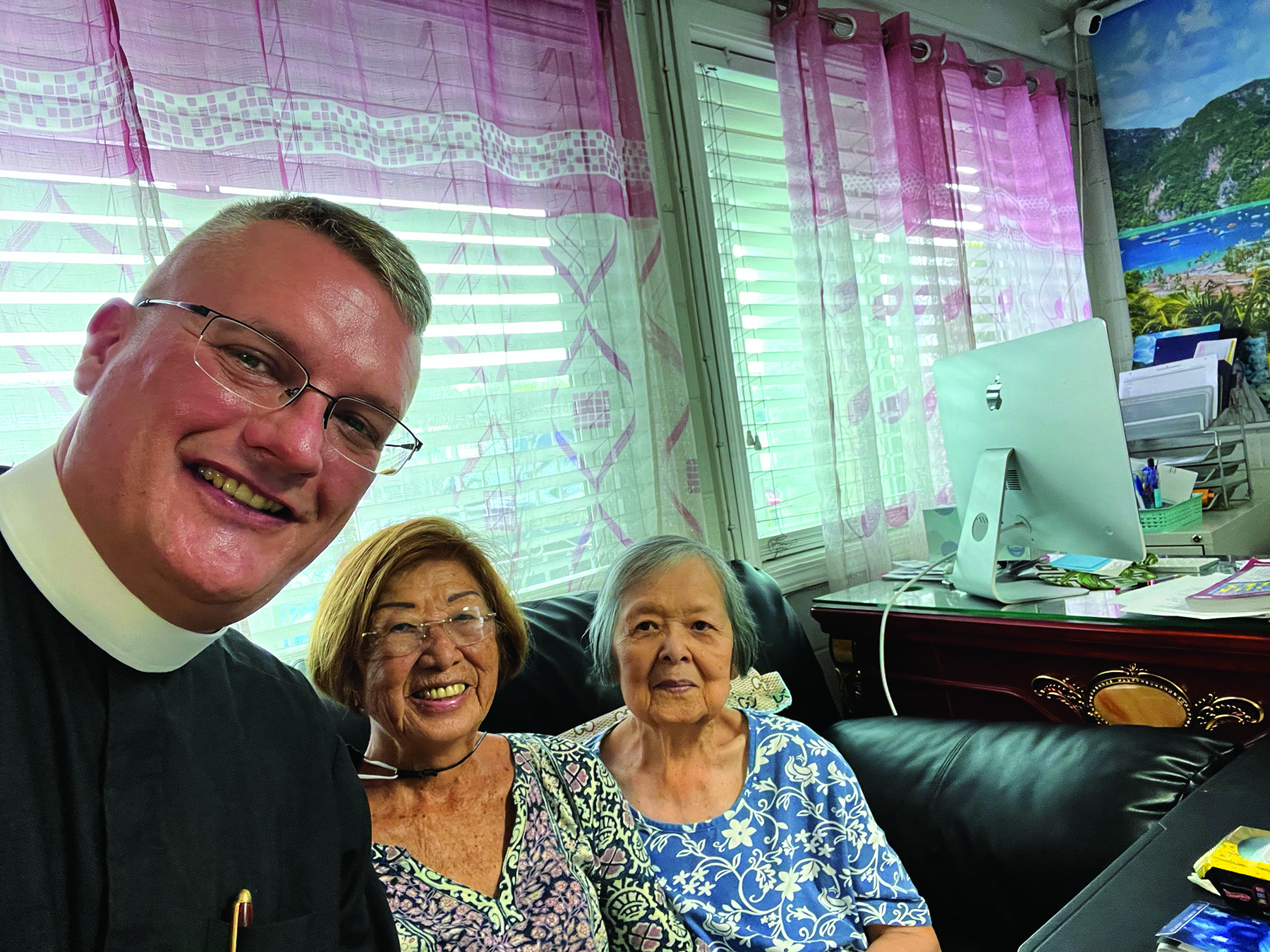
    photo of Rev. Christopher Bridges with parishioners Edean Iwanaga and Lorraine Yap
    (L–R) Rev. Christopher Bridges with parishioners Edean Iwanaga and Lorraine Yap

    During the height of the COVID-19 pandemic, members of Epiphany Episcopal Church in Kaimuki served as a testament to faith and dedication as they continued to attend services in person — when we were allowed to do so. It renewed me as a minister each and every Sunday.

    Even before the vaccine became available, some members of the congregation who were more vulnerable due to age or illness attended church — despite the risks. They simply put on their masks, safely sat six feet apart, washed their hands, then folded them to worship God together, following the guidance of the Centers for Disease Control and Prevention.

    Now that the vaccine is widely available, all the members of the church have demonstrated their love for their community by getting vaccinated,  protecting themselves while helping the islands combat the virus.

    Many studies indicate that religious practices substantially contribute to physical and mental health. All I have to do is look at my members who are in the 70-to-90-year-old age range who have been coming to church regularly. One of our members who lived to be 103 years old came to worship nearly every Sunday. Some of our elder members have attended since they were children.

    Many of those who have gone on to be with Jesus in Heaven lived full lives as elders. They knew that coming to a place of worship — going to a sacred place to worship and committing to something beyond themselves — builds a bridge into their personal lives. Worshiping God in fellowship with other members of the congregation and sharing the ups and downs of life helps give them the ability to deal with the stress in their daily lives. I have been a witness to countless stories that back up this observation.

    These grey-haired elders are an example of what St. Paul the Apostle called “mature faith — understanding the wisdom of God.” They rediscovered a secret that many have forgotten: Having faith and being a part of a sacred place of worship is important to well-being.

    “I exhort the elders among you to tend the flock of God,” St. Peter  said. So to all the elders out there, keep tending the flock at your church. The Bible says, when elders gather, God’s wisdom becomes known. So I would like more elders to gather with me at Epiphany to share that wisdom. But churches are not just a gathering place for the senior citizens. Ultimately, the connection with God is strengthened through church attendance by people of all ages.


    During the height of the COVID-19 pandemic, members of Epiphany Episcopal Church in Kaimuki served as a testament to faith and dedication as they continued to attend services in person — when we were allowed to do so. It renewed me as a minister each and every Sunday.

  • Adapting to a Changing Job Market

    This past year has has served as a glaring stoplight for many people who assessed their slim chances of ever working again. The truth is that the changes we have experienced — those due to COVID-19 and more — have opportunities embedded within their threats. As previously promised, here is a straightforward, basic planning model for future work. It’s a guiding light to follow as you plan to continue to work in one of several ways in the foreseeable future.

    Forget endless chronology and look instead at your unique interests, gifts and verifiable  accomplishments. Write  them down. What do you want to highlight in any work you do in the future? For example, you may have been working in a company full-time as an accountant. You loved some — but not all — of the work. The work you loved are the highlights you are selling to a future employer, client or customer. Ask former teammates for their strongest impressions regarding your contributions. Think about new areas of interest and how your strengths might be an asset. Ask yourself how the work you will do in your older years will contribute to achieving your goal of living a purposeful and even longer life?

    Keeping your interests in the forefront of your mind as you check the market. Where are the strongest opportunities that meet your interests? Be sure to check options beyond the fulltime job market because you may find that one of the strongest opportunities for mature workers is in the flexible workforce.

    The flexible workforce option is growing at warp-speed and is a treasured opportunity for many of us facing the need to continue to earn, learn and to be a part of a larger community.

    Yes, you may need to enhance your skills by learning how to use a laptop, the internet and social media. Fear alone, not competency, makes this hard for many seniors. Be aware that the answers to most of your questions about your future work are at your fingertips.

    Put this in perspective! Do you still drive in the crazy traffic on most of our islands? If so, learning to use the basic technology at your fingertips will seem simple by comparison.

    Where might you learn and/or improve your knowledge? Any adult school, the community colleges, the universities and vocational schools across all islands are here to help now.

    Finally, for today, ask yourself life’s central questions — “Am I creating the meaningful, longer lifetime I desire and deserve? What form of work, beyond the old-world of jobs, will help me achieve this goal?”

    In the next issue, I will address flexible opportunities in the field of health and wellness; options that are exploding for older workers.


    NEW WORKFORCE HAWAII
    Carleen MacKay
    916-316-0143 | carleenmackayhi@gmail.com
    www.linkedin.com/in/carleenmackay

    This past year has has served as a glaring stoplight for many people who assessed their slim chances of ever working again. The truth is that the changes we have experienced — those due to COVID-19 and more — have opportunities embedded within their threats. As previously promised, here is a straightforward, basic planning model…

  • Beware of COVID-19 Scams

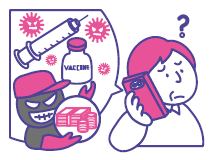
    Now that COVID-19 vaccination is in full swing along with economic relief packages from the federal government, scammers are using phishing emails and texts, bogus social media posts, robocalls,  impostor schemes and more to prey on the public. Federal and state agencies are reporting a flood of vaccine scams, with phony websites and email campaigns promising easy and early access to coronavirus shots. They also anticipate a rise in financial stimulus scams targeting relief payments, unemployment benefits and small business loans.

    From the earliest beginnings of the COVID pandemic, fraudsters have been luring consumers with fake remedies; now they’re using the vaccine rollout as bait to lure unsuspecting consumers.

    The Hawai‘i Department of Health and Human Services says consumers should be on the lookout for the following signs of vaccine scams:

    • Requests that you to pay out-of-pocket to receive a shot or get on a vaccine waiting list
    • Ads for vaccines via websites, social media posts, emails or phone calls
    • Marketers offering to sell or ship doses of COVID-19 vaccines

    The FBI says con artists are still advertising fake COVID-19 antibody tests to mine personal  information to be used in identity theft or health insurance scams. This includes fake unemployment filings and even stealing one’s stimulus check.

    Other scammers claim to be selling or offering supplies such as masks, test kits and sanitizers, often in robocalls, texts or social media ads.

    Scammers are also impersonating banks and money lenders, offering bogus help with bills, credit card debt or student loan forgiveness.

    Beware of calls, texts or emails, and social media posts originating from what appear to be  government agencies that instruct you to click a link, pay a fee or confirm personal data (your Social Security number) to secure your stimulus check.

    The FTC and the Justice Department also issued an alert about phishing texts and phone calls that are supposedly from contact tracers, warning you that you’ve been exposed to someone with COVID-19. If you click the text message link, malware downloads to your device. These messages will appear to be from actual businesses or government agencies, but clicking on links or downloading attached files could enable the theft of personal information and your identity. Messages from actual contact tracers will not include a link, or ask you for money or personal data.

    Also use care when conducting an internet search for coronavirus information. Are you going to the actual CDC or WHO website, or to a scam portal created by a cybercriminal?


    Christopher Duque | aikea808@gmail.com

    Now that COVID-19 vaccination is in full swing along with economic relief packages from the federal government, scammers are using phishing emails and texts, bogus social media posts, robocalls,  impostor schemes and more to prey on the public.

  • Finding Freedom Once More

    COVID-19 impacted this industry greatly — it may never be the same again. We had to stop large gatherings, monthly meetings and communal dining, restrict visitors, volunteers and even family members who uplifted our community on a daily basis, and social distance ourselves when hugs and closeness were once shared.

    Many administrators like myself had to take swift action to attain the balance of retaining the simple freedoms of our residents and fighting to keep our communities safe.

    Over a year later, the pandemic continues to defer our freedom — the freedom to do what we please, visit with others at any time and travel anywhere in the world to live our best life.

    Independence Day 2021 will be a period of reflection on our own personal freedoms and our nation’s. Don’t give up hope; we are turning a new leaf. It will take courage to gain back our freedom and a sense of peace.


    ROSELANI PLACE (501(c) 3 nonprofit)
    88 South Papa Ave., Kahului, Maui, HI 96732
    808-871-7720 | Toll Free: 800-554-9853
    info@roselaniplace.com | www.roselaniplace.com

    The overall mission for senior living communities is to provide socialization, wellness, a sense of community and independence. As the general manager for Roselani Place, my mission is to enrich the lives of our kūpuna and manifest my passion to enable them to live their lives to the fullest each and every day.

  • Care Lessons Learned from COVID-19

    Beginning in March 2020, recreation therapists, activity directors and staff were faced with the daunting task of making their activities safe for their residents. Groups were cancelled; family members, volunteers and outside entertainment were no longer allowed inside of nursing homes. Much more time was devoted to cleaning and social distancing.

    Now it’s been almost a year and the new normal has provided insights that will stick with us even as we (hopefully) get to return to some semblance of pre-pandemic normalcy. Here are some things we’ve learned:\

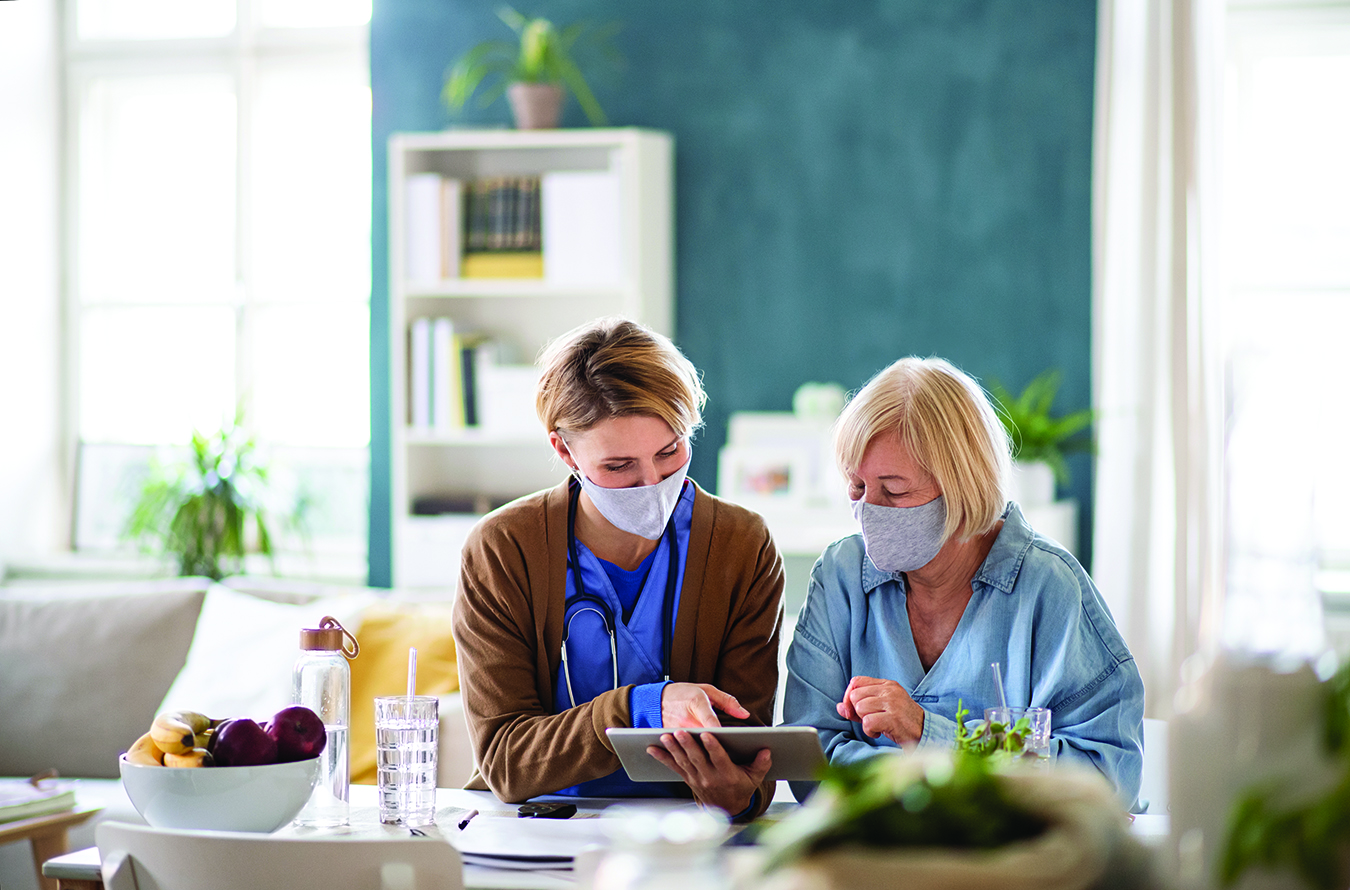
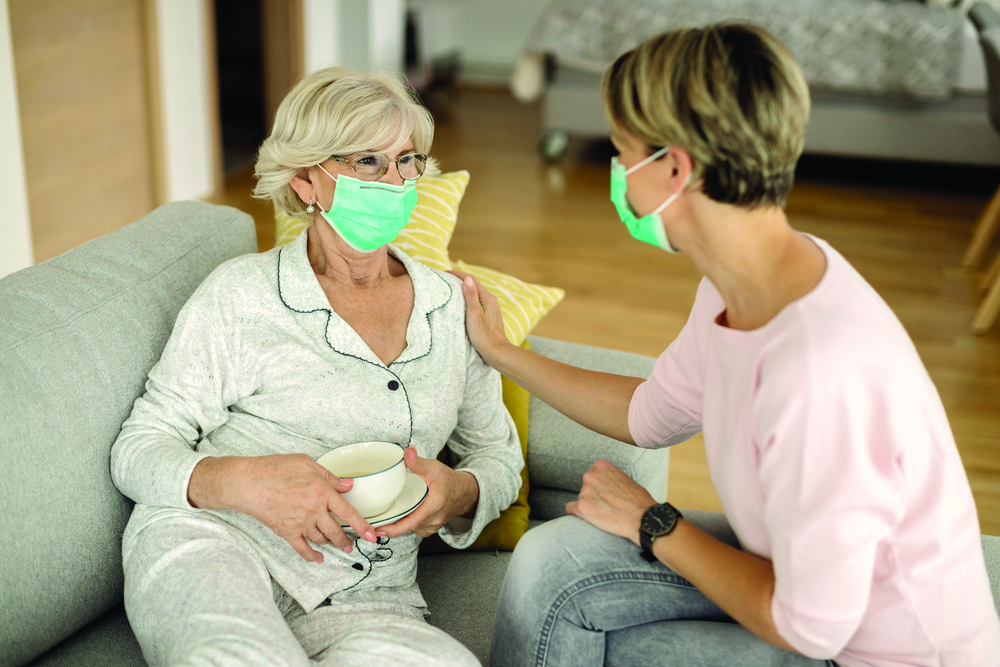
    Senior woman with caregiver or healthcare worker indoors, using tablet. Coronavirus concept.

    Video Chat Apps Will Stay

    As staff have become experts at using FaceTime, Zoom and Skype, residents will continue to enjoy getting to call their family members and see them face-to-face. For example, one resident was able to connect with family off-island and talked to them even more than he did pre-pandemic. These regularly scheduled calls allow for connections to continue with friends and family near and far, despite the inability to travel.

    Don’t Underestimate Virtual Offerings

    Virtual classes have allowed activity staff to provide kūpuna with more ways to stay engaged and feel part of the community. High school students in California performing jazz via Zoom, a virtual art class with supplies and assistance from staff and getting to see famous symphonies performing free online holiday concerts all offer great possibilities for future programs.

    Compassion is Still No.1

    Lastly, though this is not new, the pandemic has shown the importance of human connection. Staff working in nursing homes have provided the love and attention that family members would normally be able to give, while simultaneously keeping those outside connected and assured that those inside are being well-cared-for. It has been a heart-wrenching balancing act, but for many of us working in this setting, our ability to love and care for kūpuna has increased and the attention to detail we have learned will stick with us even as we overcome and move past COVID-19.


    MANOA COTTAGE KAIMUKI
    748 Olokele Ave., Honolulu, HI 96816
    808-426-7850 | info@manoacottage.com
    www.manoacottage.com

    Beginning in March 2020, recreation therapists, activity directors and staff were faced with the daunting task of making their activities safe for their residents. Groups were cancelled; family members, volunteers and outside entertainment were no longer allowed inside of nursing homes. Much more time was devoted to cleaning and social distancing.

  • Hawai‘i’s COVID-19 Vaccination Information

    The Hawai‘i Department of Health (HDOH) is moving forward with its implementation of the state’s COVID-19 vaccination plan.

    Points of dispensing (PODs) are open across the state for the initial phases of the COVID-19 vaccine distribution.

    As Hawai‘i continues to receive more vaccine, dosages are being distributed to vaccination PODs throughout the islands as quickly as possible.

    Eligibility & Timeline

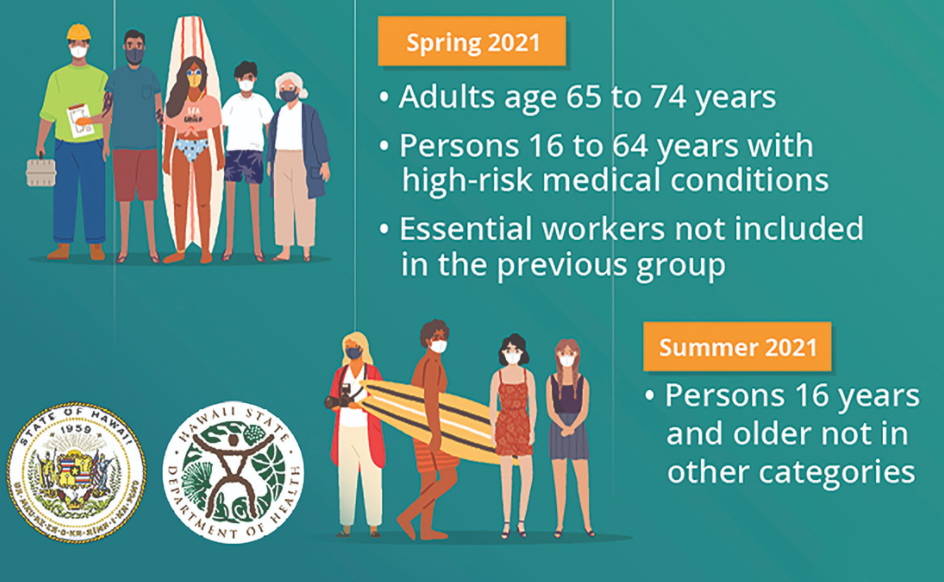
    There are two major phases in the vaccination plan. The first phase is now underway to protect the three priority groups:

    WINTER: Phase 1A includes healthcare personnel and long-term care facility residents, which is estimated to be 6 percent of Hawai‘i’s total population are eligible to register for vaccination.

    WINTER: Phase 1B initially included frontline essential workers and adults 75 and older, which is about 20 percent of Hawai‘i’s population. In early March, the DOH announced that those who are 70 or older could register for COVID-19 vaccine  appointments starting on March 8.

    SPRING: Beginning on March 15, phase 1C began, which includes adults aged 65 to 74 years, persons 16 to 64 years old with high-risk medical conditions and essential workers not included in the other categories. Phase 1C will covers 47 percent of the state’s population.

    SUMMER: Phase 2 will cover the rest of the population, which includes all persons 16 years and older who are not in the other categories.

    It is estimated that 73 percent of Hawai‘i’s population will receive the vaccination if all those in Phase 1 receive the vaccine. Phase 2 will cover the remaining 27 percent of the state’s population.

    How Will I Know When It’s My Turn?

    You may hear from your healthcare provider, your employer, announcements from state and local leaders, or the media. Subscribe to daily updates at health.hawaii.gov/updates. Review the pre-vaccination checklist and register for your vaccination at http://bit.ly/C19VaccReg.


    COVID-19 STATE OF HAWAI‘I PORTAL
    808-586-8332 | 833-711-0645
    www.hawaiicovid19.com/vaccine
    Kaua‘i County: http://bit.ly/KauaiC19VaccFacts
    O‘ahu: http://bit.ly/OahuC19VaccFacts
    Maui County: http://bit.ly/MauiC19VaccFacts
    Hawai‘i County: http://bit.ly/BigIsleC19VaccFacts
    Note that the HDOH may provide continuing updates.

    The Hawai‘i Department of Health (HDOH) is moving forward with its implementation of the state’s COVID-19 vaccination plan. Points of dispensing (PODs) are open across the state for the initial phases of the COVID-19 vaccine distribution. As Hawai‘i continues to receive more vaccine, dosages are being distributed to vaccination PODs throughout the islands as quickly…

  • Engage With Kūpuna During COVID-19

    Kūpuna who are staying at home or limiting interaction with loved ones may start to experience loneliness. Integrating a variety of activities while caring for kūpuna — both personally and professionally — can provide enjoyment for everyone.

    Get virtually connected.
    Teaching kūpuna how to use FaceTime, Zoom or Google Meet to connect with relatives, friends and their community will help them to socialize without leaving the safety of home. Some community centers offer online classes, enabling kūpuna to participate in virtual hula or ‘ukulele lessons.
    Try a cooking project or a DIY craft.
    Plan a project with kūpuna. For instance, my grandmother loves barbecued short ribs. I grocery shop, then we prepare the dish together. Engaging kūpuna in activities gives them needed structure and something to look forward to doing.
    Go through family photos.
    Help digitize or organize photo albums and spend time discussing the captured memories. It’s a great cognitive exercise and can bring joy to your kupuna’s day.

    Although there is no playbook for caring for kūpuna during a pandemic, it is essential that we support their social and emotional needs.

    During these challenging times, they need us more than ever.


    HOME CARE BY ALTRES MEDICAL
    808-591-4930 | homecare@altres.com
    www.altreshomecare.com

    Kūpuna who are staying at home or limiting interaction with loved ones may start to experience loneliness. Integrating a variety of activities while caring for kūpuna — both personally and professionally — can provide enjoyment for everyone.

  • Mental Health During COVID-19

    As a mental health professional for 45 years, I am increasingly concerned about the welfare of our most vulnerable populations since the onset of the COVID-19 pandemic. Since it began in February, approximately 54 percent of older adults surveyed reported increased loneliness, and associated depression and anxiety. Prolonged periods of isolation correlate with a loss of independence, contributing to an increase in mental and physical health issues.

    In Hawai’i, mental health is the most common cause of disability. Prior to the pandemic, 3.2 percent of Hawai‘i’s adult population lived with serious mental health conditions, such as major depression, generalized anxiety, bipolar disorder or schizophrenia, according to government statistics.

    The Substance Abuse and Mental Health Services Administration reports that 68.2 percent of Hawai’i adults living with mental illness do not receive
    any type of treatment. And untreated mental health issues such as depression have been linked to premature death from those stress-related conditions — even suicide. Prior to the pandemic, statistics from the National Council on Aging state that those 85 years and older have the highest suicide rate of any age group — over four times higher than the nation’s overall rate. Issues related to isolation during the pandemic may have increased that statistic.

    During this time of increased isolation, the absence of a regular routine and a lack of purpose can add to seniors’ frustrations, sometimes leading to depression and associated signs, such as lack of appetite, irritability, mood swings, isolating themselves, crying, increased sleep or restlessness and
    feelings of hopelessness.

    But There is Hope

    It’s more important now — more than ever — to try to help our seniors feel valued and needed.

    It is essential that families and caregivers understand that while there are identifiable factors that promoted a person’s depression, the condition itself is not simply a “condition of aging.” But the stigma of mental health continues to be a roadblock for those who avoid asking for help. Affordability and lack of access to care can present additional obstacles for many who could benefit from mental health support.

    It is also important to remember that depression is treatable in over 90 percent of those affected. Improving a person’s mental health condition will enhance their overall quality of life and well-being. Balanced mental health allows healthy family involvement and interpersonal relationships, and the ability to contribute to family, community or society — even during a pandemic — following safe, social distancing guidelines.

    Mental disorders are best diagnosed and managed by professionals such as psychiatrists, psychologists, mental health professionals and social workers. If you have a loved one who is exhibiting signs of diminishing mental health, seek out professional help. Specialized support groups for caregivers and seniors alike can also be helpful.


    MENTAL HEALTH RESOURCES
    If you have private health insurance, contact your primary care physician for a mental health support referral. (Most insurance coverages require a medical doctor referral.)

    Mental Health America of Hawai‘i:
    808-521-1846 | www.mentalhealthhawaii.org
    National Alliance on Mental Health, Hawai‘i:
    808-591-1297 | www.namihawaii.org
    Crisis Line of Hawaii / Hawai’i Cares: (24/7 helpline)
    808-832-3100 (O‘ahu) or toll-free at 1-800-753-6879
    National Suicide Prevention Lifeline: (24/7 helpline)
    800-273-8255 | www.suicidepreventionlifeline.org
    Alzheimer’s Association — Hawai‘i: (24/7 helpline)
    800-272-3900 | www.alz.org/hawaii
    Aloha United Way: (free 24/7 helpline for referral and information on health and human services)
    Dial 2-1-1 | www.auw.org/211-information-referral-service
    State of Hawai‘i Dept. of Health–Adult Mental Health Div.:
    808-586-4686 | bit.ly/HawaiiGovAdultMentalHealth

    As a mental health professional for 45 years, I am increasingly concerned about the welfare of our most vulnerable populations since the onset of the COVID-19 pandemic. Since it began in February, approximately 54 percent of older adults surveyed reported increased loneliness, and associated depression and anxiety.

  • Program Provides Free Delivery to Kūpuna

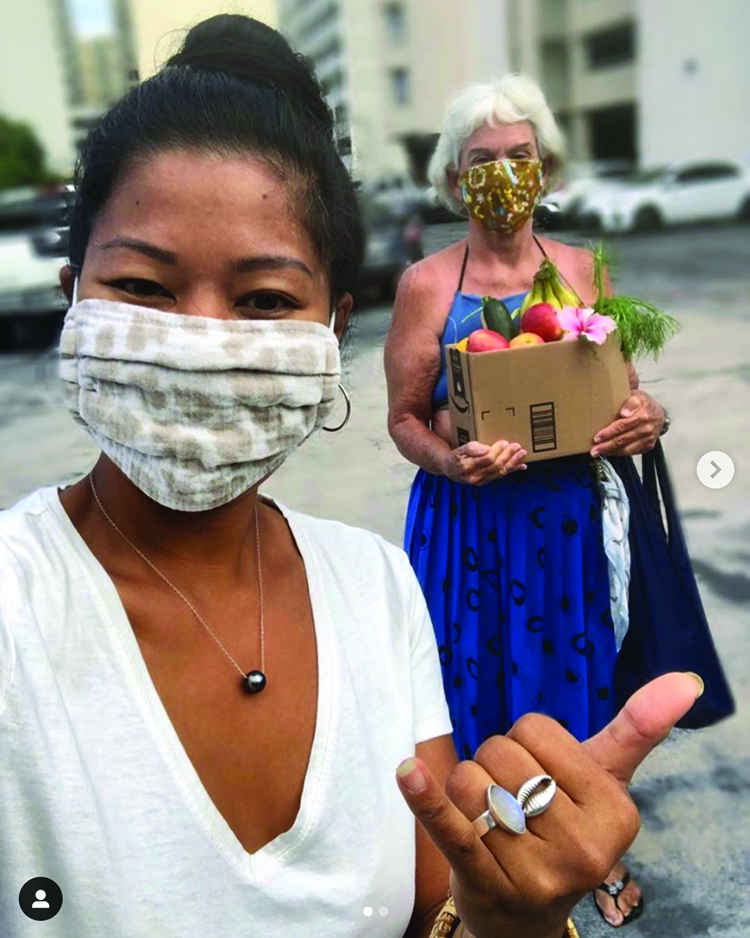
    Not all elderly in Hawai‘i have ‘ohana nearby to look out for them during the deadliest global pandemic  of the century. In response to COVID-19, Gabe Amey established Our Kūpuna in March to connect Hawai‘i’s seniors with community members who volunteer to provide free food, supply and medication pickup and deliver services on O‘ahu, Maui, Hawaii Island, Kaua‘i and Moloka‘i.

    How It Works: The sponsor checks in with the kūpuna once a week via phone and asks if they need any food, supplies or medication (no narcotics). The sponsor will then shop and deliver the items to the kūpuna The sponsor will provide a receipt to the kūpuna for the items purchased, and the kūpuna will reimburse the sponsor for the cost of the items via cash or check (no credit cards allowed).

    Screening Volunteers: The Our Kūpuna team screens volunteers to ensure they or any household member have had no COVID-19 symptoms within the last 30 days and have not traveled outside of Hawai‘i in the last 14 days. Anyone convicted of any crime will not be allowed to serve as a volunteer. Our Kūpuna also requires that applicants send a picture of their driver’s license and proof of auto insurance.

    Screening Kūpuna: Our Kūpuna calls kūpuna applicants via phone and verifies date of birth, address, essential items they typically need, any medical conditions volunteer sponsors need to be aware of, and the best time to contact them.

    Safety Procedures: Our Kūpuna takes the health of its clients and volunteer sponsors very seriously. The program strives to have little to no physical interaction between volunteer and kūpuna. Volunteers are required to follow a set of safety procedures recommended by Dr. Rupal Gohil in Kailua. If physical interaction is required, it is highly recommended that both parties maintain at least six feet of separation from each other. Safety procedures include but are not limited to: Pickup and delivery should be done solo. Sponsors are also not allowed to delegate this responsibility to another person. Volunteers must wash their hands or use alcohol-based hand sanitizer (at least 60 percent alcohol)  before and after making a delivery. Face masks and gloves (provided) are required. Volunteers will transfer items to bags and/or boxes outside of the kupuna’s door. A reimbursement plan must be arranged prior to delivery. Kūpuna should call their pharmacy to put their credit card in their system. Kūpuna must disinfect items upon receiving them.

    If you are over 65, go to www.OurKupuna.com to get connected with a sponsor who can help get these items for you.

    Volunteer as a Kūpuna Sponsor

    If you’re interested in helping in your area, visit www.ourkupuna.com/volunteer. Our Kūpuna supports our kūpuna through grants and donations. To donate: www.ourkupuna.com/donate. Donate via check: Hawaii VA Foundation, 111 Hekili Street, #102, Kailua, HI 96734.


    OUR KŪPUNA (501(c) 3 nonprofit under the Hawaii VA Foundation)
    808-400-4506 | aloha@ourkupuna.com
    www.ourkupuna.com

    Not all elderly in Hawai‘i have ‘ohana nearby to look out for them during the deadliest global pandemic  of the century. In response to COVID-19, Gabe Amey established Our Kūpuna in March to connect Hawai‘i’s seniors with community members who volunteer to provide free food, supply and medication pickup and deliver services on O‘ahu, Maui,…

  • Social Isolation in the ‘New Normal’

    Social isolation and loneliness are toxic to everyone’s health, but especially older adults. Given COVID-19 mandates to limit face-to-face contact for the foreseeable future, these feelings are certain to increase, accompanied by threats to health and well-being.

    Uncertainty surrounding the “new normal” may cast doubt on the efficacy of past solutions to isolation. Consider the notion of “third place,” neither home nor workplace, but a congenial public gathering spot, the guiding principle of Starbucks, the coffee giant. The COVID- 19-related constraints of social distancing and limited seating capacity now challenge the very concept of neighborhood coffee shops or hang outs.(1) Changing customer behavior has forced the iconic company to reconfigure its physical spaces and its entire style of product delivery. Four-hundred stores closed in North America alone; carryout and pickup only locations, such as Starbucks Now stores in China, are rapidly proliferating.

    The concept of “third place” has served as a guiding principle for older adult services, such as senior centers and Memory Cafes. Ibasho Cafés, initiated in Japan, represent an empowering type of “third place.” Ibasho’s older participants run the site, choosing activities that reflect their priorities and address community needs, such as community gardening. Engaged as community resources (rather than service recipients) by participating in meaningful roles within the site reduces likelihood of social isolation. Ibasho sites are successful in Asia and may represent a future solution to social isolation for older adults in the Hawaiian Islands.

    Just as major businesses are responding to pandemic-induced changes in customers’ behaviors and choices, older adult services may also need to adapt to the “new normal” of a pandemic-transformed world, supplementing face-to-face interactions with safer virtual online encounters.

    Online communities for older adults have provided peer-based sources of information and support for years.(2) Traditional daycare centers and senior centers will no doubt continue to offer much-needed post-lockdown supports. Online communities, especially Ibasho-type sites that empower older adults to contribute solutions to the issues of the day, may offer a welcome complement to traditional service provision.


    CENTER ON AGING — University of Hawai‘i at Mānoa
    2430 Campus Road, Gartley Hall, 201B, Honolulu, 96822
    808-956-5001 | map3@hawaii.edu
    www.hawaii.edu/aging
    1 Frommer, D. (2020). Rethinking the Starbucks “third place,” https://newconsumer.com/2020/06/starbucksreopening-pickup-third-place/.
    2 Perkinson, MA. (2002). Cyberspace ethnography: Group processes in an online community of  dementia caregivers, www.researchgate.net/publication/258937226_Cyberspace_ethnography_Group_processes_in_an_online_community_of_dementia_caregivers

    Social isolation and loneliness are toxic to everyone’s health, but especially older adults. Given COVID-19 mandates to limit face-to-face contact for the foreseeable future, these feelings are certain to increase, accompanied by threats to health and well-being.

  • What Did We Learn About Alzheimer’s Disease in 2020?

    While in 2020 the world may have felt like it’s been on hold, the threat and devastation of Alzheimer’s disease has not been. Here are four important things we learned about Alzheimer’s disease this year.

    Emphasis on the Connection Between Brain Health and Heart Health

    Over the years, science has shown that a healthy lifestyle may counteract the risk for Alzheimer’s disease. Recent research has  shown strong linkages between brain health and heart health factors such as high blood pressure and diabetes, which can lead to a higher risk of cognitive decline. Maintaining good heart health is one key lifestyle choice recommended by the association, in addition to physical activity, eating healthy and social engagement.

    COVID-19 Health Disparities Exposed

    The pandemic has further exposed the health differences that exist between racial and ethnic groups due to economic and social conditions. Studies showed Black/African Americans are two to three times more likely to develop Alzheimer’s disease and Hispanics are one to two times more likely to develop Alzheimer’s disease than whites. Additionally, multigenerational households, which are more common among some racial and ethnic minorities, may find it harder to protect older family members or to isolate in limited home space. Lack of access to insurance and work conditions of minorities also make them especially vulnerable to COVID-19. Conditions of inequality can isolate people from resources and services to keep their families safe. The association is deeply committed to addressing such inequities. The Alzheimer’s Association’s board of directors, volunteers and staff are committed for the long term to close these gaps.

    Blood Test for Abnormal Brain Protein May Confirm Alzheimer’s Disease Diagnosis

    Great advancements have been made in developing a blood test that could accurately detect Alzheimer’s disease. Studies focused on biological markers that detect abnormal versions of the tau protein in blood or plasma, including a specific form of tau known as p-tau217, which is most specific to Alzheimer’s disease. Blood tests could offer an easier way for families to get a  diagnosis earlier, which could greatly benefit families now and in the future.

    Flu and Pneumonia Vaccination Tied to Lower Risk of Alzheimer’s

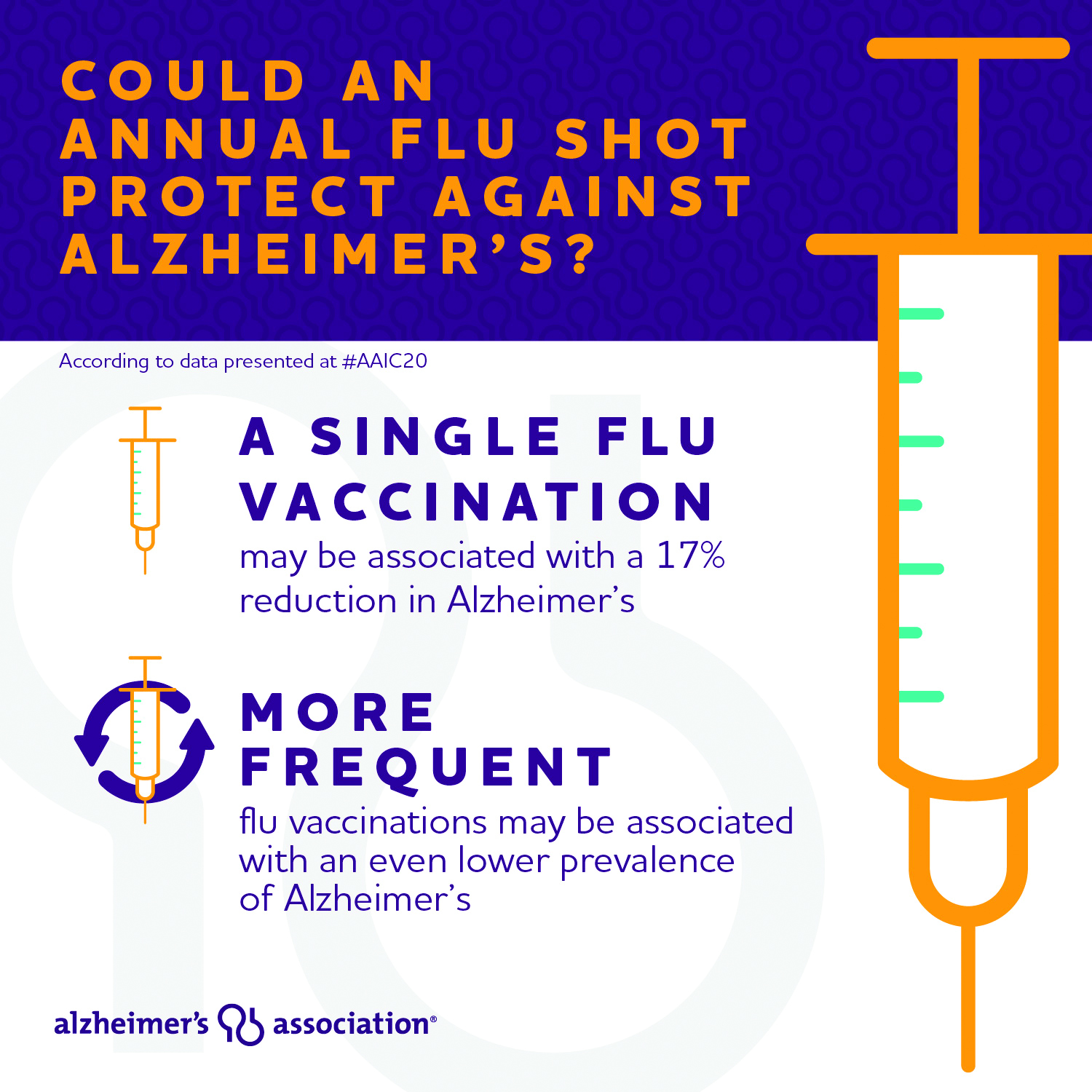
    New research suggests that flu and pneumonia vaccination are associated with a reduced risk of Alzheimer’s. The reports are some of the first large-scale studies investigating the relationship between vaccination and Alzheimer’s risk, highlighting the potential of vaccination as an accessible intervention and supporting further research into the biological mechanisms underlying the observed protective effects of vaccination.

    As we wrap up this unprecedented year, these are just a few milestones reached by the association, in addition to providing uninterrupted and increased services during the crisis by transitioning programs to virtual and telephonic platforms.


    ALZHEIMER’S ASSOCIATION (501(c) 3 nonprofit)
    Online Community: www.alzconnected.org
    Online Education: www.training.alz.org
    Support Groups & Programs: www.alz.org/hawaii
    24/7 HELPLINE: 800-272-3900
    Hawai‘i Office: 808-591-2771

    While in 2020 the world may have felt like it’s been on hold, the threat and devastation of Alzheimer’s disease has not been. Here are four important things we learned about Alzheimer’s disease this year.

  • Hearing Tips During the Pandemic

    This has been a tough year. Our lives have been disrupted at the least and dramatically changed at the worst by COVID-19. The effects are far-reaching and life-changing for us all — especially for our kūpuna.

    For those with hearing problems, it’s even more difficult to understand conversation when the speaker is wearing a mask. Voices become muffled and visual speech clues are hidden. Social distancing requires a separation of at least six feet, which makes it harder to communicate. The following are some tips for the kūpuna with hearing loss and their family and friends.

    Tips for kūpuna with hearing loss:

    • Let the speaker know you have problems hearing.
    • Ask the speaker to talk slower and louder so you are more likely to understand him or her.

    Tips for family and friends:

    • Make sure you have the person’s attention before you begin to speak.
    • Never speak from another room or over a long distance.
    • Ask a simple question to determine if you are being heard and understood. “Tūtū, can you understand me now?”
    • Do not start speaking and then turn away. Always face the person you are talking to.


    OHANA HEARING CARE
    1296 S. Beretania St., Ste. 102, Honolulu, HI 96814
    808-593-2137 | www.ohanahearingcare.com
    www.honoluluprosecutor.org/contact-us/

    This has been a tough year. Our lives have been disrupted at the least and dramatically changed at the worst by COVID-19. The effects are far-reaching and life-changing for us all — especially for our kūpuna. For those with hearing problems, it’s even more difficult to understand conversation when the speaker is wearing a mask.