

“Something bad will happen if I am not there.” It’s the familiar fear of caregivers everywhere. Caregivers often live under the constant pressure that their presence alone keeps disaster from striking. This deeply human belief can trap us in emotional chains and lead to exhaustion.
Many caregivers feel indispensable. “No one else helps. I’m the only one who really cares.” That conviction brings both pride and pain. It can create burnout and isolation. While some caregivers may be more attentive than others, awareness is not the same as control.
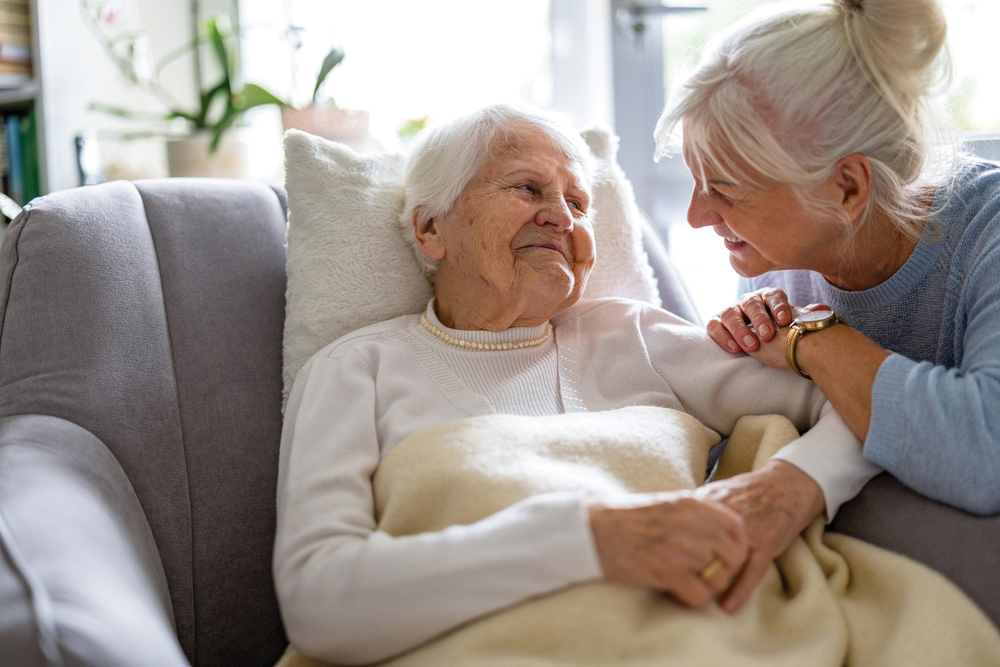
Professionals—nurses, aides and physicians—are taught an essential truth: Even with the best care, decline still happens. Family caregivers must learn the same lesson. Old age is fatal. Our role is not to save lives, but to make lives as safe, comfortable and anxiety-free as possible.
Accepting this truth eases guilt. The work, the stress and even the emotional strain remains, but perspective allows us to let go of the belief that everything depends on us.
Understanding ‘Guilt’
Real guilt results from knowingly doing harm. Most caregivers don’t do that. What we often feel is anxiety, sadness or regret , not guilt. Worrying about what happens when we take a break makes us human, not guilty. Unless you wear a cape, you cannot prevent every fall, illness or misstep.
Of course, there are times when guilt is appropriate—if we lose control, ignore a need or fail to act. But even then, guilt should lead to change: Seek help; share the load; adjust your caregiving plan. For most, guilt is misplaced and undeserved.
The Power of Respite
The cure for caregiver fatigue and misplaced guilt is respite—planned time away from caregiving. National caregiving organizations recognize it as essential to caregiver health. While paid respite care can be expensive, options exist, including professional in-home aides, short-term nursing home stays, trained volunteers, or trusted friends and family.
Tech tools such as lotsahelpinghands.com can help coordinate schedules and share responsibilities among your caregiving “team.” Even small breaks restore balance and perspective.
You cannot pour from an empty cup. Think of the man holding a bucket of water but dying of thirst because he’s afraid to set it down and take a drink. Don’t let misplaced guilt stop you from caring for yourself. Taking care of yourself is part of caring for your loved one.
Recognize what you can control, prepare for what you cannot and give yourself permission to rest. When you care for yourself, you return stronger, more patient and better able to continue giving care—with hope and without guilt.
THE CAREGIVER FOUNDATION (nonprofit)
926 3rd St., Pearl City, HI 96782
808-625-3782 | info@thecaregiverfoundation.org
thecaregiverfoundation.org

Leave a Reply